Latest blog post articles
Upcoming
Types of Skiing Explained: Alpine, Nordic, Touring & SkateExplore our trips
Hiking with Expert Guides
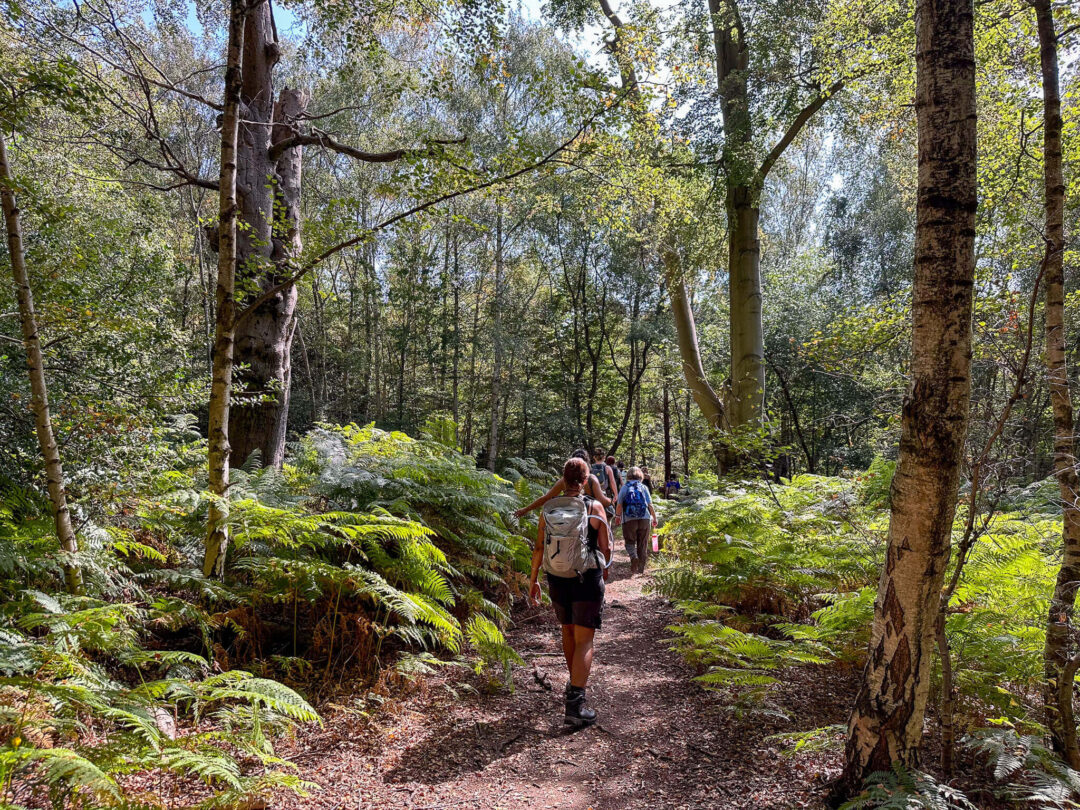
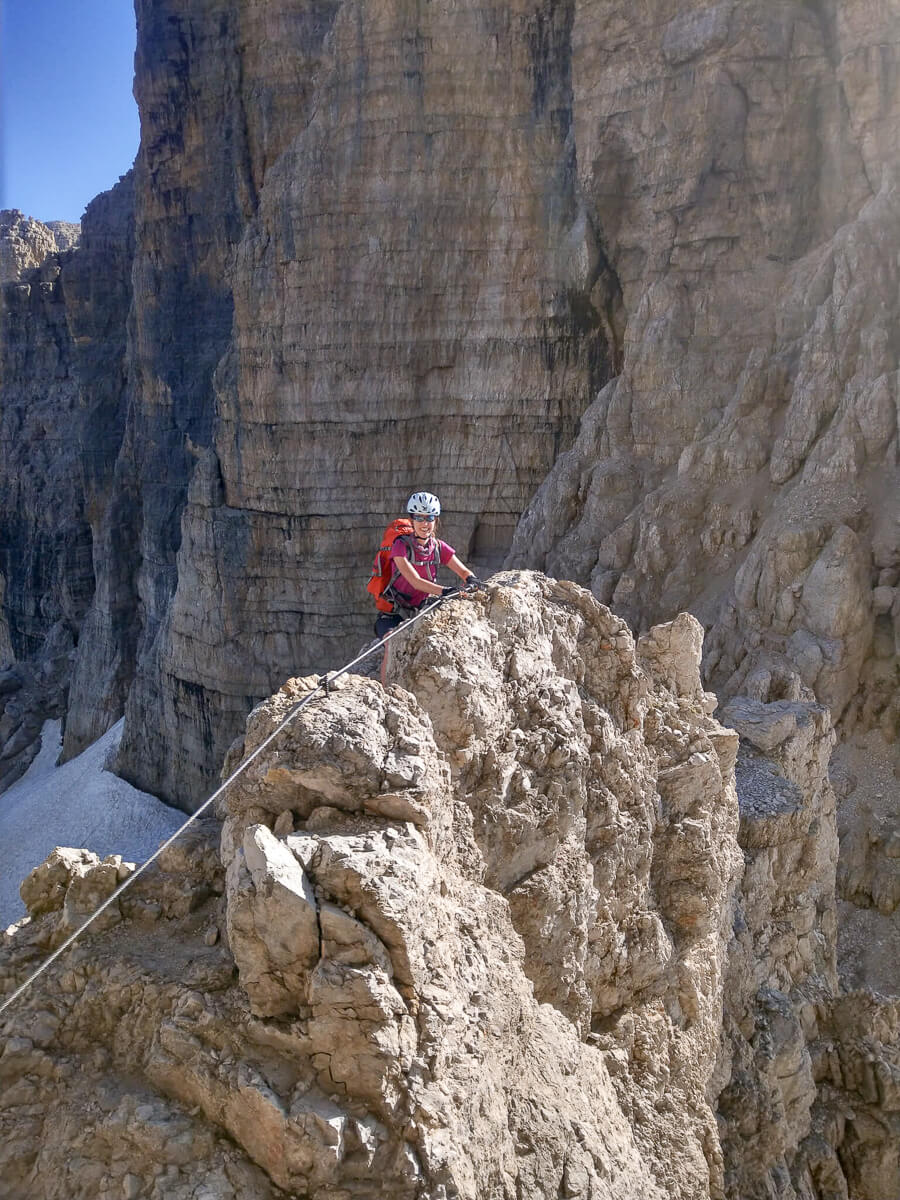
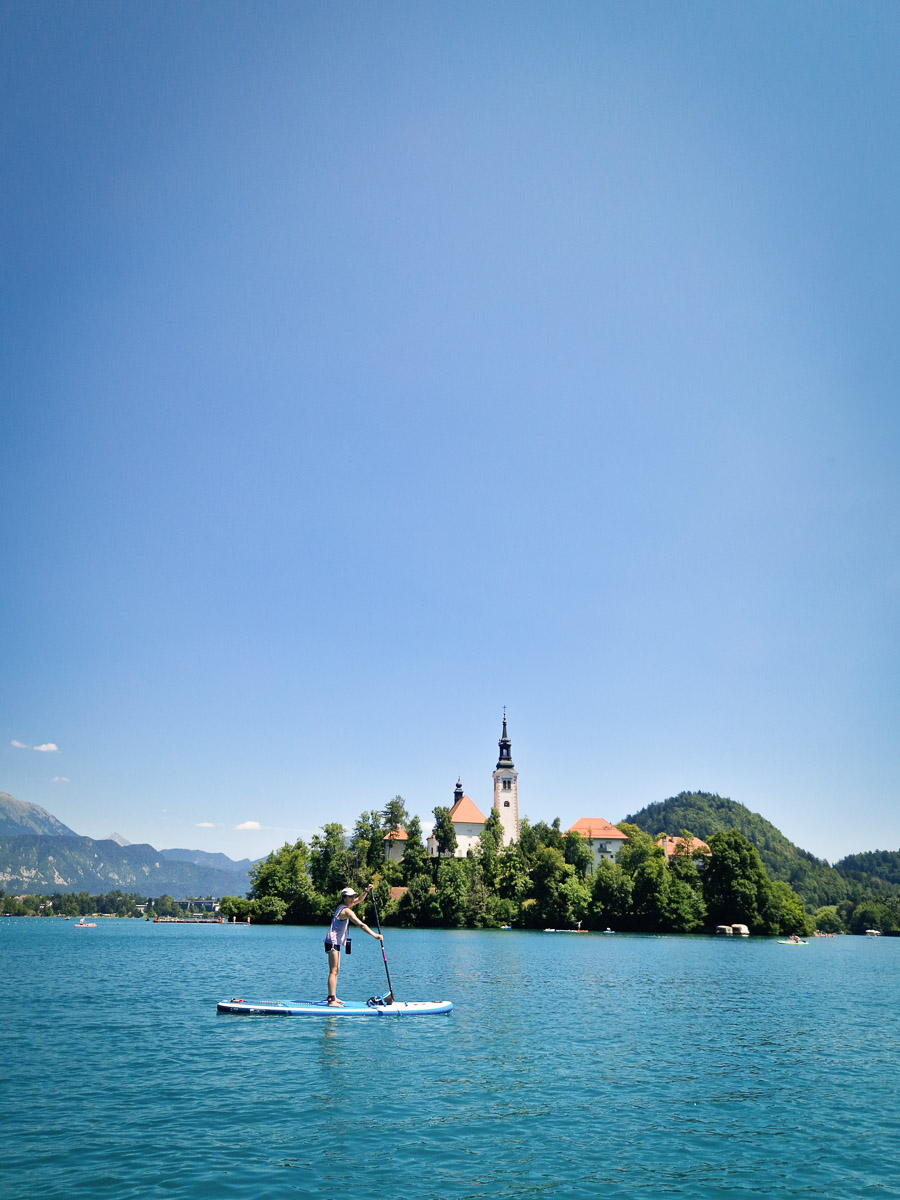
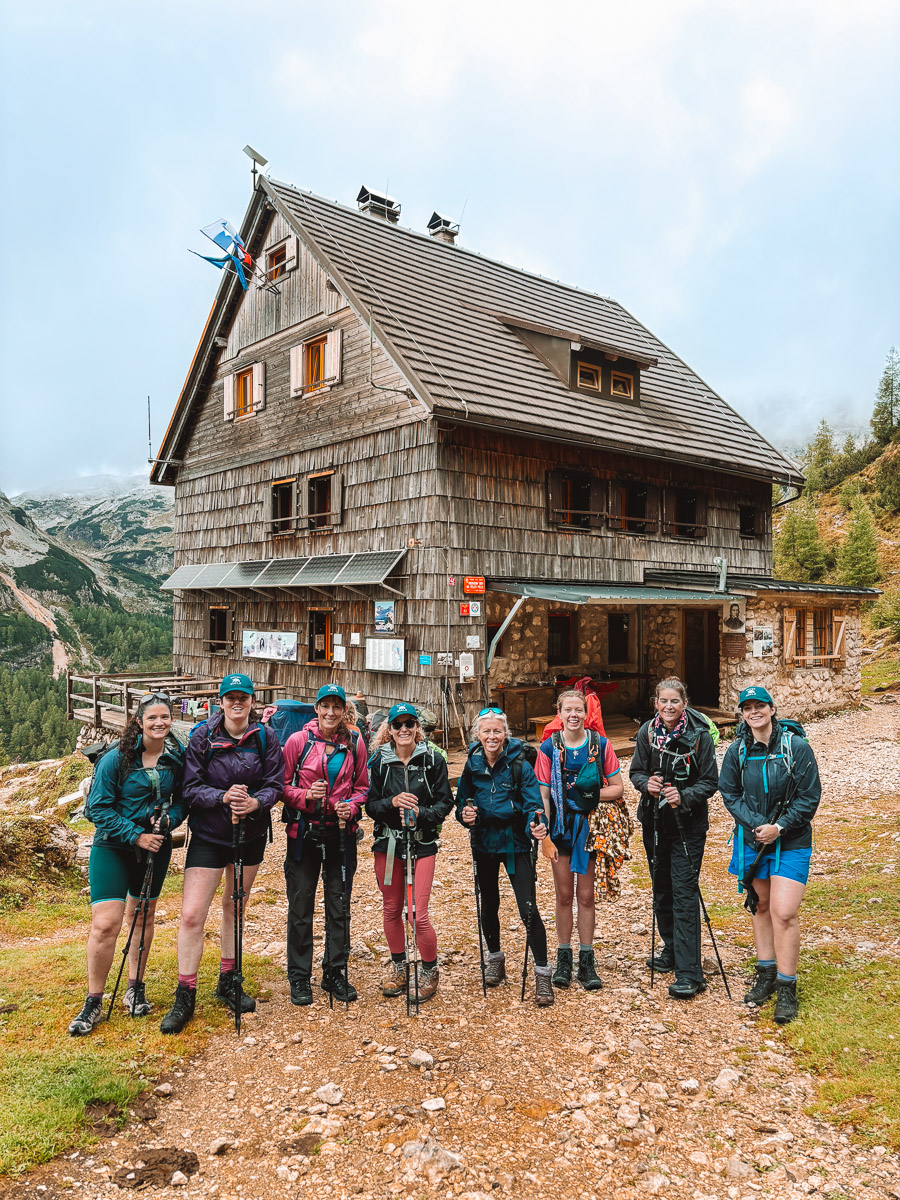
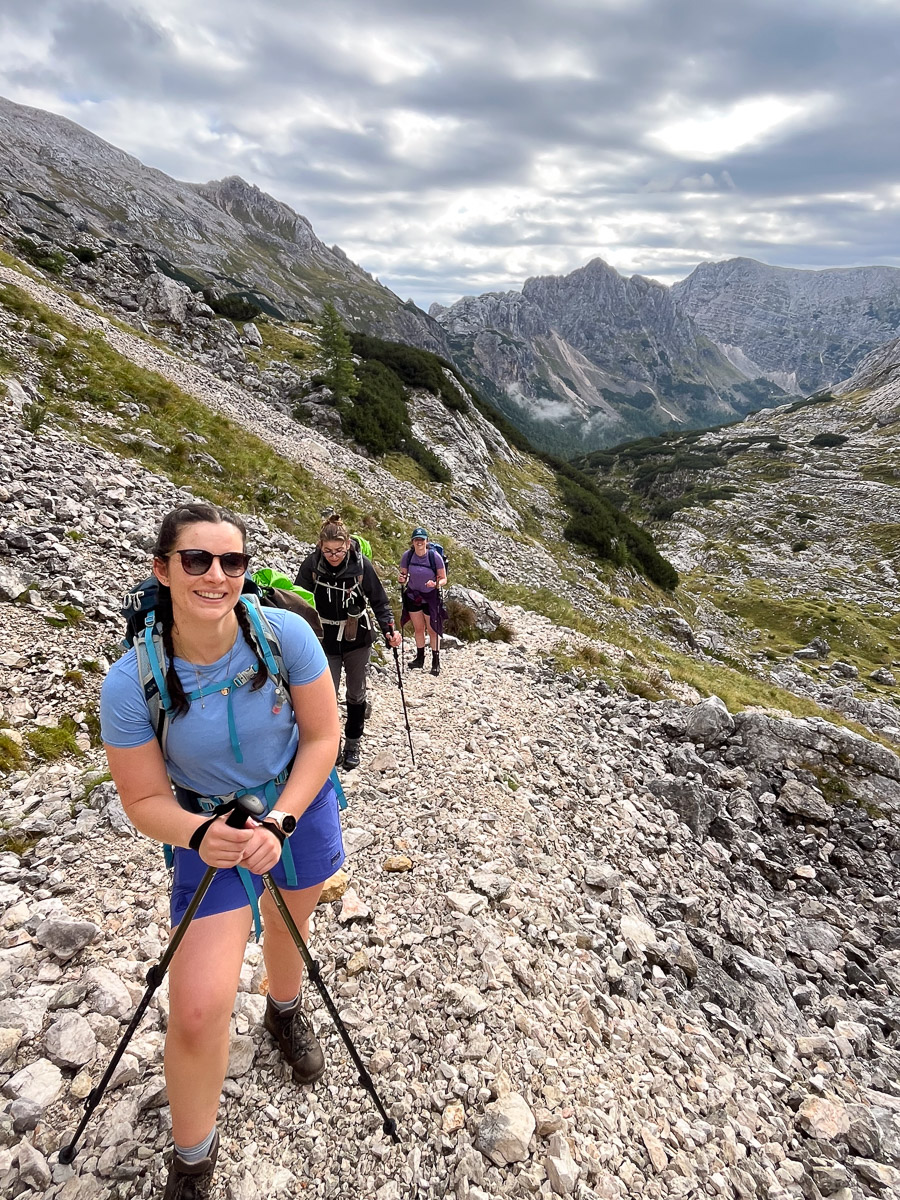
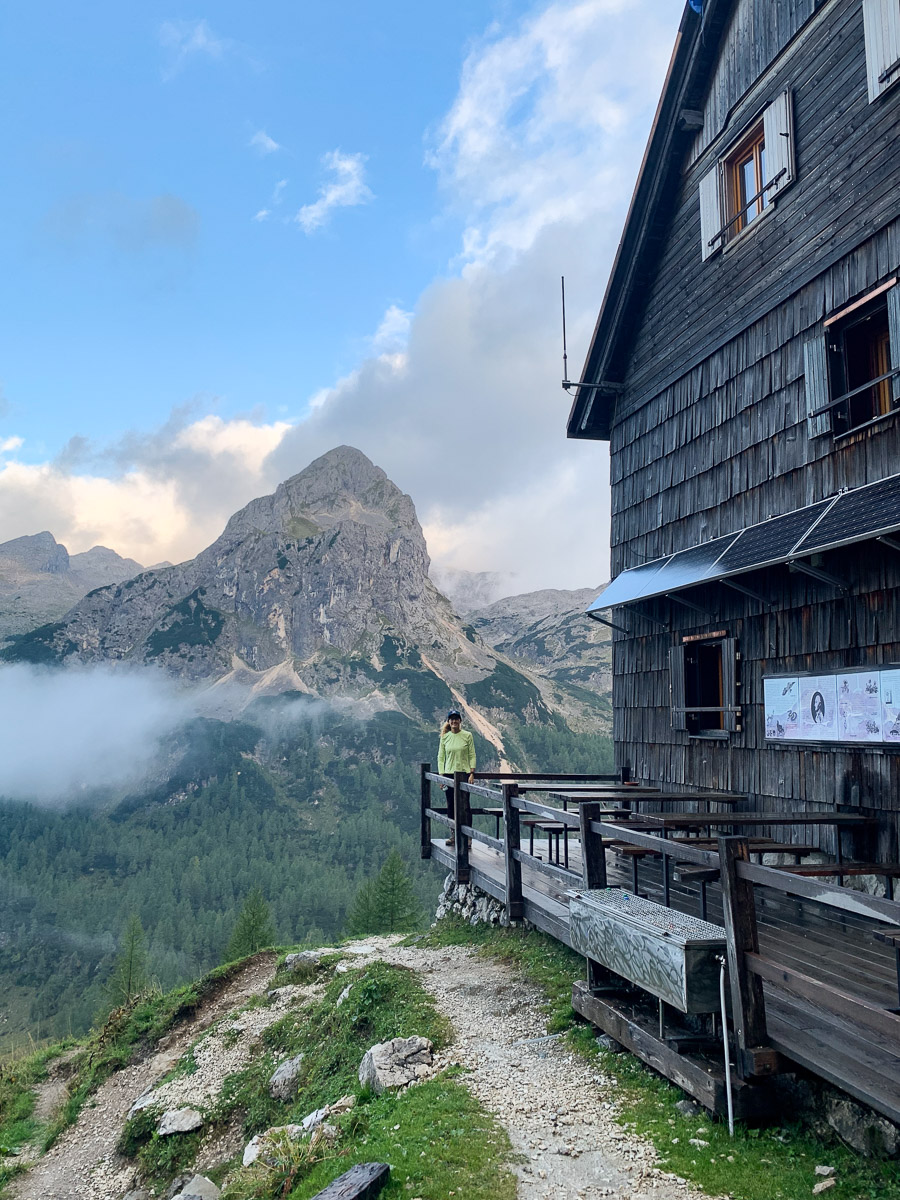
From Slovenia’s highest peaks to dramatic canyon rim trails on the Spanish Pyrenees, every hike comes with a view — it’s a Gutsy Girls guarantee. Our expert guides will take you trekking through mountains and scrambling up rocks, teach you navigation skills and how to read a map.
Guided Walking Holidays
Guided walking holidays
There’s a hike to suit all hikers — from hut-to-hut trips, hiking holidays with a hotel base and itineraries with a couple of hikes thrown in between other activities. All we say is that you bring a good level of fitness, a positive mindset and some comfy hiking boots (no one wants blisters, do they)?!
Join a multi-activity trip for a taster of hiking, with views that span rocky coasts and dramatic mountains. For the more experienced, challenge yourself with a hut-to-hut trip. We’ll trek with a full pack, sleep in remote locations, and discover what it feels like to really earn your bed each night.
Our top locations
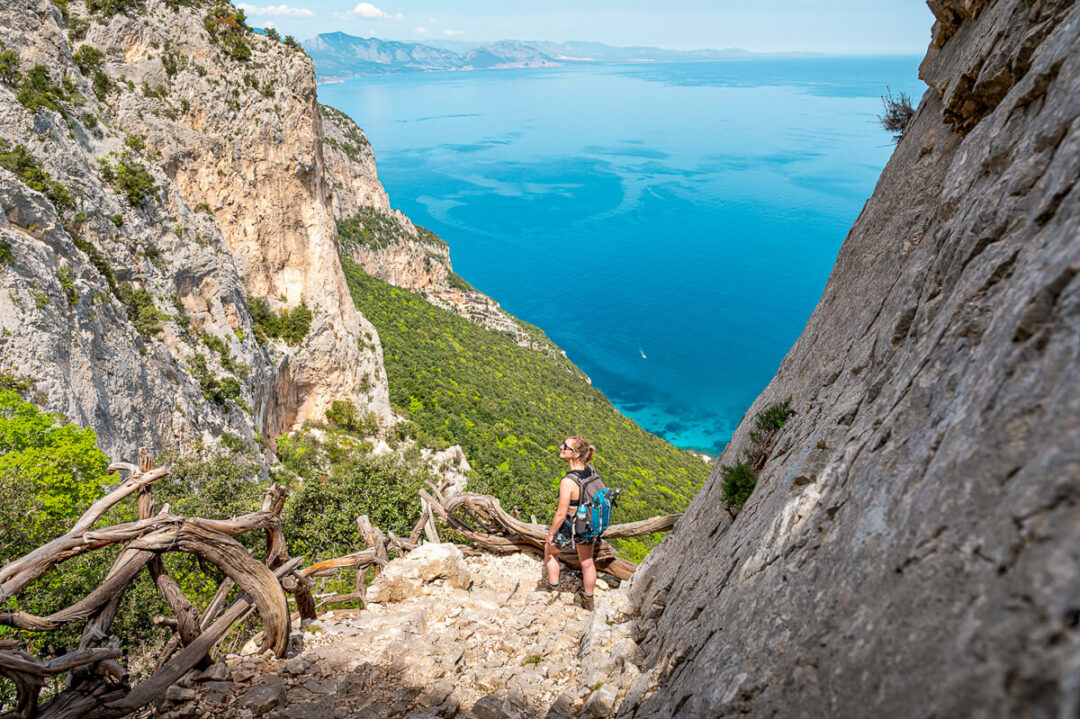
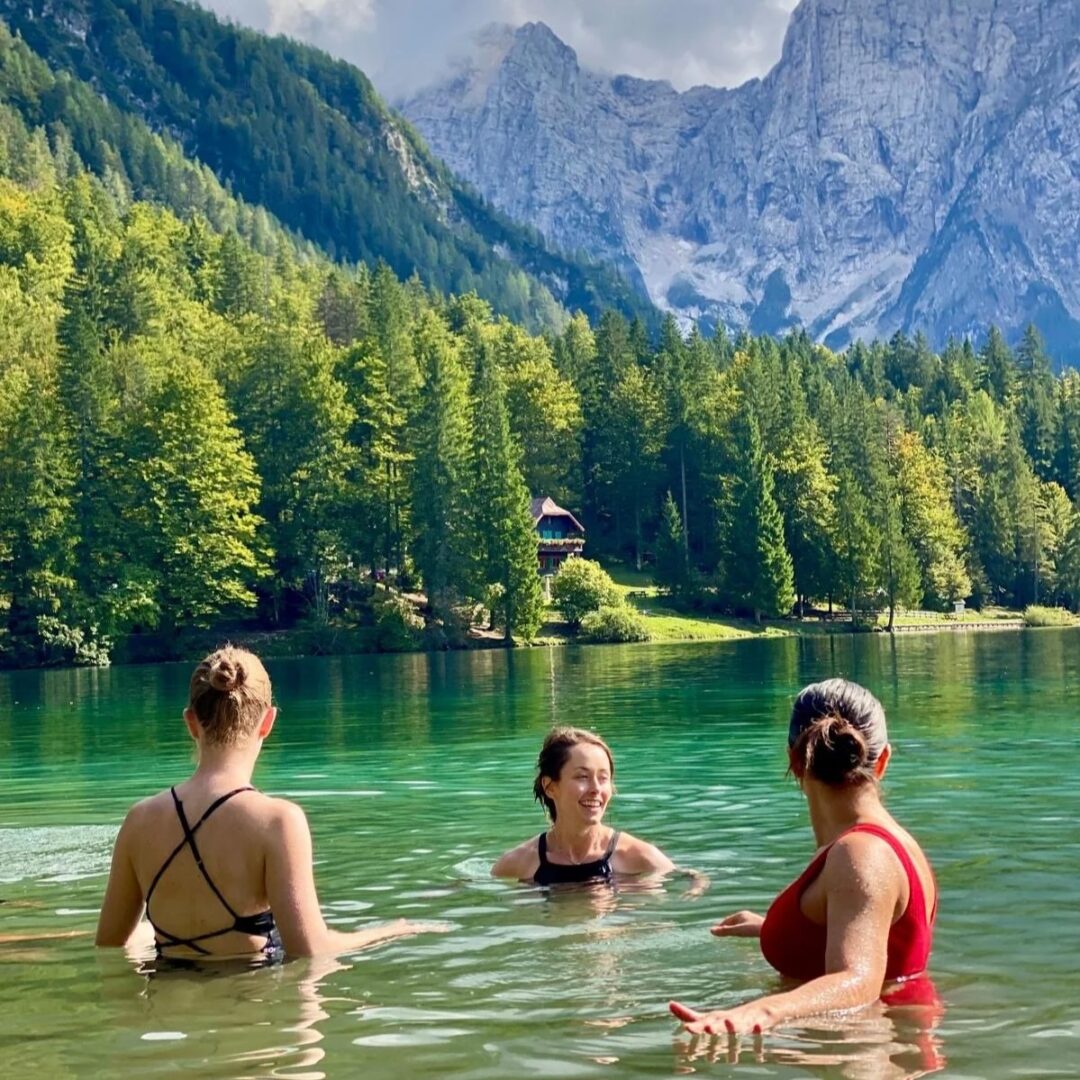
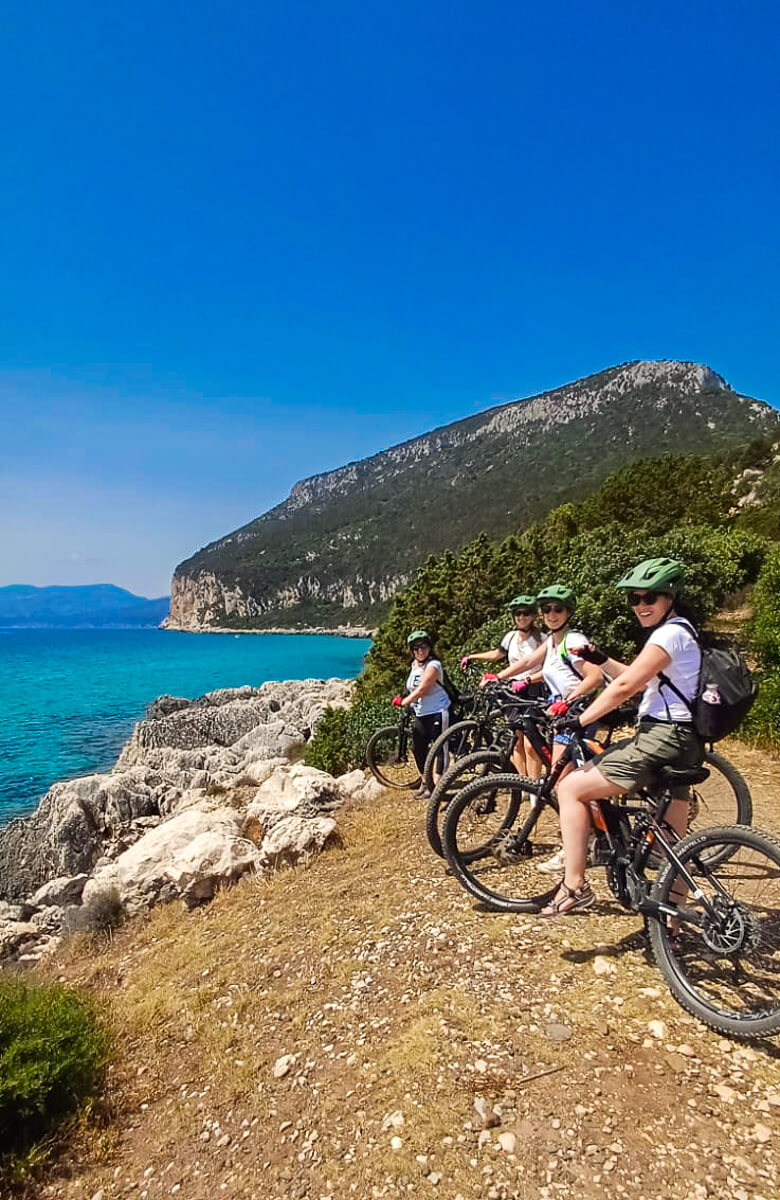
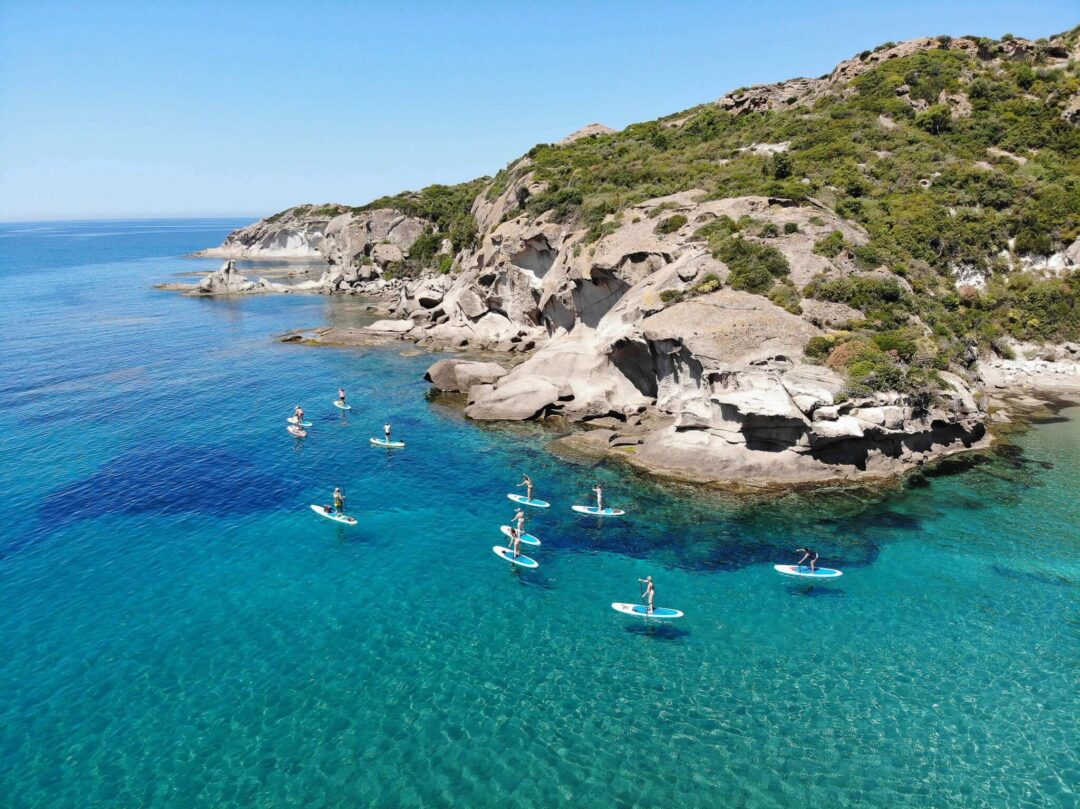
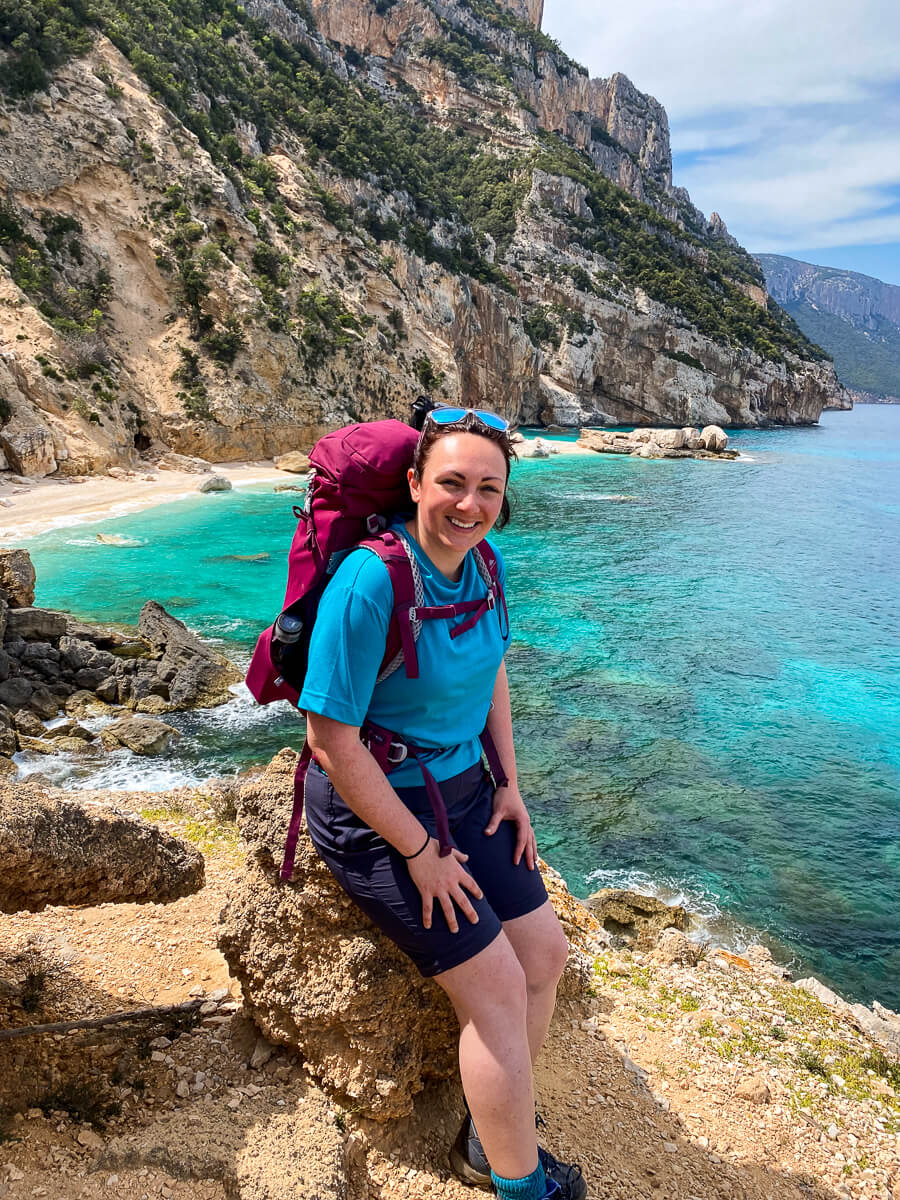
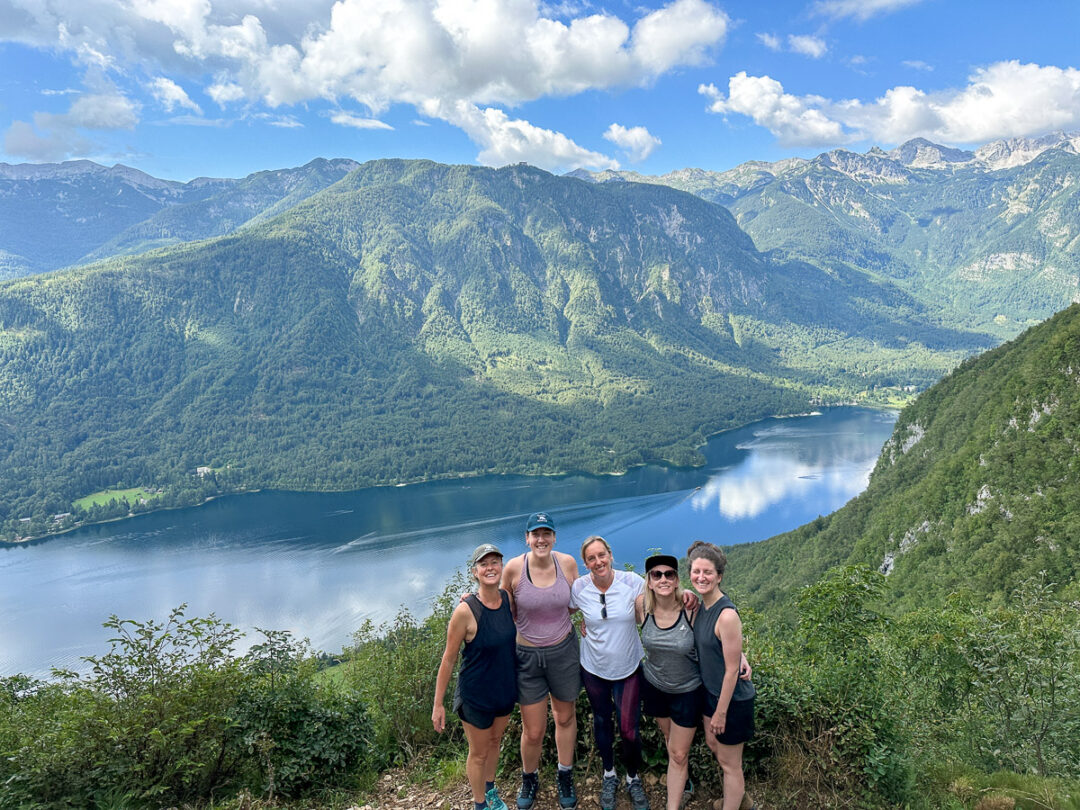
With dramatic scenery, steep elevation and rocky terrain, it’s a challenge, but that’s what makes the views and secret swimming spots well worth it!
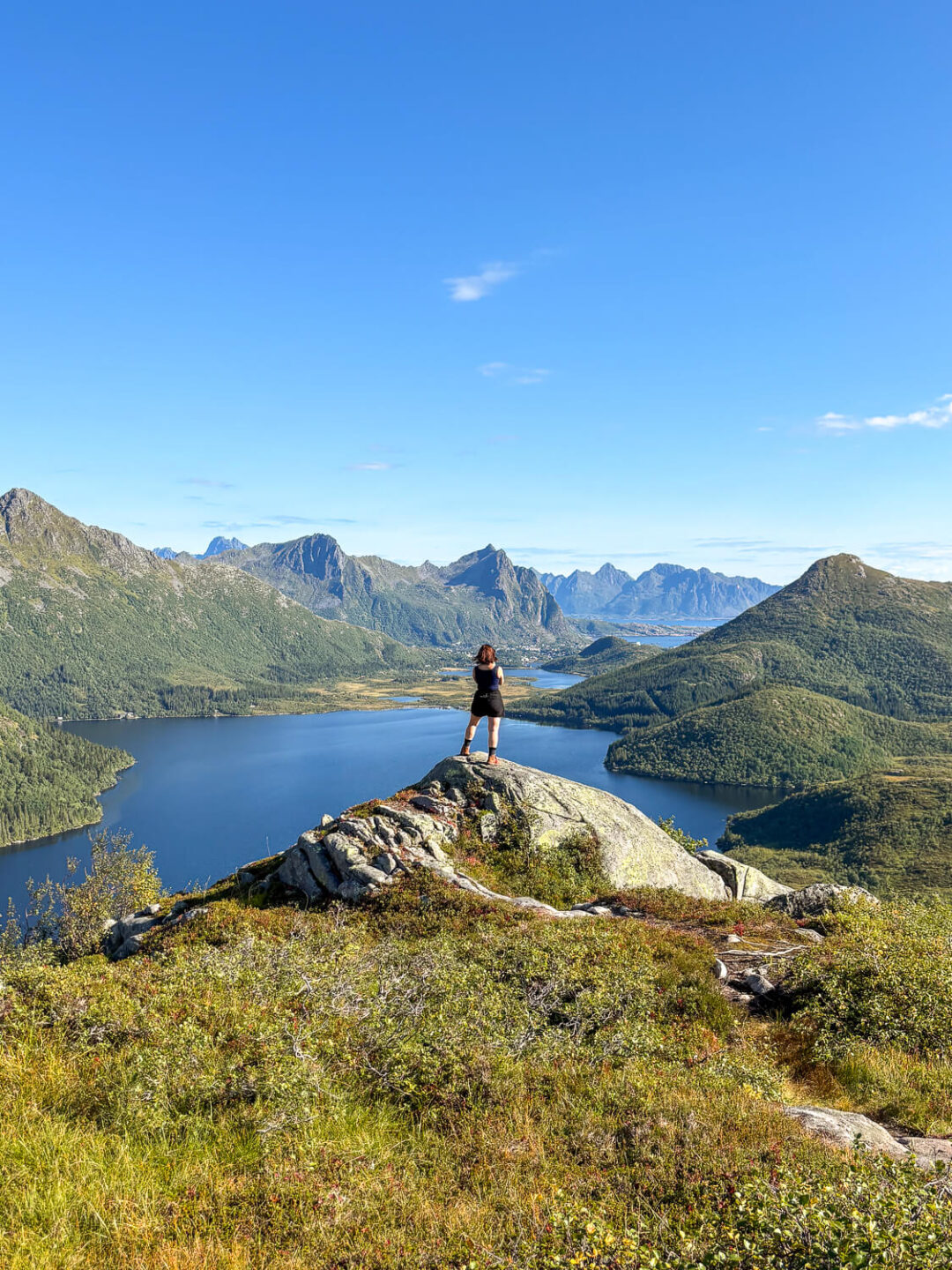
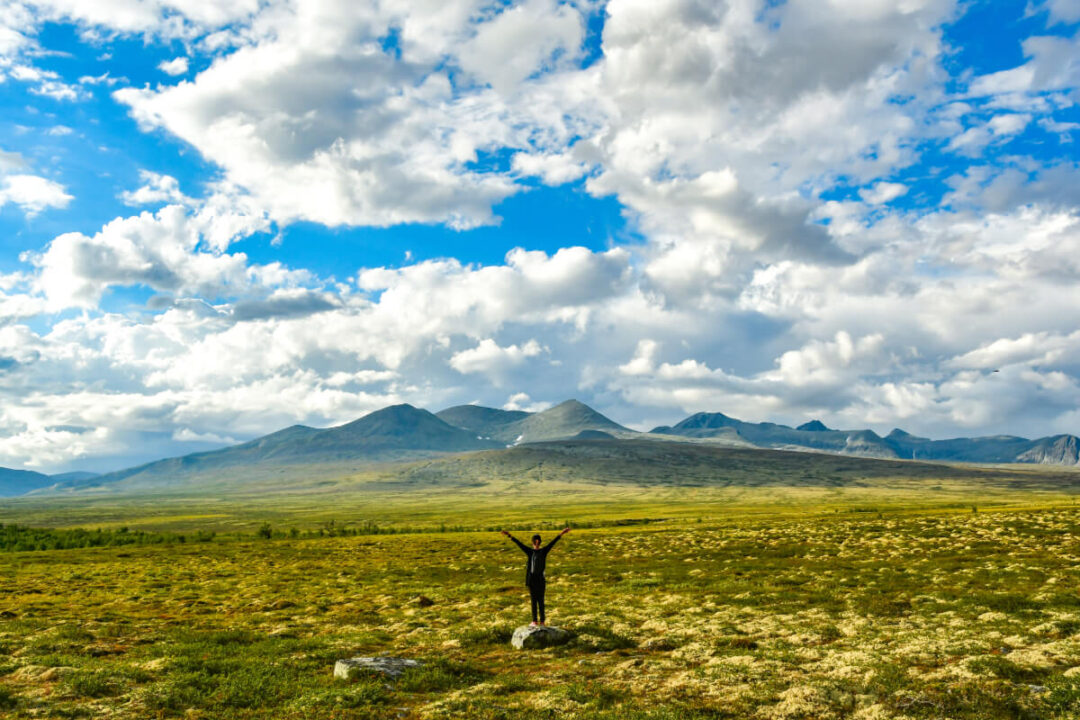
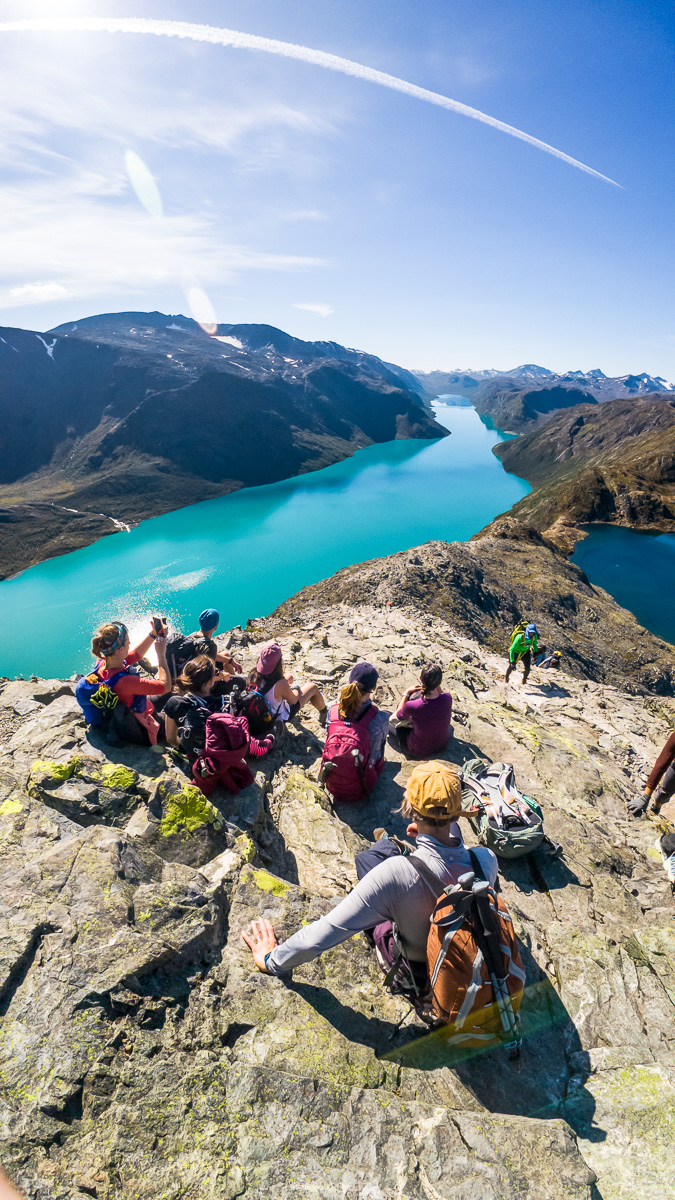
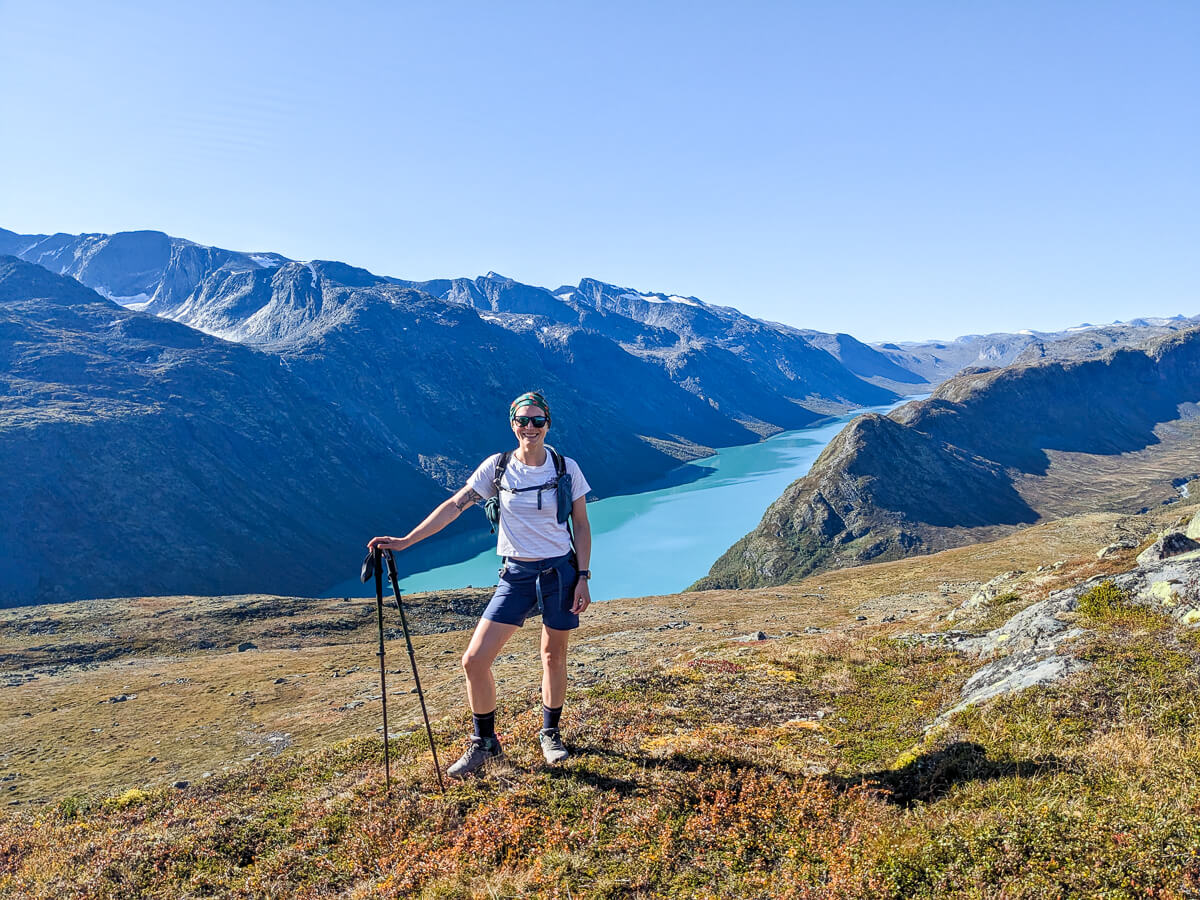
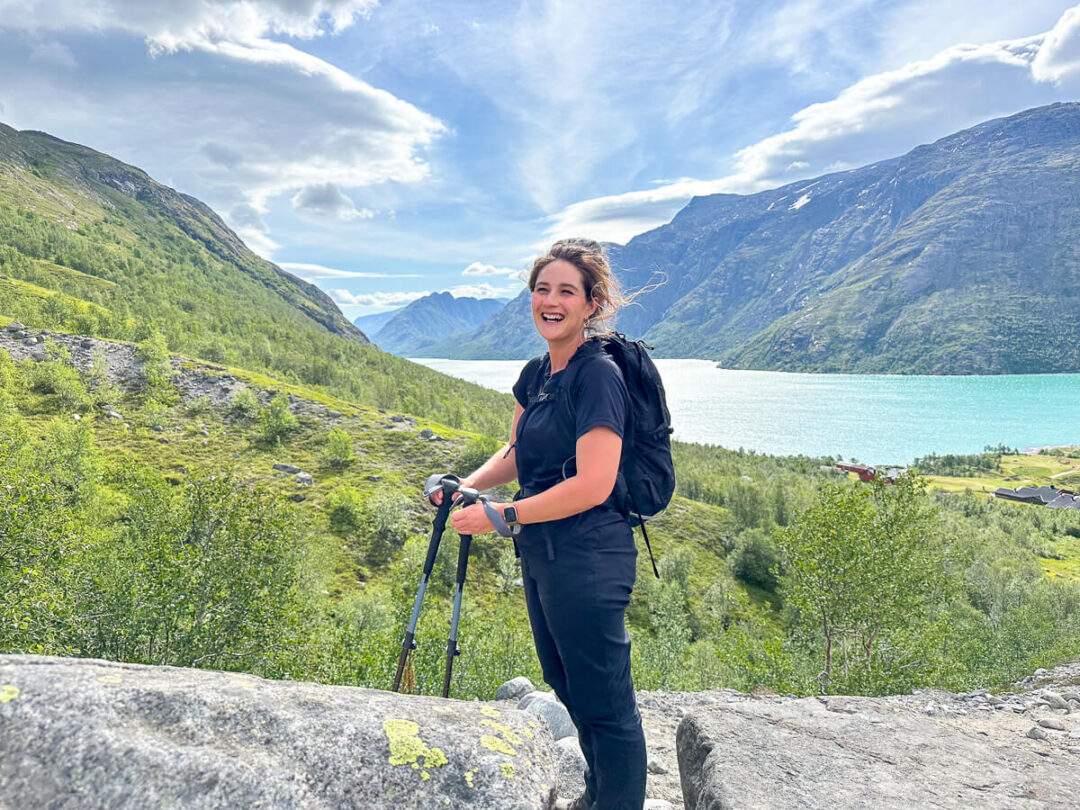
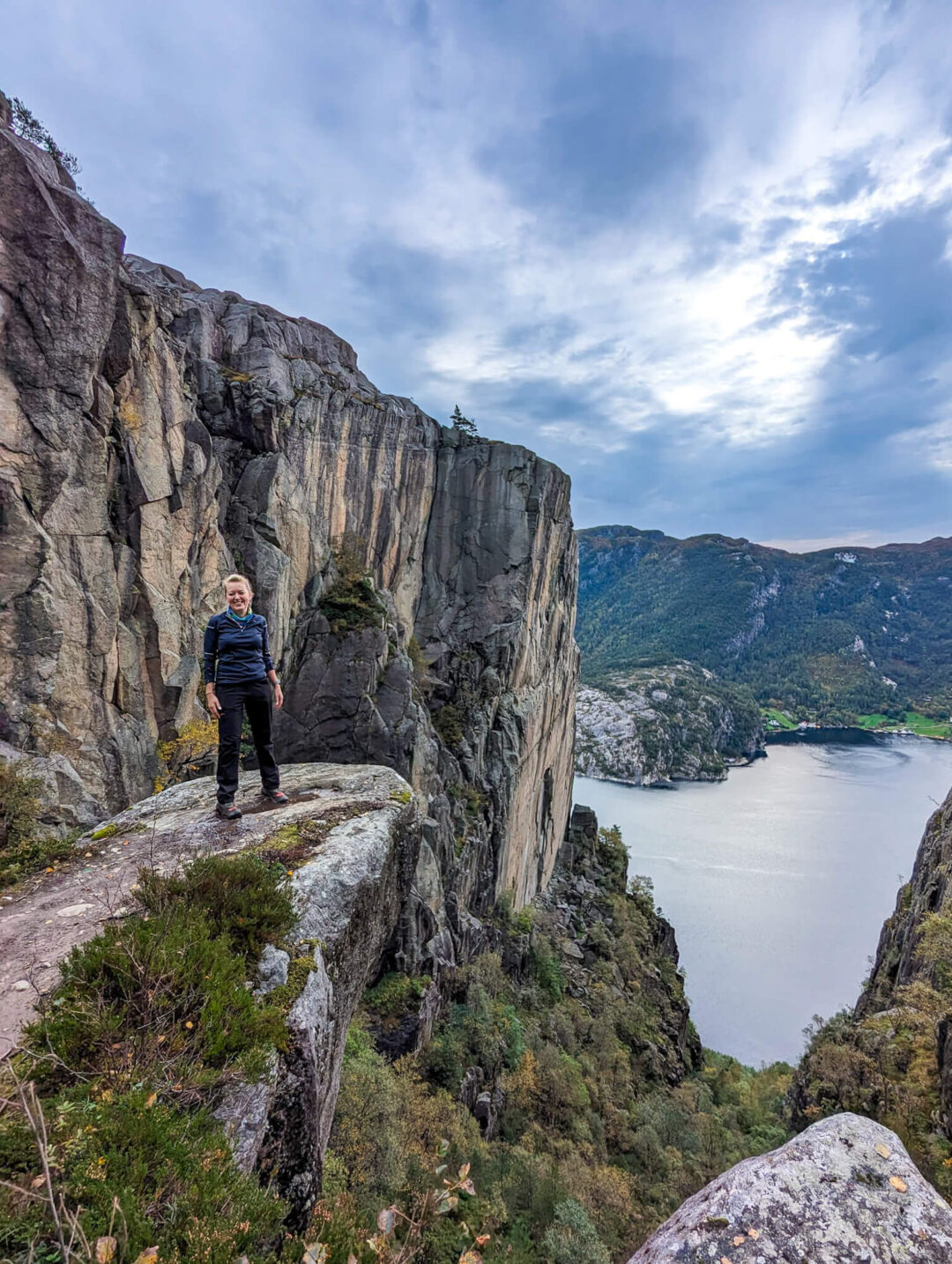
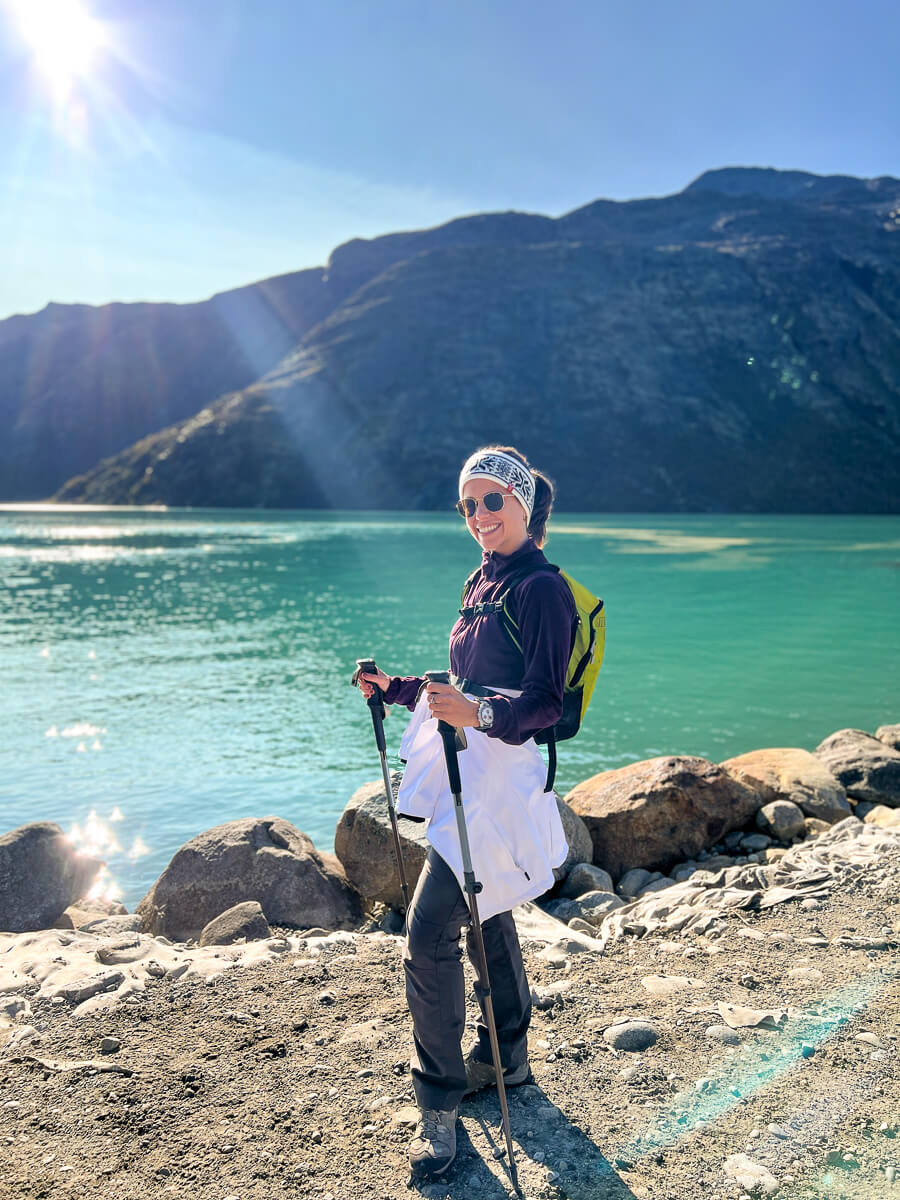
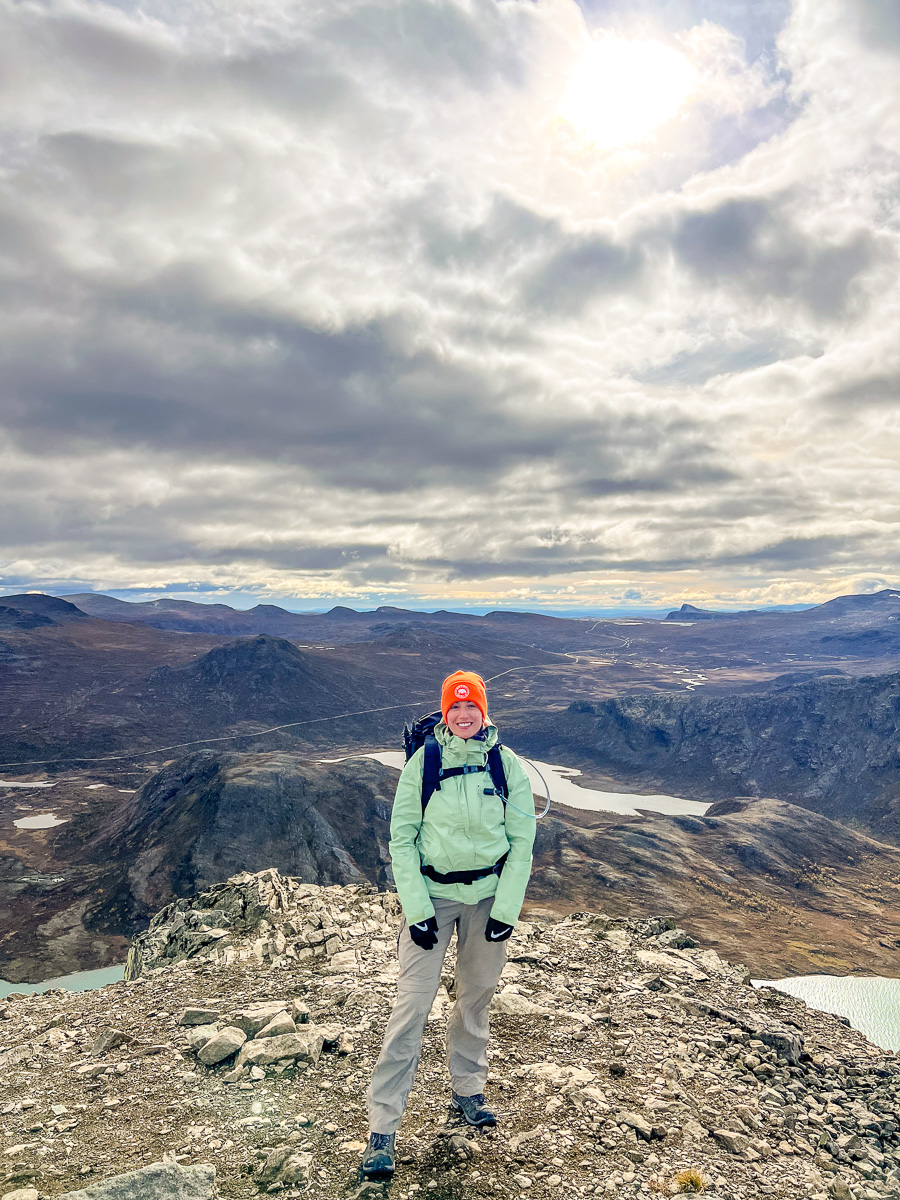
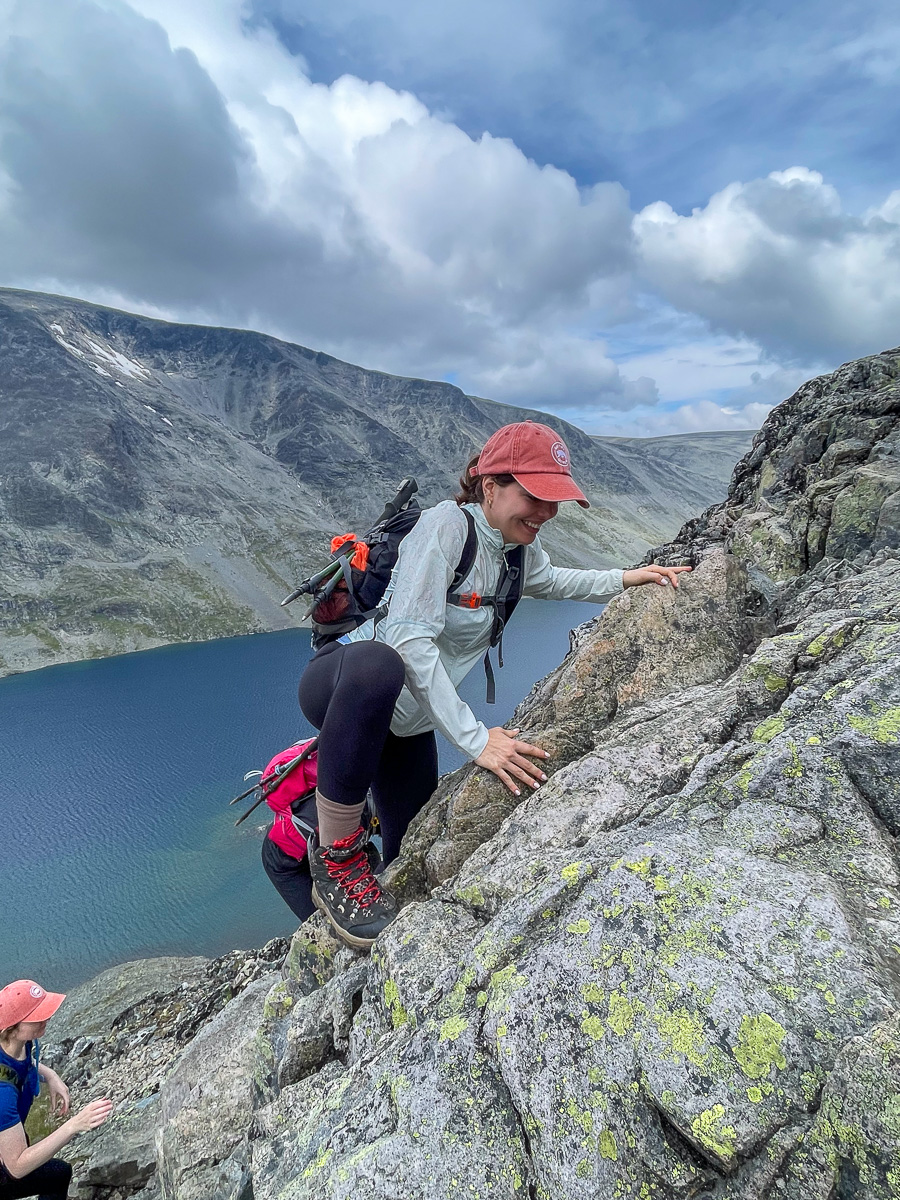
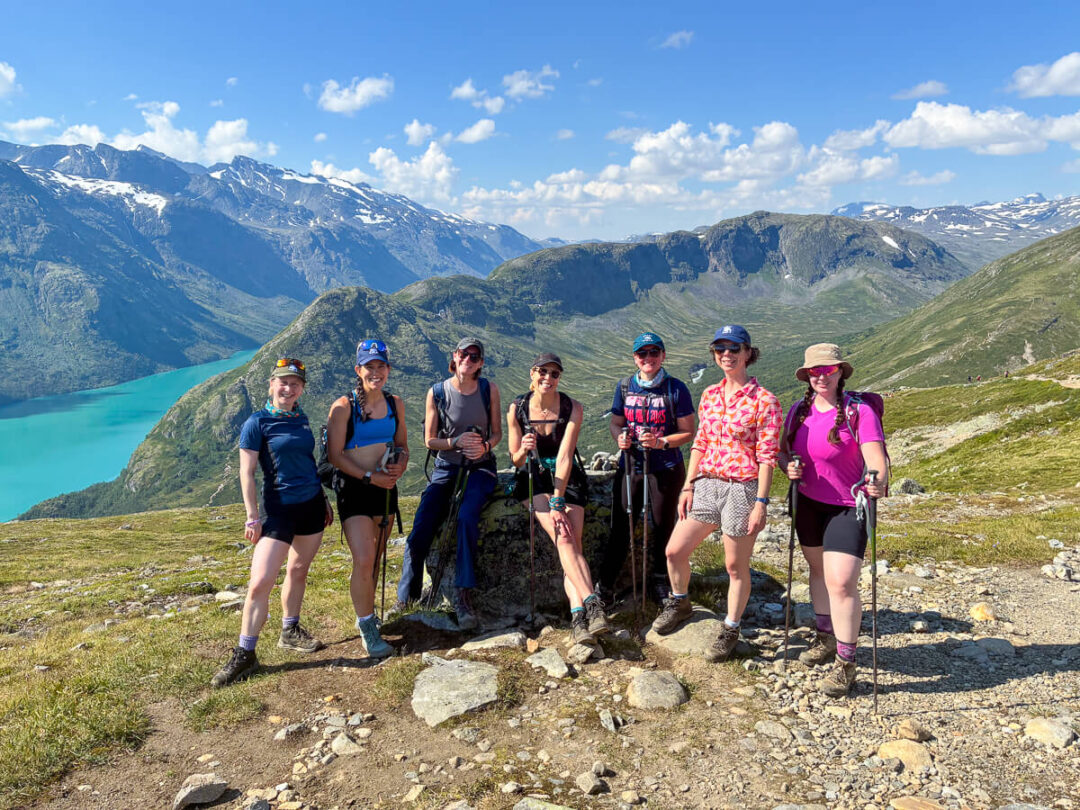
Hiking up and around Norway’s dramatic fjords will be tough, but it’ll reward you. Navigate steep ascents, scramble over exposed ridges and enjoy unexpected weather (yes, rain or shine, we’ll be out there)!
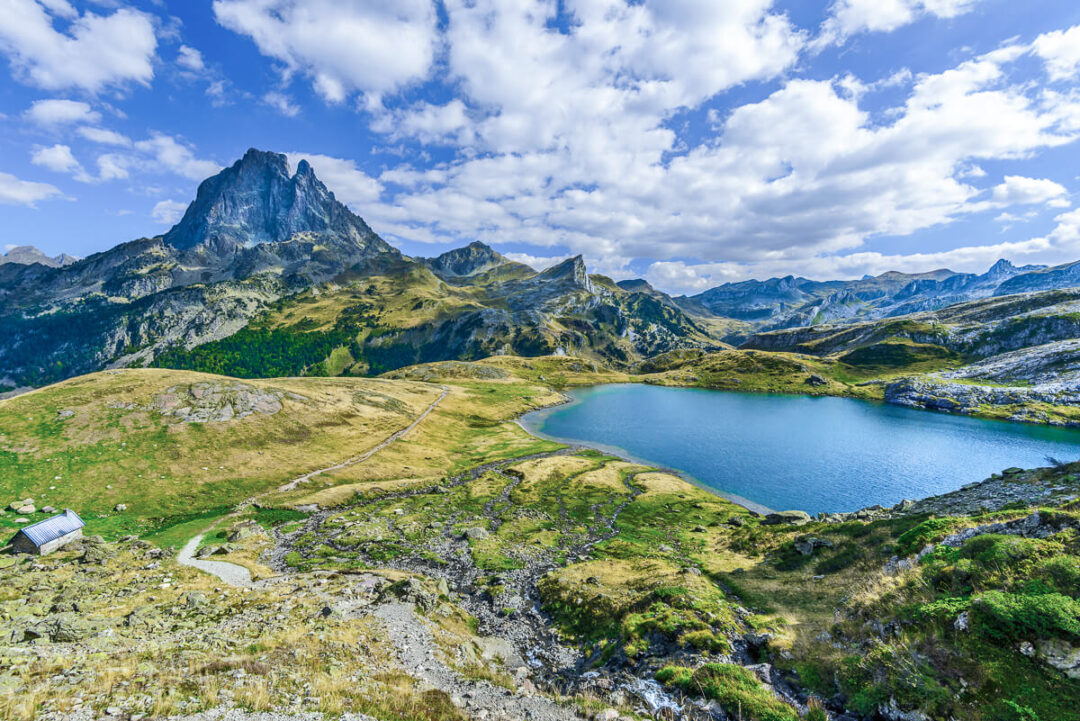
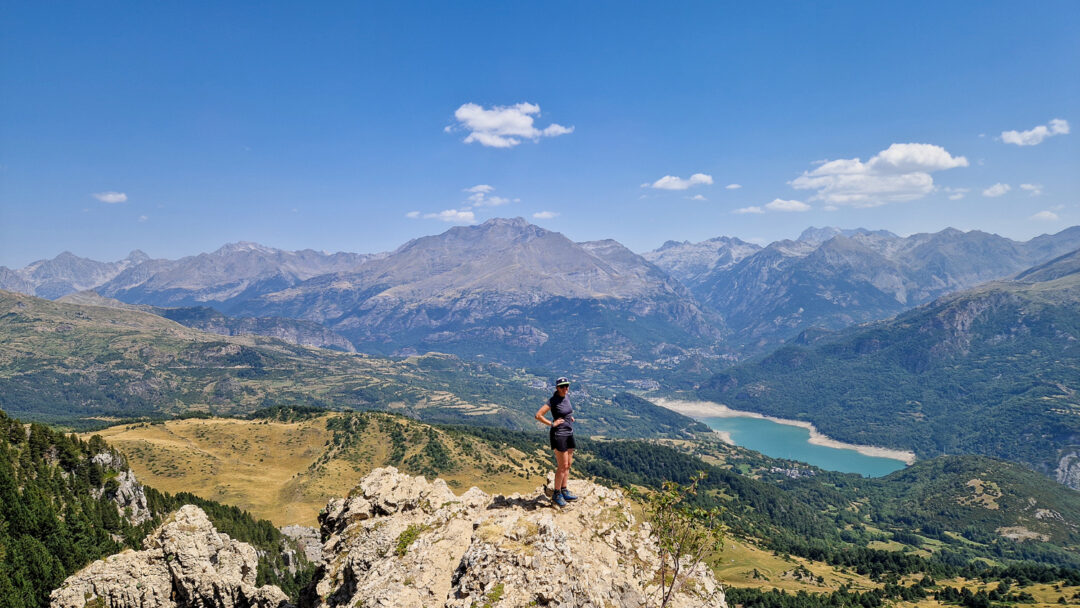
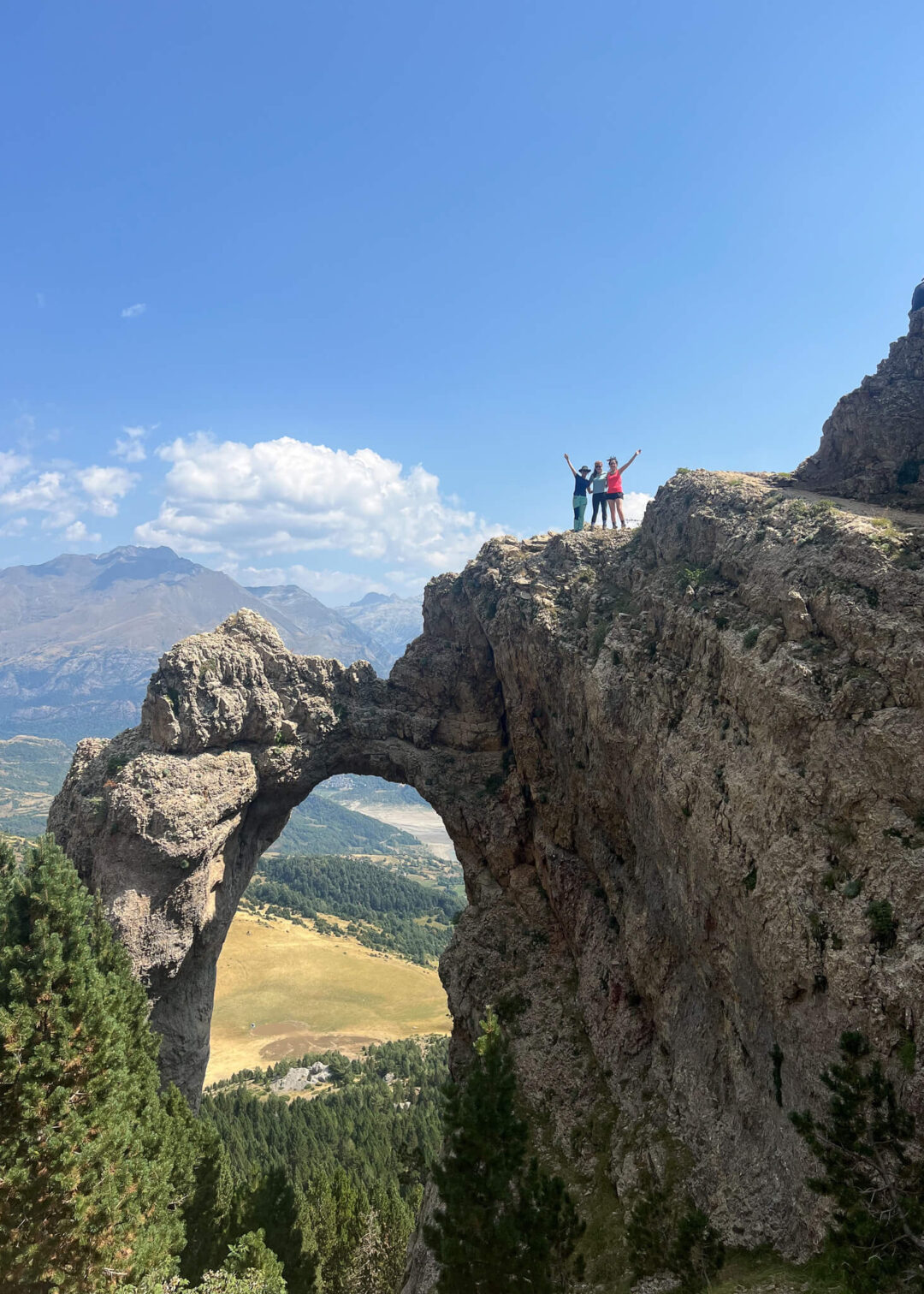
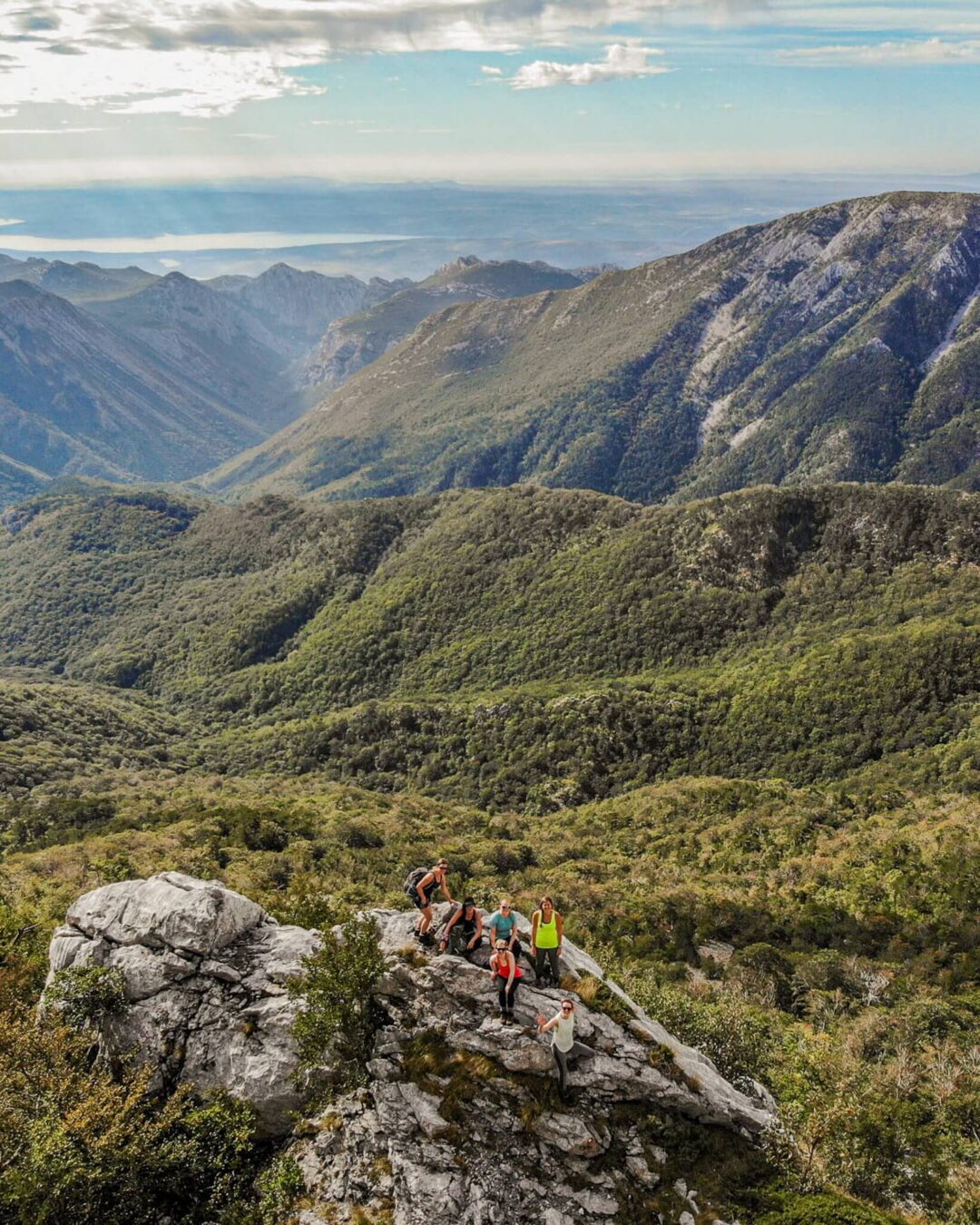
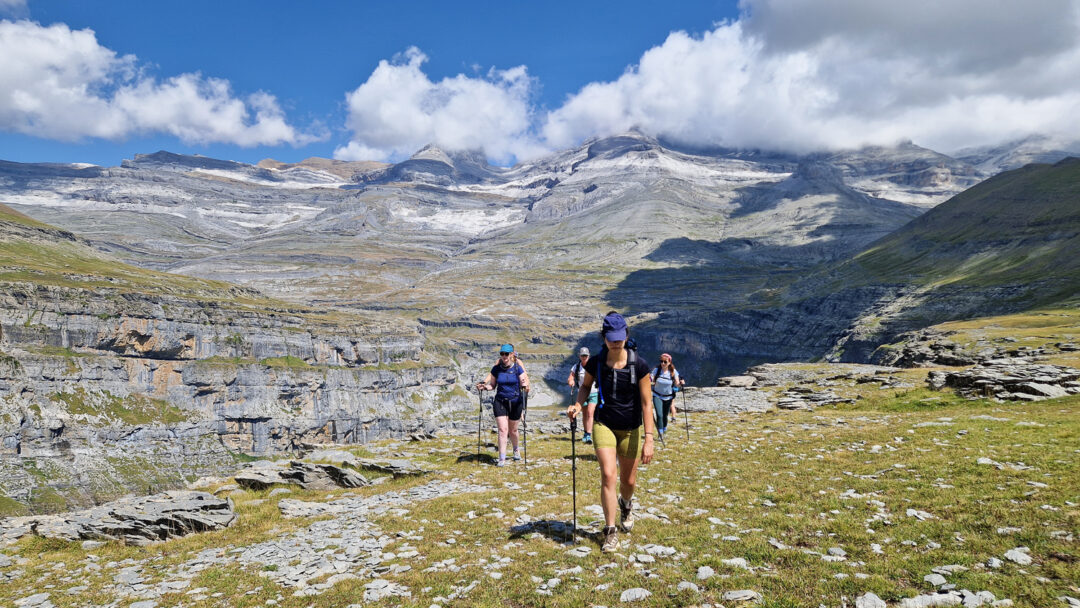
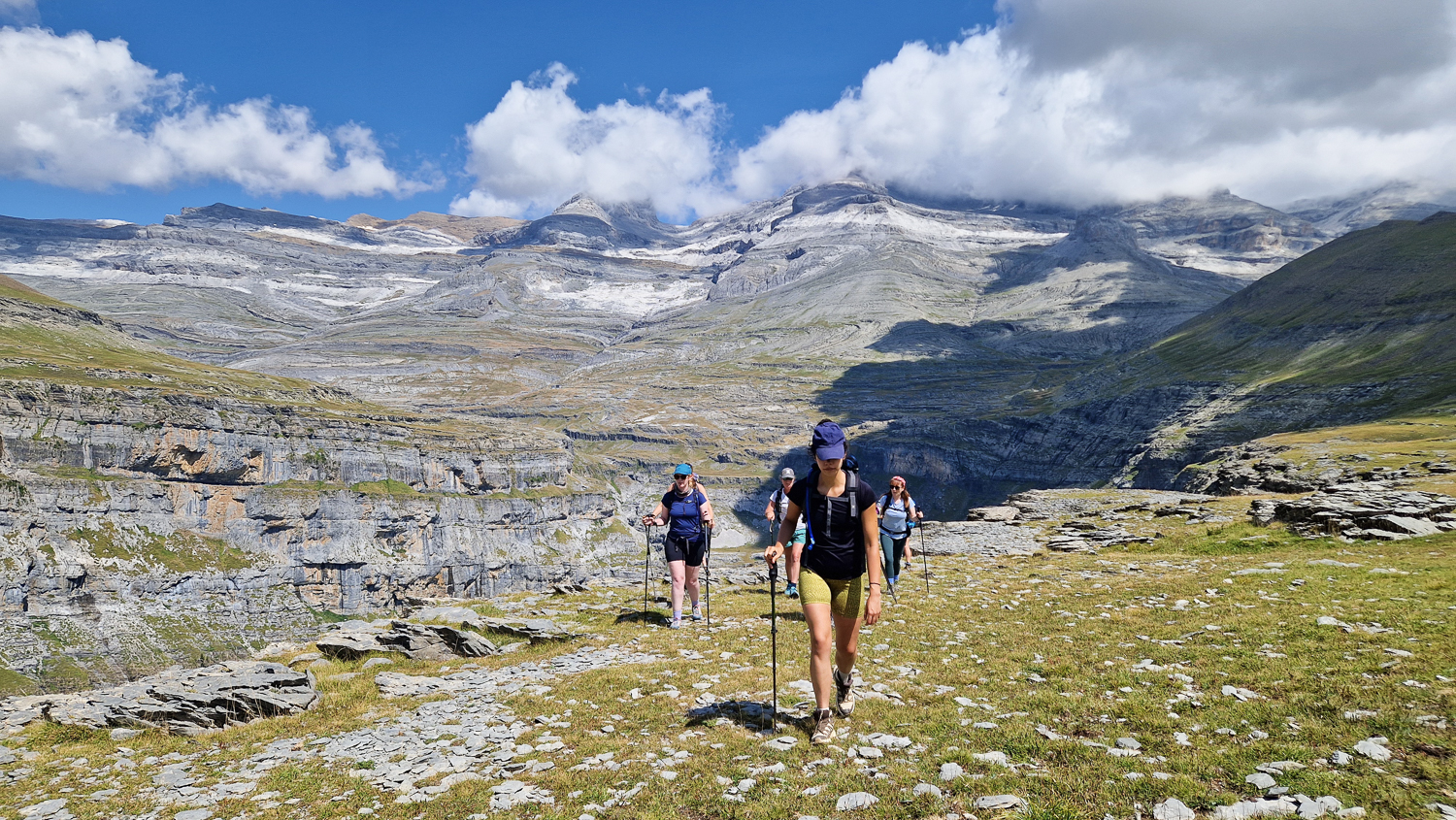
The Spanish Pyrenees get way less attention than the French side, which means you can catch those dramatic canyon trails and the UNESCO wilderness pretty much to yourselves.
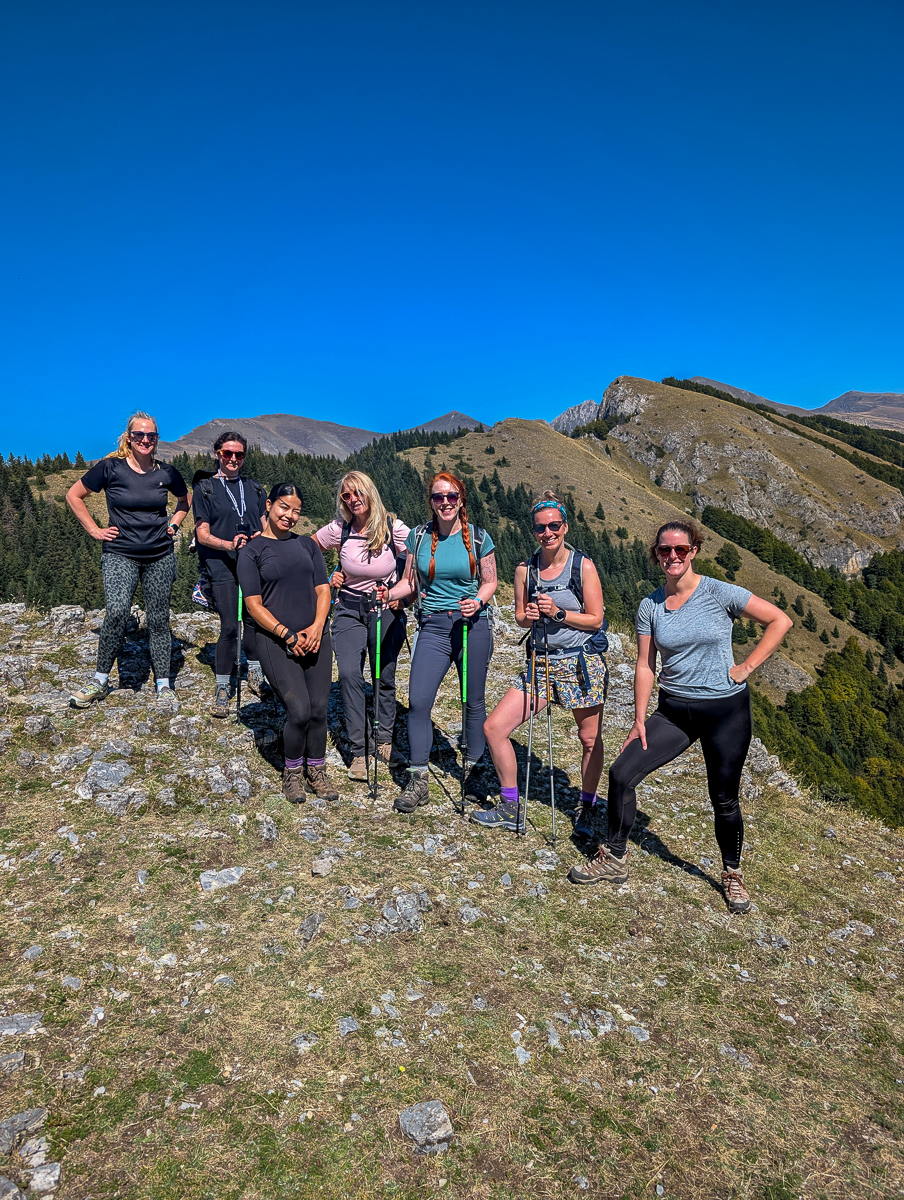
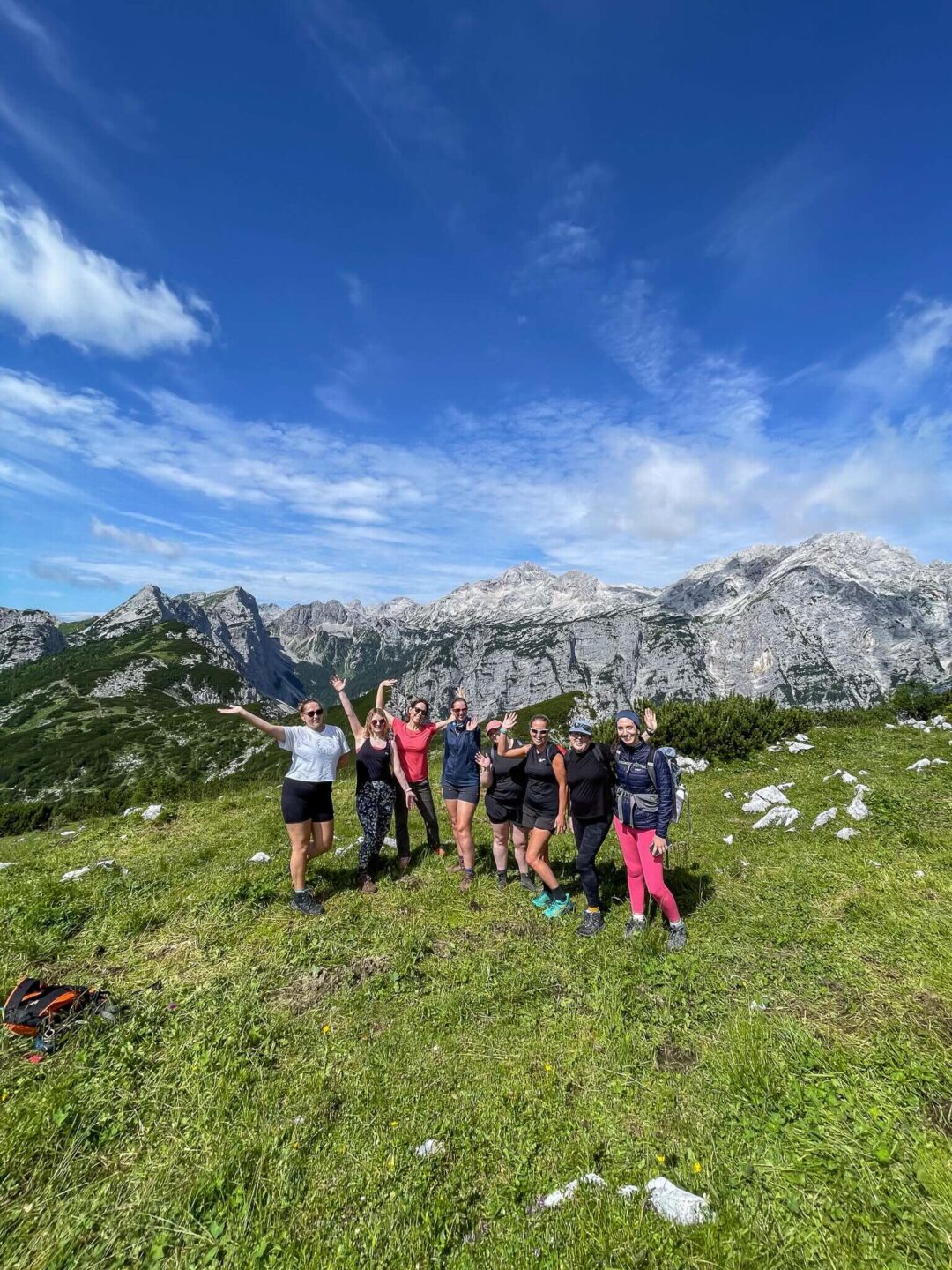
Trek across ridges that cross three countries, discover hidden waterfalls and climb peaks where you’ll earn views that stretch to Albania and Kosovo.
Guided Walking Holidays
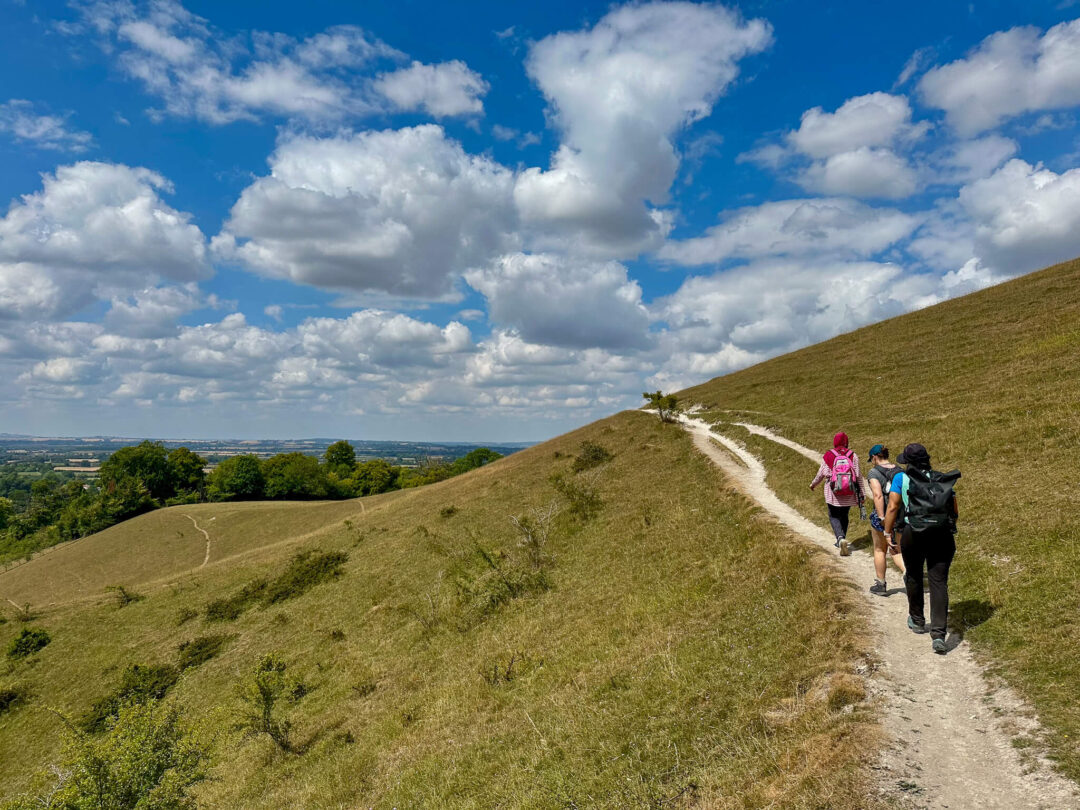
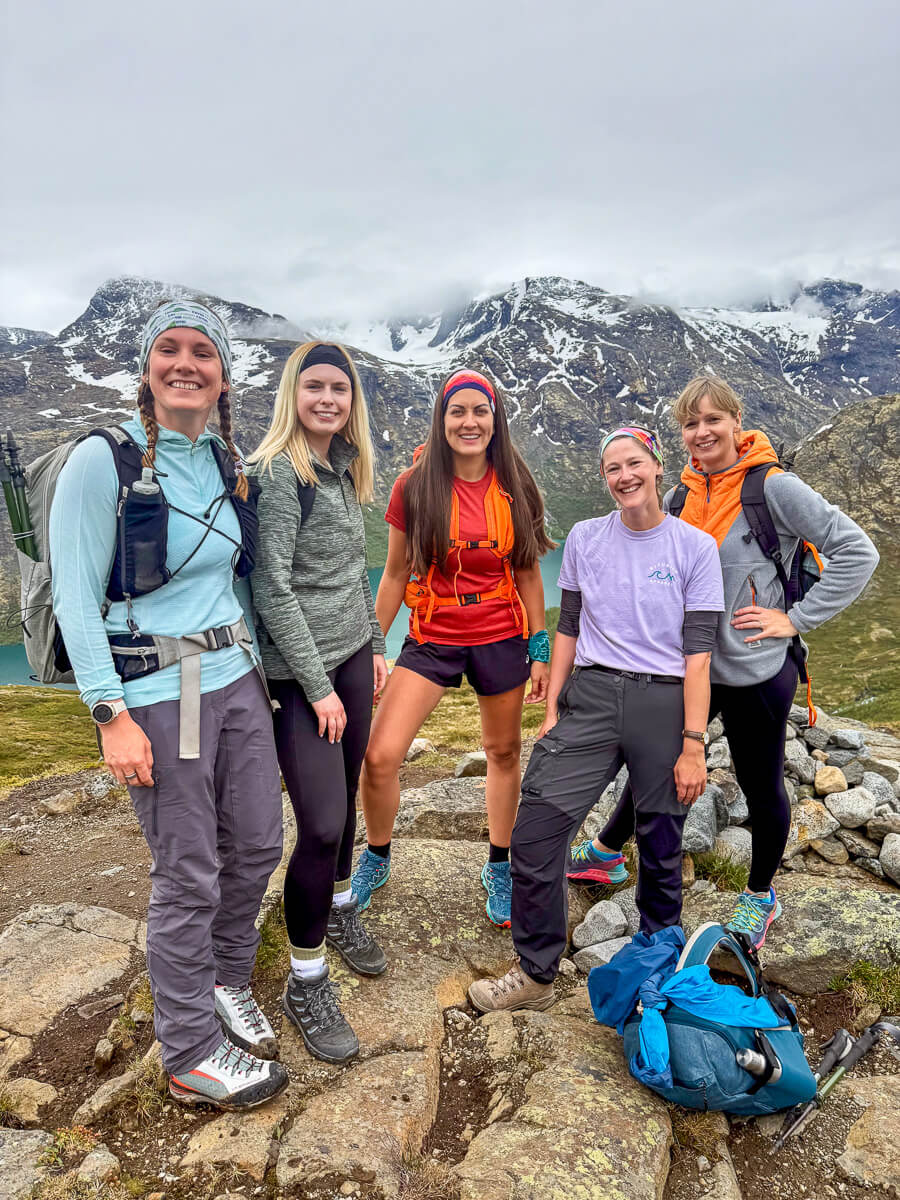
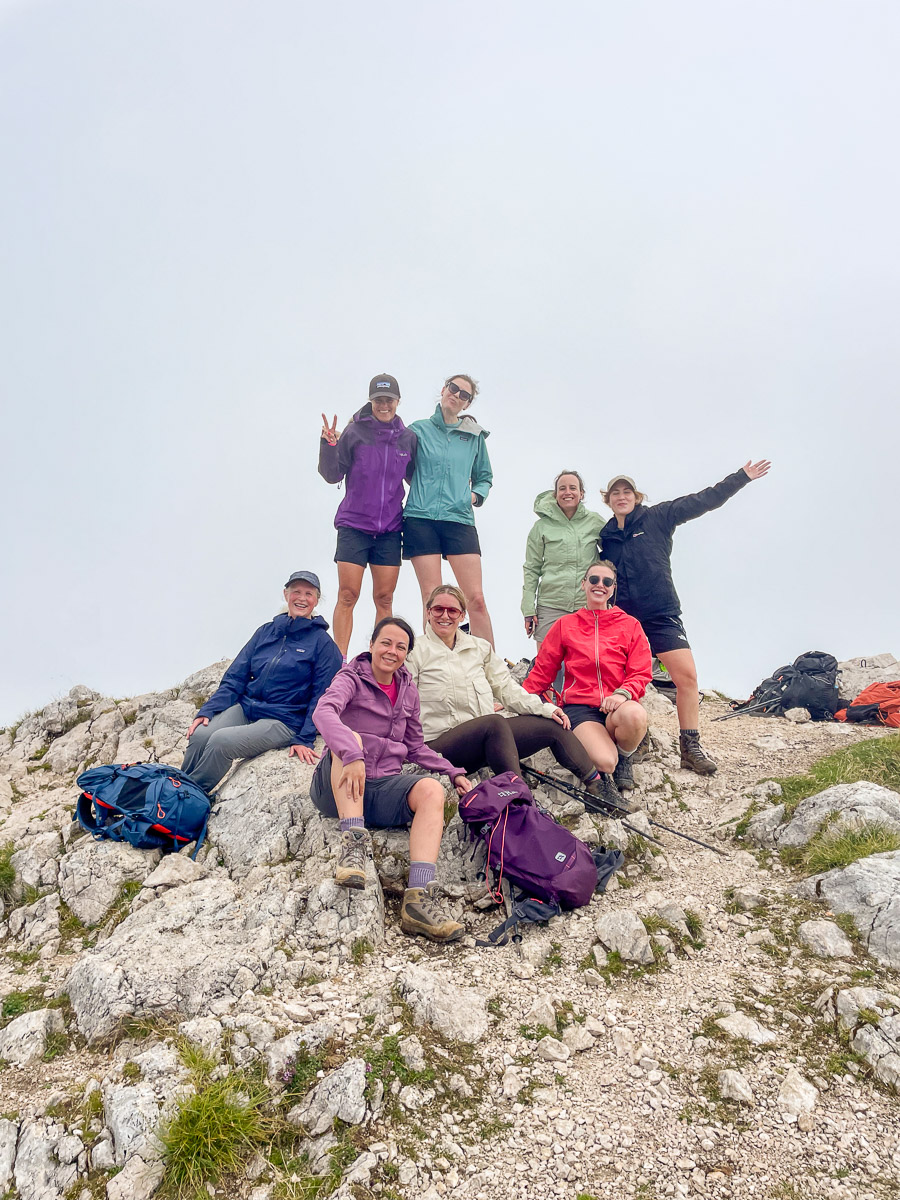
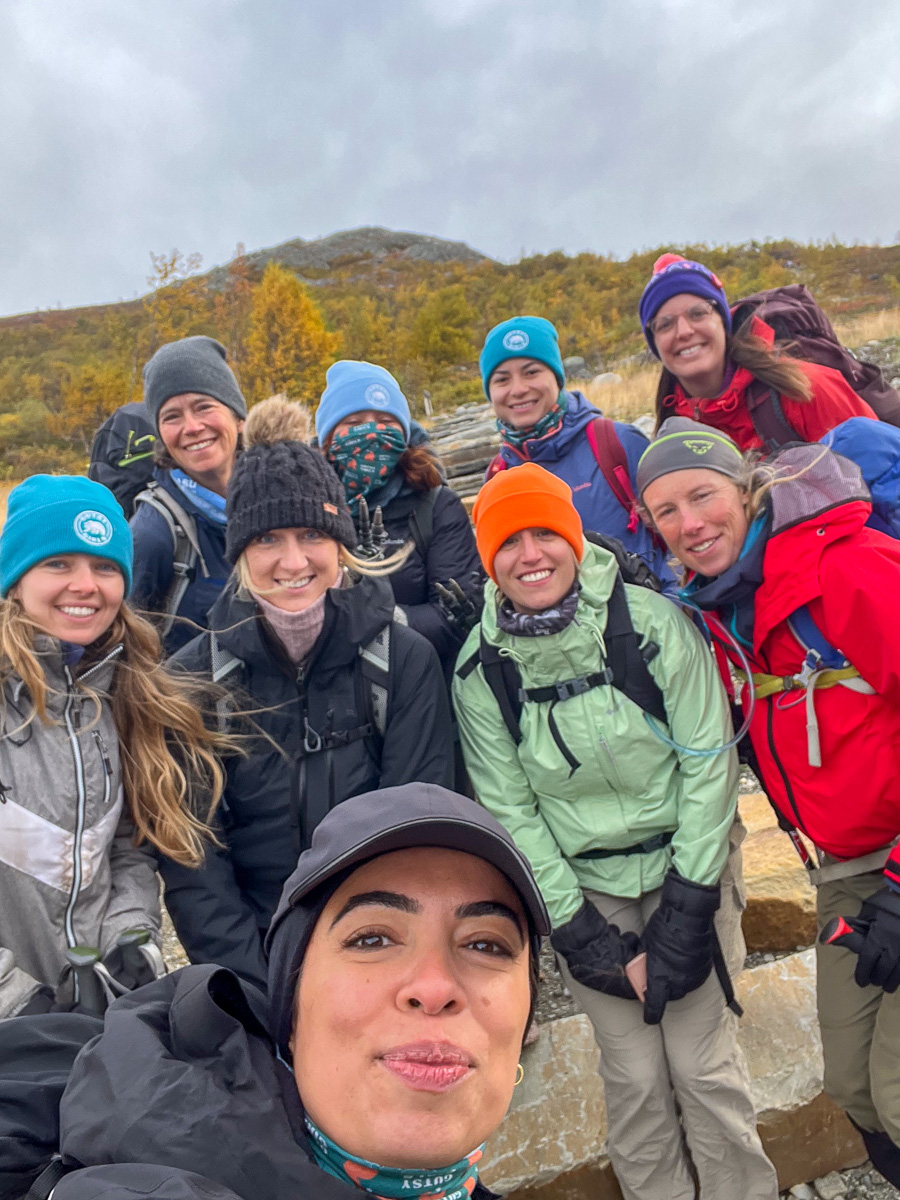
There’s nothing better (well, in our opinion) than that fresh mountain air, breaking a sweat and that feeling of genuine accomplishment you get from reaching the peak. There’s yapping, chatting, proper belly laughs, and encouragement every step of the way.
Hiking Trips
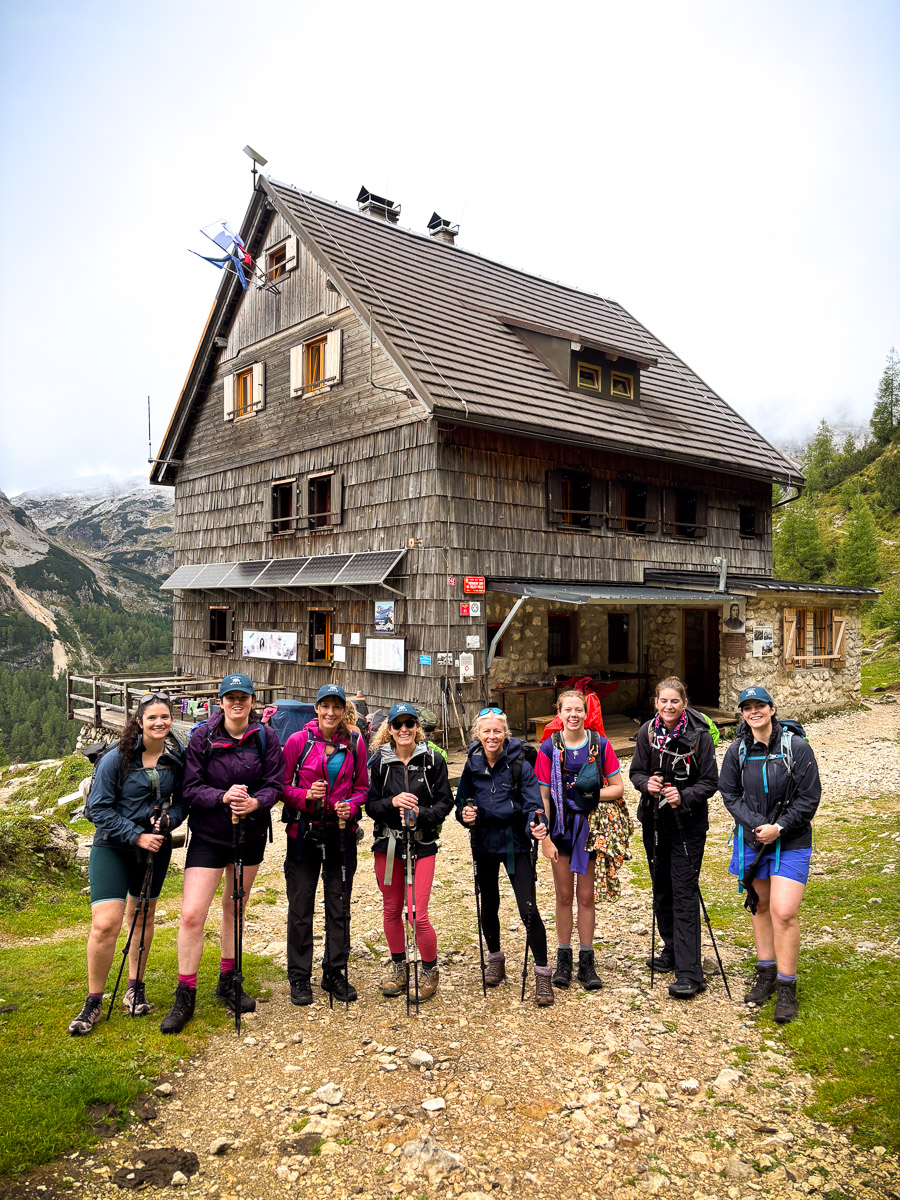
On every hiking adventure, you’re supported by a local expert guide — they’ll navigate the route, read the weather, and know the terrain inside out, so you can just focus on the walk. Plus, a Gutsy Girls host takes care of the group (think pep talks and motivation) and the logistics (so you don’t have to think about anything). It’s a winning combo!
We've got you covered
The terms overlap a lot, but there are useful distinctions. Walking holidays are generally gentle, with well-marked paths. You’ll walk for a few hours a day and their suitable for most fitness levels. Hiking turns up the intensity: more varied terrain, longer days, some elevation gain and a focus on reaching specific viewpoints or summits. Trekking is typically the most demanding of the three and involves multi-day journeys into remote or mountainous areas where the distance, altitude and effort required are all greater. In practice, many travel companies use the terms interchangeably, so it’s worth looking at the actual daily distance, elevation gain and terrain description rather than relying on the label alone.
A guided hiking holiday is a trip where an experienced leader walks with your group, manages the route, handles logistics and is on hand if anything goes wrong on the trail. The guide sets the pace, navigates, provides context about the landscape and culture, and adjusts the day’s plan if conditions change. For people new to hiking holidays, or heading into unfamiliar or remote terrain, having a guide removes a significant amount of uncertainty and makes it possible to focus on the experience rather than the logistics. Guided trips also tend to have a stronger social element as you’re moving through the landscape together rather than independently.
A gentle walking holiday through rolling countryside requires a reasonable baseline fitness. A mountain trekking holiday is a different proposition: you need solid cardiovascular fitness, strong legs for sustained climbs and the stamina to repeat that effort over consecutive days. The benchmark we think it worth using: can you walk for 4-5 hours in hilly terrain without feeling wrecked? If yes, a moderate hiking holiday is within reach. If not, build that base before you go.
It varies between operators, which makes it one of the more frustrating labels in adventure travel. As a general guide: moderate typically means 4-6 hours of hiking daily on varied terrain that may include rocky or uneven paths, with some elevation gain. It assumes a reasonable level of fitness but not specialist experience. Always look for the specific daily distances and elevation figures alongside any difficulty label as they tell you far more than the grade alone.
On a walking or easy hiking holiday, typically 6-12km or around 3-5 hours at a relaxed pace with stops. On a moderate hiking trip, 15-20km is common, covering 5-7 hours including breaks. More demanding trekking holidays can push beyond 20km on bigger days. Elevation matters as much as distance too as 12km with 800m of ascent is significantly harder than 18km on flat terrain. Make sure to check the elevation profile alongside the distance for each day to get a much clearer picture of what a day actually involves.
Several formats exist and they suit different people for different reasons. Single-base trips use one hotel or lodge as your base throughout. You’ll hike out each day and return each evening to the same place, meaning there’s no packing and unpacking, and you have a consistent place to recover.
Hut-to-hut or point-to-point trips move you to a new location each day, covering a linear or circular route and staying in mountain huts, lodges or hotels along the way. These are more adventurous and logistically more involved. You also often have to carry all your overnight stuff in a pack.
Other options may include national park trips, which focus on a specific protected landscape, often with a mix of day hikes from a base. Multi-country treks link trails across borders for longer, more ambitious itineraries.
The right format depends on how much ground you want to cover versus how much you value a settled base.
A hut-to-hut trek is a multi-day hiking journey where you move between mountain huts or lodges rather than returning to a base each night. On some trips you carry a daypack with essentials while your main luggage is transferred ahead, but on others you carry everything yourself depending on the trip. Each day you hike to a new location, spend the night and continue the following morning, covering a linear route through a landscape rather than radiating out from a fixed point. The huts range from basic mountain shelters with shared dormitories to comfortable lodges with hot meals and showers. It’s one of the most rewarding formats for experienced hikers and a step up in adventure from a single-base trip.
It depends heavily on the destination. In Europe, late spring and early autumn are generally the strongest windows. May to June and September to October offer settled weather, lower temperatures for sustained effort and fewer crowds on popular trails. Midsummer works well at altitude and in Scandinavia, where long days and reliable conditions make July and August excellent for mountain hiking. Mediterranean and southern European destinations are best avoided in peak summer when heat makes long days more challenging.
Single-base trips are the most forgiving starting point for beginners. You return to the same hotel each night, which means no carrying luggage between locations and a comfortable place to recover. A destination with well-marked trails, manageable daily distances and varied difficulty options means you can also ease into it without committing to more than you’re ready for. Norway and Slovenia are strong choices for first-timers in Europe: both offer stunning scenery, good trail infrastructure and a range of difficulty levels within the same area.
Guided trips suit beginners better than self-guided for a first hiking holiday too as having someone manage the route, set the pace and handle the unexpected removes the main sources of anxiety for people new to hiking abroad.
Layers are the foundation of any hiking kit, regardless of destination. A moisture-wicking base layer, an insulating mid layer and a waterproof outer covers most conditions. Boots are the most important investment as properly fitted, broken-in hiking boots make the difference between an enjoyable trip and a painful one. Lightweight, quick-dry hiking trousers or leggings work better than denim too. Trekking poles are worth considering for anything with significant elevation gain or descent.
Yes! Guided group trips are particularly well suited to solo travellers. The group format means you’re immediately part of a shared experience rather than on your own, and the dynamic on trail tends to bond people quickly. Most people on group hiking holidays book solo too.
Self-guided trekking is a different proposition and requires more confidence in navigation and outdoor skills, but is entirely achievable with the right preparation and a well-marked route.
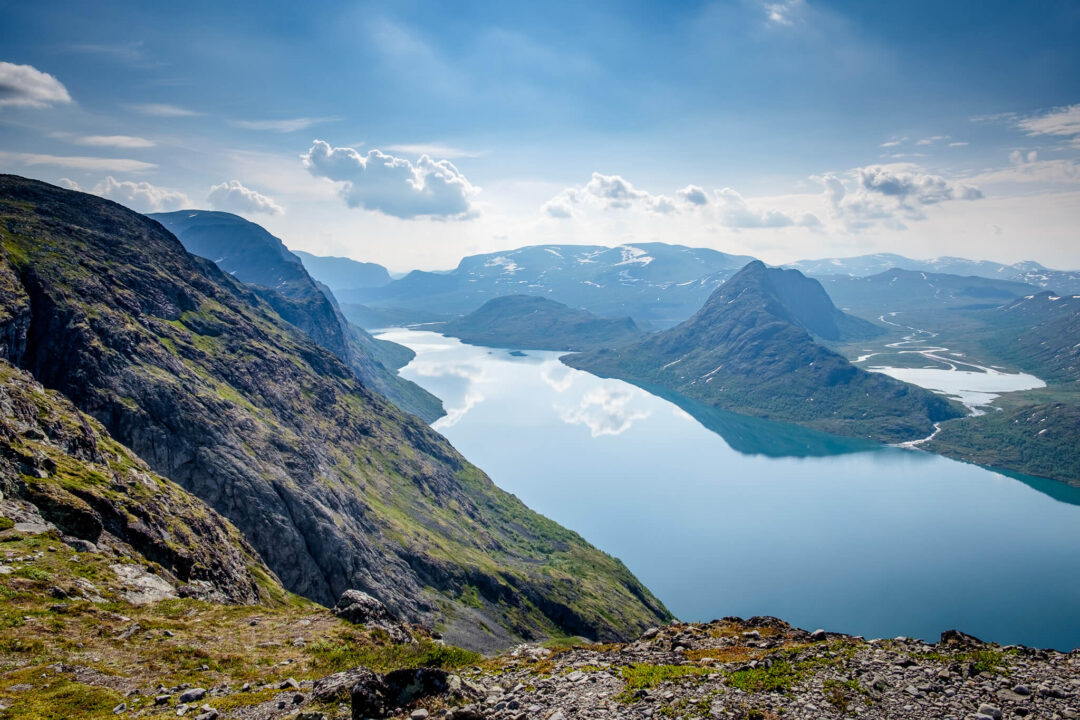
It depends entirely on what you’re looking for. Norway offers some of Europe’s most dramatic landscapes, including fjords, mountain plateaus and iconic trails, all with well-managed infrastructure and reliable summer conditions.
Switzerland and Austria deliver classic alpine scenery with excellent trail networks and comfortable mountain hut systems. Slovenia punches well above its size with the Julian Alps, Triglav National Park and far fewer crowds than its neighbours. Spain’s Pyrenees and the Picos de Europa offer serious mountain terrain with a longer season and warmer conditions.
For green, accessible hiking with varied terrain, Scotland and Ireland are underrated options closer to home. The honest answer is that Europe is extraordinarily well-served for hiking. The question is really what kind of landscape, what season and what level of challenge you’re looking for.