Latest blog post articles
Upcoming
Types of Skiing Explained: Alpine, Nordic, Touring & SkateYour next adventure
Paddling with Expert Guides
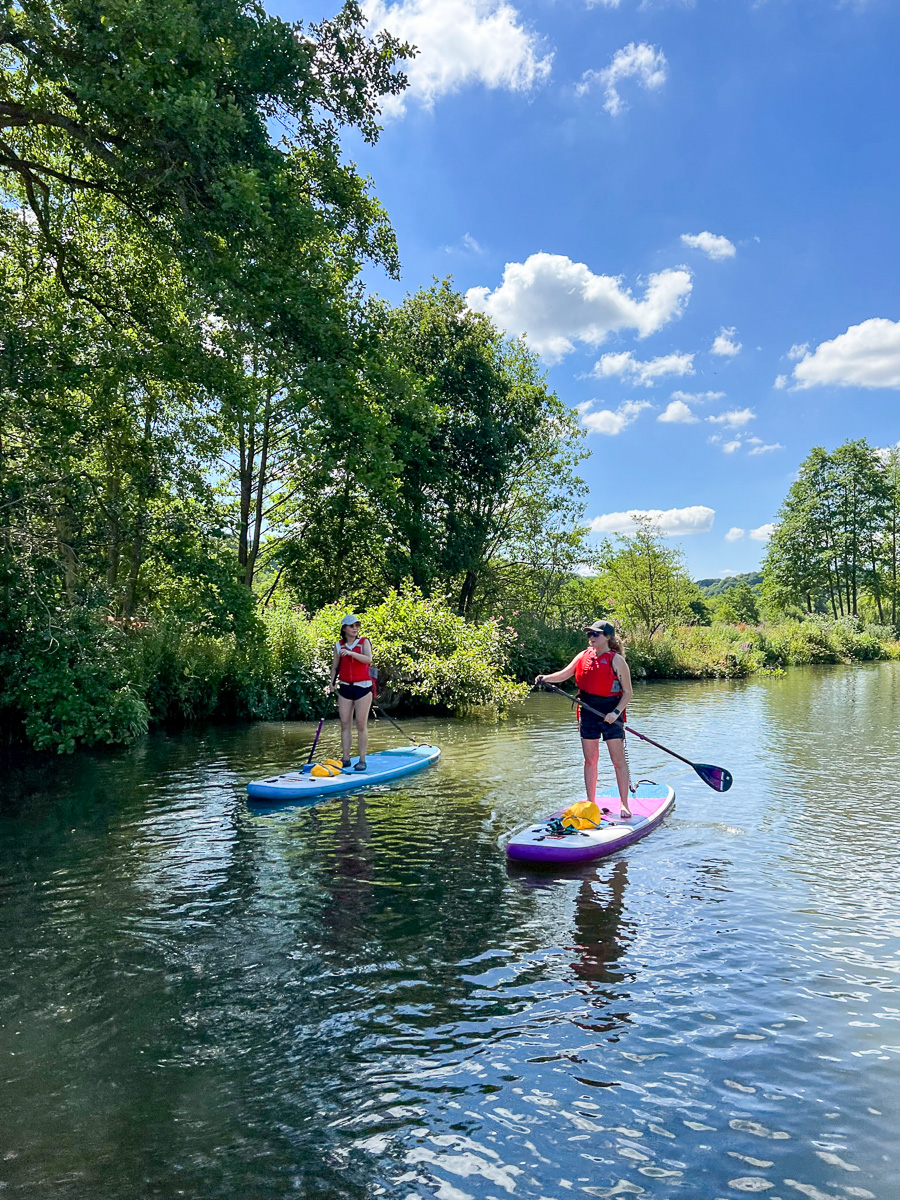
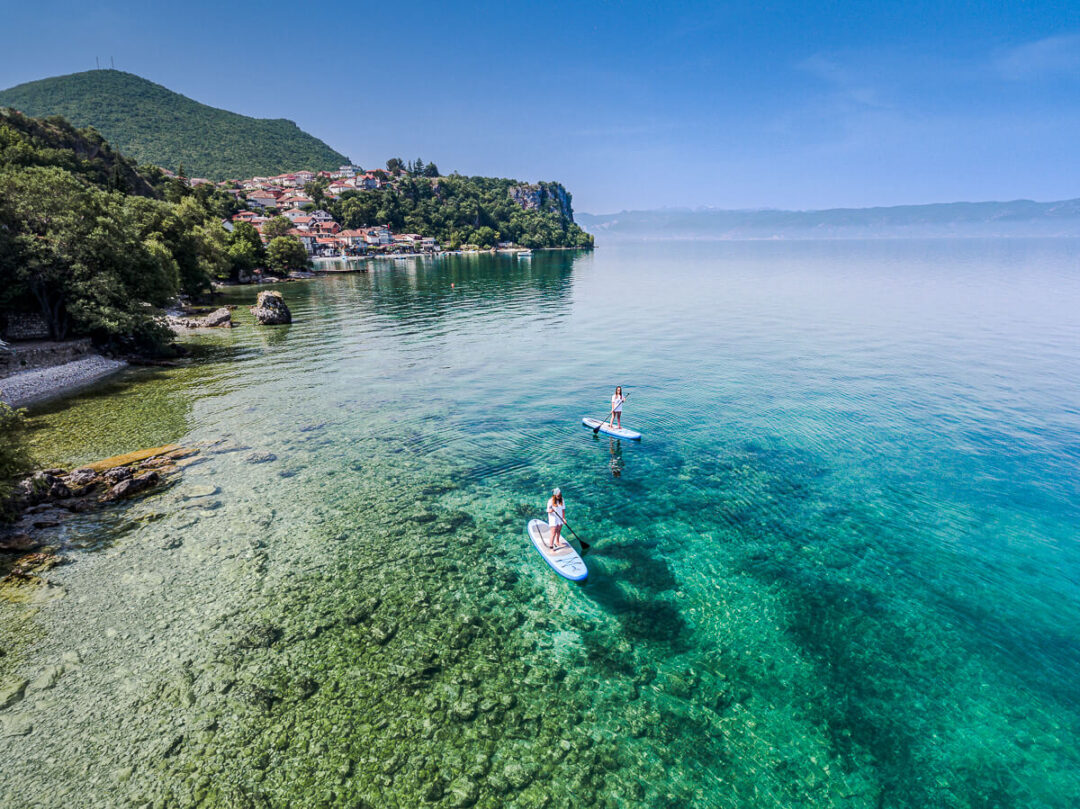
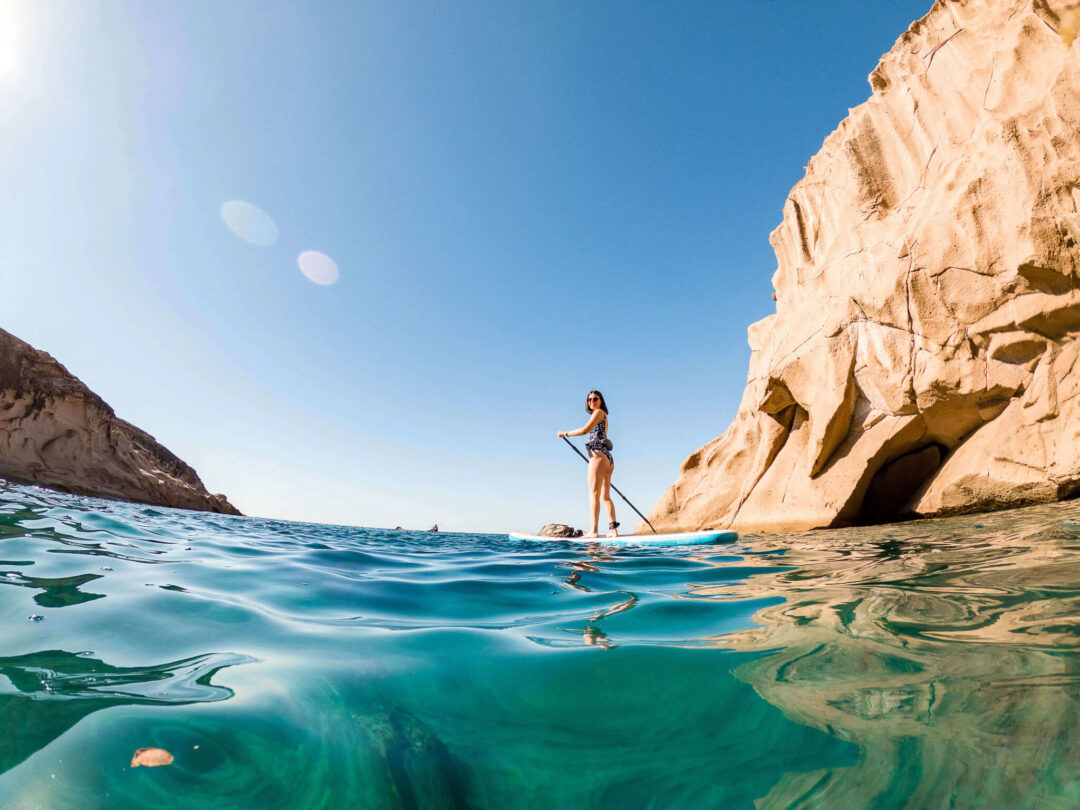
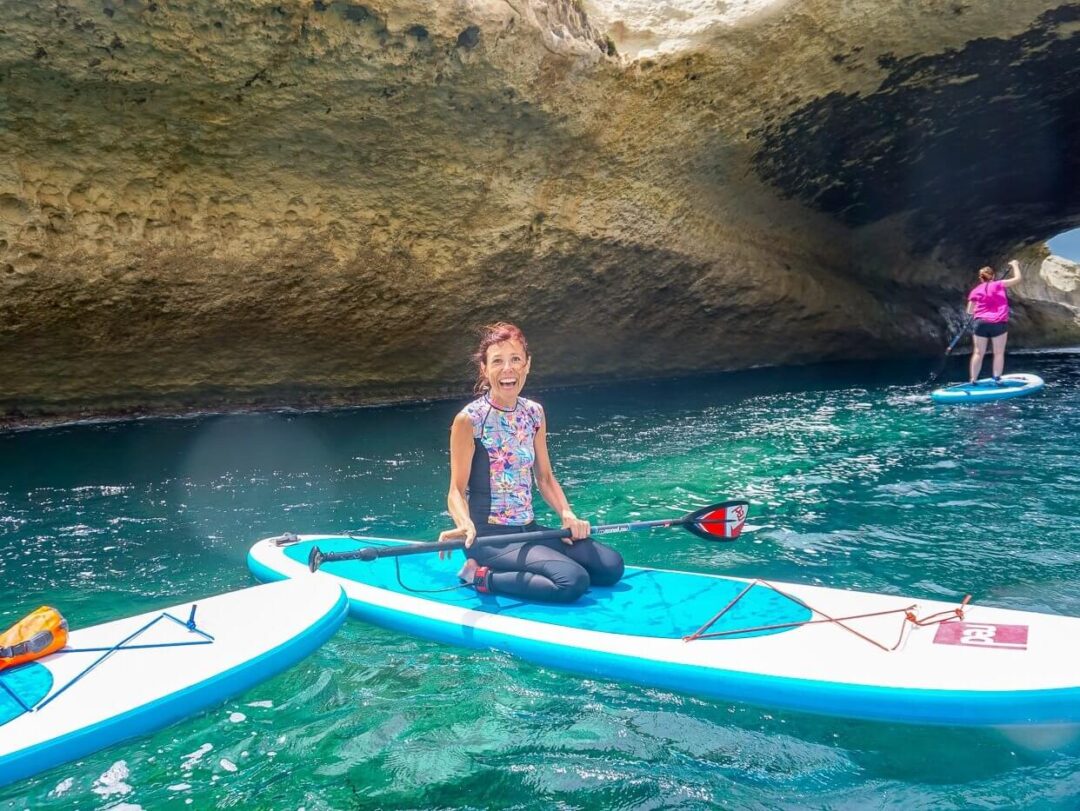
Less effort than kayaking, SUP is a very zen, very chill sport that gives you the chance to get out to explore the coast, a lake or a fjord. Standing on a large board, similar to a surfboard, you use a single paddle to push yourself along the water. Once you’ve mastered your balance (falling in at least once is kinda guaranteed, but that’s part of the fun), you can simply paddle either side to glide along and explore.
Paddleboarding Holidays Europe
Paddleboarding Holidays
Our paddleboarding adventures are perfect for beginners and experienced SUPers. We’re not here to chase big distances; it’s all about exploring, finding secluded beaches and checking out spots only the locals know.
Our instructors will quickly have you standing and gliding — they’ll teach you everything you need to know. Beginners will learn all the basics of paddleboarding, from finding balance to mastering an efficient stroke. You’ll get comfortable, confident and fully at home on your board in no time.
More experienced paddlers will get a chance to refine their technique, try out new skills and learn to read the water like a pro. We’ll take a new route each day, so you have the chance to learn on different waters and receive coaching on technique and style.
Typically included:
Our favourite spots
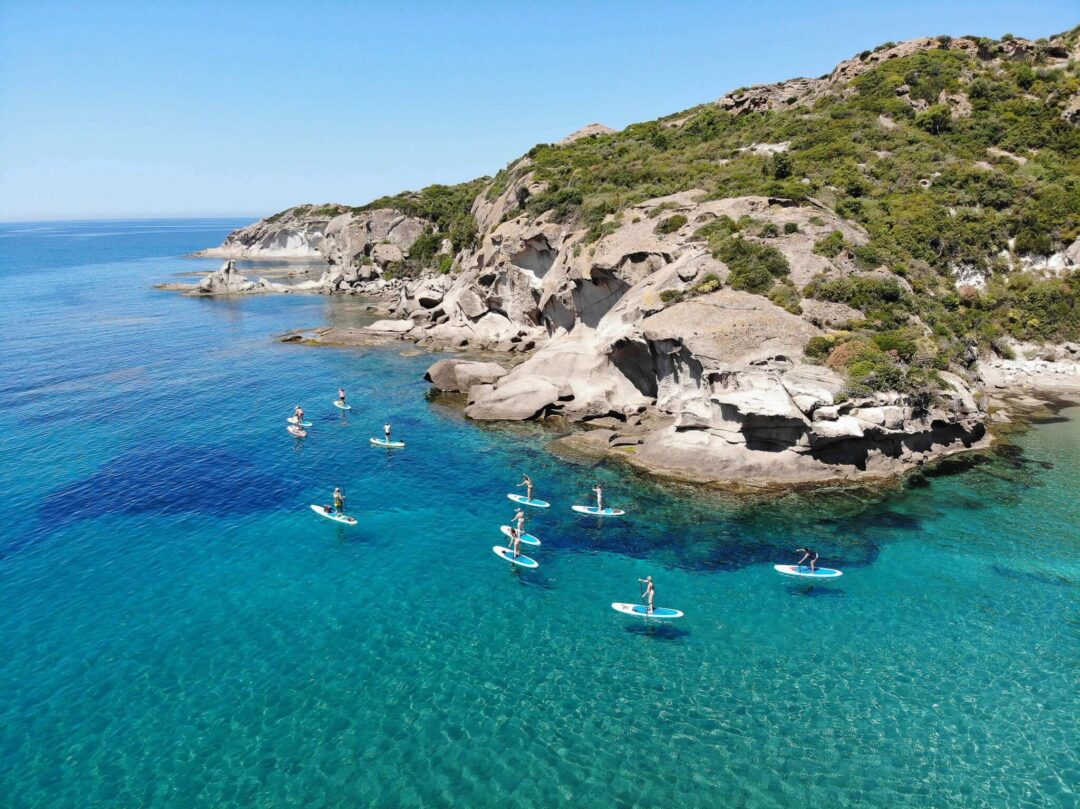
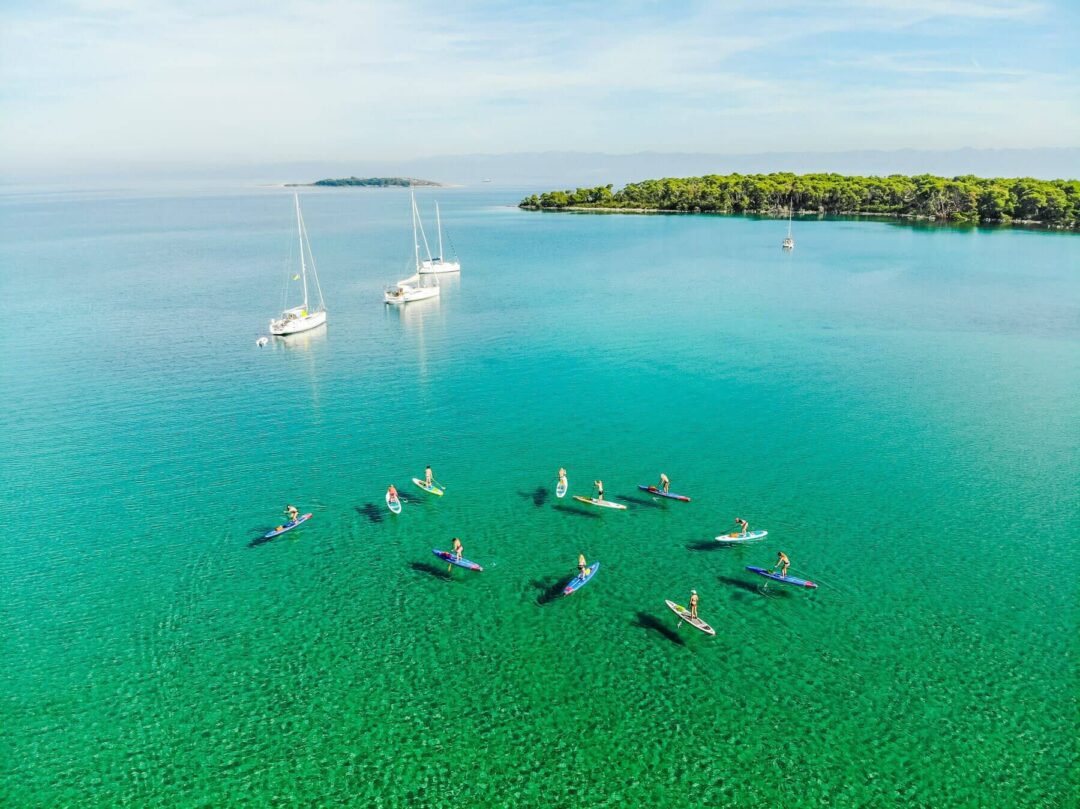
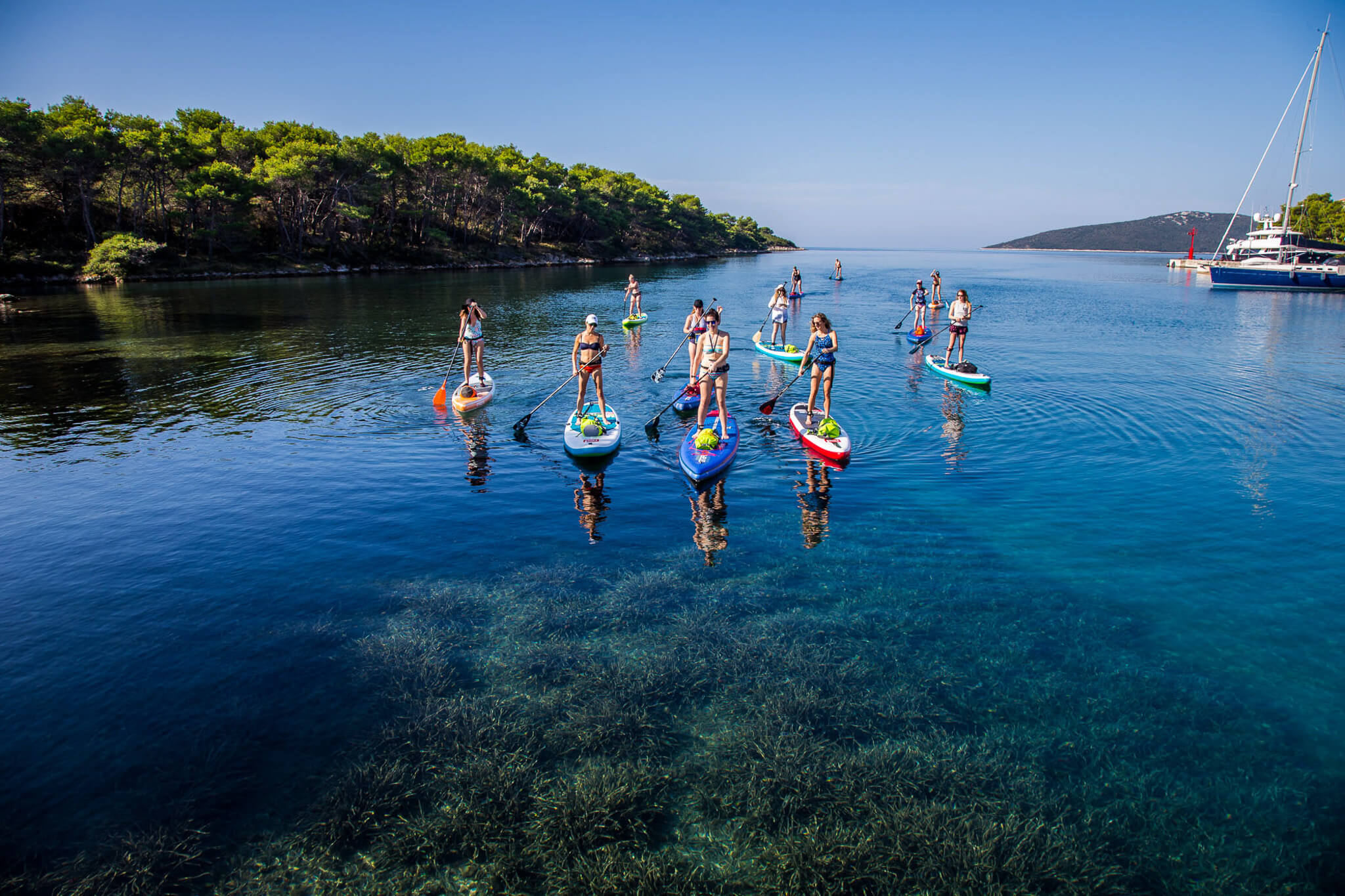
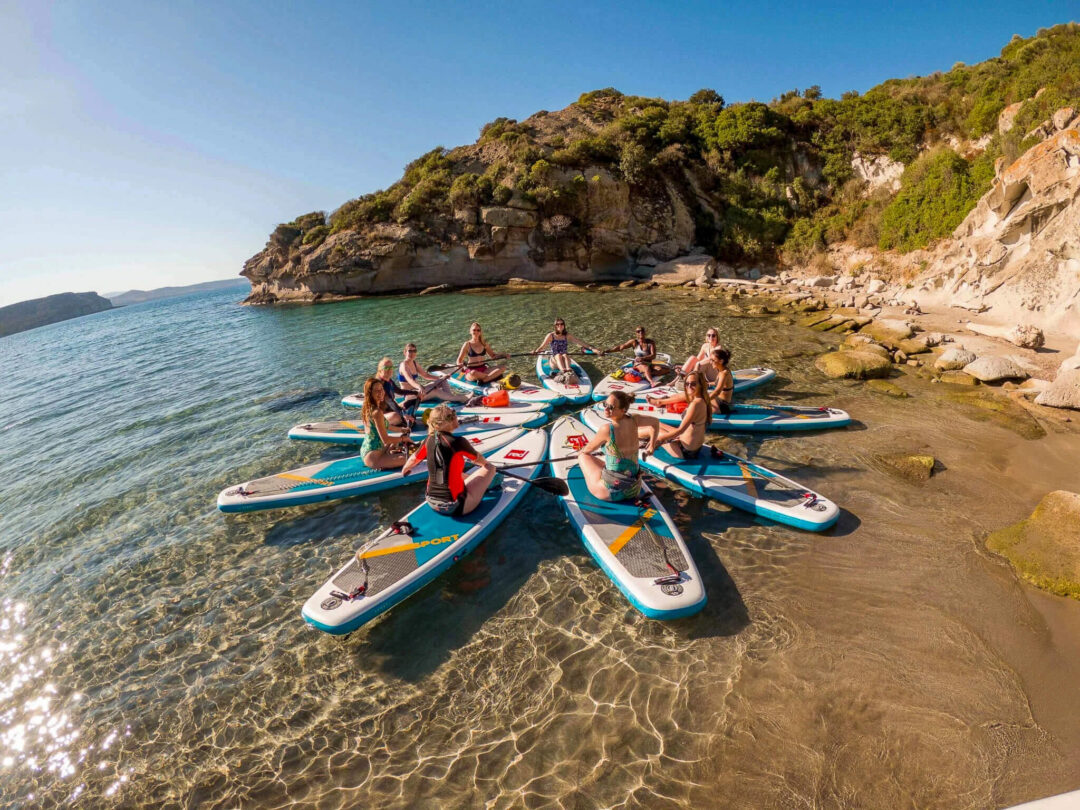
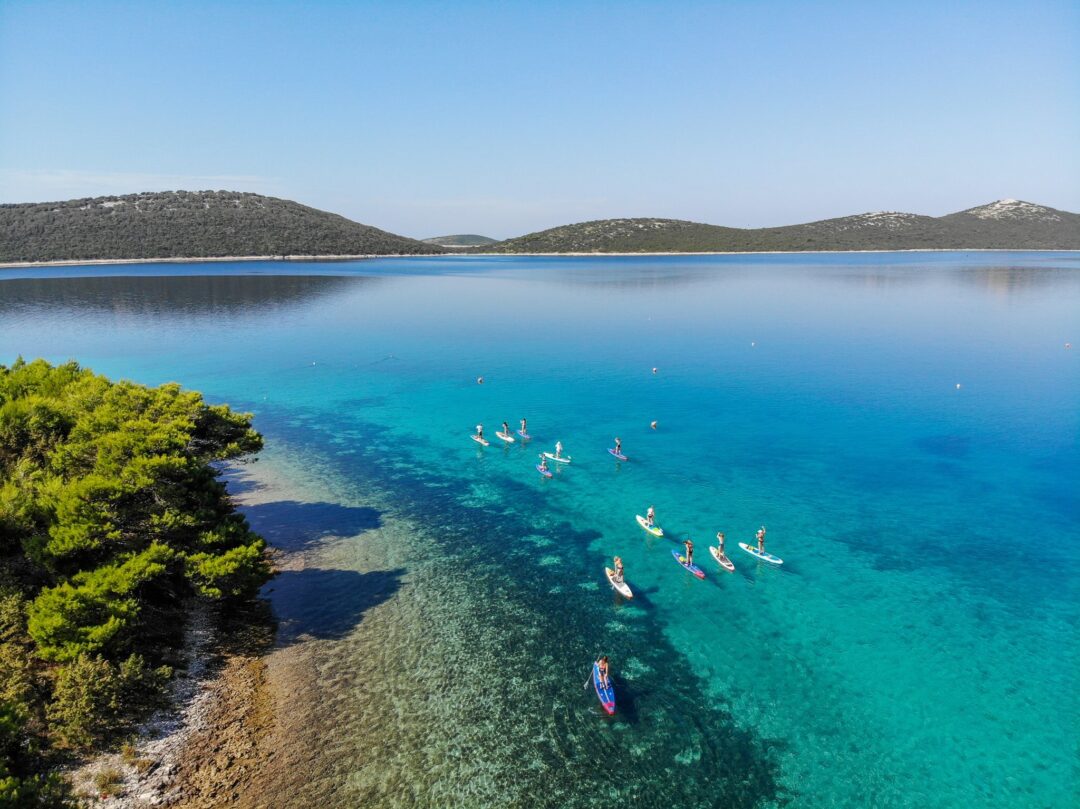
SUPing in Croatia is perfect for both beginners and experienced paddleboarders. Each day brings a new destination, paddling along rugged shorelines, between islands and into secluded spots only accessible from the sea.
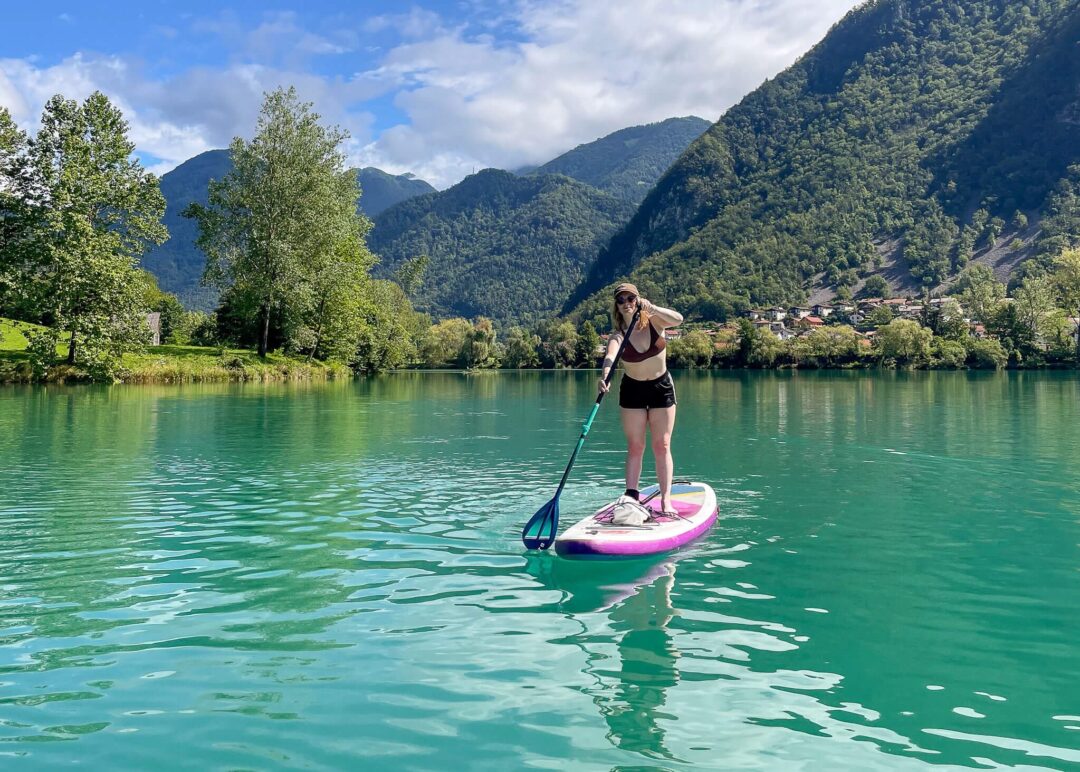
Hit the crystal clear coastal waters and winding rivers of Italy. Paddle past ancient farmland, grab figs directly from overhanging trees, and dive in for swimming breaks whenever the mood strikes.
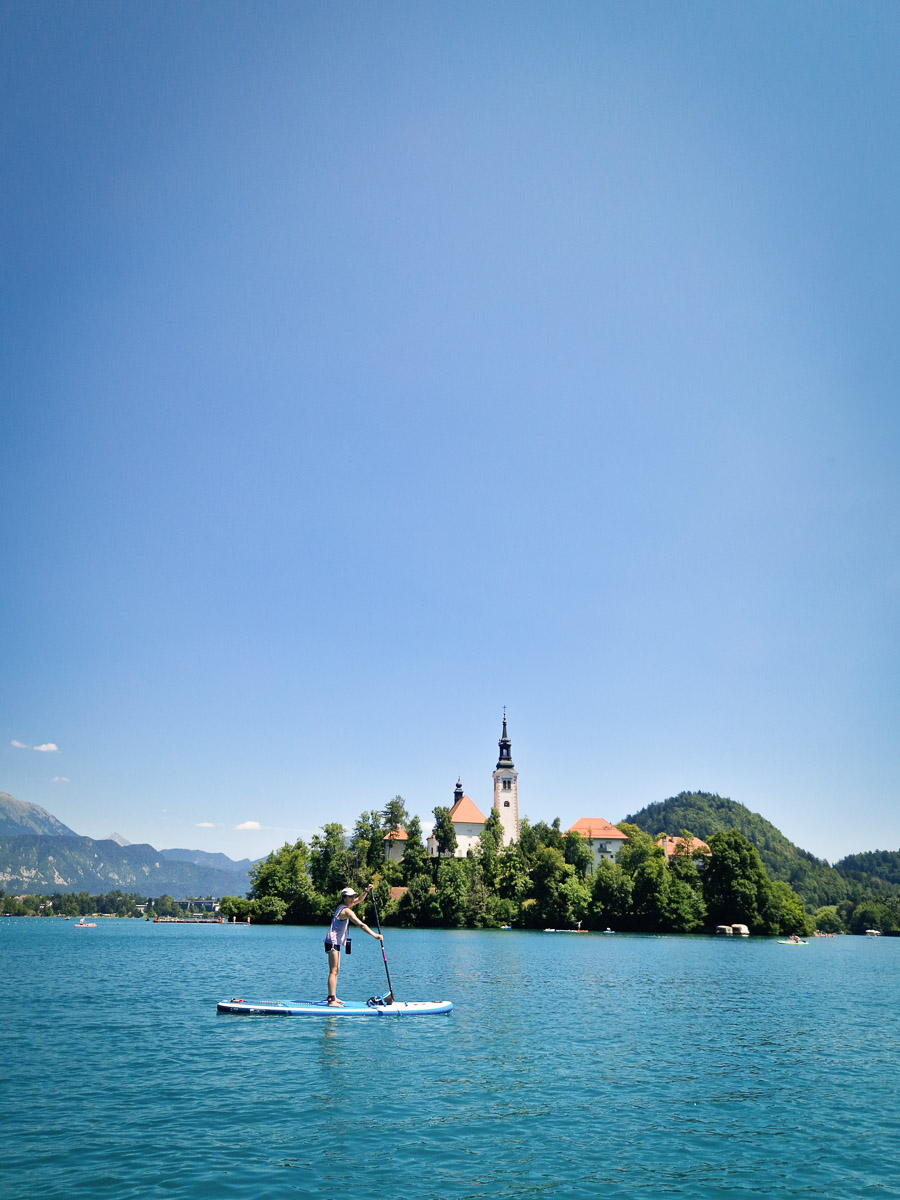
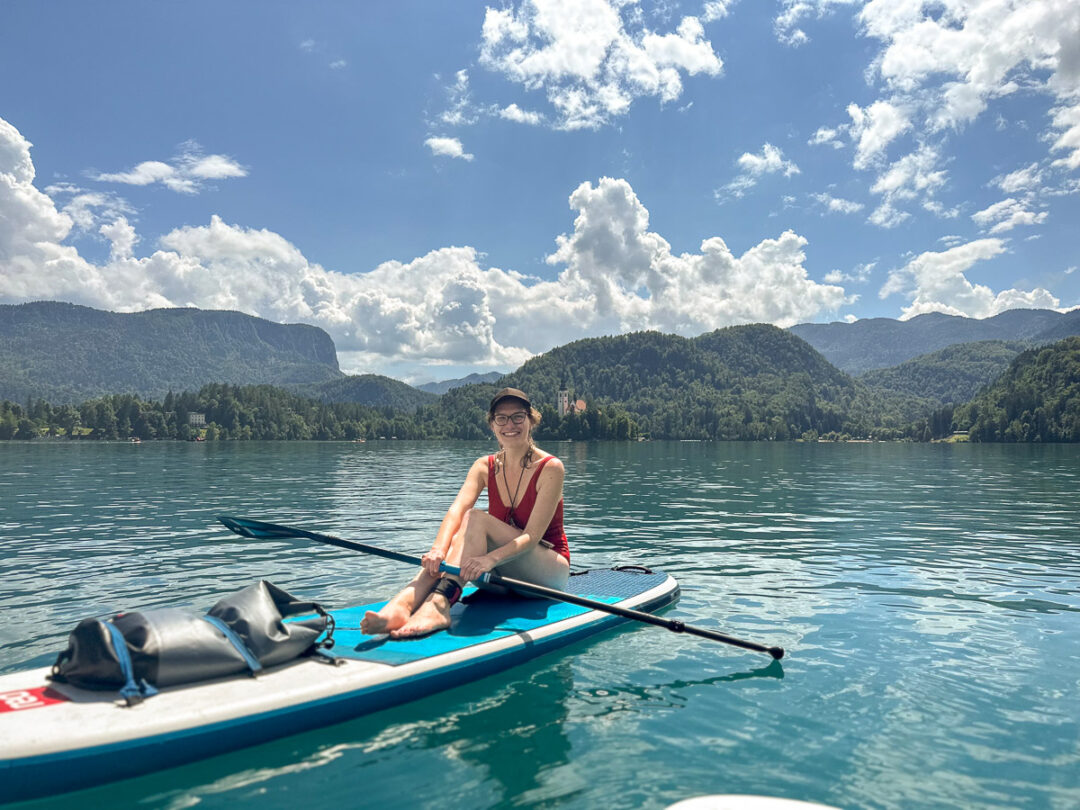
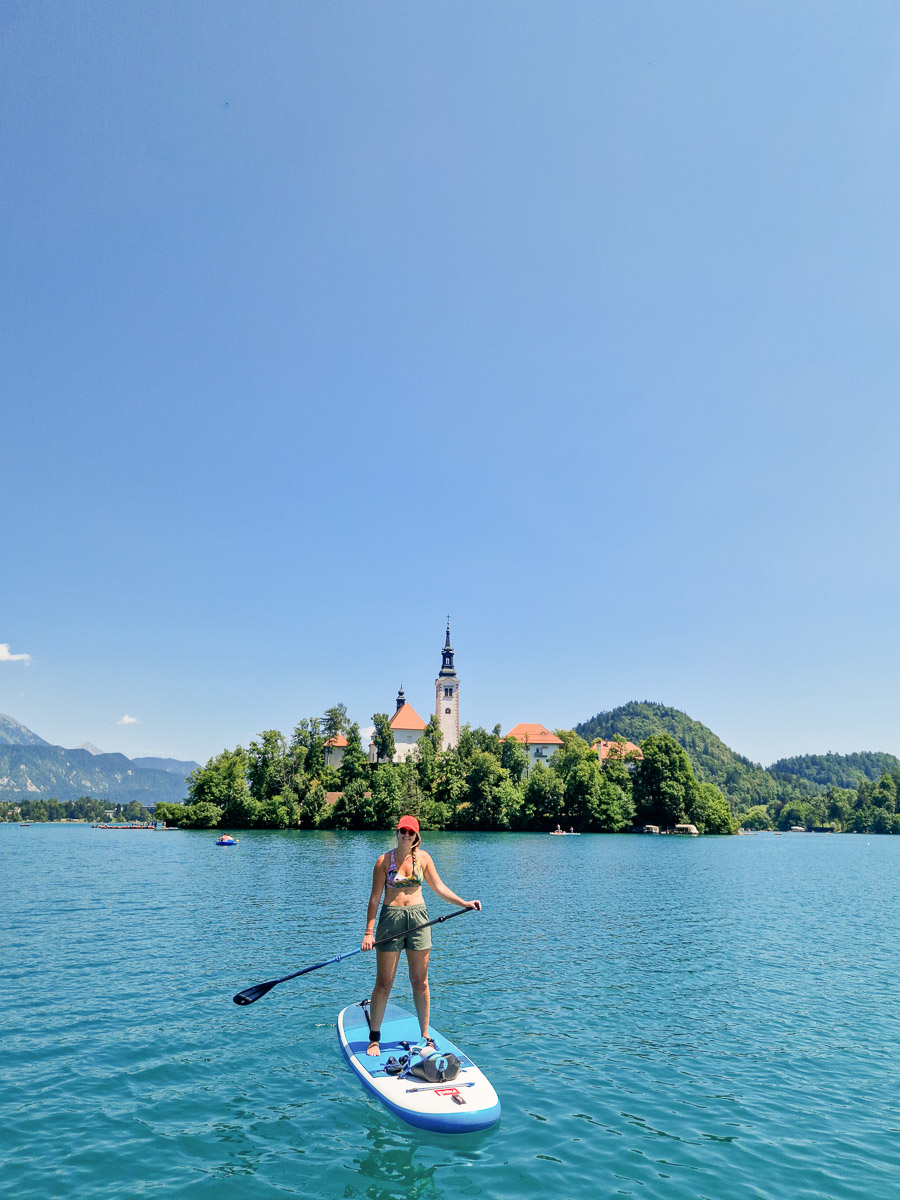
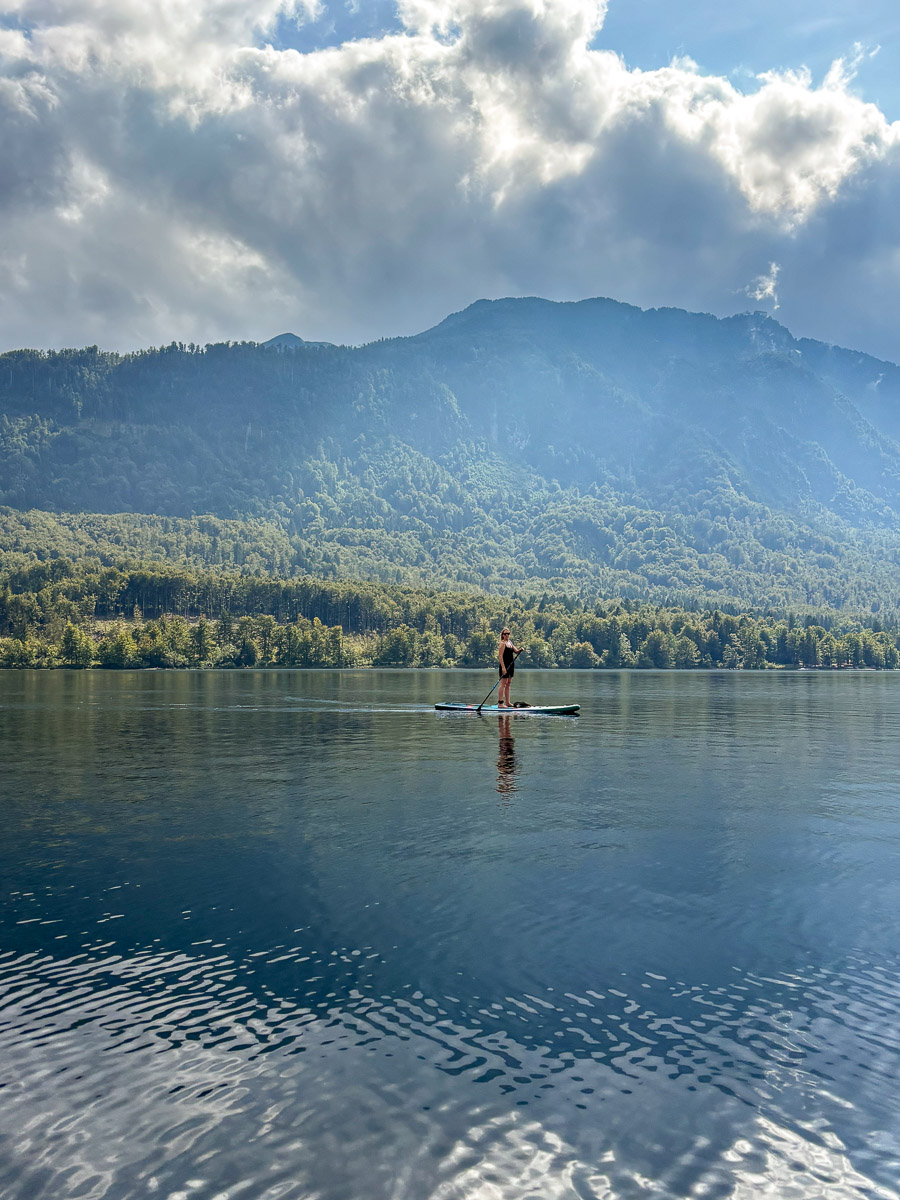
SUP on Slovenia’s glacier-fed lakes where alpine peaks reflect in crystal-clear water. Day by day, we’ll explore waters so fresh and pristine you’ll want to dive straight in. And you probably will.
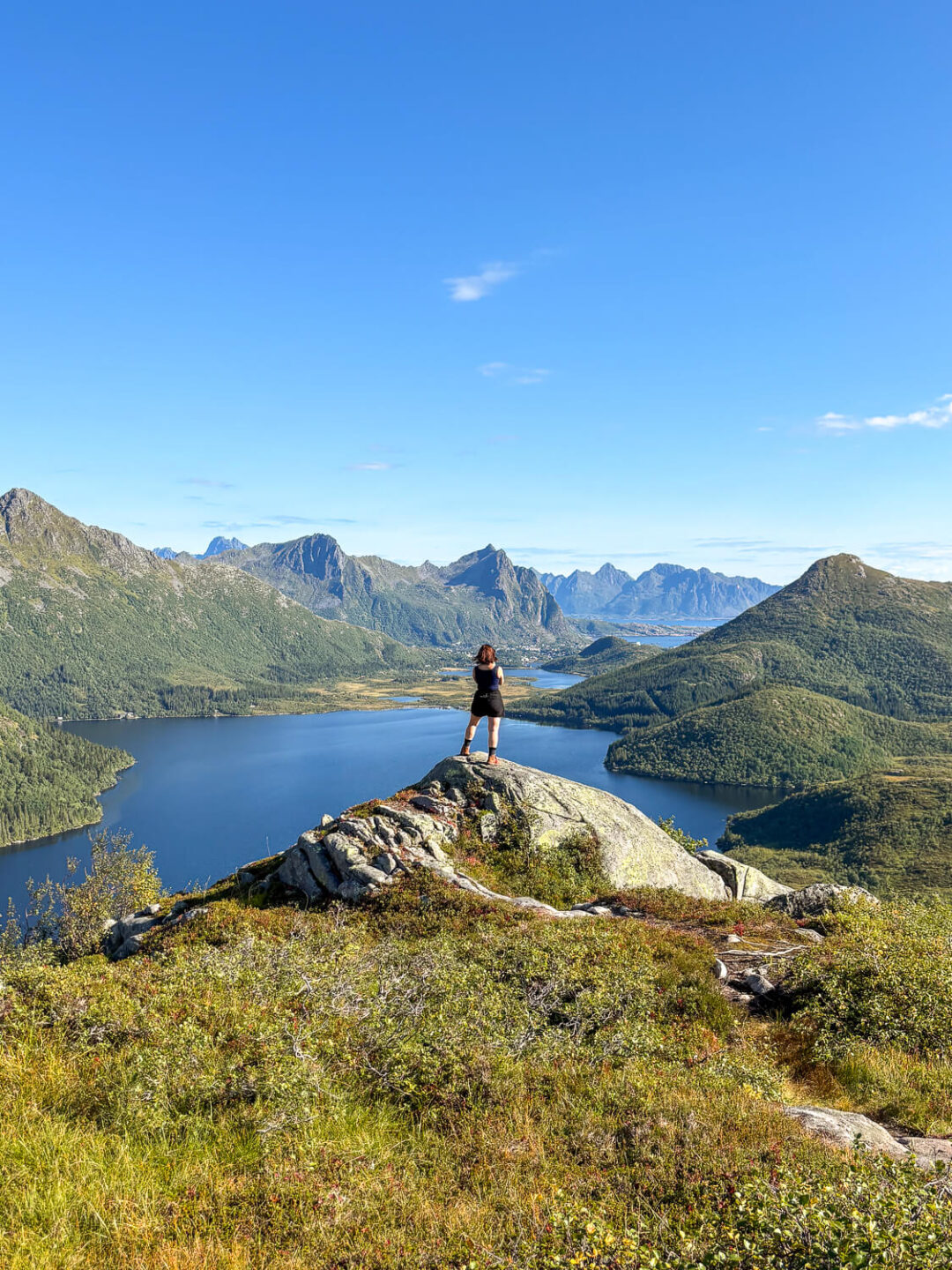
Paddle up Norwegian fjords for dramatic mountains sweeping either side. Stumble upon small beaches, stop off at local restaurants only accessible by water, and if you’re feeling brave, take a dip in the cool waters.
Whitewater Paddleboarding
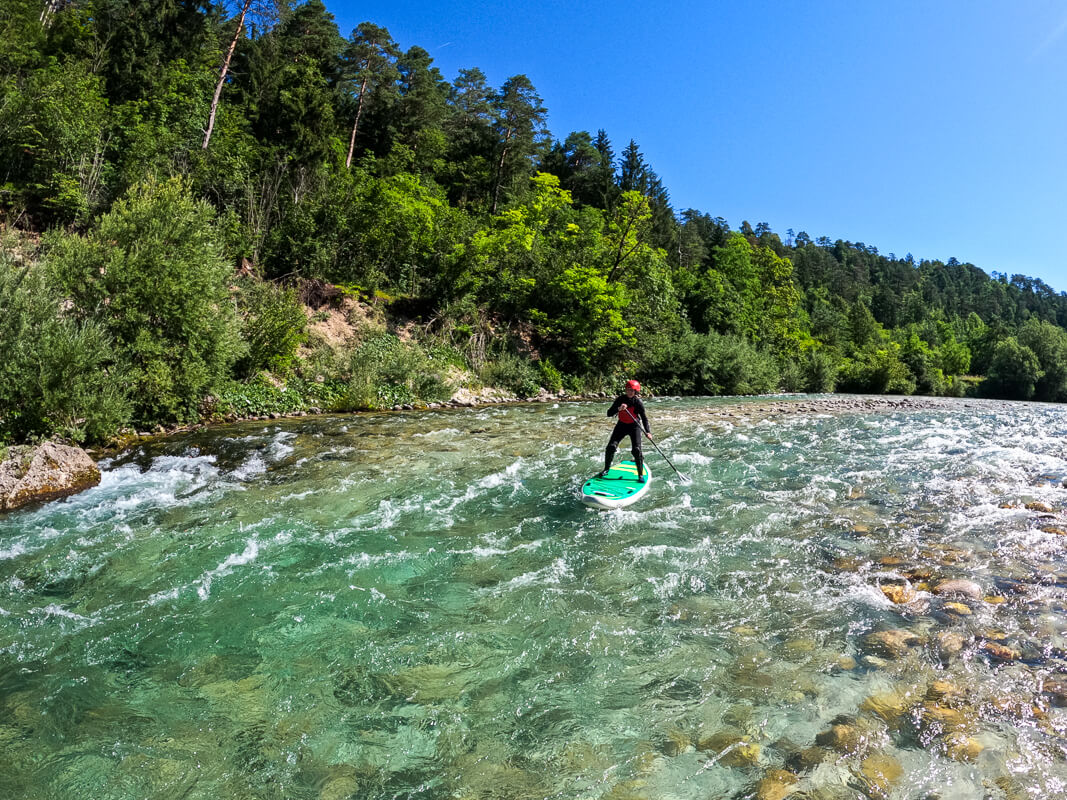
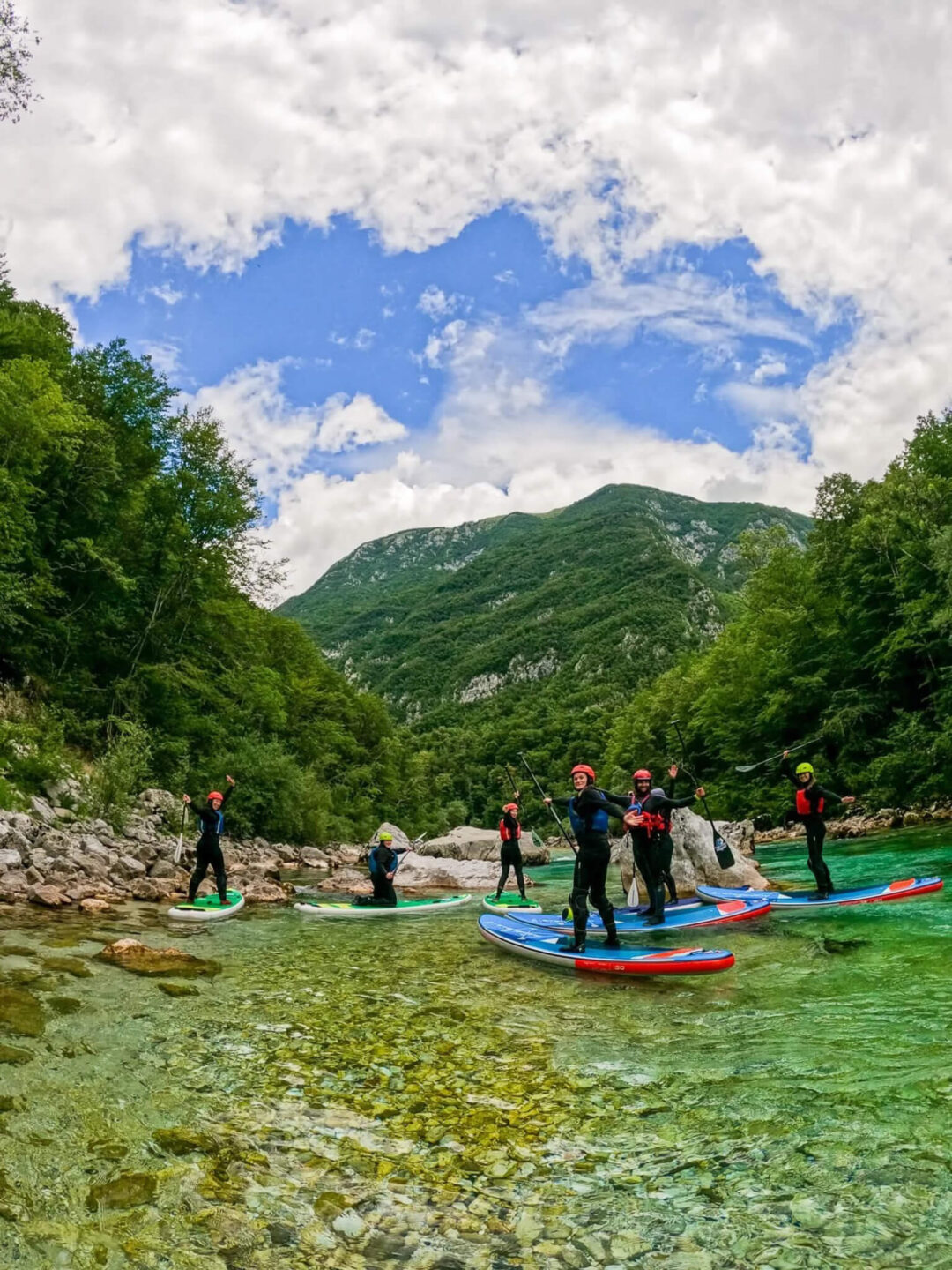
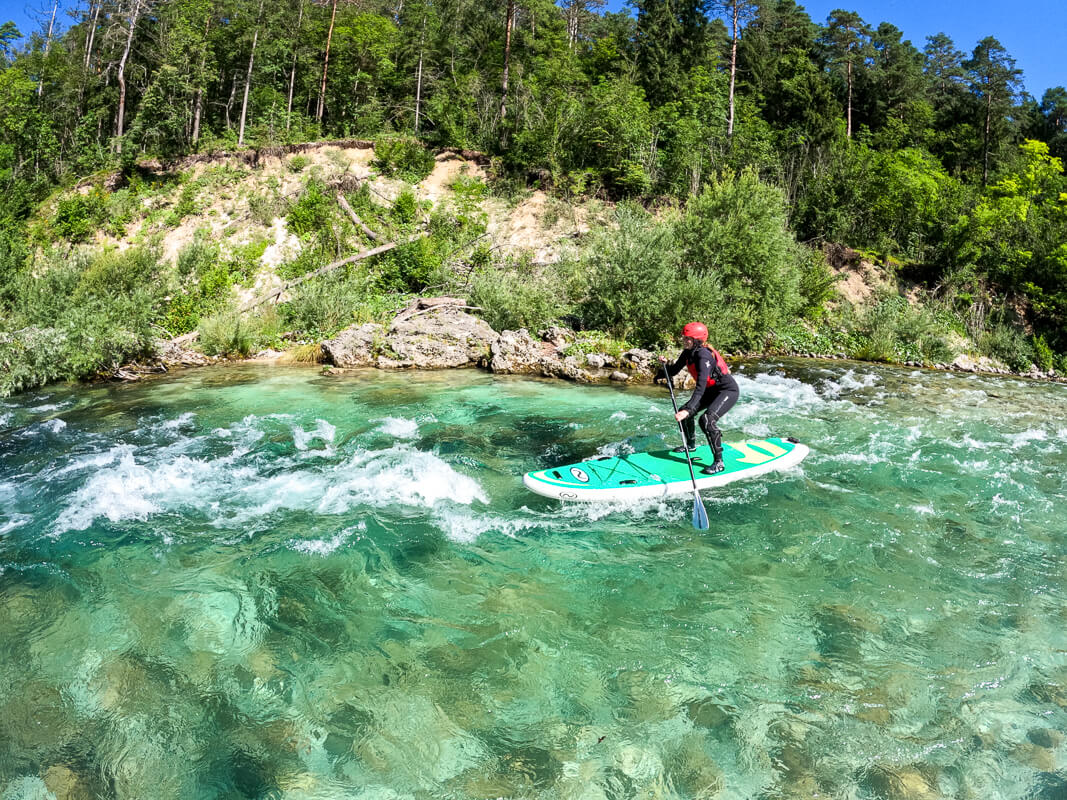
On every paddleboarding holiday, you’re supported by a local expert guide — they’ll teach you technique, read the water, and coach you as you go. Plus, a Gutsy Girls host takes care of the group (think pep talks and motivation) and the logistics (so you don’t have to think about anything). It’s a winning combo!For those who have more experience on their boards (min. 10 hours), we also run extra adventurous paddleboarding adventures. These trips start on calm, glassy lakes, then head to lively rivers and whitewater locations. That’s where the real challenge starts. You’ll definitely fall in on these trips, but our instructors will coach and guide you every stroke of the way.
Paddleboarding Holidays
On every paddleboarding holiday, you’re supported by a local expert guide — they’ll teach you technique, read the water, and coach you as you go. Plus, a Gutsy Girls host takes care of the group (think pep talks and motivation) and the logistics (so you don’t have to think about anything). It’s a winning combo!
We’ve got you covered
None at all. Paddleboarding is one of the more beginner-friendly watersports – most people are upright and moving within the first session. You’ll cover the basics on calmer water before venturing anywhere more tricky, and it tends to click faster than people expect. There’s also plenty of room to progress if you’re already comfortable on a board and want to work on technique, cover bigger distances or handle more varied conditions.
Almost certainly, especially early on. And that’s fine. Falling in is part of learning, not a sign you’re doing it wrong. Your instructor will show you how to get back on confidently, and after the first couple of times it stops feeling like a big deal. In warmer destinations, most people end up voluntarily jumping in between paddles anyway.
On a stand-up paddleboard (SUP), you’re upright on a wide, stable board using a single long paddle. In a kayak, you’re seated with a double-bladed paddle. Kayaking tends to be faster and more efficient over longer distances; paddleboarding works your balance, core and upper body harder and gives you a different perspective on the water. Both are great for exploring coastlines, lakes and rivers, they’re just different experiences. Some adventure trips combine the two, which gives you a feel for how each one handles.
A decent baseline fitness is needed for most beginner trips. Paddleboarding won’t punish your legs the way hiking does, but your core, shoulders and back will know they’ve worked after a full day on the water. If you exercise regularly, such as swimming, cycling and gym sessions, you’ll be comfortable. For more active trips covering longer daily distances in coastal conditions, building some upper body and core strength in the weeks beforehand makes a real difference.
It depends on the destination and time of year. In warm Mediterranean conditions, quick-dry shorts or leggings and a UV top cover most situations, whilst some just wear swimwear. You’ll likely get wet, so cotton is a poor choice. Water shoes or neoprene boots give you grip on the board and protect your feet when you’re getting in and out. Sunglasses, a hat and high-factor sunscreen are also non-negotiable in the summer as the glare off the water is relentless. In cooler destinations, a wetsuit may be needed; your trip or instructor should advise on what’s required.
Absolutely, guided paddleboarding trips really suit solo travellers. Spending days on the water together navigating coastlines and stopping for swims creates easy connection. The shared physical experience tends to do the social work for you without any forced getting-to-know-you awkwardness.
The main formats are flatwater SUP (lakes, rivers, sheltered bays — calmer conditions that are great for building confidence and technique) and coastal or open-water SUP (more exposed, more adventurous, and usually more visually spectacular). Beyond that, there’s SUP yoga, white water SUP for more experienced paddlers, and multi-day expedition SUP covering longer point-to-point routes. Most adventure paddleboarding holidays fall into the coastal or flatwater category as you’re there for the landscapes as much as the paddling.
For Mediterranean destinations, May through October is the window. The water is warm, days are long and conditions make spending hours on the water really enjoyable. June, September and early October tend to be the sweet spot: good conditions without the full-blown summer crowds. For alpine lake paddling in destinations like Slovenia or Switzerland, July and August offer the best water temperatures and most settled weather. Coastal paddleboarding in the UK and northern Europe is very much a spring-to-autumn activity.
The board, paddle, leash and buoyancy aid are the essentials. On guided and organised trips these are provided. If you’re heading out independently, board volume matters: a higher volume board is more stable and better suited to beginners, while lower volume boards are more responsive for experienced paddlers.
A good wetsuit or UV top is also useful depending on conditions and you’ll also need water shoes and a dry bag to round things out. You don’t need to own kit to get started – hiring is easy and sensible until you know the sport suits you.
Yes. Paddleboarding has a lower barrier to entry than most watersports. You don’t need athletic ability, just reasonable balance and a willingness to get stuck in. The first 20 minutes can feel wobbly, but most people find their feet quickly. It’s one of those activities where the payoff – being out on the water, moving under your own power through somewhere worth seeing – arrives pretty early on.