Latest blog post articles
Upcoming
Types of Skiing Explained: Alpine, Nordic, Touring & SkateSki touring trips
Who is this for?
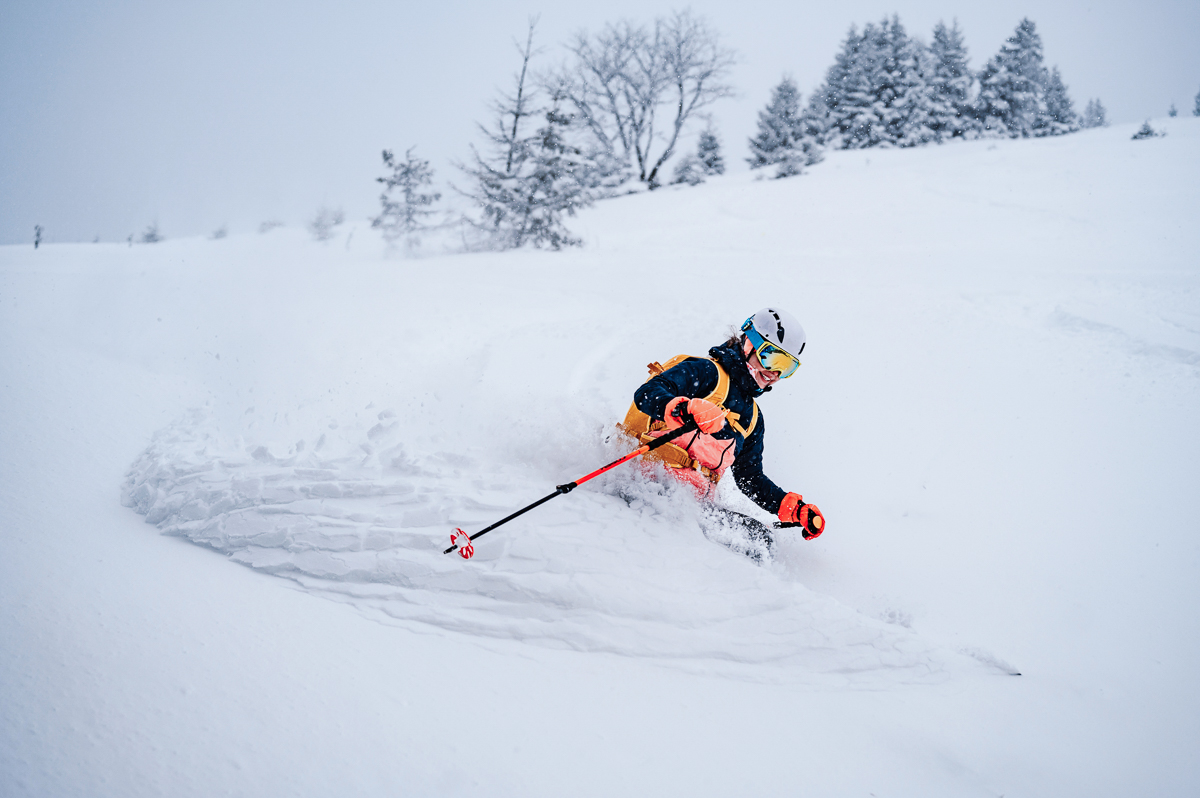
Ski touring takes your alpine skiing skills to the max. It’s designed for strong on-piste skiers ready to ski further and experience a feeling of adventurous freedom. You’ll leave the resorts behind and hike to new heights anywhere in the mountains. Think untouched powder, challenging terrain and absolutely no one else around.
Ski Touring
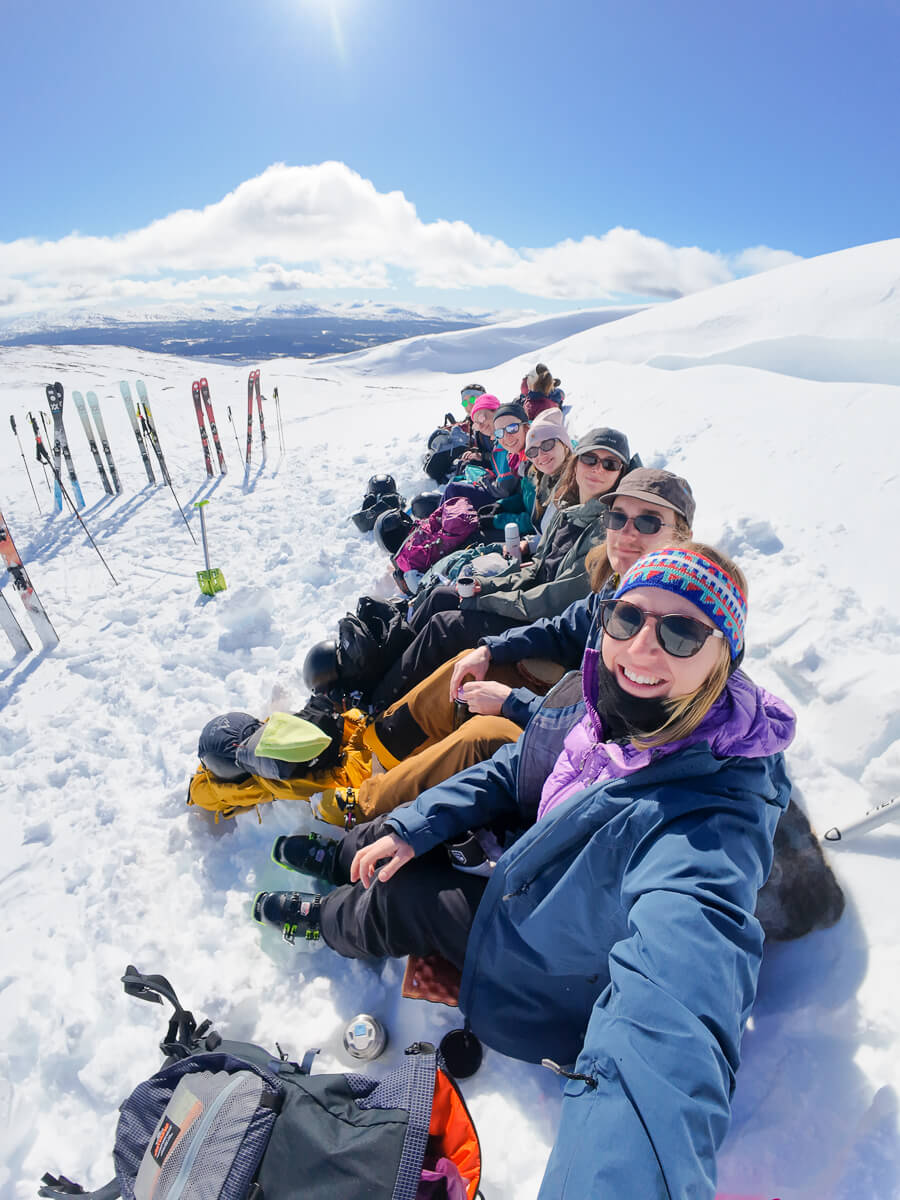
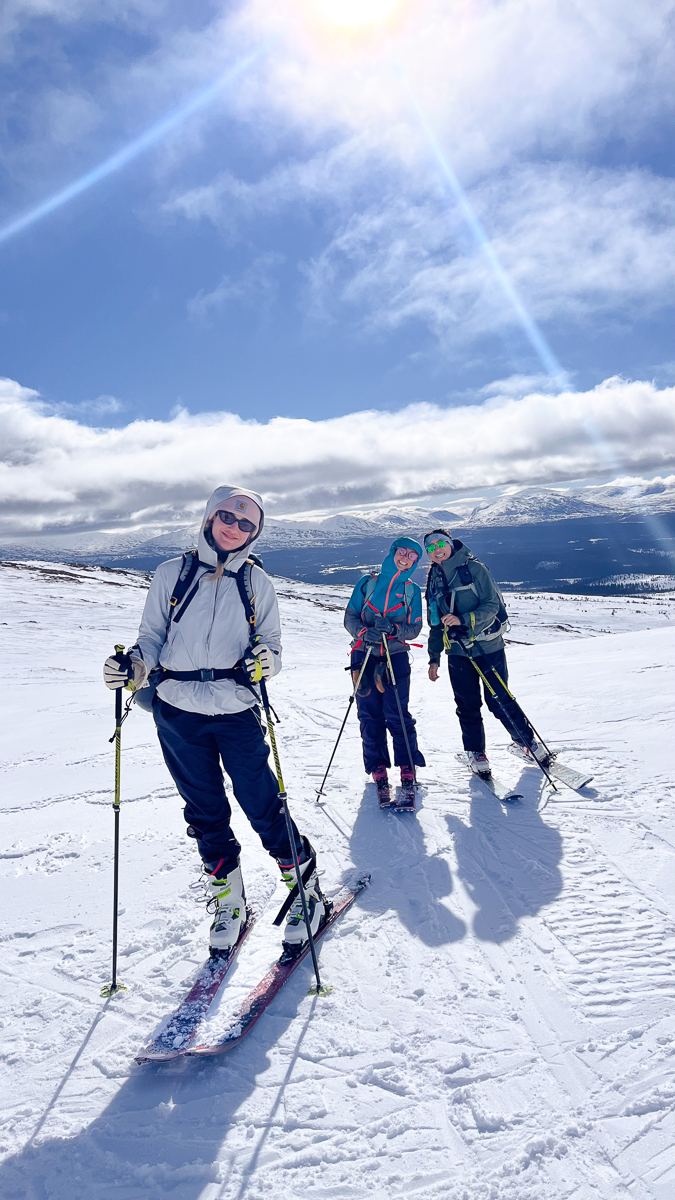
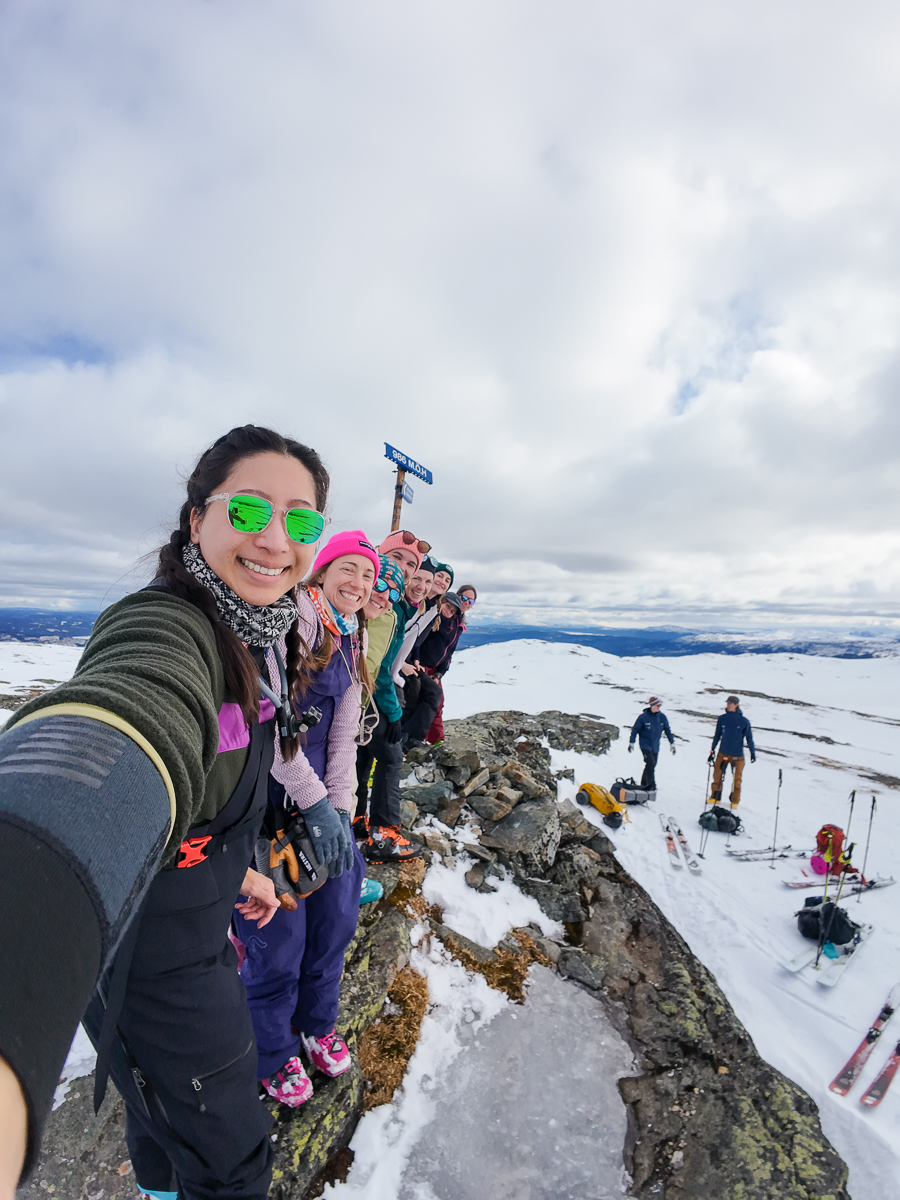
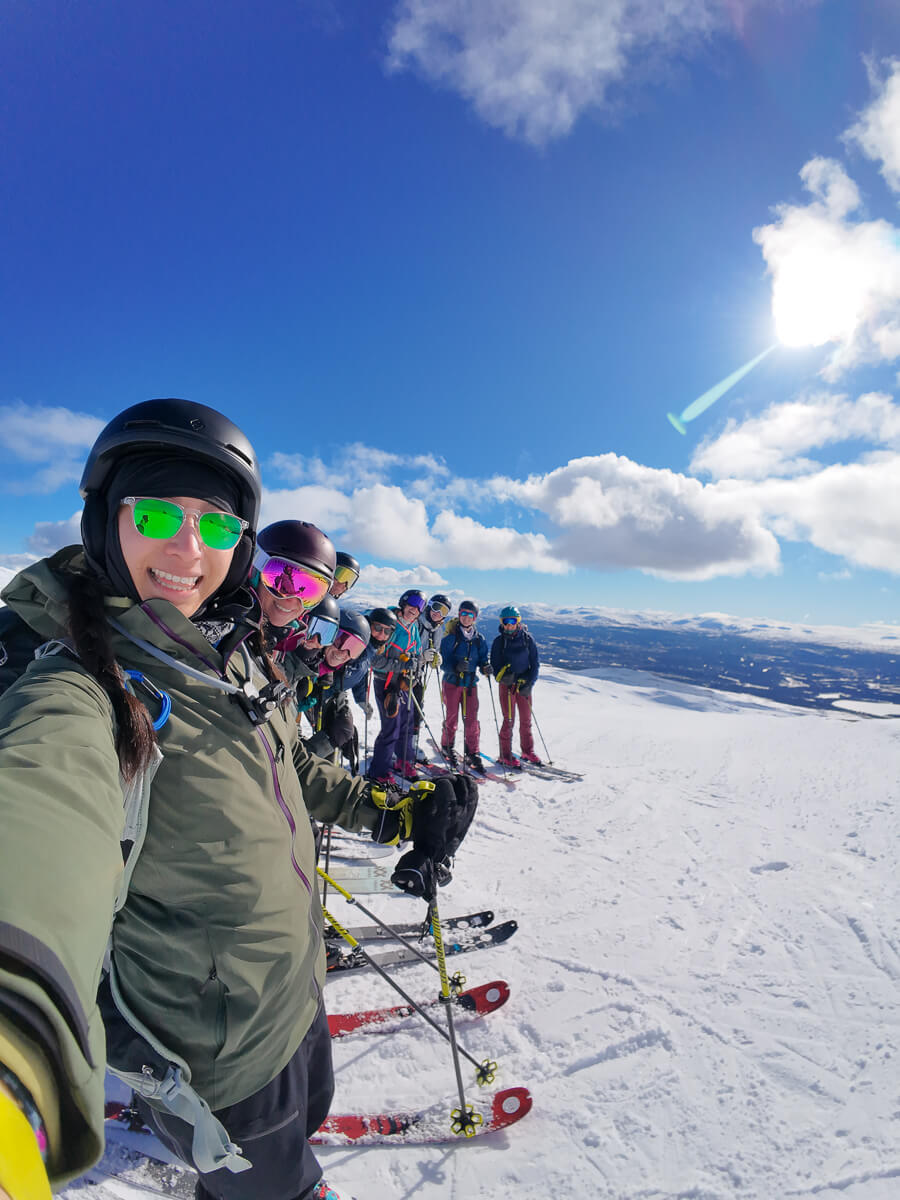
Our ski touring adventures connect the girls who want to push themselves. It’s an ego-free, no competition atmosphere – we literally just wanna have fun.
Picture yourself here
Lessons in touring
We always start with the basics. You’ll learn about climbing skins and touring bindings, how to read terrain, choose safe lines, and move efficiently uphill through snow-covered forests.
We keep the groups small; a 4:1 skier-to-instructor ratio means proper coaching. You’ll learn solid mountain safety knowledge — our qualified guides keep things challenging but safe.
Then it’s off to explore wild valleys and untouched bowls, building confidence on varied off-piste conditions. By the end of the trip, you’ll feel confident joining more ski touring adventures (and we bet you’ll be excited to do so)!
Backcountry ski touring
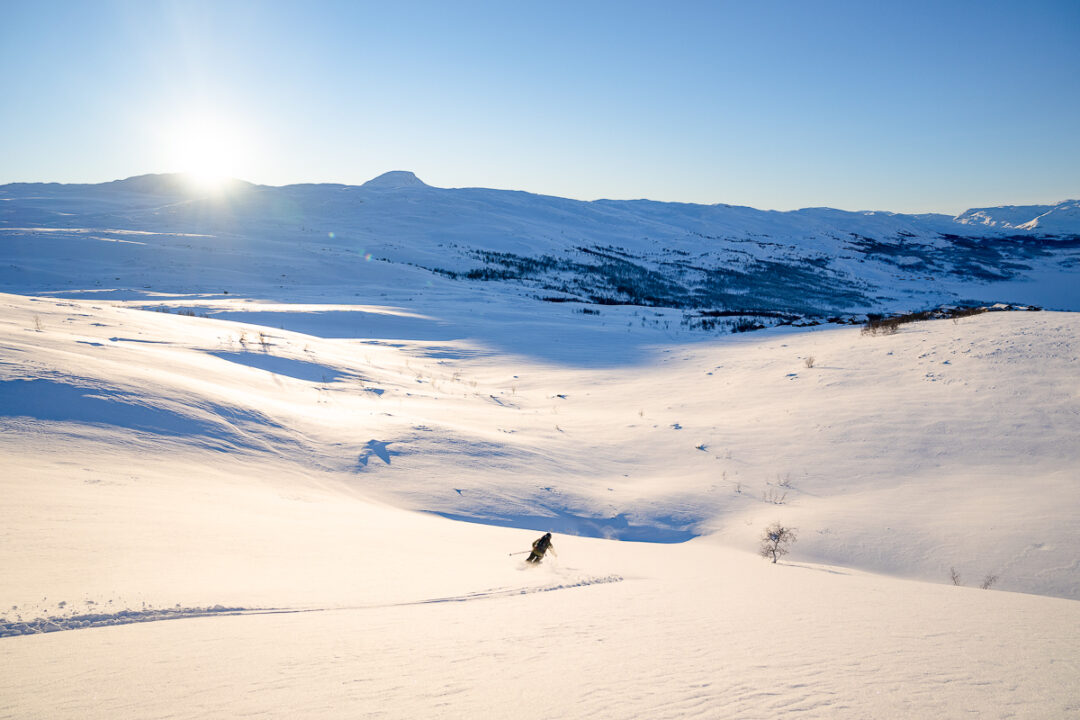
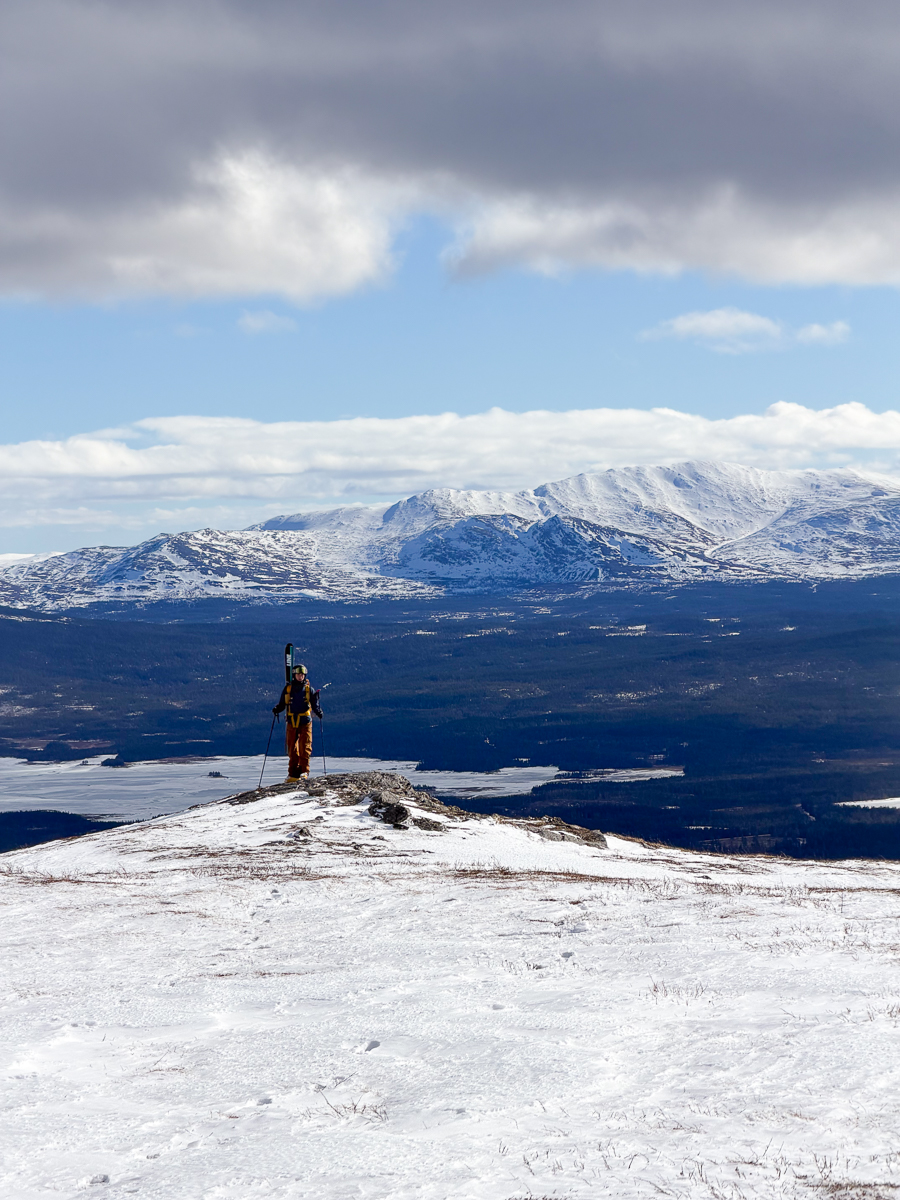
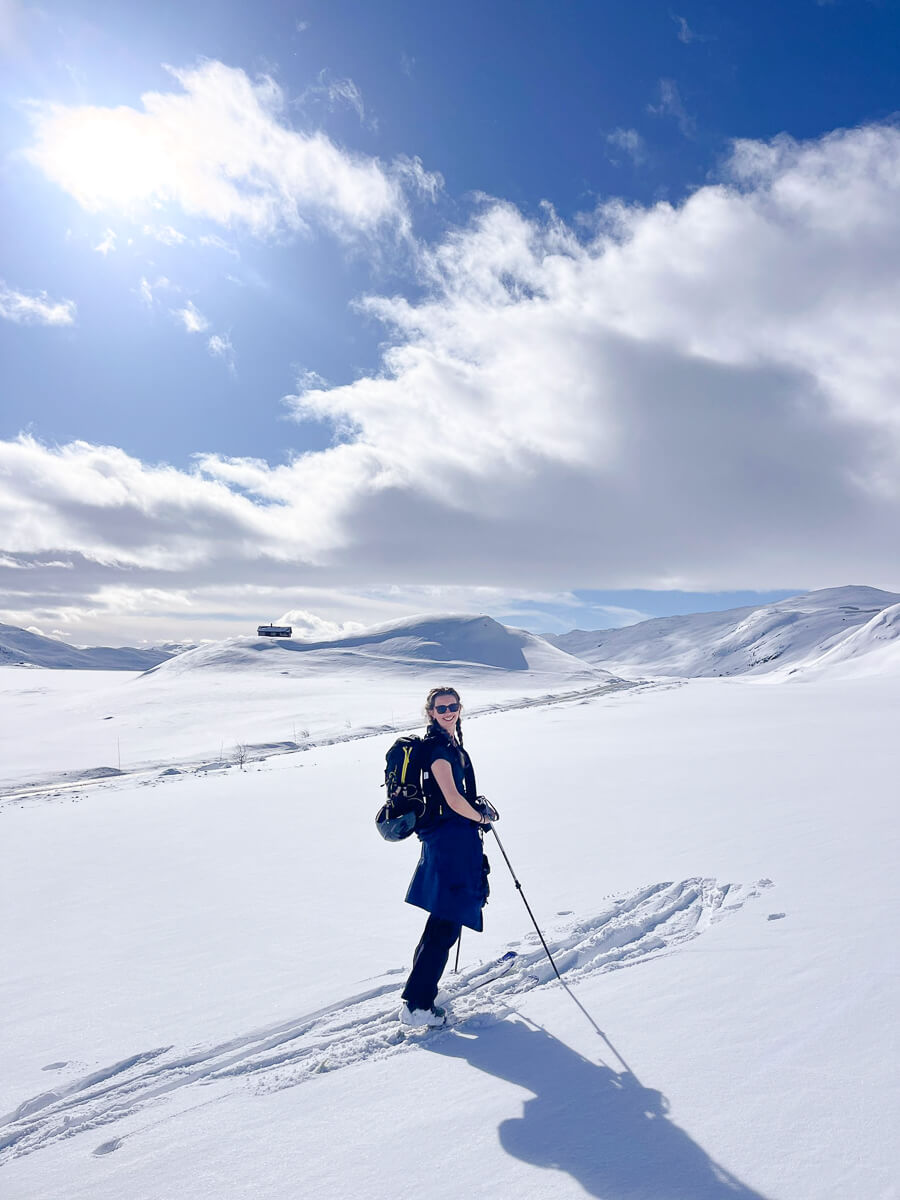
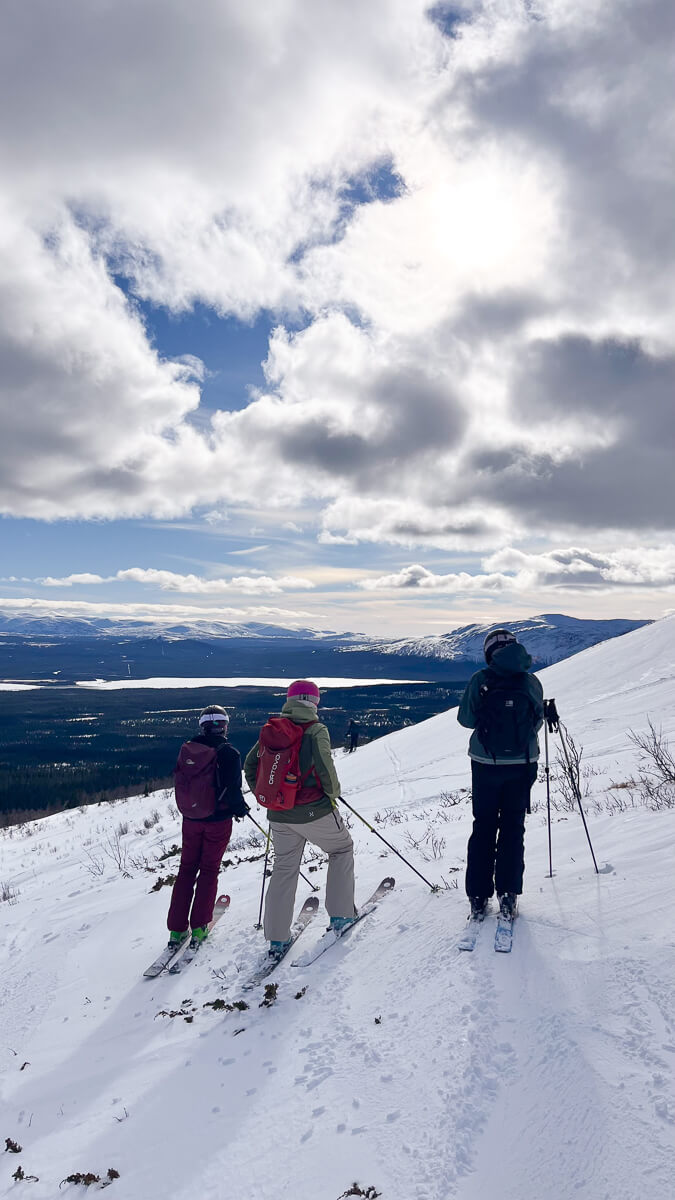
We love Trillevallen, a mountain escape with reliable snow conditions and beautiful scenery. It’s not far from Åre resort, but with fewer visitors, you’ll have the freedom to build confidence away from the crowds.
Ski through history in the Fljót Valley. Explore the rugged landscape in an area where skiing is part of day-to-day life. Discover spots you can only find via skis.
With its dramatic scenery and Archipelago, Lofoten never disappoints. Every mountain offers a challenging climb and rewarding downhill ski – perfect for ski touring adventures.
Offering all types of slopes, Norway is the ideal place to level up your skiing experience in the middle of nowhere. Head East for long valleys and dramatic mountains.
Ski Touring Trips
On every ski touring holiday, you’re led by local guides trained in avalanche safety and terrain assessment — they read the conditions, choose the safest line, and coach you as you climb and descend. Small groups mean personalised guidance suited to your experience, so you can push further with confidence. A Gutsy Girls host sorts the logistics, so you can focus on the mountain.
No lifts, no resorts
This isn’t just downhill skiing – you’ll be hiking uphill on skis before earning those descents. Think stamina and endurance. You’ll be fully equipped with climbing skins, and our guides will teach you all you need to know. These trips are designed for intermediate skiers who can confidently parallel turn on red runs and control speed on varied terrain. You don’t need any touring experience, but you need to be fit – it’s a physical challenge!
We've got you covered
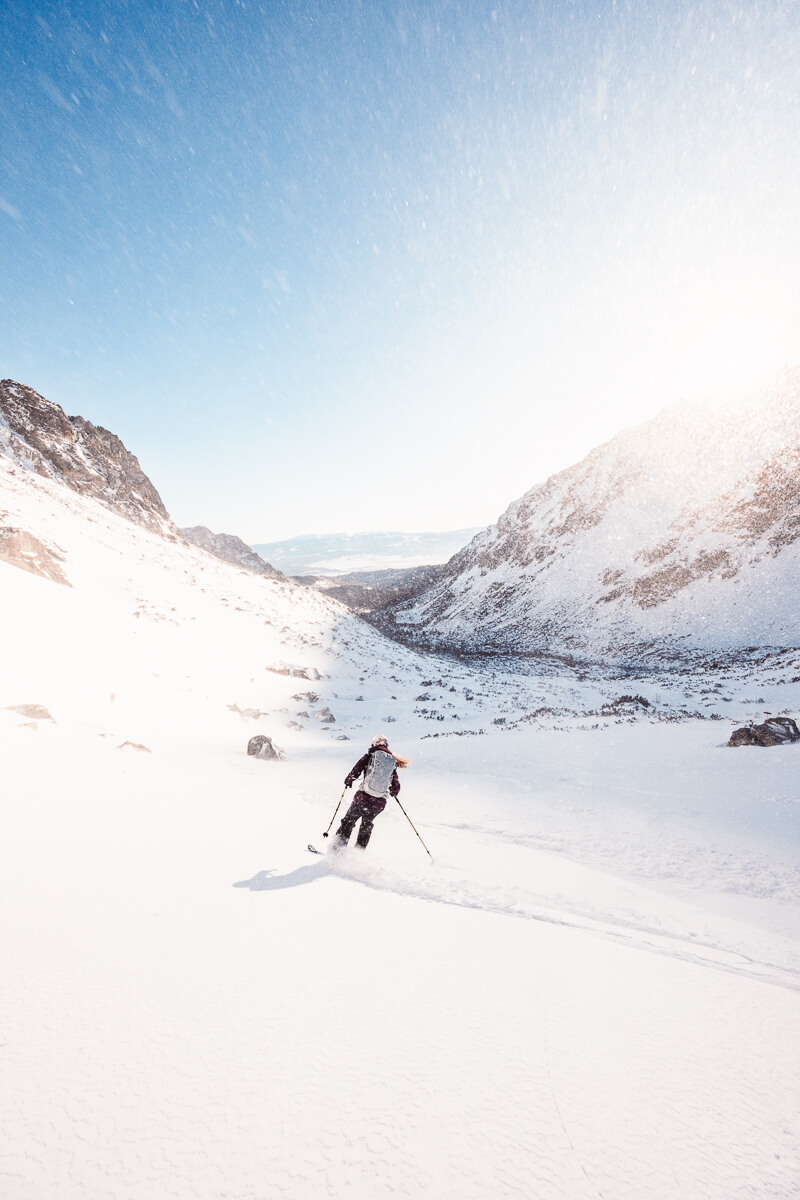
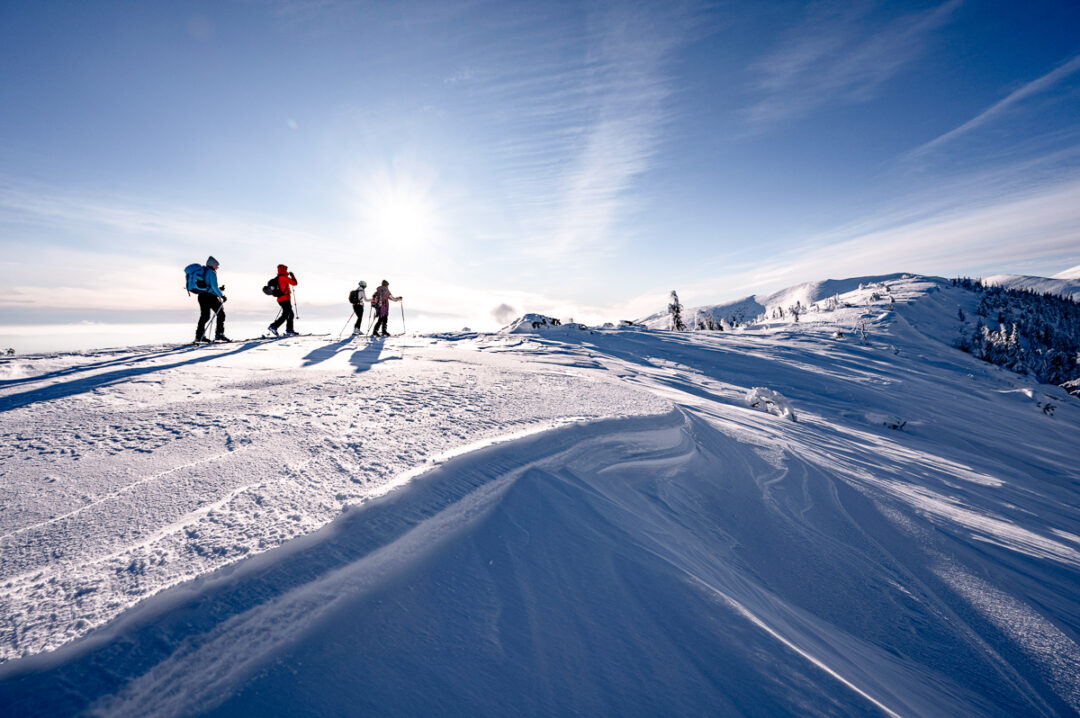
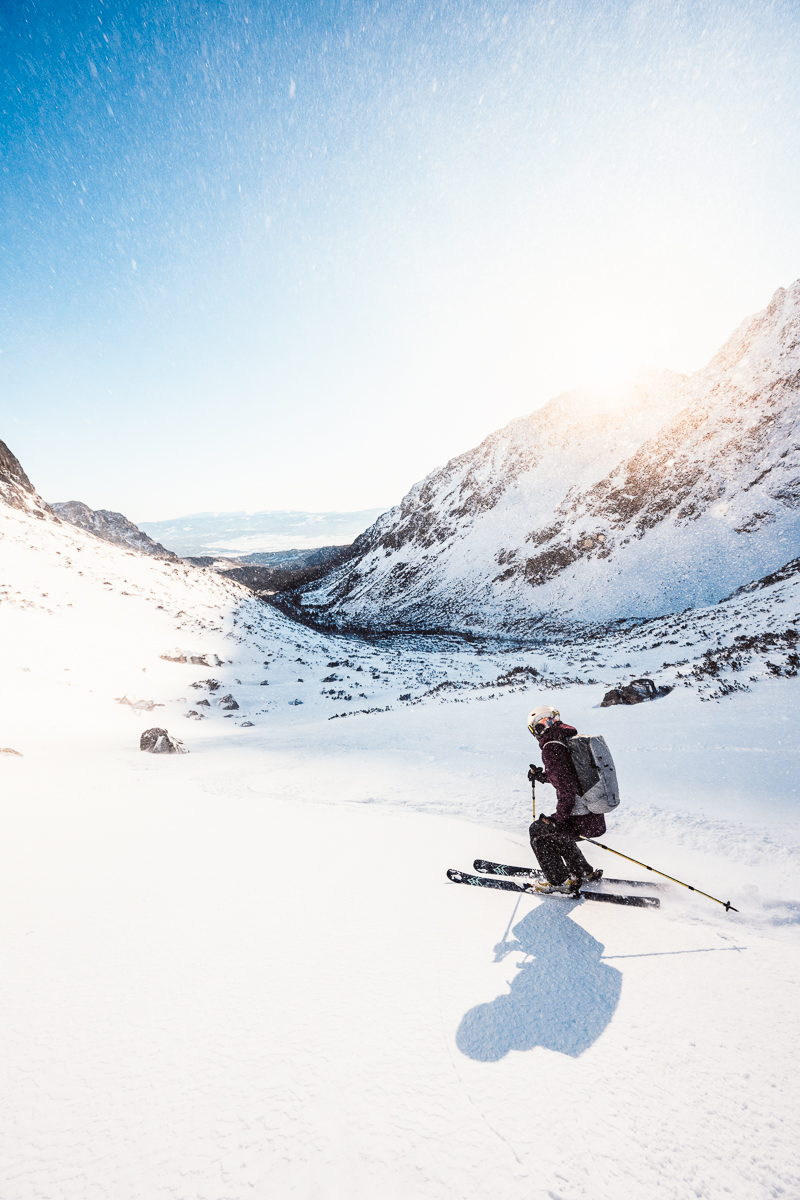
Think of it as alpine skiing, but without the lifts, the crowds or the groomed pistes. Ski touring takes confident skiers off the mountain and into the backcountry, climbing under your own steam using skins that grip the snow on the way up, then switching into ski mode for the descent down untracked terrain. It’s what skiing looks like when you leave the resort behind entirely.
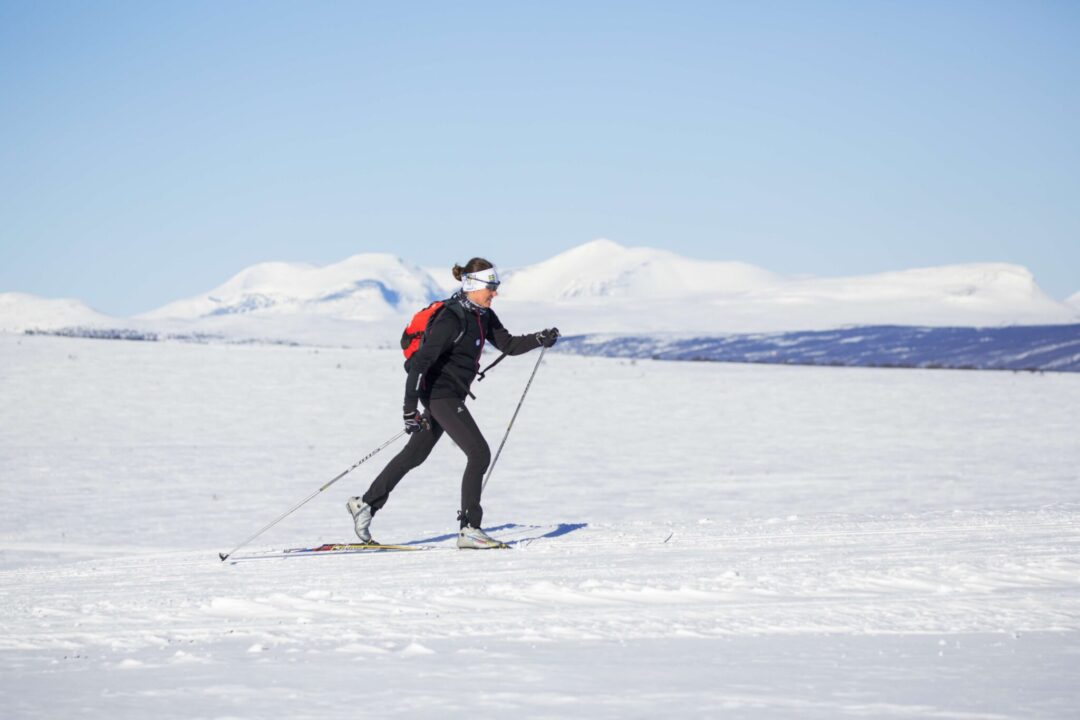
They’re two completely different sports. Ski touring is alpine skiing – you’re ascending and descending mountains on downhill-style skis and tackling off-piste terrain. You also need solid on-piste alpine ski ability before you start. Cross-country skiing covers rolling, relatively flat terrain on narrow skis. It’s about covering distance through forests and open landscapes, not descending mountains. If you want to get away from the crowds but aren’t yet confident on red runs, cross-country is the more accessible starting point.
No prior touring experience is needed, but you do need to be a confident downhill skier. Solid parallel turns on red runs and comfort in variable snow conditions give you the foundation everything else is built on: using climbing skins, switching bindings, reading terrain and basic avalanche protocol.
You’re climbing mountains under your own steam, tackling 6-7 active hours daily and keeping control on the down hill bits too, all of which require good fitness and strength. You should be able to do moderate to high-intensity cardio three to four times a week for 45–60 minutes. We also recommend building leg strength and cardiovascular fitness at least eight weeks out to actually enjoy, rather than just survive the trip.
The key differences compared to resort skiing are: lighter touring skis, bindings with a free-heel mode for the ascent and climbing skins and boots designed to allow ankle flex. A transceiver, probe and shovel are also non-negotiable in the backcountry for avalanche safety. On guided trips this kit is usually provided or available to hire, so you don’t need to invest before you know the sport suits you.
It carries real risk in the wrong hands – the main hazard is avalanche terrain. That’s exactly why going with a qualified guide matters, particularly when starting out. A good guide can read the mountain, pick safe lines and make decisions based on snow conditions, skills that take years to develop. Learn the basics, take an introductory avalanche awareness course if you can, and build experience progressively. It’s not a sport to figure out alone.
The big difference is how you get to the top. Heli-skiing drops you in by helicopter at the highest possible point to maximise the vertical descent. With ski touring the ascent is the whole point. Both get you to untracked snow; the experience of getting there just couldn’t be more different. Heli-skiing is about volume of descents. Ski touring is about the journey, the landscape and moving through the mountains under your own power.
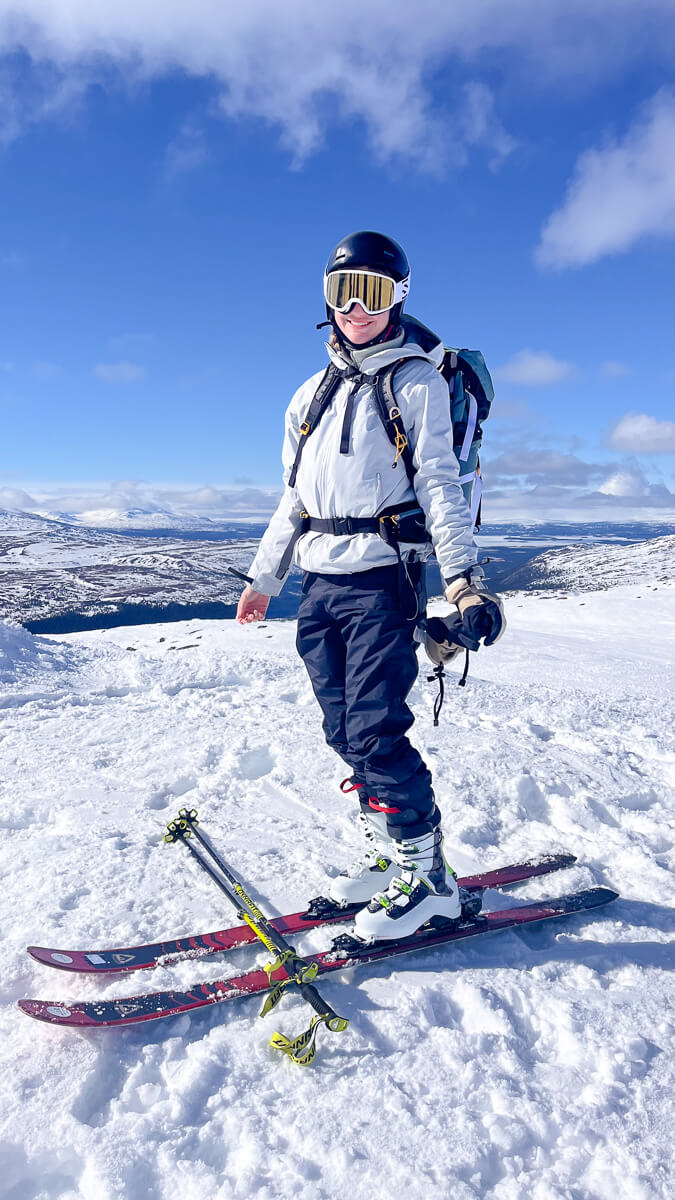
Layering matters more here than downhill skiing because your body temperature swings hard between climbing and standing at the top. A moisture-wicking base layer, light insulating mid layer and a breathable windproof shell covers most conditions. You also need a day pack so that you can save the big puffy jacket for the top, not the ascent so that you don’t overheat fast. Gloves, a hat, buff and sunglasses or ski goggles round out the look.
December through April, with March and April the sweet spot in the Alps as you get longer days, more stable snowpack and better overall conditions. January and February offer reliable snow at altitude but shorter days and serious cold. In Scandinavia the season stretches into May, with long daylight hours and firm spring snow that experienced tourers actively seek out.
The Alps have the most established touring infrastructure – the Haute Route between Chamonix and Zermatt is the classic multi-day traverse, although it demands a high skill level. For a less daunting introduction, the Dolomites, Austria’s Stubai Alps and Sweden’s remote mountain terrain all deliver. Scandinavia suits those after something wilder and less crowded with vast open plateaus, fewer people, a different kind of freedom.
Where you go depends on how much vertical you want and whether you’re drawn to classic alpine environments or somewhere more off the beaten track.
Explore our blog