Latest blog post articles
Upcoming
Types of Skiing Explained: Alpine, Nordic, Touring & SkateYour next horse riding trip
More than a ride
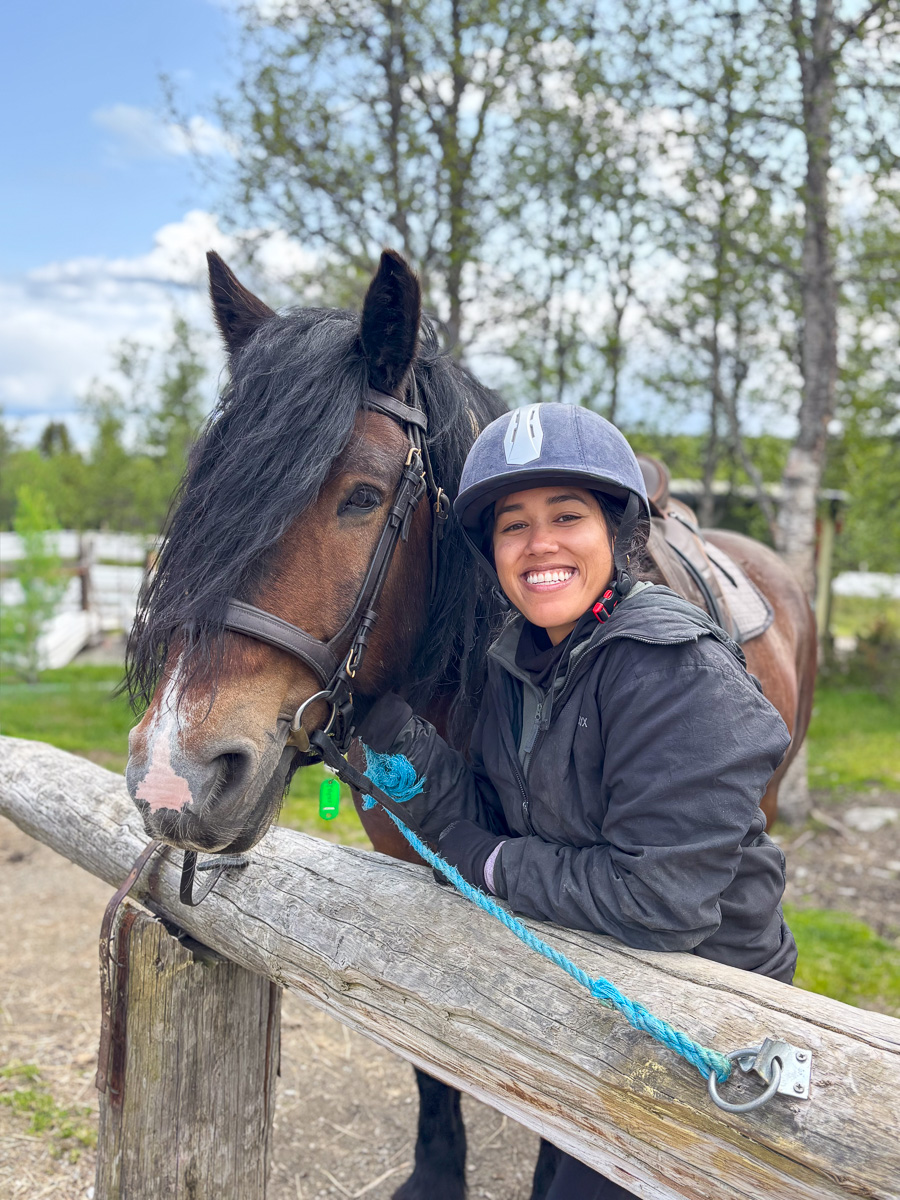
You’ll have your own horse for the whole adventure — giving you time to connect, build trust and find your rhythm together. In the stables, you’ll first learn essential horsemanship skills. Then it’s out onto the trails, winding through national parks and mountain paths that’ll have you pausing to take it all in.
Canter, trot and gallop
Horse riding for all levels
We run horse riding adventures for every level, from first-timers to confident riders. Join a beginner trip to build your skills and confidence while enjoying that wow-factor scenery. Each day, you’ll get to know your horse a bit more, learning to read their body language and care for them. Morning sessions focus on refining your technique in the arena, followed by guided trail rides each afternoon.
If you’re an experienced rider who’s already happy in the saddle, there’s something for you too. Our expert-led sessions give you the chance to explore new terrain during full-day rides through wild, open landscapes.
Off the saddle
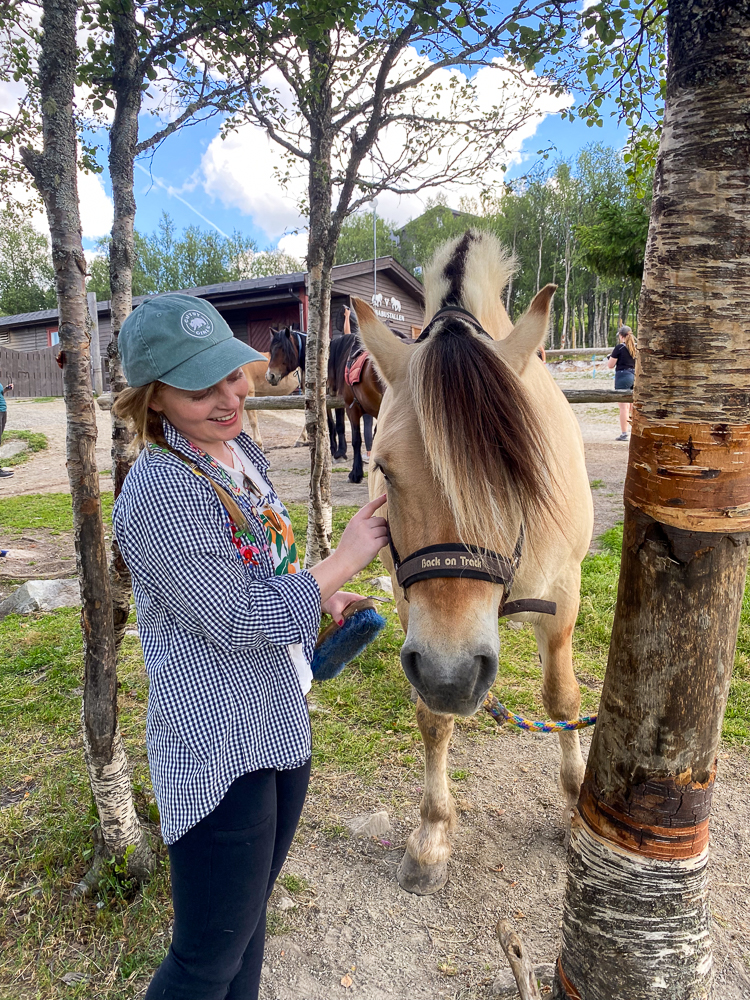
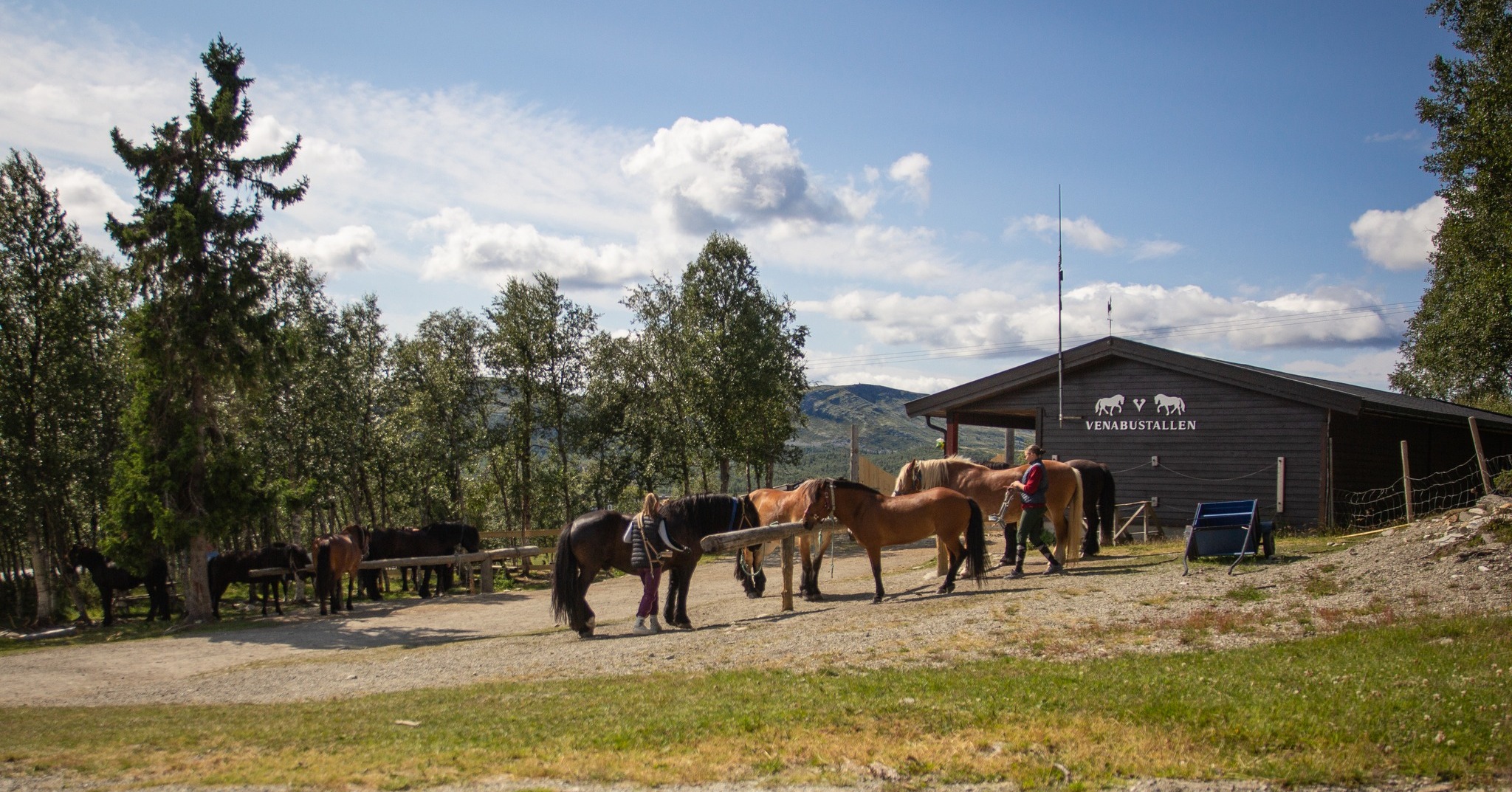
The time we spend in the stables is just as rewarding as the trail rides. You’ll be hands-on with the horses, learning about care, tacking up, grooming and feeding routines. Plus, our expert instructors will dive into how to recognise different types of body language and build a deeper bond with your four-legged friend.
Our favourite locations
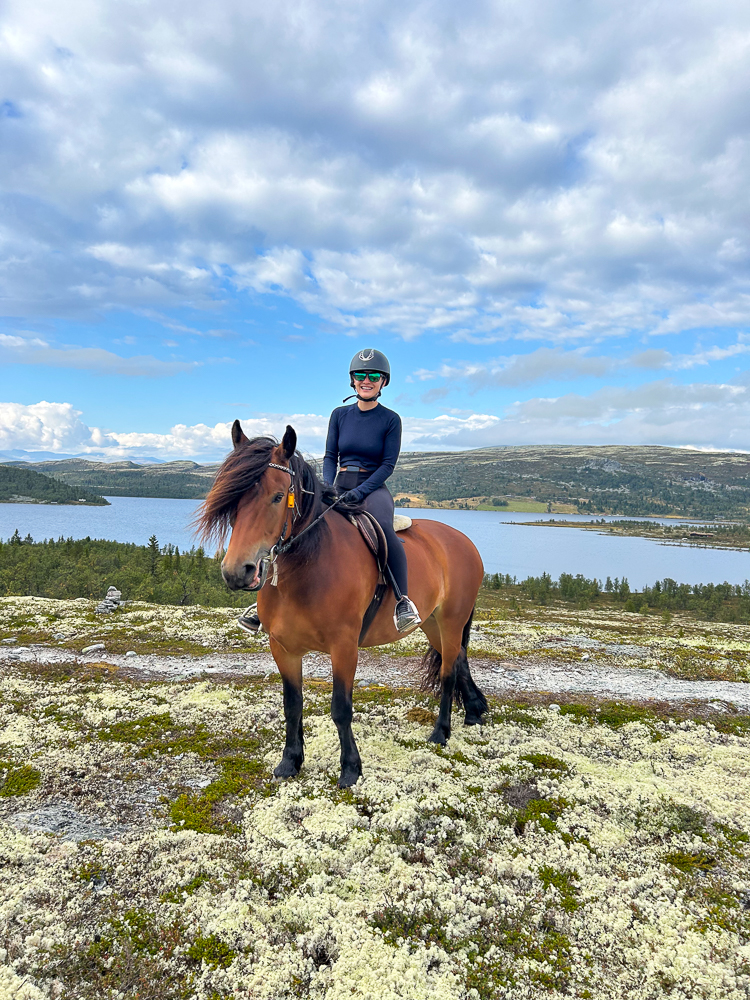
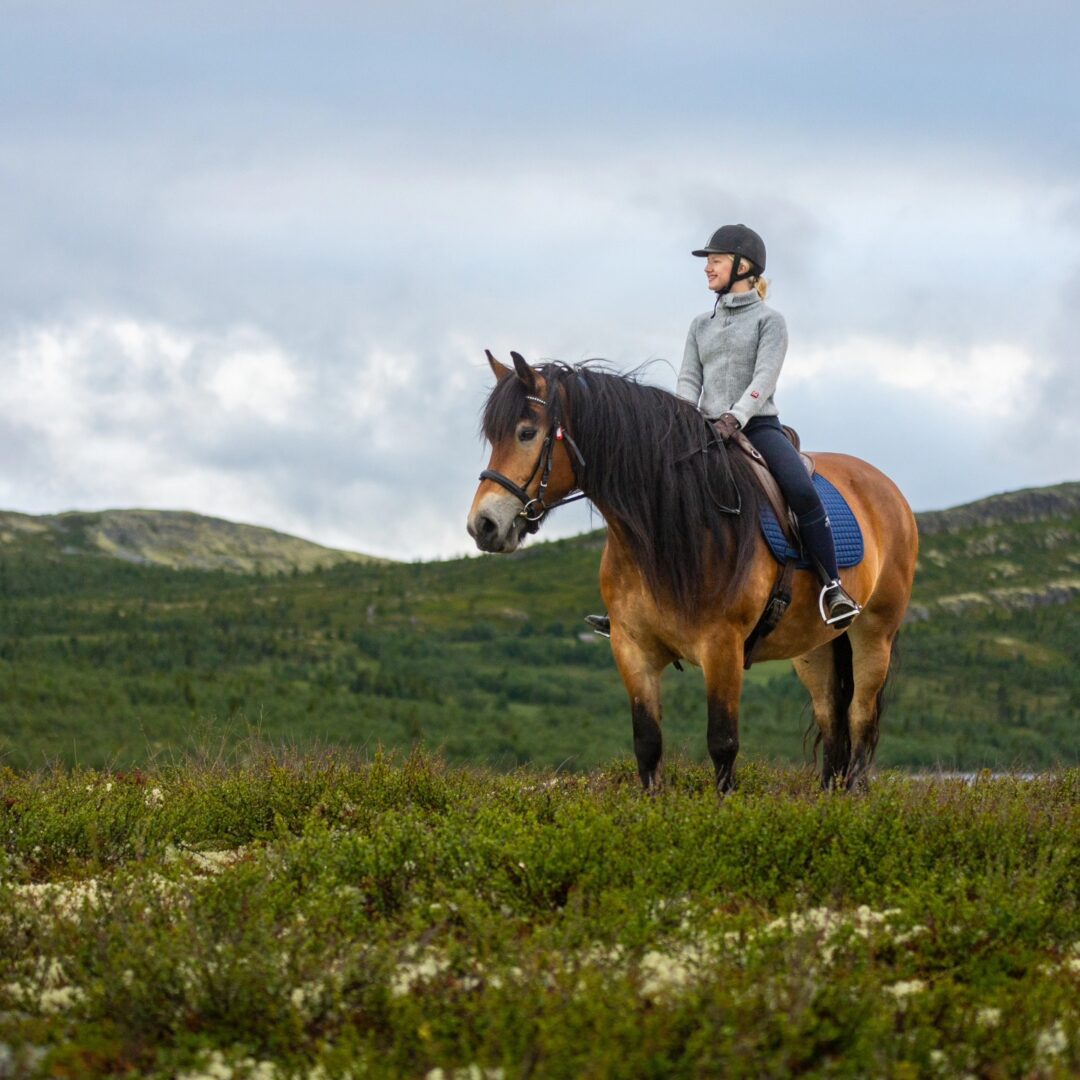
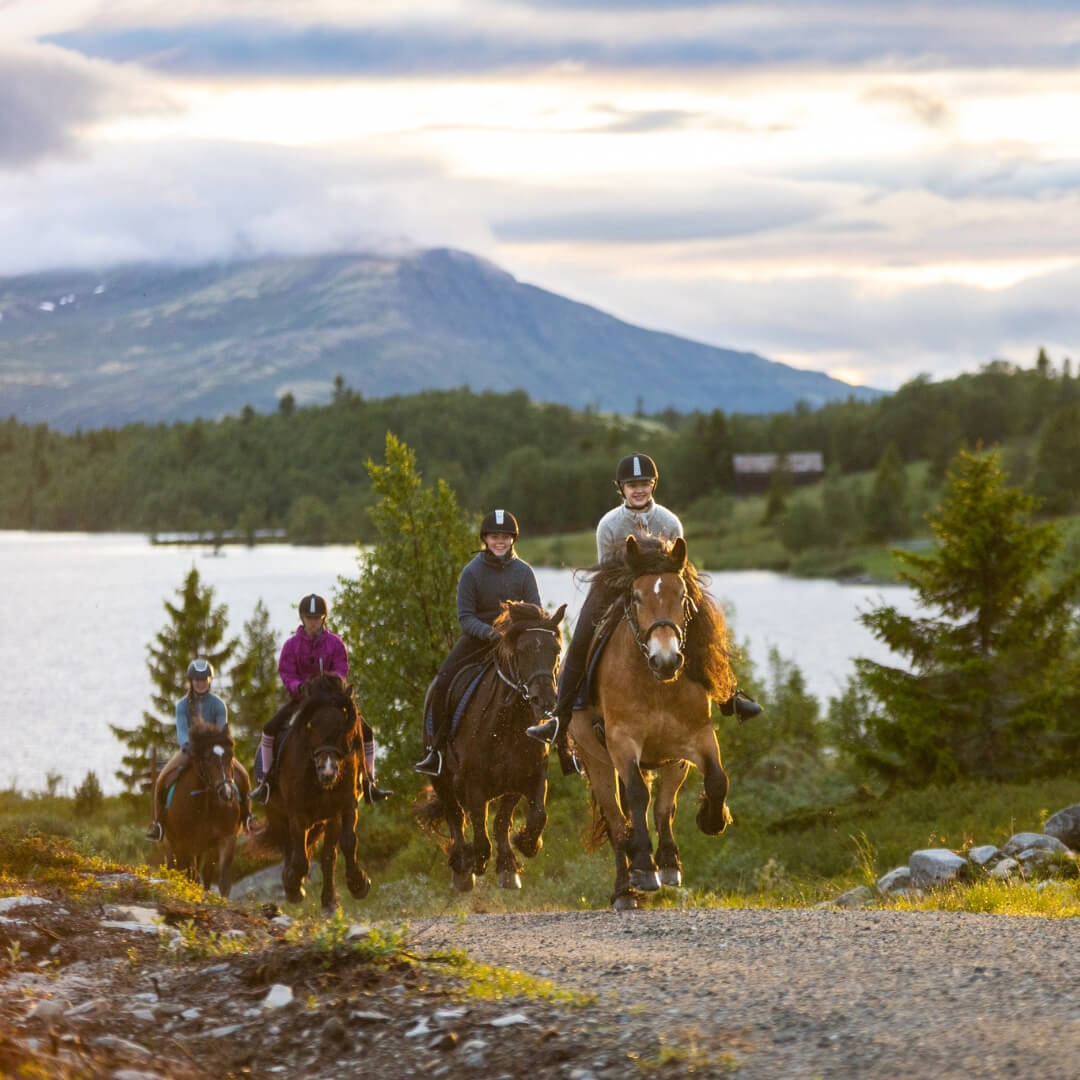
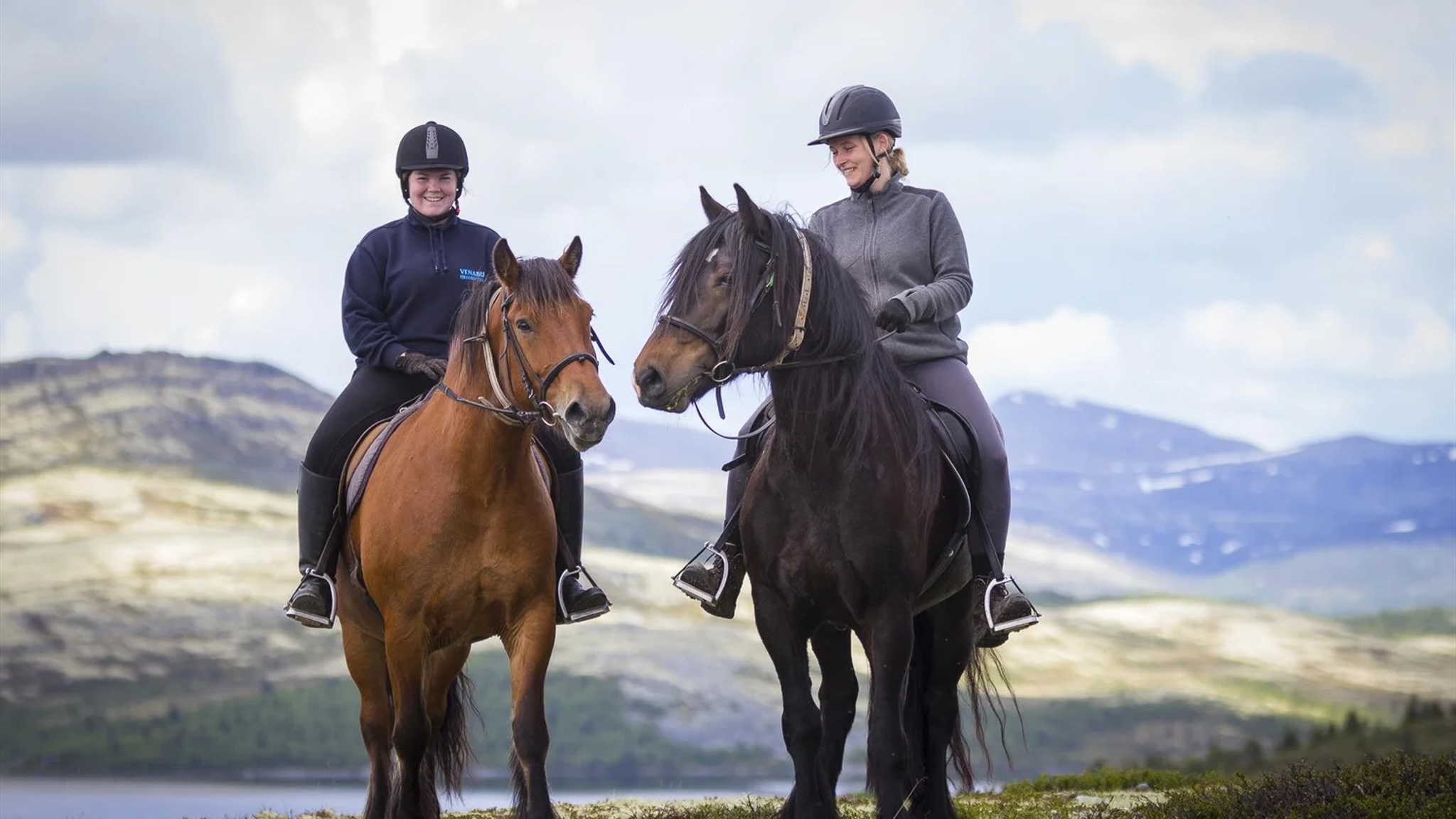
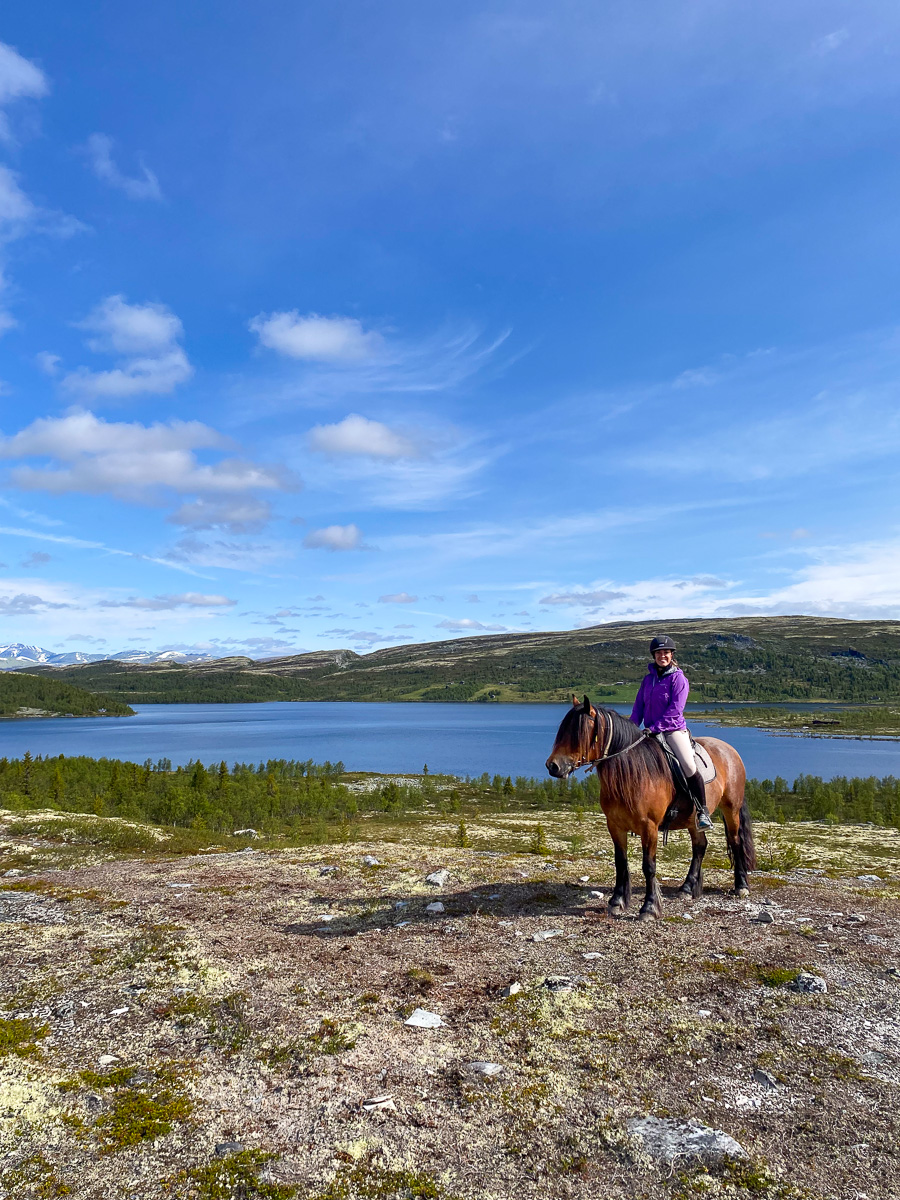
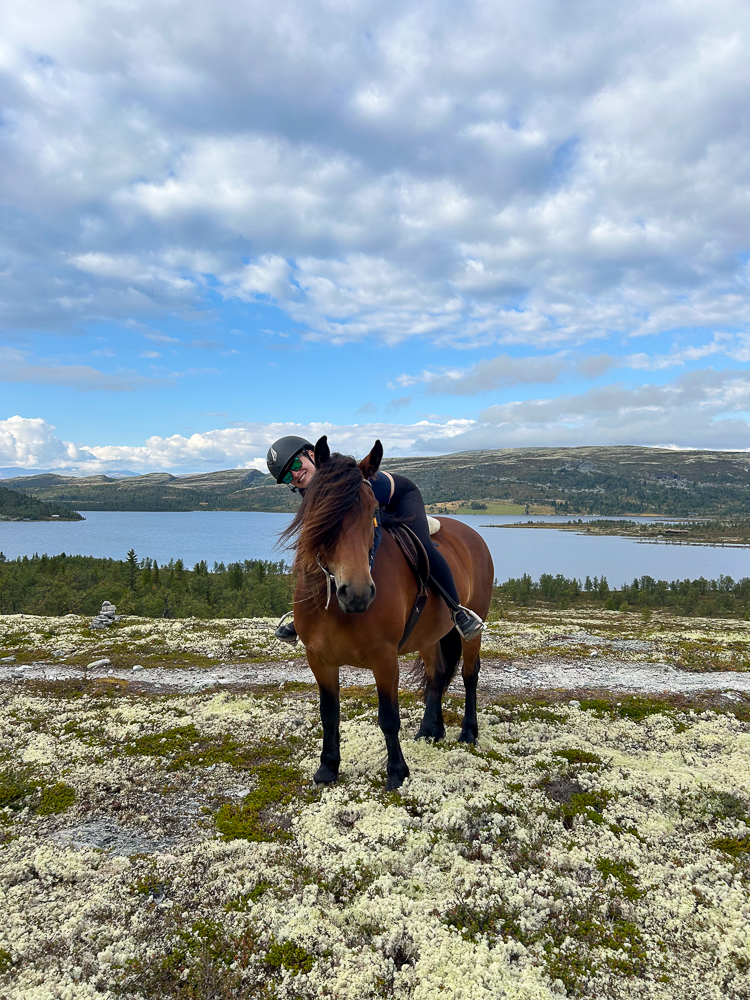
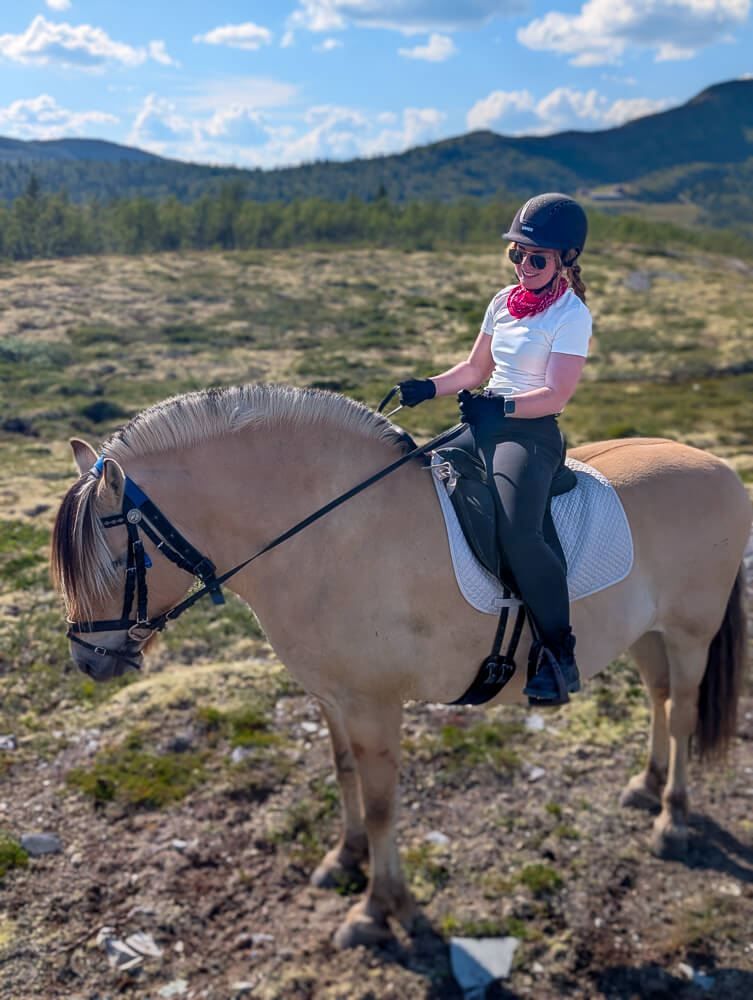
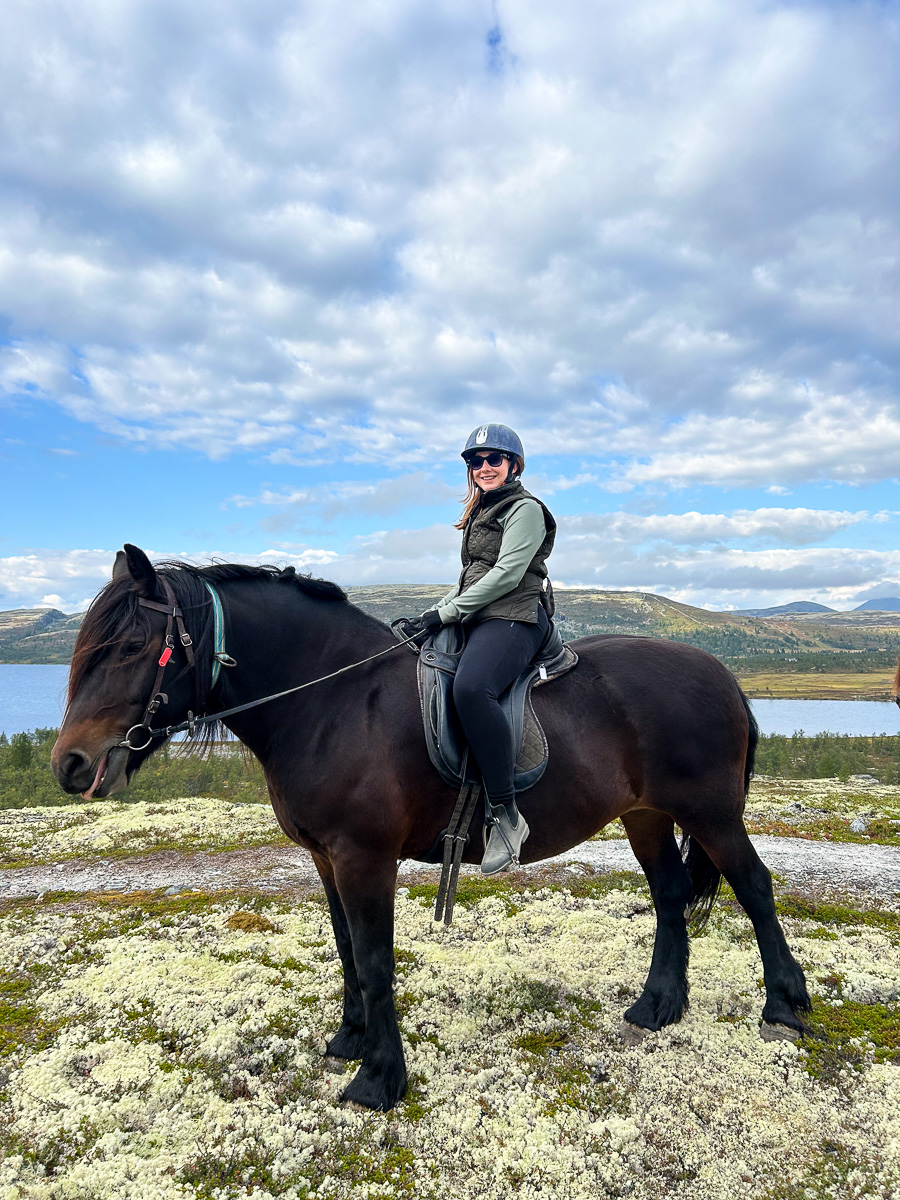
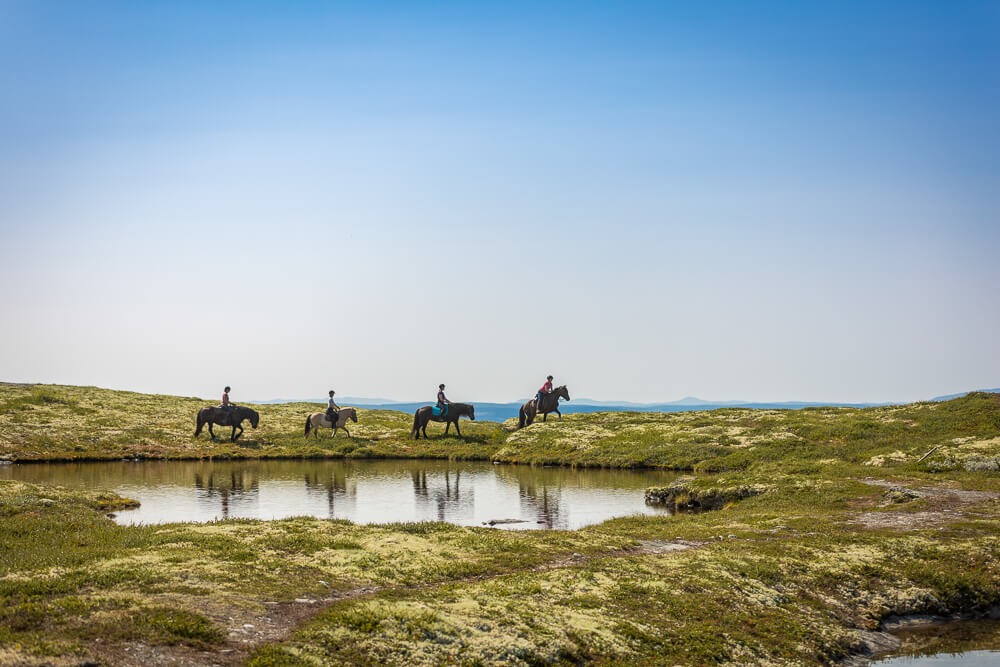
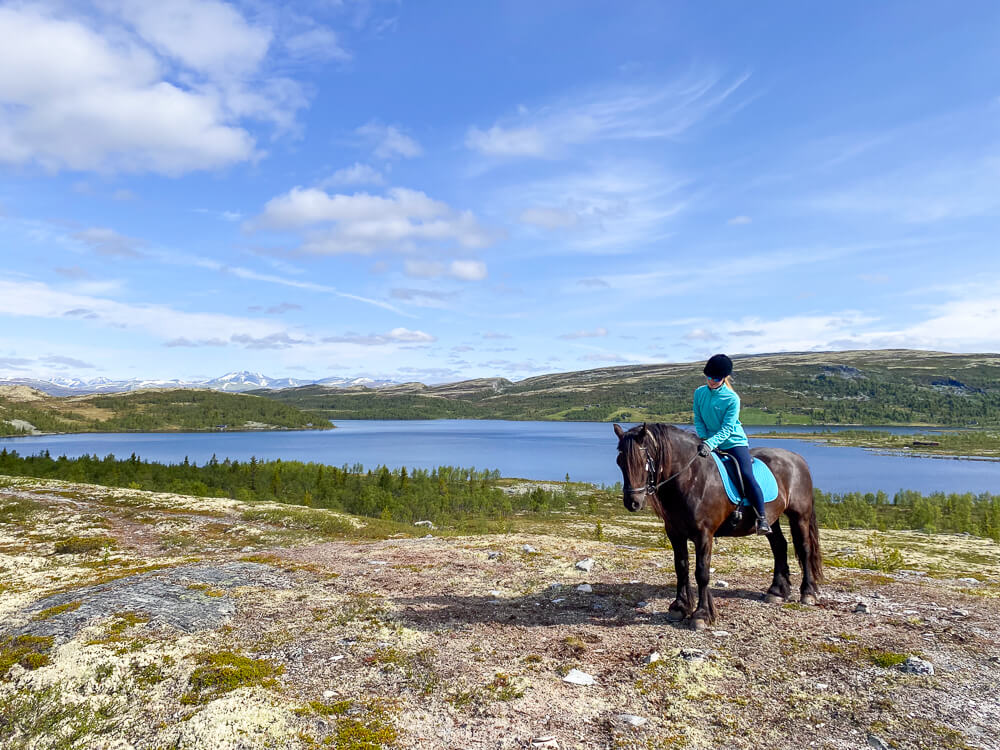
Explore Norway’s mountain trails on a Norwegian Døle horse. Ride through dense forest trails that lead to pretty wildflower meadows, surrounded by dramatic peaks. A varied landscape perfect for an adventure riding on horseback.
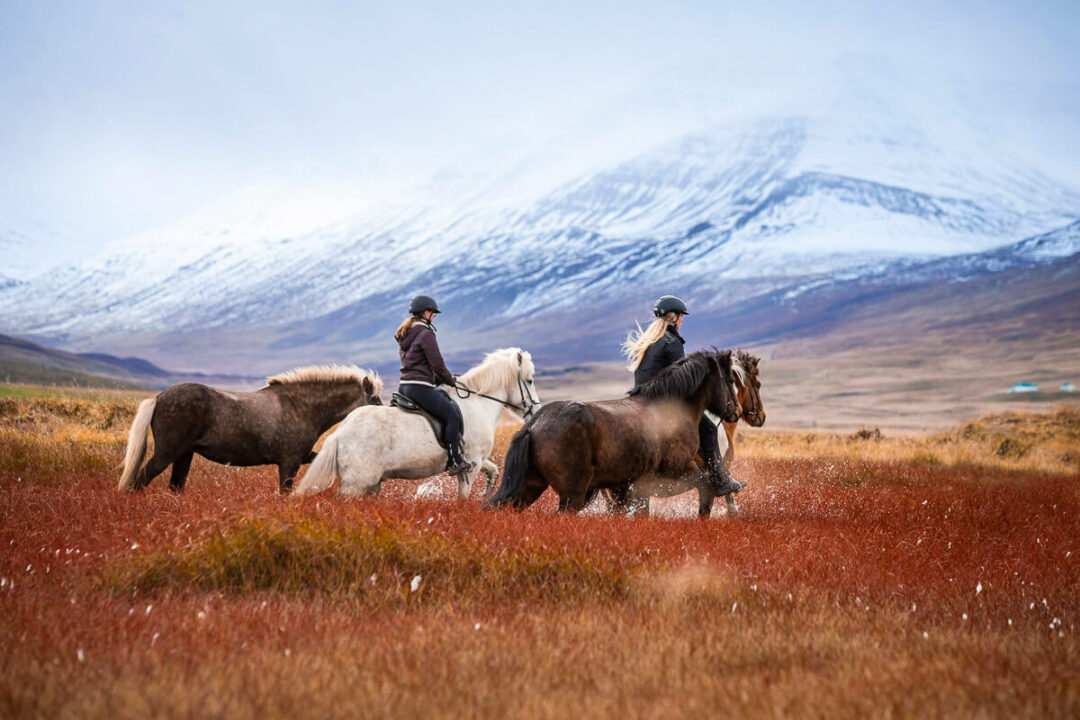
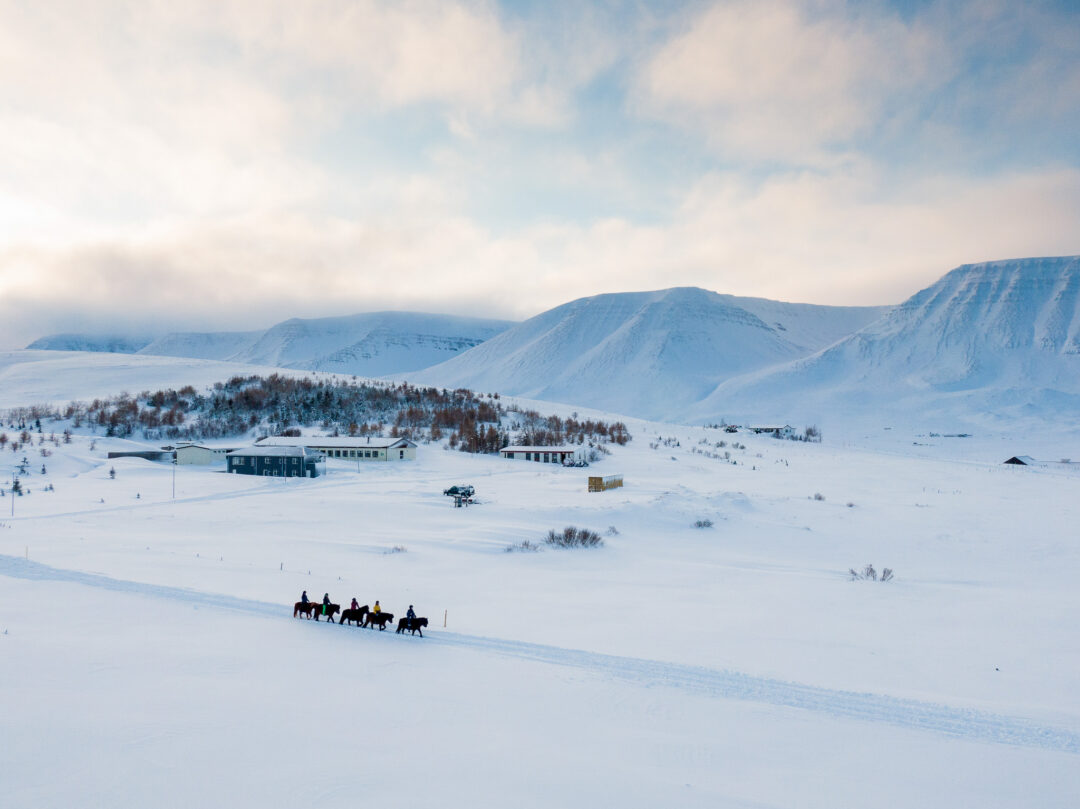
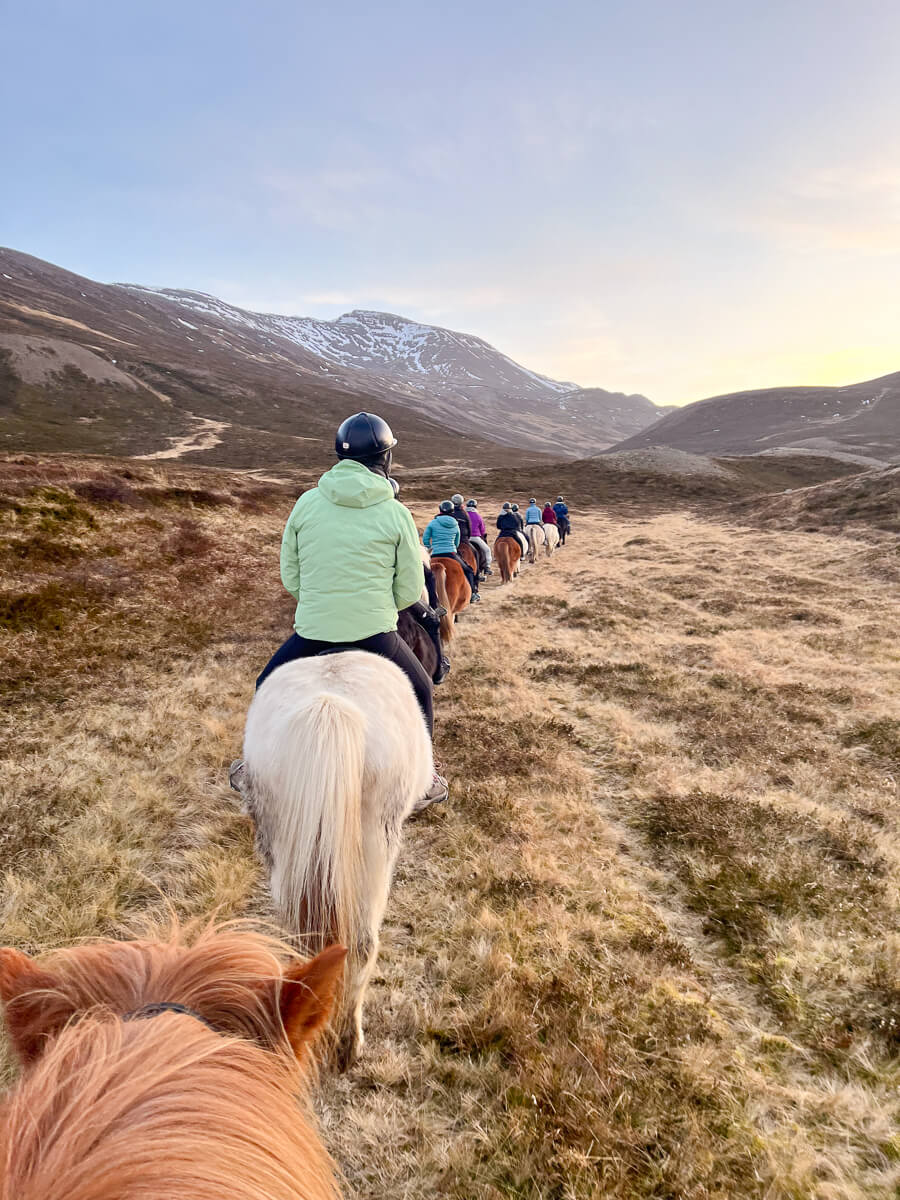
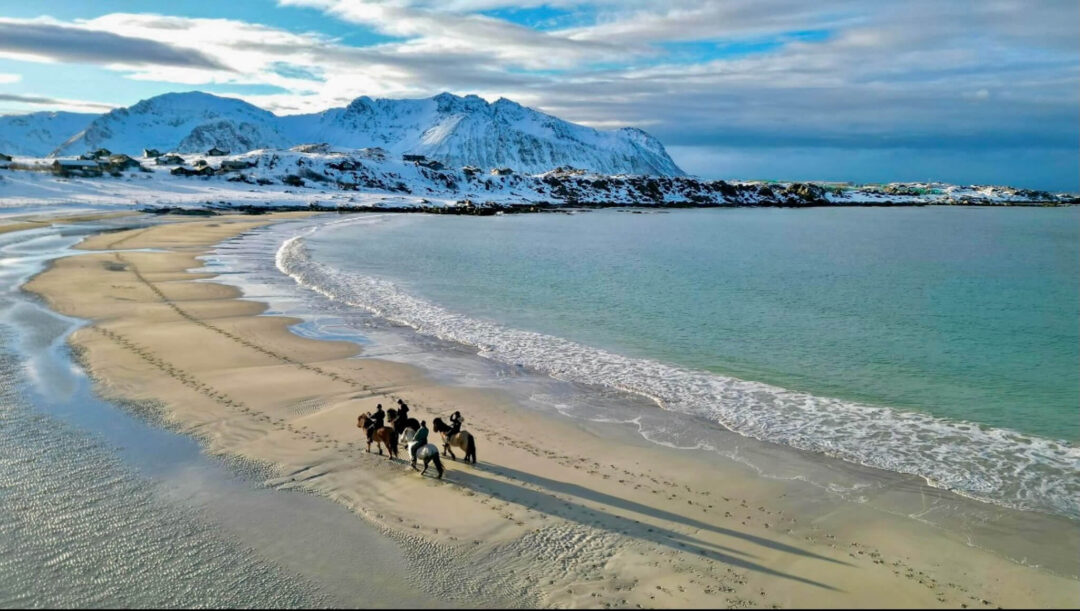
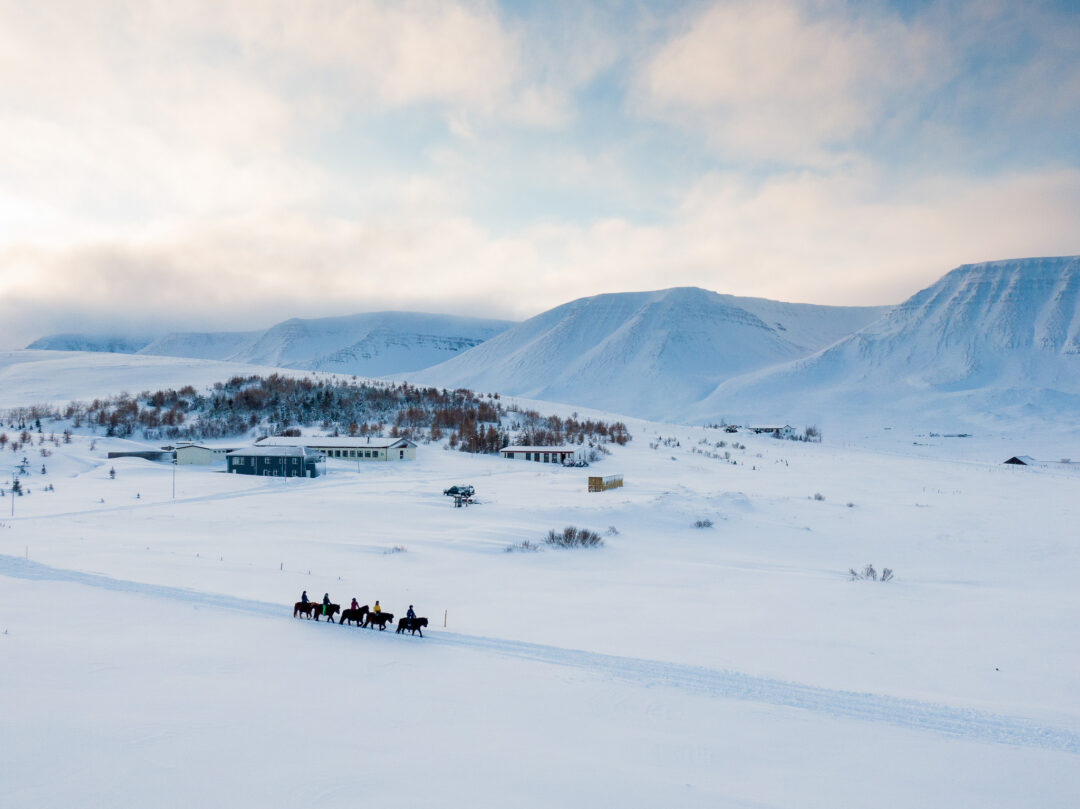
Meet Iceland’s stocky horses with their unique tölt gait. These compact, hardy animals are built for Iceland’s tough terrain and aren’t your typical riding school ponies. A not-to-miss experience; explore the trails these horses have been riding for over 1,000 years.
Explore off-road routes, canter through pine forests and trek through the Spanish countryside. With the wind in your hair and a coastal view, enjoy sunset beach rides — add a little tapas and wine for the ultimate Spanish horse riding holiday.
Stumble upon quaint villages, volcanic mountains and open green pastures; explore the Azores Islands rising on horseback. Ride the Lusitano, a Portuguese-bred horse, whose sturdy build and calm temperament make for the perfect partner, no matter your horse riding experience.
Horse Riding Holidays
We give expert instruction and coaching on every horse riding holiday. Our guided rides offer an extraordinary setting to ride through and provide support along the way. Gutsy Girls’ hosts are always there too, handling logistics and planning so you can sit back in your saddle and simply enjoy your trip.
We’ve got you covered
The main formats are: single-base trail riding (you return to the same accommodation each night and ride out into the surrounding landscape each day), point-to-point or hut-to-hut trips (you move between locations on horseback, carrying kit or with luggage transferred), riding tuition holidays (structured lessons in an arena or on the trail, focused on improving technique), ranch holidays (working ranch life, often in North America or South America, with cattle work and wide open terrain), and riding safaris (East or Southern Africa, on horseback through wildlife areas). Most beginner and intermediate holidays are single-base as it’s the most manageable format when you’re building confidence.
A hack (also called a trail ride in North America) is a ride out from a stable, usually for an hour or two. A trek implies longer days in the saddle across more remote terrain, typically over multiple days and potentially with overnight stays either camping or staying in trail huts. On a riding holiday, you’ll usually do a mix, with shorter hacks earlier in the week while you find your feet and longer rides as your confidence builds.
For beginner trips, no. You’ll spend time getting comfortable with the horse before you ride, learn the basics such as how to control your horse, how to sit properly in the saddle and build from there. For intermediate trips, some experience is expected so check the individual trip description for what’s required. Ability requirements vary more on riding holidays than almost any other activity.
Most riding holidays use three or four tiers: beginner (little or no experience, walk only), novice (walk and trot, building confidence), intermediate (comfortable at all paces including canter) and experienced (confident in open country, capable of handling a forward-going horse). Definitions vary between operators, so if you’re unsure where you sit, it’s worth contacting the company before booking — they’ll ask the right questions to place you correctly. You’ll have more fun being the strongest rider in the group than the one who’s out of their depth.
Riding uses muscles most people don’t train specifically such as your inner thighs, core and lower back, so even reasonably fit people find the first day or two tiring. For beginner trips, general fitness is enough. For intermediate trips, reasonable cardiovascular fitness helps if you’re covering several hours daily. If you want to prepare specifically, core and glute work in the weeks before will make a noticeable difference to how quickly you find your seat. If your trip involves stable work too, you’ll need to ensure you also do some strength work too. Expect some saddle soreness early in the week regardless, it passes quickly.
On a single-base trip, days follow a similar rhythm: time with the horses in the morning, a ride out lasting anywhere from two to five hours depending on the trip and your ability level, and an afternoon to recover, explore or do another activity. Evenings are sociable: groups are small and the shared experience generates good conversation. Shorter rides at the start of the week give way to longer, more ambitious ones once everyone’s settled in.
Long fitted trousers are essential, jodhpurs are ideal but anything with stretchy fabric works. Avoid jeans or anything with a hard seam if you can as it will dig in. Footwear needs a small heel to stop your foot sliding through the stirrup – ankle boots or short riding boots are best. Layers on top, since you’ll warm up once moving but cool down during breaks. A riding helmet is provided, but some riders prefer to bring their own for fit. Gloves are also essential, reins rub easily, especially when you’re learning or when your hands get cold or wet.
It’s more common than you’d think, and good guides expect it. Say so upfront and the guides will match you with a calmer horse. They’ll also give you time on the ground with the animal before you ride. Horses are sensitive to tension, so the goal is to help you relax before you get in the saddle.
Most people who arrive nervous leave wondering why they waited so long. If it’s a real concern, look for trips that include ground time and horsemanship alongside the riding, rather than heading straight out on the trail.
Yes – riding holidays suit solo travellers well. Groups are usually small, the shared experience creates easy conversation, and there’s something about spending time with horses that brings people out of themselves fairly quickly. Single-base trips also mean you’re not navigating logistics, and a guide manages the ride so you can focus on enjoying it.
English riding, the style used across Europe, uses a smaller saddle, lighter contact with the reins and a more upright position. Western riding, developed for working cowboys in North America, uses a larger saddle with a horn, a looser rein style and a more relaxed seat. Neither is harder than the other, just different. If you’re booking a European riding holiday, you’ll be riding English. Ranch holidays in the Americas will almost always be Western.
It depends what you’re after. Ireland, Scotland and Wales are well established for pony trekking – they’re accessible, with good infrastructure, dramatic landscapes and options for all abilities. Spain and Portugal offer drier conditions, long riding seasons and strong equestrian traditions. Iceland is in a category of its own, riding Icelandic horses across volcanic terrain and through rivers is unlike anywhere else in Europe. Further afield, Mongolia, Kyrgyzstan and Patagonia suit more experienced riders looking for genuine expedition riding. Most destinations work well for beginners as long as you choose the right trip format.
In Europe, late spring and early autumn are generally the best windows. The temperatures are comfortable, the ground conditions are good and there are fewer crowds. Summer works well for higher altitude destinations and northern Europe, where long daylight hours make for exceptional riding. Iceland is best from June to October. Destinations in Spain, Portugal and the Mediterranean can get very hot in July and August, which is hard on both riders and horses. For year-round riding, look to the Canary Islands or further afield – southern Africa and South America have distinct seasons that flip from the northern hemisphere, making them a solid option in European winter.