Activities
Types of Skiing Explained: Alpine, Nordic, Touring & Skate
3rd August
5 Min Read

Latest blog post articles
Upcoming
Types of Skiing Explained: Alpine, Nordic, Touring & SkateActivities
3rd August
5 Min Read
We love skiing, and we want you to love it too. Every winter, thousands of women join our trips to get out on the slopes, mountains and wilderness. Some have spent every winter of their lives in the snow. Others have never laid eyes on a pair of skis before.
Here’s the thing though: it can get confusing. One glance at our website and you’ll spot several ski trips across four different styles of skiing, and working out which one is right for you isn’t always obvious.
You’re not alone there. So here’s every type of skiing we offer, broken down.
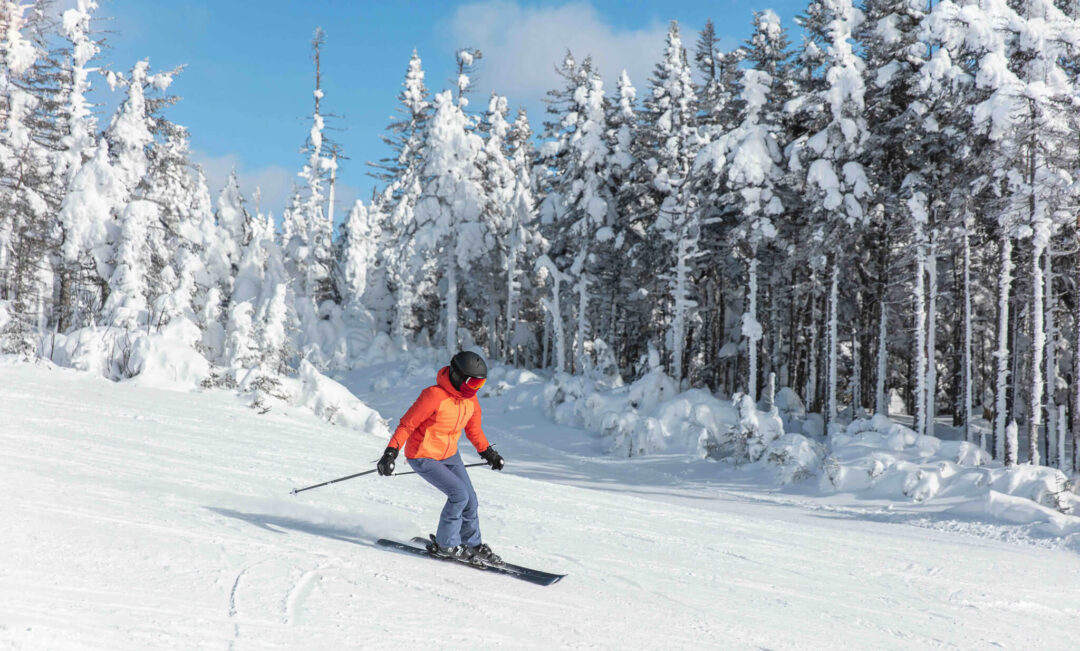
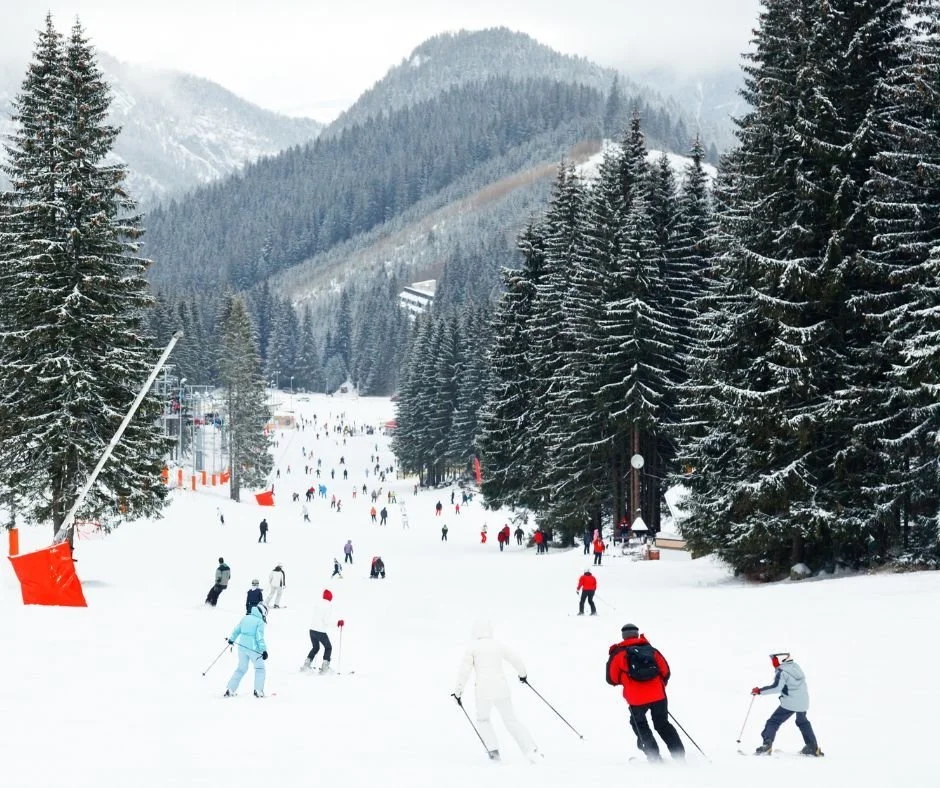
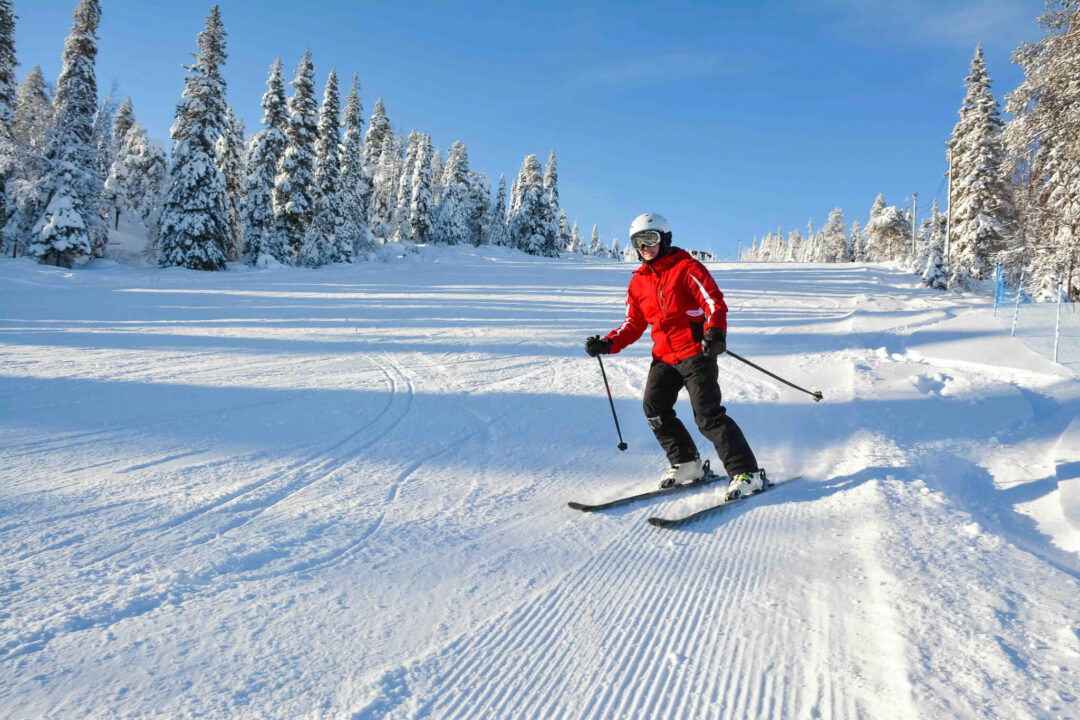
What it is: The skiing you see everywhere. Lifts carry you up, gravity brings you down, fast.
Equipment: Short, wide skis with fixed bindings. Your heel is locked down in sturdy, hard plastic boots.
Terrain: Prepared slopes, called pistes, graded by difficulty and marked with different colours.
Learning curve: Steeper at first than the nursery slopes you’ll start on, but you get that “I’m skiing” feeling quickly
Best for: Anyone who loves the thrill of speed, the wind in their hair and carving turns.
Fitness level: Moderate. The lifts do the climbing, but your legs and core work hard on the way down.
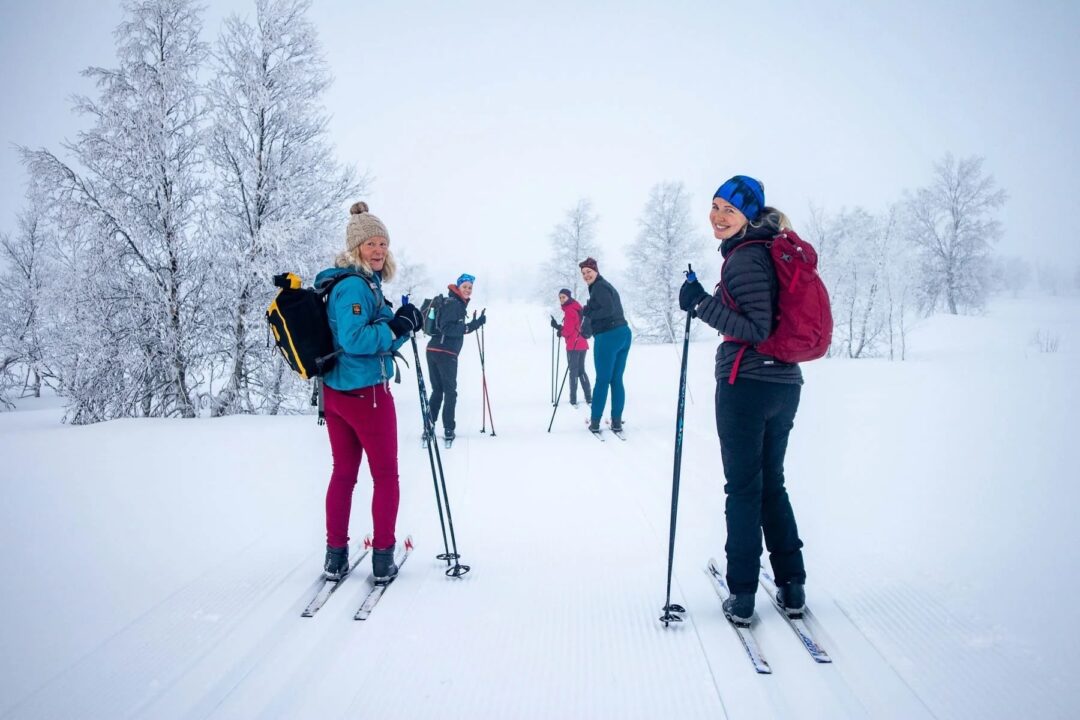
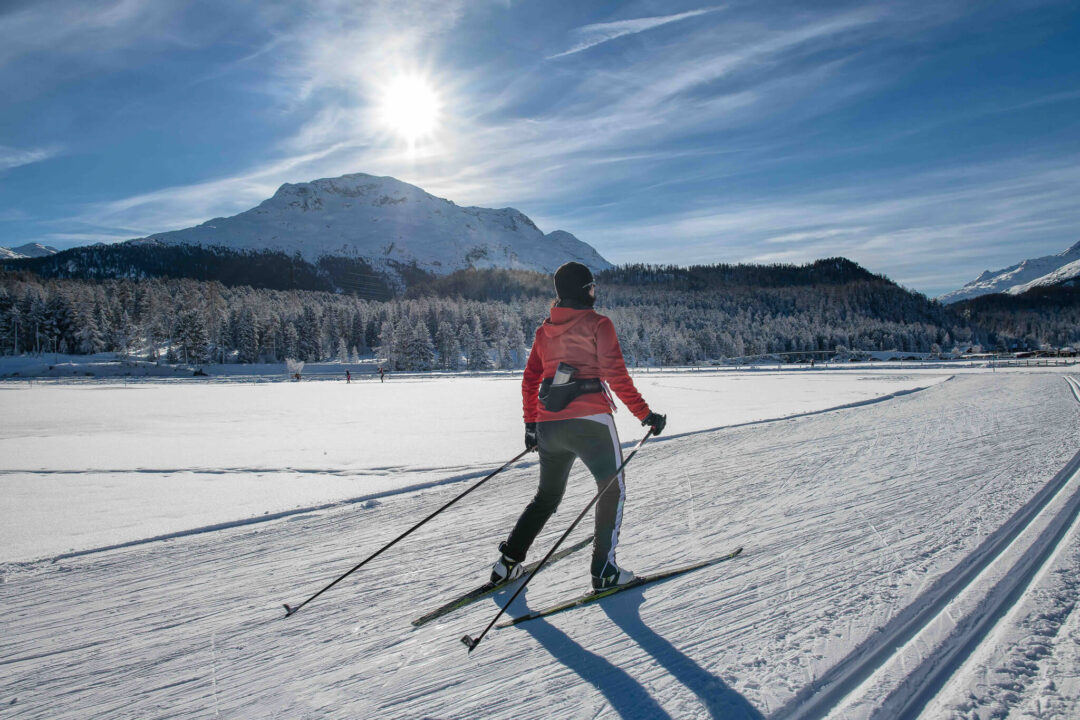
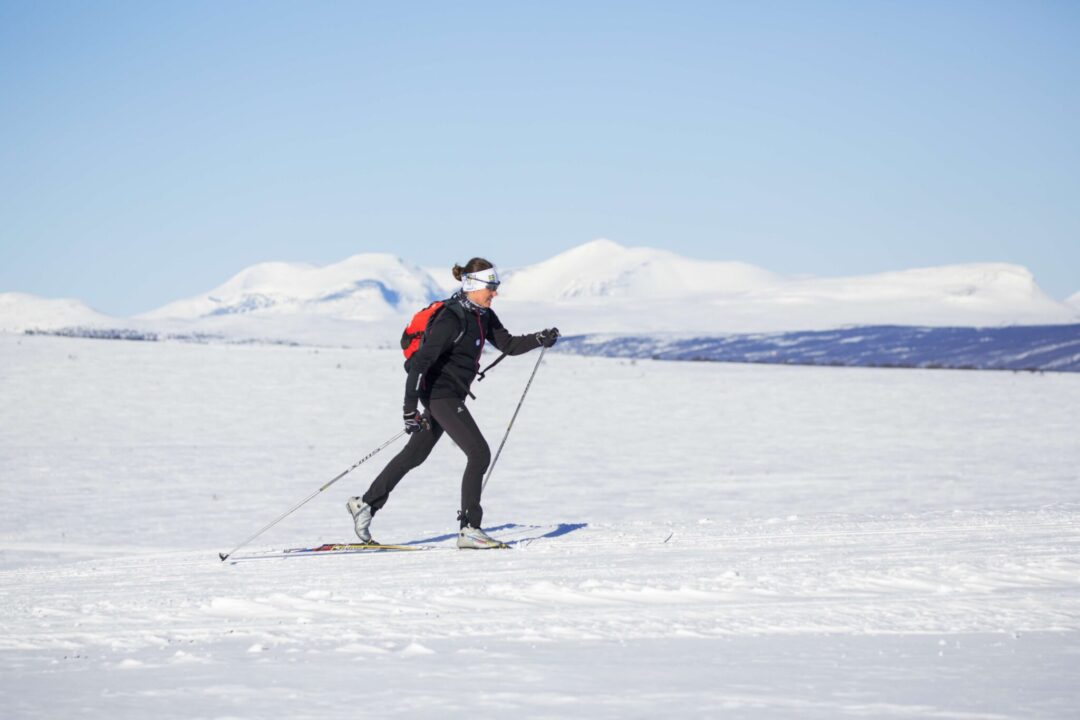
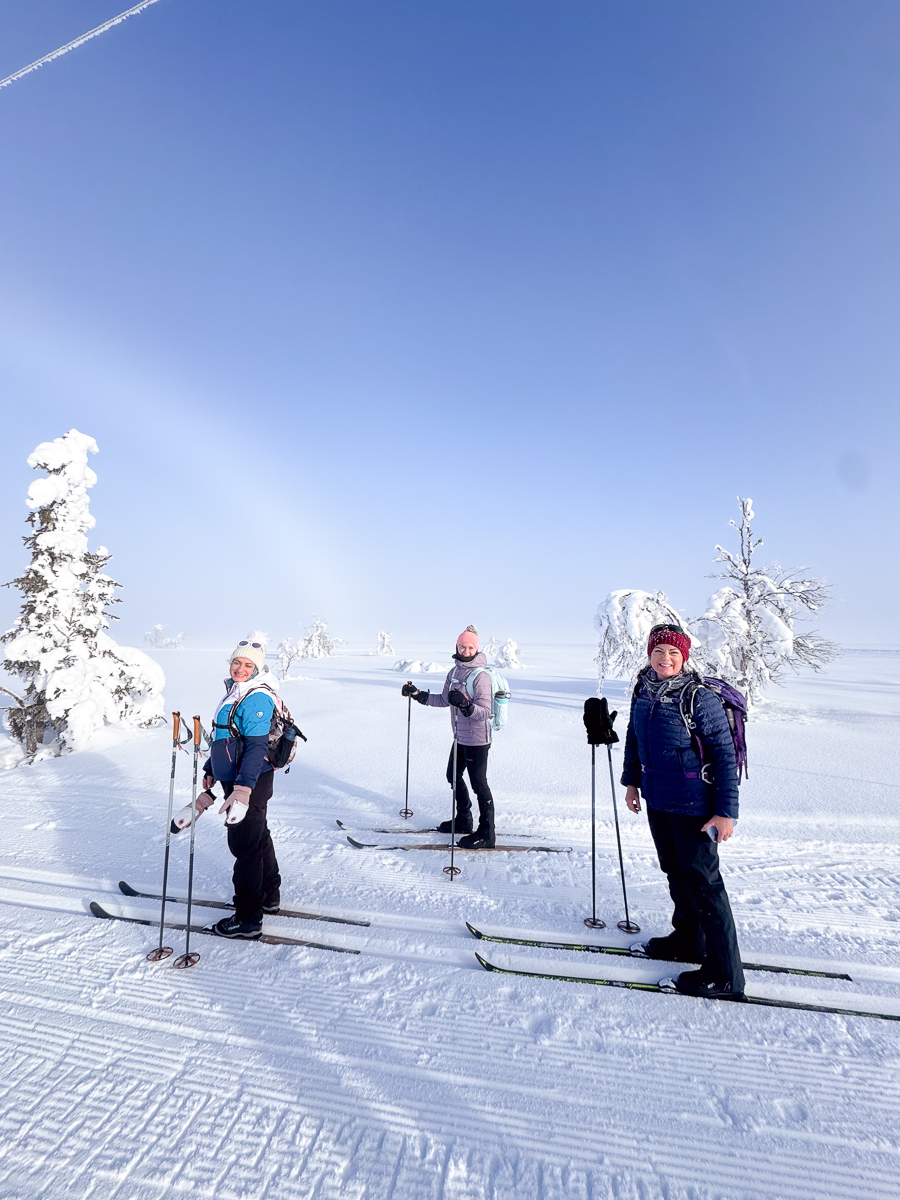
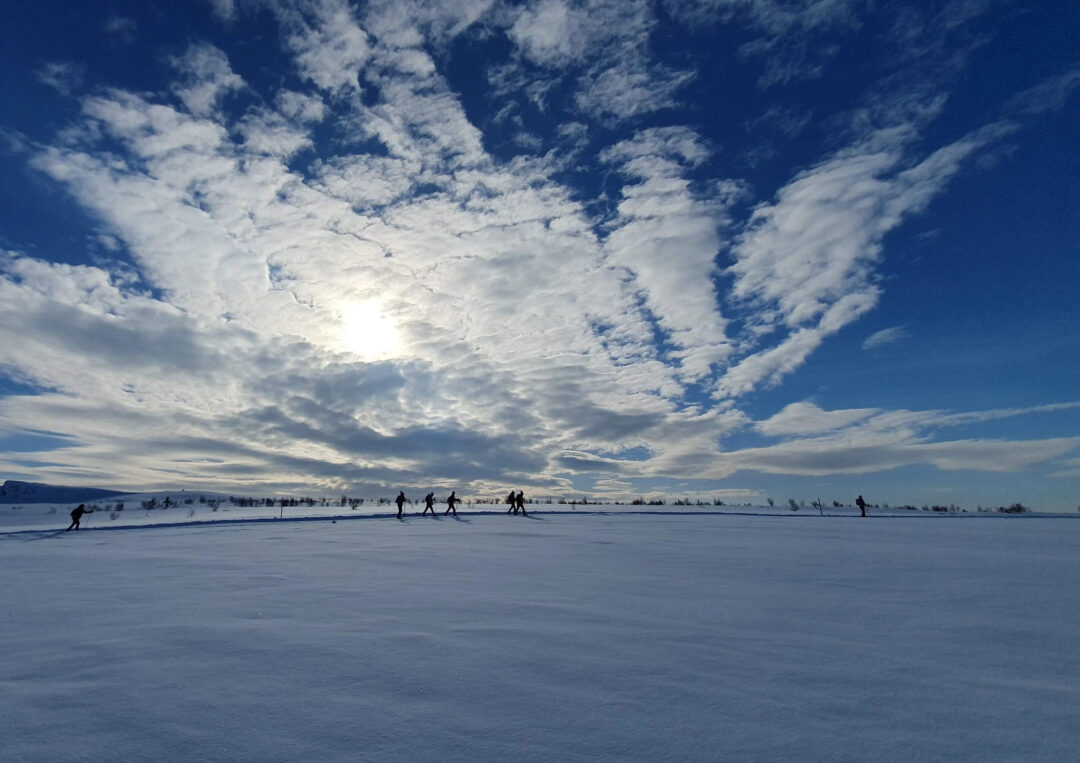
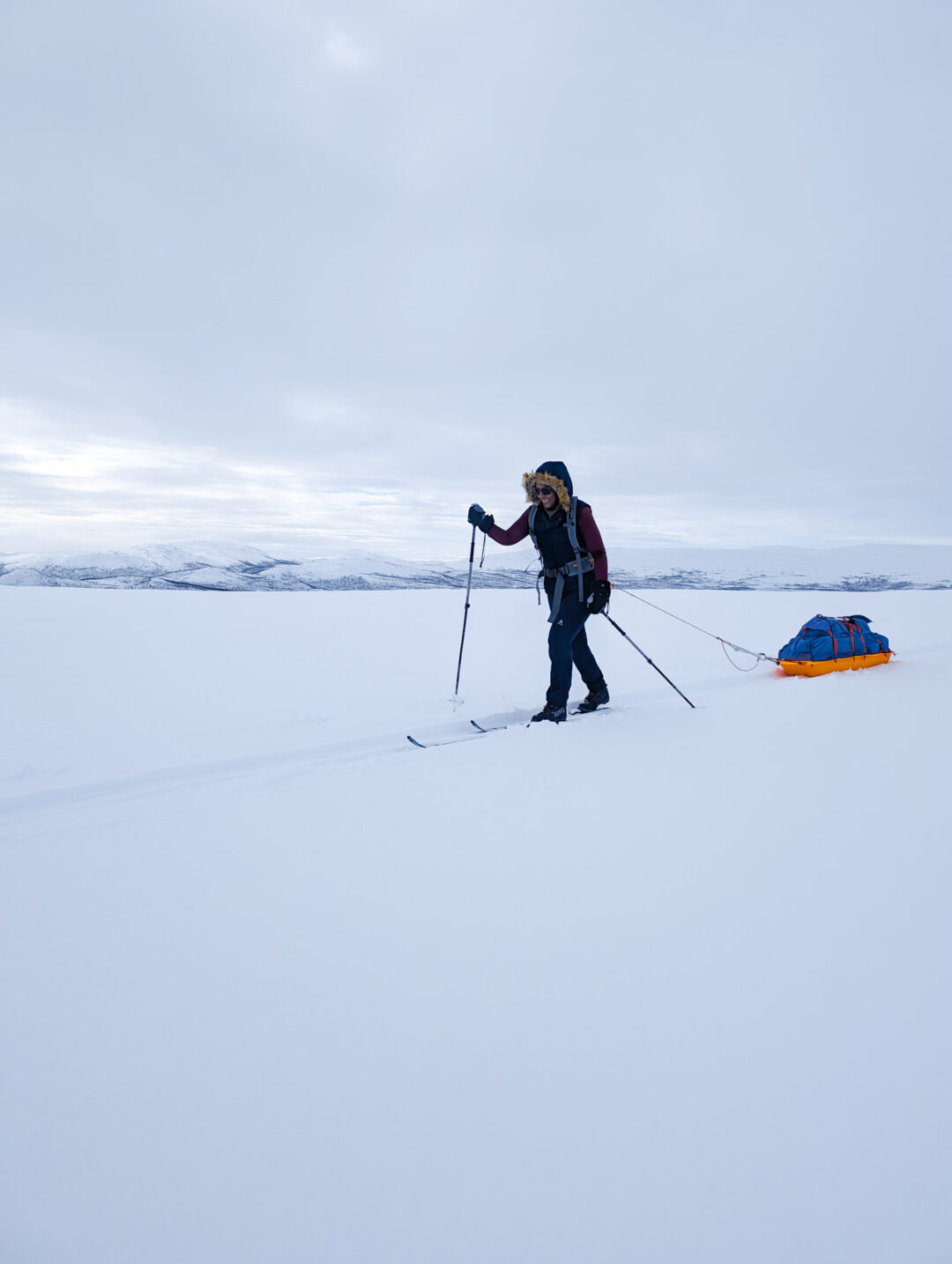
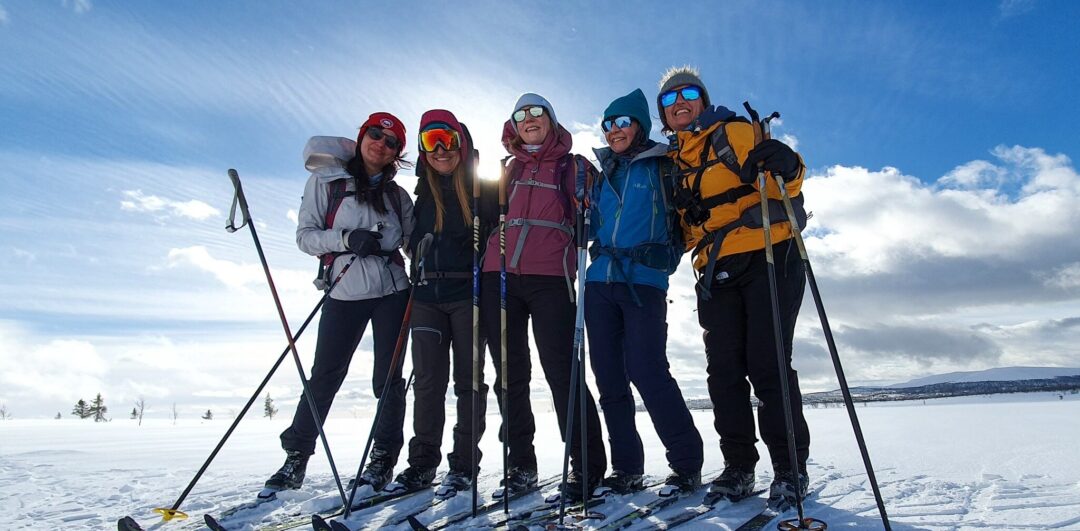
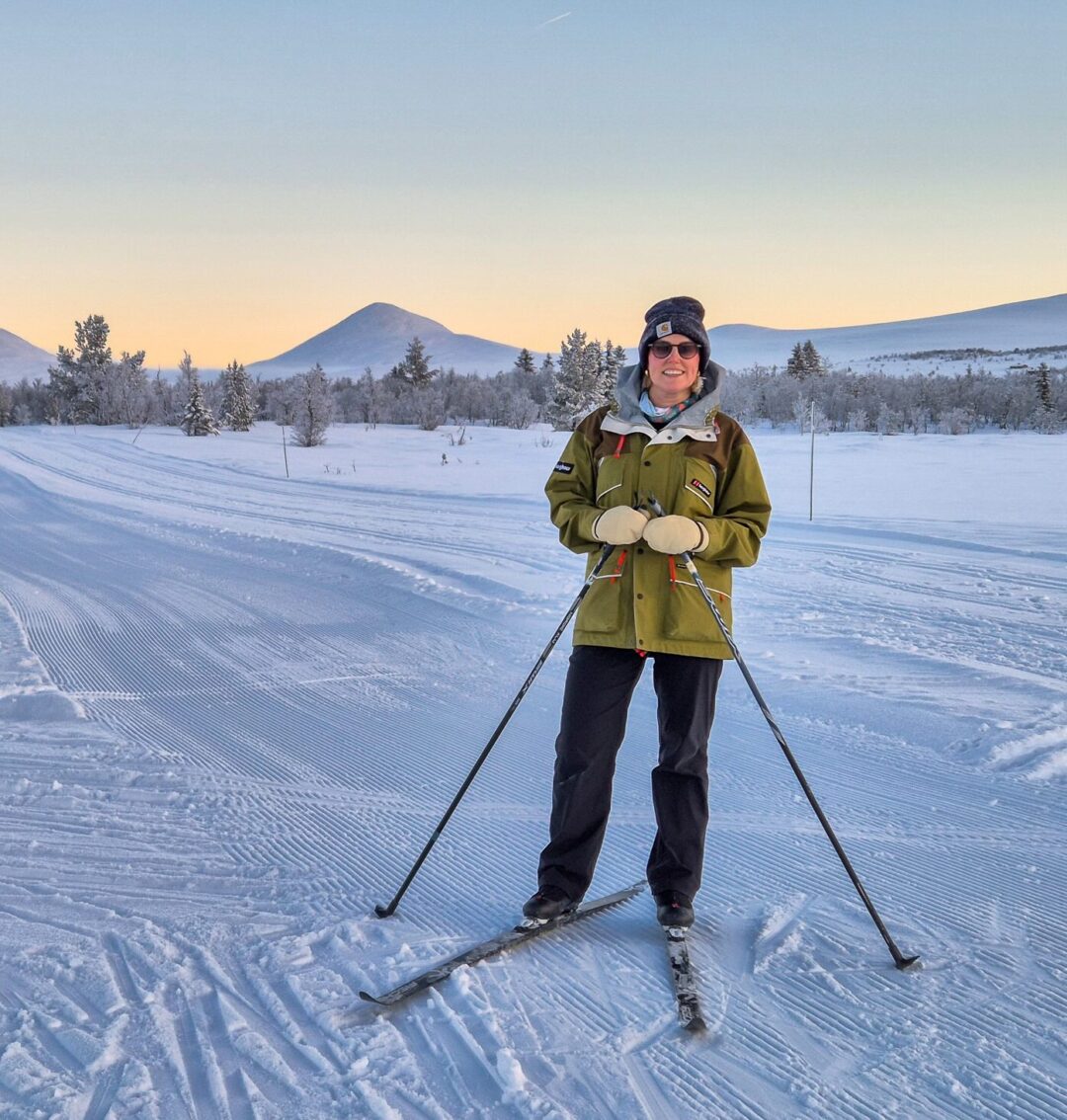
What it is: Think winter hiking, but you glide across the snow instead of trudging through it.
Equipment: Narrow, lightweight skis and flexible boots. Your toe locks in but your heel lifts up.
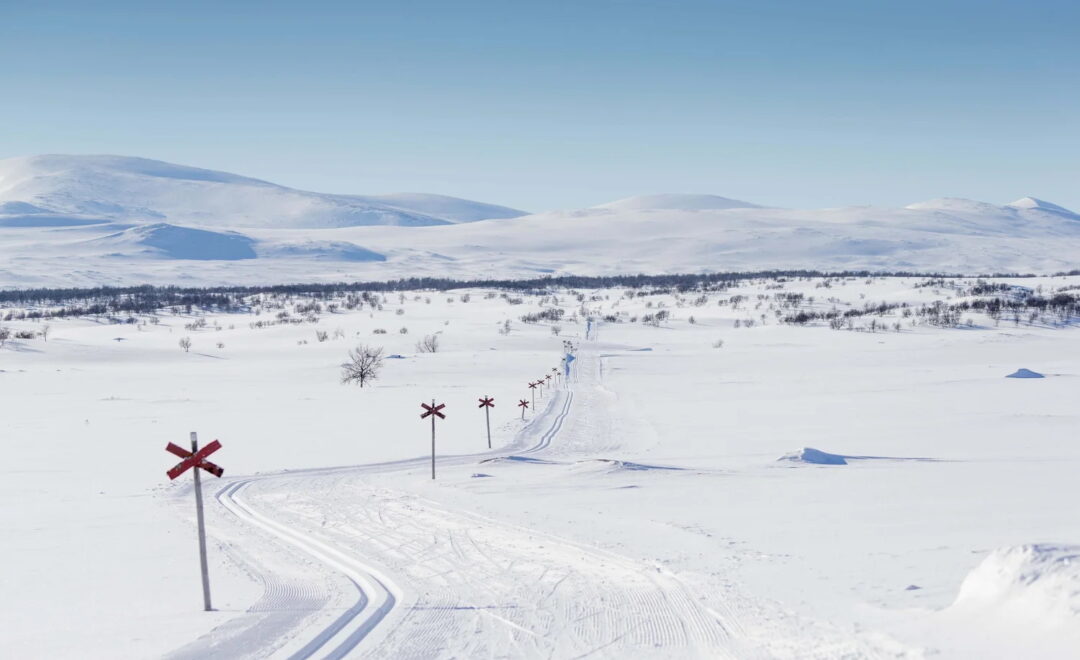
Terrain: Gently rolling paths, often through forests and across frozen lakes. Sometimes the tracks are pre-cut by machines, sometimes you break your own through fresh snow.
Learning curve: Gentle. You’ll be moving efficiently within a few hours, then build from there.
Best for: Anyone who loves being out in nature and wants to take things at a slightly slower pace.
Fitness level: Deceptive. It looks like a casual stroll on skis. It’s actually a full-body cardio workout.
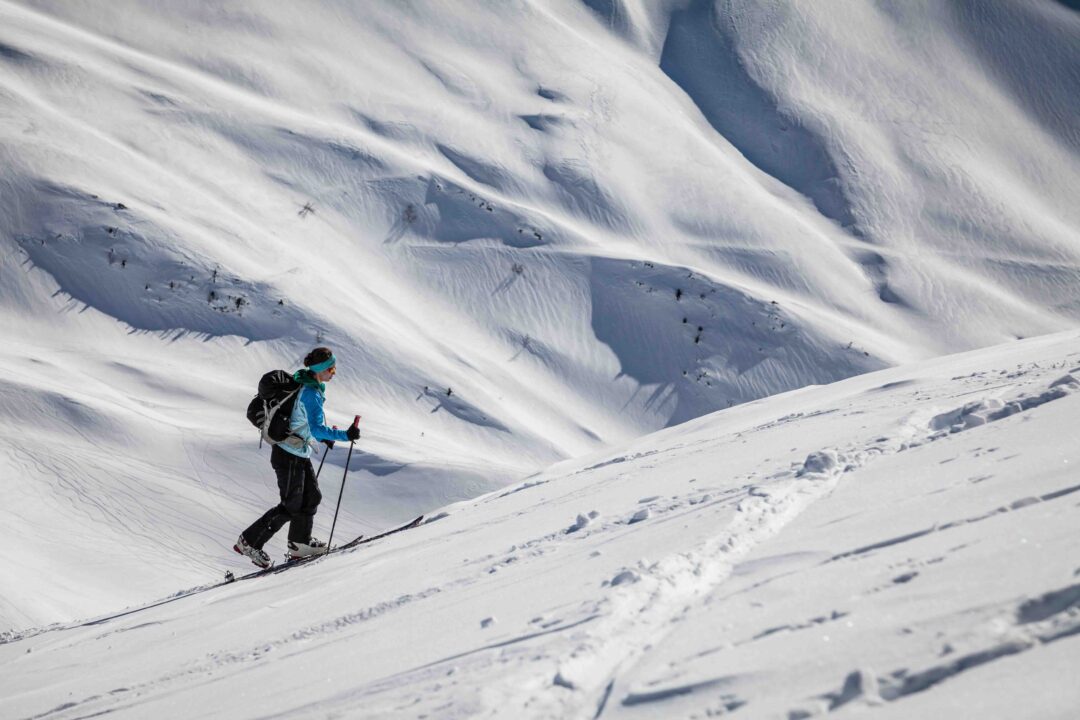
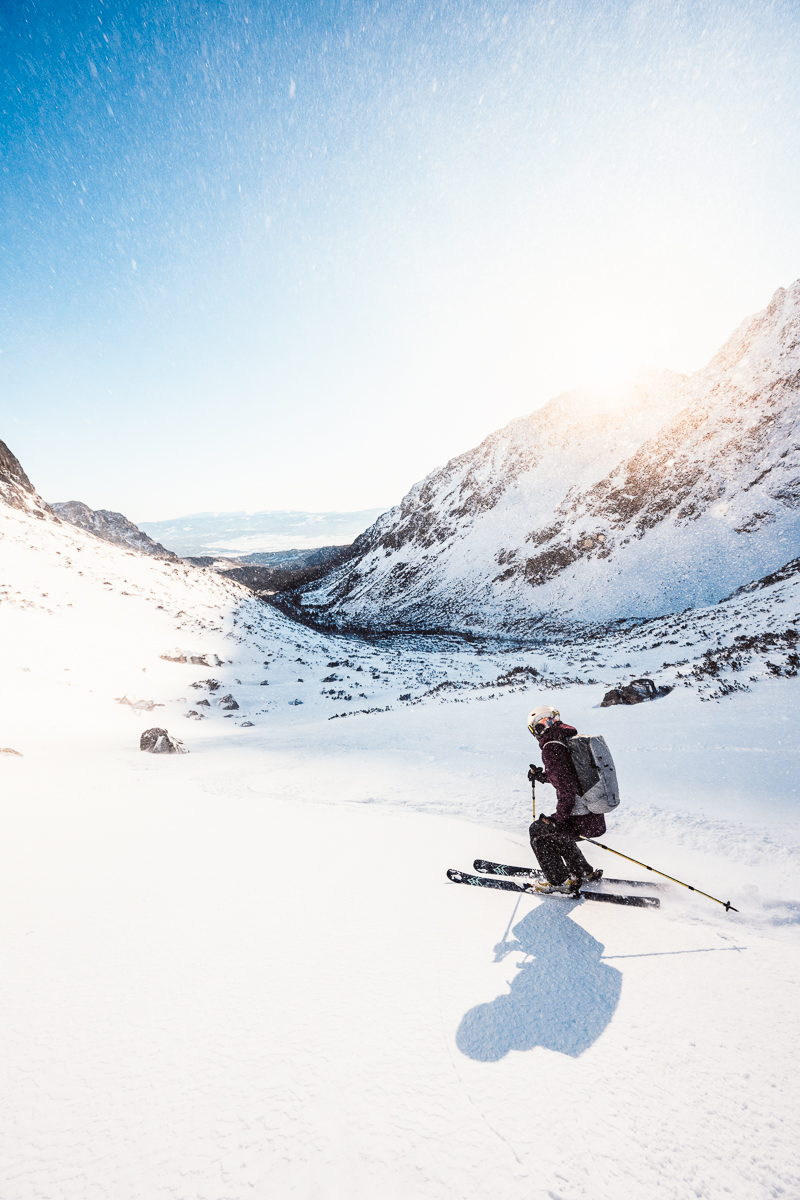
What it is: Alpine skiing’s adventurous cousin. Same style of skiing, just away from the groomed slopes, with every descent earned by the climb you do first.
Equipment: Alpine-style skis with special bindings that switch between walk and ski mode to get you up the hills.
Terrain: Unmarked, ungroomed backcountry. You pick your own route through the snowy wilderness.
Learning curve: The steepest of the lot. You’ll need solid alpine skills before you start learning touring technique.
Best for: Experienced skiers who want to get off-piste and take their skills somewhere new.
Fitness level: Very high. Think hiking uphill for hours with skis strapped on.
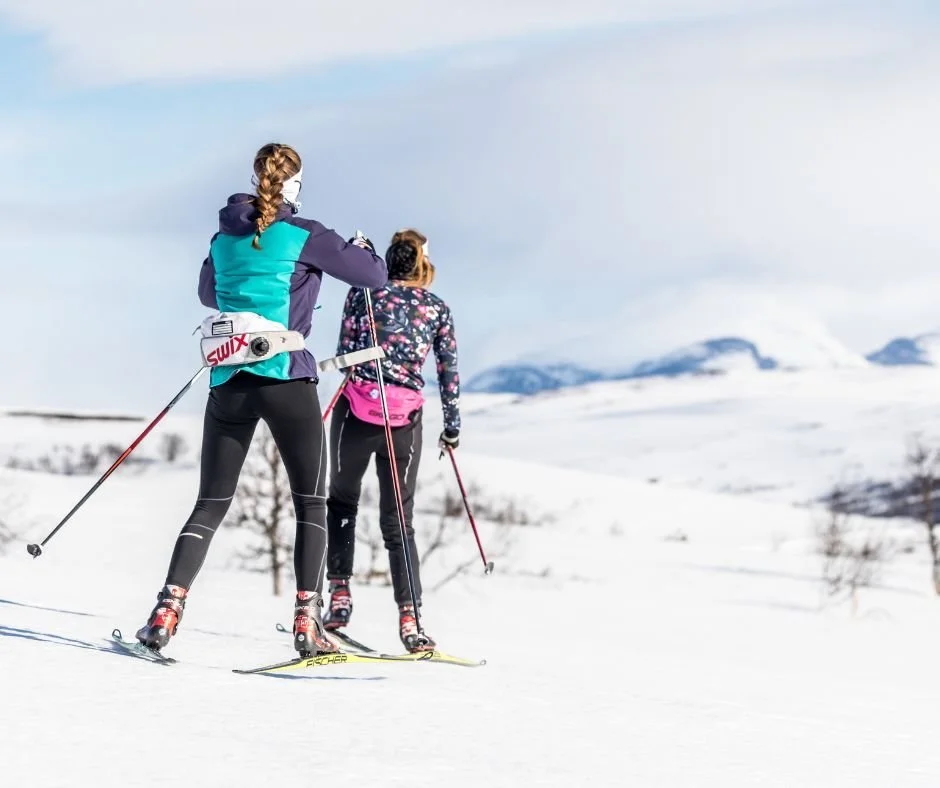
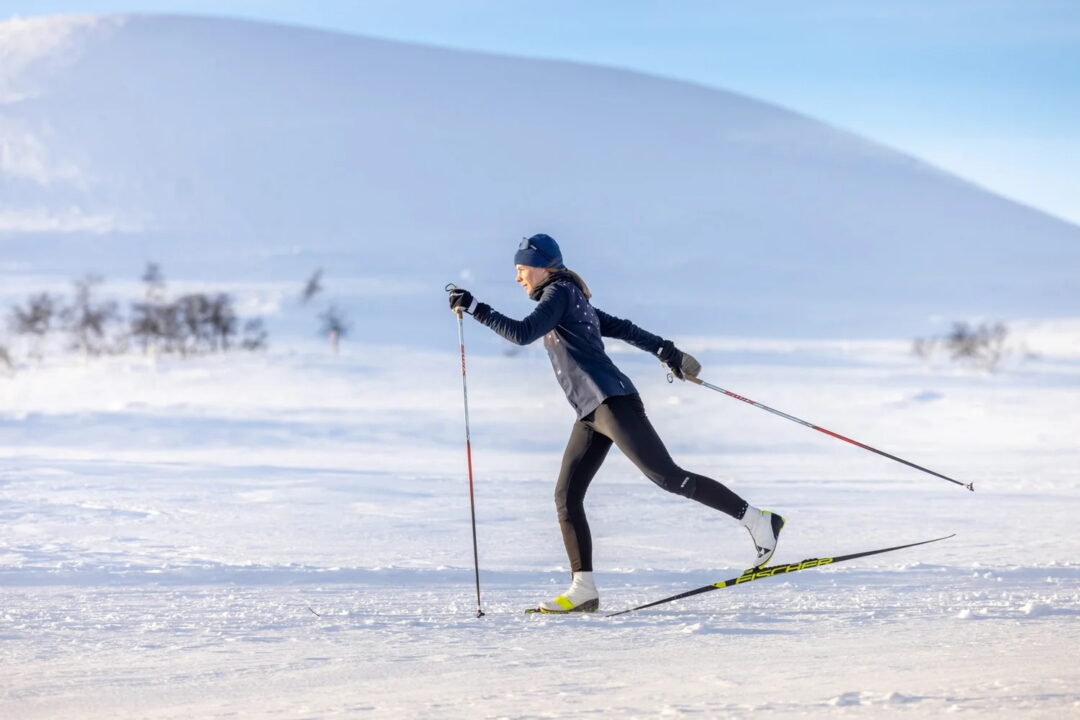
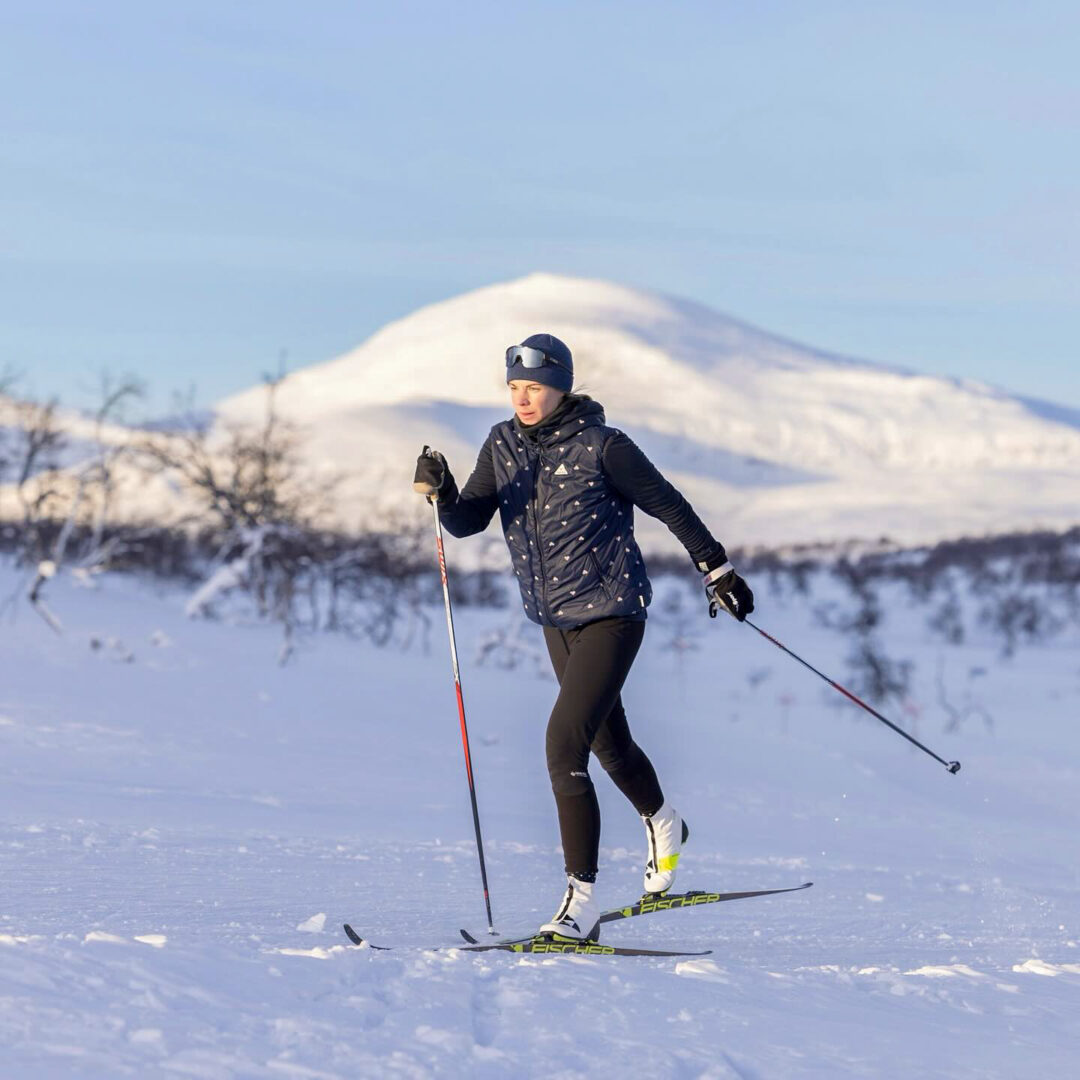
What it is: Ice skating meets cross-country skiing. You’re on groomed tracks, but instead of keeping your skis parallel, you push off at angles like a skater to build speed and momentum.
Equipment: Skate skis, boots and poles. No grooves on the skis means total freedom on the snow, and zero forgiveness when you get it wrong.
Terrain: Groomed tracks that wind through snowy national parks.
Learning curve: Throw everything you know about skiing out the window. This is a different beast from alpine or classic cross-country. Balance and coordination are key, and you can expect to tumble at speed while you find your feet.
Best for: Anyone who isn’t afraid of falling and wants to get to grips with a whole new technique. If you’ve done ice skating, balance-focused sports like cycling, or even downhill skiing, you’ve got some transferable skills in the bag.
Fitness level: Very high. This one isn’t for those new to exercise. Everything gets a serious workout.
Now you know the difference, which one’s for you? Honestly? It depends.
If you’ve never skied before, we’d start you on cross-country. It’s easier to learn, it doesn’t move as fast, and it builds great all-round ski skills. Even if you’ve done downhill before, it’s a lovely way to take the snow at a slower pace using a completely different skill set.
If cross-country appeals but you want more speed, skate skiing is the one, as long as you’re fit, active, don’t mind falling over at pace and can chuck aside everything you already know about skiing.
If you’re after something faster, fancy the classic ski-holiday experience, or just want to hold your own in the friend group’s ski chat, a beginner downhill trip is hard to beat. Expect plenty of falls, and a first day where you wonder what on earth you’ve signed up for. Then you crack the technique, and there’s no better feeling. The après-ski is rather good too.
Already comfortable on the red runs but find yourself eyeing up the wilderness beyond the piste? Skiing down a hill and wishing you could climb back up it? After a bit more adventure and adrenaline? Ski touring is your answer.
Whichever style you go for, we’ve got a trip for you.

Bookings Team
We are a small team of women who plan the trips, host them, answer your emails and walk, ski and paddle the routes ourselves. When a post has no single name on it, it usually means several of us had something to add.
Activities
3rd August
5 Min Read
More from us