Latest blog post articles
Upcoming
Types of Skiing Explained: Alpine, Nordic, Touring & SkateExplore Snowshoeing Trips
Winter Activities with Expert Guides
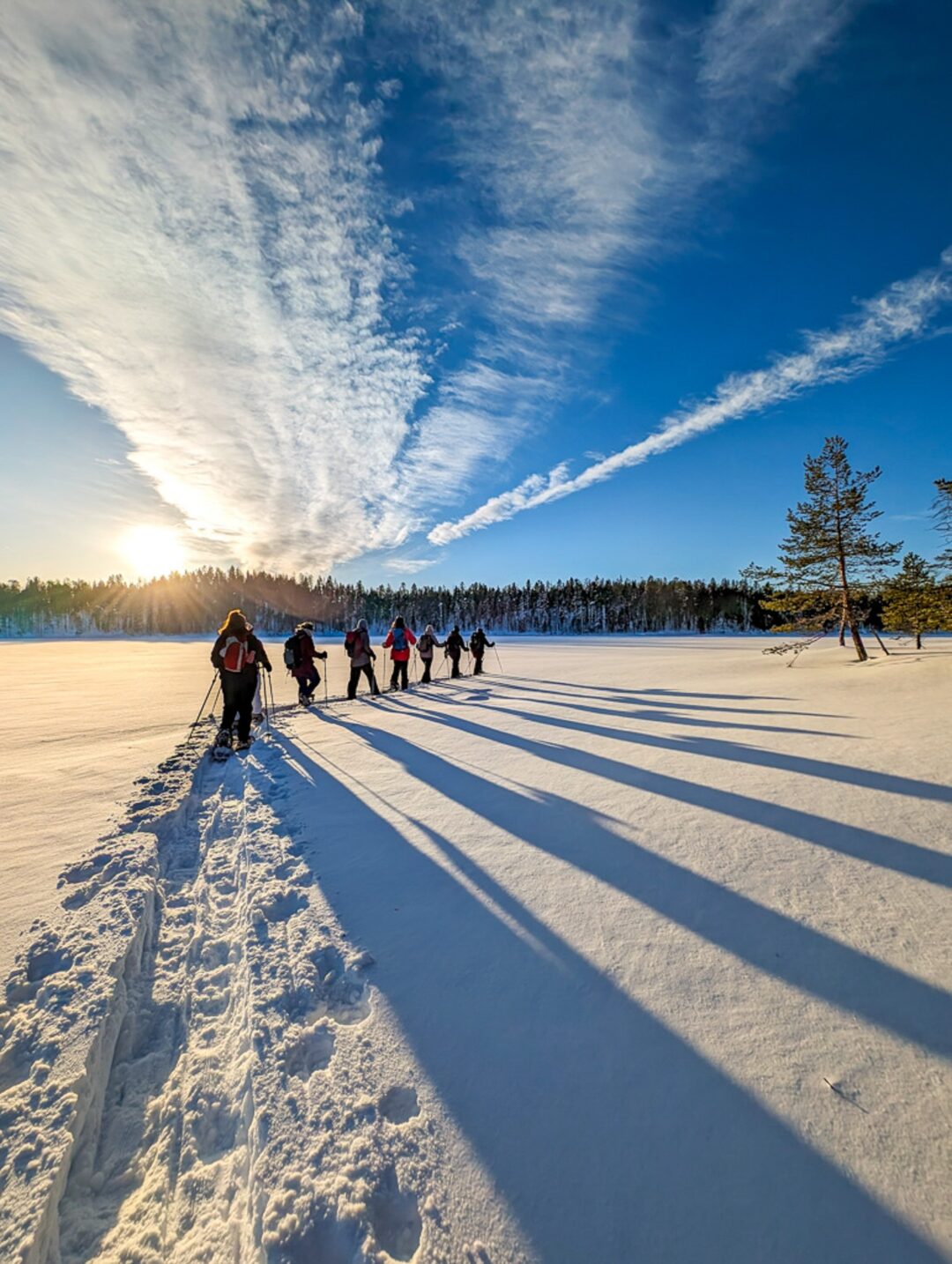
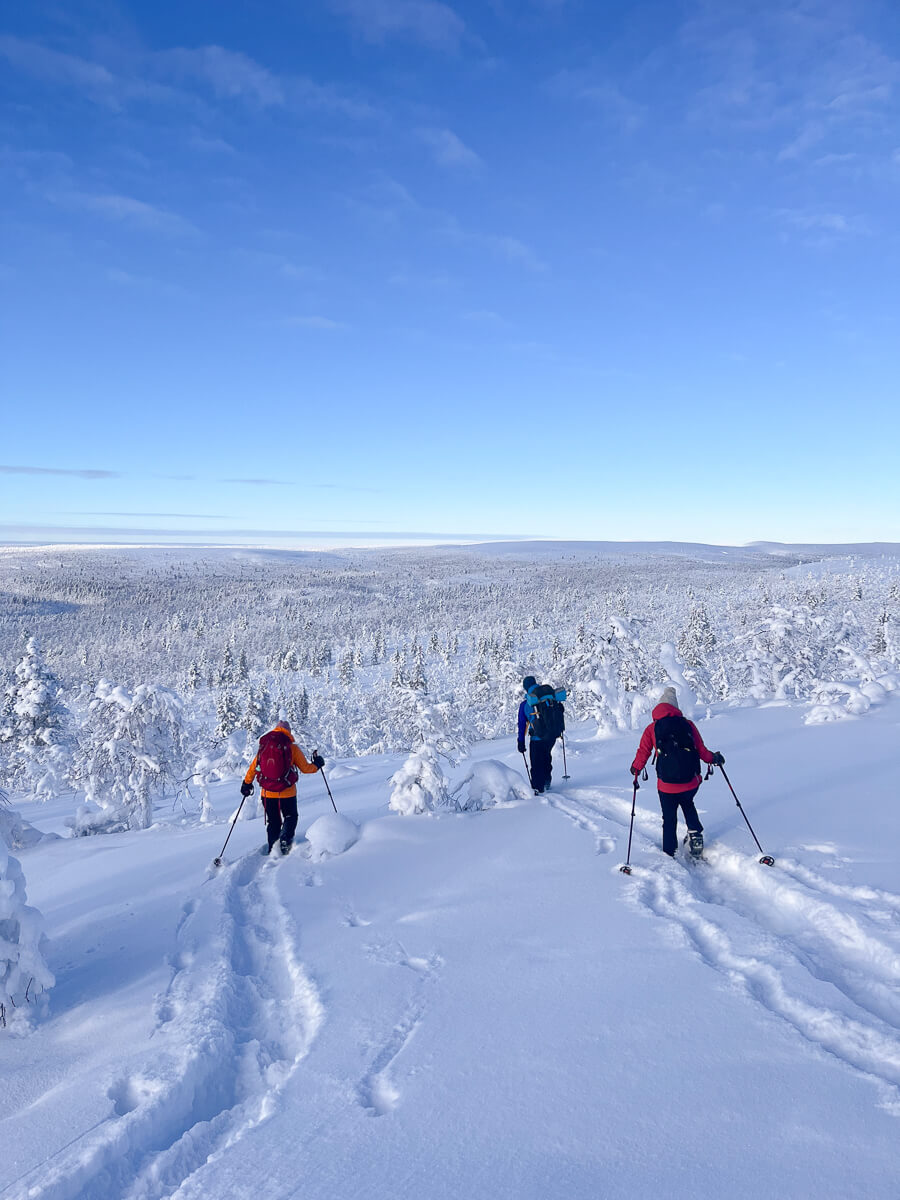
Explore snowy, untouched nature. Snowshoeing gives you the chance to go deep into nature and hike through the fresh powder. Our expert guides will show you the way, whilst sharing local stories and knowledge.
Winter Sports Holidays
Snow Activities
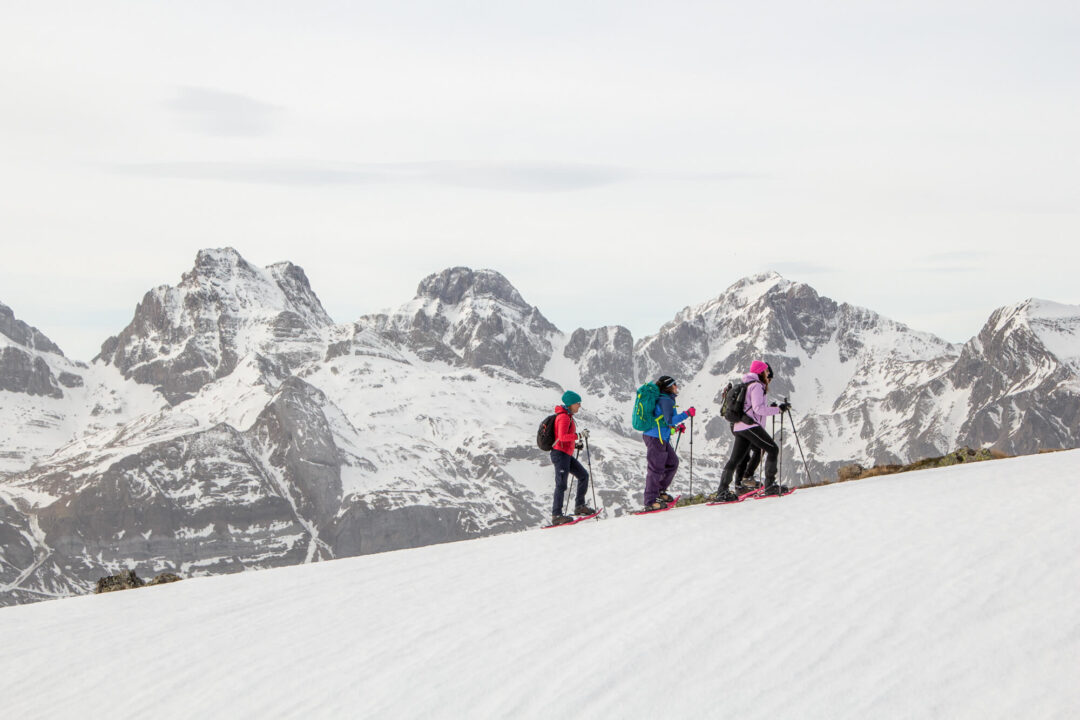
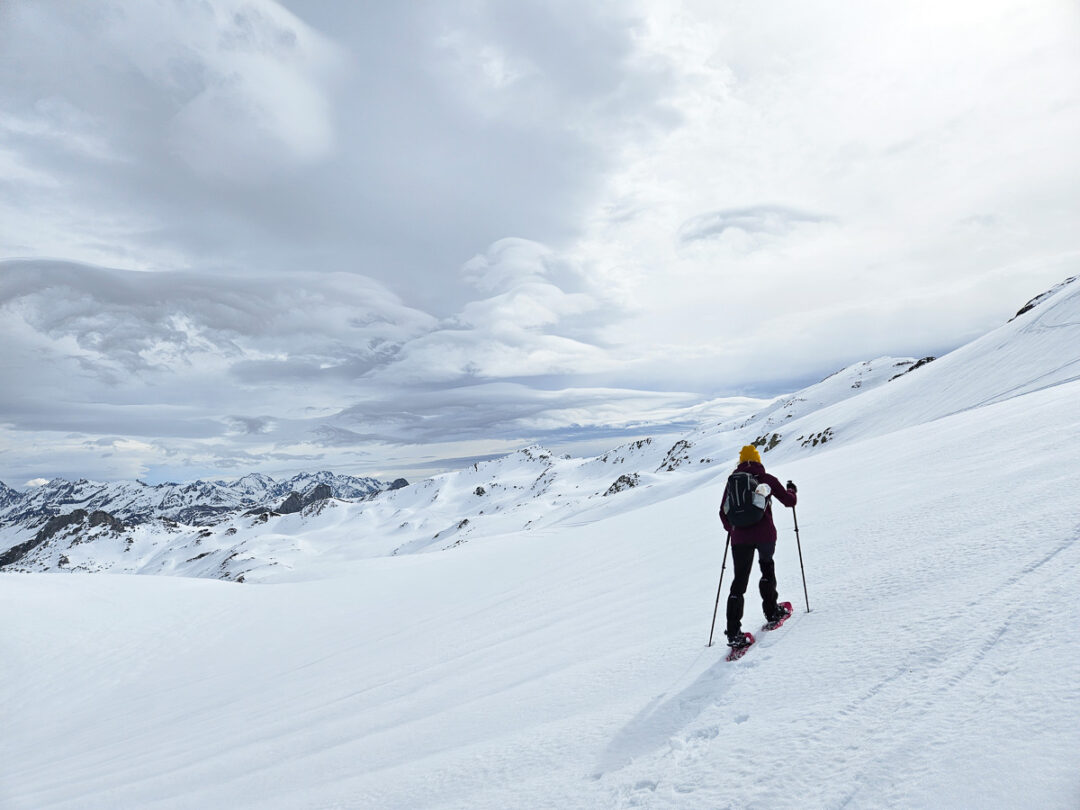
Snowshoeing is a perfect, simple winter activity for mountain lovers. You don’t need good balance or any special techniques like snowboarding or skiing. It’s just you, the wilderness and fresh snow for you to stomp your own trails.
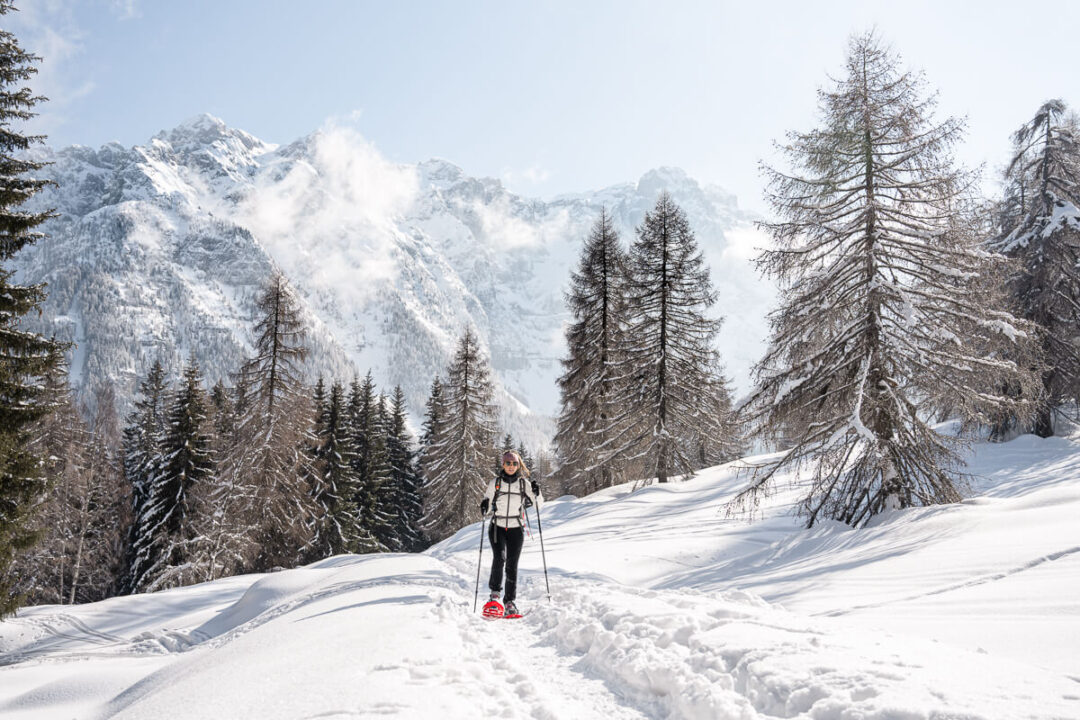
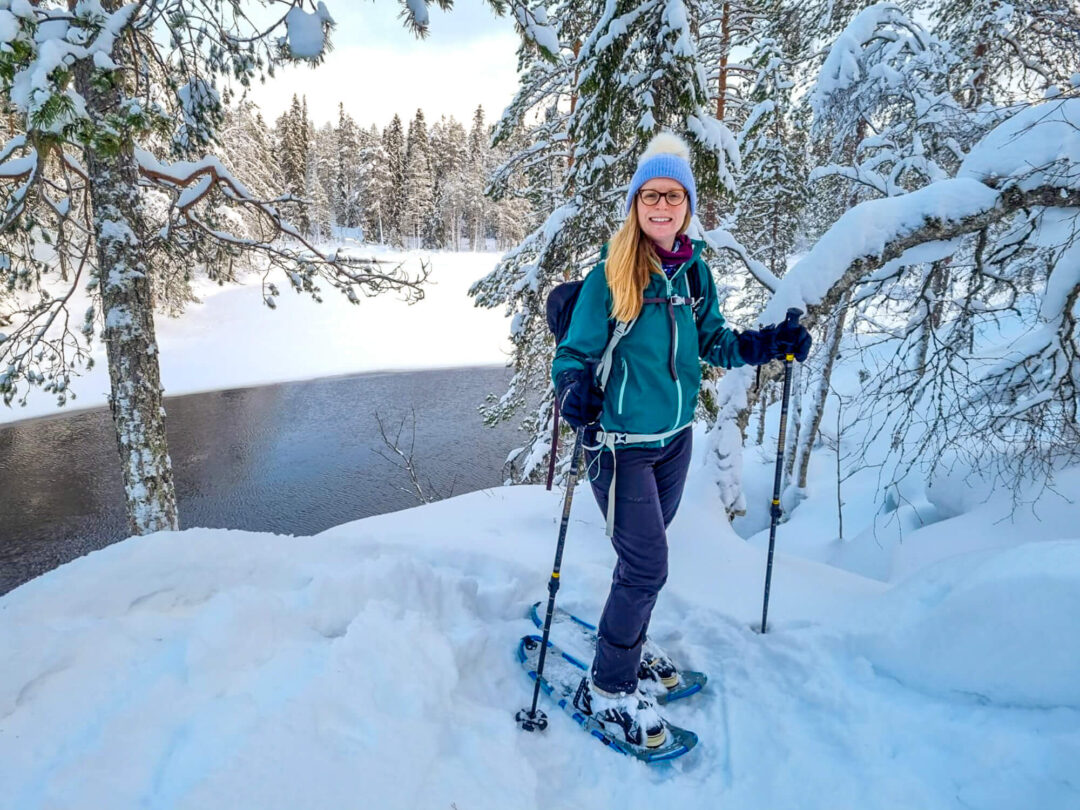
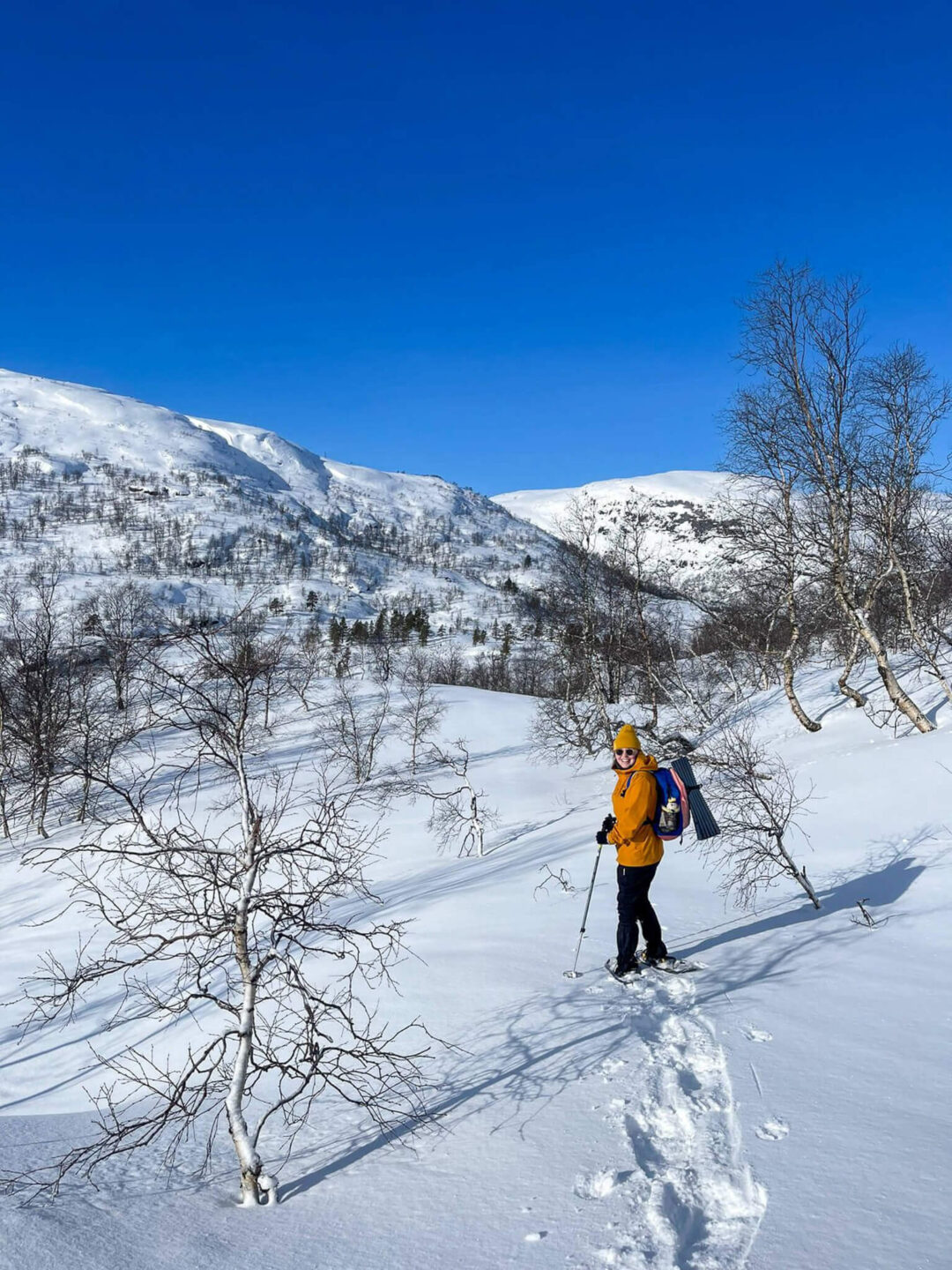
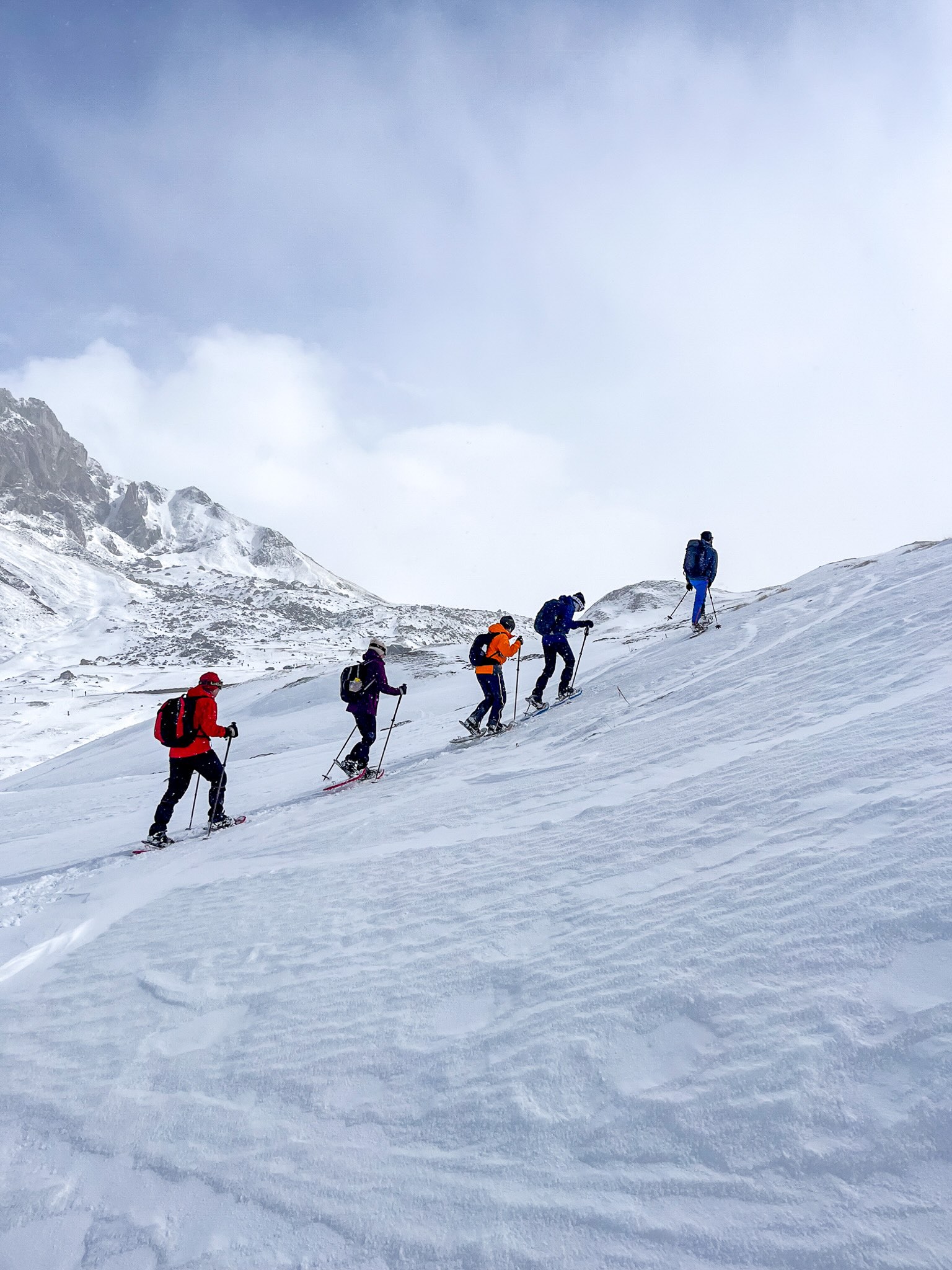
Simply strap the snowshoes onto your hiking boots; the wide frames distribute your weight so you can walk or float on top of the snow instead of sinking into it. Adventure to the top of mountains or take on a hut-to-hut expedition.
Winter Snow Activities
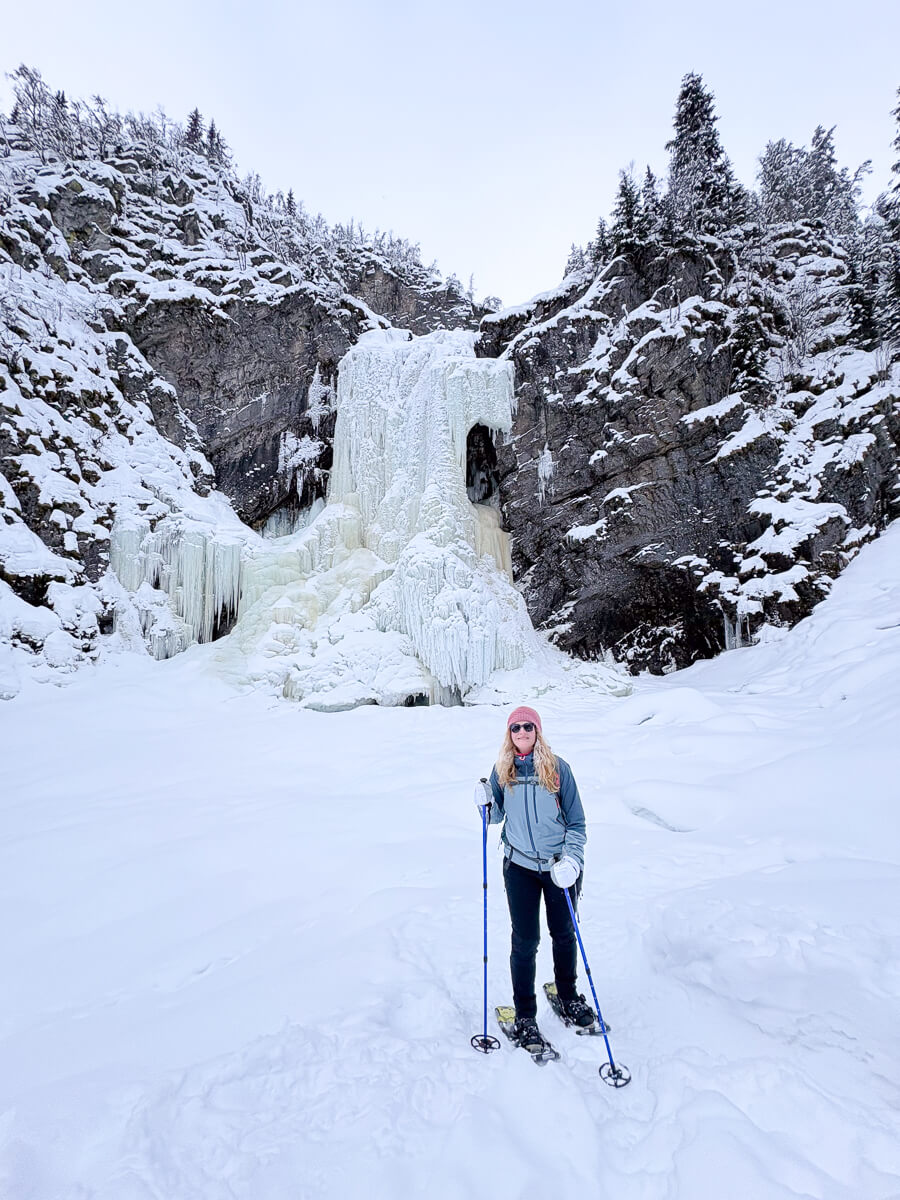
Navigate across the high peaks and scenic fjords of Norwegian winter landscapes. Winter hiking means no crowds, just endless snow, crisp mountain air and some new local reindeer friends.
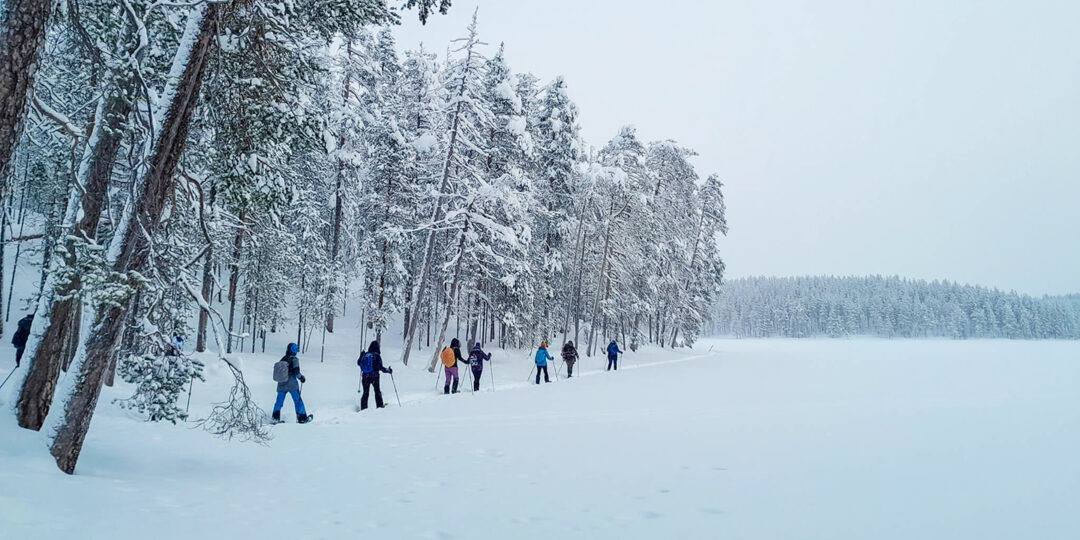
For a proper winter, explore Finland’s national parks by snowshoe and other snow activities. Warm up each evening with a traditional Finnish sauna.
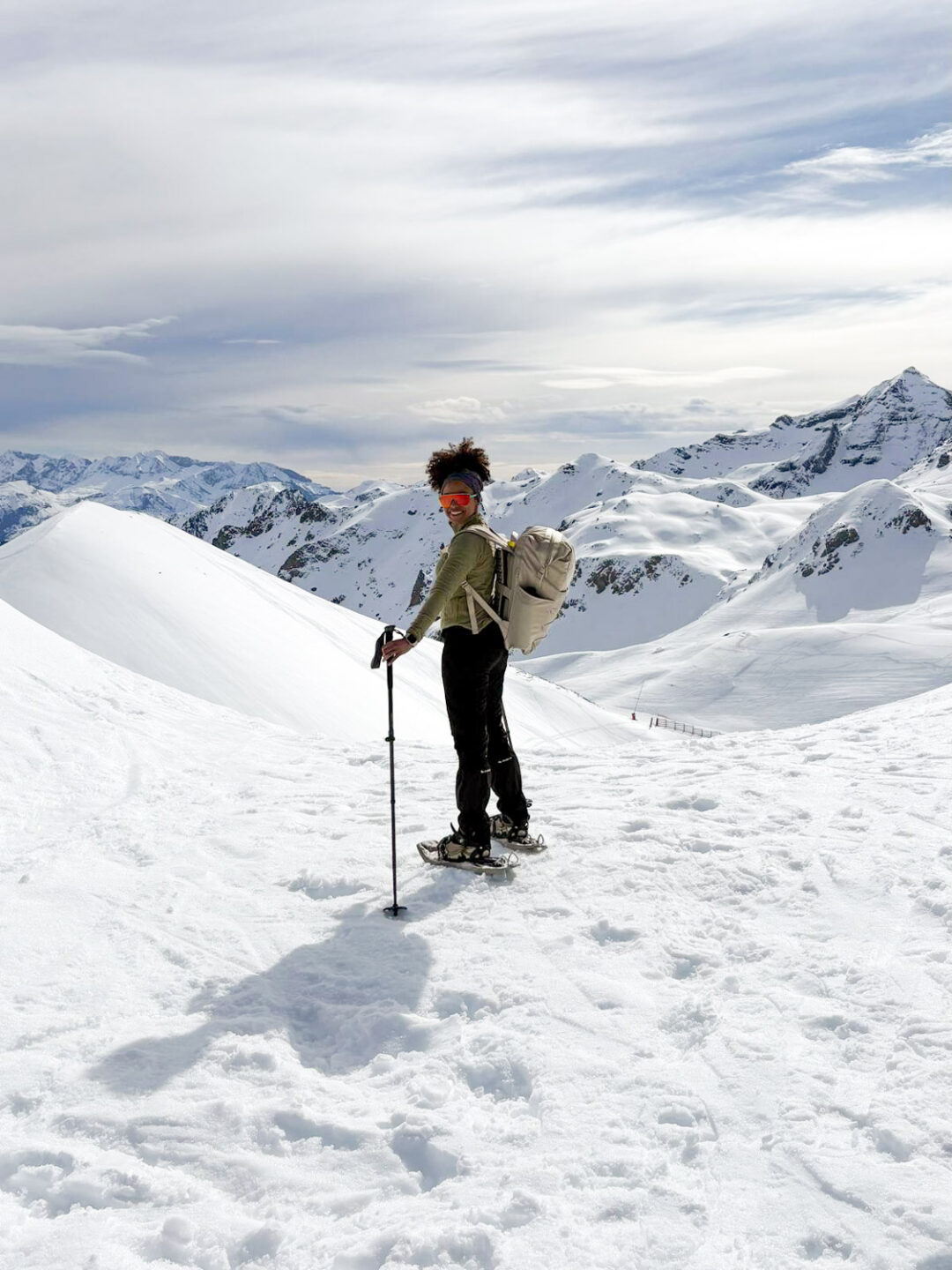
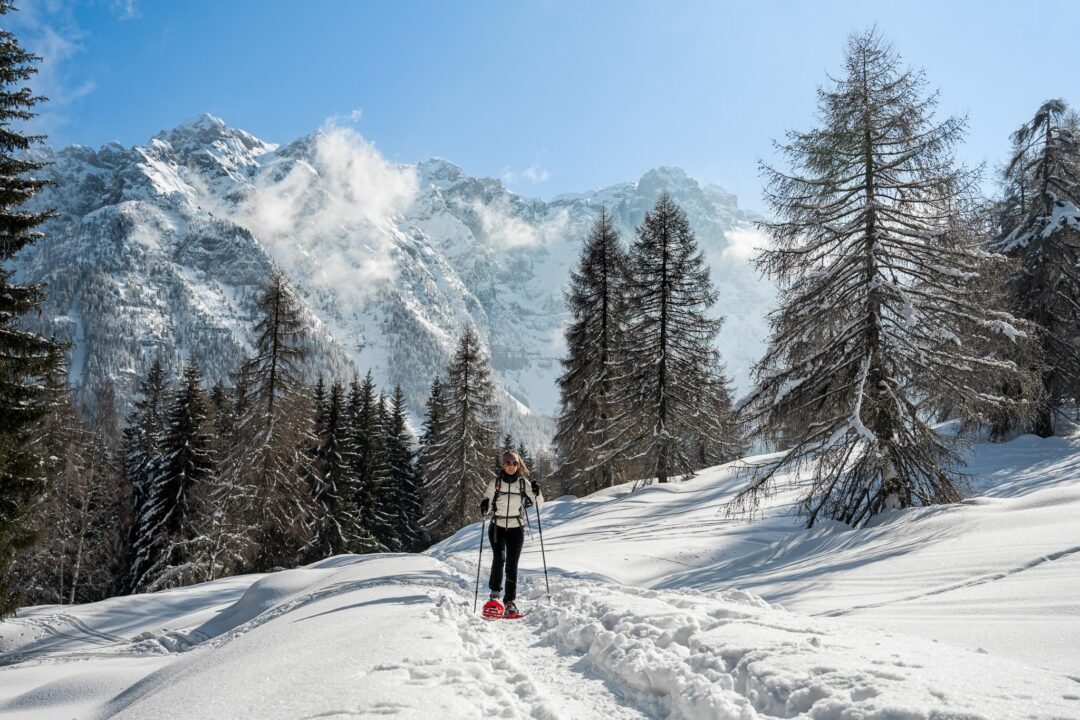
Escape popular ski resorts, climb to scenic viewpoints and relax atop the snowy Dolomites. With 10 national parks, there’s no end of Alpine trails to explore and fresh snow to hike over.
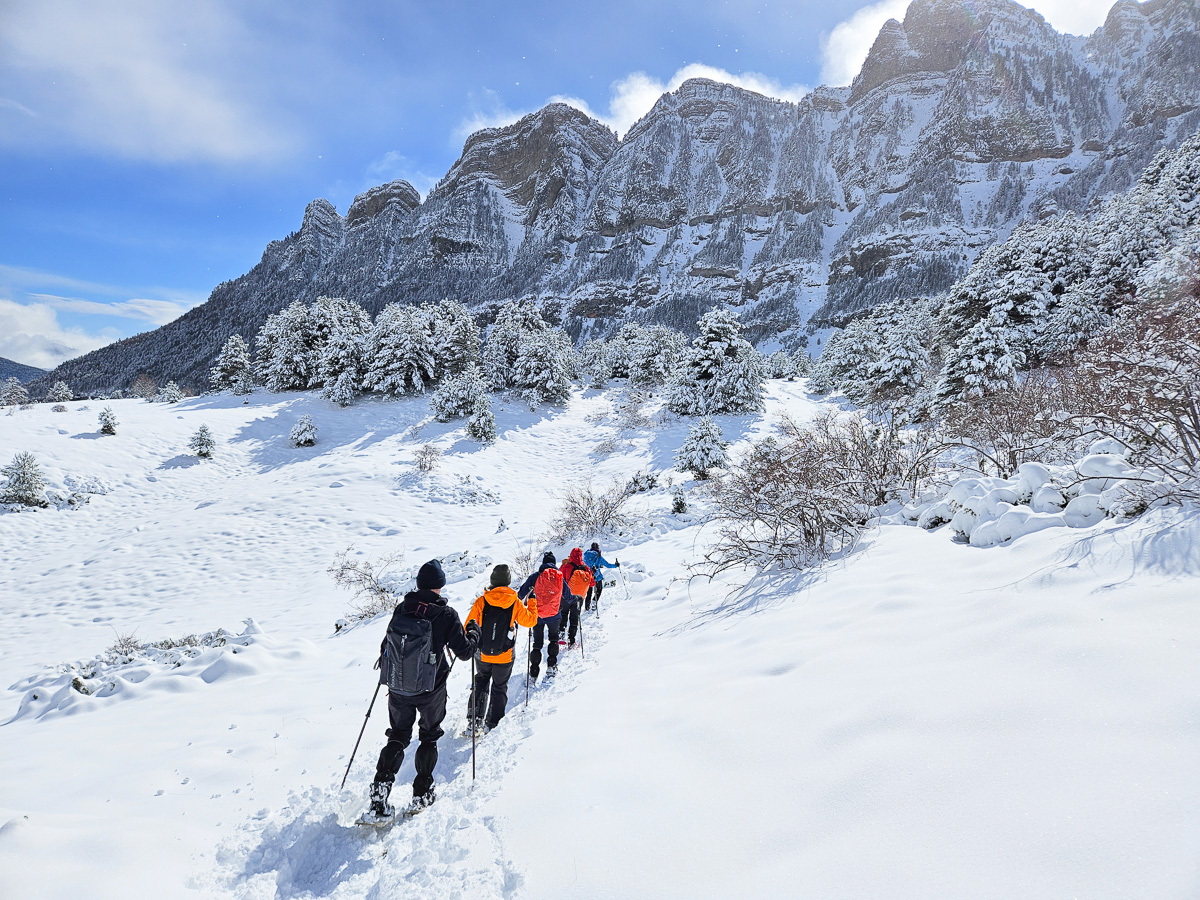
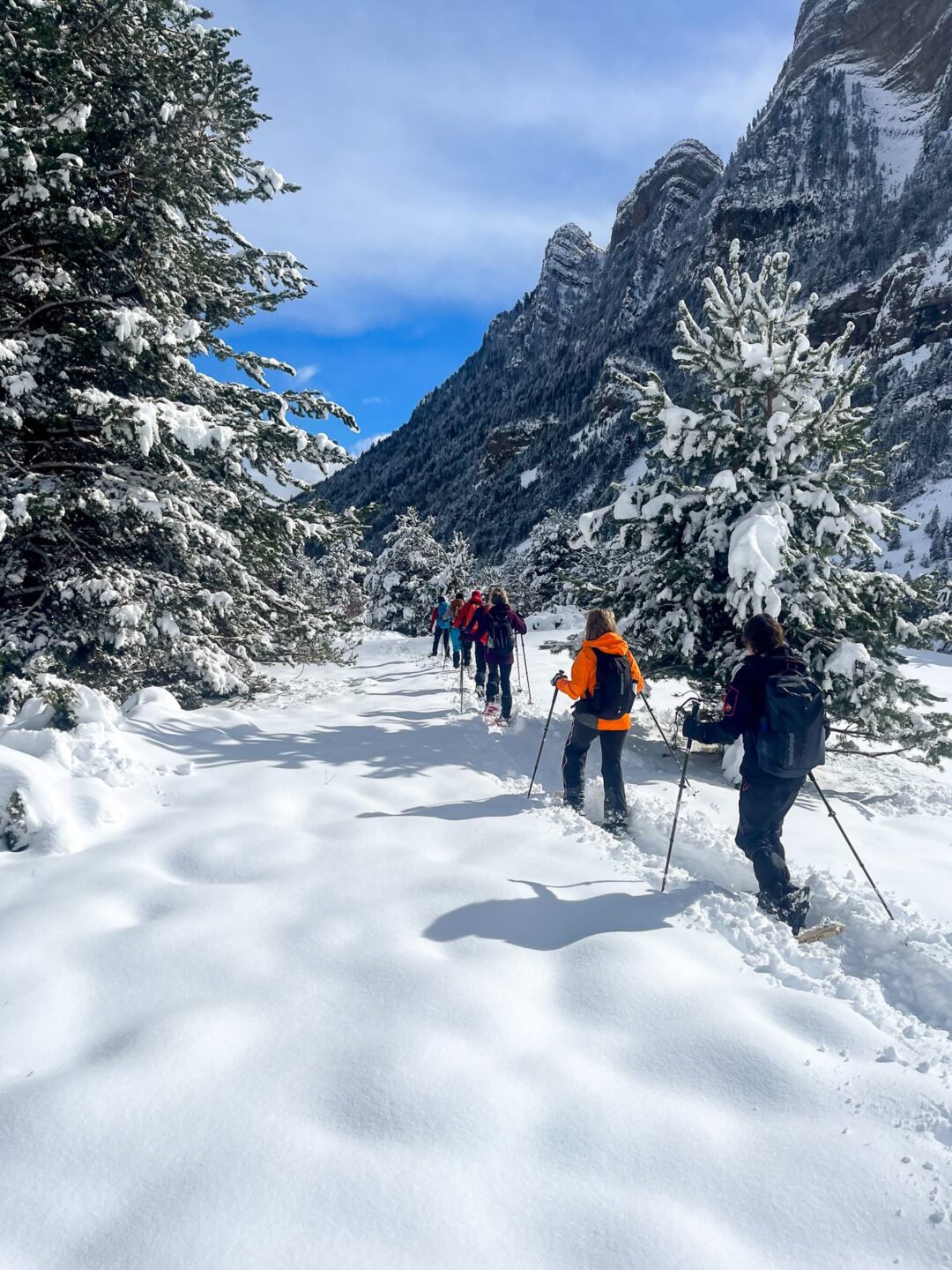
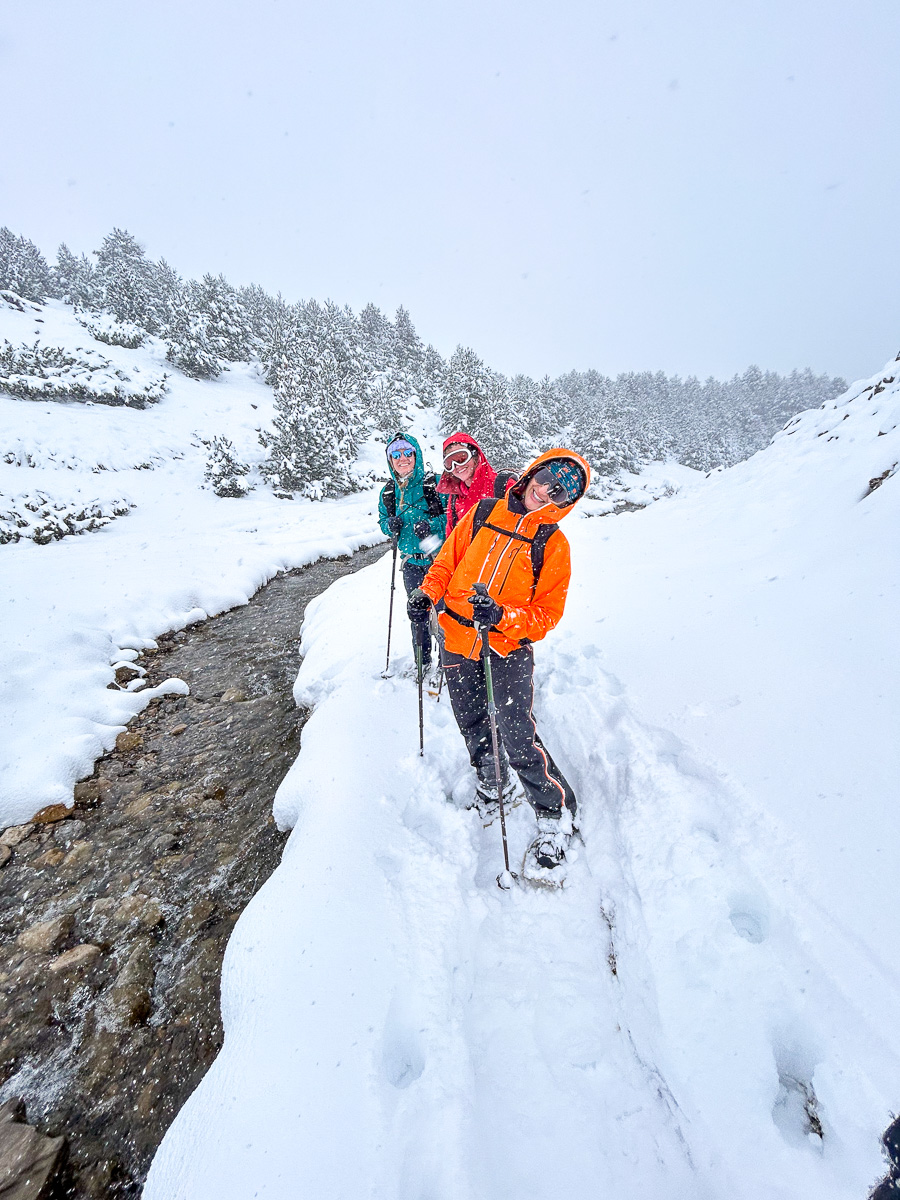
Winter hiking along the border of Spain and France, right up the Pyrenees Mountains. Go remote to explore national parks, glacier lakes and mountain peaks. And the best bit? It’s away from the crowds.
Winter Activities for Women
Winter is the perfect time to get into the mountains for a hike — there are fewer people and the landscape is whitewashed with snow. Stick to snowshoeing if you want to keep it simple, or choose a multi-sport adventure to learn new technical skills and enjoy more winter activities.
Winter Sports Holidays
On every winter sports holiday, you’ll be supported by a local, expert guide. They’ll teach, advise and coach you. Plus, you’ll be joined by a Gutsy Girls host who takes care of the group (think pep talks and motivation) and the logistics (so you don’t have to think about anything). It’s a winning combo!
We've got you covered
Snowshoeing is hiking in snow. You strap wide, flat frames onto your regular boots and instead of sinking thigh-deep into snow, you walk on top of it. That’s genuinely it. No sliding, no technique to crack, no learning curve to speak of, if you can walk, you can snowshoe. It opens up the backcountry in winter without the faff of skis: frozen lakes, snow-loaded forests and landscapes most people never see.
None whatsoever. It’s one of the most accessible winter activities out there precisely because there’s no real technique to learn. You’ll get a quick briefing at the start including how to strap in and handle downhill sections, then you’re off. Previous hiking experience helps with fitness and pacing, but it’s not a requirement.
More than you might expect. The mechanics are simple but moving through deep snow, for 5–6 hours a day is harder work than the same distance on a summer trail. Think of it as hiking with extra resistance. A good baseline fitness and a history of getting outdoors regularly is enough for most trips. If you’re comfortable walking in hilly terrain for a full day, you’ll manage fine.
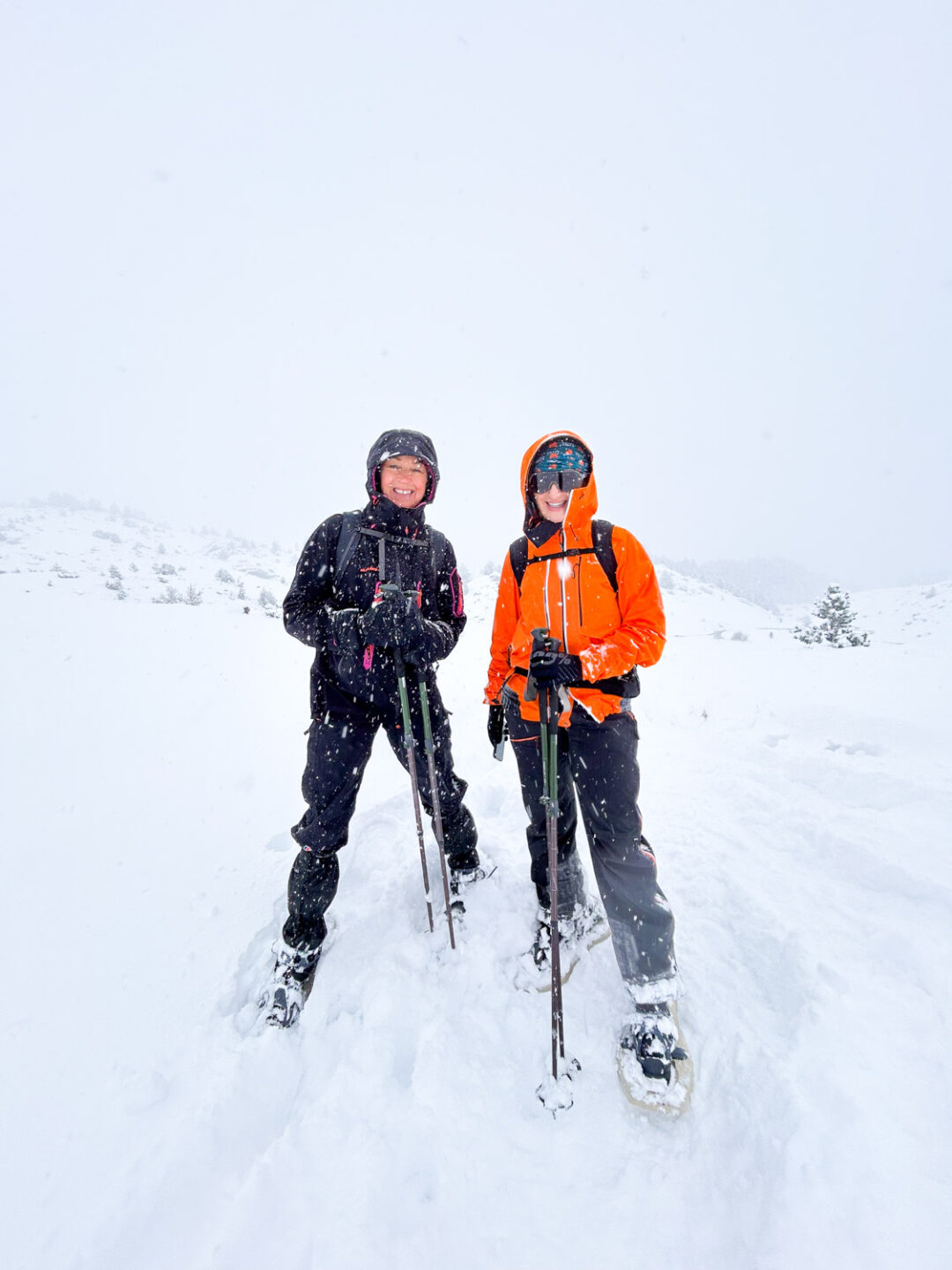
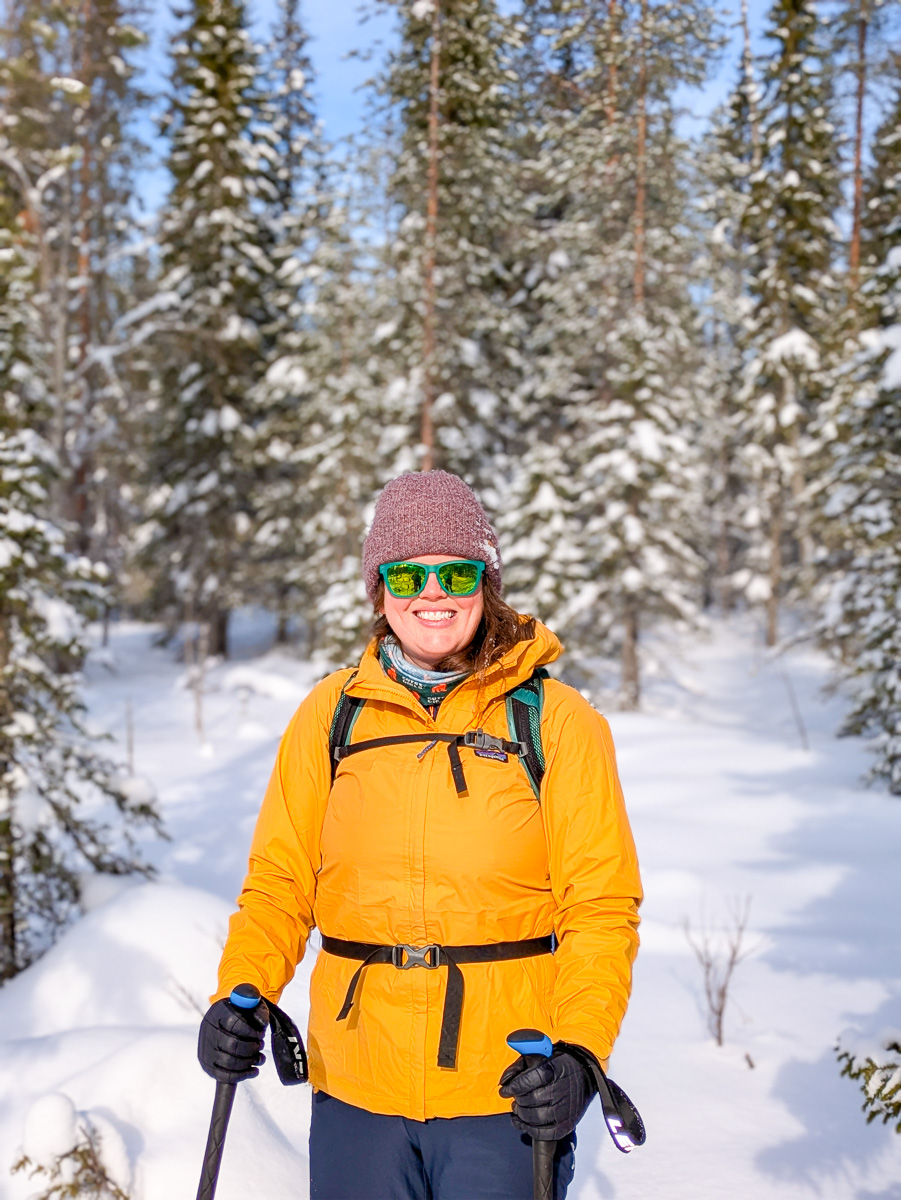
Layers, waterproofs, thick socks and waterproof boots are the non-negotiables. A moisture-wicking base layer, an insulating mid layer and a waterproof outer keep you comfortable as your body temperature changes throughout the day. Waterproof trousers are worth having given the amount of snow around you. Warm, waterproof boots are also essential as your feet will be in contact with snow all day and need to stay dry and warm. Gloves, a hat and gaiters to keep snow out of your boots round things out.
It’s probably the best starting point of any winter activity. If skiing or snowboarding has felt too intimidating, snowshoeing is how you get into the winter backcountry without any of that. Most people are completely comfortable within the first twenty minutes.
It varies by destination and trip, but snowshoeing really earns its place in varied winter landscapes, helping you reach dense forests with snow-heavy trees, open mountain ridges, frozen lakes and rolling countryside that’s completely inaccessible any other way. Expect short ups and downs rather than relentless climbs. The terrain is also varied enough to be interesting without being technically demanding.
Yes, and guided group snowshoeing trips suit solo travellers particularly well. The pace is decent, there’s plenty of time to talk on the trail, and days spent navigating a winter wilderness together tends to build easy connections. You won’t feel like a solo traveller for long.
January through to March is the core season, with reliable snow cover and proper winter conditions. February and March are often the sweet spot as the days are getting longer, temperatures are manageable and the snowpack is well established. In Scandinavia the season extends into April. Go too early in the season and snow cover can be patchy; too late and you risk slushy conditions that make for harder going.
Scandinavia, particularly Finnish and Swedish Lapland, is hard to beat for snowshoeing. The landscapes are vast, snow cover is reliable from December through March, and the combination of frozen lakes, dense forests and genuine wilderness is unlike anywhere else in Europe. Norway offers dramatic terrain with serious elevation if you want more of a challenge. The Dolomites and Pyrenees are strong options too, with well-established winter trail networks and mountain scenery that rewards the effort.
You need the snowshoes themselves, poles for balance and stability, and warm waterproof boots. On guided trips the snowshoes and poles are almost always provided, so you don’t need to invest in kit before you’ve tried it. What you do need to sort yourself is appropriate clothing: waterproof layers, warm socks and gloves, a hat and gaiters. A small daypack for water, snacks and an extra layer or two is worth bringing too.
Explore our Blog