Latest blog post articles
Upcoming
Types of Skiing Explained: Alpine, Nordic, Touring & SkateExplore Kayaking Holidays
Kayaking with Expert Guides
From the dramatic icy landscape of Svalbard to the crystal clear coastlines of Croatia, every kayaking trip is an adventure — you just can’t get to the best of these locations on foot. Our expert guides help you master your paddle whilst sharing local stories and knowledge.
Kayaking Holidays Europe
Kayaking Holidays Europe
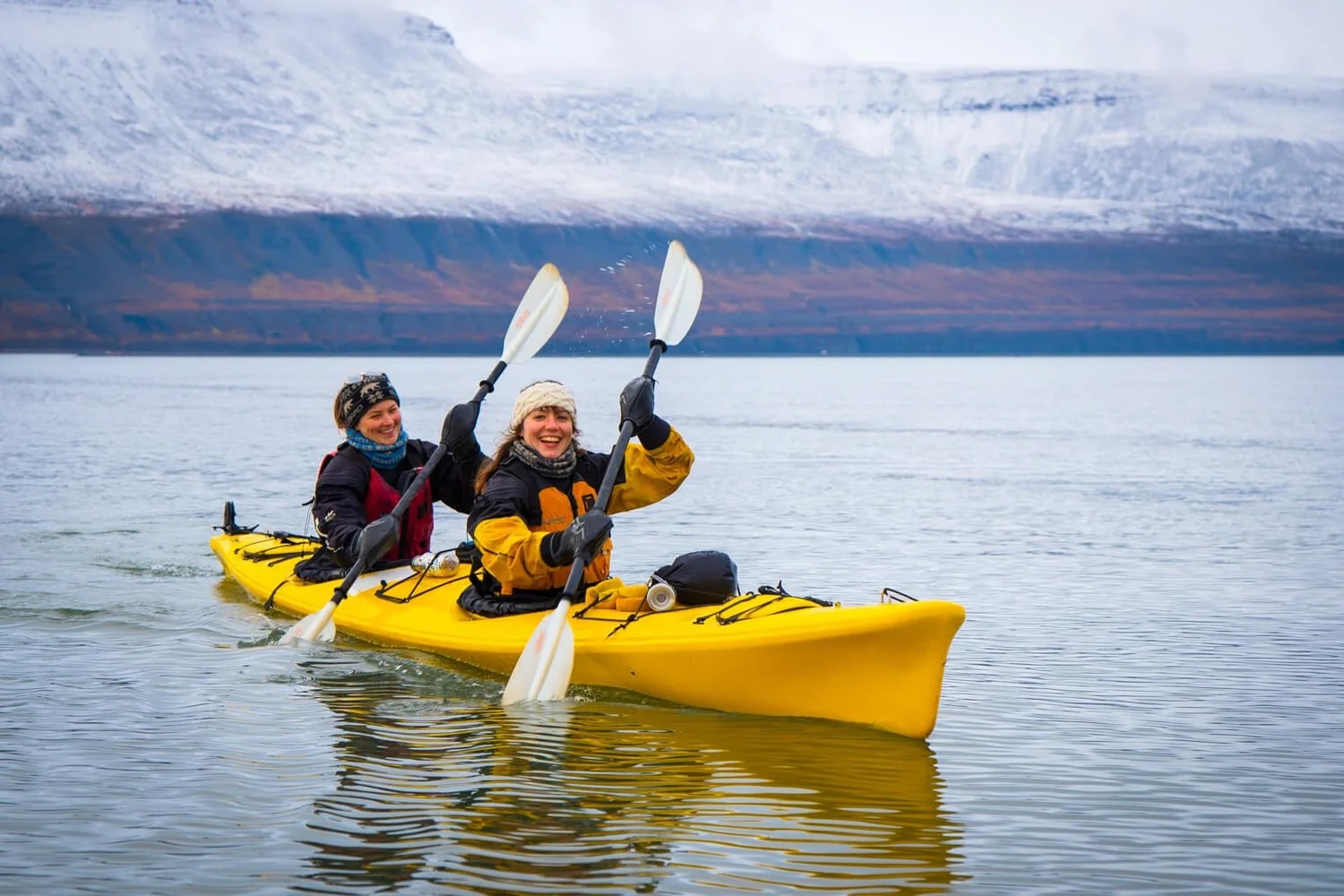
If you’re thinking, “kayaking, that sounds like a bit of me,” then look no further. On beginner trips, you’ll get a thorough kayaking 101 – learn the basics, paddling techniques, capsize drills and self-rescue skills. On some trips, you’ll double up with another guest for max power and stability.
Join one of our intermediate expeditions and we’ll brief you on safety, then chuck you straight in the deep end (hmm, not literally). Along the way, you can always get guidance from our instructors.
Our favourite locations
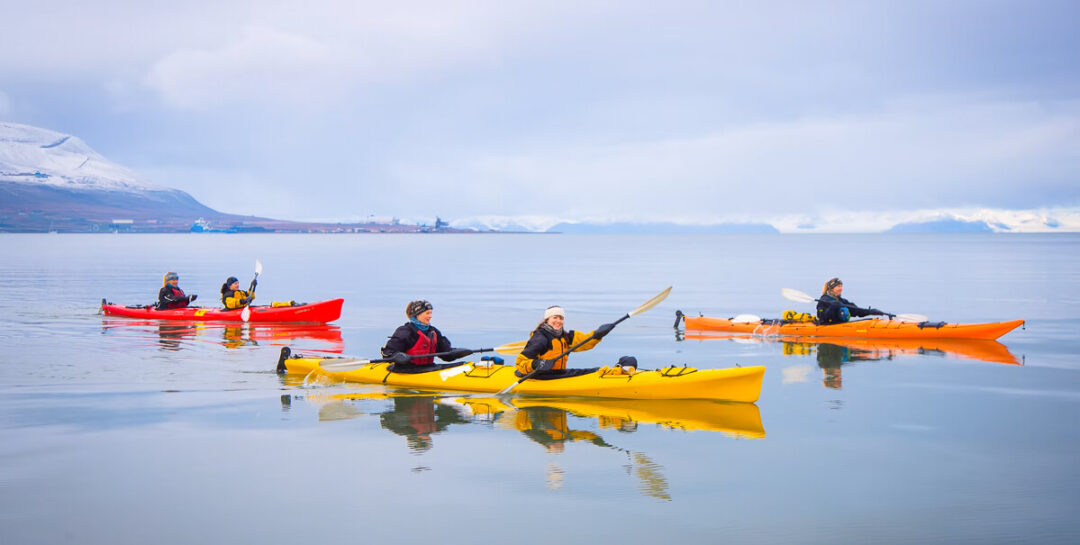
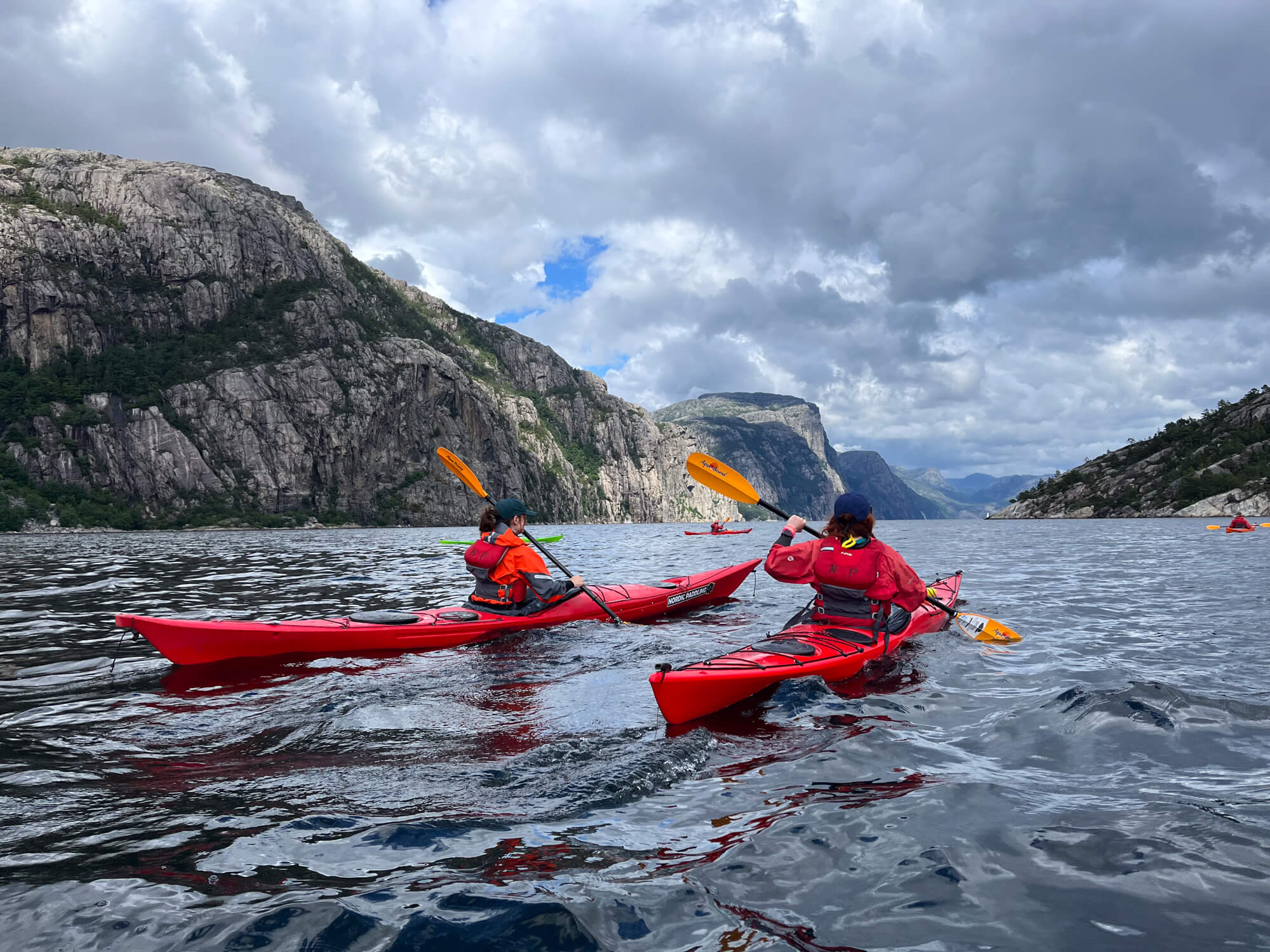
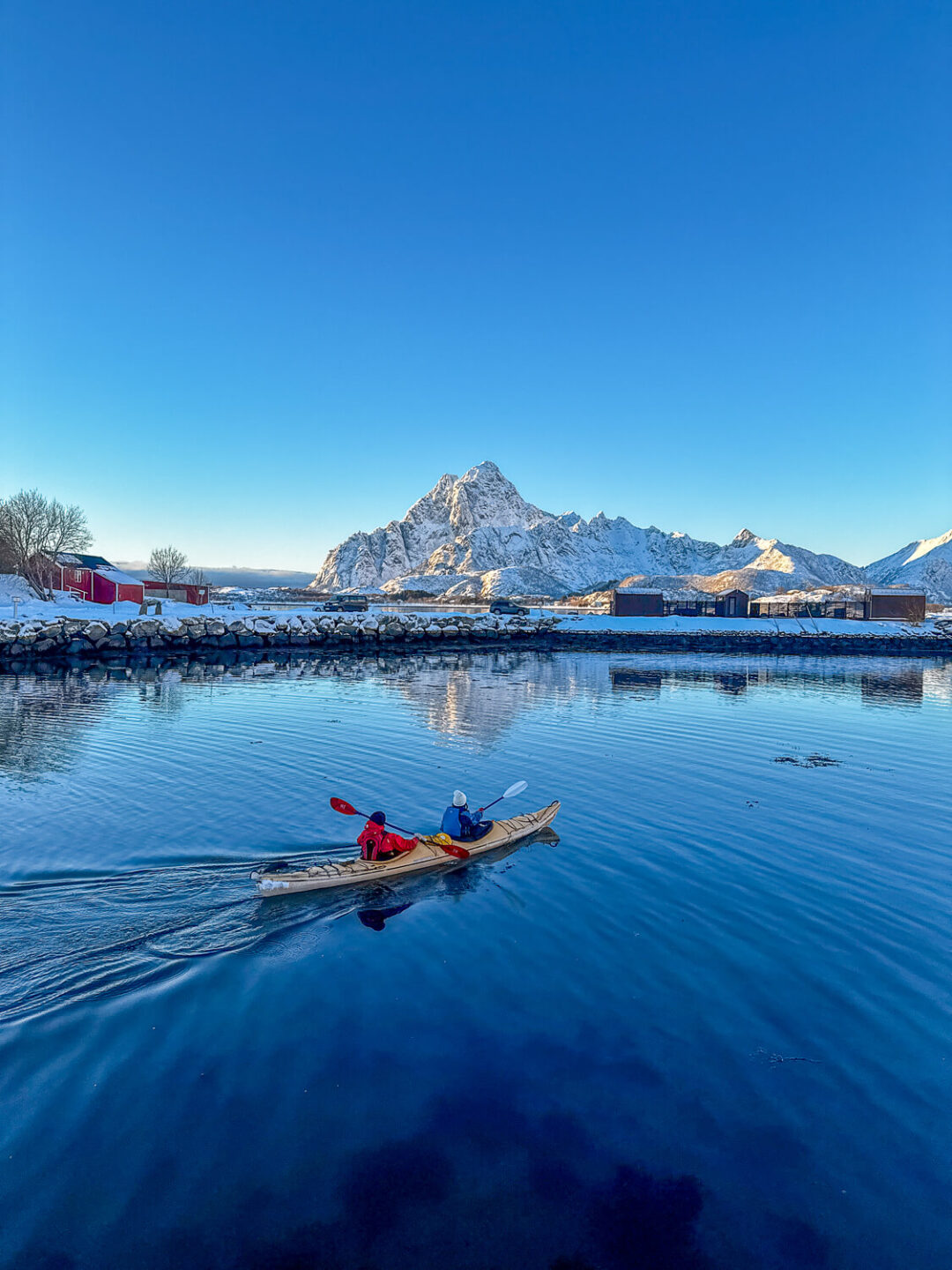
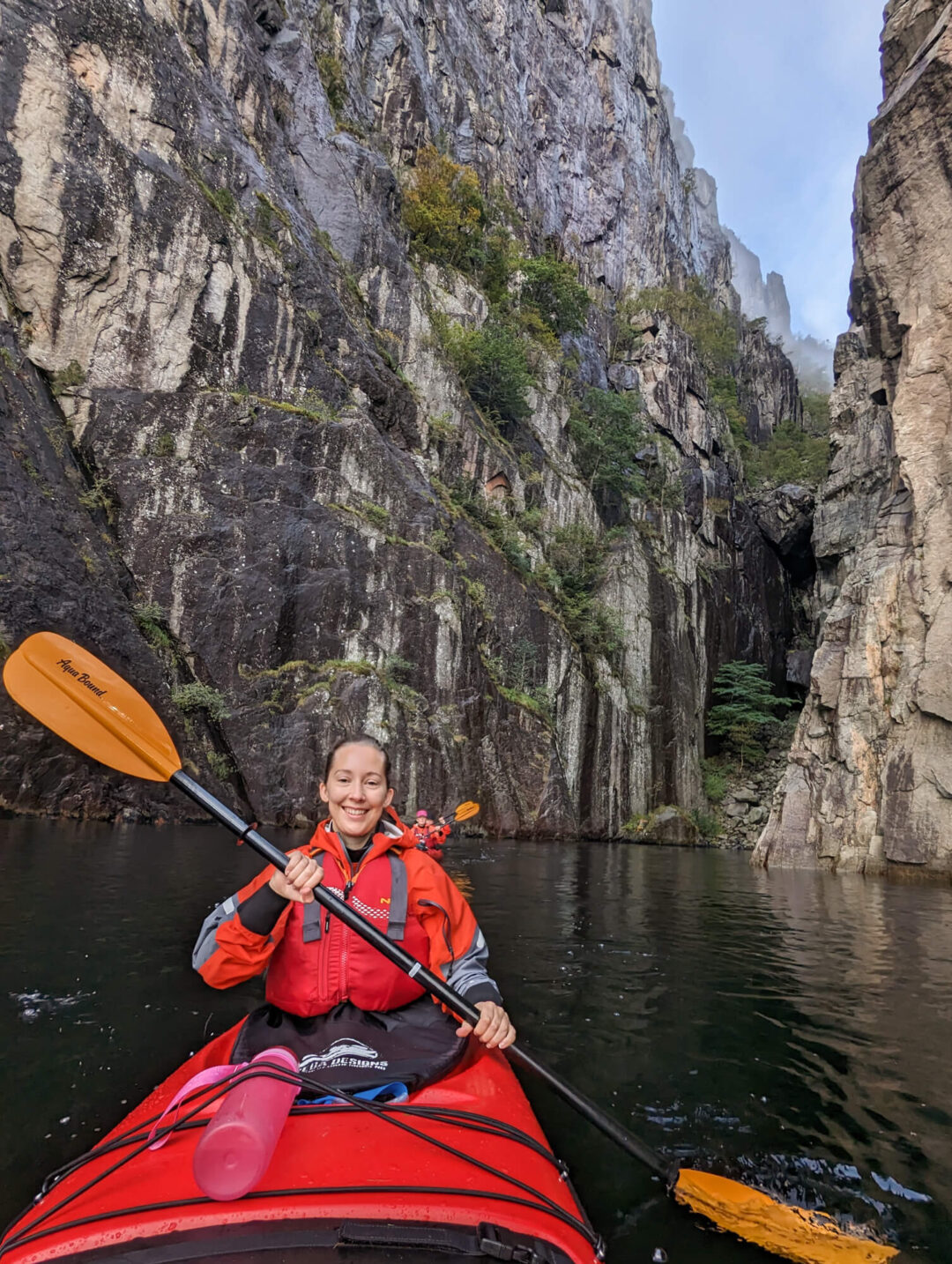
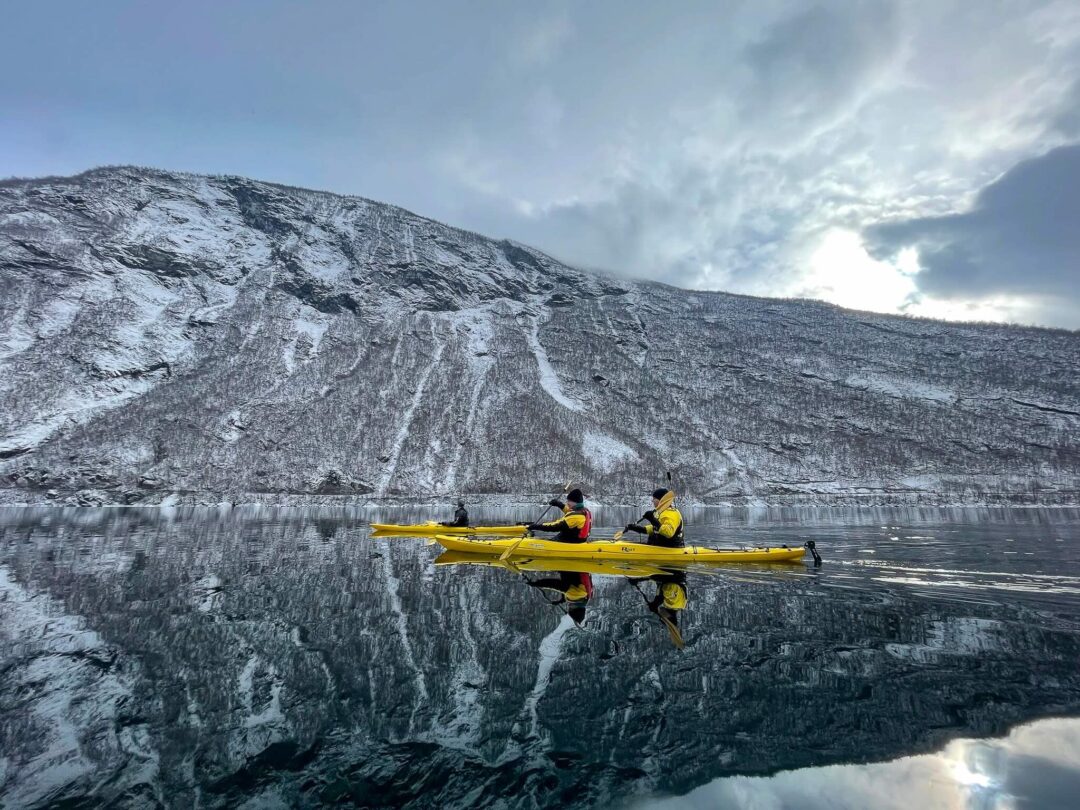
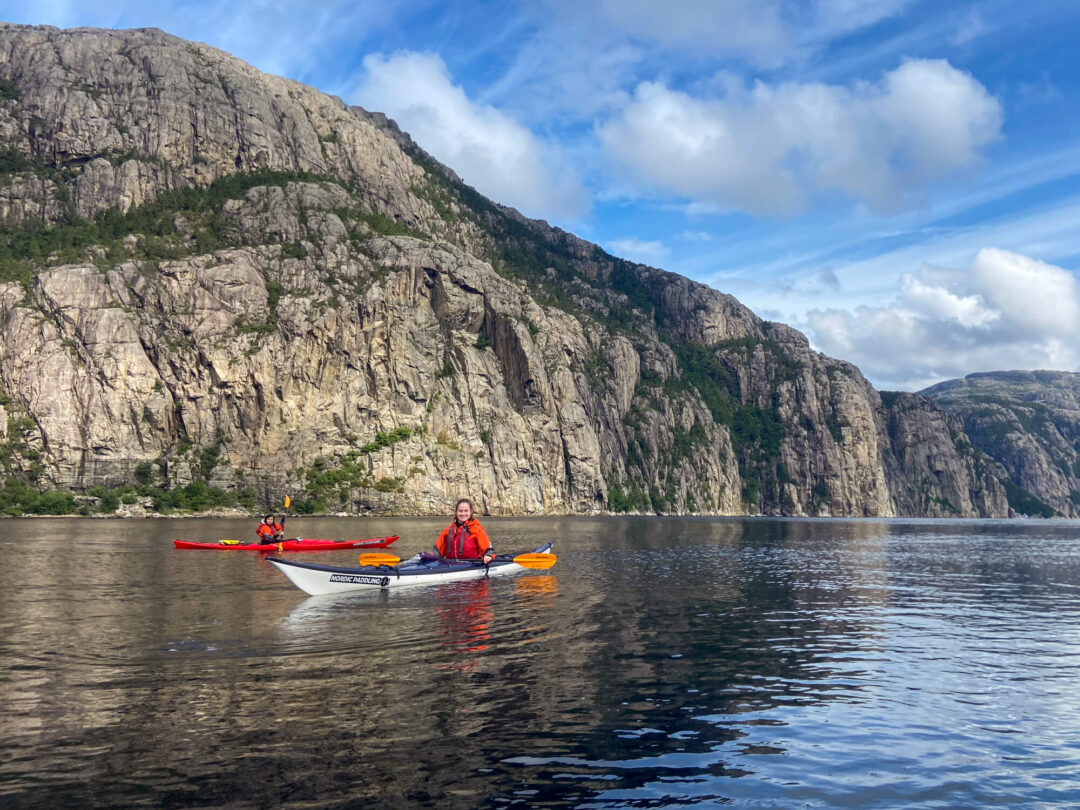
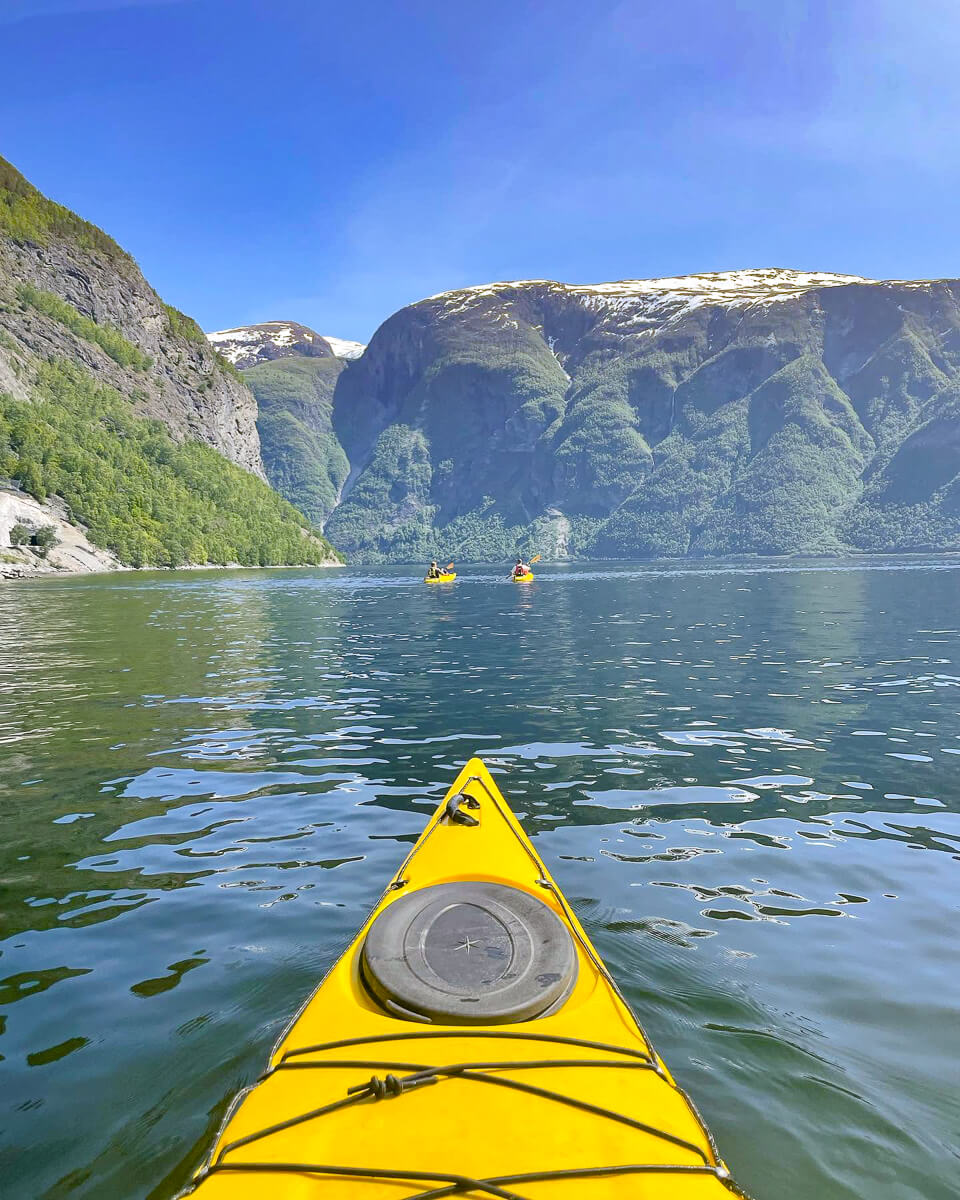
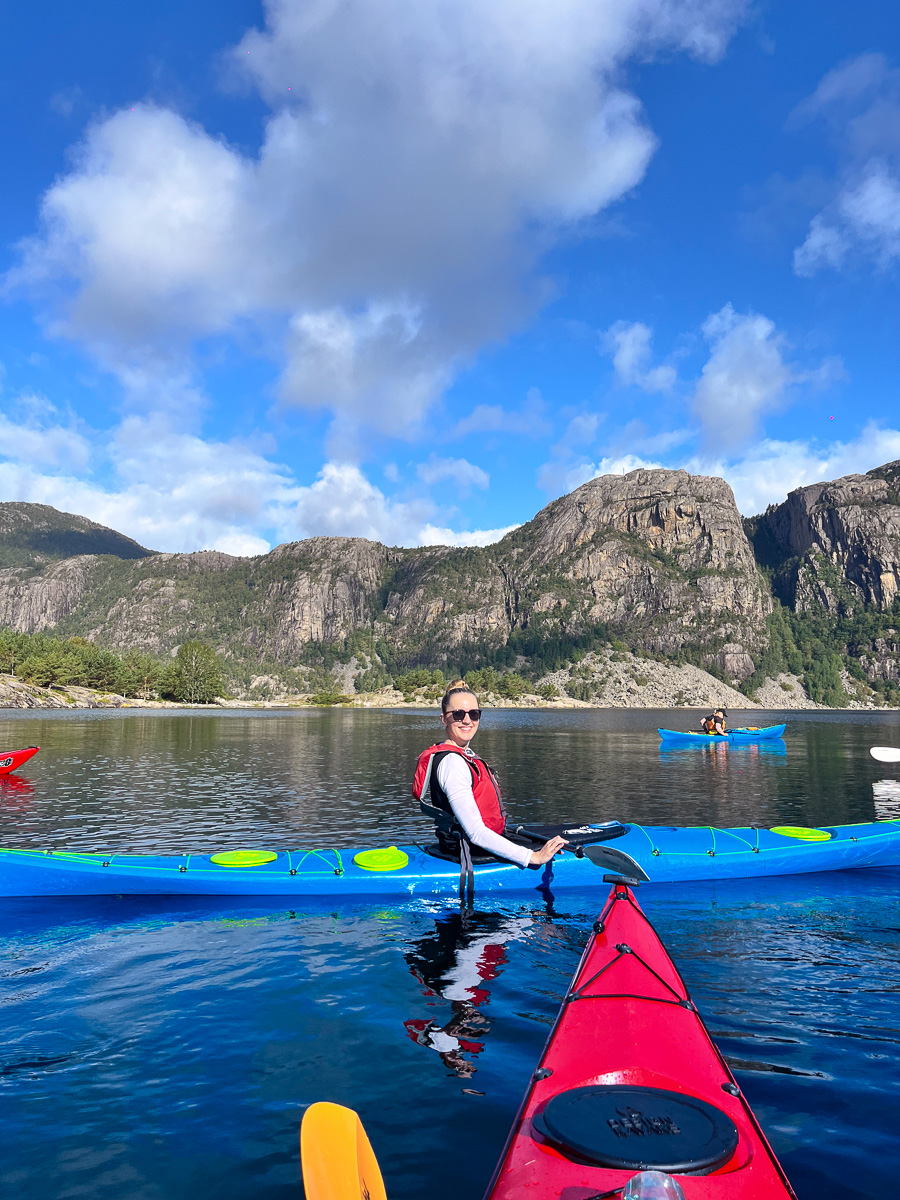
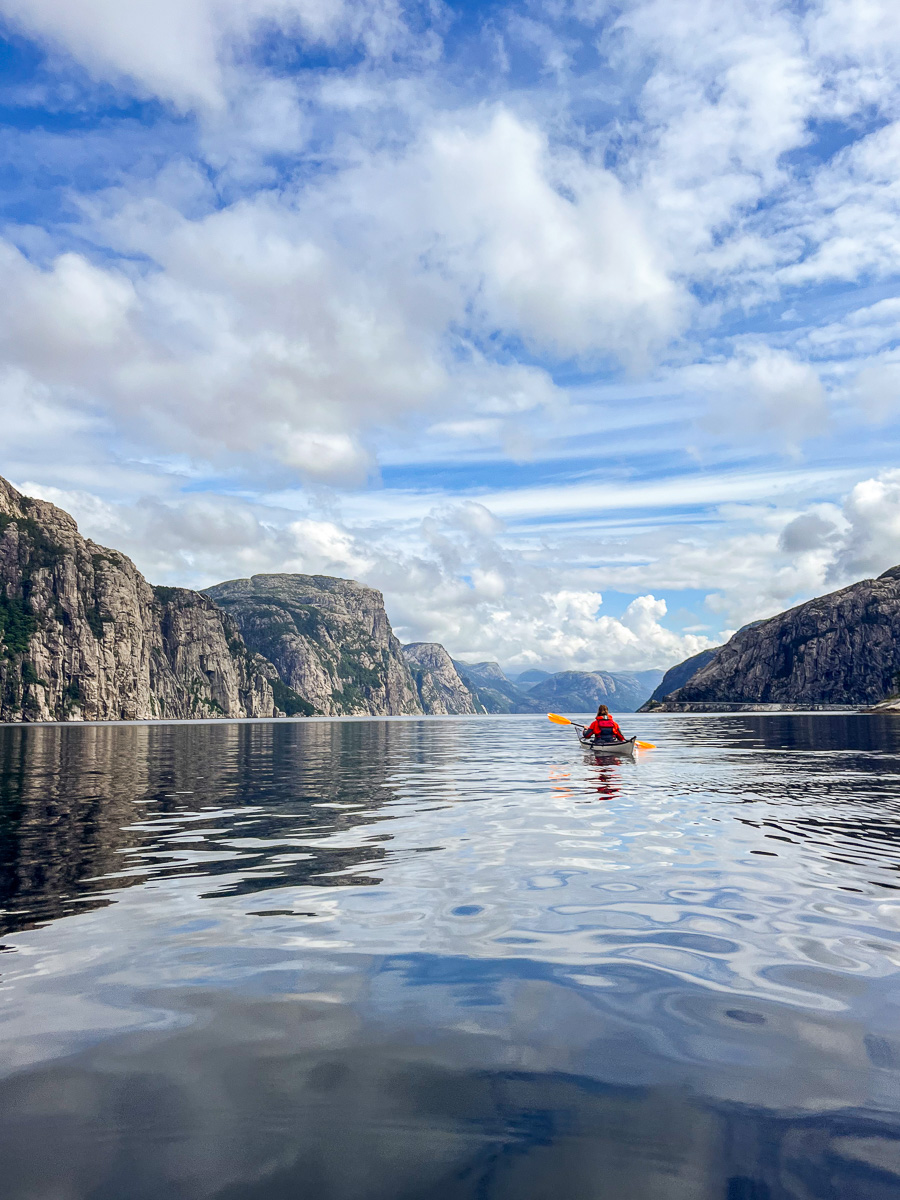
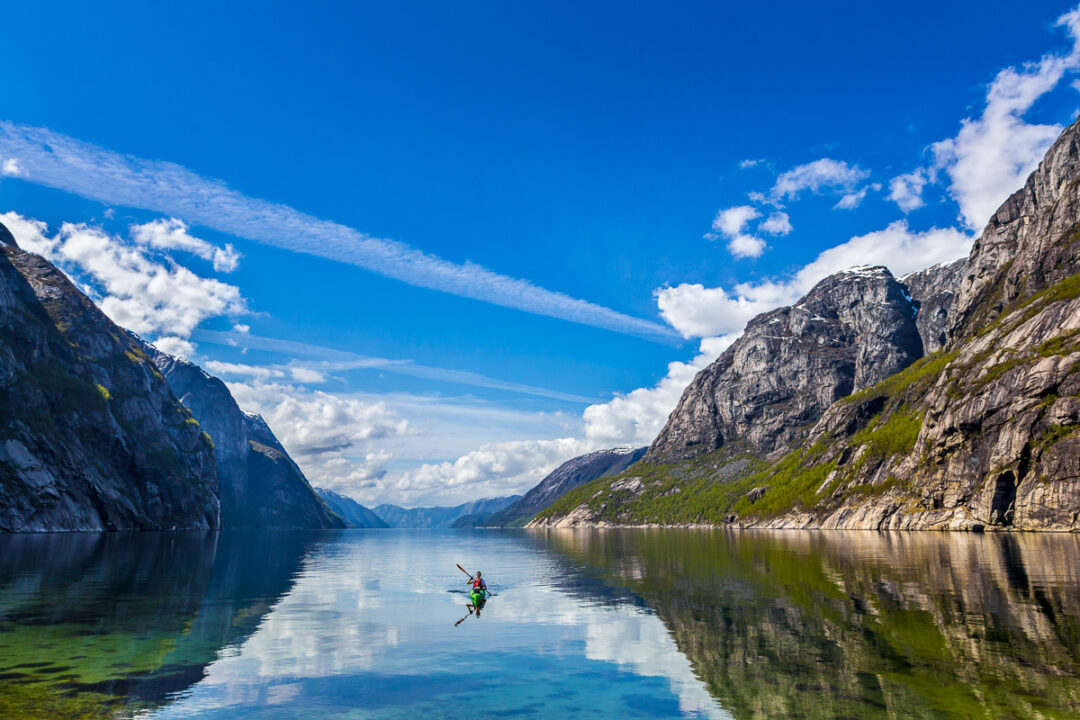
Endless Norwegian Fjords mean all-year-round kayaking in Norway. Paddle between striking rocks, under the midnight sun or along stretches of icy cliff faces.
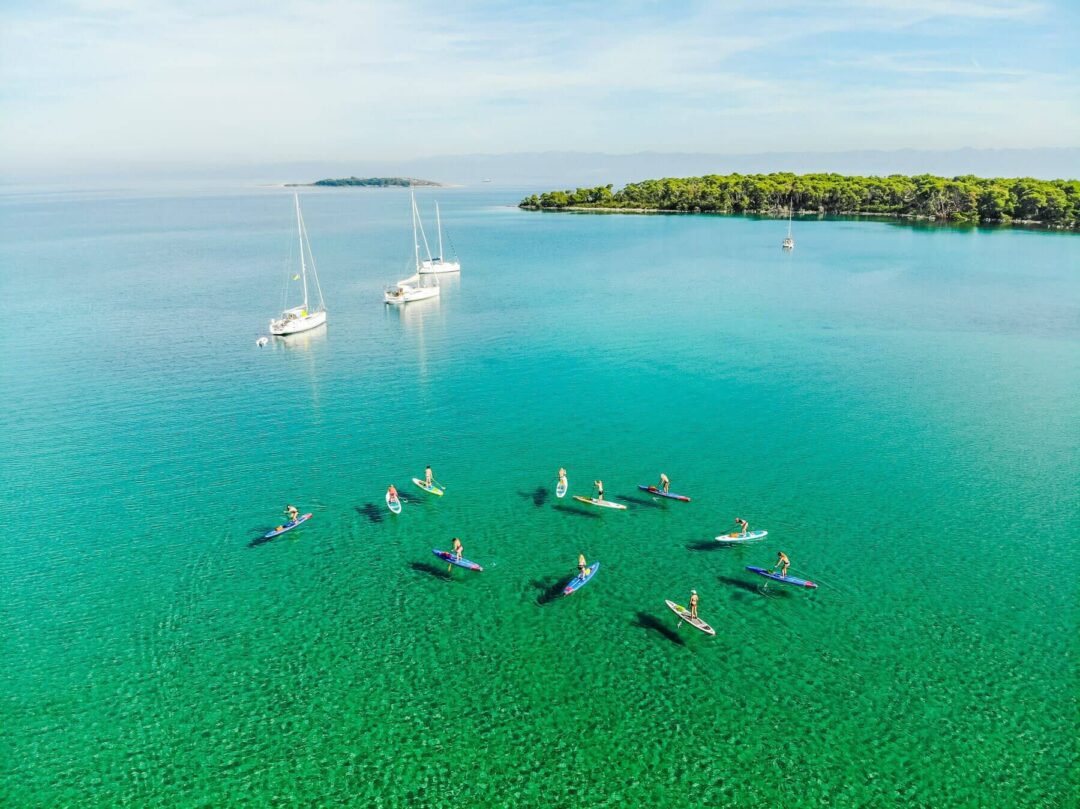
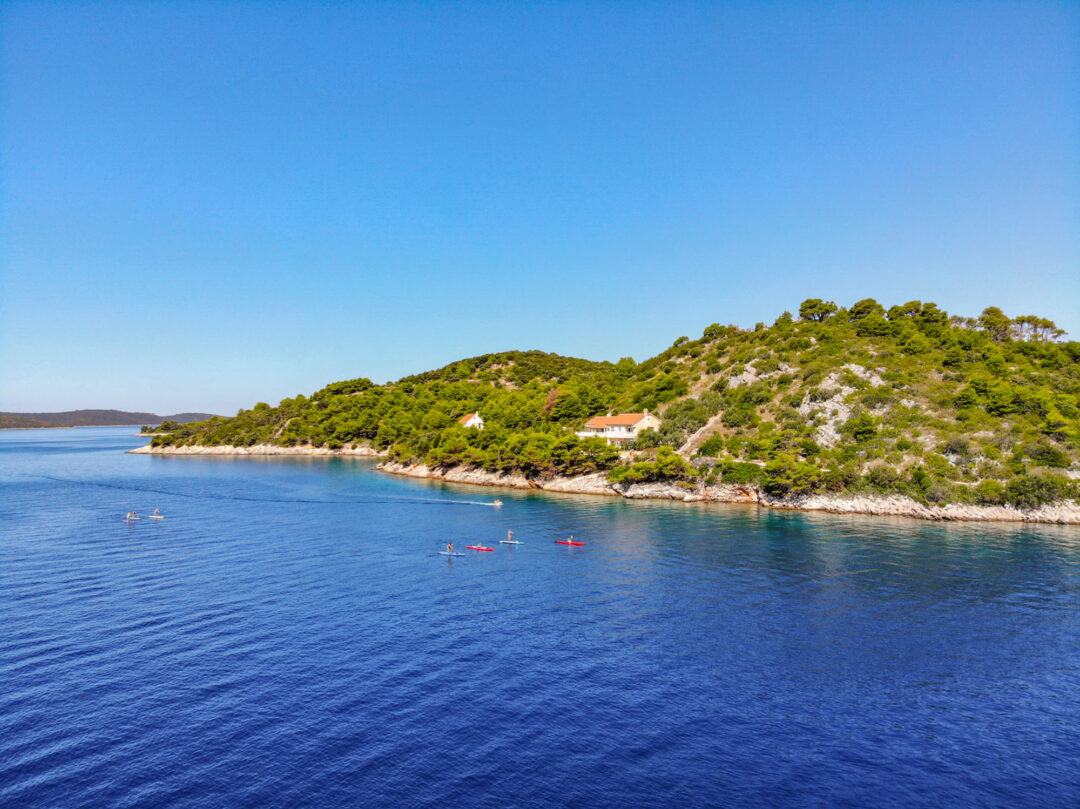
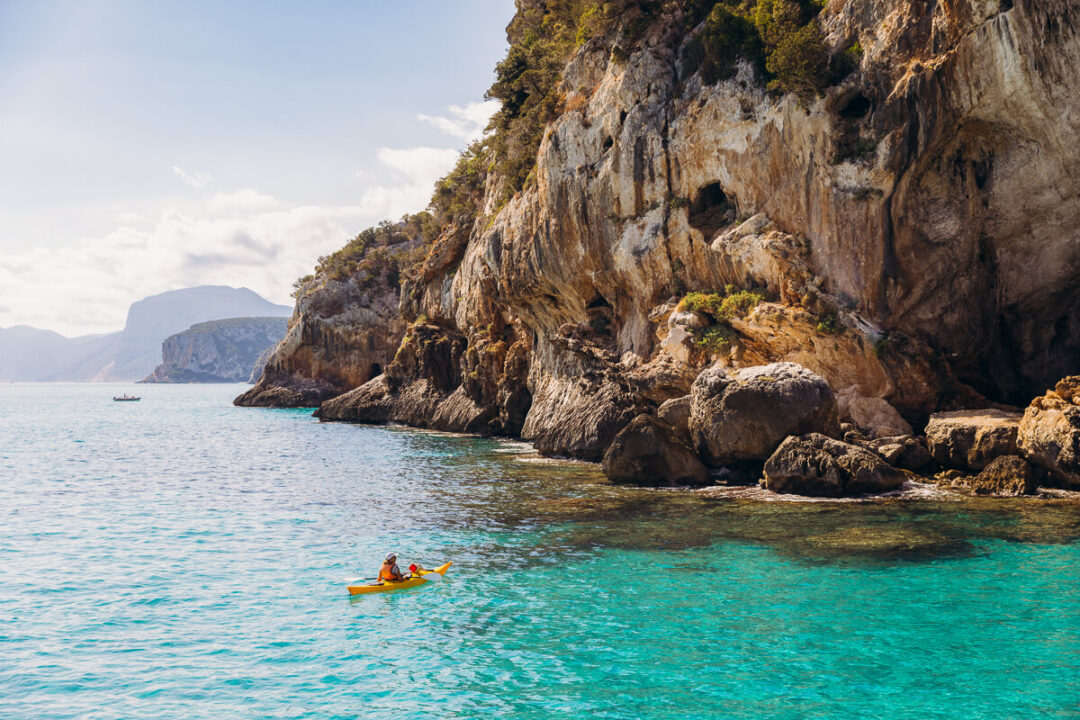
The Adriatic waters are the kind of blue you think only exists on Instagram. See it for yourself as you island-hop, exploring sunny beaches and local towns.
With Alpine views across the board, Slovenia offers kayaking for all abilities. Enjoy a calm experience on Lake Bled, and when you’re ready to ramp it up, head to the rapids of the River Soča!
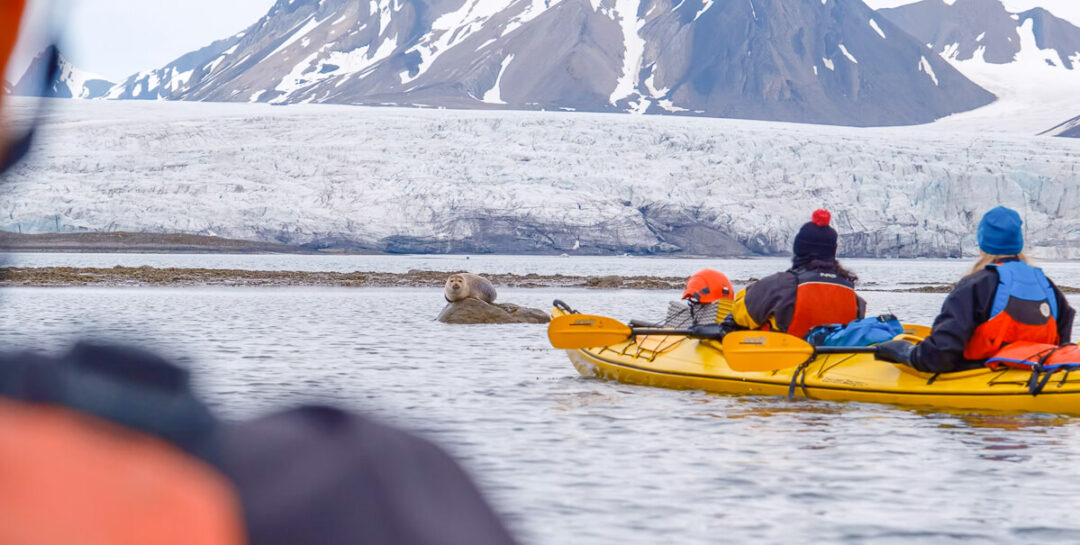
Where kayaking is the most common form of transport, dating back 400 years. Connect with the local indigenous culture as you paddle among icebergs, past glaciers and through fjords.
Kayaking Holidays for Women
Honestly? It’s one of the best ways to get properly wild, and there are so many ways to do it. Go solo or team up with a partner in a double kayak. Choose from so many different kayaking spots, for sea kayaking, whitewater kayaking and multi-day kayaking expeditions.
Kayaking Holidays
Two people have your back on every kayaking holiday: an expert local guide who teaches and coaches, and a Gutsy Girls host who runs the show behind the scenes. Nothing to plan. Nothing to worry about. Just paddle.
We’ve got you covered
The main formats are sea kayaking (coastal and fjord paddling, usually on guided multi-day trips), lake and flatwater kayaking (calmer conditions, good for beginners building confidence), river kayaking (moving water, ranging from gentle to white water), and expedition kayaking (multi-day point-to-point trips covering significant distances). Most adventure kayaking holidays fall into the sea or lake category, you’re there for the landscapes as much as the paddling.
In a kayak, you sit low with your legs stretched out and use a double-bladed paddle. In a canoe, you sit higher on a bench or kneel, and use a single-bladed paddle. Kayaks are generally faster and more manoeuvrable in open water; canoes tend to be more stable and better for carrying gear on rivers.
It depends on the trip. Beginner kayaking holidays are designed for people who have never paddled before. You’ll cover the basics on the water before you go anywhere, and build from there over the course of the trip. More challenging trips assume you’re already comfortable in a kayak and can handle open water conditions. Some courses are progressive and designed to take you from complete beginner to confident paddler over several days, others pick up where that leaves off.
In Scandinavia, June to September offers the best conditions — long daylight hours, calmer water and accessible fjords. Spring and autumn shoulder seasons can work well for experienced paddlers who don’t mind more variable conditions. Croatia and the Mediterranean are best from May to October, avoiding the peak summer crowds if you can. Winter kayaking is a real option in Norway and Iceland for those who want something more raw, just plan around the shorter daylight hours and very cold temperatures.
Kayaking works your upper body, core and back, not muscle groups most people train specifically, so expect some tiredness in the first day or two even if you’re generally fit. For beginner trips, a reasonable baseline fitness is enough. For longer trips covering 10-15km daily, good cardiovascular fitness helps. If you want to prepare, upper body and core work at least eight weeks before will make a noticeable difference.
It depends on the destination and season. In cold water destinations like Norway, Scotland, and Iceland, a drysuit is usually provided, which keeps you dry if you go in and is essential in low temperatures. Underneath, you should wear a thermal base layer and a mid layer too.
In warmer destinations like Croatia or the Mediterranean, a wetsuit or just quick-dry layers may be enough. Either way, avoid cotton as it stays wet and cold.
On your feet, you’ll need neoprene boots or water shoes. In summer, a UV top is worth packing as you’re on the water all day with no shade. Sunglasses and a hat are also essential regardless of season; glare off the water is intense!
Yes – solo travellers are common on guided kayaking trips. The group is small, and several days on the water together tends to accelerate the kind of conversation that takes weeks in normal life. Depending on the trip, you may be in your own single kayak or paired with another paddler in a double. Either way, you’re not dependent on having to join with someone – the guide will pair you up if need be.
It depends on the trip. Double kayaks are common on beginner holidays and longer expedition-style trips as the extra stability helps if you’re new to paddling. Sharing a boat also means you can cover more distance with less effort. Single kayaks are more common on skill-building courses and intermediate trips where developing your own technique is part of the point. Some beginner trips start you in doubles and move you into singles as confidence builds.
You don’t need to be a strong swimmer, but you do need to be confident in the water. If the idea of falling in is genuinely alarming, a kayaking holiday will be stressful rather than enjoyable. On guided trips you’ll wear a drysuit and buoyancy aid at all times, and capsize drills are covered early so you know exactly what to do if it happens.
Kayak, paddle, buoyancy aid and all the safety kit are sorted for you. Just turn up ready to paddle — the gear, guiding and group logistics are already covered.
Explore our blog