Latest blog post articles
Upcoming
Types of Skiing Explained: Alpine, Nordic, Touring & SkateLearn to ski holidays
Ski trips for beginners
Let’s be honest – learning to alpine, or as many call it, downhill ski, as an adult takes guts. You’ll be sliding down mountains, picking up speed, and falling over. It’s physical, sometimes frustrating, and not for everyone. If you’re okay with that rushing sensation and can laugh when you inevitably wipe out, it’s brilliant. If you need to feel in control at all times, then this isn’t your thing.
Your skiing holiday is calling
Beginner & Intermediate
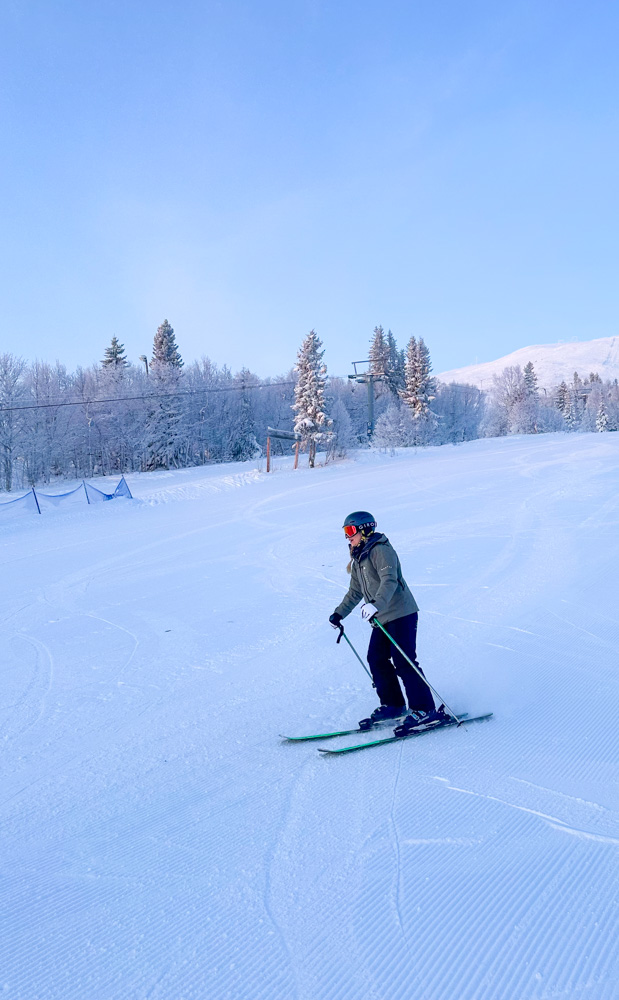
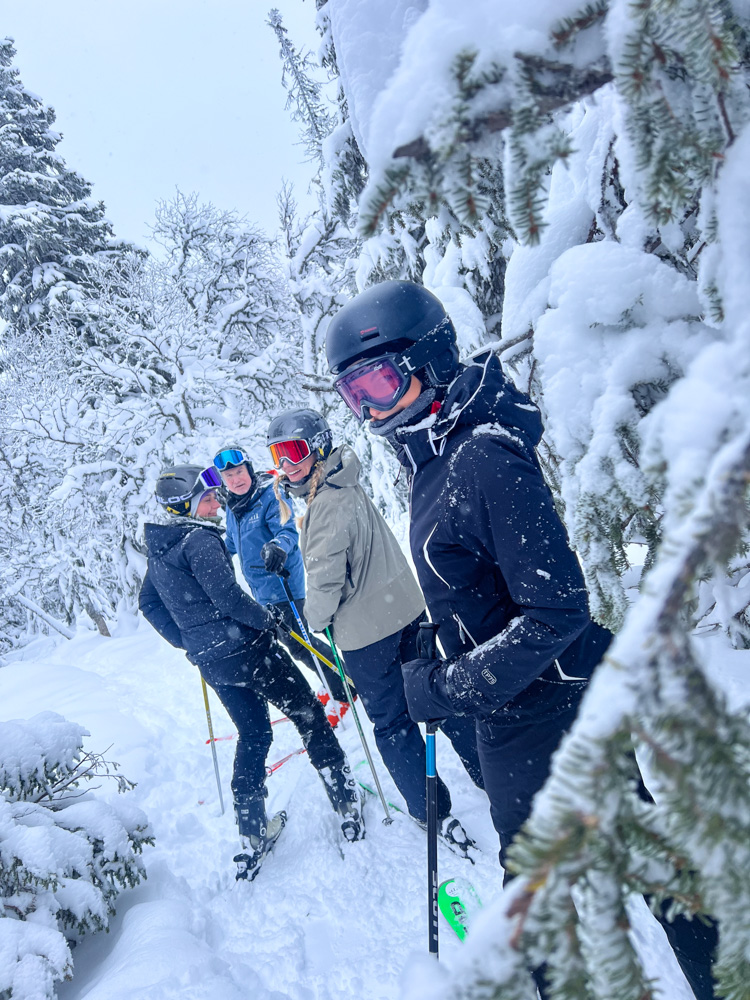
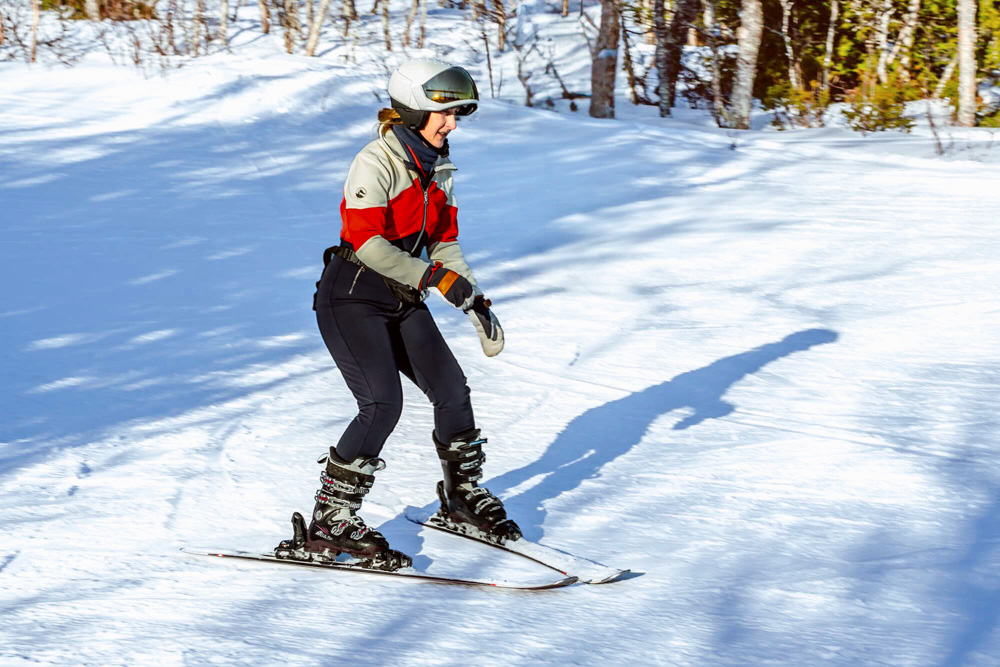
Our beginner ski course starts with the basics. After every morning lesson, we head out to practise, and our guides join us for the rest of the day — you’re never left alone and get ongoing coaching. Expect to fall over (everyone does), but with time and practice, you’ll build real confidence.
For those more experienced skiers, ready for the reds, there are trips for you, too. Our instructors will help you refine your technique before we head out for full days of skiing. Join a group who are at your level, it’s the best way to ski.
Skiing adventure tours
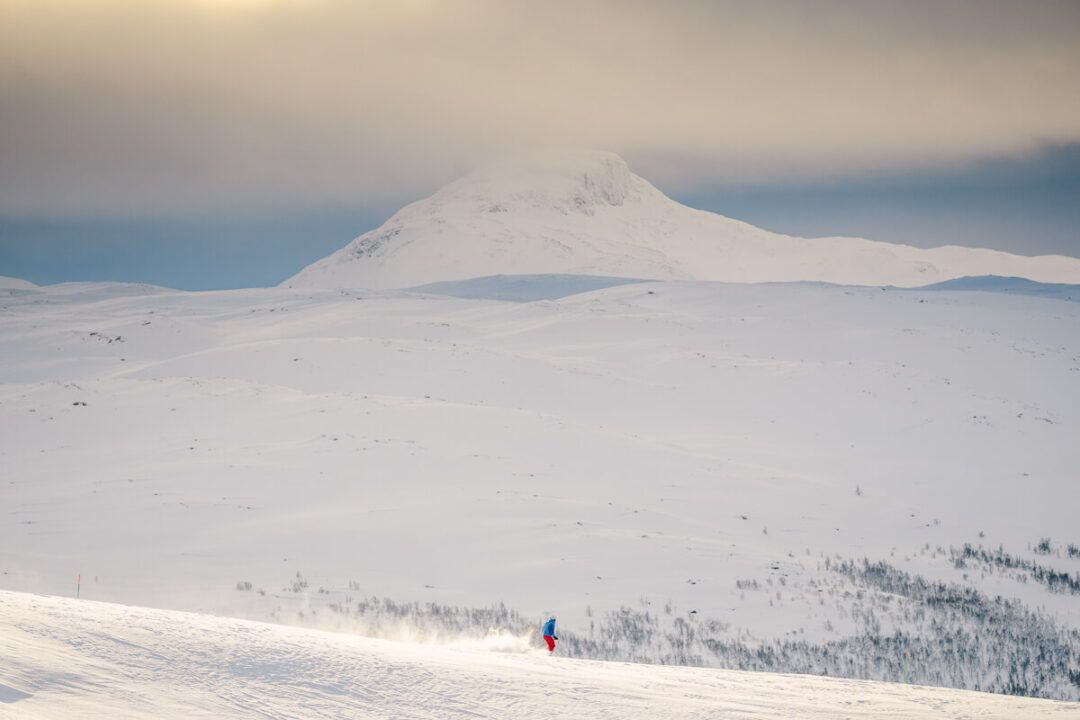
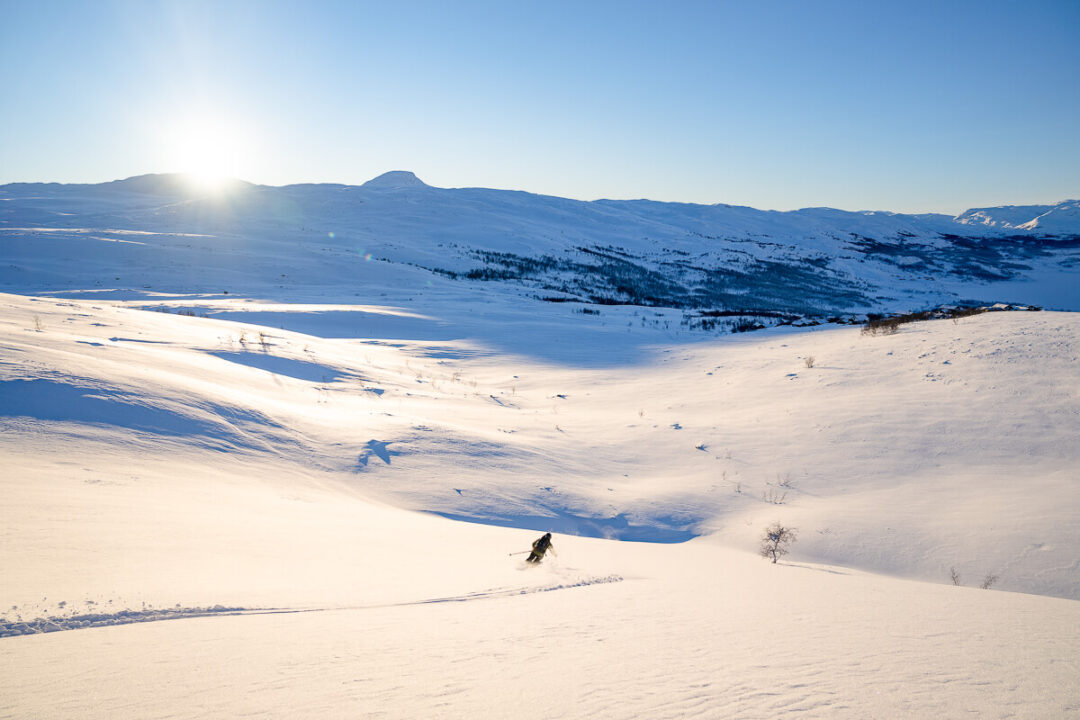
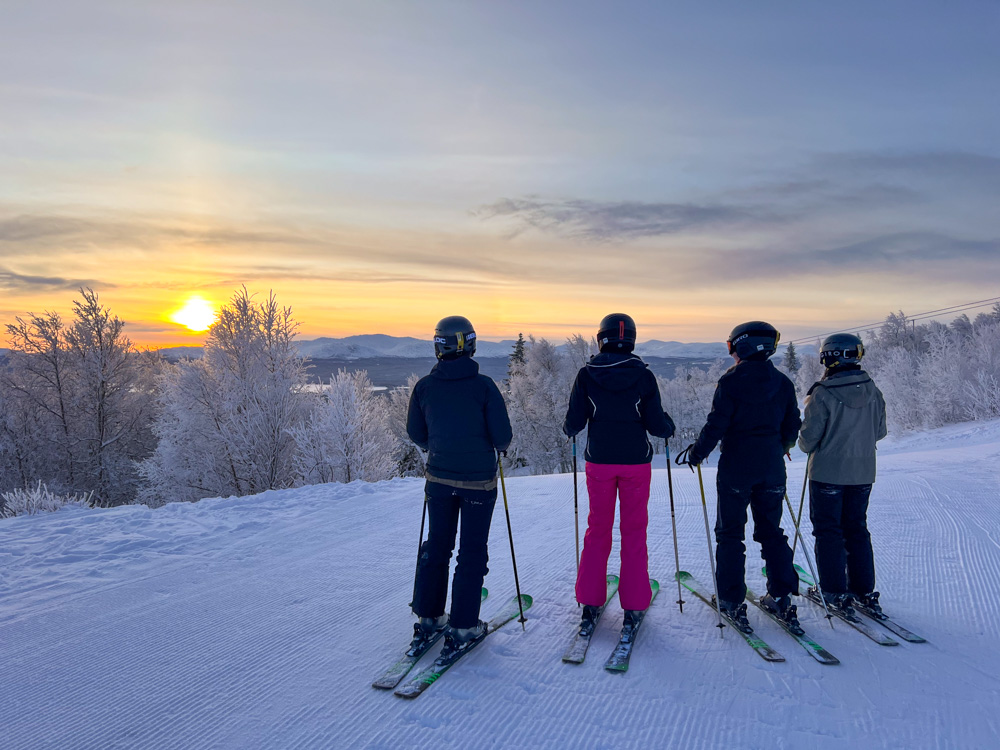
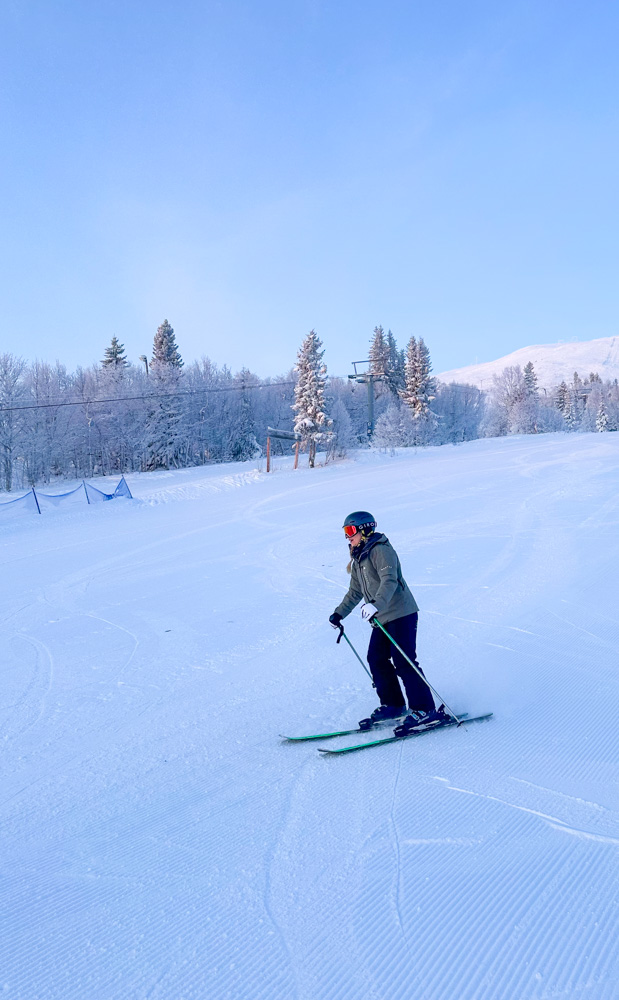
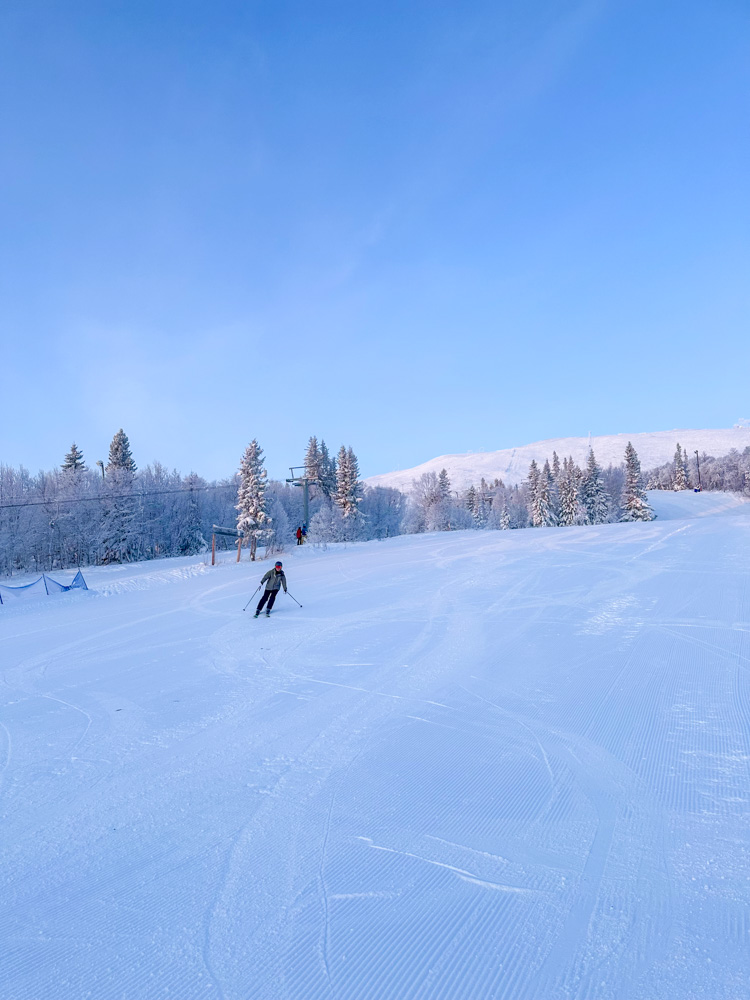
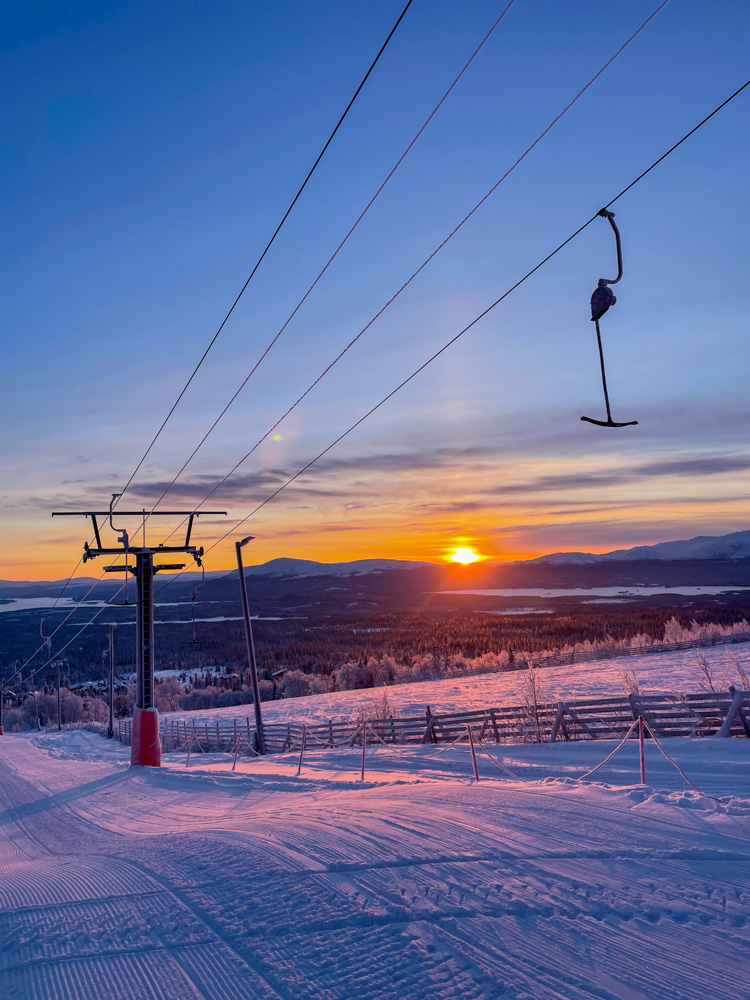
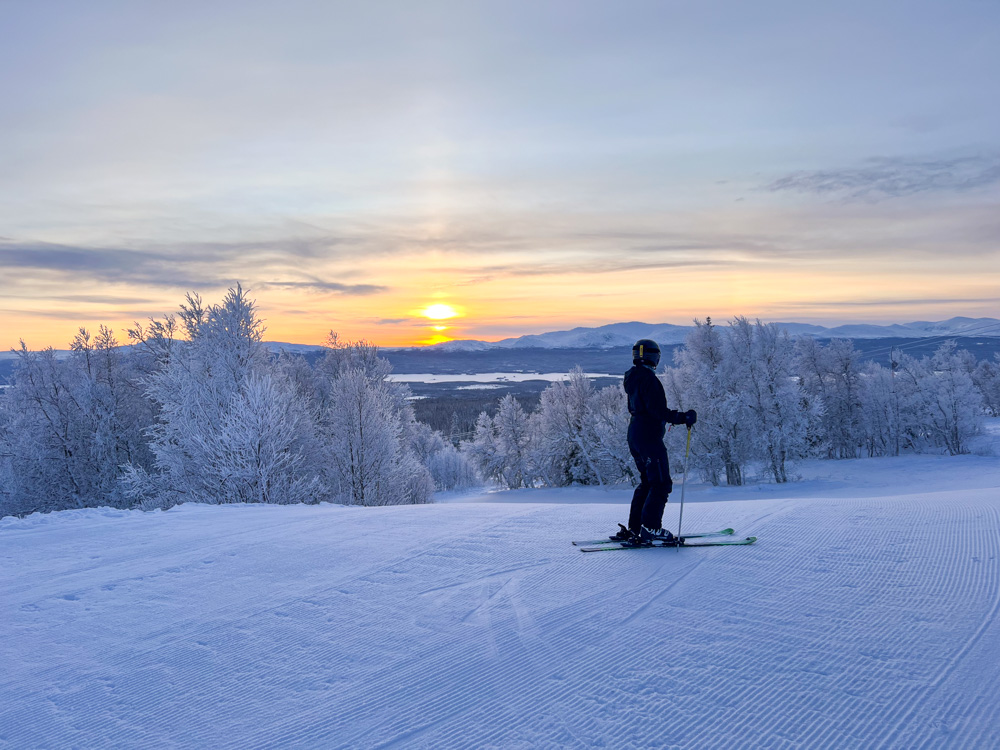
We love heading to the calm beauty of Sweden’s Jämtland mountains. Trillevallen is a serene, uncrowded resort with beginner-friendly slopes and beautiful surroundings – perfect for our first-time skiers.
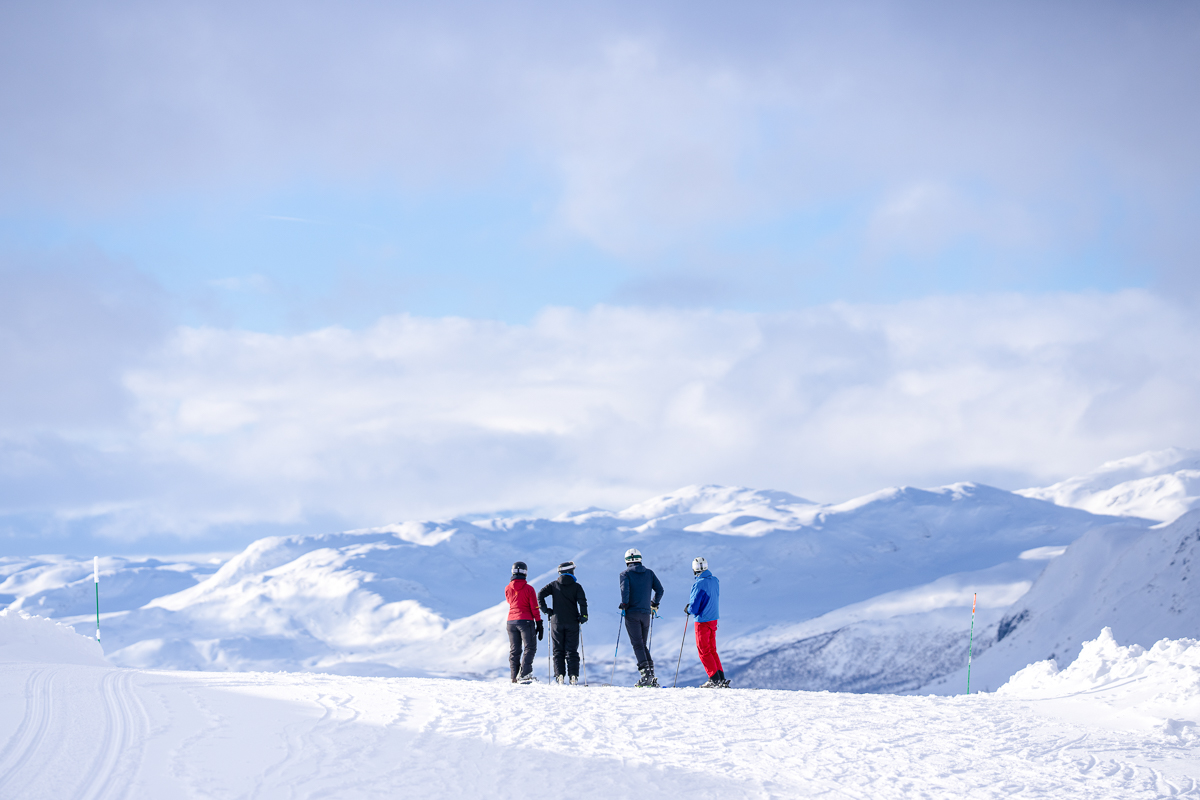
Offering all types of slopes, Norway is the ideal place to level up on blue runs or take on the reds and blacks. Head East for some of the largest ski resorts, long valleys and dramatic mountains.
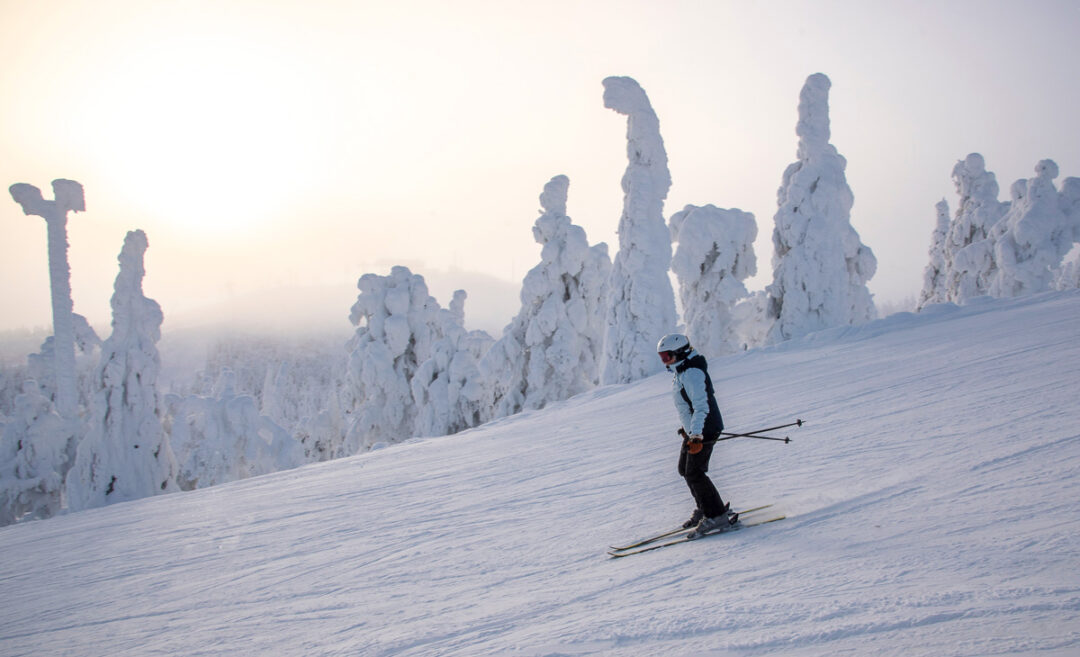
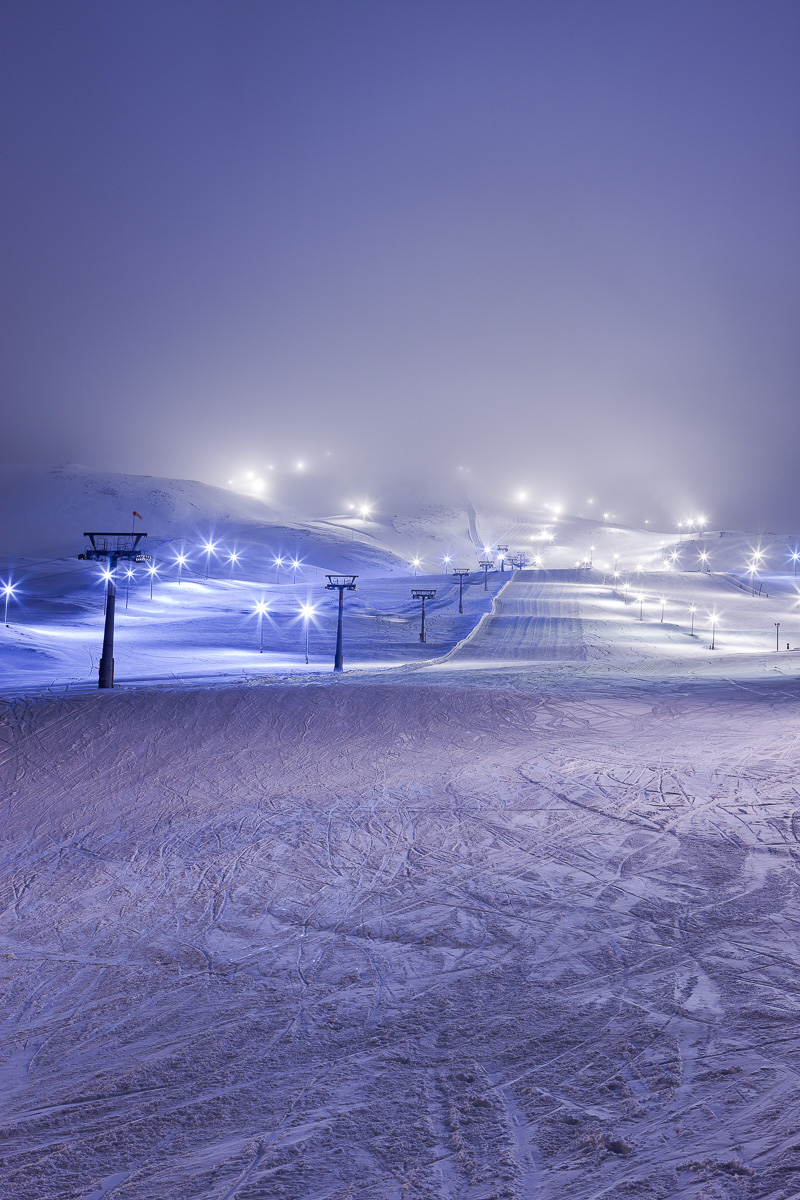
A winter break in Finnish Lapland offers a unique alpine skiing experience. Enjoy skiing during a polar night when the sun never quite rises, and if you’re lucky, catch the Northern Lights illuminating your way down.
Combine your alpine skiing adventure with scenic food spots (and a wine?), in ski resorts across Northern Italy. If you fancy crystal blue skies, views for days and that pink alpenglow, head to the Dolomites in Spring.
A full winter experience
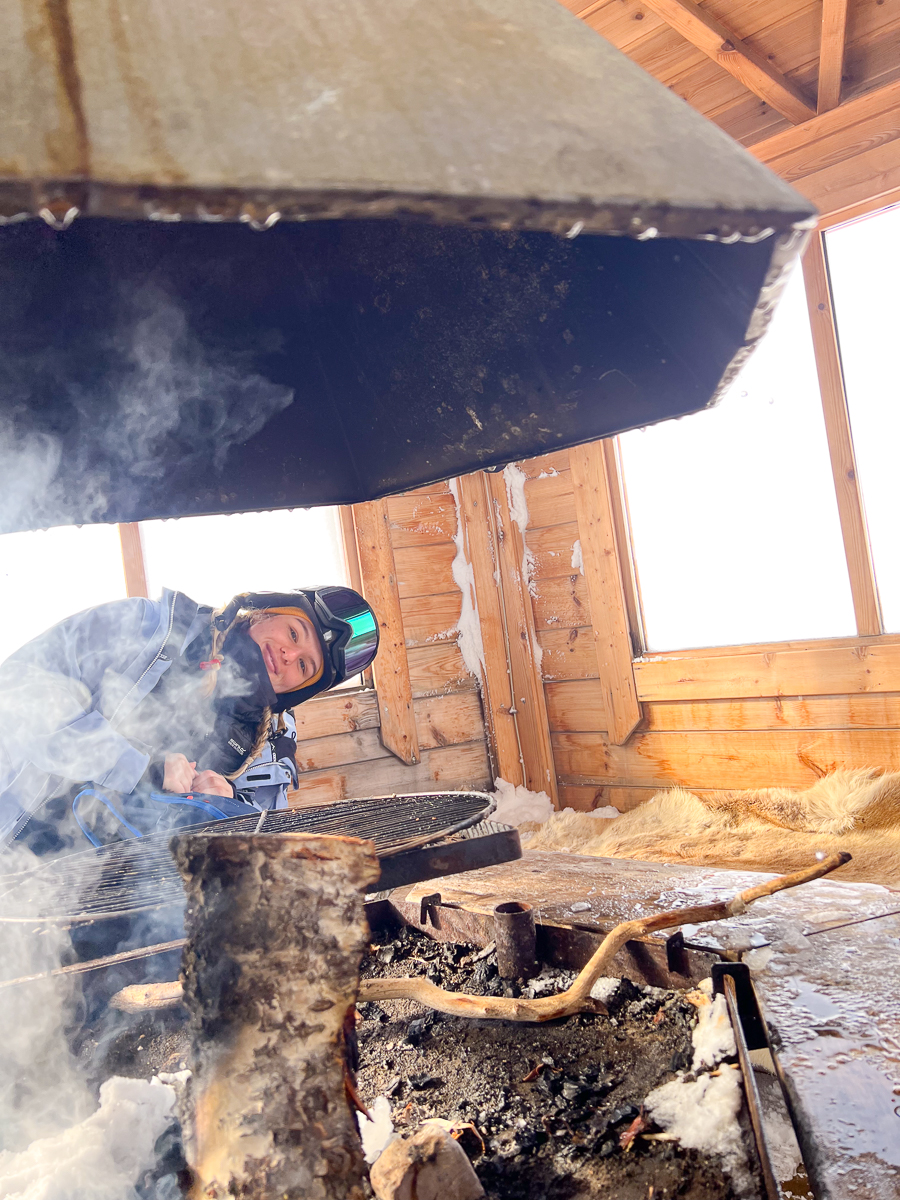
Enjoy winter in the mountains without any of the faff. We arrange everything you need, from gear hire to lift passes. Plus, we always add on some extra winter activities, think snowshoeing, sledging, dips in icy lakes, and warming up in the sauna. It’s more than a ski trip with apres ski, it’s a full winter experience.
Learn to Ski Holidays
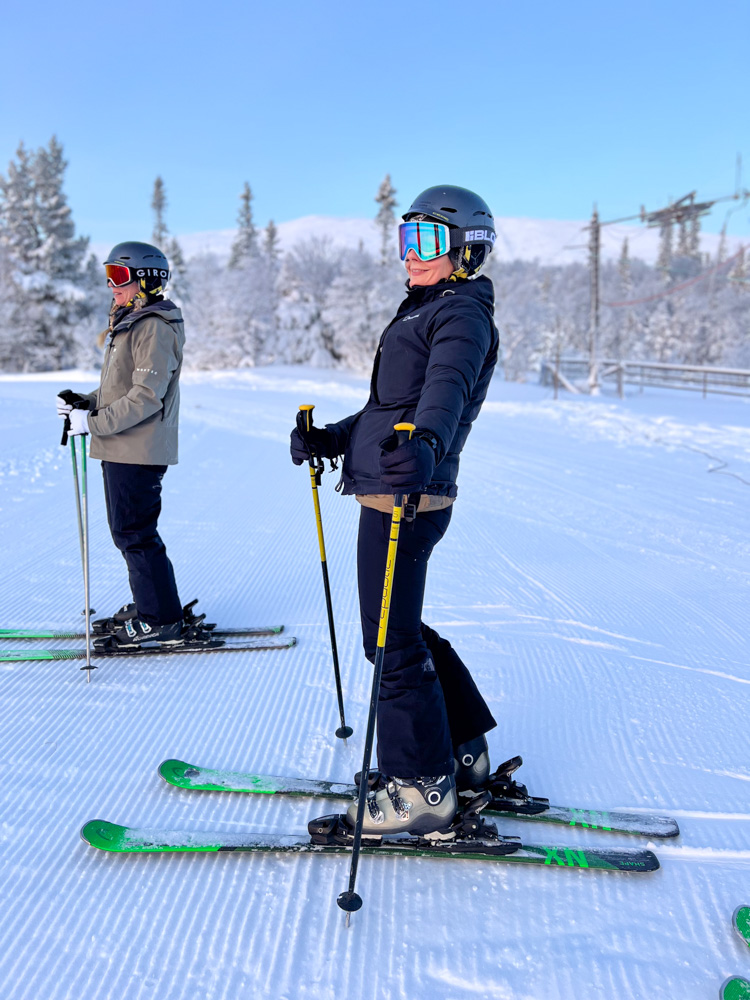
On every alpine skiing holiday, coaching is matched to you — whether you’re working on your first parallel turns or chasing steeper terrain. Small groups mean more personalised coaching, so you get the most out of every hour on the mountain. A Gutsy Girls host handles the planning and logistics behind the scenes, so your time is spent skiing, not organising.
We've got you covered
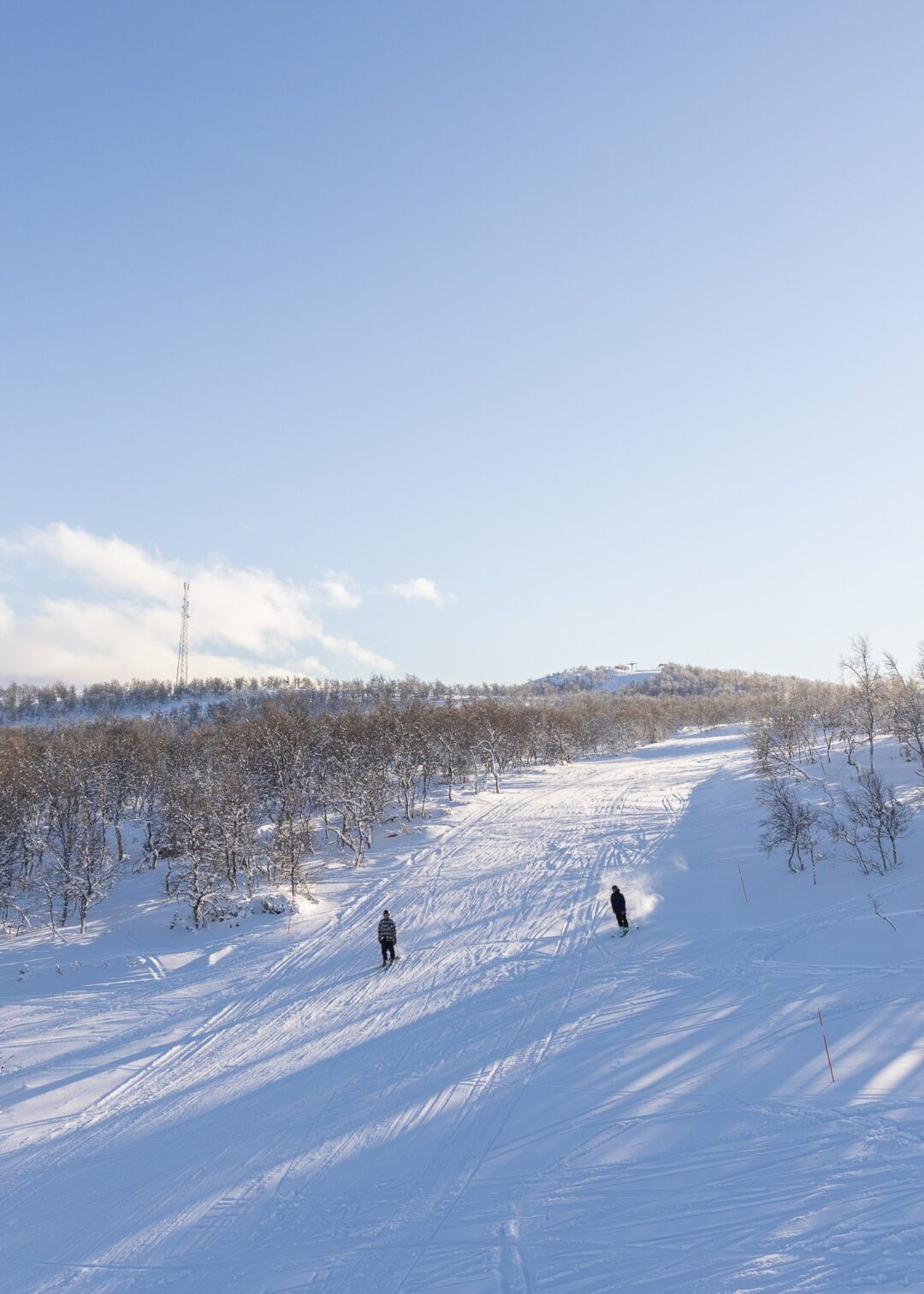
The best resort for a beginner isn’t necessarily the biggest or most famous, it’s the one with the right terrain. Look for resorts with a good spread of green and easy blue runs, wide slopes that give you space to practise without dodging more advanced skiers, and a dedicated nursery area for absolute first-timers.
Smaller, quieter resorts tend to work better for beginners than the major Alpine hotspots in France, Austria or Switzerland as they’re less crowded, less intimidating, and often considerably cheaper. Scandinavia is worth considering for exactly these reasons.
Wherever you go, check that lessons and hire are readily available and that the resort isn’t heavily weighted towards advanced terrain.
More than most people budget for the first time. The costs stack up quickly and it’s easy to miss things when you’re planning: flights, transfers to and from the resort, accommodation, lift pass, ski and boot hire, helmet, poles, lessons, food and any extras on the mountain. A DIY trip means booking each element separately, which adds both cost and admin. All-inclusive packages bundle most of this together, which makes it easier to see the true cost upfront.
Smaller, lesser-known resorts in Scandinavia tend to be considerably cheaper than the big names in France, Austria or Switzerland, so worth factoring in when you’re comparing options.
Yes and you don’t need any prior experience to book. Our beginner ski trips are built entirely around first-timers: the resorts are chosen for their gentle, wide slopes, groups are kept small, and instruction runs throughout the day, not just in a one-hour morning lesson. You’ll be skiing by the end of day one and building skills over a full week.
Skiing involves a gliding, sliding sensation that some people take to immediately and honestly, isn’t for everyone. You will also fall over quite a bit too as you learn the ropes.
If you need to feel in control at all times and are worried about falling, skiing may not be the sport for you. However, if you’re okay with some disorientation, can laugh at yourself, and don’t mind a few bruises while you find your feet, most adults make far more progress in a week than they expect.
Yes, but hard in a way that can be pushed through. The first day is genuinely disorientating – there’s the unfamiliar boots, an unnatural sliding sensation, and falling over more than you’d like. The physical side is more manageable with a reasonable level of fitness, although your legs will know about it by the end of day one.
The difference between adults who struggle and adults who progress quickly usually comes down to instruction as trying to figure it out alone or relying on a friend rarely works. With a qualified instructor and daily practice, most adults make really good progress.
Yes, and you’ll be in good company. The majority of guests on group ski trips book as solo travellers so you’ll meet those who want to ski but don’t have friends who ski, or whose usual group isn’t at the same level.
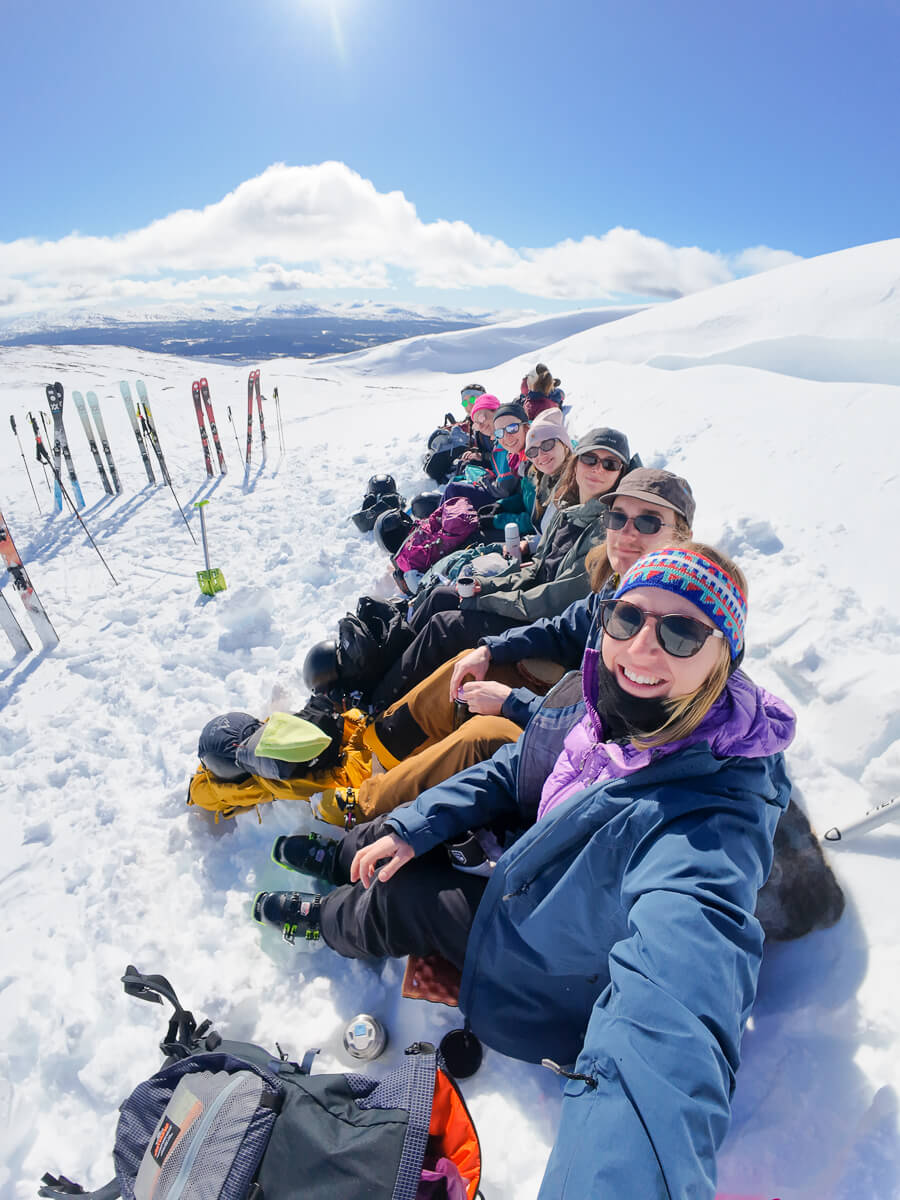
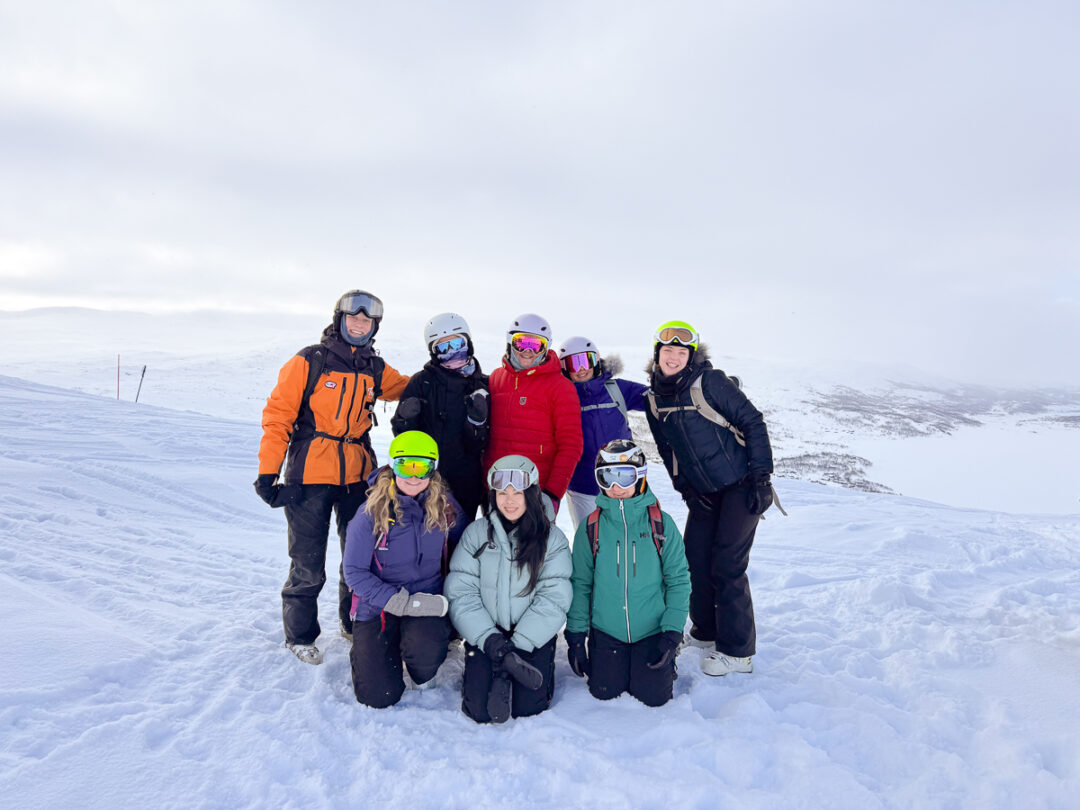
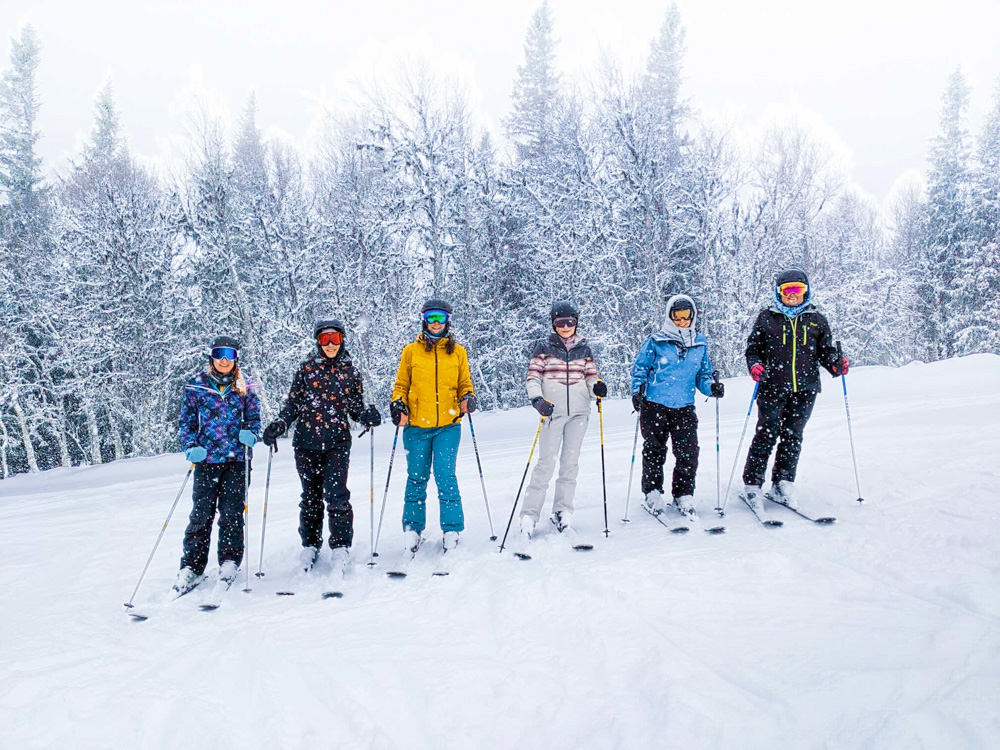
Small group trips work well for solo travellers: there’s manageable numbers, a host who keeps things running smoothly, and the shared experience of learning something new together. Being out on the slopes with people in exactly the same position as you tends to do the bonding work for you – there’s something about falling over in front of strangers that removes all the awkward getting-to-know-you small talk.
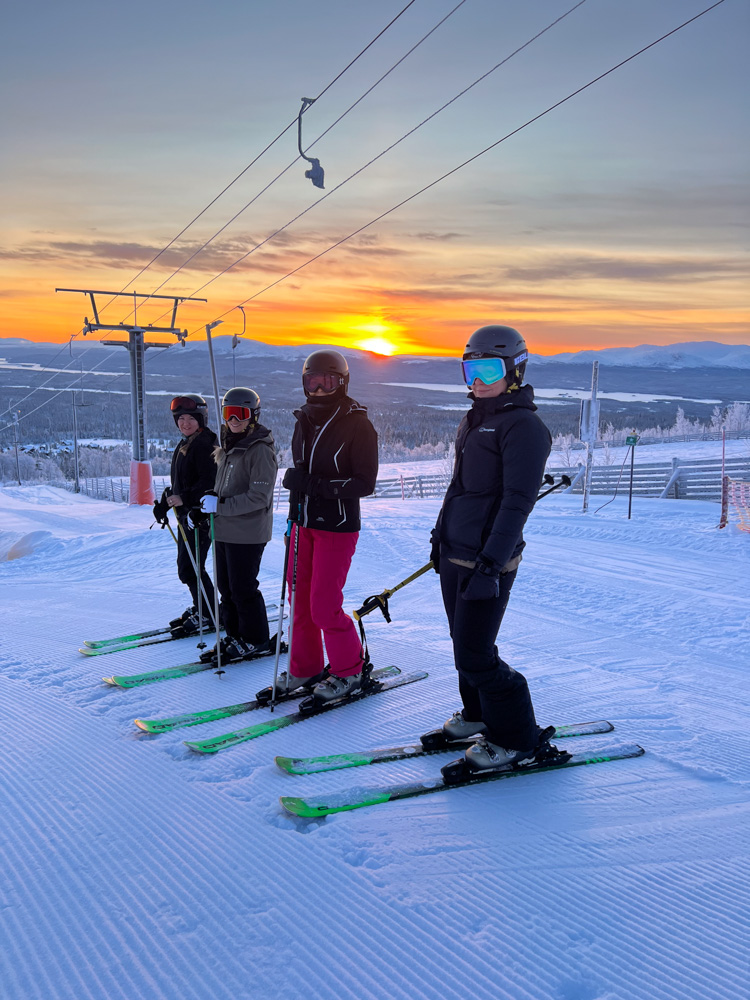
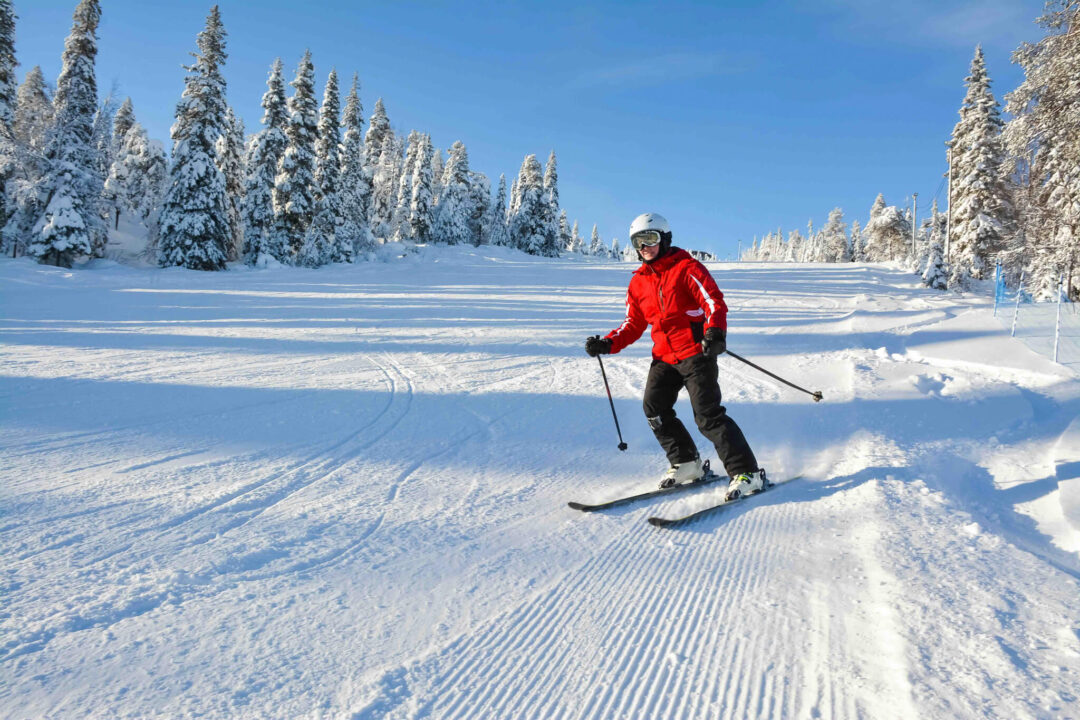
Alpine (downhill) skiing uses lifts to take you up and gravity to bring you down.The skis are wider and although it’s a work out, you don’t build up quite as big a sweat thanks to the chairlifts that deliver you back up the mountains.
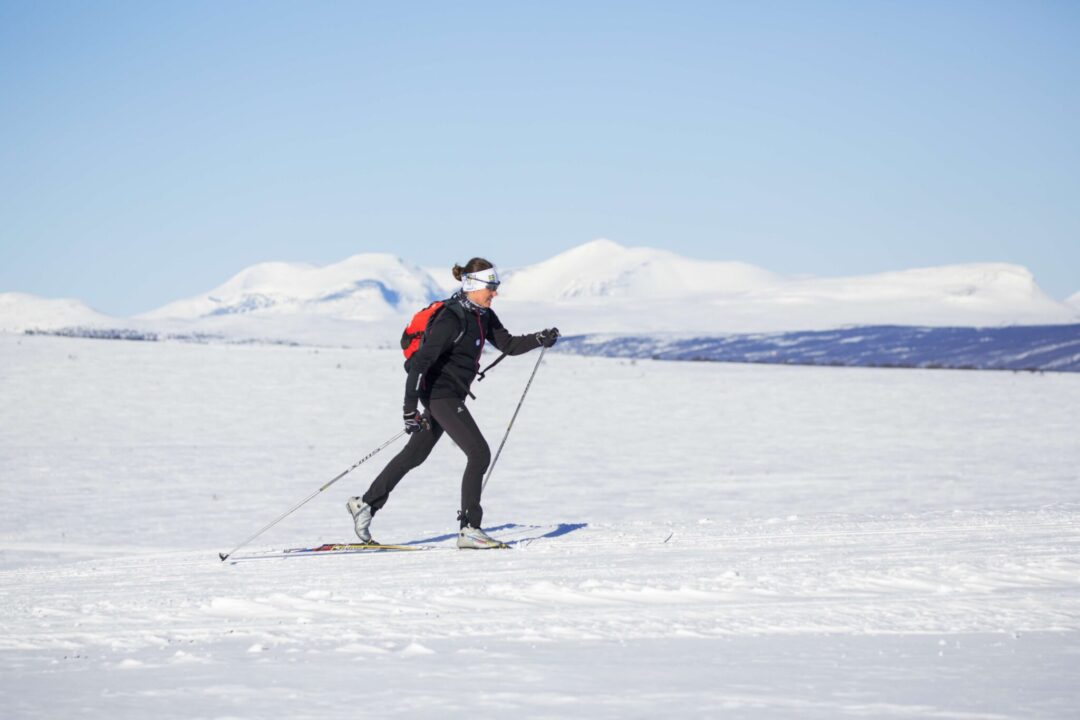
Cross-country skiing is a different sport entirely: you propel yourself across flat and rolling terrain using your legs and poles, with no lifts involved. It’s a serious endurance workout and looks completely different.
Both types of skiing attract very different people. If you’re drawn to speed, slopes and the mountain resort environment, alpine is the one. If you want a full-body workout through remote winter wilderness, cross-country is worth looking at.
As many as you can get, especially in the first few days. The temptation is to book a lesson or two and then head out independently, or to let a friend who can already ski teach you. Both usually backfire. Friends are rarely qualified instructors, and what works for them isn’t necessarily what you need to learn correctly. Bad habits picked up early are also hard to unlearn.
Daily lessons throughout your first trip make a significant difference to both your progression and how much you enjoy it. The basics need repetition before they become instinctive, and consistent feedback is how that happens.
Qualifications and group size are the two things worth checking before anything else. A qualified instructor with a recognised certification ensures you’re learning from someone who actually knows how to teach, not just someone who can ski well themselves. Smaller groups mean more time with the instructor and feedback tailored to you, rather than generic advice aimed at ten people at once. If you’re booking through a resort ski school, large groups are common so it’s worth asking specifically how many people will be in your group before you commit.
Explore our blog