Latest blog post articles
Upcoming
Types of Skiing Explained: Alpine, Nordic, Touring & SkateExplore backcountry skiing trips
What to expect
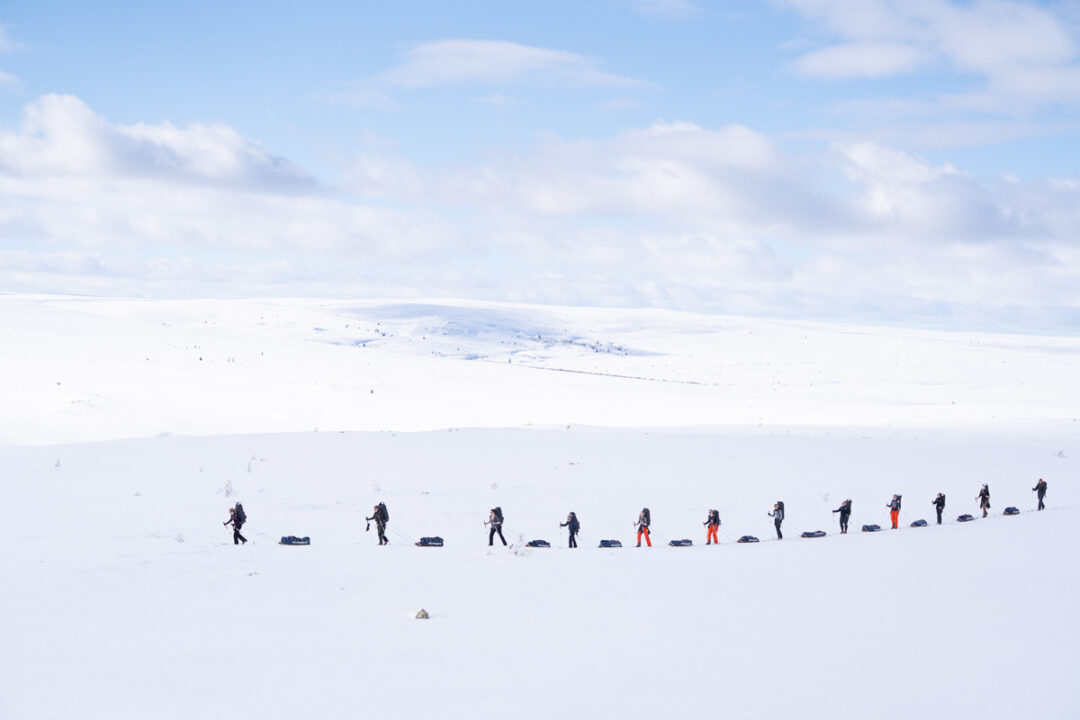
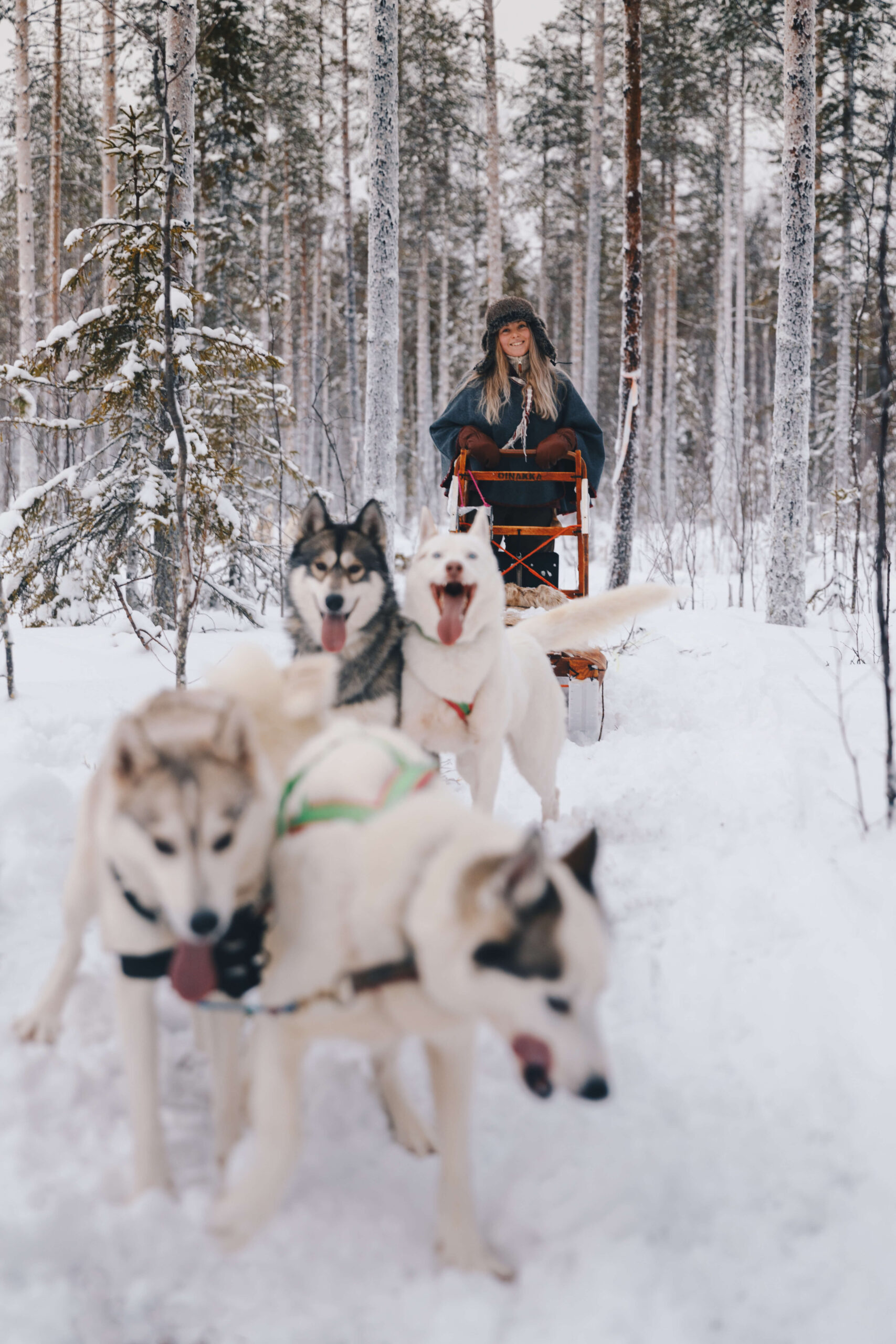
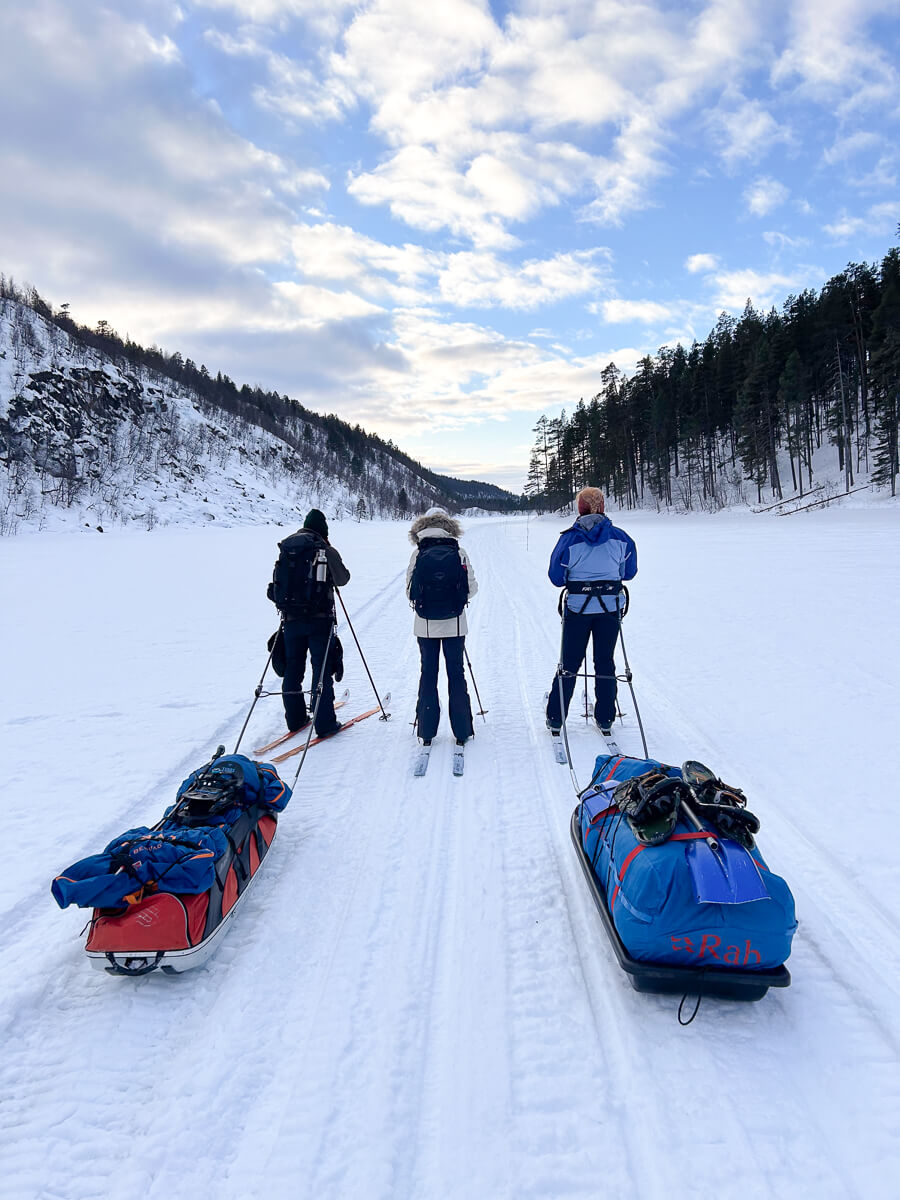
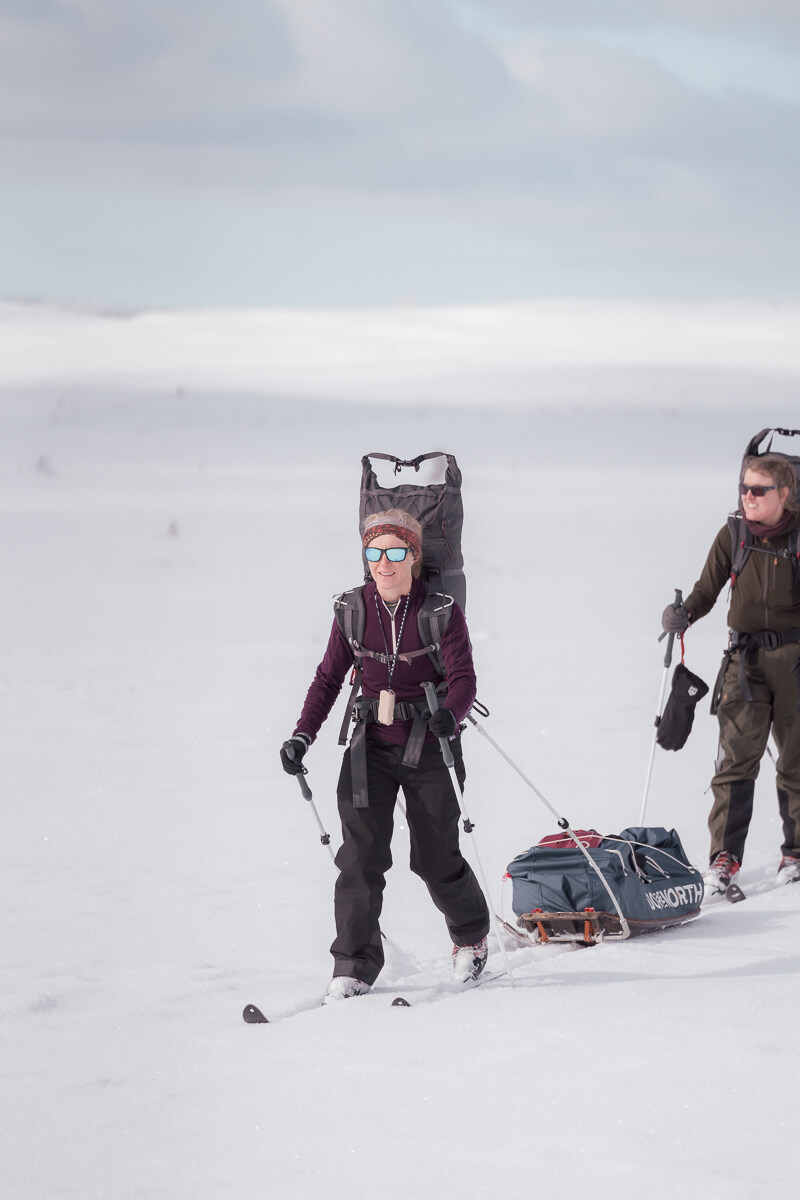
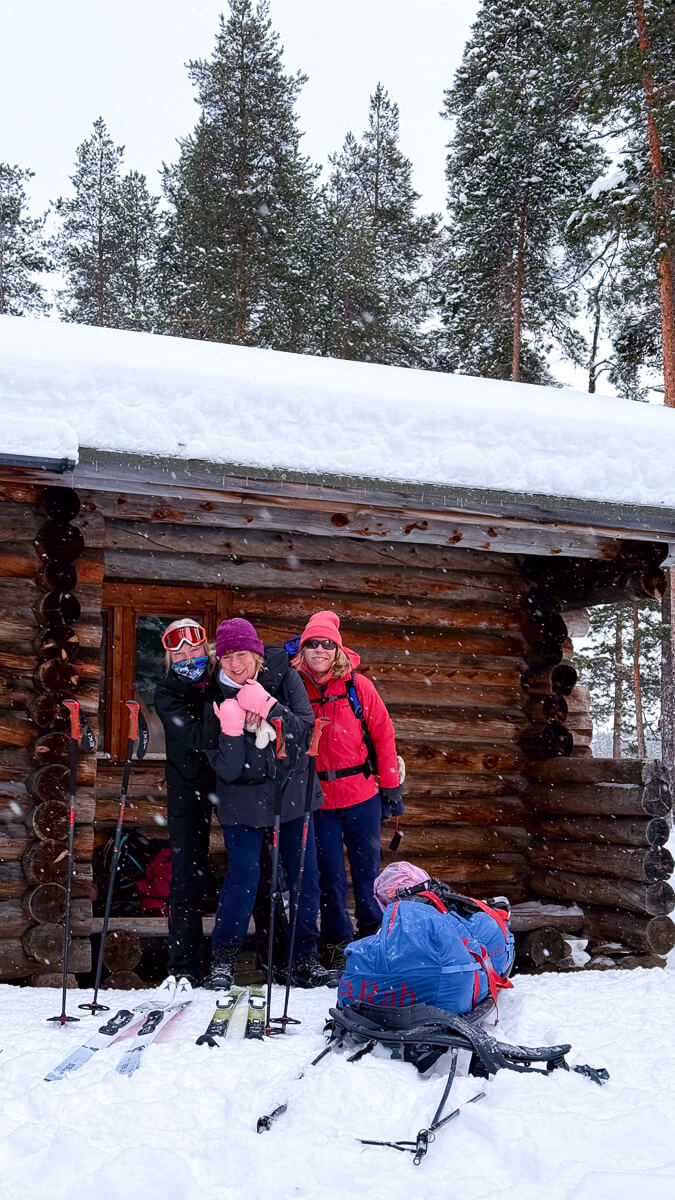
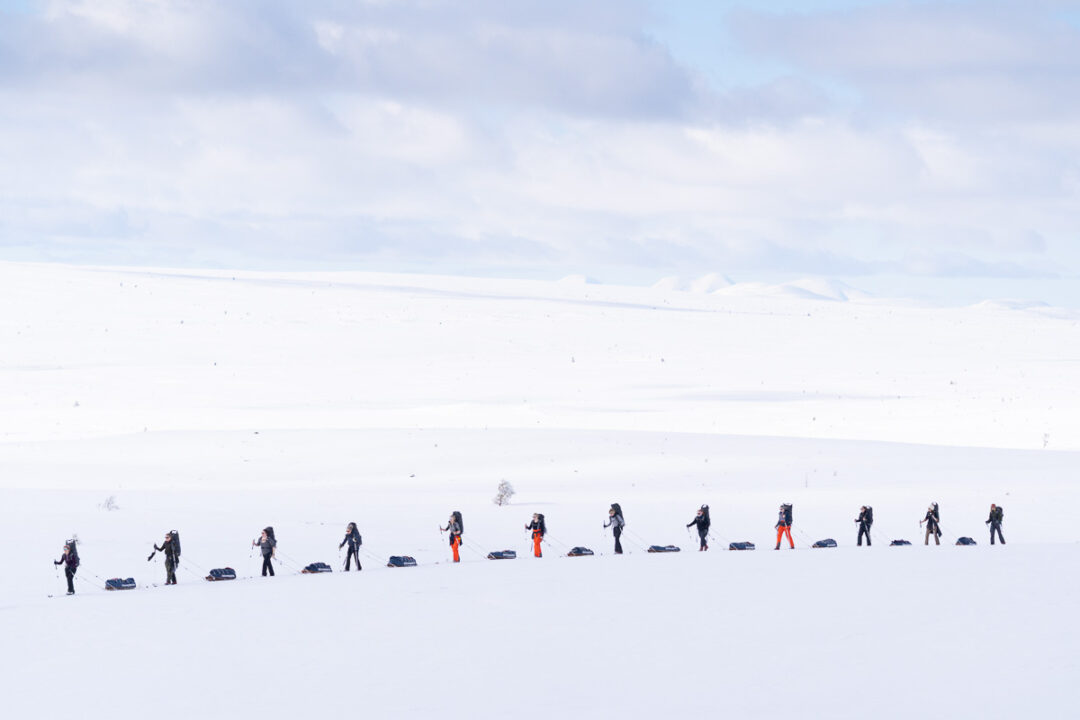
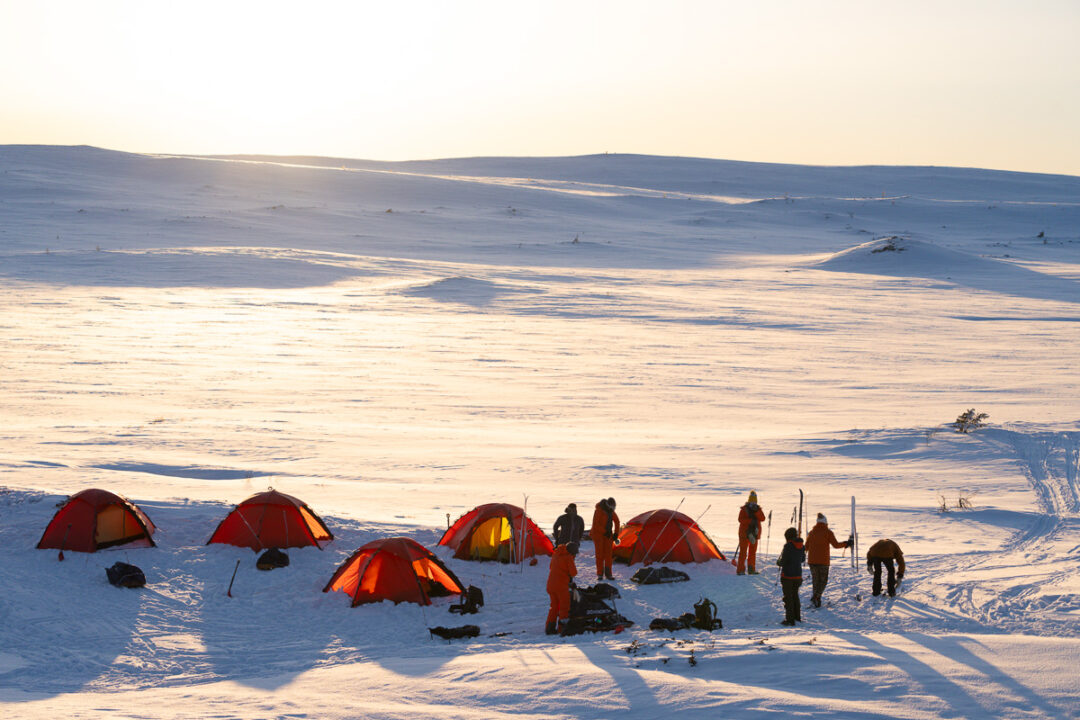
We won’t sugarcoat it; ski expeditions are tough, so you’ll need some grit and determination to join. They are hut-to-hut, so you’ll pull your stuff along on a pulka (sledge) and sleep in off-grid wilderness cabins or tents. Think type 2 fun, it’s really hard work, but you look back and remember all the fun and good times you had with the girls along the way.
Ready to join us?
Beginner & Experienced
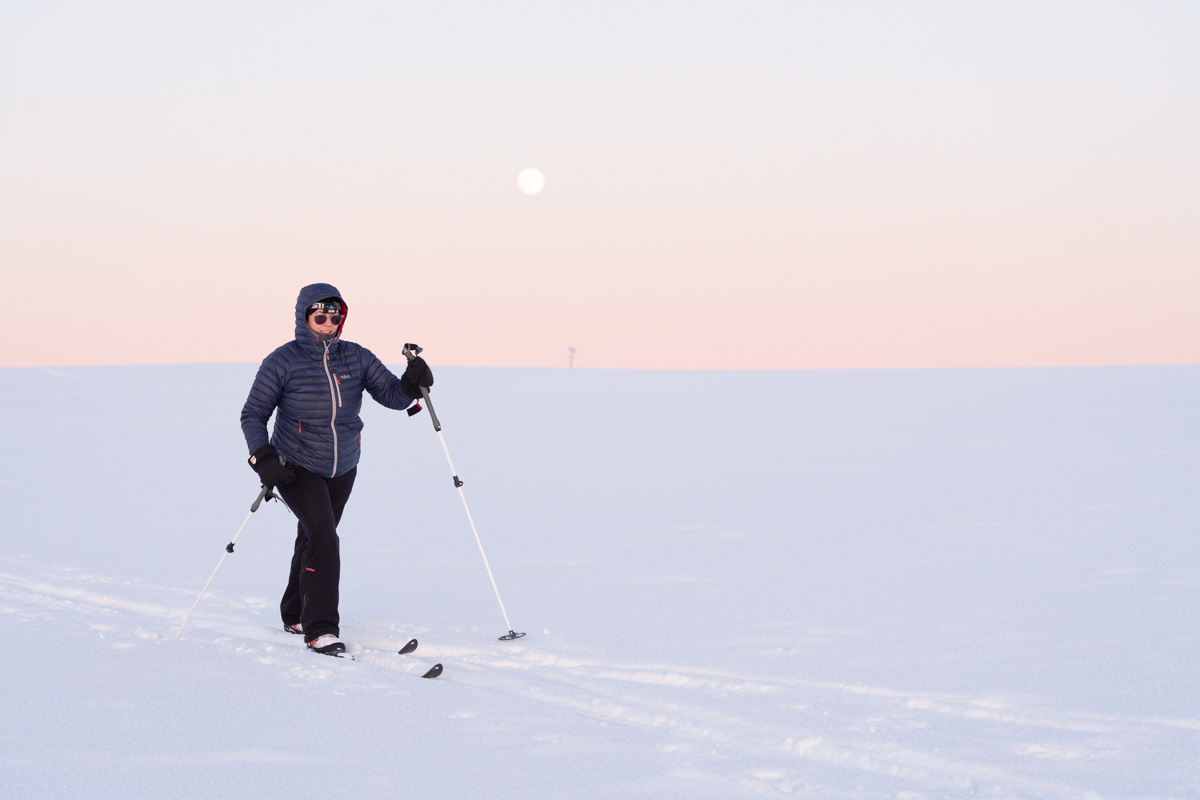
Our local instructors will teach you everything you need to know about skiing in the remote wilderness. The technique is the same as cross-country skiing, but with slightly wider skis to help you make tracks in the snow. You’ll be dragging your own kit behind you to the cabin, so we ski slower than on a typical day XC skiing.
Cross-country skiing is a different sport compared to downhill skiing; you don’t rely on gravity, you have to create momentum yourself. Even if you have alpine skiing experience, you’ll need to start as a beginner.
After a day of learning the techniques, we’ll quickly throw you in the deep end, to put it all into practice in the backcountry. You’ll be skiing through remote locations that some people can’t even imagine!
Go remote
Lemmenjoki National Park is one of Europe’s largest national parks with no permanent human habitation. Ideal for a legit backcountry skiing experience.
The Northern Dalarna region offers the perfect location for exploring the sub-zero wilderness. The area is pretty unknown to other tourists, giving us pristine snow, unspoiled natural beauty and secluded cabins.
Ski through the untouched Käsivarsi wilderness, an Arctic Circle expedition that will test your limits. Ski through variable terrain and steep ascents, and face variable weather, all while taking in this dramatic icy landscape.
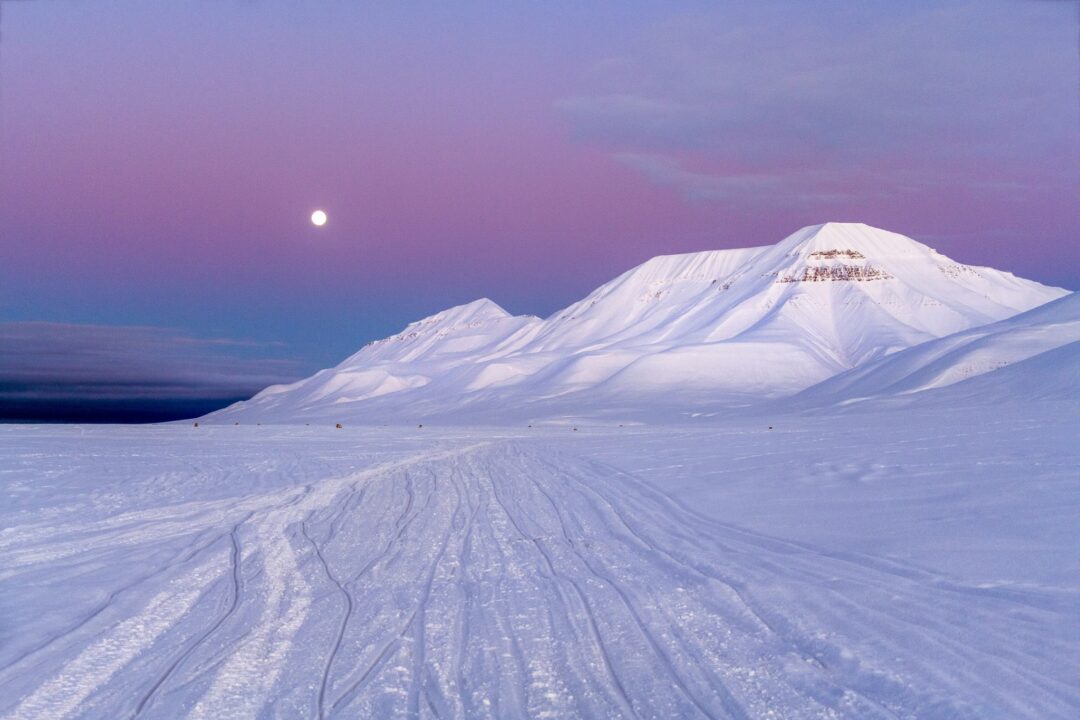
Head towards the North Pole and step into untouched wilderness — Svalbard is like nowhere you’ve ever been before. Icy glaciers, pure snow and if you’re lucky, the potential to spot a few polar bears along the way.
What's the difference?
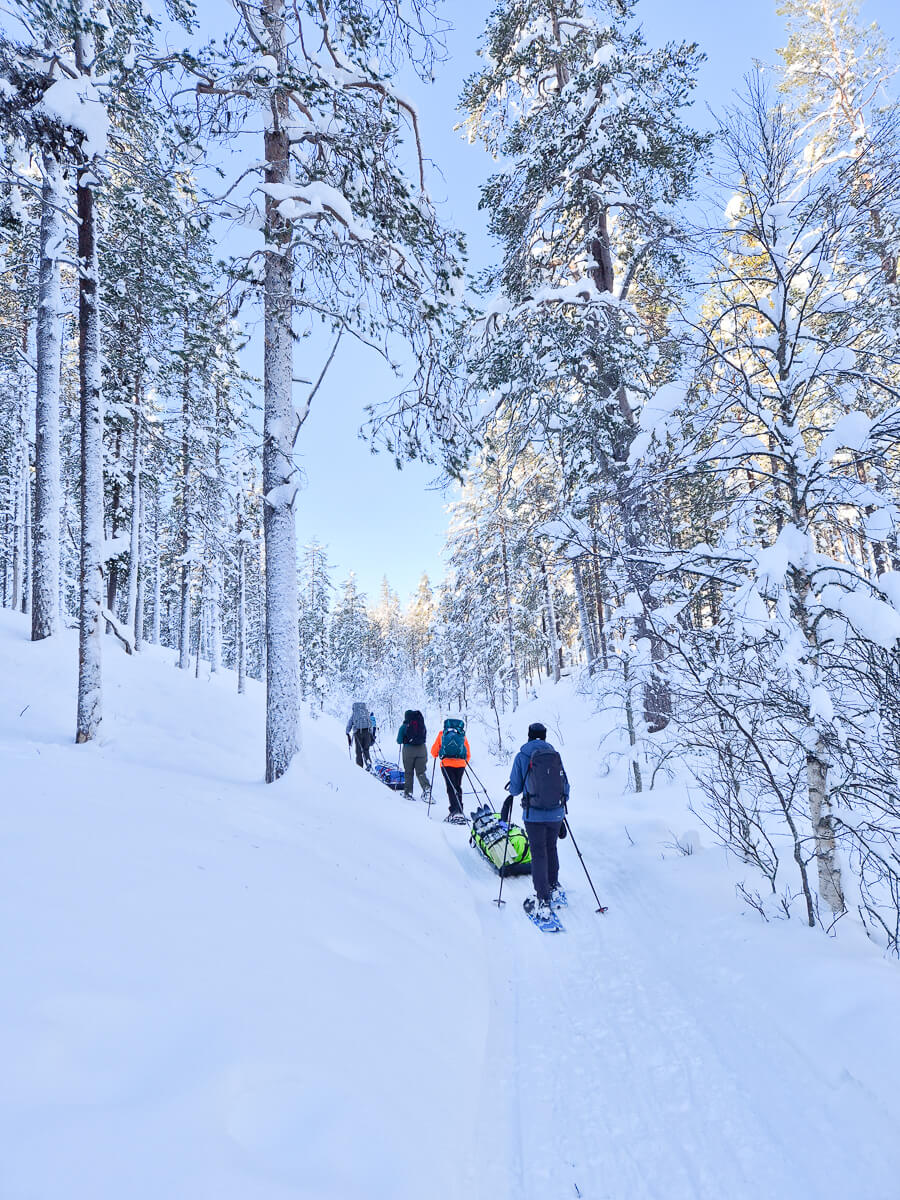
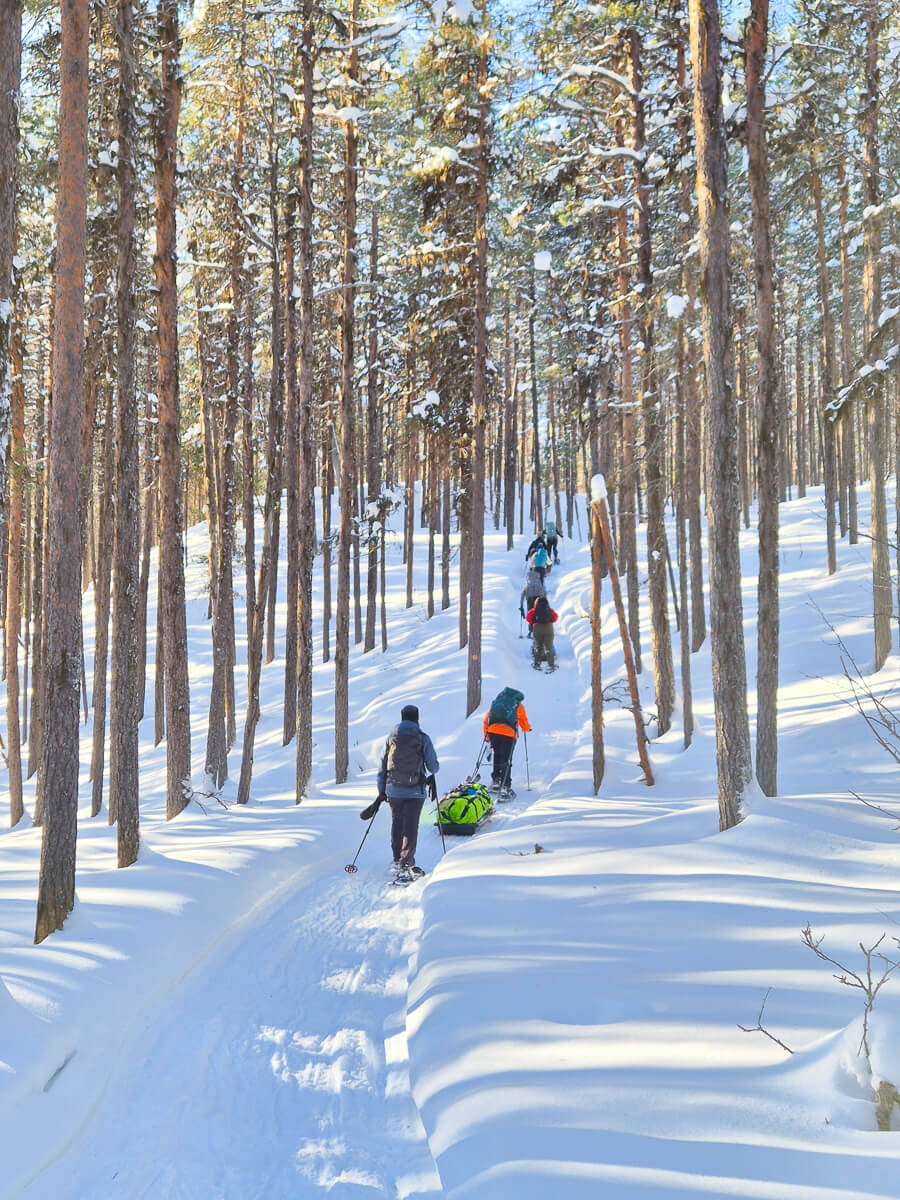
Compared to cross-country, backcountry skiing goes “off track” — you make your own trails rather than following groomed tracks. The motion is similar to regular cross-country skiing but with slightly less momentum. The trips are different too, our XC skiing holidays mostly have days out from a hotel, whereas our backcountry skiing trips are hut-to-hut expeditions. This means you carry your gear, usually on a sledge, skiing each day to a new location.
Backcountry Ski Holidays
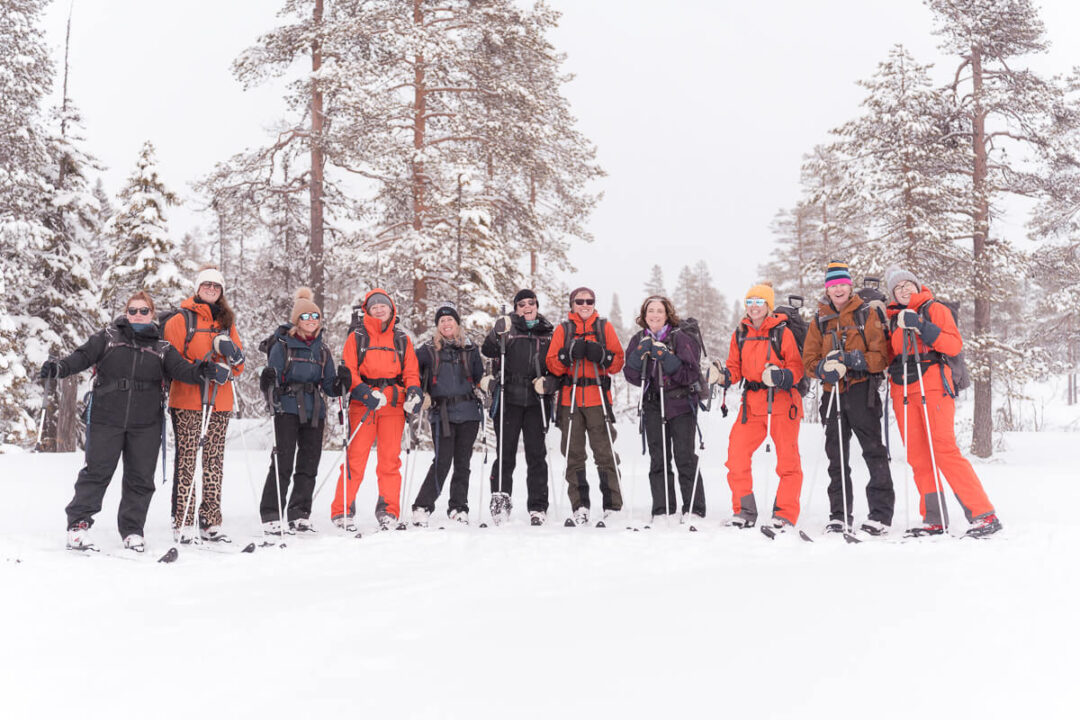
On every skiing holiday, you’ll be coached by experts. You’ll learn all the techniques, and they’ll help you build confidence along the way. Plus, you’ll be joined by a Gutsy Girls host who takes care of the logistics (so you don’t have to think about anything).
We've got you covered
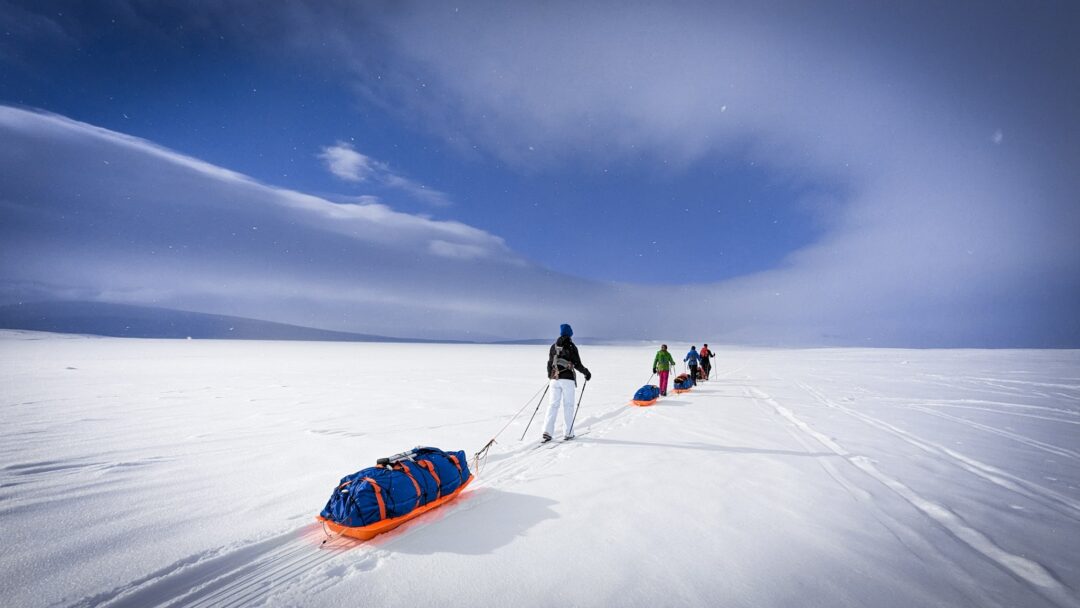
Think of it as the winter equivalent of a multi-day hiking trip, but on skis. It’s a point-to-point journey through remote terrain, so instead of returning to a hotel each night, you move between wilderness cabins or camps, covering new ground each day and carrying everything you need as you go. The physical demands are closer to a long-distance trek than a standard ski holiday, with the added challenge of subzero temperatures and pulling a loaded sled.
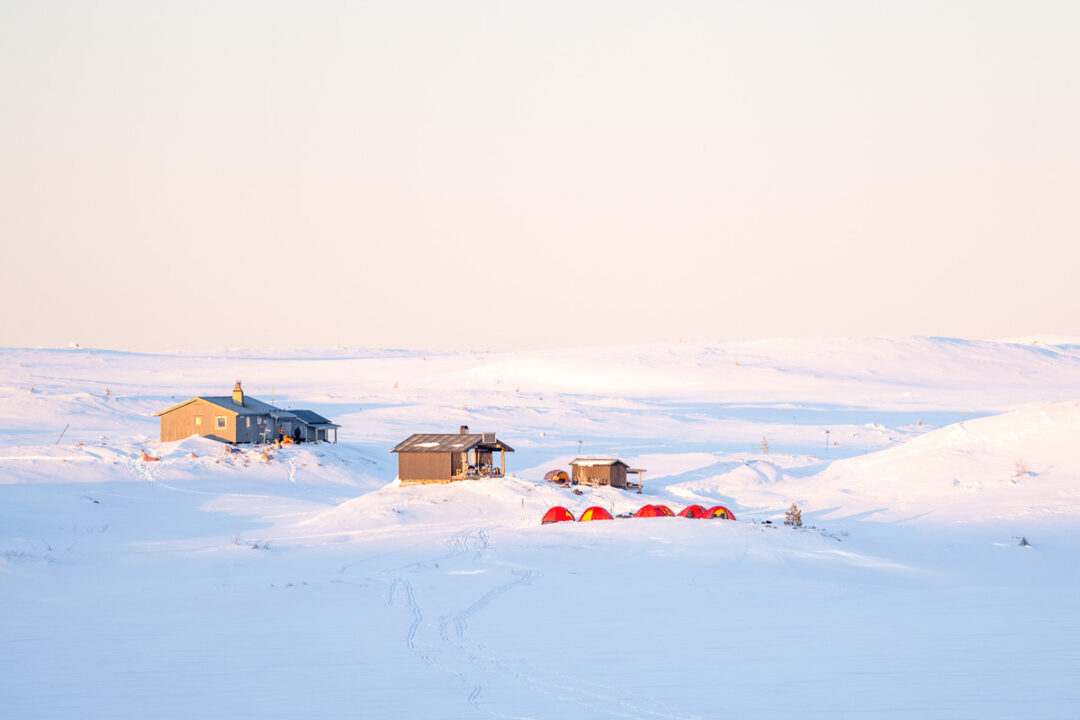
Hut-to-hut skiing is exactly what it sounds like, a multi-day ski trip where you move between cabins rather than returning to a base each night. Each day you ski to a new location, spend the night, and continue the following morning. The cabins vary considerably depending on where you are: some are remote and off-grid with wood fires and basic facilities, others are more comfortable mountain lodges with hot meals and heating. It’s a format that exists across Scandinavia and the Alps, although the terrain, conditions and style vary enormously between regions.
The technique and equipment are similar as both use Nordic skis and your own legs for propulsion, rather than ski lifts.
The difference is terrain and format. Whereas cross-country skiing follows groomed or marked trails, backcountry takes you off those tracks entirely. Instead you break your own trail through untracked wilderness, moving between locations each day in genuinely remote conditions.
Overall, one is about finding untracked powder to ski down; the other is about travelling through remote landscapes over multiple days.
Ski touring is an alpine discipline. You use touring bindings and climbing skins to ascend a mountain under your own power, then ski down off-piste terrain on the descent. It requires solid downhill skiing ability and is common in the Alps.
Backcountry expedition skiing is the Nordic version and a totally different thing entirely. There’s flatter terrain, wider skis, a gliding technique closer to walking than downhill skiing, and a focus on covering distance through the wilderness rather than descending mountains.
If you can’t ski confidently on red runs, ski touring isn’t for you, but Nordic backcountry expedition skiing doesn’t require any skiing background to get started.
Not necessarily, although some background helps. What matters more is good balance, solid fitness and genuine tolerance for challenging conditions. Even downhill ski experience doesn’t transfer as directly as people expect as the Nordic technique is different enough to mean most alpine skiers start from scratch. If you’re a confident hiker who does regular endurance exercise and doesn’t need comfort to enjoy yourself, you’ll likely adapt quickly.
On a multi-day expedition you’ll be active for 6-8 hours daily, often pulling a loaded sled, in subzero temperatures, for consecutive days so you’ll need to be fit. The benchmark worth using: can you sustain medium to high-intensity cardio (e.g. running, cycling or swimming) three times a week for 45 minutes? Walking and yoga alone won’t prepare you adequately, although yoga will help with building up some strength. If you regularly do exercise that leaves you breathing hard, you’re probably ready. If you don’t, building that base at least six weeks before you go makes a significant difference.
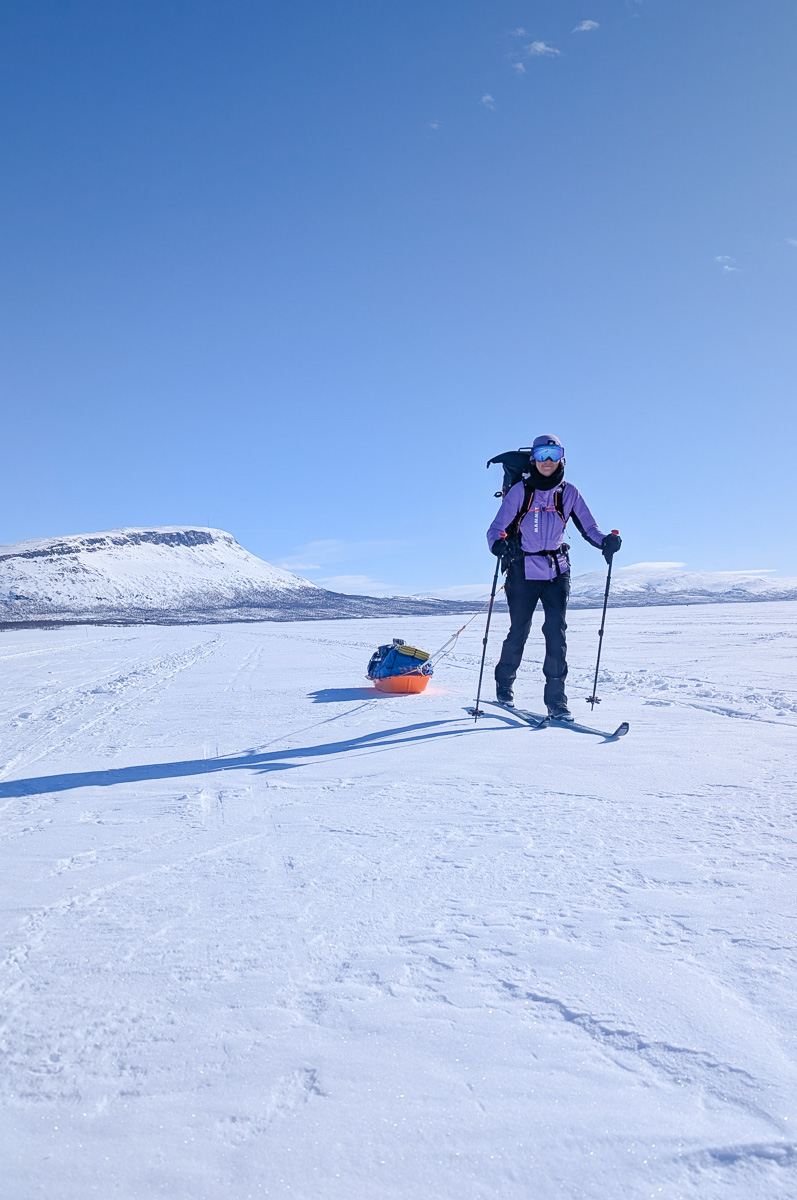
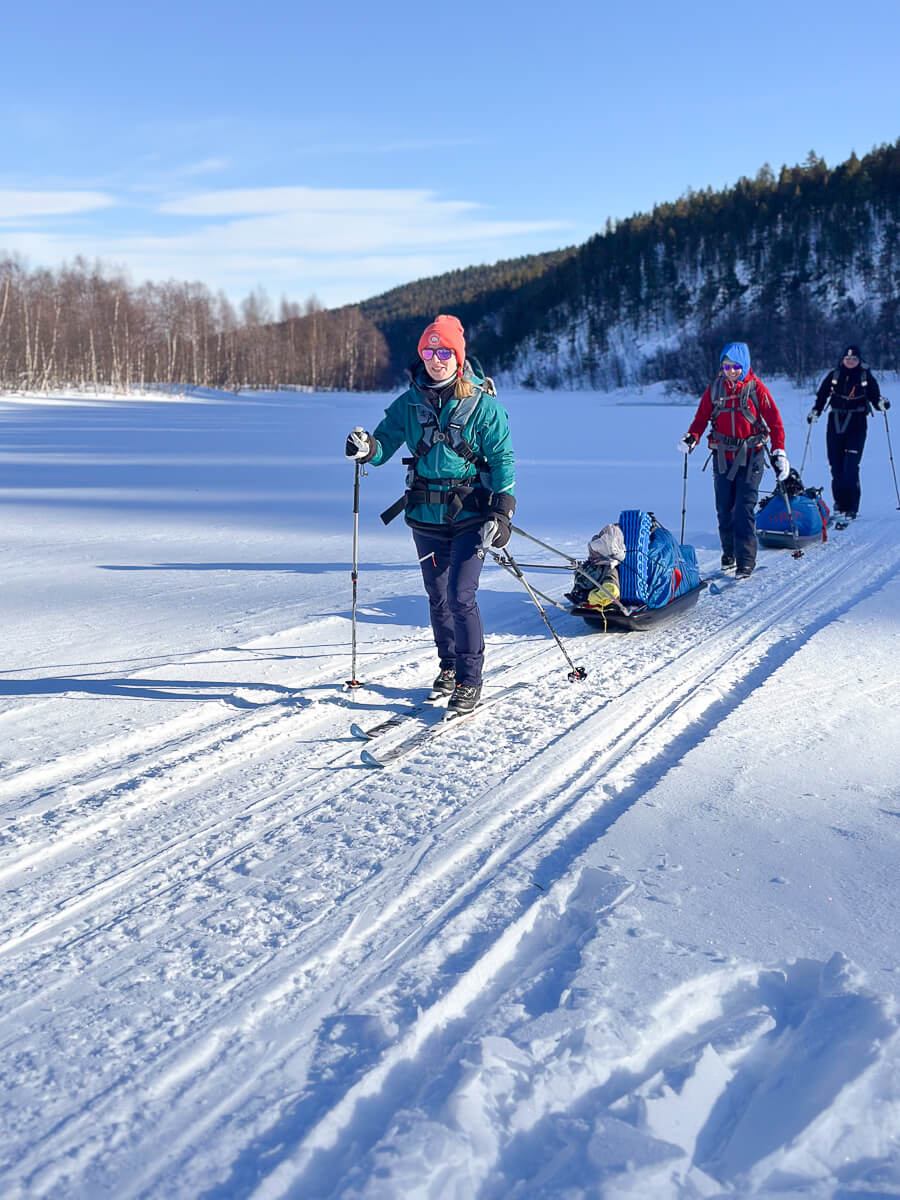
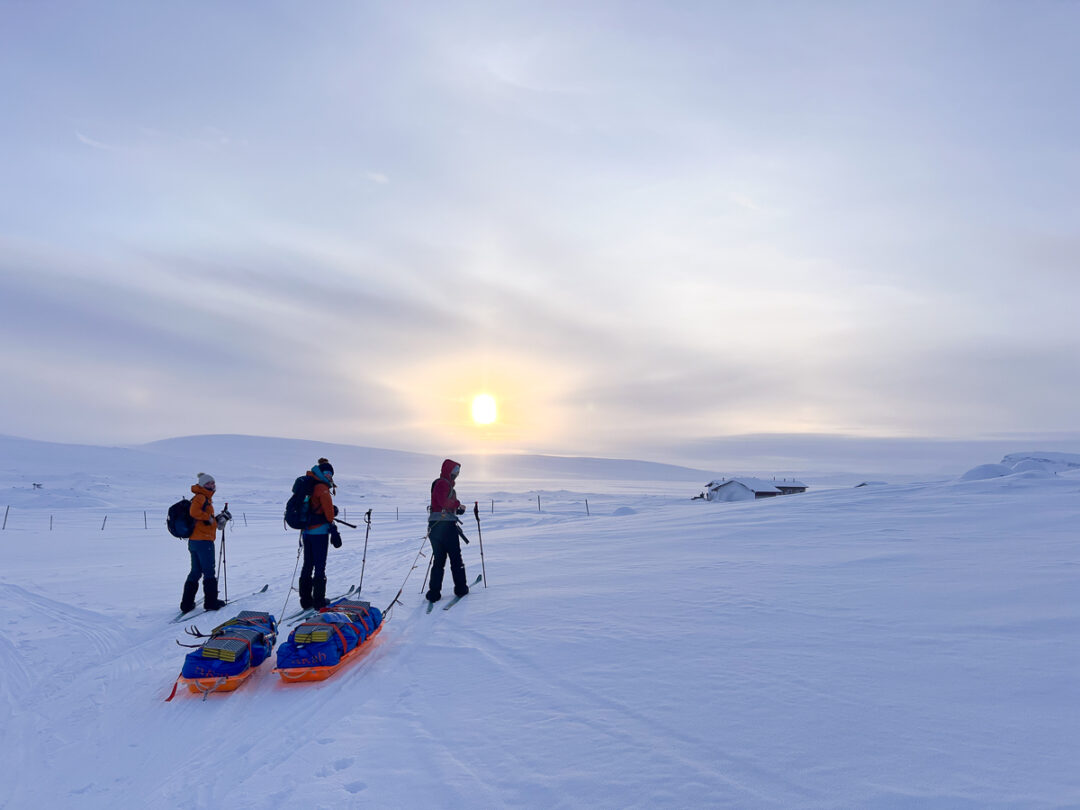
A pulka is a small expedition sled pulled behind you on a harness while skiing. On a hut-to-hut trip everything you need for several days – sleeping kit, food, spare clothing, safety equipment – goes into it. It can weigh 20-35kg, which changes how you ski. You’ll move slower than on a normal cross-country day, and the sled has its own ideas about direction on downhill sections. Getting used to pulling it takes a day. After that it becomes part of the routine.
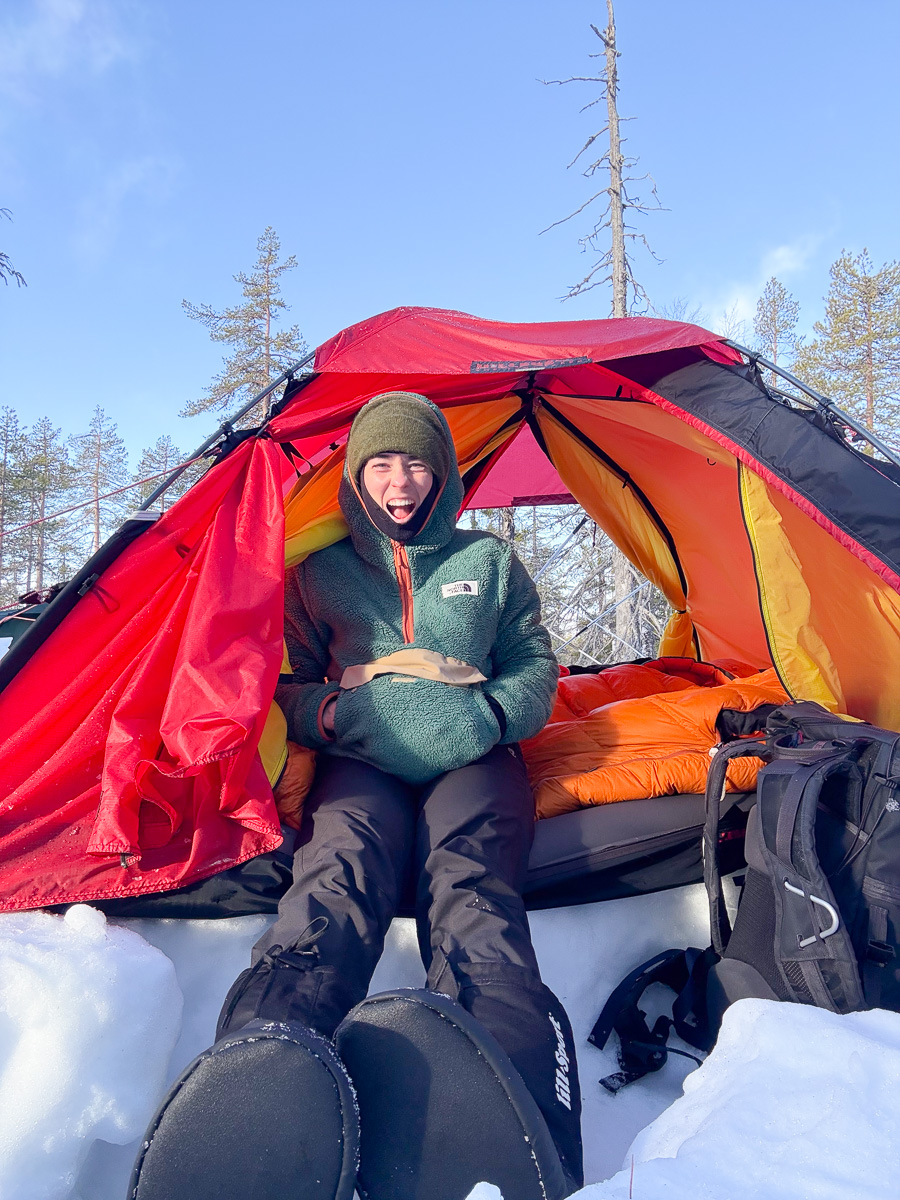
Basic and it might be a bit of a squash, but they’re comfortable once you’re inside. The sleeping situation is usually dorm style bunks, sleeping mats on the floor and shared rooms, whilst off-grid means no electricity and no running water. Instead your heating comes from a wood stove and light from headtorches or candles.
After a 6-8 hour day on skis in subzero temperatures, the threshold for what counts as comfortable drops considerably, but most people find the cabins more than adequate. The simplicity is part of what makes expedition travel feel like a true adventure.
Some are, some aren’t, it depends entirely on the expedition. Many ski expedition trips assume significant prior experience and are genuinely unsuitable for first-timers. Others are specifically designed for beginners, starting with technique on simpler terrain before heading into the wilderness.
The key questions to ask before booking:
The answers tell you quickly whether a trip is genuinely beginner-friendly or just marketed that way.
Expect anything between -5°C and -20°C, with occasional drops to -30°C. Scandinavian cold is drier than the UK and tends to feel less harsh than damp winter conditions at home. However -20°C is still -20°C, and the combination of physical exertion, wind and prolonged exposure makes kit selection really important. The right layering system makes the difference between miserable and fine. On a guided expedition, kit guidance is usually provided before you travel – take it seriously.
Scandinavia is the strongest option for Nordic hut-to-hut expedition skiing, offering the combination of remote wilderness, reliable snow and the cabin infrastructure that makes multi-day journeys feasible. Finland’s national parks include some of Europe’s largest and least-populated wilderness areas. Northern Sweden offers pristine, largely unknown terrain away from ski resort crowds. Norway adds serious scale and drama, with vast mountain plateaus and genuine expedition conditions. For alpine ski touring expeditions, the Alps, particularly the Haute Route between Chamonix and Zermatt, is the classic multi-day ski journey, although it requires a significantly higher skill level.
Yes, most people on guided ski expeditions book alone. The format suits solo travellers particularly well: shared physical challenge, shared wilderness living and the kind of intense experience that bonds people quickly. There’s very little room for awkward small talk when you’ve spent the day hauling a loaded sled through subzero wilderness together.