Latest blog post articles
Upcoming
Types of Skiing Explained: Alpine, Nordic, Touring & SkateFitness, Skills & Comfort Levels
Every trip is active and action-packed. Our rating guide shows you how difficult the activities will be, the skills you might need, and the type of accommodation, so you know exactly what to expect.
Explore the skill levels
Some of our trips will teach you from the beginning. Others expect you to already know what you're doing. This guide shows how much experience you'll need, or not.
It’s all about you
We suggest you physically prepare for your adventure beforehand. Work on your leg strength at the gym for hiking, build your balance with pilates or yoga for paddleboarding, and follow a 5km running plan to build the endurance and stamina for cross-country skiing. A bit of grit helps too.
Fitness & difficulty levels
Accommodation & Facilities
 Back to Basics
  Home Comforts
  A Little Luxury
 Choose the right level
Gutsy Girls love a challenge, but it’s got to be the right one for you. Choose a trip that suits your fitness, your experience and how much comfort you want at the end of the day. You should be looking forward to each morning, not dreading it.
We’ve got you covered
Yes. Every Gutsy Girl adventure includes a highly vetted instructor or guide who will teach you how to do the activity and help you navigate the location and terrain.
We work with highly vetted, local instructors who will teach and guide you in the activities and sports. They know the area like the back of their hands and are essential to ensuring every guest gets the most out of each activity. Gutsy Girl hosts are the on-the-ground members of the team. They’re responsible for ensuring all logistics go to plan, plus they’ll be your hype girl and offer any support and advice you need during the trip!
As all of our trips involve consecutive days of all-day activity, you need to have a good level of fitness to take part. We also advise you to prepare ahead of time with similar or strength-building activities. Once you book a trip, we’ll provide guidance on how to prepare. Or get in touch before you book and ask our advice. If you’re only used to relaxed walks in the park or low-impact activities, our trips might not be for you.
Good, but the challenge doesn’t come from picking a higher number. It comes from the gap between what the trip asks and where you are now.
So start with the trip, not the level. Look at the actual requirement: the hours, the terrain, how many days in a row. Then be honest about where your fitness is today and how much training you’ll realistically do before you go. Building up takes months, not a couple of weeks, and you can’t shortcut it.
Once you’ve done that, a moderate trip might turn out to be a serious challenge for you, and that’s a better week than being at the bottom end of a challenging one. Bear in mind that challenging trips are challenging for everyone on them, including the fittest person in the group.
Only compared to our other trips. The four names are how we grade our own range, not a promise about how a week will feel for you. Moderate sits between easy and challenging on our scale, and that’s all it means.
How hard it feels is personal. Someone who runs regularly might find a moderate trip steady, while someone building up from very little might find the same trip the hardest thing they’ve done. Both are fine, they’re just different starting points.
That’s why the numbers matter more than the words. Look at the hours per day, the terrain and how many days in a row, then judge those against where you are now.
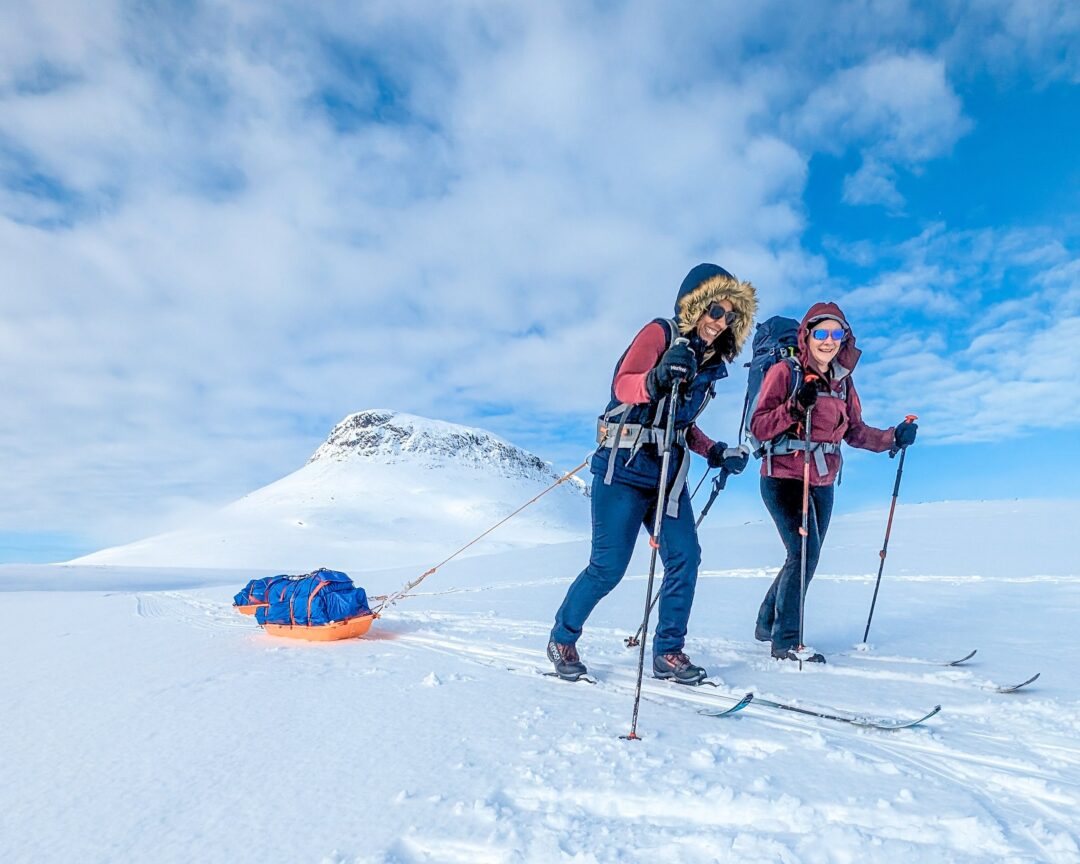
Whilst we appreciate the ambition, if you’ve never done anything similar to those types of trips before, they might be a little overwhelming. Remote snow expeditions or hut-to-hut hiking require mental grit and physical stamina. We recommend choosing an easy or moderate trip first, to build up your experience and confidence. We want you to push yourself, but not so much that you don’t enjoy the experience.
We do expect everyone to keep up, which is why choosing the right level matters so much.
There’s a mix of paces in every group and no prizes for being at the front, so don’t worry about being the fastest. But you’re all in it together, and the week works when everyone has turned up ready for the same challenge.
On some trips there’s room to take a rest day or shorten a route if you need to. On hut-to-hut trips and expeditions there isn’t. You need to be able to keep up, and if you can’t, you may not be able to continue with the group, or you may have to cover the cost of a private guide.
If you’re unsure, get in touch and we’ll talk it through. We can give you a clear picture of what a trip involves, but only you know your own body, your fitness and how much training you’ll realistically do between now and then.
None of this is meant to put you off. We just want you to arrive feeling good about the trip you chose, rather than nervous about it.
There’s no official pre-trip fitness plan, but we recommend regular movement and activities to feel fit – walking, light hikes, cycling, yoga, pilates, and running will help. It’s better to feel stronger and fitter on your trip than to struggle through.
Yes. Beginner refers to the skill, not the fitness.
Think of it like a first marathon. You’ve never run one before, so you’re a beginner, but nobody would suggest turning up without months of training behind you. Our beginner trips work the same way. You don’t need to have paddleboarded or cross-country skied before, because we’ll teach you. You do need the fitness to do it for several days in a row.
That’s why every trip has two ratings. The skill level tells you how much experience you need. The difficulty level tells you how fit you need to be. A trip can be beginner on one and challenging on the other, and plenty of ours are.
So read both before you book, and train for the difficulty rating rather than the skill one.
Yes, just be honest with yourself. Choose a fitness and skill level that fits your current level, not the level you want or wish to be. A few questions to ask yourself:
And if you are still stuck, then book a callback and we’ll help you choose a trip that suits you.
Absolutely. We want to get women into new sports and activities; that’s part of our mission. Every trip includes expert instructors, and we also offer special beginner trips for Gutsy Girls guests who want to learn a new sport or activity from scratch.
Skills-wise, you have to be honest with yourself about your experience in this activity. Did you last ski 15 years ago? Then you probably need to consider yourself a beginner again. Review all the skill levels: beginner, improver, intermediate, and experienced. The easier levels will have more coaching and instruction, whereas during the harder levels, you’ll be expected to hit the ground running and just get on with it.
It depends entirely on where you’re starting from, so we can’t give you a number. What we can tell you is what the trip asks of you: the hours, the distance, the terrain, how many days in a row. Train towards that, not towards whatever you can reach in the time you’ve got.
Running plans are a useful reference point, not because you need to run, but because they’re honest about time. Couch-to-5K takes eight to ten weeks. Nothing to half marathon is more like sixteen to twenty-four. Fitness takes that long to build whatever you’re training for.
Which is also why doing too much too soon backfires. Injuries in the weeks before a trip almost always come from cramming, not from building steadily, and there’s no way to make up lost ground in the last fortnight. Slow and steady genuinely is the faster route.
What we’d train for is time on your feet rather than speed. Can you walk for four hours, then get up the next day and do it again? Build towards back-to-back days rather than one big effort, because that’s the bit that catches people out and it’s the slowest thing to build. If you want a proper plan for it, a coach or physio will do a better job than we can.
Talk to us before you book. We can tell you exactly what a trip asks of you, which is the part you need to know, and you can weigh that against what your body is currently up to and what your physio or GP has said.
What we’d generally suggest is choosing a level below where you were before the break, at least for the first trip back. Coming back is not the same as picking up where you left off, and a trip you’d have found comfortable two years ago may not be comfortable now. There’s no shame in dropping down a level for one trip and going back up for the next.
Do get proper medical advice too. We can describe the trip, but we can’t tell you what your body can do.
Beginner trips are not just for those new to the activity; they’re also ideal for those who have tried something out once or twice. Let’s be real, 20 minutes paddleboarding on a canal is a bit different to 4-5 hours long-distance exploring. And, being able to downhill ski doesn’t mean you automatically know how to cross-country ski. They are two different sports. So, as with the difficulty levels, read through the full trip description to see if you can handle the itinerary or if an easier skill level is better for your enjoyment and development.
As we want to get women into new sports, we offer a lot of beginner-based trips. However, that said, the beginner trips are still suitable for those with experience. You can just get on with things a bit quicker. You’ll still be active and exploring, but with a bit of extra guidance from our instructors, if you need it.
This usually depends on the location and accommodation offered on the trip. On some, yes, you can. If a private room is an option, it’ll be listed on the trip page (and usually costs a little bit more). On many of our trips, you will have to share, and it’s part of the adventure.
The table above gives an overview of the range of accommodation – it really varies from trip to trip. Typical places include guesthouses, mountain hotels and cosy cabins. But on some of the more remote trips, we stay in huts and tents without any running water or electricity. Read through the full trip description to understand exactly what kind of accommodation and facilities the trip includes.
We believe that where you sleep is the least exciting part of the adventure, but it’ll be a clean and comfortable spot to rest. The best parts are outdoors!
Sometimes, if you choose a twin room or you’re staying in a remote cabin. That information will always be shared with you ahead of time.
When we say “luxury” we mean “a really nice hotel”. Think modern, clean and with some extra facilities such as a sauna or spa.
We get it. Those trips are extra adventurous and can be tempting if you’re feeling like a big challenge. However, if you know you feel better rested in a hotel bed, then that’s cool too. You’ll have a better time if you take into account your own comfort and rest requirements.
Once you book, you’ll receive access to a full and detailed packing list. We’ll recommend what to bring depending on the location and facilities, for example, earplugs or warm sleeping bags.
Pick your adventure
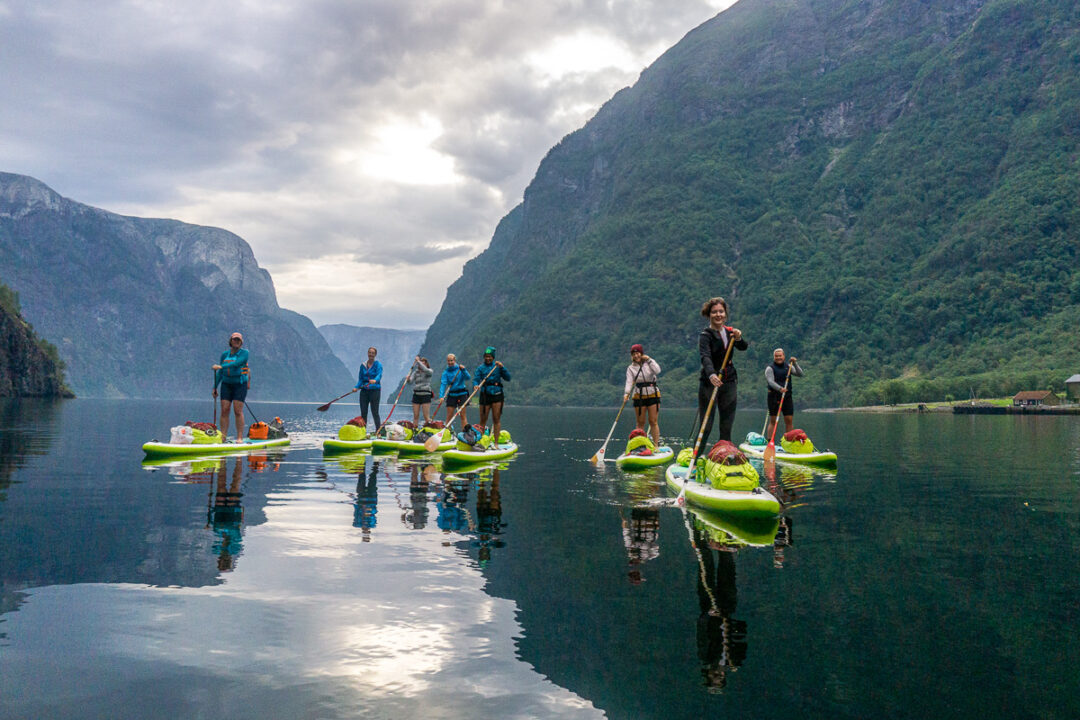
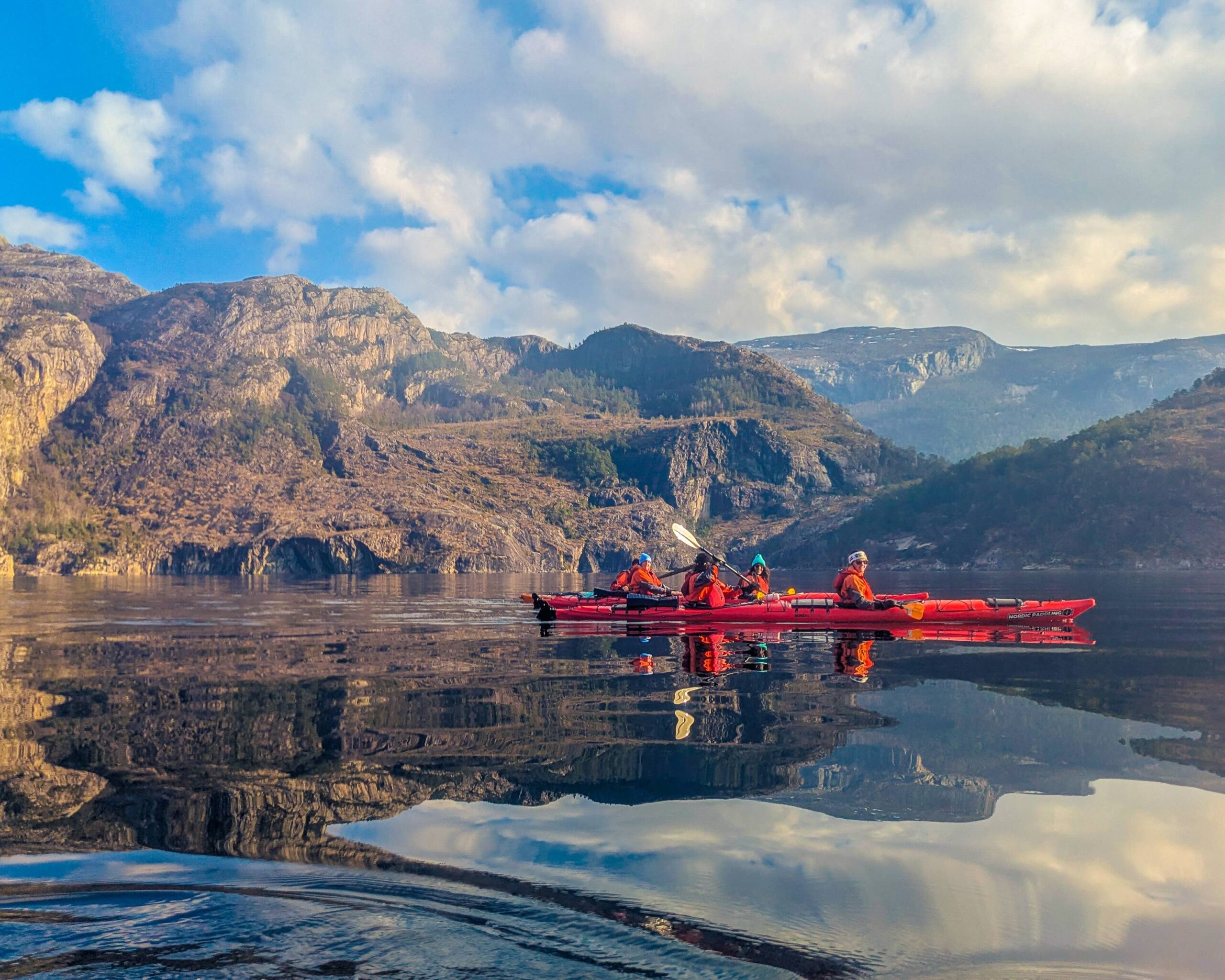
Now that you’ve got a great understanding of the types of trips we offer, it’s time to choose. From paddleboarding to uninhabited islands, to kayaking through Norway’s stunning fjords, we guarantee you won’t regret clicking that ‘book’ button.