UK Adventures
Best Bluebell Hikes Near London | Gutsy Girls
20th July
5 Min Read

Latest blog post articles
Upcoming
Types of Skiing Explained: Alpine, Nordic, Touring & SkateUK Adventures
20th July
5 Min Read
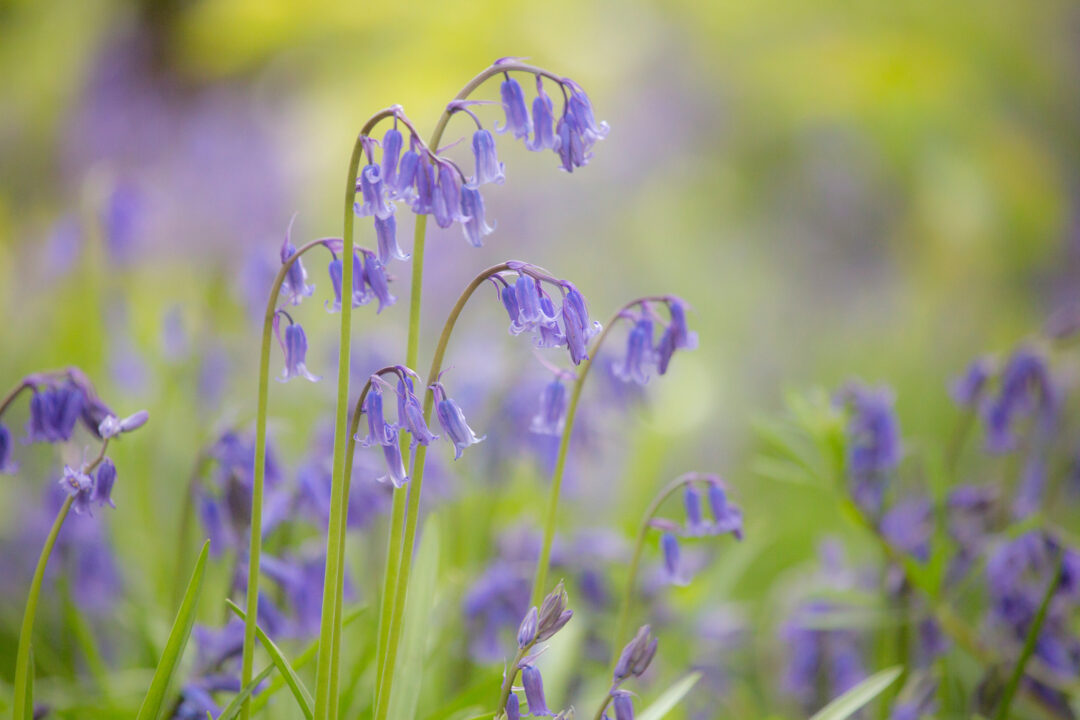
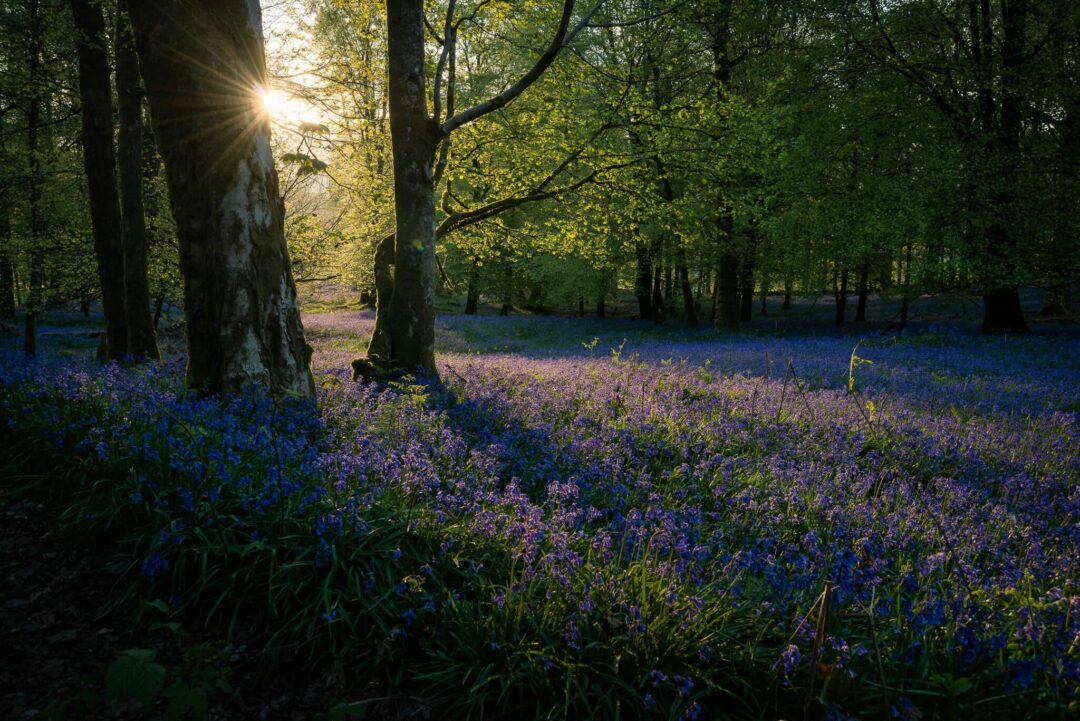
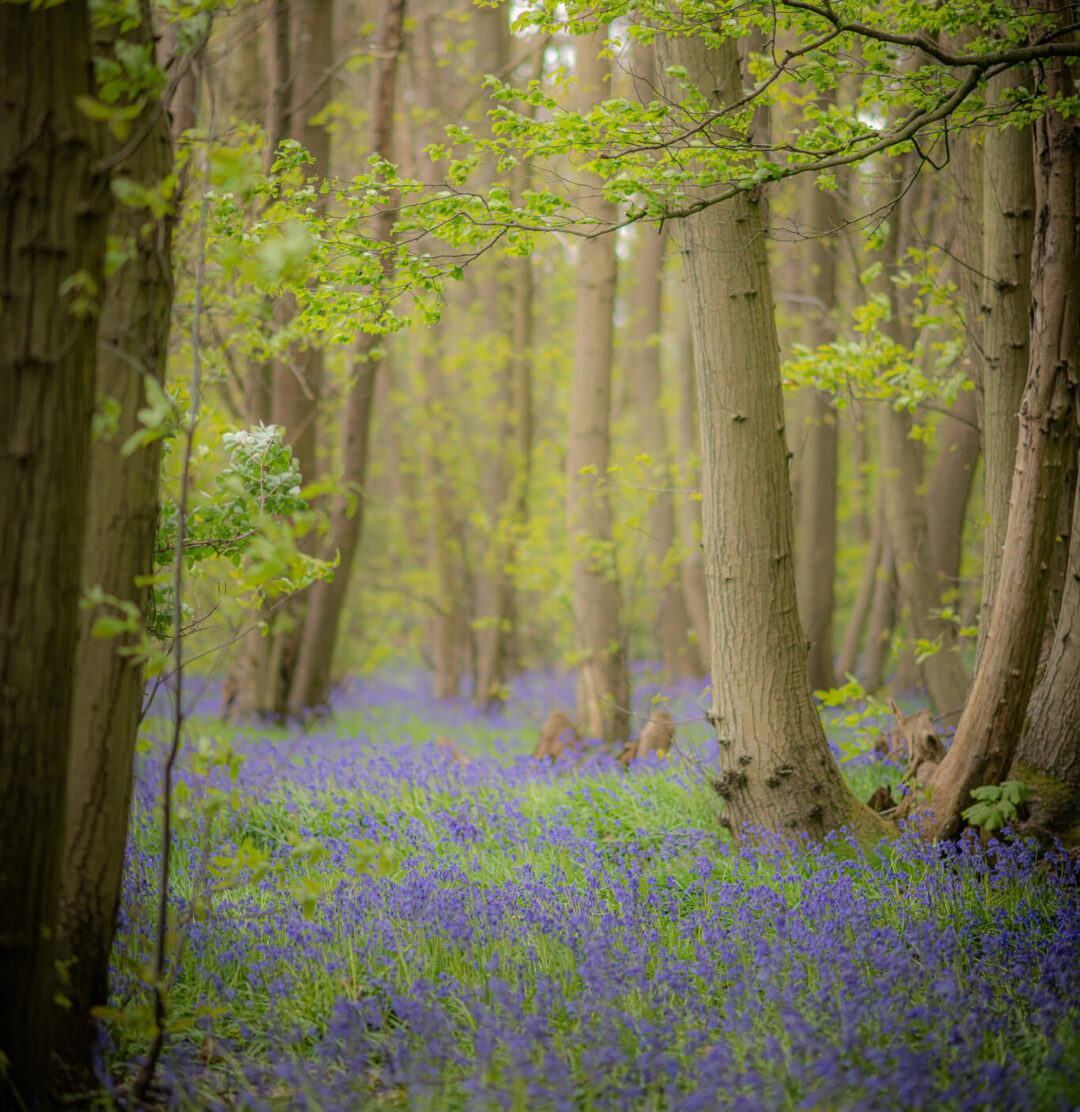
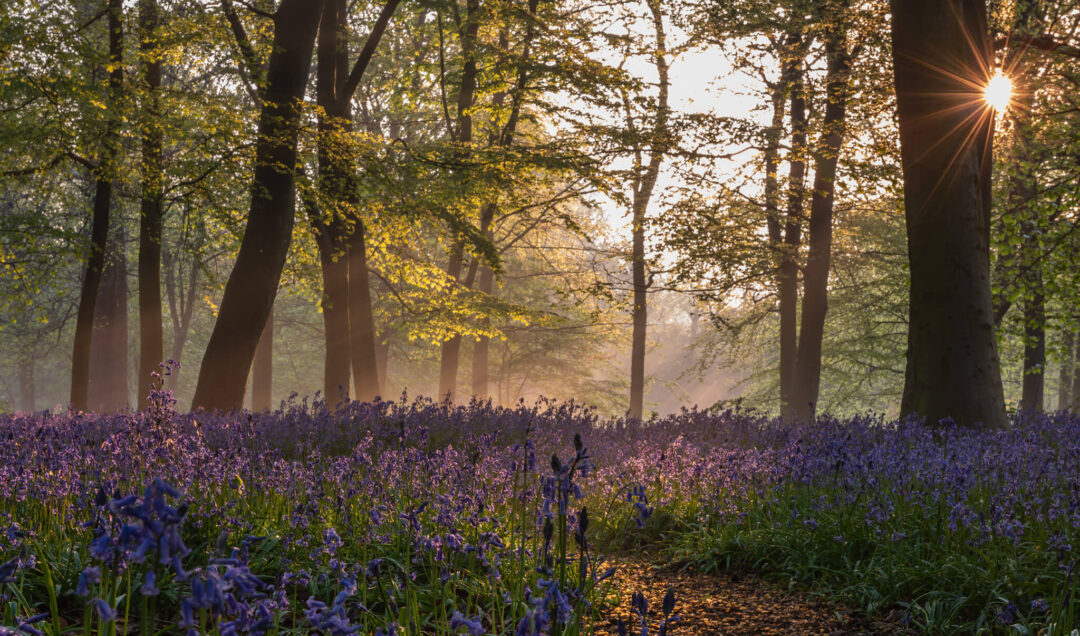
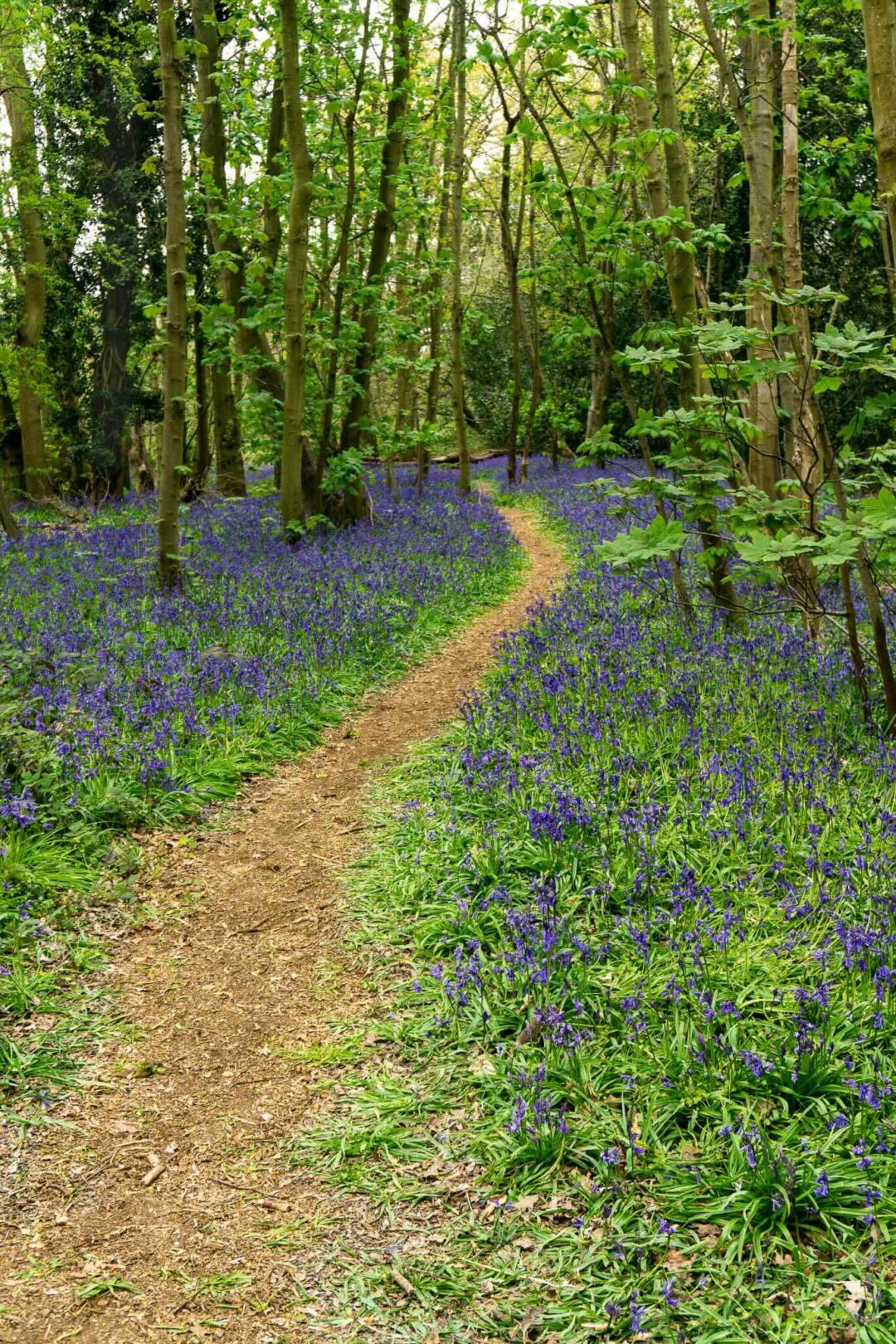
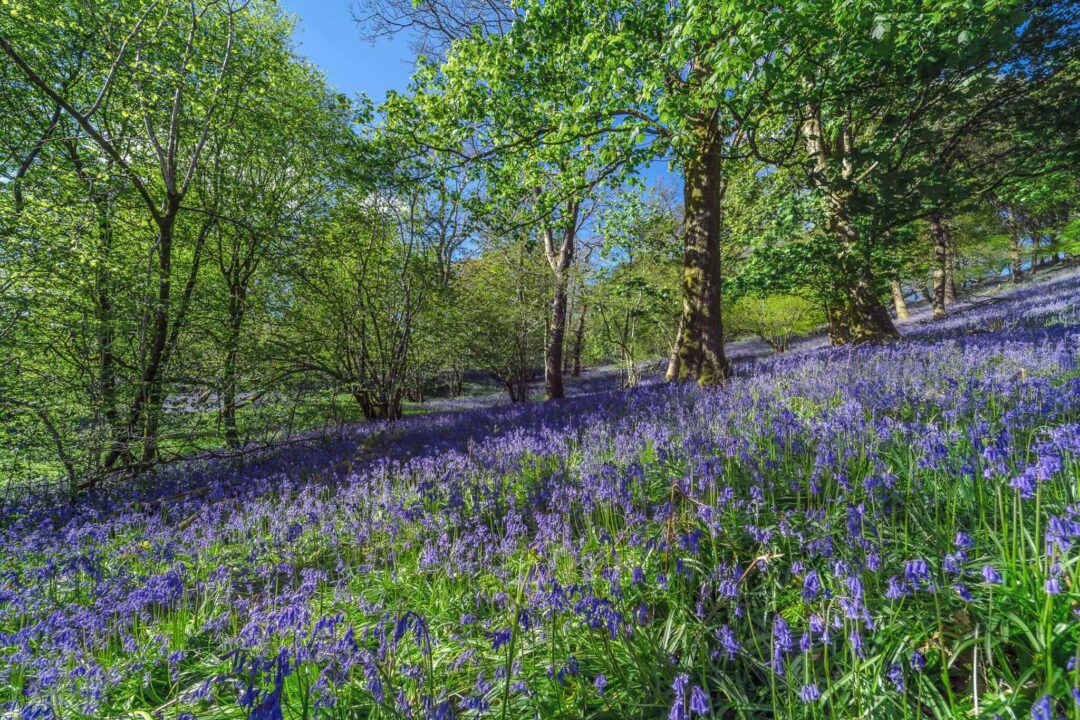
Spring is finally here and there’s a burst of colour as the flowers begin to bloom. One flower in particular that we love to see each spring is the bluebell. This delicate wildflower is native to the UK, and with half of the world’s bluebells being found here, it’s time to head out to a woodland to seek out carpets of bright blue-violet flowers.
We’ve put together six great spots in London to find bluebells this spring!
Bluebells are protected under the Wildlife & Countryside Act (1981), so it’s against the law to intentionally uproot or destroy them. Spending most of the year underground, they emerge from late March to early May in woodlands, soaking up the sunlight before the canopy of the forests gets too dense and blocks out the light.
Colonies of British Bluebells take 5-7 years to establish and years to recover from footfall, so please watch your step and keep your dogs away from them too.
Being trampled on isn’t the bluebells’ only threat. Cross fertilisation with the Spanish bluebell (first introduced to the UK during Victorian times when planting them in gardens became popular) has led to many woodlands seeing the hybrids take over the colonies. To protect the flowers, several conservation groups, including the Forestry Commission, have been taking steps to prevent us from losing our native wildflowers. If you’re looking to plant bluebells in your garden, make sure it’s the native species.
How can you spot the difference between the two?
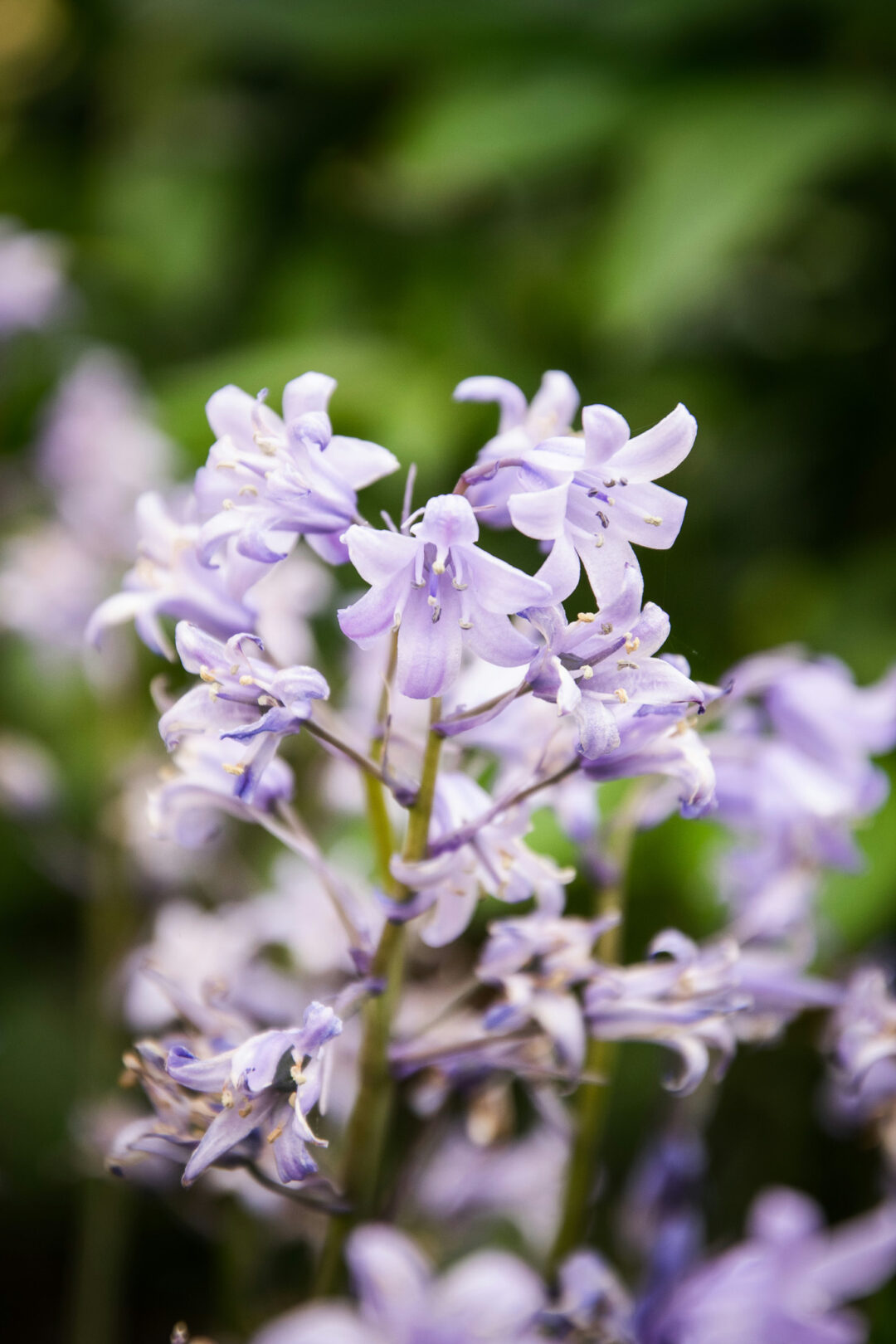
The native bluebell has a distinctive dark blue colour, the flowers grow on one side of the curved stem and they give off a lovely sweet scent. The Spanish species and hybrids o the other hand are lighter in colour, grow on both sides of the stem and they don’t have as strong a scent.
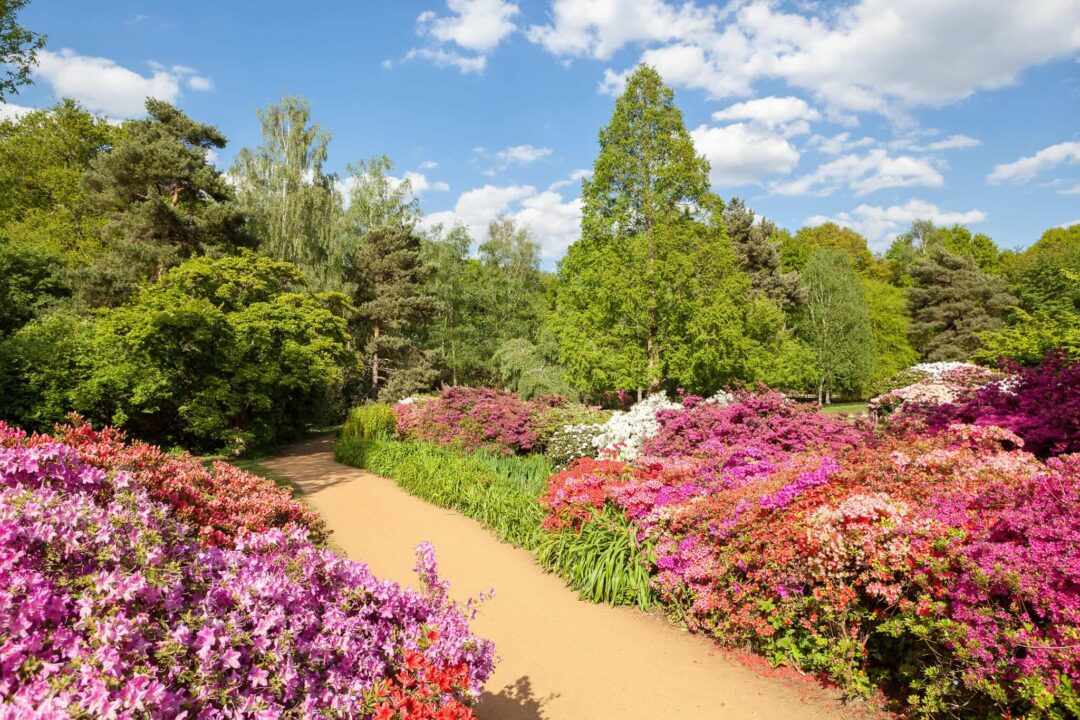
One of London’s Royal Parks, this 40-acre woodland park within Richmond Park is a beautiful spot to witness the bright colours of spring. With its own Bluebell Walk that runs between Thomson Pound and Broomfield Hill Gate, it’s a great place to see the wildflowers. There’s also the added bonus of the pink Azaleas that bloom in spring as well.
This ancient woodland in south east London is over 8,000 years old and home to Severndroog Castle. The castle sits at 132m above sea level, and from its viewing platform you’ll find fantastic views over the city and the seven surrounding counties.
The woods spread over 77 hectares and are part of the Green Chain Walk, the 40-mile route that connects green spaces and parks across south London. If you follow all of Section 6 you’ll also reach Eltham Park North where you can search out even more bluebells (see below).
Check out the route: Greenchain Walk Section 6
Head to Eltham Park North for another spot in south east London, just 17 minutes’ from Oxleas Wood and on the Green Chain Walk. There you’ll find dense carpets of bluebells.
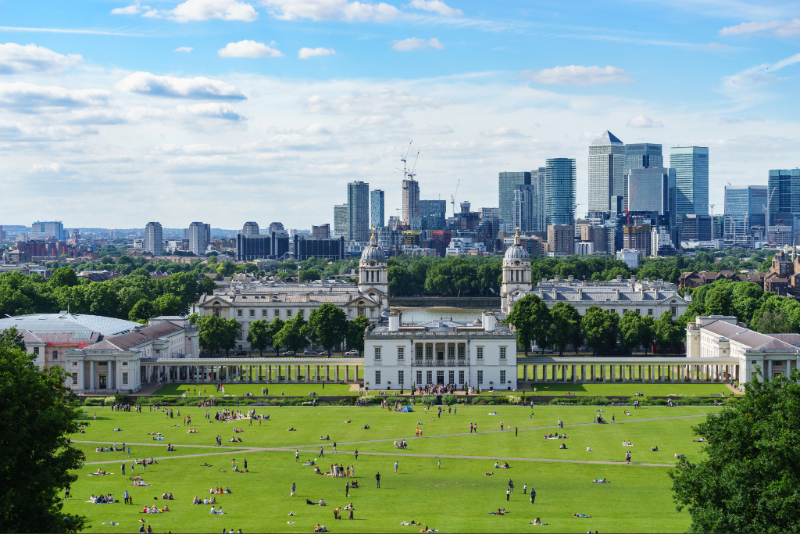
After a ramble through the park and adjoining Shepherdsleas woods, jump on a train at Falconwood to Blackheath and continue your Royal Borough of Greenwich adventure.. here you can walk across Blackheath to Greenwich Park to take in the views of the city from the Royal Observatory.
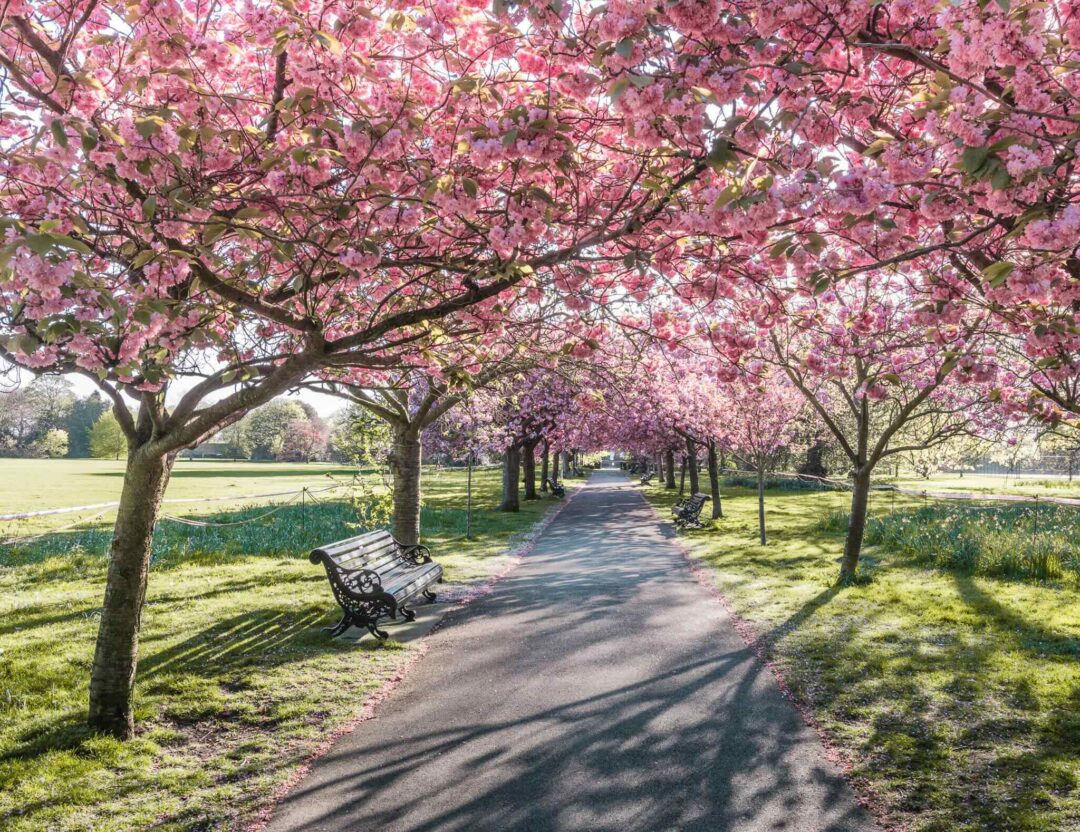
If you do this in early April, you’ll likely also get a great view of the cherry blossom trees that lead to the Ranger’s House in Greenwich Park (which you will definitely recognise from Bridgerton).
One of the most popular spots in London to see bluebells, is Chalet Wood in Wanstead Park. And with its vast shows of flowers and easy access by public transport, it’s not hard to see why
The Wren Wildlife and Conservation Group is a local charity that has been working for years to conserve the bluebells in Chalet Wood as it’s such an important colony of the native species. The woods have seen a huge influx of visitors in recent years due to its impressive bluebell show, so the conservation group has been working hard to firm up the footpaths and prevent any damage from footfall to the flowers.
Venturing out of the city, Sheffield Park and Gardens is a beautiful National Trust location to spend a day exploring. There’s also the added bonus of being able to ride a steam train to get there!
The aptly named Bluebell Railway is a great way to access the park from London. Catch a train from London Bridge to East Grinstead then climb aboard the vintage locomotive as you travel through 11 miles of stunning Sussex countryside to Sheffield Park.
Hole Park in Kent is another great option for escaping the city in search of bluebells. It’s little more tricky to access by public transport, but still doable.
Catch a train to Staplehurst, followed by a 17 minute taxi (it’s a rural spot so you’ll need to book a taxi in advance). Alternatively, catch a train to Tunbridge Wells then jump on the local bus (297 to Tenterden) and request a drop off at Hole Park.
If that hasn’t put you off, Hole Park Gardens is an impressive 16-acre garden, all there to be explored. They also have their very own ‘Bluebell Barometer’ to give you a heads up of when the best time to visit is!
After, if you’re looking for a full day of walking, I can vouch for this 12km circular hike from the village of Benenden. It passes through Hole Park, one of my personal favourite Sunday walks in the area, and ends with a pint at The Bull in Benenden. The drink is optional, but always recommended, so maybe see you there!
You’ll find bluebells in any woodlands across the city, a few notable places worth venturing to include:
Gutsy Girls organises guided hikes for our community in London. Join us for a hike that’s easy to access by public transport, drops you into the heart of nature, teaches you new skills and connects you with likeminded women.
On your own? Not an issue – over 90% of our guests book by themselves. You book your place, we provide a fun group to explore the local countryside with.

Bookings Team
We are a small team of women who plan the trips, host them, answer your emails and walk, ski and paddle the routes ourselves. When a post has no single name on it, it usually means several of us had something to add.
UK Adventures
20th July
5 Min Read
More from us