Travel Guides
Arctic Winter: Northern Lights, Wildlife & Polar Night
2nd July
5 Min Read

Latest blog post articles
Upcoming
Types of Skiing Explained: Alpine, Nordic, Touring & SkateTravel Guides
2nd July
5 Min Read
Winter in the far north has a reputation: cold, dark, barely any daylight. All true. It’s also one of the most interesting times of year to go, and most people write it off before they understand what they’d be turning down.
So before we talk you into it, here’s what “heading north in winter” actually means.
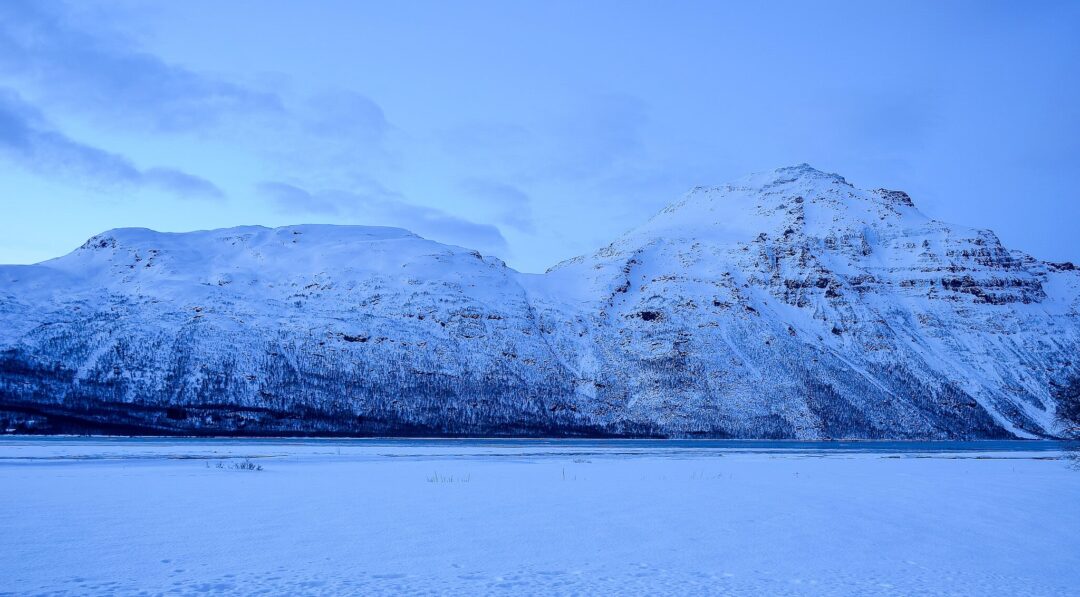
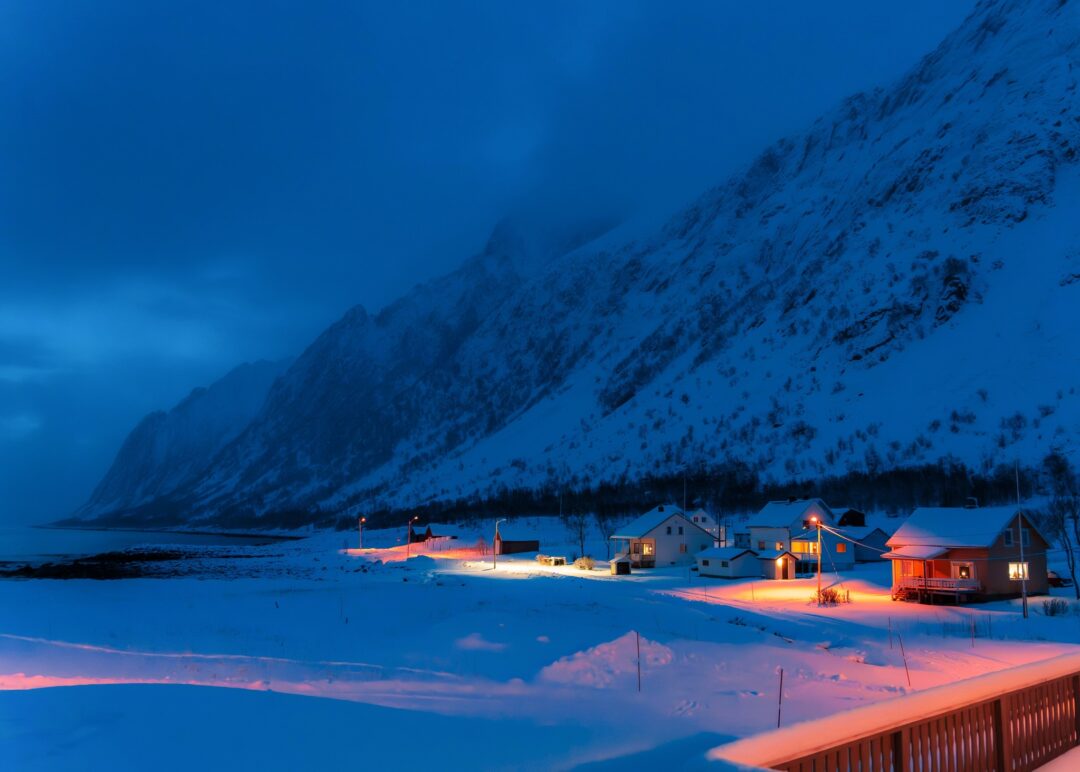
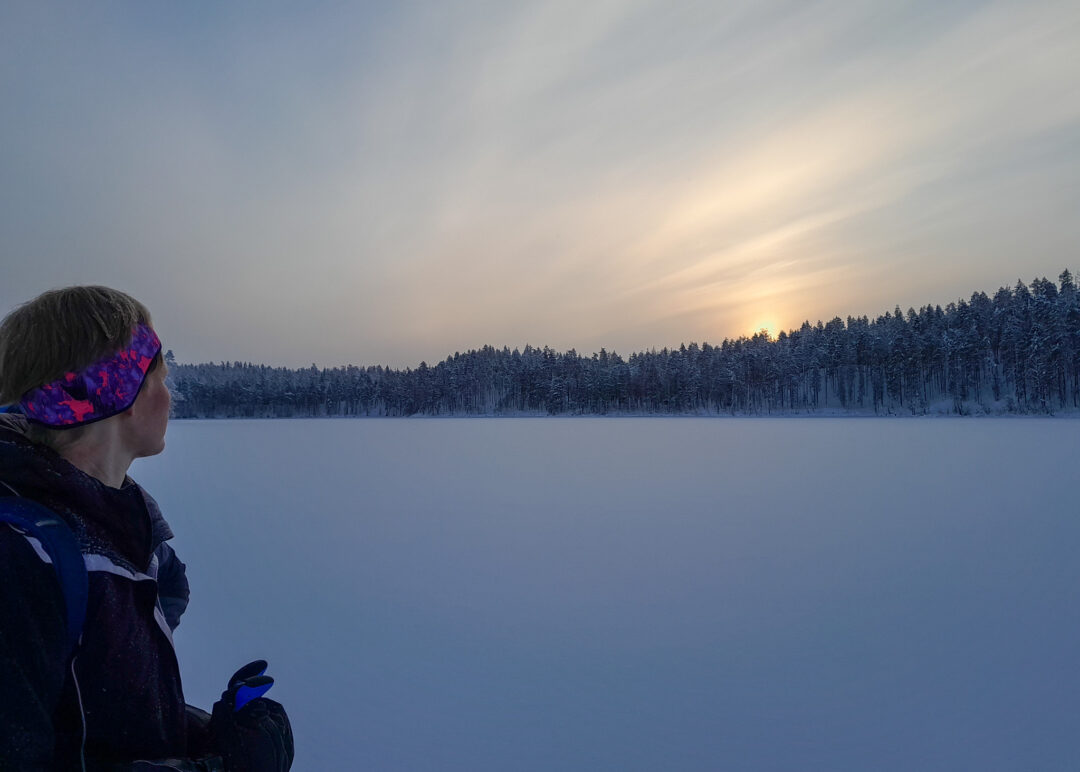
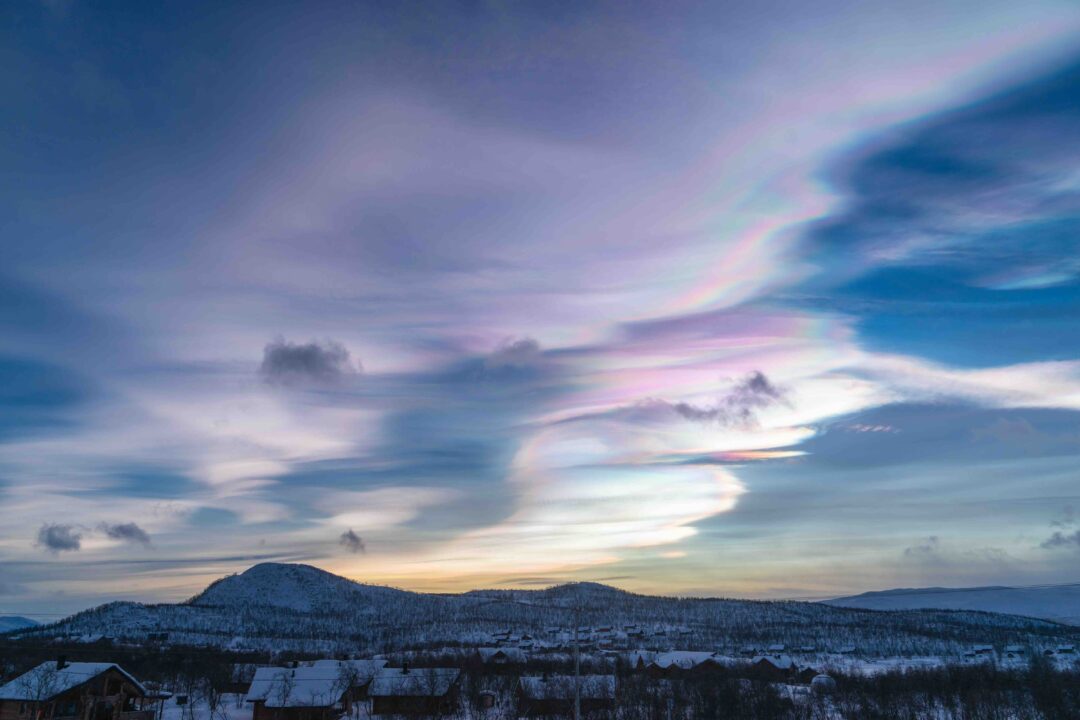
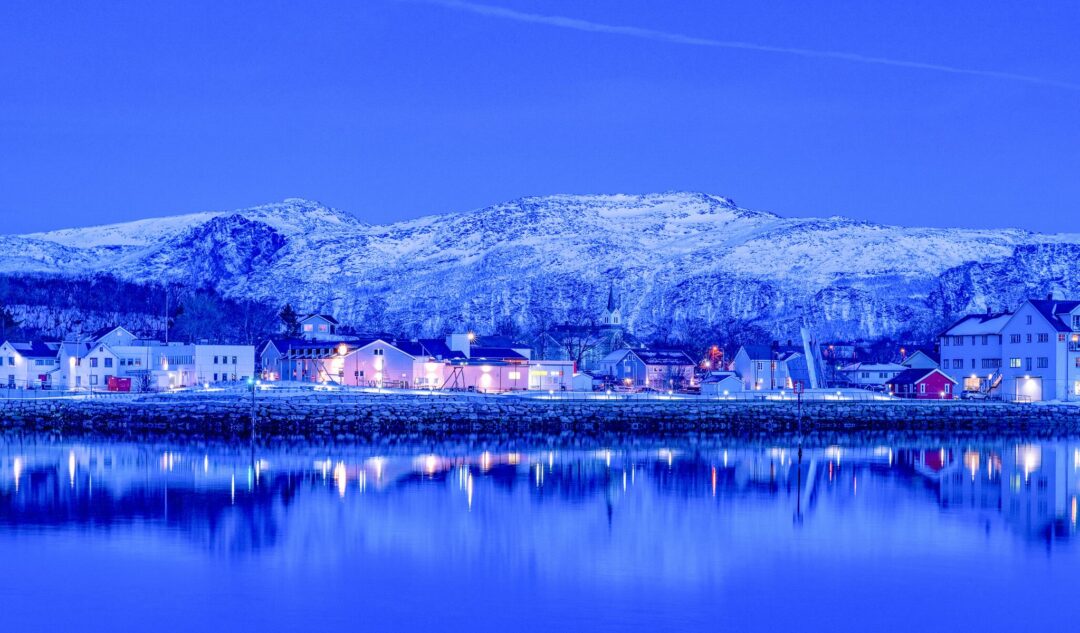
In the Arctic Circle, at the very top of Norway, Sweden and Finland, when winter arrives, it runs the show. The part everyone’s heard of but few can explain is the Polar Night: the weeks in mid-winter when the sun never rises above the horizon at all during Arctic Winter. And it isn’t pitch black. Instead, enough light bends through at some points in the day to brighten the sky slightly to dark blues, pinks and purples. Think long, low twilight, not lights-out.
On either side of Polar Night you get short days, reliable snow and that low blue Arctic light for most of the hours you’re outside.
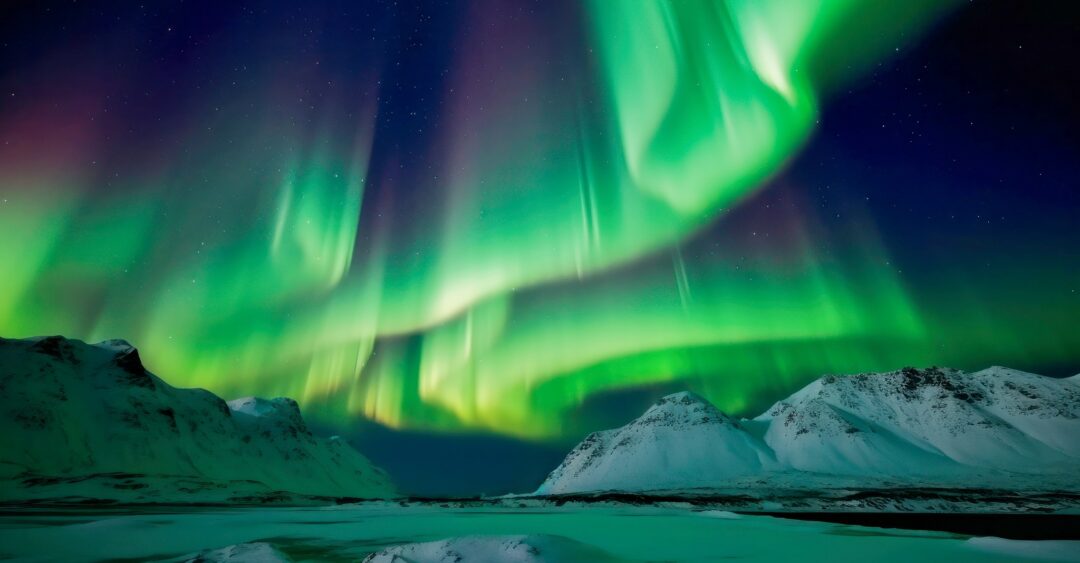
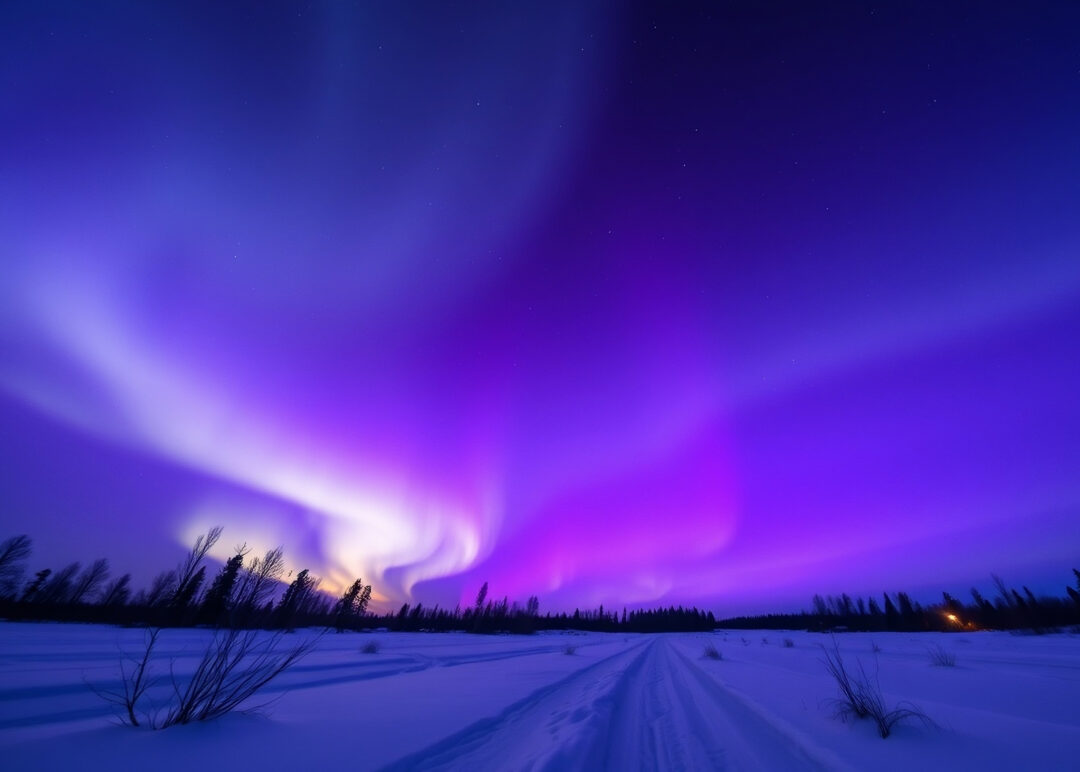
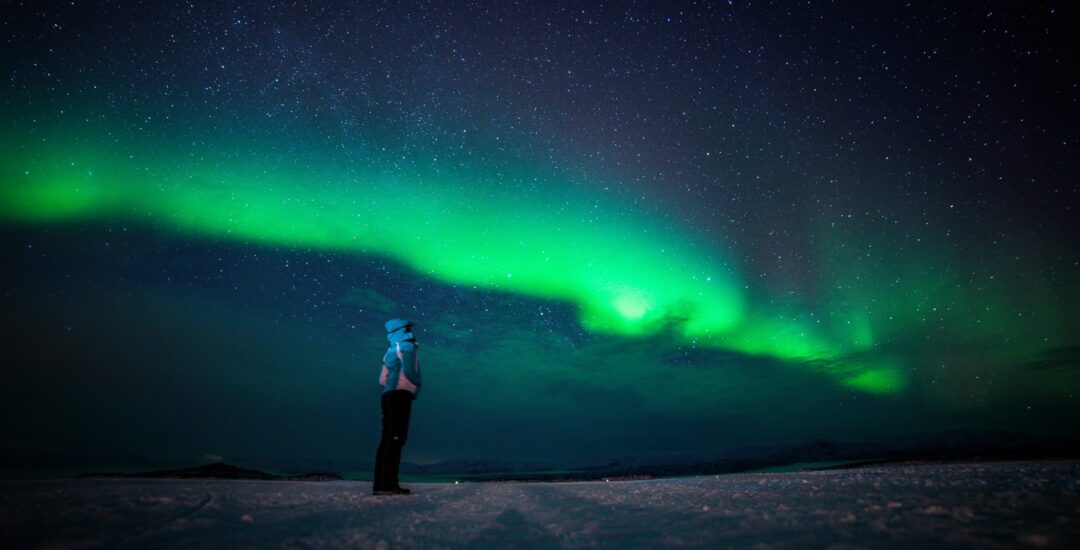
The Aurora needs darkness, and in winter in the Arctic Circle you get plenty of it. With no daylight to compete with, the Northern Lights put on their best show of the year when they decide to show up. Longer, darker nights mean more chances to catch them, and the displays tend to be more vivid and more frequent than at any other time.
Catching the Northern lights is never guaranteed, nature doesn’t work like that. But you’re in the best location if they do decide to show up.
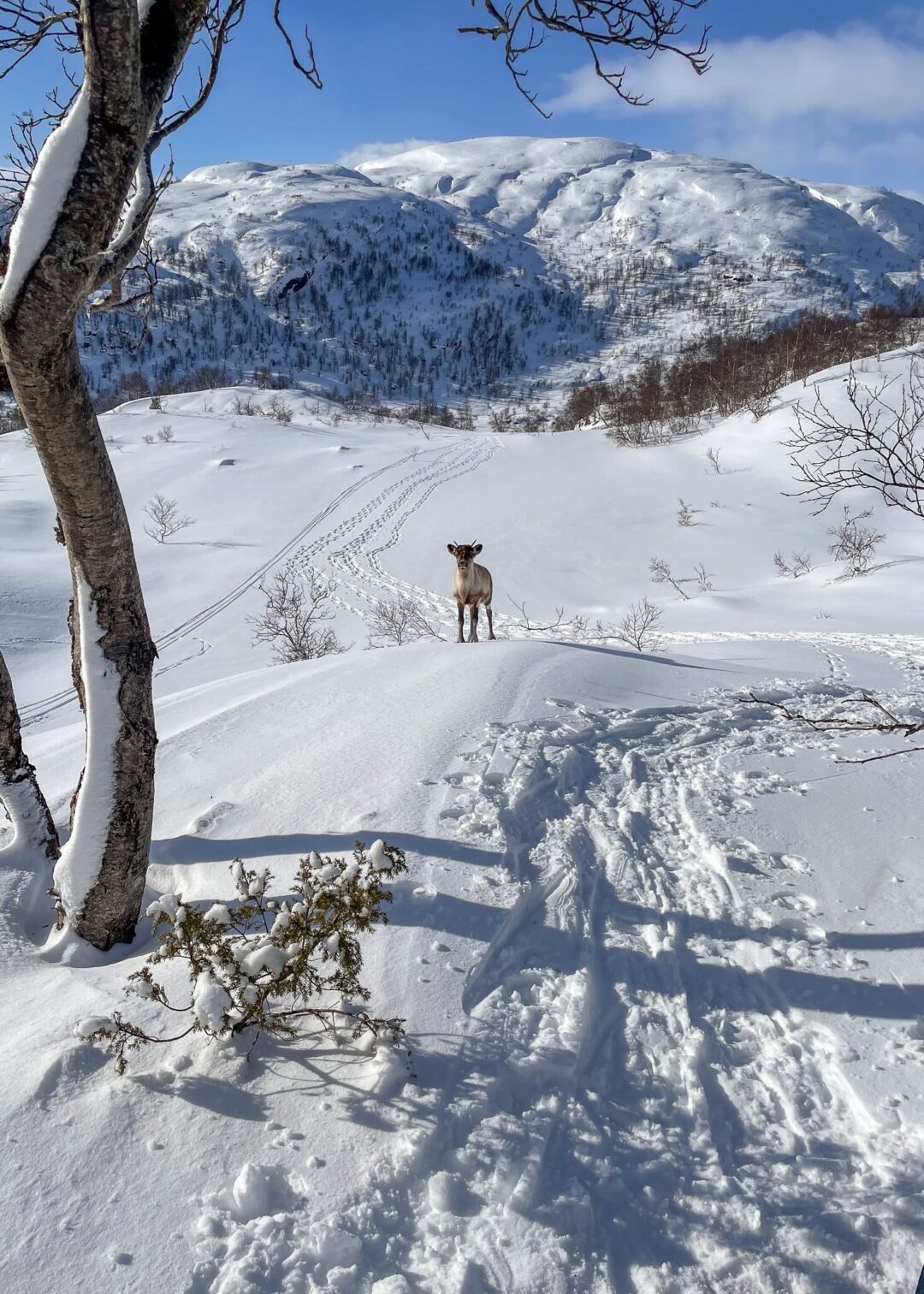
Arctic foxes, reindeer, snowy owls, they’ve all adapted to the winter conditions and are still all out there, getting on with it. What does make a difference is the lack of tourists as fewer people means less disruption, so animals venture further out and closer in. All this means you’ve got a really good chance of spotting something you definitely wouldn’t see at home.
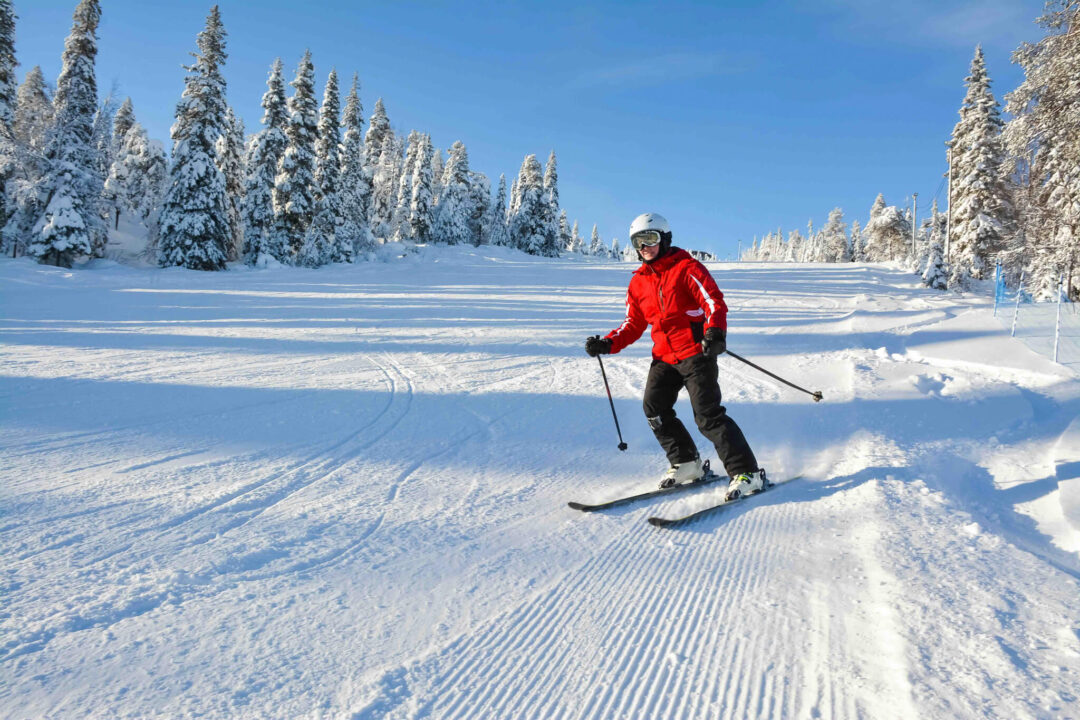
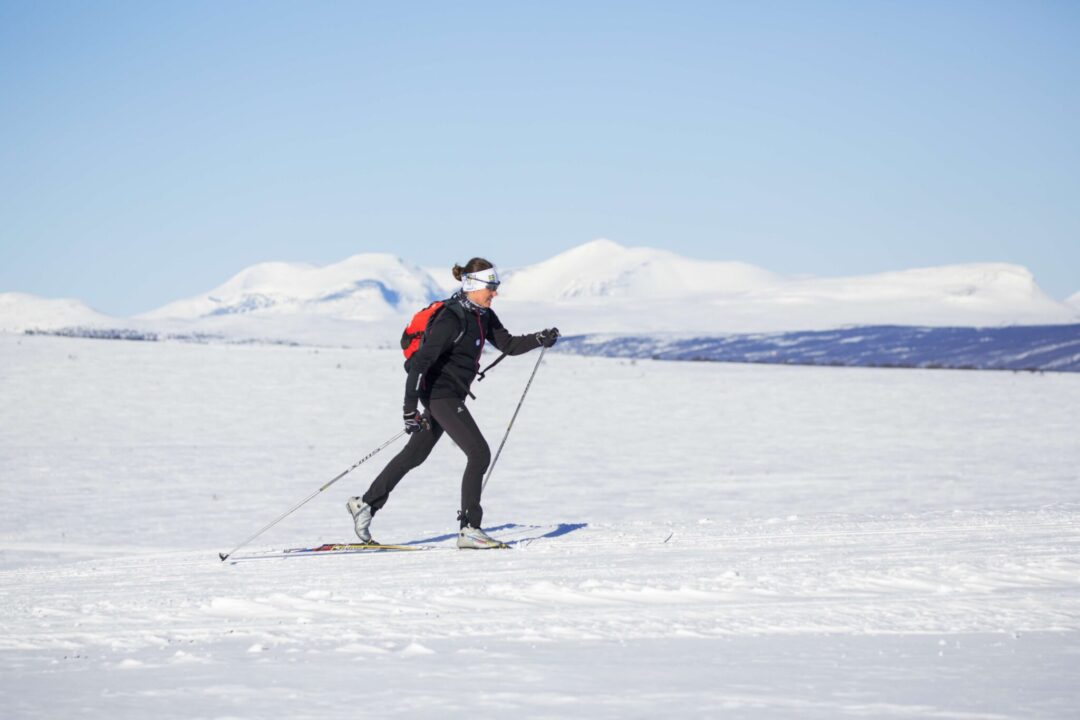
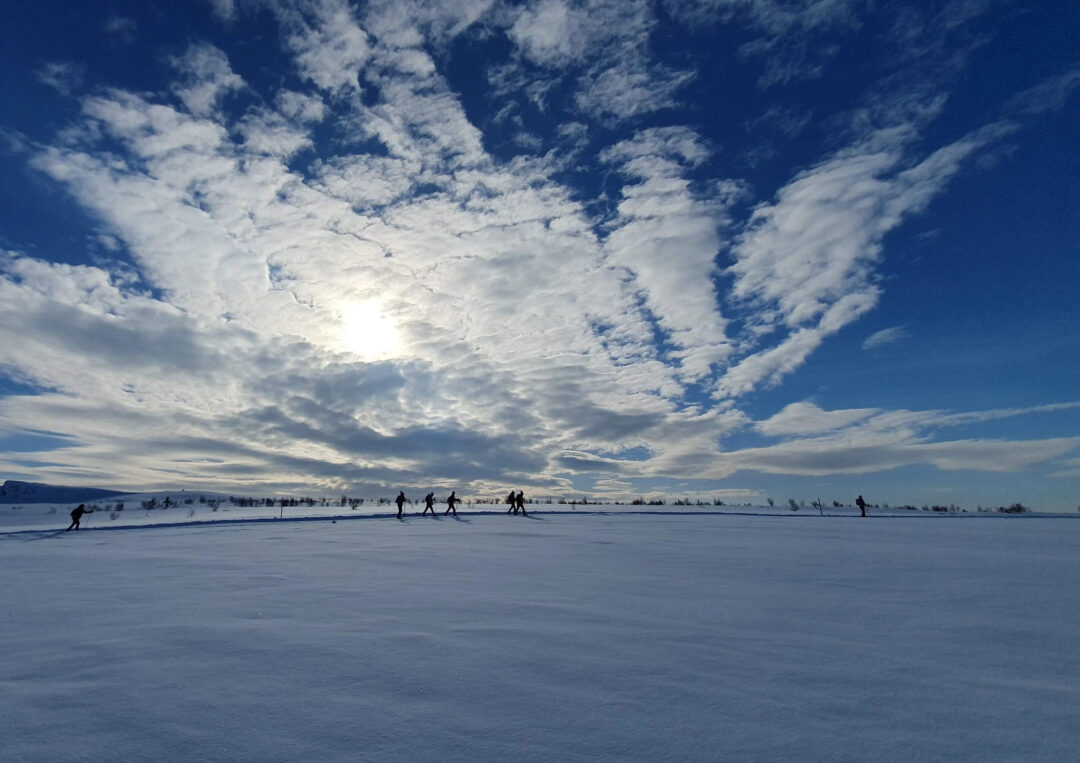
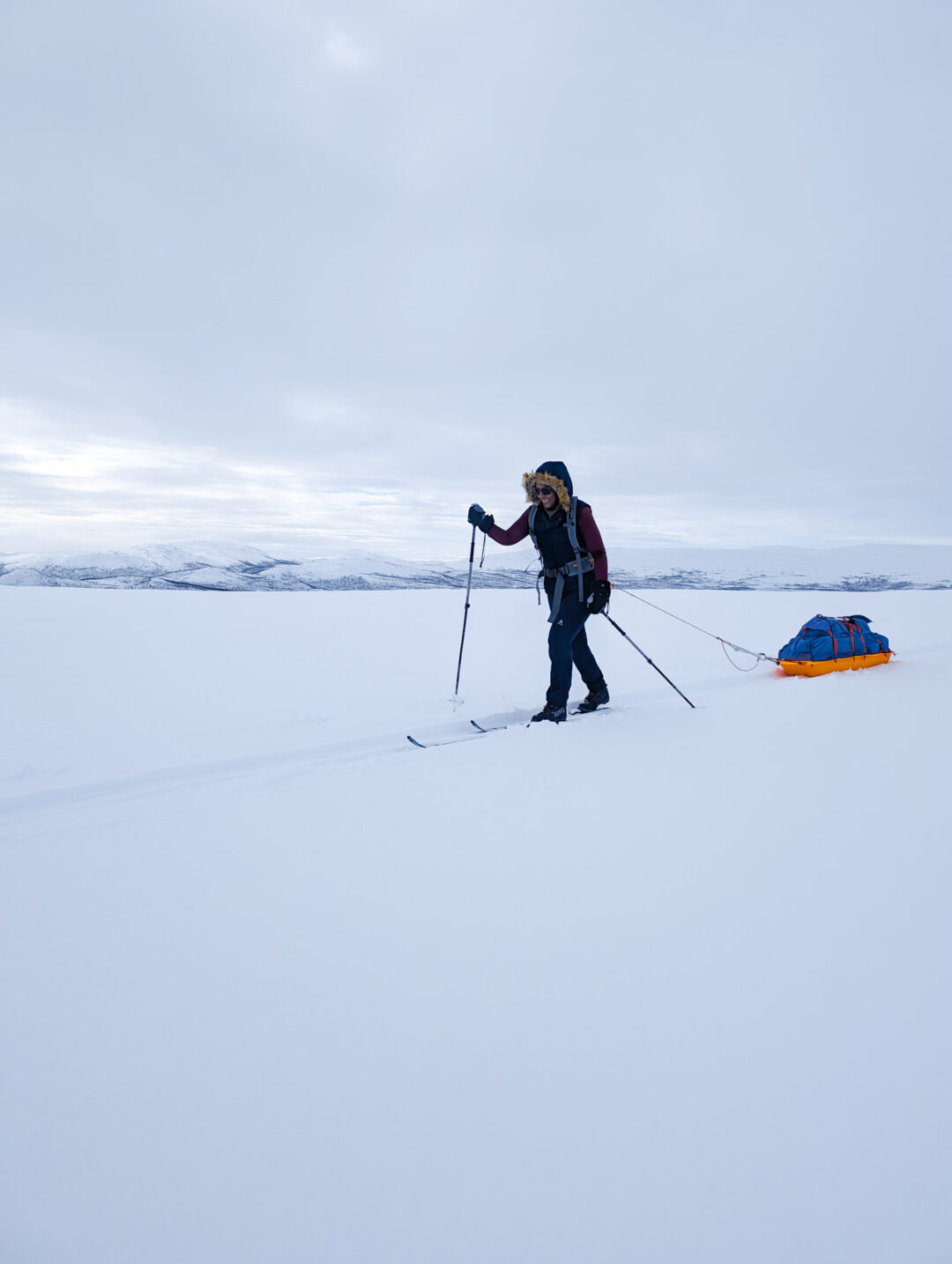
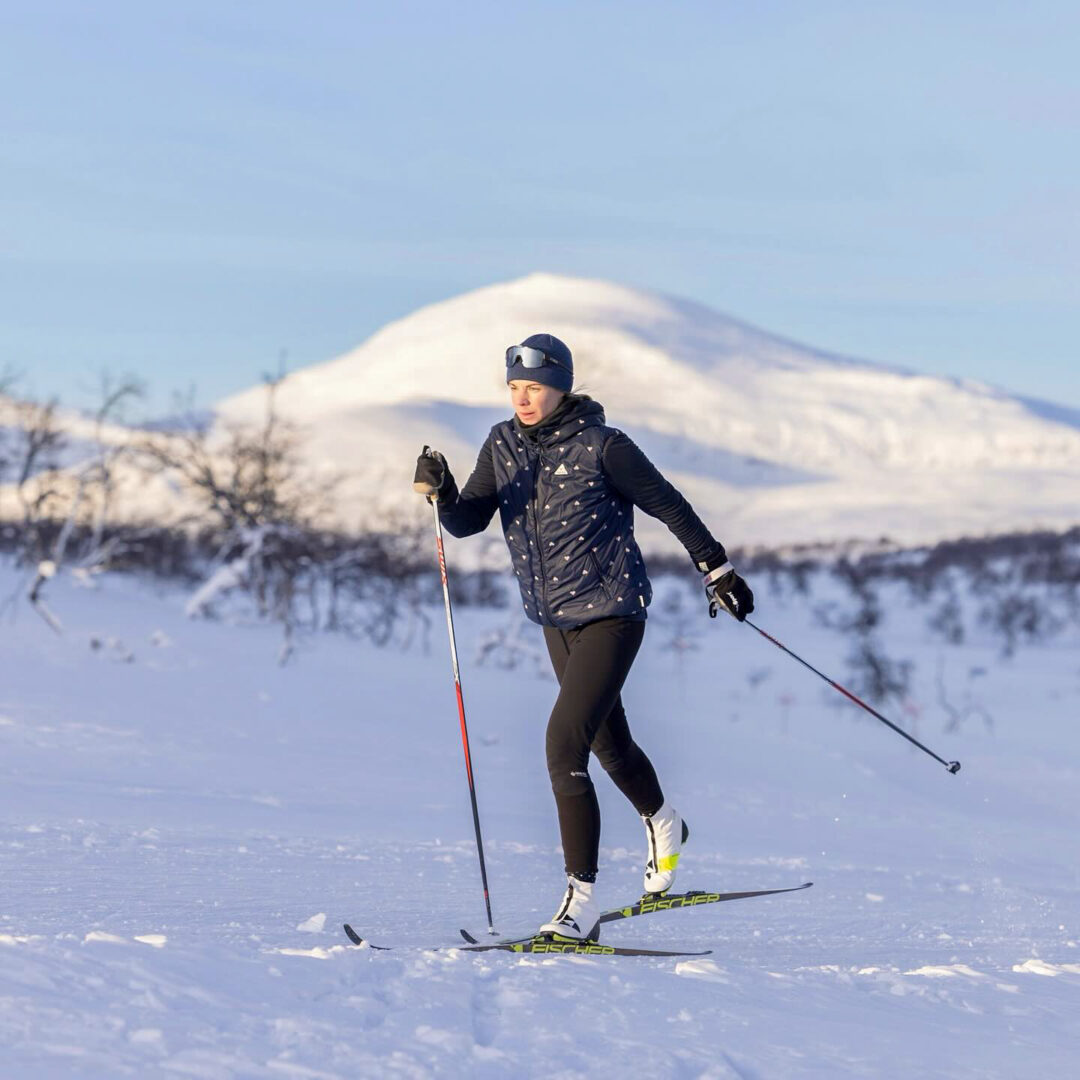
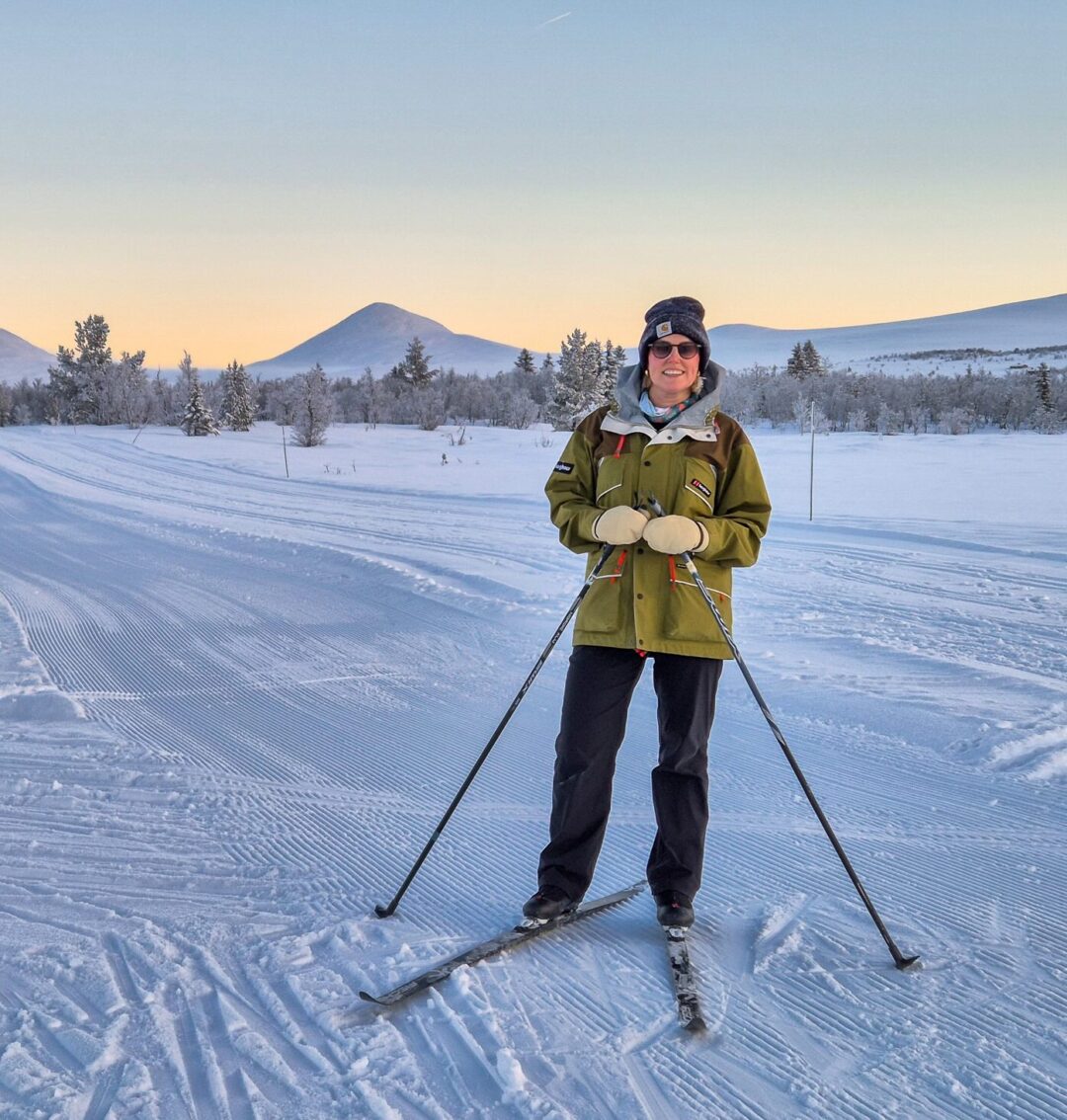
This is the bit most travel blogs skip. The people who live here don’t shut the curtains and wait for spring, they cross-country ski to work and skate on the frozen lakes. Homes are warm and well-lit, and the whole culture around food, fire and good company is something you can feel the minute you arrive.
When the sun finally returns, towns like Tromsø and Alta mark it with real celebrations to welcome it back which is definitely worth being there for.
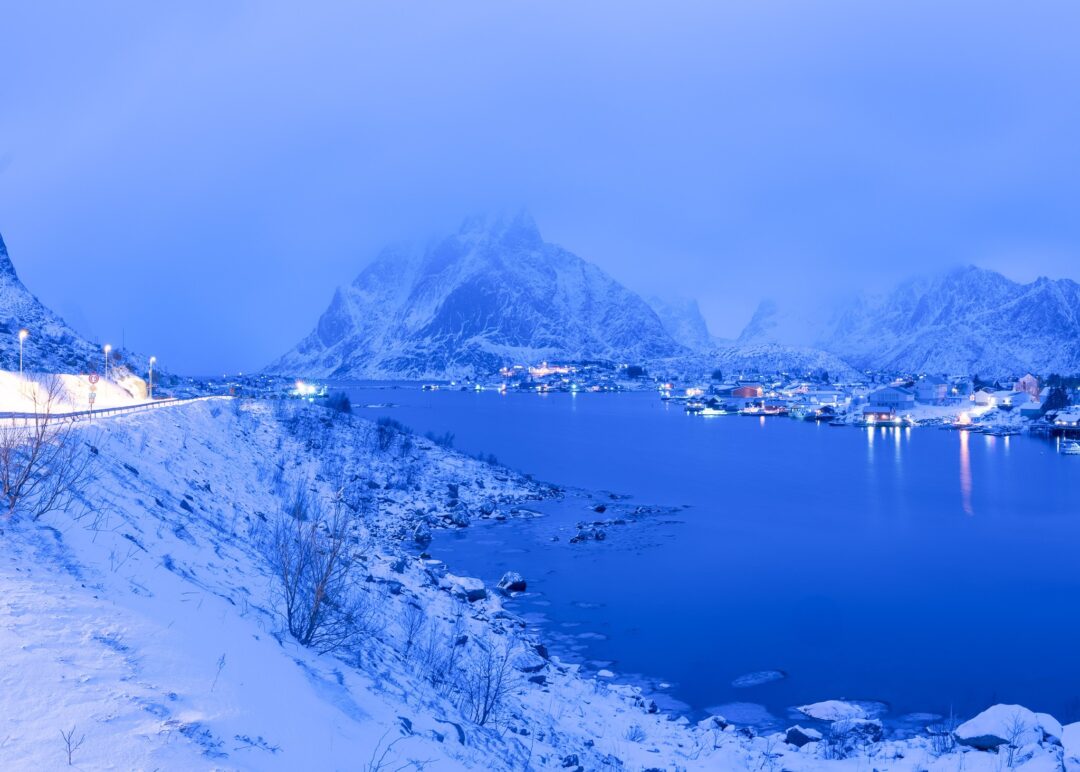
Snow is a surprisingly effective reflector. Add moonlight, starlight and the low arc of twilight that hangs around midday, and the Arctic is nowhere near as dark as you’d expect. There’s a quality to the light up here that makes everything faintly blue, that photographers spend their whole careers chasing. See it for yourself.
There’s something about being somewhere this extreme, this far north, this dark, this cold, that recalibrates things. You come back with a different relationship to daylight, to warmth, and honestly, to your own tolerance for being uncomfortable.
We don’t run trips inside the Polar Night period itself, but do have adventures that happen right beside it so you get short days, reliable snow and way fewer people out and about. There’s also still hints of the Polar Night light too.
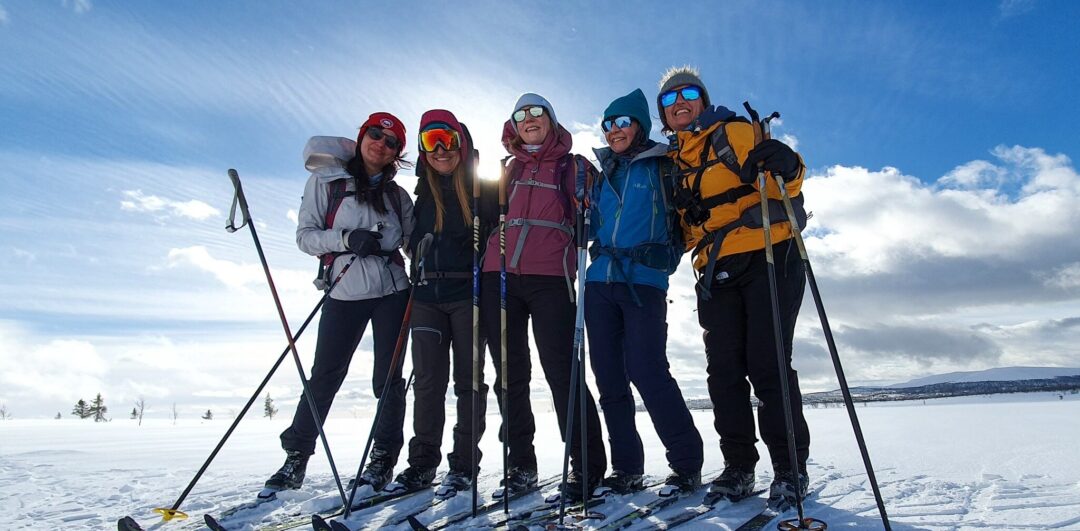
For the far north at its most extreme, our Svalbard Snowmobiling Adventure takes you across frozen Arctic wilderness and into glacier ice caves, about as far north as it’s possible to travel. If you want the winter without the full expedition, the Multi-Activity Adventure in Finland mixes snowshoeing, fat biking and cross-country skiing in Hossa National Park, with a real chance of the Northern Lights.
The dark months are shorter than you think. Don’t waste them.

Bookings Team
We are a small team of women who plan the trips, host them, answer your emails and walk, ski and paddle the routes ourselves. When a post has no single name on it, it usually means several of us had something to add.
Travel Guides
2nd July
5 Min Read
More from us