Kit & Gear

Cross Country Skiing in the Cold: A Layering Guide

30th July

5 Min Read

Share this post

Why Your Winter Coat Won’t Cut It

You’re standing at the trailhead about to set off cross-country skiing. The snow is falling, the thermometer’s reading -15°C, and unfortunately you’re second-guessing your clothing choices. We’ve all been there.

The good news? There’s a tried-and-tested layering system for cross-country skiing and once you’ve nailed it, you’ll never look back.

Despite what you might think, cross-country skiing in cold weather isn’t about wrapping yourself up like you’re heading to the North Pole. Unlike downhill skiing there’s no chair lifts for you to get cold on. Instead you’ll be constantly moving in what can feel like the world’s snowiest workout and your clothes need to keep you comfortable.

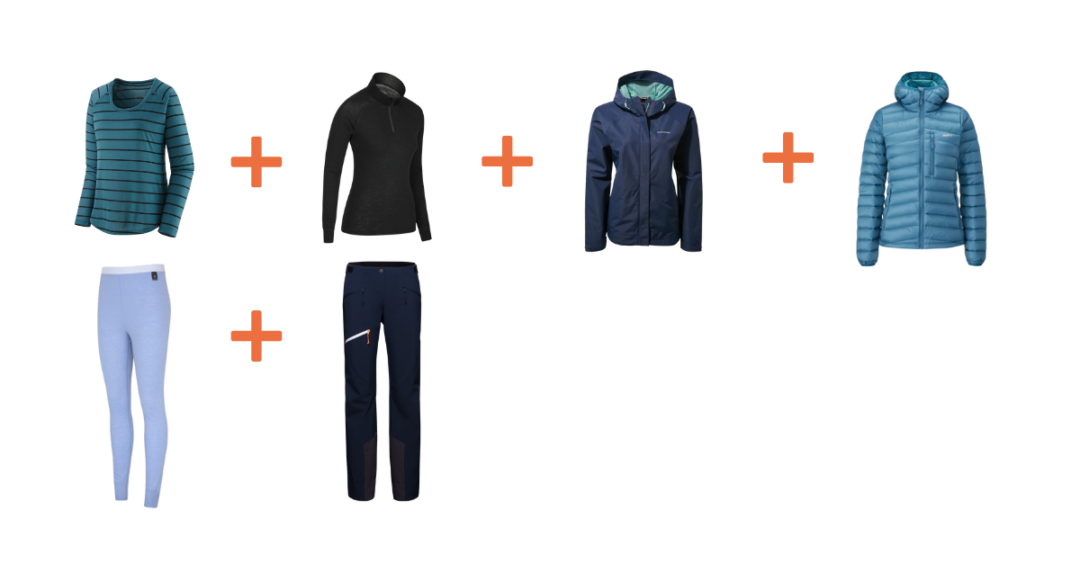
Cross-country ski layering set: women’s base top, fleece, shell jacket, puffer and base trousers.

The Four-Layer System

The three-layer system is great when you’re moving, but cross-country skiing needs a fourth consideration: your insulation layer for stops.

Base Layer: Your Foundation

This sits against your skin and has one job: to move moisture away from your body.

When you’re working hard (and you will be), cotton becomes your enemy. It holds sweat against your skin, which means you’ll be cold and clammy before you’ve covered your first kilometre.

Go for merino wool or synthetic materials instead. Merino regulates temperature naturally and won’t smell horrific after a long day on the trails. The fit should be snug without restricting your movement as you’ll need full range of motion to ski properly.

Base Layer Checklist

  • Can you move your arms freely overhead?
  • Does it feel comfortable against your skin?
  • Is it snug enough that it won’t bunch under other layers?
  • Is it merino wool or synthetic (absolutely no cotton)?


Mid Layer: Your Temperature Control

This is your insulation and your heat adjustment tool rolled into one. A lightweight fleece or softshell works perfectly because you can zip up when you’re cold and open up when you’re generating heat.

The key is “lightweight”. Resist the urge to bring your chunky winter jumper, despite what the thermometer is saying. Full-zip options beat pullovers because you can fine-tune your temperature on the move without stopping to wrestle layers over your head.

Mid Layer Checklist

  • Can you zip/unzip it while wearing gloves?
  • Does it layer smoothly over your base without bunching?
  • Is it light enough to tie around your waist or fit in a daypack when not needed?
  • Does it have a full zip for easy temperature adjustment?

Outer Shell: Your Weather Insurance

A lightweight, breathable wind and waterproof shell that packs away when you don’t need it. This isn’t about maximum protection, it’s about having options when the weather changes its mind. Many experienced skiers skip this entirely on clear days, but it’s worth having in your pack.

Look for pit zips or ventilation options as you’ll need them when working hard in variable conditions.

Shell Layer Checklist

  •  Does it breathe well during activity?
  • Can you pack it small when not wearing it?
  • Do the pit zips work smoothly for ventilation?
  • Is it light enough that you don’t mind carrying it?

Insulation Layer: Your Break Insurance

When you stop moving, your core temperature drops quickly. This means your mid-layer won’t cut it during a 30-minute lunch break in -10°C conditions.

A lightweight down or synthetic puffy jacket that packs small is essential for any trip longer than a few hours. You’ll throw this on the moment you stop for breaks, then pack it away when you start moving again.

Insulation Layer Checklist

  • Is it warm enough to keep you comfortable when stationary?
  • Does it pack small enough to carry in your pack?
  • Can you put it on quickly when you stop?
  • Does it fit over your other layers without being restrictive?
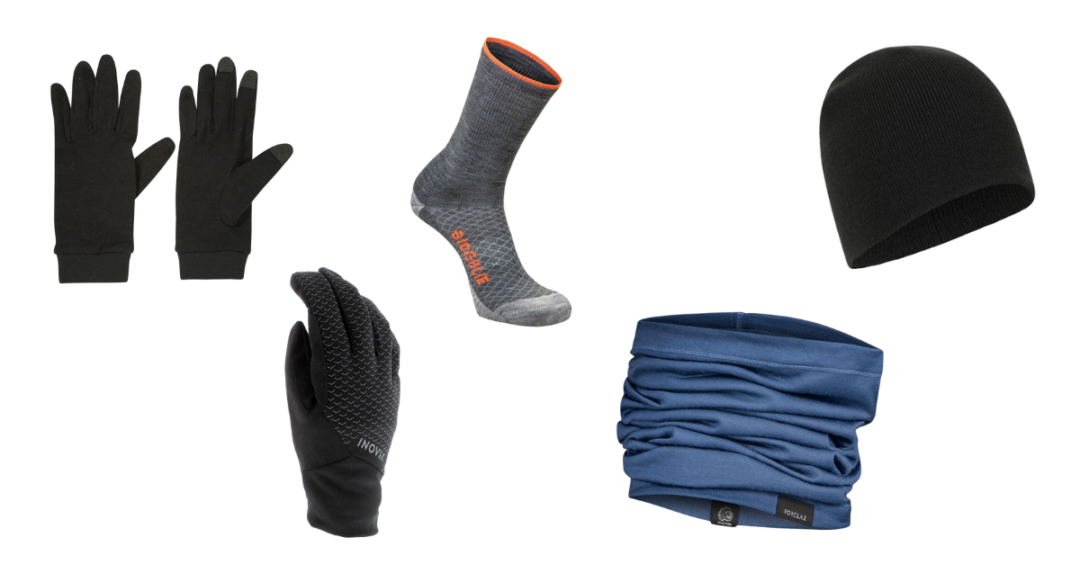
Cross-country skiing winter layering set: black gloves, grey socks, black beanie and blue neck warmer

Your Extremities Need A Strategy Too

Hands: The Two-Glove System

Thin liner gloves under lightweight ski gloves or mittens give you flexibility. Working hard? Just the liners might do. Cold snap or lunch break? Add the outer gloves. Bulky winter gloves are useless when you need to grip poles and adjust kit.

The liner gloves should be thin enough that you can operate zips and equipment, while the outer gloves provide wind protection and extra warmth without destroying your dexterity.

Glove System Checklist

  • Can you grip your poles securely with both pairs of gloves on?
  • Do the outer gloves fit over the liners without being tight?
  • Can you operate zips and adjust gear with the liners on?
  • Do both pairs pack away easily when not needed?

Feet: Less Is More

Here’s where people get it wrong: thick socks. Your feet work hard in cross country skiing, so they generate heat. One pair of thin merino wool socks prevent blisters and manage moisture. Multiple pairs or thick hiking socks just create hot spots and don’t fit well in ski boots.

Think of your socks as a base layer for your feet, the same principles apply. Moisture management beats thickness every time.

Sock Checklist

  • Do they fit smoothly in your ski boots without bunching?
  • Are there any wrinkles or pressure points?
  • Do they come up high enough to prevent chafing from boot cuffs?
  • Are they thin merino wool or synthetic (no cotton, no thick hiking socks)?


Head and Neck: Adjustable Comfort

A lightweight beanie and thin neck warmer that you can adjust or remove as needed are a necessity on any cold weather trip. You’ll likely ditch the beanie once you’re warmed up, so choose something that packs small and won’t get in your way. If things get really cold consider a second thin buff that you can wear under your beanie to keep your ears warm too.

Your head is a major heat regulator, so use it strategically. Too hot? Remove the beanie. Cold wind? Add the neck protection and roll up the buff.

Head and Neck Checklist

  • Can you easily remove/replace the neck warmer and beanie while moving?
  • Do they pack away without taking up much space?
  • Are they light enough that you don’t mind carrying them?
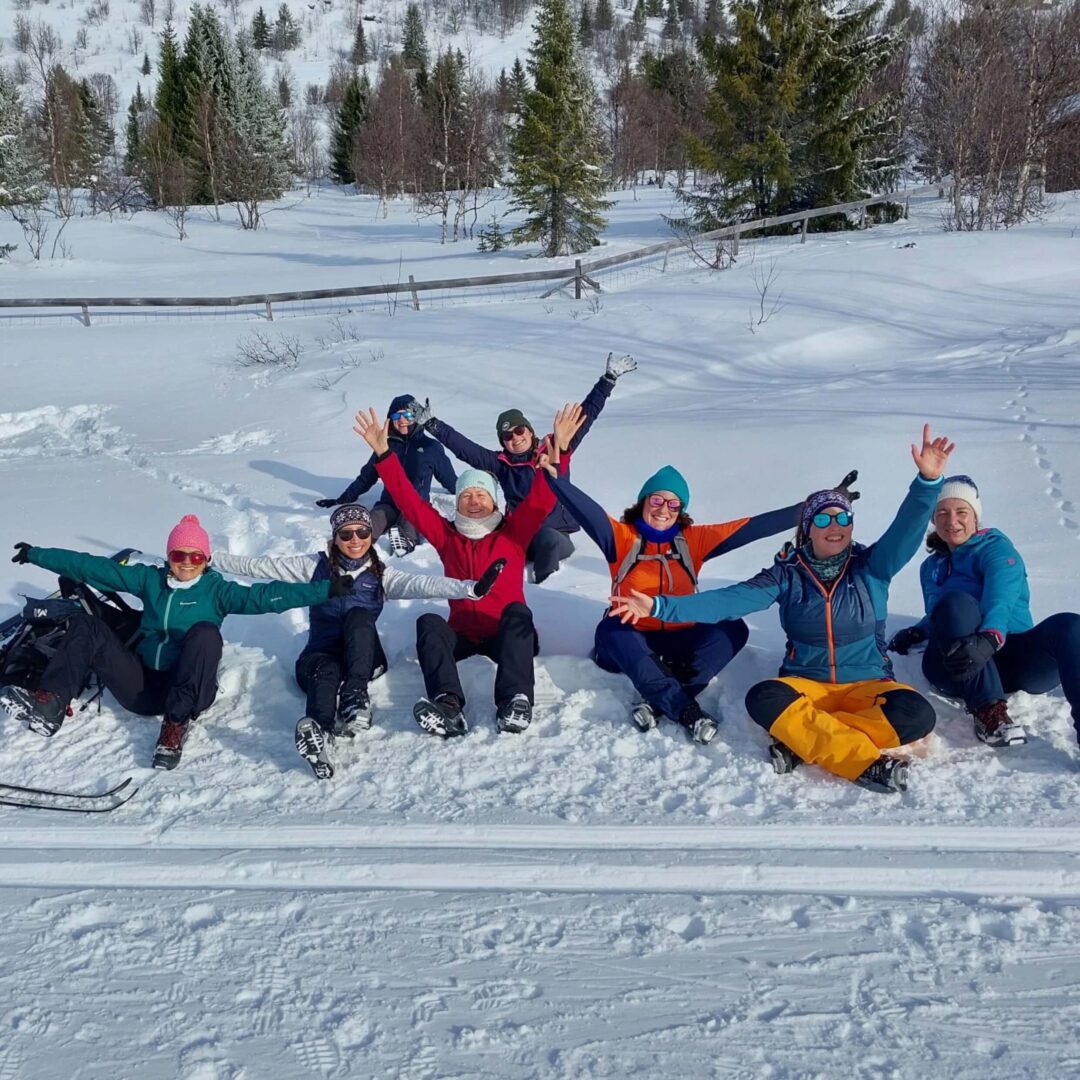
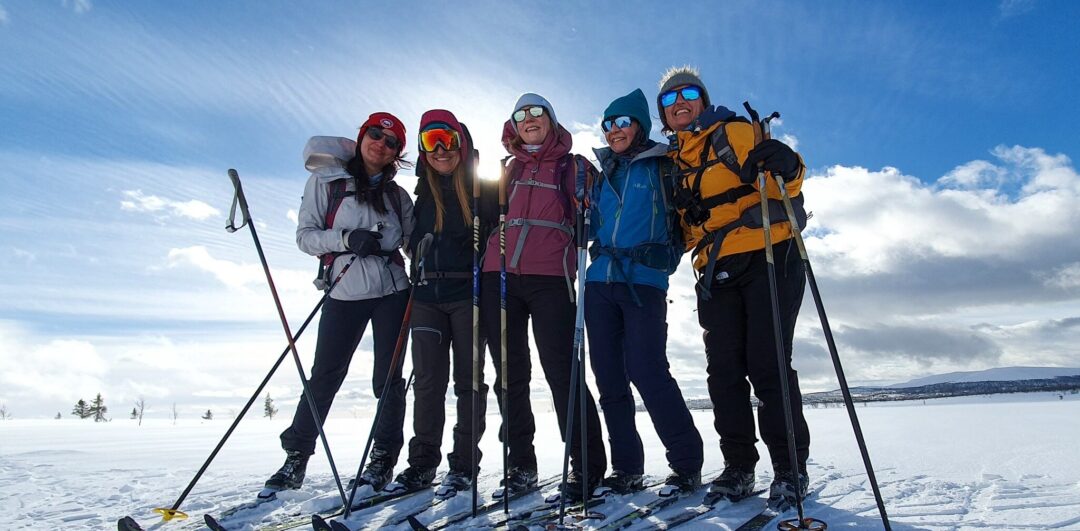
Women cross-country skiing in snowy woodland, smiling with arms raised on a winter trail

Ready to Get Out There?

Getting your layering system sorted is like learning to read snow conditions – once you’ve got it figured out, it becomes second nature.

Don’t let cold weather keep you off the trails either. Some of the best cross country skiing happens when the temperature drops and the snow is just right. Get your layers dialled in, understand when to use each piece, and get out there. The cold isn’t something to endure, it’s something to work with.

Bookings Team

We are a small team of women who plan the trips, host them, answer your emails and walk, ski and paddle the routes ourselves. When a post has no single name on it, it usually means several of us had something to add.

Kit & Gear

30th July

5 Min Read