Travel Guides
Finland’s Daytime Northern Lights: Nacreous Clouds
17th July
5 Min Read

Latest blog post articles
Upcoming
Types of Skiing Explained: Alpine, Nordic, Touring & SkateTravel Guides
17th July
5 Min Read
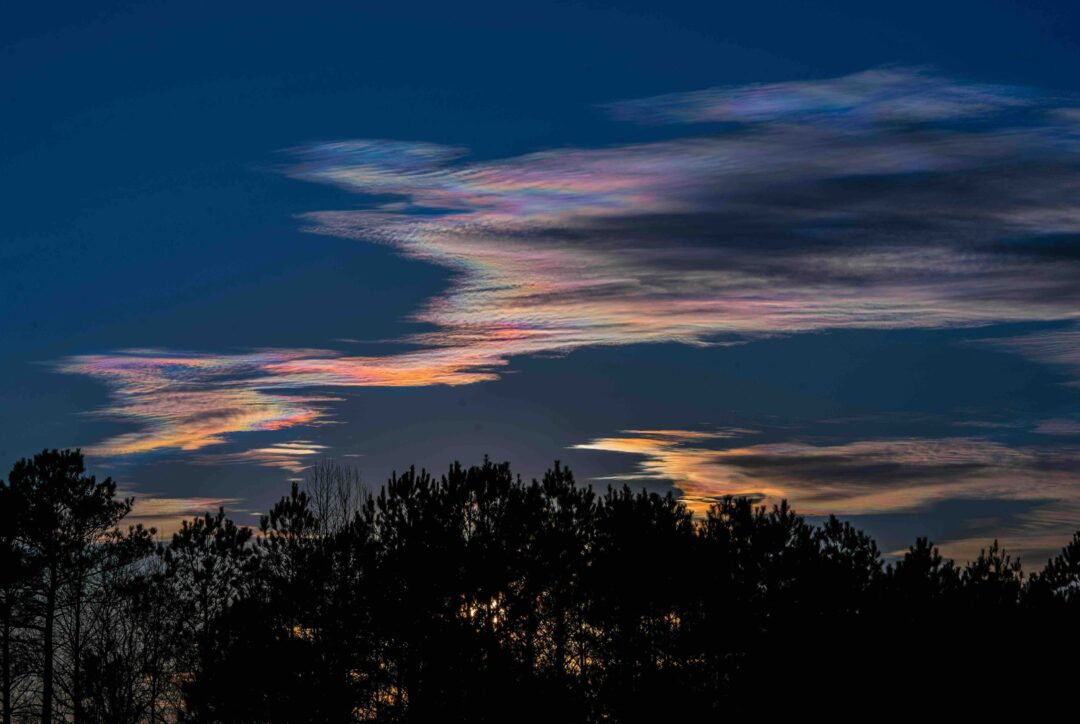
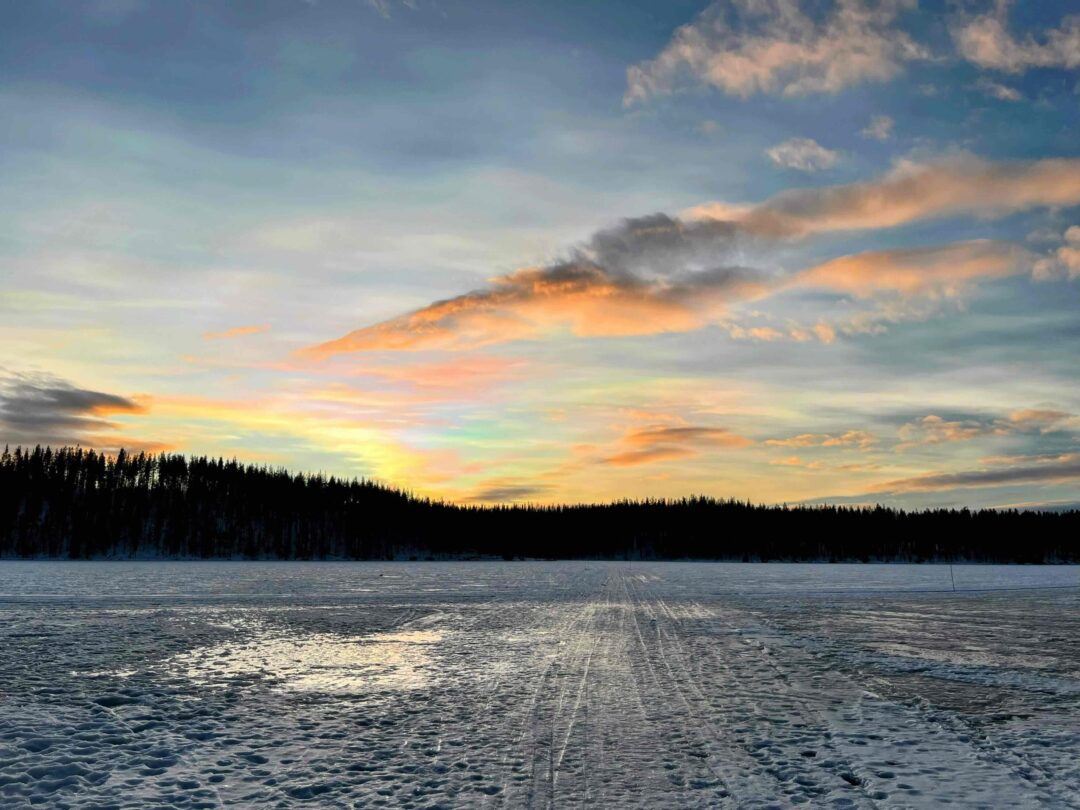
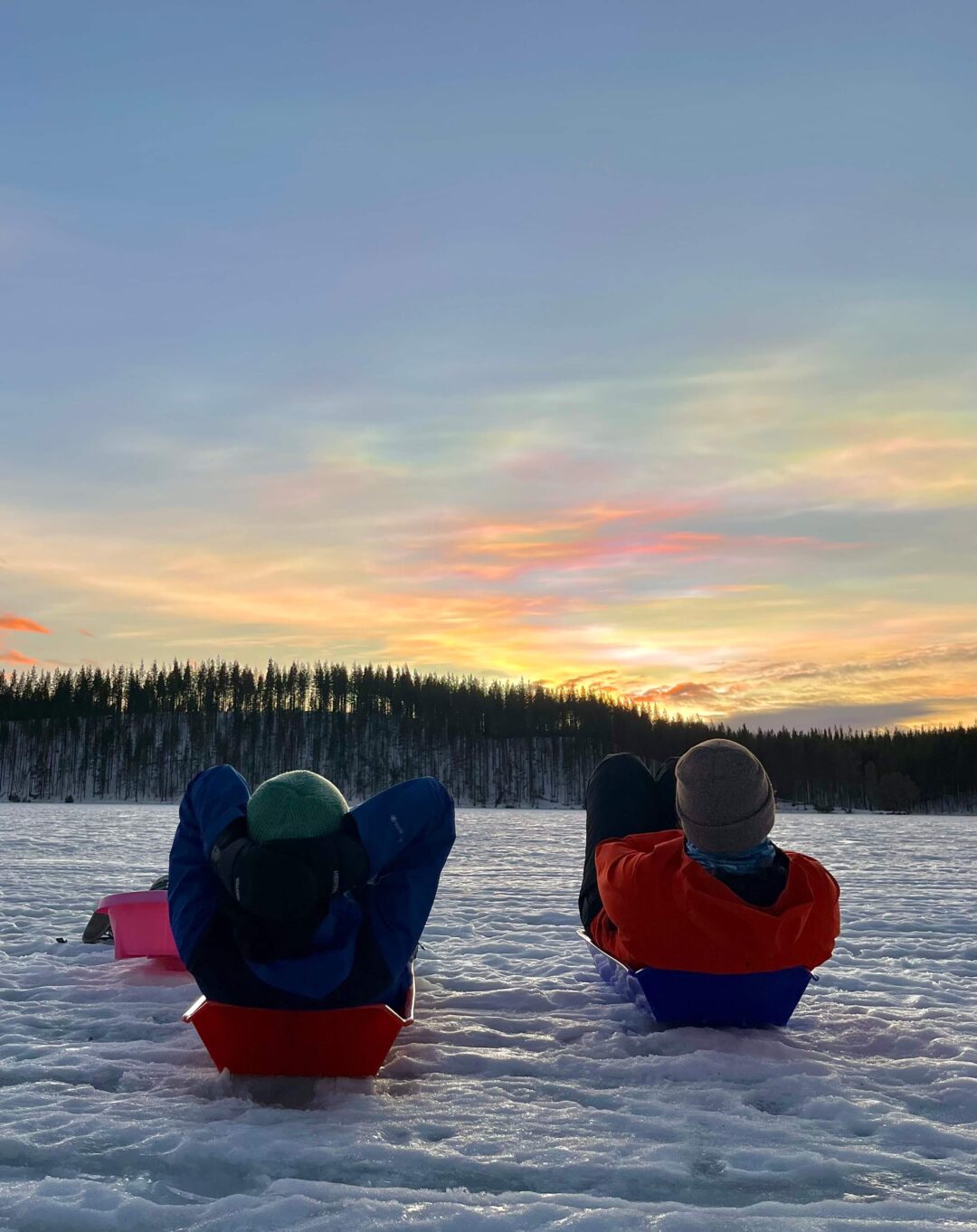
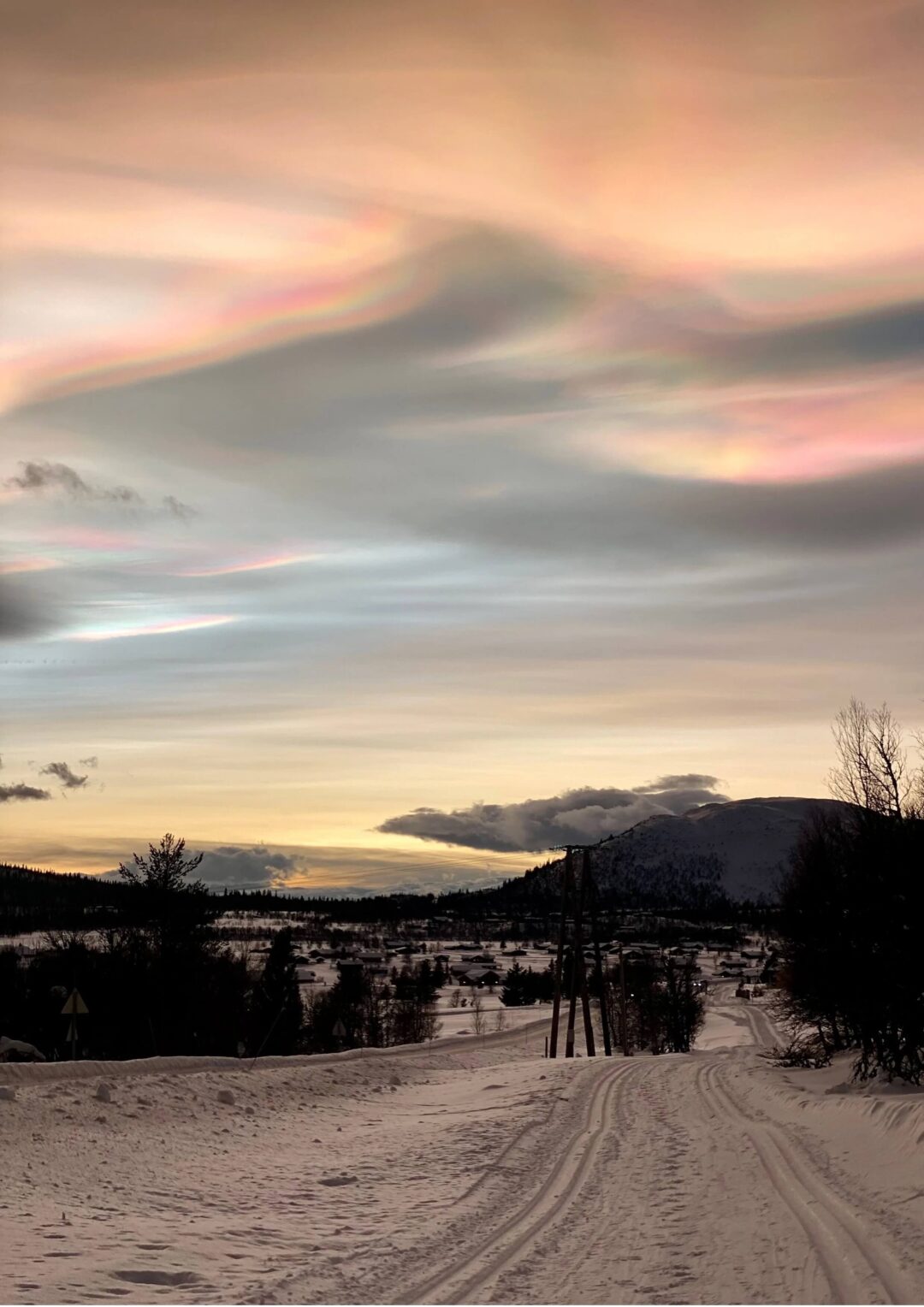
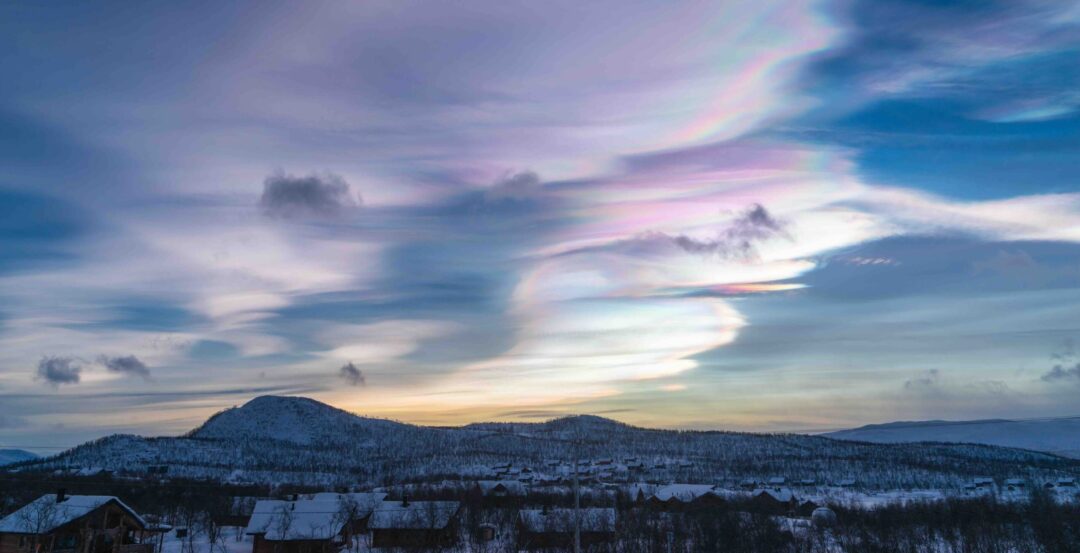
You’re standing in a Finnish forest at 2pm, surrounded by snow that squeaks under your boots with each step. Your breath creates instant clouds in the -25°C air, and you’ve been snowshoeing since dawn. Above you, the sky suddenly erupts in colours that shouldn’t exist in daylight – electric pinks, greens, and blues swirling across cloud formations like someone switched on the Northern Lights during the day.
Welcome to nacreous clouds, a polar sky phenomenon that most Northern Lights chasers don’t know exists.
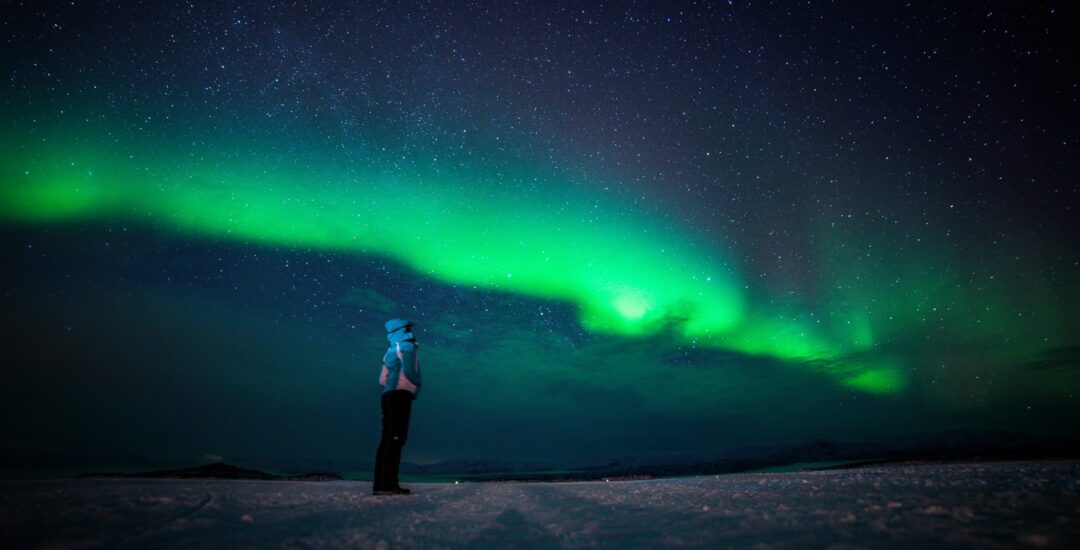
While you’re planning evening aurora watching sessions, polar regions like Finnish Lapland, northern Norway, Iceland, and Arctic Canada are putting on a completely different light show during those brief winter daylight hours. Same vivid colours, same remote locations, but happening when most people are focused on outdoor activities rather than sky watching.
If you’re planning to invest time and money travelling to the polar wilderness for the Northern Lights, don’t miss half the show by only looking up after dark.
Most Northern Lights guides focus on nighttime viewing spots and evening photography techniques. What they don’t mention is that some of the most spectacular sky displays happen during the day when you’re already outdoors doing the activities you came for.
I’ve talked to people who spent a week in Finnish Lapland focused entirely on evening aurora hunting, completely unaware that nacreous clouds appeared for three consecutive afternoons during their stay. They missed phenomena potentially rarer than the Northern Lights they came to see.
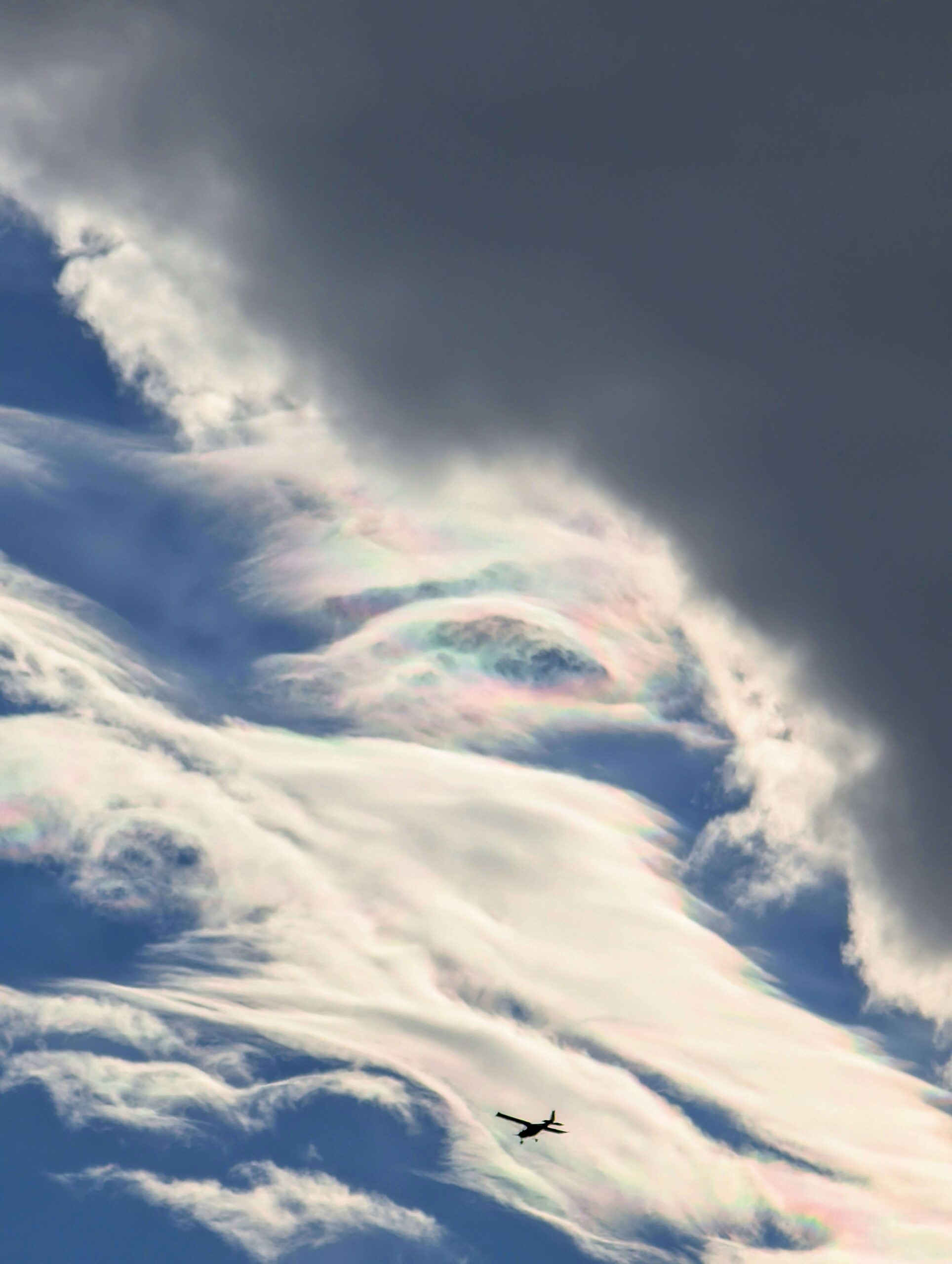
Nacreous clouds form 15-25 kilometres up in the stratosphere, requiring temperatures below -78°C to develop. Sometimes called ‘mother-of-pearl clouds’, they catch sunlight from below the horizon during brief twilight periods, creating the same visual impact as the Northern Lights but forming across the sky in broad daylight.
Finnish Lapland (Kakslauttanen, Inari-Saariselkä) You’re probably already familiar with these areas for Northern Lights viewing. However, during daylight hours, you’re also in prime nacreous cloud territory.
Northern Norway (Tromsø, Lofoten) Remote enough for excellent aurora viewing, wild enough for the clear skies needed for nacreous cloud spotting. Perfect for people planning serious wilderness adventures.
Iceland’s Interior The elevation and latitude here create ideal conditions for both phenomena. If you’re planning multi-day wilderness adventures here, just make sure to keep your eyes on the sky.
If you’re planning multi-day wilderness expeditions, such as hut-to-hut skiing, remote camping, or extended snowshoe treks, being aware of nacreous clouds adds extra depth to the entire experience.
You’ll already be in remote locations with a lack of light pollution and much clearer skies, and spending extended time outdoors during daylight hours. Understanding nacreous clouds simply maximises the sky phenomena opportunities during adventures you’re already planning.
Just like with the Northern Lights, the challenge is in their unpredictability. However, if you look up, the payoff of waiting is worth it. Catching nacreous clouds during a polar wilderness adventure feels like discovering something most travellers never experience.
Understanding nacreous clouds means you’re not just waiting around for evening aurora sessions, but getting potential sky shows throughout your entire trip.
Ready to experience the complete polar sky show? Our winter wilderness adventures drop you in prime territory for both Northern Lights and nacreous clouds, combining serious outdoor challenges with access to phenomena most travellers never encounter.

Bookings Team
We are a small team of women who plan the trips, host them, answer your emails and walk, ski and paddle the routes ourselves. When a post has no single name on it, it usually means several of us had something to add.
Travel Guides
17th July
5 Min Read
More from us