Kit & Gear
Why Merino Wool is Brilliant (and why we won’t shut up about it)
2nd July
5 Min Read

Latest blog post articles
Upcoming
Types of Skiing Explained: Alpine, Nordic, Touring & SkateKit & Gear
2nd July
5 Min Read
Let’s talk merino wool. You’ve probably heard us bang on about it in our packing lists, but there’s a really good reason we keep recommending it for every trip. From Norwegian fjords to Sardinian coastlines, merino wool should be your go to material!
Merino isn’t your scratchy school jumper wool. It comes from merino sheep (obviously), and the fibres are much finer; we’re talking microscopic compared to regular wool. This means no itching, no scratching, just comfort against your skin even when you’re sweating up a storm.
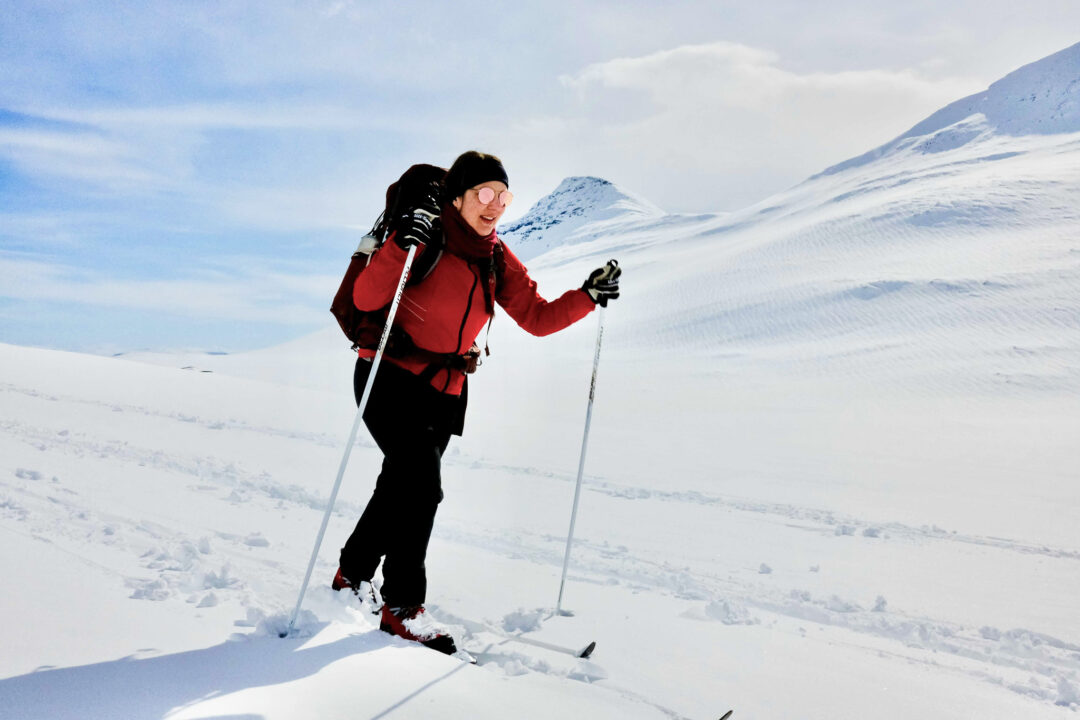
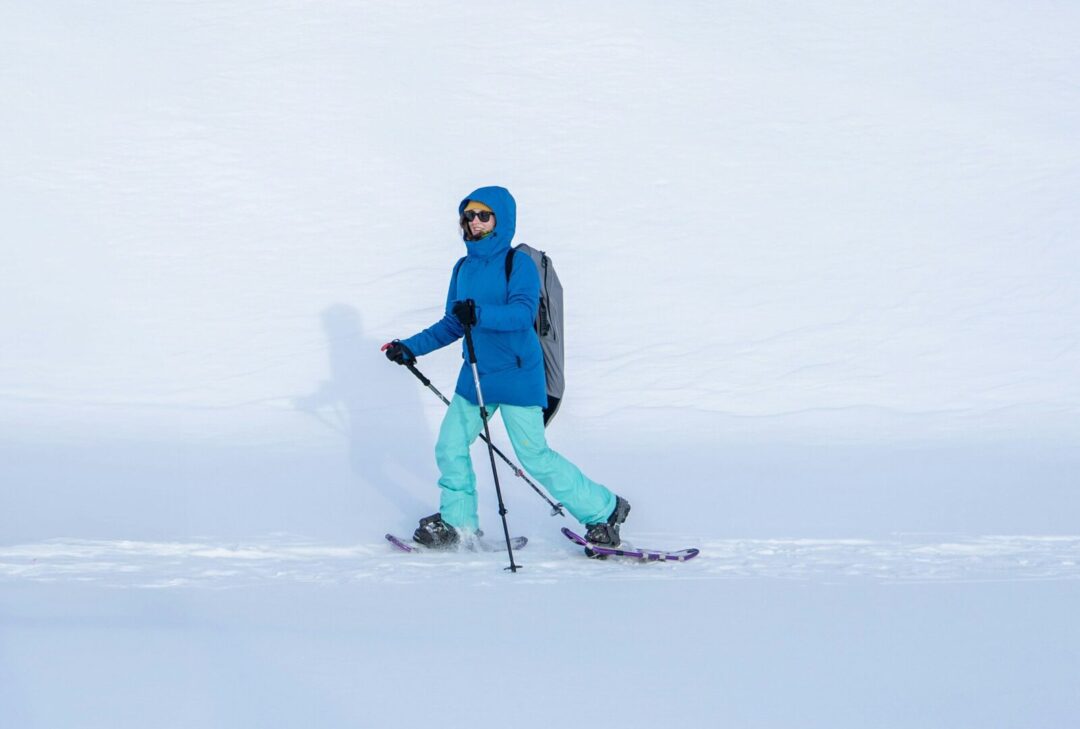
Here’s where merino gets clever. It regulates your temperature whether you’re heating up or cooling down. Working hard on an active day in Mediterranean sun? The fibres wick sweat away from your skin and let air flow through. Snowshoeing at dawn in the Finnish winter? The wool traps warm air close to your body.
It’s like having a personal thermostat built into your clothes.
This is the big one. You can wear the same merino base layer for days without it getting grim. The natural properties of the wool resist bacteria build-up, which is what causes that lovely post-hike/post-ski aroma.
This means you can pack lighter as you don’t need clean clothes every single day. More space in your bag plus less laundry stress equals more time focusing on whether you can actually make it up that hill.
Had the full experience of a Norwegian downpour? Your merino layer will dry faster than cotton or synthetic fabrics. Even when it’s damp, it still insulates and doesn’t feel cold and clammy against your skin.
If you feel it needs a quick rinse in the sink, it also dries quickly. Perfect for when you’re moving between accommodation and don’t have time to do laundry.
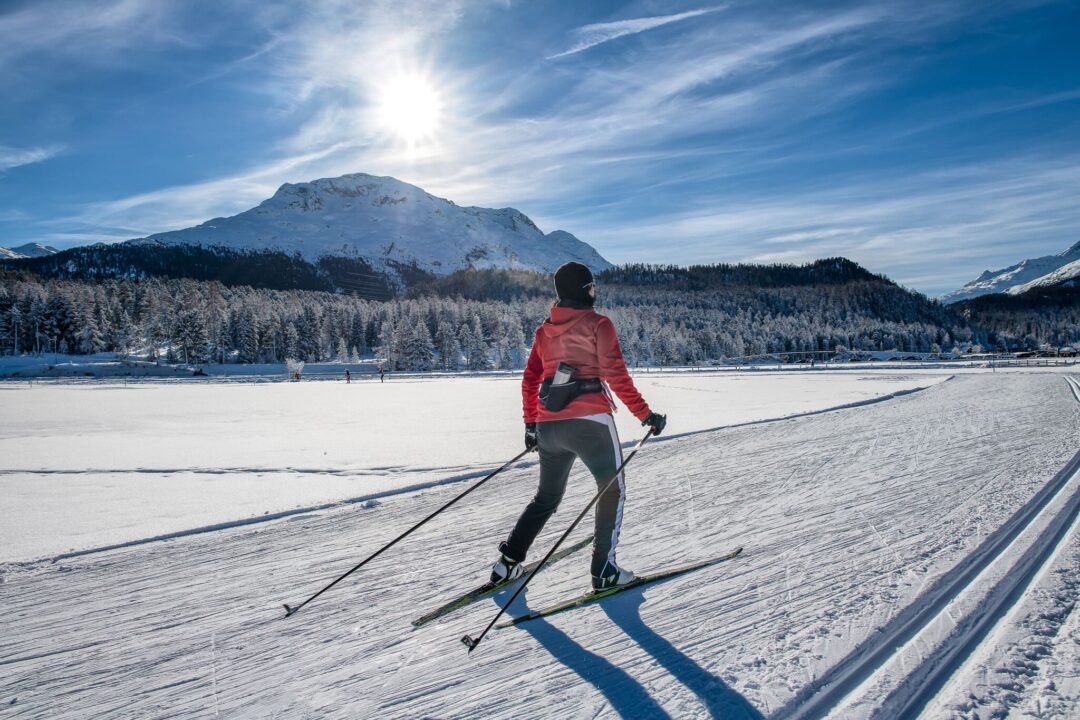
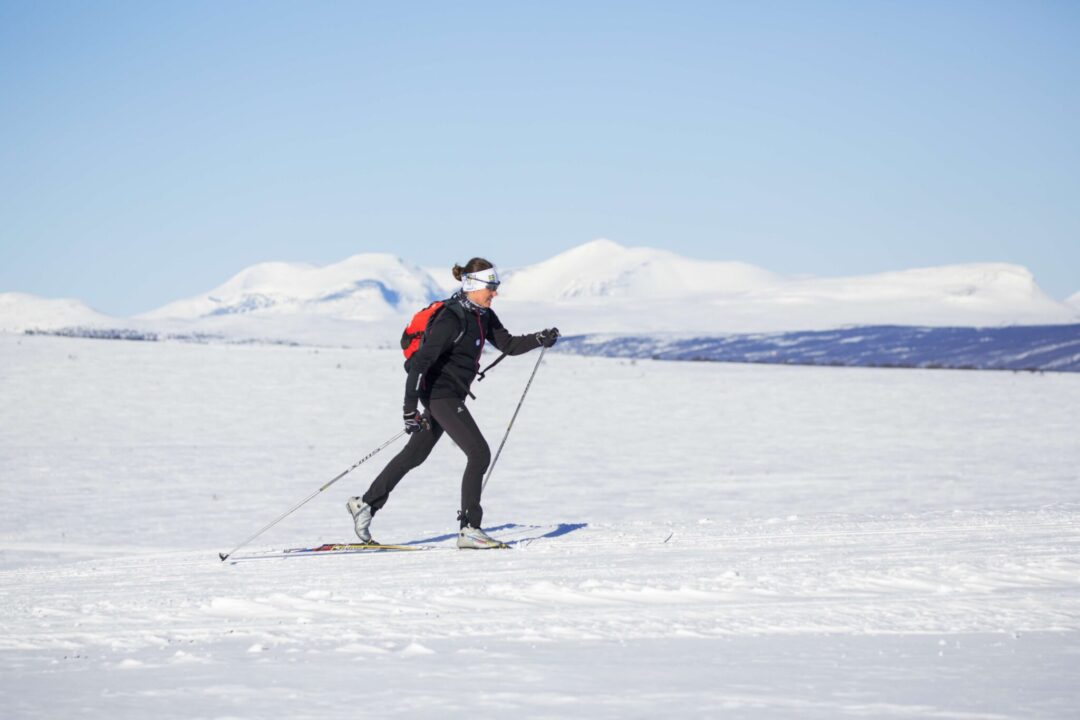
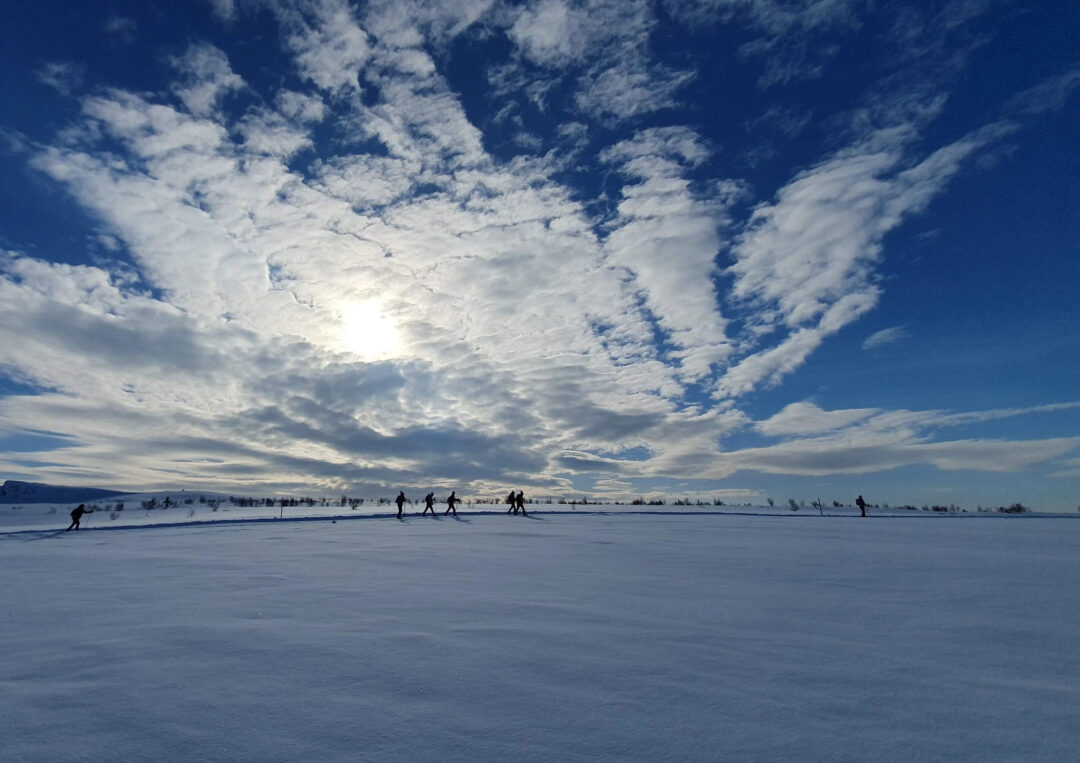
We’ve put merino through every scenario our trips can throw at it. Summer adventures in Mediterranean heat, cross-country skiing in Lapland when it’s -20°C, multi-day treks in Slovenia carrying everything you need. It performs.
Yes, it’s more expensive upfront than a basic synthetic base layer, but the extra cost will feel like money well spent when you’re comfortable all day. And not worrying about smelling like a gym bag – priceless! Also don’t forget to check out the sales. You may not get exactly the colour you want, but you may be able to bag a bargain.
For our trips, you want merino base layers – tops and bottoms. Look for 100% merino or merino blends with a small percentage of synthetic for durability. Brands like Kari Traa, Icebreaker and Minus33 all do good versions.
Skip the thick, chunky merino jumpers for active and warm days. You want lightweight or mid-weight base layers that work with your other layers.
The colder it gets, the thicker the merino needs to be, but for many activities layers are still more important than one super chunky knit jumper.
And here’s the thing – once you’ve tried good merino wool on an active trip, you’ll wonder how you ever managed without it. Your future self, three days into a trek and still comfortable in the same base layer, will thank you.
Trust us on this one.

Bookings Team
We are a small team of women who plan the trips, host them, answer your emails and walk, ski and paddle the routes ourselves. When a post has no single name on it, it usually means several of us had something to add.
Kit & Gear
2nd July
5 Min Read
More from us