Trip Guide

Trip Guide: Snowshoe Ski and Kayak Adventure in Lofoten

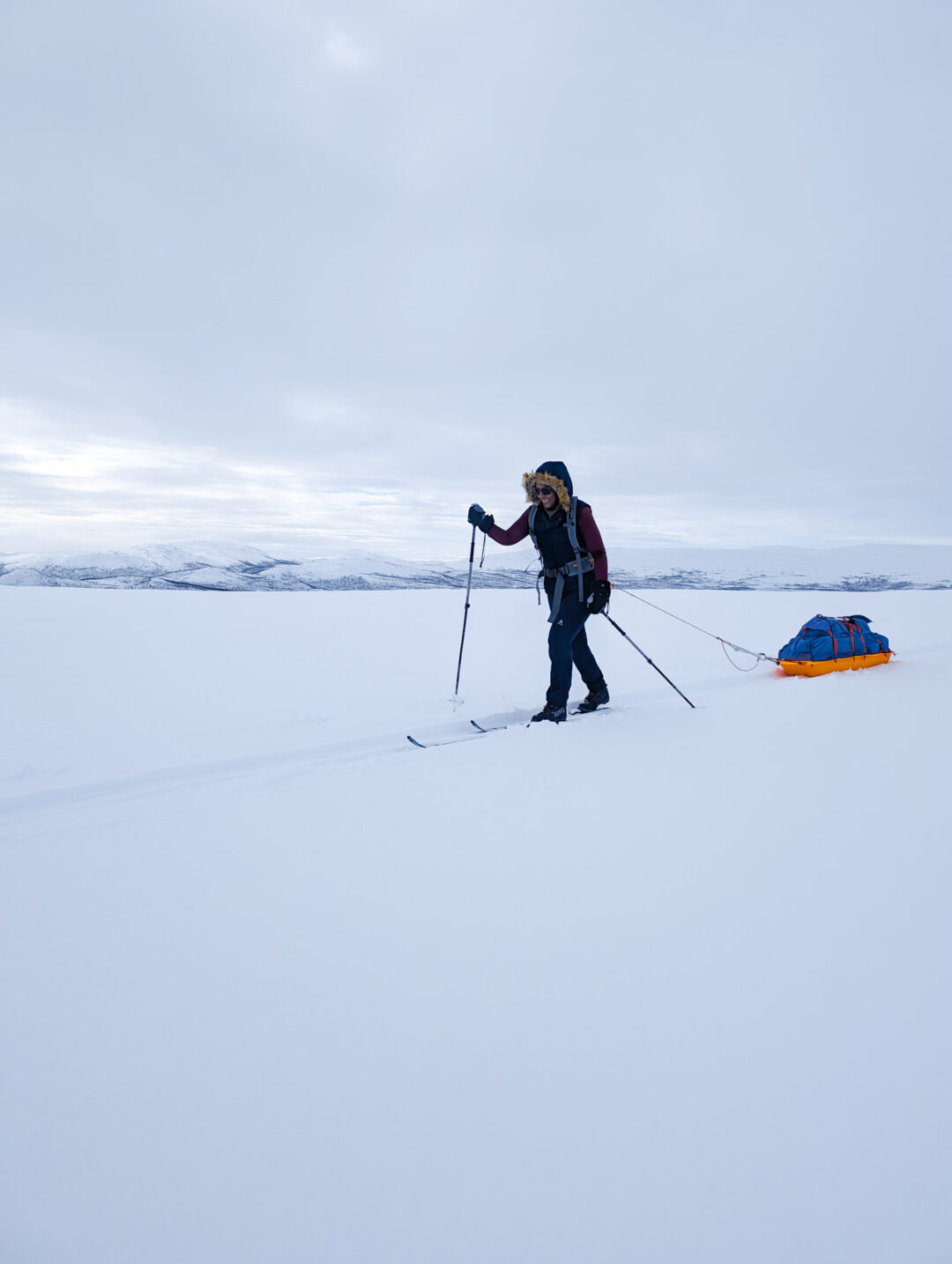
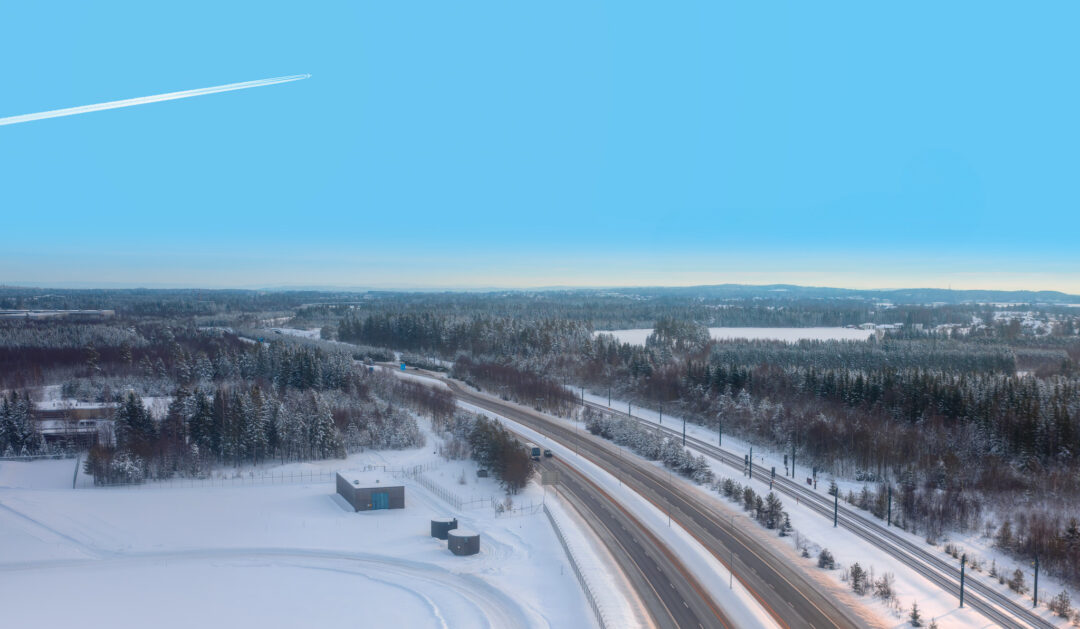
Six days in the Arctic, snowshoeing, kayaking, horse riding, wildlife watching and cross-country skiing against mountains that drop straight into the sea. This guide gets you prepared for Lofoten in winter: freezing temperatures, frozen fjords, and the kind of landscape that makes you stop mid-stride. Here’s what you actually need to know.

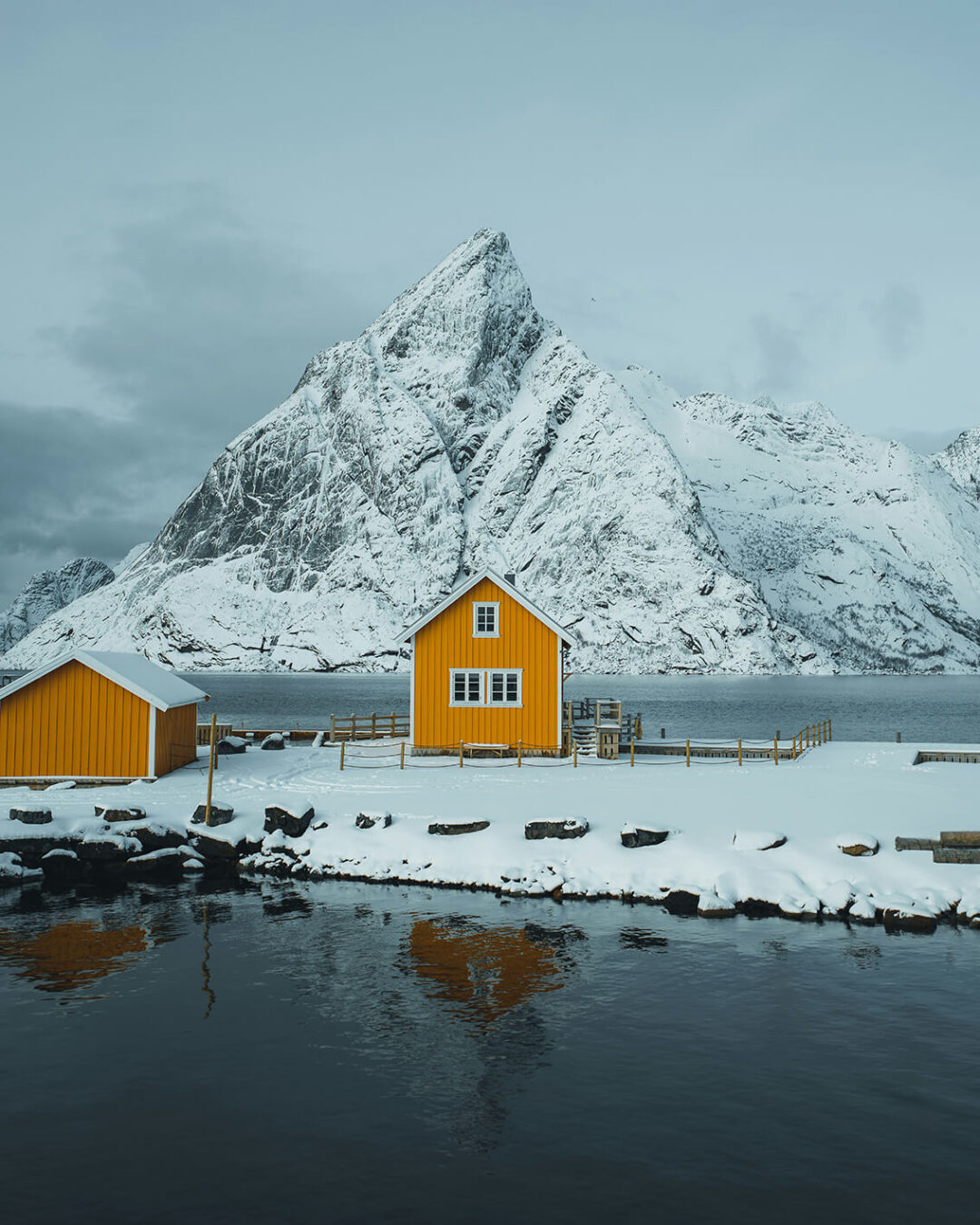
Snow-covered yellow fishing cabins by the fjord with steep mountains in Lofoten, Norway
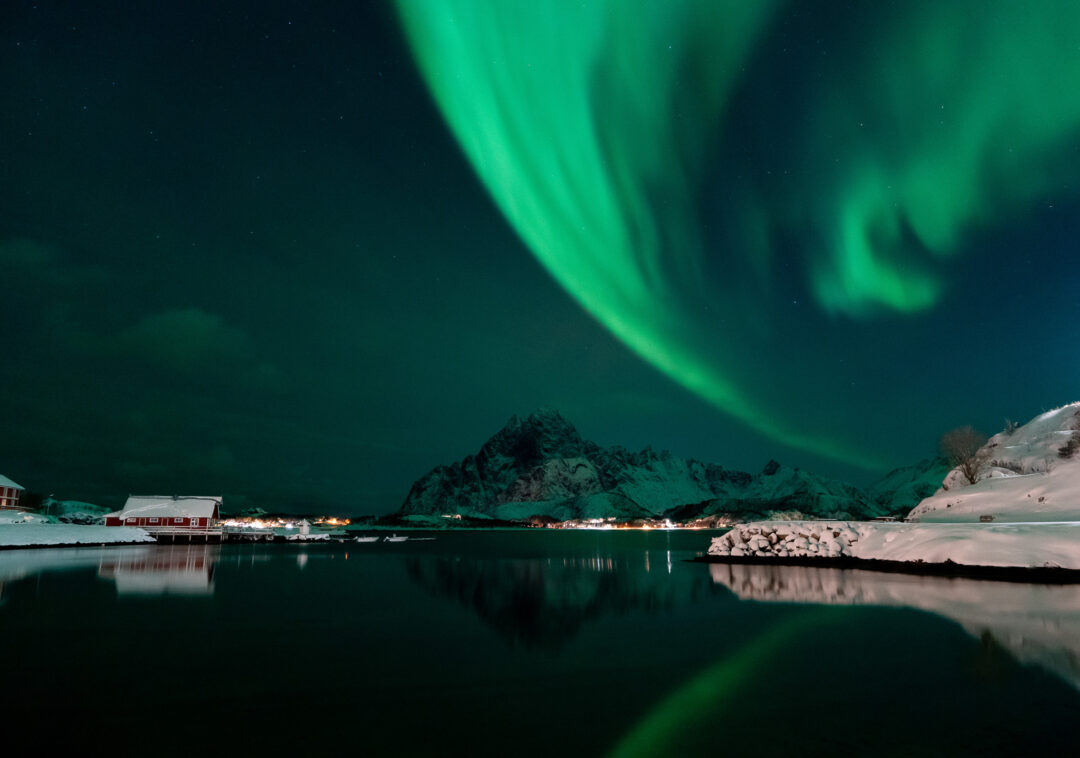
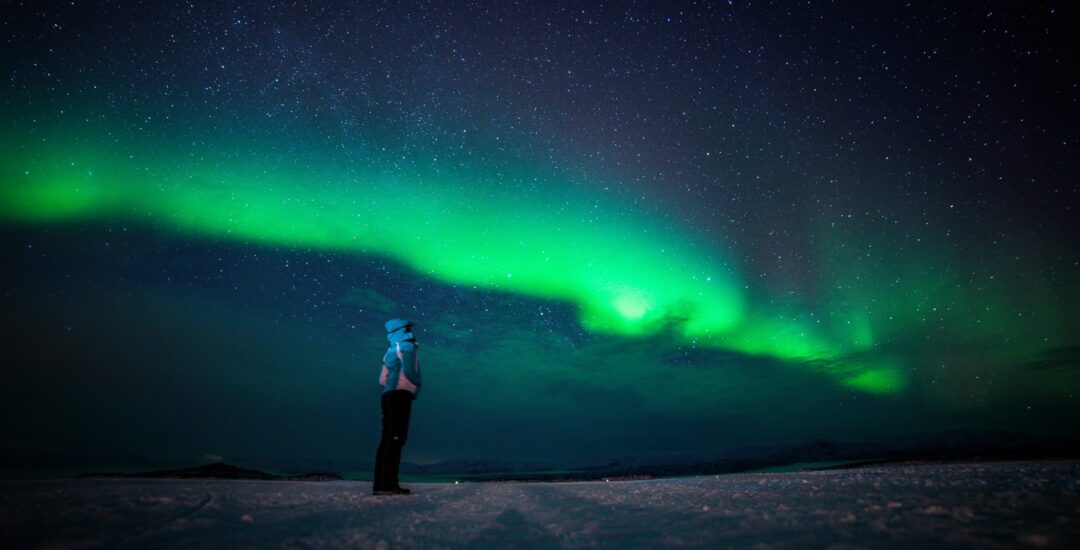
Northern lights over a snowy Lofoten village by the water at night

Getting There

Getting to Lofoten takes effort, but that’s part of what makes it special. Fly into Evenes Airport (EVE), then it’s around a 2 hour 30 minute transfer with your other Gutsy Girls through Norwegian winter landscapes to reach our hotel on the edge of the Arctic Ocean.

We provide group transfers on arrival and departure days. You can book any flights that align with our transfer schedule.

Can I arrange a private transfer if my flights don't match?

Private transfers cost around 7000kr (approximately £500). There’s also a public bus twice daily for 500-600kr (£38-£45). Find timetables at entur.no or vy.no/en.

What if I need to arrive or depart on different days?

As we want to ensure everyone gets to know the others on the trip and has all the necessary safety briefings, you can only join a trip on the start date, not any later.

We don’t encourage guests from leaving early so as to not miss out, although if you do have to go then you’ll need to arrange your own transfers. We can’t adjust the group transfer schedule for individual bookings.

Can I share transport costs with other guests?

We’ll connect you with others on the trip via WhatsApp before departure, so you may be able to arrange to travel together if schedules align.

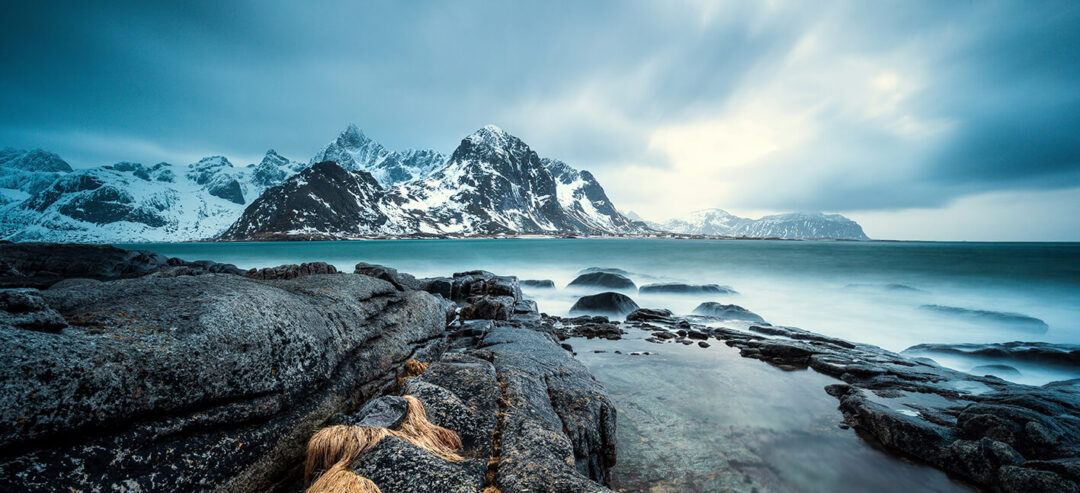
Snowy rocky coastline in Lofoten, Norway, with winter sea and mountain peaks under a cloudy sky.

Fitness & Skill Level

This trip is rated moderate. You’ll be active every day, trying new activities and using muscles you didn’t know you had. You’ll also be dealing with Lofoten’s winter conditions so mental readiness matters as much as physical fitness.

No experience with kayaking, snowshoeing, cross-country skiing, or horse riding? Not a problem, this trip is aimed at beginners and our expert guides will teach you how to get started.

    • Snowshoeing through frozen landscapes
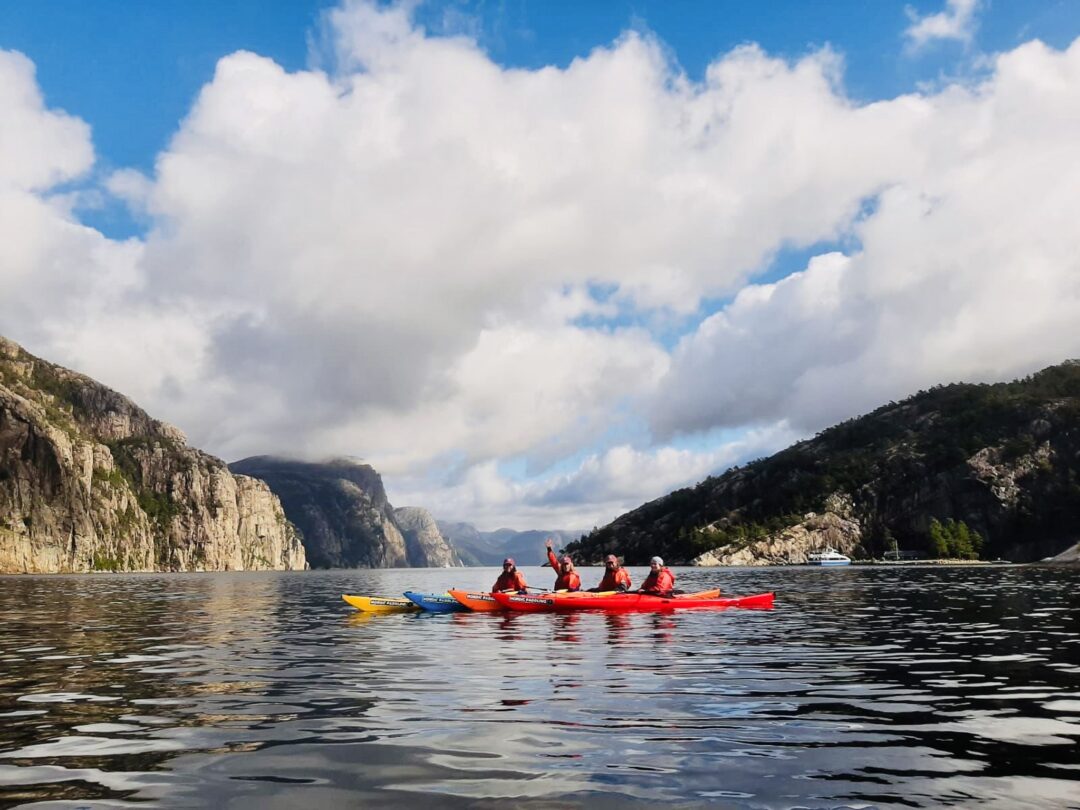
    • Sea kayaking around the islands
    • Horse riding on mountain trails
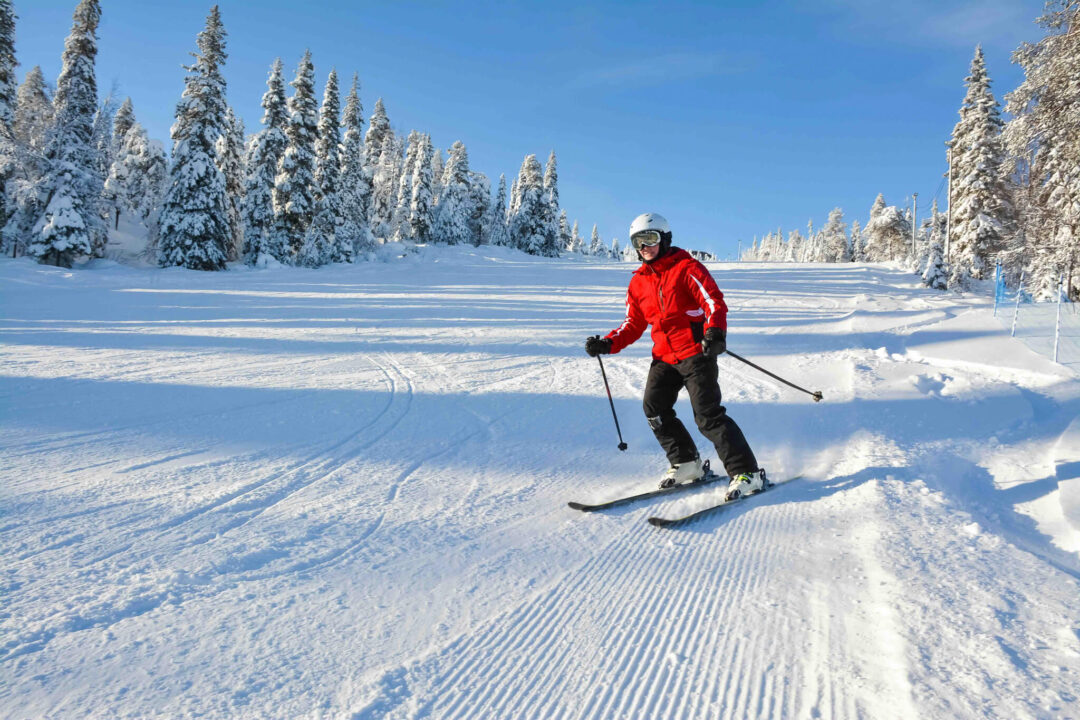
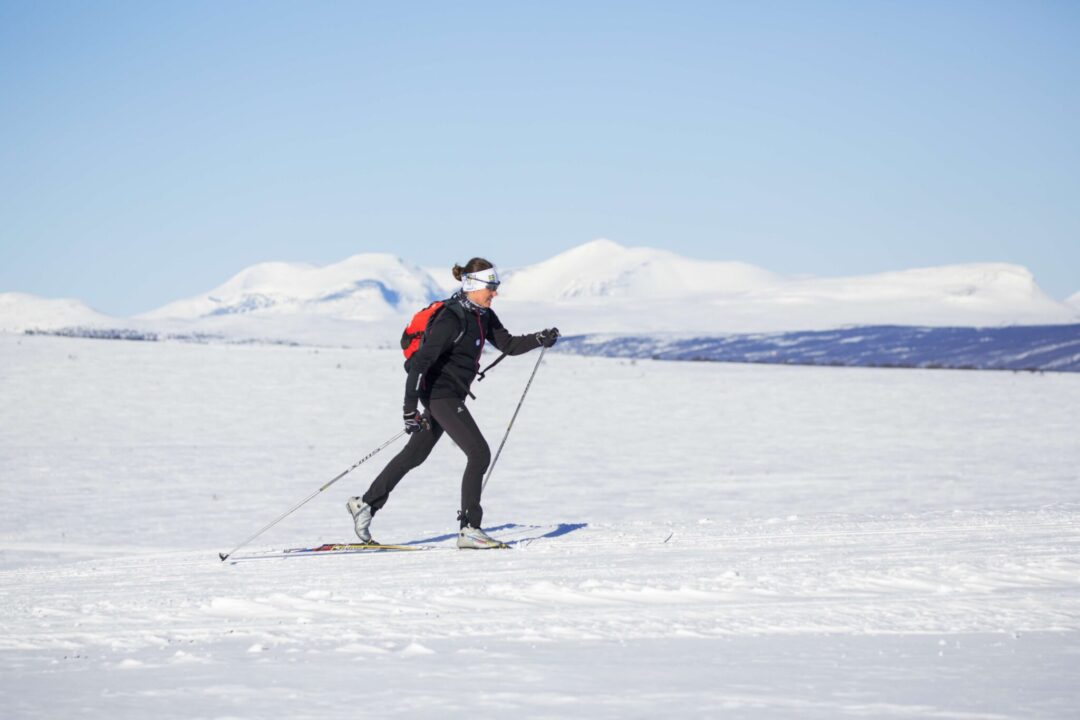
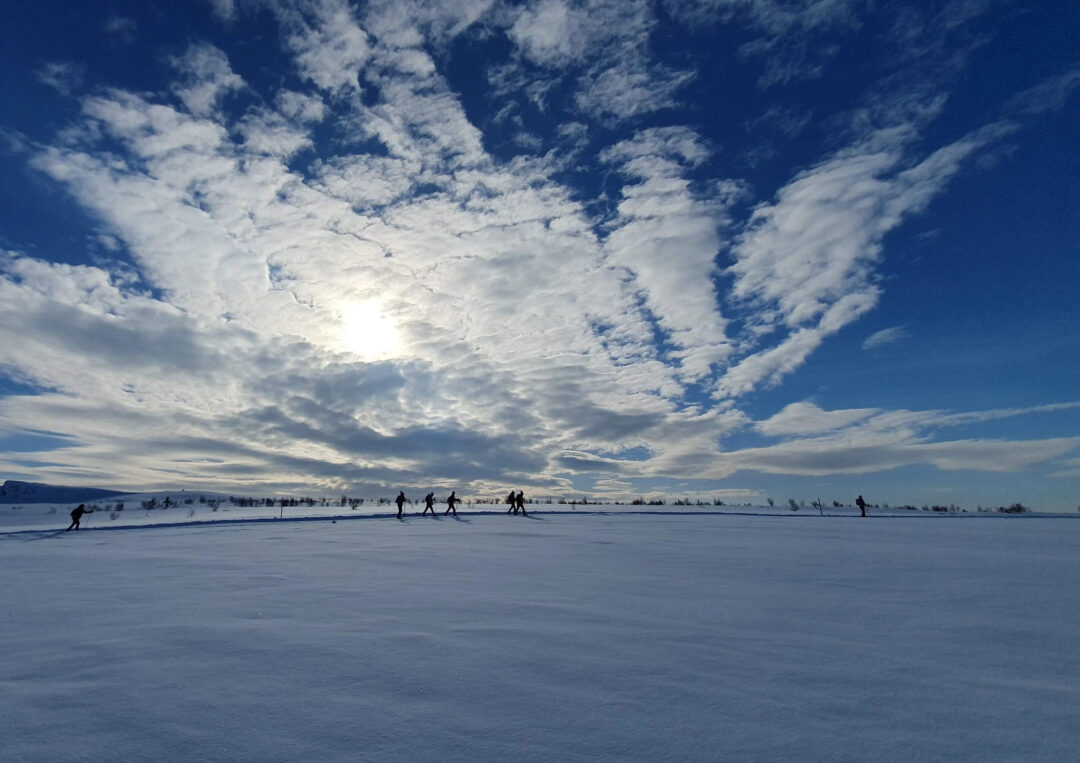
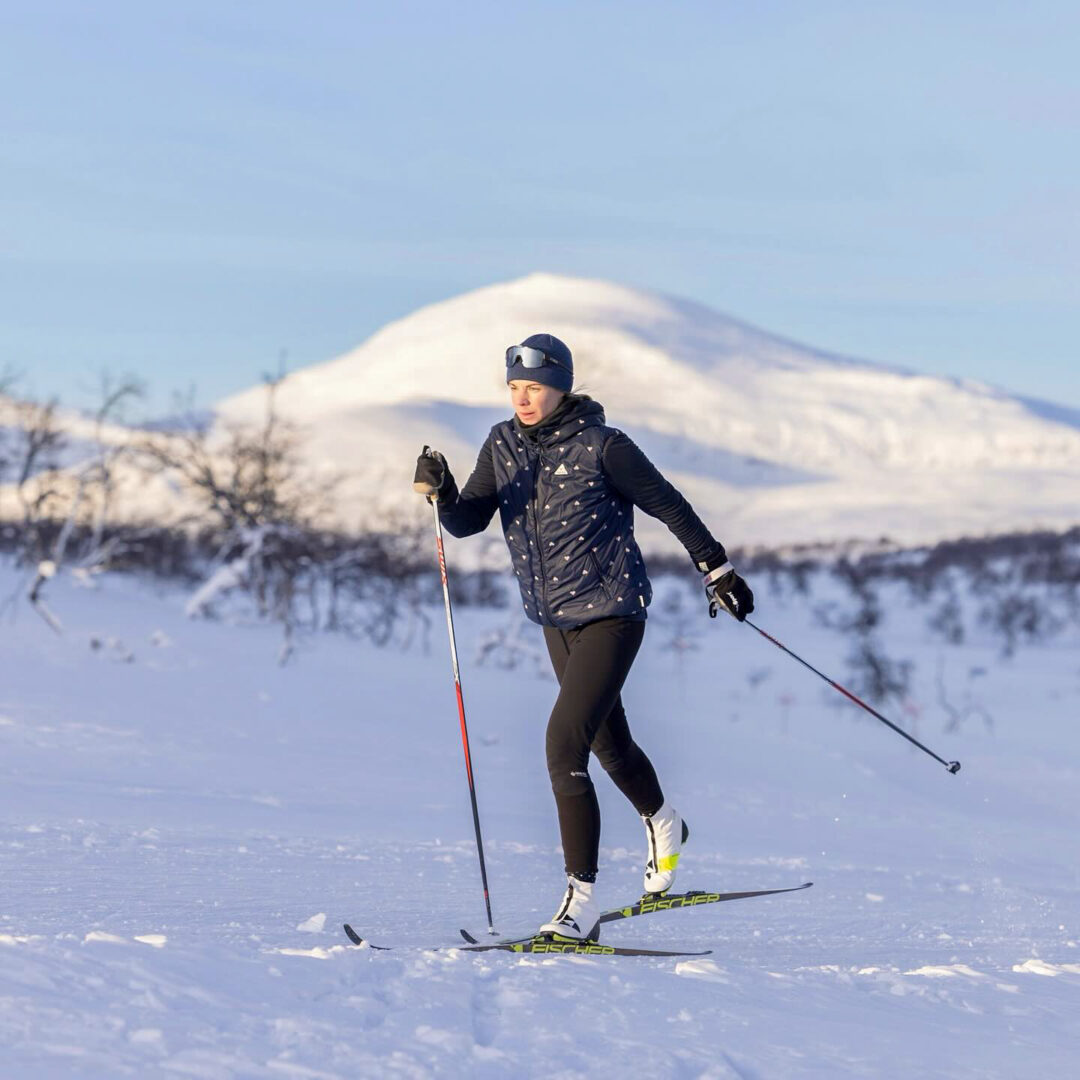
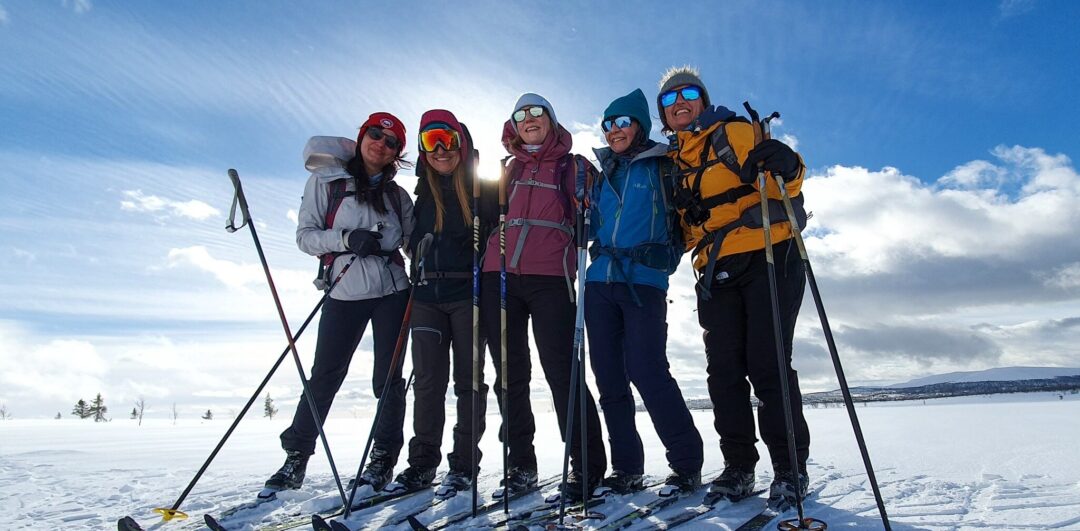
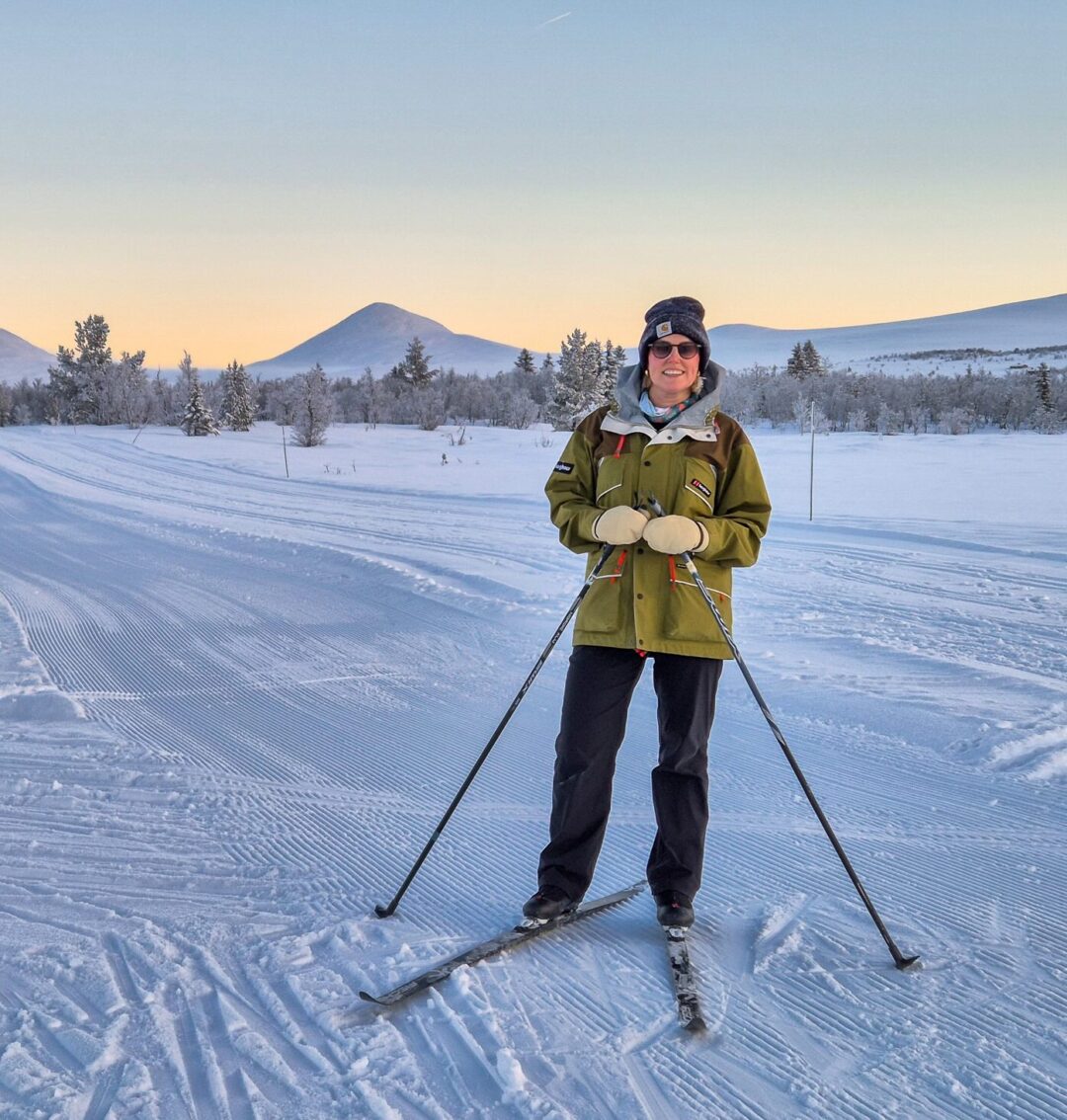
    • Cross-country skiing through Arctic terrain
    • Sea eagle safari around the coastline
    • Multiple yoga sessions
    • Spa sessions for recovery

Fitness Requirements

If you run, cycle, hike, or do anything that gets your heart rate up regularly, you’ll manage fine. If that’s not you yet, give yourself at least six to eight weeks to build up. Aim for two or three sessions a week: brisk walks, hikes, cycling, swimming, anything that gets you moving for a sustained stretch. Adding some hills or stairs helps, since you’ll be on your feet in varied terrain. You don’t need to be an athlete. You just need to be reasonably active, with enough of a base that the daily activity feels like fun rather than a slog.

Mental Preparation

Arctic winter is dark, cold, and requires mental resilience. You’ll spend full days outdoors in freezing conditions learning new skills. We’ll advise you on what to wear to stay warm, but if you love the cold, embrace challenge, and want to push yourself, you’ll thrive. If cold weather makes you miserable, choose a different trip.

I've never done any of these activities - will I be okay?

No experience needed. Just bring your determination and our expert guides will teach you. You need decent fitness and willingness to learn, but not prior skills.

Can I skip activities if I'm too tired?

This is a multi-activity trip with a set itinerary. Consecutive active days are part of the trip design. We want you to try everything, but if you genuinely need to sit something out, you can. We won’t be able to organise an alternative activity for you though.

How should I prepare physically?

Running, HIIT, cycling, hiking – stuff that gets your heart rate up will help prepare for this trip. It is only rated moderate, but consecutive days of activity can be a lot if you’re not used to it. Start at least 6-8 weeks before the trip if you’re not currently active.
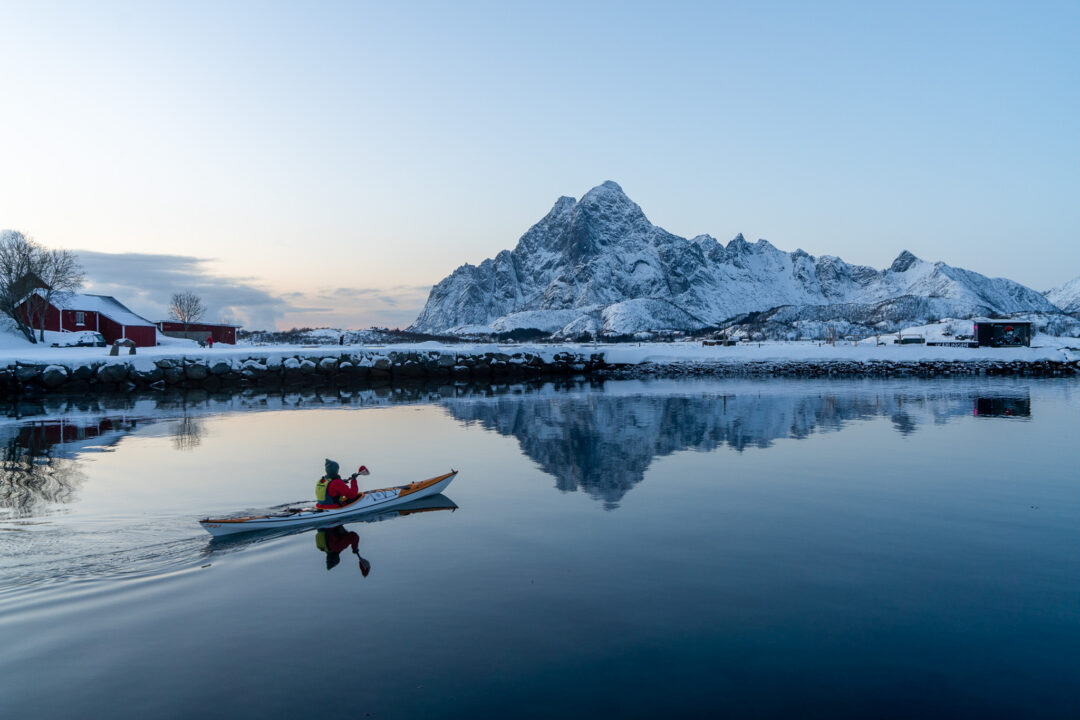
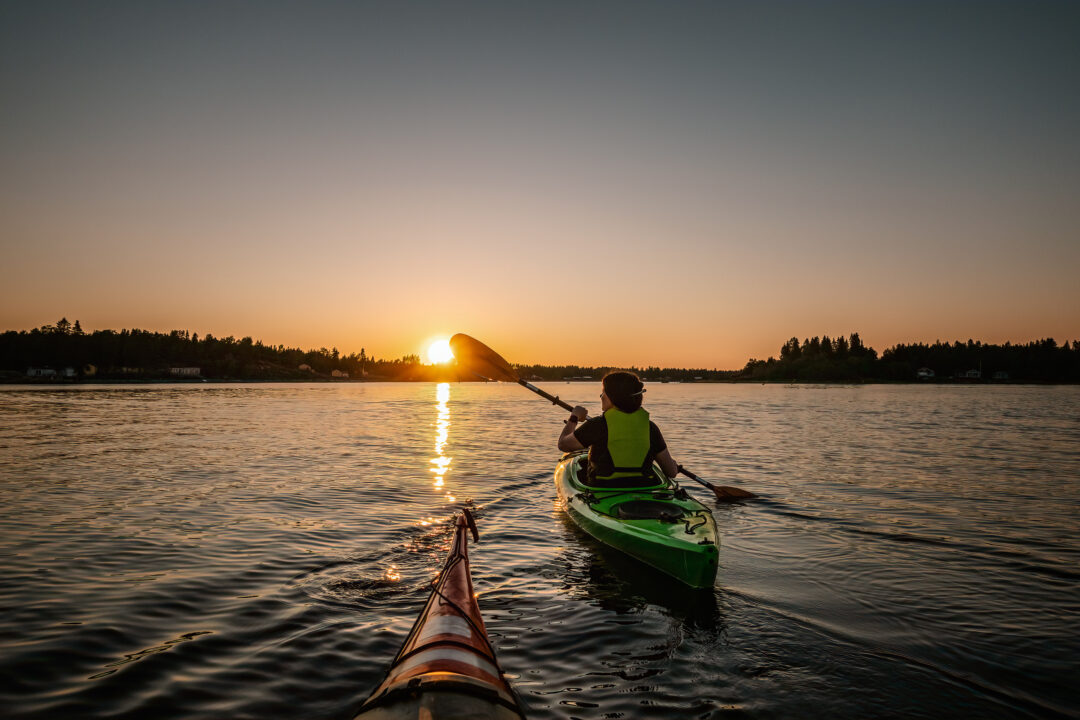
Woman kayaking on calm fjord near snowy mountains and cabins in Lofoten, Norway

Sleep & Eat

Stay in modern Norwegian hotel rooms offering cosy, comfortable accommodation after active days. There’s also a restaurant, gin bar, and a lot of grounds to walk in and explore.

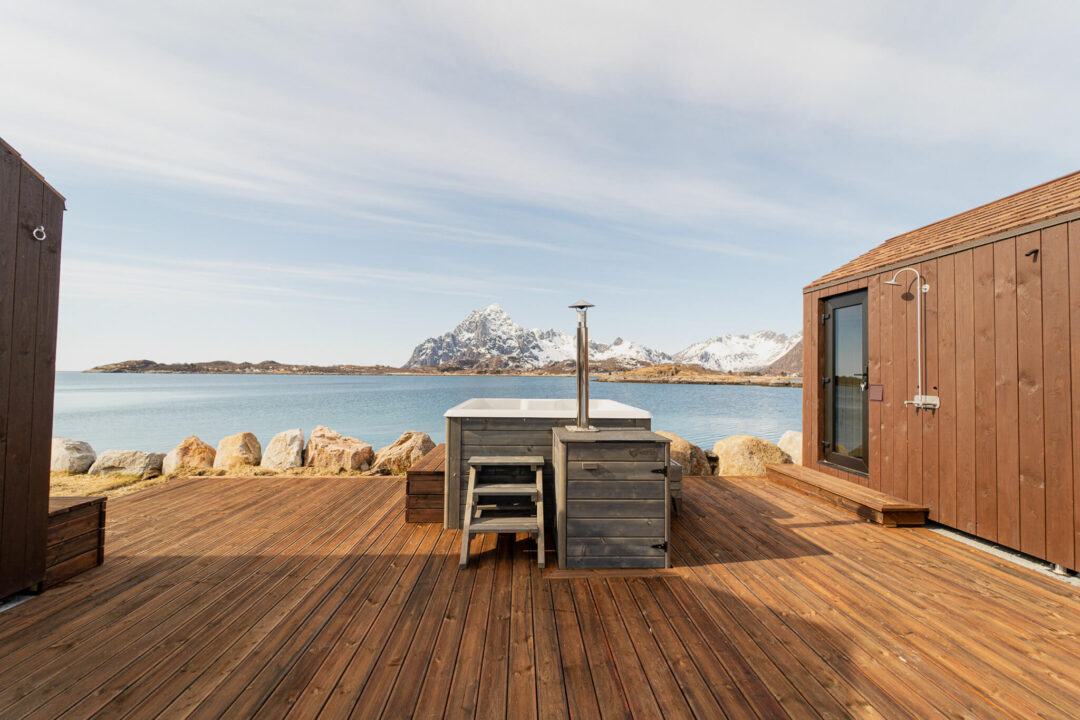
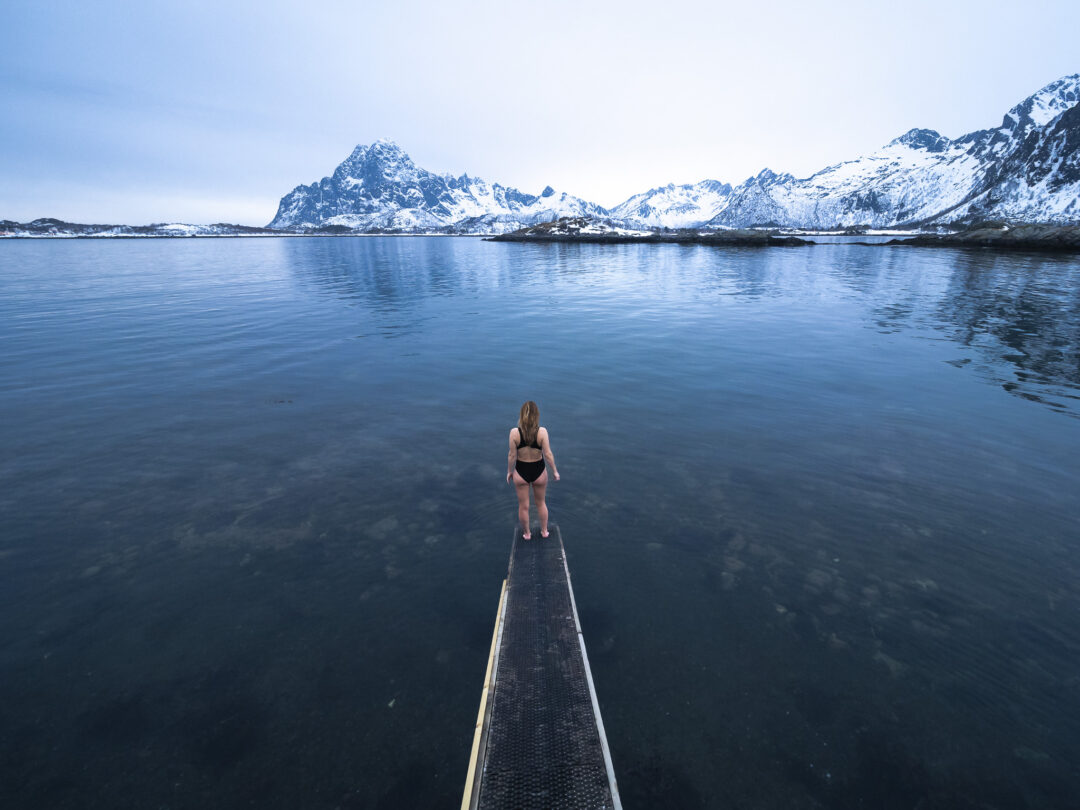
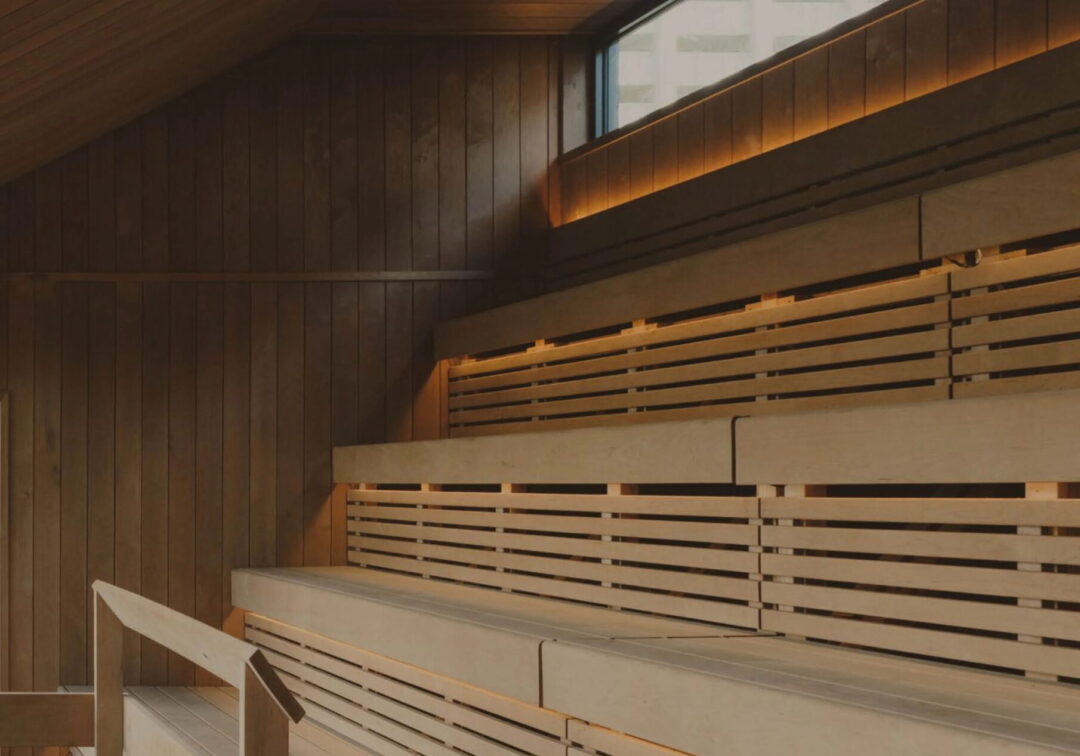
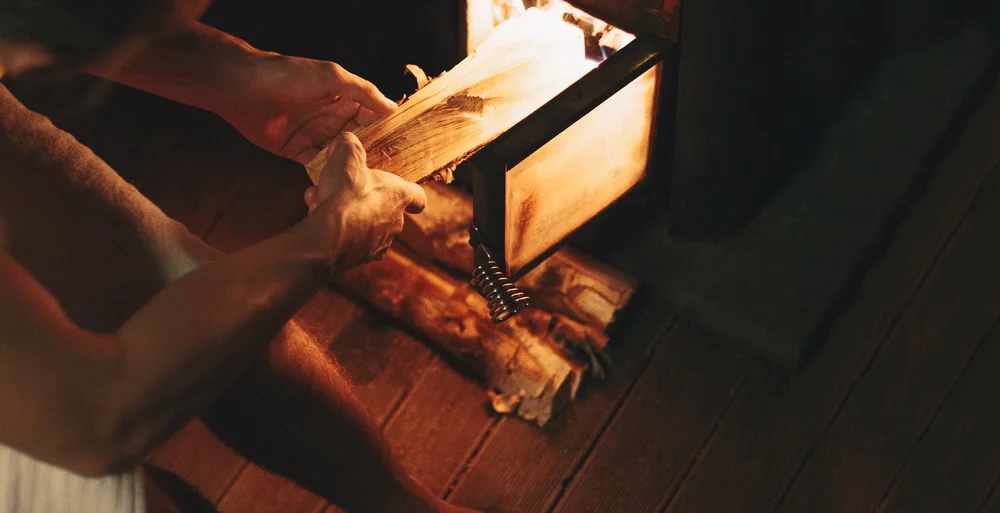
The highlight? Lofoten’s best spa facilities – sauna, hot tub, and Arctic Ocean access for evening recovery. After long days in the cold, you’ll appreciate somewhere warm to recover.

All meals are included. There’s a breakfast buffet, packed lunches for activity days, and two-course restaurant dinners. These include seasonal Norwegian dishes like reindeer, Arctic fish, and warming soups, food designed to fuel active days.

All meals from dinner on arrival through to breakfast on the last day are included. Water is also included, however other drinks are extra.

After dinner, the hotel’s gin bar has Lofoten’s biggest selection – gins from around Norway and beyond.

What are the sleeping arrangements?

Twin or private rooms are available, both with ensuite bathrooms.

Can you accommodate dietary requirements?

We cater for all dietary requirements. Always tell us in advance what you need though, as if we don’t know beforehand, we might not be able to accommodate you. If you’re still unsure, just check with our team before booking.

What's the WiFi situation?

The hotel has WiFi, though it can be patchy. Phone coverage is generally good so if you need to stay connected for work or family, you can. But disconnecting is part of the appeal.

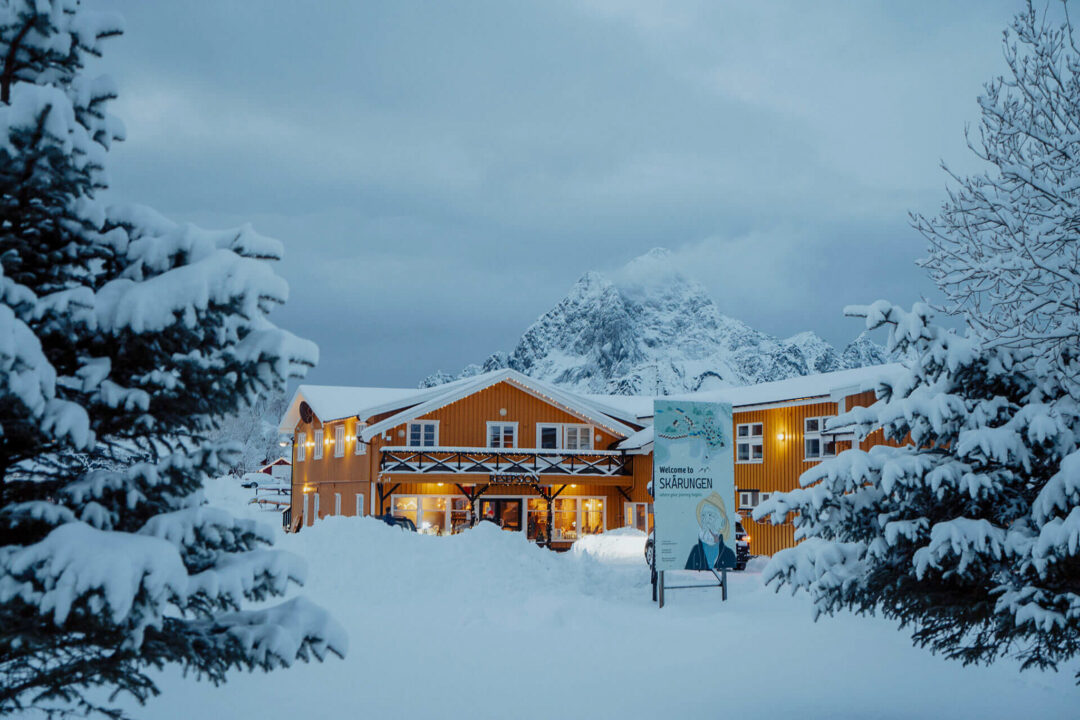
Snowy mountain lodge with warm lights and a sign in the foreground, surrounded by pine trees and deep snow

Weather

Arctic winter in Lofoten means freezing temperatures, snow cover, and short daylight hours. Weather changes fast – clear mornings can turn stormy by afternoon. Come prepared for cold, and for those crisp, clear days when the landscape shows you why you made the journey.

January and February bring Arctic conditions with temperatures around -3°C to -7°C, though it can drop lower or rise above freezing. Your eyelashes will freeze, but that’s part of the fun. Layer up and embrace it.

Despite being above the Arctic Circle, Lofoten benefits from the Gulf Stream, so it’s not as brutal as you might expect. But it’s still winter, and you’ll be spending full days outdoors.

Daylight: Around 3-5 hours in January, increasing to 6-8 hours by February. Activities are planned around daylight hours, with spa sessions and yoga filling the darker parts of the day

What to expect: Snow-covered landscapes, frozen coastlines, and dramatic mountain scenery. Clear days offer incredible visibility and photo opportunities. Stormy days mean wind and snow, but equally as epic to see.

What happens if weather stops us doing activities?

Safety first. We’ve got alternative plans lined up and our guides know how to make the most of Arctic conditions – you’re in safe hands.

Should I check the forecast before packing?

Always a good idea. A link to the local weather is available in your booking portal. We recommend checking a few days before departure to see current conditions, but pack for the full range of Arctic winter weather regardless.

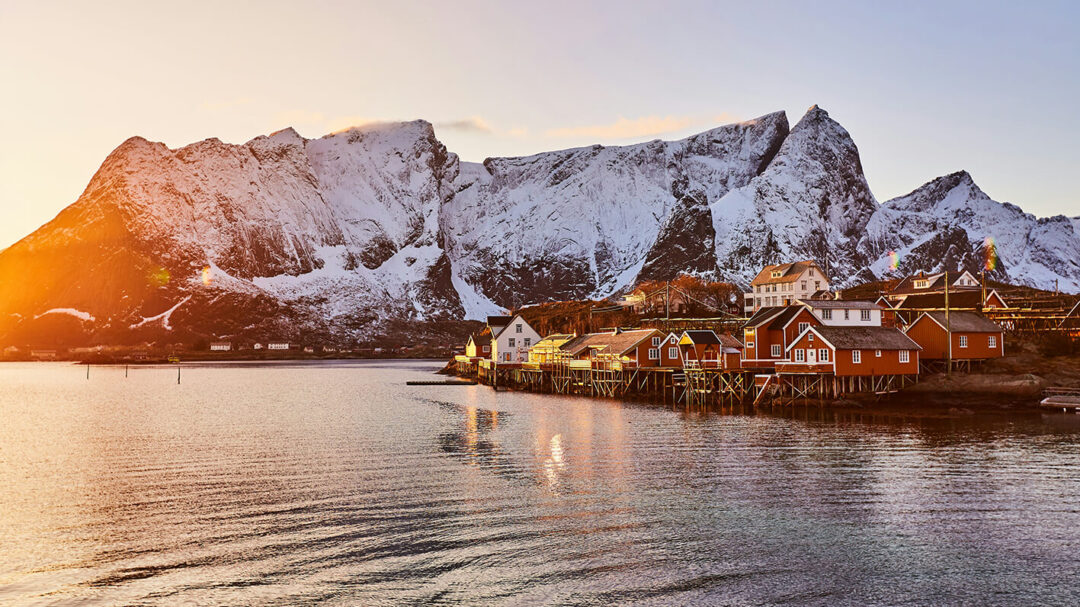
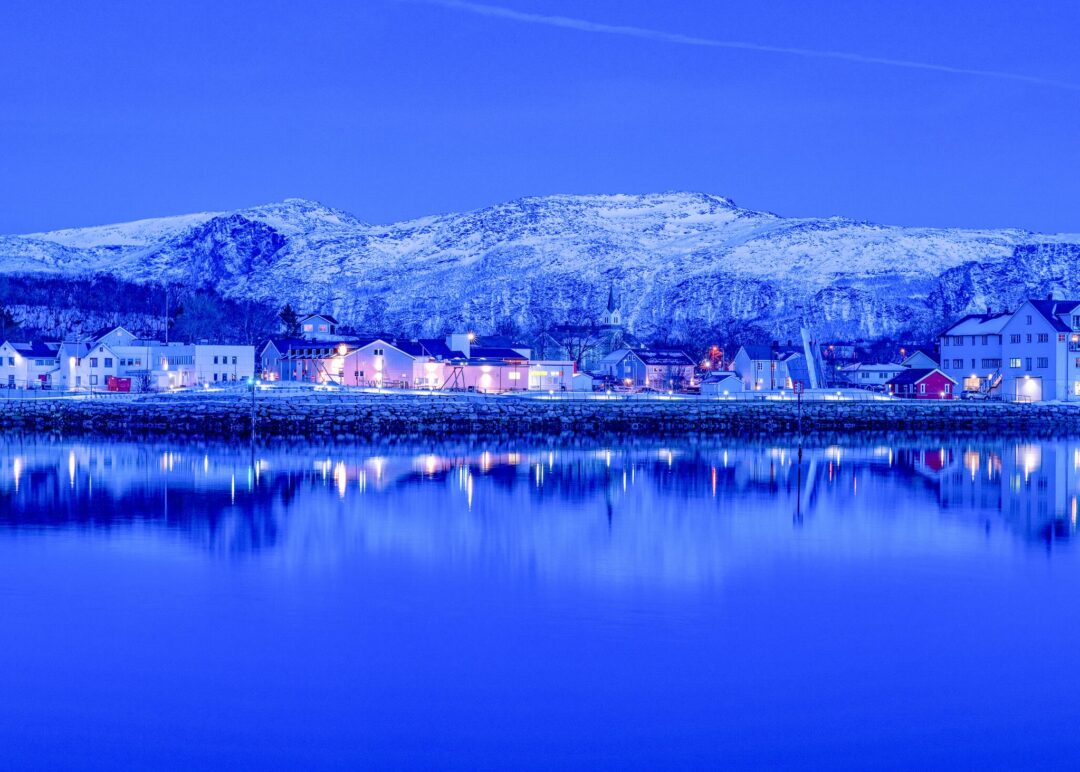
Snowy Lofoten mountains and waterfront village with red houses at sunrise, reflecting in the fjord.

Good to Know

Money: No need to stuff your wallet with cash — cards are accepted almost everywhere. It’s handy to carry a small amount of Norwegian krone for occasional personal expenses, but you won’t need much.

Tipping: Tipping is not compulsory on our adventures, but if you’ve had a great trip and brilliant service, a tip for your guide or host is always appreciated. We recommend giving 200-300 NOK, or whatever you can or feel is the right amount.

Communication: WiFi is available at the hotel. Phone coverage is generally good in settled areas, limited in remote hiking locations. You’ll be offline while out on adventures. Your host has emergency communication equipment.

Why aren't all guides and instructors female?

We work with the best guides available, male or female. There are fewer women in outdoor guiding roles, so we prioritise expertise and guest experience. We vet every guide carefully and monitor feedback closely to ensure all guides align with our ethos and standards. We also hope more trips like ours encourage more women to find new activities and become guides themselves.

What happens if I get injured or sick?

Our guides are first-aid trained and we have emergency procedures in place. The hotel can arrange medical assistance if needed. This is why comprehensive travel insurance is non-negotiable.

What happens if weather affects a planned activity?

Guides will adjust the plan if conditions make an activity unsuitable. The order of activities may change and a level of flexibility is key. Safety comes first throughout the week.

How many guests will be on this trip?

Max. 7 guests.

Wooden deck by the sea with snowy mountains in the distance, viewed from a rural lodge terrace
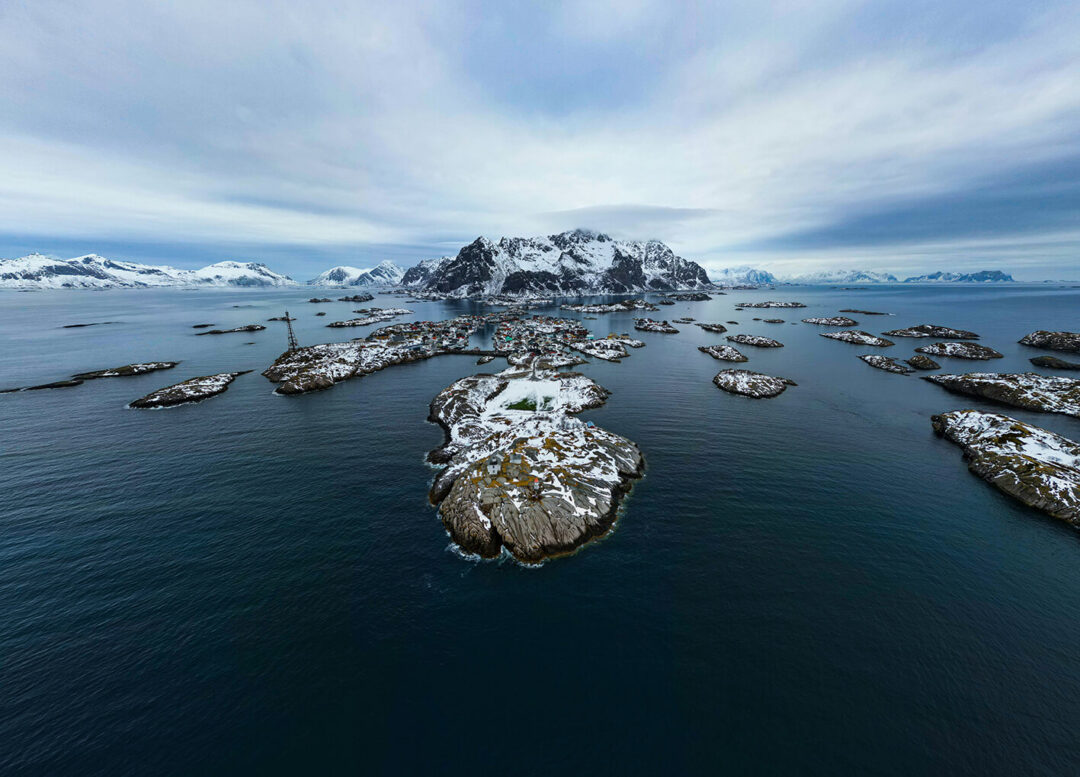
Aerial view of snowy islands and fjord water in Norway’s Lofoten with rocky islets and mountains

Packing List

What We Provide

  • Snowshoes
  • Cross-country skis and boots
  • Kayaks
  • Dry suits for kayaking
  • Life jackets
  • Horse riding helmets

What You Need to Bring

Essential Clothing

  • Waterproof insulated hiking boots
  • Breathable waterproof shell jacket
  • Soft shell winter hiking trousers
  • Warm insulated jacket
  • Multiple lightweight base layers
  • Fleece mid-layer
  • Warm hat
  • Buff or neck warmer
  • Ski gloves (bring two pairs – one will get wet)
  • Wool socks (multiple pairs)
  • Sunglasses
  • Small 20L backpack for daily activities
  • Swimwear for spa

Personal Kit

  • Sun cream (Arctic sun reflects off snow – you will burn)
  • Lip balm
  • Water bottle (insulated recommended)
  • Head torch
  • Camera (optional but you’ll regret not bringing one)
  • Personal medications
  • Basic first aid items (plasters, painkillers)

Packing Tips

Fabric choices: Arctic conditions demand layering. Merino wool or synthetic base layers both work; cotton doesn’t. It holds moisture, leaving you cold and miserable, and in sub-zero temperatures it’s genuinely dangerous. Merino regulates temperature better and won’t smell after several days; synthetic dries faster. Either is fine. Just avoid cotton.

Layering system: Think layers you can add or remove quickly. You’ll warm up during activity, then cool down fast when you stop. Base layer, fleece, and insulated jacket gives you flexibility. Your shell jacket needs to be breathable; a budget waterproof will leave you sweaty and then cold. If you invest in one item, make it a decent shell.
Boots: Yours need to be waterproof, insulated, and broken in. Look for a rating of -10°C minimum, a waterproof membrane (Gore-Tex or similar), and ankle support for uneven terrain. Brands like Salomon, Merrell, and Scarpa all make suitable options. Blisters in Arctic conditions are miserable, so if your boots aren’t up to it, leave them at home.

Gloves: Bring two pairs. One will get wet from snow, kayaking, or condensation, so a dry backup is essential. Ski gloves work better than thin fleece; mittens are warmer but less dexterous.

Woman on a kayak in a calm fjord with snowy mountains in Lofoten

Trip Code NORSKAMLT – Include this code in any message so we can find your trip straight away.