Weather
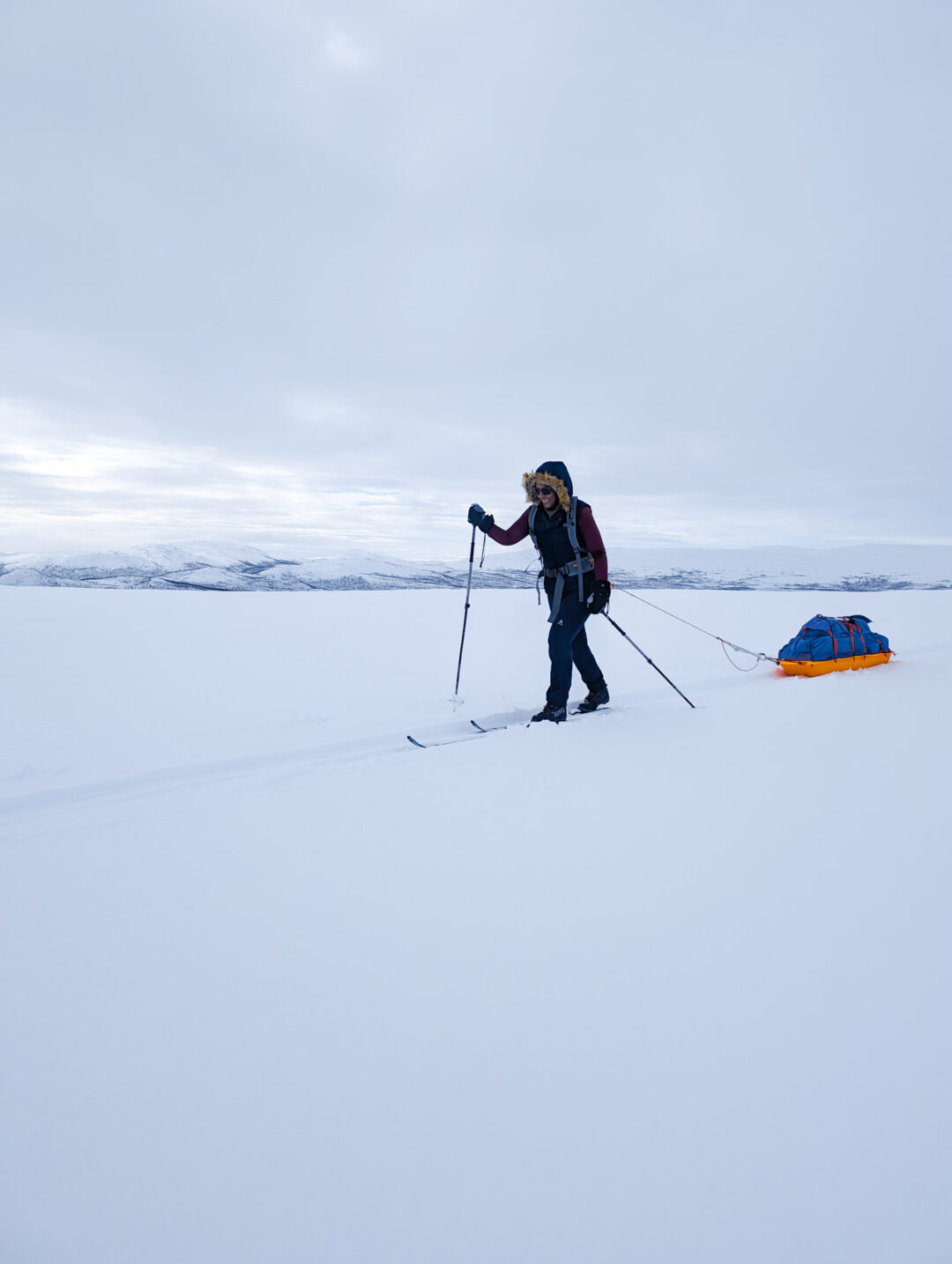
You’ll be in proper Arctic winter whenever you visit, but there’s a real shift in feel across the season.
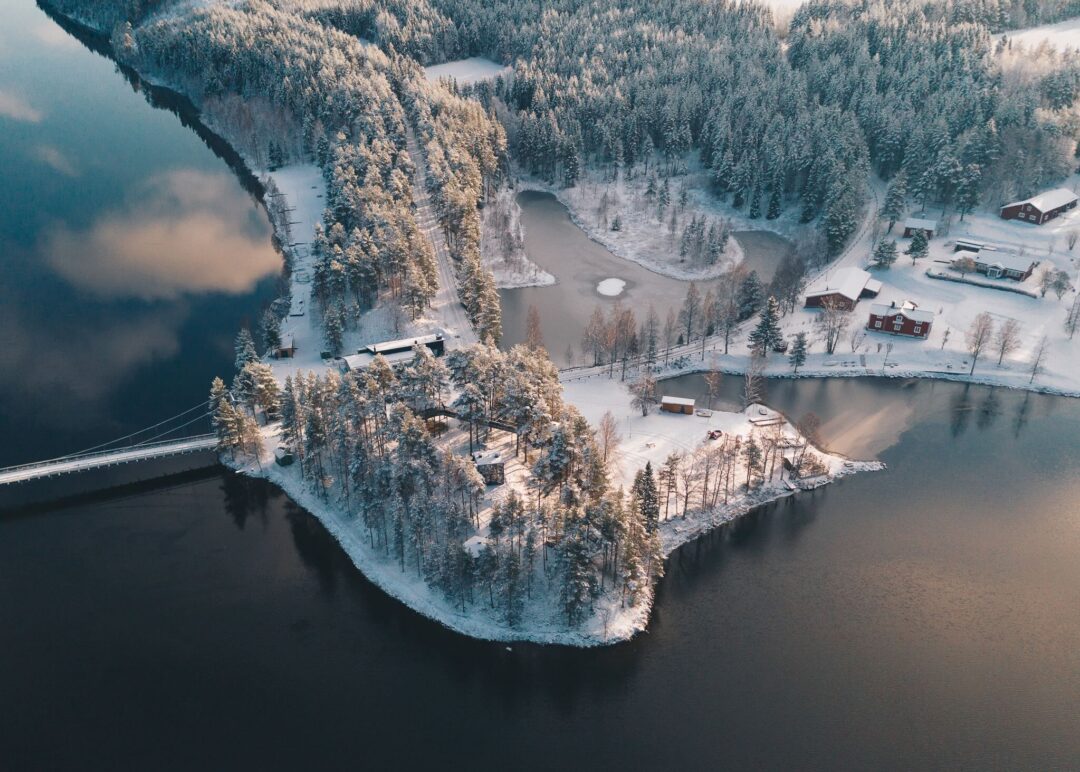
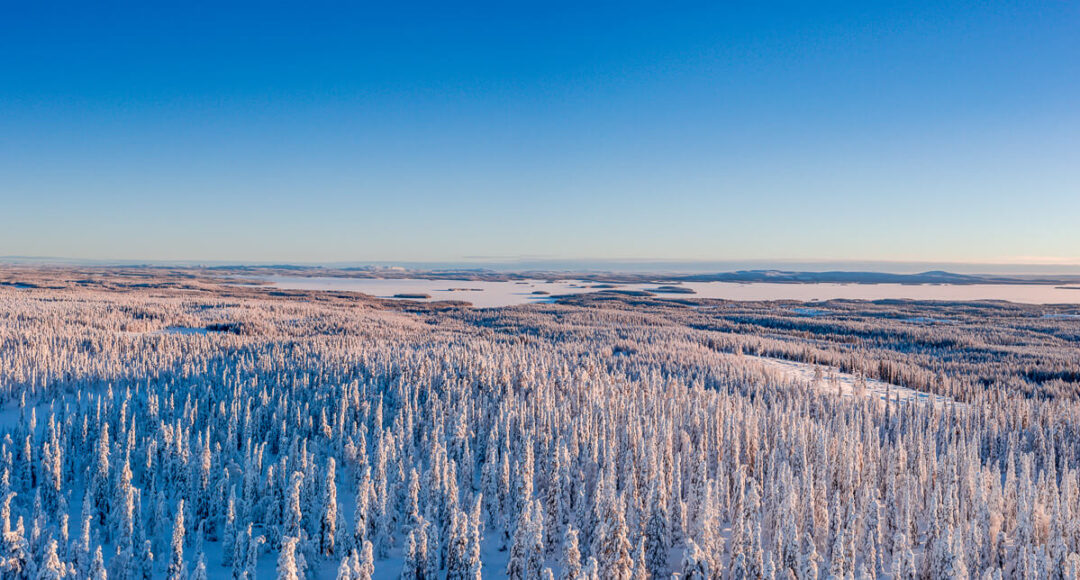
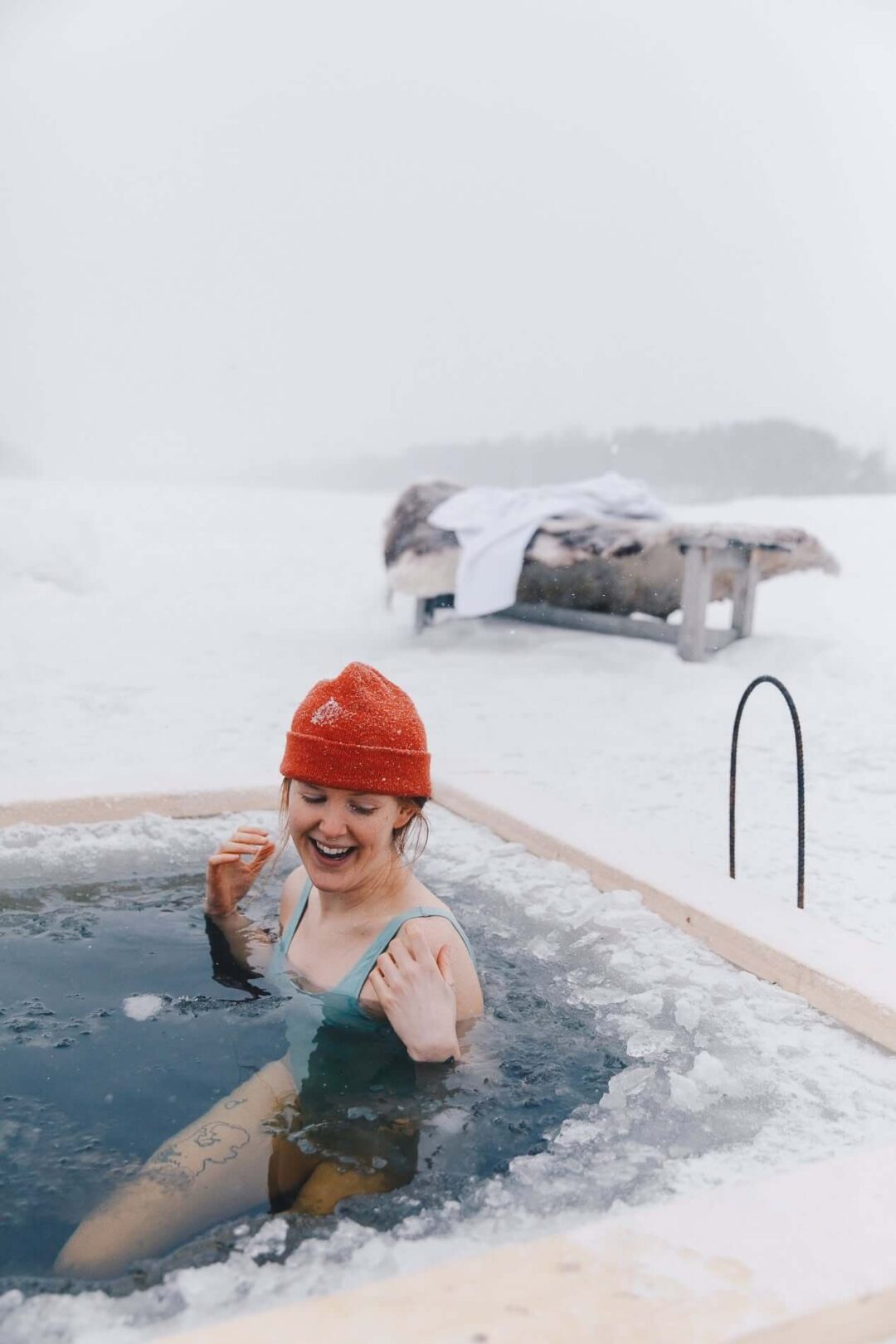
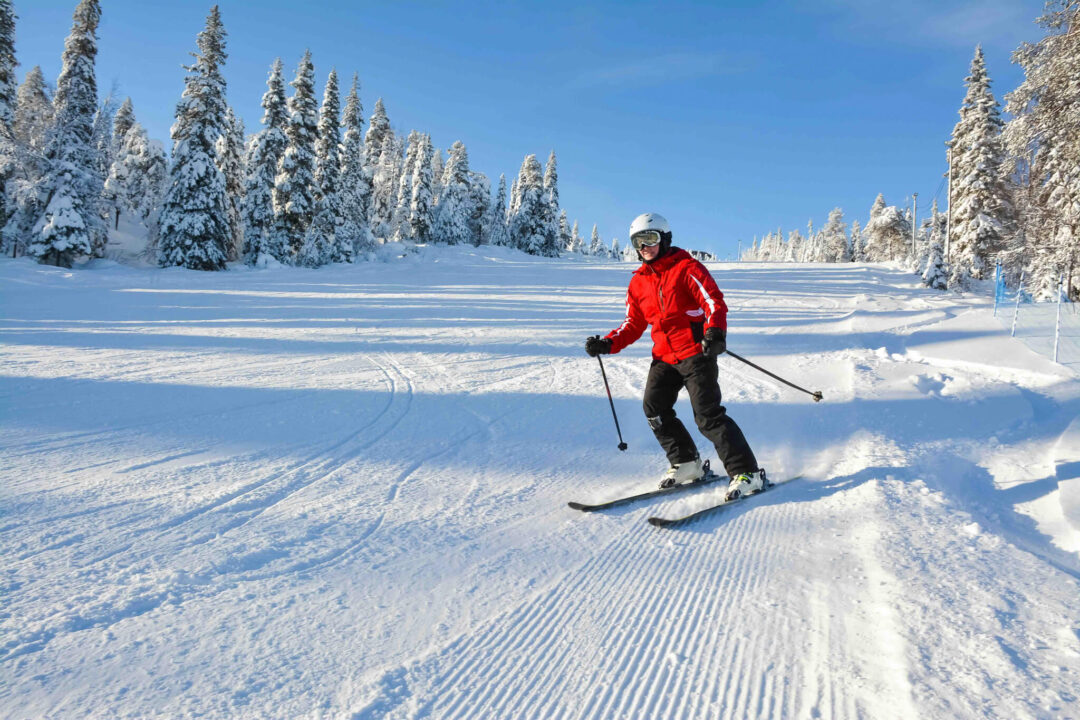
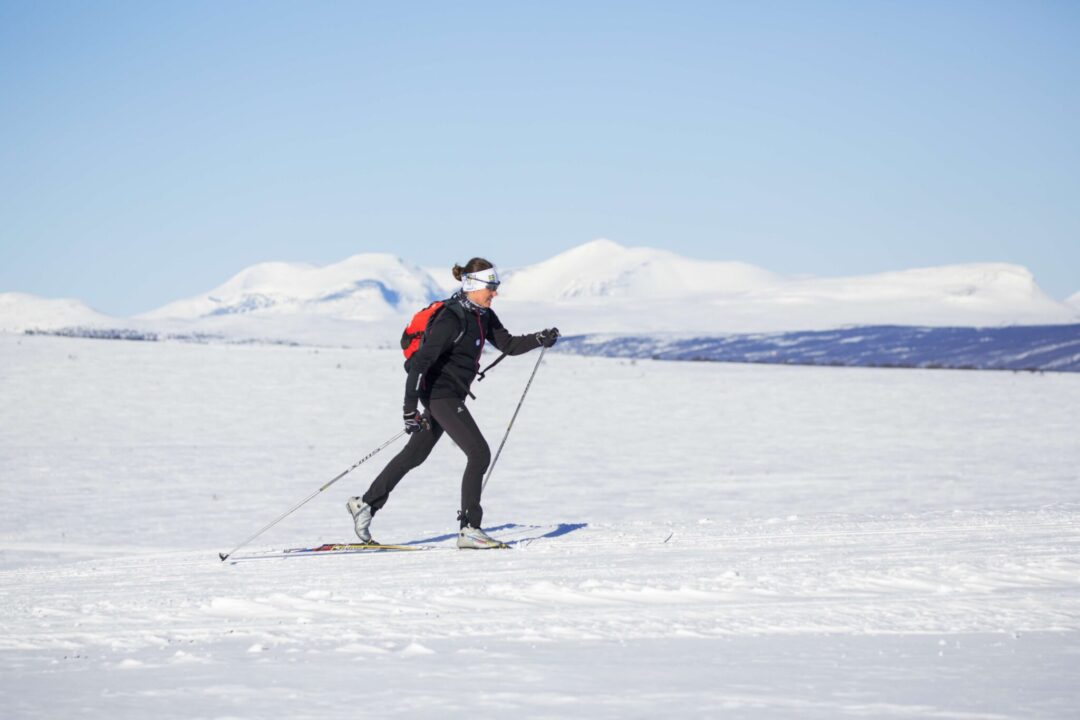
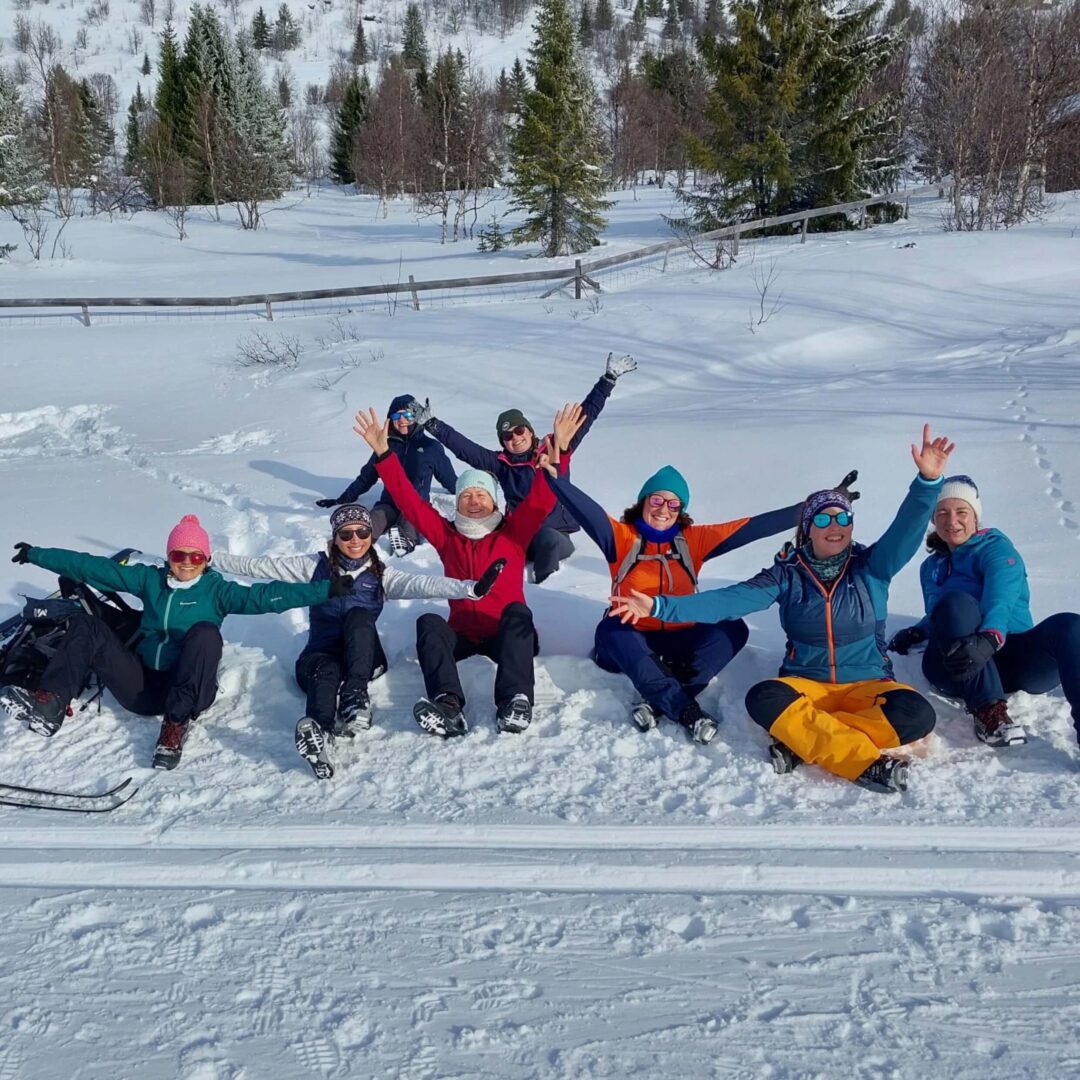
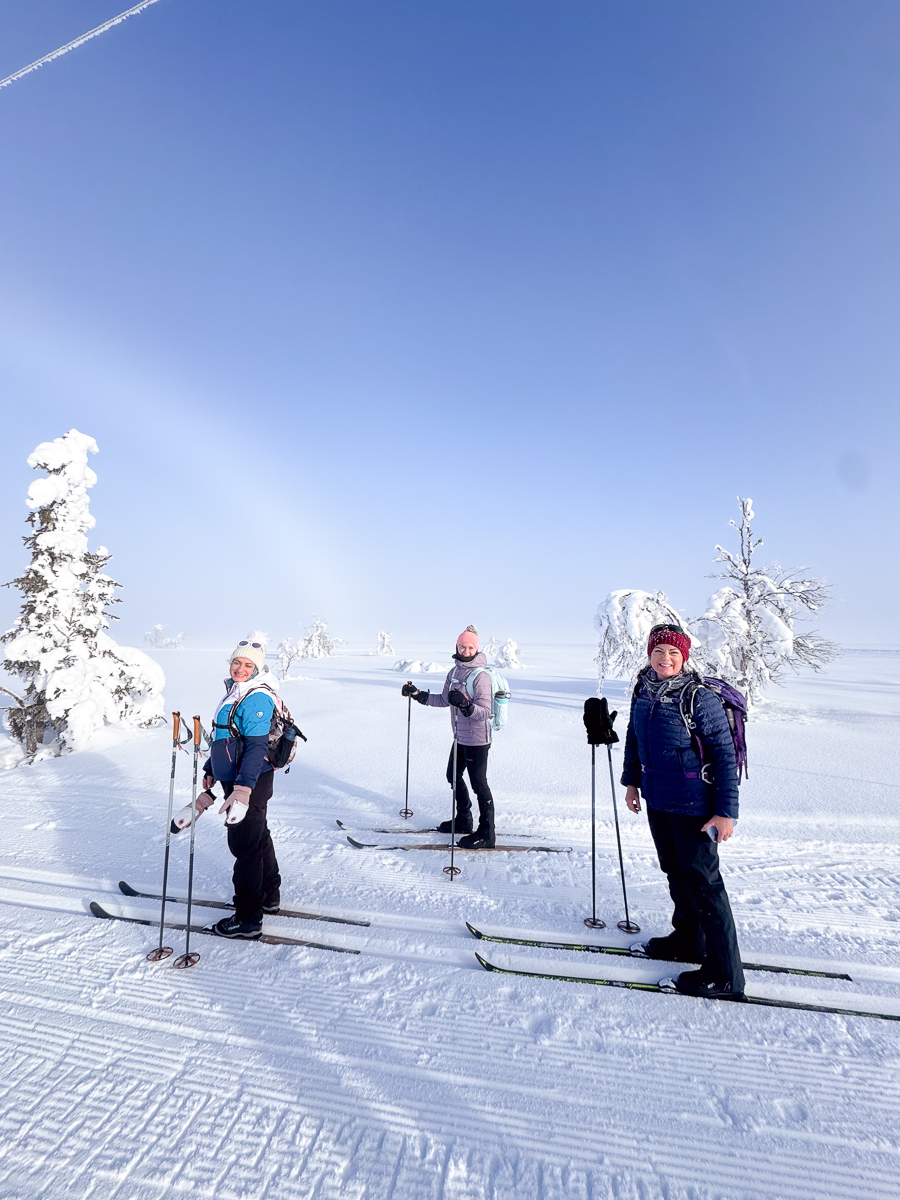
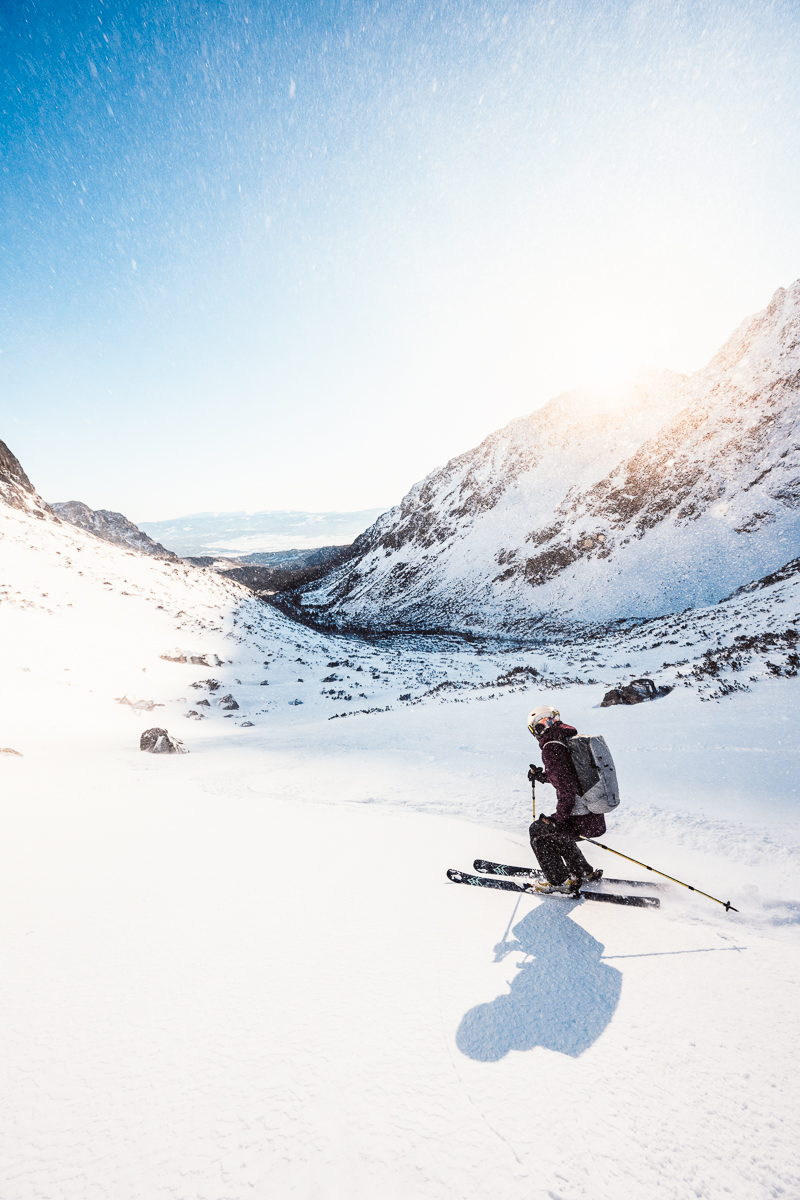
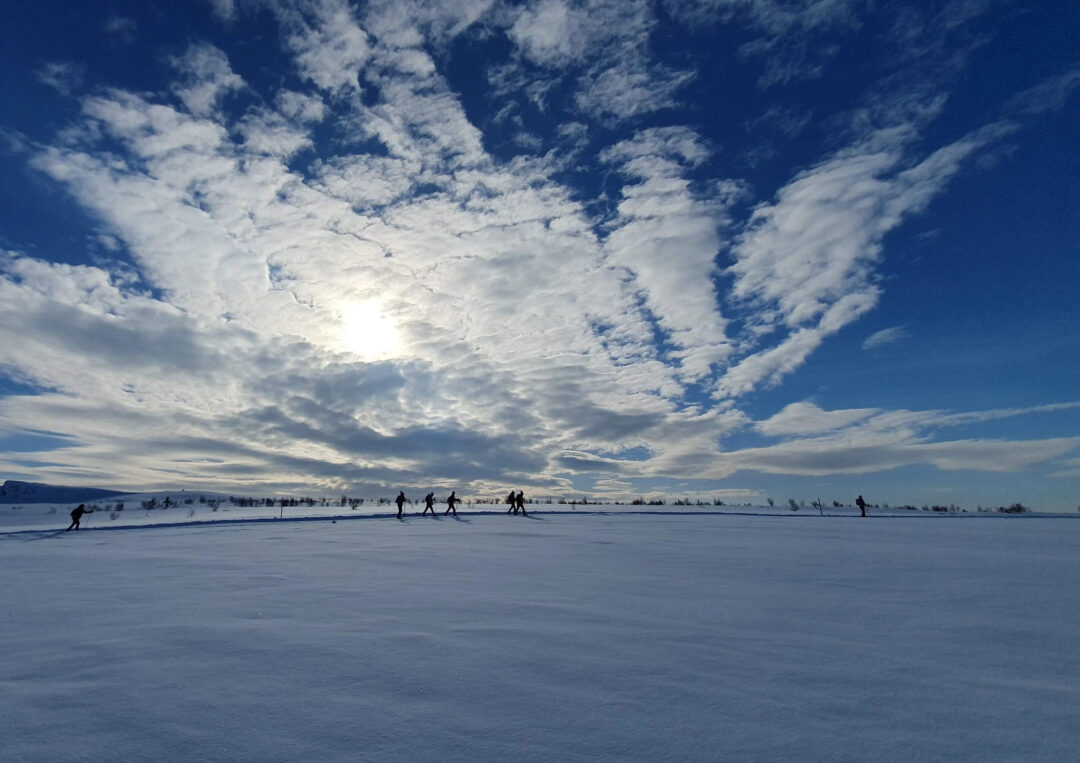
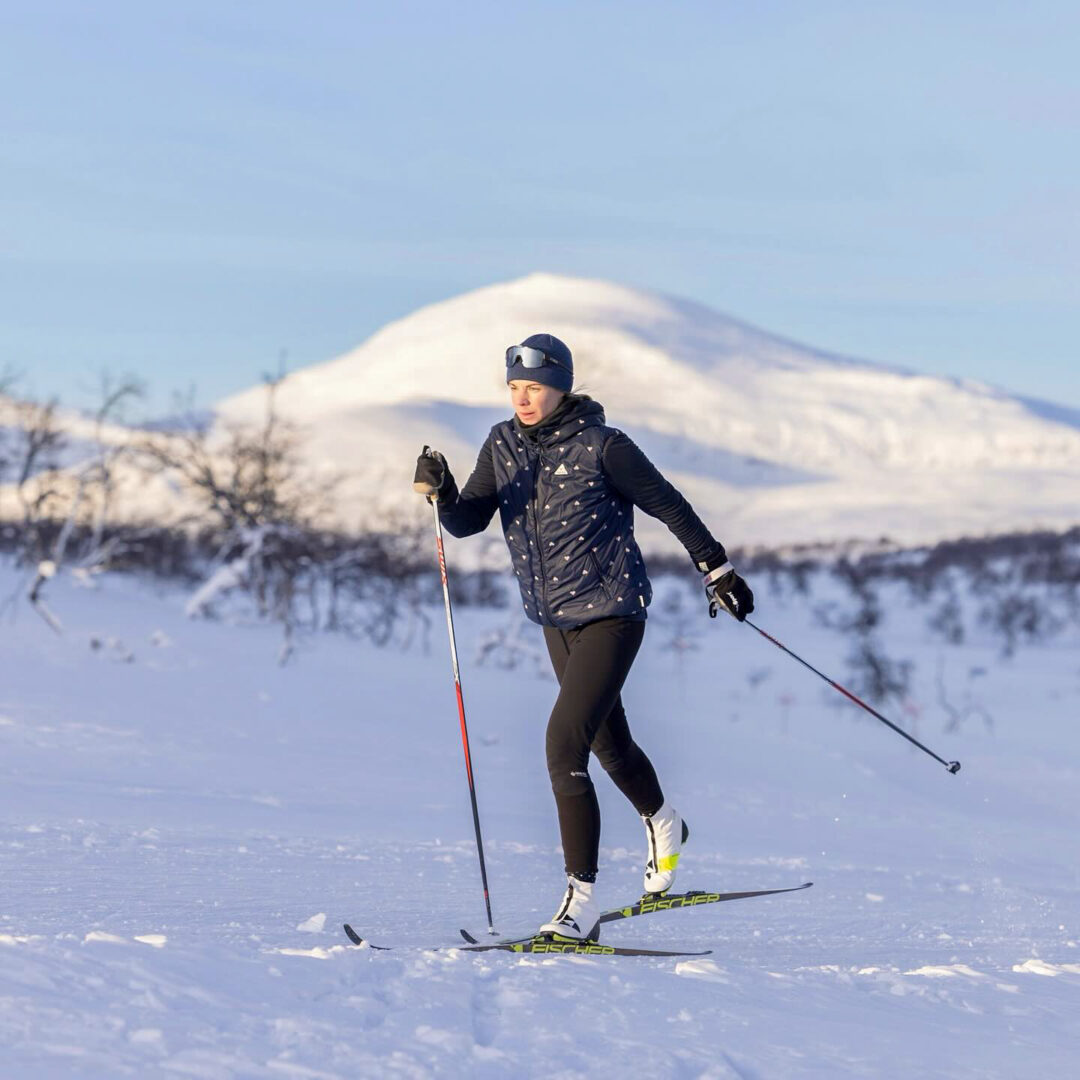
Average temperatures sit between -10°C and -20°C, and can dip lower during cold snaps. Swedish winter is a “dry” cold, which tends to feel less harsh than the “damp” cold we get in the UK, though you’ll still know about it when the wind picks up. There’s thick, reliable snow cover throughout, and every activity is built around those conditions.
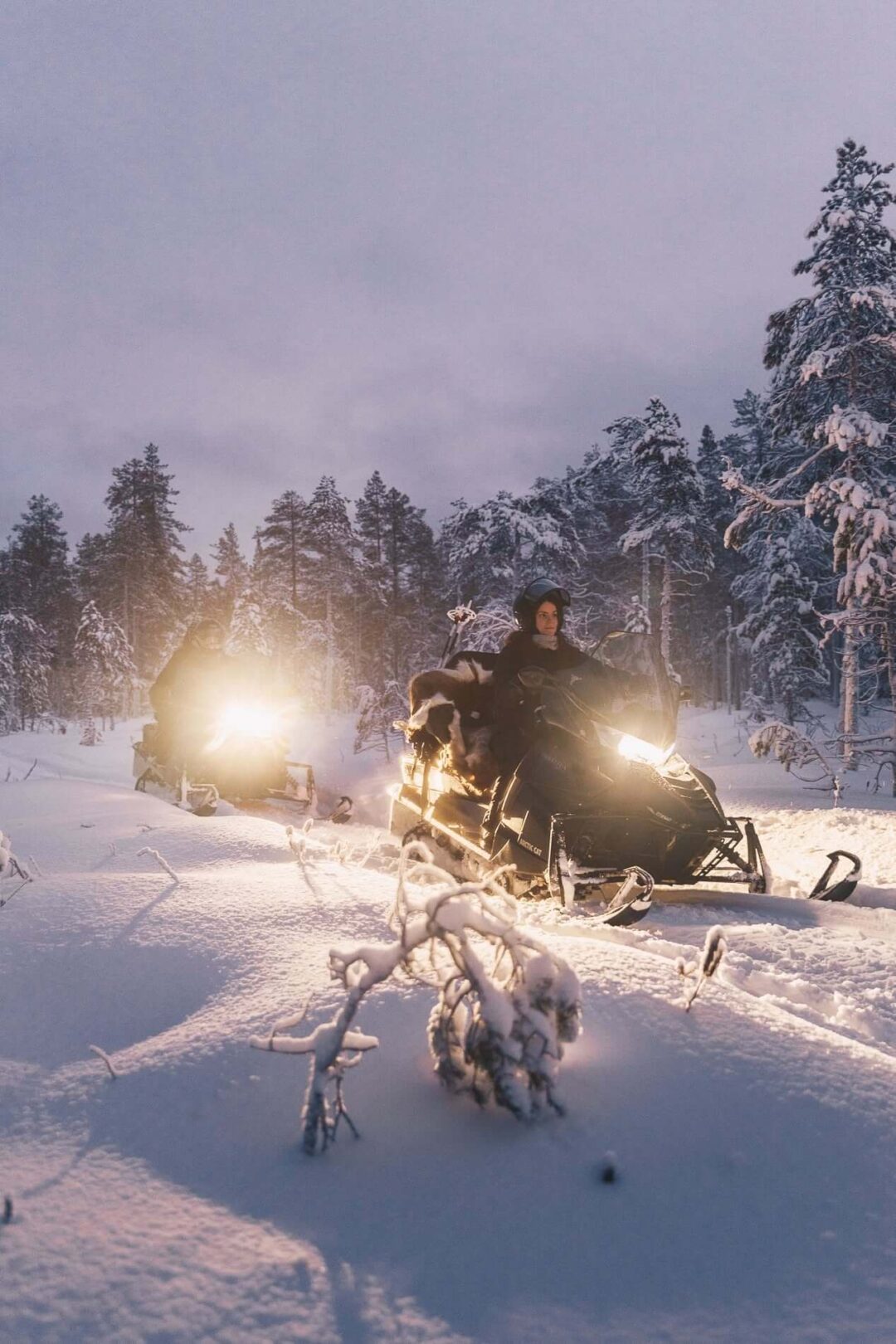
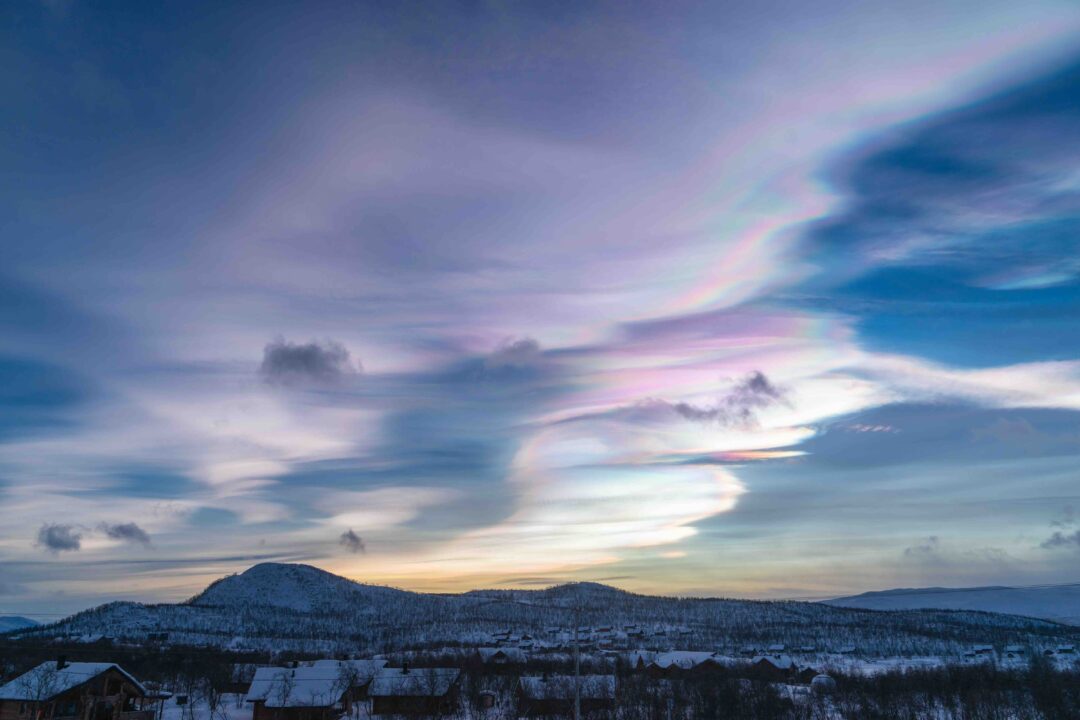
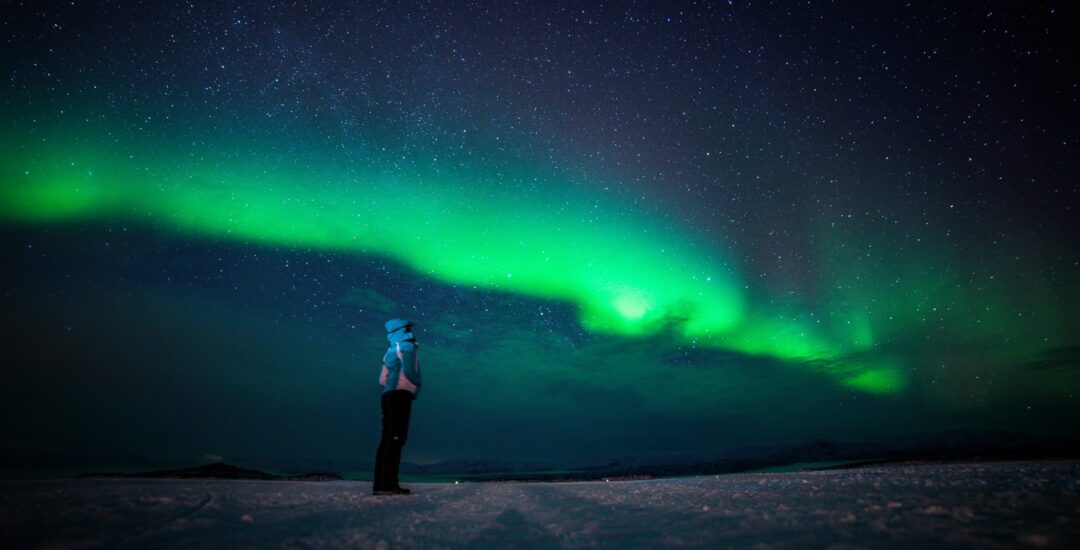
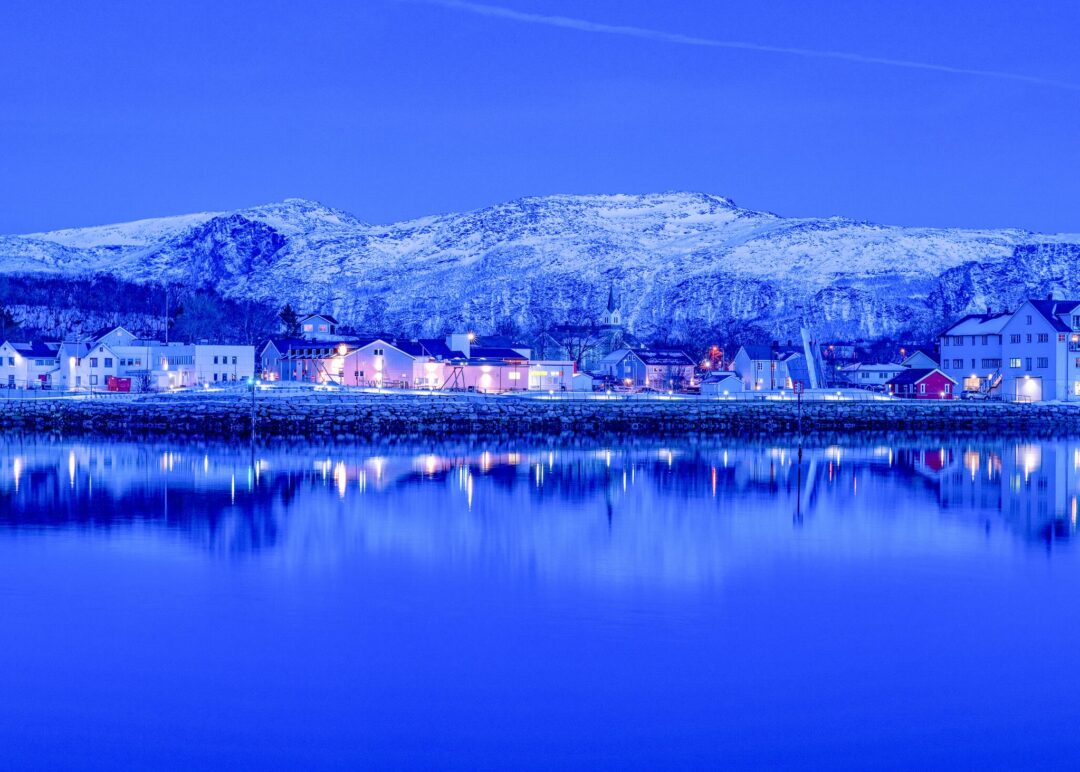
Early in the season is the deepest part of winter: the coldest temperatures, the shortest days, and long stretches of blue twilight rather than full daylight. It’s also the best time for northern lights, thanks to the long, dark evenings. As the season goes on the light starts to return, days grow longer and brighter, and the cold softens a touch, while the snow stays deep. Later trips are a good pick if you’d rather have more daylight to play with.
Northern Sweden has limited daylight through the whole season, but there’s always enough for the planned activities, and the low winter sun and long twilight are part of what makes it feel so different. If seeing the northern lights matters most to you, aim for earlier in the season; if you’d prefer longer, brighter days, go later.