Trip Guide

Trip Guide: Introduction to Ski Touring in Norway

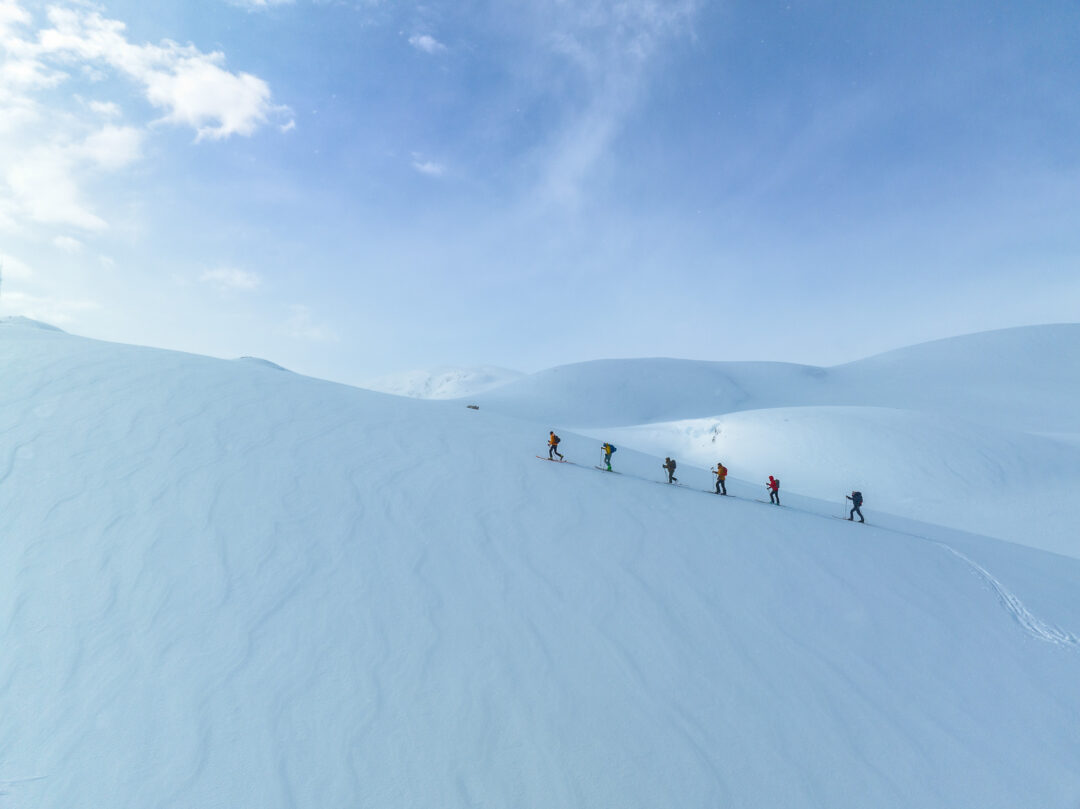
Ever watched ski tourers disappear into the backcountry and thought “I want in on that”? This is it. Spend a week in the Norwegian mountains, learning to earn every single turn. Climb up untouched slopes, navigate wild terrain, and ski down runs you’ve climbed with your own two legs.

Got questions or want to know more about this epic trip? Then read on:

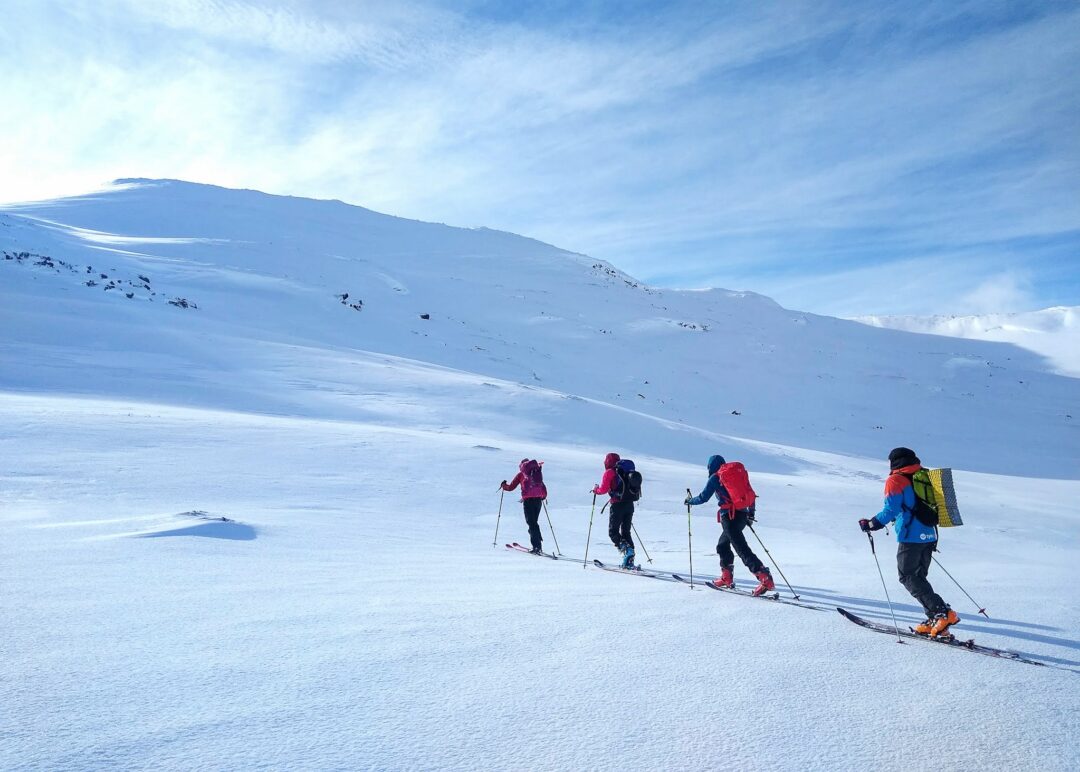
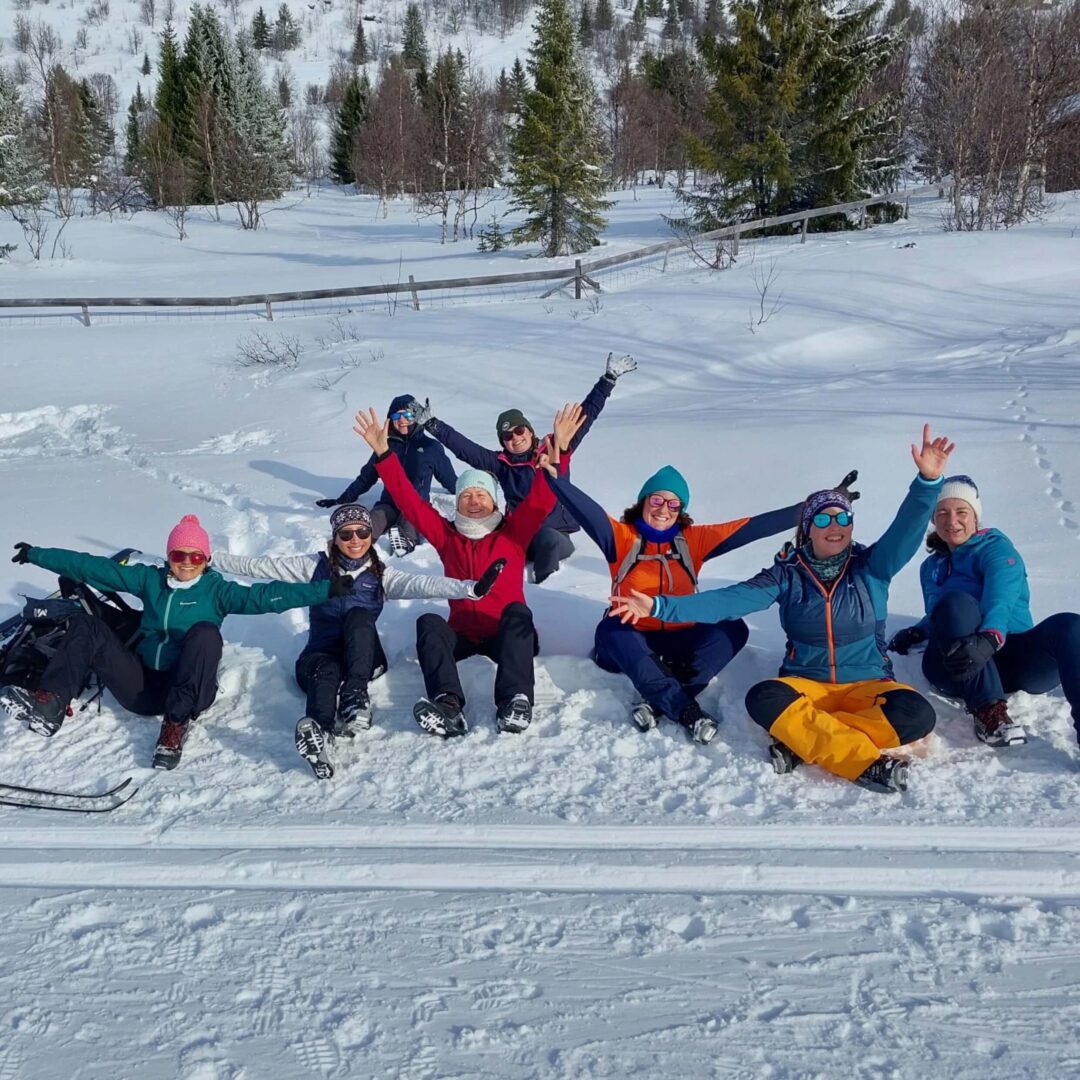
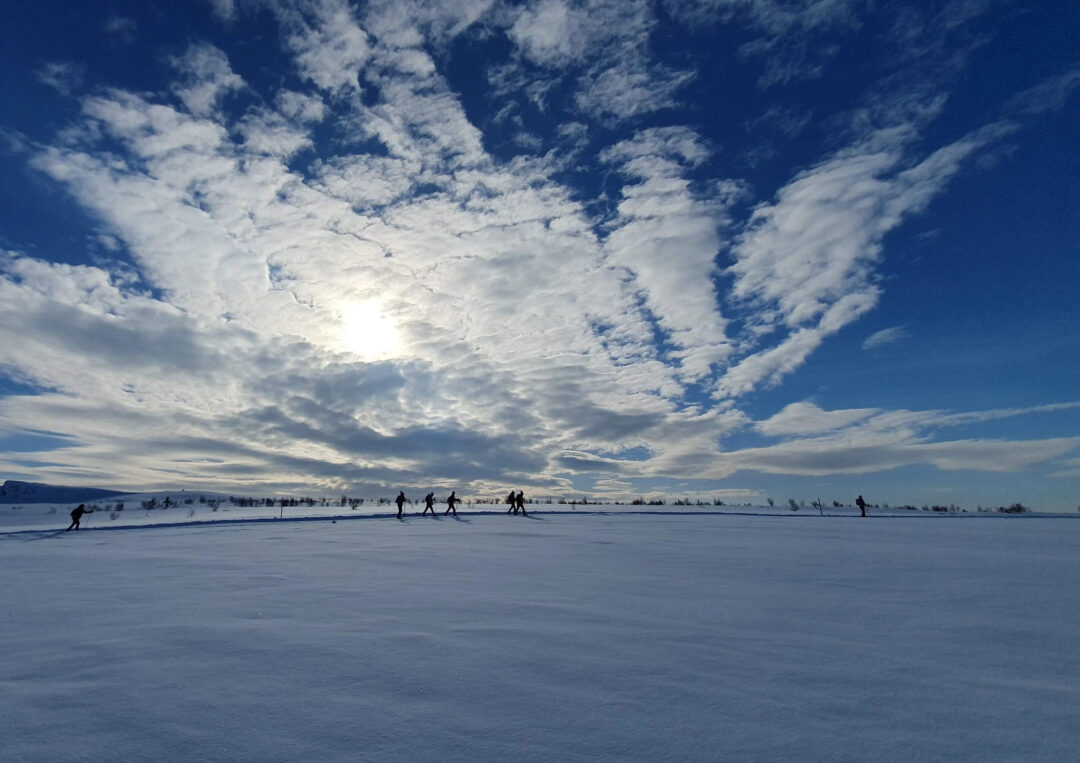
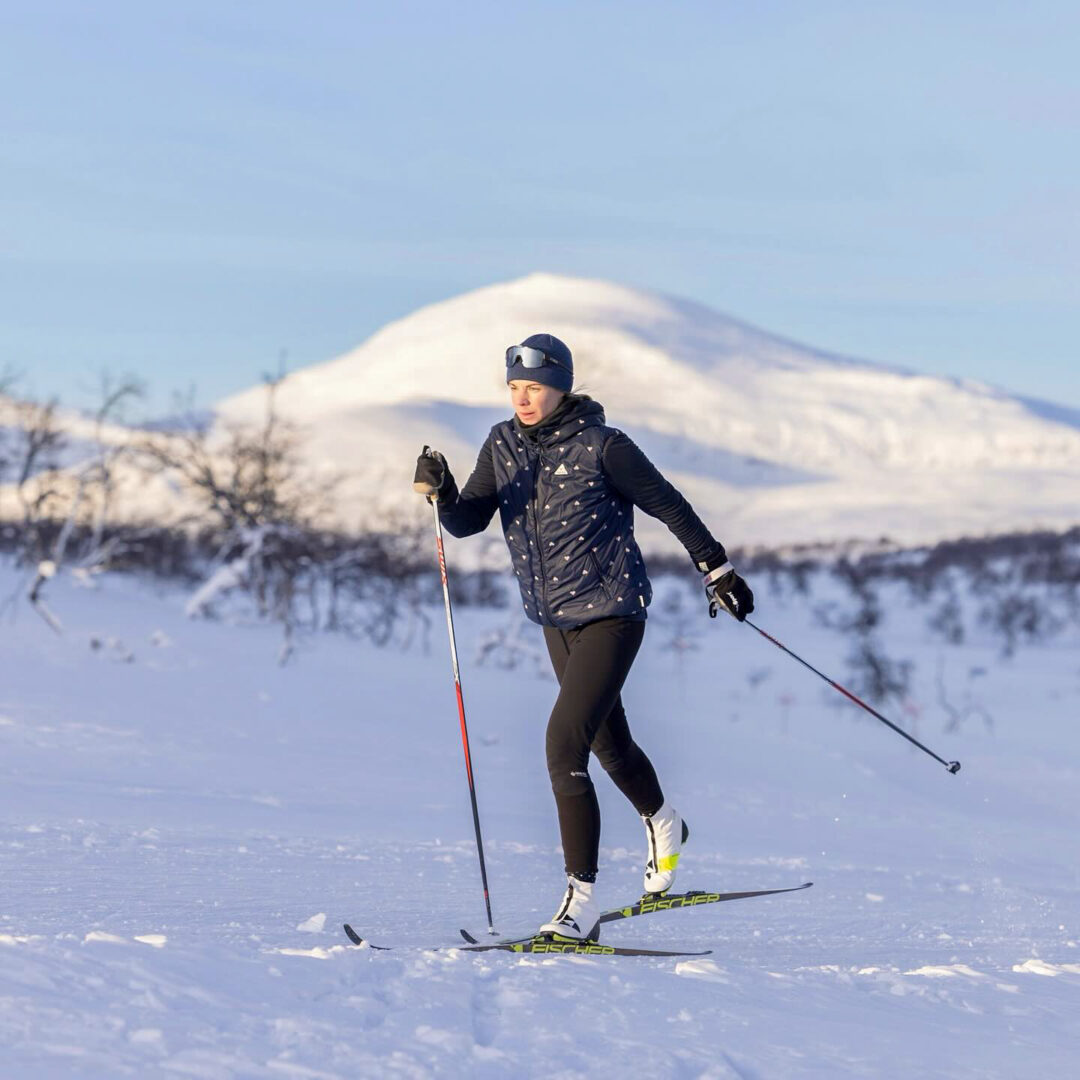
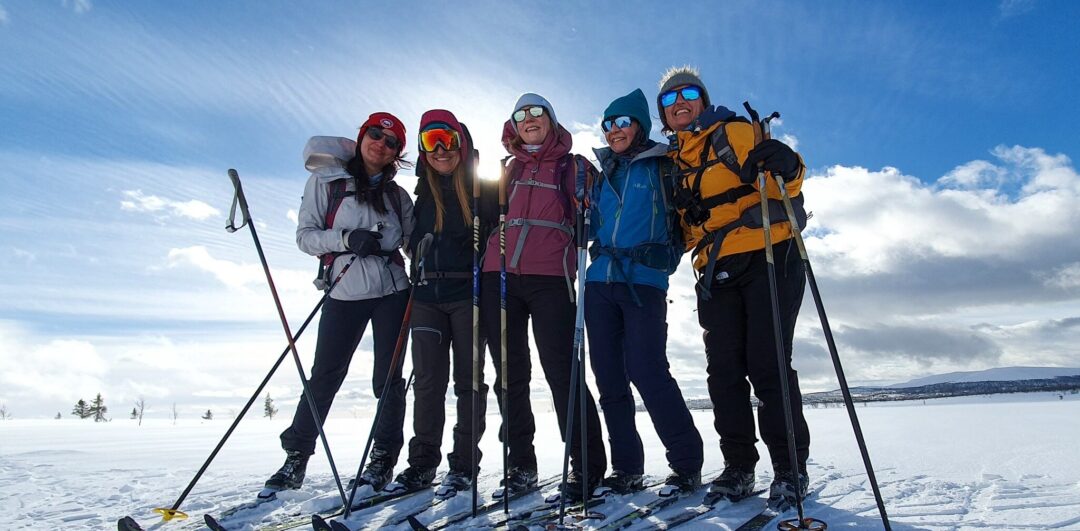
Women ski touring across snowy Norwegian mountains under a clear blue sky
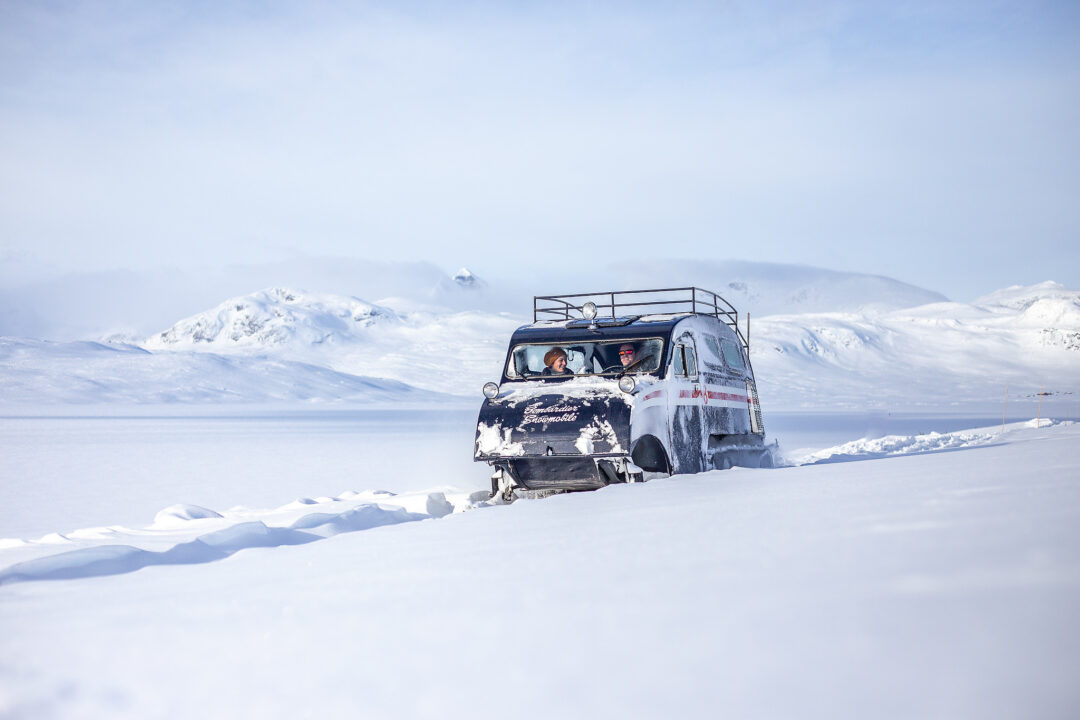
Off-road van driving through a snow-covered mountain landscape in winter conditions

Getting There

Tyin Filefjell sits at 1,000m above sea level between Oslo and Bergen. The hotel is in a remote mountain area, but getting here is easier than it looks. There are direct buses from both cities, and however you come, we collect you from Tyinkrysset at the end.

You have two straightforward routes: fly into Oslo Gardermoen, or fly into Bergen. Both have a direct bus to the resort, and both are covered below.

From Oslo

Direct airport bus: The Vy express bus (VY450) leaves from just outside Oslo Gardermoen and runs direct to Tyinkrysset in around four and a half hours, no changes. Current timings have it leaving the airport at 16:45 and arriving Tyinkrysset at 21:15.

Via Oslo city centre: If you’d rather break up the journey or spend time in the city, take the train from the airport into Oslo Central Station, then pick up a bus to Tyinkrysset from the terminal next door. Buses from the city run more often through the day, so you get more choice of times. There’s one easy change, and it’s simple to navigate.

Getting from Oslo Airport into the city: Local trains run from the airport platforms every 10 to 15 minutes. Choose a standard local train rather than the pricier express, they reach the same station for a lot less. Oslo Central Station has coffee shops and places to sit if you have a wait, and the bus terminal is a few minutes’ walk away.

On the city-centre buses, look for services calling at Fagernes. These are timed to connect, so if one runs late the next usually waits, and if there’s ever a holdup you can change at Fagernes. There’s normally around a 15 minute gap between departures.

From Bergen

Bergen has a direct Vy express bus (VY450) to Tyinkrysset. On the way out the bus takes around five hours and ten minutes from Bergen bus station, so allow roughly six hours in total once you’ve added the airport-to-station connection. These services tend to leave earlier in the day, currently around 09:00 from Bergen. For the return, the direct bus from Tyinkrysset to Bergen currently leaves at 13:35 and arrives at 18:05, a little quicker at about four and a half hours. It’s worth planning your flights around these times.

To reach the bus station from Bergen Airport you have two easy options: the Bybanen light rail line runs from just outside the airport into the centre in around 40 minutes, every 10 minutes or so, and is the cheaper choice; or the Flybussen airport coach, which is quicker at around 16 minutes and runs frequently, but costs more. Both are simple to navigate.

Bergen is a lovely city in its own right, so it’s well worth a night either side if you can.

Your transfer to the hotel: However you travel, we collect you from Tyinkrysset and take you to the hotel. The group transfer meets the arrival bus at Tyinkrysset bus station at 21:15 on arrival day, and drops you back there at 09:45 on departure day to connect with your bus home. The transfer is included in your trip, and the times are fixed, so please book your buses to fit them. If you arrive outside these times, a private transfer between the bus stop and the hotel can be arranged for approximately NOK 80 (£6/€7) per person each way, a 5 to 10 minute drive.

A quick word on the buses: these are proper coaches, with comfortable reclining seats, a clean toilet on board and some of the best views you’ll get anywhere. It’s a genuinely comfortable, good-value way to travel, a world away from a UK coach.

Which airport should I fly into?

Both Oslo Gardermoen and Bergen work well, and each has a direct bus to Tyinkrysset. From Oslo you can take the direct airport bus, or a short train into the city and a bus from there, which run more often through the day. From Bergen it’s a direct bus too, with a quick light rail or airport coach from the airport to the bus station first. Oslo tends to give you more departure choices, but either is easy. Full details are in the Getting There section above.

How do I book bus tickets?

Book the bus through Vy at vy.no/en. The site has an English version and is easy to use. We really recommend booking the bus in advance, as these can sell out.

If you’re travelling via Oslo city centre, you don’t need to book the airport-to-city train ahead. Just buy a ticket from the machines at the airport when you arrive. One thing to watch: don’t pay for the Flytoget Airport Express, which is the pricier fast train. Choose a standard local train from the airport platforms instead, it’s much cheaper and arrives at the same station, and the difference is easy to spot on the ticket machines. Buying the train ticket on arrival also gives you flexibility if your flight is delayed, so try to leave a comfortable gap between the train and your bus.

Bus tickets often only go on sale around 90 to 120 days before travel, so if you’re booking earlier you may not see them yet. See the schedules FAQ below.

What if the bus times have changed?

We publish this guide well ahead of your trip, so bus schedules can shift slightly before you travel, and tickets often only go on sale 90 to 120 days beforehand. In our experience the times have been very consistent over the past few years, so the routes above are a reliable guide. We keep an eye on the schedules, but if you go to book and can’t find the services we’ve listed, drop us an email and we’ll check the latest times with you.

Can I arrange a private transfer if I can't make the scheduled times?

Yes. If you arrive outside the scheduled pick-up time, a private transfer between Tyinkrysset bus stop and the hotel can be arranged for approximately NOK 80 (£6/€7) per person each way. It’s only a 5 to 10 minute drive.

Please note this covers the bus stop to hotel journey only. A private transfer all the way to or from Oslo or Bergen airport would be very costly, so we don’t recommend it, the bus is by far the better option.

Can I spend extra time in Oslo or Bergen?

Yes, and it’s an easy add-on. Both cities are worth a day or a night either side. If you’d like to come up earlier, you can take an earlier bus towards Tyinkrysset, and if it suits we can arrange to collect you from an earlier arrival for a private transfer charge of approximately NOK 80 (£6/€7) per person each way. In Oslo, the bus and train stations sit right next to each other, so switching between them is only a few minutes’ walk.

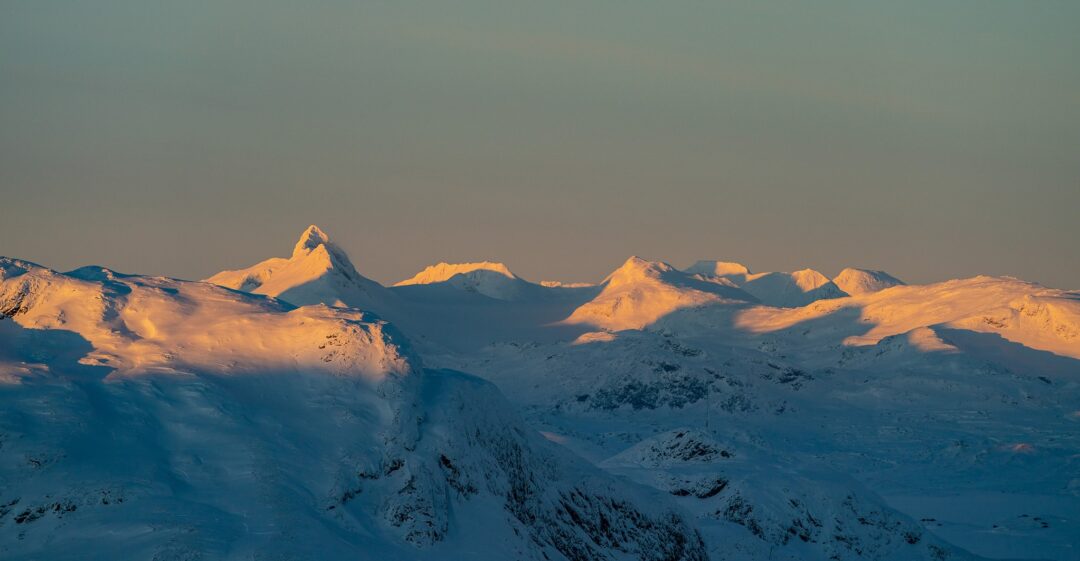
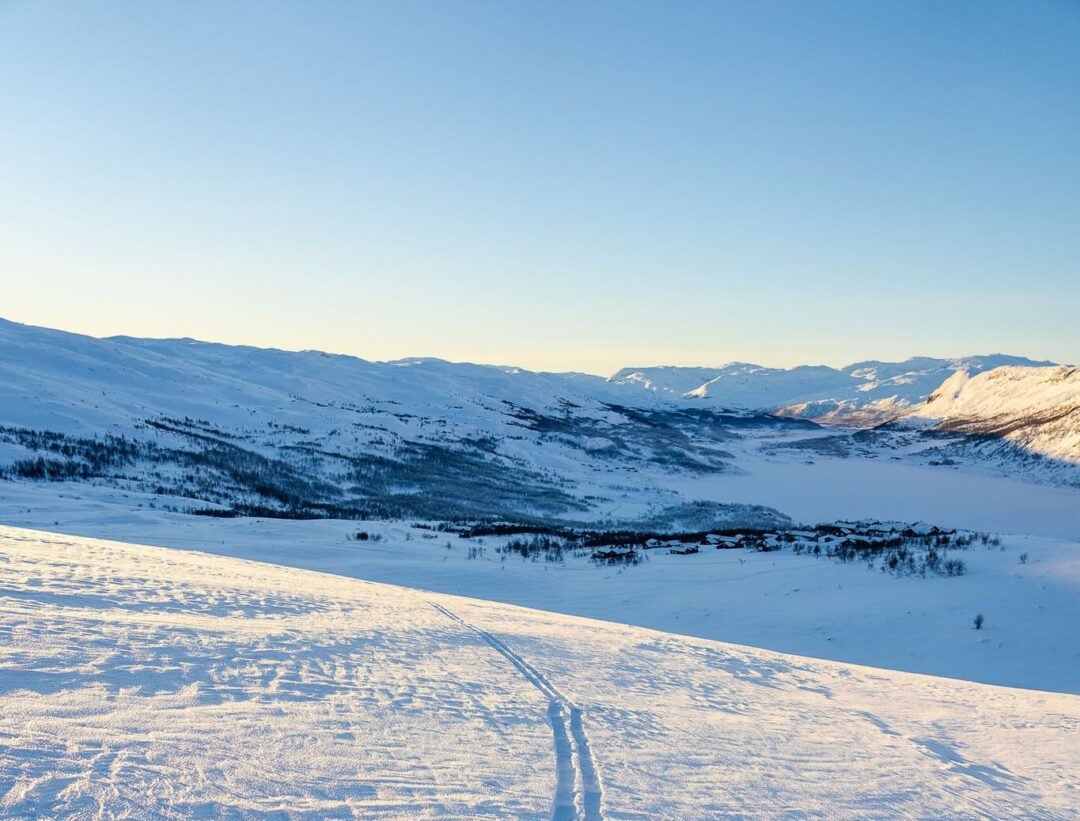
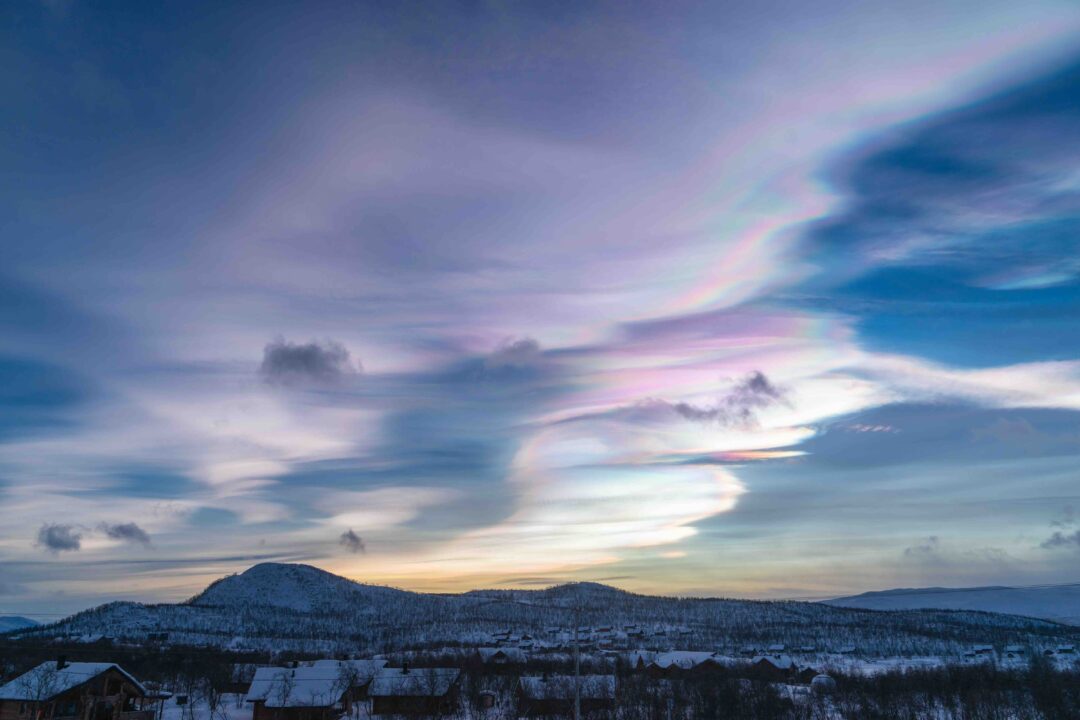
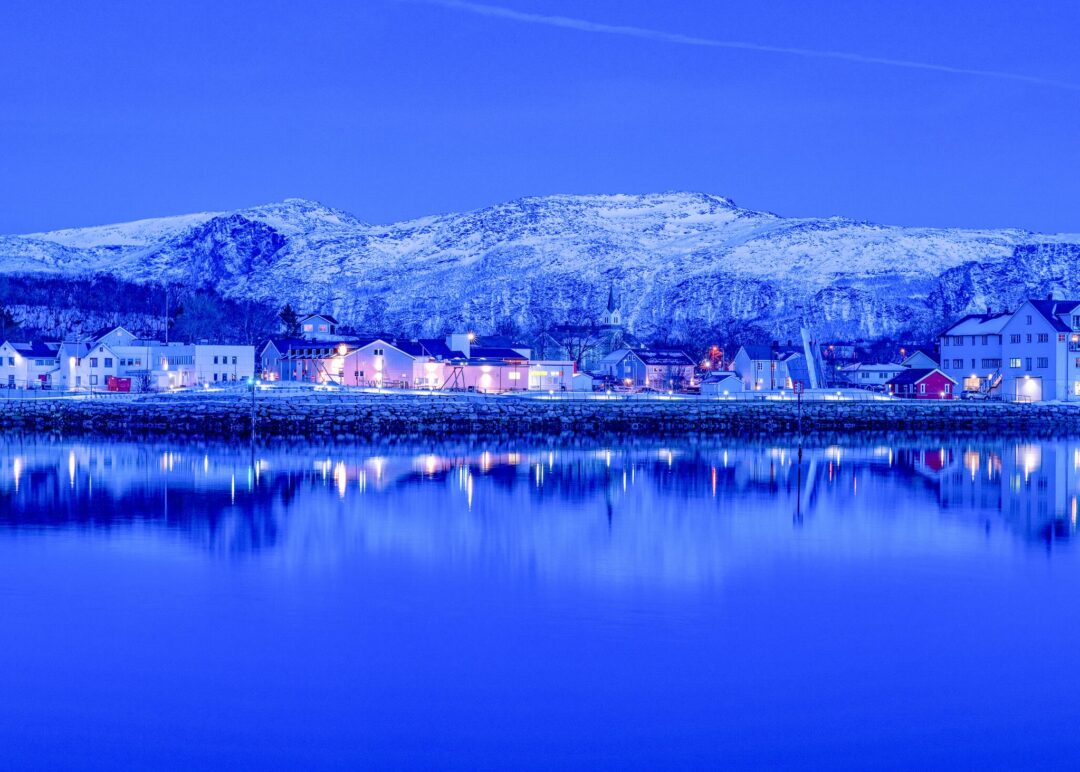
Snow-covered mountain peaks over a winter landscape in Norway at dusk

Fitness & Skill Level

Difficulty: Moderate to challenging

This trip requires solid intermediate skiing ability. You should be comfortable on red runs and ready to learn something completely new. Decent fitness is also essential – you’ll be moving up and downhill on skis for several hours each day.

This trip is for an experienced skier who wants to head off-piste and try ski touring for the first time, so no previous touring experience is required. Just bring determination and readiness to embrace the challenge.

What to Expect

    • Daily Activity: 4-6 hours on snow each day. You’ll be climbing uphill on skis, then skiing back down. Uphill sections require stamina and endurance, sometimes it’s more down to sustained effort over technical difficulty.
    • Terrain: You’ll start on open mountain terrain with gradual ascents, progressing to longer tours with steeper hills in the national park as the week progresses.
    • Skiing Ability: You need to be confident on red runs (making turns, navigating your way down etc) and comfortable skiing in varied snow conditions.
    • Consecutive Days: We’re talking four full days of ski touring with no rest days. You’ll need fitness to handle back-to-back mountain days.
    • Weather: Norwegian mountain weather can be unpredictable. Be prepared for cold temperatures, wind, and changing conditions.

Who This Suits

This is for ski touring beginners who want to learn something new while covering some serious mountain terrain. Your legs will be tired and you’ll work harder than resort skiing (there’s no time to chill out in the ski lift when you’re climbing those hills yourself), but you’ll access terrain and views most skiers never see. If you’re fit, love learning new ski skills, and are excited about backcountry exploration, this is for you.

Fitness Requirements

    • Solid intermediate skiing (comfortable on red runs at the least)
    • Decent fitness for 4-6 hours daily activity
    • Stamina for consecutive mountain days
    • Mental readiness for physical challenge

How can I prepare physically for ski touring?

Build cardio endurance through running, cycling, or swimming – sustained efforts that mimic uphill climbing. Add leg strength with hill walking, squats, and lunges. The fitter you are, the more you’ll enjoy it.

I'm comfortable on red runs - is that enough?

Yes, if you’re consistently comfortable on red runs in varied conditions. Downhill skiing in touring isn’t technically difficult, but you’ll be off-piste in variable snow. Confident intermediates will be fine.

What if I can't keep up?

Guides adjust pace for group ability, but this is physically demanding. If you’re struggling, tell your guide. Be realistic about your fitness and experience before booking – four consecutive mountain days with no rest requires solid base fitness.

Can I skip a day if I'm exhausted?

Technically yes, but this is a short trip – missing a day means missing a significant portion. The progression builds each day, so if you’re concerned about fitness, train beforehand or consider if this trip suits you.

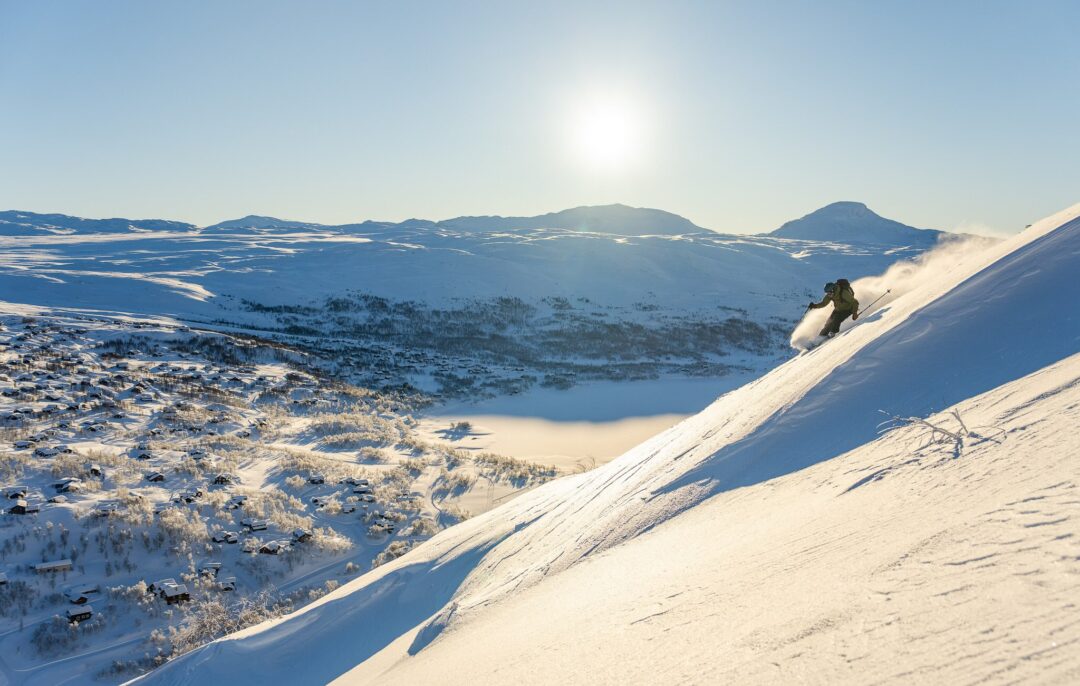
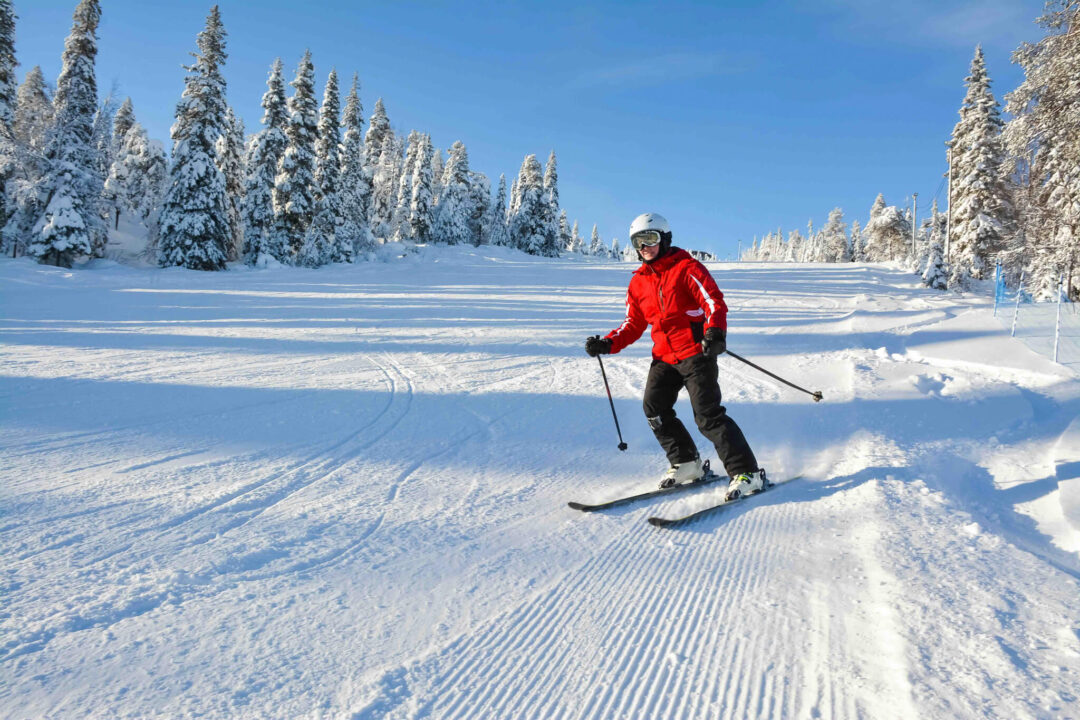
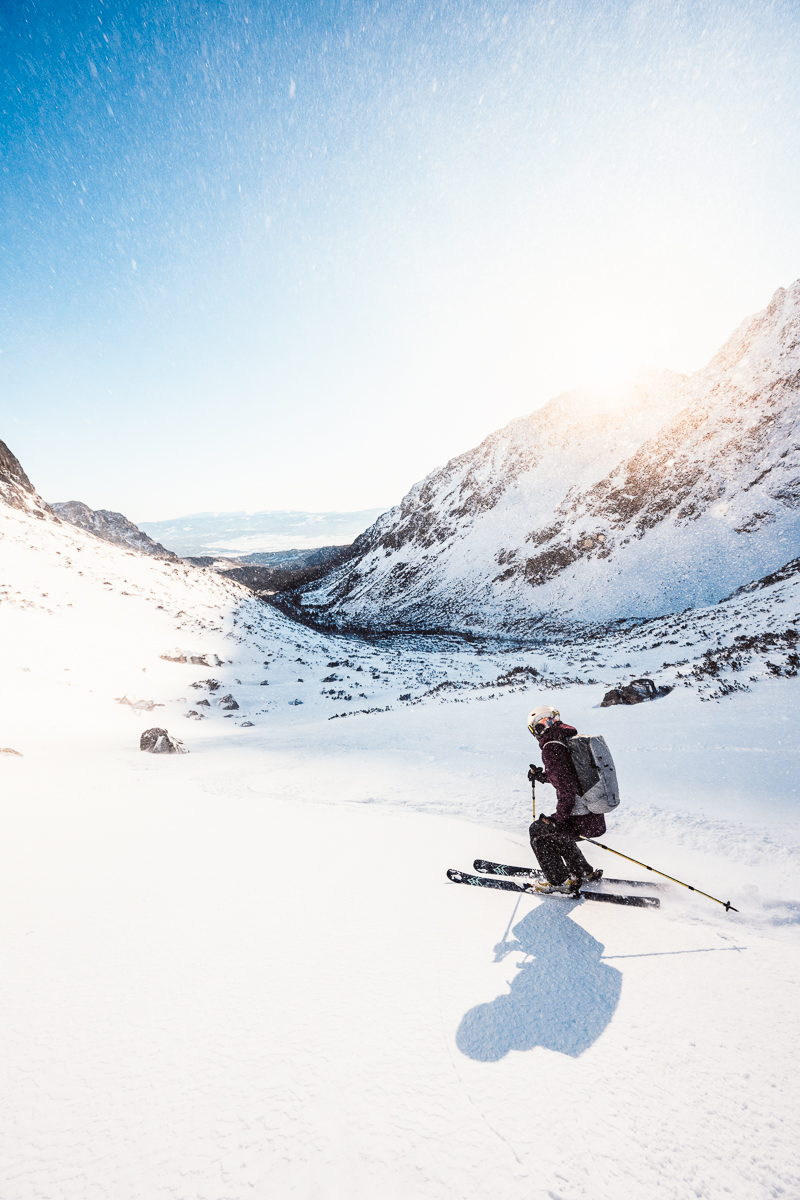
Skier descending a snow-covered mountain slope in a winter alpine valley

Sleep & Eat

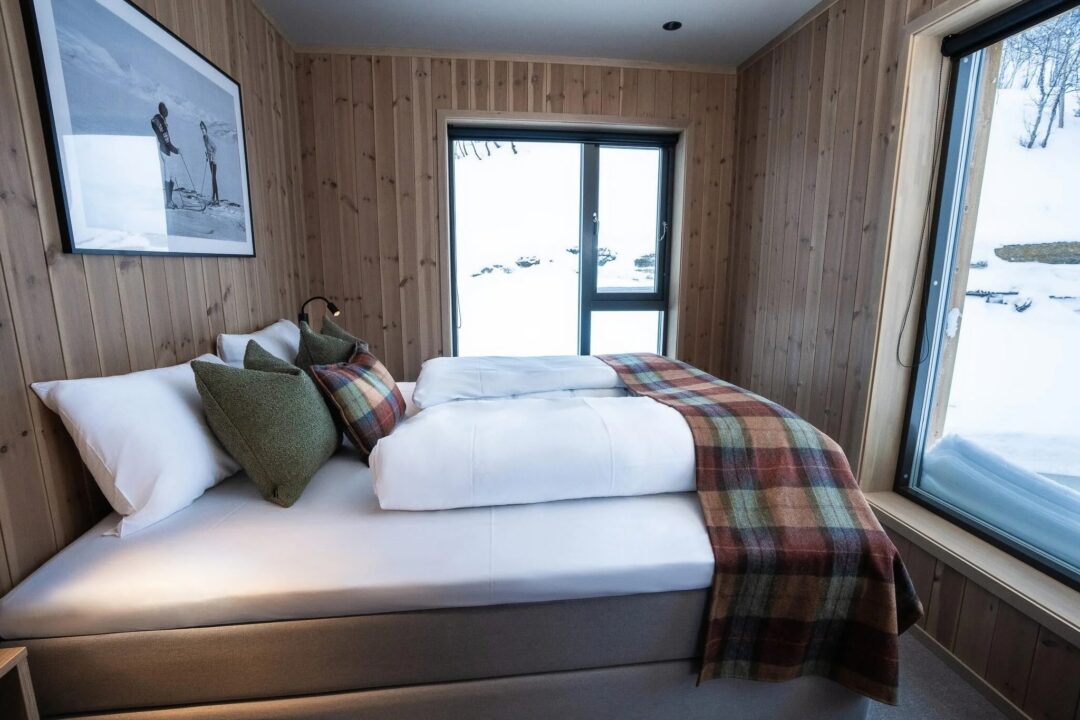
We’ll stay in a newly renovated mountain hotel with 28 rooms and 15 apartments at 900m above sea level. Each room has a comfortable bed, private bathroom with shower, mountain views from large windows, window sofa and free WiFi.

The hotel has a restaurant, terrace, and is mere steps from the trails. It’s comfortable, cosy and exactly what you need after demanding days on the slopes.

Twin rooms and private rooms are available (including private rooms in apartments).

The hotel chefs use local ingredients from the Valdres region.

    • Breakfast: Mountain breakfast buffet to get you started
    • Lunch: Packed lunches for the trails
    • Dinner: Three-course dinners in the restaurant each evening

Expect hearty Norwegian mountain food designed to refuel after demanding days – warming soups, local meat and fresh fish.
What are the rooms like?

Newly renovated with private bathrooms. There’s a comfortable bed, storage, mountain views, a window sofa and WiFi. It’s warm and functional – exactly what you need after long days on trails.

Are towels and hairdryers provided?

Yes, towels provided. Hairdryers can be borrowed from reception for your stay.

Can you cater for dietary requirements?

Yes, with advance notice. Tell us when you book. Sourcing specialty ingredients in the mountains takes planning, so early notice is essential.

Are there laundry facilities?

No, but you can hand-wash in your room. Pack travel wash or soap flakes for rinsing base layers. Rooms have heating for drying overnight.

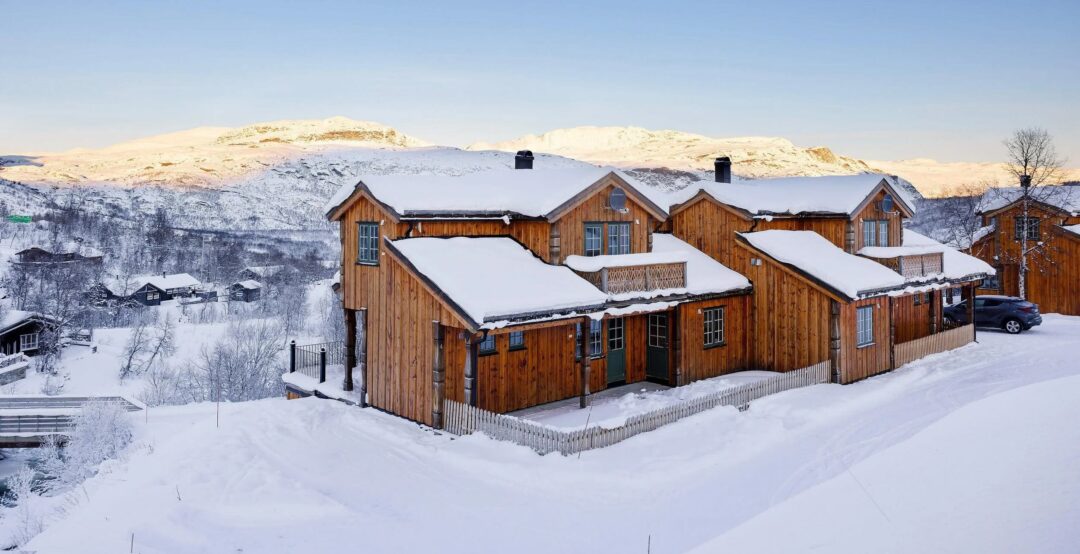
Snowy wooden cabins in winter landscape in Norway
Ski lodge bedroom with double bed and plaid throws, looking out on snowy Norway through large windows

Weather

Winter here means full winter conditions and reliable snow across the season. Temperatures vary, typically -10 to 5°C, coldest in midwinter and milder toward spring. It’s a dry cold, so it feels less harsh than the damp UK cold at the same reading. You’ll warm up quickly once you’re climbing, so pack layers, the cold bites when you stop moving. Be prepared for snow, wind or sunshine, sometimes all in a day.

What are typical temperatures in late winter?

Temperatures vary but we expect it to be anywhere between -10 to 5° C. It will be a dry cold and you’ll get warm whilst skiing, but pack layers as the cold will bite when you stop moving.

What if weather impacts activities?

Then we’ll adjust the itinerary. Safety is always the priority, and we have backup options. Guides swap things around based on conditions and forecasts so you’ll still ski – just on different terrain or at different times.

How should I check the forecast?

An up-to-date weather forecast is available in your customer booking portal. This will help you pack for specific expected conditions, although trust the packing list.

What's the worst-case weather scenario?

High winds or heavy snowfall might mean staying on lower, more protected terrain instead of exposed ridges. Guides prioritize safety while ensuring you still get quality ski touring. Weather flexibility is built into the itinerary.

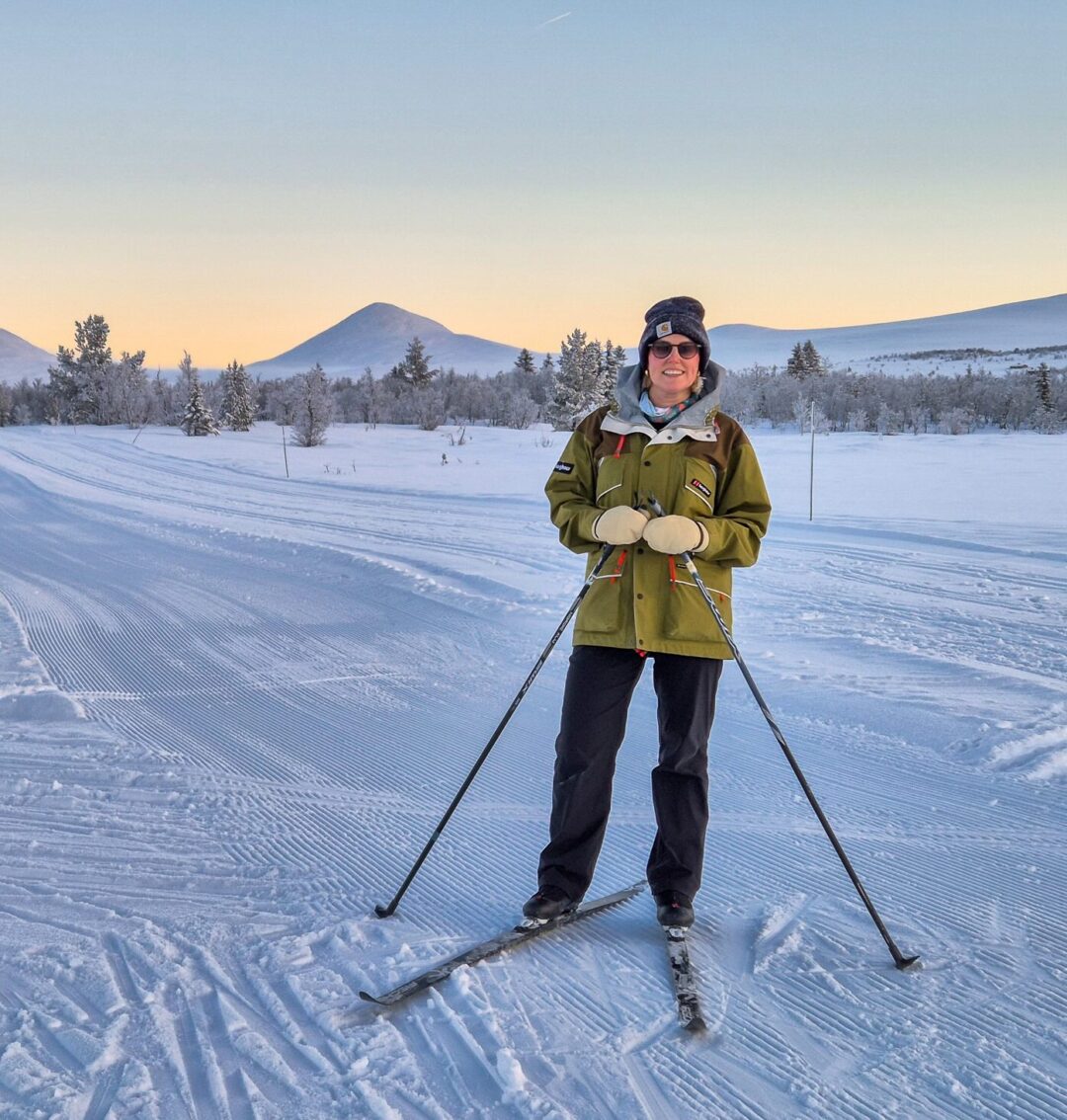
Snowy ski touring trail across Norwegian mountains at dusk with clear blue sky and winter landscape

Good to Know

Money: Norway uses Norwegian Krone (NOK), but cards work everywhere, so you don’t need cash. All meals are included,  but you may want to budget for extra drinks, snacks and souvenirs if you want them.

Tipping: Tipping is not compulsory on our adventures, but if you’ve had a great trip and brilliant service, a tip for your guide or host is always appreciated. We recommend giving 200-300 NOK, or whatever you can or feel is the right amount.

Communication: The hotel has free WiFi and phone coverage works around the village but may be patchy when you’re out in the mountains.

How many guests on this trip?

Max. 10 guests.

When should I buy travel insurance?

As soon as you book, not the week before you fly. Booking early means you’re covered if you need to cancel before departure, not just for issues while you’re away. Your policy should cover travel delays, missed connections, trip cancellation, medical emergencies and evacuation, baggage and equipment loss, and all activities on your itinerary.

Why aren't all your guides female?

We use female guides whenever possible, but can’t always guarantee it as sadly there’s fewer women in the guiding and adventure space generally. Our priority is highly experienced, considerate guides who are patient, friendly, and passionate about building women’s confidence outdoors.

What happens in emergencies on the mountain?

Your guide will carry satellite communication devices and comprehensive first aid kits. You’ll also learn how to use avalanche transceivers and basic mountain safety protocols. Guides are trained for mountain emergencies and will coordinate evacuation if needed.

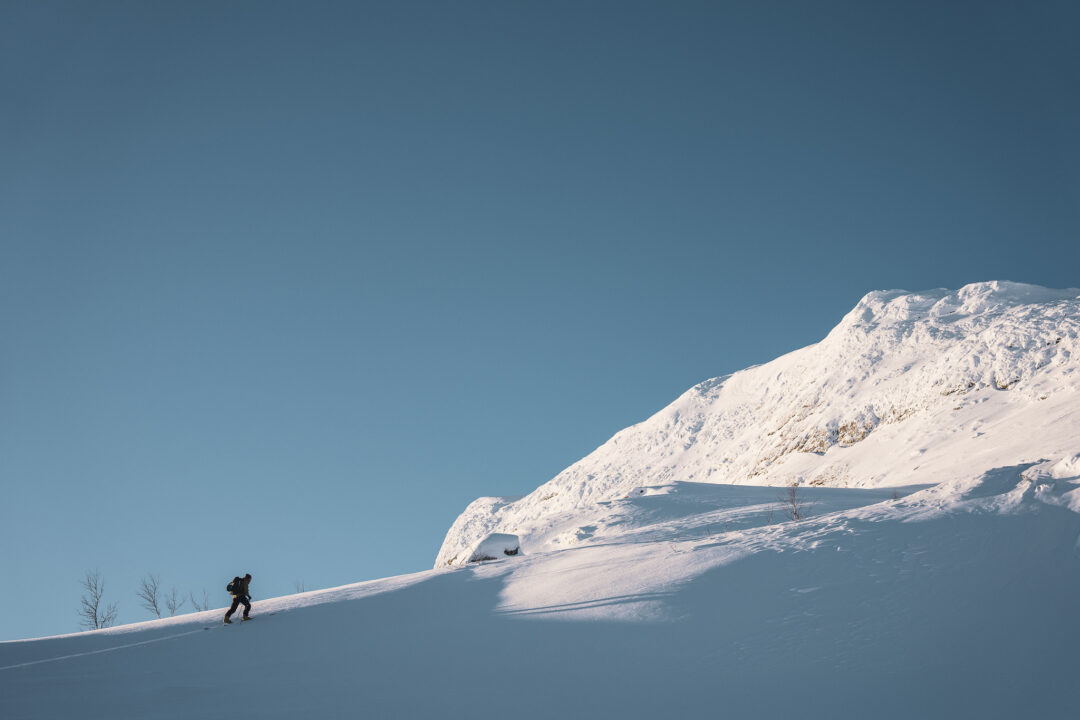
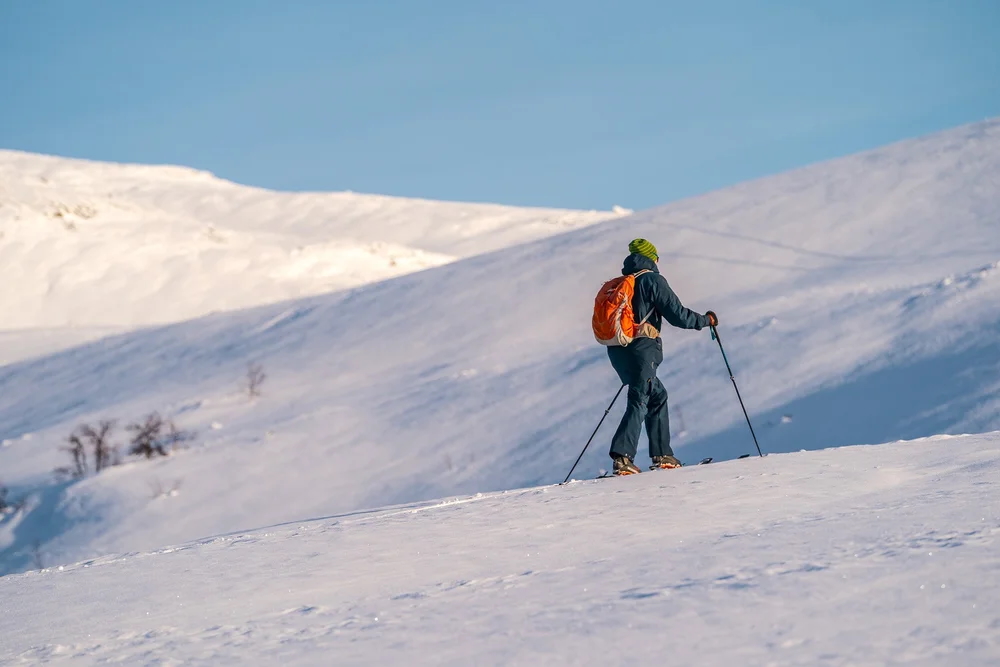
Ski tourer climbing a snowy mountain slope under a clear blue sky
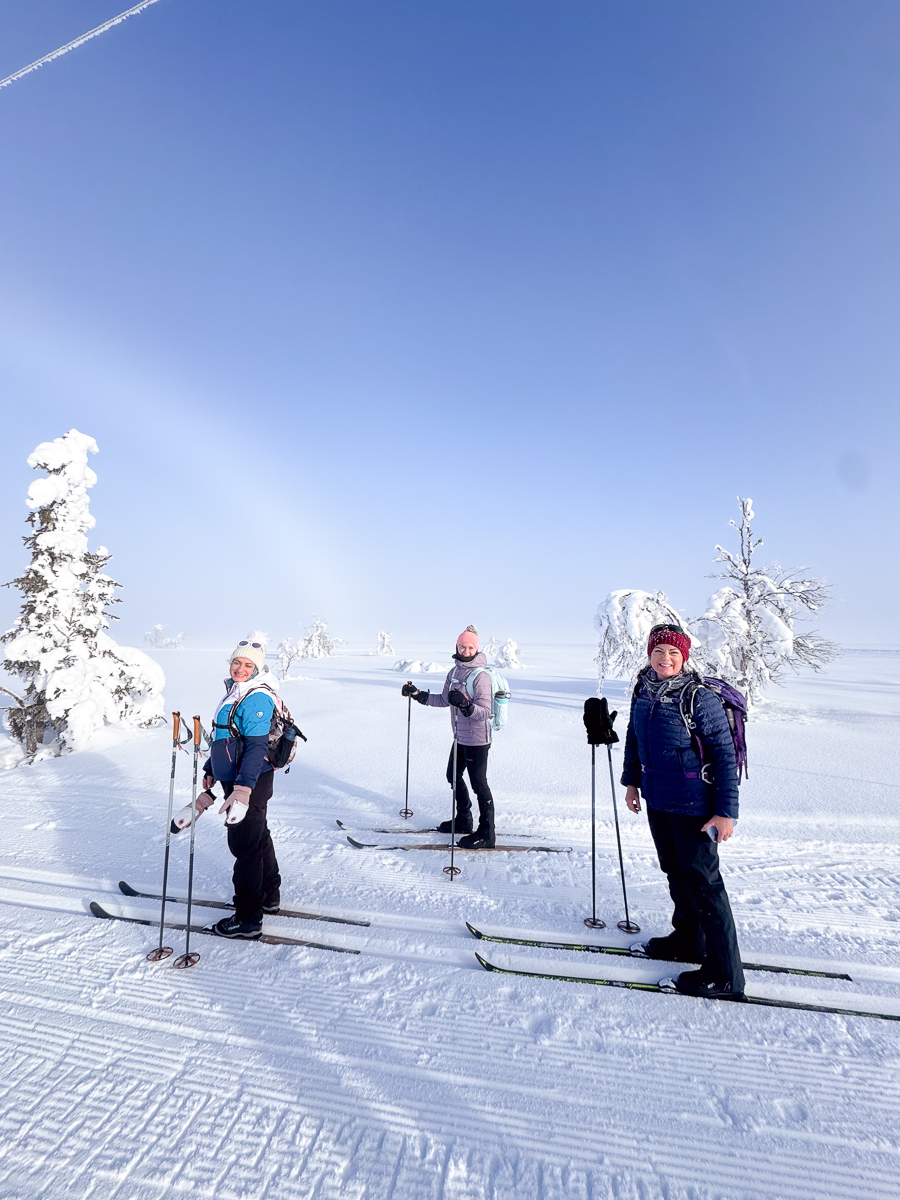
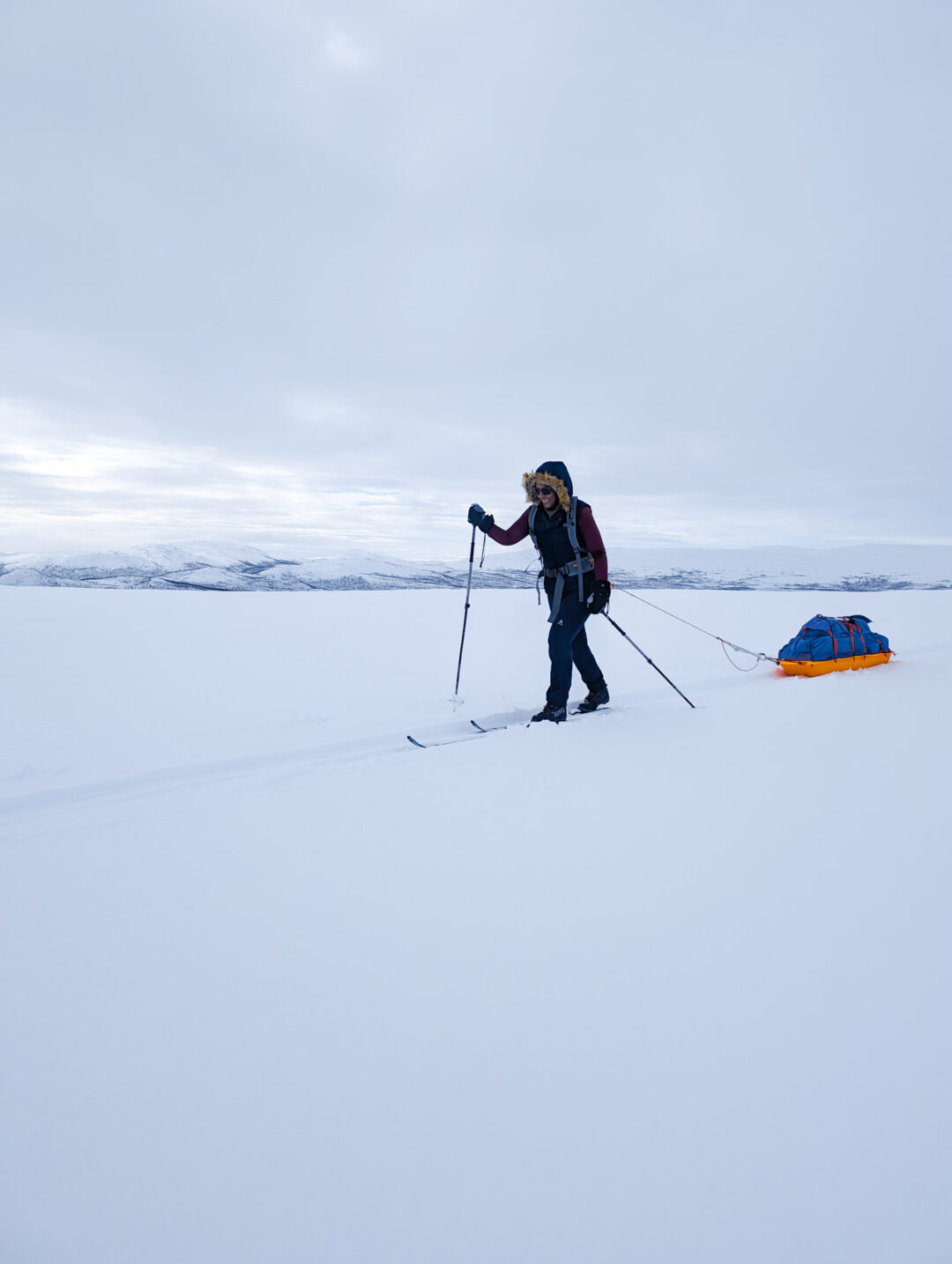
Women ski touring across snowy mountains in Norway, walking uphill on skis with backpacks

Packing List

What We Provide

Ski Touring Equipment

    • Touring skis
    • Poles
    • Ski boots
    • Climbing skins
    • Helmet
    • Avalanche safety gear (transceiver, shovel, probe)

What You Need to Bring

Base Layers

Bring moisture-wicking thermal tops and bottoms made from Merino wool or an synthetic equivalent. Don’t wear cotton – it traps moisture and leaves you cold. Same for your socks.

Mid Layers

A fleece or down mid-layer for insulation. Fleece offers warmth without bulk, although a down or thicker synthetic layer will work for colder days.

Outer Layers

    • Waterproof, windproof ski jacket (with insulation or as shell for layering flexibility)
    • Waterproof, breathable ski trousers or salopettes (insulated for cold days or shell pants for layering)

Accessories

    • Ski goggles (UV protection, anti-fog)
    • Buff or neck gaiter
    • Gloves or mittens (insulated, waterproof)
    • Warm hat
    • Hand warmers for very cold days

Personal Kit

    • Daypack (25-35L) for water, snacks, extra layers
    • Water bottle
    • Lightweight dry bag to keep things dry
    • Winter walking boots
    • Sunscreen and lip balm
    • Personal meds

Packing Tips

Layering: Ski touring means more time moving and navigating varied terrain. Comfort, warmth, and mobility are key. You’ll heat up on climbs, cool down quickly on stops and descents. Layer strategically.

Base Layer Fabric: Merino wool or synthetic materials wick moisture and keep you warm when damp. Cotton traps moisture and makes you cold so avoid it completely.

Hand Luggage Essentials: Pack goggles, base layers, and one warm layer in carry-on if you’re also checking in a bag. There are no outdoor shops in Tyinkrysset – if your bag is delayed, these items are impossible to replace.

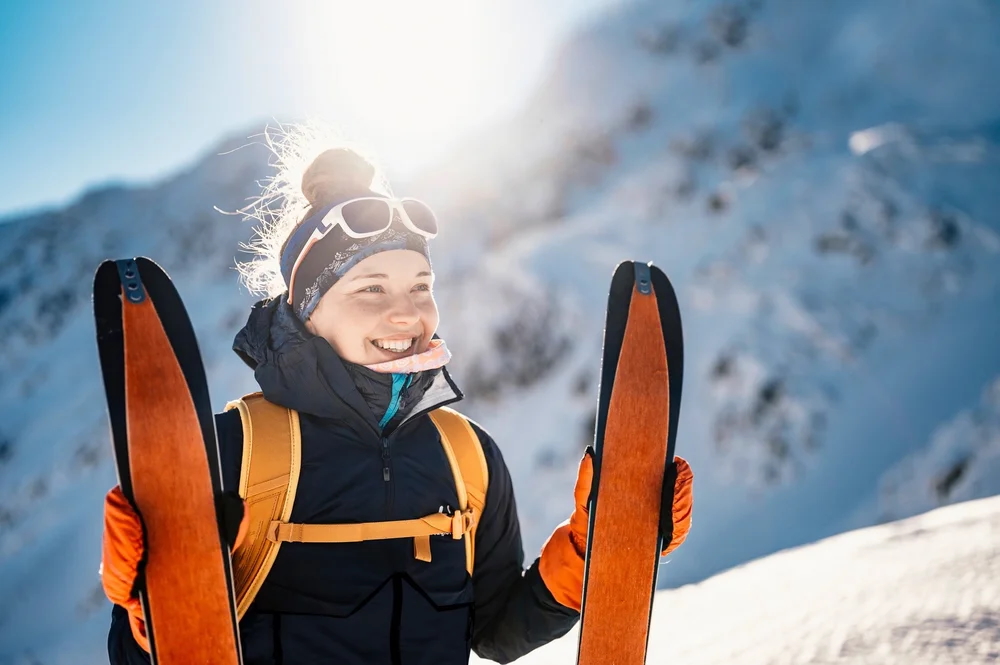
Smiling woman ski touring with skis on a snowy mountain slope in winter landscape
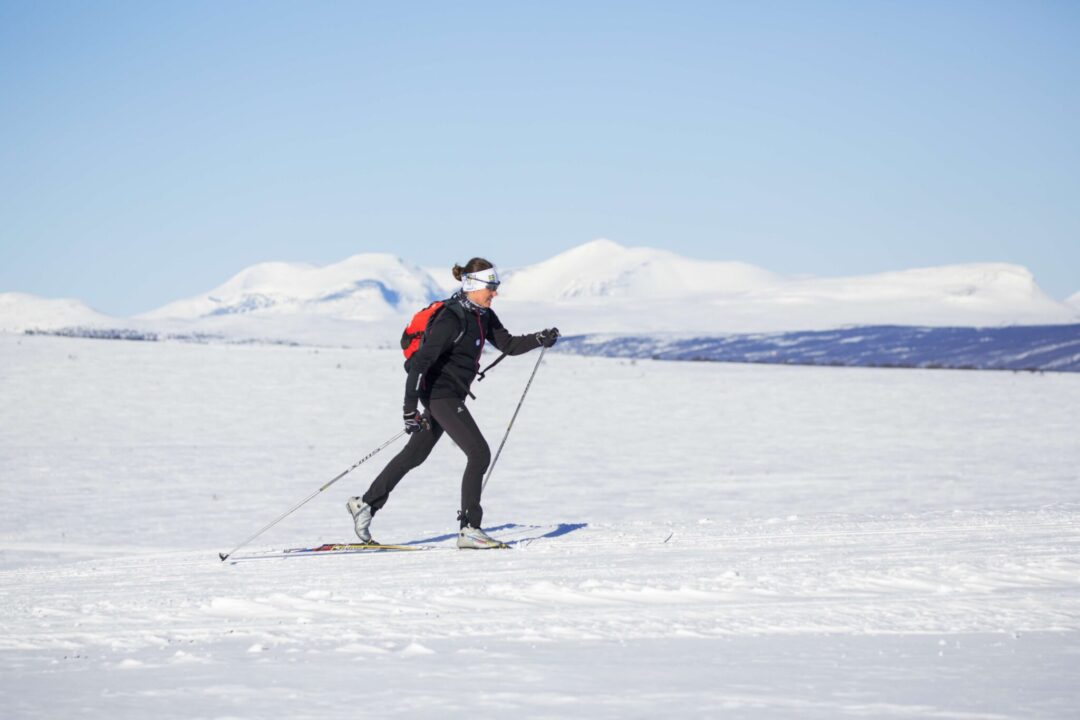
Woman ski touring uphill on snowy mountains in Norway, with poles under a clear blue sky

Trip Code NORFILSKT – Include this code in any message so we can find your trip straight away.