Trip Guide

Trip Guide: Improvers Cross Country Ski Holiday in Norway

You’ve tried cross-country skiing and you’re hooked. Now it’s time to level up.

This week pushes your technique and stamina further. Your expert guide will start you with a technical refresh, then build up to longer, more demanding routes through wilderness terrain. By mid-week you’ll be covering distances that would’ve seemed unthinkable at the start.

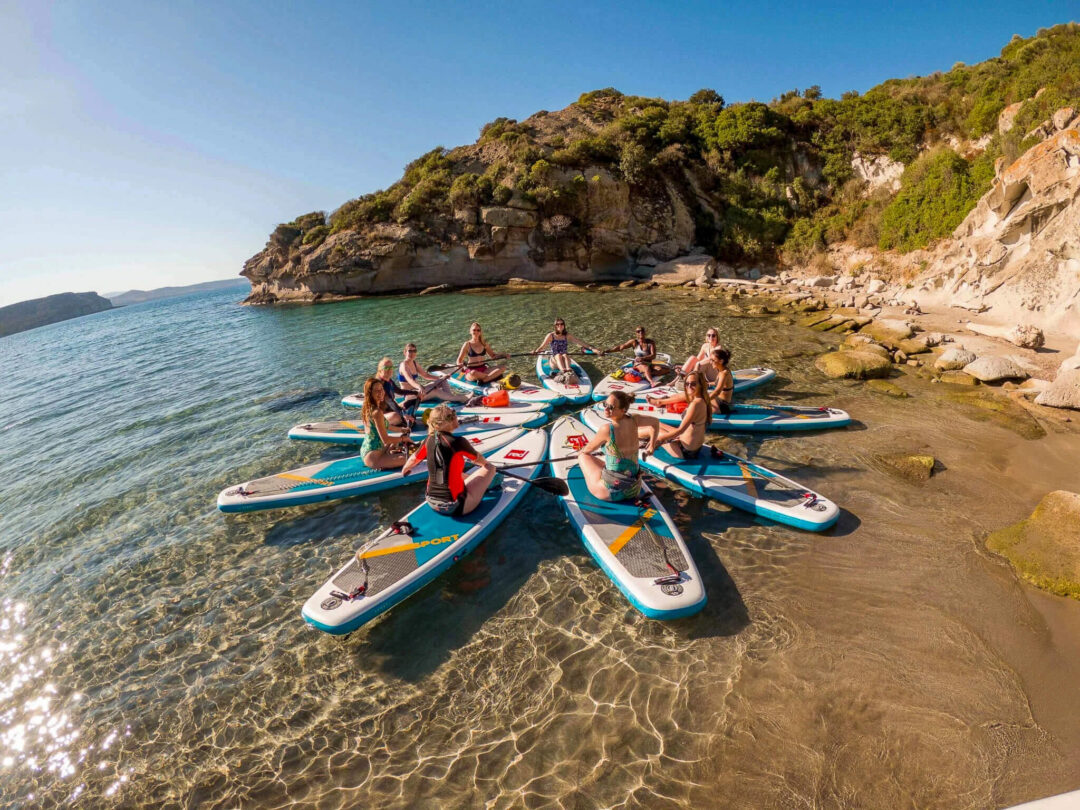
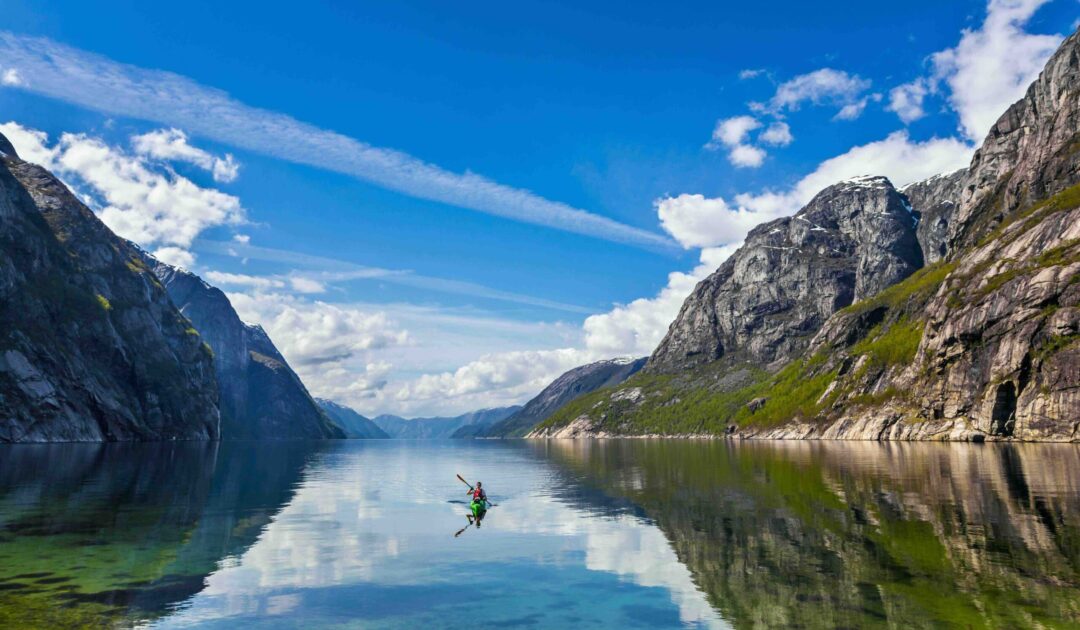
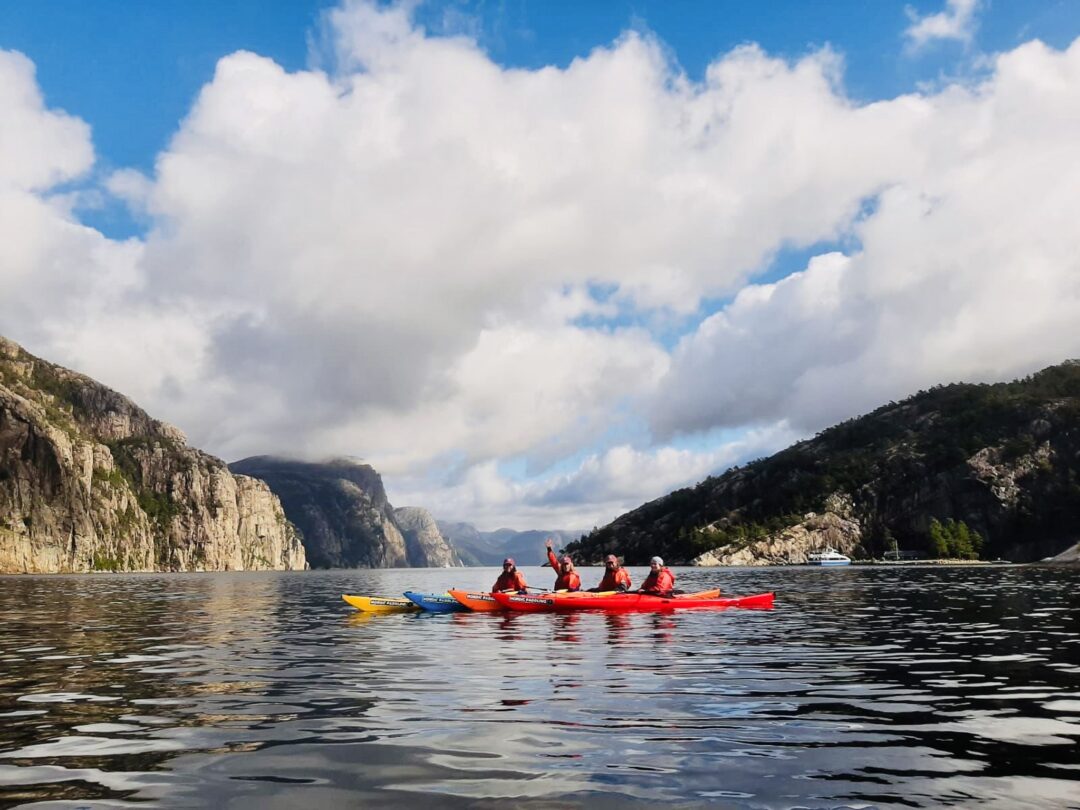
You’ll also hit the water with a day’s kayaking on Sognefjord before you put the skis back on for your final big mountain days. Stay at a modern mountain hotel with riverside sauna, three-course dinners, and yoga sessions designed for recovery.

Read on for everything you need to know before this adventure starts.

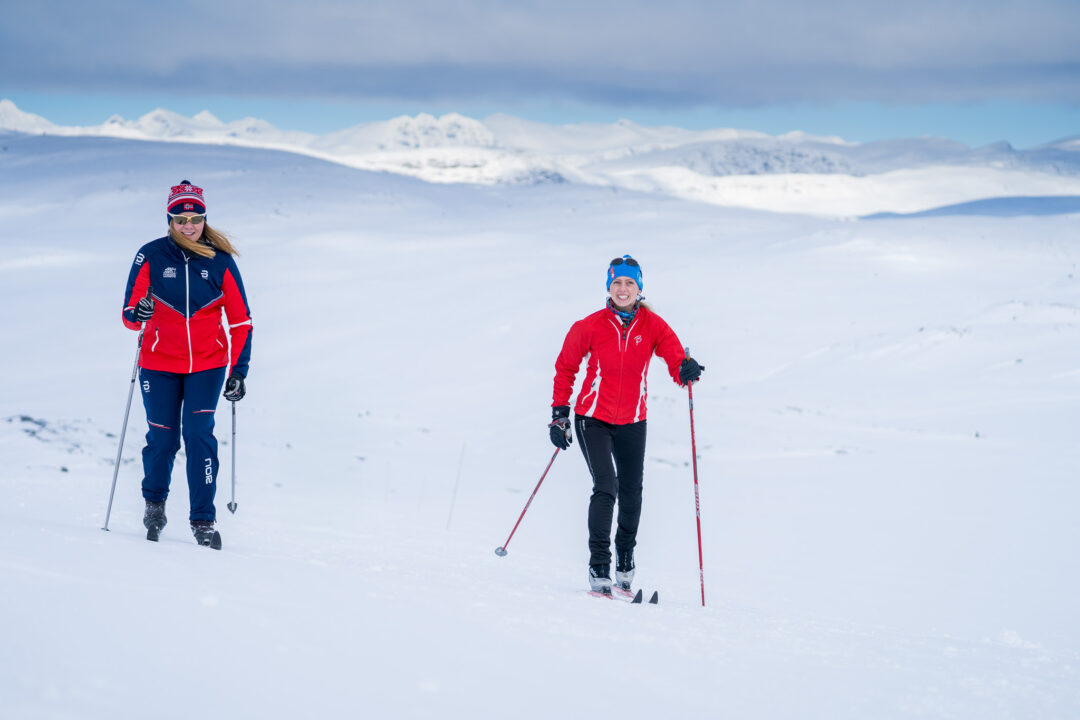
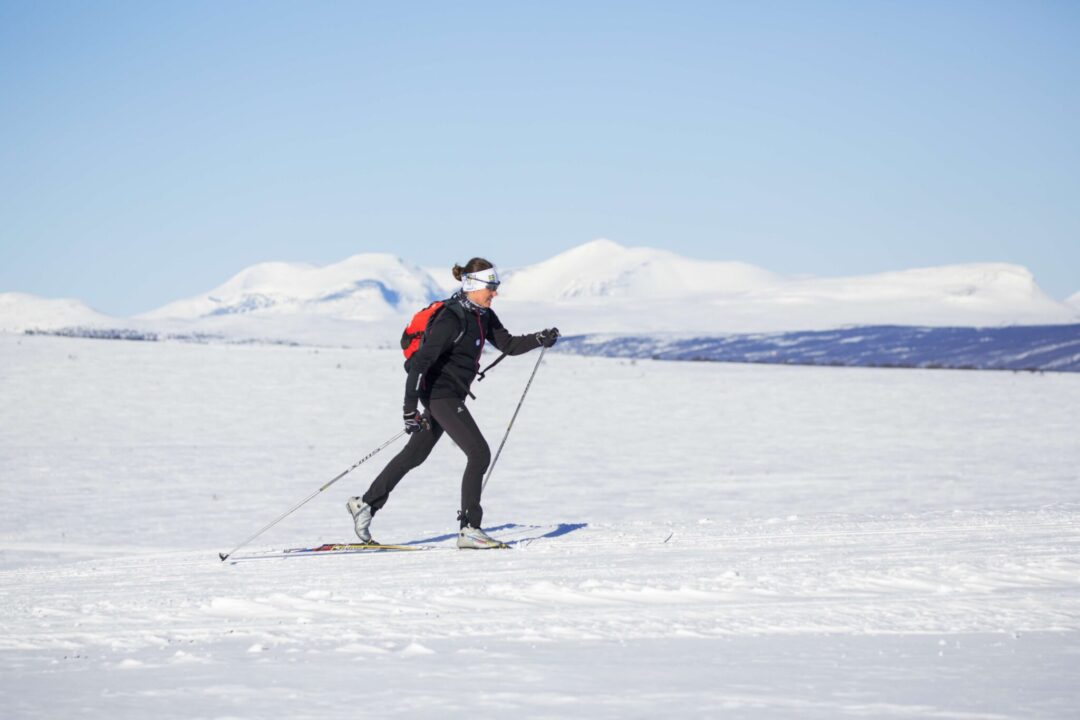
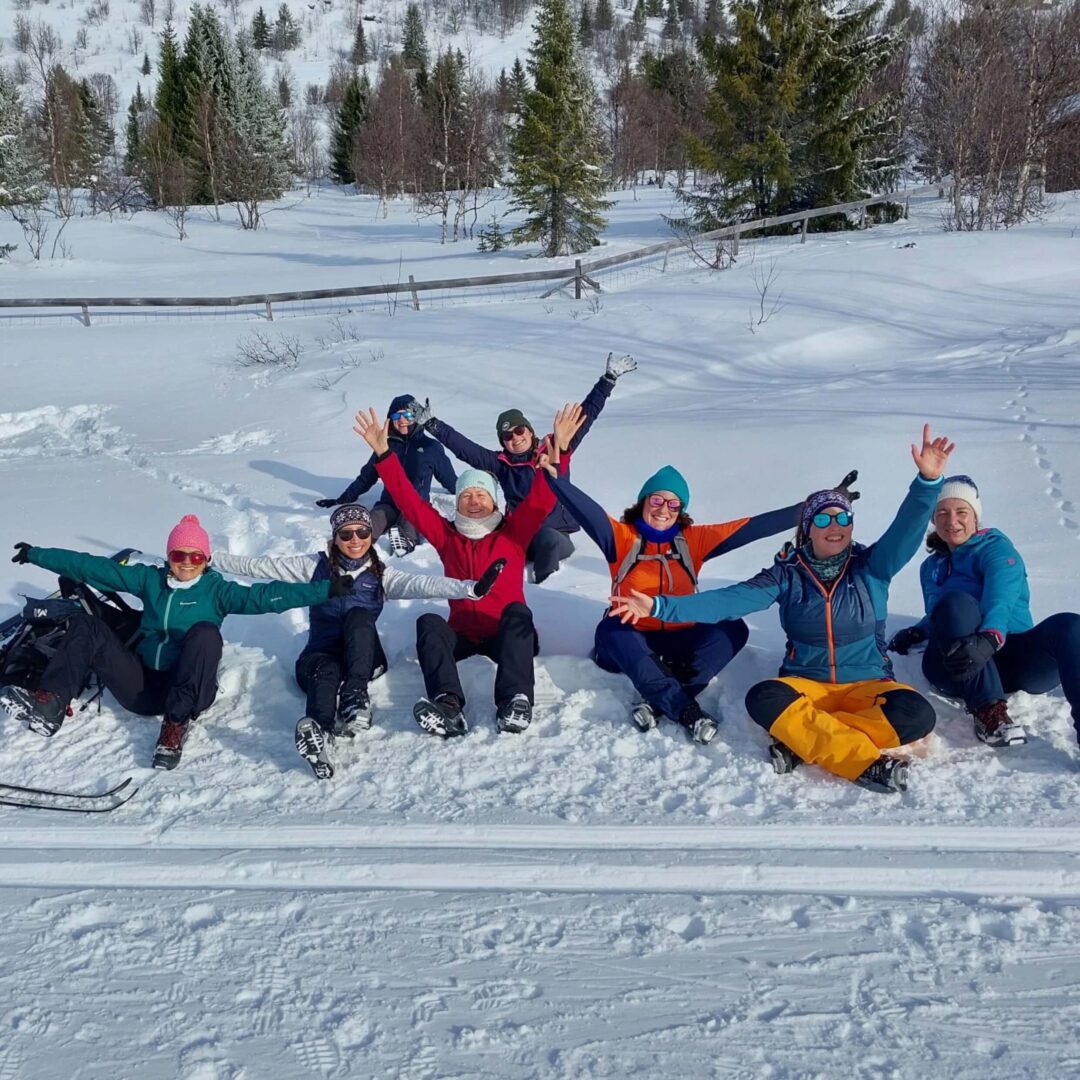
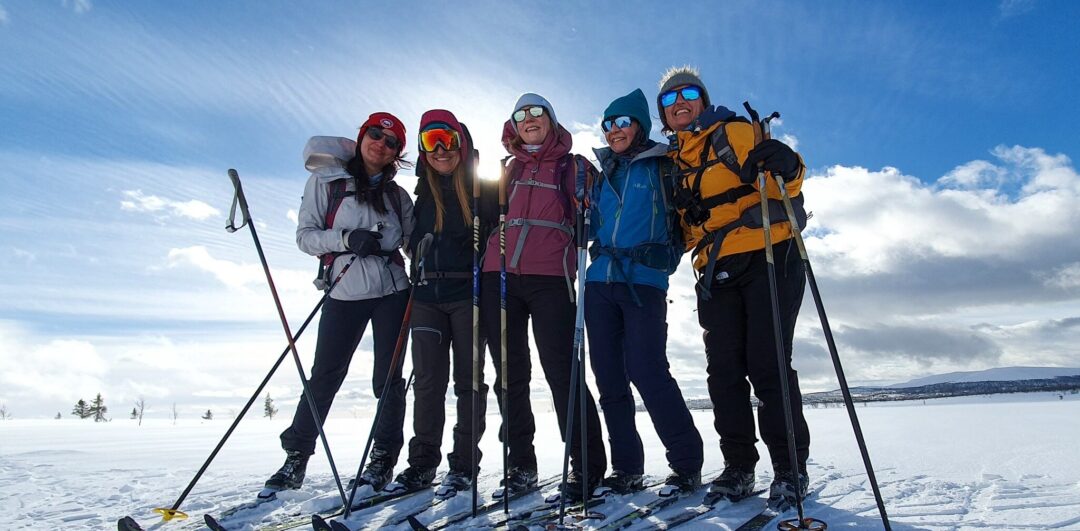
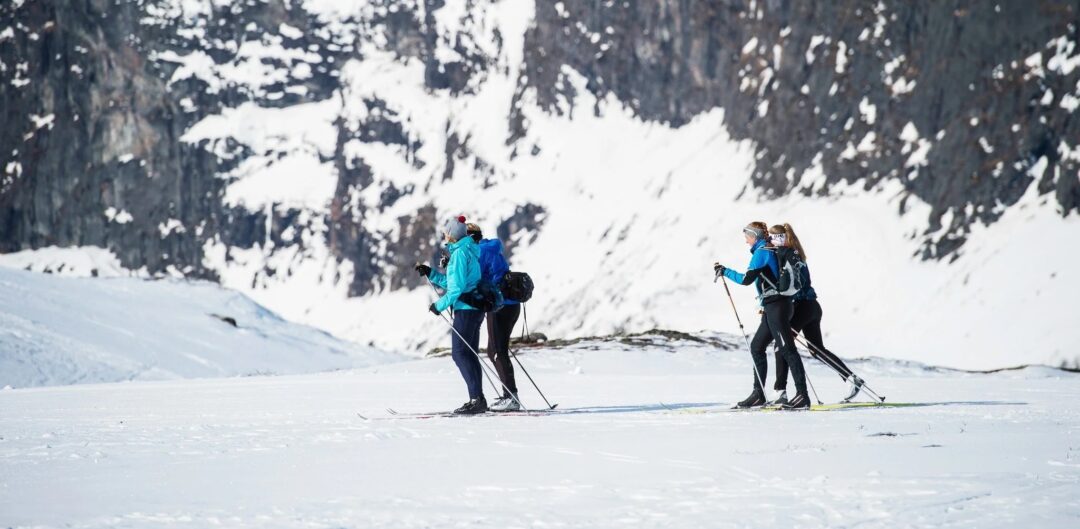
Women cross-country skiing on a snowy trail in snowy mountains

Getting There

Tyin Filefjell sits at 1,000m above sea level between Oslo and Bergen. The hotel is in a remote mountain area, but getting here is easier than it looks. There are direct buses from both cities, and however you come, we collect you from Tyinkrysset at the end.

You have two straightforward routes: fly into Oslo Gardermoen, or fly into Bergen. Both have a direct bus to the resort, and both are covered below.

From Oslo

Direct airport bus: The Vy express bus (VY450) leaves from just outside Oslo Gardermoen and runs direct to Tyinkrysset in around four and a half hours, no changes. Current timings have it leaving the airport at 16:45 and arriving Tyinkrysset at 21:15.

Via Oslo city centre: If you’d rather break up the journey or spend time in the city, take the train from the airport into Oslo Central Station, then pick up a bus to Tyinkrysset from the terminal next door. Buses from the city run more often through the day, so you get more choice of times. There’s one easy change, and it’s simple to navigate.

Getting from Oslo Airport into the city: Local trains run from the airport platforms every 10 to 15 minutes. Choose a standard local train rather than the pricier express, they reach the same station for a lot less. Oslo Central Station has coffee shops and places to sit if you have a wait, and the bus terminal is a few minutes’ walk away.

On the city-centre buses, look for services calling at Fagernes. These are timed to connect, so if one runs late the next usually waits, and if there’s ever a holdup you can change at Fagernes. There’s normally around a 15 minute gap between departures.

From Bergen

Bergen has a direct Vy express bus (VY450) to Tyinkrysset. On the way out the bus takes around five hours and ten minutes from Bergen bus station, so allow roughly six hours in total once you’ve added the airport-to-station connection. These services tend to leave earlier in the day, currently around 09:00 from Bergen. For the return, the direct bus from Tyinkrysset to Bergen currently leaves at 13:35 and arrives at 18:05, a little quicker at about four and a half hours. It’s worth planning your flights around these times.

To reach the bus station from Bergen Airport you have two easy options: the Bybanen light rail line runs from just outside the airport into the centre in around 40 minutes, every 10 minutes or so, and is the cheaper choice; or the Flybussen airport coach, which is quicker at around 16 minutes and runs frequently, but costs more. Both are simple to navigate.

Bergen is a lovely city in its own right, so it’s well worth a night either side if you can.

Your transfer to the hotel: However you travel, we collect you from Tyinkrysset and take you to the hotel. The group transfer meets the arrival bus at Tyinkrysset bus station at 21:15 on arrival day, and drops you back there at 09:45 on departure day to connect with your bus home. The transfer is included in your trip, and the times are fixed, so please book your buses to fit them. If you arrive outside these times, a private transfer between the bus stop and the hotel can be arranged for approximately NOK 80 (£6/€7) per person each way, a 5 to 10 minute drive.

A quick word on the buses: these are proper coaches, with comfortable reclining seats, a clean toilet on board and some of the best views you’ll get anywhere. It’s a genuinely comfortable, good-value way to travel, a world away from a UK coach.

Which airport should I fly into?

Oslo Gardermoen is the easiest choice. You can take the direct Vy express bus from the airport to Tyinkrysset, or catch a short train into Oslo Central Station and pick up a bus from there, which run more often through the day. Bergen is also possible, but the connections from Oslo are simpler. Full details are in the Getting There section above.

How do I book bus tickets?

Book the bus through Vy at vy.no/en. The site has an English version and is easy to use. We really recommend booking the bus in advance, as these can sell out.

If you’re travelling via Oslo city centre, you don’t need to book the airport-to-city train ahead. Just buy a ticket from the machines at the airport when you arrive. One thing to watch: don’t pay for the Flytoget Airport Express, which is the pricier fast train. Choose a standard local train from the airport platforms instead, it’s much cheaper and arrives at the same station, and the difference is easy to spot on the ticket machines. Buying the train ticket on arrival also gives you flexibility if your flight is delayed, so try to leave a comfortable gap between the train and your bus.

Bus tickets often only go on sale around 90 to 120 days before travel, so if you’re booking earlier you may not see them yet. See the schedules FAQ below.

What if the bus times have changed?

We publish this guide well ahead of your trip, so bus schedules can shift slightly between now and when you travel, and tickets often only go on sale 90 to 120 days beforehand. In our experience the times have stayed very consistent over the past few years, so the routes above are a reliable guide. We keep an eye on the schedules, but if you go to book and can’t find the services we’ve listed, drop us an email and we’ll check the latest times with you.

Can I arrange a private transfer if I can't make the scheduled times?

Yes. If you arrive outside the scheduled pick-up time, a private transfer between Tyinkrysset bus stop and the hotel can be arranged for approximately NOK 80 (£6/€7) per person each way. It’s only a 5 to 10 minute drive.

Please note this covers the bus stop to hotel journey only. A private transfer all the way to or from Oslo or Bergen airport would be very costly, so we don’t recommend it, the bus is by far the better option.

Can I spend extra time in Oslo or Bergen?

Yes, and it’s an easy add-on. Oslo is well worth a day either side of your trip. If you’d rather come up earlier, you can take an earlier bus towards Tyinkrysset, and if it suits we can arrange to collect you from an earlier arrival for a small transfer charge (see the transfer details above for the cost). The bus and train stations in Oslo sit right next to each other, so switching between them is only a few minutes’ walk.

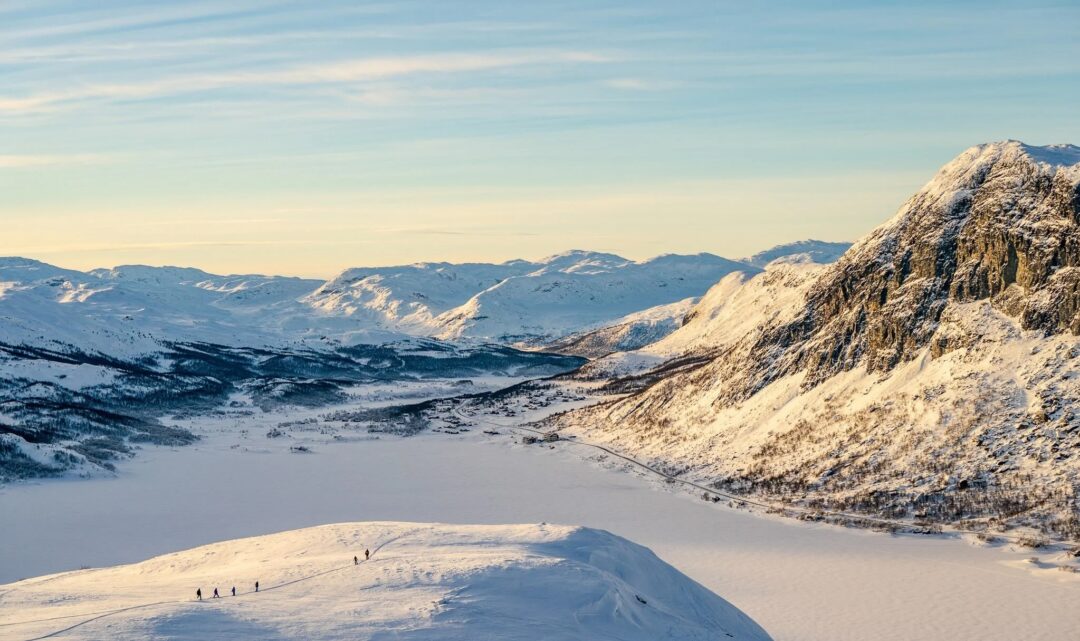
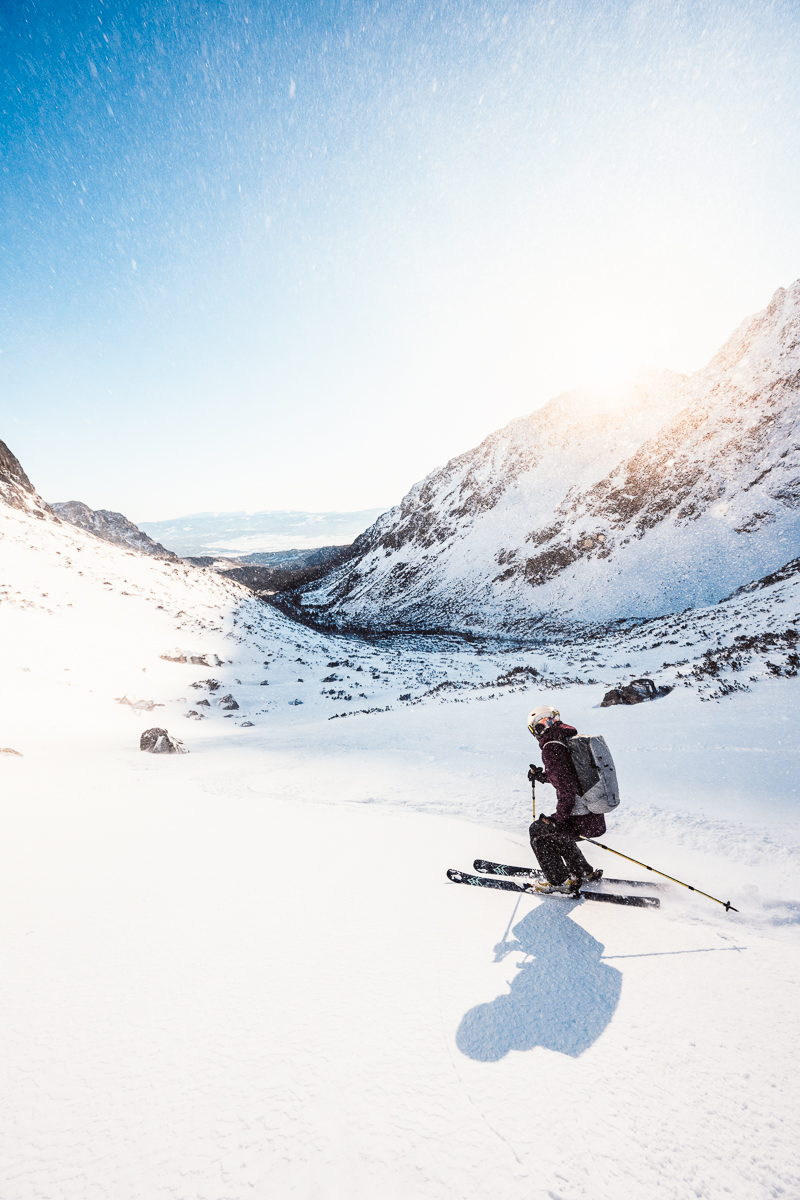
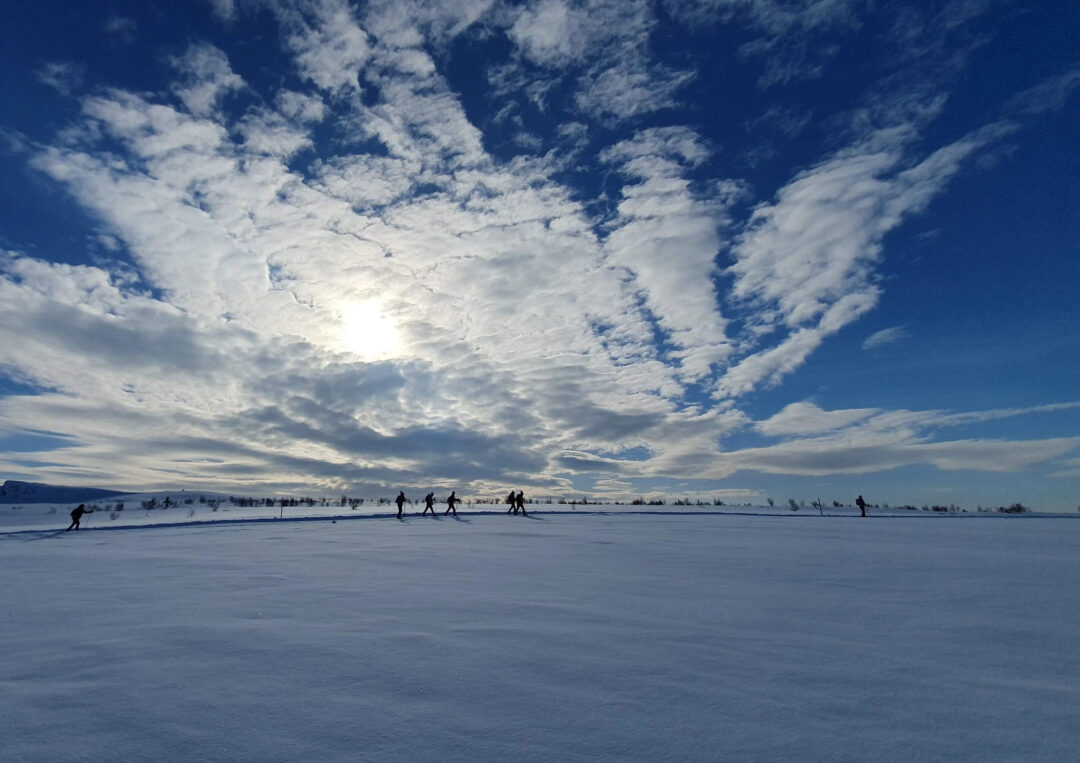
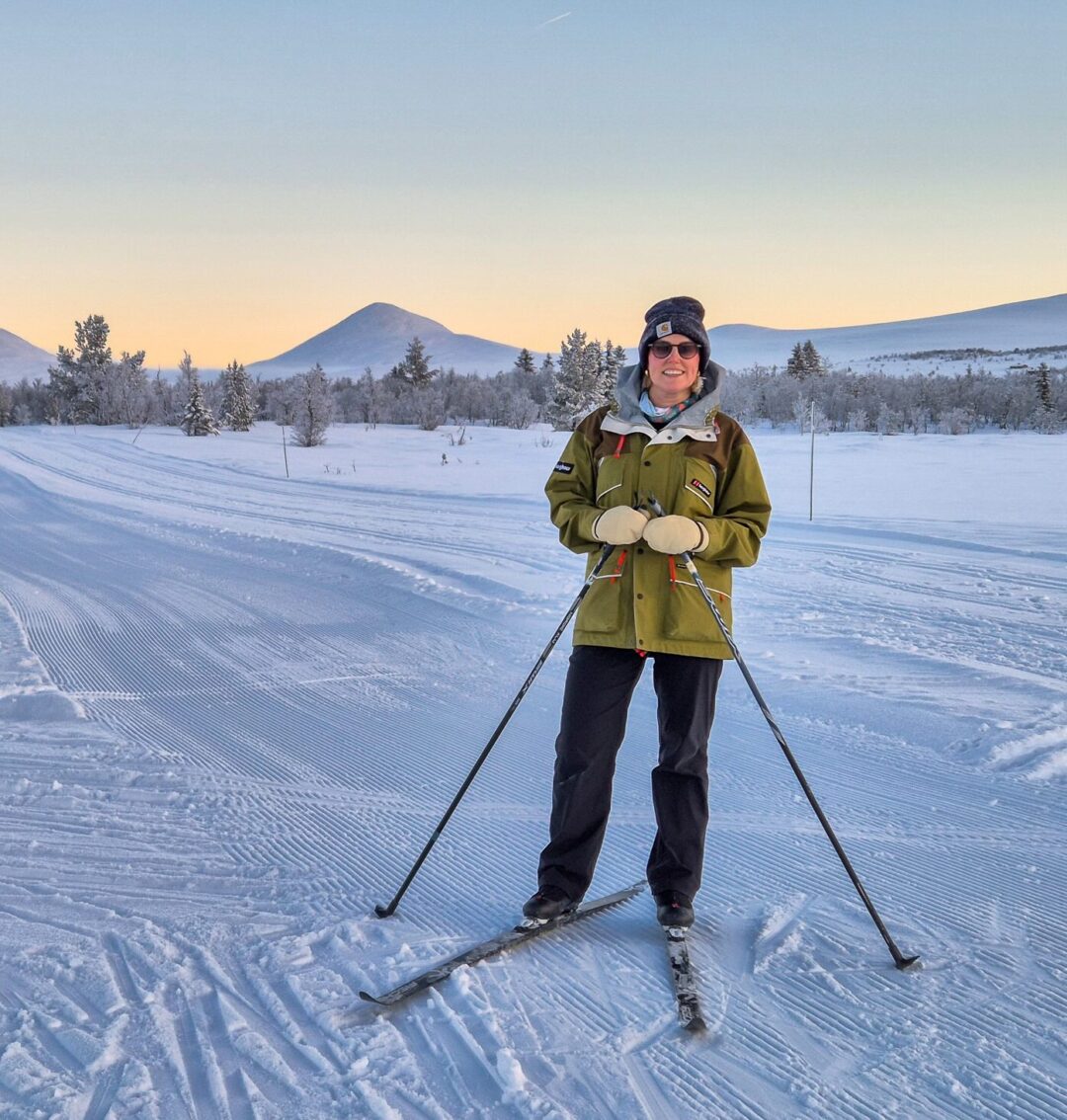
Snowy mountains with a cross-country ski trail and skiers in a winter valley at dusk

Fitness & Skill Level

Difficulty: Moderate

This adventure is for active women with existing cross-country skiing experience who are ready to push their skills further. You need solid fitness, determination, and the ability to handle consecutive long days on skis while continuing to learn and improve.

There will be long hours outdoors, more technical terrain, and physically demanding routes that mean you’ll be working hard every day. If you’re comfortable with the uncomfortable and ready to level up your skiing, this is for you.

What to Expect

    • Duration: 6-8 hours of activity daily, including full-day routes covering 10-25km. At improver level, we’re talking serious distance and elevation gain.
    • The Reality: Longer routes, technical climbs, and consecutive active days mean you need solid fitness and determination to improve your cross-country skills. It’s worth it though for the views, progress, and satisfaction of skiing distances you couldn’t manage before.
    • Technical Development: We’ll work on diagonal stride efficiency, double poling power, hill climbing technique, and downhill control. You should be comfortable with basic techniques already – this week refines and develops them.
    • Terrain & Distance: Expect rolling terrain, real climbs, and long descents. Some routes include challenging sections that will test your technique and stamina. You need to be comfortable skiing for long periods without breaks.
    • Not for Beginners: This picks up where your beginner trip left off. If you’ve skied cross-country elsewhere, bring what you know and we’ll help you improve. Never cross-country skied? Do our beginner week first. Experienced downhill skier? Doesn’t matter – cross-country is a completely different sport so you’ll need a beginners trip under your belt first too.

Who This Suits

This trip is for adventurous women with prior cross-country skiing experience ready to challenge themselves, cover serious distance, and push technical skills. If you’re still finding your feet on skis, stick with the beginner week first.

Fitness Requirements

    • Solid base fitness and regular training
    • Prior cross-country skiing experience essential
    • Comfortable with long, demanding days outdoors

Am I the right ski level for this trip?

If you’re comfortable with basic cross-country techniques and ready to level up, yes. We’ll refine your skills over longer, more challenging routes that test endurance and technique. Not sure? Contact us to discuss.

How can I prepare physically?

Build cardio endurance through running, cycling, or swimming, then add hill work, squats, lunges, and core strength training too. The fitter you arrive, the more you’ll enjoy pushing your limits.

What if I can't keep up?

Instructors adjust the pace and routes based on group ability, but this is an improver trip so expectations are higher.

Can I skip a day if I'm exhausted?

Yes. This is your holiday. If you need rest, take it. However, often tiredness is forgotten when you’re out on the tracks and smashing those distances.

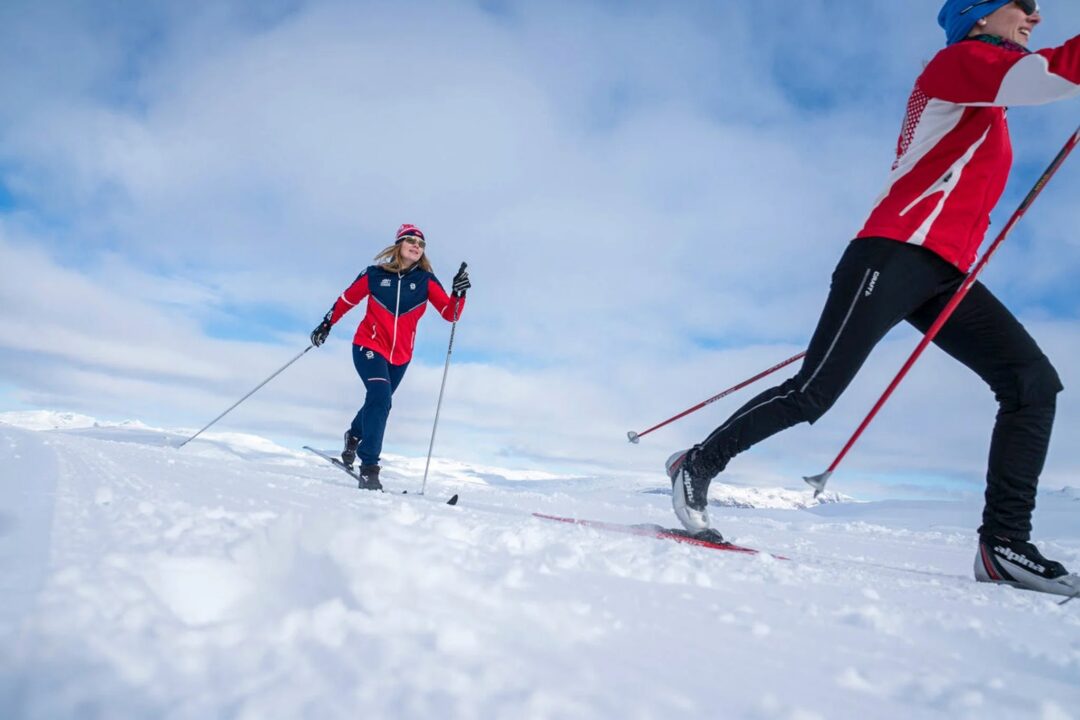
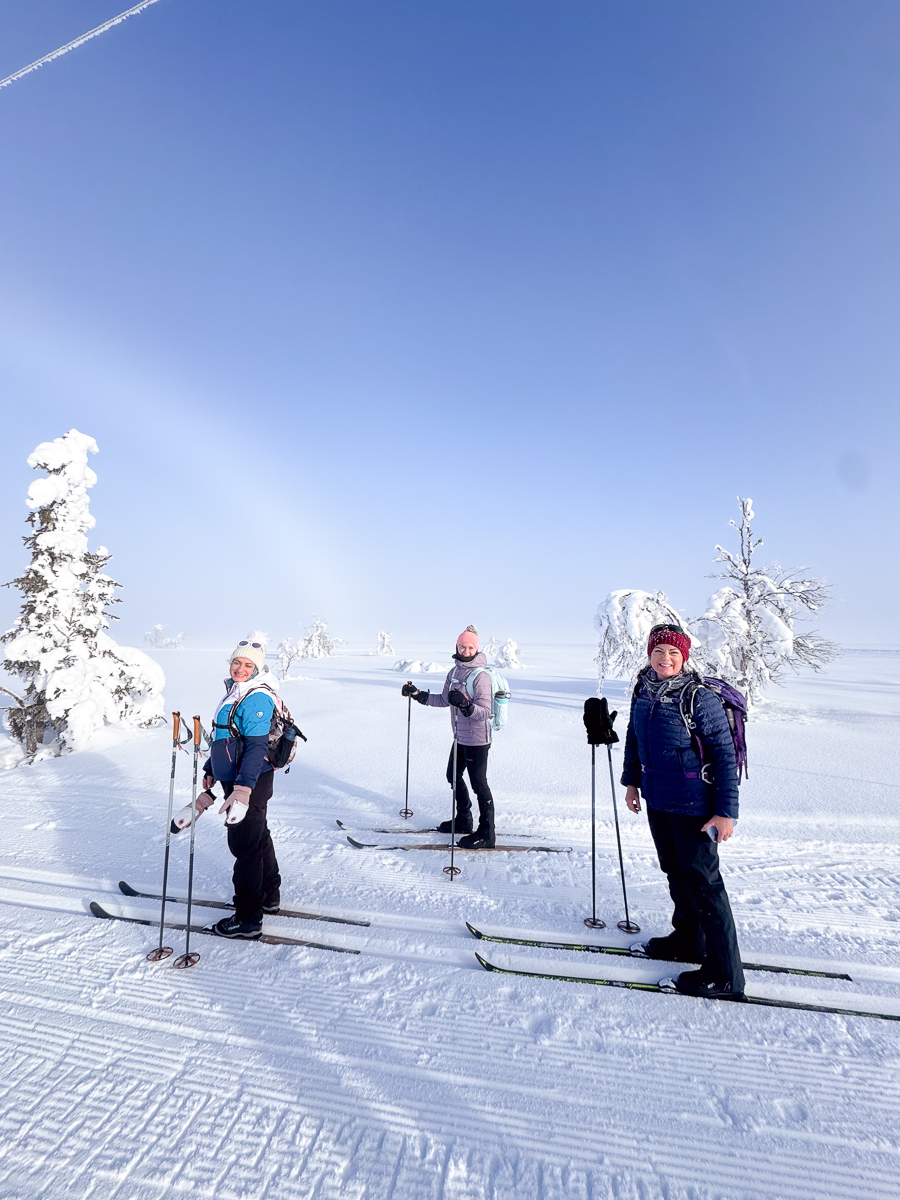
Women cross-country skiing in Norway on a snowy trail under a blue sky

Sleep & Eat

We’ll stay in a newly renovated mountain hotel with 28 rooms and 15 apartments at 900m above sea level. Each room has a comfortable bed, private bathroom with shower, mountain views from large windows, window sofa and free WiFi.

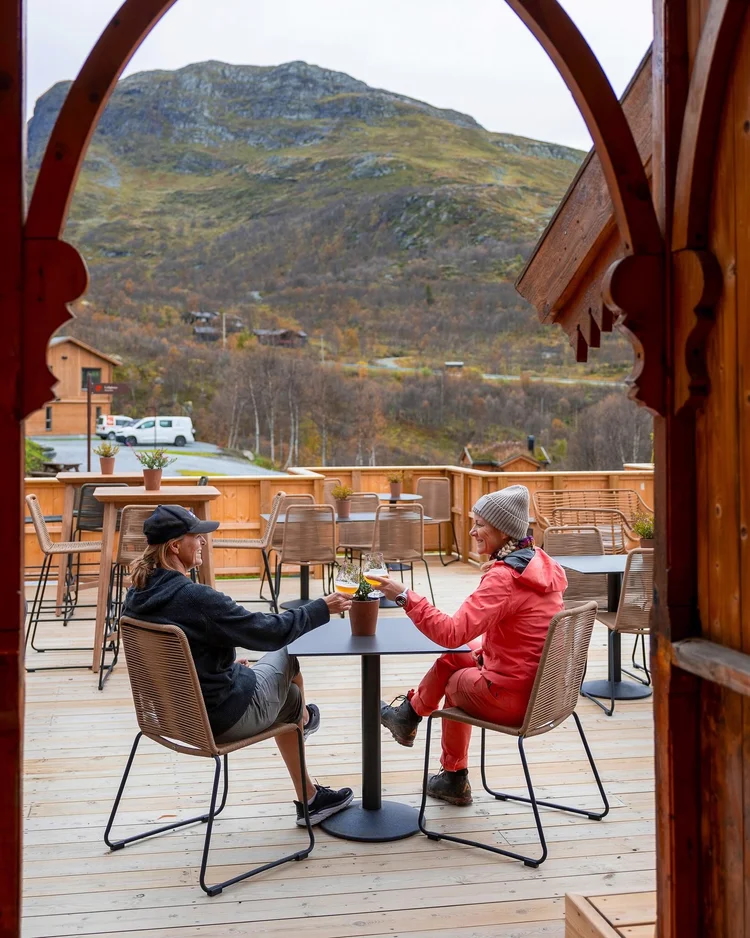
The hotel has a restaurant, terrace, and is mere steps from the trails. It’s comfortable, cosy and exactly what you need after demanding days on the trails.

Twin rooms and private rooms are available (including private rooms in apartments).

The hotel chefs use local ingredients from the Valdres region.

    • Breakfast: Mountain breakfast buffet to get you started
    • Lunch: Packed lunches for the trails
    • Dinner: Three-course dinners in the restaurant each evening

Expect hearty Norwegian mountain food designed to refuel after demanding days – warming soups, local meat and fresh fish.
What are the rooms like?

Newly renovated with private bathrooms. There’s a comfortable bed, storage, mountain views, a window sofa and WiFi. It’s warm and functional – exactly what you need after long days on trails.

Are towels and hairdryers provided?

Yes, towels provided. Hairdryers can be borrowed from reception for your stay.

Can you cater for dietary requirements?

Yes, with advance notice. Tell us when you book. Sourcing specialty ingredients in the mountains takes planning, so early notice is essential.

Are there laundry facilities?

No, but you can hand-wash in your room. Pack travel wash or soap flakes for rinsing base layers. Rooms have heating for drying overnight.

What's the food like?

It’s genuinely good. Chefs take pride in using local Valdres ingredients. Breakfast buffet is generous, packed lunches keep you fuelled, and three-course dinners are hearty mountain fare designed to refuel tired legs.

Is there WiFi?

Yes, free WiFi in all rooms.

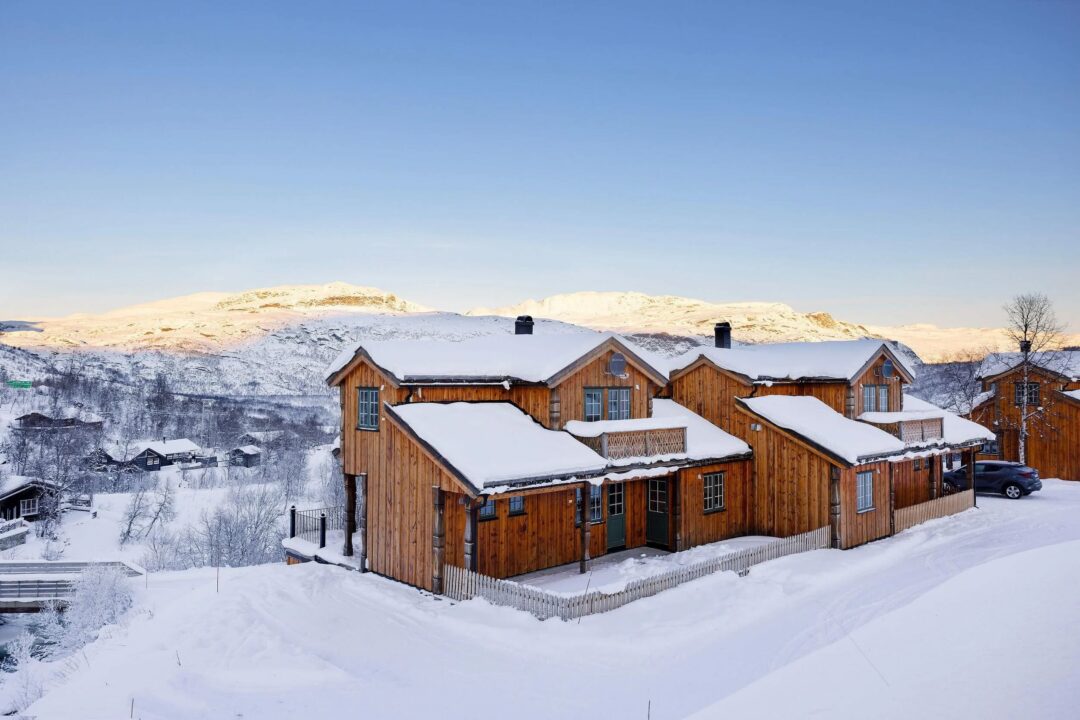
Snow-covered wooden cabins in a winter village in Norway under a clear blue sky
Lamb chops on a plate with vegetables at a restaurant table

Weather

March in the Norwegian mountains means proper winter conditions. Temperatures vary month to month. The Norwegian cold is dry, so often doesn’t feel as harsh if you’re wrapped up warm.

Be prepared for snow, wind, or sunshine depending on conditions. Tyin is one of Southern Norway’s snowiest areas making it reliable for skiing.

What are typical temperatures in March?

Temperatures vary but we expect it to be anywhere between -10 to 5°C. It will be a dry cold and you’ll get warm whilst skiing, but pack layers as the cold will bite when you stop moving.

What if weather impacts activities?

Then we’ll adjust the itinerary. Safety is always the priority, and we have backup options. Guides swap things around based on conditions and forecasts so you’ll still ski – just on different terrain or at different times.

How should I check the forecast?

An up-to-date weather forecast is available in your customer booking portal. This will help you pack for specific expected conditions, although trust the packing list.

How much daylight is there in March?

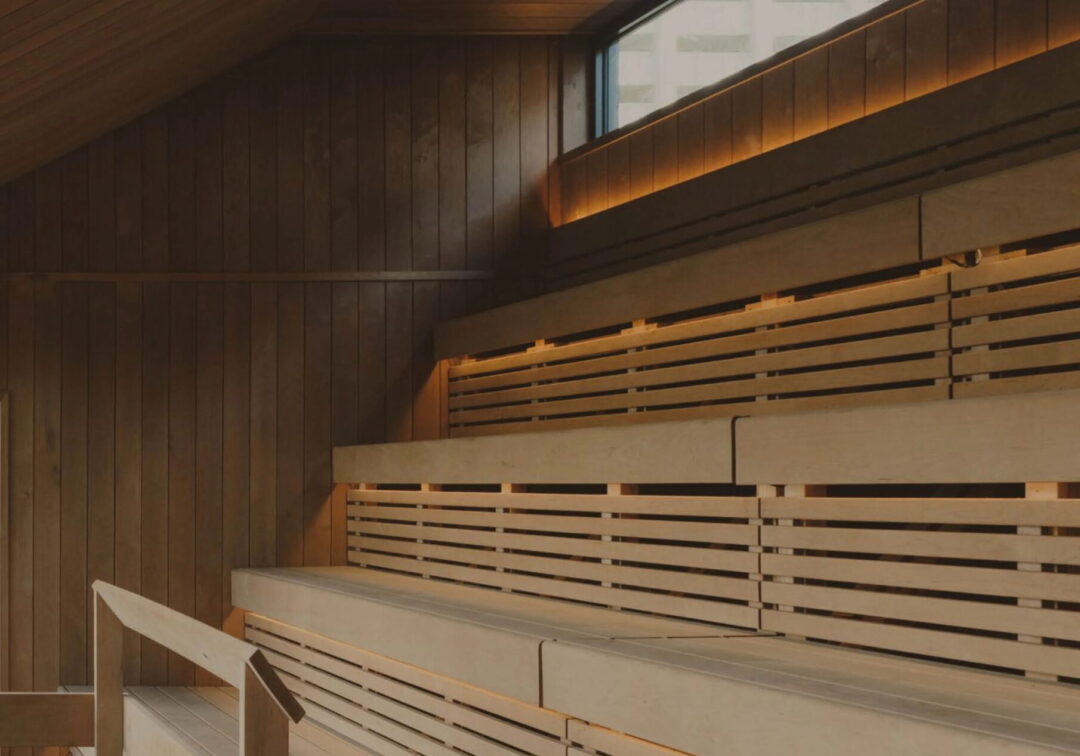
March has decent daylight hours (roughly 8am-6pm). You’ll ski during daylight with evenings available for sauna, yoga and dinner.

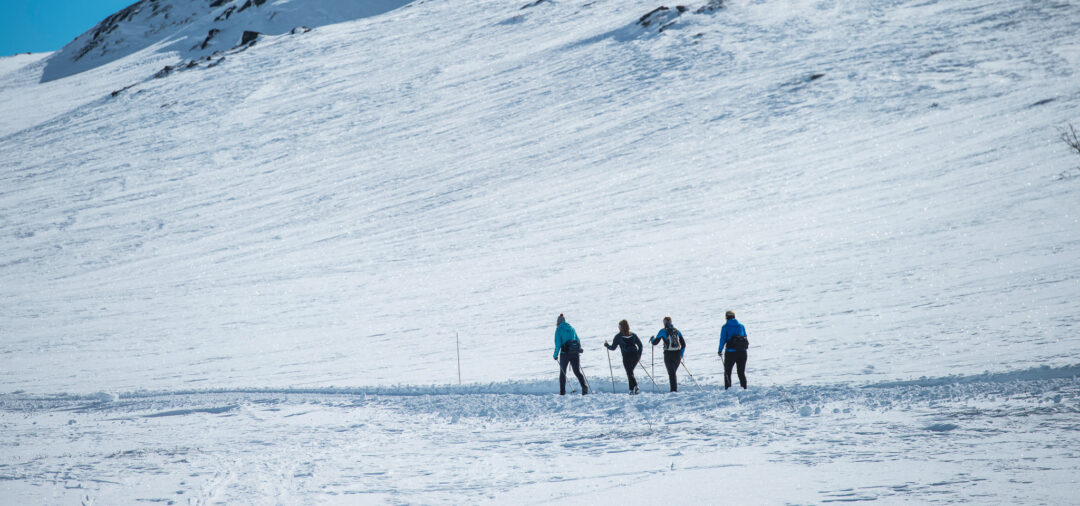
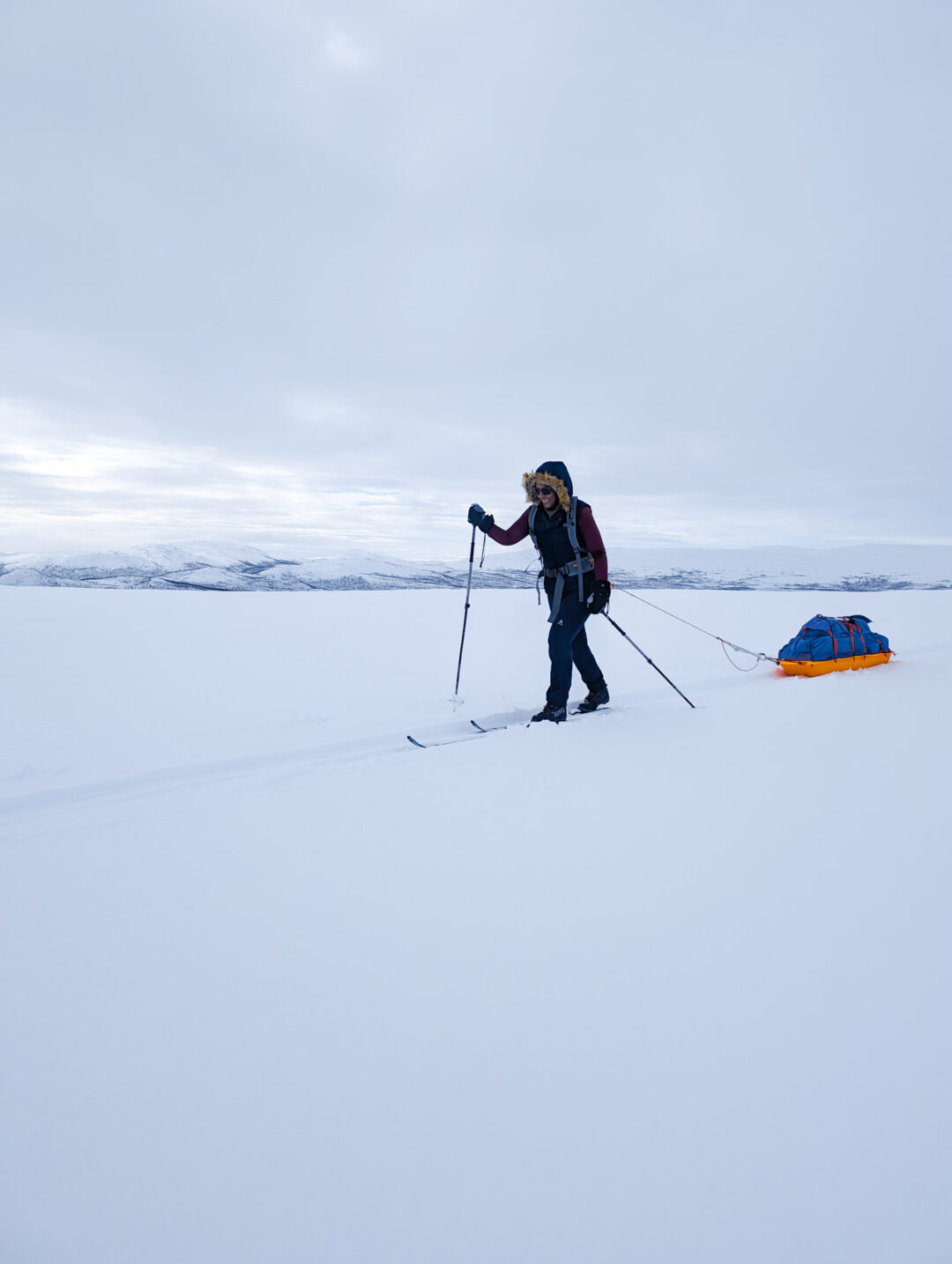
Cross-country skiers trekking across a snowy mountain landscape under a clear blue sky

Good to Know

Money: Everywhere accepts cards, so Norwegian Krone cash isn’t necessary. Budget for drinks and personal extras – alcohol is expensive in Norway. All meals, activities and technical equipment are included in your trip price.

Tipping: Tipping is not compulsory on our adventures, but if you’ve had a great trip and brilliant service, a tip for your guide or host is always appreciated. We recommend giving 200-300 NOK, or whatever you can or feel is the right amount.

Communication: The hotel has WiFi throughout, though connection can be patchy in this mountain location. Mobile coverage is generally good, but you’ll be offline during skiing activities in remote areas. Emergency communication is always available through guides and hotel staff.

How many guests on this trip?

Max. 12 guests.

What if I get injured?

Instructors are first-aid trained. Minor issues get treated on trail or at hotel. Anything more serious means evacuation to nearest medical facility. This is why travel insurance with winter sports cover is mandatory.

Why aren't all instructors female?

We use female instructors whenever possible, but can’t always guarantee it – fewer female instructors available. Our priority is highly experienced, considerate instructors who are patient, friendly, and passionate about building women’s confidence outdoors.

What about the optional alpine ski pass?

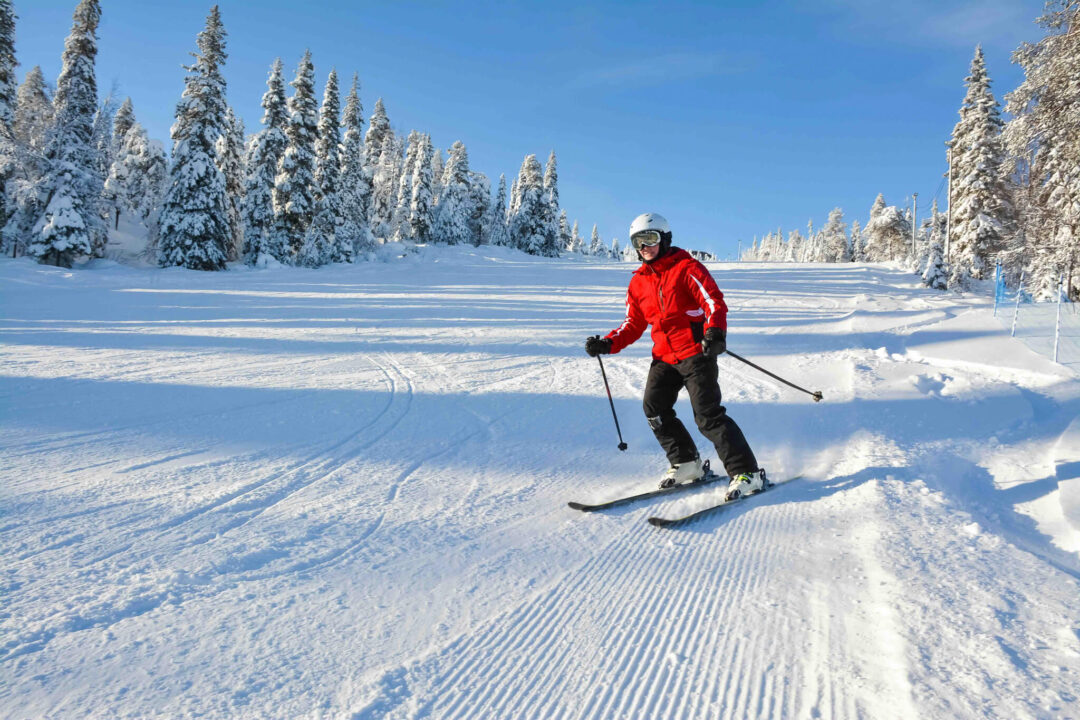
If you want to try downhill skiing during free time, you can purchase an alpine ski pass at additional cost. Snowshoe rental is also available.

These are optional extras and not included in the trip price.

Women sitting at a wooden terrace with drinks, overlooking mountains in Norway
Women cross-country skiing on snowy mountains in Norway, wearing red ski jackets and skis on a trail.

Packing List

What We Provide

    • Cross-Country Ski Equipment: All included.
    • Cross-country skis
    • Cross-country ski boots
    • Cross-country ski poles
    • Kayaking Equipment: For mid-week kayaking day.
    • Kayak
    • Paddle
    • Dry suit
    • Buoyancy aid

We’ll fit everything on arrival and make sure it’s working correctly.

What You Need to Bring

Base Layers (Next to Skin)

    • Moisture-wicking thermals – tops and bottoms made of merino wool or synthetic equivalents. Bring at least two sets to rotate. Never wear cotton – it stays wet and cold.
    • Mid Layers
    • A thin fleece or lightweight layer for warmth. You’ll shed this when working hard, and add it back during breaks.

Outer Layers

    • Windproof, breathable shell jacket (not a puffy downhill ski jacket)
    • Windproof, water-repellent soft shell trousers or leggings

Insulated Layer

    • Pack a warm, insulated jacket in your daypack for rest stops.

Accessories

    • Sunglasses (UV protection)
    • Sunscreen for face and lips (SPF 30+)
    • Waterproof gloves (two pairs – one will get wet)
    • Glove liners
    • Warm socks (merino or synthetic, multiple pairs)
    • Buff or neck gaiter
    • Warm hat

Personal Kit

    • Daypack (20- 25L) for water, snacks, layers
    • Water bottle
    • Warm boots for being outside off skis
    • Personal meds and first aid items
    • Yoga/comfortable clothing for yoga sessions
    • Swimwear for saunas and kayaking

Packing Tips

Layering: Cross-country means constant movement, which means you’re generating heat even in freezing temperatures. You’ll get hot and sweaty while gliding, then cool down fast when you stop, and in a group you’ll stop more often than you would skiing solo, so those temperature swings hit harder.

Leave the downhill ski gear at home, because all that padding and insulation is designed for sitting still on chairlifts. What you want is a base layer, a thin mid-layer and a windproof shell, all of which you can ski in without overheating. The one insulated layer you do need is a jacket in your daypack, which stays there until you stop for a break and goes straight back in when you set off again.

Fabric choices: Merino wool handles sweat better and won’t smell after multiple days. Synthetic materials work too, but you’ll notice the difference by day three. Cotton stays wet and cold, so avoid it completely.

Gloves: You’ll get snow in your gloves and they’ll get wet, so bring two pairs. Thin liner gloves underneath also help.

Hand luggage essentials: If you’ve checked a bag and it doesn’t join you in Norway right away, keep the things you can’t ski without in your hand luggage: base layers, one warm layer, spare gloves and anything else you’d struggle to replace out there.

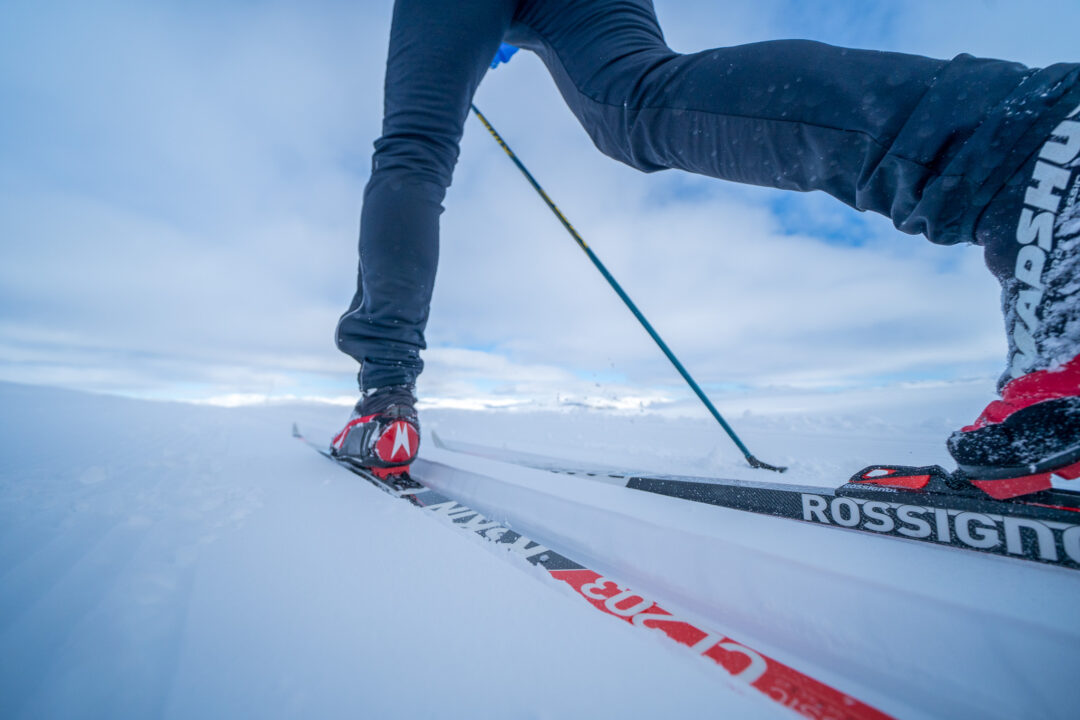
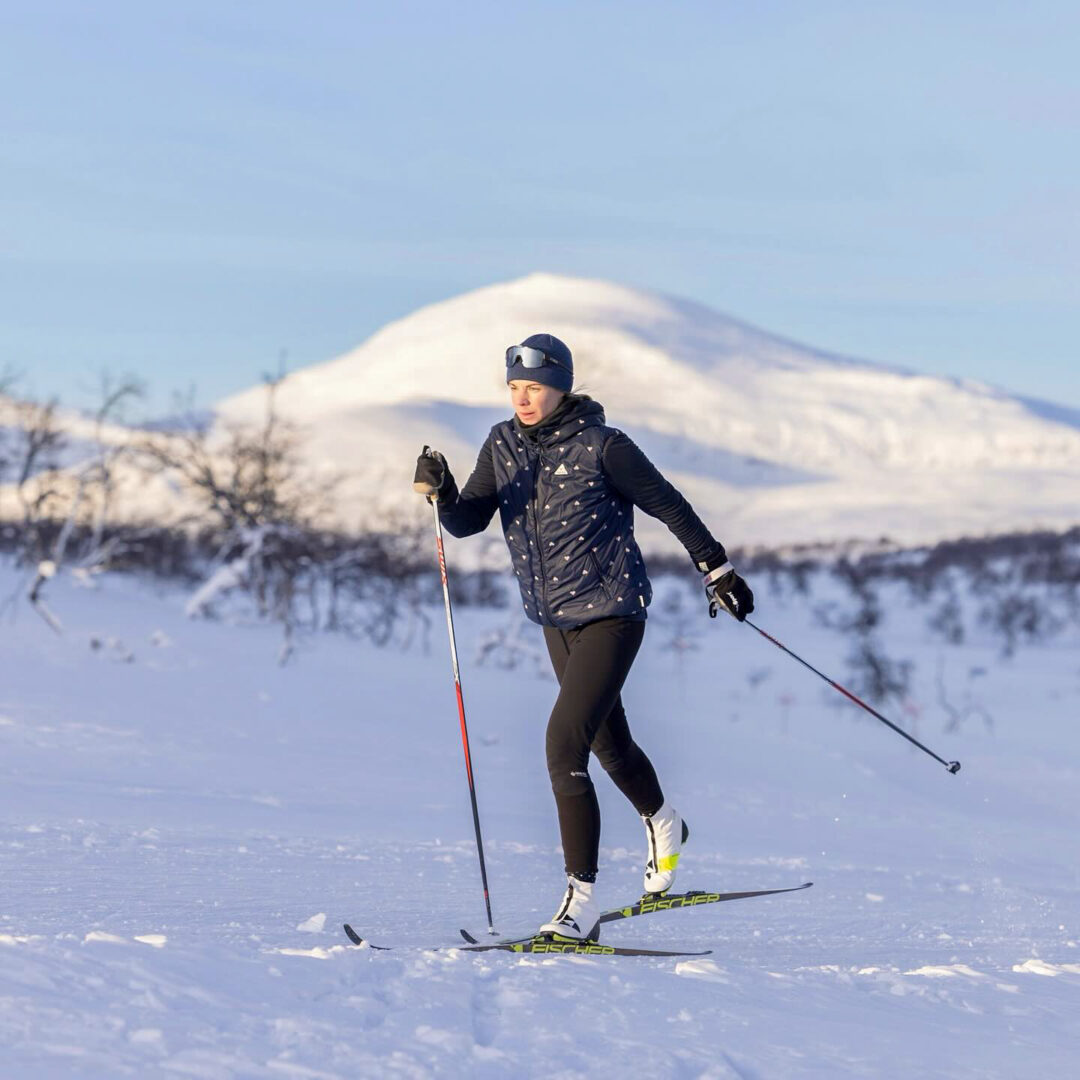
Woman cross-country skiing with poles on snowy track, skis marked “ROSSIGNOL” in misty landscape

Trip Code NORFILXCSI – Include this code in any message so we can find your trip straight away.