Trip Guide

Trip Guide: Two National Parks Hiking Adventure in Norway

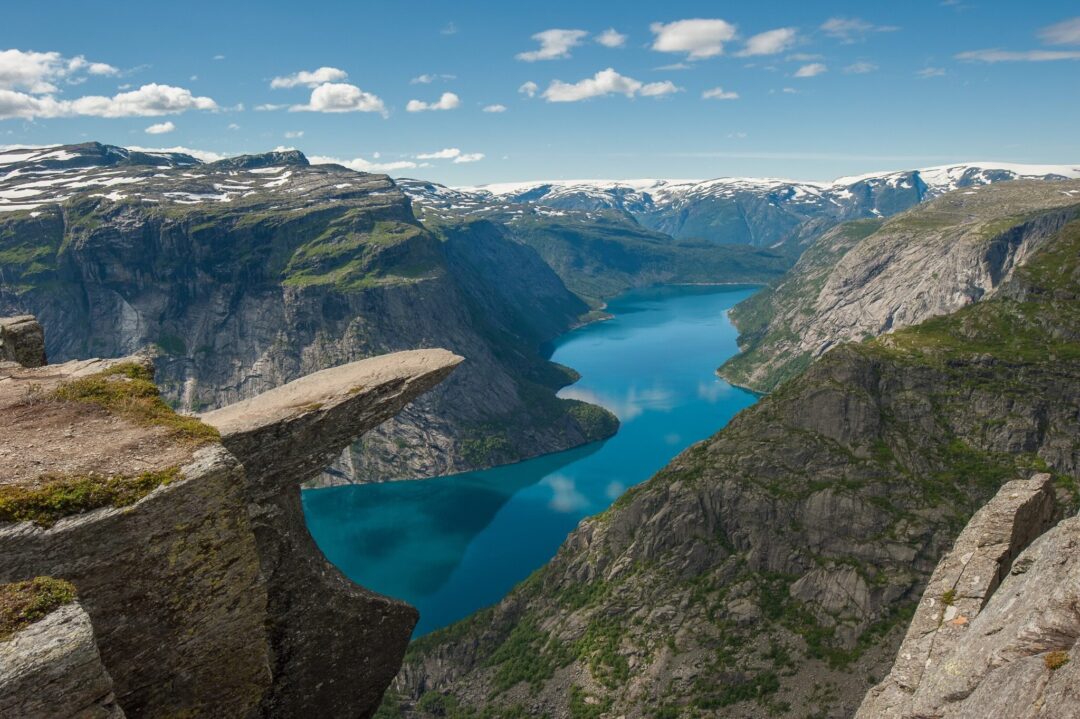
Ready for Norway’s mountain wilderness? This guide gets you prepared for four nights of hiking through two national parks, scrambling along famous ridges, and unwinding with lakeside yoga. You’ll be covering 12-20km daily across rugged terrain, but every burning leg muscle is worth it for the summit views.

This isn’t your typical weekend break – you’ll be hiking for up to nine hours in remote locations where weather changes quickly and terrain demands respect. With two mountain guides building your skills each day and a cosy mountain hotel as base camp, you’ll push your limits while staying supported.

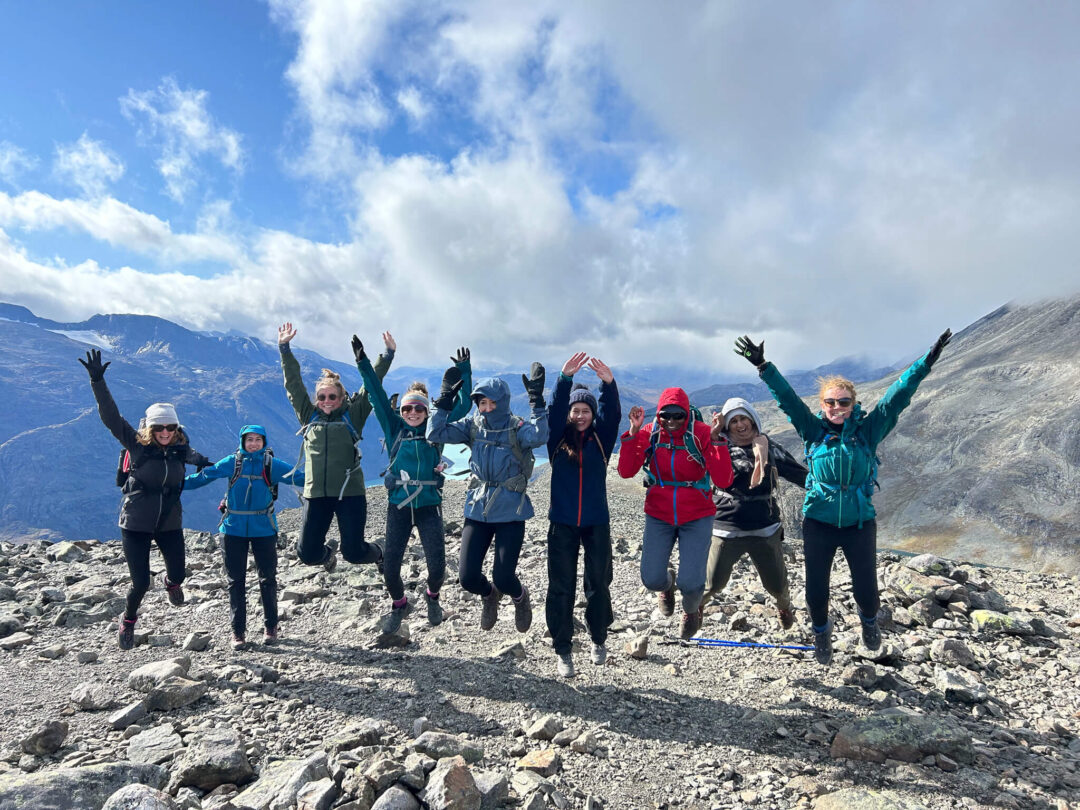
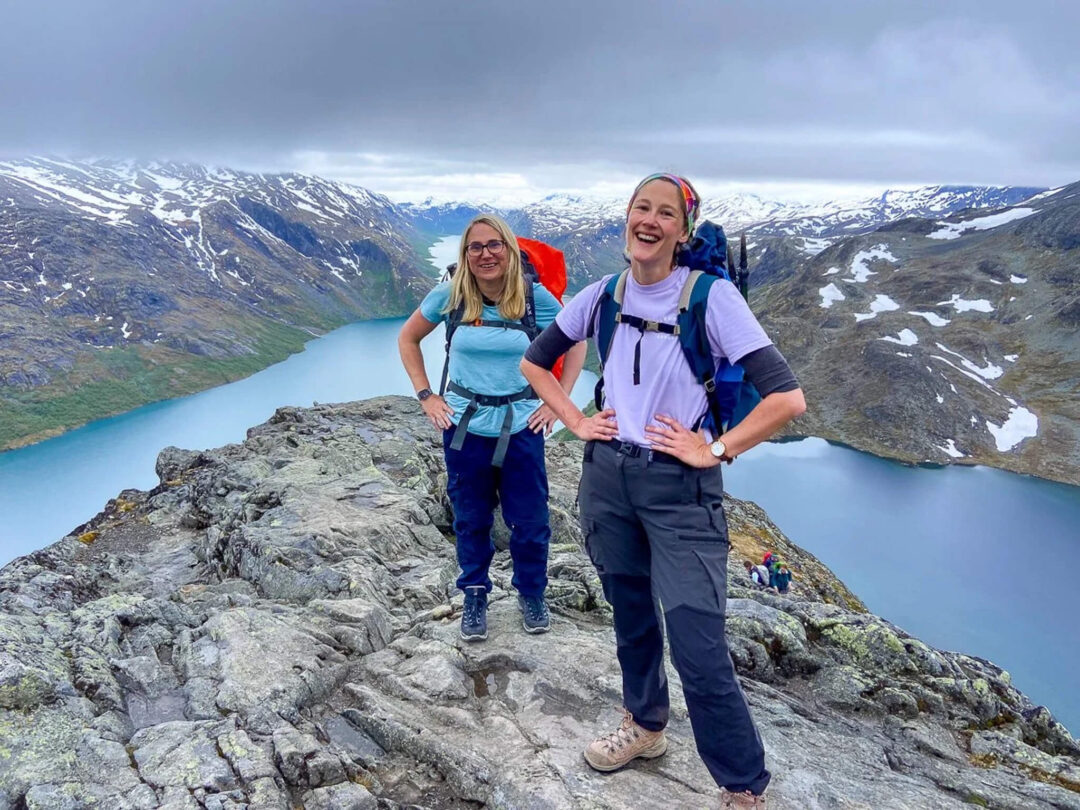
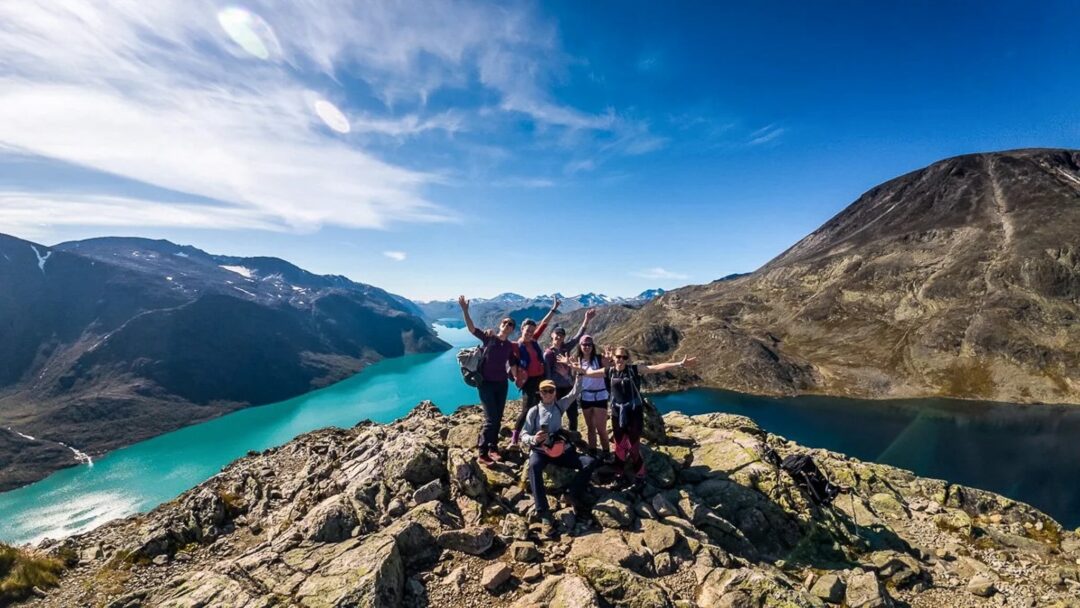
Women hikers pose on a rocky summit overlooking a turquoise fjord in Norway
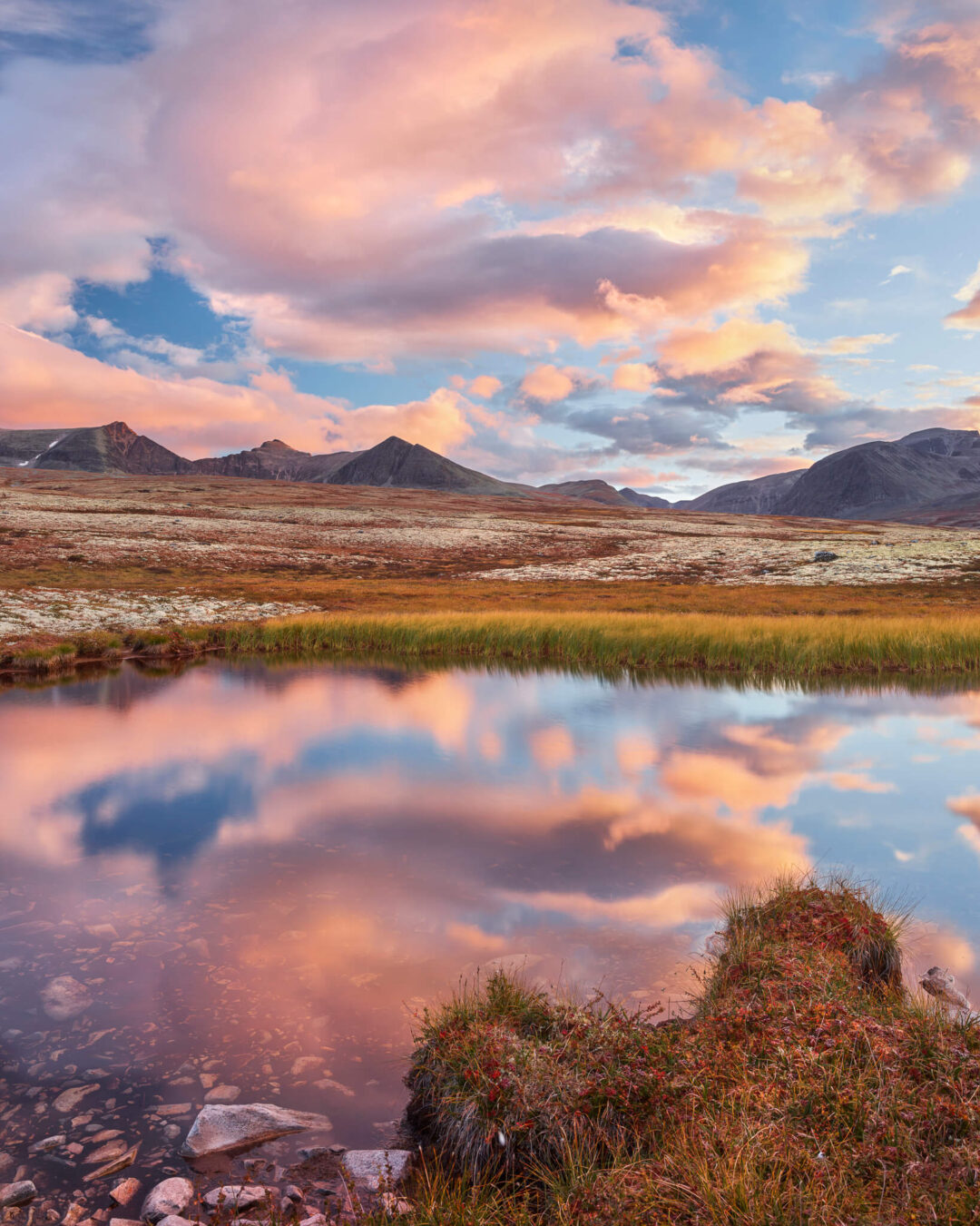
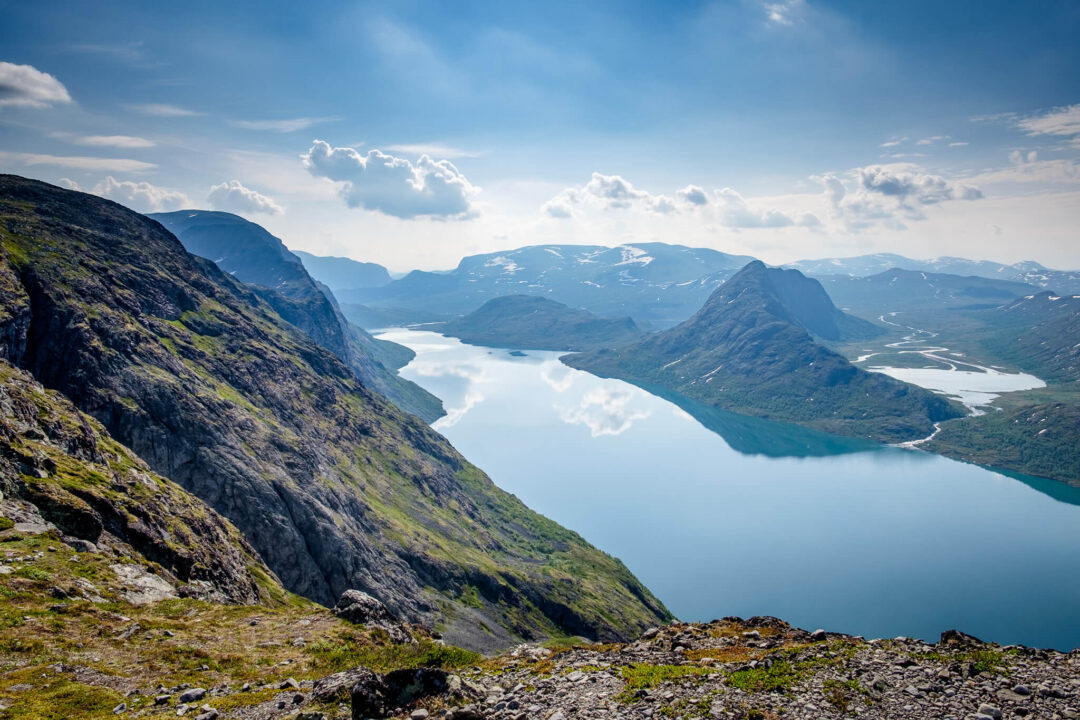
Mountain landscape at sunset with a reflective lake, valley, and rolling hills and peaks

Getting There

Getting to Norway’s wilderness requires commitment, but the journey becomes part of the adventure. You’ll fly into Oslo, take a scenic train through forests and valleys, then transfer to a mountain hotel where the nearest neighbor is probably a reindeer.

Oslo Gardermoen Airport is efficient and well-organized, with the train station right in the terminal building downstairs. From there, it’s a 2.5-hour journey through changing landscapes that preview the national parks ahead.

What flights should I book?

Book a morning arrival into Oslo Gardermoen to give yourself buffer time for the recommended trains. On departure, book afternoon or evening flights – allow at least two hours between your train arrival (14:21 or 17:04) and flight departure.

Suggested Trains

Arrival Flight to Oslo Gardermoen

  • Book a morning flight to Oslo Gardermoen Airport. Aim to arrive at least 1 hour before your train departure time to Ringebu, preferably more.

Train from Oslo Gardermoen to Ringebu
  • Book one of the following trains:
    • Depart 14:29 Oslo lufthavn (Gardermoen), Arrive 16:53 at Ringebu Station
    • Depart 16:29 Oslo lufthavn (Gardermoen), Arrive 18:49 at Ringebu Station
  • On some Saturdays:
    • Depart 14:29 Oslo lufthavn (Gardermoen), Arrive 16:53 at Ringebu Station
    • Depart 15:59 Oslo lufthavn (Gardermoen), Arrive 18:35 at Ringebu Station (Train to Lillehammer, then change to bus VY710 to Ringebu)

Train from Ringebu to Oslo lufthavn (Gardermoen)

  • Book one of the following trains:
    • Depart 12:06 Ringebu Station, Arrive 14:21 at Oslo lufthavn (Gardermoen)
    • Depart 13:57 Ringebu Station, Arrive 16:20 at Oslo lufthavn (Gardermoen)

Departure Flight from Oslo Gardermoen to home:

  • Book an afternoon or evening flight from Oslo Gardermoen Airport. Ensure there’s at least 2 hours between your train arrival from Ringebu and your flight departure.

For details on booking your trains please read our FAQs.

Transfer times

  • Arrival Day: We will pick you up from Ringebu train station at either 16:53 or 18:49 (or 18:35 on some Saturdays). These transfer times line up with our recommended trains. The transfer to the hotel is a 20-minute drive.
  • Departure Day: We will transfer you from the hotel to Ringebu station in time for the following trains: 12:06 or 13:57.

How do I book the train to Ringebu?

Use the Vy website (vy.no/en) or SJ website (sj.no) to book tickets. The train station is downstairs in Oslo Gardermoen terminal – it’s well signposted with English-speaking staff. Take trains departing 14:29 (arrives 16:53) or 16:29 (arrives 18:49). On Saturdays, the second option is 15:59 arrival 18:35 via Lillehammer with bus connection.

What if my flight doesn't match the recommended train times?

Later trains exist, but you’ll miss dinner and need a taxi from Ringebu to the hotel (around NOK 300). We can book this taxi if you email the Bookings Team. Alternatively, check vy.no/en for train/bus combinations to Ringebu, but you’re responsible for getting yourself there.

Can I travel with other guests?

We connect everyone via WhatsApp before departure, so you can coordinate travel if you want company for the journey.

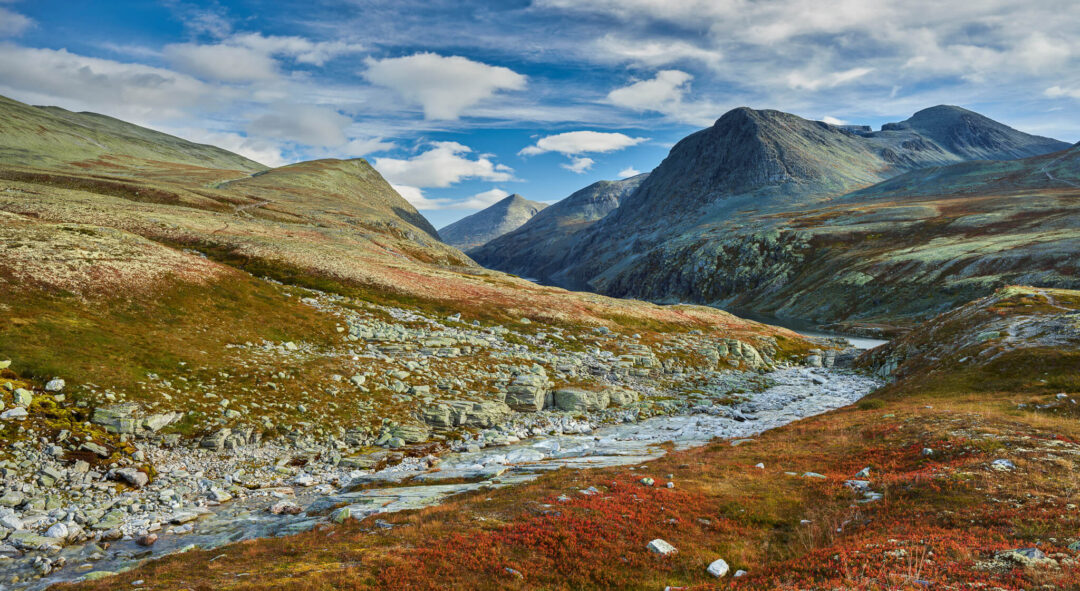
Mountain hiking valley with a winding river through rocky tundra under a cloudy sky

Fitness & Skill Level

This trip is rated challenging, which means you’ll work for those mountain views. You’ll be hiking 12-20km daily with elevation gains up to 1100m across rocky, uneven terrain. Some sections involve scrambling where you’ll need to use both your feet and hands to navigate the steep rocky faces.

Besseggen Ridge is this trip’s crown jewel and biggest challenge – a narrow mountain ridge with dramatic drops and scrambling sections that demand a head for heights. Your guides spend the first two days building your skills specifically for this moment.

Fitness Requirements

We recommend medium to high-intensity cardio three times weekly for around 45 minutes. Try running, cycling, spin classes – activities that get your heart pumping and build endurance. Walking and yoga alone won’t prepare you for consecutive long days carrying a daypack across mountainous terrain.

Mental Preparation: Remote mountain hiking means committing to long days where turning back isn’t always an option. You’ll cross exposed ridges, scramble over rocky sections, and deal with whatever weather the mountains deliver. If that sounds daunting, choose an easier trip. If it sounds like adventure, you’re in the right place.

Experience Level: No previous hiking experience is required, but you’ll need good endurance, leg strength for sustained climbing, and a positive attitude toward challenges. Our guides teach essential skills as you hike – pole technique, map reading, scrambling safety – but they can’t build your fitness for you.

How do I know if I'm fit enough?

If you can comfortably hike for five or more hours with a daypack, handle steep uphill sections without stopping every few minutes, and maintain energy across consecutive active days, you’ll be fine. The challenging rating for this trip comes from the terrain and duration of hikes, not the technical difficulty.
What should I do to prepare physically?

Focus on building leg strength and cardiovascular endurance. Hill walking with a weighted daypack, stair climbing, and incline treadmill work are ideal. Make sure to also practice hiking in the boots you’ll bring so they’re worn in – blisters on day one ruins the whole experience.

What's the daily routine like?

Breakfast, pack lunch and gear, hike for 6-9 hours through varying terrain, return to the hotel exhausted but exhilarated. Dinner, maybe a sauna or wild swim if you have energy, yoga to stretch out, then sleep deeply. Repeat for three consecutive days.

Can I opt out of activities if I'm struggling?

There’s flexibility to modify routes on the trip based on the group’s experience, however this is remote mountain terrain where extraction isn’t simple. If you start the hike, you do have to finish it.

Can I go wild swimming?

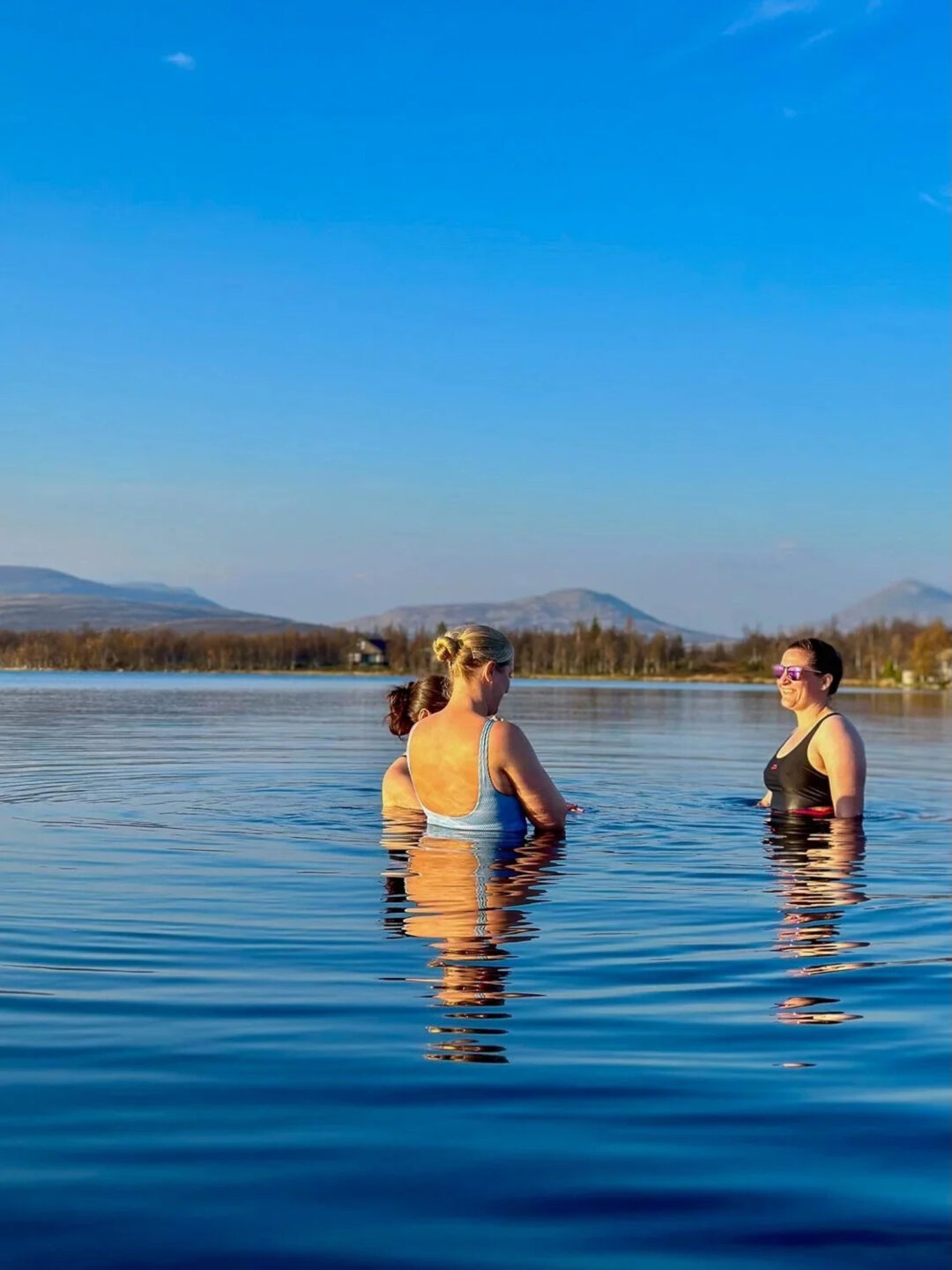
Follow Norwegian tradition with sauna sessions and wild lake swimming, if you’re brave enough for mountain water that’ll wake every nerve ending.

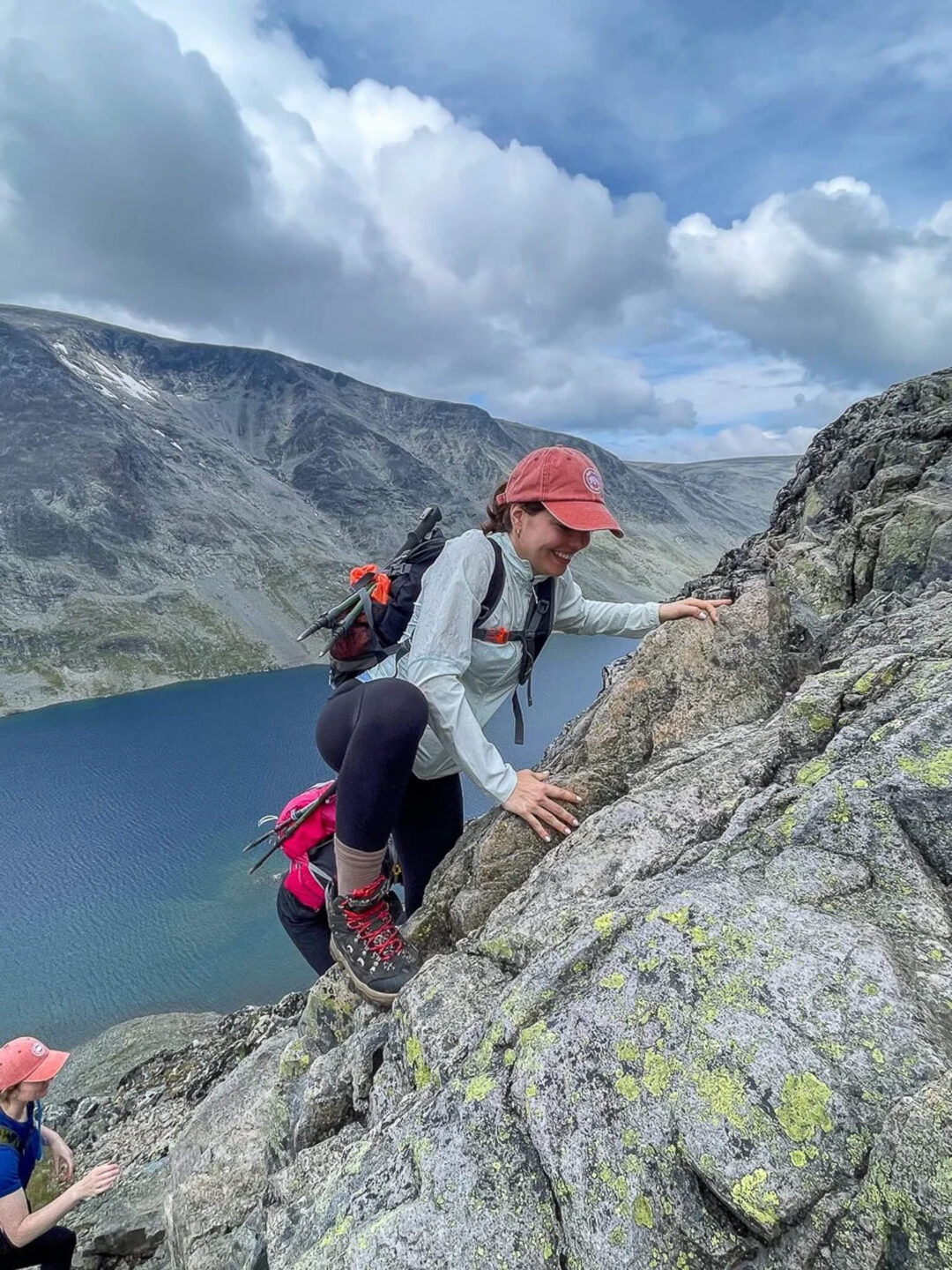
Woman hiking on rocky ridge above a mountain lake in Norway, wearing a backpack and cap.
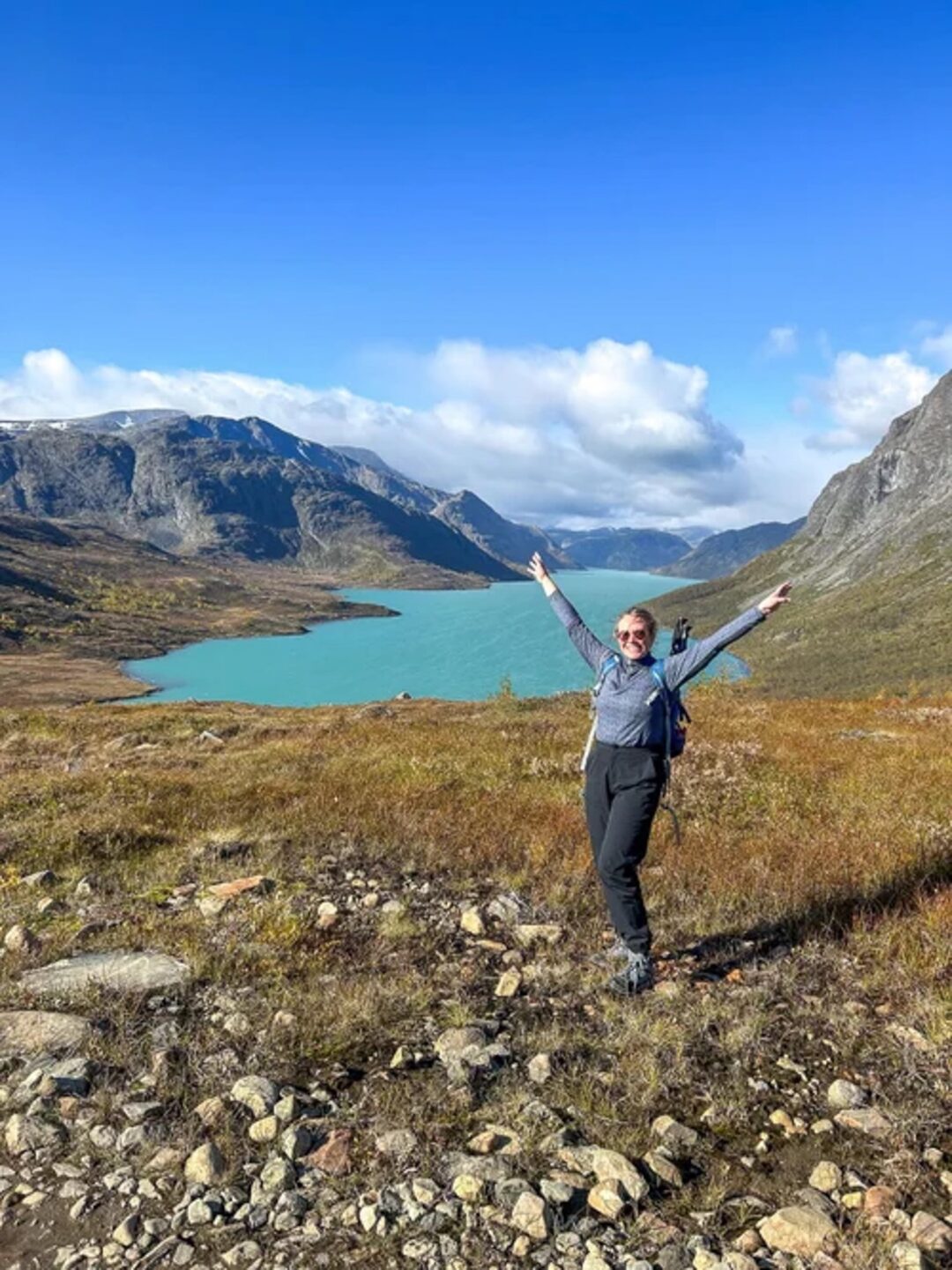
Women hiking with arms out on a trail above a turquoise fjord in Norway, surrounded by mountains.

Sleep & Eat

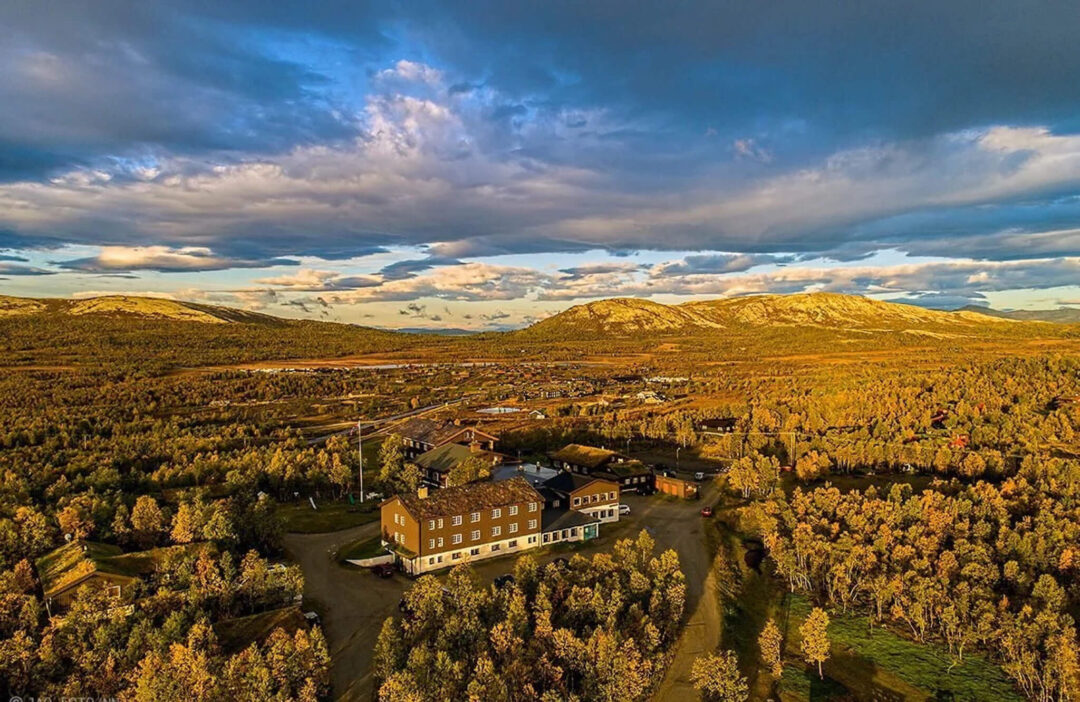
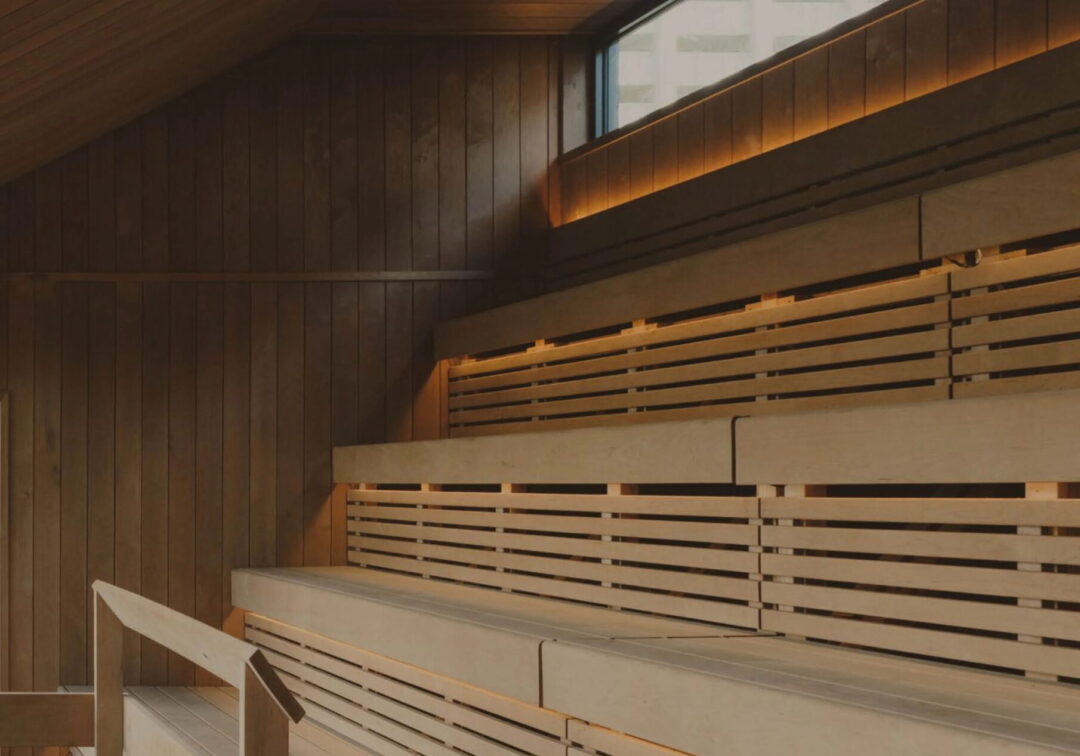
You’ll stay at a family-run mountain hotel with stunning views from every window. It’s traditional, with a lounge with an open fire, yoga studio, sauna and a lake for wild swimming.

Rooms are simple and light with ensuite facilities but no TVs. The lounge has complimentary tea and coffee always available, and because this hotel is dog-friendly, you might spot friendly resident dogs.

The food is hearty, homemade, and focused on fresh, local ingredients. You’ll enjoy a three-course set dinner each evening, a generous breakfast buffet, and packed lunches for adventures.

What are the rooms like?

Simple, airy ensuite rooms with comfortable beds – no TVs but everything you need. We offer twin and private rooms (although the private rooms are limited so book early). Hair dryers and extra towels are available in the cupboards at the end of each corridor.

What about dietary requirements?

The hotel can accommodate all dietary needs, just let them know in advance about any allergies or preferences, as dinners are set menus. Chefs craft delicious meals with great care and are well-equipped to cater for all dietary requirements.

Is there WiFi and phone coverage?

There’s good wifi and phone coverage in the hotel.

What's the atmosphere like in the evenings?

Guests gather in the lounge to read, knit, make the most of the free hot drinks or just have a chat. There’s a sauna for winding down after active days, plus lake access for the brave who want to try wild swimming in mountain water.

Aerial view of autumn Norwegian countryside with a hotel and winding road through valleys and hills
Roasted meat with vegetables and herbs served on a white plate with red wine-style sauce

Norwegian summer weather keeps you guessing, with sunshine, rain and wind all possible in a single day. Summer temperatures run cool to mild, but they drop with elevation, so mountain peaks and exposed ridges are always colder than the valley floor and windier too. Even summer hiking can feel wintry when conditions turn, and they turn fast. Pack as you would for a crisp UK autumn whatever the forecast promises, because up here preparation matters more than optimism.

Clothing Strategy

Layering is everything. Start with moisture-wicking base layers, add insulation as you need it, and keep waterproof shell layers within easy reach. Avoid cotton, which stays wet and leaves you cold once it’s damp, and stick to synthetic or merino wool instead. The right clothing is often what separates an epic day on the trail from a miserable one. You’ll find our packing list below.

How does weather affect the hiking itinerary?

Our guides monitor conditions constantly and adjust routes for safety. Besseggen Ridge in bad weather becomes dangerous, so we have alternative hikes ready that are equally beautiful but less exposed. Weather flexibility is built into every day’s planning.

What's the worst-case scenario weather-wise?

Persistent rain and low visibility can limit hiking options, but we always have alternatives. The hotel’s indoor facilities, including the yoga studio, provide backup activities. No one sits around bored – we just adapt the adventure to match conditions.

Should I check weather forecasts before packing?

Check forecasts but pack for all possibilities regardless. Norwegian mountain weather laughs at predictions beyond 24 hours. Bring everything on the packing list – you’ll use most of it regardless of what the forecast promised.

Scenic hiking view over a Norwegian fjord from a mountain ridge, with distant glaciers and valleys

Good to Know

Money: Everywhere accepts cards, so Norwegian Krone cash isn’t necessary. Budget for drinks and personal extras – alcohol is expensive in Norway. All meals, activities and technical equipment are included in your trip price.

Tipping: Tipping is not compulsory on our adventures, but if you’ve had a great trip and brilliant service, a tip for your guide or host is always appreciated. We recommend giving 200-300 NOK, or whatever you can or feel is the right amount.

Communication: The hotel has WiFi throughout, though connection can be patchy in this mountain location. Mobile coverage is generally good, but you’ll be offline during hiking activities in remote areas. Emergency communication is always available through guides and hotel staff.

How many guests on this trip?

Max. 12 guests.

Are the guides and instructors always female?

We use female instructors and guides whenever possible, but can’t guarantee this due to fewer women in the outdoors industry. Our priority is working with the most experienced, patient and passionate instructors who excel at building confidence. Guide gender becomes less important than their ability to teach and inspire safely.

What happens if someone gets injured?

Guides are first aid certified and carry comprehensive medical kits and emergency communication devices. They have a full emergency protocol to deal with any injuries or issues.

Is travel insurance required?

Yes, comprehensive travel insurance including mountain hiking activities is mandatory. Standard policies may not cover hiking or scrambling activities so verify your coverage includes the activities described in this trip.

Women hiking on a rocky mountain trail in Norway, group at the summit with arms raised
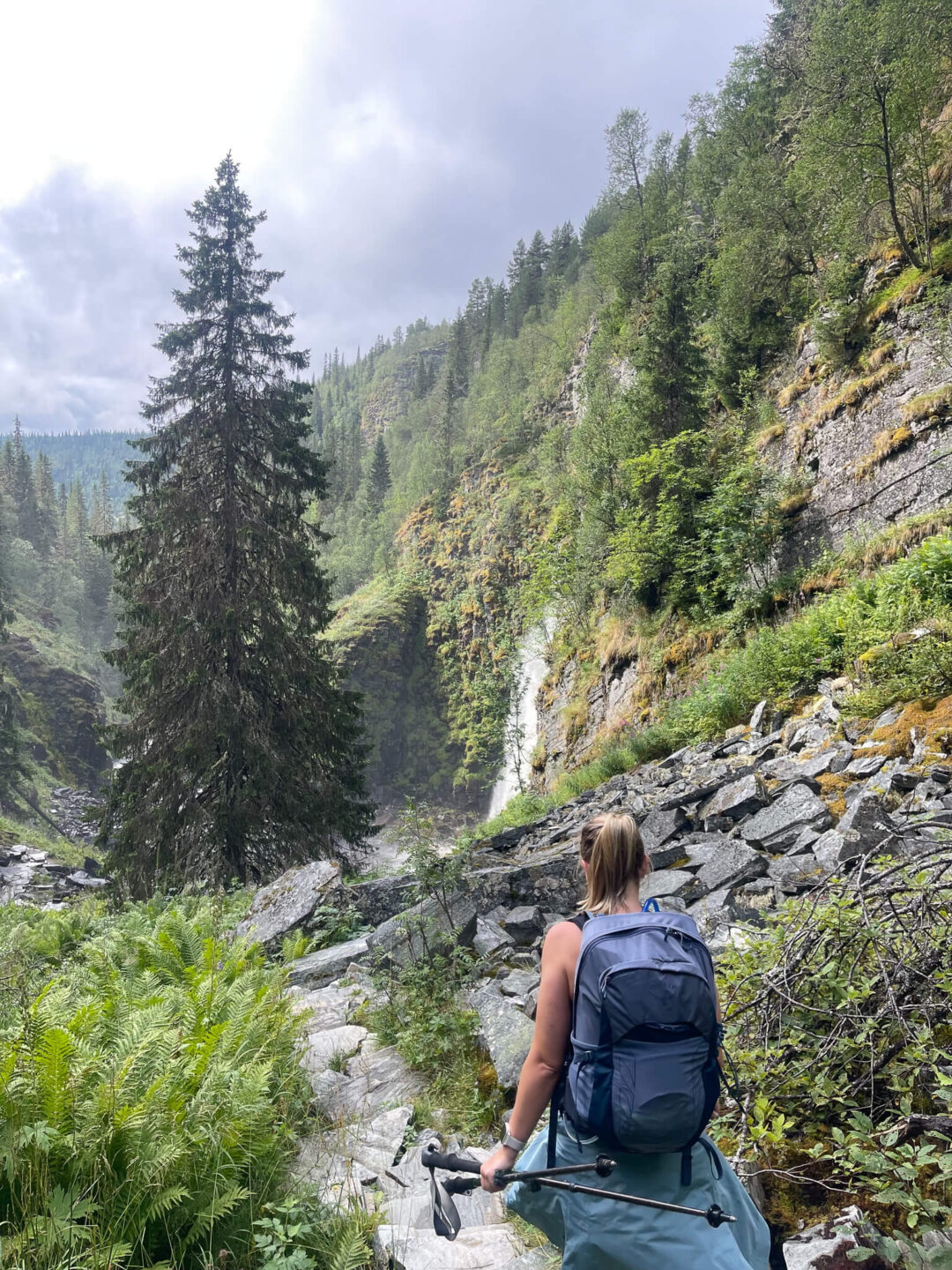
Woman hiking on a rocky trail by a waterfall in Norway’s forest mountains, carrying a backpack

Packing List

What we Provide

    • Trekking poles for stability and reduced knee impact
    • Waterproof backpack covers to protect your gear
    • Gaiters to keep debris out of boots
    • Lunch boxes for daily packed meals

Essential Items You Need

    • Waterproof hiking boots with ankle support (mandatory)
    • Hardshell waterproof jacket (mandatory)
    • Waterproof overtrousers (mandatory)
    • Daypack (20-30L capacity) for layers, lunch, and water
    • Water bottles (2L minimum) or hydration bladder
    • Insulated jacket (lightweight down or synthetic)
    • Base layers (merino wool or synthetic – never cotton)

Personal Kit Essentials

    • Toiletries and personal medications
    • Sunscreen (mountain sun reflects intensely)
    • Sunglasses
    • Warm hat
    • Buff
    • Gloves
    • Swimwear
    • Compeed or blister plasters (just in case)
    • Yoga wear
    • Slippers

Packing Notes

Boot Selection: Your boots are your foundation for three days of mountain terrain. They must be waterproof, provide ankle support, and be thoroughly broken in. New boots guarantee blisters.

Layering System: Norwegian mountains demand flexibility. Start with moisture-wicking base layers, add fleece or synthetic insulation as needed and top with a waterproof shell. Avoid cotton entirely as it stays wet, loses insulation, and becomes dangerous in cold conditions.

Fabric Choices: Merino wool handles temperature regulation better than synthetics but takes longer to dry. Synthetic fabrics dry quickly and maintain warmth when wet. Both work, just avoid cotton which becomes useless when wet.

Hand Luggage Priorities: Pack essential items you can’t easily replace in carry-on luggage if you’re also checking in a bag.

Are hiking boots mandatory?

Yes. Your boots need to be waterproof and have good ankle support. You’ll be covering 12–20km a day across varied mountain terrain, so proper footwear isn’t optional. Don’t arrive in trail runners or walking shoes.

What size daypack do I need?

Bring a 20–30L daypack. You’ll be carrying your packed lunch (made from the breakfast buffet each morning), water, and the layers you’ll be adding and removing throughout the day on the trail.

Do I need to carry my bag between locations?

No, you’re based at the same mountain hotel for all four nights, so your main luggage stays put. You’ll only carry your daypack out on the trail each day.

What do I wear for yoga?

Anything comfortable you can move and stretch in. Sessions are restorative and focused on recovery, so no specialist kit required. We provide any extra yoga equipment, you just need to show up in the clothes you’d normally exercise in.

Two women hikers with backpacks on a rocky ridge overlooking a Norwegian fjord and snow-covered mountains
Women wading in a calm lake with mountain views in the background during an outdoor adventure hike trip

Trip Code NORVENHIKCI – Include this code in any message so we can find your trip straight away.