Trip Guide

Trip Guide: Beginner Downhill Ski Holiday in Norway

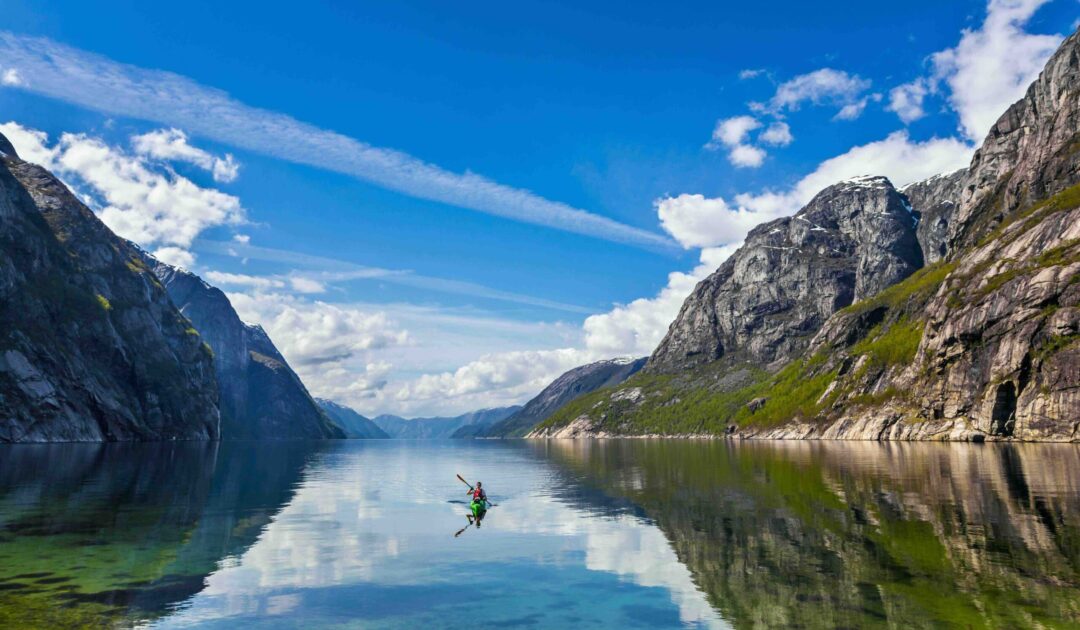
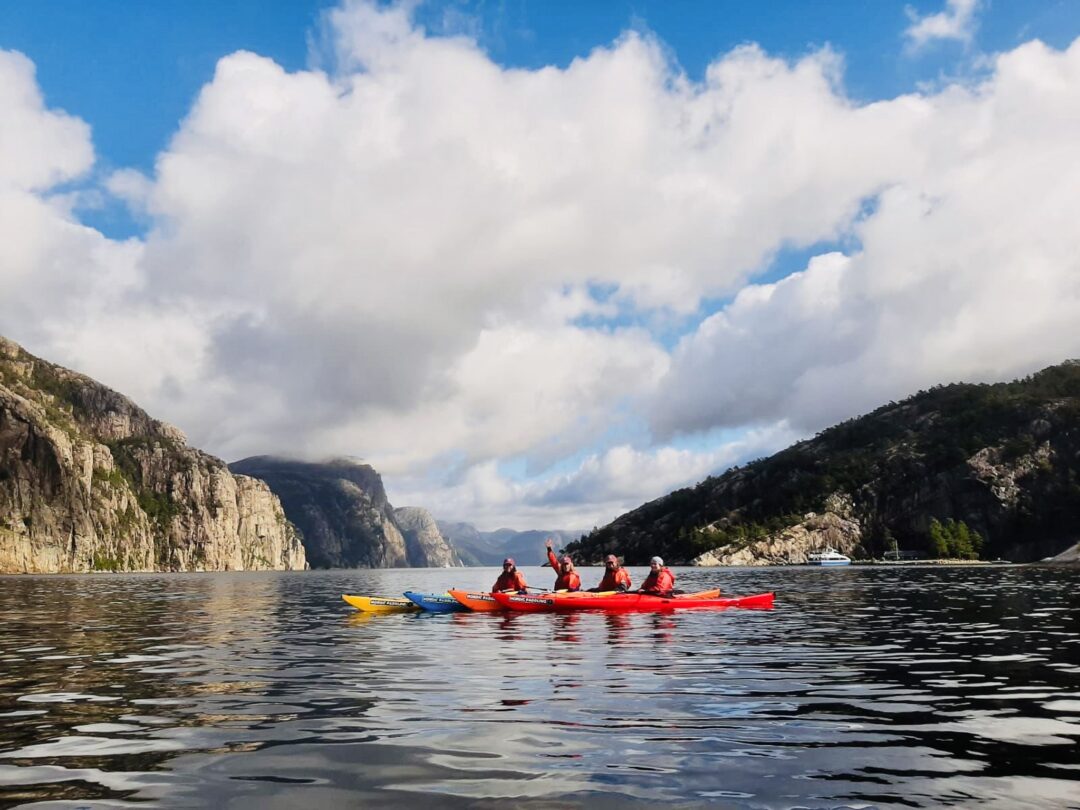
Never skied downhill before? This seven-day programme takes you from complete beginner to confidently carving down the mountain. You’ll get small group coaching with experienced instructors who know how to teach the basics, plus a mid-week break kayaking Norway’s longest and deepest fjord.

Each day builds your technique – from your first wobbly turns to flying down runs you couldn’t imagine tackling at the start. Structured morning coaching, with free afternoons to practice means you’ll progress faster than you thought possible. By day seven, you’ll have downhill skiing skills and the buzz that comes from nailing it.

For all the information, read the below!

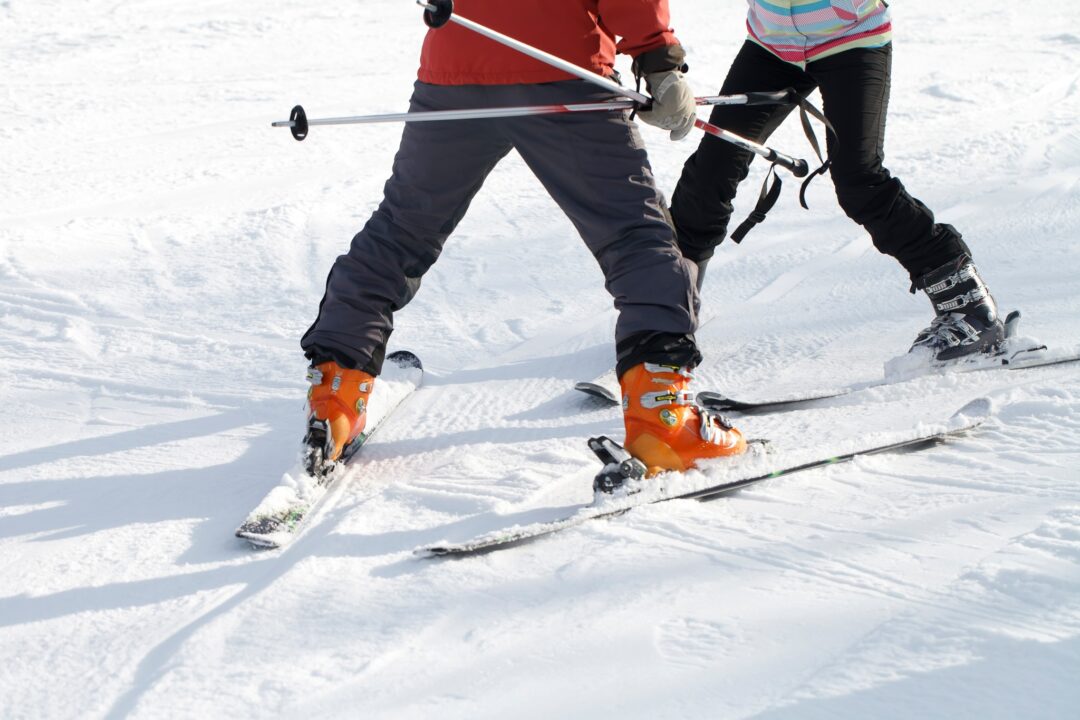
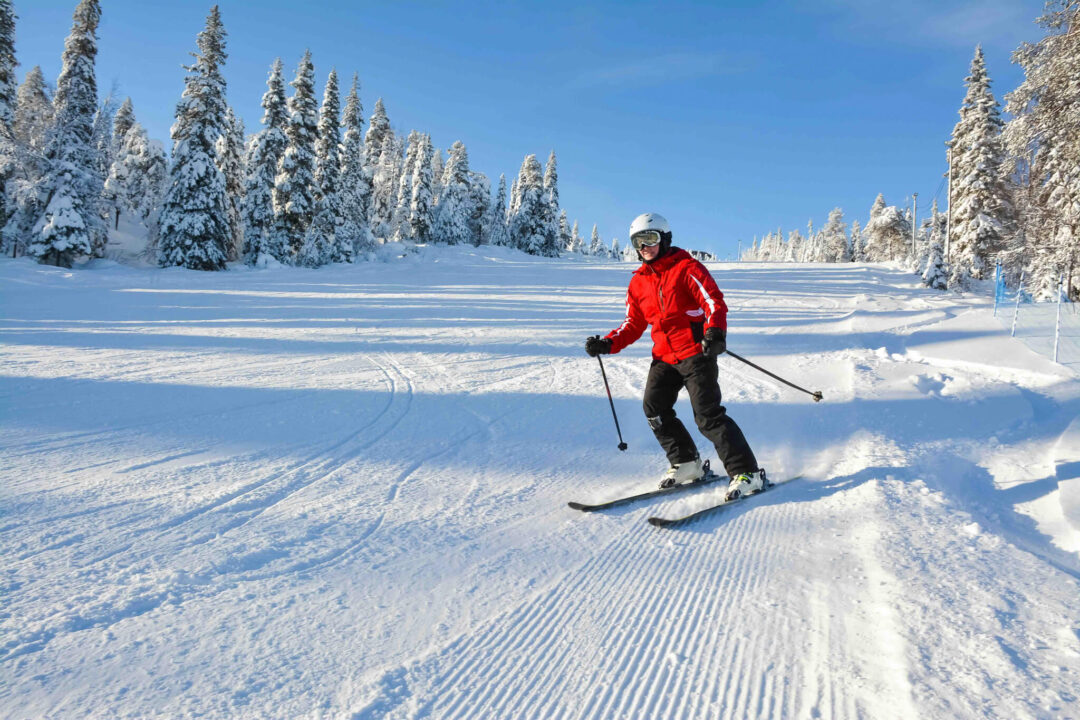
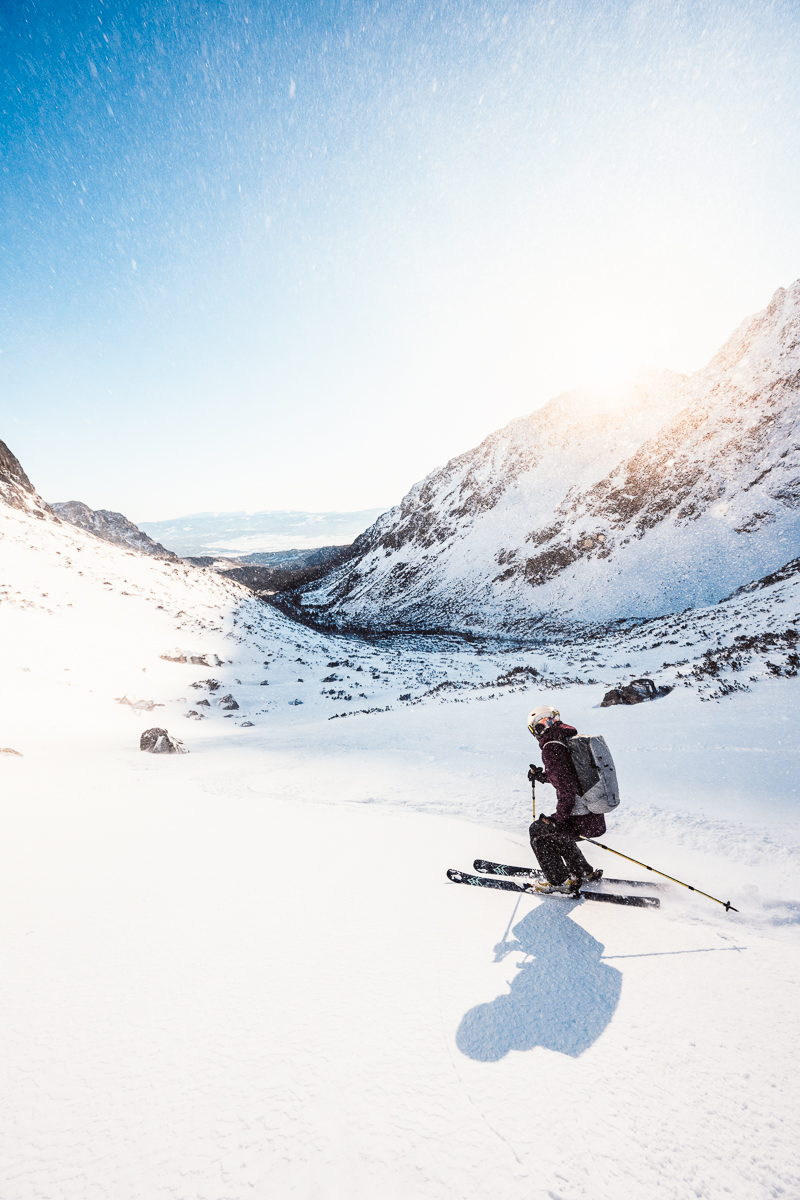
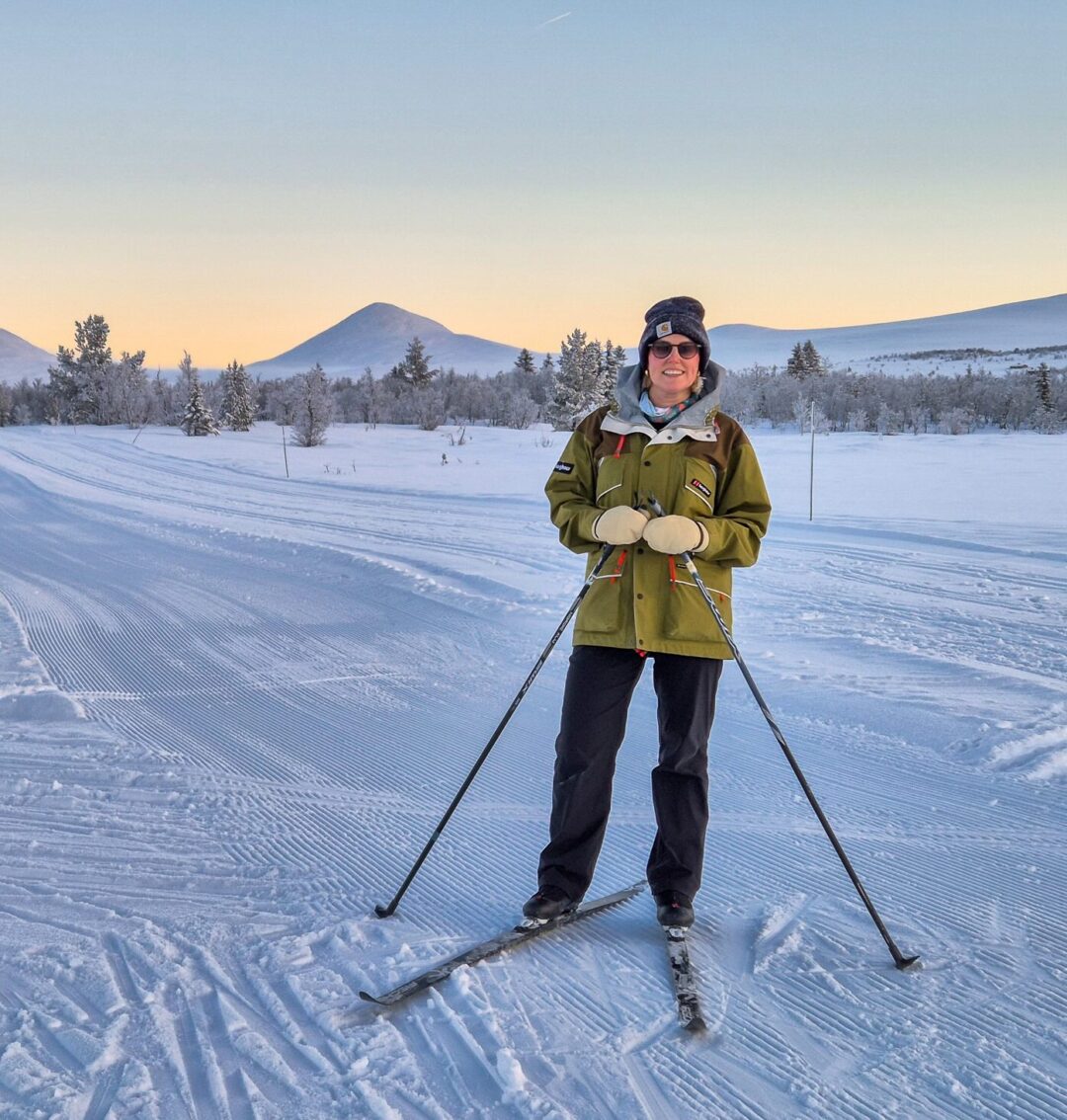
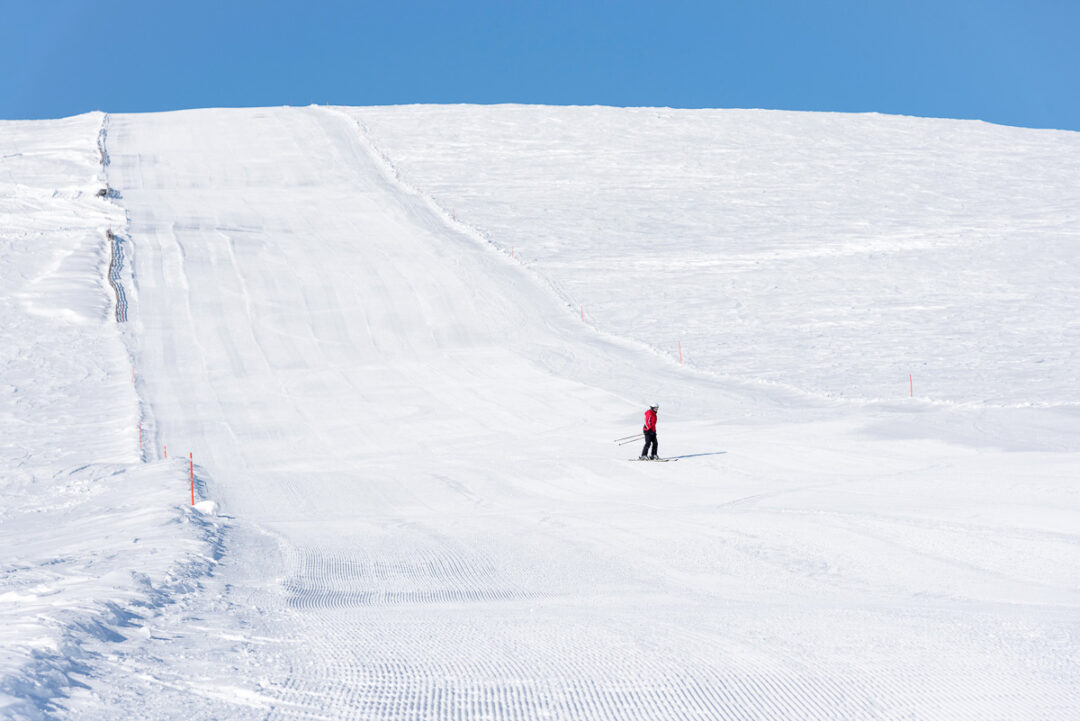
Woman skiing on a groomed snowy slope with ski tracks and safety markers
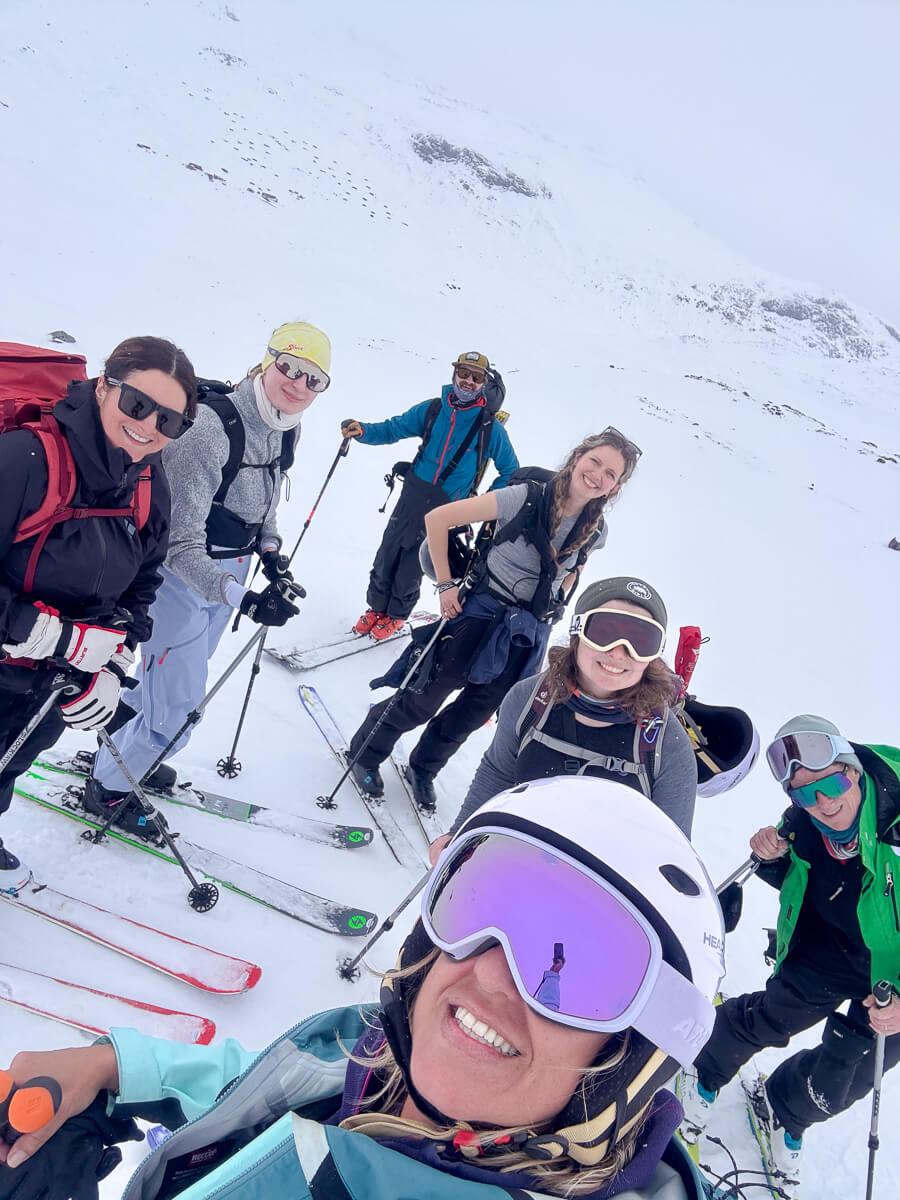
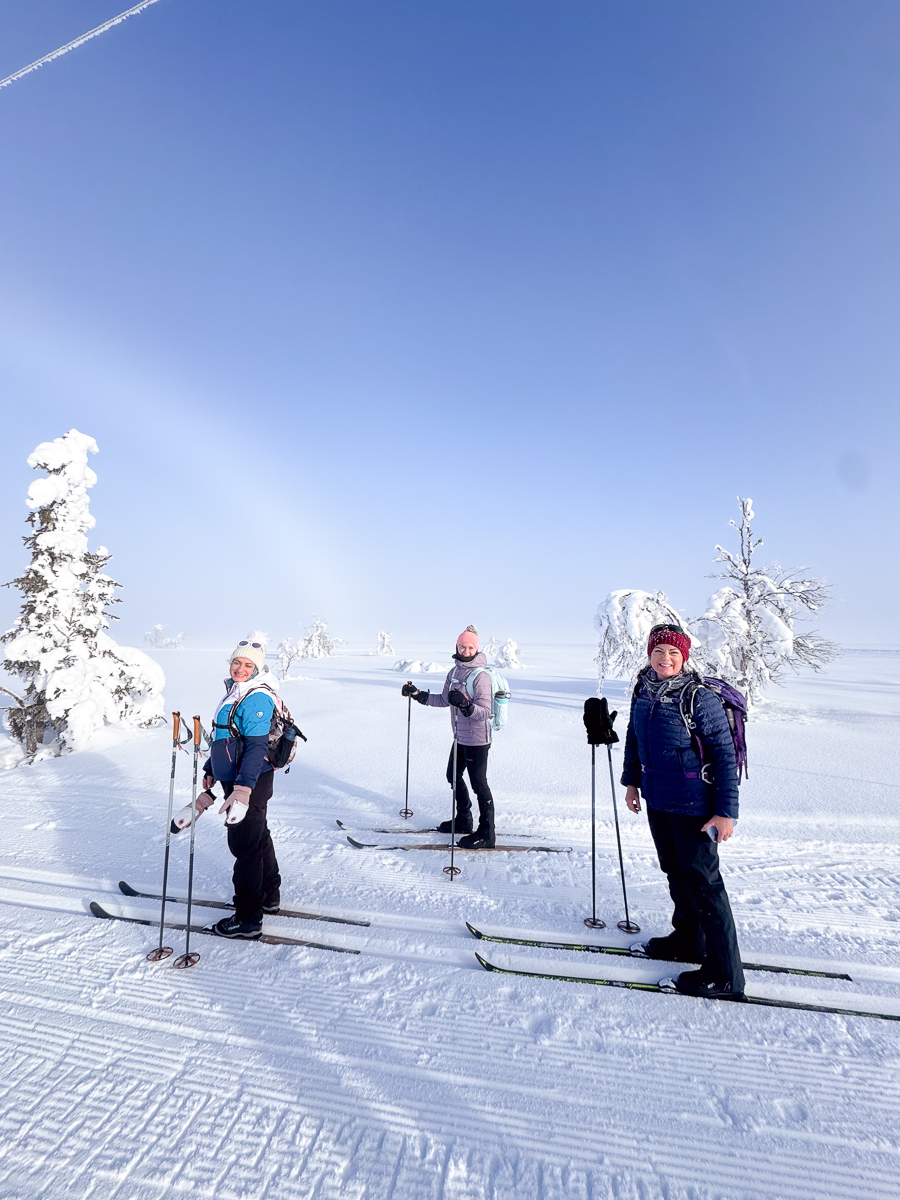
Women ski touring on snowy mountain slopes, taking a selfie with skis and poles in Norway

Getting There

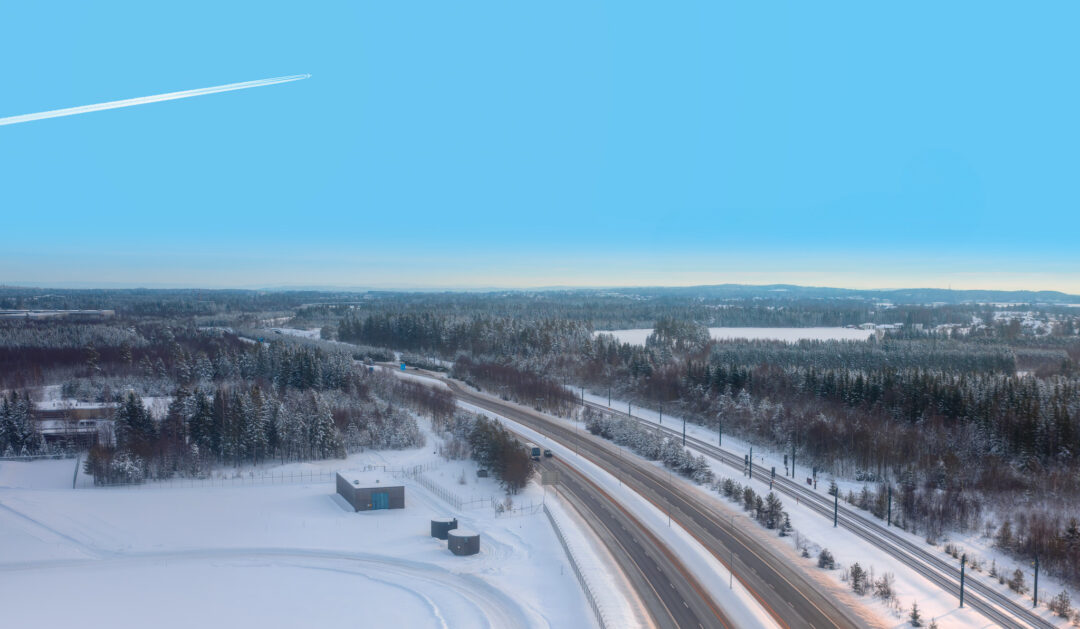
Tyin Filefjell sits at 1,000m above sea level between Oslo and Bergen. The hotel is in a remote mountain area, but getting here is easier than it looks. There are direct buses from both cities, and however you come, we collect you from Tyinkrysset at the end.

You have two straightforward routes: fly into Oslo Gardermoen, or fly into Bergen. Both have a direct bus to the resort, and both are covered below.

From Oslo

Direct airport bus: The Vy express bus (VY450) leaves from just outside Oslo Gardermoen and runs direct to Tyinkrysset in around four and a half hours, no changes. Current timings have it leaving the airport at 16:45 and arriving Tyinkrysset at 21:15.

Via Oslo city centre: If you’d rather break up the journey or spend time in the city, take the train from the airport into Oslo Central Station, then pick up a bus to Tyinkrysset from the terminal next door. Buses from the city run more often through the day, so you get more choice of times. There’s one easy change, and it’s simple to navigate.

Getting from Oslo Airport to into the city: Local trains run from the airport platforms every 10 to 15 minutes. Choose a standard local train rather than the pricier express, they reach the same station for a lot less. Oslo Central Station has coffee shops and places to sit if you have a wait, and the bus terminal is a few minutes’ walk away.

On the city-centre buses, look for services calling at Fagernes. These are timed to connect, so if one runs late the next usually waits, and if there’s ever a holdup you can change at Fagernes. There’s normally around a 15 minute gap between departures.

From Bergen

Bergen has a direct Vy express bus (VY450) to Tyinkrysset. On the way out the bus takes around five hours and ten minutes from Bergen bus station, so allow roughly six hours in total once you’ve added the airport-to-station connection. These services tend to leave earlier in the day, currently around 09:00 from Bergen. For the return, the direct bus from Tyinkrysset to Bergen currently leaves at 13:35 and arrives at 18:05, a little quicker at about four and a half hours. It’s worth planning your flights around these times.

To reach the bus station from Bergen Airport you have two easy options: the Bybanen light rail line runs from just outside the airport into the centre in around 40 minutes, every 10 minutes or so, and is the cheaper choice; or the Flybussen airport coach, which is quicker at around 16 minutes and runs frequently, but costs more. Both are simple to navigate.

Bergen is a lovely city in its own right, so it’s well worth a night either side if you can.

Your transfer to the hotel: However you travel, we collect you from Tyinkrysset and take you to the hotel. The group transfer meets the arrival bus at Tyinkrysset bus station at 21:15 on arrival day, and drops you back there at 09:45 on departure day to connect with your bus home. The transfer is included in your trip, and the times are fixed, so please book your buses to fit them. If you arrive outside these times, a private transfer between the bus stop and the hotel can be arranged for approximately NOK 80 (£6/€7) per person each way, a 5 to 10 minute drive.

A quick word on the buses: these are proper coaches, with comfortable reclining seats, a clean toilet on board and some of the best views you’ll get anywhere. It’s a genuinely comfortable, good-value way to travel, a world away from a UK coach.

What airports should I fly into?

Both Oslo Gardermoen and Bergen work well, and each has a direct bus to Tyinkrysset. From Oslo you can take the direct airport bus, or a short train into the city and a bus from there, which run more often through the day. From Bergen it’s a direct bus too, with a quick light rail or airport coach from the airport to the bus station first. Oslo tends to give you more departure choices, but either is easy. Full details are in the Getting There section above.
How do I book the bus to Tyinkrysset?

Book through Vy at vy.no/en. The site has an English version and is easy to use. For the Oslo airport-to-city leg, choose a standard local train from the airport platforms rather than the express, it costs less and arrives at the same station. Note that bus tickets often only go on sale around 90 to 120 days before travel, so if you’re booking earlier you may not see them yet. See the schedules FAQ below.

What if the bus times have changed?

We publish this guide well ahead of your trip, so bus schedules can shift slightly before you travel, and tickets often only go on sale 90 to 120 days beforehand. In our experience the times have been very consistent over the past few years, so the routes above are a reliable guide. We keep an eye on the schedules, but if you go to book and can’t find the services we’ve listed, drop us an email and we’ll check the latest times with you.

What if I miss the hotel transfer from the bus station?

The hotel picks up at 21:15 from Tyinkrysset bus station. If you arrive earlier, you’ll need to arrange your own transfer (around NOK 80 per person) or spend time in town and wait for the transfer. If you miss the transfer time, contact the hotel or your host directly – they may be able to collect you for an additional fee, or you’ll need to arrange a taxi.

Can I travel up earlier, or spend a day in Oslo or Bergen?

Yes, and it’s an easy add-on. Both cities are worth a day or a night either side. If you’d like to come up earlier, you can take an earlier bus towards Tyinkrysset, and if it suits we can arrange to collect you from an earlier arrival for a private transfer charge of approximately NOK 80 (£6/€7) per person each way. In Oslo, the bus and train stations sit right next to each other, so switching between them is only a few minutes’ walk.

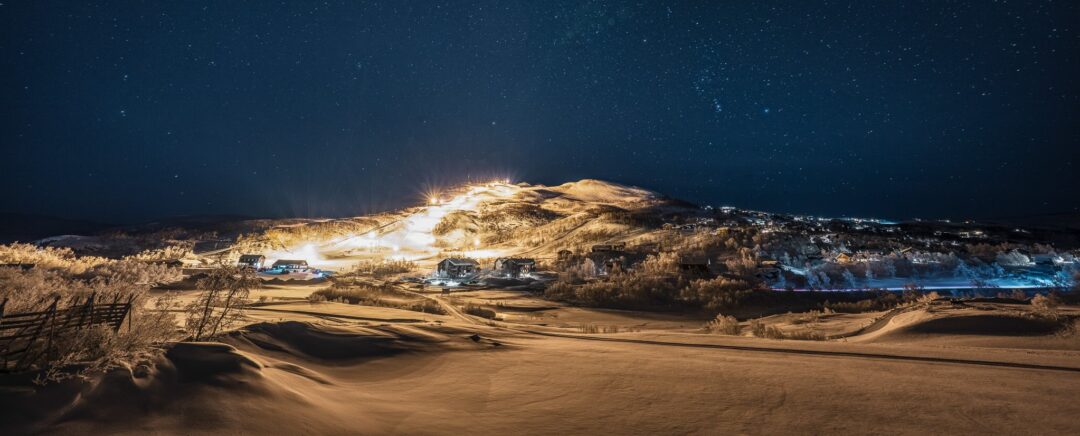
Snowy downhill ski slopes at night under a starry sky with illuminated pistes and hillsides

Fitness & Skill Level

Difficulty: Moderate

This trip is for complete beginners – no skiing experience needed. But don’t mistake “beginner” for “easy”. Learning to ski is physically demanding, especially over consecutive days.

You’ll ski 6-7 hours daily (split between morning lessons and afternoon practice), building from gentle nursery slopes to steeper terrain. Lifts get you up, but your legs do all the work coming down.

What to Expect

    • Duration: 6-7 hours active each day, normally split between two sessions (morning lessons, afternoon practice).
    • Physical Demand: Skiing works muscles you didn’t know existed. Your thighs will burn, especially when you’re holding positions or controlling speed. The lifts get you up the mountain, but don’t be fooled – this is hard physical work.
    • Gliding: If sliding makes you panic, skiing isn’t for you. The whole sport is about controlled gliding. You need to be comfortable picking up speed.
    • Falling: You will fall over. Repeatedly. Everyone does when learning. If you can’t laugh it off and get back up, choose a different trip.
    • Cold: Norwegian mountains in winter mean temperatures regularly below freezing. You’ll generate heat when moving, but standing waiting for the lift back up can be bitter. Layering is key.
    • Consecutive Days: Five days of skiing back-to-back, as well as a day kayaking is tiring. You’ll ache by day three, but that’s part of it.

Who This Suits

Women who want to learn downhill skiing without being patronised. If you’ve always wanted to ski but didn’t have the confidence or crew to try it with, this is your chance.

Come ready to work, fall, get back up, and celebrate every small win with other women doing exactly the same thing.

Fitness Requirements

    • Regular cardio three times per week (running, gym classes, cycling, swimming)
    • Strong legs and core
    • Good balance (this makes learning easier)
    • Mental resilience – learning as an adult is hard

If you’re doing regular gym sessions, running, or cycling three or more times per week, you’ll manage fine.

I've never skied before - can I really learn in a week?

Yes. Our instructors specialize in teaching complete beginners. You’ll start on gentle nursery slopes learning the basics (how to stop, turn, stay upright) and progress to steeper terrain by the end of the week. Most people surprise themselves with what they can do by day seven.

How fit do I need to be?

You need decent cardiovascular fitness for consecutive days on the slopes. Skiing uses different muscles than regular exercise, but if you’re doing cardio (gym, running, cycling) three times per week or more, you’ll be fine. Strong legs help, but techniq

What if I can't keep up with the group?

Instruction is in small groups and instructors adjust the learning pace to suit everyone. If you’re genuinely struggling, tell your instructor – they can modify exercises or suggest breaks. Afternoons are for independent practice at your own pace.

Can I skip a day if I'm exhausted or sore?

Yes. This is your holiday, if you need a rest day, take one. However it might put you behind the group in learning to ski. Most people push through the tiredness because improvement comes from consecutive days, but listen to your body.

Women downhill skiing on snow, carving turns in ski boots and skis

Sleep & Eat

Stay in newly renovated rooms with private bathrooms, proper beds, and mountain views. After days on the slopes, you’ll appreciate the comfort.

Rooms are clean, warm, and functional. This isn’t luxury, but it’s comfortable with everything you need after active days.

All meals are included, from dinner on arrival to lunch on departure.

    • Breakfast: Buffet to fuel mountain days
    • Lunch: Packed lunches or meals at the ski café
    • Dinner: Three-courses featuring local Norwegian ingredients – reindeer, warming soups, and hearty dishes

We accommodate most dietary requirements with advance notice. Tell us early though as sourcing specialty ingredients in the mountains takes planning.

What are the rooms like?

Newly renovated with private bathrooms. You’ll have a proper bed, storage space, and mountain views. Rooms are warm and comfortable – exactly what you need after days on the slopes. WiFi is available but can be patchy in mountain locations.

Can you cater for dietary requirements?

Yes, with advance notice, so please tell us when you book. The kitchen can handle most diets (vegetarian, vegan, gluten-free, dairy-free, allergies). Norwegian food defaults to meat and fish, so they need time to plan alternatives.

Is there WiFi at the hotel?

Yes, all rooms and cabins have WiFi.

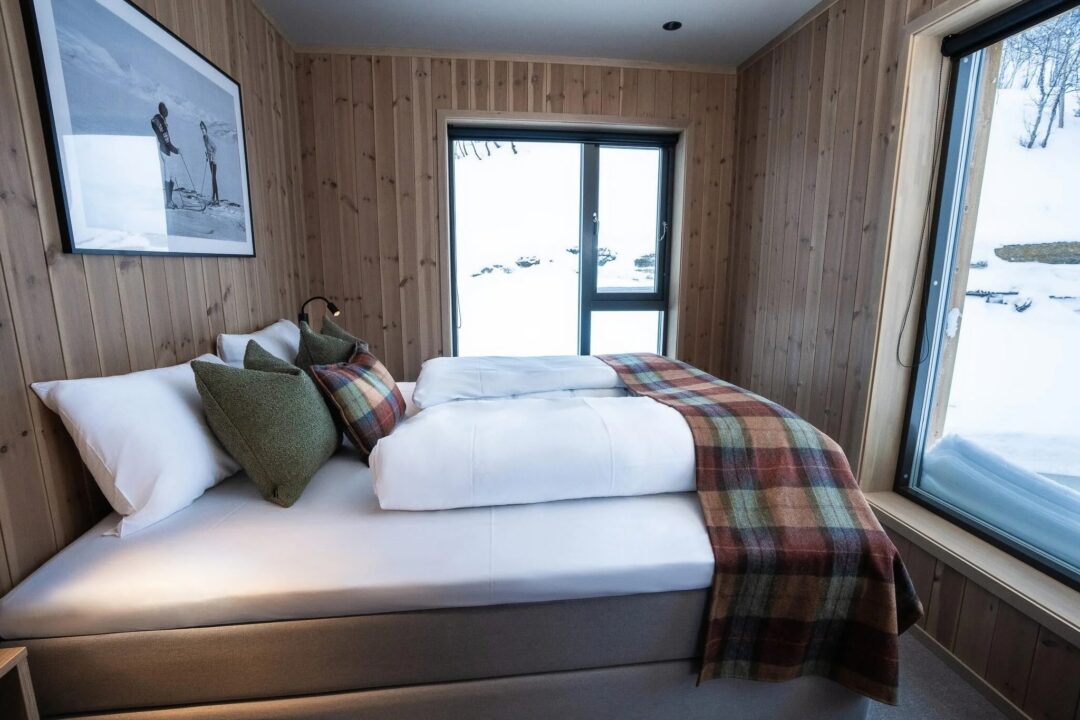
Ski lodge bedroom with double bed and plaid throws, looking out on snowy Norway through large windows
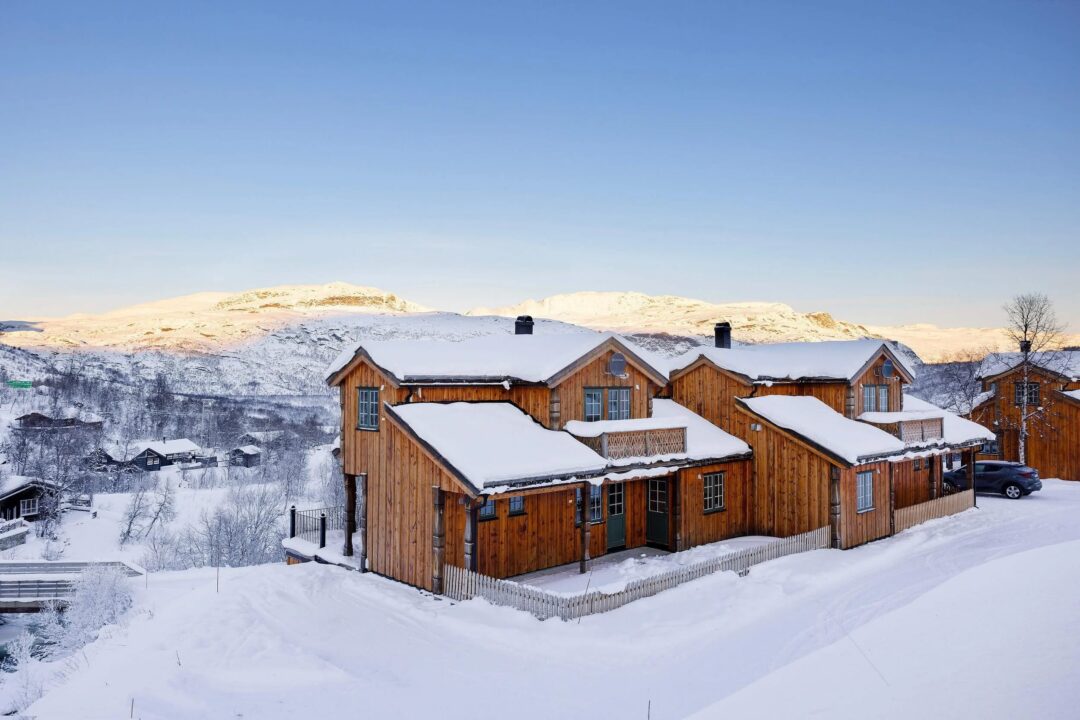
Snowy wooden cabins in a winter landscape in Norway, under a clear blue sky

Weather

Winter in the Norwegian mountains means full winter conditions and reliable snow, right across the December to April season. Deep winter, December through February, is the coldest, with daytime temperatures typically around -12 to -2°C and colder nights. By March and April it’s milder, often -5 to 5°C in the day, with longer, brighter days as the season turns.

It’s a dry cold, so it feels less harsh than the damp UK cold at the same reading. You’ll warm up quickly once you’re moving, it’s standing waiting for the lift when you notice it, so bring layers you can add at the top and shed on the way down.

Daylight shifts a lot too. Midwinter days in December and January are short, with the light fading early in the afternoon, while March and April give you long, bright days on the slopes. Whenever you come, all the skiing is done in daylight.

What are typical temperatures?

February is colder than March or April, when the temperatures start to creep over 0 degrees. The Norwegian cold is dry, so it feels less brutal than a damp UK cold at the same temperature. You’ll warm up quickly when skiing, it’s standing waiting for the lift when you’ll feel it.

What if weather impacts skiing?

Mountain weather changes fast. Guides and instructors monitor conditions and adjust plans for safety. Heavy snowfall might mean staying on lower slopes and high winds might close certain lifts. We always put safety first, but you’ll get your full skiing experience.

How much daylight is there?

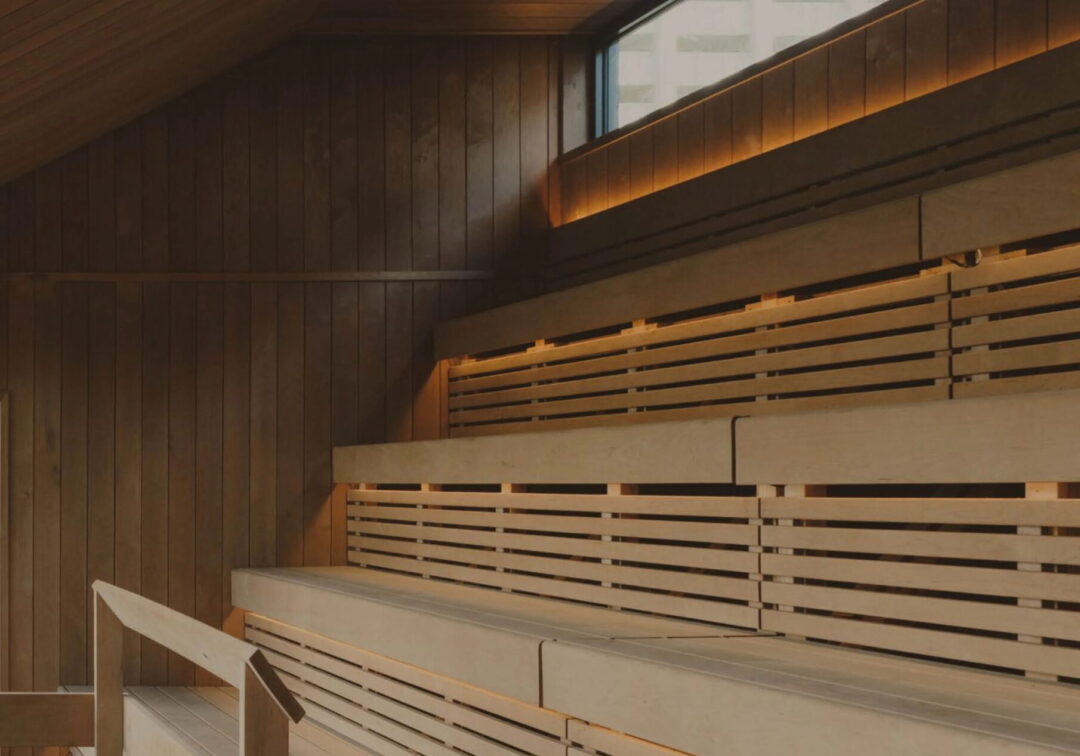
You’ll ski during daylight hours. Evenings get dark fairly early, which makes the sauna and dinner feel even better.

What should I check before packing?

Check the weather forecast in your customer portal a week before departure. This will tell you if it’s a cold snap or milder week, helping you decide on layer thickness.

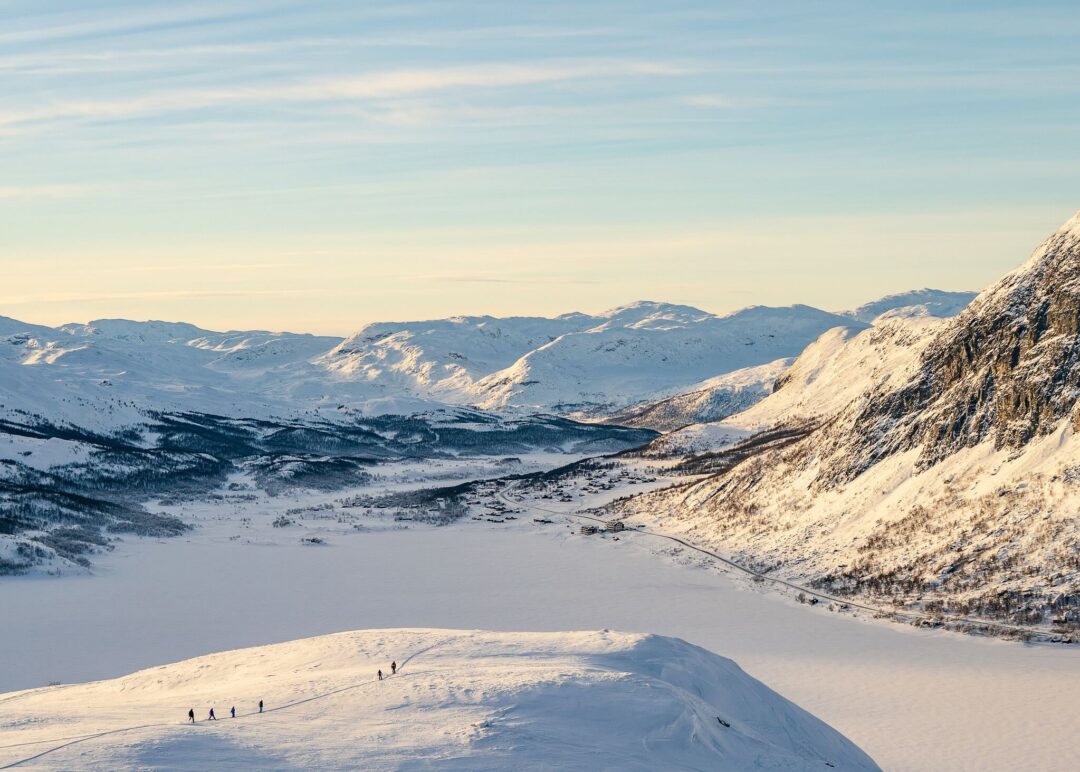
Snowy Norwegian mountains and ski slope overlooking a valley with tracks and skiers at sunset

Good to Know

Communication: WiFi is available at the hotel, though it can be patchy given the mountain location.

Money: Cards work everywhere — the hotel, restaurants, and shops all take contactless, so there’s no need to carry Norwegian currency. A small amount of cash as backup is fine if you’d prefer.

Tipping: Tipping is not compulsory on our adventures, but if you’ve had a great trip and brilliant service, a tip for your guide or host is always appreciated. We recommend giving 200-300 NOK, or whatever you can or feel is the right amount.

How many guests will be on this trip?

Max 11 guests.

What happens if I get injured skiing?

Instructors are first-aid trained and minor issues will get treated on the mountain or at the hotel. Anything more serious means evacuation to the nearest medical facility. This is why travel insurance with winter sports cover is mandatory. Make sure it covers downhill skiing and mountain rescue.

Can I rent snowshoes for the optional Day 5 activity?

Yes. Snowshoe rental is available at the hotel if you want to take a break from skiing and explore on foot.

What if I decide skiing isn't for me mid-week?

You can sit out lessons and spend time at the hotel, or rent snowshoes for gentler mountain exploration. Your Gutsy Girls host can suggest alternative activities, however please be aware that there’s no refund for unused lessons.

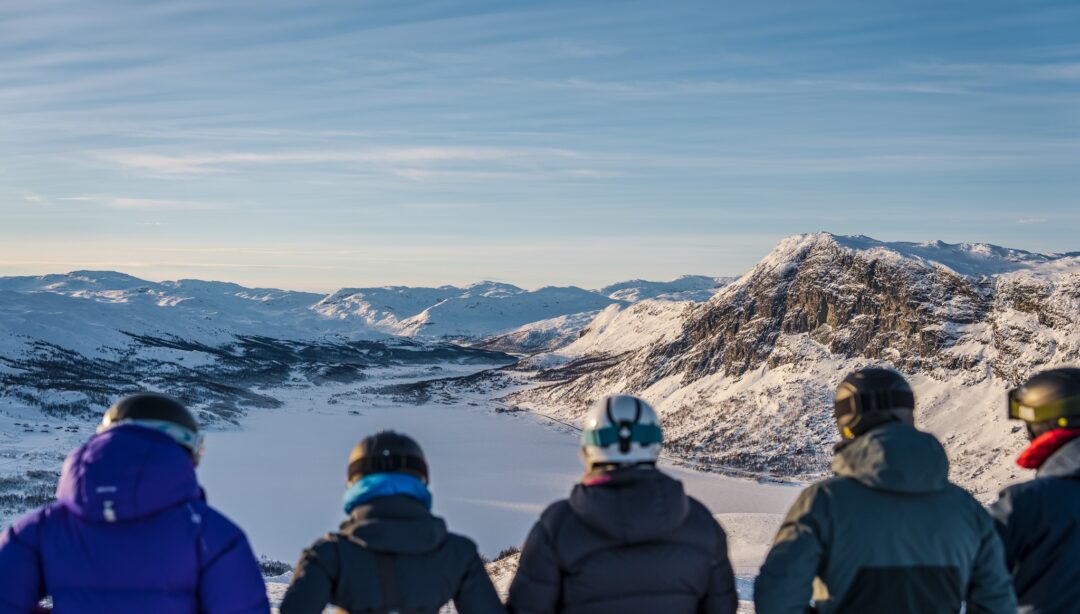
Skiers look over snow-covered mountains in Norway during a downhill ski holiday
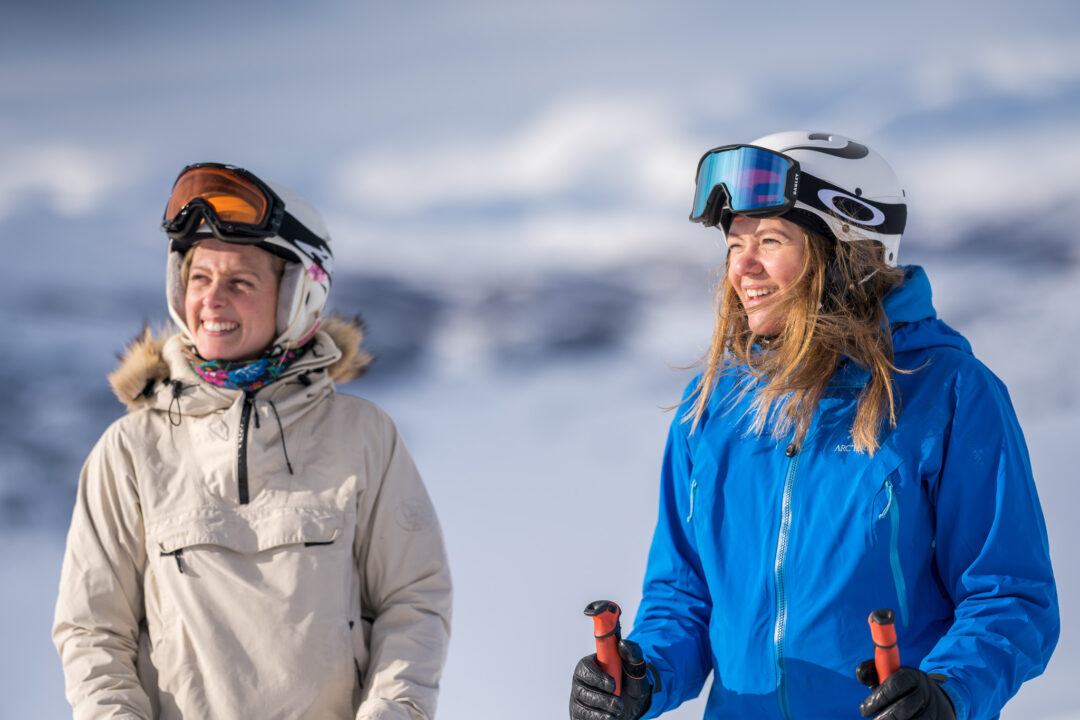
Women in ski helmets and goggles smiling on a snowy downhill slope in the mountains

Packing List

What We Provide

Skiing Equipment

    • Skis, poles and ski boots
    • Helmet
    • Kayaking Equipment (mid-week kayaking day):
    • Kayak and paddle
    • Dry suit
    • Buoyancy aid

What You Need to Bring

On the Slopes

    • Moisture-wicking thermal base layer tops and bottoms — merino or synthetic, at least two sets, never cotton
    • Fleece or lightweight down mid-layer jacket
    • Waterproof, windproof ski jacket (ventilation zips are useful)
    • Waterproof ski trousers or salopettes
    • Ski goggles with UV protection and anti-fog lenses
    • Sunglasses with UV protection
    • Ski gloves — bring two pairs, one will get wet
    • Thin liner gloves (useful under thicker gloves on colder days)
    • Warm hat or beanie (to wear under your helmet on cold days)
    • Neck gaiter or buff
    • Merino or synthetic ski socks — multiple pairs

Off the Slopes

    • Warm, comfortable boots for evenings at the hotel
    • Casual evening clothes
    • Nightwear

Personal Kit

    • Small backpack for packed lunches and layers on the mountain
    • Water bottle
    • High-SPF sunscreen — reapply throughout the day on the mountain
    • SPF lip balm
    • Sunglasses (spare pair useful)
    • Painkillers and any personal medication
    • Compeed or Moleskin blister plasters
    • Hand warmers (optional but useful if you run cold)
    • Travel adaptor

Packing Tips

Layering: You’ll heat up fast skiing and cool down just as fast on the lifts. Start with a moisture-wicking base layer, add a fleece or down mid-layer, then your shell jacket on top. Shed the mid-layer when you’re working hard, put it back on when you stop. A ventilated ski jacket makes this much easier — worth having if you’re buying or hiring.

Goggles vs sunglasses, bring both: Goggles for snowy or windy conditions, sunglasses for clear days. Norwegian sun reflecting off snow is intense and UV protection is non-negotiable. Don’t assume you’ll only need one or the other, the weather at Tyin changes across the week.

Gloves will get wet: Two pairs is not optional, it’s practical. Snow gets in them, they get wet, and skiing in wet gloves is miserable. Thin liner gloves underneath warm outer gloves are a good setup. Hand warmers are worth packing if you run cold.

Hire ski clothing: We have an arrangement with Adventure Kit Hire — email our bookings team for a 10% discount code. Hiring in resort is an option, but sorting it before you arrive means one less thing to deal with on day one.

Hand luggage priorities: Goggles, a set of base layers, and one warm layer. If your bag is delayed, those three things cover you for a day on the slopes while you wait.

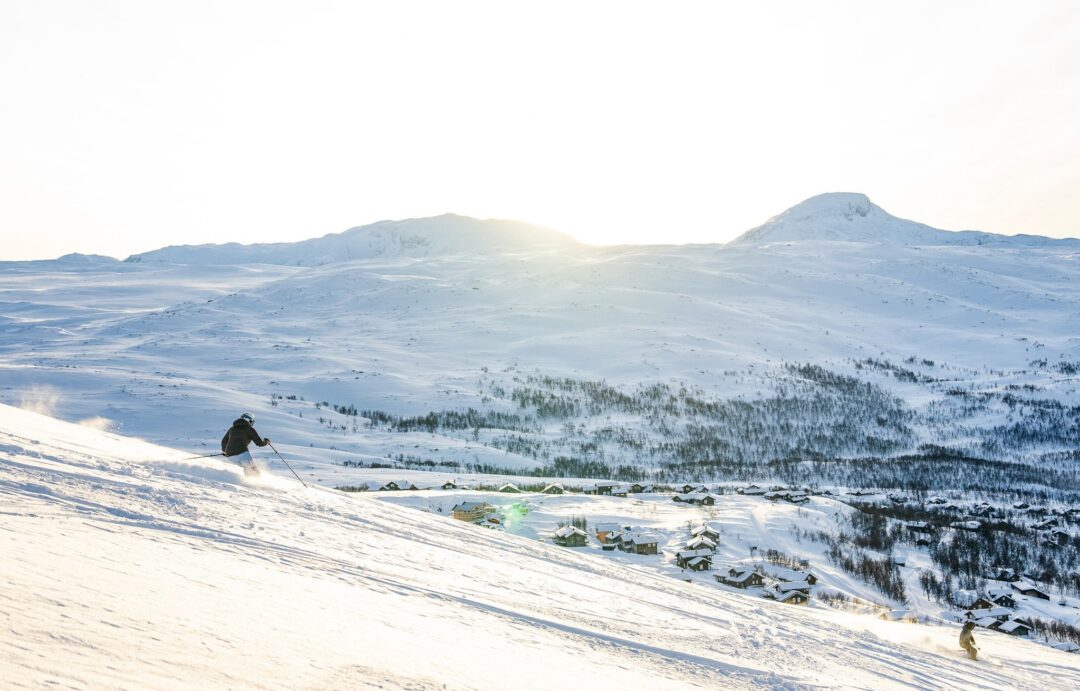
Downhill skier on a snowy slope with Norwegian mountains and ski village below in winter landscape

Trip Code NORFILDSKB – Include this code in any message so we can find your trip straight away.