Trip Guide

Trip Guide: Kayak SUP Hike and Bike Adventure in Lofoten

Spend four days kayaking Arctic waters, hiking to Devil’s Gate, paddleboarding in sheltered bays, and cycling to fishing villages. Morning yoga sessions get you stretched out before active days, and evenings are yours for the spa – sauna, hot tub, and cold plunges in the Arctic Ocean.

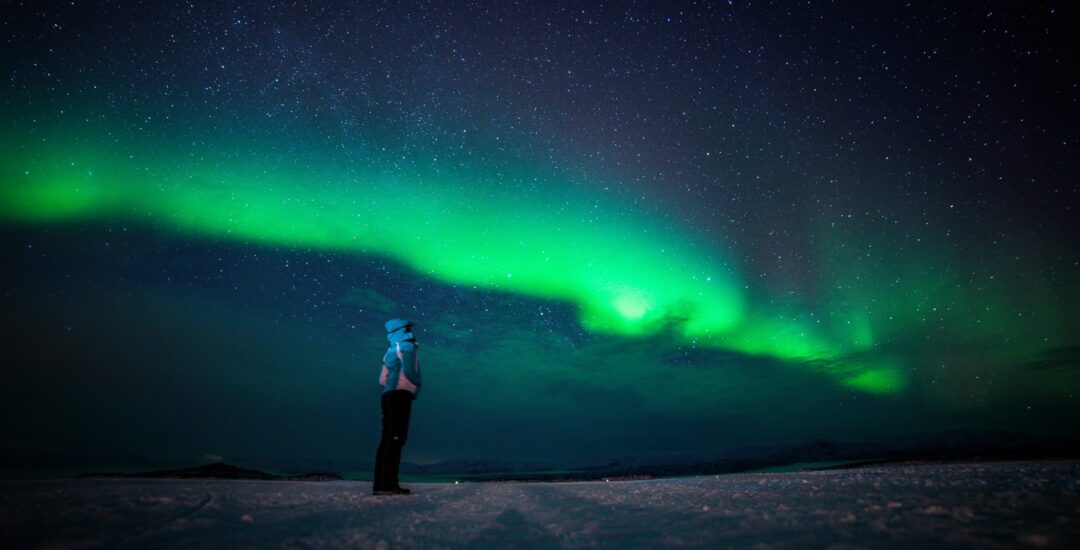
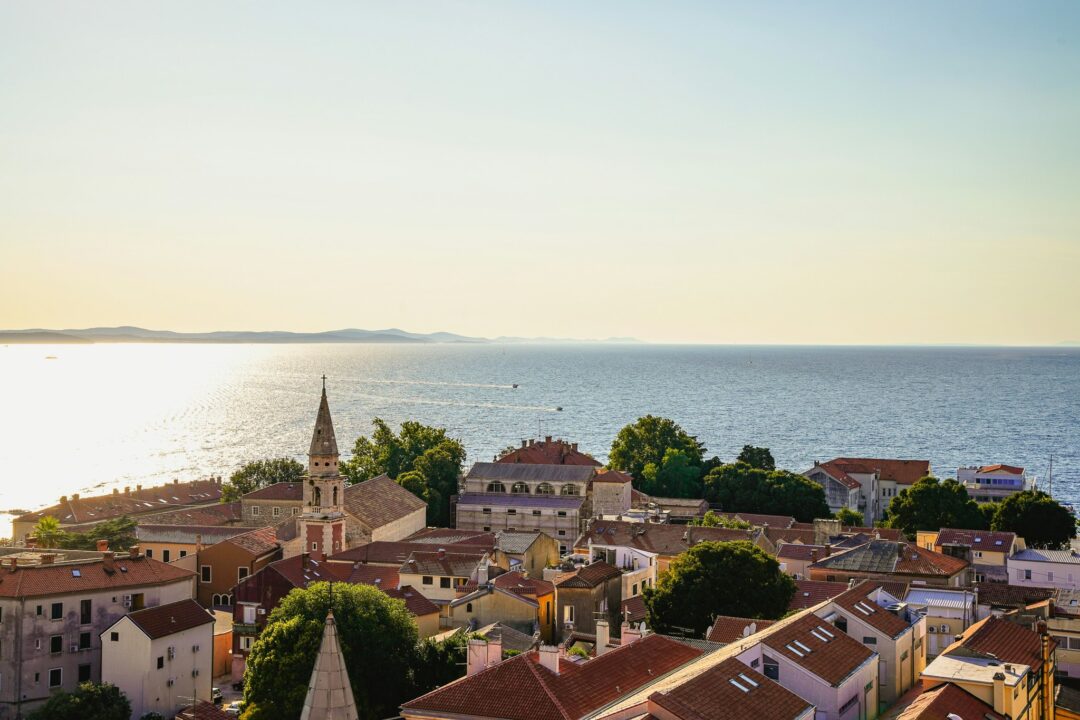
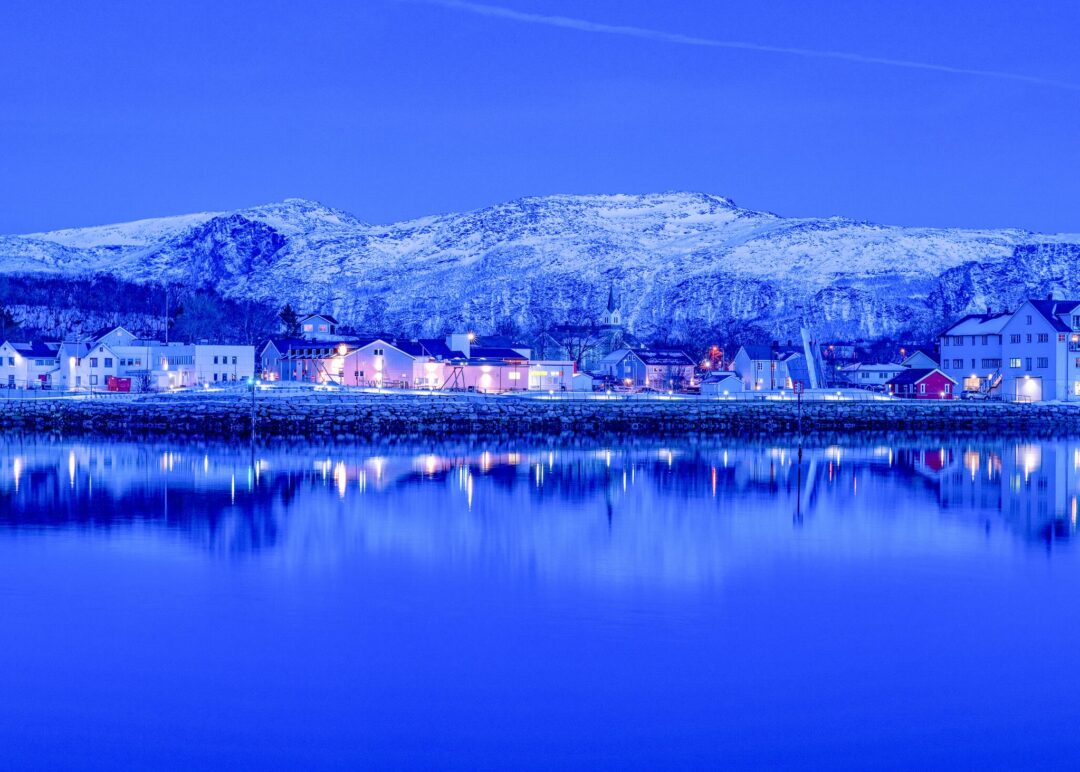
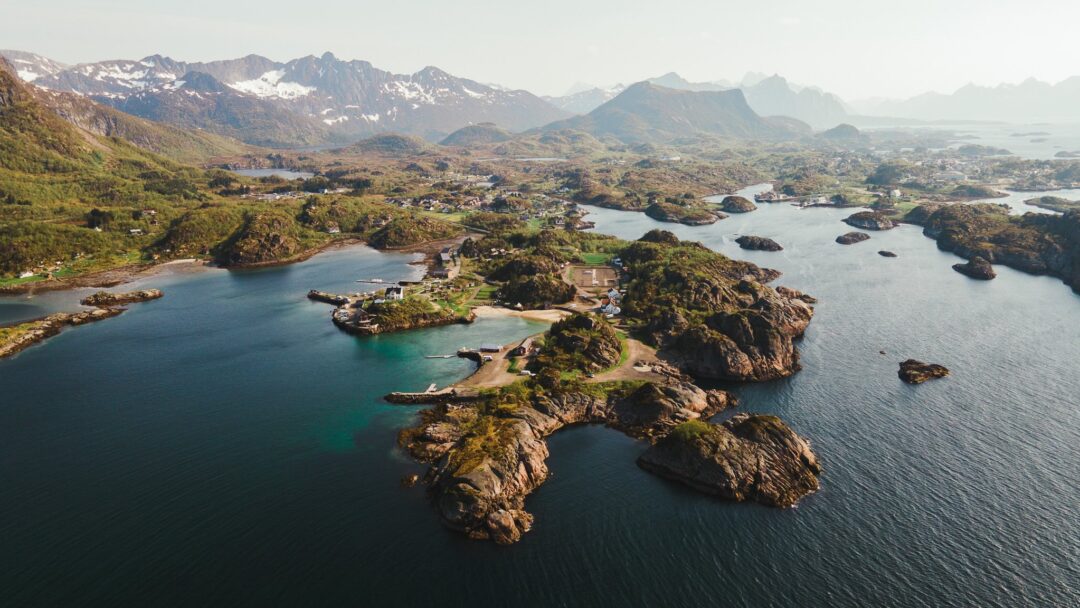
Located just above the Arctic Circle, Lofoten stretches 100km into the Norwegian Sea. Mountains drop straight into crystal-blue water, sandy beaches hide between peaks, and September brings autumn storms mixed with Northern Lights. You’ll experience it all on foot, bike and paddle, guided by locals who know these islands inside out.

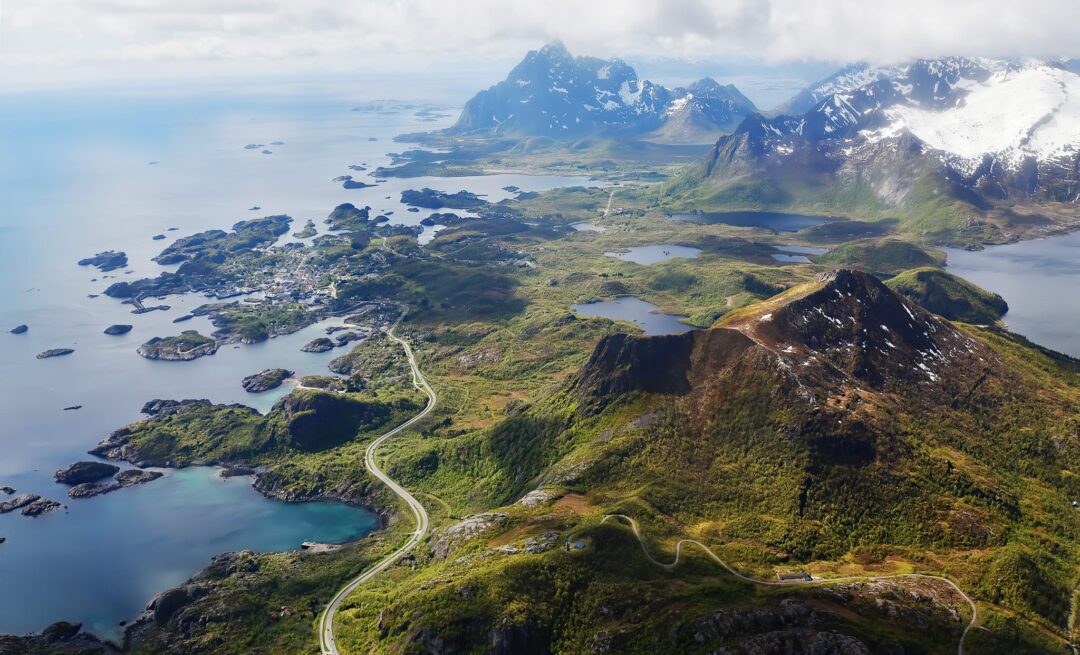
Aerial view of rugged Lofoten fjords and islands with winding waterways along the coastline
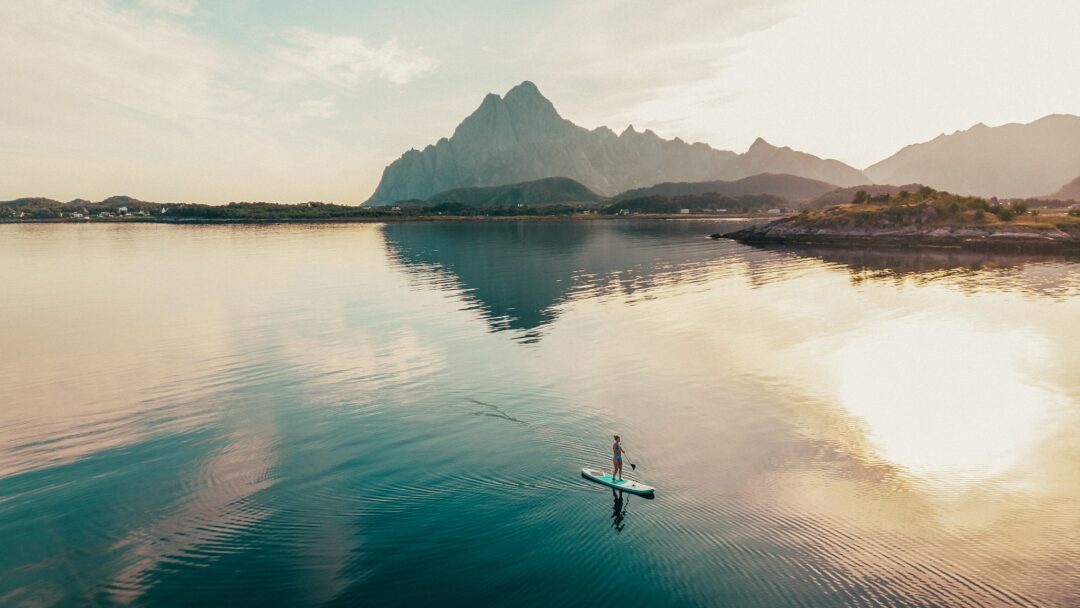
SUP paddleboarder on calm water in Lofoten with mountains at sunset

Getting There

Lofoten isn’t exactly straightforward to reach, but that’s what keeps it special. You’ll fly into Evenes Airport, then it’s a 2-hour 45-minute transfer through changing landscapes to reach our coastal hotel.

We provide one-time group transfer on arrival and departure days, which align with our suggested flights. Detailed meeting point information will be provided by the host two weeks before your trip.

How long does the transfer take from the airport?

The transfer from Evenes Airport (EVE) to the hotel takes approximately 2 hours 45 minutes, travelling through changing landscapes as you head towards the coast.

18–23 July

Suggested Flights

  • Outbound: LHR–EVE, 10:35–18:10 (SK 804 / SK 4094)
  • Return: EVE–LHR, 15:05–21:40 (SK 2495 / SK 1501)

Group Transfers

  • Airport pick-up: 19:10
  • Airport drop-off: 13:05

3–8 September

Suggested Flights

  • Outbound: LHR–EVE, 10:35–16:40 (SK 804 / SK 4094)
  • Return: EVE–LHR, 17:15–21:35 (SK 4095 / SK 815)

Group Transfers

  • Airport pick-up: 17:40
  • Airport drop-off: 15:15

What if I need to arrange my own transport?

Private transfer is available but expensive. We strongly recommend booking the suggested flights to use the group transfer. This is why comprehensive travel insurance covering delays and missed connections isn’t optional. Buy it the moment you book, not just before you travel.

Can I extend my stay in Norway?

Absolutely. Many guests add extra days to explore Oslo or other parts of Norway. Just arrange your own accommodation and transport. We only provide the timed group transfers on arrival and departure days.

What's the best way to get to Evenes Airport from the UK?

Most guests fly via Oslo with a connection to Evenes. Flight times vary by departure date, and we provide suggested flights that align with our group transfer times when you book.

Kayaking SUP, hike and bike route over Lofoten islands, Norway with fjords and mountains in the distance

Fitness & Skill Level

This trip is rated moderate. You’ll be active 5-6 hours daily across different activities, tackling consecutive days of kayaking, hiking, paddling, and cycling. You don’t need to be an athlete, but you do need stamina.

Hiking: Two guided hikes – one lasting 3-5 hours, another around 4 hours. Expect mountains, gorges and uneven terrain. There’s also the chance to hike to Djevelporten (Devil’s Gate) and see the Djeveltrappa (Devil’s Stairs).

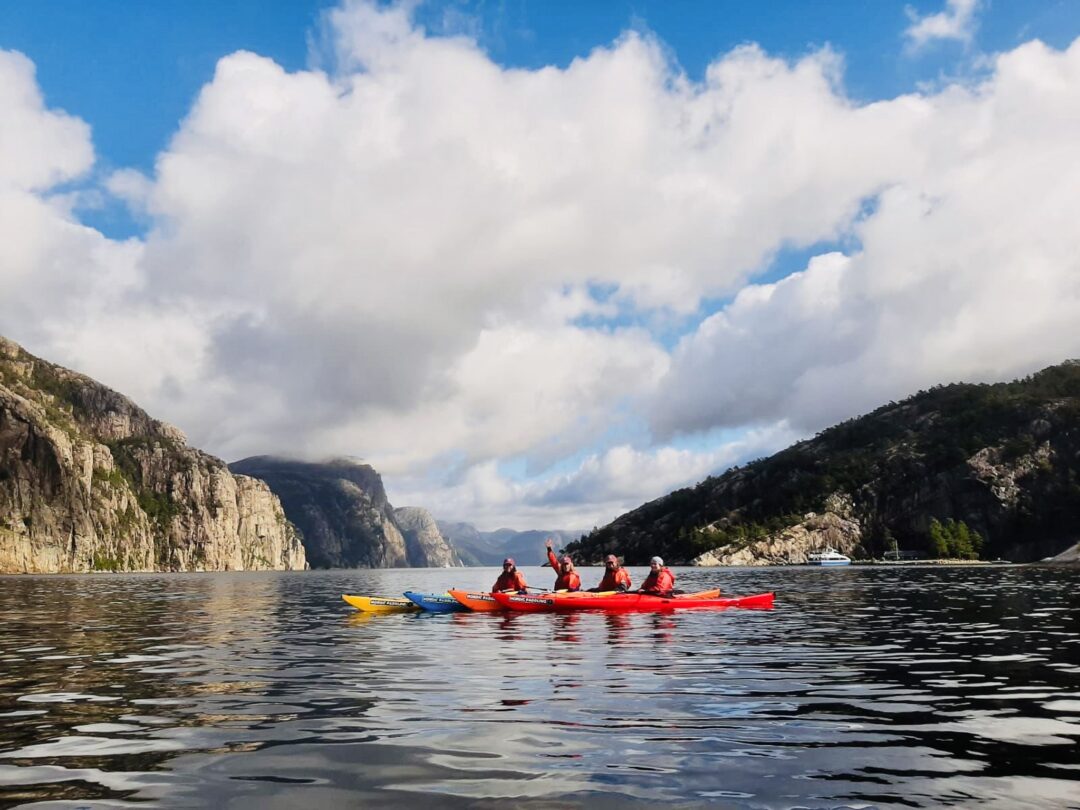
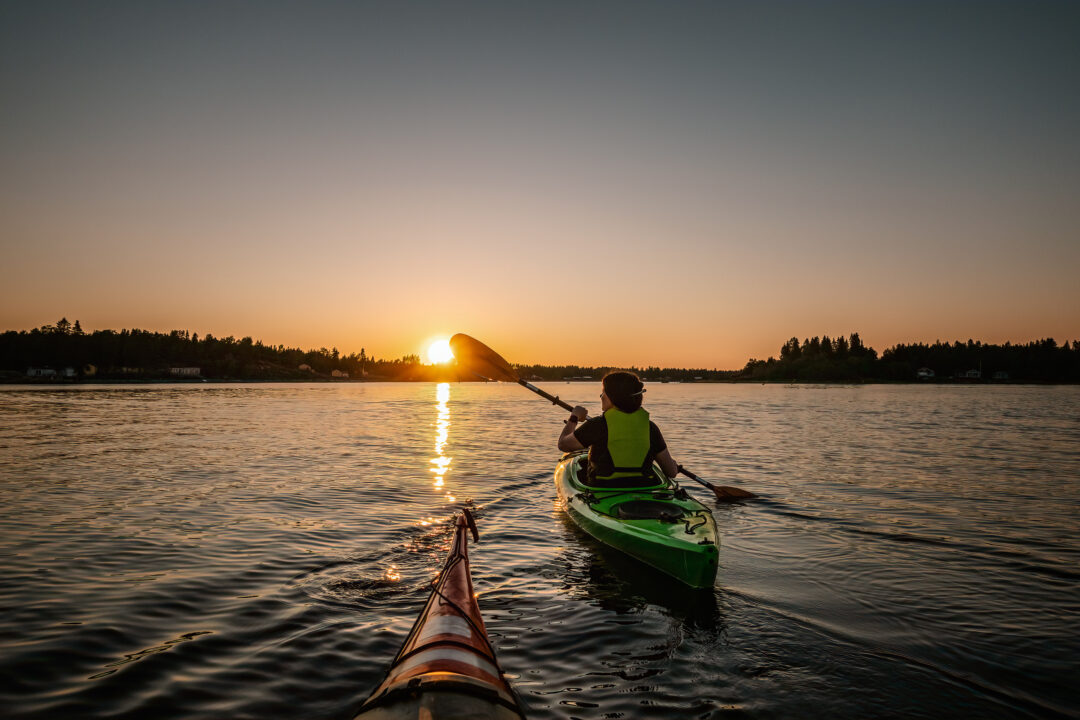
Kayaking: 2-3 hours sea kayaking around the islands. You’ll be paddling in open water with Arctic temperatures, keeping watch for marine wildlife.

SUP: Around 2 hours paddling in the bay, followed by an evening hike.

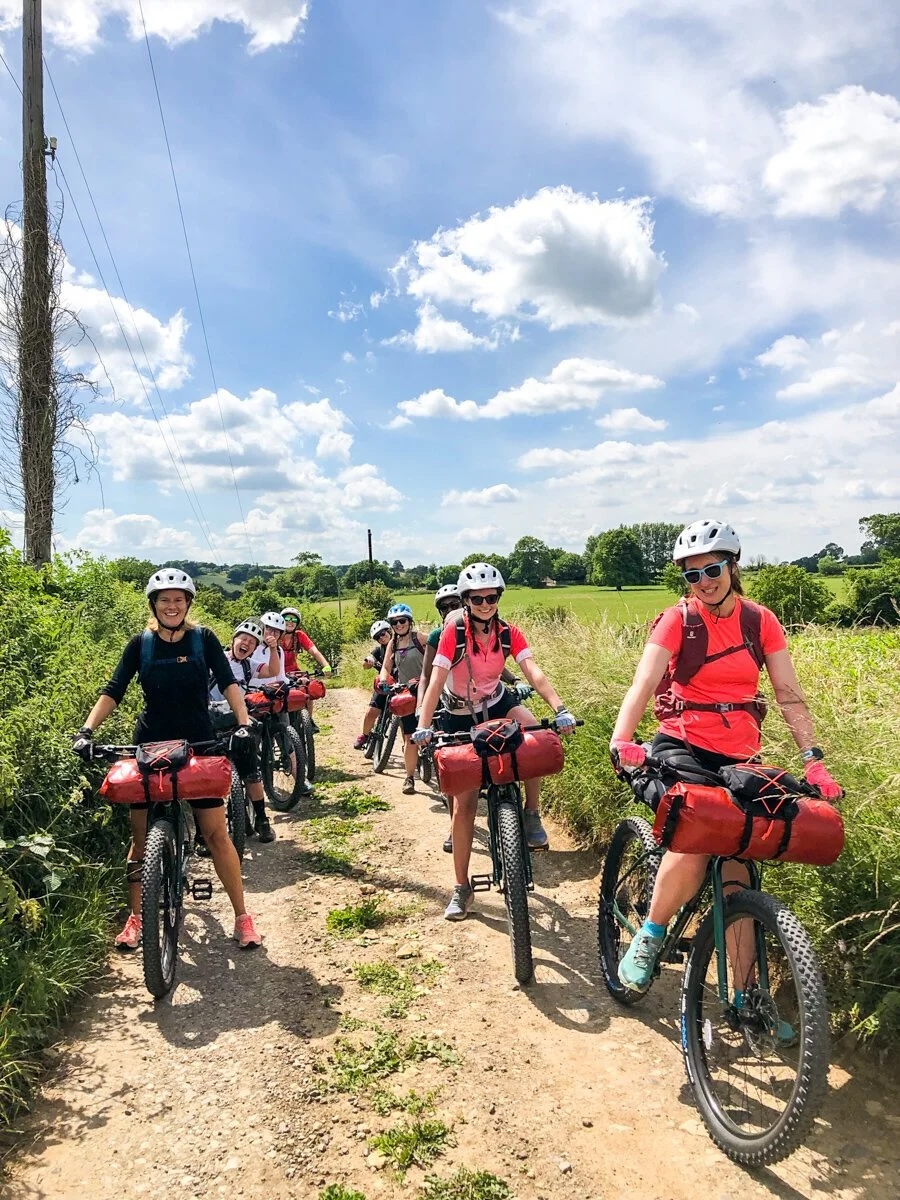
Cycling: 36km ride to Henningsvær fishing village. There’s an option to not cycle the return journey if needed.

Yoga: Four morning sessions to stretch out before active days. No experience needed.

The challenge isn’t any single activity – it’s doing all of them across four consecutive days. Your body needs to recover quickly and be ready to go again the next morning.

Experience Requirements

No previous kayaking, SUP or hiking experience needed. You do need to know how to ride a bike for the cycling day.

Beginners are welcome across all activities. Our guides will teach you techniques and keep things safe, but you need to bring your own motivation and fitness.

Fitness Requirements

Medium to high-intensity cardio 3 times a week for around 45 minutes. Running, HIIT, cycling, spin classes, stuff that gets your heart pumping. Walking and yoga won’t cut it for the cardio demands.

Strength training helps, but isn’t essential. If you’re new to weights, build it up slowly and seek advice from a professional to ensure good form.

If you can handle a full day’s hiking and don’t mind getting sweaty, you’ll manage. If consecutive active days sound exhausting rather than exciting, choose something easier.

I'm a complete beginner at kayaking. Will I keep up?

This trip is designed for beginners. Our guides will teach you paddle technique and how to handle the kayak. You’ll be in a double kayak that’s nice and stable.

You don’t need prior experience, but you do need to be comfortable getting in and out of a kayak and potentially getting wet.

How should I train for this trip?

Build your cardio fitness now, not later. Fitness gains take time. You won’t feel the difference until around the 8 to 12 week mark, so starting the week before won’t cut it if you’re coming from a low base. You don’t need to be an athlete, but you do need a solid level of fitness to enjoy the activities rather than endure them.

Aim for regular cardio that genuinely challenges you: running, cycling, hill walking with a pack, swimming, or anything that gets your heart pumping and leaves you properly out of breath. The odd gentle stroll won’t build the endurance you need. Mix in some strength work too, as lifting weights builds the stamina and resilience that make long active days feel easier. If weights are new to you, start light and build up gradually.
What does "moderate" actually mean?

This trip is rated moderate. It’s suitable for beginners, but to get the most out of your adventure, you need a baseline of good fitness to ensure you’ve got the energy and drive to tackle each daily activity. You’ll be doing consecutive days of back-to-back activity, which can be tiring.

Do I need to know how to ride a bike?

Yes. You need to be able to ride a bike to take part in the cycling day to Henningsvær. There’s an option to not cycle back if needed.

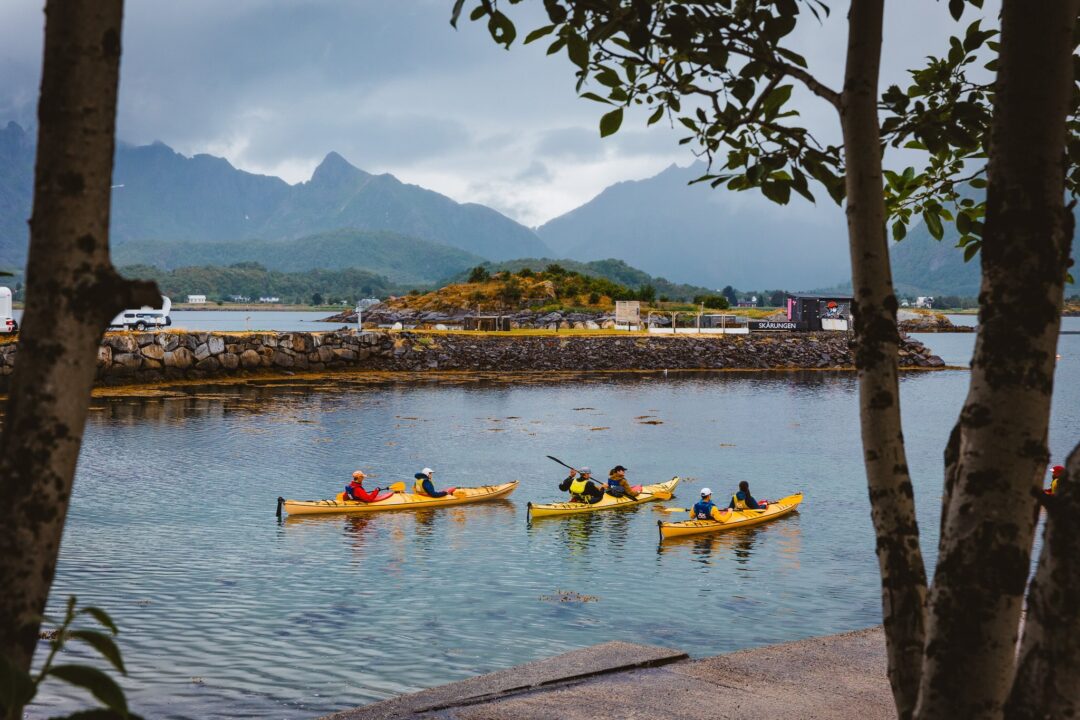
Kayakers in yellow boats paddle on a calm harbour with mountains, framed by trees.

Sleep & Eat

Accommodation

Your base is a hotel on the edge of the Arctic Ocean. Face one way and you’ve got an endless sea speckled with tiny islands, turn around and mountains fill the skyline.

Private rooms come with ensuite bathrooms. Twin rooms mean sharing a bathroom with one other person from your trip. Towels and toiletries (shampoo, shower gel, conditioner) are sorted. Hairdryers are at reception if you need one.

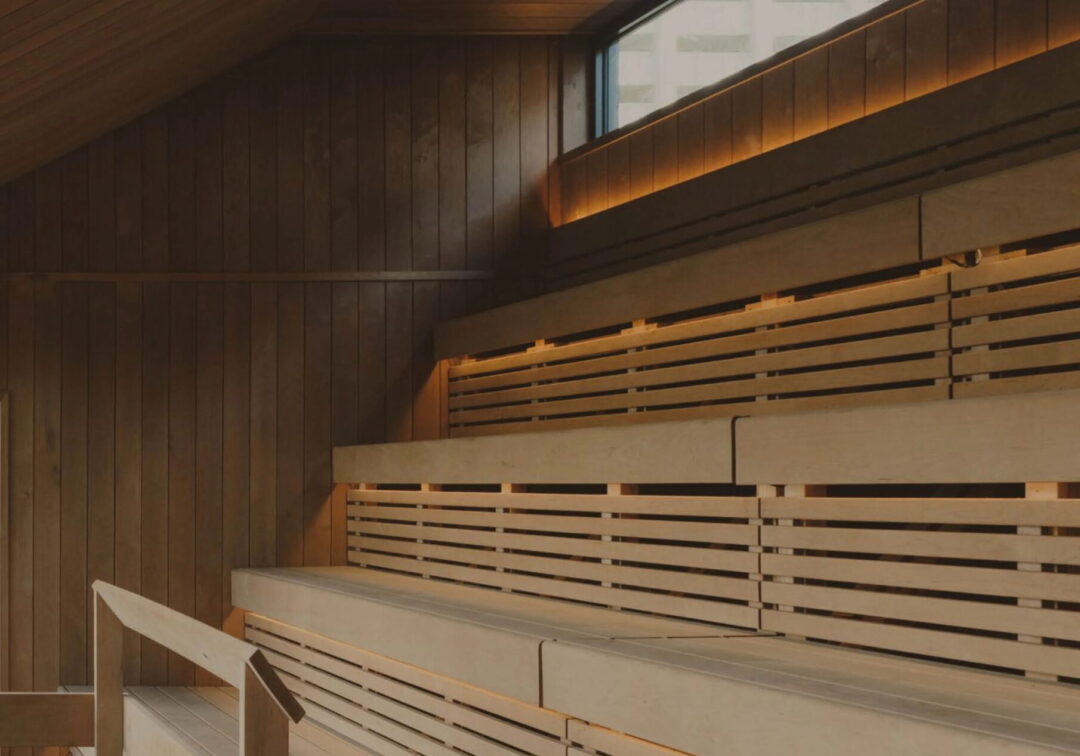
The hotel has Lofoten’s best spa setup, with sauna, hot tub, and direct Arctic Ocean access for cold plunges. After long days on your feet, the spa is where you’ll want to be. The hot-cold contrast therapy works wonders for recovery, though the Arctic plunge isn’t mandatory.

There’s also a gin bar, the biggest in Lofoten, if sampling Norwegian gins after dinner is your thing.

Laundry costs 150kr (approximately £11) per use. You can do it once during the trip, so pack accordingly.

Food

Breakfast is a continental buffet in the hotel restaurant. Make your packed lunch here too from the buffet spread.

Lunch varies from packed lunches most days, one cafe lunch in Henningsvær, and one fireside cookout.

Dinner is a two-course meal every evening featuring local seasonal dishes. Proper restaurant service, not canteen-style.

All meals are included. We accommodate dietary requirements, but only if you tell us when booking. Don’t spring allergies or requirements on us upon arrival. We need advance notice to sort it with the hotel kitchen.

What are the hotel rooms like?

Private rooms come with ensuite bathrooms. Twin rooms have two single beds and a shared bathroom, and you’ll be sharing facilities with one other person from the trip.

Can you handle dietary requirements?

Yes, but tell us when you book, not two days before departure. The hotel kitchen needs proper notice for allergies and requirements. If you don’t inform us early, we might not be able to cater to you when you arrive.

What's the WiFi and phone signal situation?

WiFi works throughout the hotel. Phone signal is generally fine in town. Out on the water or up mountains during activities, you’ll be offline. Evenings, you can reconnect and make everyone back home jealous with your photos.

Is the spa worth using?

Absolutely. Sauna and hot tub are brilliant for tired legs. The Arctic Ocean plunge is intense but most people try it at least once. The hot-cold contrast is genuinely effective for recovery, not just Instagram content. Do it or don’t – it’s optional, not compulsory.

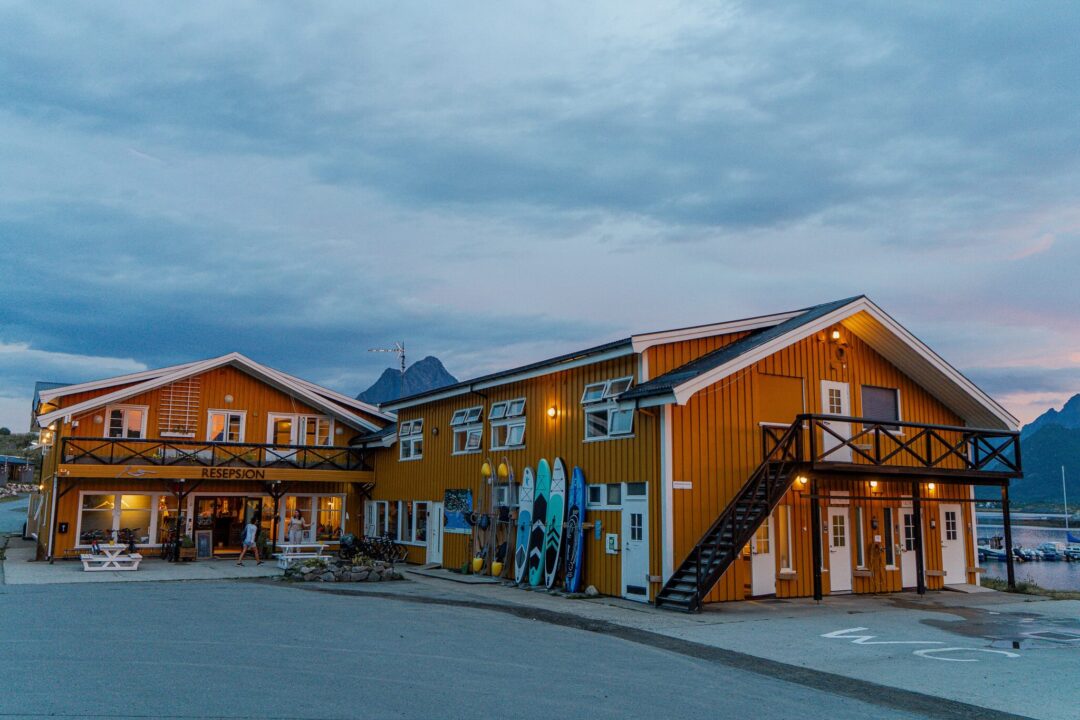
Reception building with kayaks on racks in the Lofoten harbour, Norway; “RECEPTION” sign visible
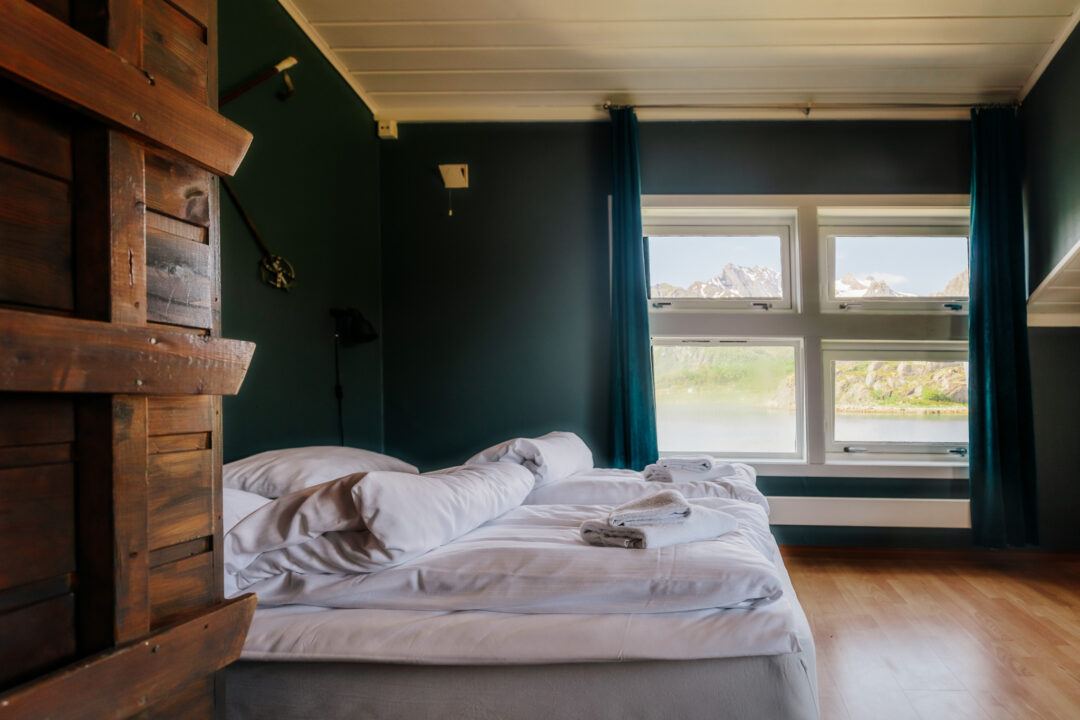
Unmade bed in a simple bedroom with wooden wardrobe and windows overlooking a landscape

Weather

Summer in Lofoten brings long days and milder temperatures, but this is Norway, so you need to prepare for changeable conditions.

July: Peak summer with 24-hour daylight (midnight sun), temperatures around 12-18°C, and generally the most stable weather window of the year.

September: Autumn arrives. Days shorten, temperatures drop to 8-15°C (sometimes lower), and you’ll get a mix of cool, crisp days and rain or storms. Plus, fewer tourists and a chance to see the Northern Lights starting to appear.

Water Temperature: Cold Arctic waters year-round

Mountain and coastal weather changes fast. You might experience sunshine, rain and wind in the same day, regardless of when you visit. Bring layers you can add or remove quickly.

What happens if the weather affects our activities?

Our guides monitor conditions closely and adjust plans to keep you safe while maximising your experience. They have backup options for poor weather days. Flexibility is built into the itinerary – we work with the weather, not against it.

How reliable is the weather forecast?

Weather changes quickly in coastal Norway. Check yr.no for Lofoten forecasts, but understand that mountain and sea conditions can shift within hours. Trust your guides to make real-time decisions.

Should I prepare for cold or mild weather?

Prepare for both. Layer your clothing so you can adapt throughout each day. Norwegian cold is often drier than UK cold, so it feels less harsh, but wind chill on the water is real.

Will rain cancel activities?

Not usually. We’re in Norway – if we cancelled for rain, we’d never do anything. You’ll go out in light to moderate rain with waterproofs. Only severe weather conditions will change plans, and your guides will always prioritise safety.

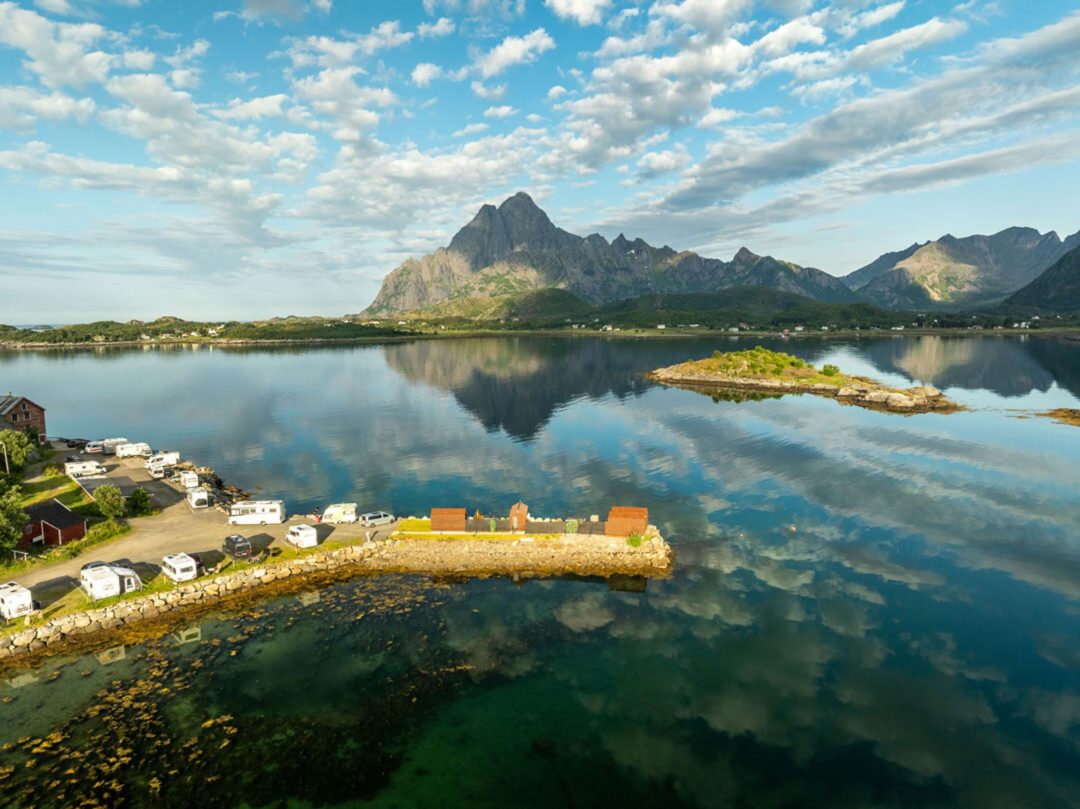
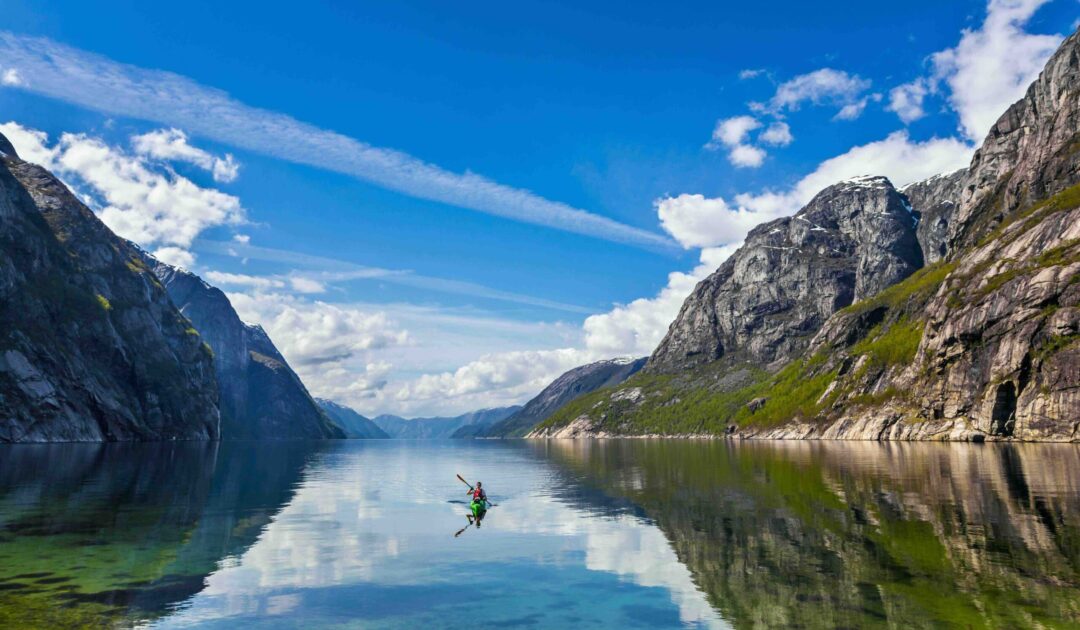
Lofoten fjord at midday with calm water, rocky islands and mountains under a partly cloudy sky

Good to Know

Money: No need to stuff your wallet with cash — cards are accepted almost everywhere. It’s handy to carry a small amount of Norwegian krone for occasional personal expenses.

Tipping: Tipping is not compulsory on our adventures, but if you’ve had a great trip and brilliant service, a tip for your guide or host is always appreciated. We recommend giving 200-300 NOK, or whatever you can or feel is the right amount.

Communication: WiFi is available at the hotel. Phone coverage is generally good in settled areas, limited in remote hiking locations. You’ll be offline while out on the water or hiking. Your guides has emergency communication equipment when leading outdoor activites.

Why aren't all guides and instructors female?

We work with the best guides available, male or female. There are fewer women in outdoor guiding roles, so we prioritise expertise and guest experience. We vet every guide carefully and monitor feedback closely to ensure all guides align with our ethos and standards. We also hope more trips like ours encourage more women to find new activities and become guides themselves.

What if I get injured during the trip?

Your guide has first aid training and carries a full kit. For serious injuries, we’ll arrange evacuation to the nearest medical facility. This is why comprehensive travel insurance with activity coverage is mandatory.

What happens if weather affects a planned activity?

Guides will adjust the plan if conditions make an activity unsuitable. The order of activities may change and a level of flexibility is key. Safety comes first throughout the week.

How many guests will be on this trip?

Max. 7 guests.

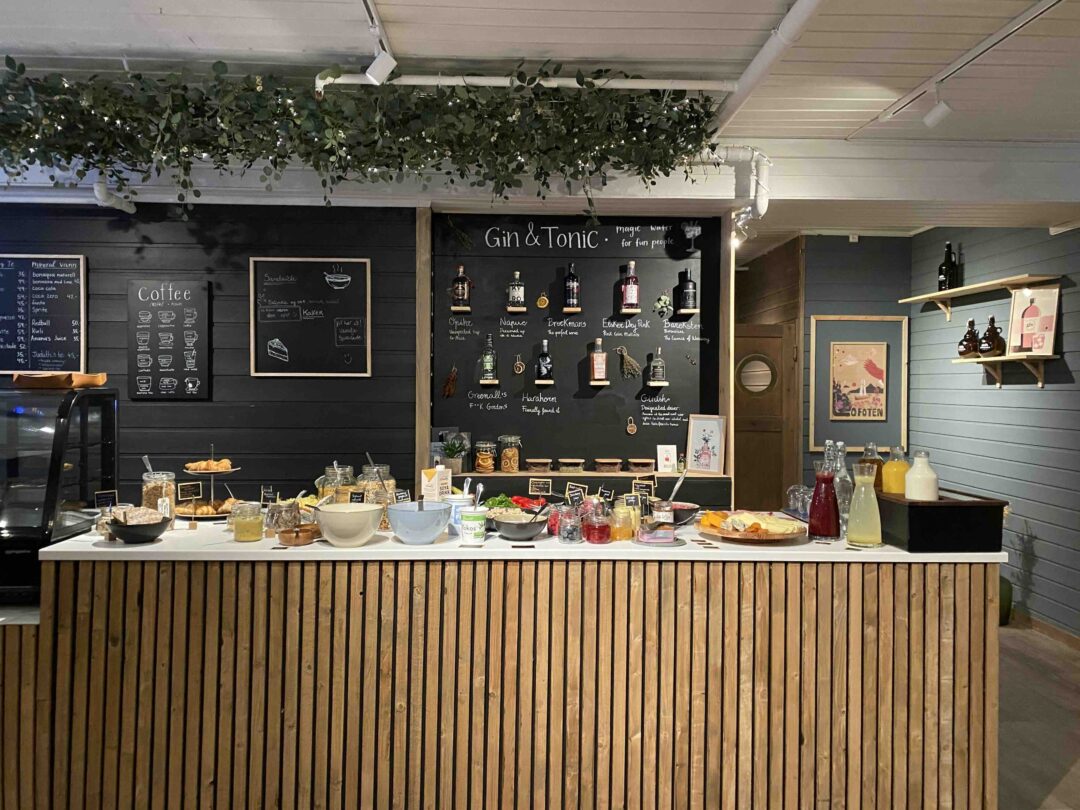
Gin and tonic bar counter with chalkboard menu boards and drinks, indoors at a café
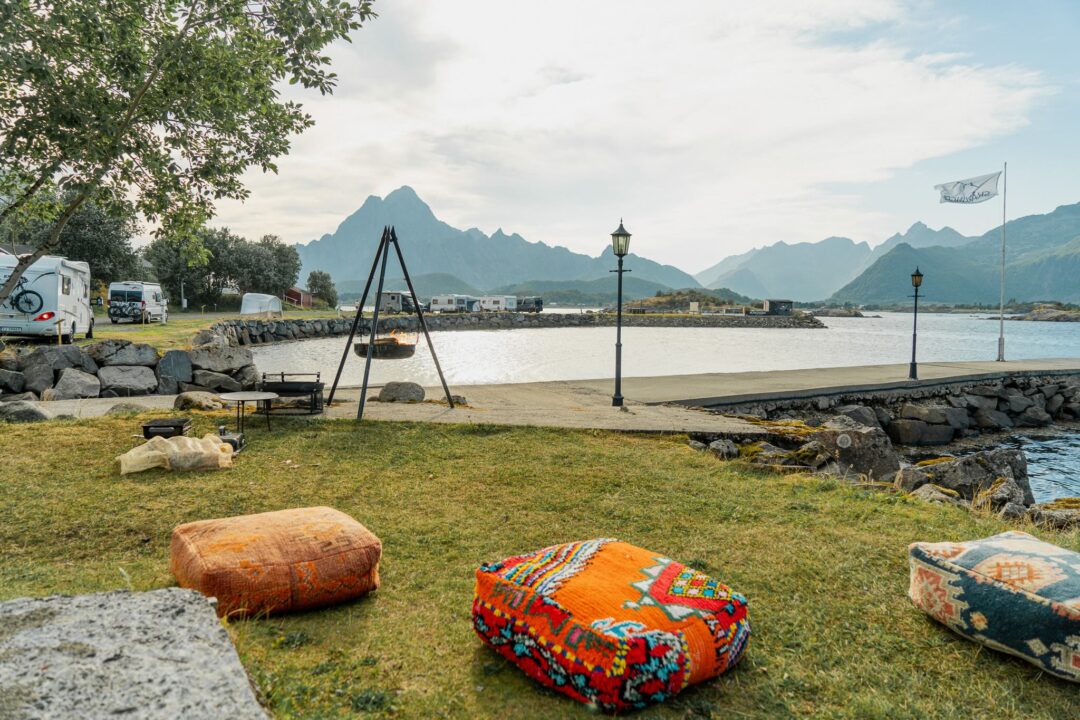
Lakeside campsite with colourful cushions on grass and mountains in the background

Packing List

What We Provide

    • Kayak & paddle
    • Paddleboard & paddle
    • Life jacket
    • Bike
    • Bike and helmet
    • All required safety gear for water activities

What You Need to Bring

Essential Clothing:

    • Base layers
    • Mid-layers
    • Waterproof jacket
    • Waterproof trouser
    • Hiking boots/shoes
    • Trainers or approach shoes
    • Swimwear
    • Warm hat and gloves
    • Sun hat or cap
    • Warm socks

Personal Kit:

    • Daypack (10-20 litres)
    • Dry bags
    • Water bottle (1 litre)
    • Sunscreen
    • Sunglasses
    • Personal medications
    • Blister plasters

Optional:

    • Wetsuit (long john or shorty): For extra warmth when paddling, though most people manage without
    • Rash vest or long-sleeved top

Packing Tips

Why No Cotton? Cotton absorbs water and takes forever to dry. When you’re sweating or get wet from rain or spray, cotton stays damp against your skin, making you cold. Merino wool or synthetic materials wick moisture away and dry quickly. This isn’t optional advice – it’s the difference between being comfortable and miserable.

Layering System: Start with a thin base layer (merino or synthetic), add a mid-layer (fleece) for warmth, top with a waterproof shell. You’ll add and remove layers throughout each day as conditions change. Pack layers that work together rather than one thick jacket.

Footwear: Your hiking boots/shoes need to be worn in before you arrive. Bring multiple sock options – thinner for cycling and yoga, thicker for hiking. Wet feet are inevitable at some point, so bring enough socks to rotate.

Waterproofs: You’re in Norway, the weather is changeable – invest in gear good quality waterproofs to keep you dry and comfortable. Make sure they are breathable!

Hand Luggage Priorities: Pack hiking boots, base layers and waterproof jacket in carry-on. Lofoten does have outdoor shops – but you’ll need a taxi to reach them (not cheap!) and could miss out on activities.

Rental Options: If you don’t want to buy technical gear for one trip, Blacks or Cotswold Outdoor offer rental services. Order before you travel and return after.
What should I wear for kayaking?

Wear sportswear or swimwear with thin layers on top, plus a water/windproof jacket. You will get wet, so bring a second set of clothes. We provide life jackets.
What should I wear for paddleboarding?

Swimwear or sportswear works well. Remember a cap and a long-sleeved top for sun coverage. If conditions are cooler, a long john or shorty wetsuit is optional. Bring a rain jacket just in case.

Are hiking boots mandatory?

Yes, for the hiking days you’ll need proper hiking boots. The routes involve mountain trails, gorges, and river crossings so good ankle support and proper grip are essential. Make sure they’re broken in before you arrive. Trainers are fine for the cycling day.

Do I need to carry a bag during activities?

Yes – a daypack is ideal for hiking and cycling days. When on the water, a dry bag will be useful to keep valuables safe and dry.

Woman with a bicycle on a sandy beach by the sea under a blue sky

Trip Code NORSKAMLT – Include this code in any message so we can find your trip straight away.