Fitness & Skill Level
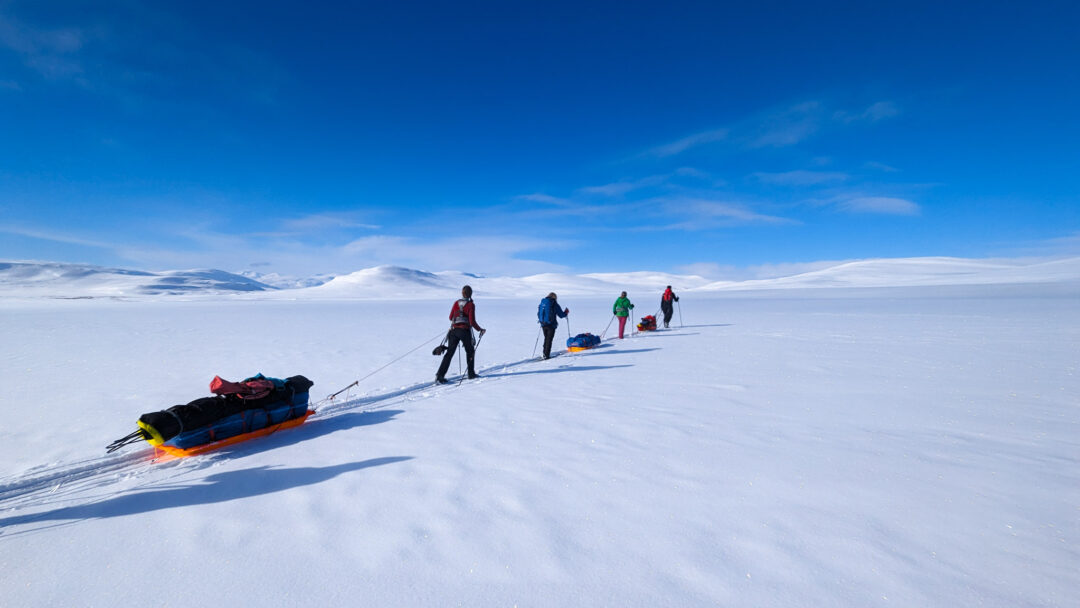
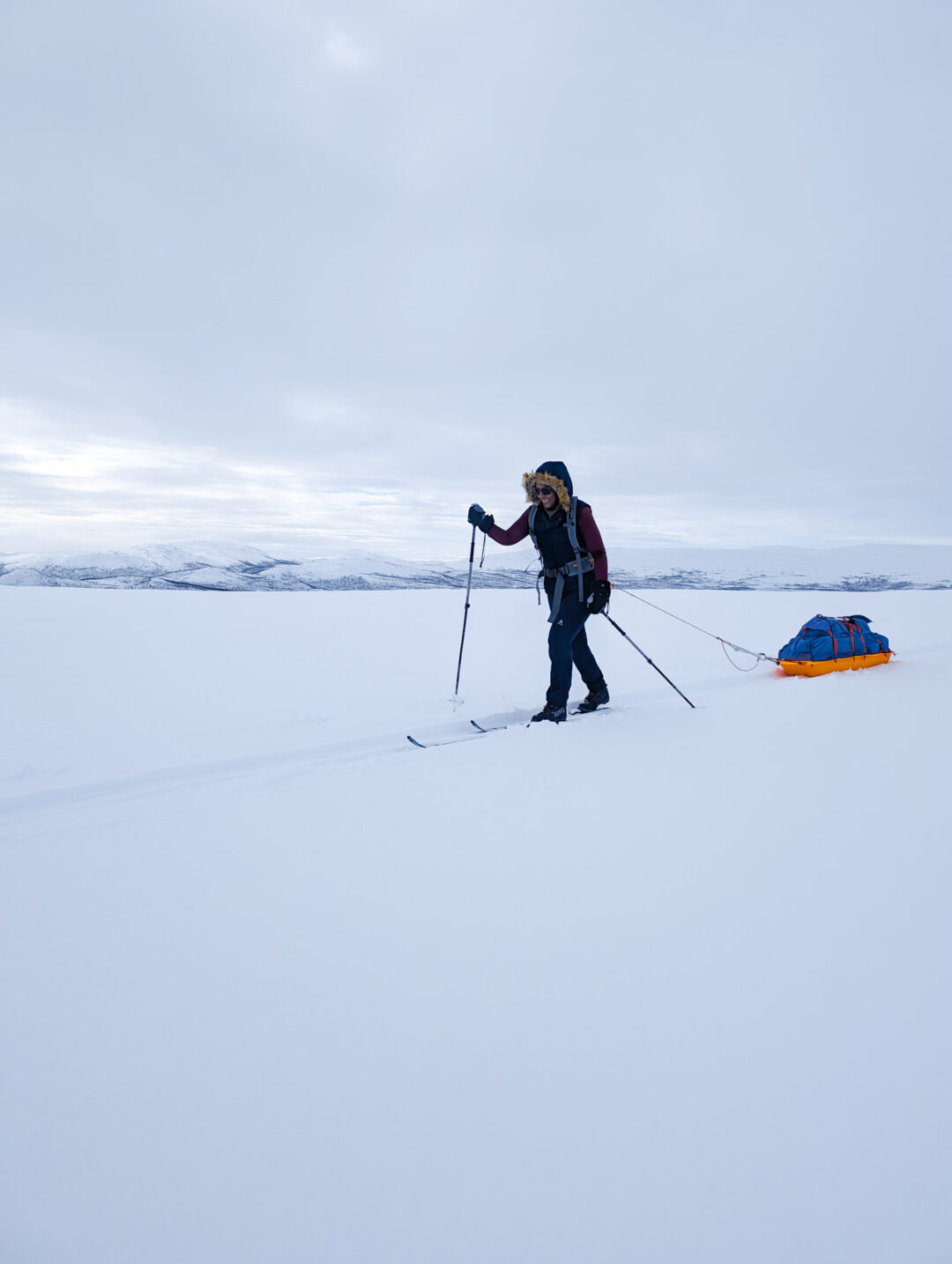
Let’s be honest, this trip is tough. You’ll haul a 20 to 25kg sled while skiing 10 to 17km daily in subzero temperatures through trackless wilderness. If that sounds like hell, please choose something easier. If it sounds like an adventure, you’re in the right place. You don’t need skiing experience to come, but you do need endurance, and more of it than any of our other winter trips ask for.
The Conditions
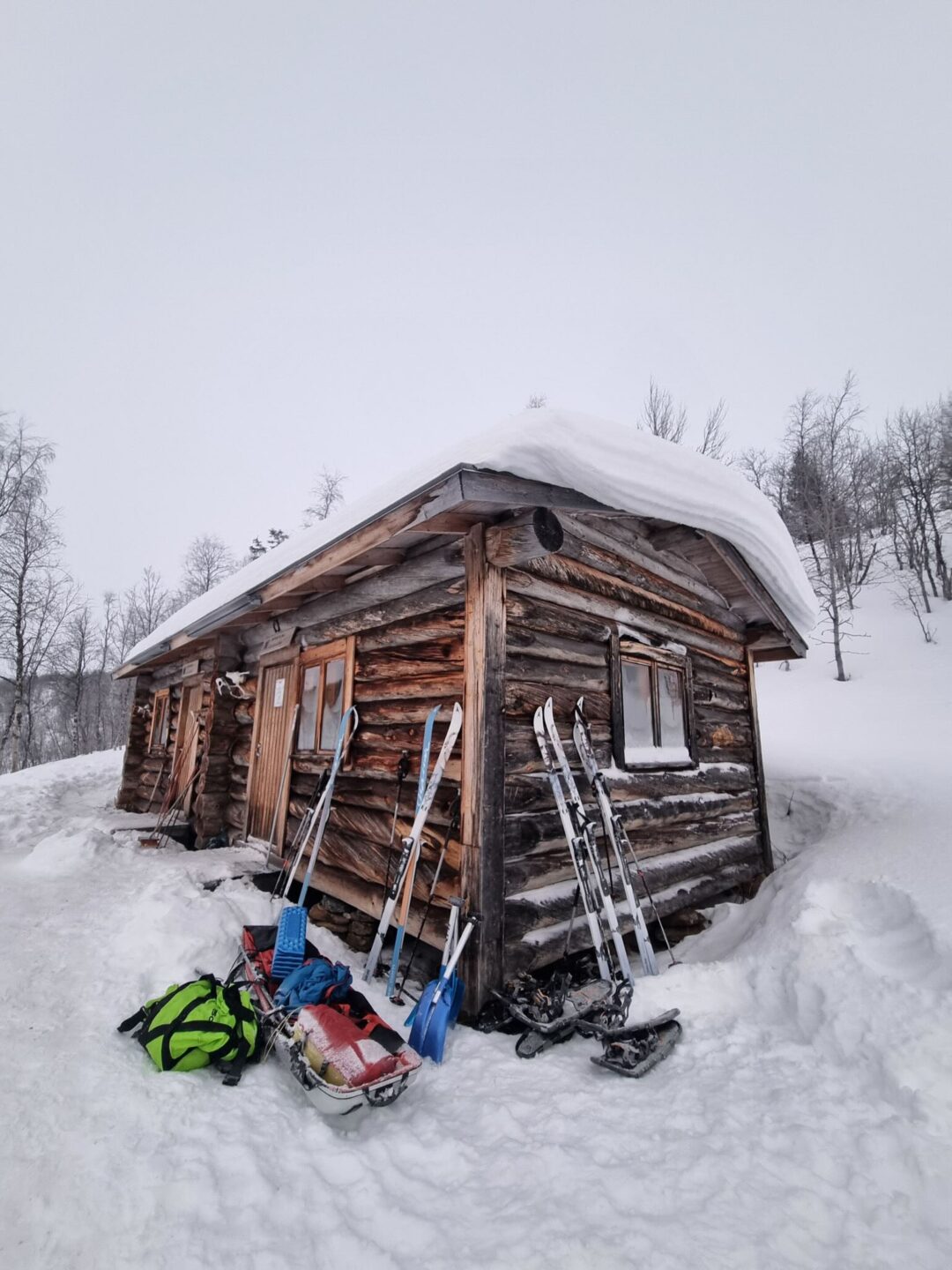
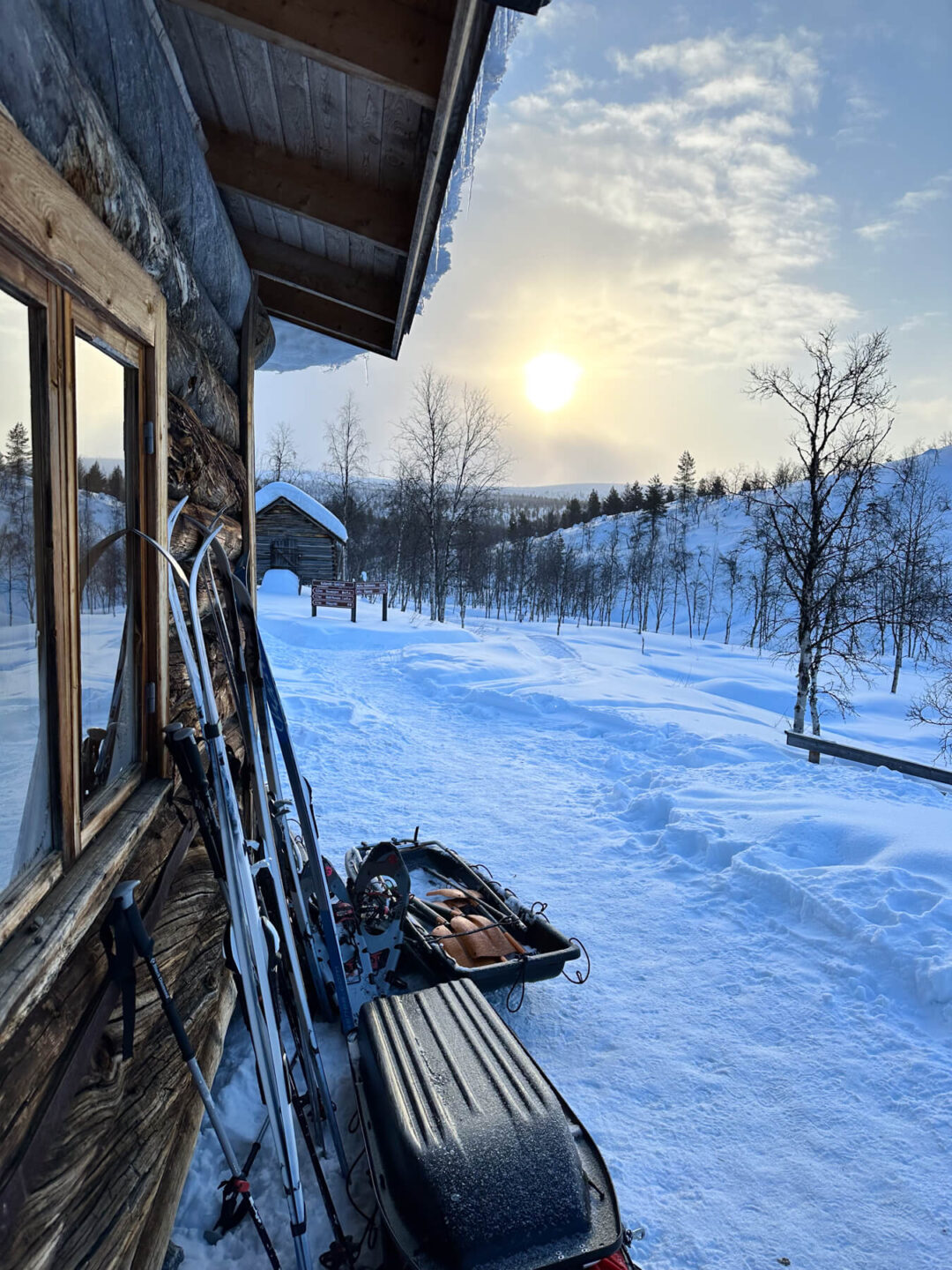
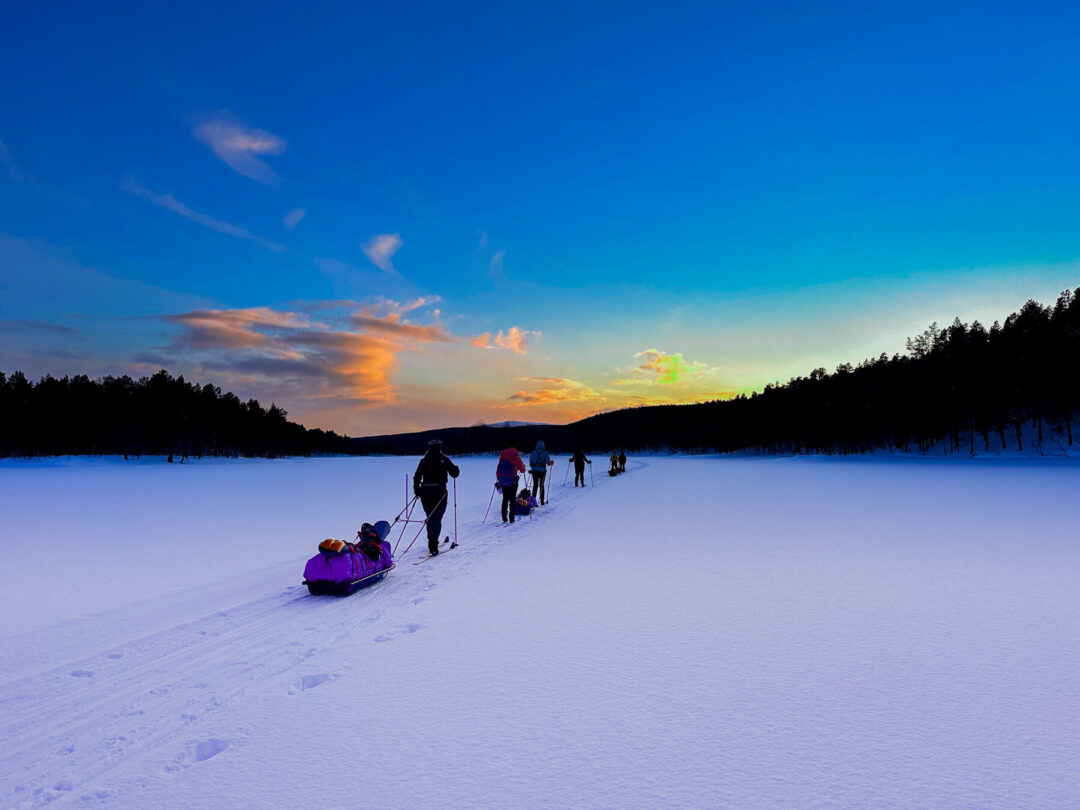
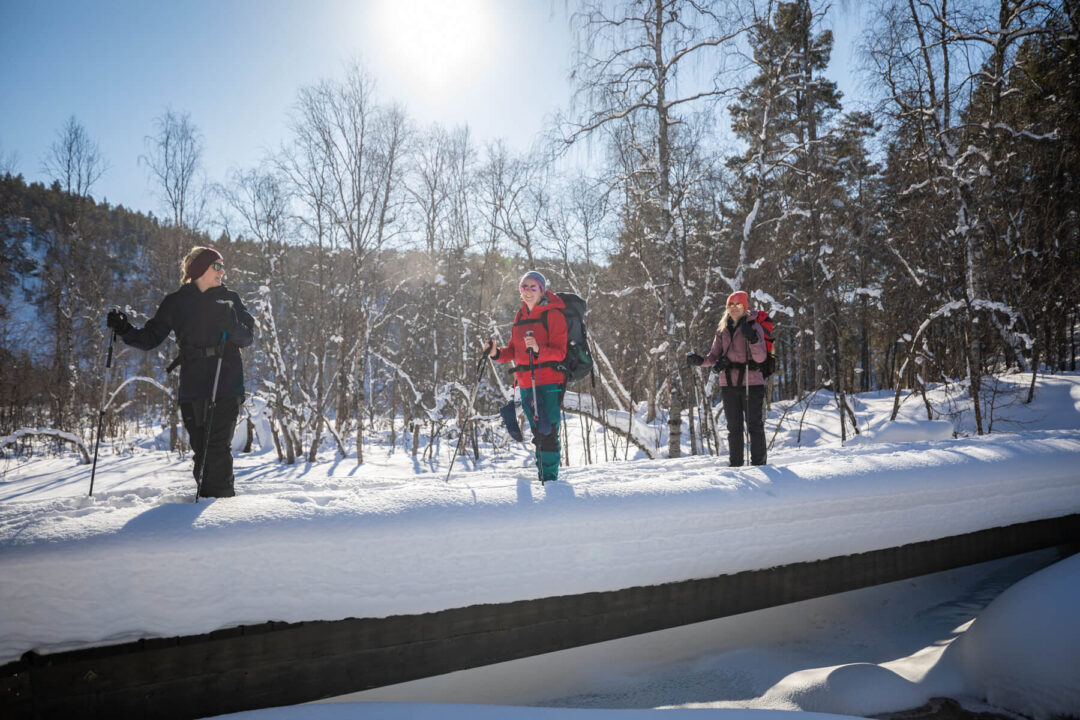
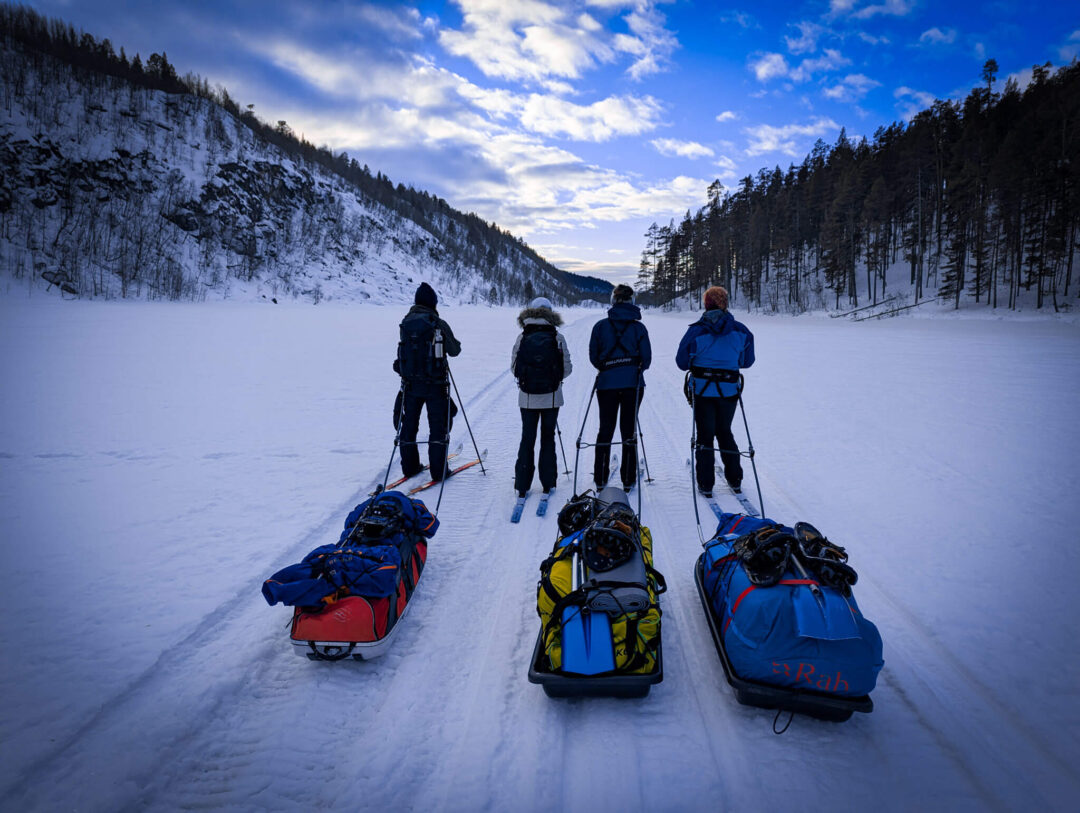
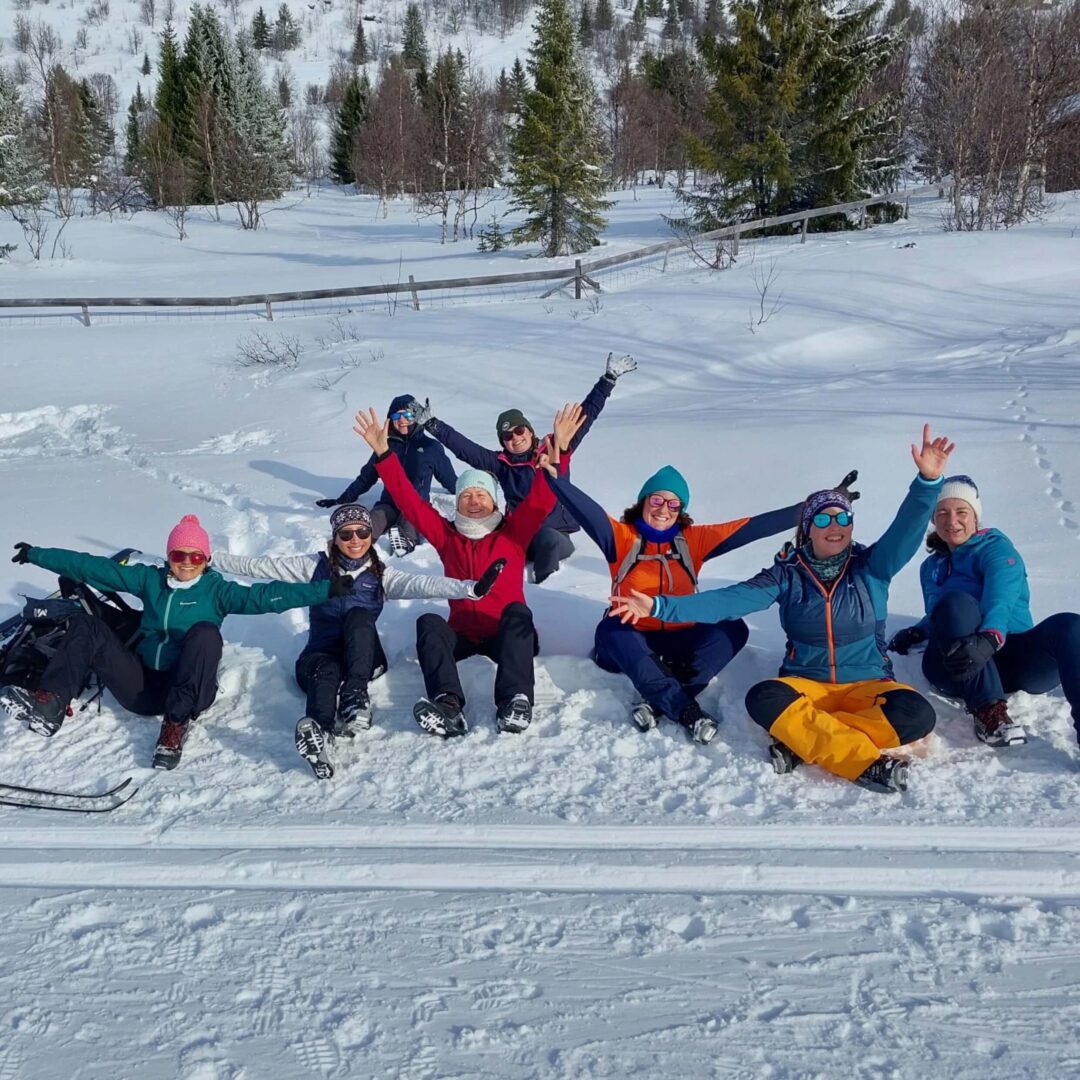
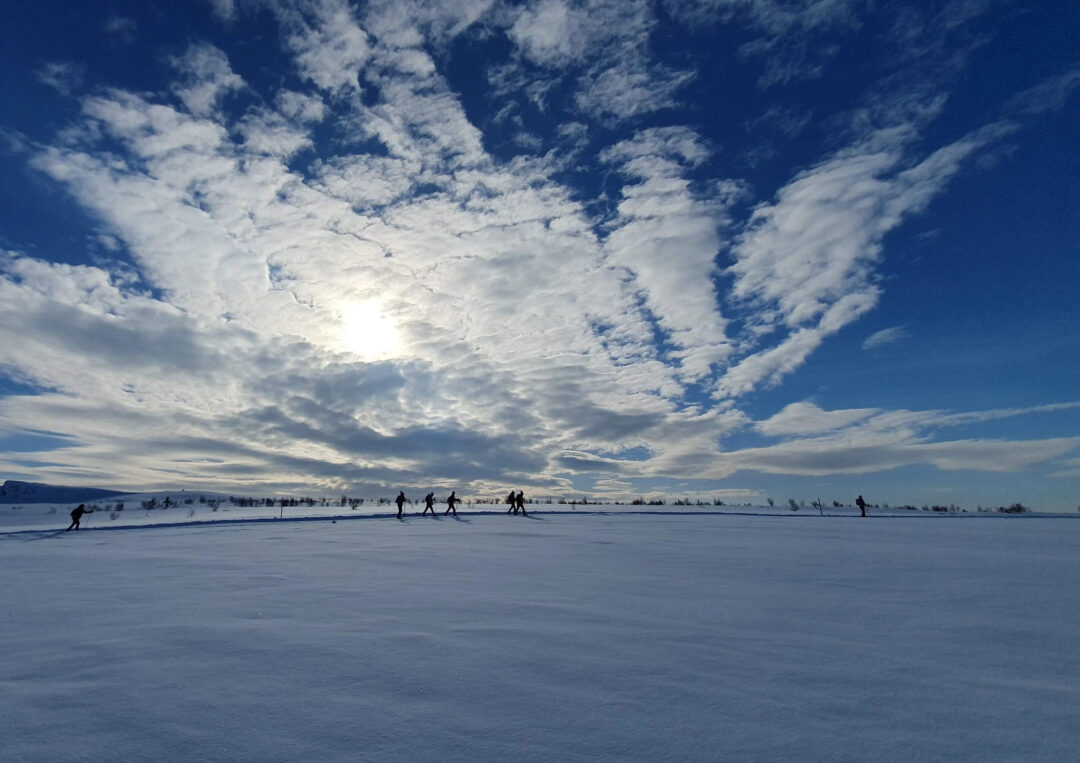
You’ll cover 10 to 17km a day on skis, hauling a sled loaded with 20 to 25kg of your own kit and food, across trackless wilderness in subzero temperatures. There’s no groomed track to follow and nothing to take the sting out of the climbs, so your pace is set by the snow underfoot and the weight behind you. Four nights are off-grid: no electricity, no running water, shared sleeping space on wooden bunks, expedition food, washing with melted snow and outdoor toilets.
Everything takes longer out here. Getting dressed, eating and packing the sled all happen in mittens, and it’s that friction rather than the skiing that catches people out. Privacy is close to non-existent for the whole expedition, so give some thought to whether a week of that suits you. And once you’re on the trail you’re committed. There’s no road, no transfer back and no sitting a day out.
Fitness
If you’re already training consistently and used to long days out, you don’t need to overhaul anything. Keep the cardio going, and add some longer weekend days carrying weight so your body knows what a full day out feels like. Dragging a tyre on a rope is the closest thing at home to hauling a sled, and it’s worth doing a handful of times before you travel.
If you’re active but not training consistently, give yourself around three months. Steady-state cardio three times a week for 45 minutes to an hour, one longer hike or run at the weekend, and leg and core strength around it. Six to eight weeks will build your aerobic fitness, but tendons, ligaments and joints adapt far more slowly than your heart and lungs do, and they’re what take the pounding on repeated loaded days. Three months lets you add the volume gradually, and absorbs the week you lose to a cold or a busy patch at work. A fortnight of cramming won’t get you there.
Starting from a low base, you need six months and a gradual ramp, because going from very little to this volume in a hurry is how people get injured before they’ve even packed. We’re a travel company, not fitness professionals, so if you’re building from scratch, get a coach or trainer to structure it for you.
Skill
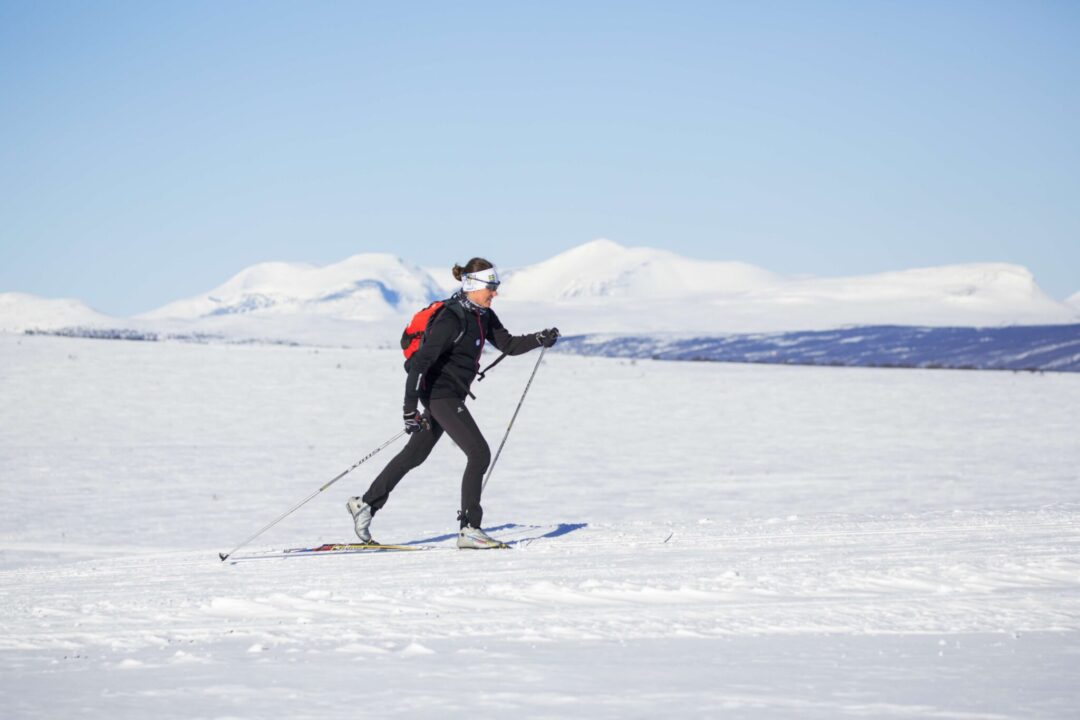
Beginner here means the skiing. You don’t need any cross-country or backcountry experience. It does not mean you can turn up unprepared. You get one day to learn the technique, and from then on you’re using it loaded, day after day, while also thinking about your layers, your sled and where you’re putting your feet.
So think about how you pick things up. If you tend to get the hang of a new sport quickly, you’ll be fine. If you know you need longer with something before it clicks, this isn’t the trip to learn on. Two things worth testing on yourself: whether you’re comfortable with the sensation of gliding and sliding underfoot, and whether you’re comfortable falling over, because you will, and getting back up with a sled attached is part of it.
If either of those gives you pause, or your fitness isn’t where it needs to be yet, start with our Sweden Backcountry Ski Trip or one of our beginner cross-country skiing trips. These will get you here in a state to enjoy it rather than spend the week catching up.
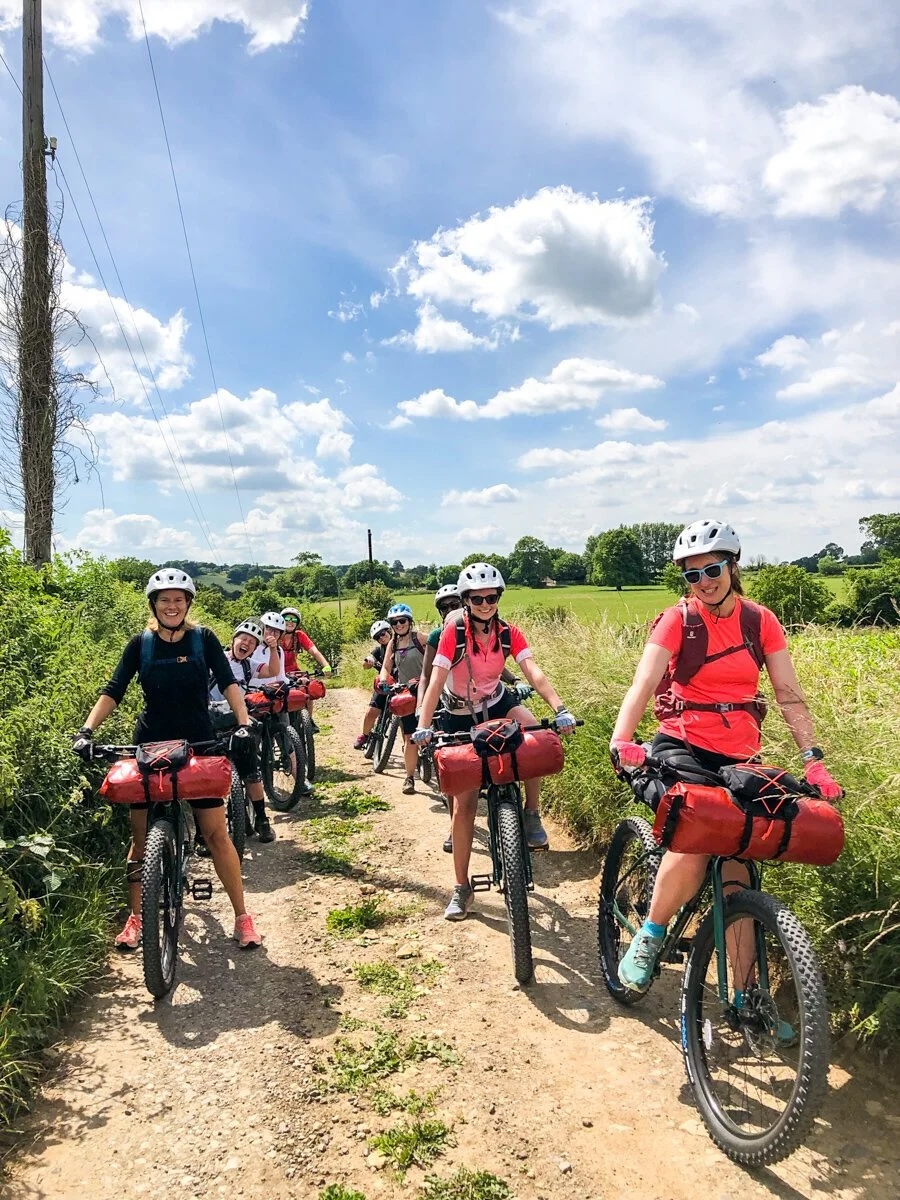
What helps more than ski experience is multi-day hiking with weight on your back. Women who’ve done hut-to-hut hiking, bikepacking or packrafting tend to settle into this quickly.
Then there’s the mental side. You’ll be cold, tired and a long way from a hot shower with kilometres still to cover, and no amount of fitness gets you through that bit. Getting comfortable with being uncomfortable is as much a part of the preparation as the training.