Latest blog post articles
Upcoming
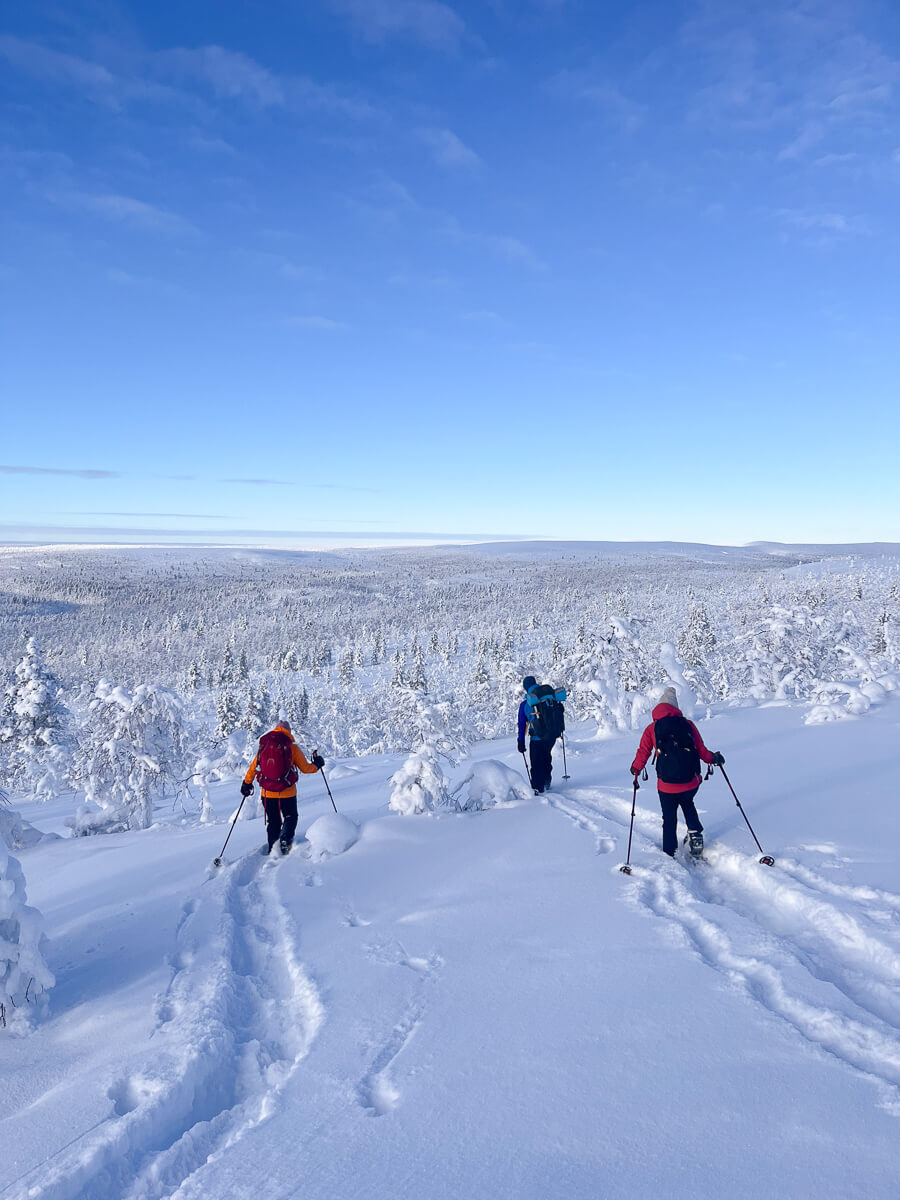
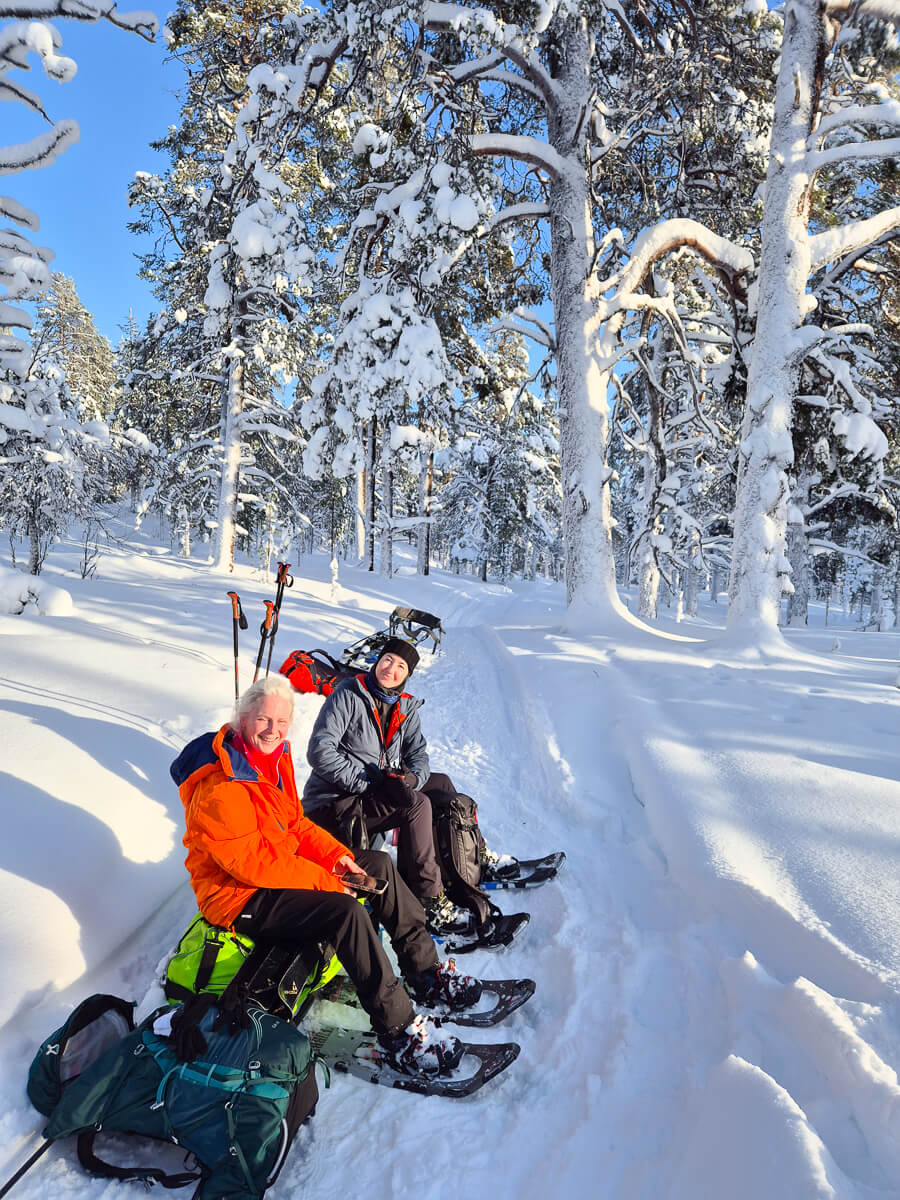
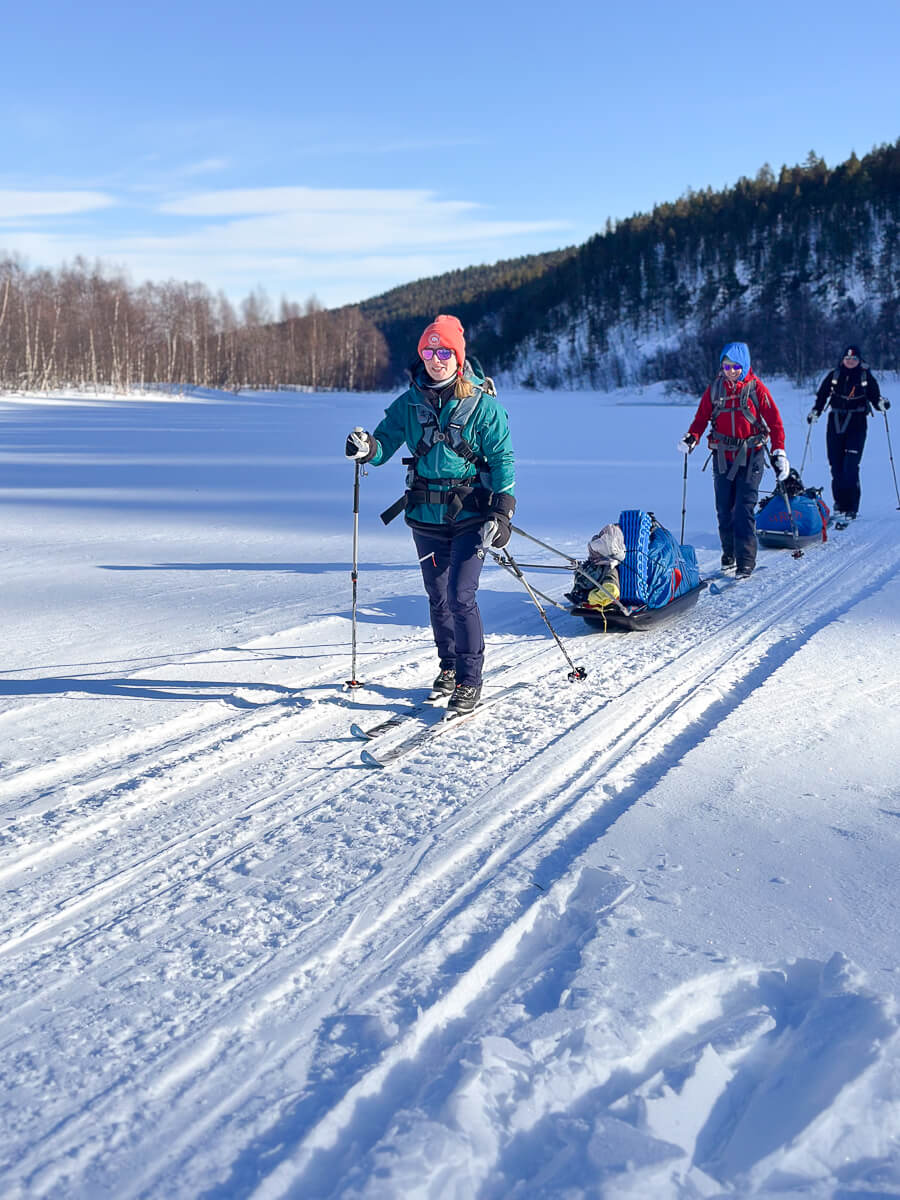
Types of Skiing Explained: Alpine, Nordic, Touring & SkateFinland
Feb - Mar
Hut-to-hut backcountry skiing through Finland’s largest national park in Lapland. Properly wild with northern lights and reindeer encounters.
Beginner
Challenging

Back to Basics
From
£1,985
(USD $3,116.45)
Arctic Wilderness Challenge
Challenge yourself this winter on a backcountry skiing expedition through Lapland wilderness.
Ski between remote huts, navigate terrain where few people venture, and with zero light pollution the northern lights will put on a show (nature willing – she doesn’t perform on command). This is a proper adventure that’ll push you well out of your comfort zone.
No experience required, just show up ready to get stuck in and discover what you’re made of. Oh, and pack your sense of humour too, you’ll need it.
An Active Agenda
No Hidden Costs
Guided hut-to-hut skiing expedition in the wilderness
All expedition equipment included
Three nights in a shared cabin and four in wilderness huts
Dehydrated expedition meals and two restaurant dinners
Experienced wilderness guide and your Gutsy Girls host
Pick-up and drop-off at Ivalo Airport
Activity Overview
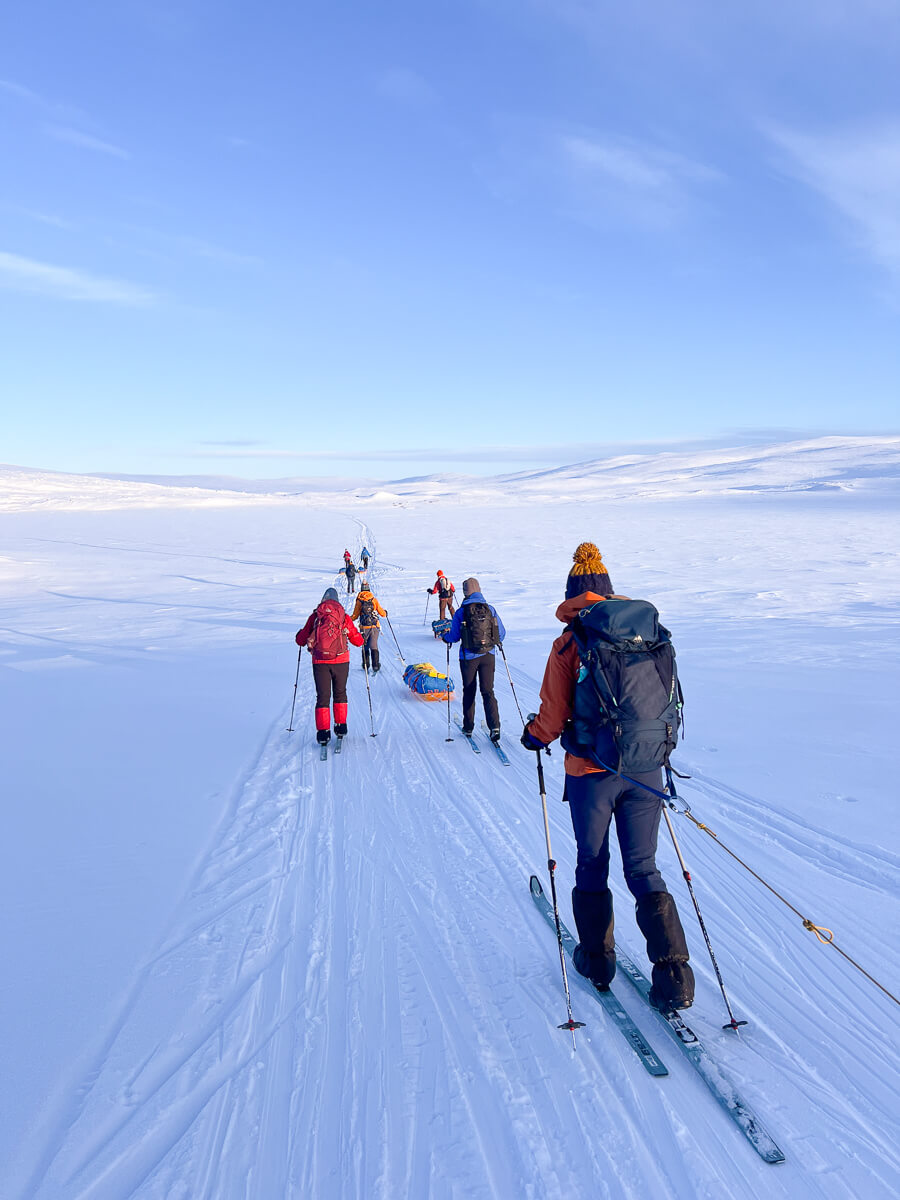
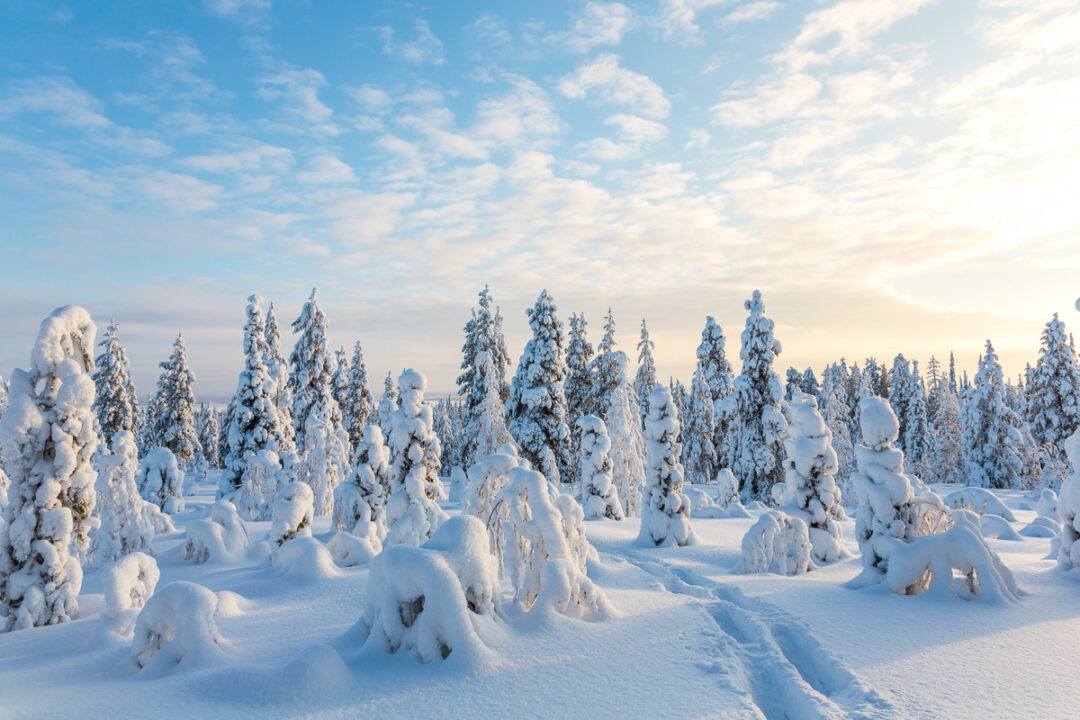
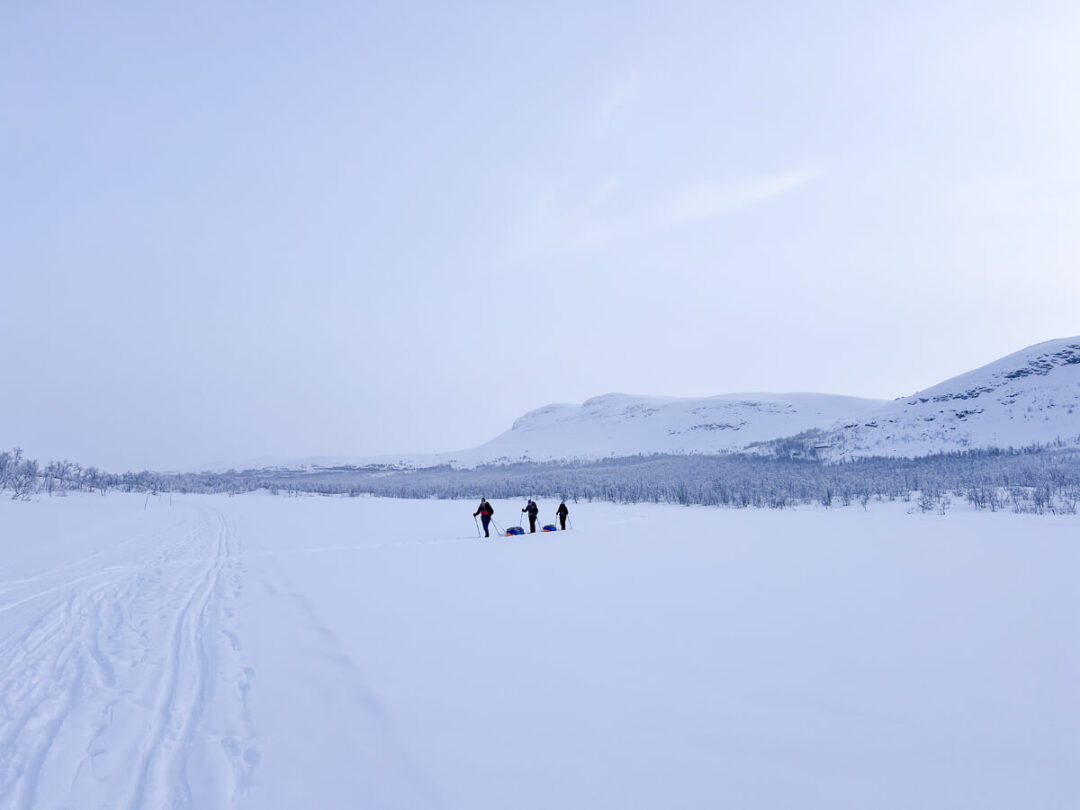
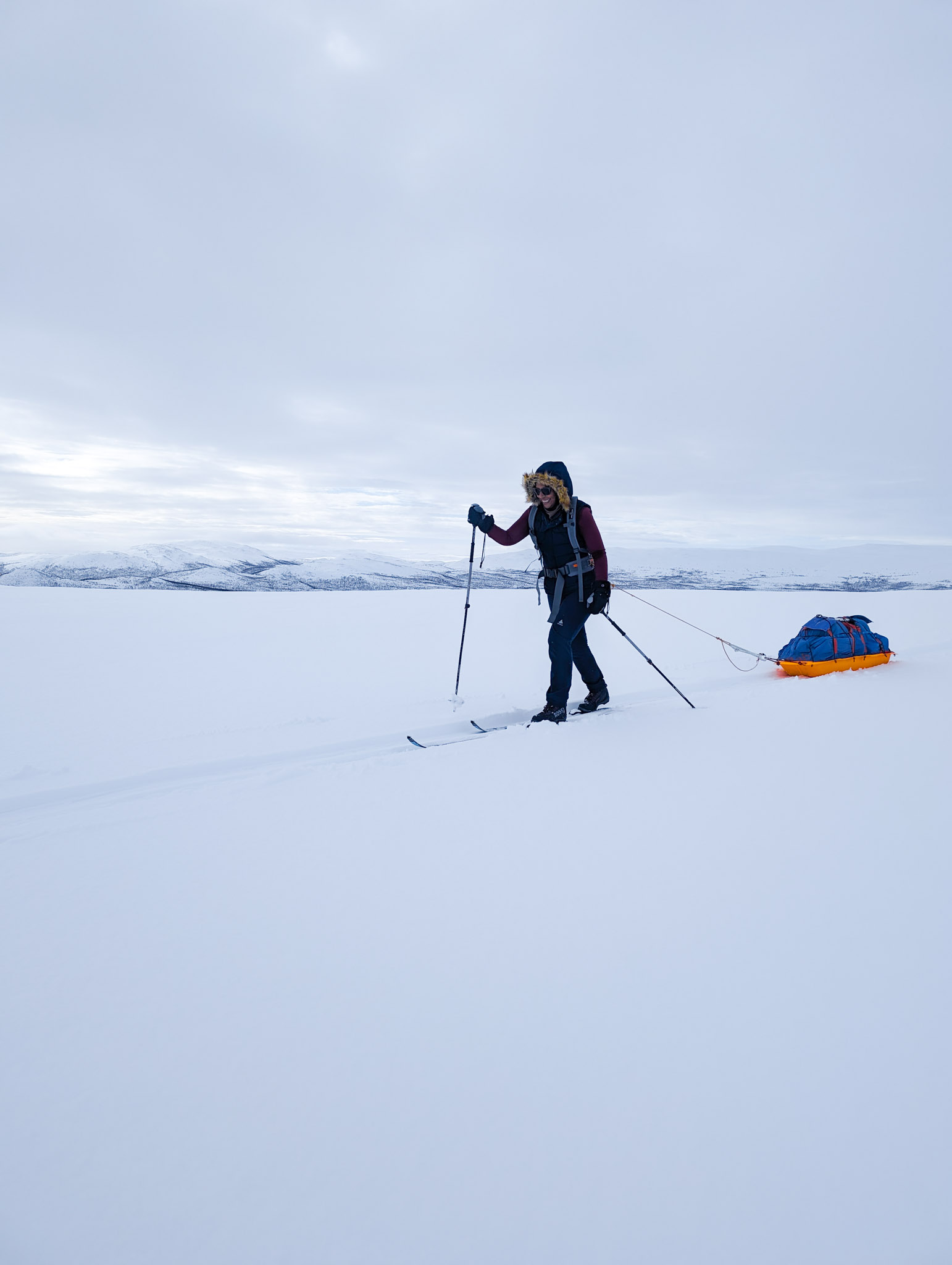
Backcountry Nordic skiing – sometimes called Fjellski or Nordic ski touring – is cross-country skiing off the beaten track. No groomed trails, no crowds, just you making your own way through wilderness.
This isn’t alpine backcountry skiing. This is flat-terrain cross-country for exploring remote places. It’s like winter hiking, with a glide instead of steps.
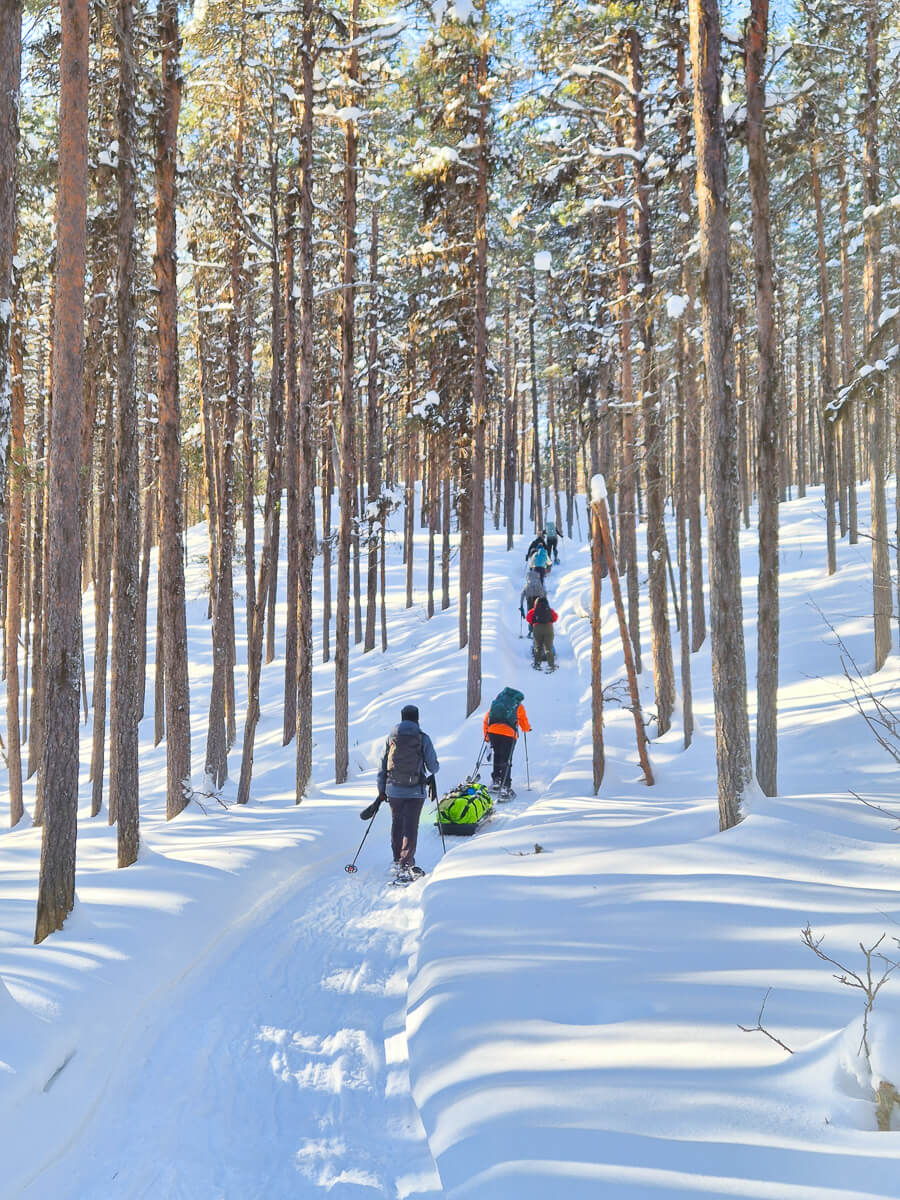
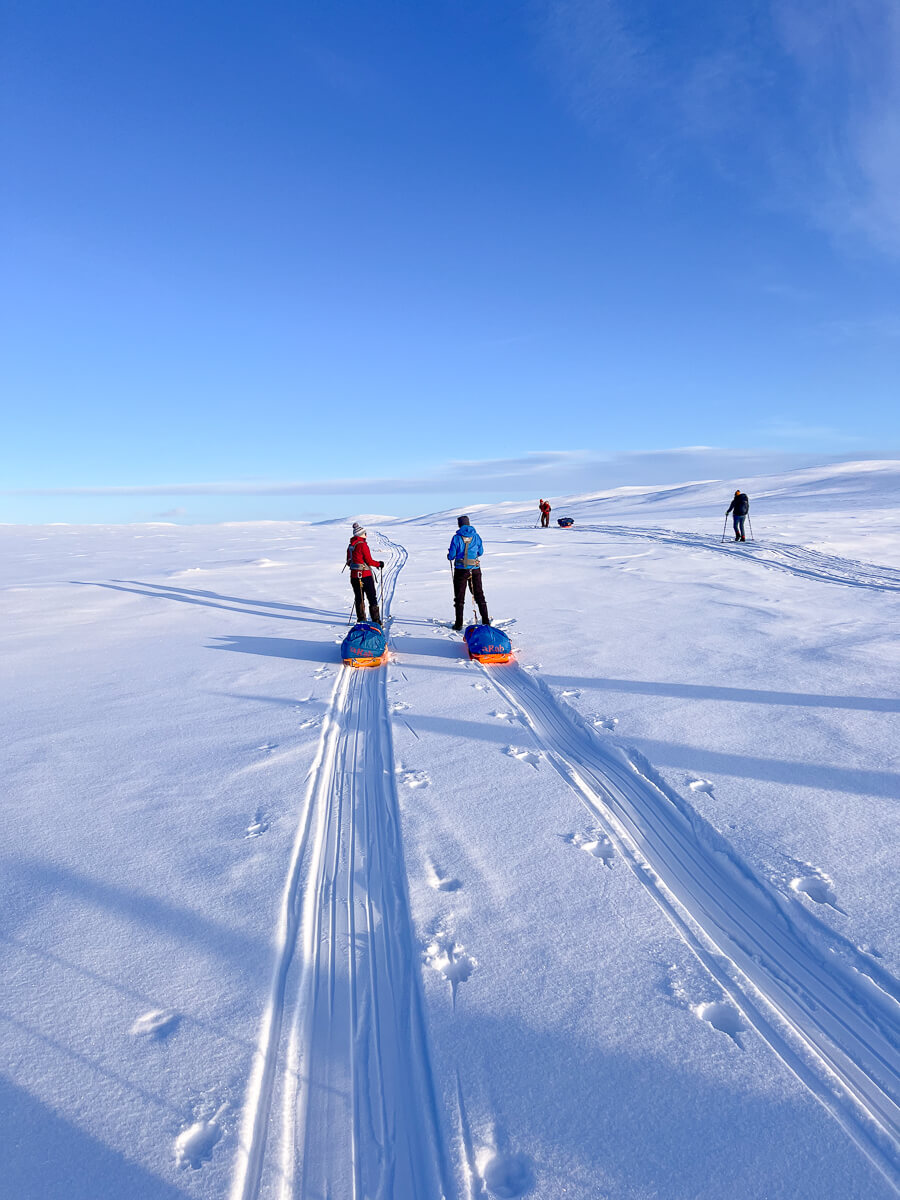
You’ll learn the basics on your first full day, then cover 9 to 15km daily while pulling everything you need behind you.
You’ll learn the basics on day one, then cover 10 to 17km daily while pulling everything you need behind you.
Activity Overview
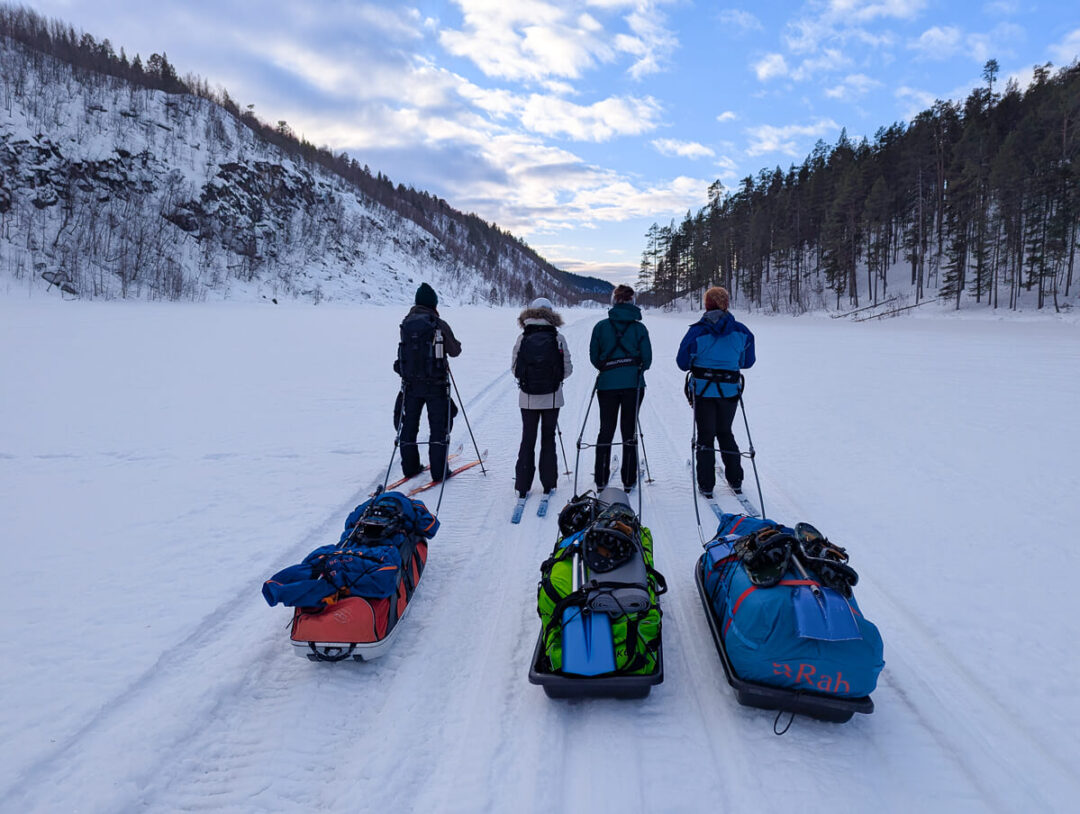
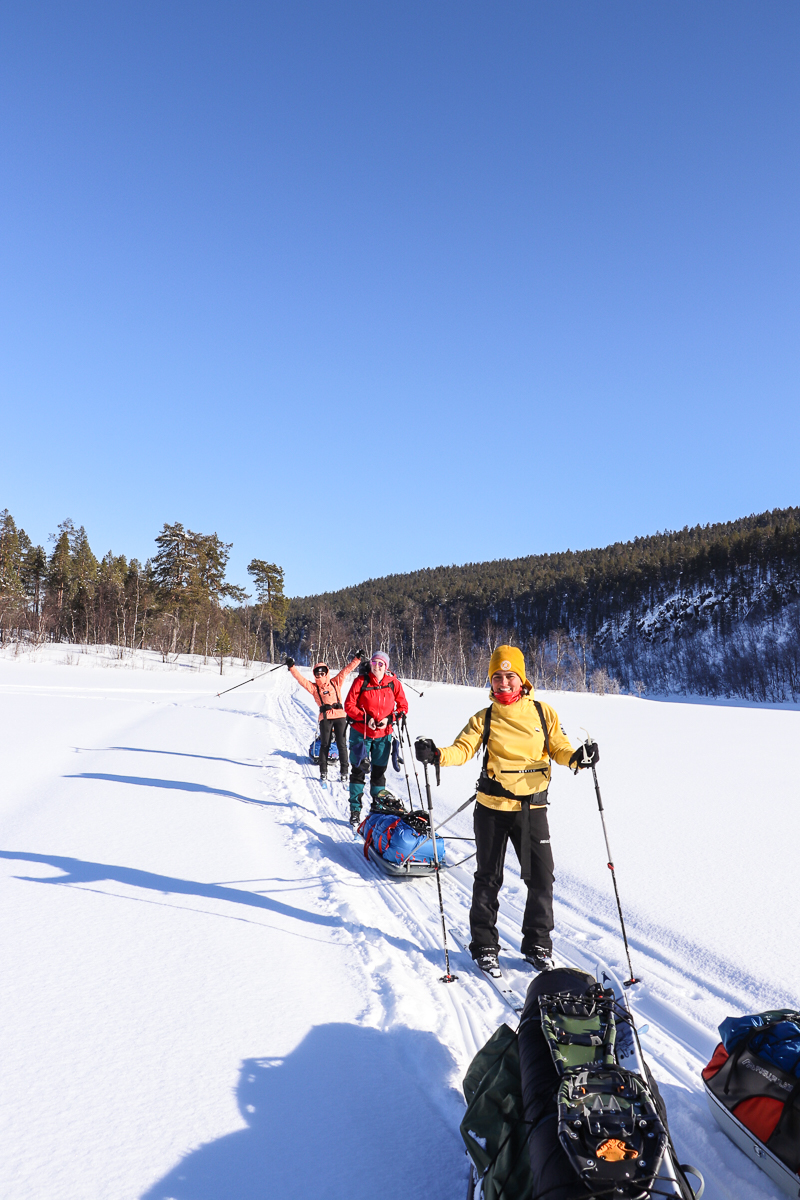
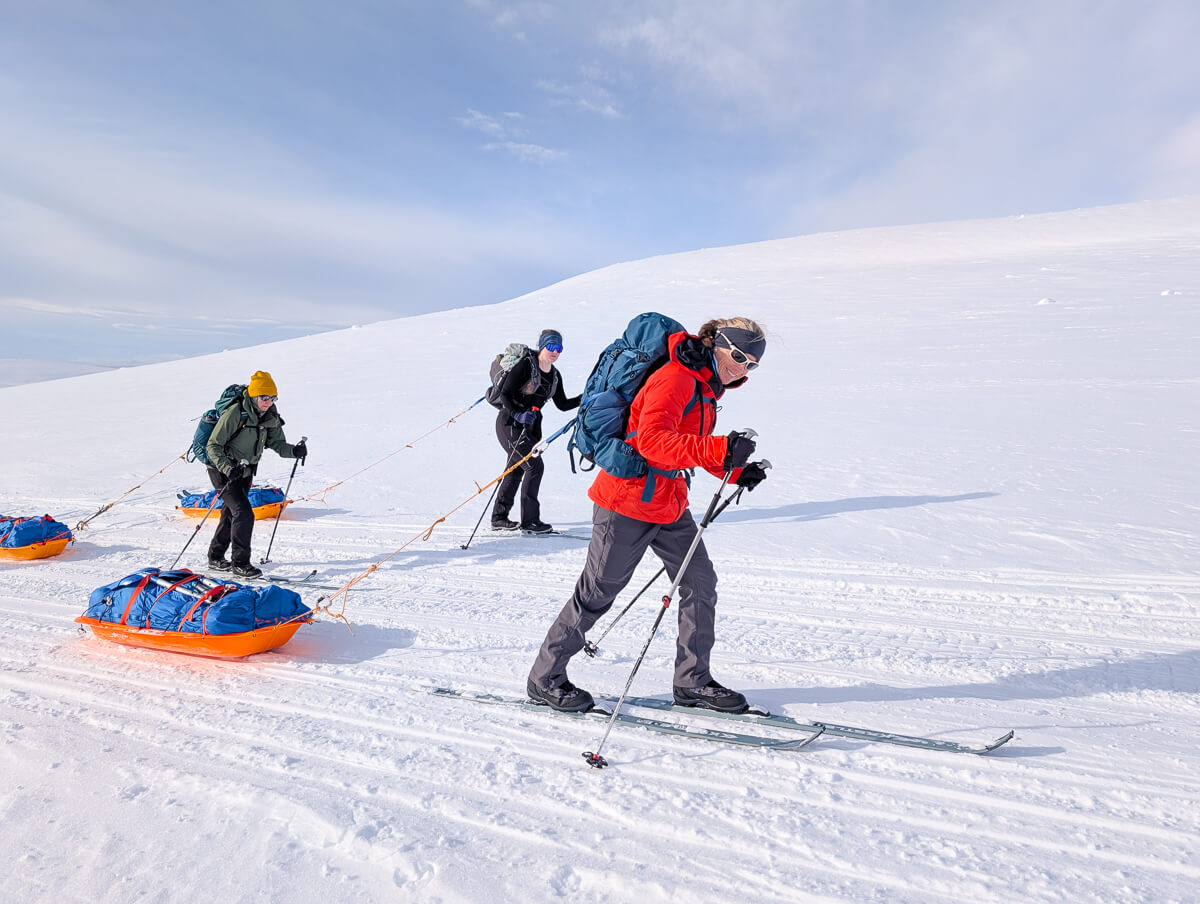
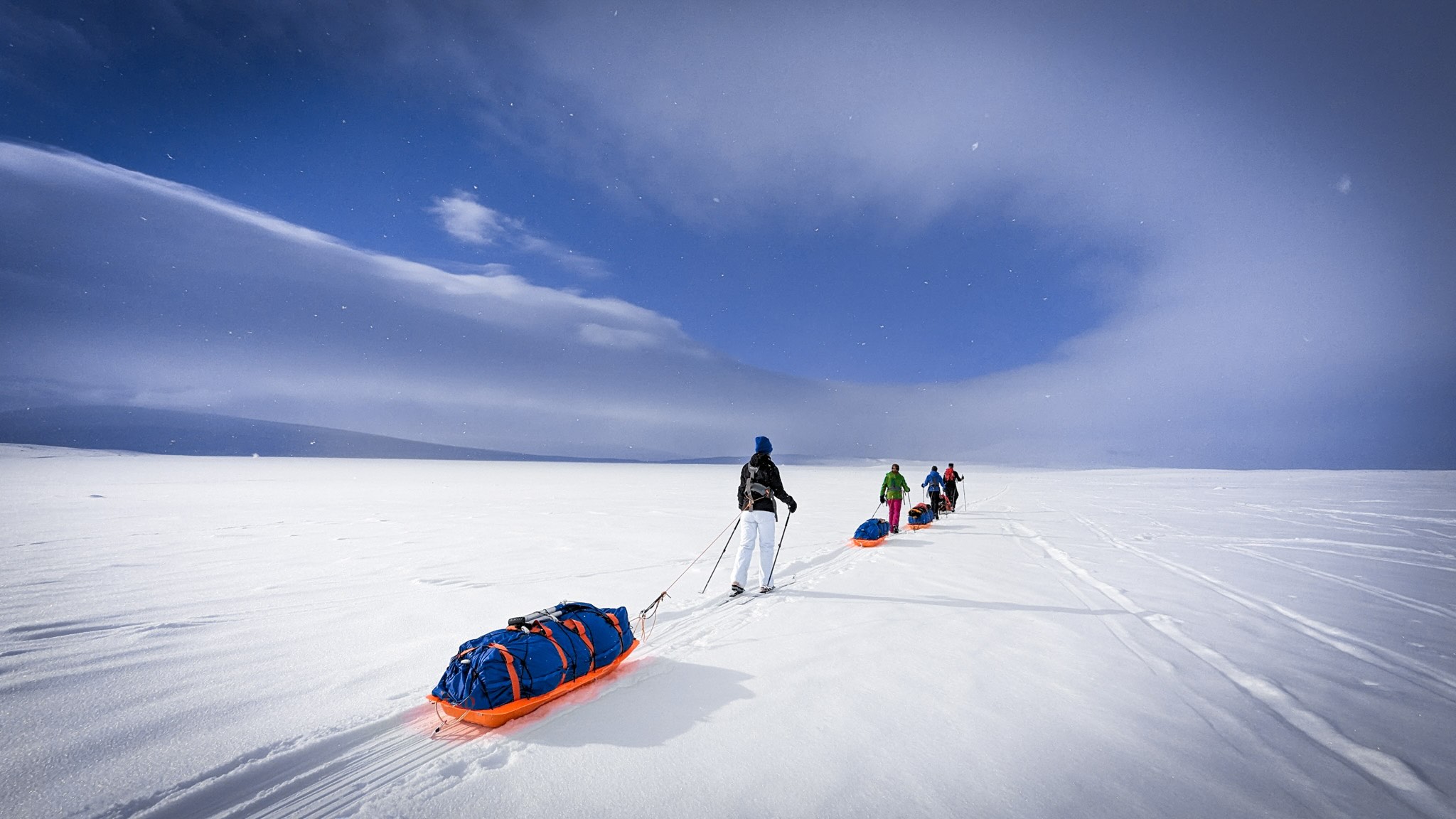
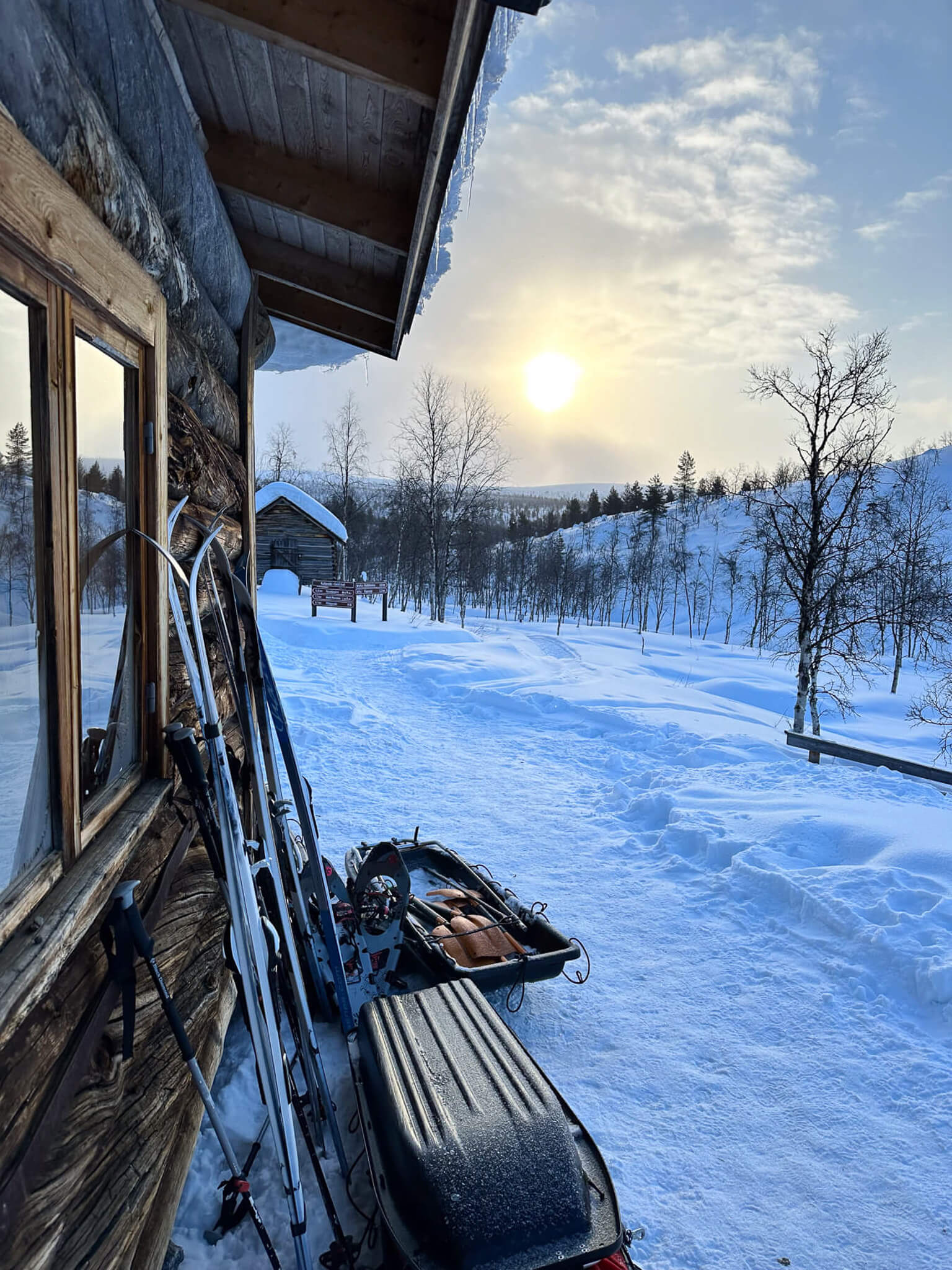
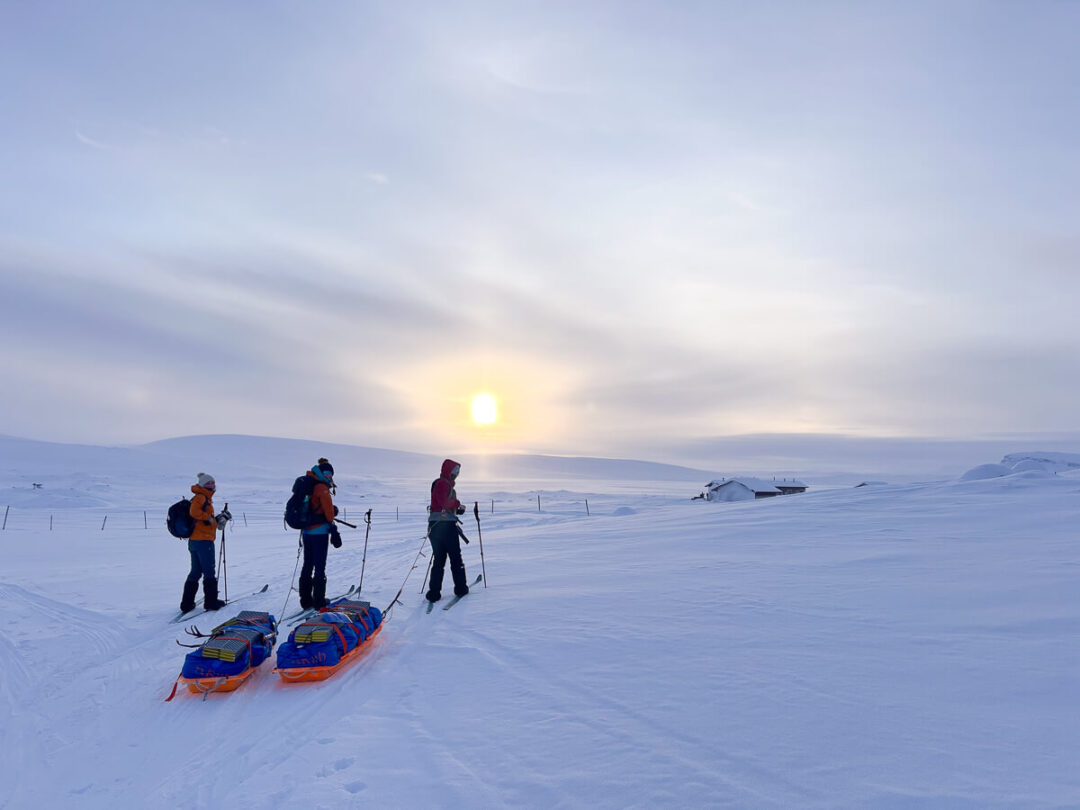
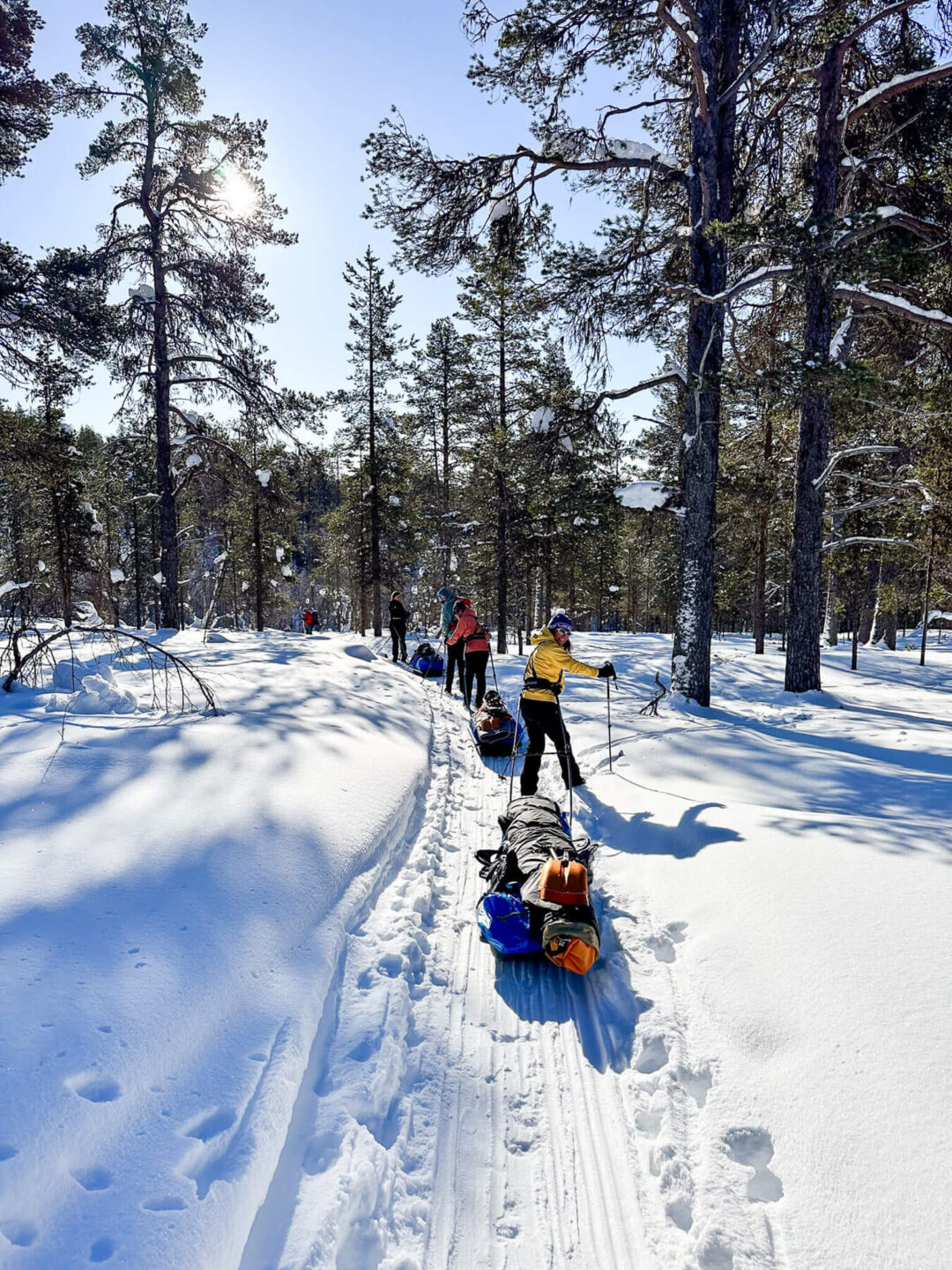
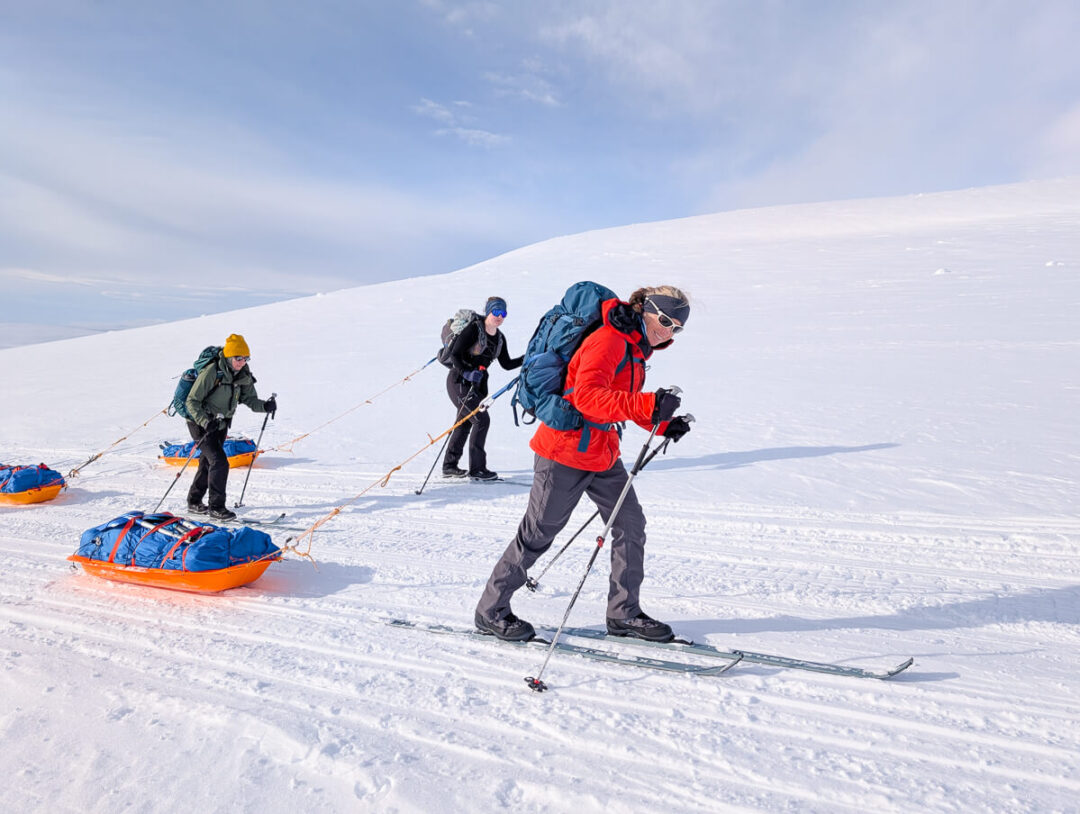
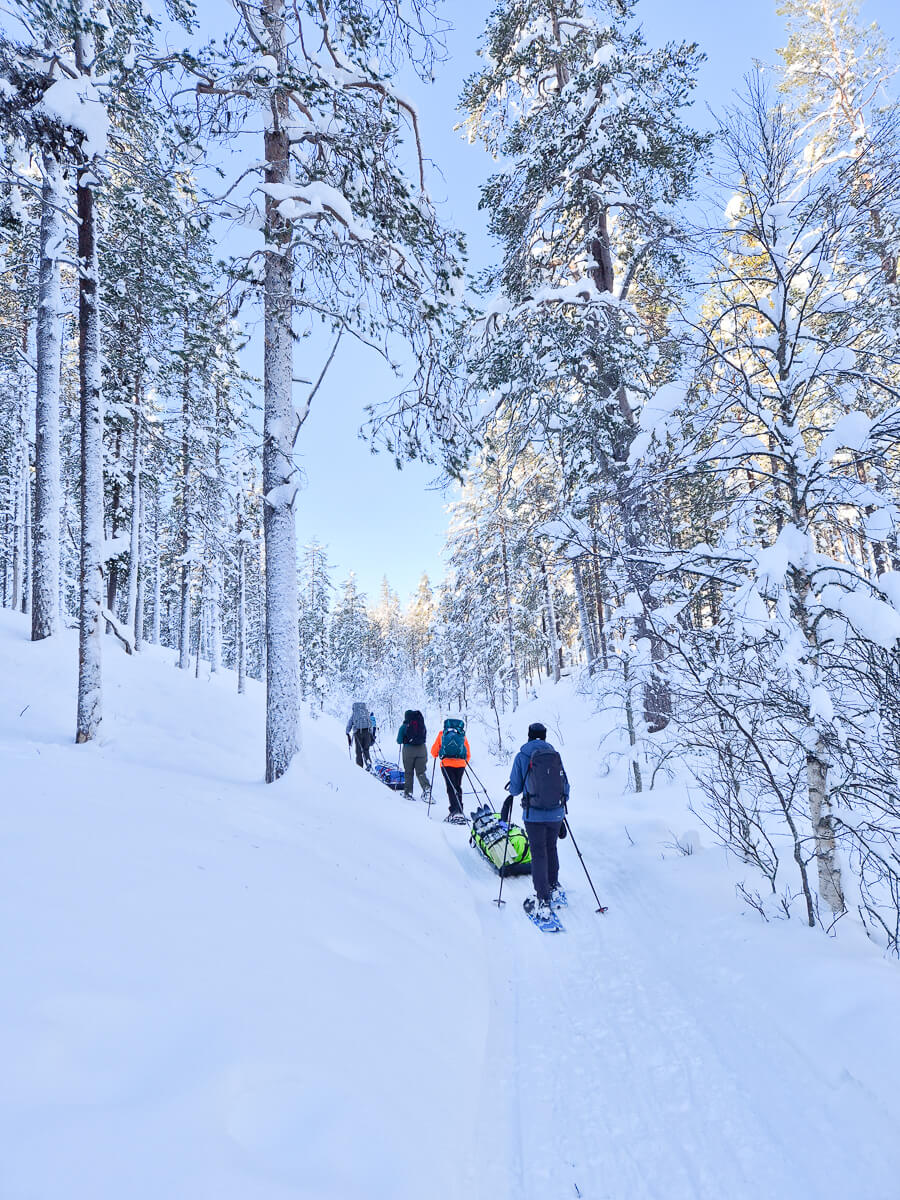
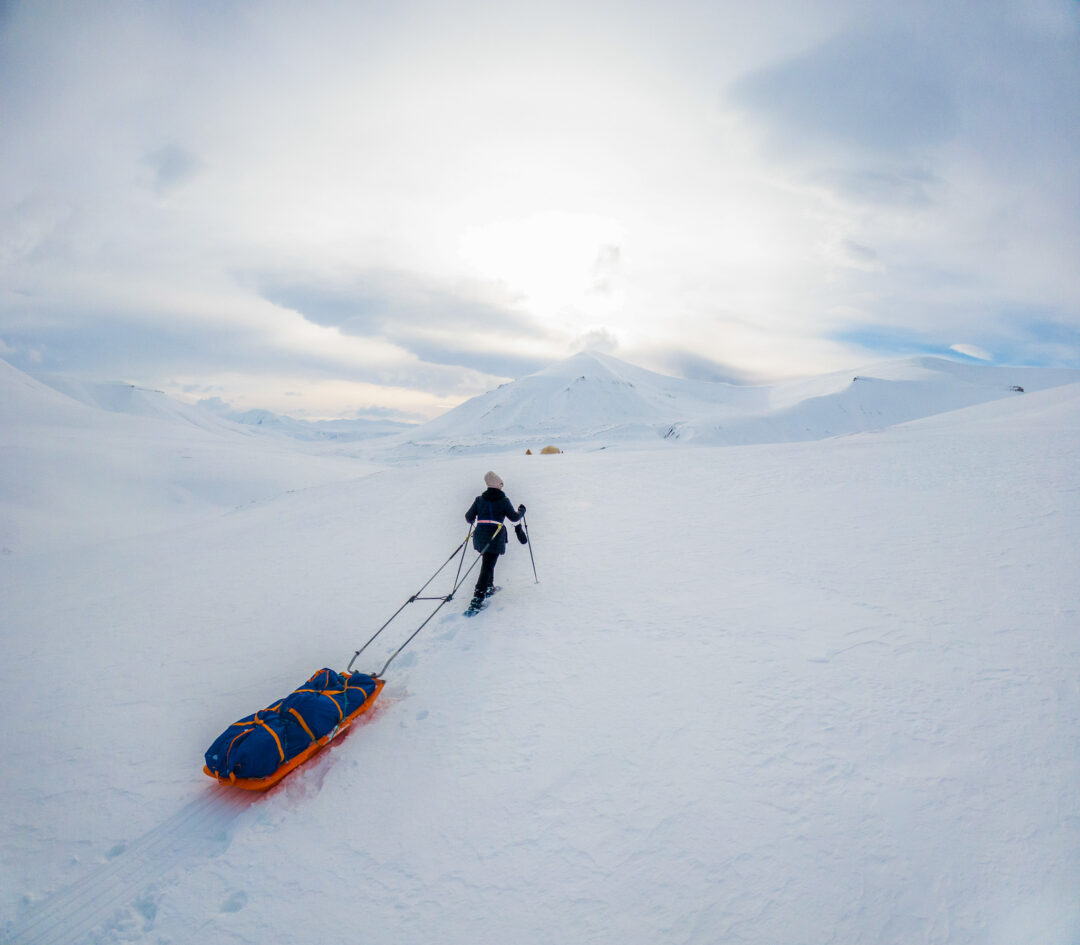
Everything you need for a week, including food, sleeping gear, spare clothes and cooking equipment, gets loaded into a pulka (expedition sled) that you’ll haul behind you. You’re completely self sufficient, with no supply drops at your next hut or restocked base camps.
The sled can weigh up to 30kg and has a personality of its own. It’ll try to overtake you on descents and drag like a stubborn dog on flat ground.
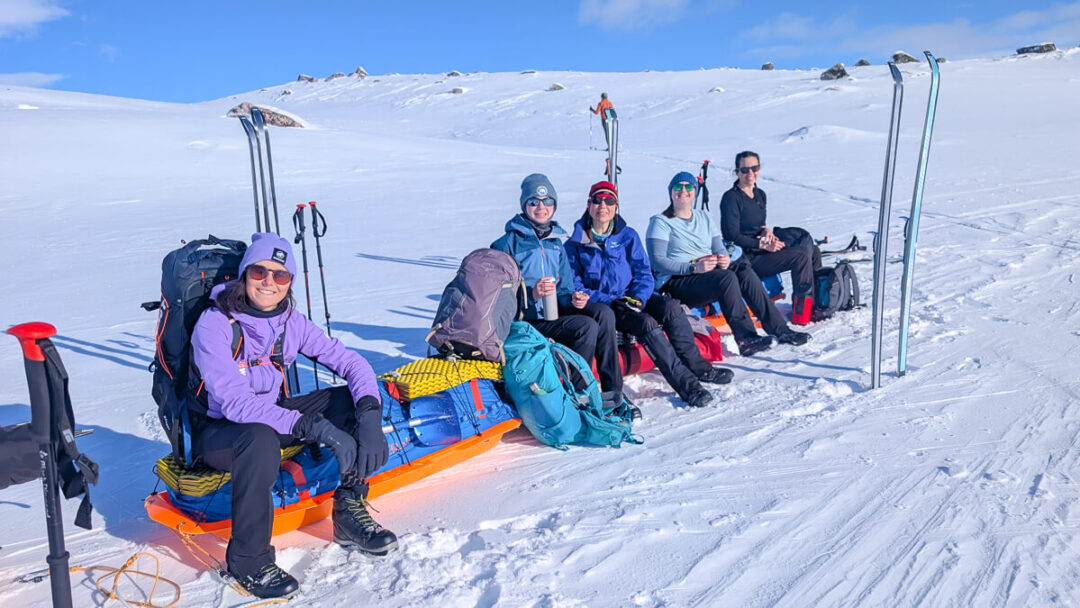
Your legs will hurt, you’ll get tired, and some days you’ll wonder why you signed up. Don’t worry, you’ll have new friends to laugh about your Type 2 fun holiday with. Nothing bonds people like mutual suffering in sub-zero temperatures.
Activity Overview
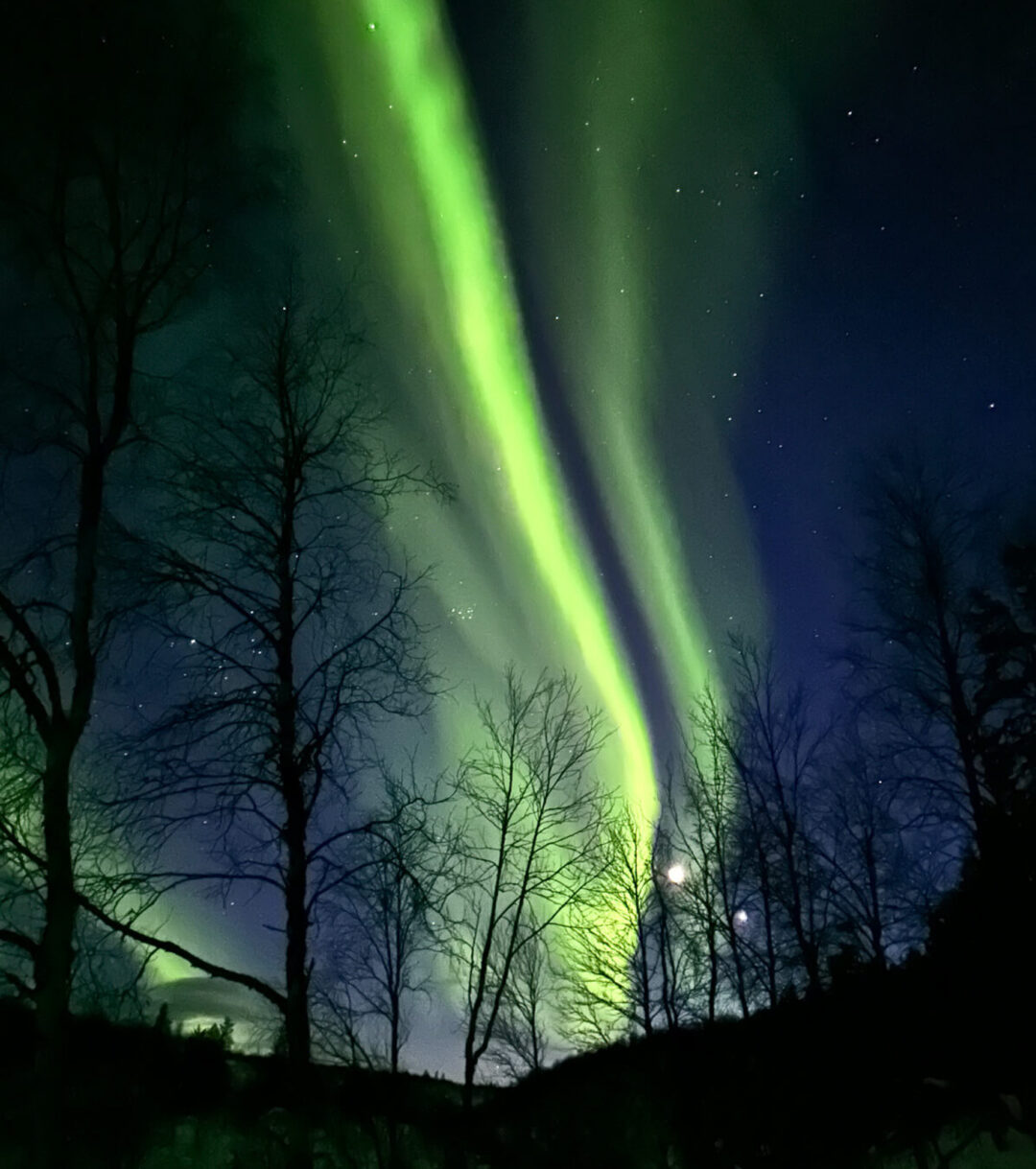
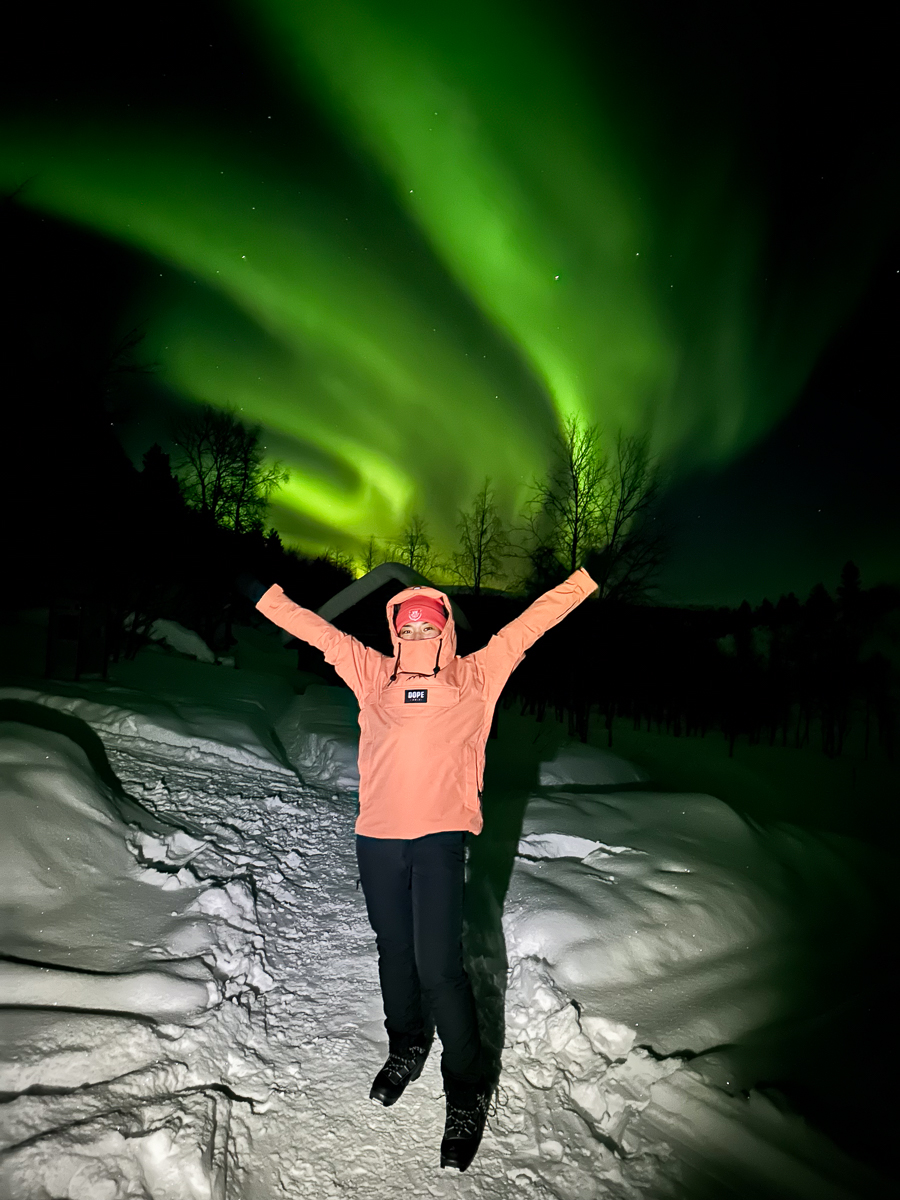
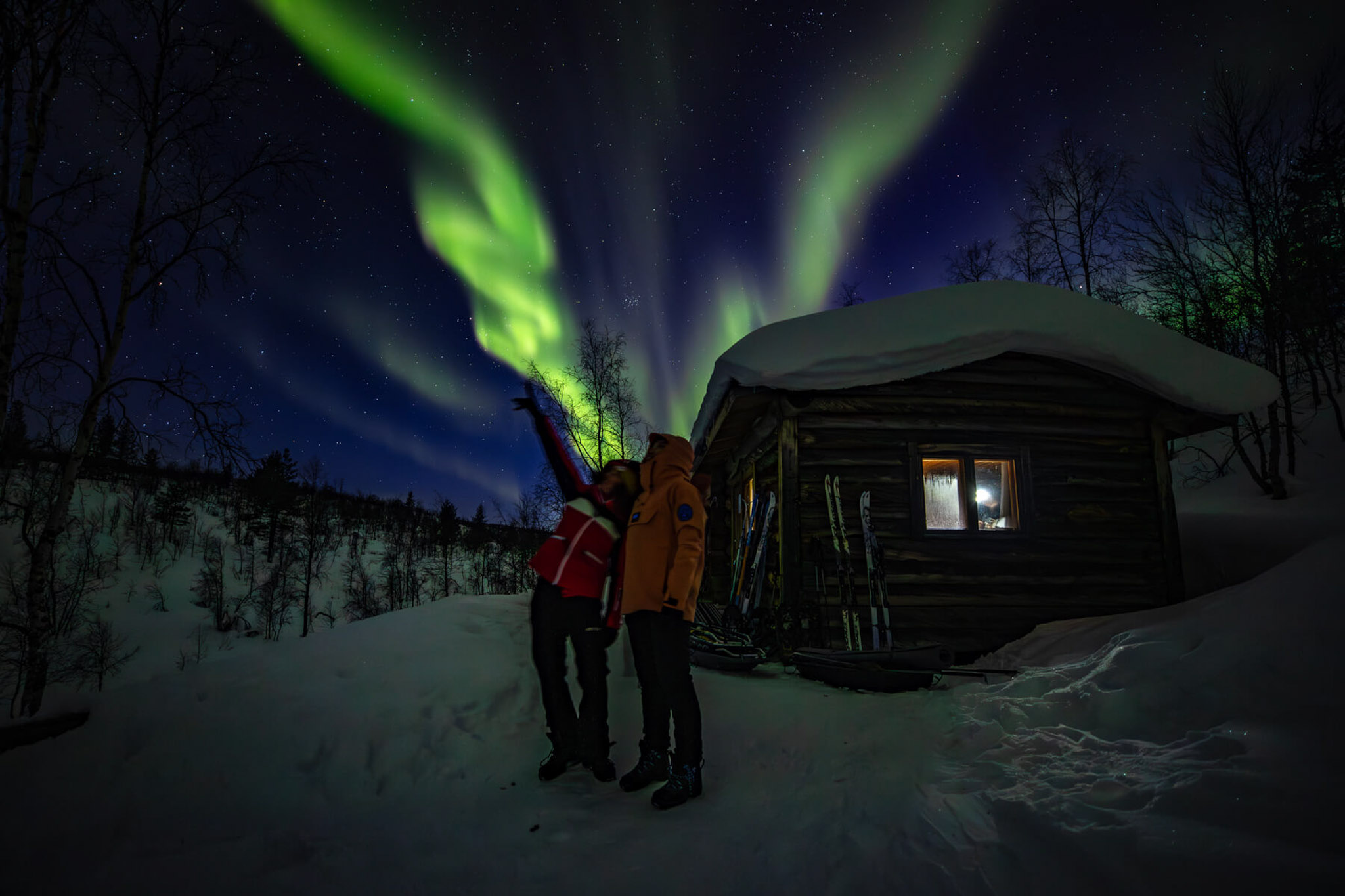
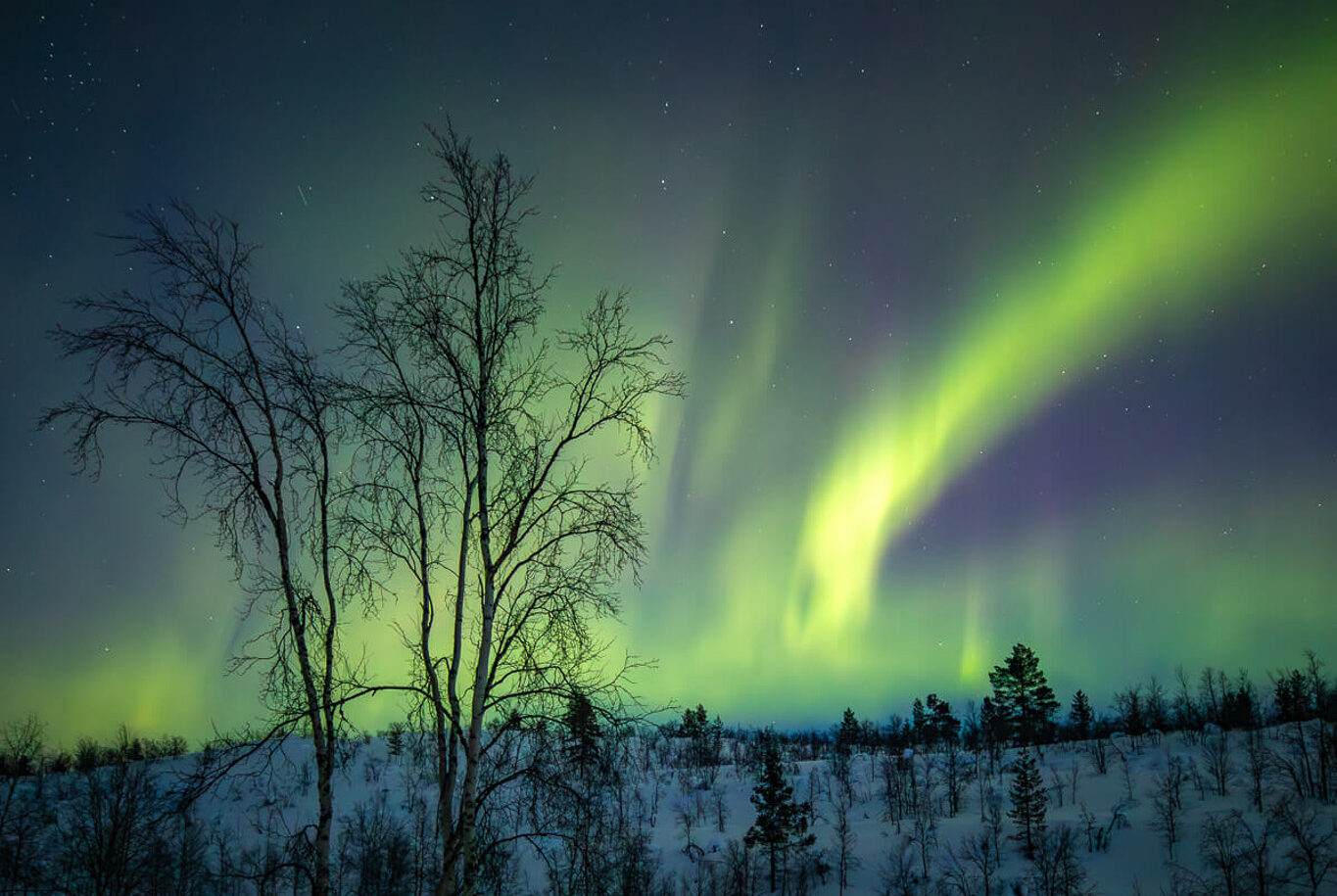
Step outside your wilderness hut and look up. This far north with zero light pollution, you’re in prime aurora territory. No guarantees – nature doesn’t work that way – but when the lights show up, you’ll know about it.
The Destination
Your Adventure Starts Here
Land at Ivalo Airport and meet your group. Transfer to Lemmenjoki National Park and get settled in your cabin.
Try out your kit, receive your expedition briefing, and check your backcountry gear. Then a sauna, dinner, and prep for your first day on skis.
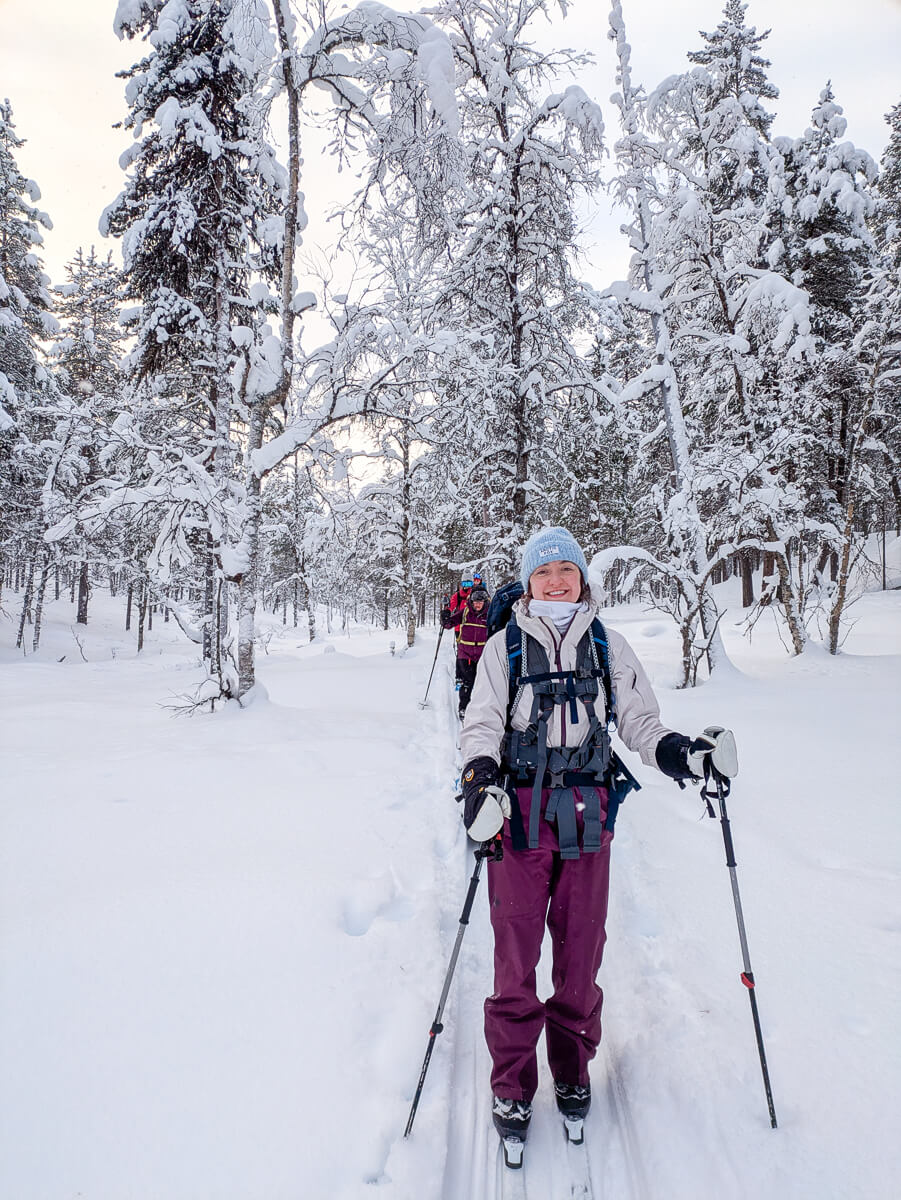
Breakfast, then a 5km forest ski tour. Learn how to move efficiently on backcountry skis and get comfortable with your kit.
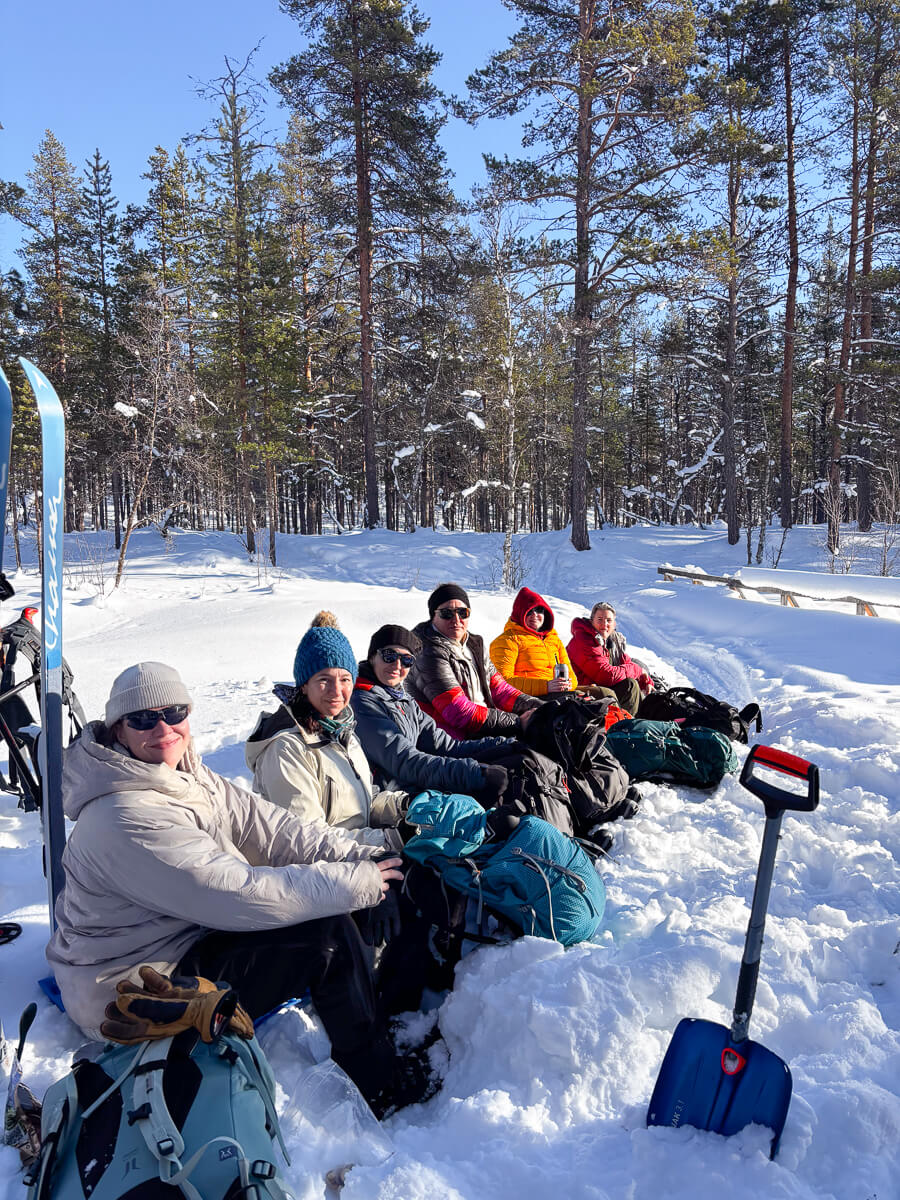
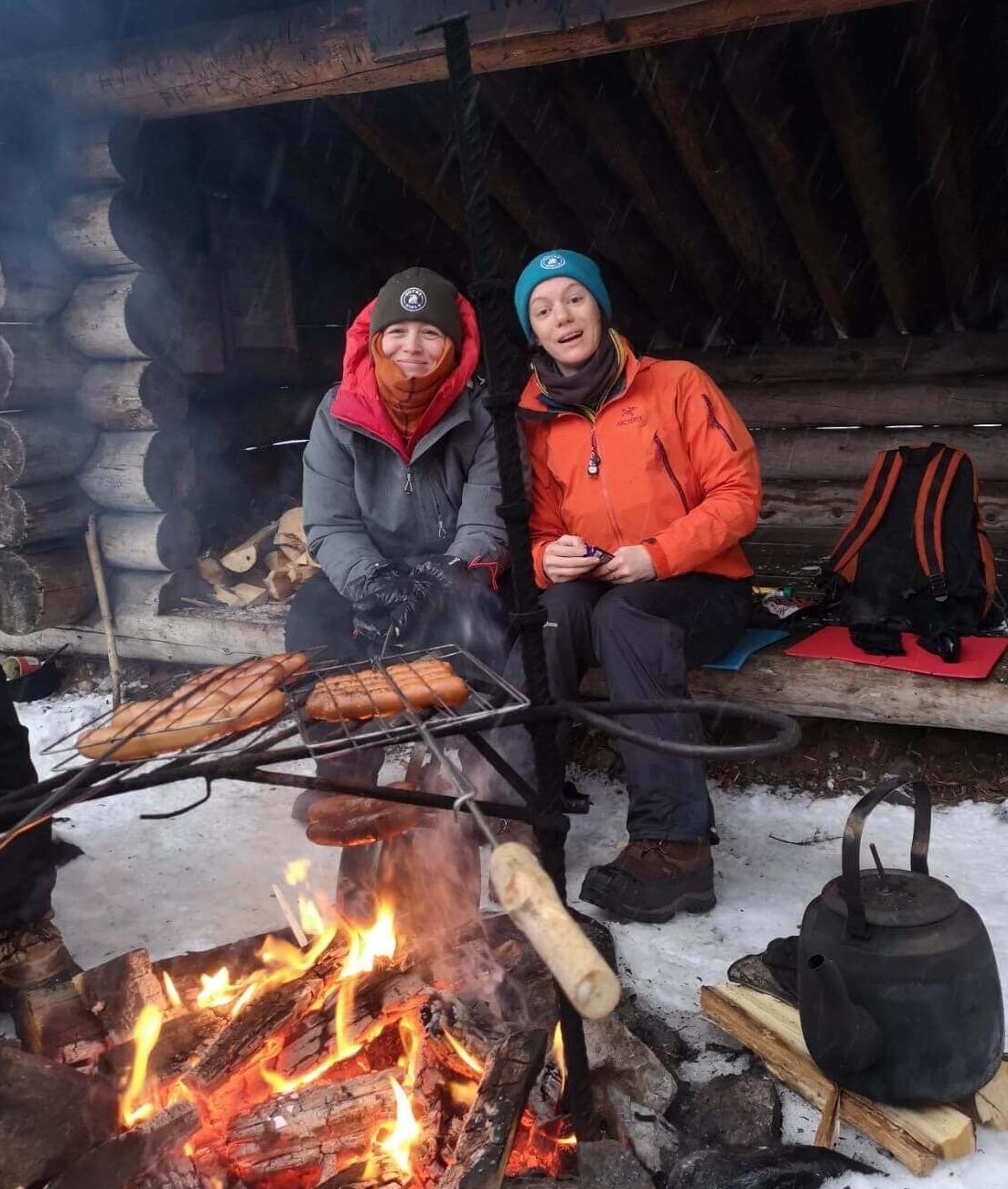
More ski technique and a lesson on pulka handling. You’ll be hauling these through snow for days, so get the hang of it now. Lunch is a sausage barbecue out in the snow, cooked over an open fire if conditions allow.
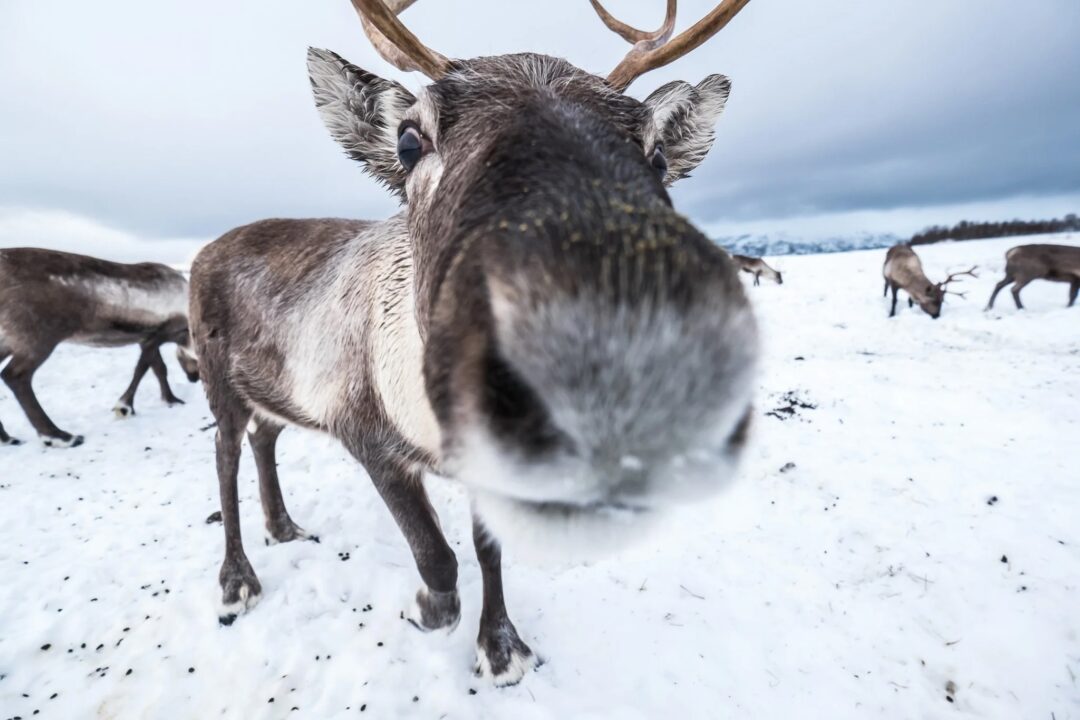
Back to the cabin for dinner and a sauna. Possible reindeer feeding depending on timings (they're surprisingly pushy when food's involved). Make the most of your last night with beds and running water.
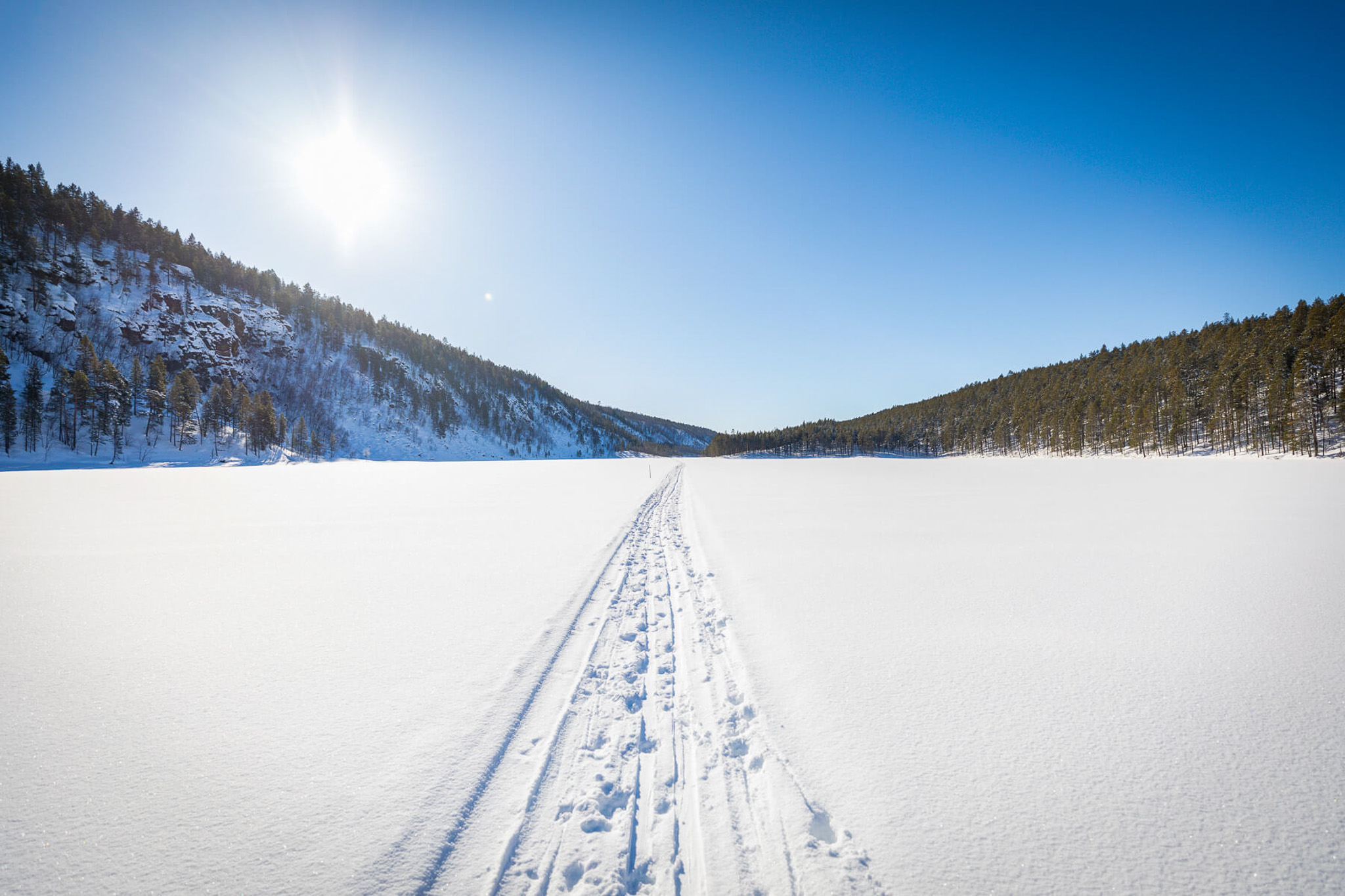
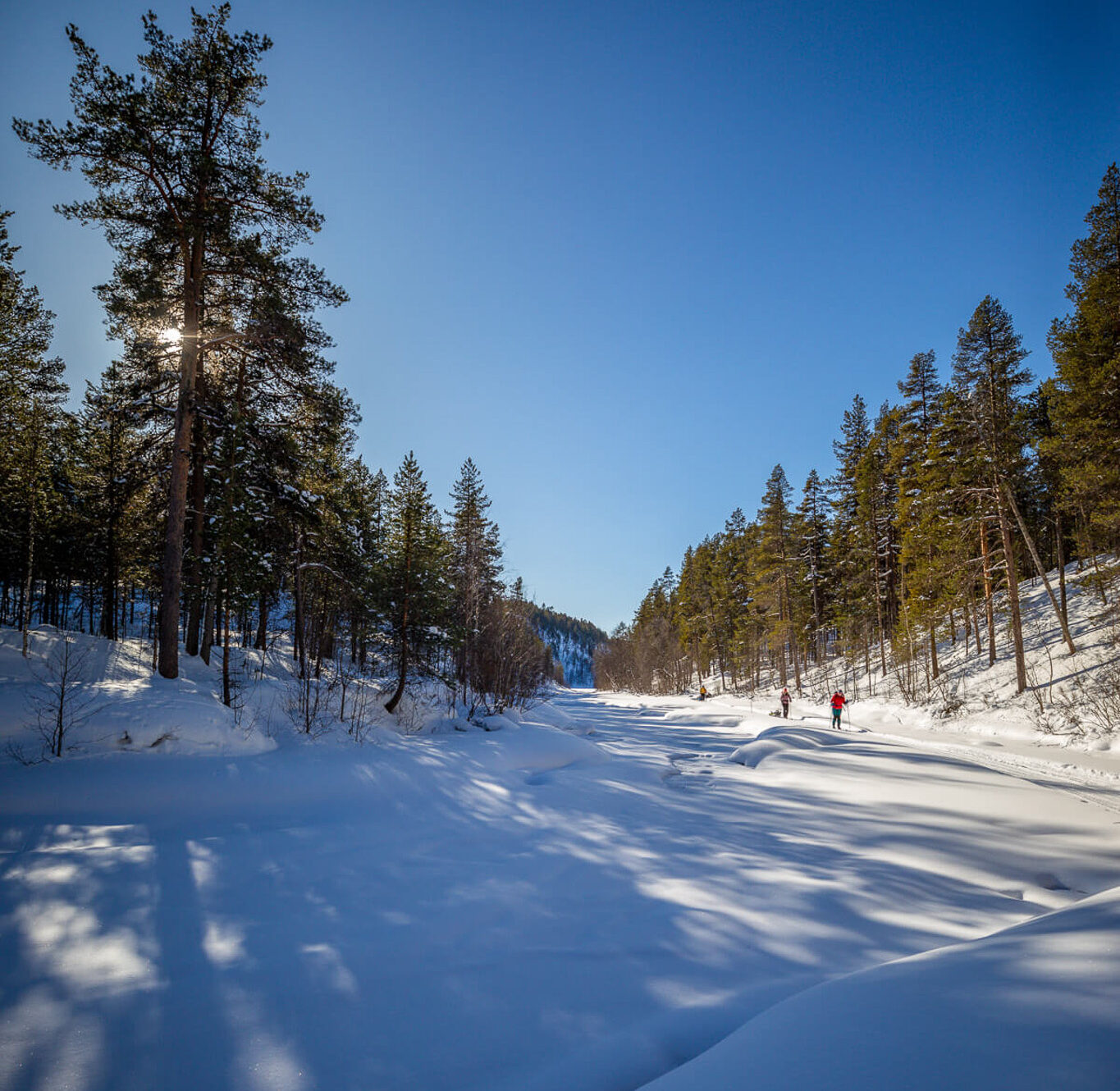
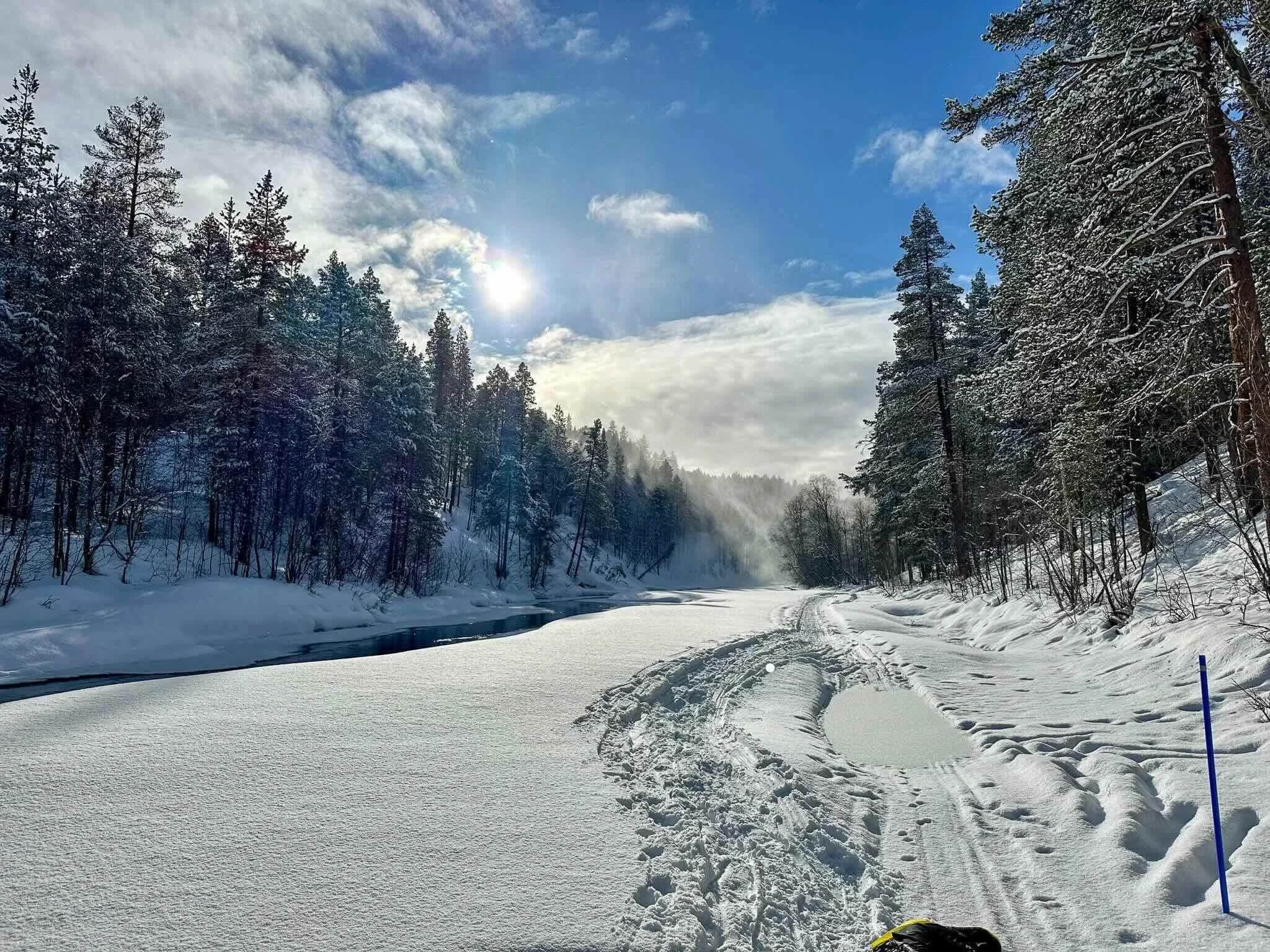
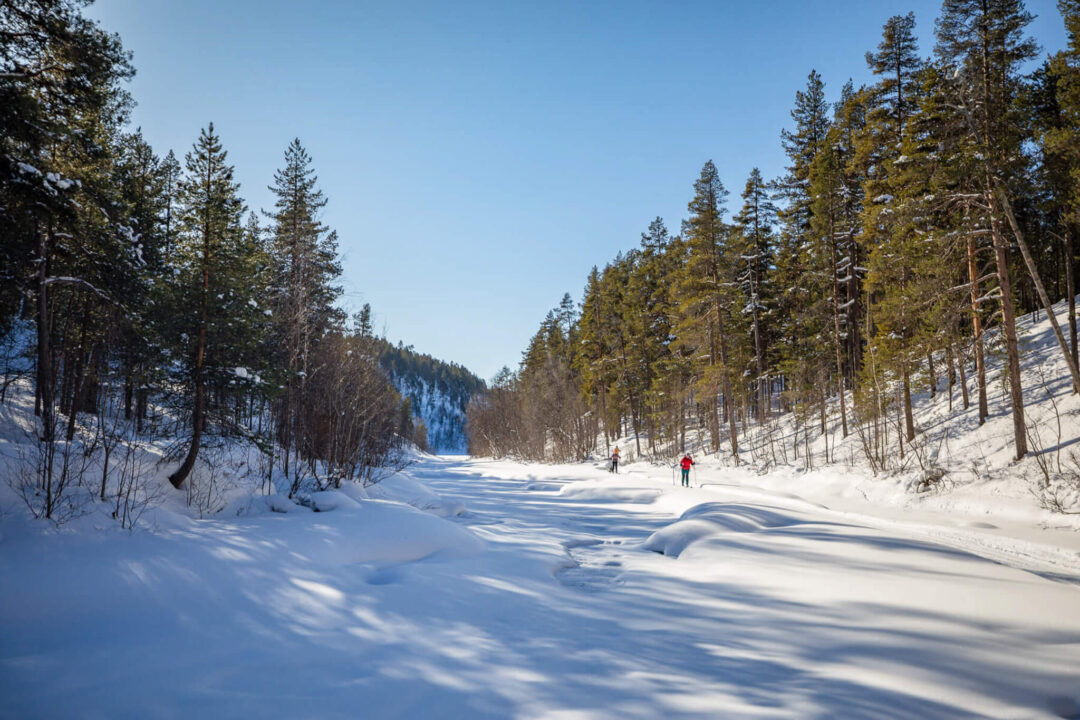
Breakfast, then set out and start your expedition. Ski 15km along the Lemmenjoki river valley with your loaded pulka.
Stop for lunch out on the trail, then continue to your first wilderness hut. No electricity, no mobile signal, just you and the forest.
Expedition-style rehydrated dinner and a well-earned sleep. The hut is basic, but after 15km of skiing, you won't care.
After breakfast, tackle the 9km to your next hut, a historic one out in the wilderness. Shorter distance but gradual uphill, so your legs will know about it.
No electricity out here, but there’s an outdoor sauna waiting for you.
Wash with warm melted snow water (a luxury after yesterday), sauna session, then settle in for two nights here.
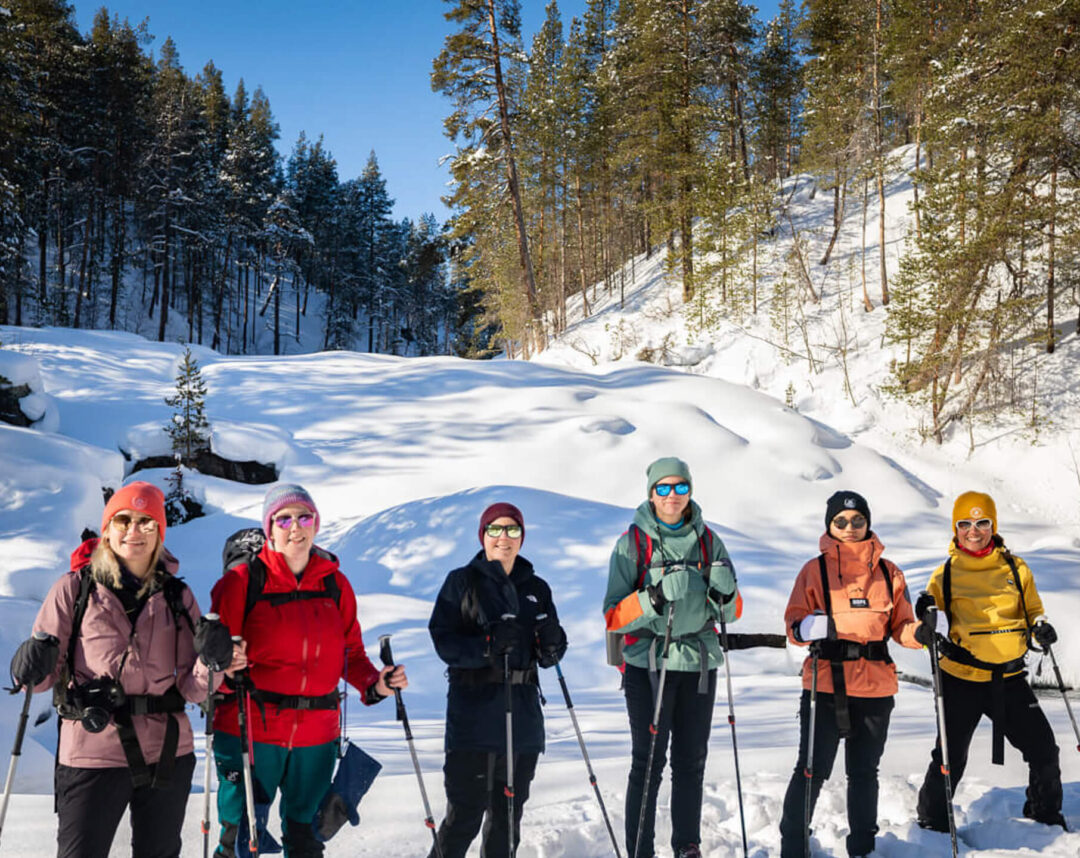
Leave the pulkas behind and head out to a nearby fell, around 10km on skis or snowshoes. Your legs get a break from hauling, but not from working.
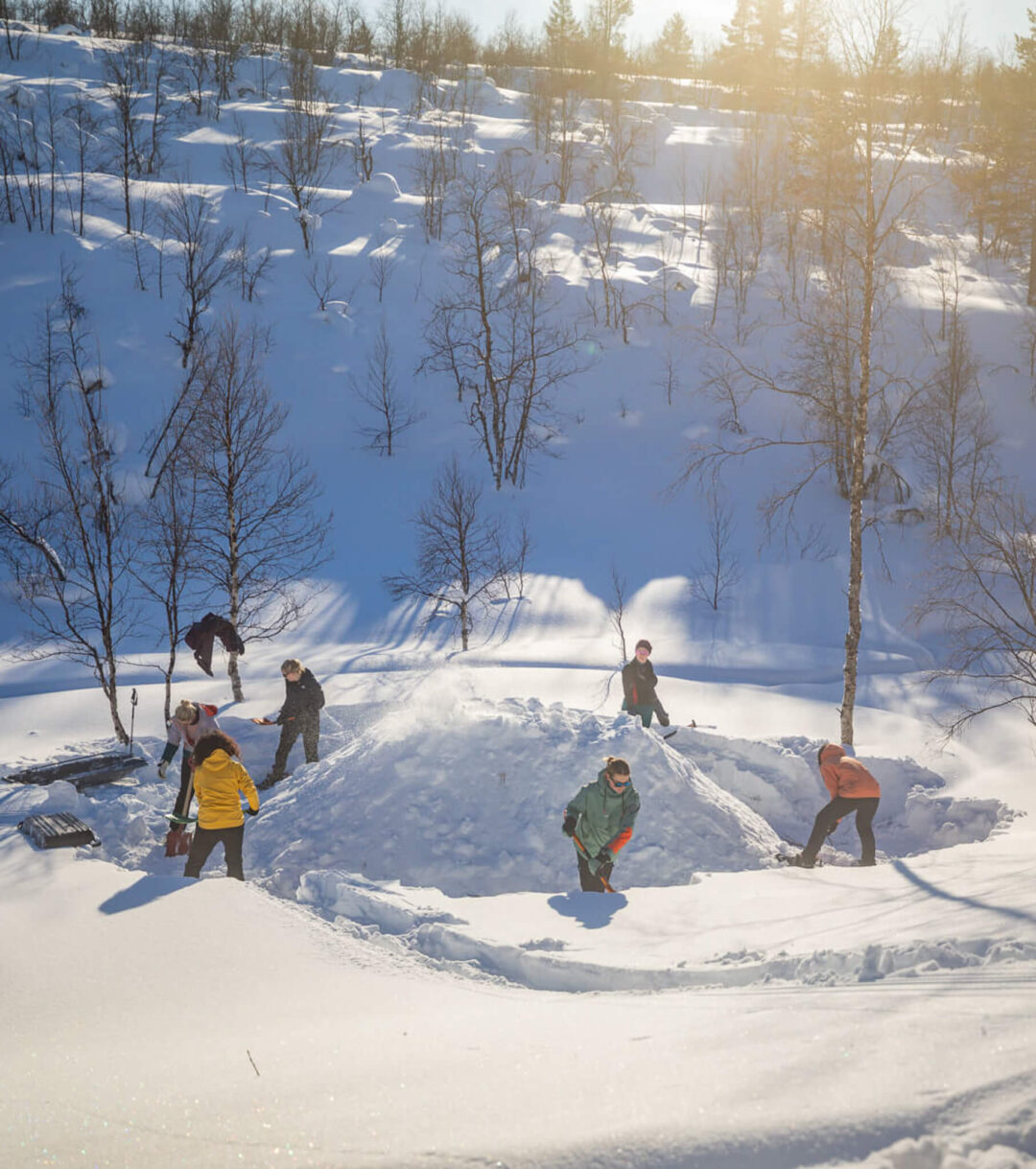
Learn to build a snow shelter if the conditions are right. If not, there's more trails to explore by skis and snowshoe.
Back to the hut for dinner, sauna, and a second night’s sleep in the same bed (relative luxury by expedition standards).
Skis back on for the journey to your final wilderness cabin. It’s 13km through fells and forests with your pulka in tow.
Haul your pulka through frozen landscapes, the kind of terrain you can’t reach any other way.
Final expedition dinner and sauna session. It’s the last night sleeping rough - make it count.
Final 15km ski along the icy river back to civilisation.
Back to the starting log cabin for an actual shower and sauna (you'll appreciate running water like never before).
Final dinner as a group, time to laugh about the highs and lows of the adventure and plan your next expedition.
Refuel with breakfast, then transfer back to Ivalo airport.
Rest & Refuel
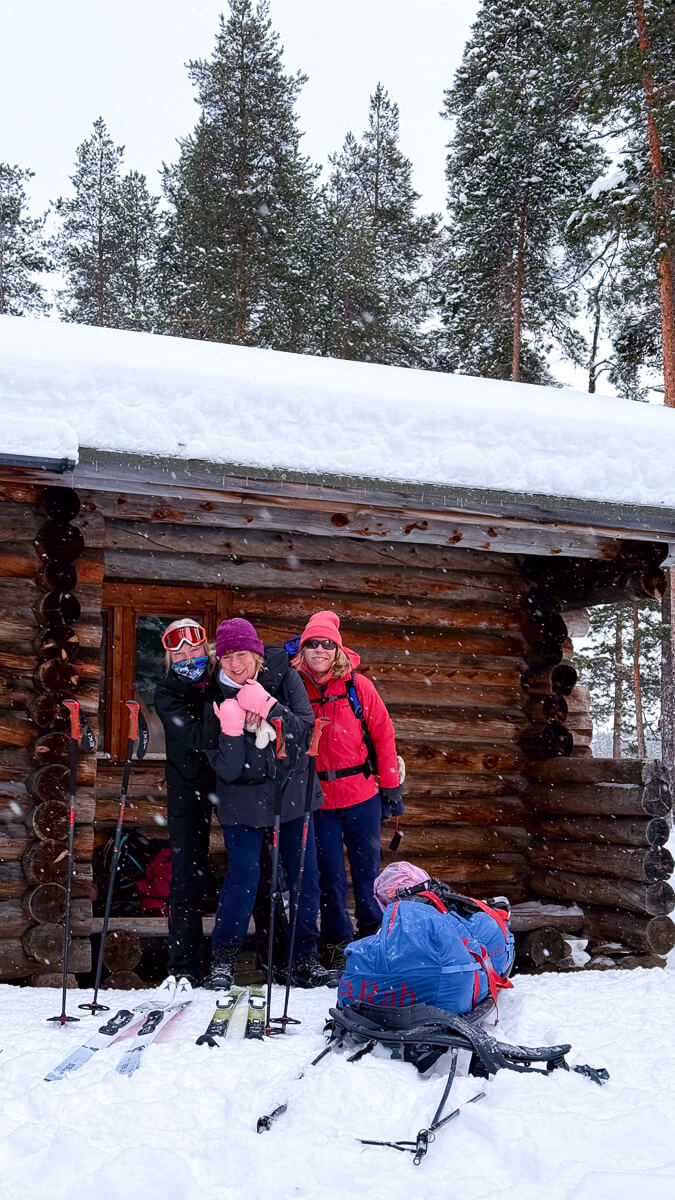
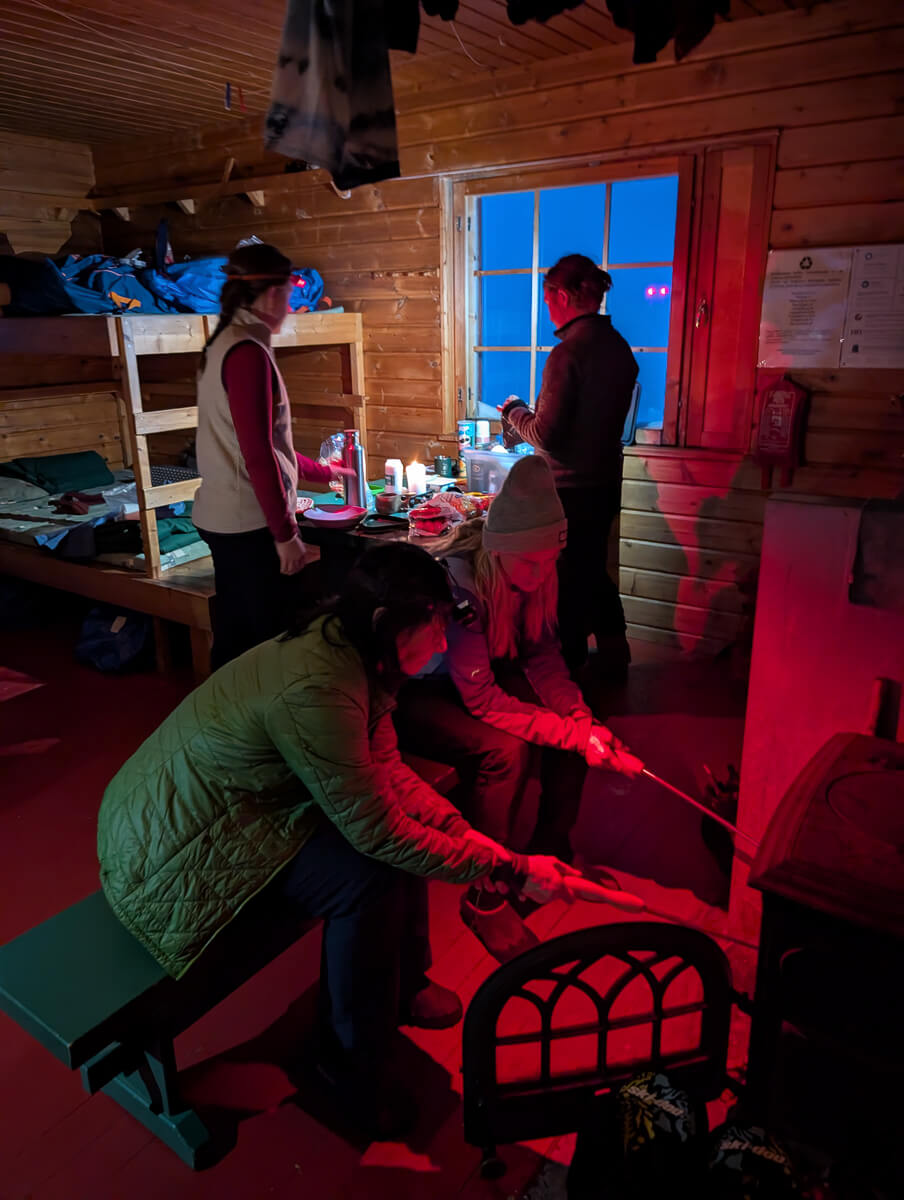
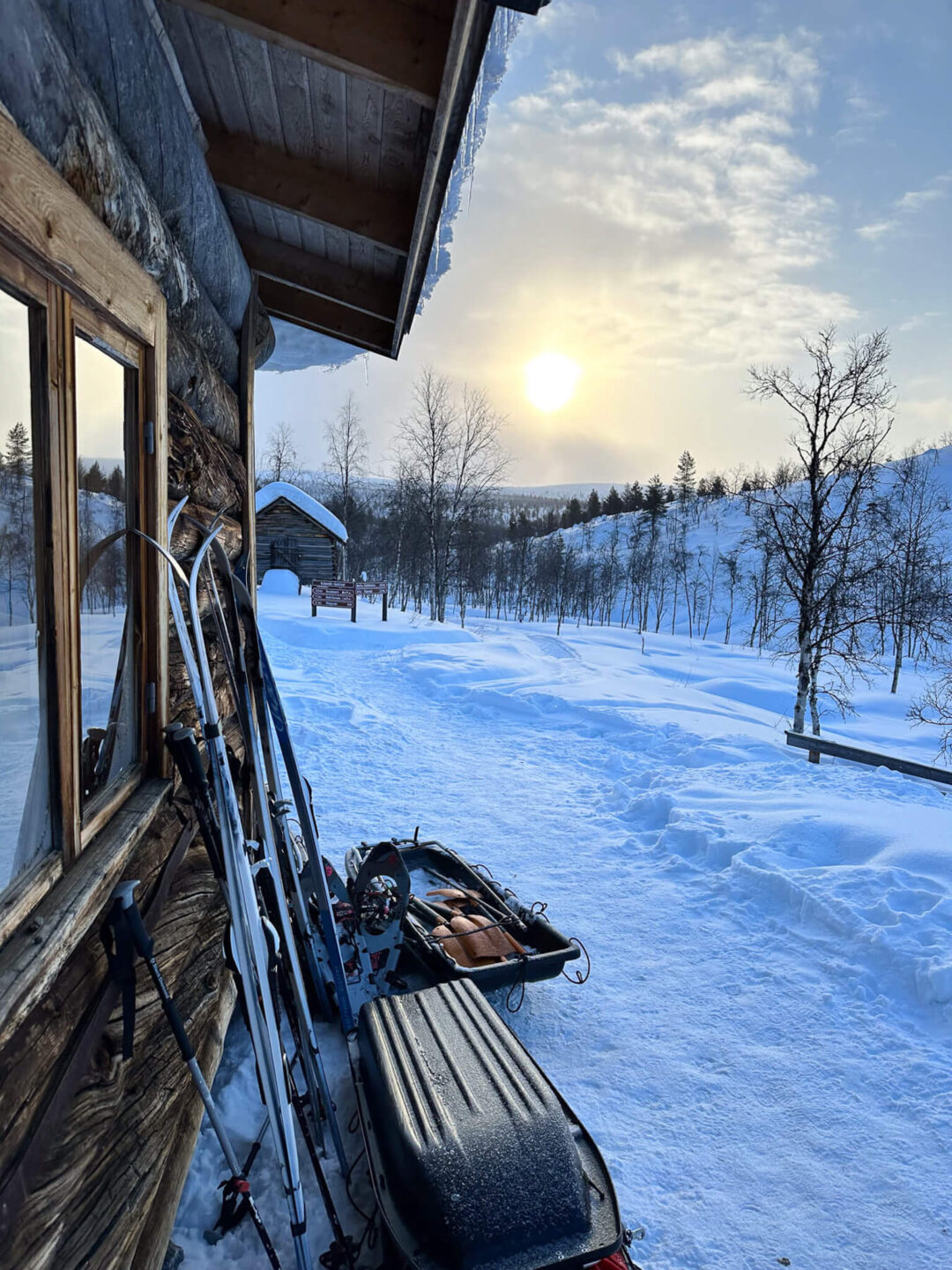
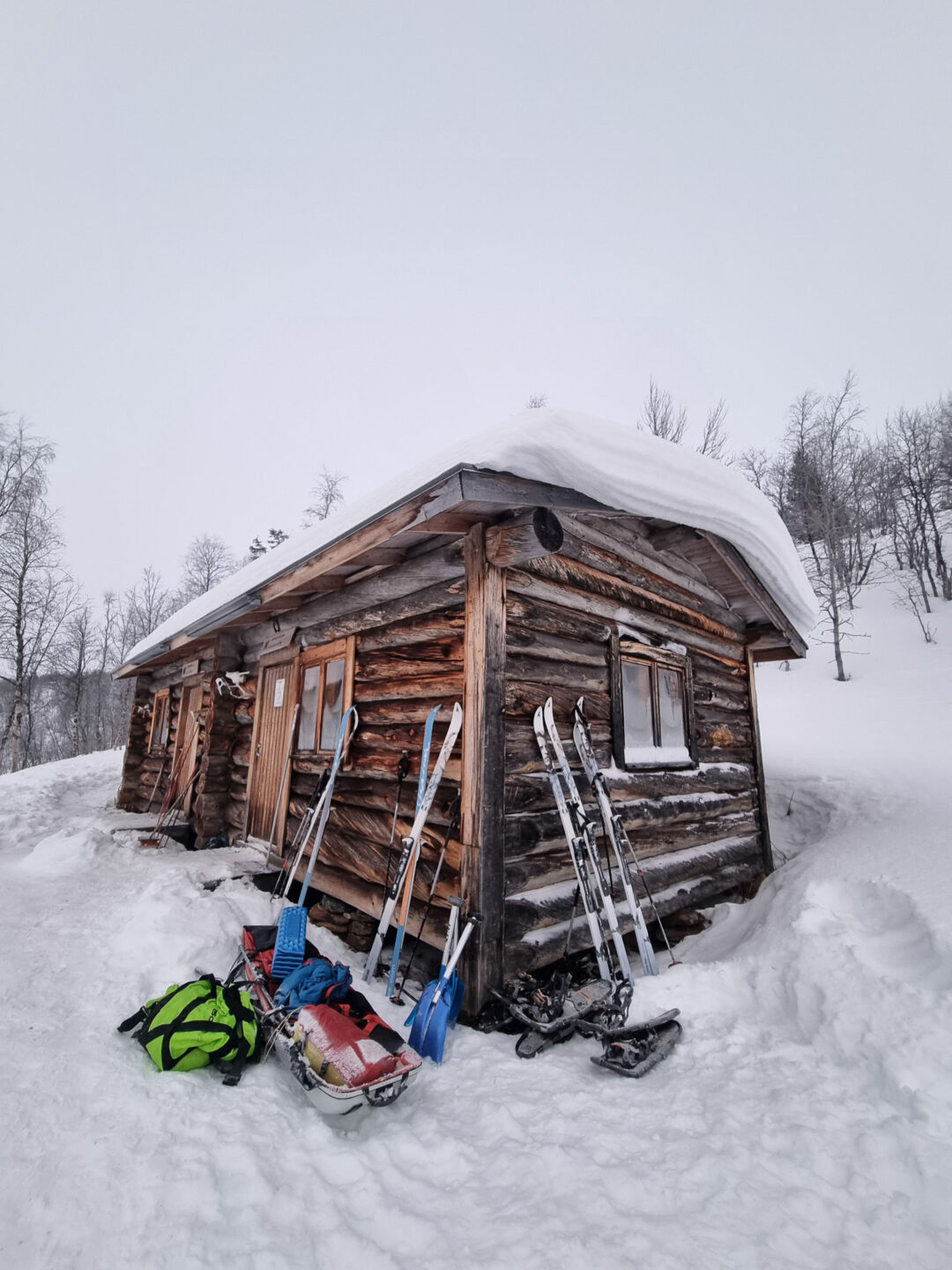
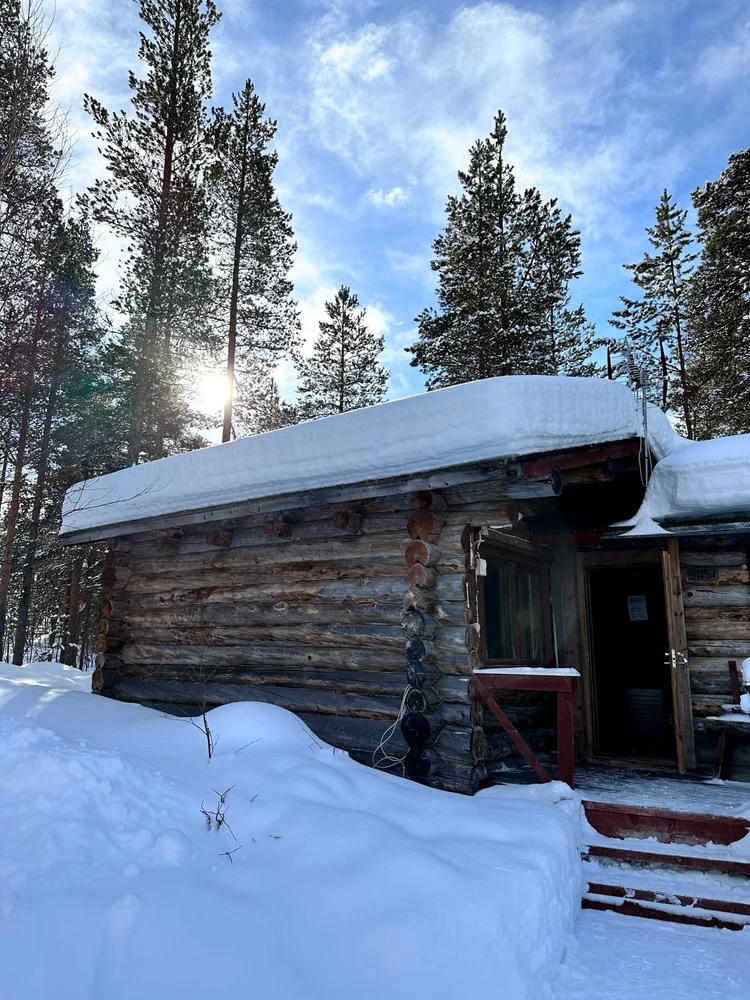
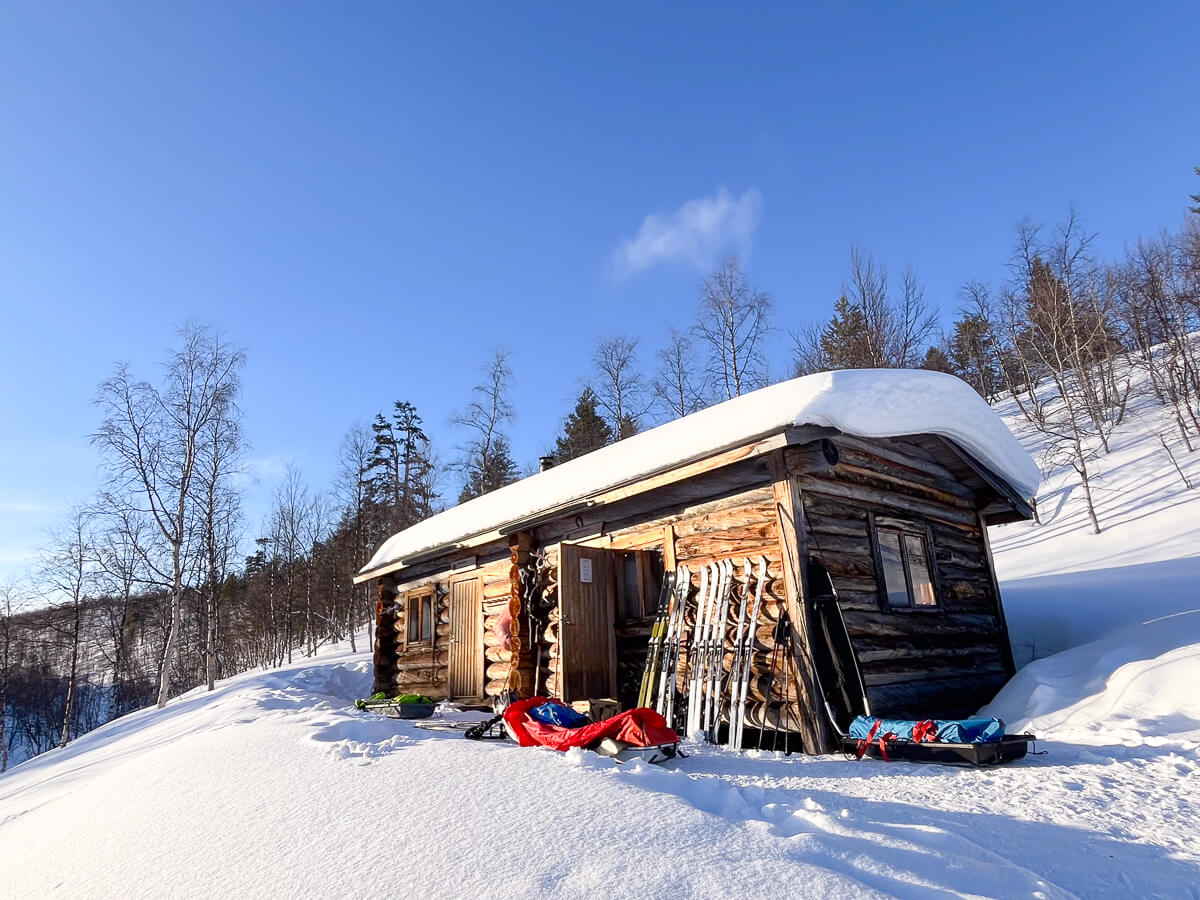
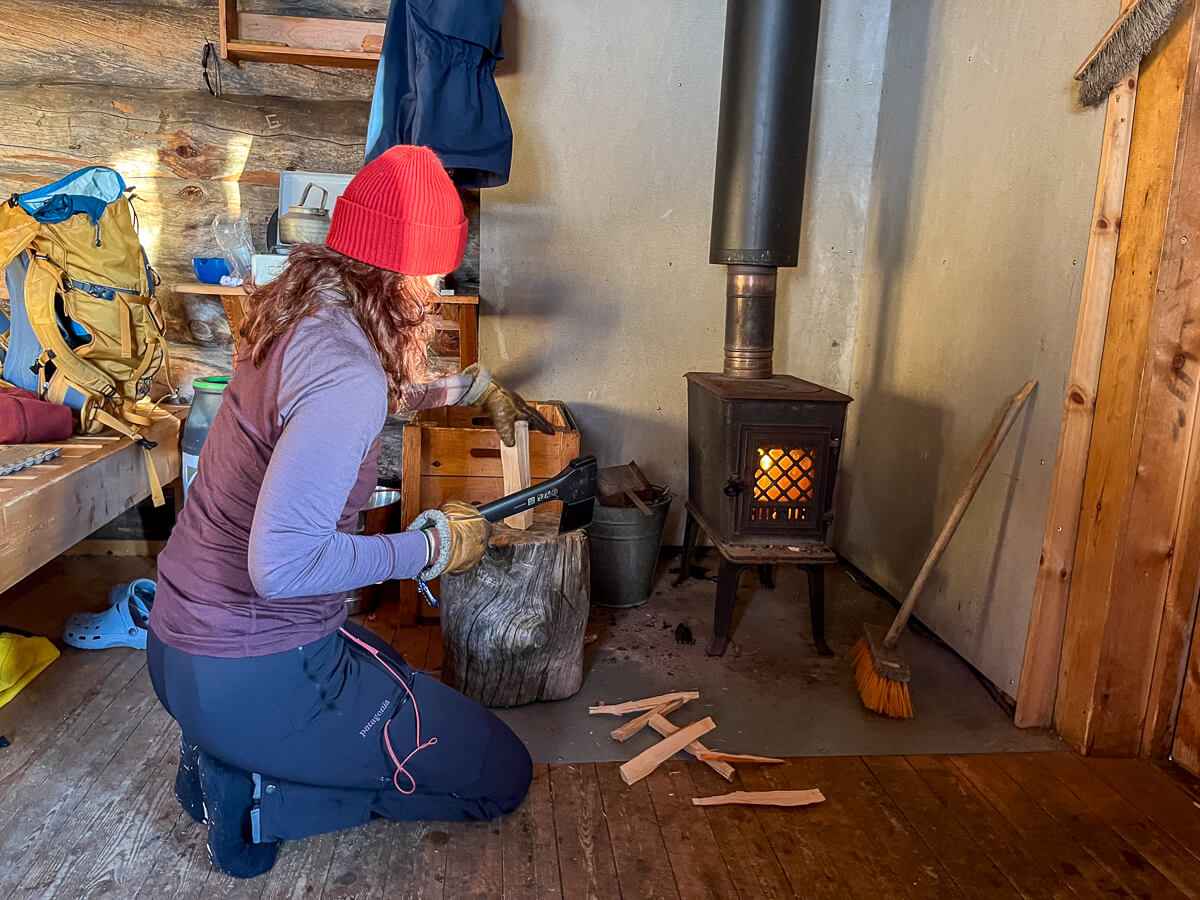
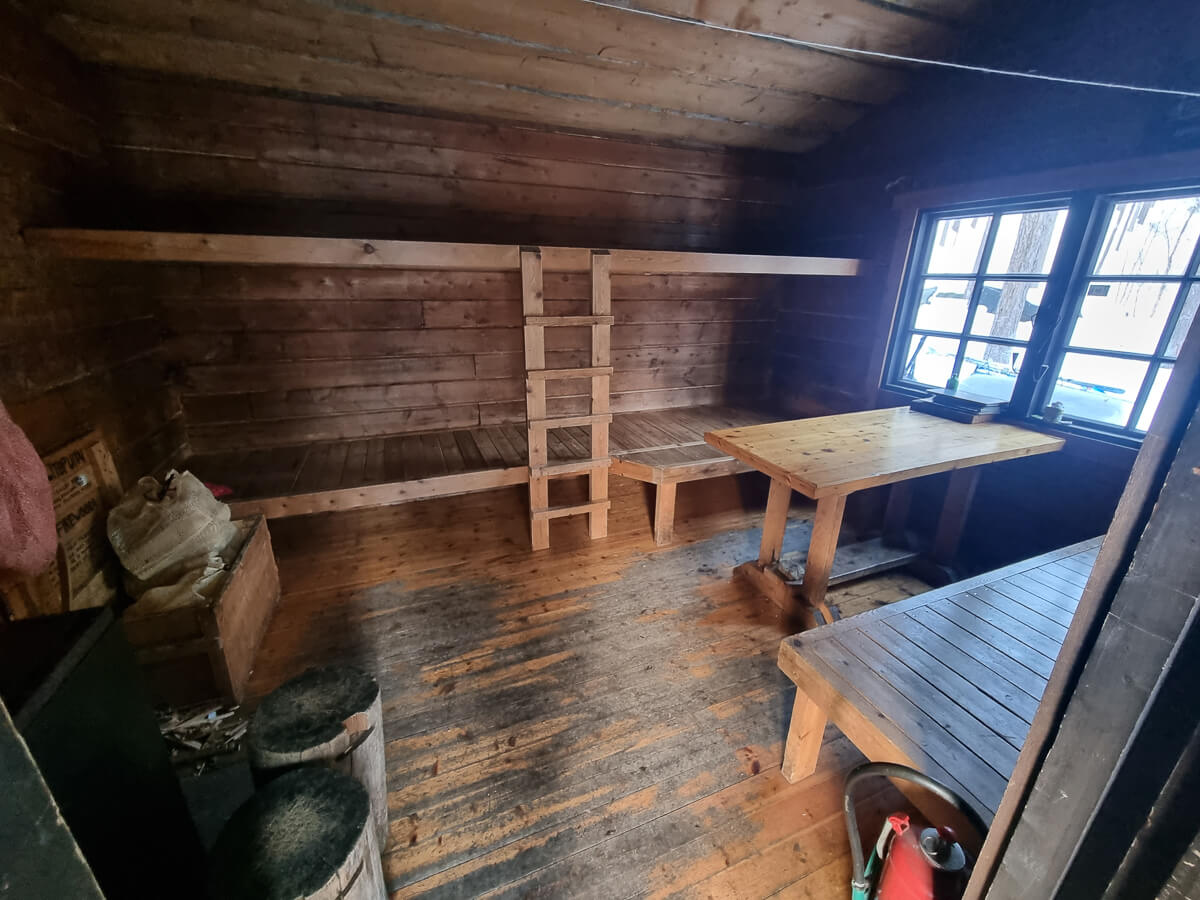
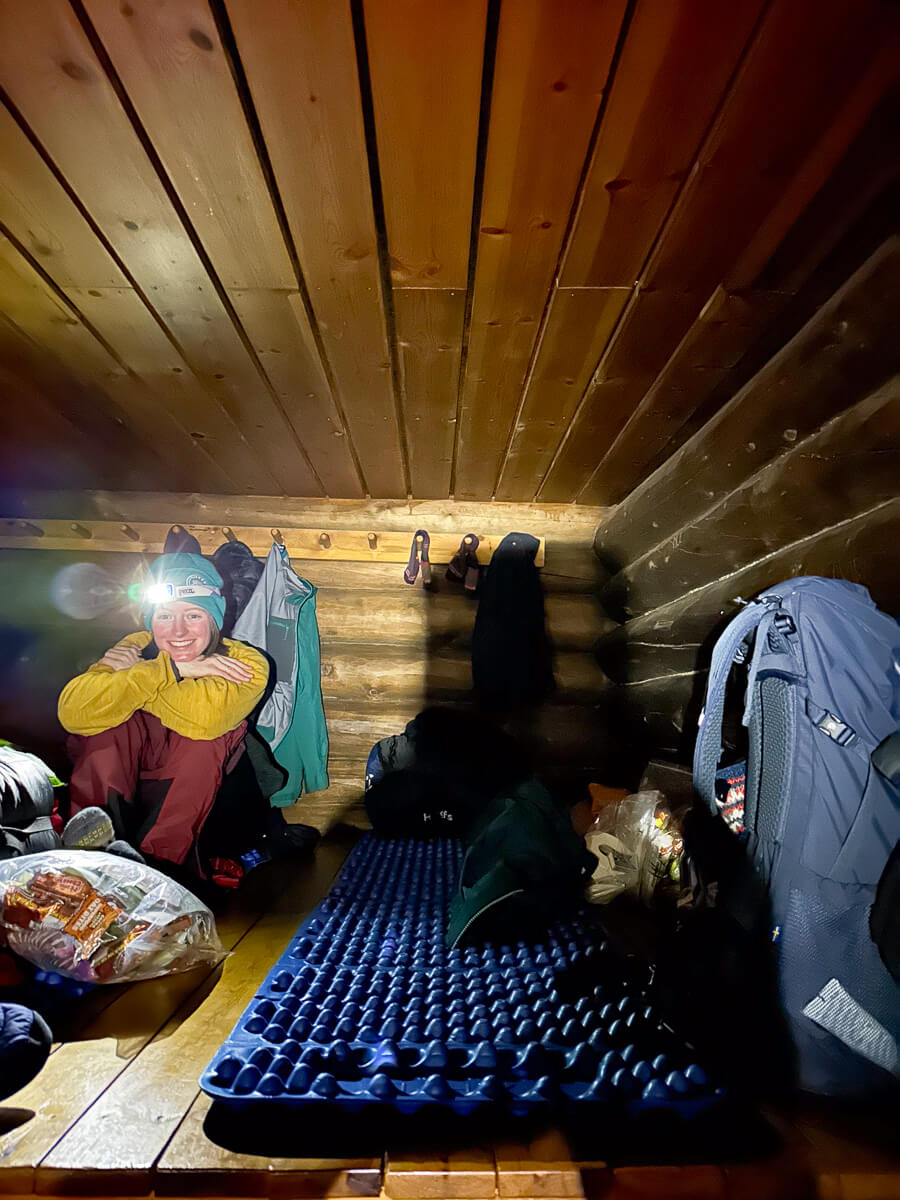
You'll start and finish in a cabin with electricity, situated right by a restaurant, sauna, and hot showers. The expedition huts are basic: no electricity, no running water. Instead there are wood stoves for heat, candles for light, shared outhouses, and one small space with bunk beds where everyone sleeps packed in close.
1 of 2
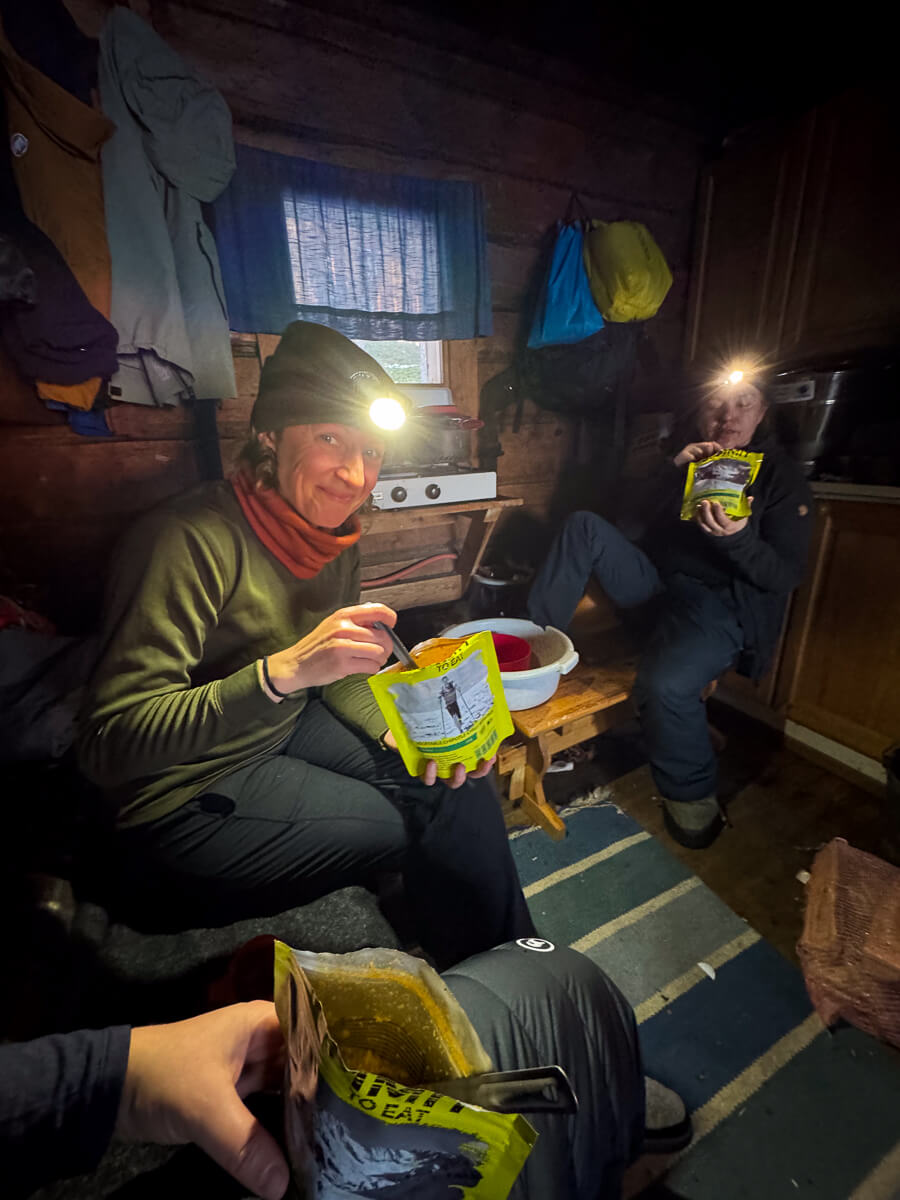
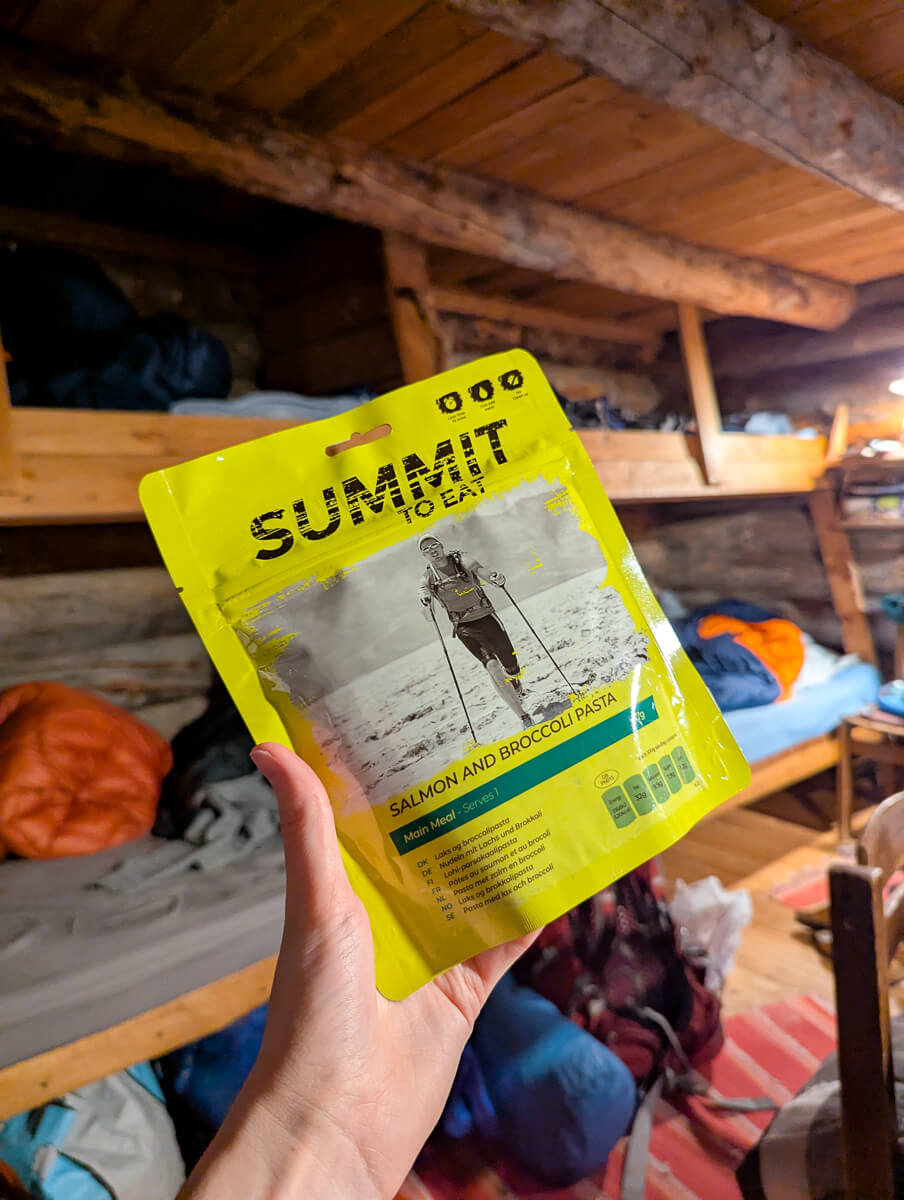
On the expedition, food is simple and built for fuel over flavour. Breakfast is porridge packets, bread, cheese and jam. Lunch is sandwiches made at breakfast plus instant noodles, and dinner is a dehydrated expedition meal you add boiling water to. You'll have a restaurant meal at the cabin at the start and end of the trip. Bring your own snacks for extra energy through the day.
2 of 2
Availability
The Essentials
| Accommodation |
Back to Basics No electricity, no running water, and everyone shares one small space. You’ll sleep in bunk beds, packed in close, and in some cabins you may end up on a mattress on the floor. It’s tight, and there’s no point sugar-coating it. You’ll warm the hut with the wood burner and melt snow for the next day’s drinking water. We start the trip with two nights and finish with one in a comfortable log cabin: electricity, a restaurant and bar, sauna, indoor toilets and showers.
|
|---|---|
| Food |
All meals are included, from dinner on arrival day to breakfast before your journey home. Most of the food is simple and designed to fuel you. If you have a severe food allergy, please get in touch before you book.
|
| Fitness Level |
3
Challenging Skiing 9 to 15km daily while hauling a 20-25kg sled is five to seven hours of sustained full-body effort. Cross-country skiing also works differently from most cardio, so even strong runners find muscles firing that they don’t normally use. Temperatures are sub-zero throughout the trip, which means your body is already working harder just to stay warm before you’ve skied a kilometre. If you’re training hard three or more times a week and you’ve experienced back-to-back demanding days before, you’re ready. Not sure if this is the level for you? We’ve got a detailed breakdown of fitness requirements in our trip guide. You'll Need to Be
|
| Skill Level |
1
Beginner No cross-country skiing or expedition experience is needed, but it helps. We’ll teach you the technique, but there are two things no amount of coaching changes: the feeling of gliding, and falling over. You have to be alright with both. It’s a brilliant sport, but it isn’t for everyone, and that’s worth knowing before you book. Beginner is the skill level. It’s not an easy trip. Check the Fitness Level above. Not sure what level you are? Our Trip Rating Guide explains how we score fitness and skill. |
| Packing List |
Below are a few specialist items you will need or might have to invest in before your adventure. For a full list of what you’ll need to bring, check out the trip guide. We Provide
You'll Need
|
| Travel |
The meeting point for this trip is Ivalo Airport. For alternative routes and travel information, please see the trip guide. |
| Not Included |
|
| Trip Code |
FINWHFFOR |
The answers
You don’t need prior ski experience, though it helps. What matters more is good balance, comfort with gliding, a solid fitness level and a sense of humour. This isn’t a gentle introduction; it’s demanding and rewarding wilderness travel.
You’ll ski 9-15km daily pulling a 20-25kg sled, live without electricity or running water for several nights, and handle consecutive active days in subzero conditions. High fitness and mental resilience are essential.
This beginner’s trip is designed for women new to expedition life but ready for the challenge. You’ll receive full tuition on your first full day and have an experienced wilderness guide with you throughout.
We provide all technical kit: touring skis, boots, poles, winter sleeping bags, sleeping mats, sleds (pulkas), tents, shovels, and expedition gear. You bring personal clothing, snacks, and toiletries.
You’ll be active for 5-7 hours daily, including breaks, covering 9-15km.
This is backcountry wilderness exploration. Instead of neatly carved tracks, you’ll break your own trails through deep snow. Think hiking with skis on rather than faster, track-based skiing. You’ll also be on wider skis for stability at a slower pace to help with pulling the sled.
Fly into Ivalo, Finland. Finnair operates flights from London Heathrow via Helsinki, so you can either connect directly or spend extra time exploring Helsinki. Our group transfer picks up at Ivalo Airport.
We will collect you from Ivalo Airport on arrival day and drop you back on the last day of the trip. You are responsible for getting yourself to the airport.
Transfer times:
The group transfer is included in your trip package. There is no discount if you choose not to use it.
Transfers run on fixed schedules and can’t be delayed. If your flight doesn’t align, you’ll need private transport to meet the group, which can be expensive in remote areas. It will probably be more cost-effective to fly in a day earlier and spend the night in Helsinki than to pay for a private transfer.
Expect temperatures between -5°C and -20°C, occasionally dropping to -30°C or rising above zero. Finnish cold is “dry” so feels less harsh than damp UK conditions. Weather varies from sunny to cloudy, with a chance of heavy snowfall.
You’ll be in prime territory with zero light pollution. We can’t guarantee sightings as it’s all down to nature, but the location definitely gives you the best possible chance.
Absolutely. Arctic weather can change rapidly, so guides will adjust daily plans for the best and safest experience. We build flexibility into every expedition because wilderness conditions shift quickly.
You can bring euros for drinks or additional snacks to stock up on before heading out on the expedition, however, many places also take cards.
Yes, the arrival cabin will store any luggage you don’t need during wilderness days. Pack a small bag with expedition essentials and leave the rest safely stored.
See what's trending