Trip Guide

Trip Guide: Hut-to-Hut Hiking Adventure in Slovenia

Ready to tackle Slovenia’s Julian Alps where serious mountain challenges meet some of Europe’s most dramatic scenery? This guide covers everything you need to show up confident for six days that build from tough day hikes to the main event: three consecutive days carrying your gear hut-to-hut through remote alpine terrain.

This isn’t a gentle walking holiday. You’ll navigate exposed ridges, technical descents, and steep mountain passes before going completely off-grid for three days between mountain refuges. Each day pushes your limits further, but the rewards – glacial lakes, towering limestone peaks, and that deep satisfaction of earning your bed each night – make every step worthwhile.
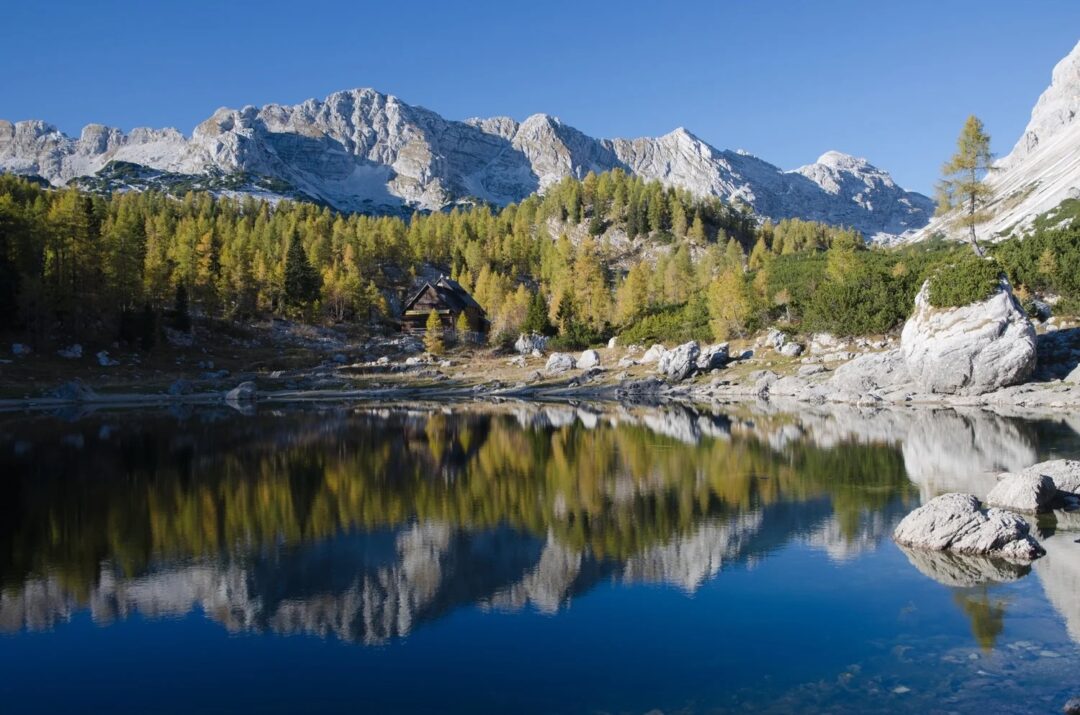
Alpine lake at the foot of rocky peaks and forest, scenic for hut-to-hut hiking in the mountains
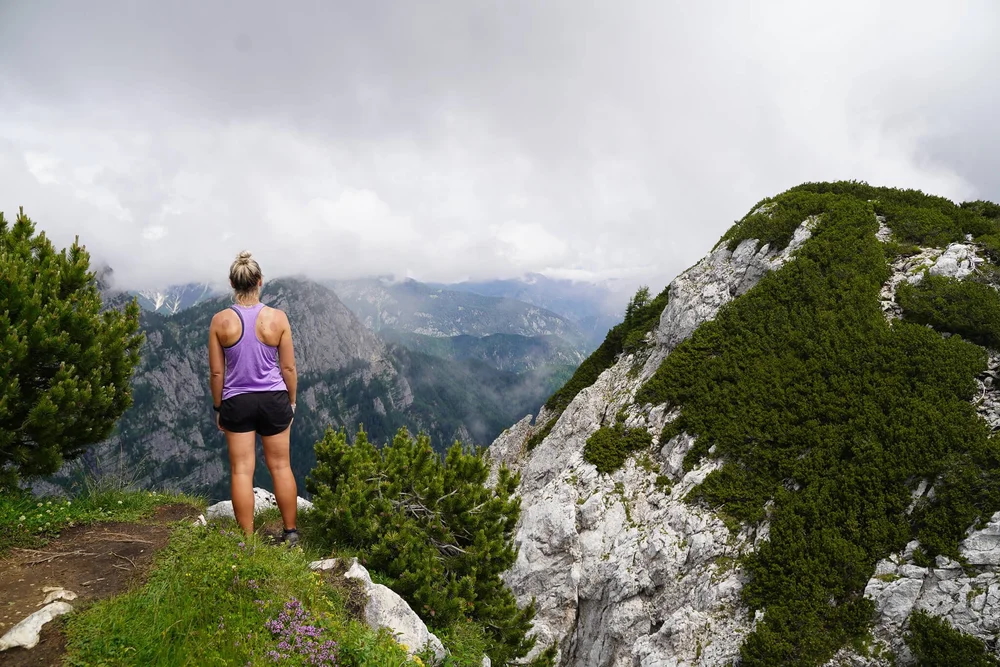
Woman hiking along a rocky ridge with mountains and clouds, Slovenia

Getting There

Getting to Slovenia is straightforward, though the 06:25 Easyjet departure from Gatwick might test your commitment to adventure before you even start hiking. Most people power through the early start because it gets you into Ljubljana perfectly for our 10:10 airport pickup.

If dawn departures sound like torture, British Airways flies from Heathrow at the civilized hour of 11:00 the day before. You’ll need an extra night in Ljubljana, but it’s a lovely city and you’ll start the trip properly rested.

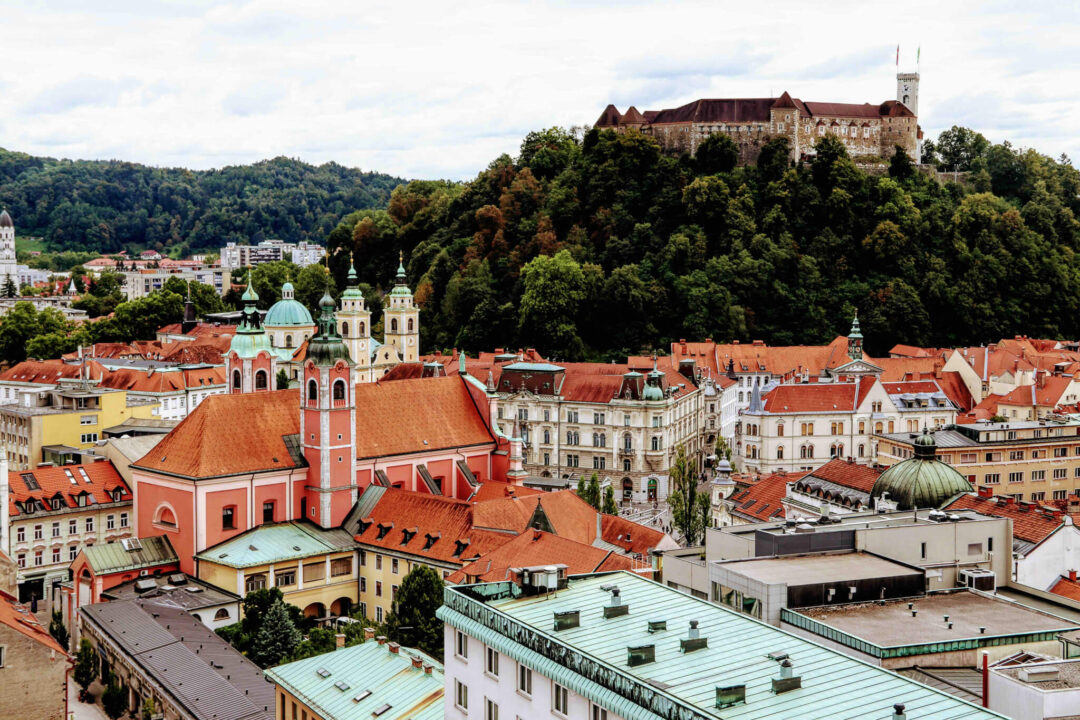
From Ljubljana Airport, we’ll collect you and drive straight to Lake Bled – about an hour through increasingly dramatic scenery as the flat plains give way to forest-covered hills and finally the limestone peaks of the Julian Alps.

How do I get to the start point?

There are daily EasyJet and British Airways flights into Ljubljana, the country’s capital and the airport we’ll collect you from.

SUGGESTED FLIGHTS

5 Nights

June and September dates

  • LGW 06:25 ✈︎ 09:40 LJU | EZY8841
  • LJU 21:30 ✈︎ 22:50 LGW | EZY8842

July and August dates

  • LGW 06:40 ✈︎ 09:55 LJU | EZY8841
  • LJU 21:30 ✈︎ 22:50 LGW | EZY8842

6 Nights

  • LGW 06:25 ✈︎ 09:40 LJU | EZY8841
  • LJU 10:50 ✈︎ 12:10 LGW | EZY8842

Not sure if your flight works? Just ask — we’re happy to help.

Can I arrange private transfers if group times don't work?

Yes, but the group transfer is included and designed around the most practical flight times. Private transfers from Ljubljana Airport cost around €120. We’ll connect you with other guests via WhatsApp so you might coordinate alternative arrangements together.

TRANSFER TIMES

We have various pick up points and times for our scheduled transfer to give you the most flexible travel options.

5 Nights

June and September

Arrival Day:

  • Ljubljana City Pickup: 09:40
  • Ljubljana Airport Pickup: 10:10
  • Lake Bled meeting point: 11:00*

Departure Day:

  • Lake Bled Drop off: 18:30
  • Ljubljana Airport Drop off: 19:20
  • Ljubljana City Drop off: 19:50

July and August

Arrival Day:

  • Ljubljana City Pickup: 09:55
  • Ljubljana Airport Pickup: 10:25
  • Lake Bled meeting point: 11:15*

Departure Day:

  • Lake Bled Drop off: 18:30
  • Ljubljana Airport Drop off: 19:20
  • Ljubljana City Drop off: 19:50

6 Nights

Arrival Day:

  • Ljubljana City Pickup: 09:40
  • Ljubljana Airport Pickup: 10:10
  • Lake Bled meeting point: 11:00*

Departure Days

  • Ljubljana Airport Drop off: 08:50

*Please note Lake Bled pick up may change a little depending on traffic and logistics on the day – your host and guide will keep you updated via the WhatsApp group

What if I want to fly into Venice instead?

Venice to Ljubljana takes 3-4 hours by Flixbus (various pickup points) or GoOpti shared taxi. You’ll likely need an extra night either side of the trip. Check seat61.com for train options via Trieste – it’s scenic but adds complexity.

How reliable are the pickup times from Lake Bled?

The 11:00 Lake Bled pickup can shift slightly due to traffic and logistics. Your host will update everyone via WhatsApp the night before with exact timing and location (outside the library – Knjižnica Blaza Kenerdyja).

How many nights is the trip?

Either five or six, depending on the date you pick. You’ll see both options, with their own prices, in the booking widget. The difference comes down to flight schedules: on some dates you’ll spend the final night in Ljubljana before flying home the next day, which makes it a six-night trip. It’s not something you can adjust, so you can’t add a night to a five-night trip or drop one from a six-night trip. Just pick the date that suits you and you’ll see exactly what you’re getting.

What if my flight is delayed or cancelled?

Start by booking flights that line up with the transfer times, and give yourself enough of a buffer to reach the pickup comfortably rather than cutting it fine. That’s the best way to avoid problems in the first place. If something does go wrong on the day, let us know as soon as you can, ideally through the WhatsApp group so your host and guide are in the loop. We can’t guarantee the transfer will be able to wait, so for a longer delay or a cancellation you may need to make your own way to the start point. Your host will be able to support you through this. This is exactly why we ask everyone to have travel insurance, so any extra costs are covered.

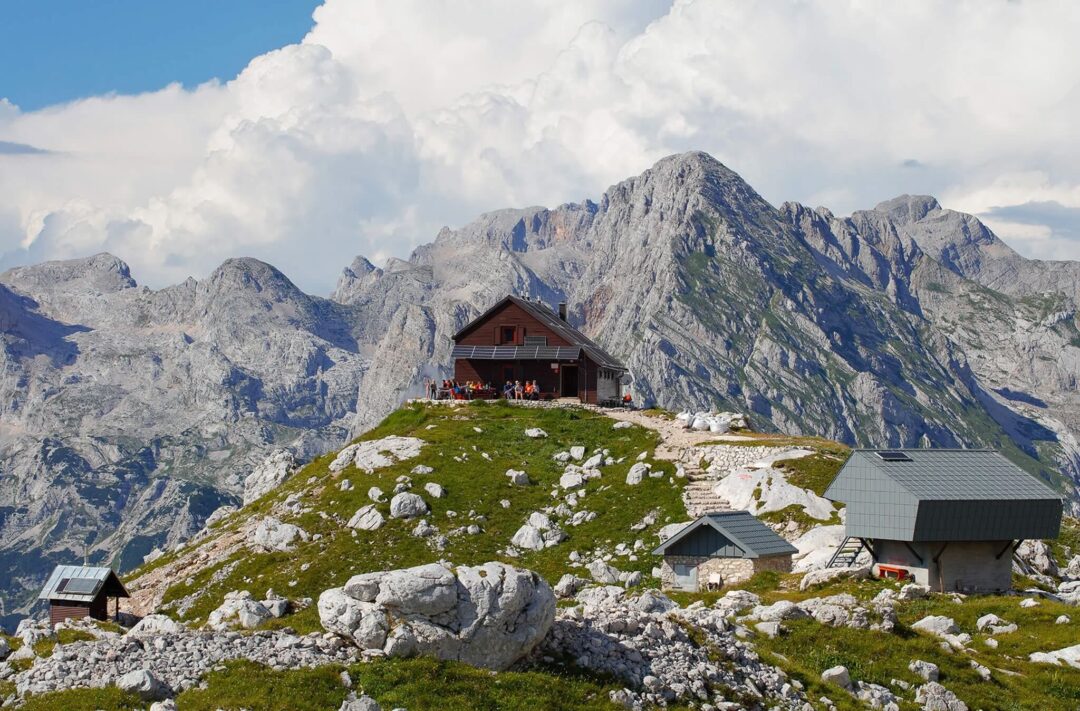
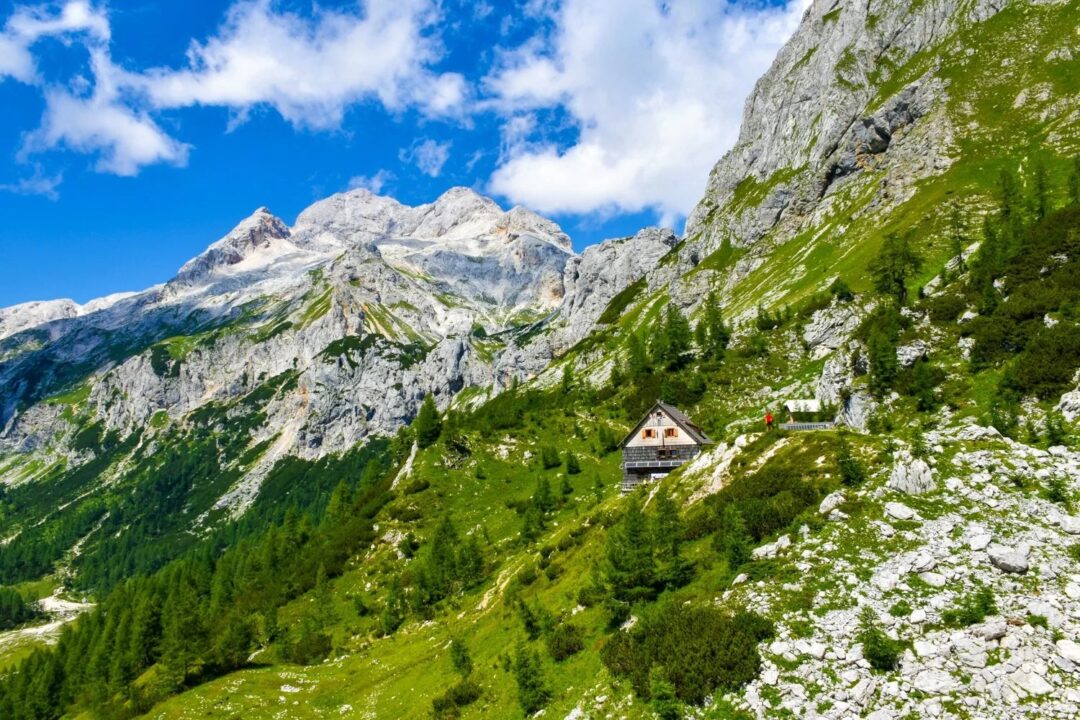
Mountain hiking hut on a grassy ridge with Alpine peaks and clouds in the background

Fitness & Skill Level

This trip is rated challenging, and we mean it. Over five days, you’ll hike up to 14km daily with elevation gains reaching 700m and descents up to 1,350m. The first two days ease you in with moderate hikes, then you hit three consecutive days of tough hut-to-hut trekking carrying everything you need.

The terrain is rocky, uneven, and sometimes exposed – think narrow paths with steep drops where a stumble could be serious. You’ll need confidence navigating rough surfaces with a loaded pack, plus the stamina for 7-8 hour hiking days. Descending rocky paths with a full pack is just as taxing on your legs and joints as the uphill sections.

This is for intermediate to advanced hikers. No hut-to-hut experience required, but you should be comfortable on tough day hikes and ready to push your limits. If the thought of carrying your gear between mountain refuges for three days sounds overwhelming rather than exciting, choose an easier trip.

Mental preparation matters too. You’ll be sharing basic mountain hut accommodation, dealing with whatever weather the Alps throw at you, and hiking when your legs are already tired from the previous day. A resilient attitude towards discomfort is essential.

I hike regularly but haven't done multi-day treks - will I manage?

If you’re comfortable on 6+ hour challenging day hikes, you’ll handle the multi-day aspect. The key difference is hiking with tired legs and a heavier pack. Train with a loaded backpack and practice consecutive hiking days on weekends.

What's the minimum fitness level to enjoy this trip safely?

Medium to high-intensity cardio 3 times a week for 45 minutes minimum. Think running, HIIT, cycling, spin classes – activities that get your heart pumping. Walking and yoga alone won’t prepare you for the cardio demands of alpine hiking with elevation.

How much weight will I carry in my pack during hut-to-hut days?

Expect 8-12kg including your sleeping bag liner, extra layers, personal items, and daily essentials. The mountain huts provide meals and accommodation, so you’re not carrying camping gear or food for multiple days.

What happens if I can't complete a hiking day?

Our guides are experienced in mountain rescue and have evacuation procedures for emergencies. However, this is remote terrain with limited road access – particularly during the hut-to-hut section. You need to be confident in your ability to complete each day.

Are there any age restrictions for this level of hiking?

No specific age limits, but the demanding terrain and consecutive challenging days require excellent fitness regardless of age. Most guests are in their 30s-40s, but we’ve had adventurous women in their 60s who train seriously.

Can I opt out of activities if I'm struggling?

During hotel-based days, yes. During the hut-to-hut section, the group moves together for safety reasons. If you’re concerned about keeping pace, consider our easier hiking trips first to build confidence and experience.

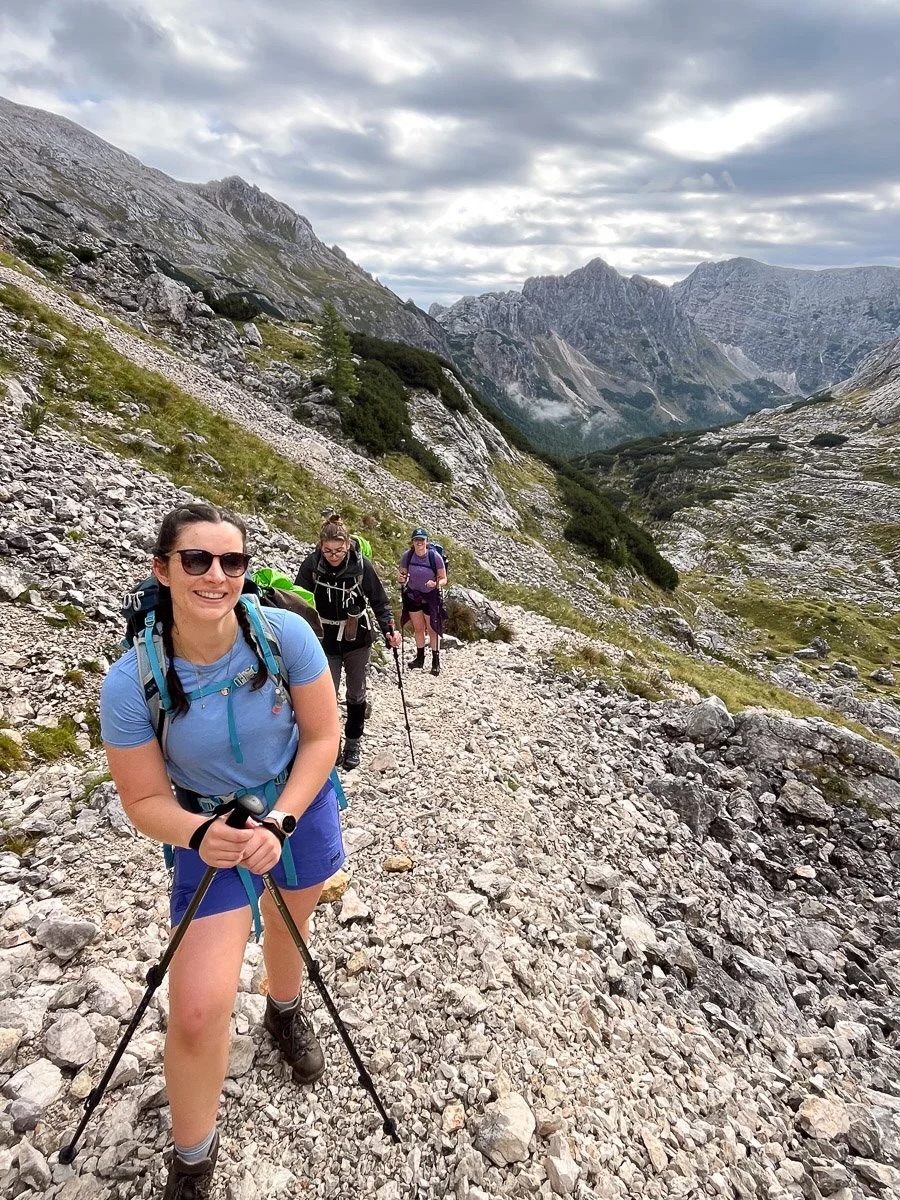
Women hiking on a rocky alpine trail through the mountains under a cloudy sky
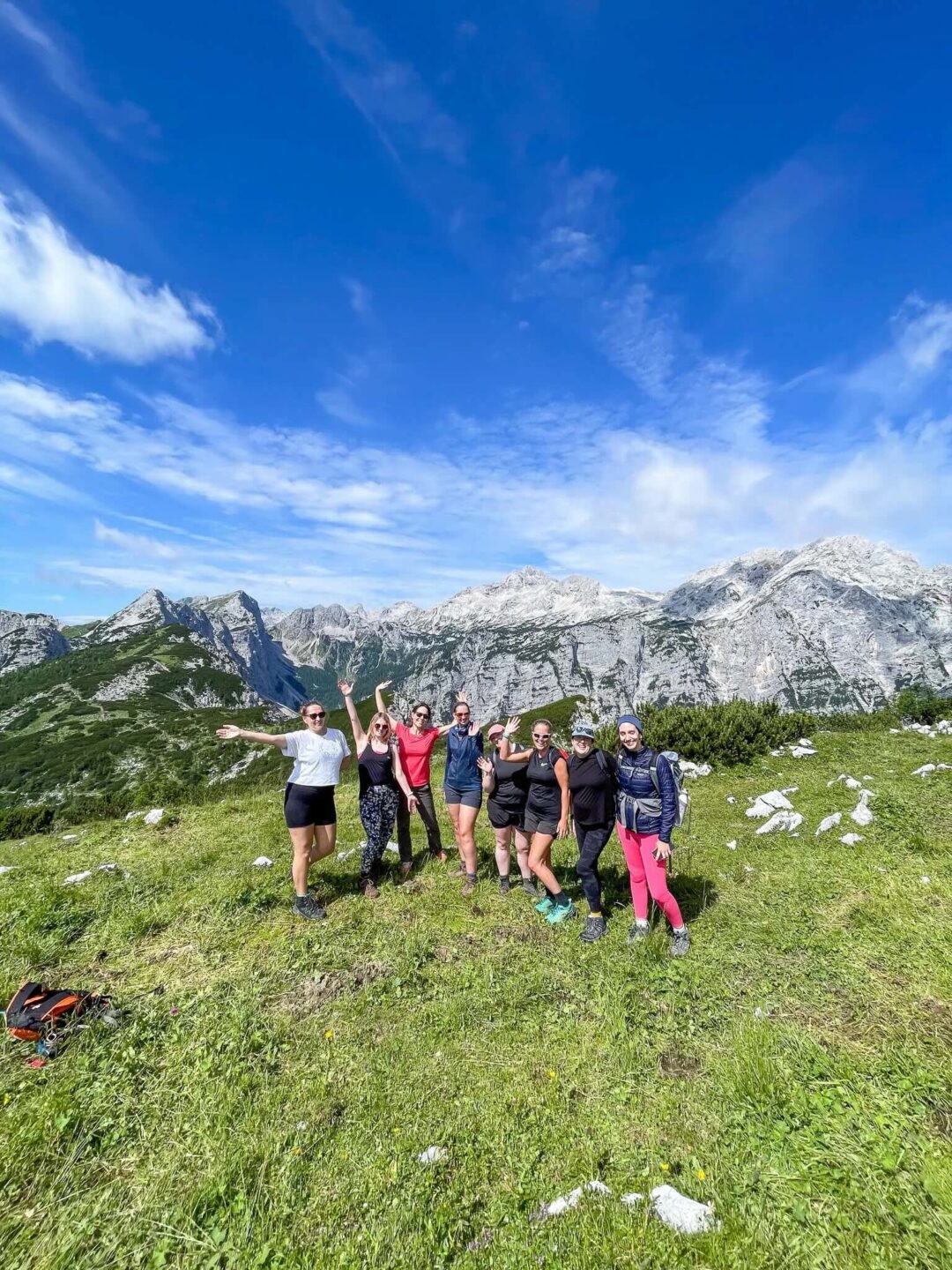
Women hiking on an alpine trail with backpacks in front of snowy mountains under a blue sky.

Sleep & Eat

This trip blends comfortable hotel nights with authentic mountain hut experiences. Three nights you’ll sleep in charming Slovenian hotels with private bathrooms, WiFi, and comfortable beds. Two nights you’ll experience traditional alpine huts – basic, rustic, and completely off-grid.

The mountain huts aren’t luxury – think shared dormitories for 4-6 people (Gutsy Girls only), communal dining areas, and basic shared facilities. No WiFi, limited electricity, and outdoor toilets in some cases. But there’s something special about waking to mountain views, sharing hearty meals with fellow hikers, and earning that deep sleep after tough days on the trail.

Food throughout is designed to fuel active days. Hotel breakfasts are generous spreads of local specialties, while mountain hut meals are filling, traditional fare – think hearty stews, fresh bread, and regional cheese. The cheese farm visit adds an authentic taste of Slovenia’s dairy traditions.

The final night dinner in Bohinj celebrates conquering the mountains – regional wine, traditional dishes, and that satisfied feeling of having accomplished something genuinely tough.

What are the mountain huts actually like inside?

Simple wooden buildings with basic dormitories, shared bathrooms, and communal dining areas. Clean but rustic – more mountain refuge than hotel. You’ll have a proper mattress and pillow, but bring a sleeping bag liner for hygiene and extra warmth.

How do dietary requirements work in remote mountain huts?

We can accommodate most dietary needs with advance notice, but options are limited in remote locations. Vegetarian is fine, but vegan options are extremely limited. The trip isn’t suitable for severe allergies or extreme gluten sensitivity due to communal kitchen cross-contamination.

Is there WiFi at the mountain huts?

No WiFi or phone signal at the mountain huts – that’s part of the off-grid experience. Hotels have good WiFi for catching up on the outside world. Use the mountain hut nights to properly disconnect.

What's the atmosphere like at mealtimes?

Communal and social. Mountain huts serve everyone at similar times, creating a shared dining experience with other hikers. It’s part of the alpine culture – swapping stories about the day’s adventures and planning tomorrow’s routes.

Can I store luggage I don't need during hut-to-hut days?

Yes, the hotel safely stores any luggage you won’t need during the mountain section. Pack light for those three days and leave extra clothes, toiletries, and electronics behind.

What if I have special dietary requirements that are difficult to meet?

Contact us before booking if you have complex dietary needs. Mountain hut kitchens have limited options, and remote locations can’t accommodate every requirement. Be honest about your needs so we can advise if the trip suits you.

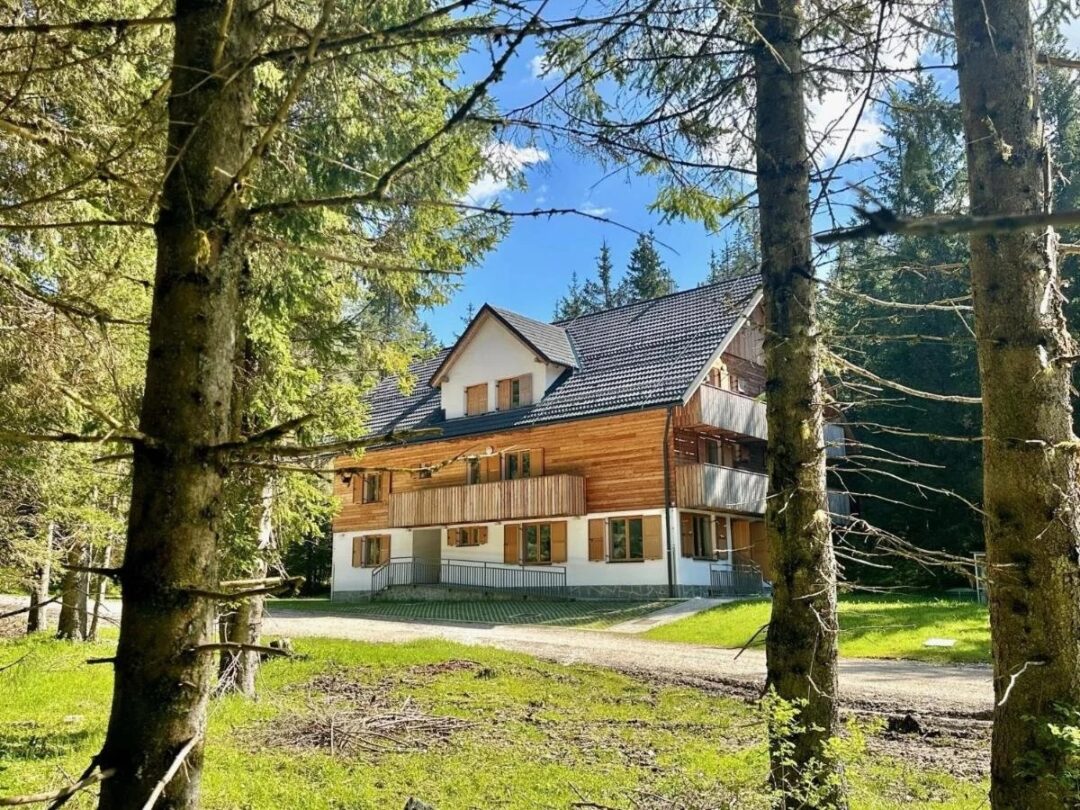
Mountain lodge hut in a pine forest clearing, set for hut-to-hut hiking trips
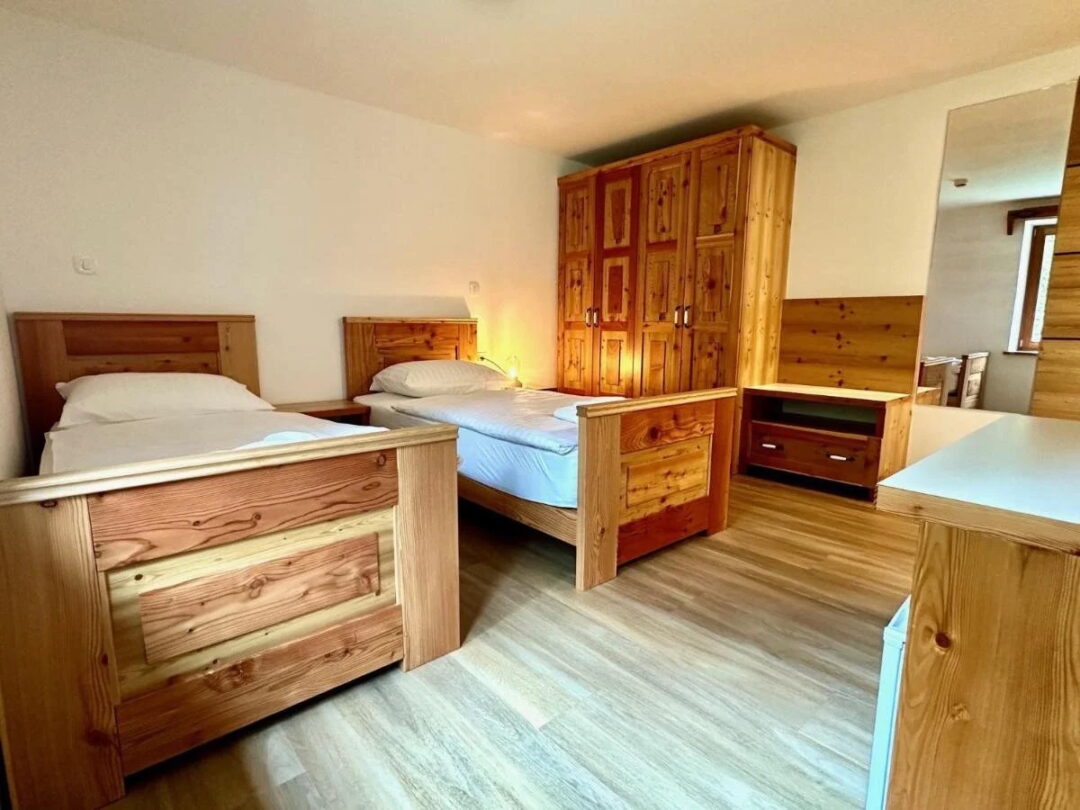
Wooden hut bedroom interior with twin beds, suitable for hut-to-hut hiking in Slovenia

Weather

July and September in the Julian Alps means typical alpine conditions – beautiful but unpredictable. Days can start sunny and warm, then clouds roll in bringing rain, wind, or even snow at higher elevations. You might experience all four seasons in a single day.
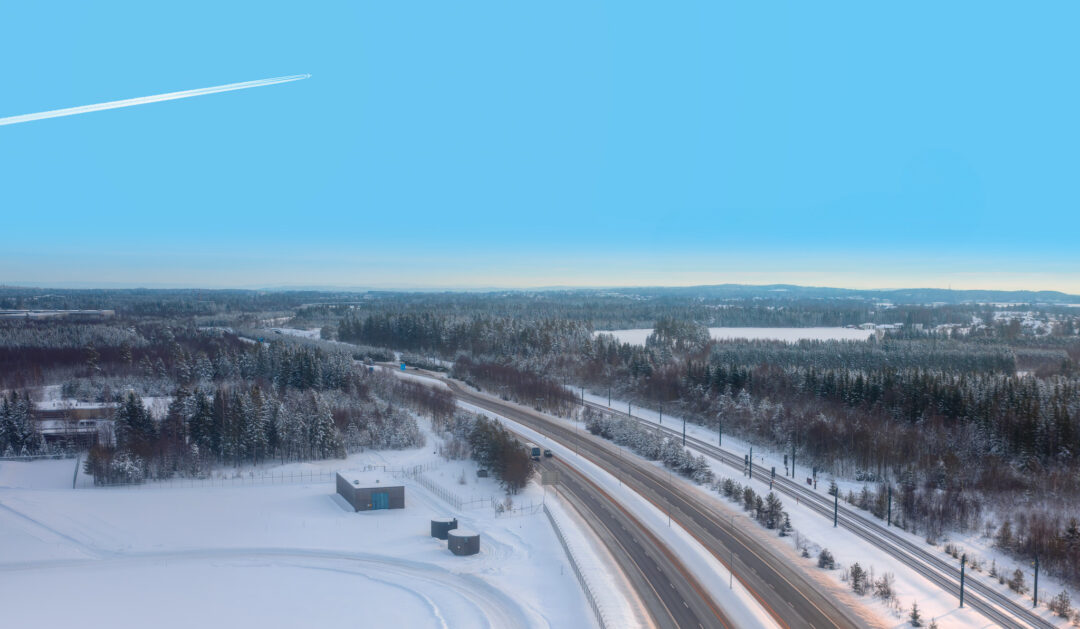
July averages 20-25°C in the valleys but drops to 10-15°C at altitude, especially mornings and evenings. September sees 15-20°C in valleys with higher chances of unsettled weather and early season snow on high passes. Both months can deliver stunning blue-sky days or testing conditions that challenge your gear and resolve.
Mountain weather changes fast. You might start hiking in shorts and t-shirt, add layers as you climb, then need full rain gear within an hour. The limestone peaks create their own weather systems, and afternoon thunderstorms are common during summer months.
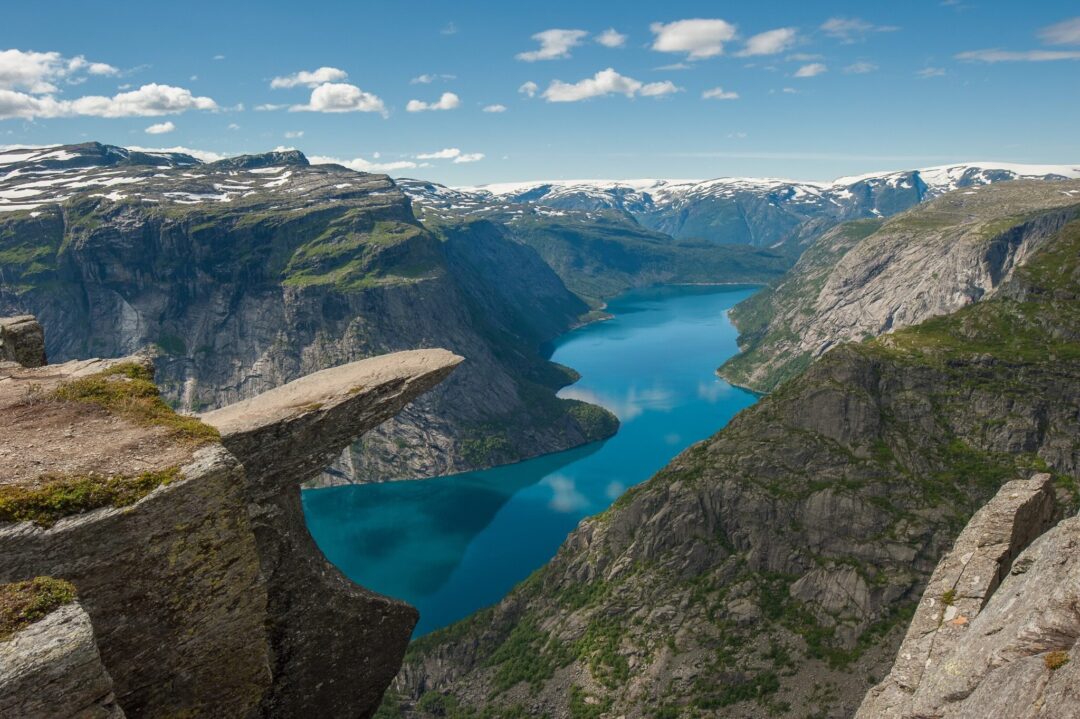
This weather variability is why solid layering systems and quality rain gear are non-negotiable. It’s also why our guides maintain flexibility in daily routes and timing.

What happens if bad weather hits during the hut-to-hut section?

Our guides monitor conditions constantly and have alternative routes planned. In severe weather, we might adjust the route, take shelter for part of the day, or in extreme cases, descend to safer terrain. Safety always comes first, but you’ll still get the full mountain experience.

How should I prepare for rapidly changing mountain conditions?

Master the layering system: moisture-wicking base layer, insulating mid-layer, waterproof outer shell. Pack everything from shorts to warm hat in your day pack. Mountain weather teaches you to be prepared for anything.

Are there reliable weather forecasts for the specific hiking areas?

Your guide checks multiple sources including mountain rescue weather updates and local conditions. However, alpine forecasts are notoriously unreliable – be prepared for conditions different from predictions.

What's the worst-case weather scenario I should prepare for?

Heavy rain, high winds, low visibility, and temperatures dropping near freezing even in summer at high altitude. Your gear list covers these conditions – follow it closely and don’t compromise on quality rain protection.

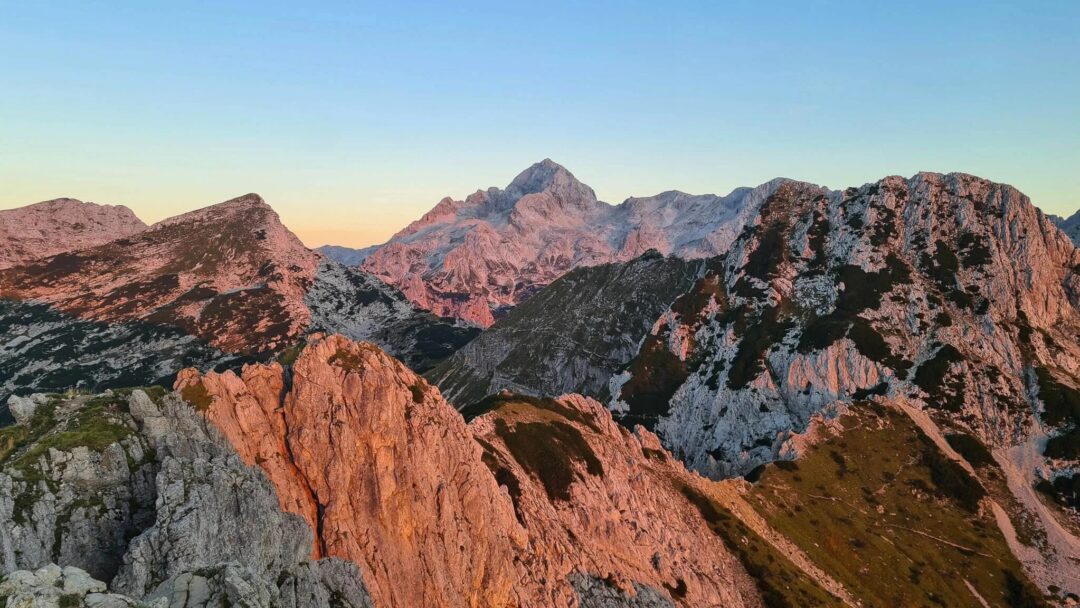
Alpine mountain peaks for hut-to-hut hiking in Slovenia at sunrise, rugged rocky ridgelines and valleys

Good to Know

Money: Slovenia uses the Euro and cards are widely accepted, but it’s handy to have some euros for small purchases. Budget around €20-30 daily for extras – drinks with dinner and any personal purchases.

Communication: There is access to WiFi in the hotels, but it is not available in the mountain huts.

How much should I tip the local guide?

Tipping is not compulsory on our adventures, but if you’ve had a great trip and brilliant service, a tip for your guide or host is always appreciated. We recommend giving €20-€30, or whatever you can or feel is the right amount.

Is there anywhere to do laundry during the trip?

There is a paid-for laundry service at the hotels. Not in the huts – a bit of travel wash should be enough if you need to freshen up your hiking gear.

What happens if someone gets injured in the mountains?

Our guides take safety seriously and are experienced in mountain safety procedures. Travel Insurance covering mountain activities is mandatory.

How many guests on this trip?

Max 7 guests.

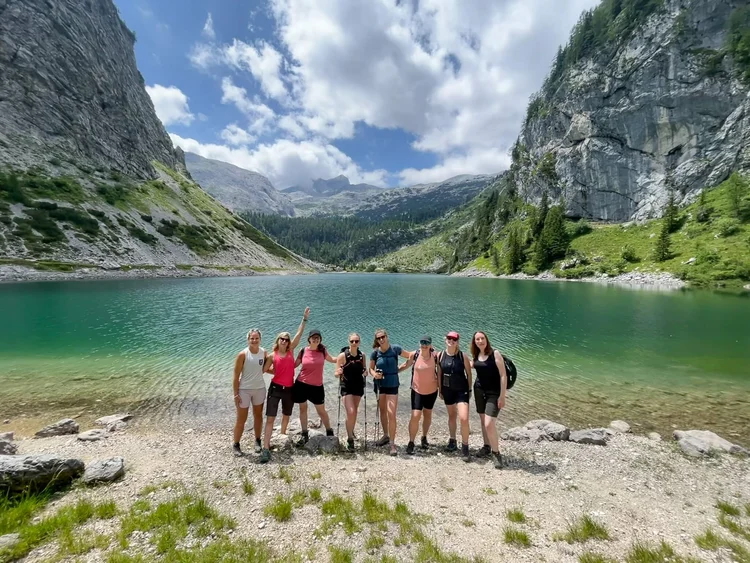
Women hikers pose by a turquoise alpine lake in Slovenia’s mountains during a hut-to-hut trail
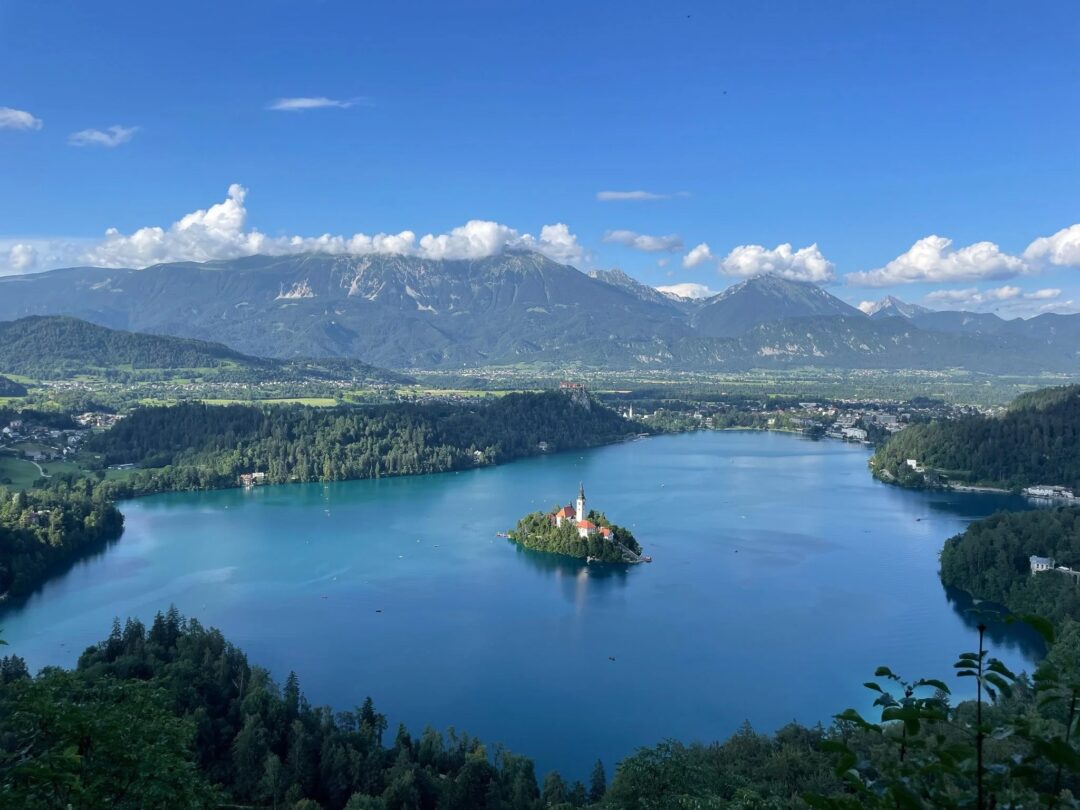
Serene lake in Slovenia with an island church and mountain views, ideal for hut-to-hut hiking

Packing List

What We Provide

Mountain Guiding Equipment:

  • Emergency communication devices and first aid
  • Route planning and navigation expertise
  • Local knowledge of conditions and alternative routes

SUP Equipment:

  • High-quality paddleboards suitable for Lake Bohinj conditions
  • Paddles, leashes, and personal flotation devices
  • Basic instruction and safety briefing

What You Need to Bring

Essential Hiking Kit:

  • Sturdy, broken-in hiking boots
  • 30-35L backpack for hut-to-hut section
  • Hiking poles

Weather Protection:

  • Waterproof jacket and trousers (not just water-resistant)
  • Insulating mid-layer (fleece or down jacket)
  • Warm hat and sun hat
  • Waterproof gloves and liner gloves

Personal Items:

  • Lightweight travel towel for mountain huts
  • Personal items and clothing

The mountain huts provide basic bedding, but bring a lightweight travel towel as hotels provide towels while mountain huts don’t.

Alpine mountain hut beside a hiking trail in a green valley with snow-capped peaks

Trip Code SLOBANH2H – Include this code in any message so we can find your trip straight away.