Trip Guide

Trip Guide: Guided Snowshoeing Holiday in the Dolomites

Five days snowshoeing across Stelvio National Park with different trails every single day. This guide covers everything you need to show up confident and prepared for a week of crunching through deep snow beneath jagged Dolomite spires and glaciated peaks.

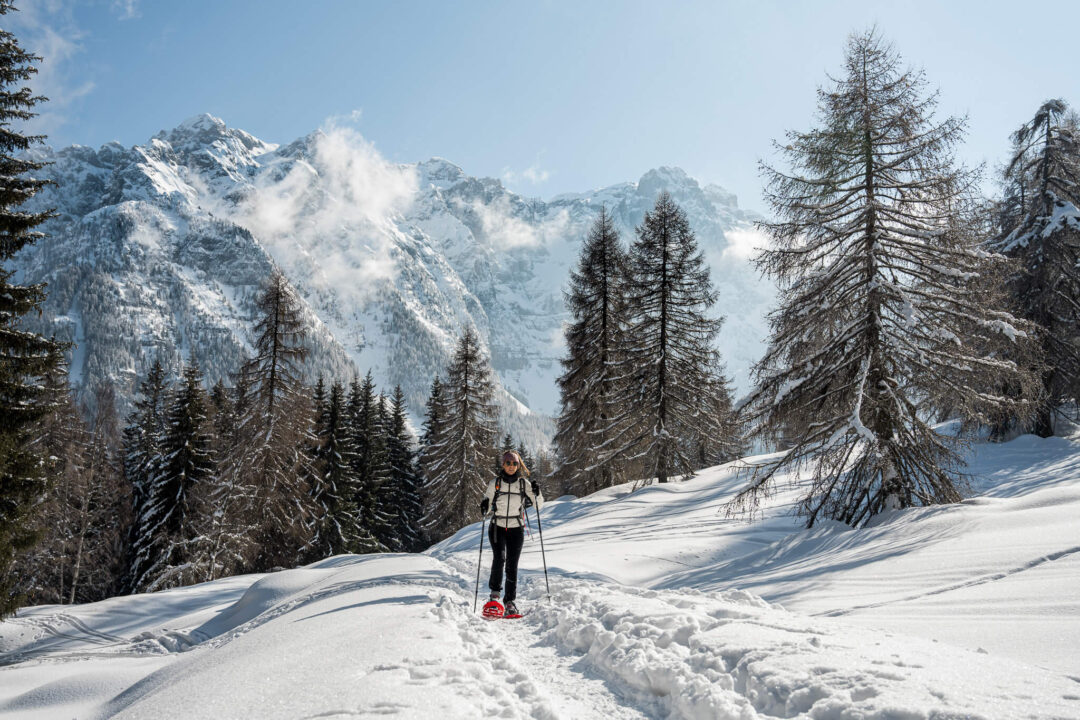
Woman snowshoeing along a snowy mountain trail through pine forest with alpine peaks in the background
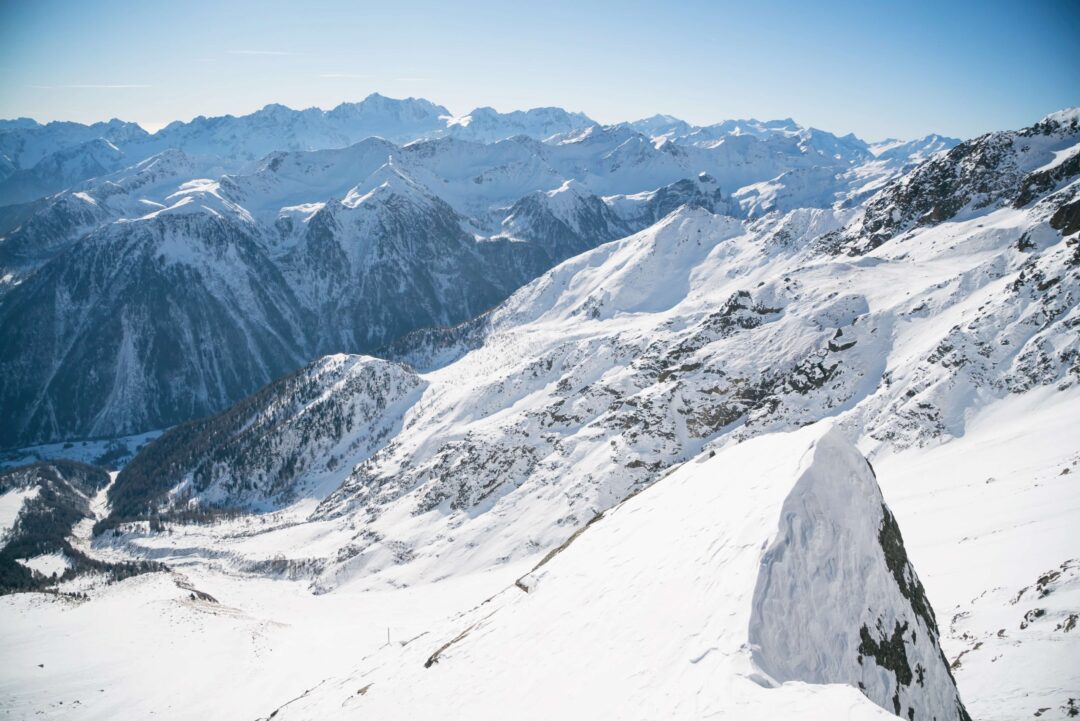
Snowshoeing route across snowy Dolomites mountain ridges under blue sky

Getting There

For this trip we recommend flying to Verona where our transfer will meet you for the 2 hour drive to our base in the Dolomites. The journey takes you through dramatic alpine scenery as you wind up into the mountains.

Which flights should I book?

Although there are several routes to our base, our transfer runs from Verona airport. Please arrive by mid afternoon on the first day and book flights to leave by late morning on departure day.

Suggested Flights
    • Arrival Day: LGW 13:10 – VRN 16:15 | EZY8335
    • Departure Day: VRN 11:15 – LGW 12:25 | EZY8336
Transfer Times
    • Arrival Day: Pick up at Verona Airport at 17:15
    • Departure Day: Drop off at Verona Airport at 9:15

Can I arrange a private transfer if my flight times don't match?

Yes, private transfers can be arranged at an additional cost. Please contact us in advance to arrange this.

What if I arrive on a different day?

It’s no problem to arrive before the trip is due to start, just so long as you are at Verona Airport to meet our transfer on the first day. The same goes for if you want to stay later after the end of the trip, we’ll drop you back at Verona airport where you can head back into the city.

If you have extra time, Verona is absolutely worth exploring. It’s a stunning historic city known for its Roman amphitheatre, charming medieval streets, and yes, as the setting for Romeo and Juliet. There are excellent restaurants, wine bars, and beautiful piazzas to wander through. You can find more information here: https://www.visitverona.it/en

Unfortunately you can’t join our trip after the start day.

Are there alternatives to flying?

The closest railway station is Mezzocorona. The Mezzocorona station is connected to Terzolas via the Trento Malè Marilleva’ electric railway. You will be responsible for organising a taxi, bus or train to the hotel start point.

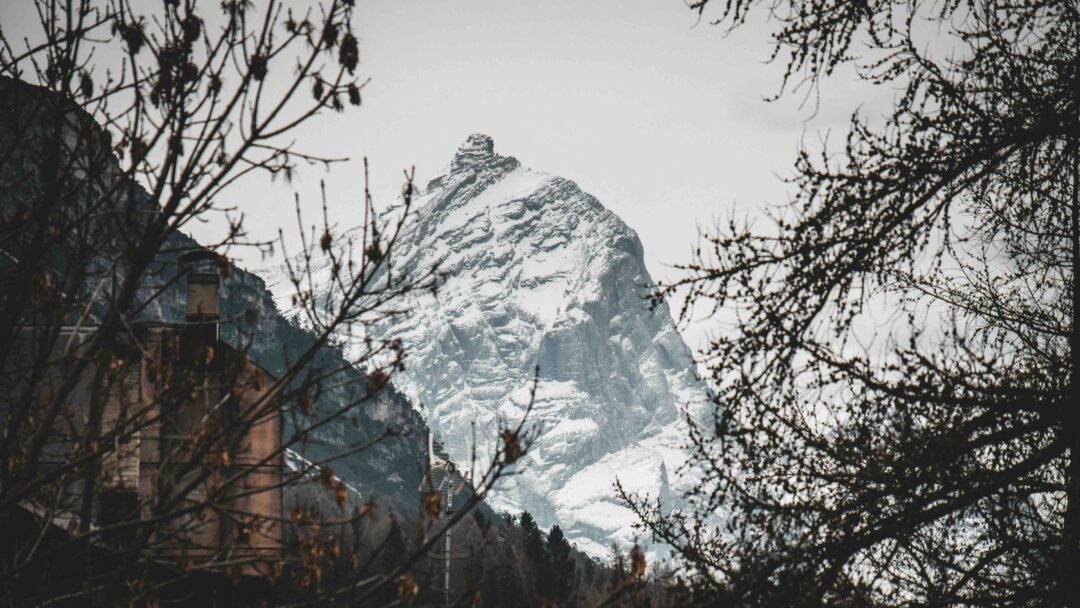
Snowy Dolomites mountain peak with village buildings, suitable for guided snowshoeing holidays

Fitness & Skill Level

This trip is rated moderate. No snowshoeing experience needed, and if you can handle a full day’s hike, you’ll manage fine. What you do need is good base fitness and the willingness to push yourself across five consecutive active days.

  • Five snowshoeing days: 7.5km, 8km, 6km, 10km and 8km
  • 320–570m of ascent per day, on snow, which works you harder than the same climb on dry ground
  • Terrain: forest trails, open alpine meadows and climbs up to mountain viewpoints, with some narrow, exposed sections
  • 5–6 hours active daily, with breaks for lunch and to take in the views

Mountain snowshoeing is more demanding than regular hiking, as the altitude, snow depth and terrain all add up. Five days back to back will test your legs, especially by days three and four when the fatigue builds.

Is this trip right for you?

If you can comfortably hike for 5-6 hours with some hills and don’t need to stop every ten minutes, you’ll be fine. The key is the consecutive days, so practice back-to-back active weekends to build the endurance.

If you regularly do longer hikes, enjoy being outdoors in winter and can handle sustained activity across a week, you’ll thrive. If consecutive active days are a struggle or you need regular rest days, choose something less demanding.

What training should I do before the trip?

Aim for cardio three times a week, around 45 minutes at a pace that gets your heart going, so running, cycling or brisk walking. Build up to longer weekend hikes of 4–5 hours in the months before, adding some elevation if you can, since your quads need preparing for the descents.

What does a typical day actually feel like?

Up around 8am, breakfast, then out on the trails by 9:30am. Snowshoe for 2-3 hours, stop for lunch, then another 2-4 hours in the afternoon. Back to the hotel for a chill out, use of the spa and dinner. You’ll be tired, but the good kind.

Can I skip a day if I need a rest?

We wouldn’t want you to miss out on a trek, but if you need a rest day, you can stay at the accommodation. Just let your host know.

Do I need previous snowshoeing experience?

None whatsoever. If you can walk, you can snowshoe – it’s literally just walking with wider feet. We’ll show you the basics on day one.

I've never done winter sports - is this suitable?

This is the perfect winter sport for beginners. There’s no technical skills needed like skiing or snowboarding just strap on snowshoes and walk – simple.

How technical is the terrain?

We’ll be on mostly well-marked mountain trails so not too technical. There will be some steep sections but nothing requiring scrambling or special skills. Your guide will help navigate any tricky bits.

What if I'm slower than the rest of the group?

As long as you’re fit enough, you’ll be fine. Our guides know how to manage groups where people might walk at different speeds.

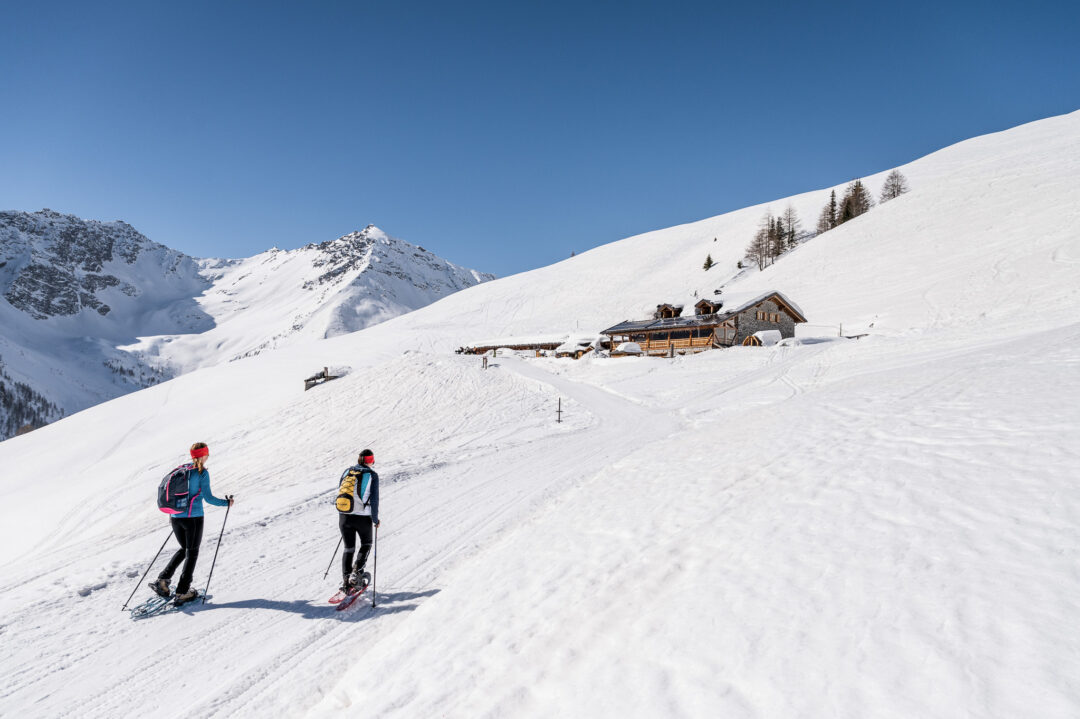
Women snowshoeing across snowy alpine slopes past mountain huts under a clear blue sky

Sleep & Eat

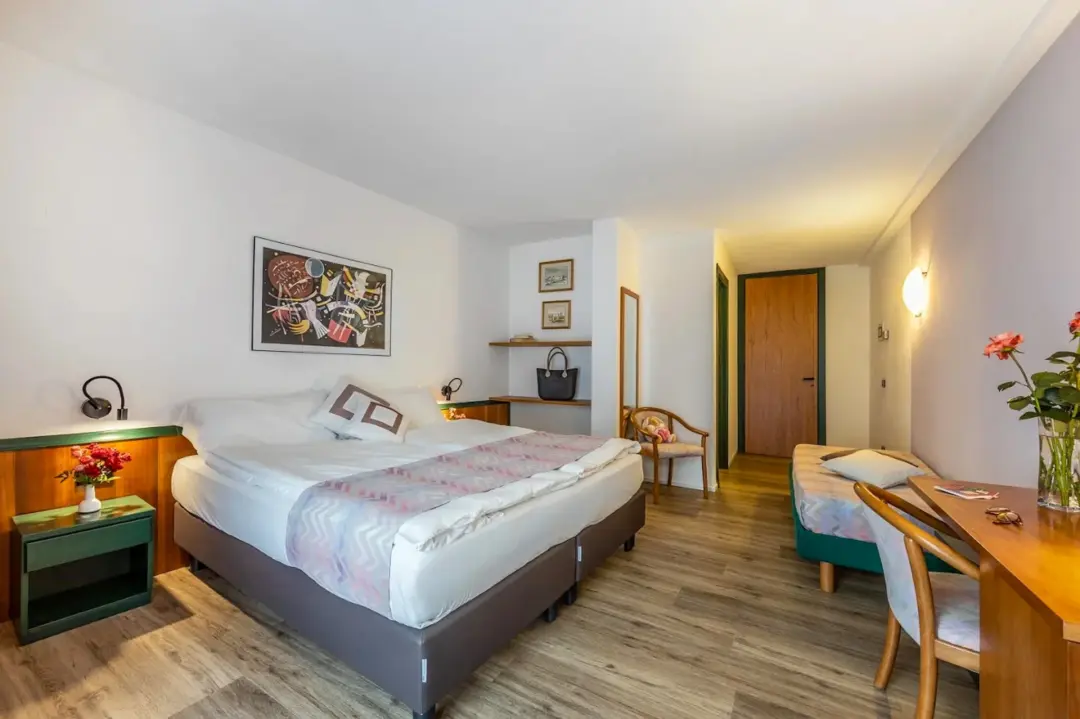
You’ll stay in a comfortable 3-star hotel in the Dolomites with proper facilities – private or twin rooms with ensuite bathrooms, WiFi and hairdriers. After long days in the cold, you’ll appreciate having a decent bed and hot shower.

The hotel has a cosy restaurant and bar where the group gathers in the evenings. Nothing fancy, just comfortable and welcoming.

All meals are included, from dinner on arrival to lunch on departure. Expect hearty northern Italian mountain food designed to fuel active days – think polenta, risotto, local cheeses, cured meats, and proper pasta. Lunch is usually eaten on the mountains or at a local alpine dairy.

Breakfast is a continental buffet – bread, cheese, cold cuts, cereals, fruit. More importantly, coffee is proper Italian espresso, guaranteed to wake you up! Dinners are three courses – starter, main, dessert. Portions are generous.

What's the accommodation actually like?

Clean, comfortable 3-star mountain hotel. Nothing luxurious but perfectly good. Hot showers, heating that works, WiFi in rooms. Twin or private rooms depending on booking. Shared accommodation only if you specifically book that option.
Can you accommodate dietary requirements?

Yes – vegetarian, vegan and gluten-free all. Tell us when booking (or ASAP after) so we can brief the kitchen. Italian cuisine adapts well to different diets.

Is WiFi reliable?

Yes – decent WiFi throughout the hotel. Signal during day activities might be patchy, but you can catch up on messages and upload photos in the evenings.

What's the vibe at mealtimes?

Relaxed group dinners where everyone shares stories from the day.

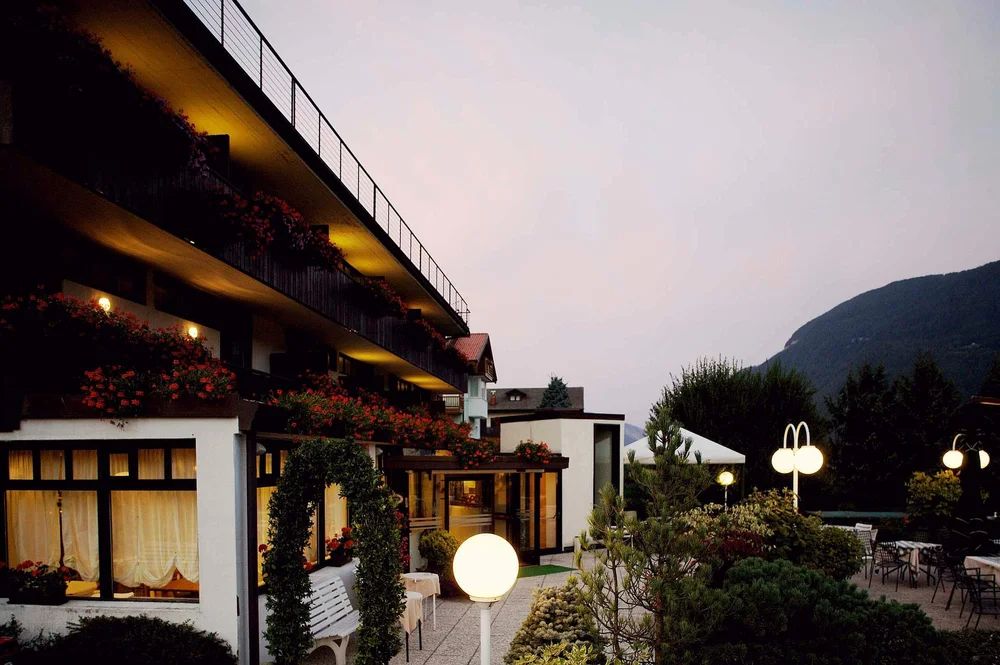
Mountain hotel terrace at dusk with warm lights and flowered balconies
Unmade double bedroom interior with bed, dining table and chair, and wall art

Weather

February and March in the Dolomites means proper winter – temperatures between -5°C to 5°C, and snow-covered landscapes. Cold enough that you’ll need layers, but southern Italian winters are often sunnier and drier than you’d expect. During winter the Dolomites has sun eight days out of 10 on average,.

Mountain weather can change fast – blue skies can turn to snowfall within an hour. You’ll need both sun cream AND waterproofs in your day pack, along with everything else and trust your guides to adjust plans if needed.

The Dolomites get intense sun at altitude even in winter. Sunburn on snow is real – UV reflects off white surfaces and gets you from below too.

Is the itinerary flexible?

Absolutely. Mountain weather can be unpredictable, so our guides adjust daily plans to ensure the best (and safest) experience. We have alternative routes ready if conditions change.

What if there's not enough snow?

Snow cover in February and March is usually reliable in the Dolomites. If conditions are patchy, we switch to hiking boots for the same routes – you still get the trails and views, just with different gear.

How cold will it actually be?

Daytime temperatures typically -5°C to 5°C. Sounds cold, but when you’re moving you heat up fast. The key is layering – you’ll strip down to base layers when climbing, add layers when you stop.

Do I need to worry about avalanche risk?

Our guides are qualified mountain professionals who assess conditions daily. We’ll stick to established routes away from avalanche terrain. Safety is non-negotiable.

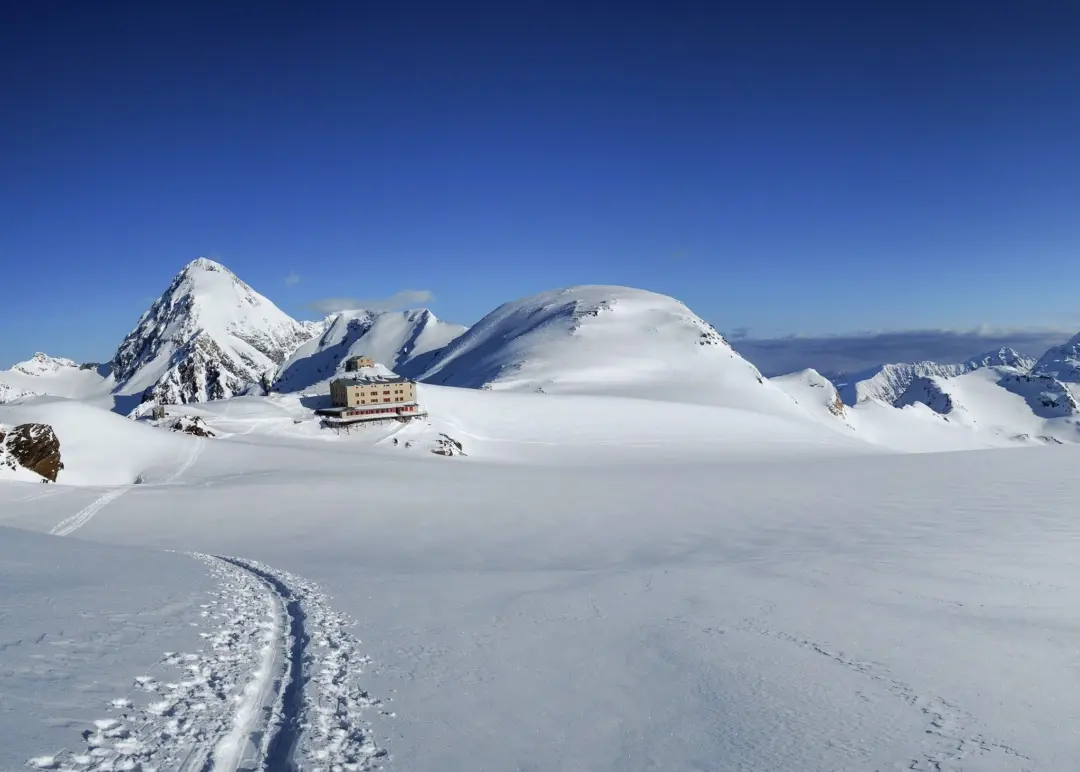
Snow-covered mountain landscape with winding trail tracks and a small chalet under a clear blue sky

Good to Know

Money: Budget €10-20 per day for extras. Your meals are included, however you might want additional drinks or snacks. The hotel bar operates a tab system, so you pay at the end. Italy uses euros. Cards are widely accepted, but bring some cash just in case.

Tipping: While not compulsory on our adventures, if you’ve had a great trip and brilliant service, a tip for your guide or host is always appreciated. We recommend giving €20-€30, or whatever you can or feel is the right amount.

Communication: Out on trails, coverage can be patchy but you’ll have guides with emergency communication equipment. The WiFi at the hotel is reliable.

How many guests will be on the trip?

Max 7 guests.

Is there somewhere to dry wet gear?

There is a space in the ski room to dry and warm through boots. You can also dry items in your hotel room.

What happens if someone gets injured?

Guides carry first aid kits and have emergency training. For serious injuries, mountain rescue can be called. Make sure your travel insurance covers winter mountain activities.

Can I wash clothes during the trip?

There’s no laundry service, but you can hand wash items in your room. Merino dries quickly overnight.

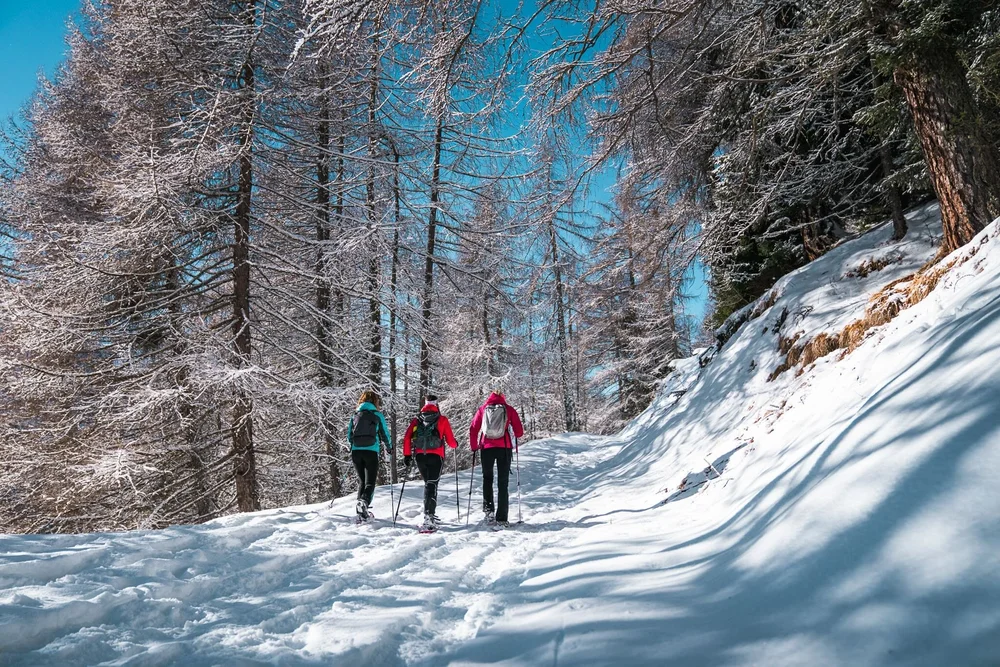
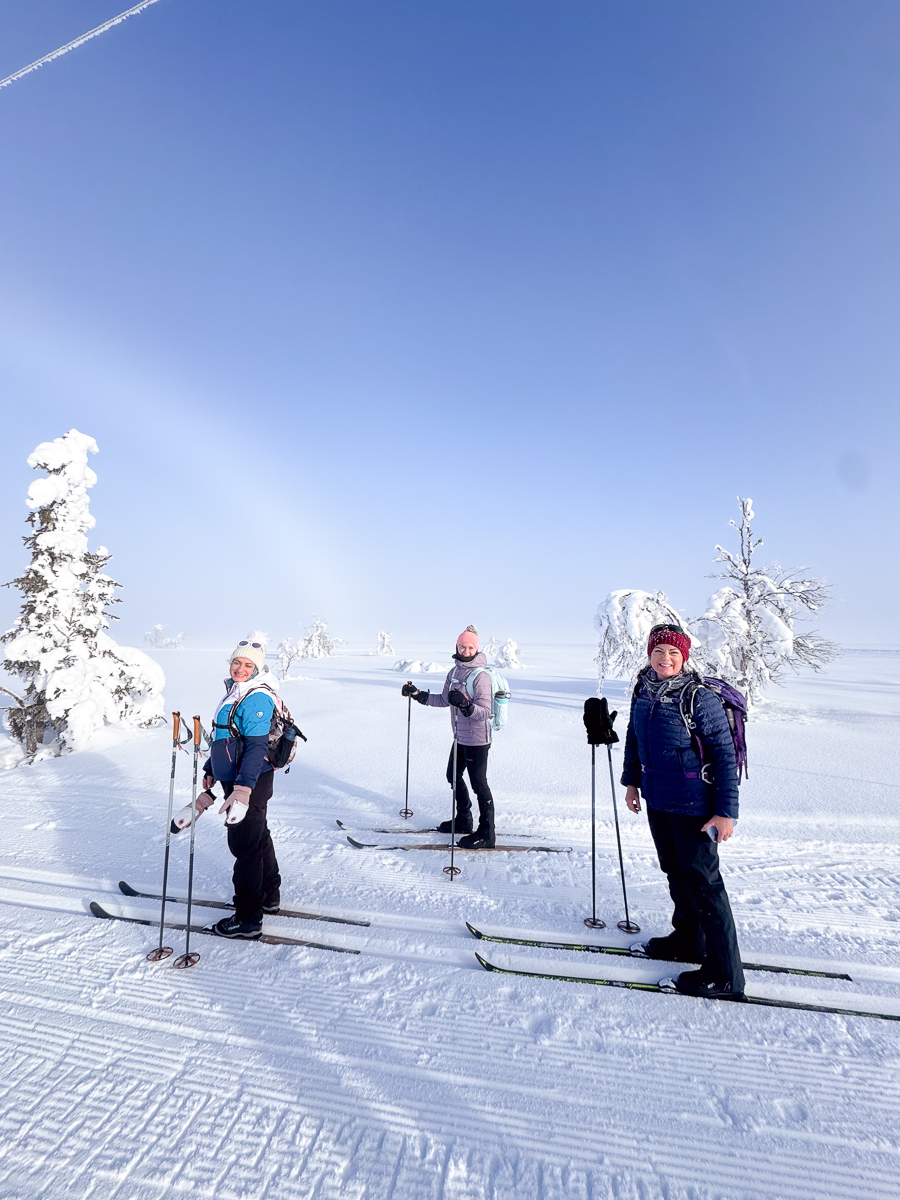
Women snowshoeing along a snowy forest trail in the mountains

Packing List

What we provide

    • Snowshoes (modern, lightweight models – easy to walk in)
    • Trekking poles (essential for balance and reducing knee strain)
    • Avalanche safety equipment

What You Need to Bring

Essential Clothing

    • Base layers (merino or synthetic, not cotton)
    • Midlayer fleece or lightweight down jacket
    • Waterproof jacket
    • Waterproof trousers (you’ll be walking through deep snow)
    • Warm hat that covers ears
    • Gloves. We recommend two pairs – one waterproof, one warm.
    • Buff or neck warmer
    • Plenty of hiking socks (merino wool)
    • Spare warm layers for evenings

Footwear

    • Winter hiking boots (waterproof, ankle support, grippy soles)
    • Gaiters (optional but helpful to keep snow out of boots)
    • Comfortable shoes for evenings

Essential Extras

    • Sunglasses (Category 3 or 4 – snow glare is intense)
    • High SPF sun cream
    • Lip balm with SPF
    • Small backpack (20-30L for carrying layers, water, snacks)
    • Water bottle (1L minimum)
    • Personal first aid items and any medications

Packing Tips

Layering system: Start with merino or synthetic base layer (never cotton – it stays wet), add fleece midlayer, top with waterproof shell. You’ll be stripping layers off within 30 minutes of walking – snowshoeing generates heat. Pack layers in your daypack so you can adjust easily.

Fabric choices: Merino wool base layers are worth it for multiday trips – they don’t smell even after sweaty days and dry quickly. Synthetic works too if you prefer. Avoid cotton completely as it absorbs sweat, stays wet, and you’ll freeze when you stop moving.

Glove strategy: Bring two pairs – thin fleece gloves for when you’re moving (you’ll overheat in thick gloves) plus proper waterproof insulated gloves for lunch stops and evenings. Your hands will thank you.

Boot requirements: Must be waterproof and broken in. Don’t bring new boots – blisters are miserable. Good tread is also essential in case of any icy paths. Ankle support helps on uneven terrain.

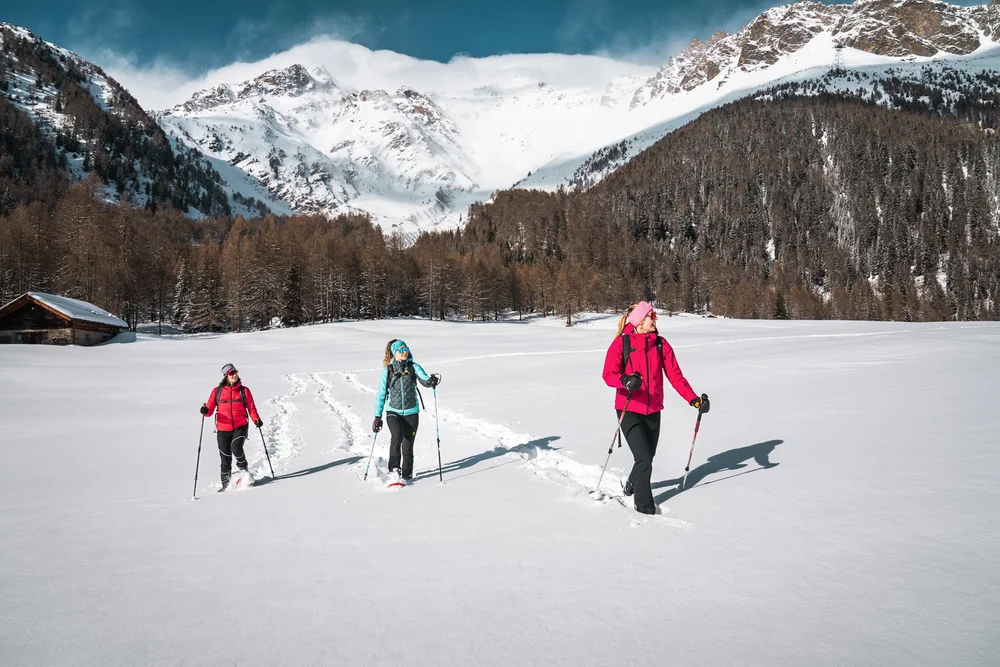
Women snowshoeing across a snowy alpine valley with mountain peaks in winter

Trip code ITACMBSNW – Include this code in any message so we can find your trip straight away.