Trip Guide

Trip Guide: Arctic Circle Hut to Hut Ski Expedition

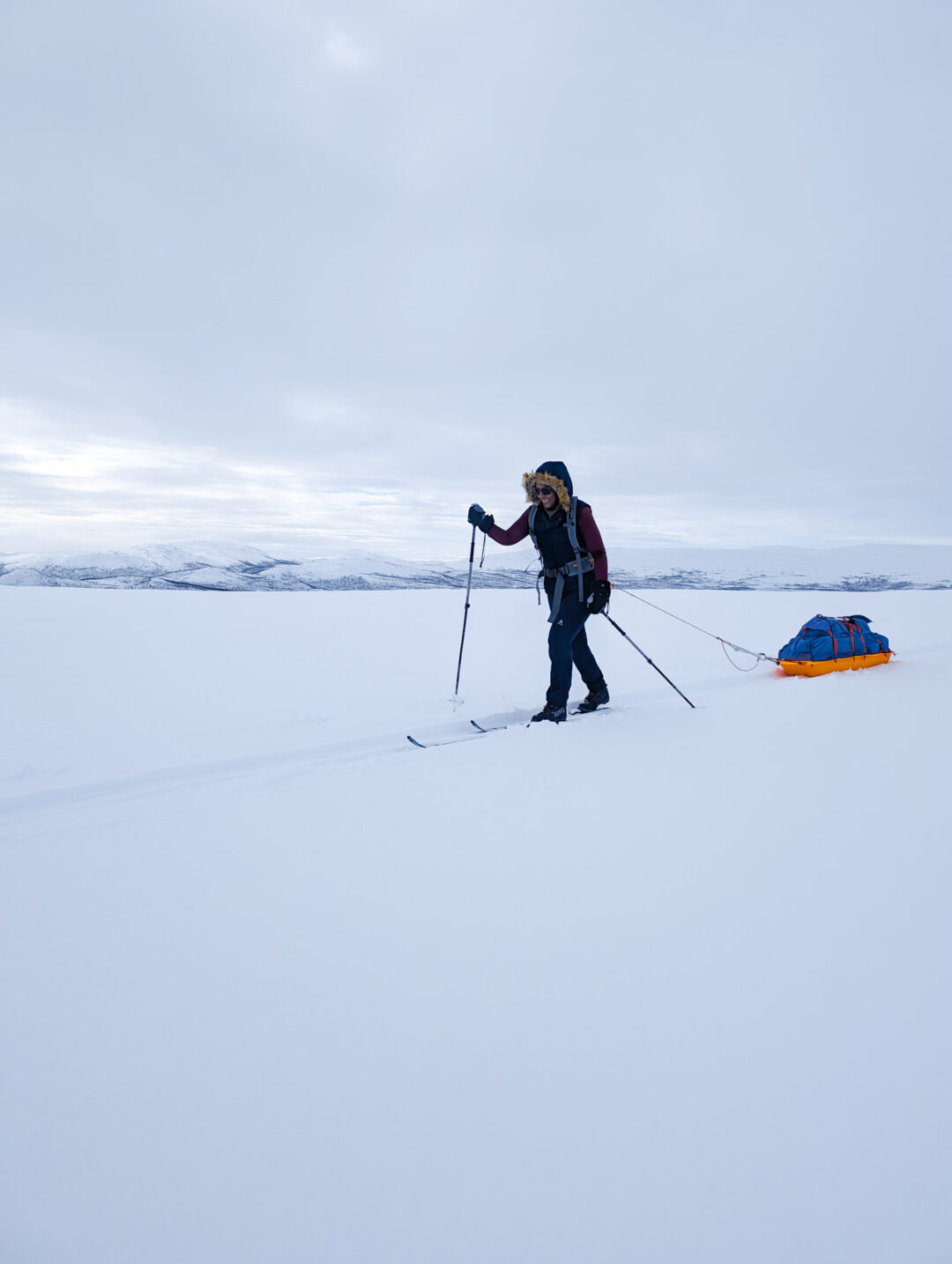
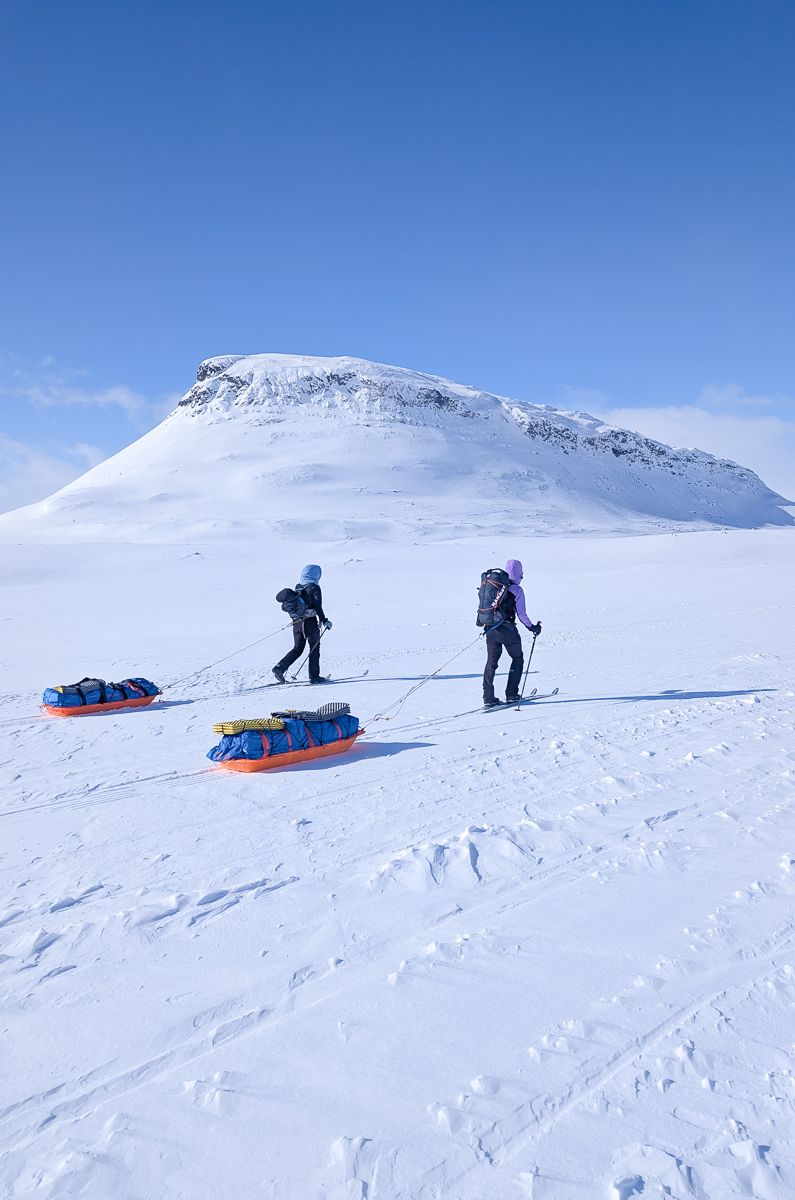
Ready for the ultimate winter challenge? Spend six demanding days skiing across Finland’s Arctic Circle, pulling your own pulka through the Käsivarsi wilderness. This isn’t about pretty mountain views – it’s about pushing your limits in subzero conditions while living in basic huts with no electricity.

Sound like your idea of a holiday, rather than hell? Then read on. Here’s what you need to know to show up confident and prepared.

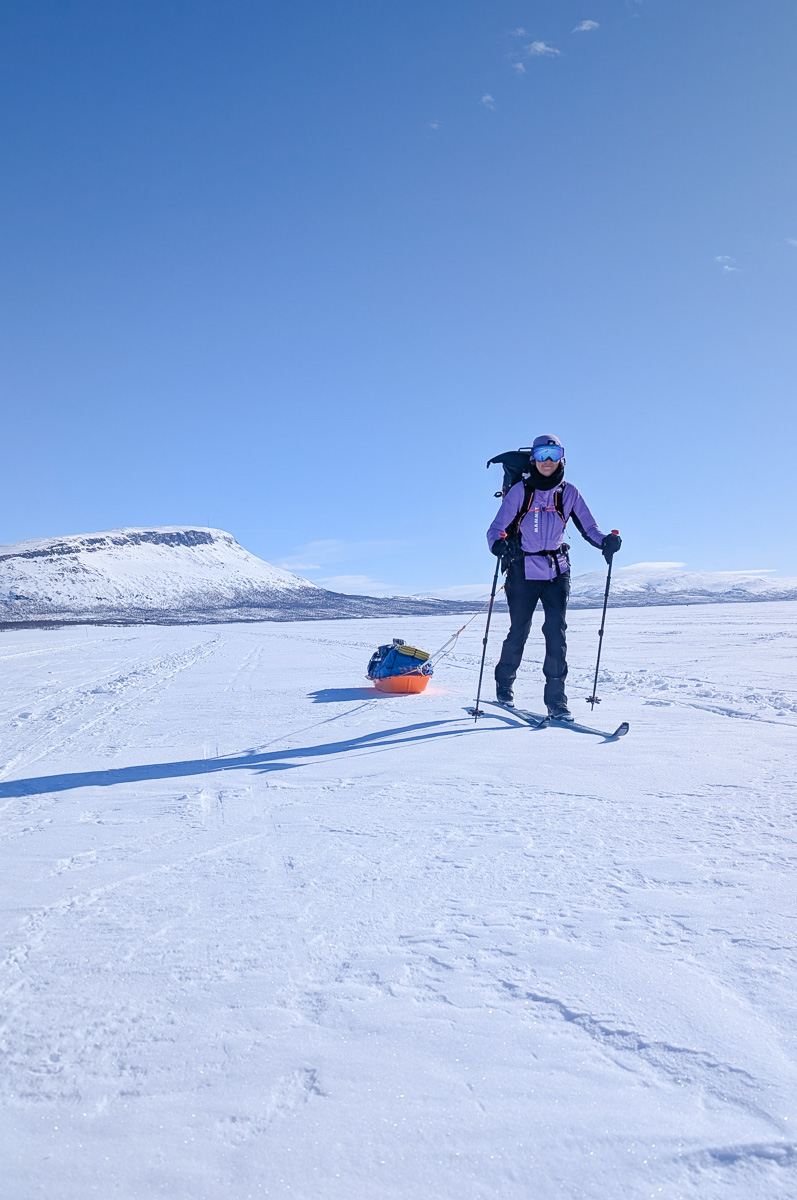
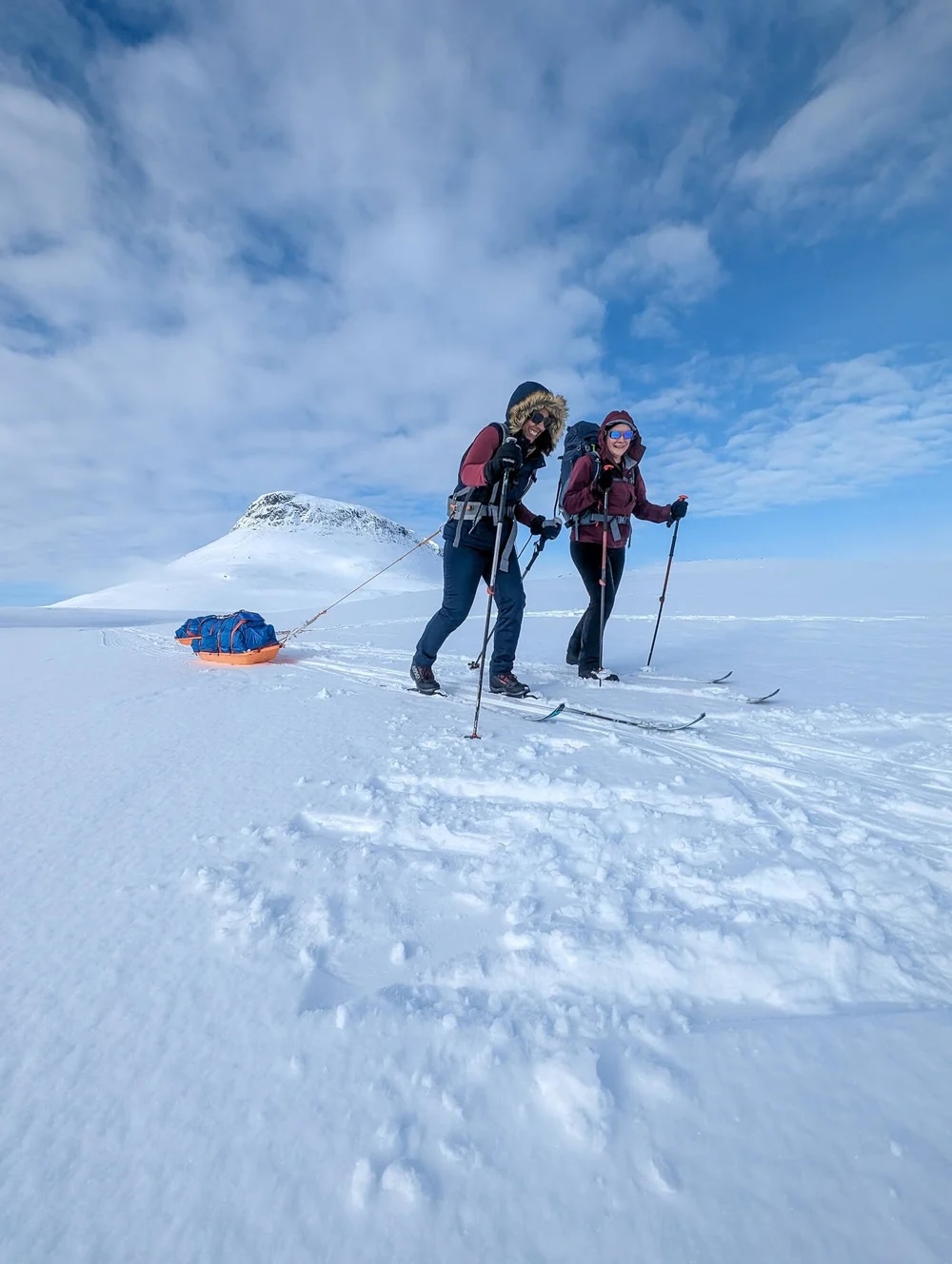
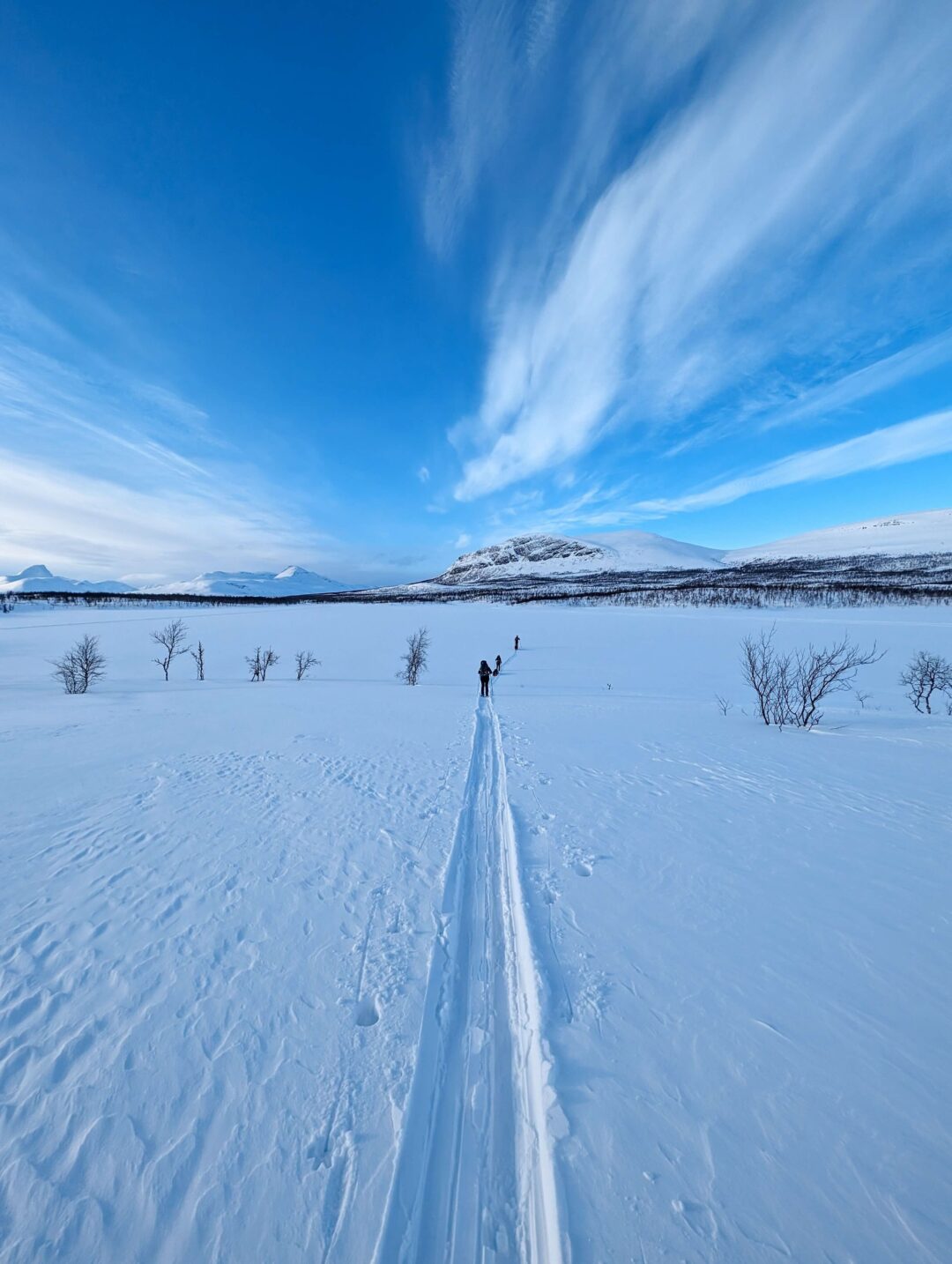
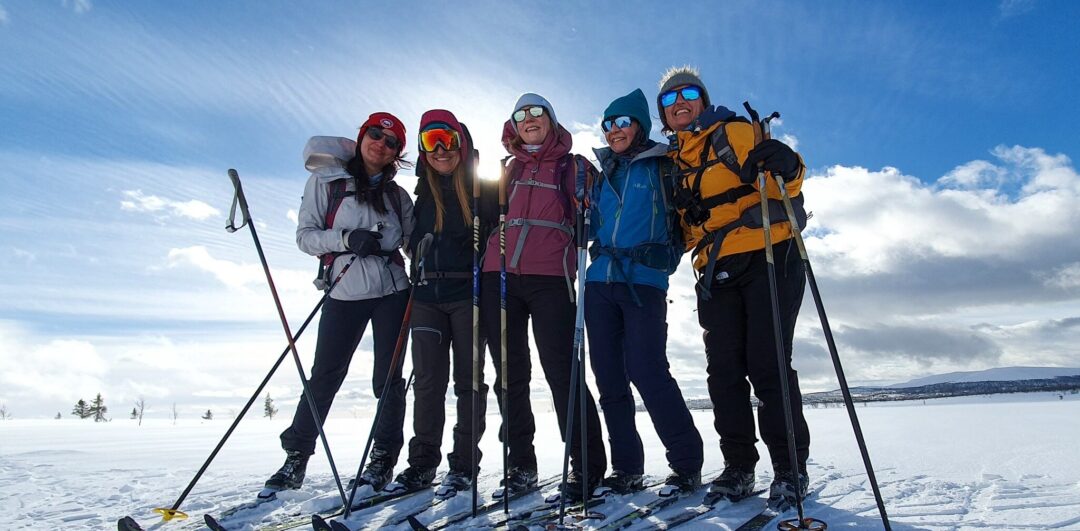
Women ski-touring hut-to-hut trek across Arctic snow toward a mountain summit
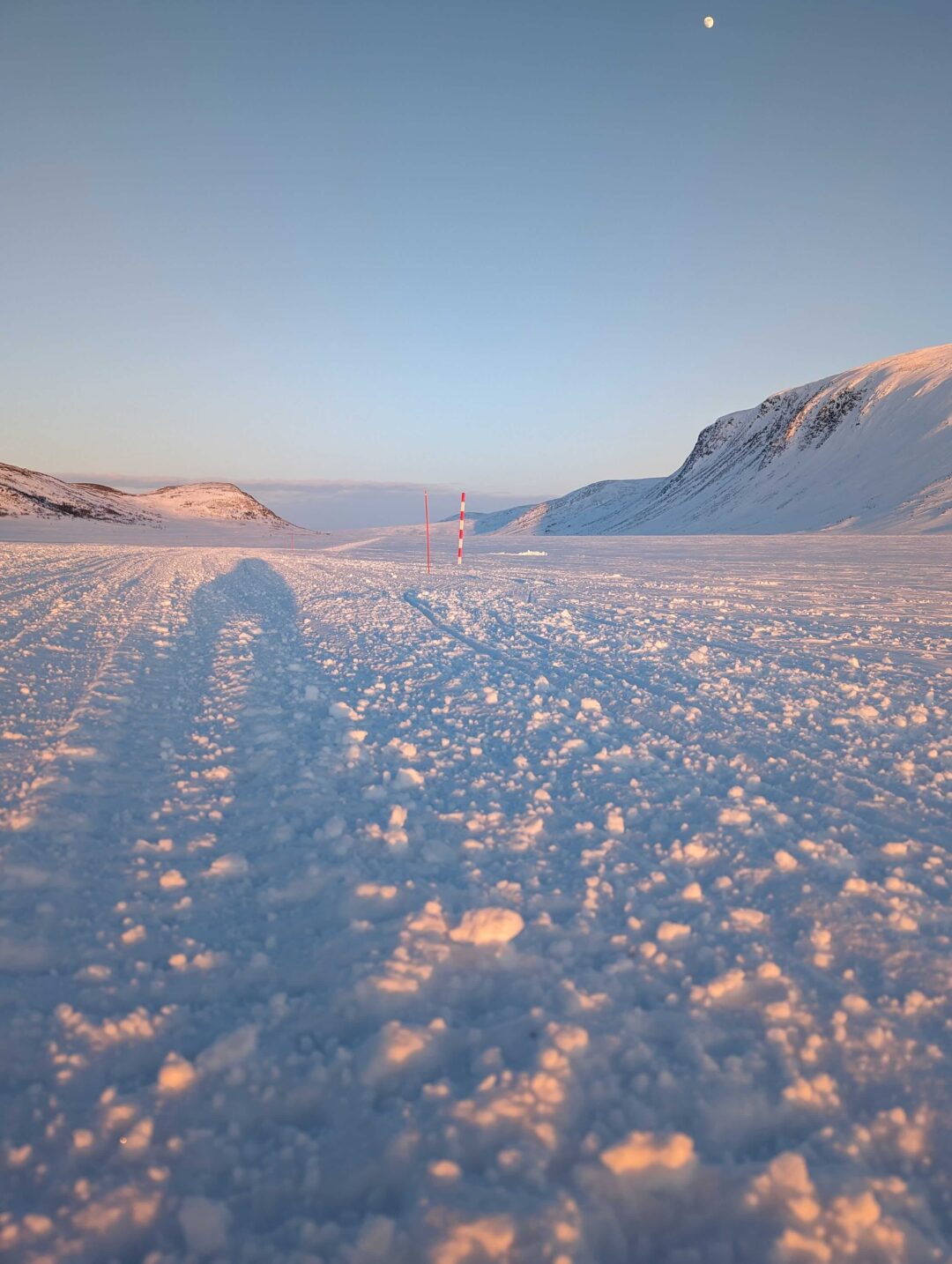
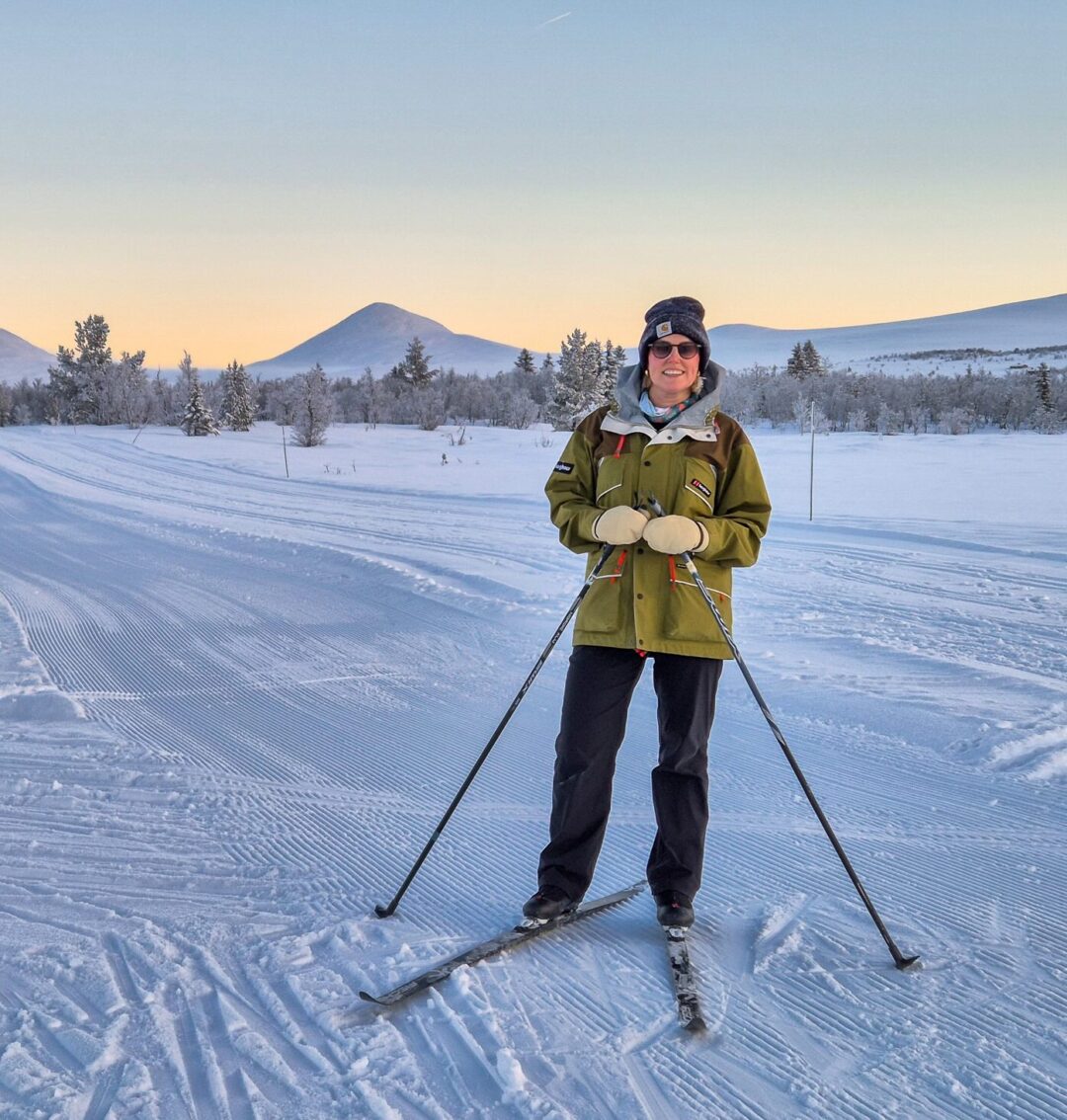
Snowy Arctic landscape with red-and-white ski poles on an icy track at dusk

Getting There

Getting to this remote corner of Finland is an adventure in itself. You’ll fly into Tromsø, Norway, then travel approx. 3 hours by road to reach Kilpisjärvi – a village of just 150 people on the Finland-Norway border. On the drive, watch the landscape transform from coastal Norway to the vast Arctic wilderness that’ll be your home for the next week.

We collect everyone from Tromsø Airport and drop you back on departure day. The transfer times are fixed – think of transfers like trains that run on schedule regardless of flight delays or missed connections.

What flights should I book to Tromsø?

Most flights connect through Oslo, though some direct options exist with less convenient times. For our transfer pick up book any flight arriving by late evening – Norwegian and SAS are the main airlines for this route. We recommend budgeting 1-2 hours for connections if routing through Oslo.

Can I arrange private transfers if my flights don't fit?

Yes, but expect to pay €300+ for private transport to Kilpisjärvi. The pay off for a remote location away from the crowds is limited transport options and high costs. If you can’t find flights that work with the transfer it’s much cheaper to arrive early and add an extra night in Tromsø.

Should I arrive a day early or stay an extra night?

If taking flights with awkward timings, staying extra nights in Tromsø makes sense. The city has decent hotels and restaurants, plus it’s your last taste of civilization before the wilderness. Book early as accommodation fills up.

What happens if my flight is cancelled or delayed?

You’re responsible for reaching the group. Your host will help coordinate locally, but comprehensive travel insurance is essential. Good cover for delays, missed connections, and alternative transport costs could save you hundreds.

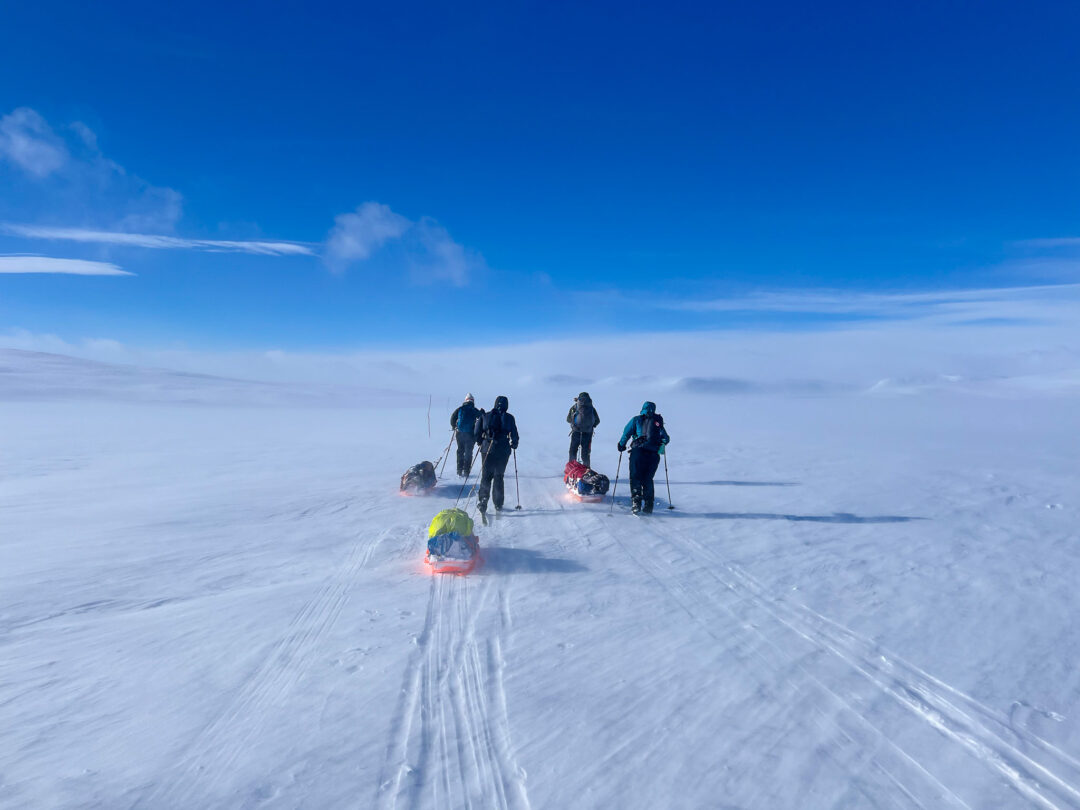
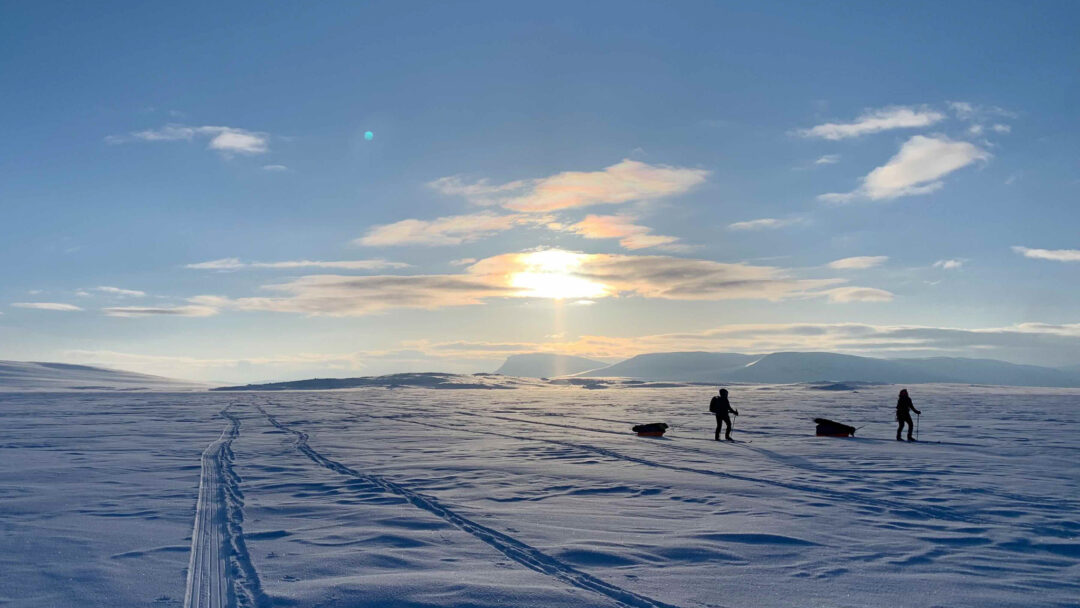
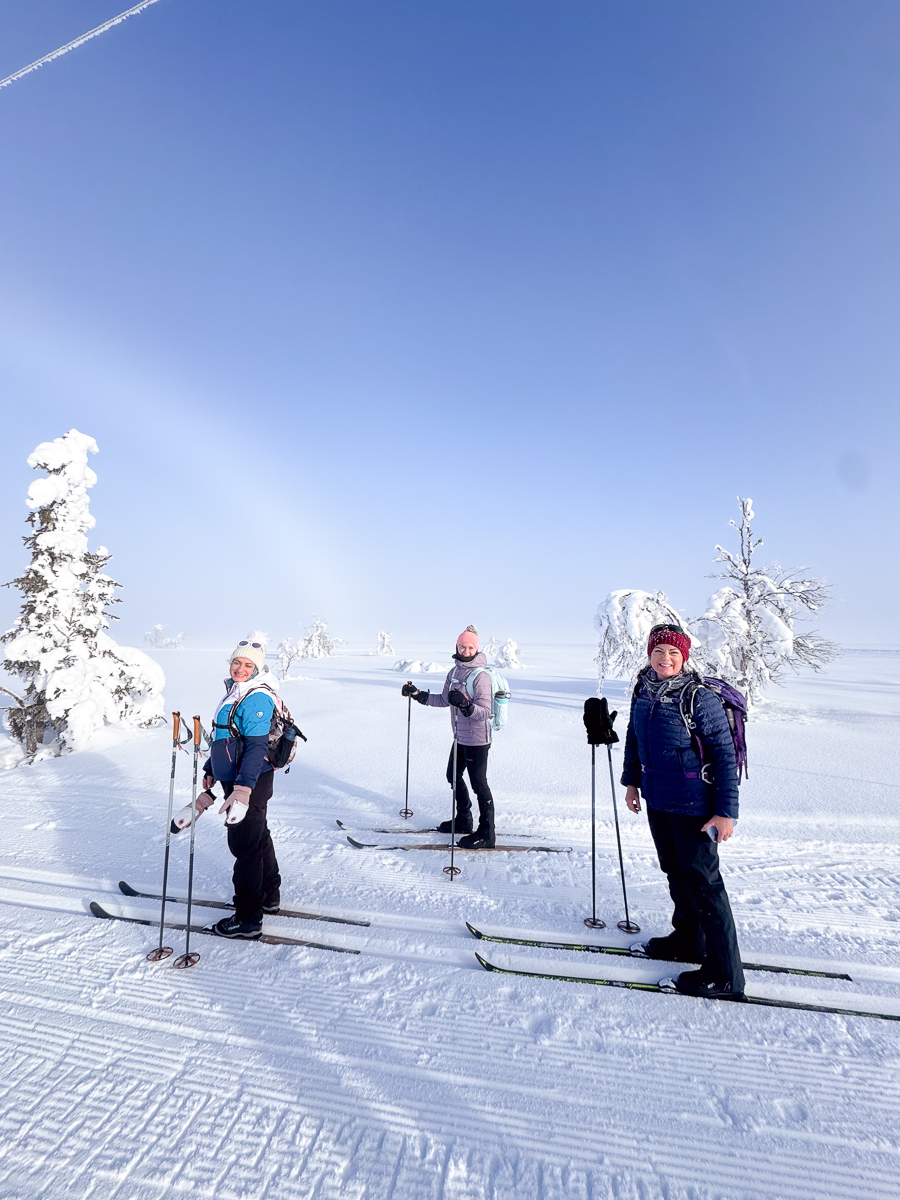
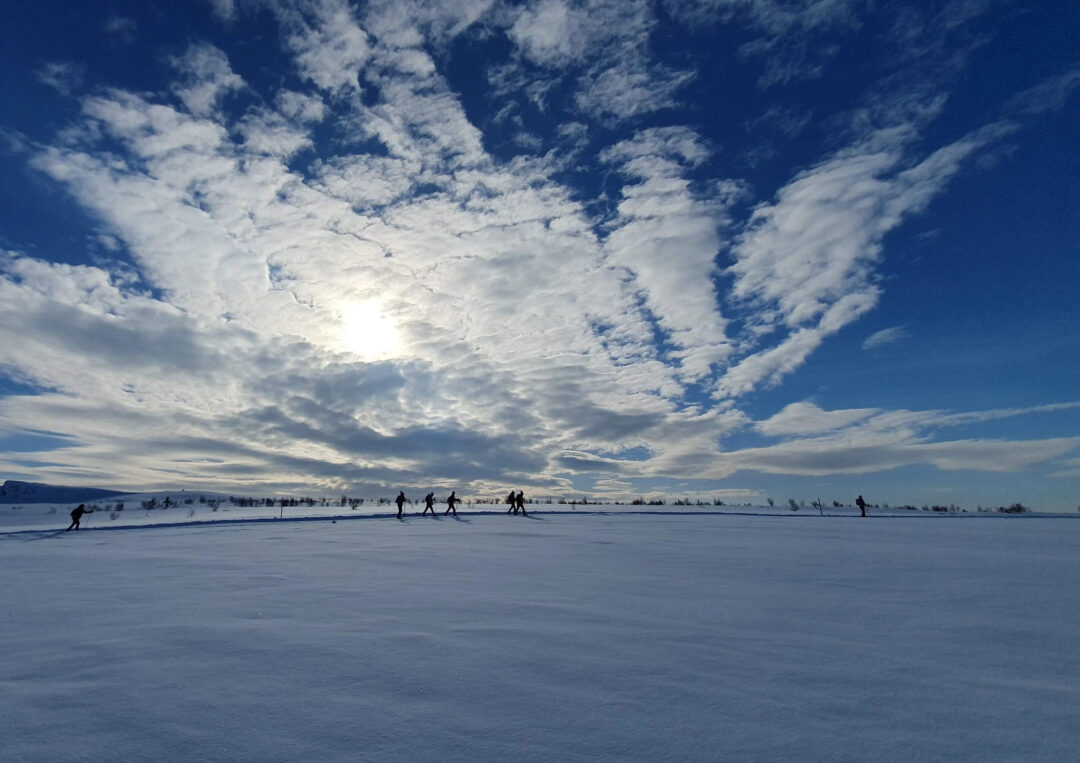
Skiers heading across the Arctic snow toward a hut-to-hut ski expedition under a clear blue sky

Fitness & Skill Level

Let’s be honest, this trip is hard work. You’ll tow a 25kg pulka while skiing 10 to 18km daily in temperatures down to -30°C, five to seven hours on the move. If that sounds like hell, please choose something easier. If it sounds like an adventure, you’re in the right place. The difference between this and our beginner trips is that you need to arrive already able to ski.

The Conditions

Six consecutive days on the move with no easy day built in to recover on, and your pace is set by the snow underfoot and the weight behind you. The nights are wild: no electricity, no running water, wooden bunks in a single room you also eat and dry your kit in, washing with melted snow and outdoor toilets.

Everything takes longer out here. Getting dressed, eating and packing the pulka all happen in mittens, and it’s that friction rather than the skiing that catches people out. Privacy is close to non-existent for the whole trip, so give some thought to whether a week of that suits you. And once you’re out there you’re committed. There’s no road, no transfer back and no sitting a day out.

Fitness

If you’re already training consistently and used to long days out, you don’t need to overhaul anything. Keep the cardio going, and add some longer weekend days with weight so your body knows what a full day out feels like. Dragging a tyre on a rope is the closest thing at home to towing a pulka, and it’s worth doing a handful of times before you travel.

If you’re active but not training consistently, give yourself around three months. Cardio three times a week for 45 minutes to an hour, one longer session at the weekend, and leg and core strength around it. Work on single-leg balance too, because skiing means gliding on one ski while the other comes through, and the steadier you are the less energy you waste. Three months gives you time to build the volume gradually rather than in a rush, and it absorbs the week you lose to a cold or a busy patch at work. A fortnight of cramming won’t get you there.

Starting from a low base, you need six months and a gradual ramp, because going from very little to this volume in a hurry is how people get injured before they’ve even packed. Get a coach or trainer to structure it for you if you can.

Skill

Intermediate here means the skiing, and it’s a firm requirement rather than a preference. There’s no teaching day in the itinerary, so you’re skiing loaded from day one and the technique needs to be in your legs before you arrive.

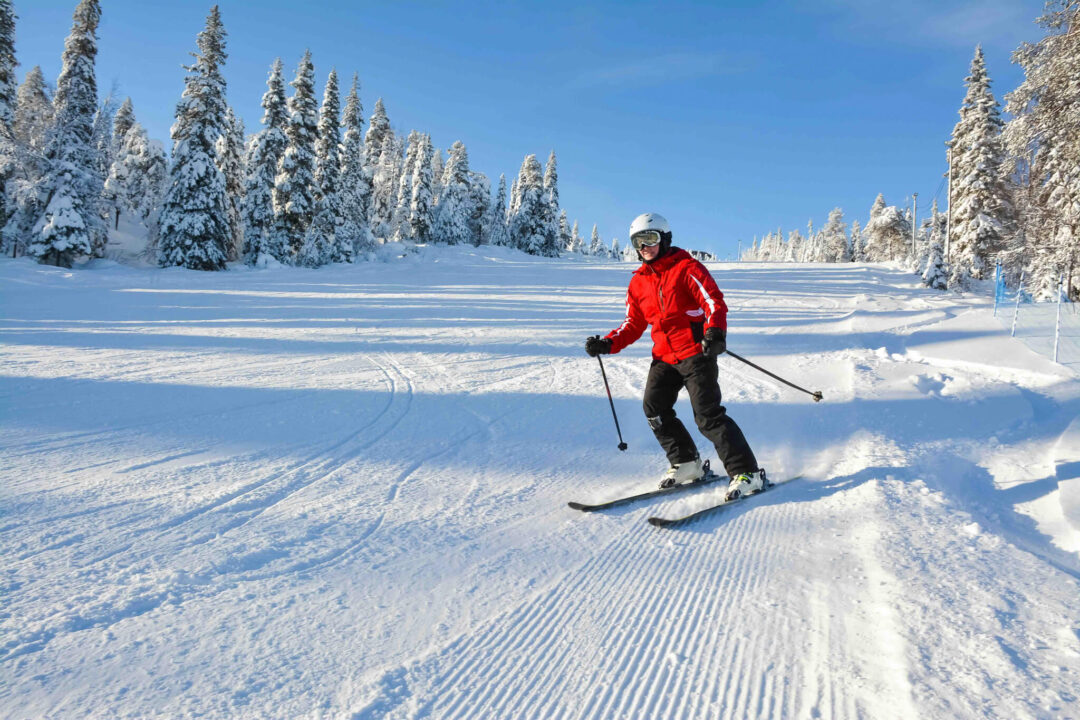
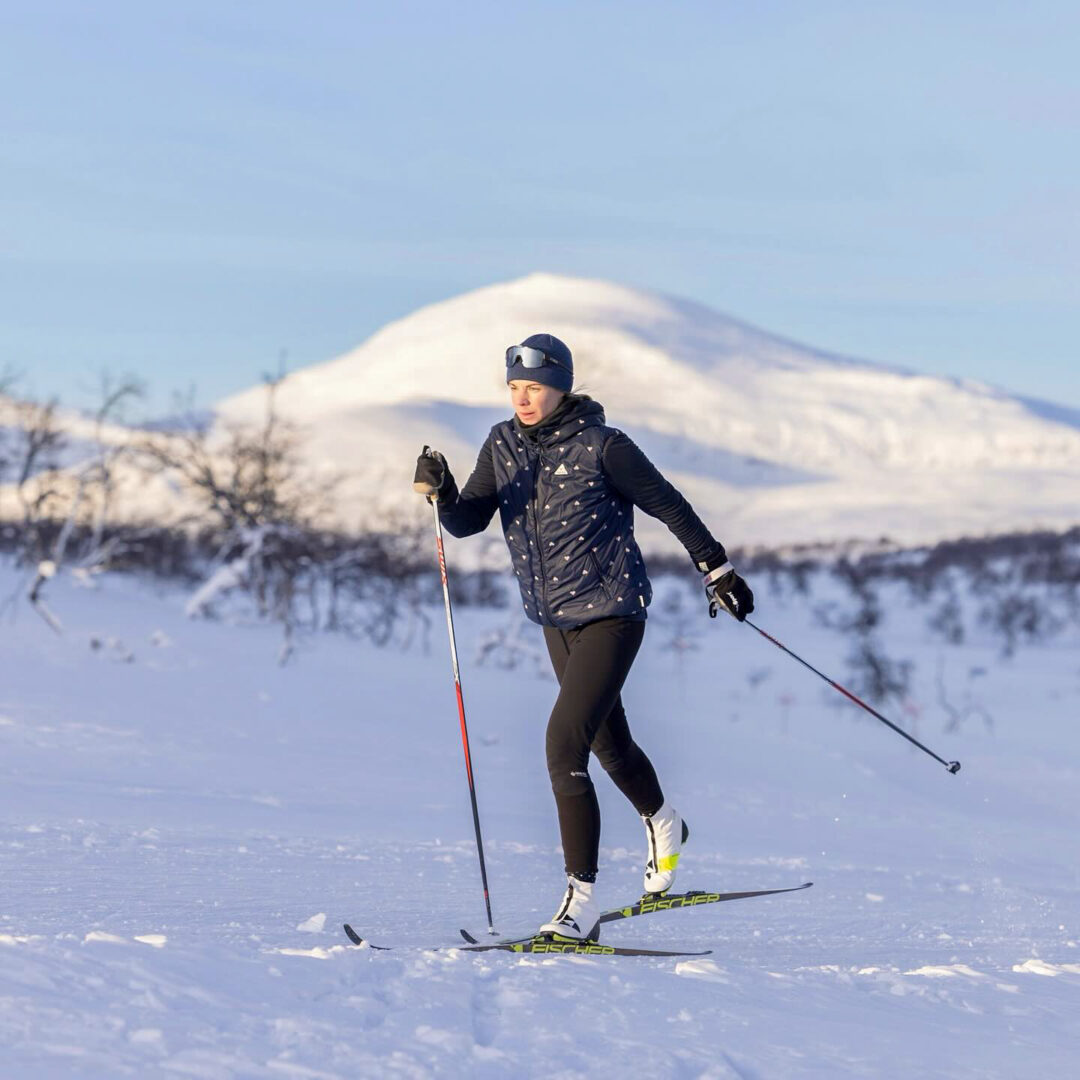
So be honest about where yours is. You should be able to move efficiently on the flat, control your speed on descents, snow plough with confidence and get yourself back up with a pulka attached. Alpine skiing doesn’t count. It’s a different technique on much narrower skis and it won’t transfer.

If you’re not there yet, or your fitness isn’t where it needs to be, start with one of our beginner cross-country trips. You’ll leave with exactly what this one assumes, and you’ll enjoy this trip far more for having done it.

Beyond the skiing, what helps most is multi-day hiking with weight on your back. Women who’ve done hut-to-hut hiking, bikepacking or packrafting tend to settle into this quickly.

Then there’s the mental side. You’ll be cold, tired and a long way from a hot shower with kilometres still to cover, and no amount of fitness gets you through that bit. Getting comfortable with being uncomfortable is as much a part of the preparation as the training.

I run regularly but never pull weight - will I manage?

If you can run steadily for 60+ minutes, you have the ideal cardio base. Add some weight training or resistance work that focuses on pulling movements. You could also try hiking with a loaded pack to simulate the effort required.

How fit do I need to be?

Fit enough to ski 10 to 18km a day towing 25kg, five to seven hours on the move, on consecutive days in temperatures down to -30°C. If you already train several times a week and are used to long days out, you’re in the right place. If you’re active but not consistent, you’ll need around three months of build-up. From a low base, six months.

How should I train for this?

Cardio three times a week for 45 minutes to an hour, one longer session at the weekend, and leg and core strength around it. Add weight to your longer days, work on single-leg balance, and if you can, drag a tyre on a rope a few times, which is the closest thing at home to towing a pulka. We know what the trip demands but we can’t see your starting point, so if you’re building from a low base it’s worth having a coach or trainer structure it for you.

Do I need cross country skiing experience?

Yes, and this one is strict. There’s no teaching day in the itinerary, so you’ll be skiing loaded from day one. You need to be able to move efficiently on the flat on cross-country skis, control your speed on descents, snow plough with confidence and get yourself back up with a pulka attached. Alpine skiing doesn’t count, it’s a different technique on much narrower skis. If you’re not there yet, come to one of our beginner cross-country trips first.

What if I find it too hard once I'm out there?

There’s no opt-out. Once you’re out there there are no road, no transfer back and no sitting a day out. Your guides can adjust the pace and shift weight between pulkas, but everyone moves under their own steam every day. That’s why we’re strict about the fitness and the skiing before you book.

How does this compare to other challenging trips?

This one is harder than most due to the combination of endurance demands, weight pulling, and basic conditions. If you’ve completed multi-day hikes with loaded packs or bikepacking trips, you’ll understand the physical and mental challenge. Just imagine that in literal Arctic temperatures.

What if I can't pull my pulka?

The expedition ends for you – there’s no backup transport or way to continue without pulling your share. This isn’t us being harsh; it’s an Arctic wilderness reality. Arrive properly prepared or don’t come.

Is this trip right for me?

Think about the last time you did something physically hard for several days in a row, and how you felt on day four. If you got stronger and enjoyed it, this will suit you. If you spent it counting down to a hot shower, one of our other winter trips will give you a better week.

Can I train specifically for pulka pulling?

Yes – drag a tyre or weighted sled across grass or sand. Start light and build up. Even pulling a heavy suitcase on wheels builds relevant muscle memory. Focus on steady, sustained effort rather than short bursts.

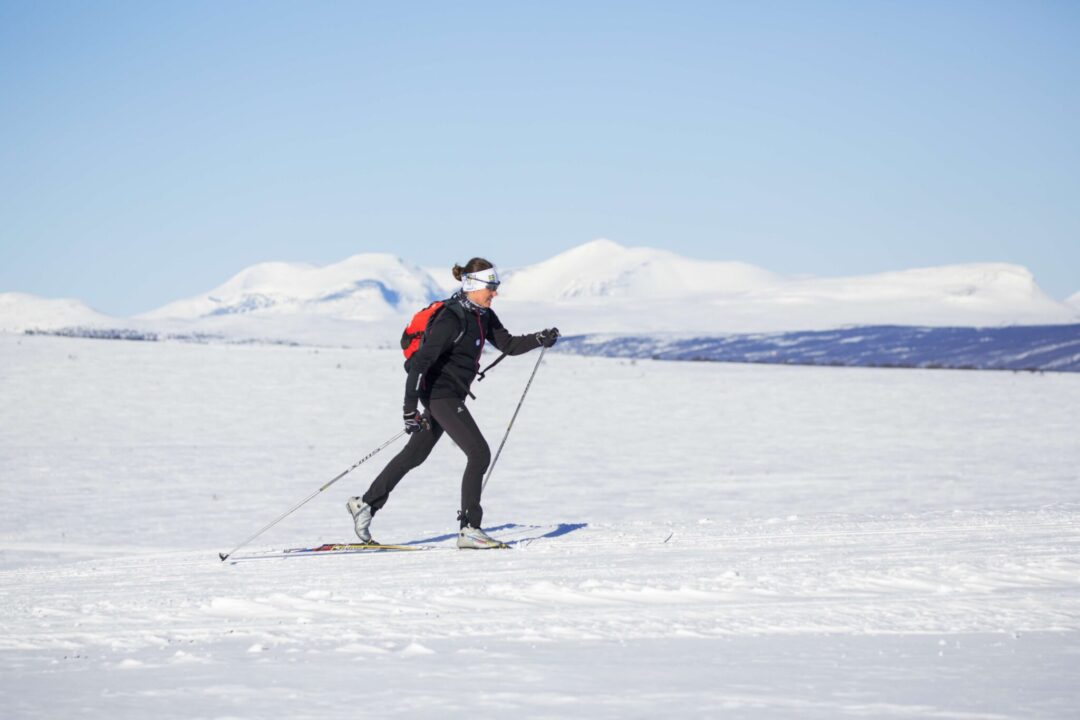
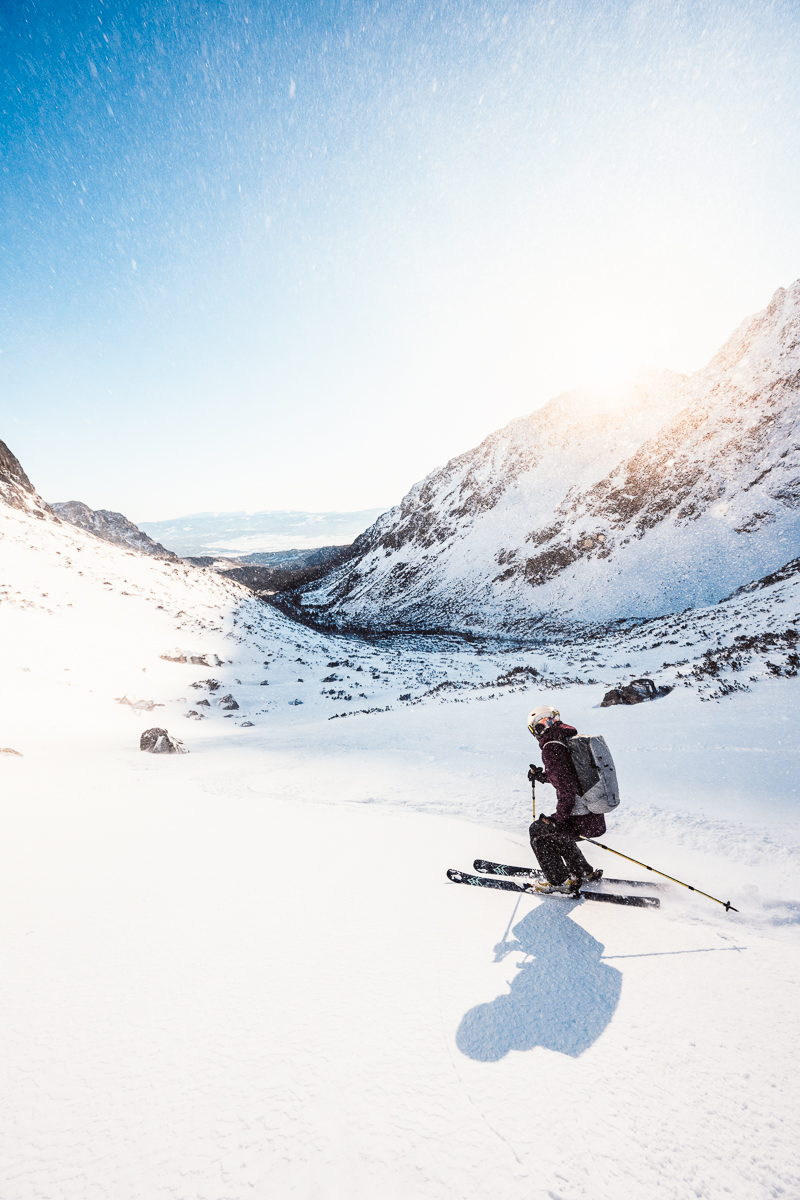
Women cross-country skiing across a snowy Arctic landscape with poles and a backpack
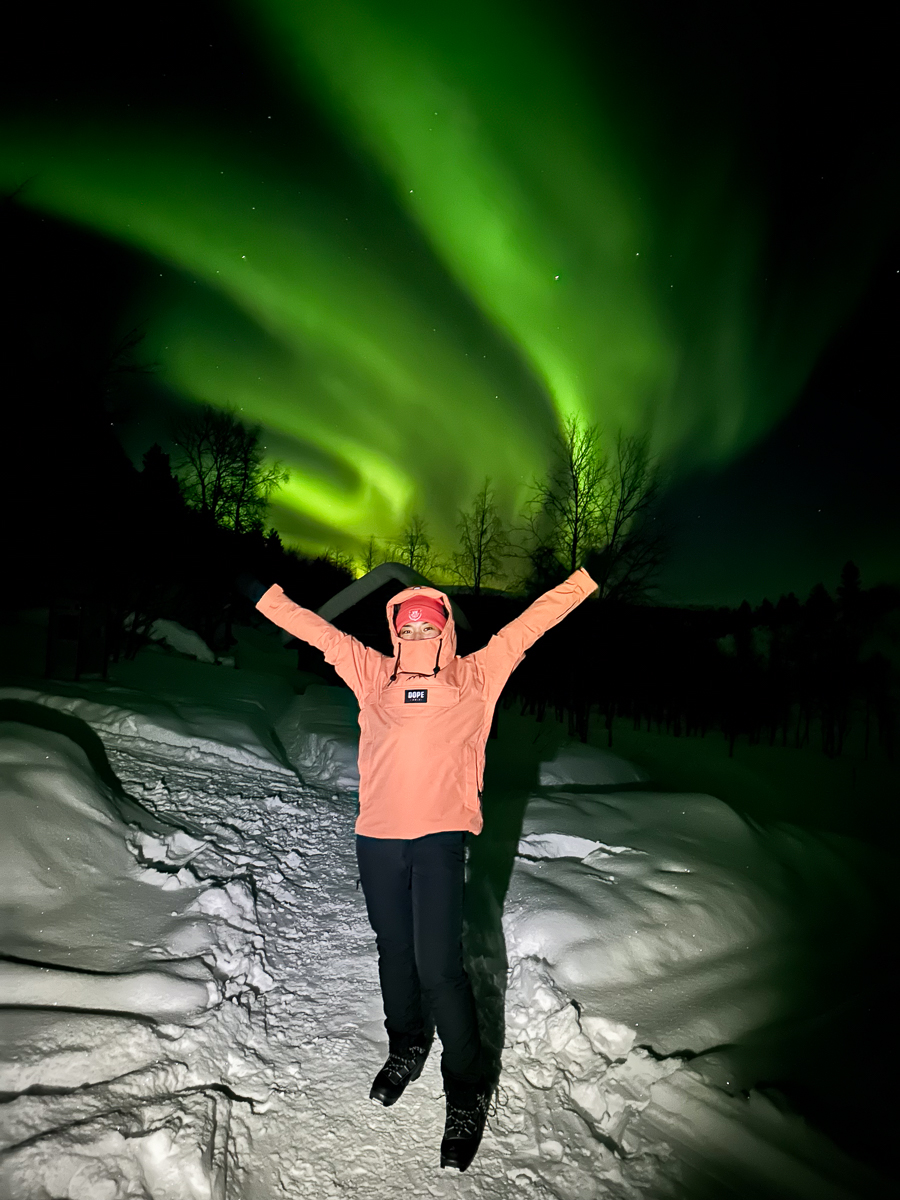
Women’s ski trip: woman in snowscape with Northern Lights overhead in the Arctic region

Sleep & Eat

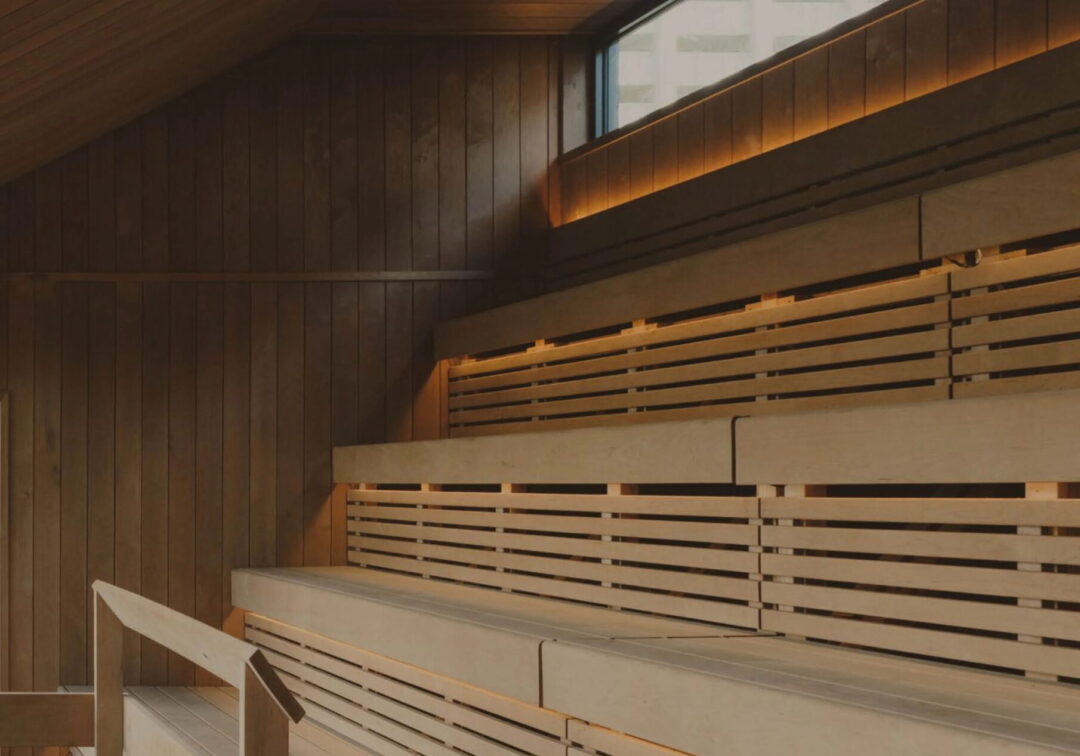
Your first and last nights are in a heated cabin with electricity, showers, a restaurant, bar, and sauna -a taste of civilization before and after the wilderness. One middle night includes basic cabin comforts with hot water and sauna.

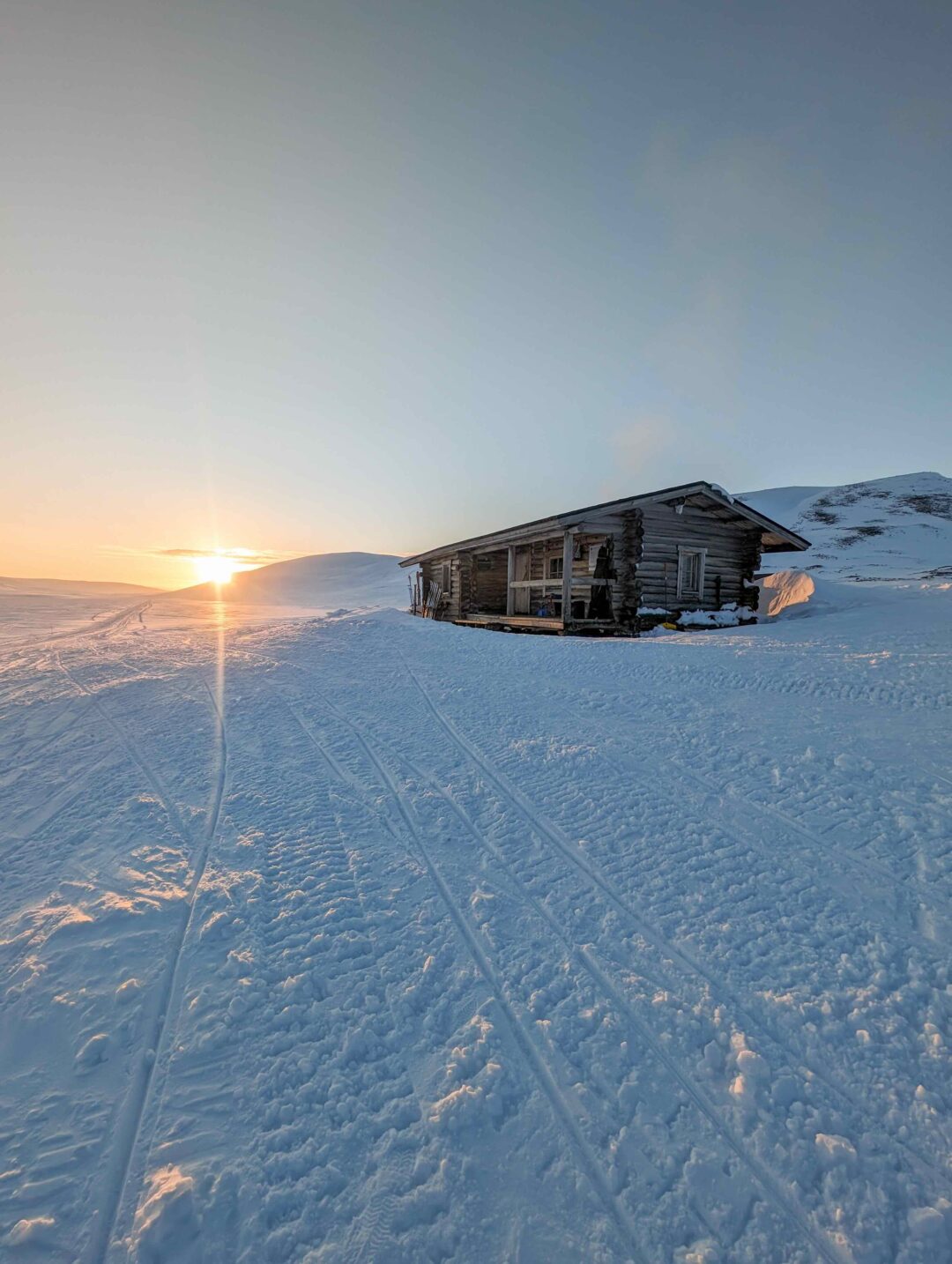
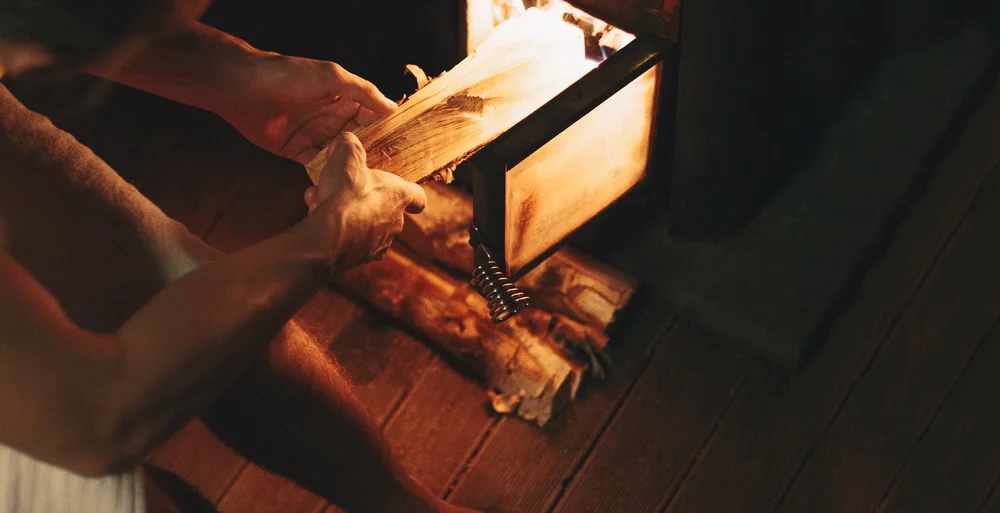
The other four nights are in wilderness huts with no electricity, no running water, and outhouses for toilets. These huts are heated by wood-burning stoves and lit by candles. You’ll share sleeping spaces with your group, so patience and humour are essential. Think expedition basecamp, not holiday accommodation.

Food is expedition-style. Restaurant meals on the first and last nights, then dehydrated meals you rehydrate with boiling water. These provide the calories needed for long cold days but are definitely not gourmet dining. Also bring your own snacks – nuts, dried fruit, energy bars – anything that won’t freeze solid.
What exactly are wilderness huts like?

Like they sound – simple single-room wooden cabins heated by wood stoves. There may be bunk beds or sleeping platforms, with basic furniture and no lighting except candles and headtorches. Your toilet is a separate outhouse. It’s hardly the Ritz, but think of the stories you’ll have to tell!

How do we heat the huts and get water?

You’ll learn to light and maintain wood stoves for warmth and melt snow in pots for drinking water. These are essential expedition skills your guide will teach you, but expect to contribute rather than be served.

Can dietary requirements be accommodated?

Most dietary needs can be met with advance notice at booking. Expedition meals have vegetarian, vegan, and gluten-free options. More complex requirements are harder in wilderness conditions, so discuss when booking.

What about hygiene if there are no showers for four days or more?

Compostable wet wipes, dry shampoo, and accepting you’ll be less than fresh are the only solutions. The sauna night mid-trip offers washing opportunities. Wearing merino wool base layers will also help lessen the hum.

What about laundry during the trip?

If you can’t wash your body properly, you’ll probably stop caring about smelly clothes quite quickly too. Bring enough base layers for 7 days or pack travel wash for hand-washing, although drying overnight in cold conditions will be a huge challenge.

How much privacy will I have?

Very little. You’ll sleep on wooden bunks in a single room that’s also where you eat, dry your kit and spend the evening. No electricity, no running water, washing with melted snow and outdoor toilets. It’s worth thinking honestly about whether a week of that appeals before you book.
Snowy Arctic piste beside a wooden hut at sunset, with ski tracks in the foreground

Weather

Finnish Arctic winter means super cold temperatures. Expect -5°C to -30°C, though extremes of -35°C or above 0°C are possible. The dry cold feels less brutal than the same temperatures in the damp UK winter, but it’s still enough to freeze exposed skin in minutes. Your eyelashes will also freeze.

The weather also changes rapidly in this mountain region. Sunny mornings can turn into afternoon blizzards. Wind makes everything feel colder and harder. Fresh snow makes skiing more demanding but creates better conditions for the experience overall.

Daylight is limited. January has just 3-4 hours of proper daylight, increasing to 6-8 hours by March. You’ll ski in twilight conditions regularly, making head torches essential equipment (you’ll also need them for evening bathroom breaks).

Remember that electronics drain fast in extreme cold. This is all part of the Arctic experience – embrace it rather than fight it.

What's the northern lights situation?

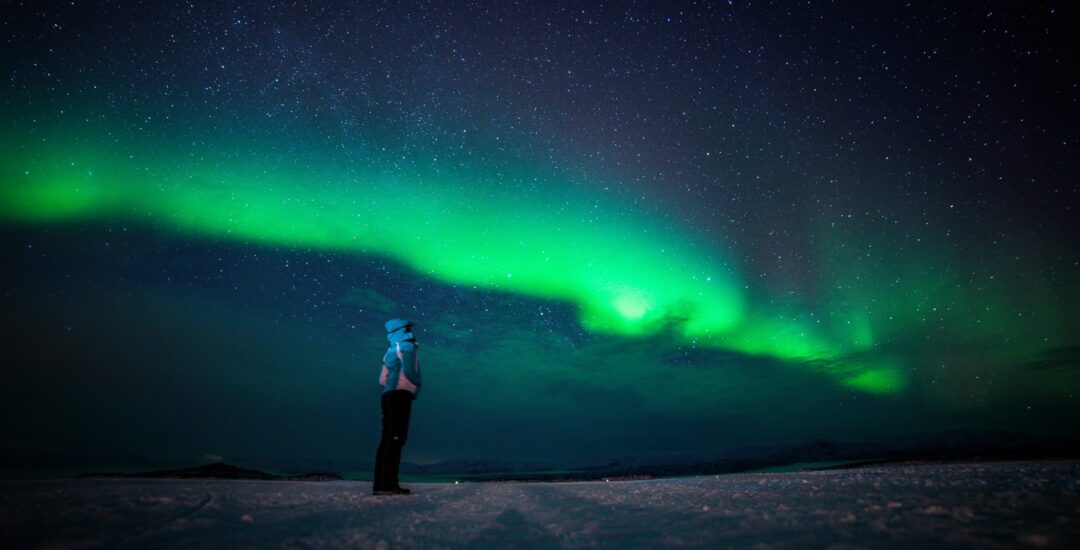
Kilpisjärvi sits in the aurora oval with good viewing potential, especially with minimal light pollution. But the Northern Lights are also completely unpredictable and almost impossible to forecast accurately. Fingers crossed for clear skies and solar activity.

How accurate are weather forecasts?

10-day forecasts give general trends, but mountain weather changes fast. Check the forecast in Kilpisjärvi before departure, but expect your guides to make daily decisions based on real conditions and their expert knowledge rather than predictions.

What's the worst weather scenario?

In extreme weather, blizzard conditions with high winds and heavy snow for example, that might mean staying put in the huts, shortening routes or changing the day’s activity. Our guides always prioritise safety, but these are adventures designed to work in challenging conditions.

Women cross-country skiing across snowy Arctic landscape at sunset, with tracks across the snow

Good to Know

Communication: Mobile coverage is patchy to non-existent in the wilderness. WiFi is available at accommodation at the start and end of your trip only. It’s best to let your family know you’ll be offline for 4 or more days. Emergency communication is through your guide’s satellite device only.

Tipping is not compulsory on our adventures, but if you’ve had a great trip and brilliant service, a tip for your guide or host is always appreciated. We recommend giving €20-€30, or whatever you can or feel is the right amount.

Why aren't all guides and instructors female?

We work with the best guides available, male or female. There are fewer women in outdoor guiding roles, so we prioritise expertise and guest experience. We vet every guide carefully and monitor feedback closely to ensure all guides align with our ethos and standards. We also hope more trips like ours encourage more women to find new activities and become guides themselves.

When should I buy travel insurance?

As soon as you book. Your policy must cover ski touring with a guide, so make sure it’s specifically included rather than just general winter sports cover.

How many guests will be on this trip?

Max 7 guests.

Will I be able to charge my phone during the expedition?

No, there’s no electricity at any of the wilderness huts, so bring fully charged power banks if you want to keep devices going during the week.

Two skiers with backpacks and poles hiking across snow on a high Arctic ridge under a blue sky
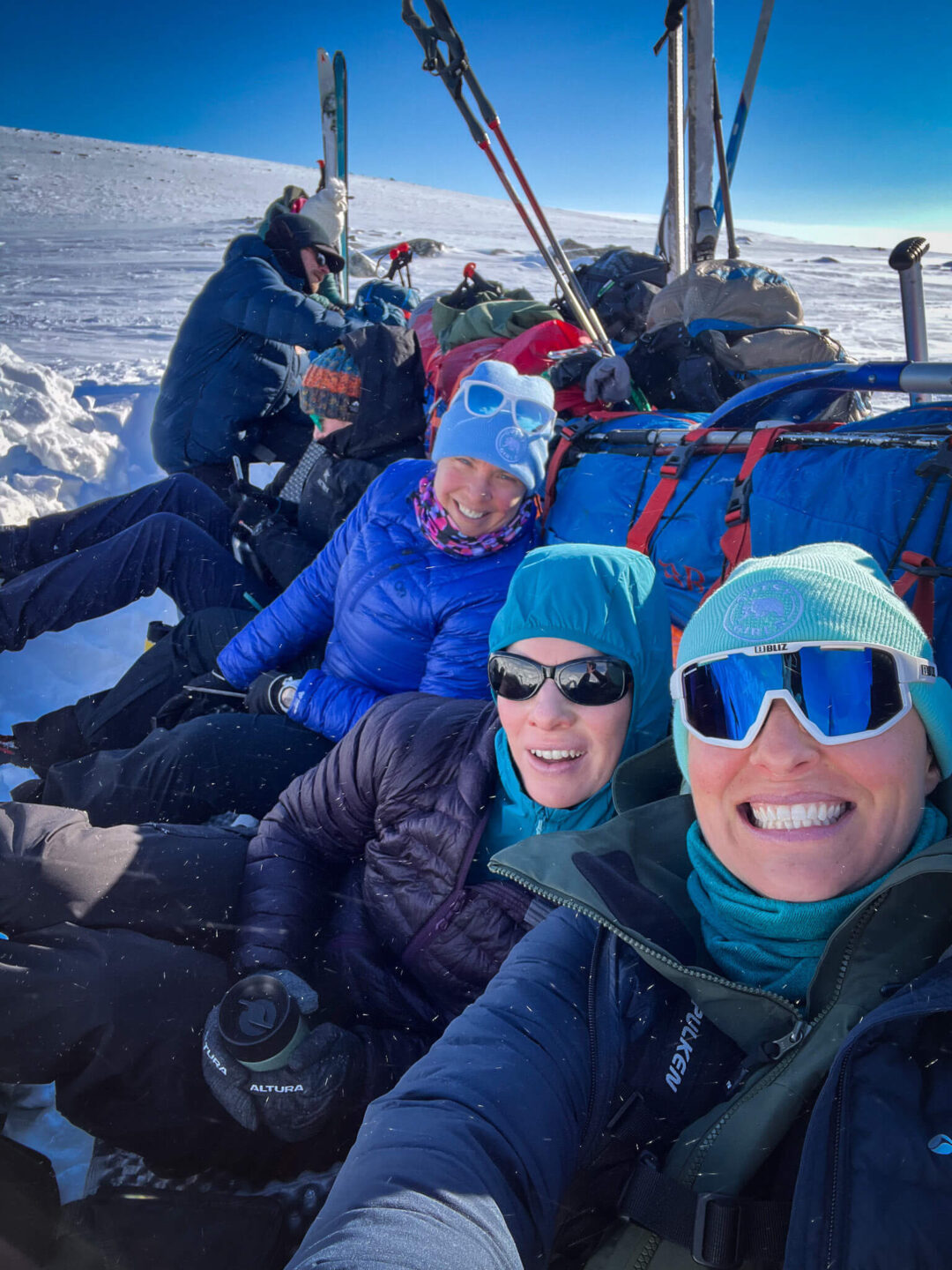
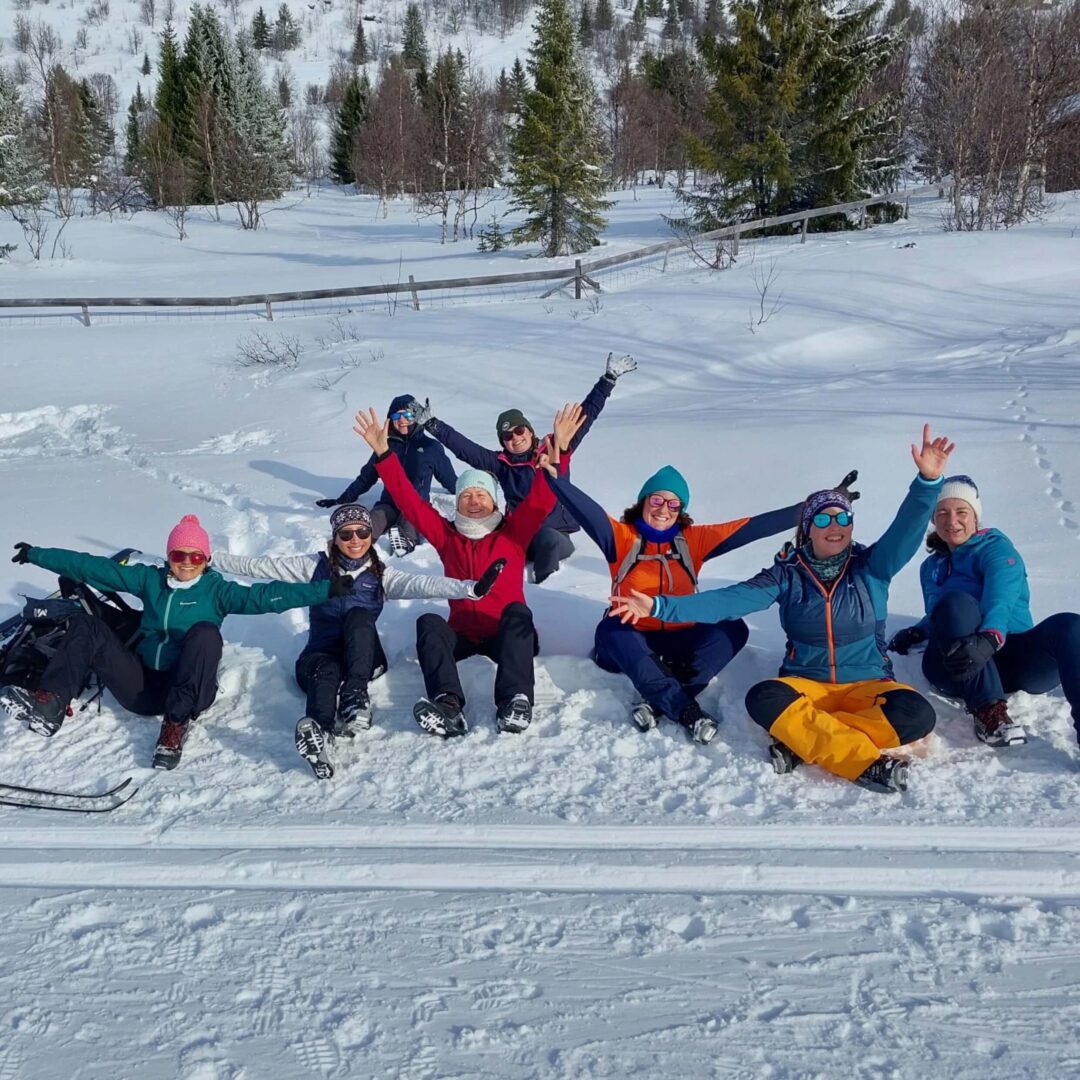
Smiling skiers in an Arctic hut-to-hut expedition, packed on snow with skis and trekking poles

Packing List

What We Provide

  • Touring skis, ski boots and poles
  • Pulka sled
  • Sleeping bag
  • Insulated inflatable sleeping mat
  • Tent
  • Shovels and expedition gear

What You Need to Bring

Skiing Kit

  • Daypack 35 to 60L, big enough for two people’s day kit as you’ll swap with another Gutsy Girl
  • Wicking sports underwear, merino or synthetic
  • 2 to 3 base layer thermal tops, synthetic, wool or silk, bring a selection
  • 1 to 2 pairs thermal long johns, synthetic, wool or silk
  • Fleece or mid-layer
  • Warm wool jumper or second fleece
  • Windproof, waterproof shell jacket
  • Softshell trousers, windproof, water-repellent and breathable
  • Waterproof trousers
  • Warm insulated or down jacket for breaks and camp
  • Insulated over-trousers or salopettes (optional, useful in camp)
  • 5 to 7 pairs of warm socks in different thicknesses, wool is best, plan on two pairs a day
  • Sunglasses with UV protection
  • Ski goggles (if you have them)
  • Warm hat
  • Buff, two if you can, one for your neck and one as a headband, or a balaclava
  • Thick mittens, two pairs in case one gets wet
  • Thin liner gloves
  • Disposable hand warmers (optional, useful if you run cold)
  • Gaiters (optional)

Off the Skis

  • Warm evening clothes, one or two changes
  • Snow boots or hiking boots
  • Nightwear, thermals rather than cotton pyjamas
  • Swimwear for the sauna
  • Towel for the sauna
  • Eco-friendly biodegradable soap for sauna washing (optional)
  • Sleeping bag liner (optional)
  • Pillowcase
  • Slippers or shoes for the cabins
  • Earplugs and eye mask, you’ll be sharing huts and tents
  • Headtorch

Personal Kit

  • Insulated water bottle, 1 litre minimum
  • 1 litre thermos flask for hot drinks
  • Snacks that won’t freeze: nut and raisin mix, fruit pastilles and jelly babies
  • High-SPF sunscreen and SPF lip balm
  • Toiletries and any prescription medication
  • Paracetamol and ibuprofen, more expensive in Finland so stock up before you go
  • Compeed or Moleskin blister plasters
  • Insulated mug, thermos-style is best
  • Fully charged power banks, there’s no electricity in the wilderness huts
  • Dry bags for inside your pack
  • Waterproof phone case (optional)
  • Camera (optional)

Packing Tips

This is a step up from most expeditions: you’ll be pulling a pulka weighing up to 25kg across six days of skiing in the Arctic Circle, including summits and varied terrain. Every kilo in your kit is a kilo you’re towing, so pack with that in mind and only bring what earns its place.

Layers are your life support system out here: Merino, synthetic or silk for every single layer, including base layers, long johns and underwear. Fabrics that manage moisture and insulate when wet are non-negotiable. The wilderness huts have wood-burning stoves but no electricity, no running water and outhouse toilets, so you need kit that works hard and dries fast.

Gloves and socks need more thought than anything else: Bring two pairs of thick mittens in case one gets wet, plus thin liner gloves for when you’re generating heat. For socks, pack 5 to 7 pairs in different thicknesses and plan on wearing two pairs a day, one thin and one thick, to manage warmth and fit in your hire boots.

Snacks that survive the cold: Standard energy bars freeze solid and become difficult to eat on the trail. Nut and raisin mixes, fruit pastilles and jelly babies all hold up well. Bring more than you think you need, because the longer days cover up to 18km and you’ll feel it.

Women skiing on a packed trail through snowy Arctic landscape and mountains under a clear blue sky

Trip Code FINWHFHAL – Include this code in any message so we can find your trip straight away.