Latest blog post articles
Upcoming
Types of Skiing Explained: Alpine, Nordic, Touring & SkateFinland
Dec - Mar
Arctic backcountry ski expedition through untouched wilderness. Remote, challenging, and properly wild – this will test everything you’ve got.
Improver
Tough

Back to Basics
From
£1,985
(USD $3,116.45)
Arctic Challenge
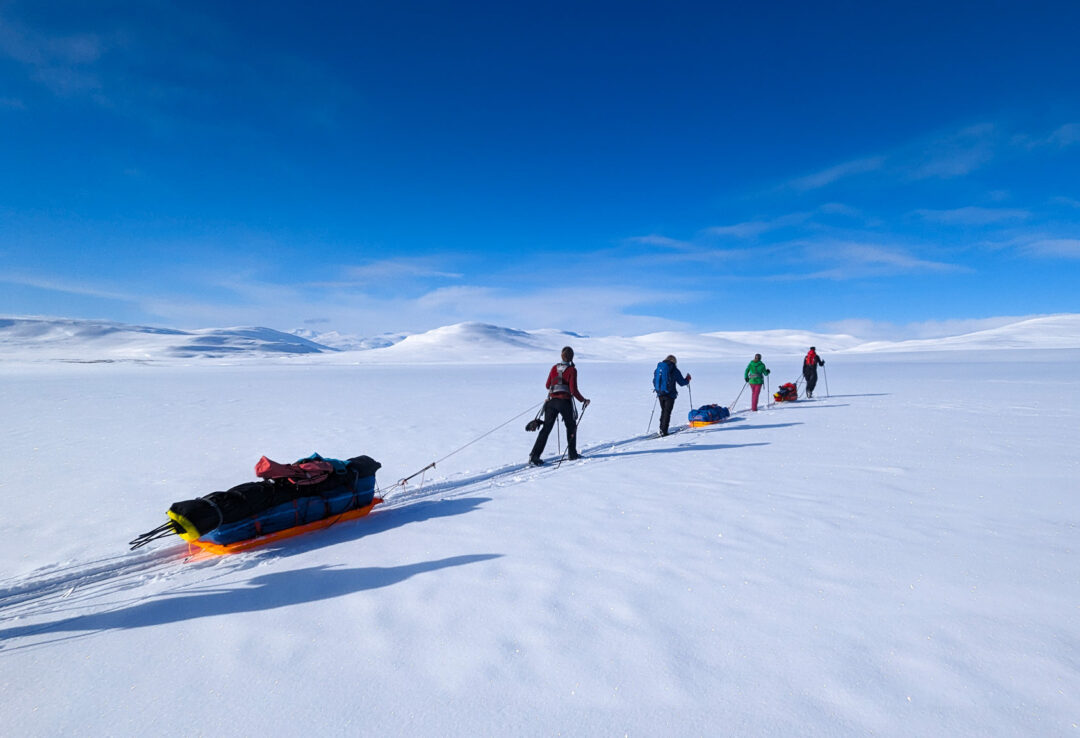
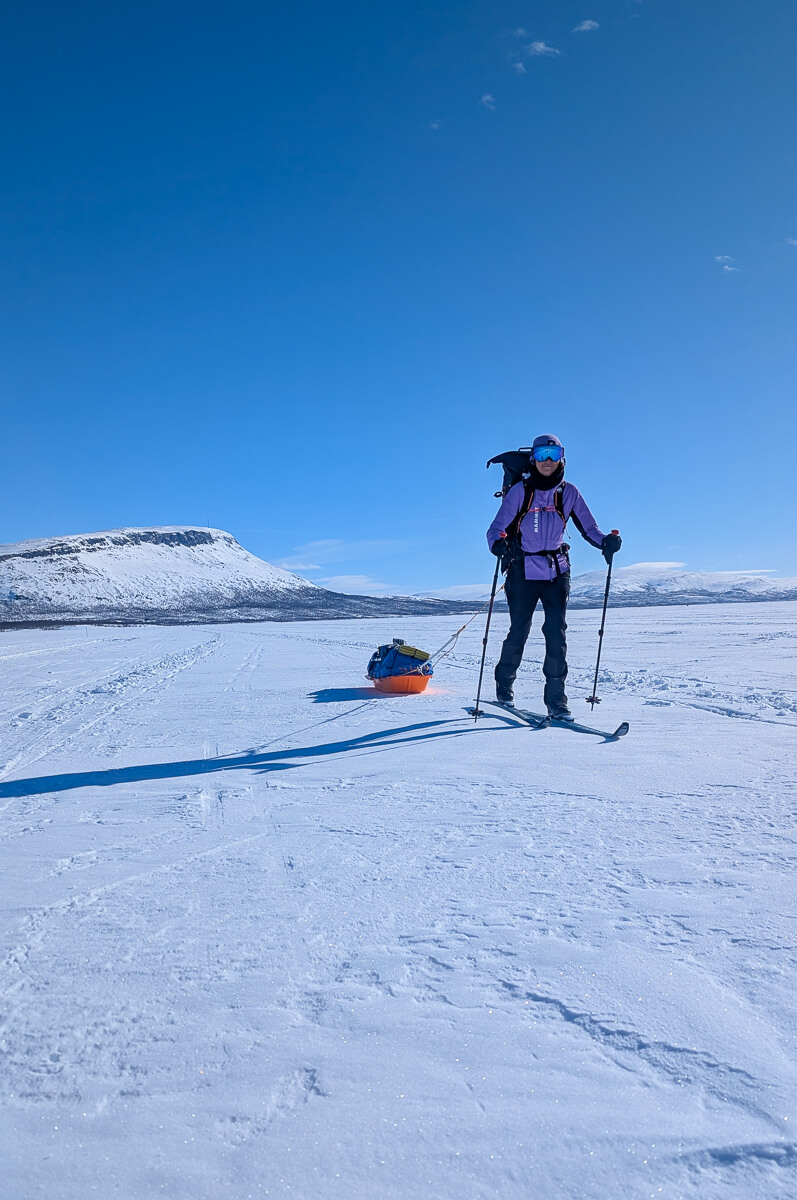
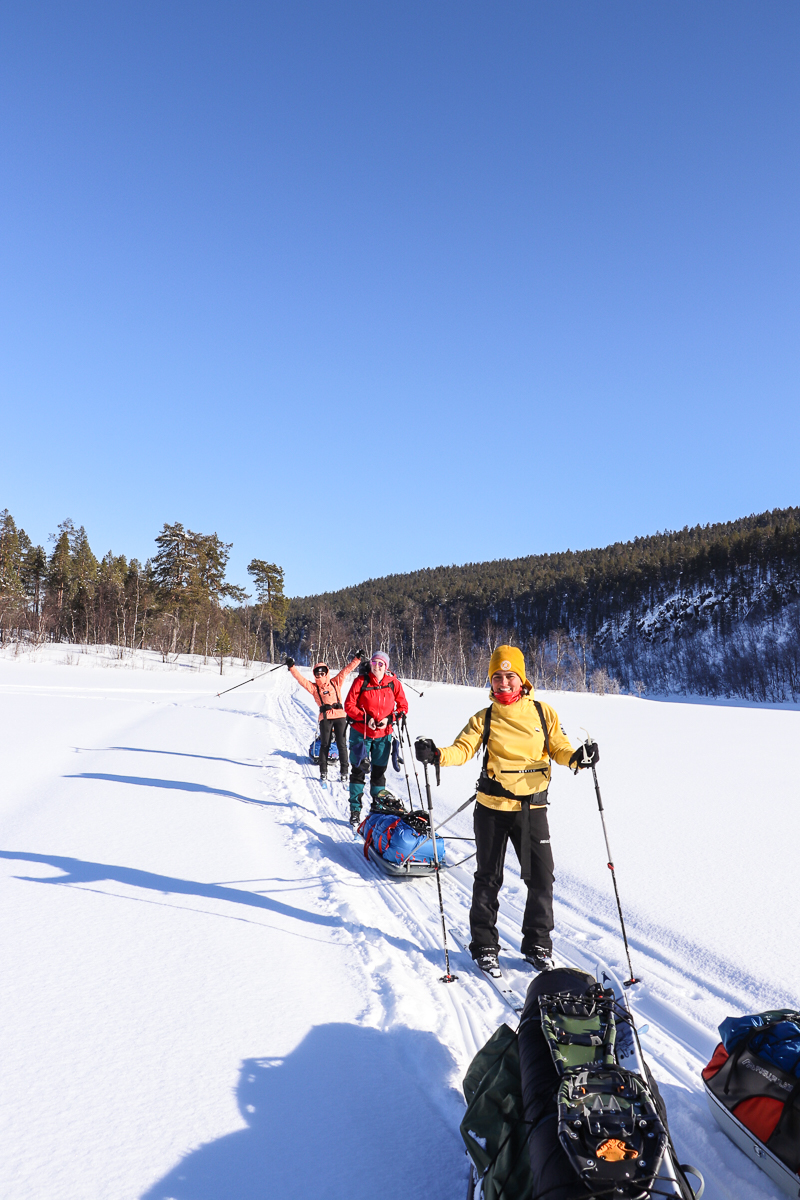
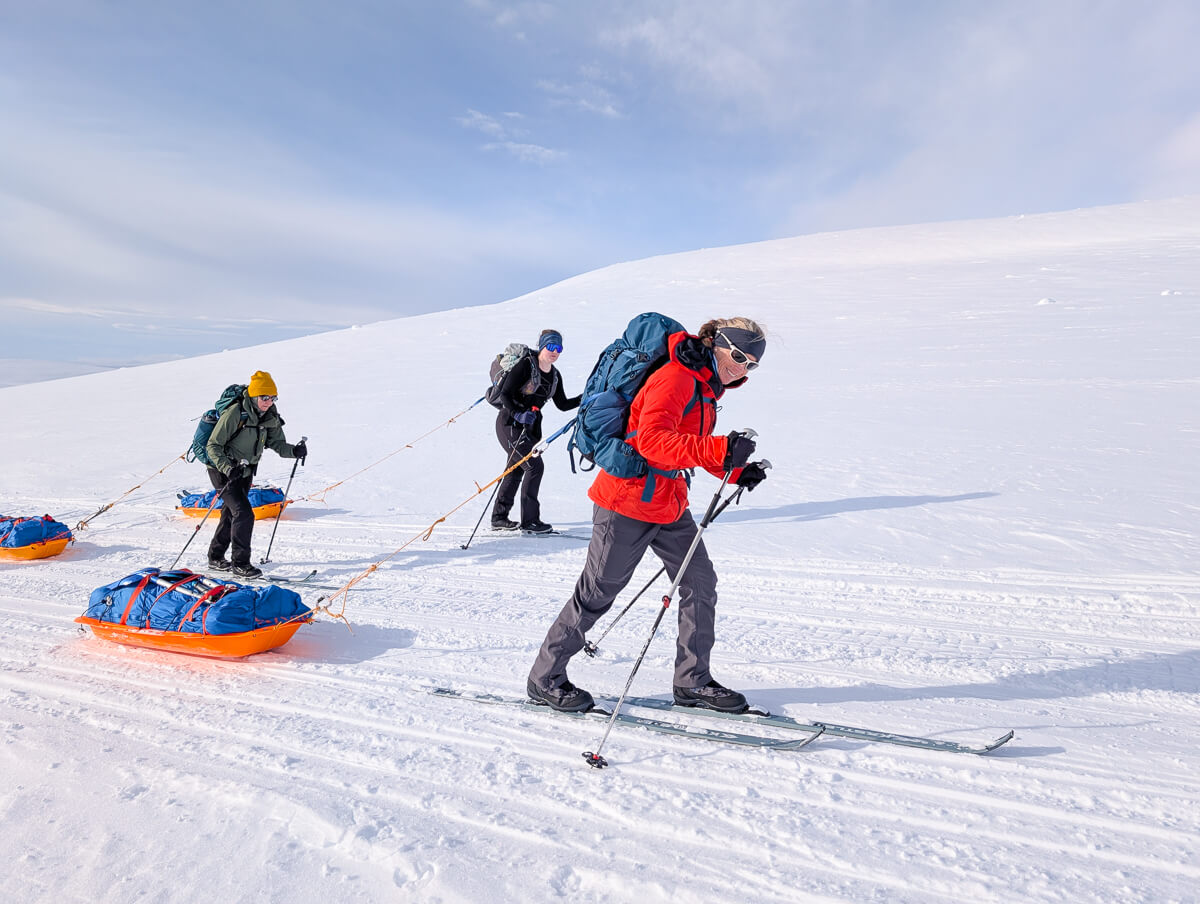
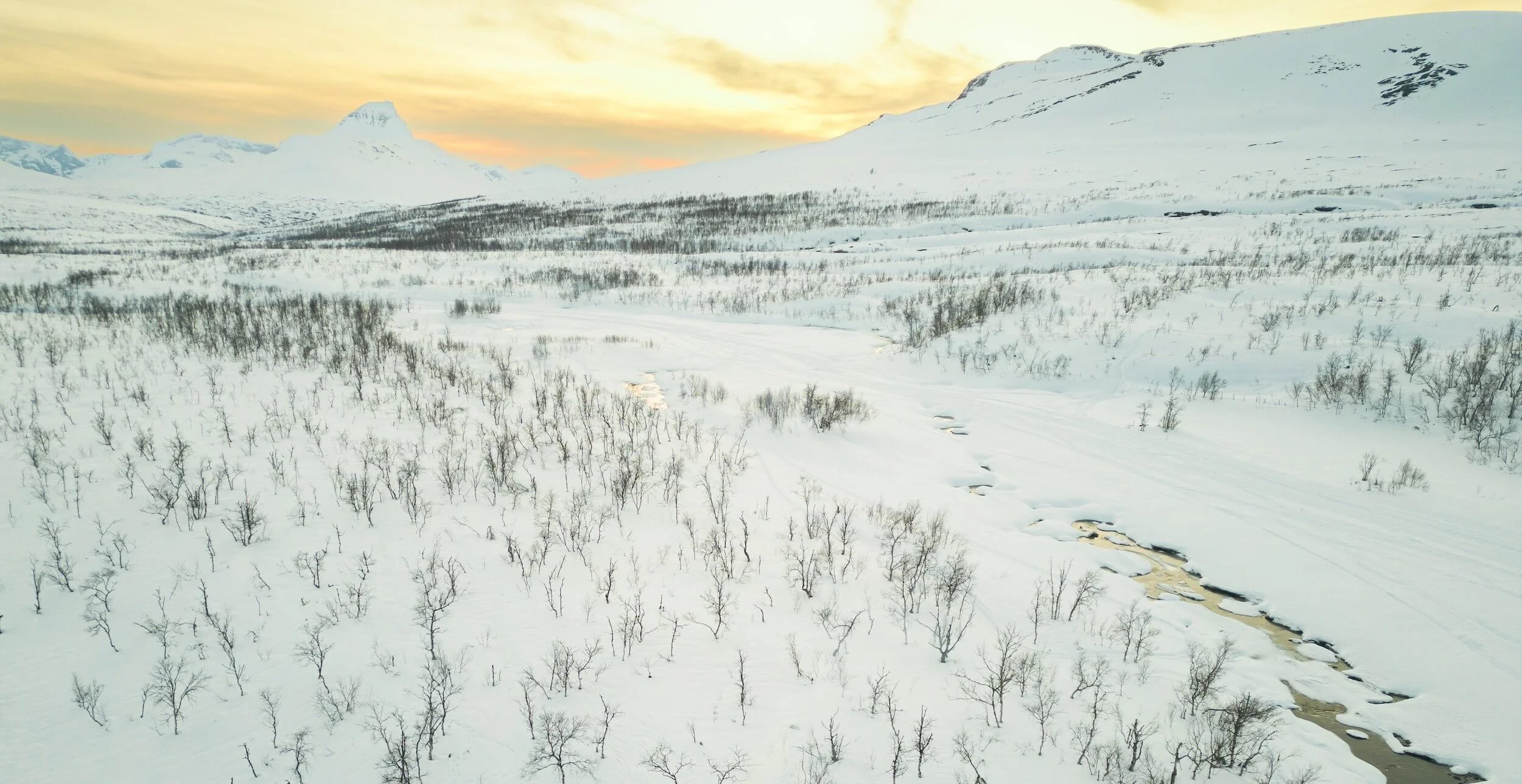
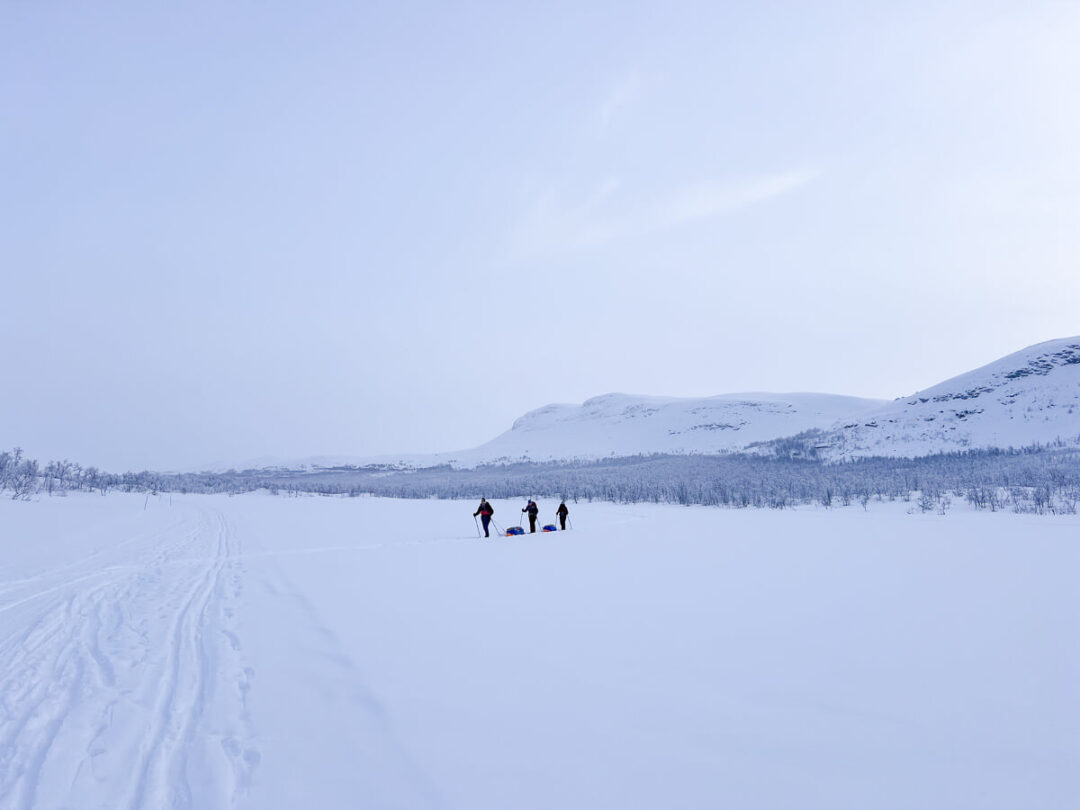
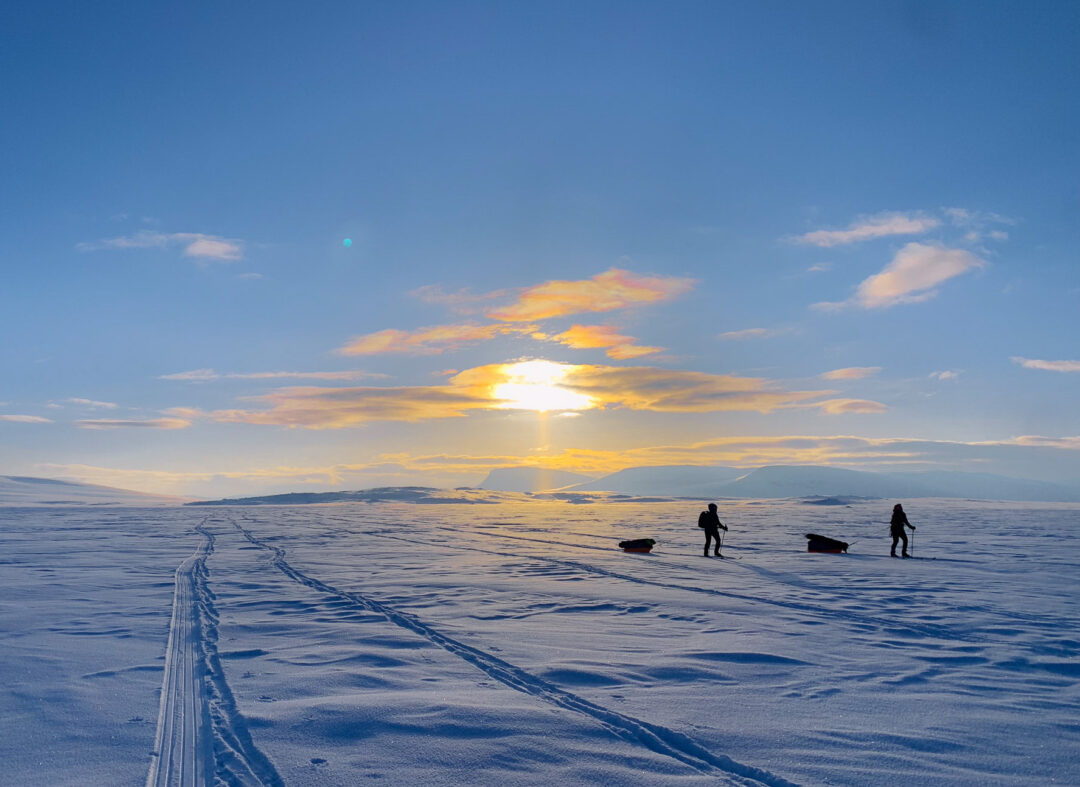
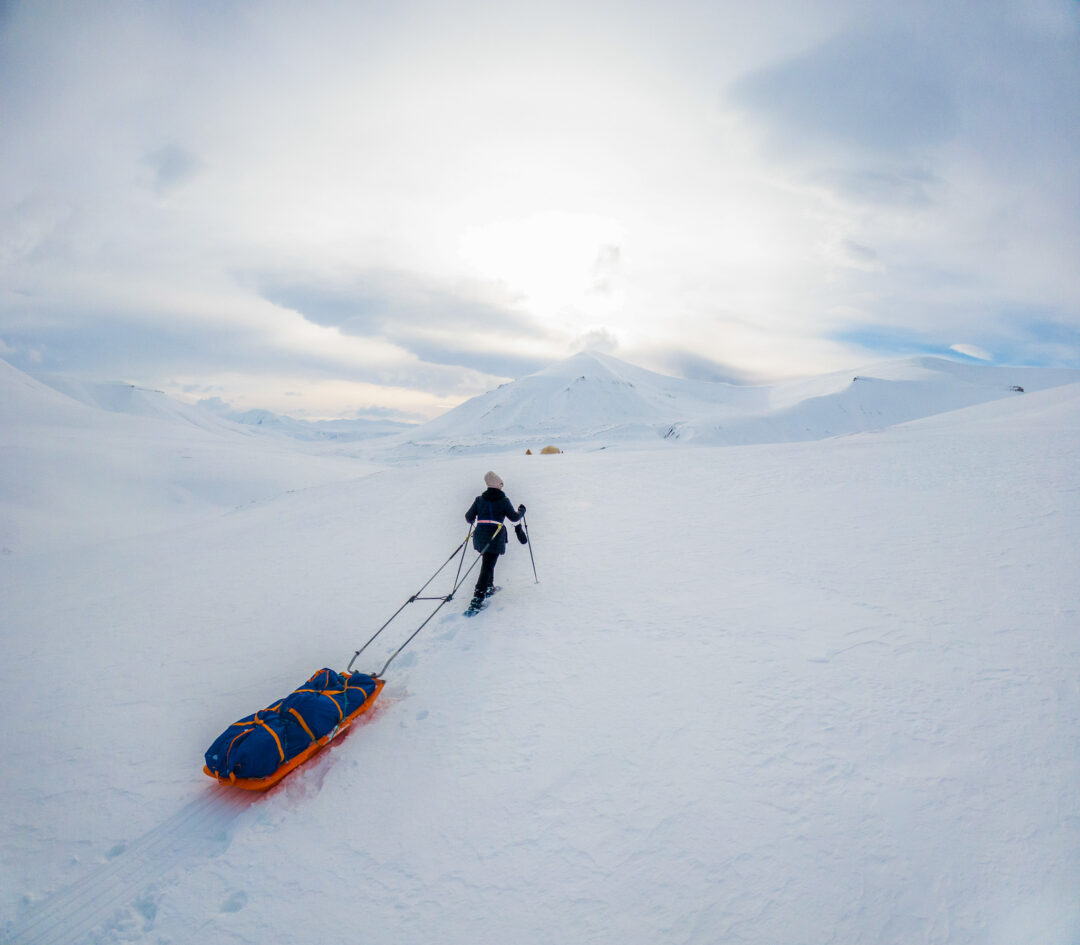
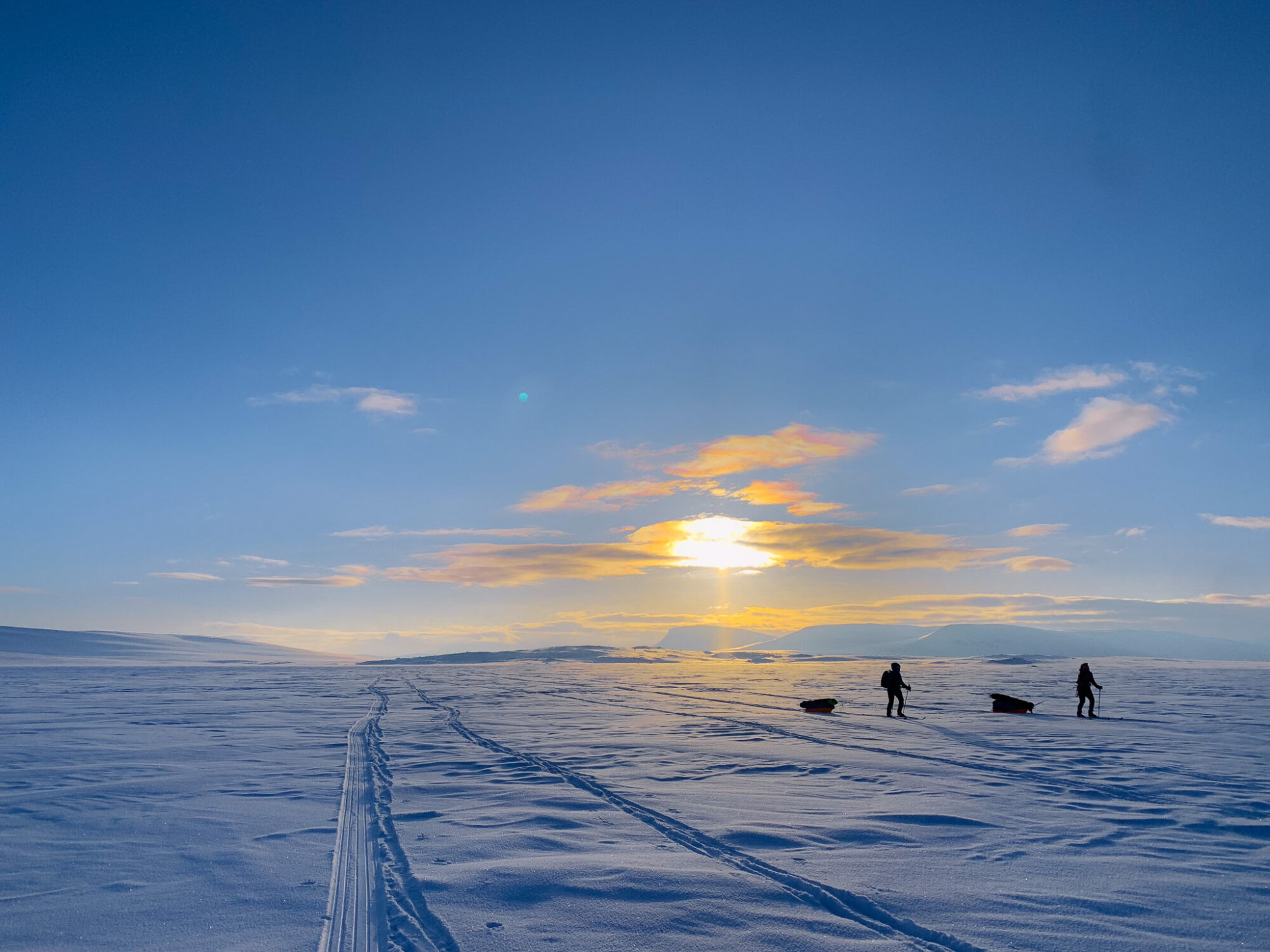
Spend six days skiing between Finland, Sweden and Norway through the Käsivarsi wilderness. This is our hardest expedition through Finland’s most mountainous region, hauling everything you need in a pulka behind you.
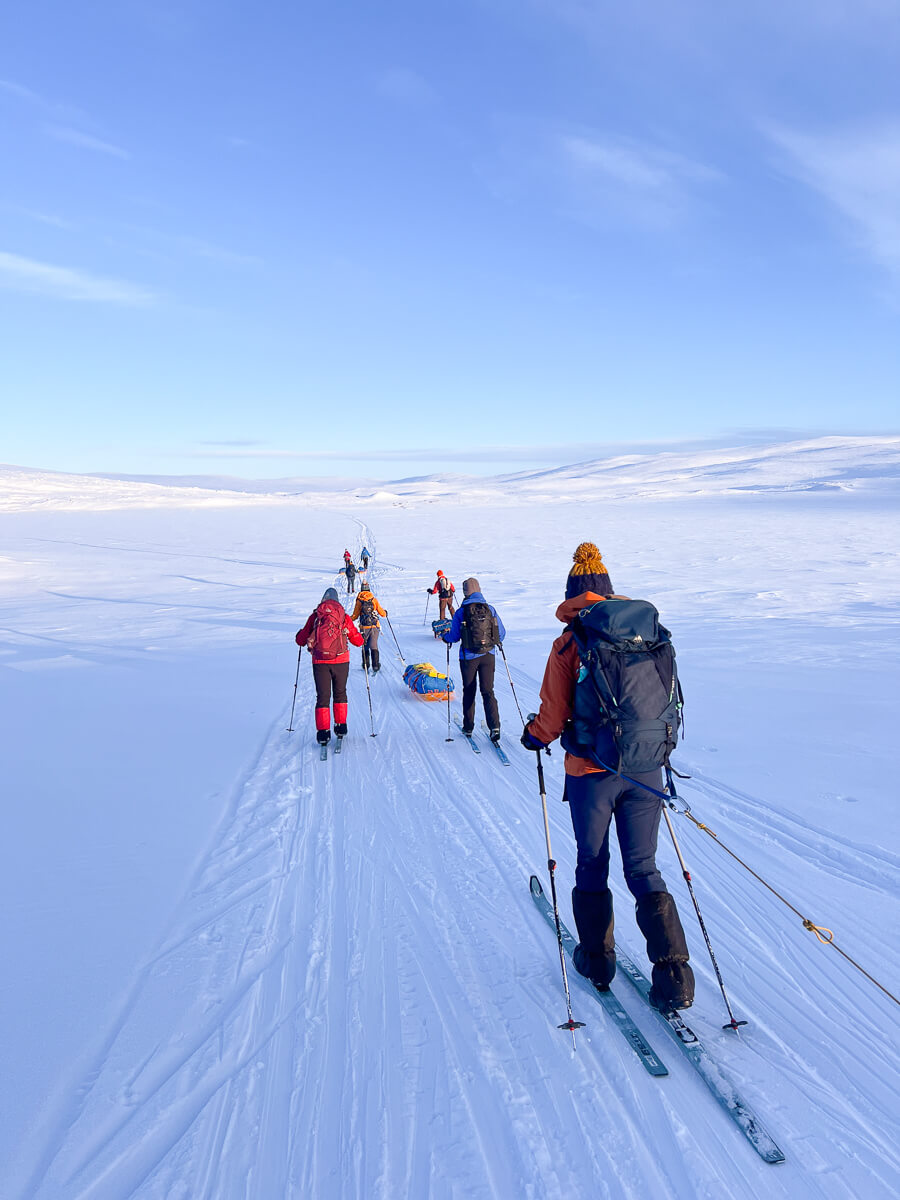
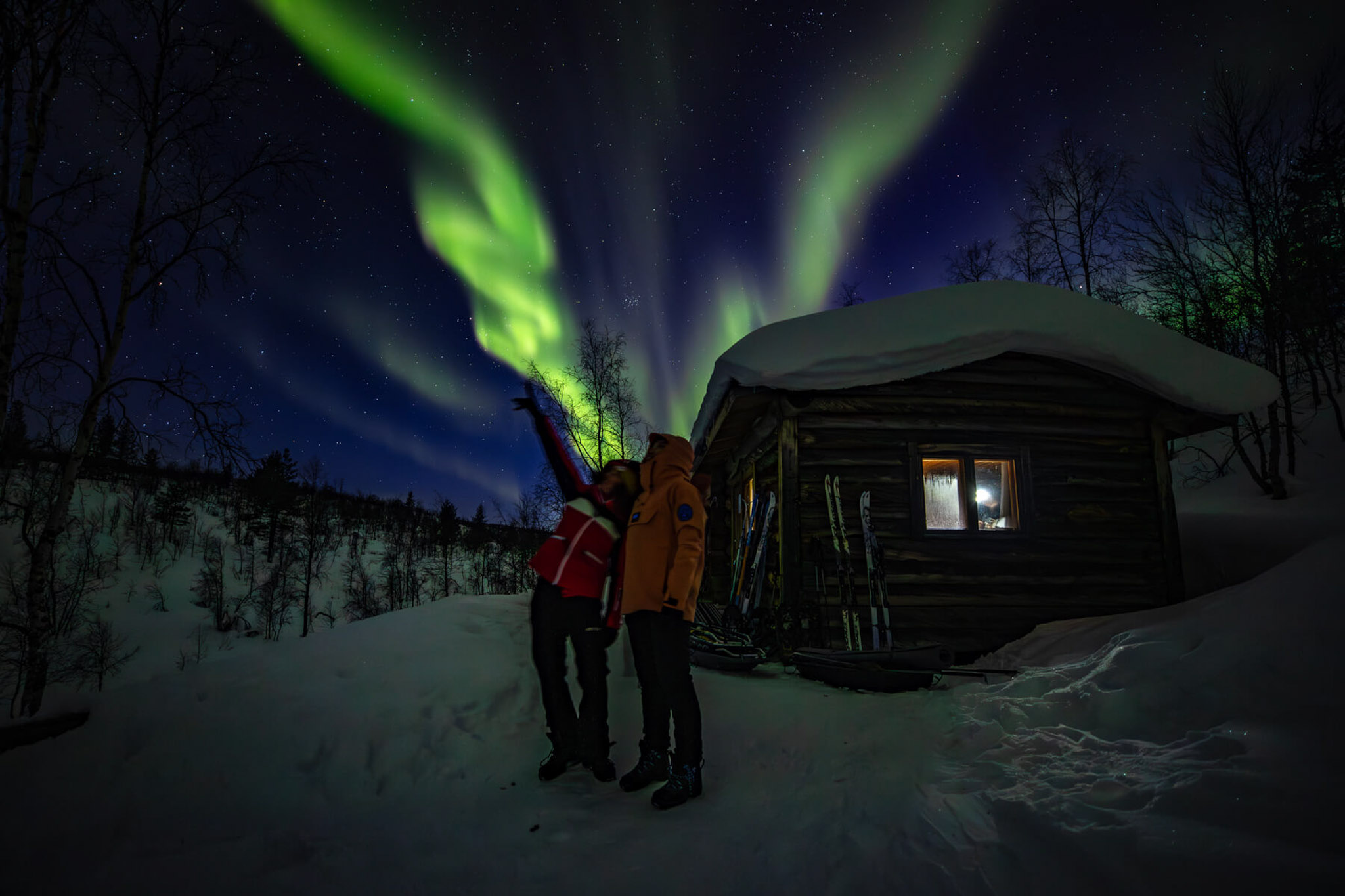
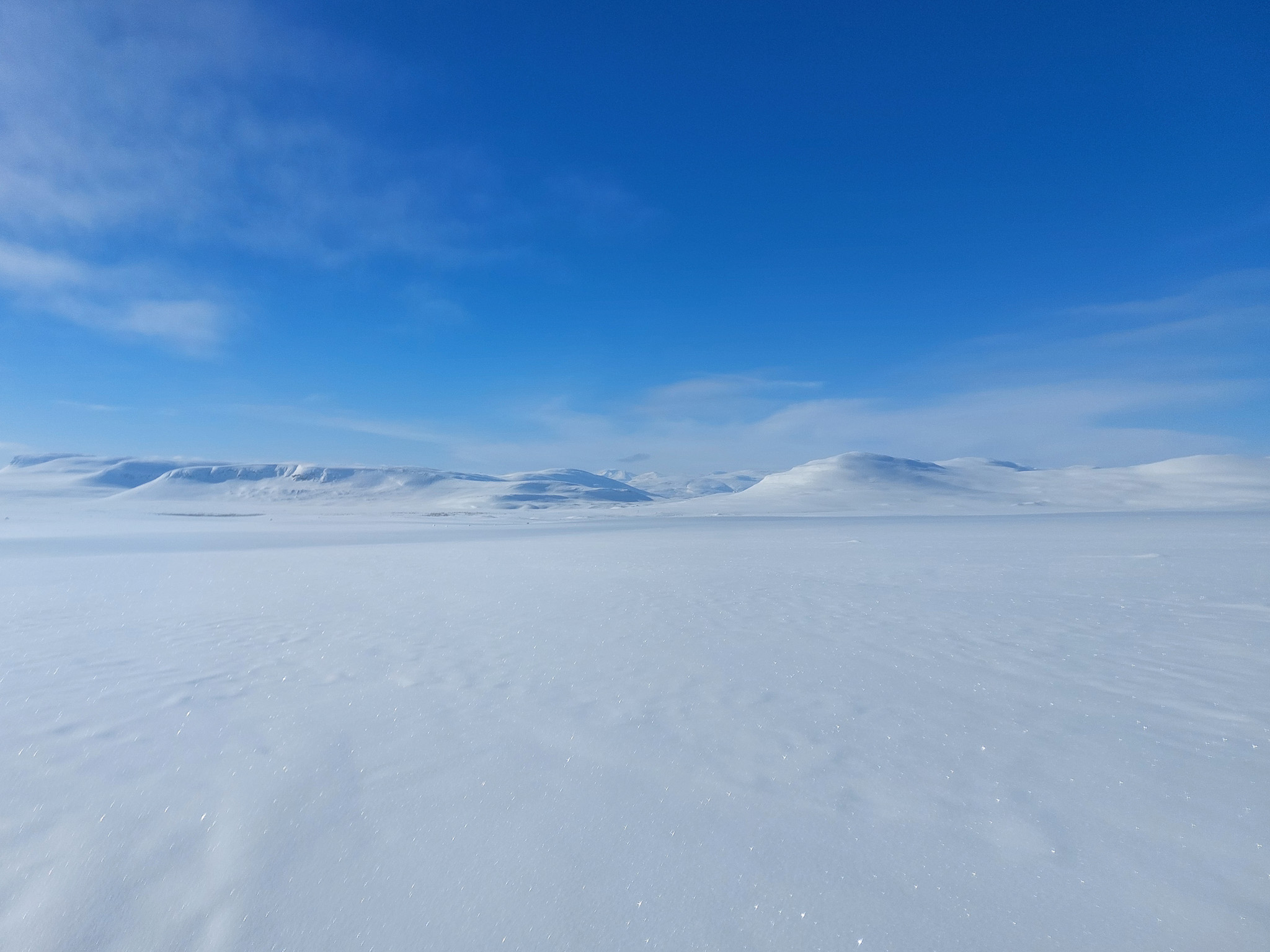
You’ll cover 9-15km a day across open tundra, and up to 18km on the 28 December and 13 March departures, climbing hard on some days, all in sub-zero conditions. Nights are spent in remote wilderness huts far from anything, with a chance of seeing the Northern Lights overhead.
You need cross-country skiing experience for this one. Not expert level, but the technique needs to be in your legs before you arrive, because there’s no teaching day and you’re skiing with a loaded pulka from day one. Serious fitness and a determined mindset on top of that. Ready to find out what you’re made of?
An Active Agenda
No Hidden Costs
Guided hut-to-hut skiing expedition in the wilderness
All expedition equipment included
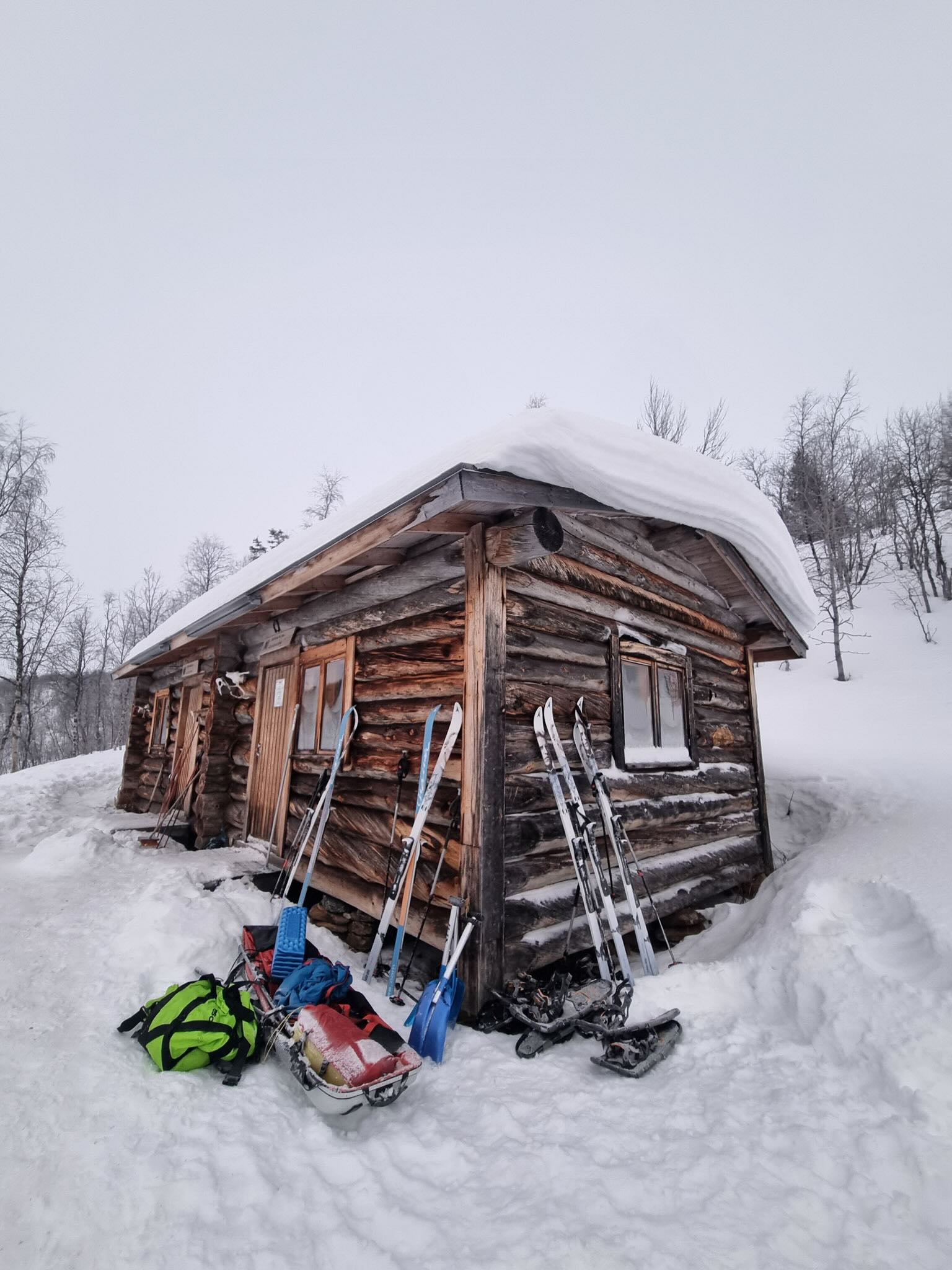
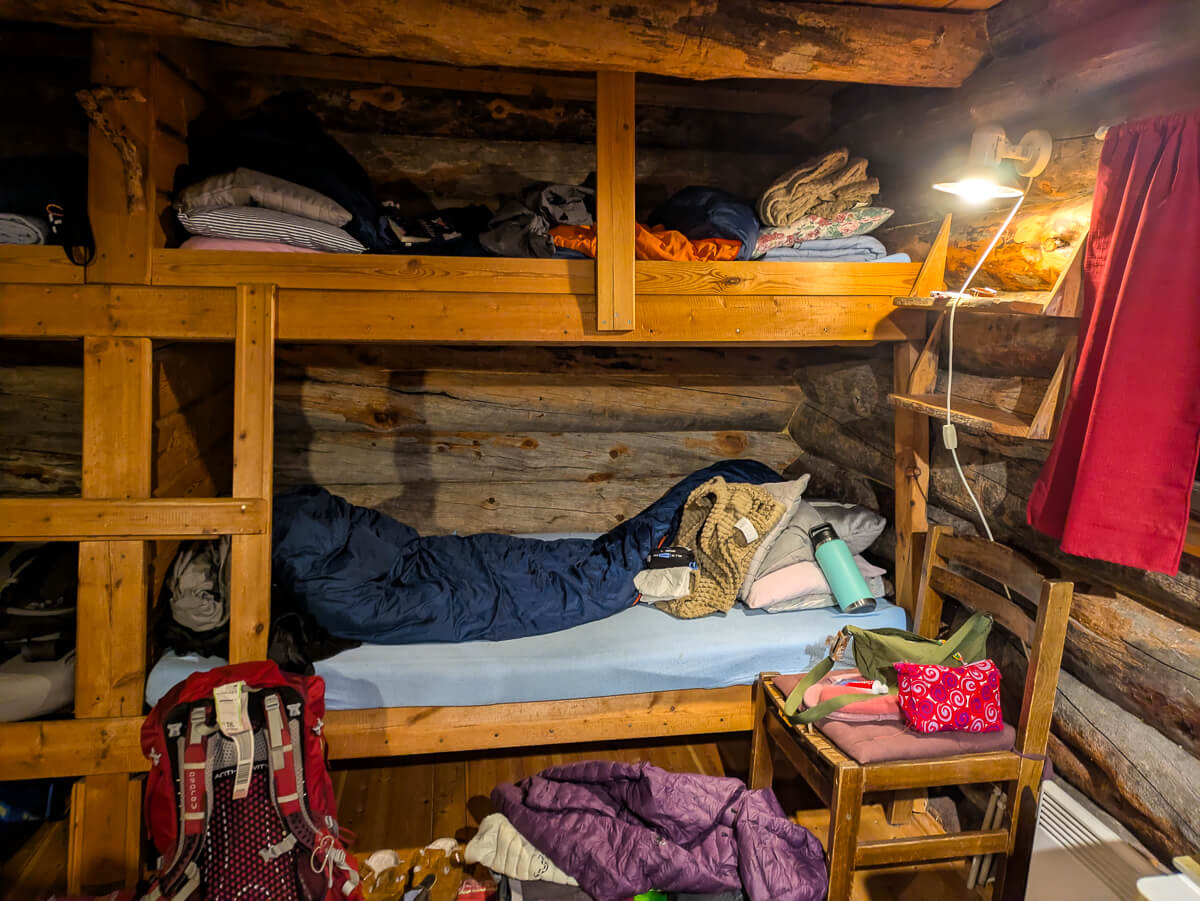
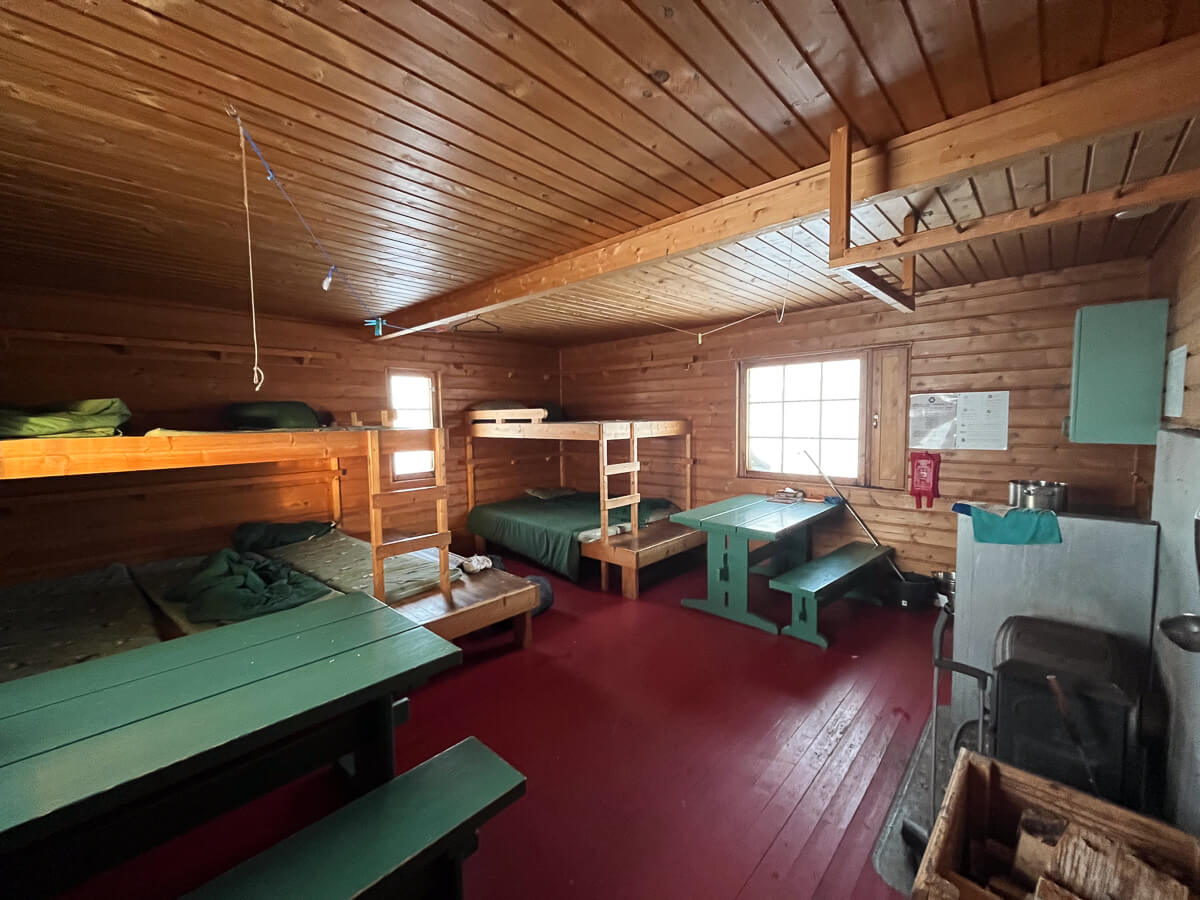
Three nights in shared cabins and four nights in shared wilderness huts
Dehydrated expedition meals and two restaurant dinners
A qualified wilderness guide and your Gutsy Girls host
Pick-up and drop-off at Tromsø Airport
Activity Overview
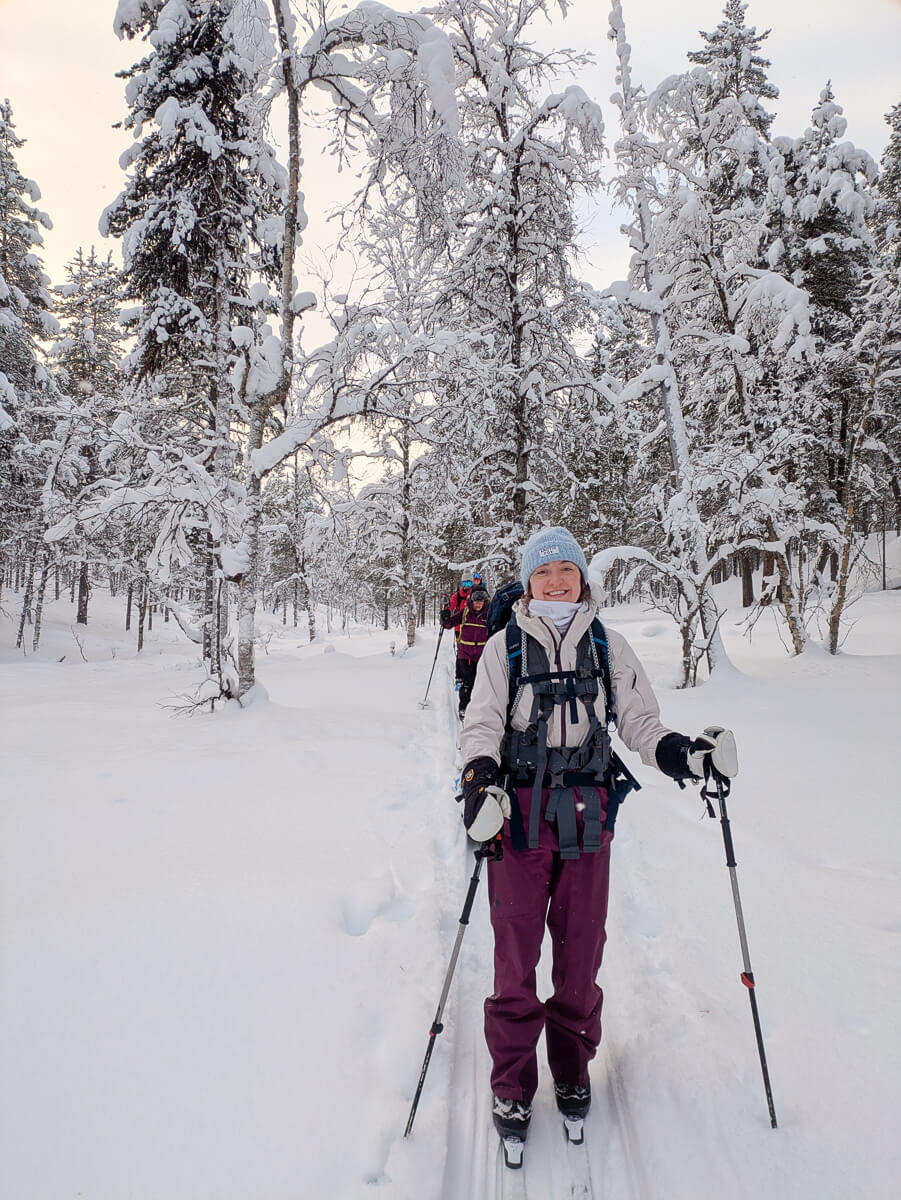
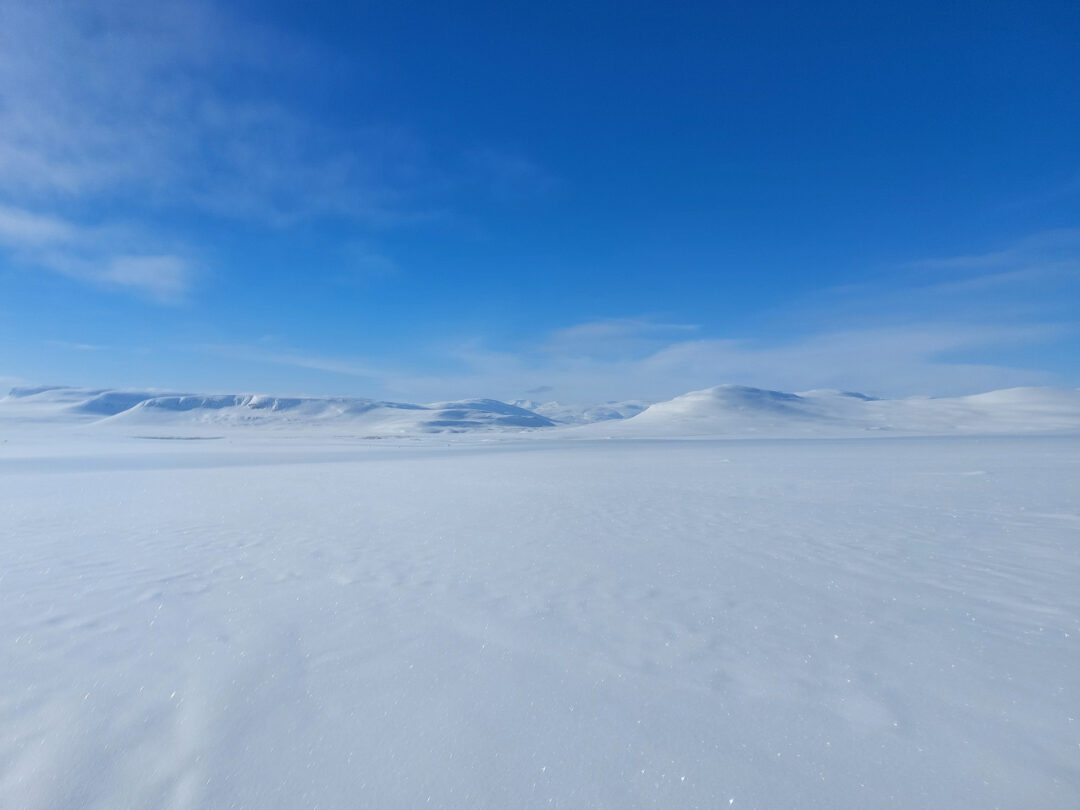
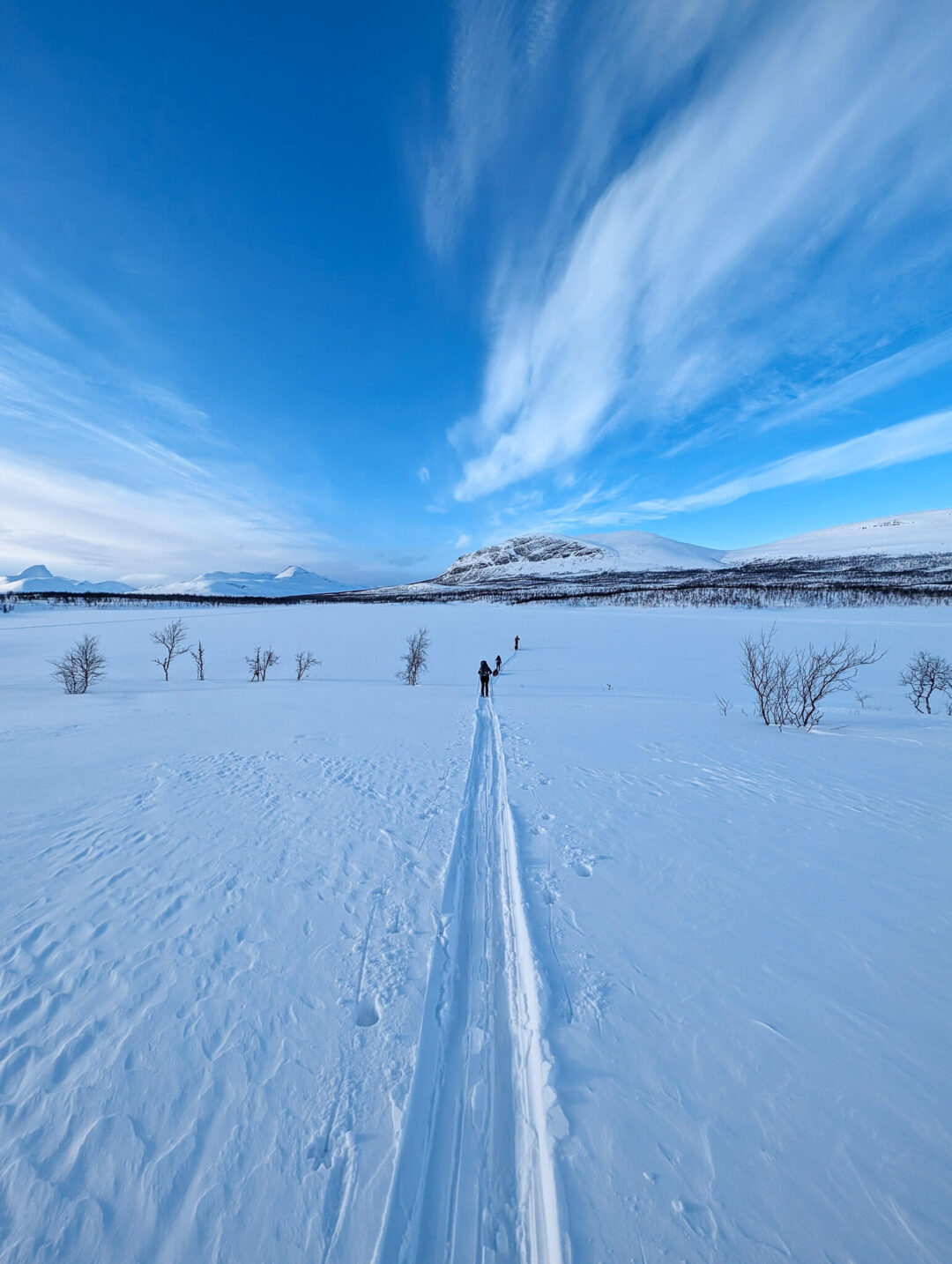
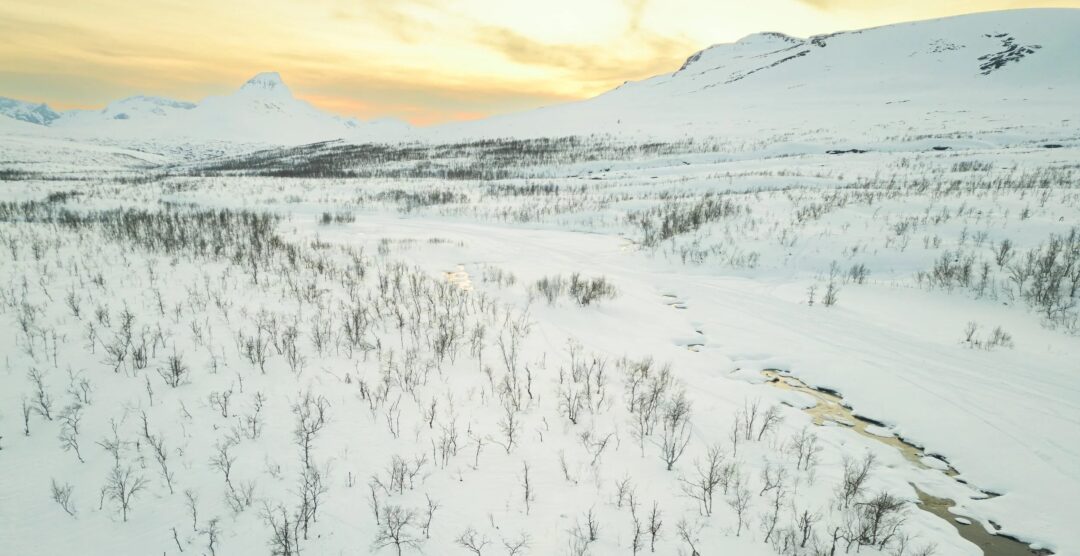
Backcountry Nordic skiing, sometimes called Fjellski or Nordic ski touring, is cross-country skiing off the beaten track. No groomed trails, no crowds, just you making your own way through the wilderness.
This isn’t alpine backcountry skiing. This is flat-terrain cross-country for exploring remote places. It’s like winter hiking, but you glide instead of step.
You need cross-country skiing experience for this trip. Not expert level, but a few days on skis at the very least, and enough control to look after yourself on the flat and on the descents. This is our hardest expedition and it isn’t the place to learn.
There’s no gentle introduction and no teaching day. You head out on day one with a loaded pulka behind you, so the technique has to be there before you arrive.
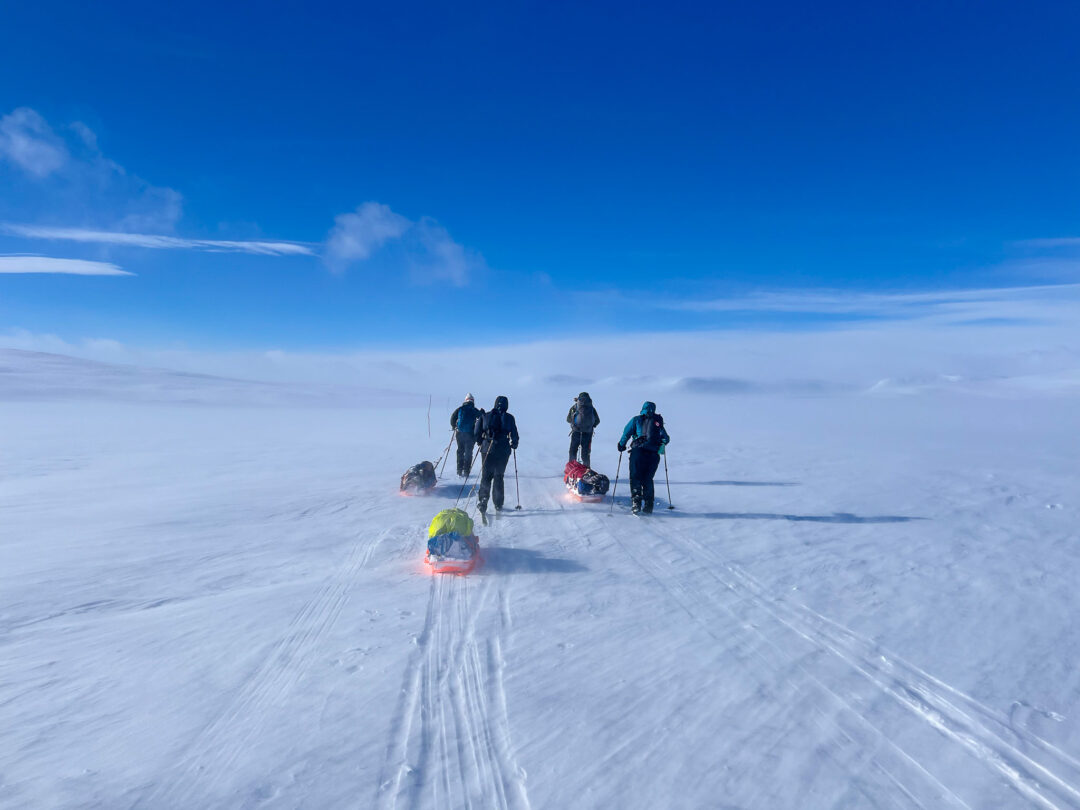
You should be comfortable gliding, picking up speed and getting yourself back up after a fall. Then you’ll cover 9 to 15km daily while pulling everything you need in a pulka behind you, and up to 18km on the 28 December and 13 March departures.
Activity Overview
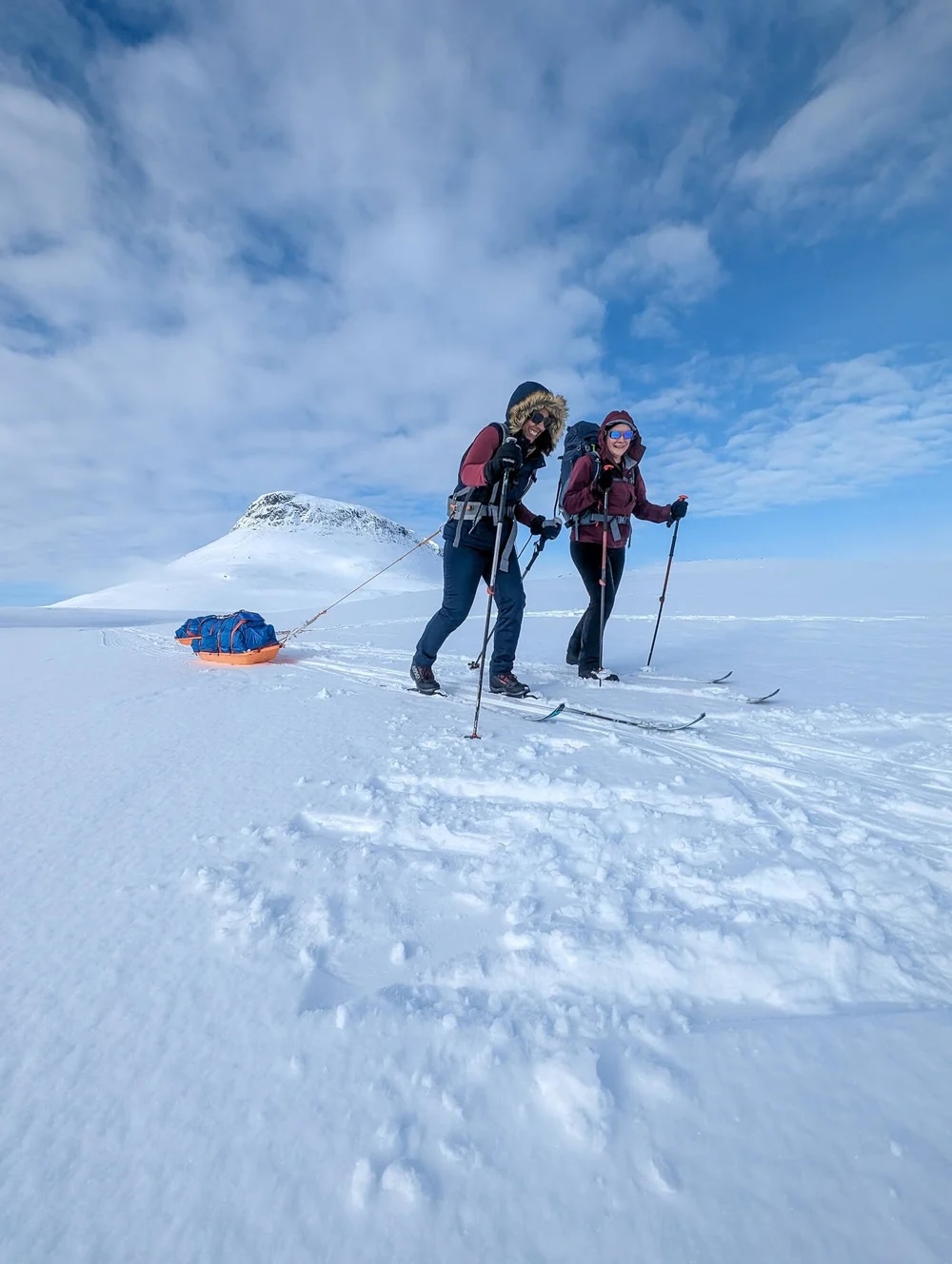
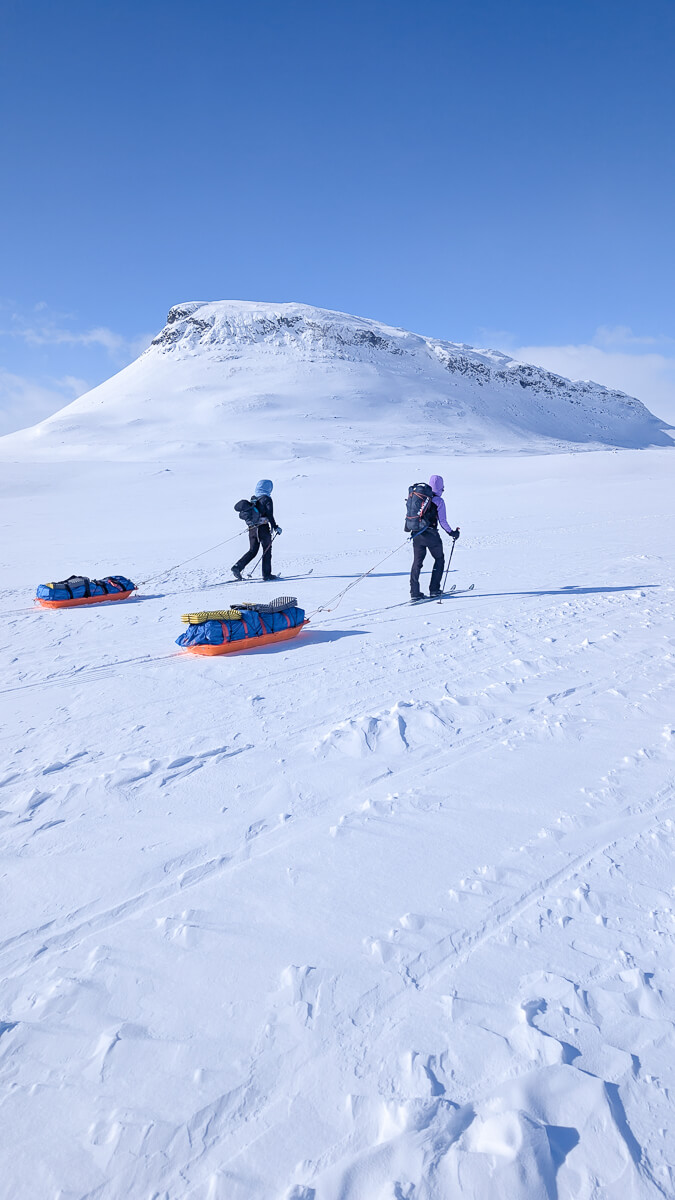
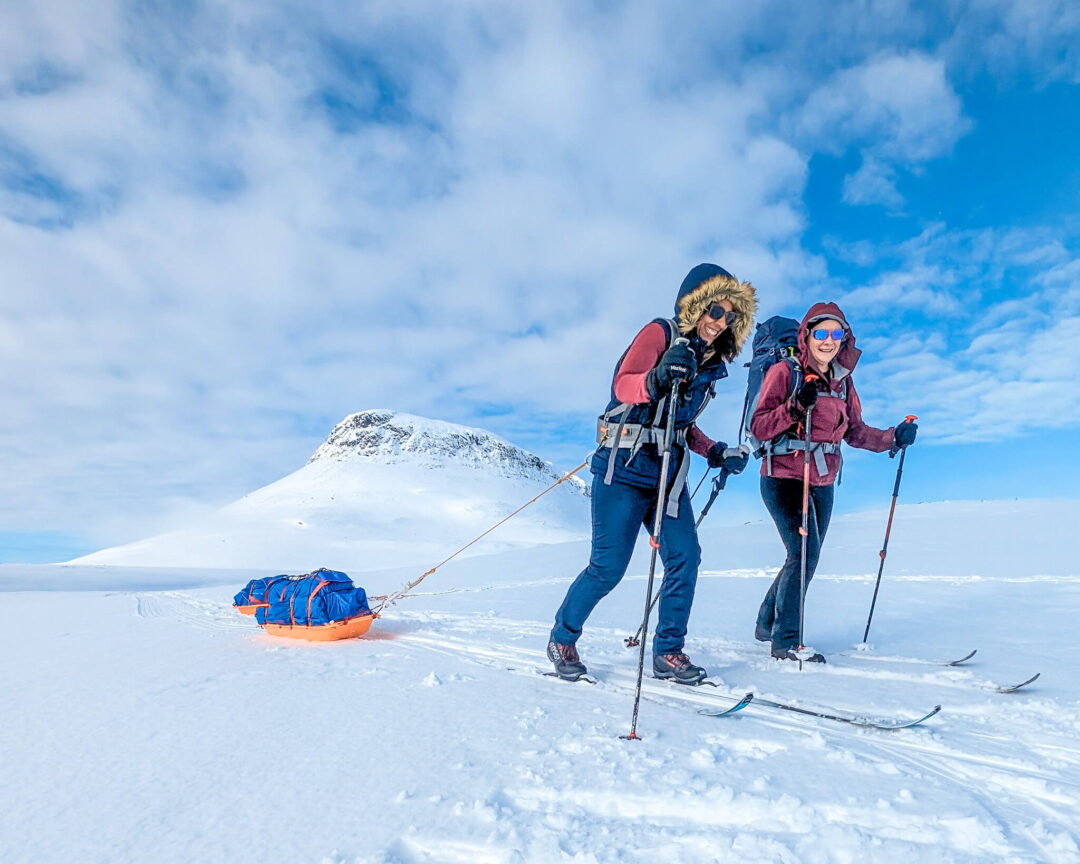
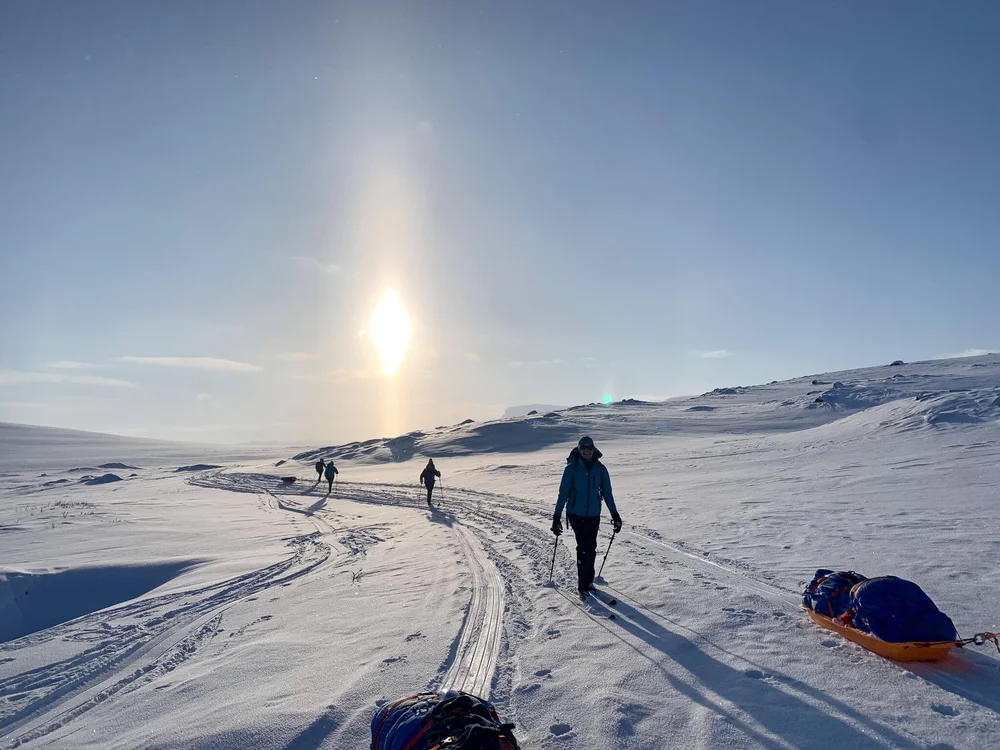
Everything you need for a week – food, sleeping gear, spare clothes, cooking equipment – gets loaded into a pulka (expedition sled) that you’ll haul behind you. You’re completely self sufficient, with no supply drops at your next hut or restocked base camps.
The sled can weigh up to 25kg and has a personality of its own. It’ll try to overtake you on descents and drag like a stubborn dog on flat ground.
Your legs will hurt, you’ll get tired, and some days you’ll wonder why you signed up. But don’t worry, you’ll also have new friends to laugh about your type 2 fun holiday with. Nothing bonds people like mutual suffering in sub-zero temperatures.
Activity Overview
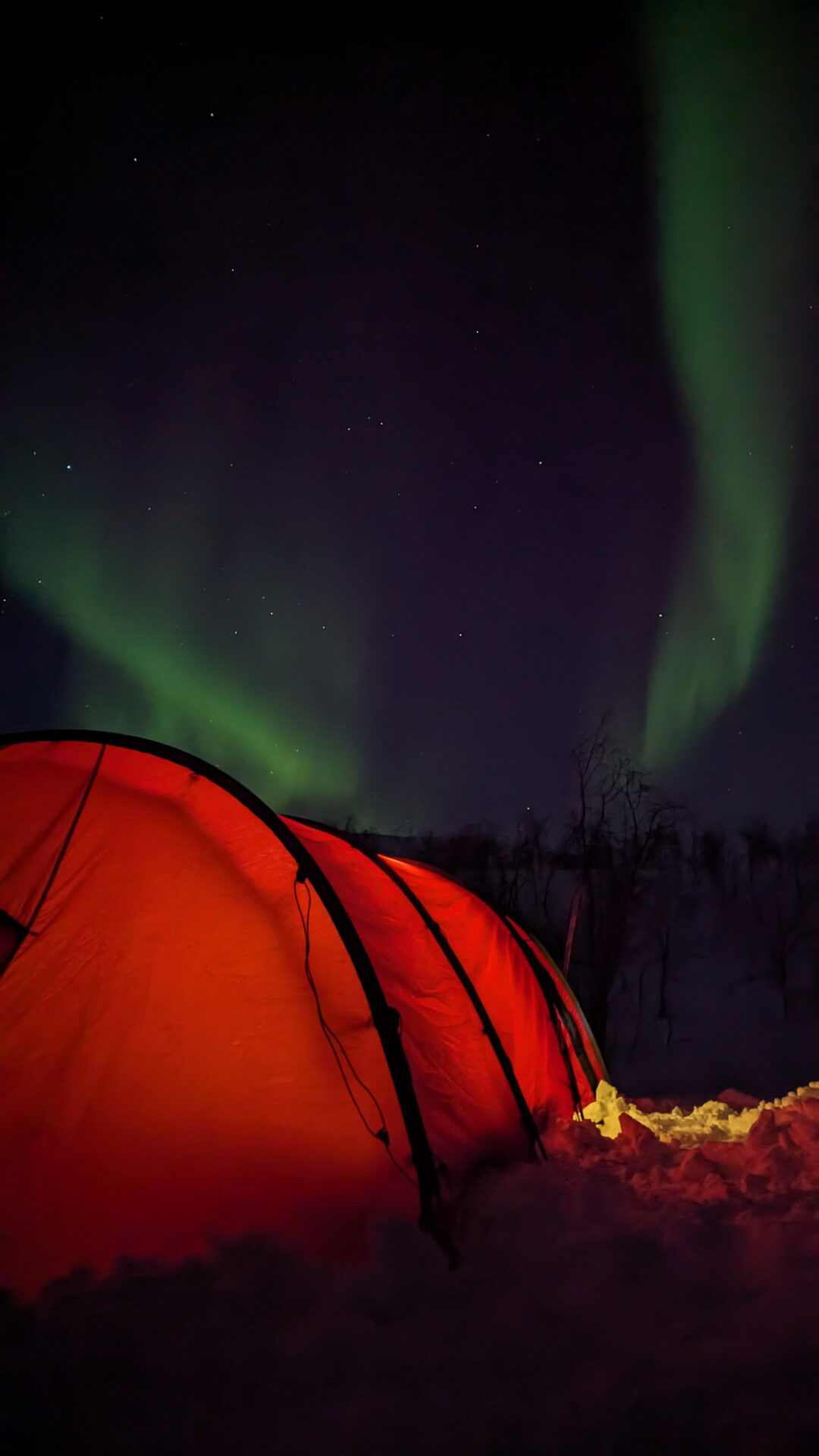
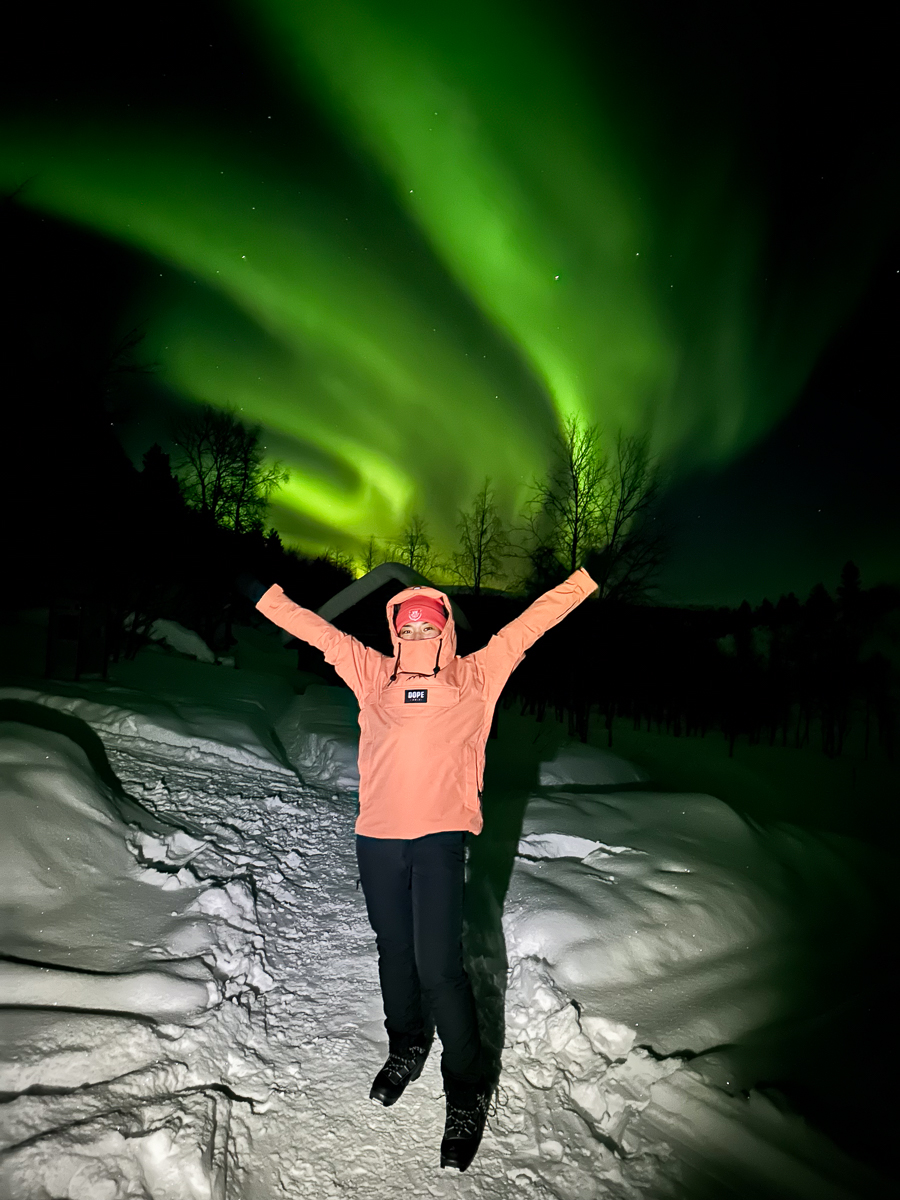
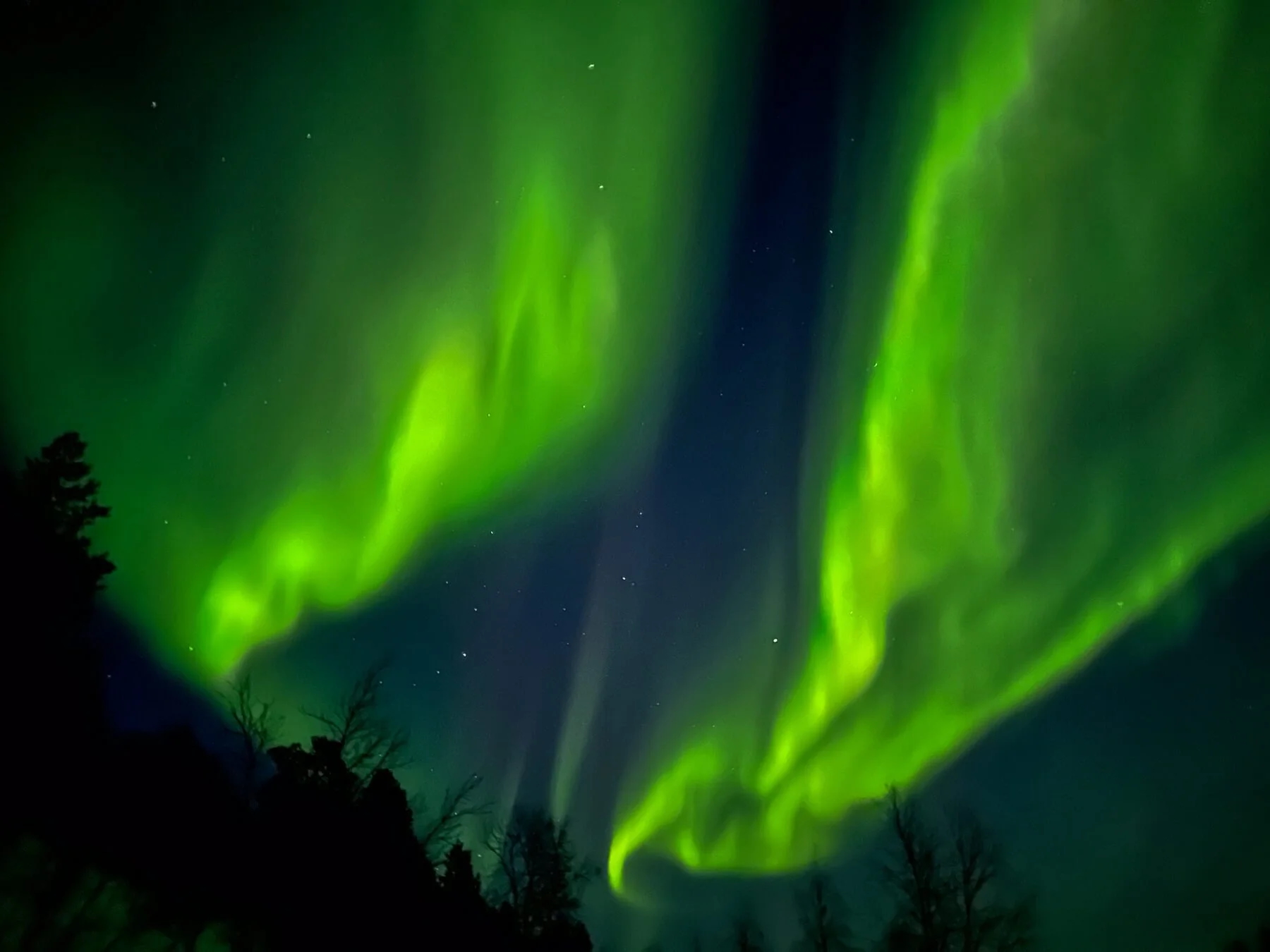
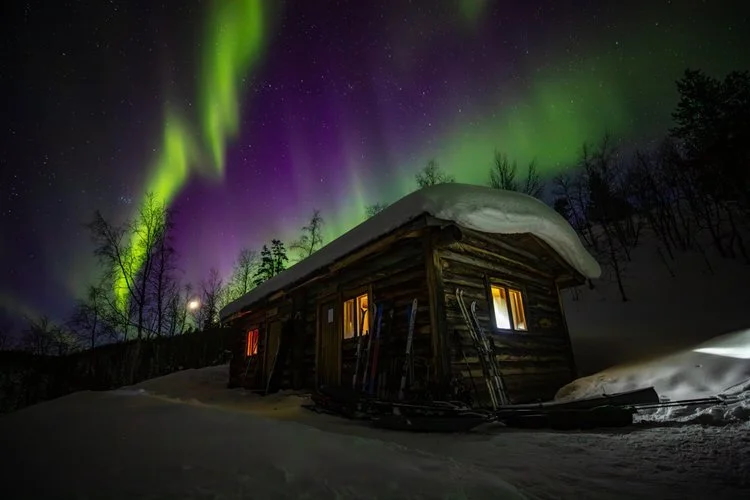
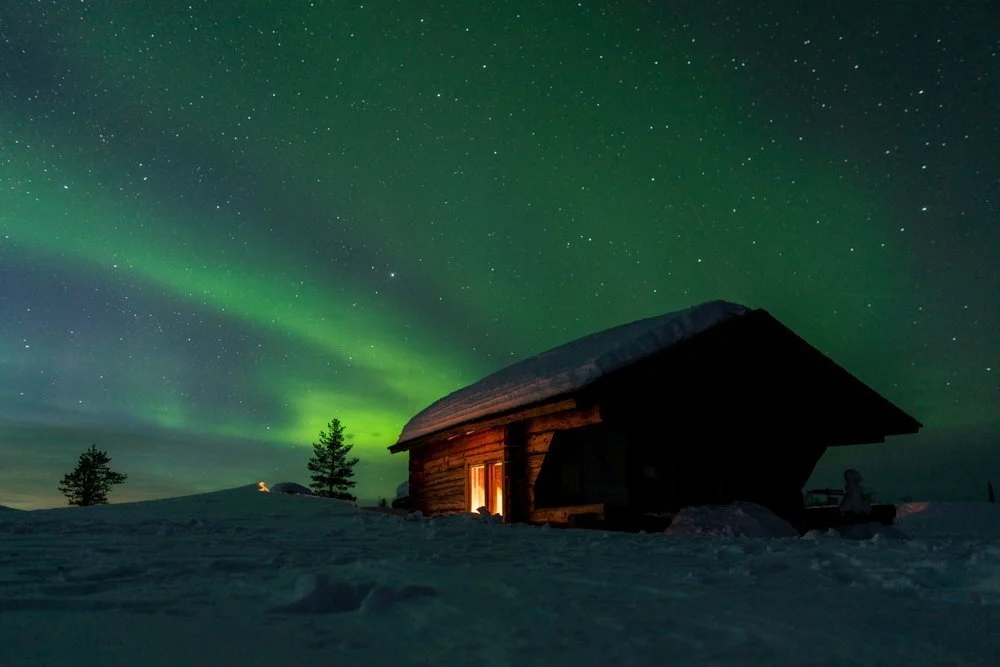
Step outside your wilderness hut and look up. This far north with zero light pollution, you’re in prime aurora territory. No guarantees – nature doesn’t work on demand – but when the lights show up, you’ll know about it.
The Destination
Your Adventure Starts Here
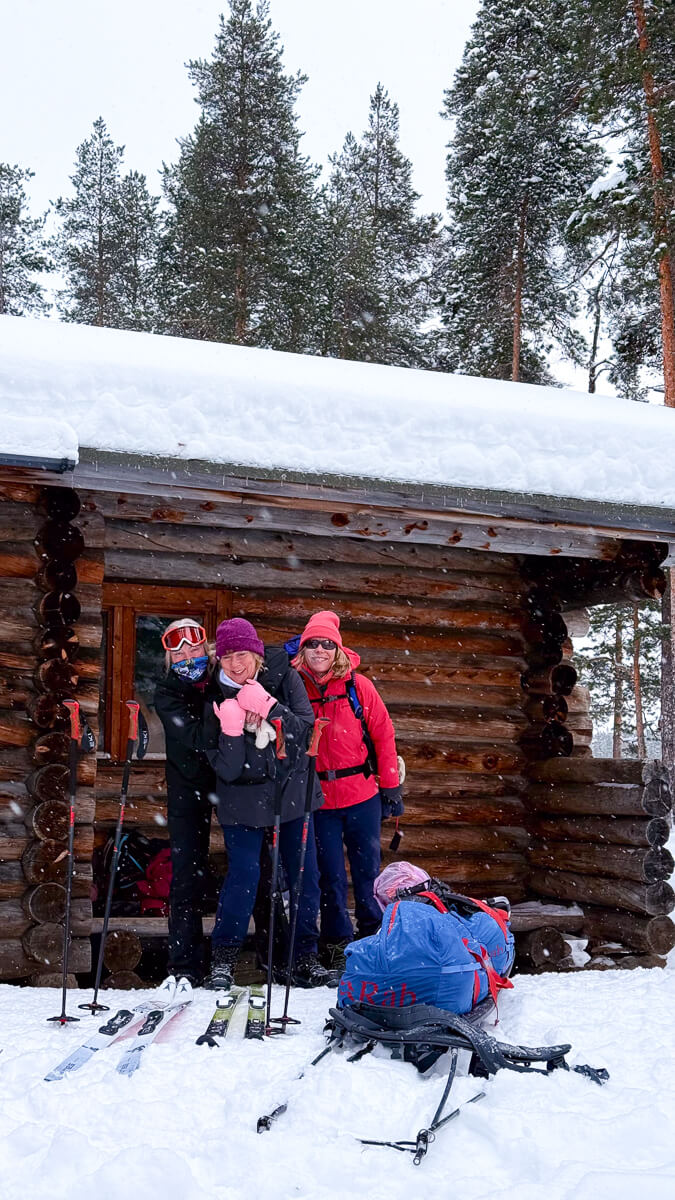
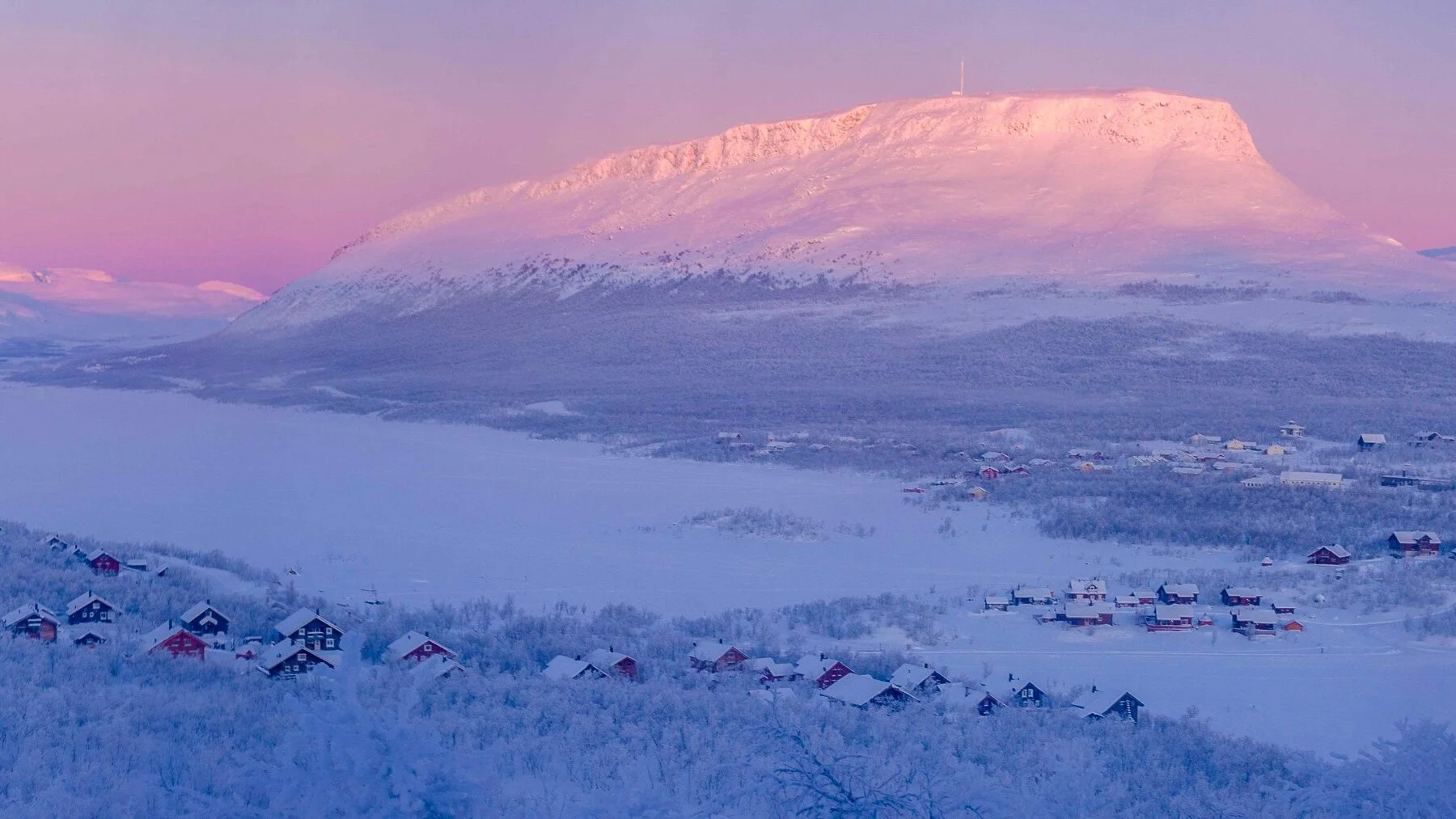
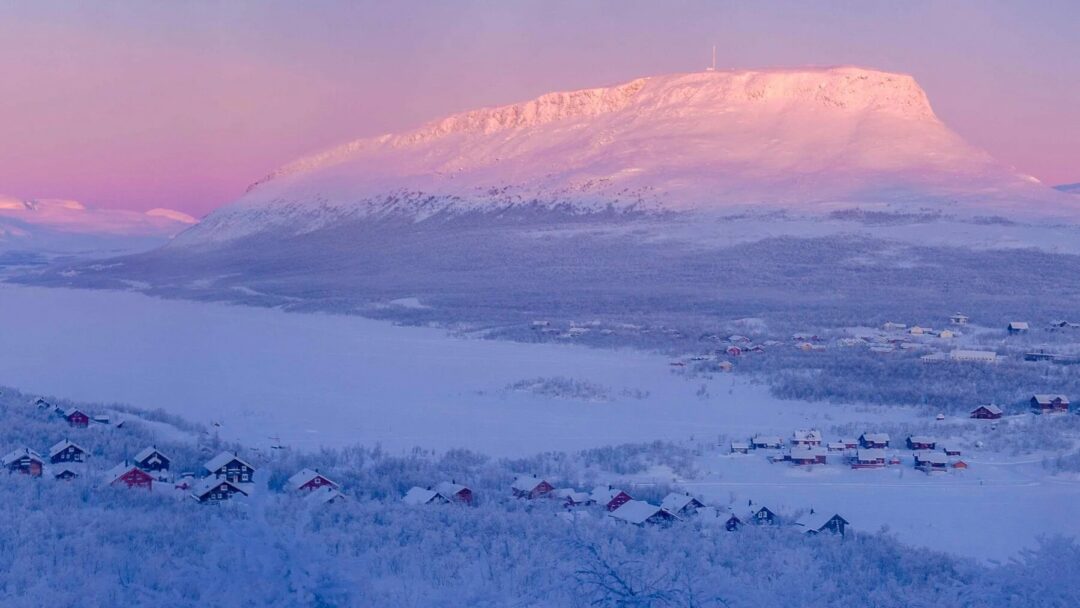
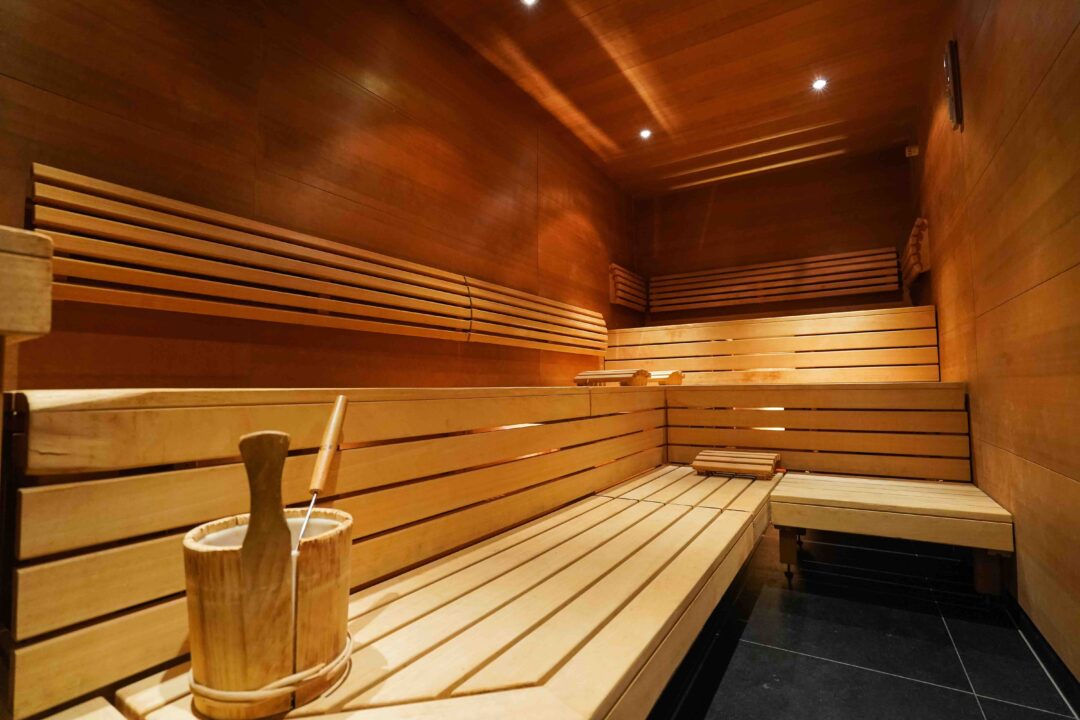
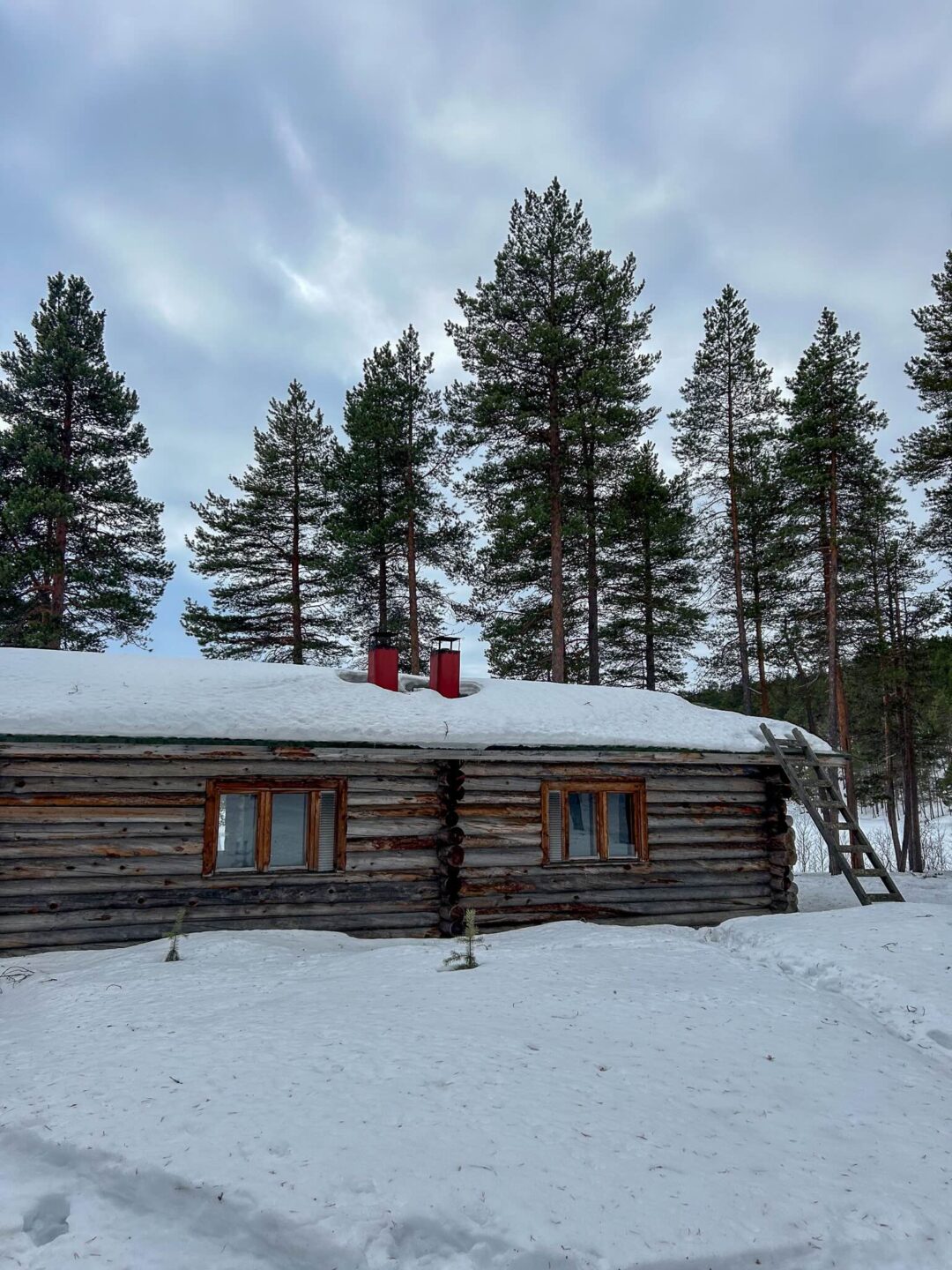
Land in Tromsø and hop on our transfer to Kilpisjärvi - an Arctic village surrounded by wilderness that’ll make you forget civilisation exists. Check into our log cabin base for your briefing, a kit check, introductions and a sauna, then get an early night. Trust us, you’ll need it for what’s coming.
Kit fitting time. Get familiar with your backcountry skis and poles, and load your pulka properly. Everything you need for the week goes in it, because from here on you carry the lot. A quick run through of how the pulka handles, then we’re off.
Right, here we go. We’re skiing 15km from Kilpisjärvi up into the open fells to our first off-grid hut, with 350m of steady climbing to get there. Your legs will remember this one.
Welcome to off-grid life, light the wood burning stove, melt some snow and pick your bunk. You should sleep well after your first full day of skiing!
Fuel up with a hearty breakfast - you’ll need all the energy for today.
Most departures: Around 9km over undulating terrain with a 200m ascent, which sounds gentle but will test those legs. If the group’s moving well your guide may take the longer line, up to 15km. Weather permitting, we’ll tackle a summit for views that’ll make the climb worth every burning muscle. 28 Dec & 13 Mar: A second night in the same hut, which means the pulka stays behind. 18km out into the fells via the Kuonjarjoki area and back again, carrying nothing but a day pack.
Most departures: Settle into wilderness hut number two. Light the burner, melt tomorrow’s water and get yourself fed. Keep an eye out for the northern lights! 28 Dec & 13 Mar: Same bunk, same wood burner, no packing up. Keep an eye out for the northern lights!
Most departures: Around 9km today with a climb in it. 150m up and over Kalkkinippa fell, where the views are stunning wilderness as far as you can see. 28 Dec & 13 Mar: 15km back down to Kilpisjärvi, mostly descent.
Most departures: Put those downhill skills to work on the drop off the fell and on to tonight’s hut. 28 Dec & 13 Mar: A night in the village. Hot showers, four walls, and a chance to dry everything out. On the 28 December trip, this one lands on New Year’s Eve.
Most departures: Back to familiar digs from night two. You’ll appreciate having ‘home’ to return to after a full day on skis. 28 Dec & 13 Mar: An evening in Kilpisjärvi before you head back out tomorrow.
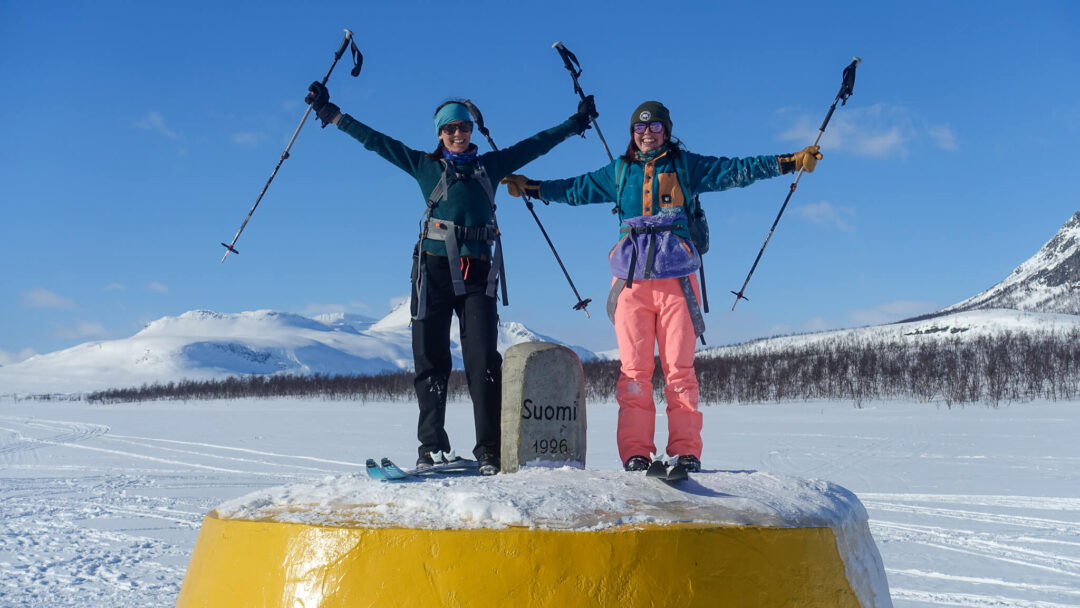
Most departures: Expedition-style breakfast, then it’s 15km, mostly downhill and flat, crossing the Norwegian border on the way. Another country to tick off. 28 Dec & 13 Mar: Back out into the wilderness. 15km of flat skiing towards the three nations border, where Finland, Sweden and Norway meet.
Most departures: Glide back down into Kilpisjärvi and into the same cabins you started in. Hot shower, four walls, and a night back in comfort. 28 Dec & 13 Mar: Into tonight’s hut, and you’re here for two nights.
Sauna time! Your muscles will thank you. Reset, refuel, and prep for the second half of this expedition.
Most departures: Today’s the big one. 9km back out into the wilderness, plus an excursion to the Three-Country Border Cairn. Stand at the exact point where Finland, Sweden and Norway meet. Pretty special stuff. 28 Dec & 13 Mar: A lighter day out on the fells from the same hut.
Feeling strong? There's an optional fell climb for those who want to push themselves further. Otherwise, enjoy the unique location.
Most departures: Another remote cabin awaits. 28 Dec & 13 Mar: Second night in the same hut, no packing up.
Last ski back to Kilpisjärvi to complete this epic Arctic loop. You've just conquered a proper backcountry expedition.
Check into a comfortable log cabin with hot showers (luxury!), sauna, and time to digest what you've just achieved.
Celebrate with the group - you've all just completed something most people only dream about.
Hearty breakfast and final views of the wilderness that's been your home for the past week. Transfer back to Tromsø airport. You'll be going home with actual Arctic expedition credentials and new friends!
Rest & Refuel
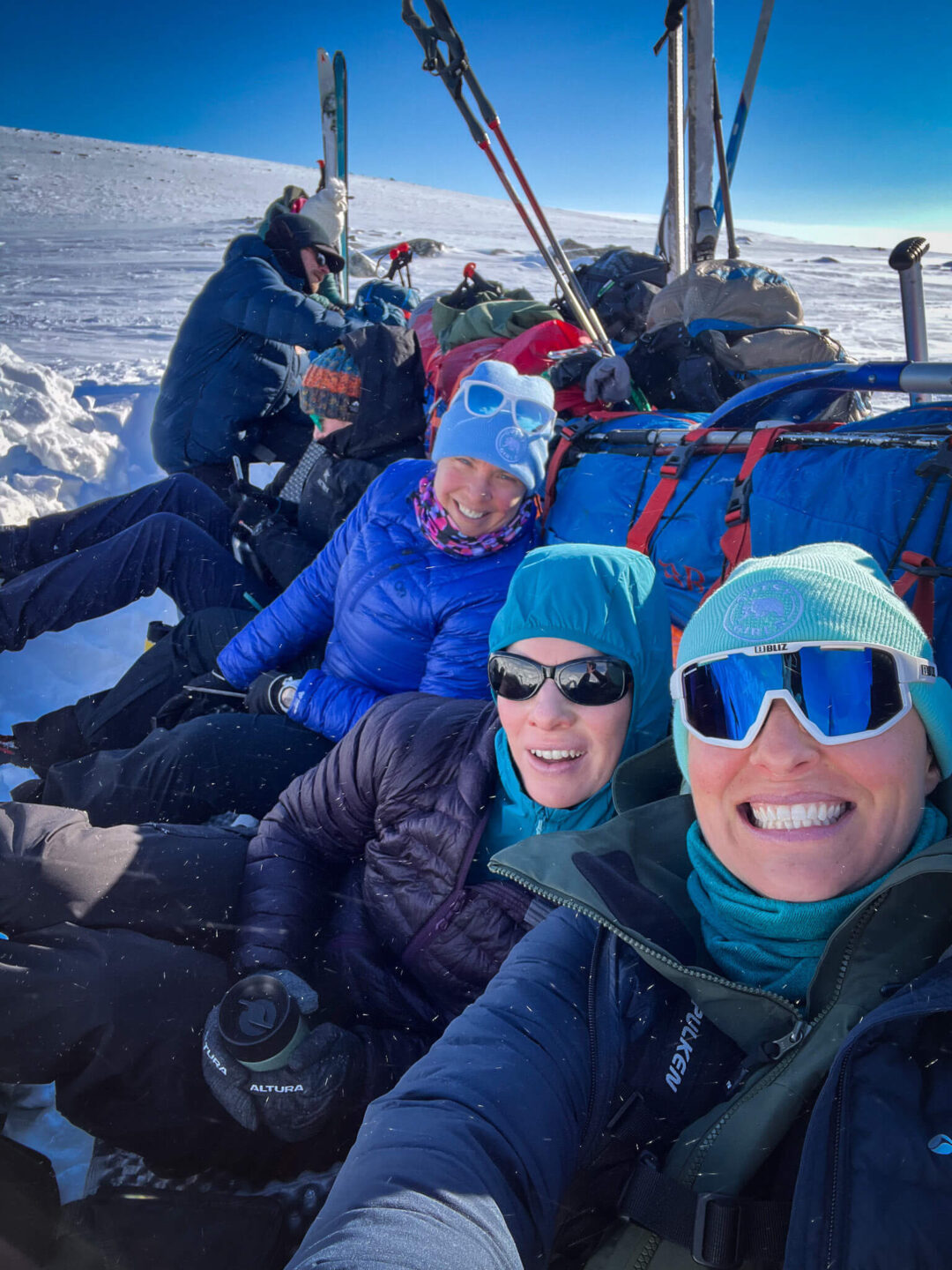
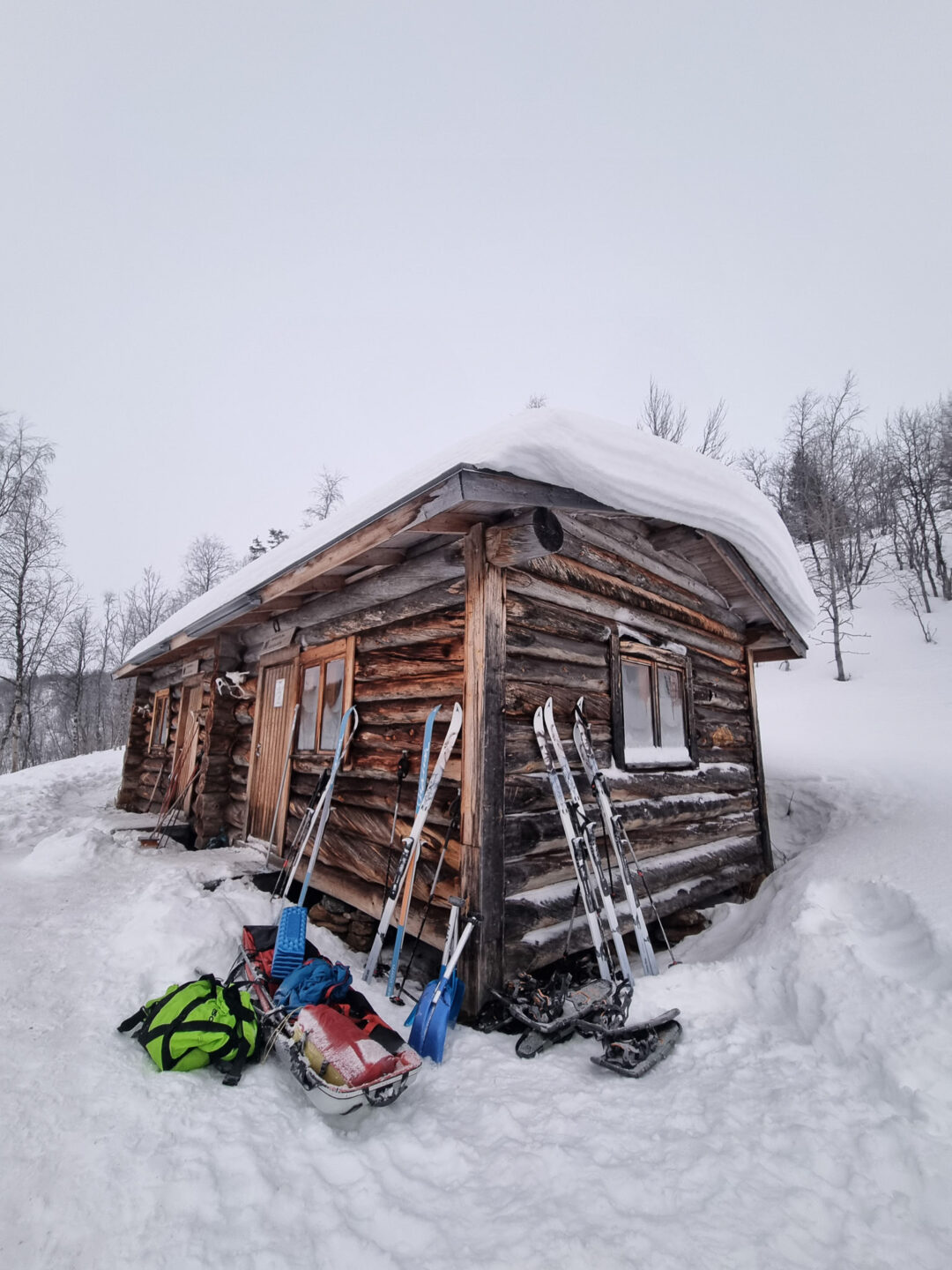
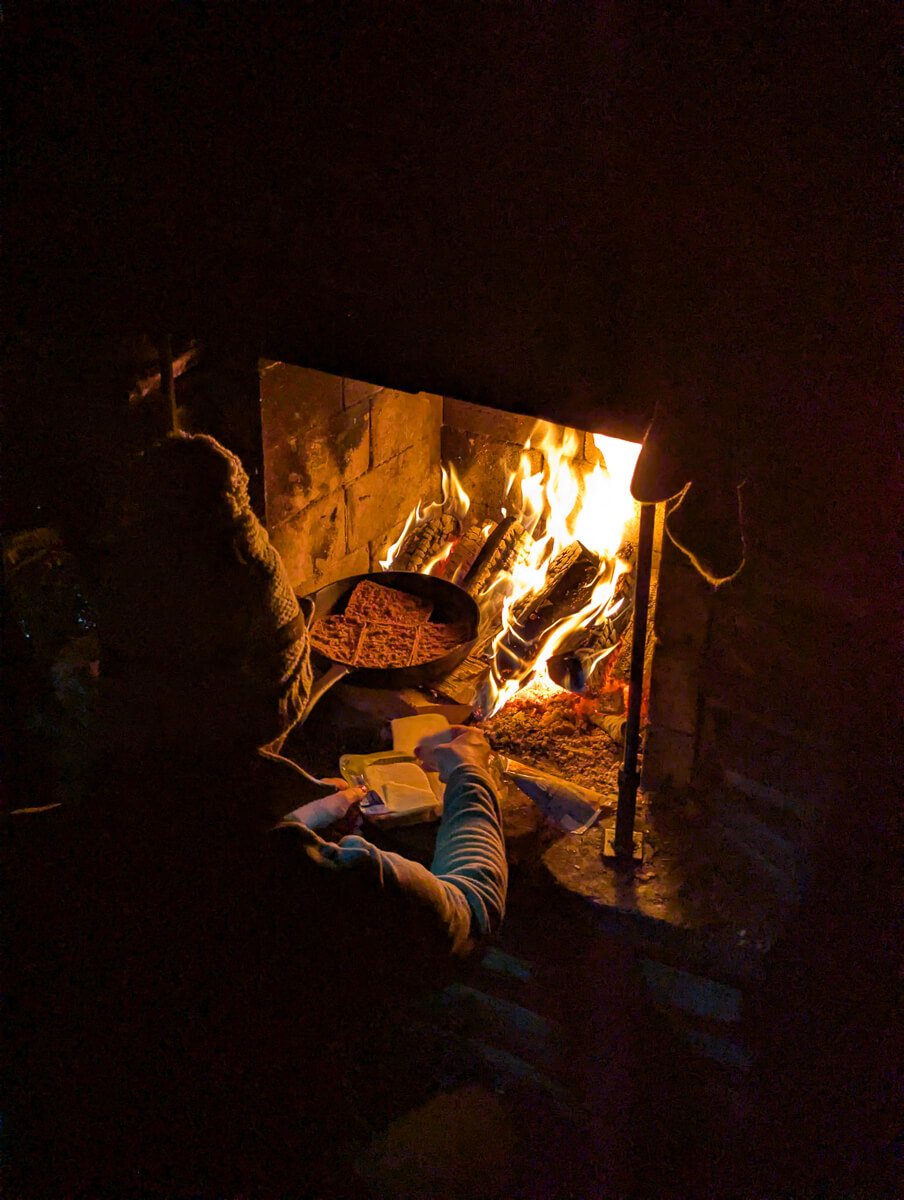
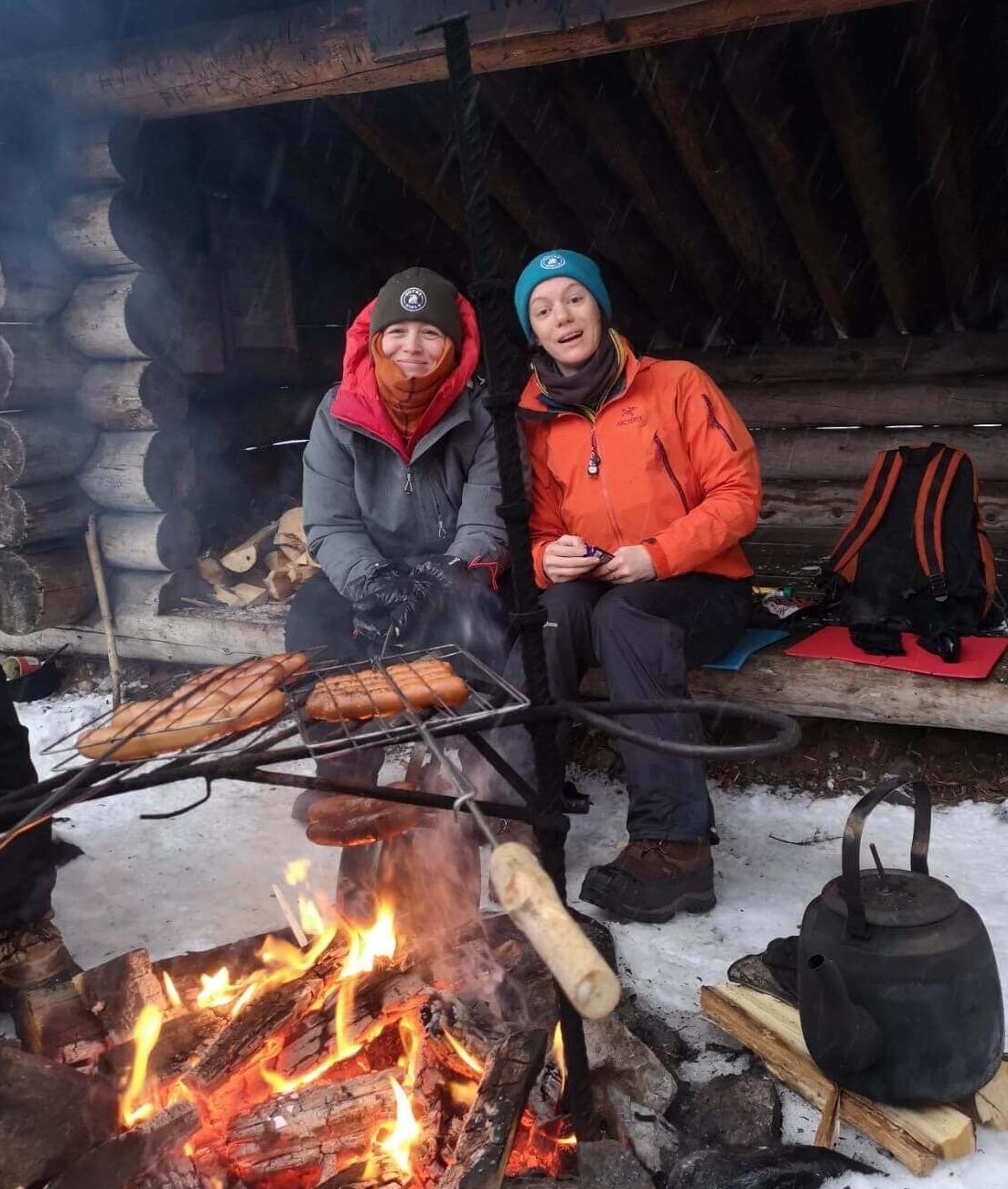
You'll start and finish in a cabin with electricity, a restaurant, sauna, and hot showers. The expedition huts are very basic with no electricity or running water. There are wood-burning stoves for heat, candles for light, shared outhouses and communal sleeping quarters.
1 of 2
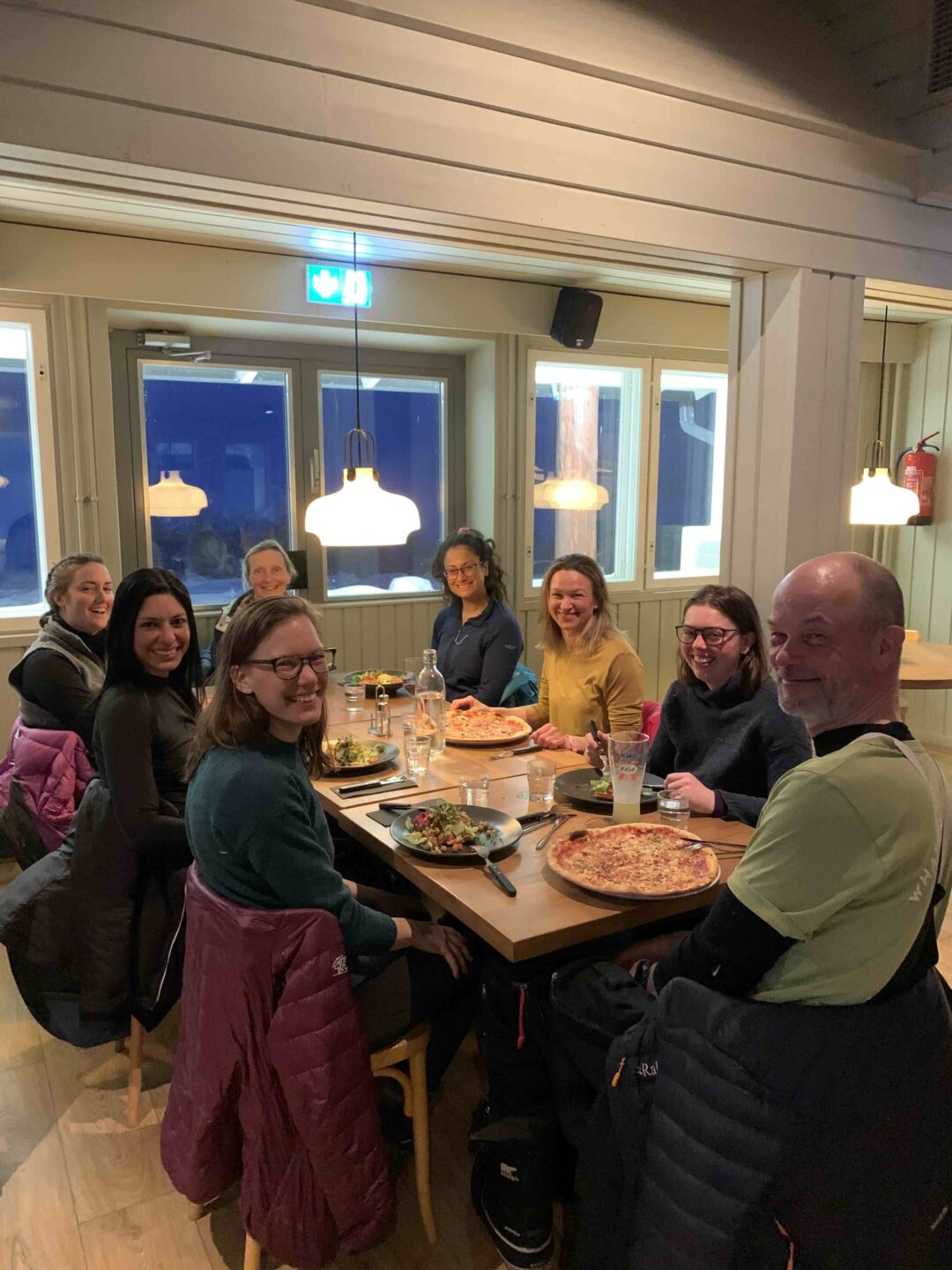
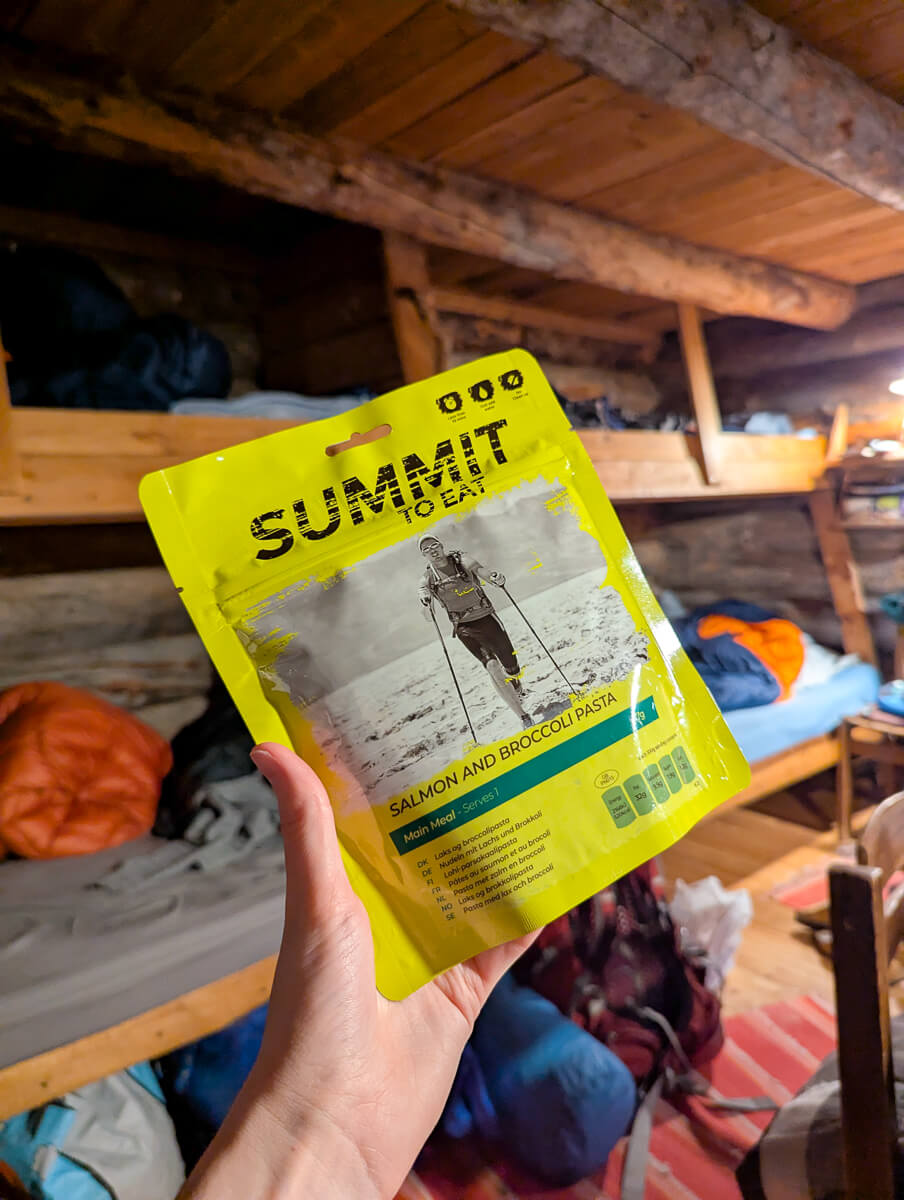
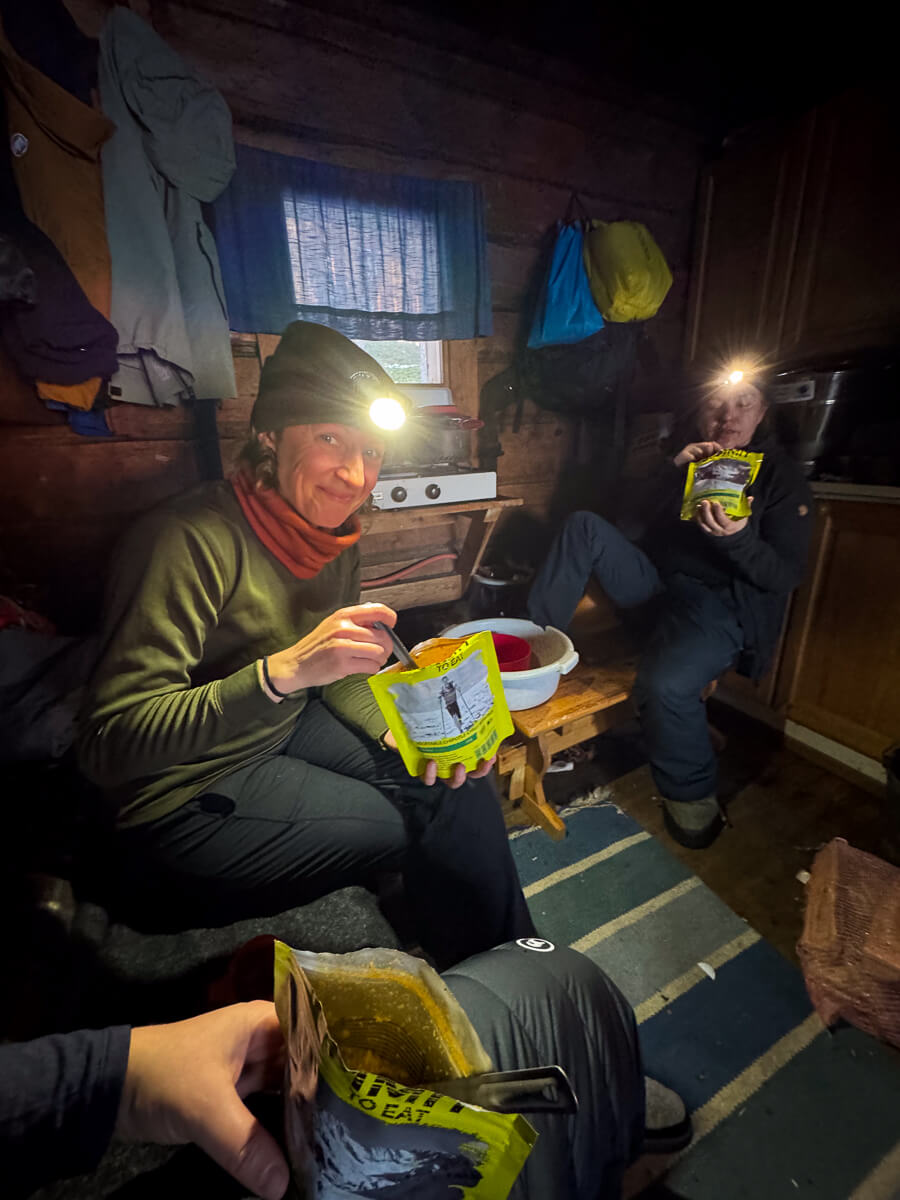
On the expedition, food is simple and built for fuel over flavour. Breakfast is porridge packets, bread, cheese and jam. Lunch is sandwiches made at breakfast plus instant noodles, and dinner is a dehydrated expedition meal you add boiling water to. You'll have a restaurant meal at the cabin at the start and end of the trip. Bring your own snacks for extra energy through the day too.
2 of 2
Availability
The Essentials
| Accommodation |
Back to Basics On the expedition, you’ll stay in a series of off-grid wilderness huts, and they are as basic as it gets: there’s no electricity or running water. Everyone shares one small space, sleeping in bunks packed in close together. You’ll warm the hut with the wood burner and melt snow for the next day’s drinking water. We begin and end the expedition in a comfortable shared log cabin with electricity, a sauna, and indoor toilets and showers.
|
|---|---|
| Food and Drink |
All meals are included, from dinner on arrival day to breakfast before your journey home. Whilst on the expedition meals will be filling but basic. If you have a severe food allergy, please get in touch before you book.
|
| Fitness Level |
4
Tough Skiing 9–15km daily while hauling a 25kg pulka means five to seven hours of sustained full-body effort. Cross-country skiing also works differently from most cardio, so even strong runners find muscles firing that they don’t normally use. Temperatures can drop to -30°C, which means your body is already working harder just to stay warm before you’ve even skied a kilometre. Overnight stops are in basic wilderness conditions with no electricity, no running water and shared sleeping quarters, so mental resilience matters as much as physical fitness. If you’re training hard three or more times a week and you’ve experienced back-to-back demanding days before, you’re ready. The 28 December and 13 March departures stay two nights in each hut, which swaps two hut moves for a longer day trip of up to 18km without the pulka. The fitness demands are the same whichever route you’re on. You'll Need to Be
|
| Skill Level |
2
Improver You need cross-country or backcountry skiing experience for this one. Not expert level, but the technique needs to be in your legs before you arrive, because there’s no teaching day and you’re skiing with a loaded pulka from day one. At a minimum you should be able to move efficiently on the flat, control your speed on descents, snow plough with confidence and get yourself back up after a fall. Alpine skiing doesn’t count. It’s a different technique on much narrower skis and it won’t transfer. If you’re not there yet, one of our beginner cross-country trips will get you ready, and you’ll enjoy this one far more for having done it. Fitness matters just as much, so make sure you check the fitness level before you book. Not sure what level you are? Our Trip Rating Guide explains how we score fitness and skill. |
| Packing List |
Below are a few specialist items you will need or might have to invest in before your adventure. For a full list of what you’ll need to bring, check out the trip guide. We Provide
You'll Need
|
| Travel |
The meeting point for this trip is Tromsø Airport. For alternative routes and travel information, please see the trip guide. |
| Not Included |
|
| Trip Code |
FINWHFHAL |
The Answers
Yes, and we’re strict about it. There’s no teaching day, so you’ll be skiing with a loaded pulka from day one. You should be able to move efficiently on the flat, control your speed on descents, snow plough with confidence and get back up after a fall. Alpine skiing doesn’t transfer, it’s a different technique on much narrower skis.
If you’ve never been on cross-country skis, start with one of our beginner Norway trips or our Sweden Backcountry Ski Trip. This one’s best saved for when you’re ready.
You need high cardiovascular fitness, think three or more times weekly cardio sessions lasting at least 45 minutes. You’ll ski 5-7 hours daily while towing weight. If you can’t handle consecutive active days or weight training, this trip isn’t for you.
This is backcountry wilderness exploration. Instead of neatly carved tracks, you’ll break your own trails through deep snow. Think hiking with skis on rather than faster, track-based skiing. You’ll also be on wider skis for stability at a slower pace to help with pulling the sled.
We provide touring skis, boots, poles, winter sleeping bags, sleeping mats, pulkas (sleds), and tents. You’ll need all your own clothing, including multiple base layers, a shell jacket, warm mittens, and everything else on the packing list.
If these are your concerns, this probably isn’t the trip for you. Temperatures hit -5°C to -30°C, wilderness huts have no electricity or running water, toilets are outhouses, and you’ll share sleeping spaces. If that sounds grim rather than adventurous, choose a different trip. (Our Bookings Team will be happy to help).
You need to fly into Tromsø, Norway (most flights connect through Oslo). We pick you up from Tromsø Airport and drive you to Kilpisjärvi, which takes around 2 hours 45 minutes, and we drop you back at the end of your trip. Your flight must get in to meet the transfers; they won’t wait around.
We will collect you from Tromsø Airport on arrival day and drop you back on the last day of the trip. You are responsible for getting yourself to the airport.
Transfer times:
28 December 2026 – 4 January 2027
4 January 2027 – 11 January 2027
6 February – 13 February 2027
27 February – 6 March & 13 March – 20 March 2027
The group transfer is included in your trip package. There is no discount if you choose not to use it.
Please book flights that work with our transfer schedule, otherwise you need to arrange private transport at your own cost (and it will be expensive). We can’t delay group transfers, even for flight delays. Travel insurance that covers missed connections or heavy delays is essential.
Expect anything between -5°C to -30°C depending on when you go, with possible snow, wind, and cloudy conditions. Finnish cold is dry so feels slightly less harsh than it would in the damp UK at the same temperature, but it’s still really cold.
Nearly. Two departures, 28 December and 13 March, run the same route in a different order, staying two nights in each hut rather than moving on every night. Same huts, same fells, same terrain, and the fitness demands are the same whichever route you’re on. Both versions are in the day-by-day above, so check it against your dates before you book.
Yes, absolutely. Arctic weather can change fast, so guides adjust daily routes for safety and the best conditions. You’ll still get your full expedition experience, just potentially on a slightly different route.
Bring some euros or your debit card for drinks and snacks at the first and last night’s cabin All meals are included, you will just have to pay for any extra drinks or snacks.
Yes, leave anything you don’t need at the first night’s accommodation – it’ll be there when you return. Just pack your expedition essentials in your daypack and pulka.
See what's trending