Trip Guide

Trip Guide: Winter Multi-Activity Holiday in North Iceland

Ready to learn cross-country skiing in Iceland’s winter wilderness? This guide gets you prepared for five days of gliding through backcountry, riding Icelandic horses, and soaking in geothermal pools.

You’ll be cold, you’ll fall over learning to ski, and you’ll work harder than expected. If that sounds like an adventure, you’re in the right place.

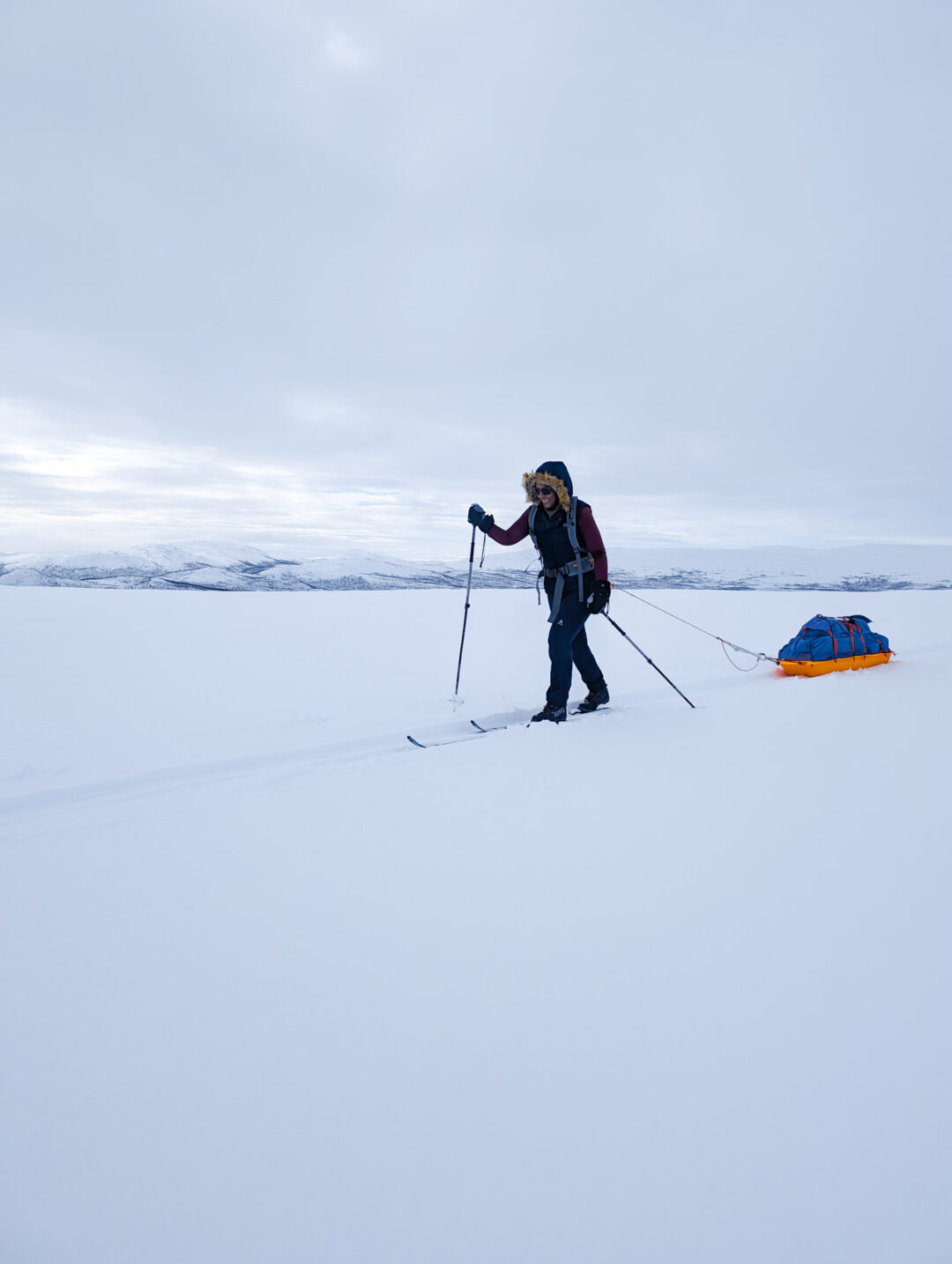
Winter sled ride across snowy countryside with hills in North Iceland
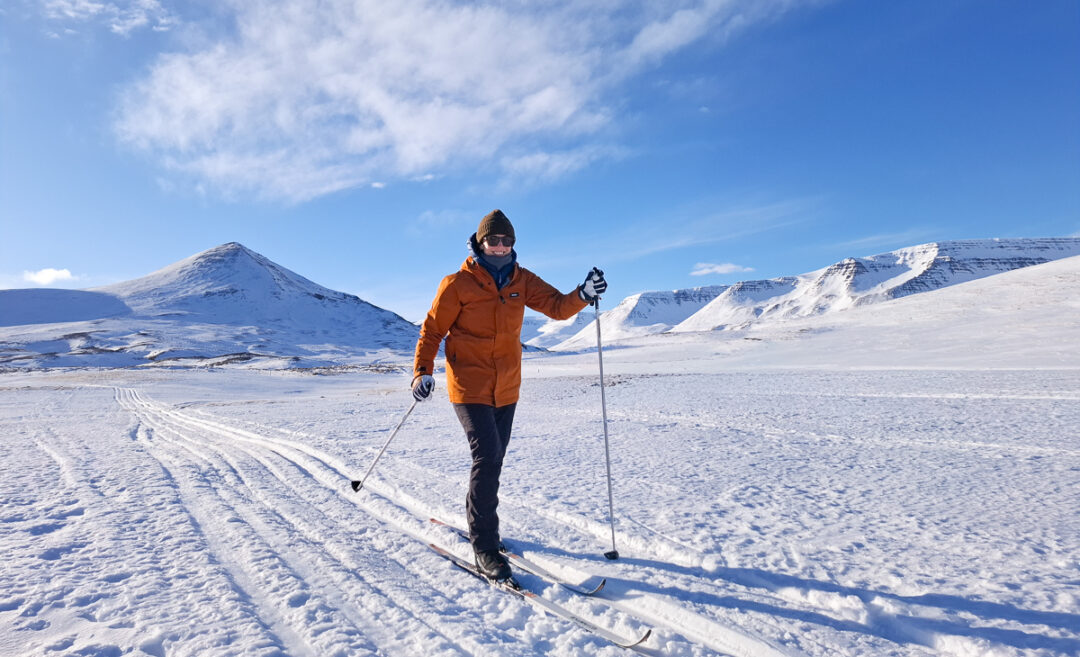
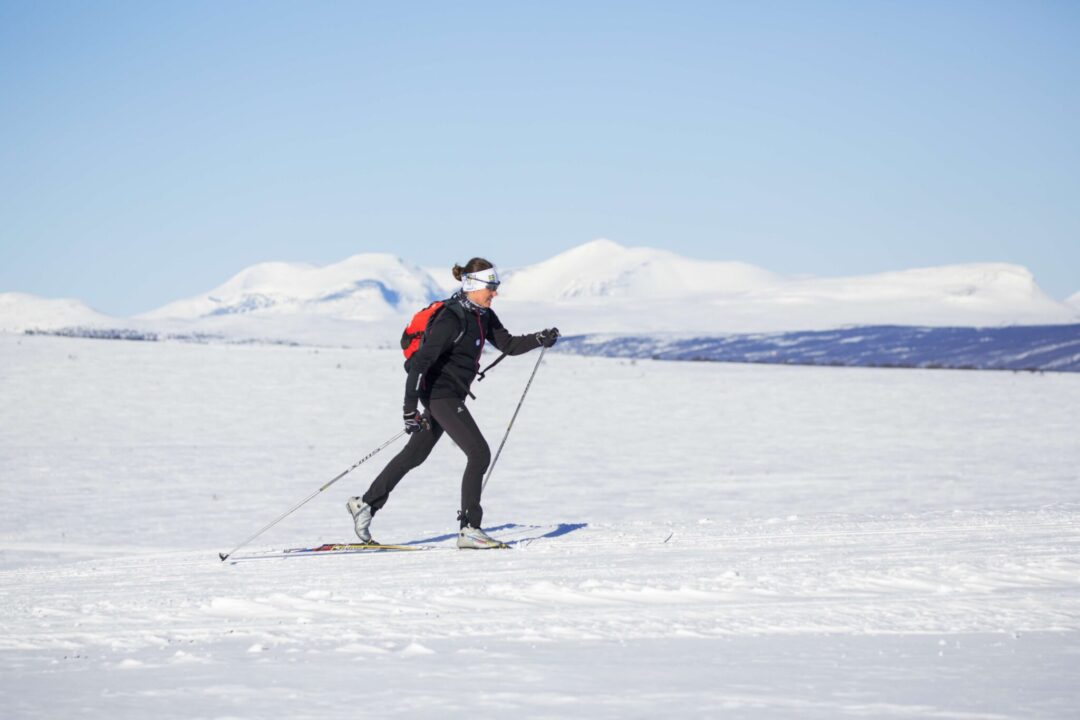
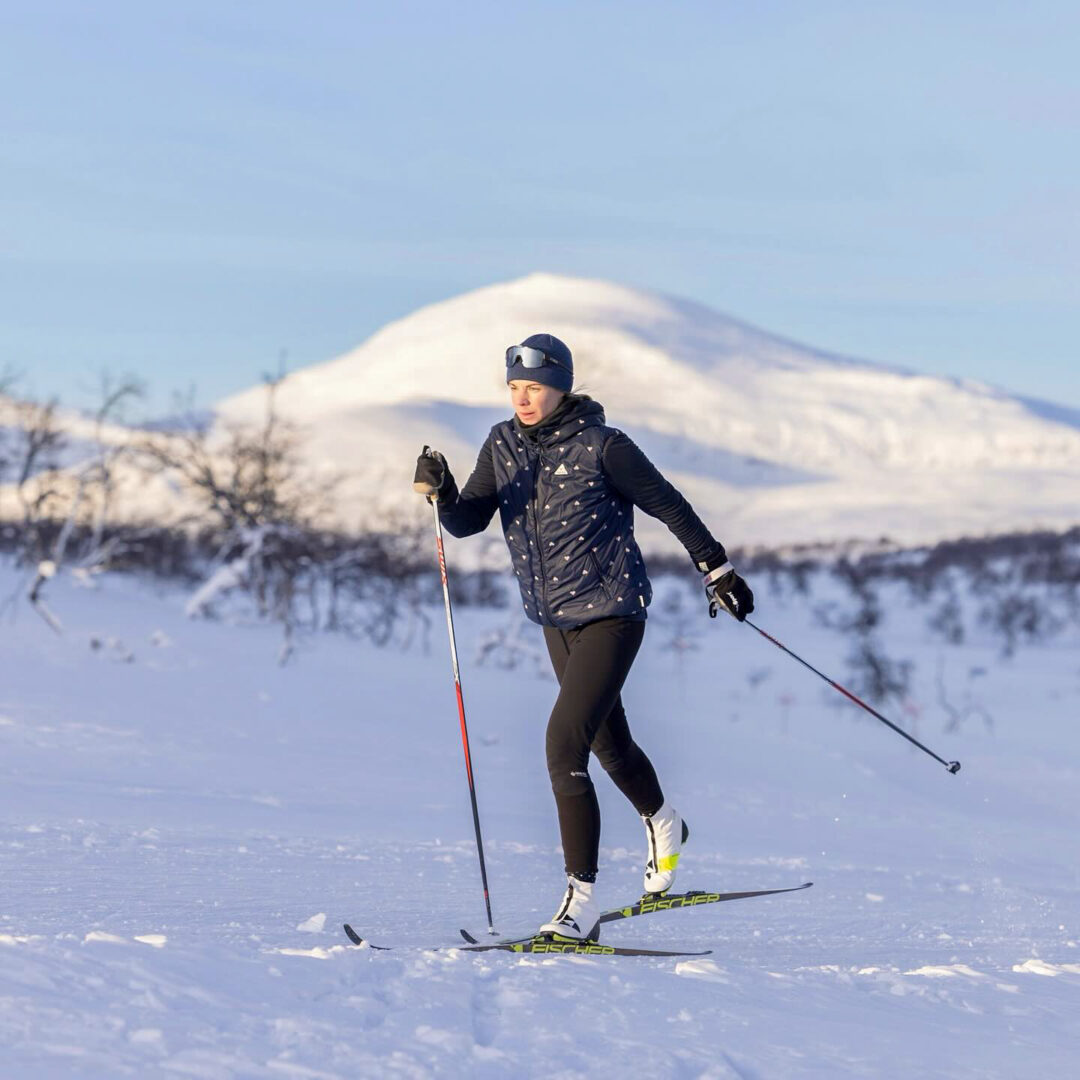
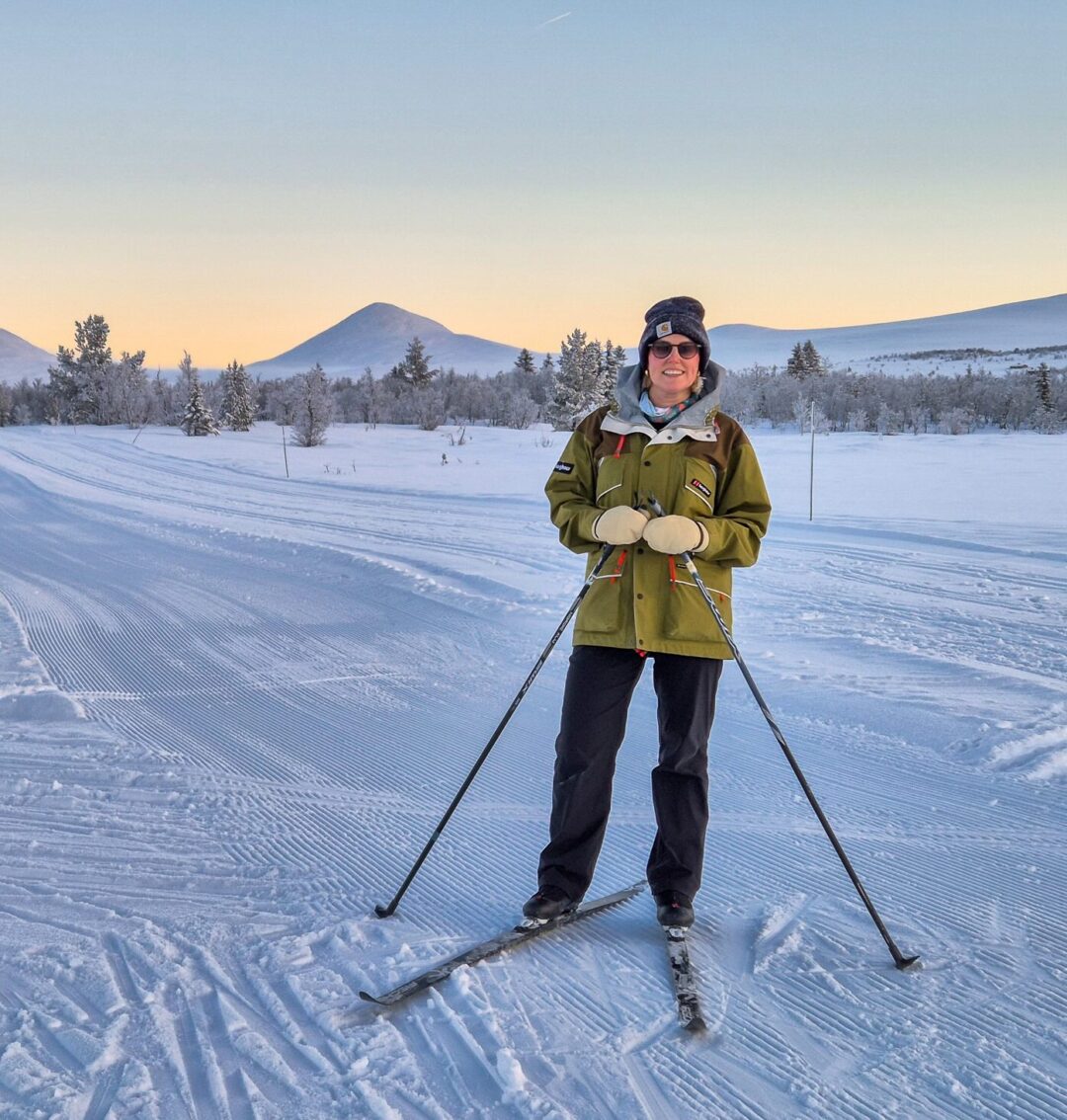
woman cross country skiing in snowy landscape

Getting There

Fly into Akureyri (AEY), then transfer north to Sóti Lodge on the Troll Peninsula.
Direct flights from the UK go from London Gatwick, and they work with this trip. Our transfers are timed around them, so there is nothing else for you to arrange.

What flights should I book?

The only direct flights to Akureyri from the UK are from London Gatwick, and they work with this trip.

Flights:

Out: LGW – AEY 12:35–15:55 (EZY8849, easyJet)
Back: AEY – LGW 17:50–20:55 (EZY8850, easyJet)

Transfers:
  • Arrival: Akureyri Airport 16:25
  • Departure: Akureyri Airport 15:50

Book these and our transfers pick you up and drop you off at the right times.

There are other routes to Akureyri, usually connecting through Reykjavik, and you are welcome to travel that way. The thing to understand is that our transfer is tied to the Gatwick flight and will wait for that one only. If you arrive on a different flight and it runs late, the group will already have left for the lodge and getting there is then down to you. A direct taxi is around £238, so give yourself a generous connection and make sure your travel insurance covers additional transfer costs.

What time are the transfers?

We collect the group from Akureyri Airport on arrival day and drop you back there on departure day.

Transfers:
  • Arrival: Akureyri Airport 16:25
  • Departure: Akureyri Airport 15:50

Both are timed to the London Gatwick flight and are included in your trip price. There is no reduction if you choose to make your own way.

What happens if I miss the group transfer?

Arrival day: You’ll need to get yourself to Sóti Lodge (two hours from Akureyri). Options: rent a car, take a bus to Siglufjörður then private transfer (around £85 total), or direct taxi (approx £250).

This is why travel insurance covering delays is essential.

Departure day: you will be staying in Akureyri on your final night, and the airport is around a 5 – 10 minute taxi journey, so you can easily make your own way to the airport at a different time if necessary. You will need to cover the taxi fare.

Can I extend my stay in Iceland?

Akureyri is worth extra time – it’s got whale watching, botanical gardens, and is a great base for exploring Lake Mývatn and Goðafoss Waterfall. Plus you’ll want recovery time after all that skiing. We can connect you with others on the trip via WhatsApp who might want to explore together.

What if my luggage gets delayed?

Pack cross-country skiing essentials in carry-on: base layers, gloves, warm socks, and sunglasses. Akureyri doesn’t have outdoor gear shops, so these items are impossible to replace. Your hotel can provide basic toiletries if needed.

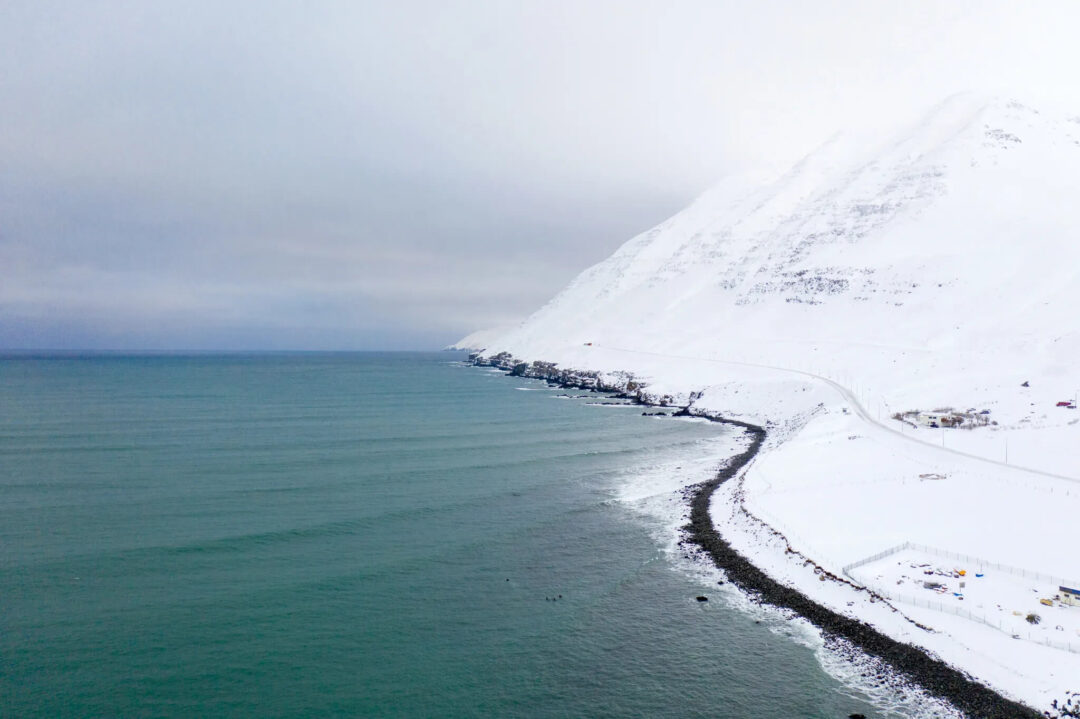
Snowy coastline along a fjord in North Iceland, with winter road and mountains under cloudy sky

Fitness & Skill Level

This trip is rated moderate and designed for beginners, so no experience is needed. That does not make it an easy trip. You will learn cross-country skiing, which most people describe as “running with skis on”, and that is a fair description. It is all about gliding and generating your own speed across rolling terrain, with a few gentle downhills thrown in, and it asks a lot more of you than walking does.

Expect to be active for 6 to 7 hours a day, covering 8 to 10km while you are still learning. You will fall over, you will work harder on the flat than you expect to, and you will feel it by day two. Horse riding and snowshoeing use different muscles again, and the whale watching and spa afternoons give you a breather, but this is an active week from start to finish.

Fitness

You need medium to high-intensity cardio behind you before you come. Running, cycling, HIIT or spin all work well, anything that gets your heart going for 45 minutes, three times a week. Walking and yoga are worth doing for other reasons, but neither will build the cardiovascular fitness this trip asks for.

Balance and core strength matter just as much. Cross-country skiing is constant weight transfer from one ski to the other, so anything that improves your stability will pay off, whether that is Pilates, yoga, dancing or simply practising standing on one leg while the kettle boils.

It is worth preparing your head as well as your legs. You are learning new activities, in the cold, across consecutive active days, and you will spend a fair amount of the week being visibly rubbish at something new. Everyone else is in the same position, and falling over is part of how you learn.

Skill

No experience needed for any of the activities, and most of the group will be starting from the same place. Beginner refers to skill, not fitness, so read the section above before you book.

Will I really be active for 6-7 hours daily?

Yes, but it’s broken into 2-3 hour sessions with proper breaks. Cross-country skiing, even at beginner level, is demanding cardio work. Horse riding might sound gentle, but you’ll use muscles you forgot you had. Factor in snowshoeing and it adds up to full, active days.

How do I prepare for the cold?

Iceland’s winter cold is dry, which feels less harsh than a damp UK cold. Staying active helps you stay warm – it’s during rest stops you’ll feel the chill. Proper layering is key: base layers that wick moisture, insulating layers, and windproof outer layers.

Can I skip activities if I'm too tired?

You can opt out of specific activities, but consider whether this trip matches your expectations. We’ve designed it as a multi-activity adventure that builds on itself each day. Missing skiing instruction makes the rest of the trip less enjoyable.

What if I hate cross-country skiing?

You might. It’s harder work than expected and requires balance and coordination. But give it a full day before deciding – most people who struggle initially find their rhythm by day two. There are other activities to enjoy if skiing isn’t your thing.

Is horse riding physically demanding?

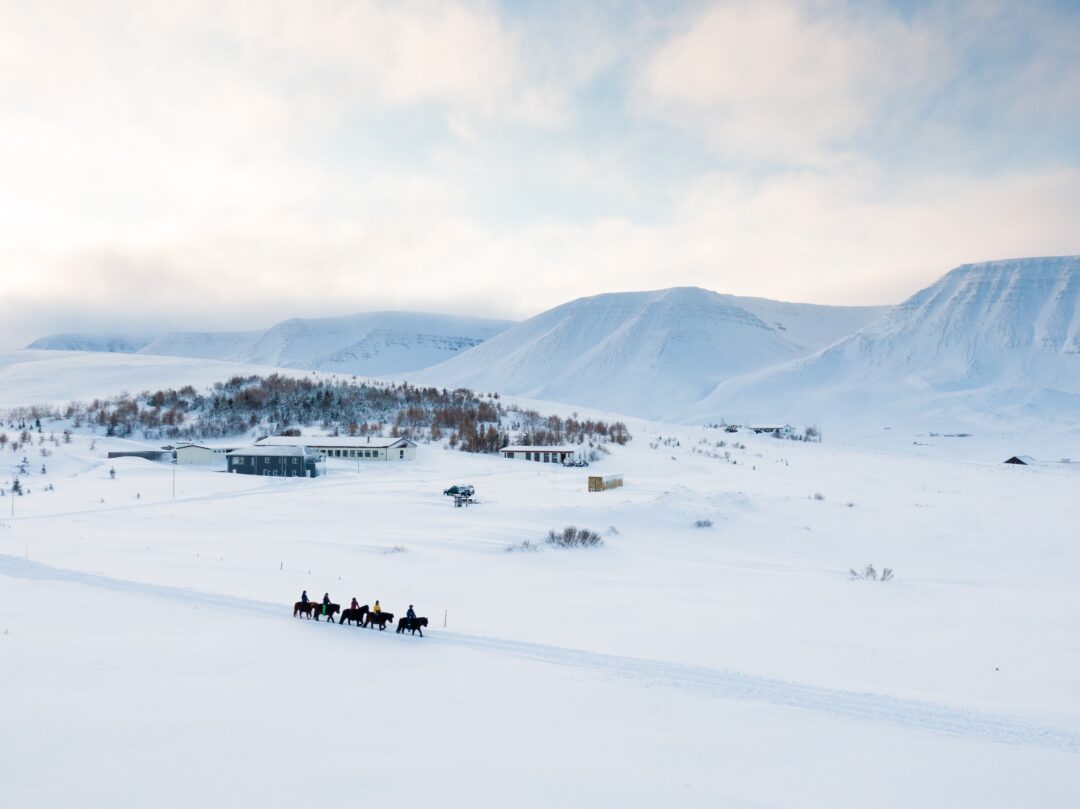
Not like skiing, but you’ll use leg and core muscles to maintain position, especially on uneven terrain. Three hours in the saddle will make you aware of muscles you don’t normally use. The tölt gait is smoother than trotting, but it’s still active riding, not a gentle plod.

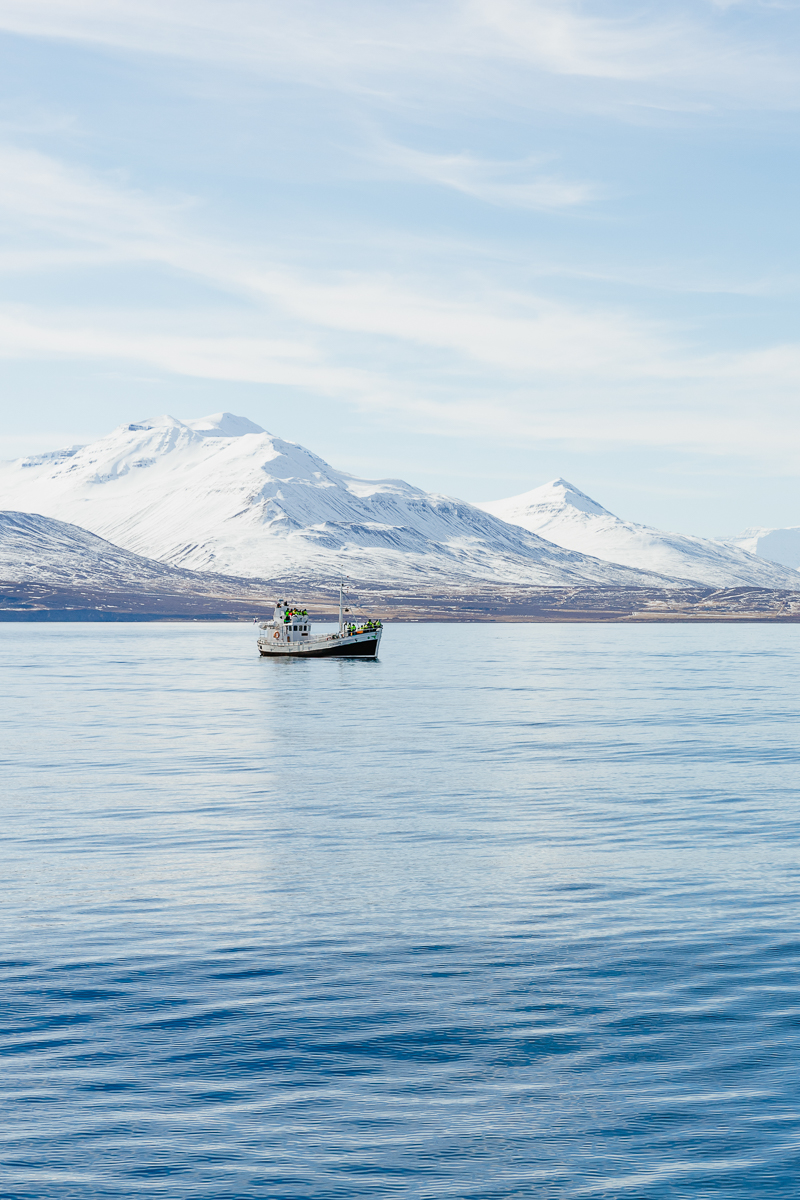
Boat cruising on a calm fjord with snow-covered mountains in North Iceland in winter
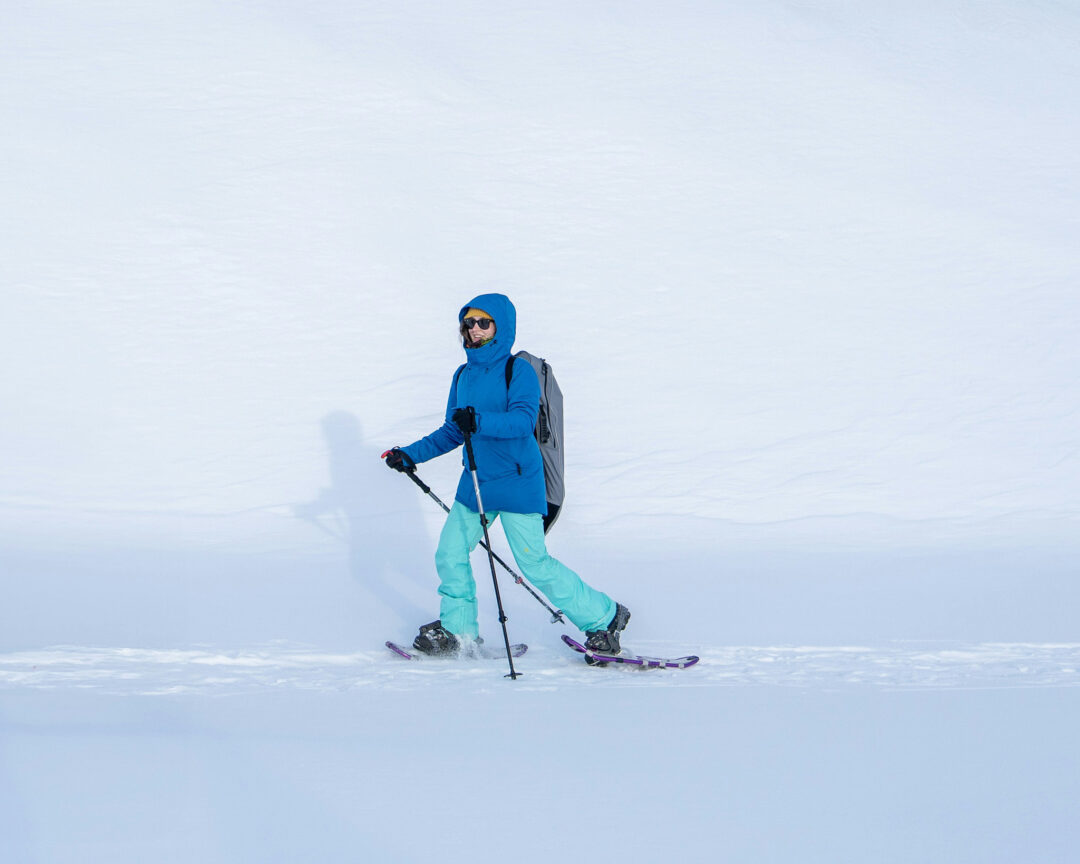
woman snowshoeing in bright blue clothes surrounded by snow

Sleep & Eat

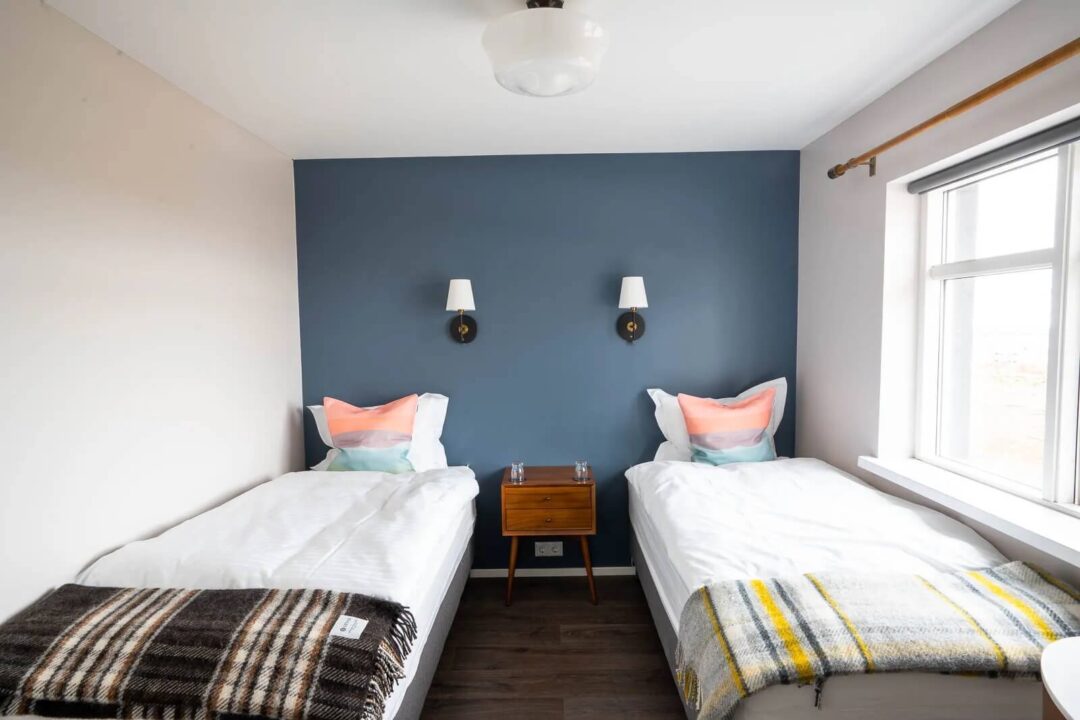
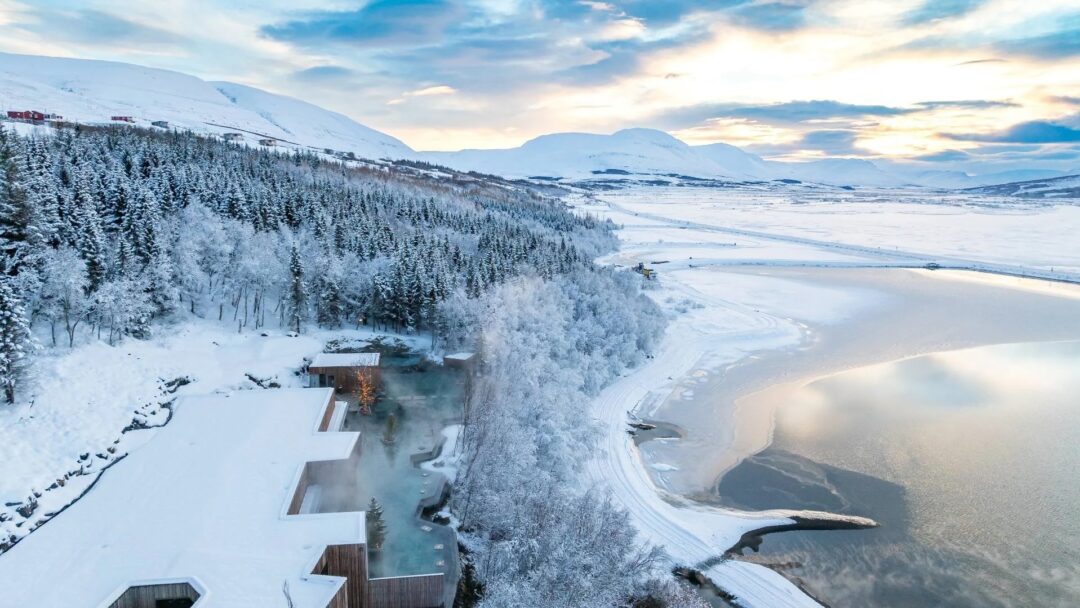
You’ll split your stay between a remote lodge (3 nights) and a 4-star hotel in Akureyri (1 night). The lodge sits on the Troll Peninsula with views of Iceland’s landscapes – it offers twin rooms and private rooms with queen beds, private bathrooms, and a thermal pool outside your door. Think comfort rather than rustic cabin.

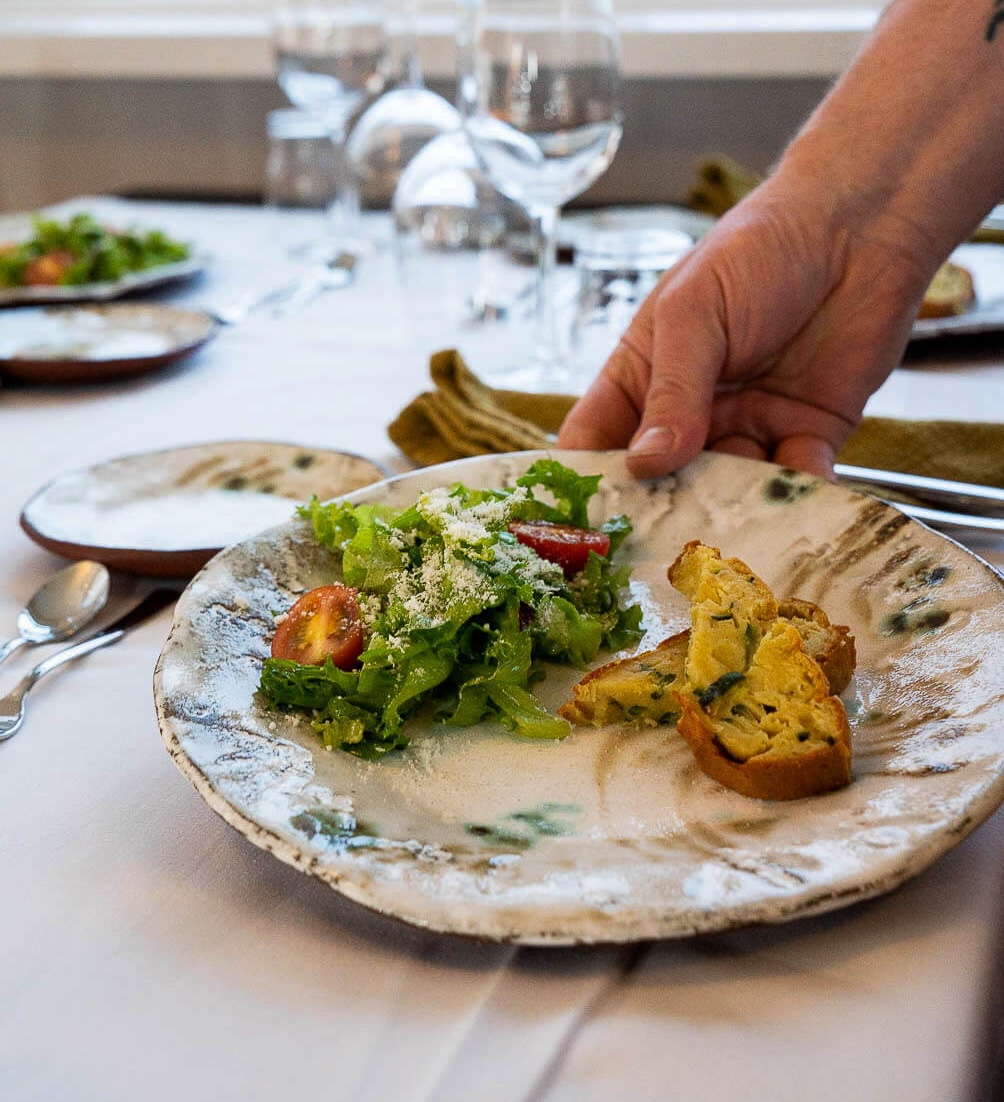
Food highlights the trip. Continental breakfast buffets fuel daily adventures, hearty lunches keep you going, and three-course dinners showcase Iceland’s seasonal ingredients – fresh fish, quality meats, and local specialities.

What are the rooms actually like?

Comfortable rooms with twin or queen beds, private bathrooms with proper showers, and views that’ll make you pause mid-conversation. WiFi exists but can be patchy – probably a good thing. Towels and hairdryers provided, basic toiletries available. Think boutique lodge rather than budget hostel.

Can you handle dietary requirements?

Yes, just let us know in advance. Iceland’s cuisine is meat and fish-heavy, but we can accommodate vegetarian, vegan, and other dietary needs. The kitchen works with fresh, local ingredients, so they’re flexible with preparation methods.

How's the WiFi situation?

Patchy at the lodge, reliable at the Akureyri hotel. You’ll be offline during most activities anyway. If you need constant connectivity for work, this remote location might not suit you. Use it as a chance to properly disconnect.

What's the group dining atmosphere like?

Relaxed and sociable. Everyone’s tired from active days, so conversations flow easily. Meals are when you’ll really connect with other guests and swap stories about the day’s adventures. Think dinner party with new friends rather than formal dining.

What drinks are available?

Basic selection at the lodge – wine, beer, spirits, soft drinks. Iceland’s alcohol prices are eye-watering, so factor this into your budget if you want evening drinks. Coffee and tea are complimentary throughout the day.

Hand plating food on a ceramic plate at a restaurant dining table with cutlery and glasses
Two beds in a bright bedroom with large windows and blue feature wall

Weather

This trip runs from December through to March, and North Iceland does not do the same winter twice. Some years the snow arrives early and stays, some years it is late and patchy. That is worth understanding before you book, so here is the honest version.

Temperature: As a rough guide, somewhere between around -10°C and just above freezing, and colder in some weeks. Treat any number as a guide rather than a promise. The cold here is dry, which feels less biting than a damp UK winter, though the wind can undo that in minutes. Layers you can add and remove matter more than one very warm jacket.

Daylight: December and January give you around four to five hours of usable light in the middle of the day, which is why activities start after a slow breakfast rather than at first light. From late February the days stretch quickly, and by March you have close to equal day and night.

Snow: This is the one that shapes your week, and the one we cannot promise. Three things can happen:

There is enough snow at the lodge, and you ski out from the door into the valley. This is the best version of the week.
There is not enough at the lodge, so we drive to the local ski centre where snow is made and the trails are groomed. The skiing is still good, it just means there’s journey each way.
There is not enough for either, which does happen. On those days we change the plan and swap in more snowshoeing and hiking.

How cold does it actually get?

-10°C or lower  to just above freezing, but it’s a dry cold that feels less harsh than a damp UK winter. You’ll generate heat while skiing and cool down quickly during breaks. Proper layering keeps you comfortable – overdressing makes you sweaty and cold when you stop moving.-10°C or lower  to just above freezing, but it’s a dry cold that feels less harsh than a damp UK winter. You’ll generate heat while skiing and cool down quickly during breaks. Proper layering keeps you comfortable – overdressing makes you sweaty and cold when you stop moving.

What if weather cancels activities?

Our guides monitor conditions constantly and adjust plans accordingly. Skiing might become snowshoeing if visibility drops, or we’ll use alternative routes. You’ll still get your full adventure experience, potentially just in different order. Safety always comes first.

How much daylight will we have?

Four to five hours in December and January, concentrated around the middle of the day. We plan activities to use the best of it, and the short days make the thermal pool and a long dinner more appealing than they might sound at home. From late February the light returns quickly, and by March you have close to equal day and night.

What about Northern Lights?

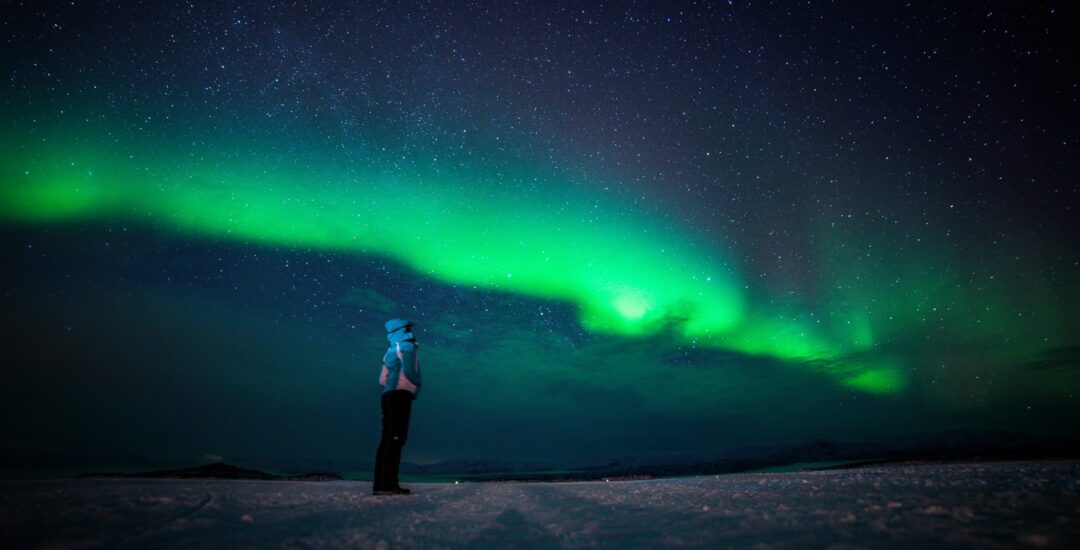
You’re in prime aurora territory with minimal light pollution. Clear skies and solar activity determine sightings – we can’t guarantee them, but conditions are ideal when nature cooperates. Dark, cold nights away from cities give you the best possible chance.

Should I check weather forecasts before travelling?

Check for general conditions, but don’t obsess over specific day forecasts – they change rapidly in Iceland. Pack for all conditions and trust your guides to make the best of whatever weather arrives. Flexibility beats perfect forecasts.

How cold will it be?

Somewhere between around -10°C and just above freezing is the usual range, with weeks that sit outside it in both directions. Every winter here is different, so plan for the range rather than a number.

The cold is dry, which most people find easier than a damp UK winter, and you will generate plenty of heat once you are skiing. The chill arrives the moment you stop, so the trick is layers you can pull on at rest stops and strip off as soon as you are moving again.

What happens if the plan changes?

Your guides look at the conditions and build the best week they can from what is in front of them. That might mean reordering days, changing routes, or replacing one activity with another.

The last few winters have been mixed and guests have still gone home having had a great trip, because there is far more to this trip than the skiing alone. All we ask is that you come with an open mind about the running order.

What if I only want to cross-country ski?

Then this might not be the right trip, and that is worth knowing before you book. If skiing is the whole reason you are coming and a swapped activity would leave you disappointed, look at our cross-country ski trips in Norway instead, where the snow is dependable.
How much daylight will we have?

Four to five hours in December and January, concentrated around the middle of the day. We plan activities to use the best of it, and the short days make the thermal pool and a long dinner more appealing than they might sound at home. Your first snowshoe walk is a head torch walk in the dark, which is why one is on the packing list. From late February the light returns quickly, and by March you have close to equal day and night.

What about the Northern Lights?

You are in prime aurora territory with almost no light pollution, and the lodge is a good place to be if the sky performs. Clear skies and solar activity decide it, so nobody can guarantee a sighting, but dark nights this far from a city give you a good chance.

Should I check the forecast before I travel?

Have a look at the general picture, but do not read too much into any single day. Forecasts change fast here. Pack for the full range and let your guides work out the rest.

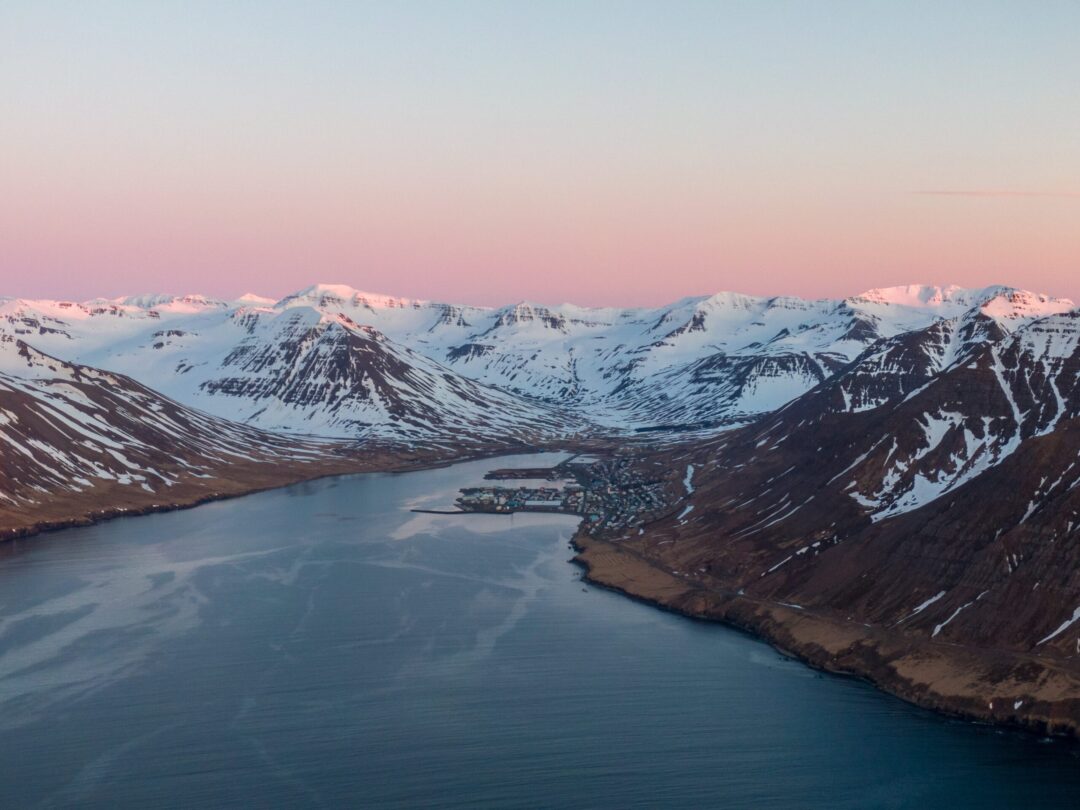
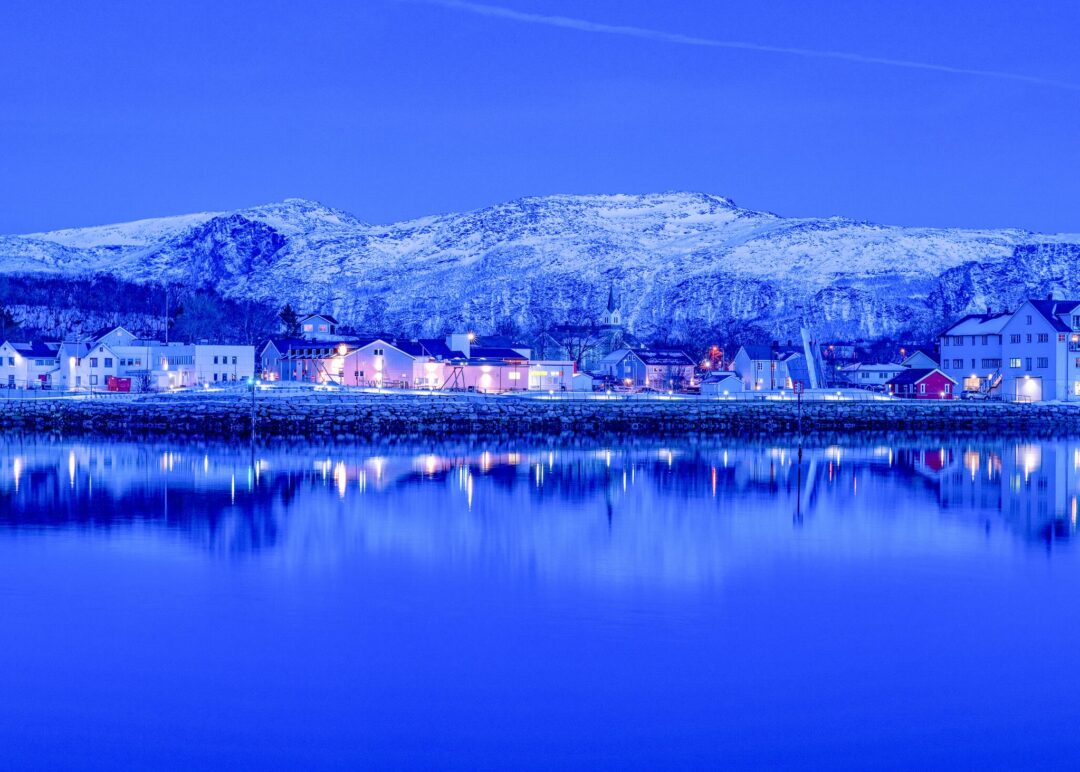
Snowy mountains and calm fjord at dusk in North Iceland, seen from above

Good to Know

Money: Iceland is expensive but most costs are included. Budget £20-30 daily for drinks, snacks, and extras. Cards work everywhere. A coffee costs around £5, beer £8-10.

Tipping: Tipping is not compulsory on our adventures, but if you’ve had a great trip and brilliant service, a tip for your guide or host is always appreciated.

Communication: WiFi available at accommodations but patchy at the remote lodge. Mobile coverage is good in Akureyri, limited at the lodge. Emergency communication always available through guides and hosts.

What happens if I get injured?

Our guides are trained in first aid and wilderness emergency response. Iceland has excellent healthcare, and we’re never more than 2 hours from medical facilities. Comprehensive travel insurance covering medical treatment and evacuation is mandatory.

Are there shops for forgotten items?

Limited options. Akureyri has basic shops for toiletries and simple items, but no outdoor gear stores. The lodge is remote with no nearby shopping. Pack everything you need or bring versatile items that can substitute.

How many guests will be on this trip?

Max. 10 guests.

snowy landscape with spa in iceland
Women hiking a winter trail in North Iceland with snow-covered mountains in the background

Packing List

What We Provide

  • Cross country skis
  • Ski boots
  • Ski poles
  • Horse riding helmets

What You Need to Bring

  • Cross Country Ski Kit
  • Day pack (25L)
  • Base layers, a few sets
  • Long johns
  • Fleece
  • Breathable, waterproof shell jacket
  • Soft shell winter hiking trousers
  • Warm packable insulated or down jacket
  • Wool socks in a few different thicknesses
  • Sunglasses
  • Warm hat
  • Buff x2
  • Ski gloves x2 pairs
  • Thinner gloves for warmer days
  • Glove liners or hand warmers if you get cold hands
  • Waterproof trousers (optional, but good for colder weeks)
  • Head torch

Off the Skis

  • Sturdy, waterproof hiking boots with good ankle support, as your snowshoes clip onto these
  • Casual warm evening clothes
  • Nightwear
  • Swimwear for the Forest Lagoon and the thermal pool
  • Slippers
  • Toiletries
  • High-factor sunscreen
  • Any prescription medication
  • Paracetamol or ibuprofen
  • Blister plasters
  • Other Bits
  • Camera
  • European plug adapter
  • Thermos
  • Water bottle, not a bladder, as the tube will freeze
  • Dry bags for inside your day pack
  • Waterproof phone case
  • Snacks
  • Travel wash if you want to rinse thermals

Packing Tips

Layering: Cross country skiing generates a lot of body heat. You’ll warm up fast once you’re moving, but stop for five minutes and the cold bites back quickly, so the key is layers you can add and remove easily. Get the base layer right above everything else: merino or synthetic, never cotton, because once cotton is damp it stays damp and you’ll feel it all day. Keep your insulated jacket in your day pack rather than wearing it from the start, then pull it on at rest stops and lunch breaks.

Gloves: Two pairs isn’t being overcautious. One pair will get wet, from snow or sweat or both, and skiing with cold wet hands is miserable. Bring warm mittens as your main pair if you run cold at all, and keep a thinner pair for the days you’re working harder. Glove liners add warmth and dry overnight.

Hiking boots: These aren’t just for the snowshoeing day. They’re your footwear anytime you’re off the skis, and North Iceland in winter is cold and often icy underfoot. Make sure they’re waterproof, well insulated and have good ankle support. Your snowshoes clip straight onto them, so you need a solid, sturdy sole. Leave the lightweight trail runners at home.

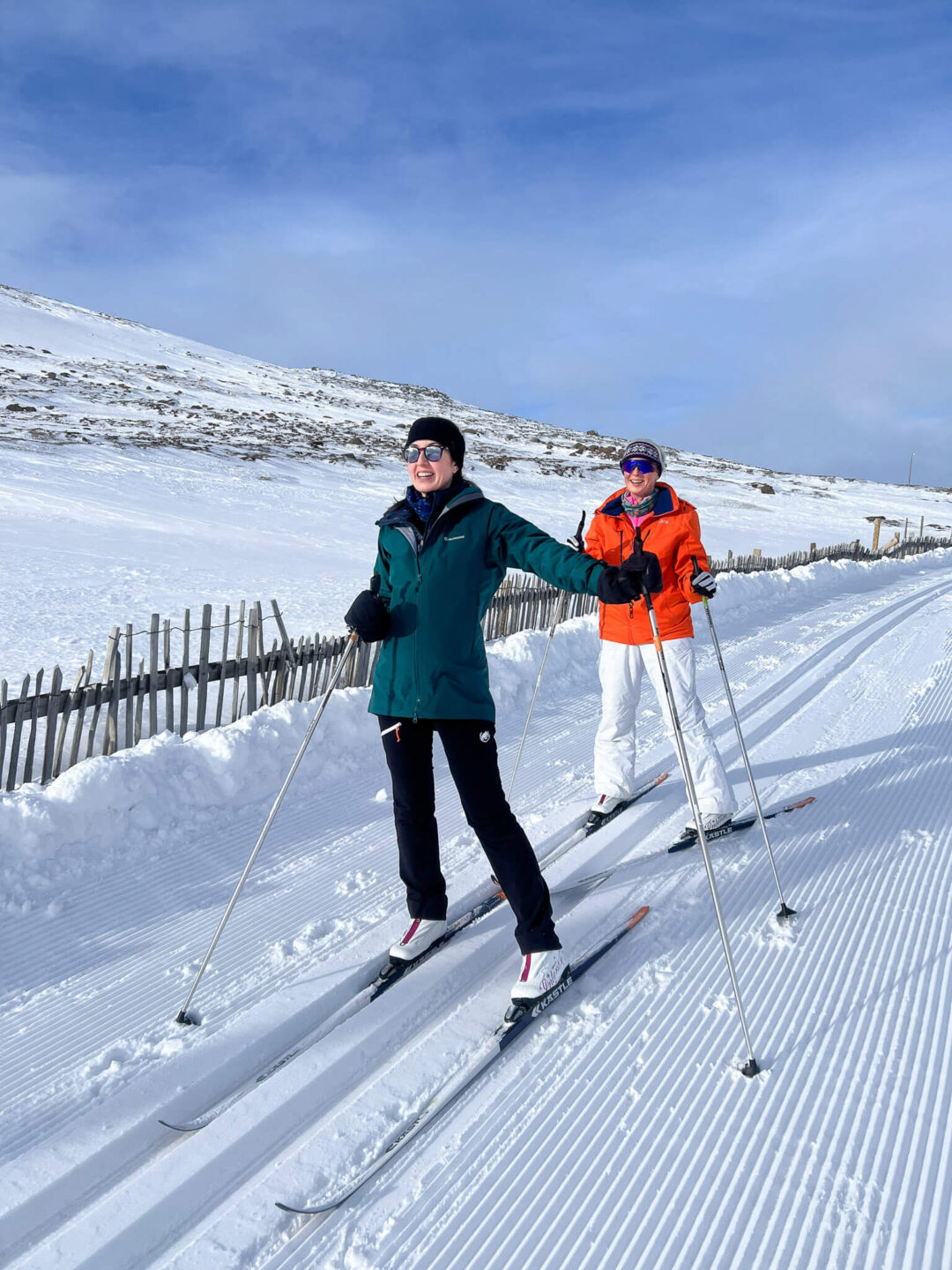
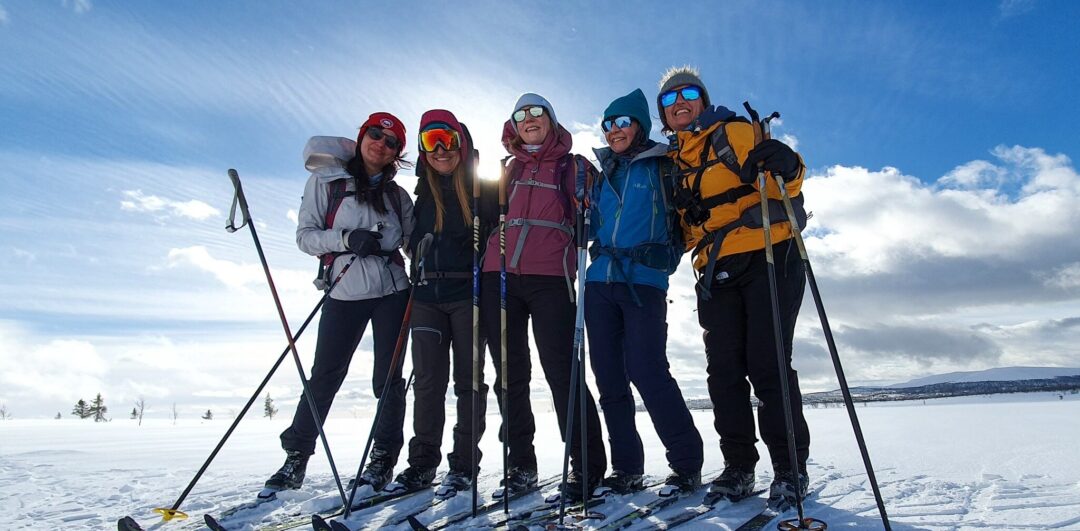
Two winter skiers cross-country on a snowy trail in North Iceland, enjoying multi-activity holiday.
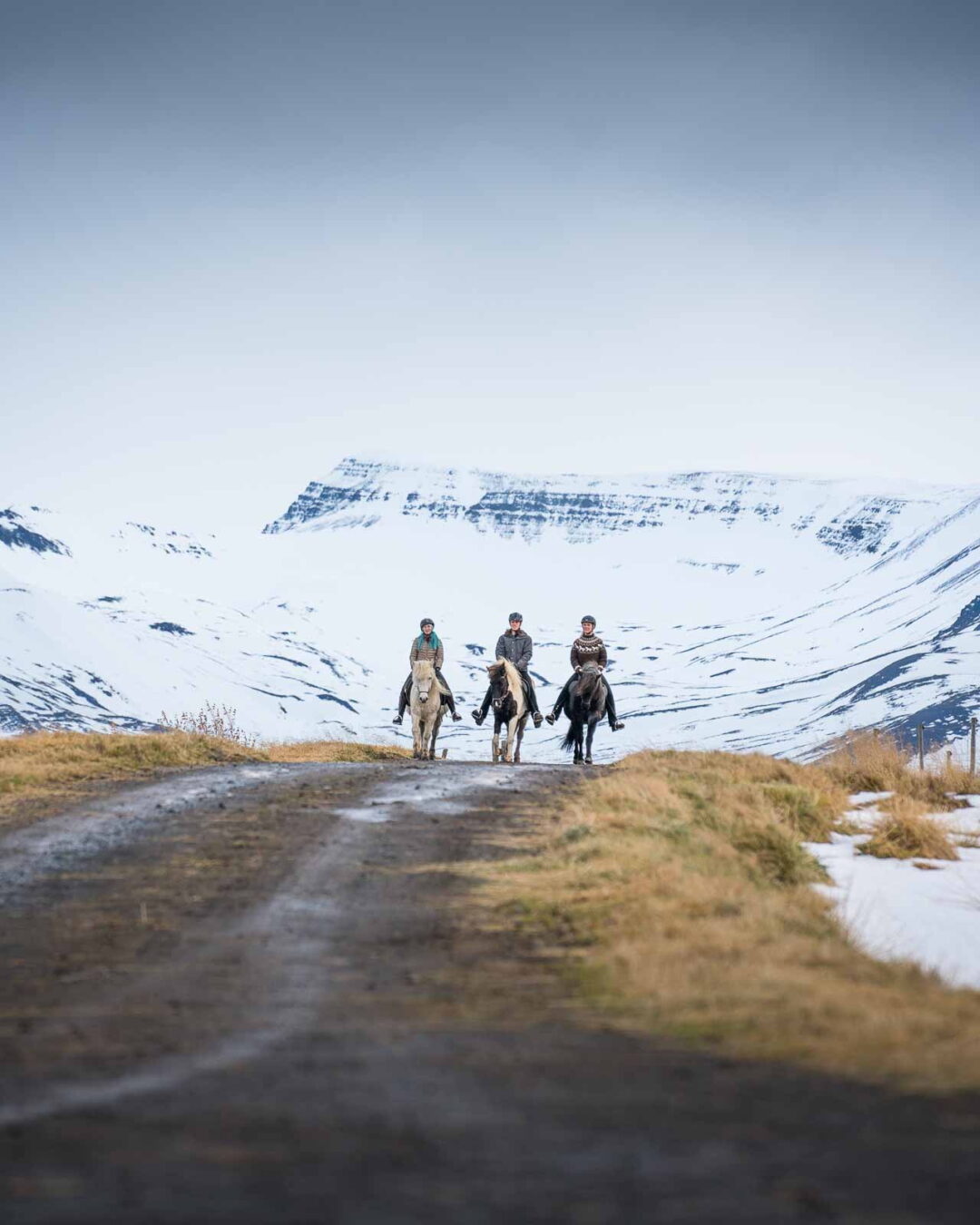
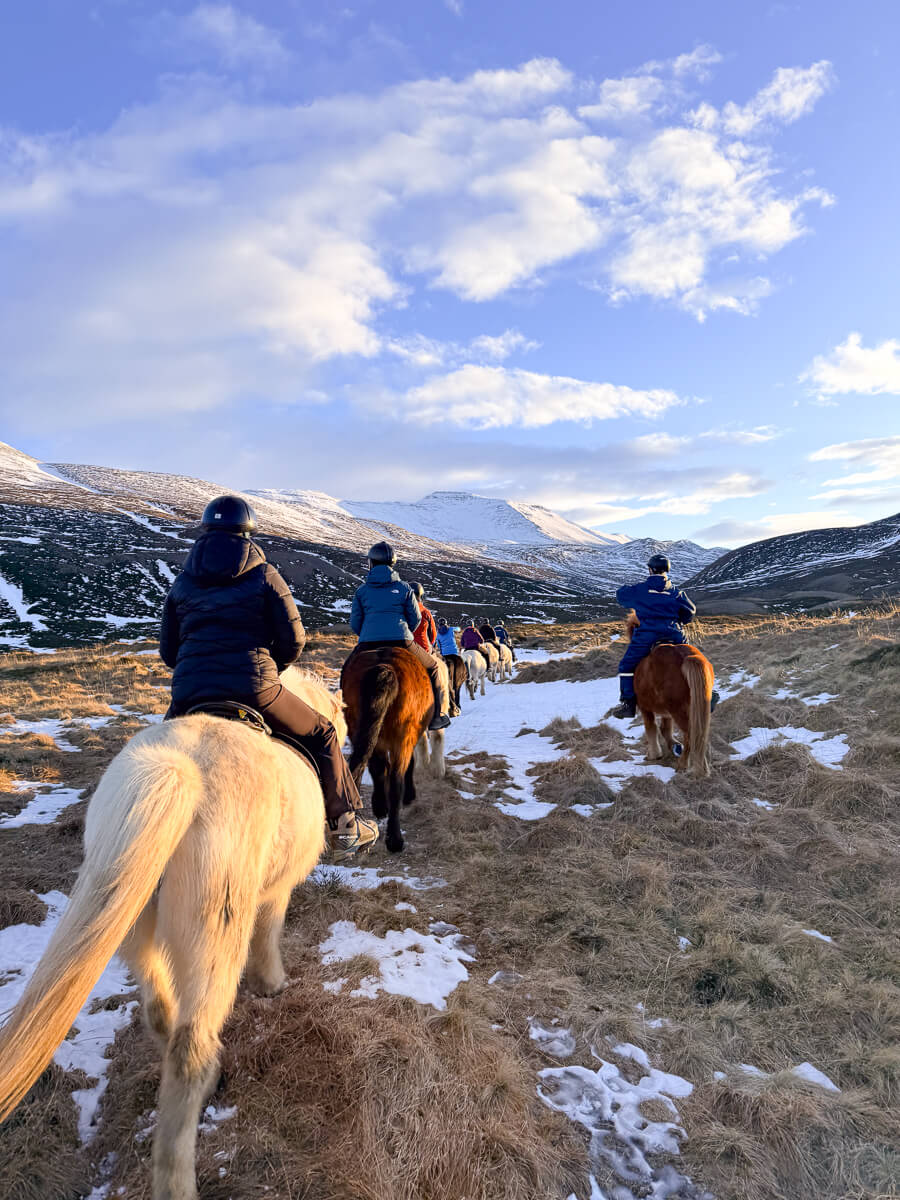
Horse riders on horseback along a snowy track through Iceland’s winter countryside

Trip Code ICESOTXSH – Include this code in any message so we can find your trip straight away.