Norway

Trip Guide: Beginners Snowboarding Holiday in Norway

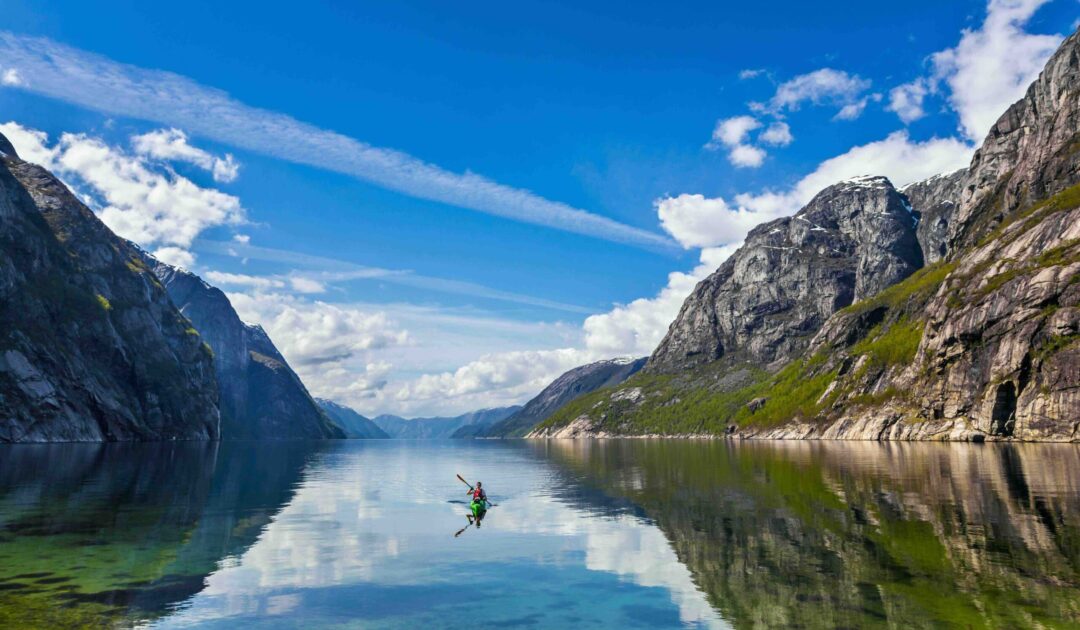
Always fancied learning to snowboard but never had the time, the nerve, or anyone to do it with? This is your week. Seven days in the Norwegian mountains going from your first slides on the snow to linking turns down the slope, with patient coaching, quiet beginner runs and nobody watching but your group. Mid-week you’ll swap the slopes for a paddle on Sognefjord, and there’s a riverside sauna, yoga sessions and three-course dinners at the end of every day.
Got questions before you book? Read on.

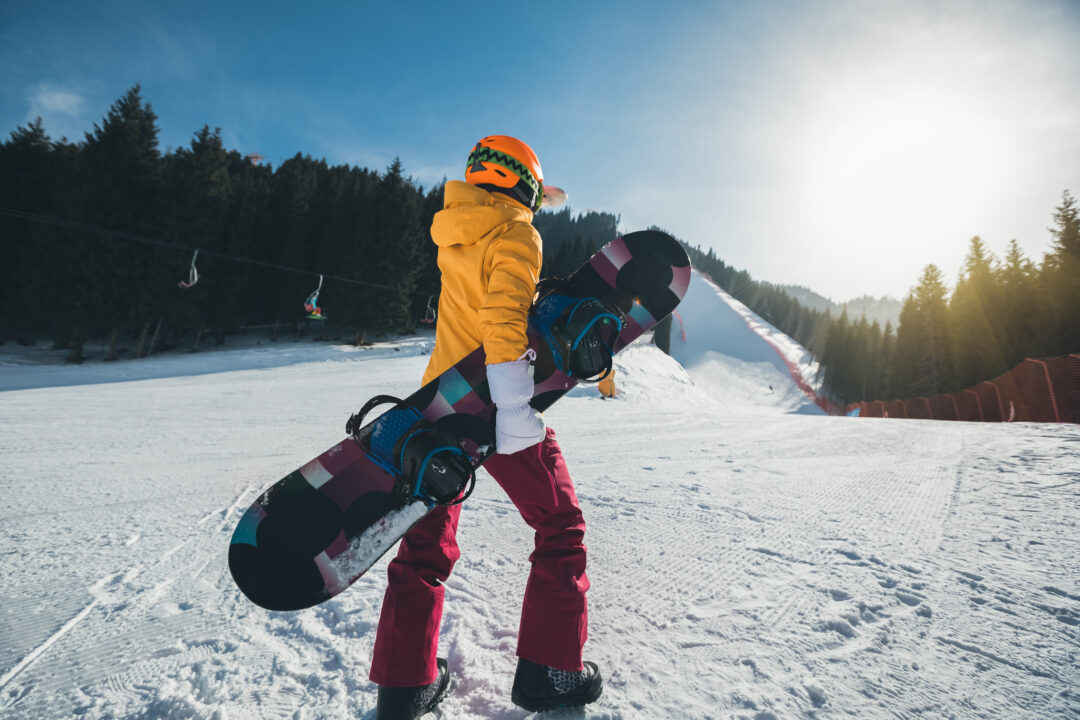
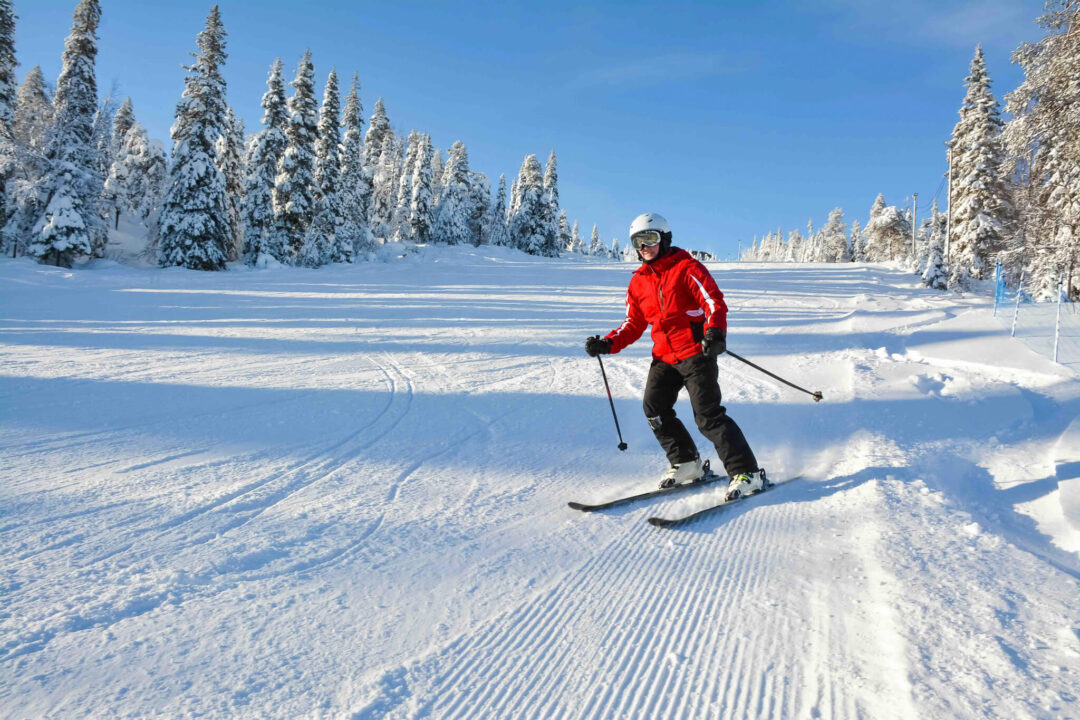
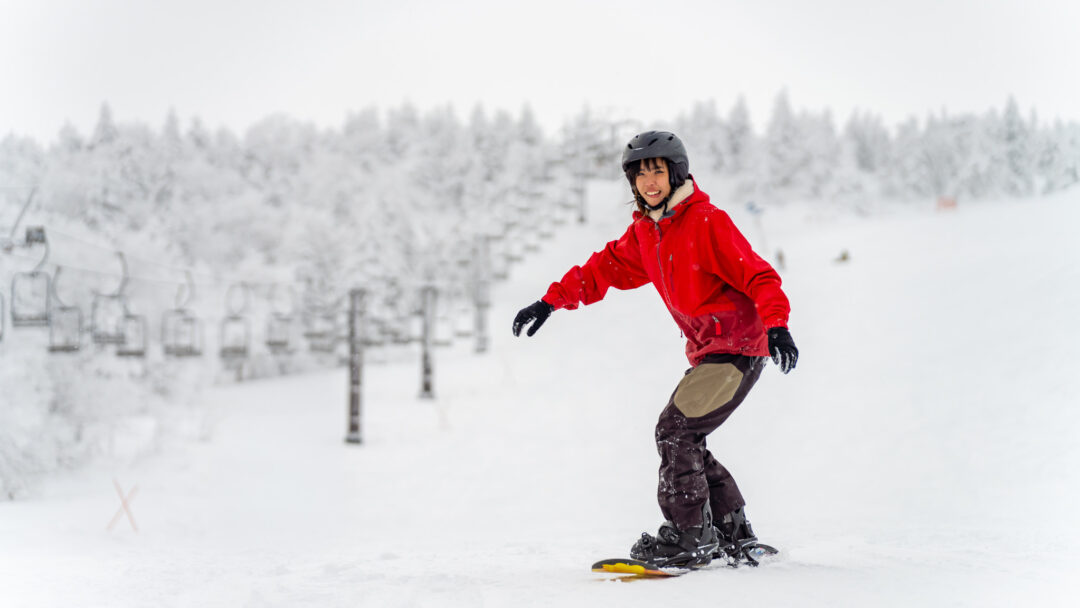
Woman snowboarding on a snowy slope, wearing a red jacket and helmet, with a ski resort in the background
Woman snowboarding on a snowy ski slope, wearing a helmet and goggles in the mountains

Getting There

Tyin Filefjell sits at 1,000m above sea level between Oslo and Bergen. It’s a remote mountain spot, but getting here is easier than it looks: fly into Oslo Gardermoen or Bergen, take the direct bus to Tyinkrysset, and we’ll collect you from there.

From Oslo

Direct airport bus: The Vy express bus (VY450) runs direct from just outside Oslo Gardermoen to Tyinkrysset in around four and a half hours, no changes. It currently leaves the airport at 16:45, arriving Tyinkrysset at 21:15.

Via Oslo city centre: Prefer to break up the journey or spend time in the city? Take the train from the airport into Oslo Central Station, then pick up a bus to Tyinkrysset from the Central bus terminal next door. City buses run more often so you get more choice of times. Look for services calling at Fagernes, which are timed to connect with your onward bus in one easy change.

Getting from Oslo Airport into the city: Local trains run from the airport platforms every 10–15 minutes. Choose a standard local train rather than the pricier Flytoget express. It goes to the same station, but for a lot less money. The bus terminal is a few minutes’ walk away.

From Bergen

A direct VY450 runs from Bergen bus station to Tyinkrysset in around five hours (allow roughly six hours though once you’ve added the airport connection), currently leaving around 09:00. The return leaves Tyinkrysset at 13:35.

To reach the bus station from Bergen Airport, take the Bybanen light rail (around 40 minutes, but cheaper) or the Flybussen coach (around 16 minutes, more expensive). Bergen’s worth a night either side if you have the time.

Your transfer: We meet the arrival bus at Tyinkrysset at 21:15 and drop you back there at 09:45 on departure day. It’s included, and the times are fixed, so book your buses to fit them. Arriving outside these times? A private transfer between the bus stop and hotel can be arranged for about NOK 80 (£6/€7) per person each way.

Which airport should I fly into?

Oslo Gardermoen is the easiest choice. You can take the direct Vy express bus from the airport to Tyinkrysset, or catch a short train into Oslo Central Station and pick up a bus from there, which run more often through the day. Bergen is also possible, but the connections from Oslo are simpler. Full details are in the Getting There section above.

What are the buses like?

These are proper coaches with reclining seats, a toilet on board and some of the best views you’ll get anywhere. It’s a comfortable, good-value way to travel, and a world away from a UK coach.

How do I book bus tickets?

Book the bus through Vy at vy.no/en, in advance, as they can sell out. Tickets often only go on sale 90 to 120 days before travel, so if you’re booking earlier you may not see them yet. You don’t need to pre-book the airport-to-city train, just buy it from the machines on arrival.

What if the bus times change?

Schedules can shift slightly, and tickets only go on sale 90 to 120 days ahead. The times above have been consistent for years, but if you can’t find the services we’ve listed, email us and we’ll check the latest with you.

Can I spend extra time in Oslo or Bergen?

Yes, both are worth exploring for a day or two, with plenty of history, cafes and sights.

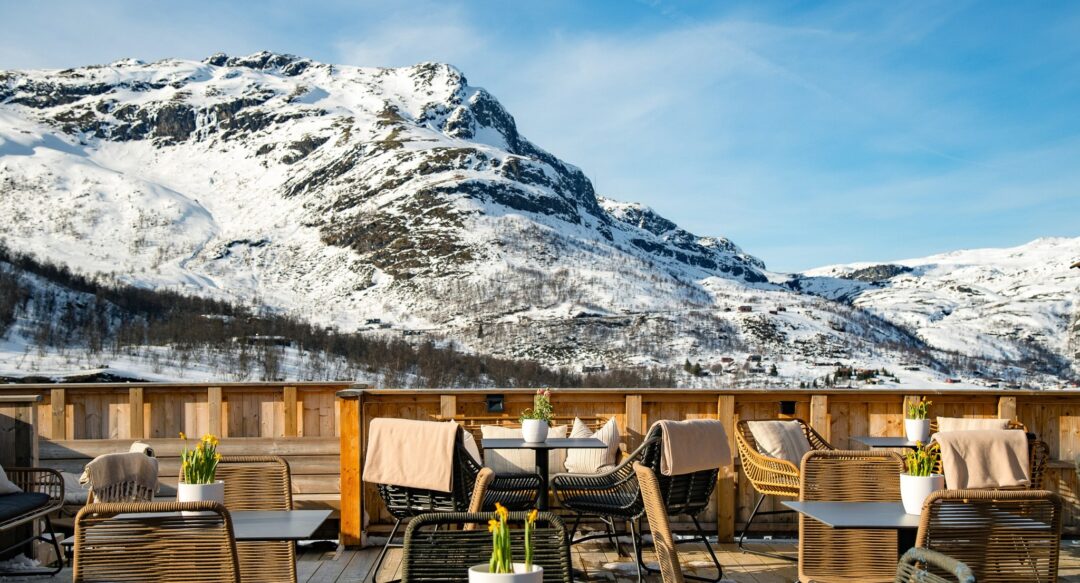
Snowy Norwegian mountain peaks with a sheltered terrace seating area overlooking the ski slopes

Fitness & Skill Level

Difficulty: Moderate

This is a beginners trip, so no snowboarding experience is needed. What you do need is decent fitness and a willingness to fall over and get straight back up. Learning to snowboard is hard physical work, and the first couple of days are humbling for everyone, so the quicker you make peace with that, the faster you’ll progress.

You’ll be on the snow for several hours a day across five days, using your core and legs to stay balanced. If you’re reasonably active and happy with back-to-back days outdoors, you’ll get a huge amount out of the week.

What to Expect

  • Daily activity: Around 4–6 hours a day on your board, with morning coaching and afternoons to practise at your own pace. Plus a full kayaking day mid-week and two yoga sessions for recovery.
  • The reality of learning: Snowboarding starts with a lot of falling – caught edges, lost balance, plenty of getting back up. It’s normal and how everyone learns, but also why we recommend protection gear in the packing list.
  • Terrain: You’ll start on the gentlest, quietest beginner slopes and build up, exploring more of the resort as your confidence grows.
  • Consecutive days: Five active board days plus a kayaking day, with no rest day. Your legs, core and backside will feel it.

Fitness Requirements

  • Regular cardio three or more times a week (running, cycling, the gym)
  • Core and leg strengthening sessions
  • A comfort with consecutive active days outdoors
  • Ready to fall, laugh it off, and get straight back up

Isn't snowboarding harder to learn than skiing?

The first couple of days are tougher than learning to ski, you’ll fall more, and your edges take getting used to. But once it clicks, it clicks fast. Our instructors know how to get beginners through the early days, and the quiet slopes give you space to do it at your own pace.

What if I can't keep up?

Your instructor can adjust the pace to suit the group, and afternoons are for practising in your own time. If something’s tricky, tell them and they’ll work with you. Just be realistic about your fitness before booking, it’s a full-on week with no rest day.

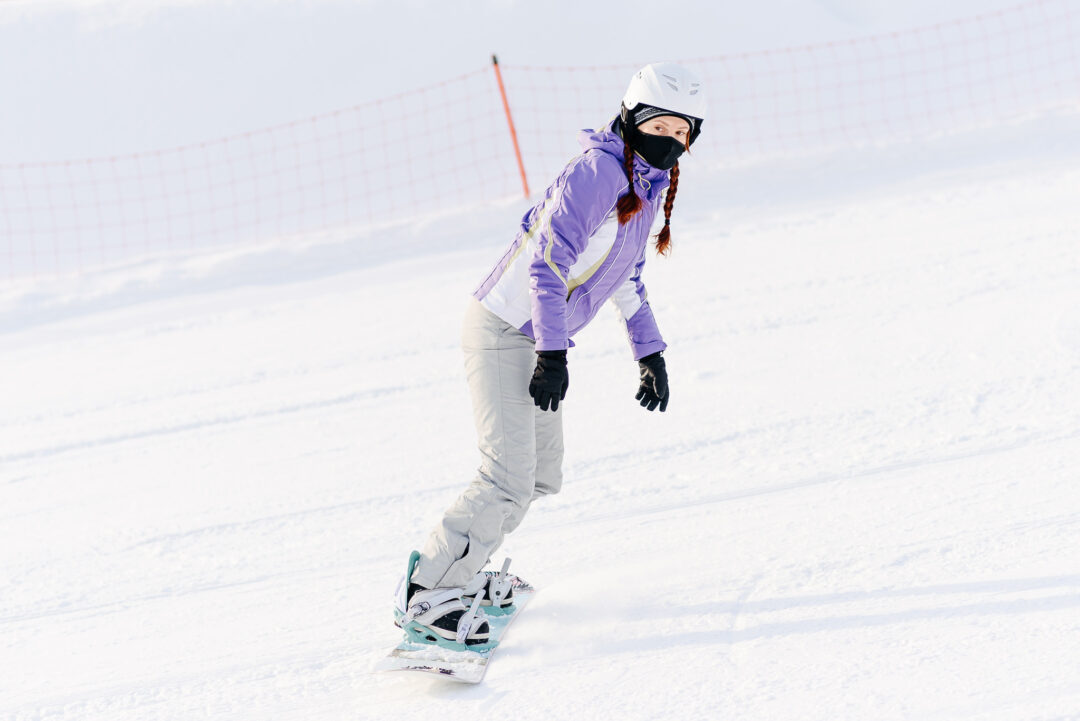
Woman snowboarding on a snowy slope, wearing a helmet, goggles and winter ski gear
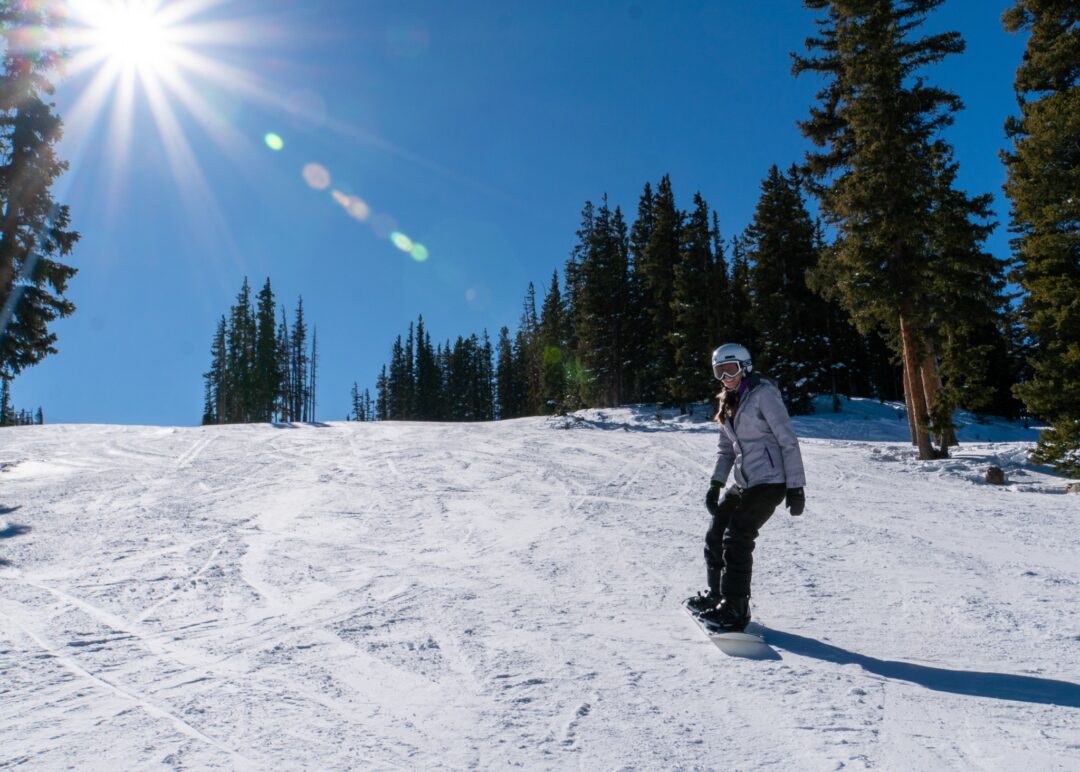
Woman snowboarding down a snowy slope with pine trees under a bright blue sky

Sleep & Eat

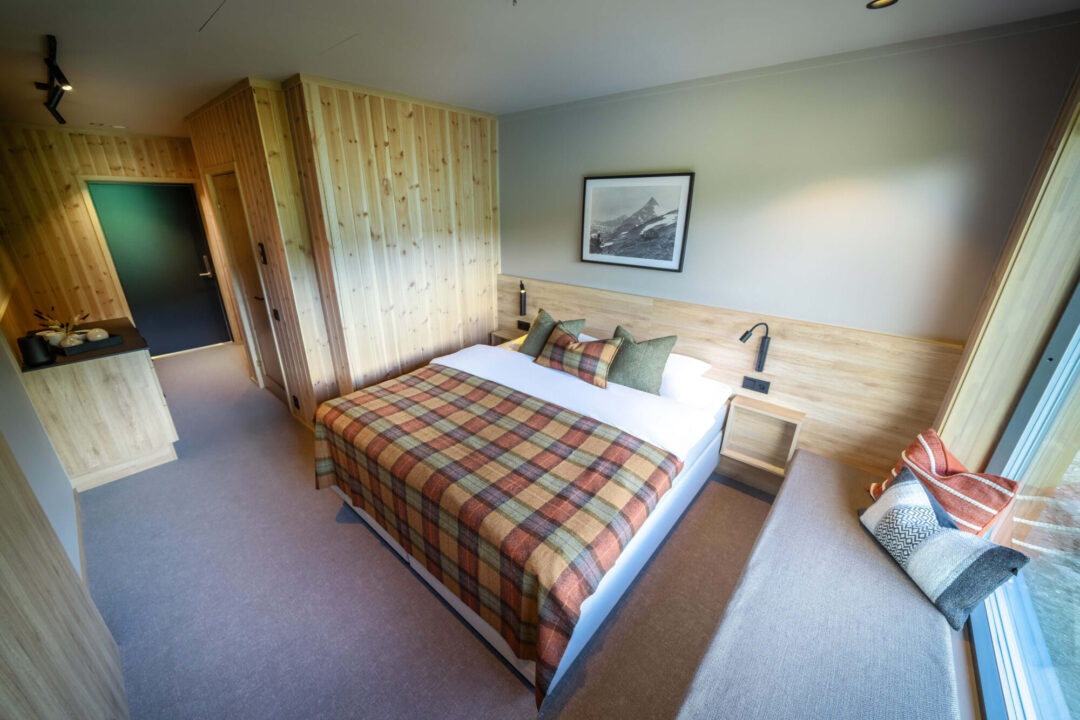
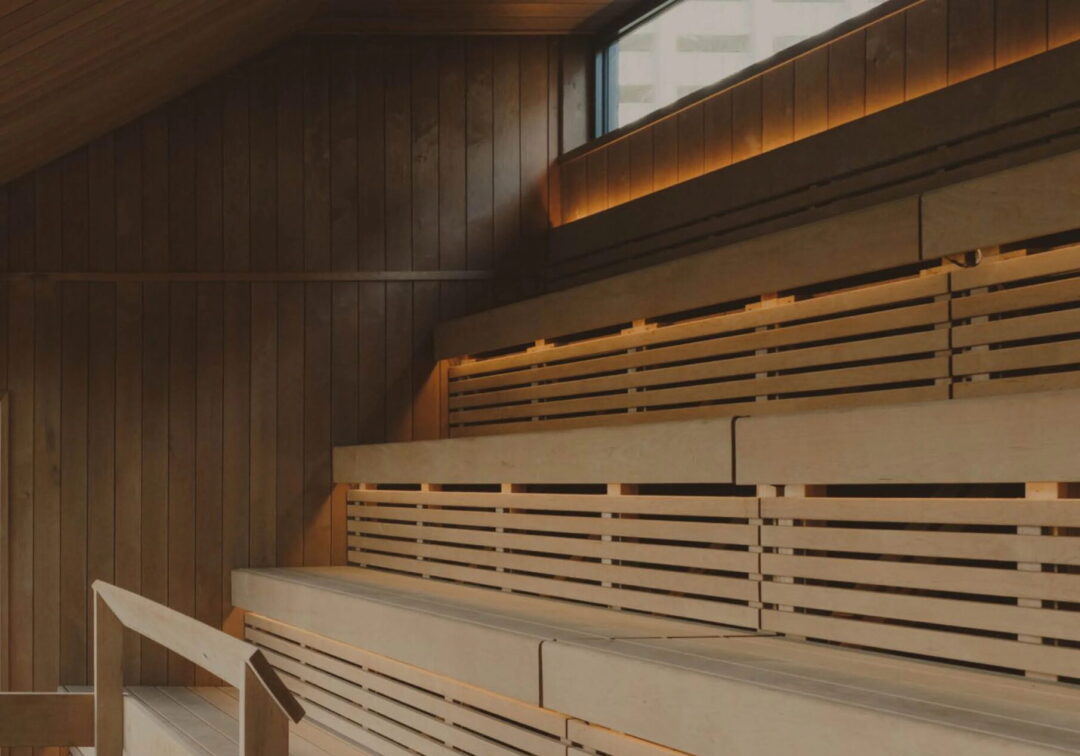
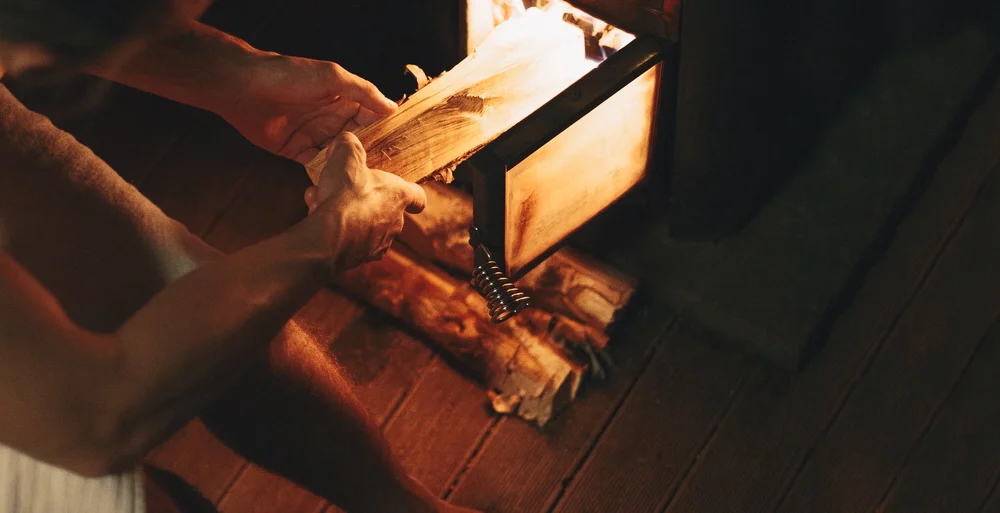
We’ll stay in a newly renovated, family-run mountain hotel at around 900m, with comfortable rooms, private bathrooms, mountain views and free WiFi. There’s a restaurant, bar, lounge, and a riverside sauna that hangs out over the Begna River — exactly what you want after a day of falling over in the cold. Twin and private rooms are available.

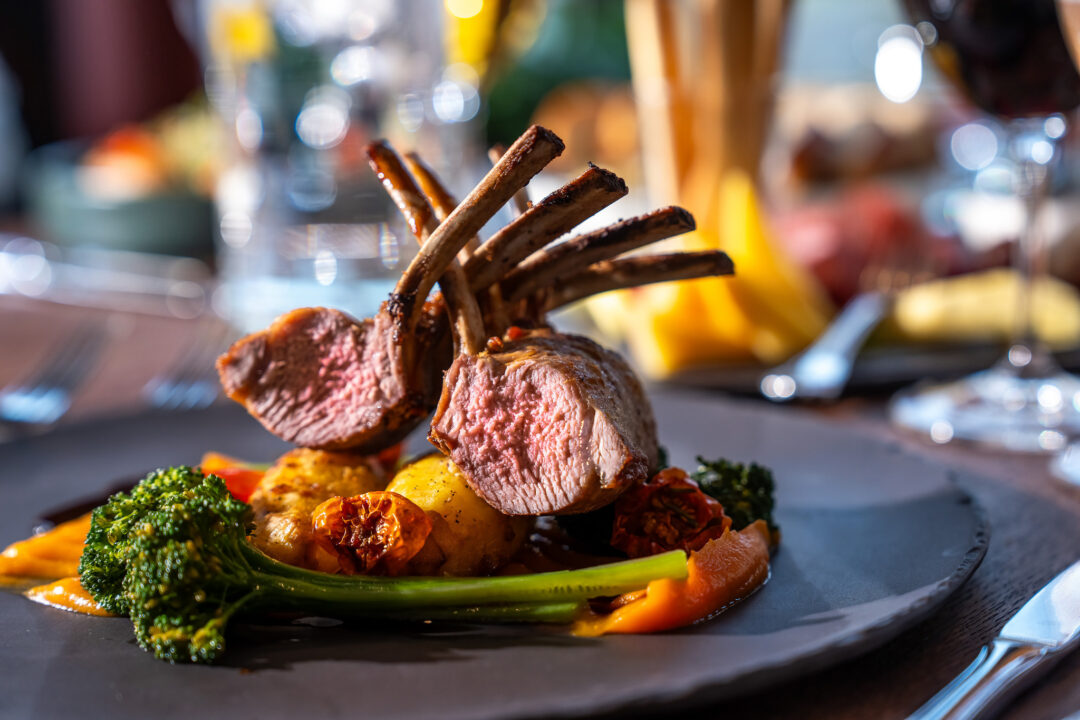
The chefs use local ingredients from the Valdres region and nearby fjords. Expect a buffet breakfast, packed lunches on the slopes (plus a hot lunch at the ski café one day), and hearty three-course dinners each evening.

Can you cater for dietary requirements?

Yes, with advance notice. Tell us when you book, as sourcing specialist ingredients in the mountains takes planning. If you have a severe allergy, get in touch before you book.

Are towels and hairdryers provided?

Towels, yes. Hairdryers can be borrowed from reception.

What are the rooms like?

Newly renovated with private bathrooms. You’ll have a proper bed, storage space, and mountain views. Rooms are warm, comfortable and exactly what you need after days on the slopes. WiFi is available but can be patchy in mountain locations.

Is there WiFi at the hotel?

Yes, all rooms and cabins have wifi.

Double bedroom with wooden walls and plaid bedding, ski resort accommodation in Norway
Roasted lamb and vegetables on a plate with broccoli and carrots, served in a restaurant setting.

Weather

Tyin is one of Southern Norway’s snowiest areas and winter here means reliable snow across the December to March season. Temperatures typically run -10 to 5°C, coldest in midwinter and milder towards spring. It’s a dry cold, so it feels less harsh than damp UK cold at the same reading. You’ll warm up as you move, but it bites the moment you stop, so layers are everything. Be ready for snow, wind or sun, sometimes all in a day.

How much daylight will there be?

It depends when you travel. Midwinter days are short, while by March you’ll have decent daylight (roughly 8am to 5pm). You’ll be on the snow during daylight, with evenings for sauna, yoga and dinner.

What if weather affects the plan?

Your instructor will adjust the itinerary around conditions and always puts safety first. You’ll still get your week of riding, just on different slopes or at different times. Check the forecast in your customer portal closer to departure.

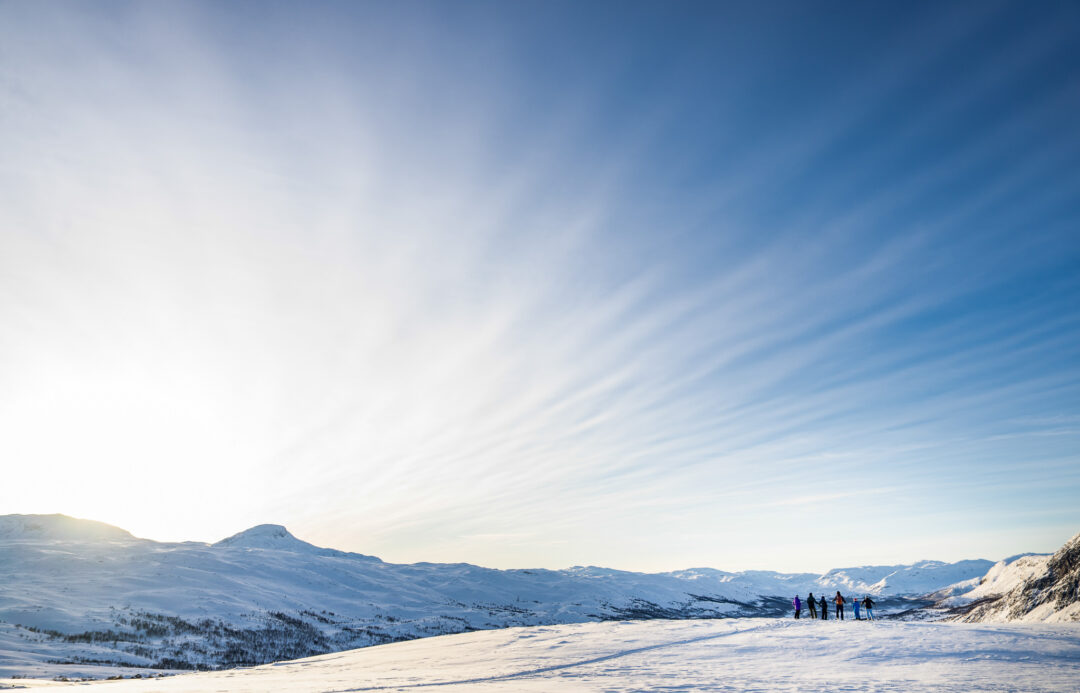
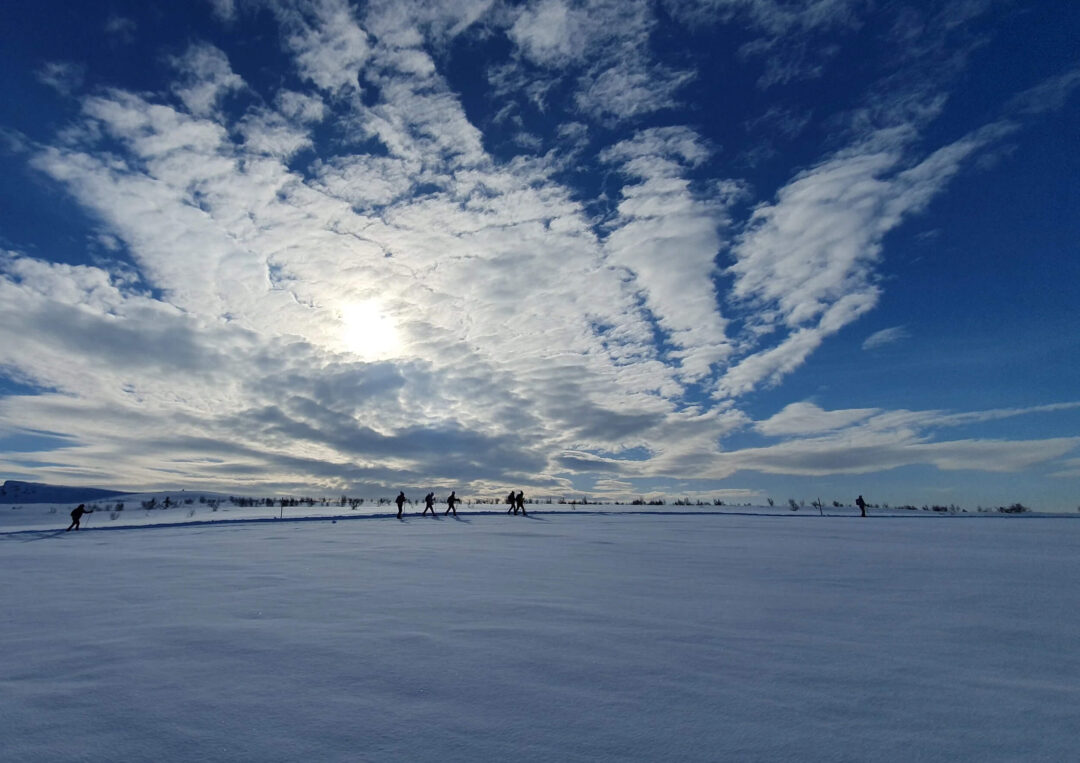
Snowy mountains in Norway under a blue sky, with a group on the ski slopes

Good to Know

Money

Everywhere accepts cards, so Norwegian Krone cash isn’t necessary. Budget for drinks and personal extras – alcohol is expensive in Norway. All meals, activities and technical equipment are included in your trip price.
Tipping

Tipping is not compulsory on our adventures, but if you’ve had a great trip and brilliant service, a tip for your guide or host is always appreciated. We recommend giving 200-300 NOK, or whatever you can or feel is the right amount.

Communication

The hotel has WiFi throughout, though connection can be patchy in this mountain location. Mobile coverage is generally good, but you’ll be offline during skiing activities in remote areas. Emergency communication is always available through guides and hotel staff.

How many guests are on this trip?

It’s a small group with a maximum of 6 guests. We also need a minimum 4 for the trip to run. Keeping it small means more coaching time each, which matters a lot when you’re learning.

Are there any optional extras?

On your final day you can hire snowshoes to explore the trails around the hotel instead of riding. Extras like this, and drinks, are paid for locally by you.

When should I buy travel insurance?

As soon as you book, so you’re covered for cancellation too, not just issues while away. Make sure it includes winter sports and snowboarding, plus medical, evacuation and your full itinerary.
Why aren't all your instructors female?

We use female instructors whenever possible but can’t always guarantee it, as there are fewer women in the field. Our priority is experienced, patient instructors committed to building women’s confidence outdoors.
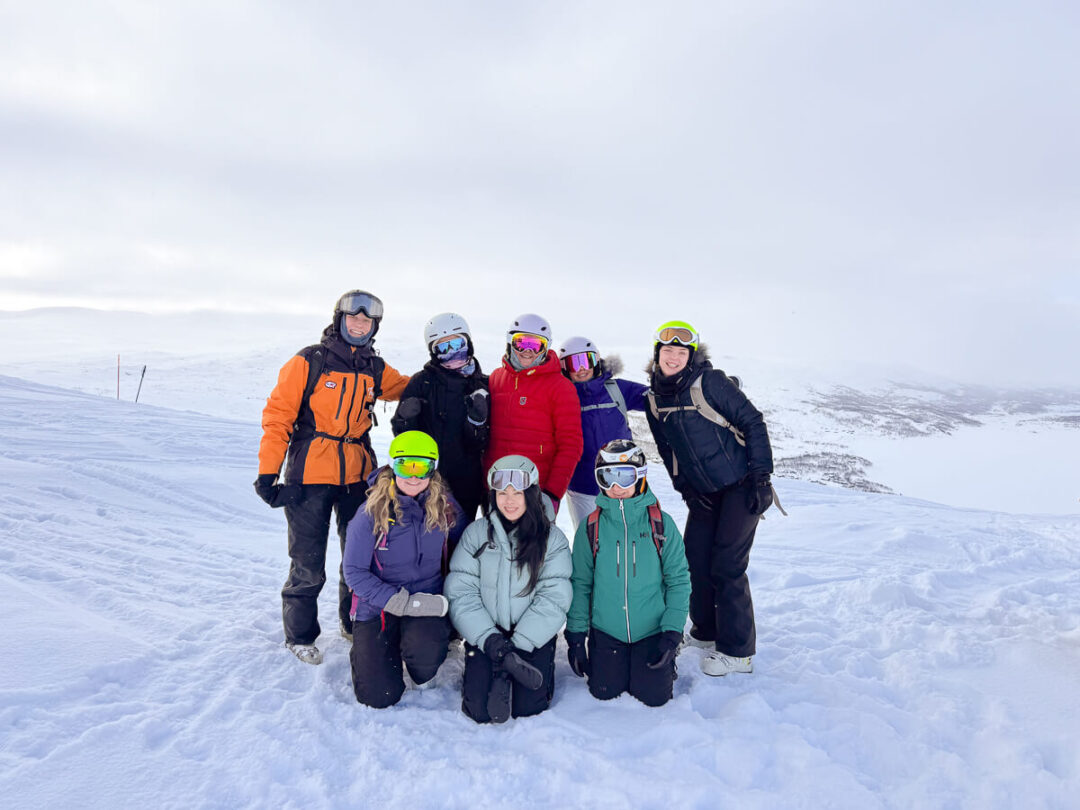
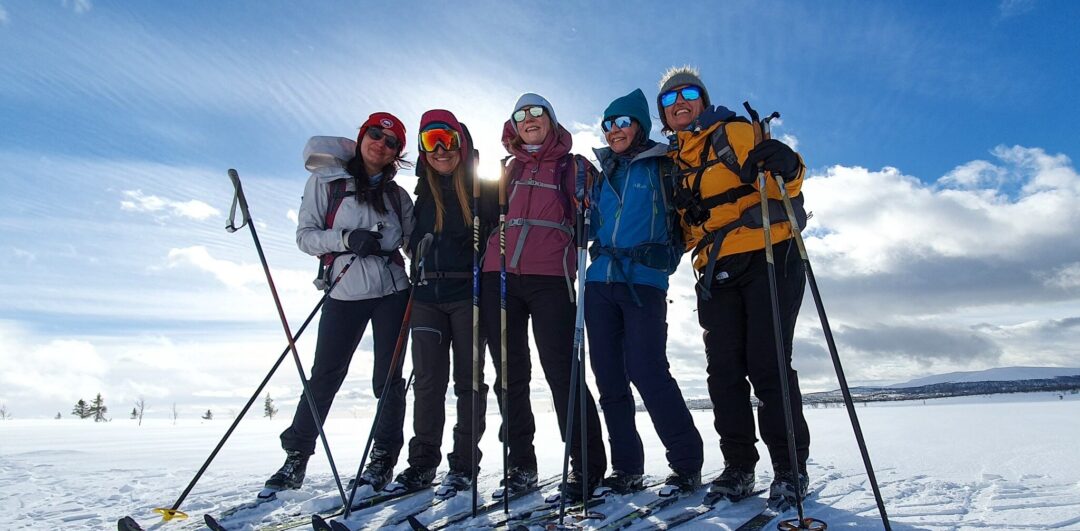
Women in ski gear posing on a snowy downhill slope in Norway, wearing helmets and goggles
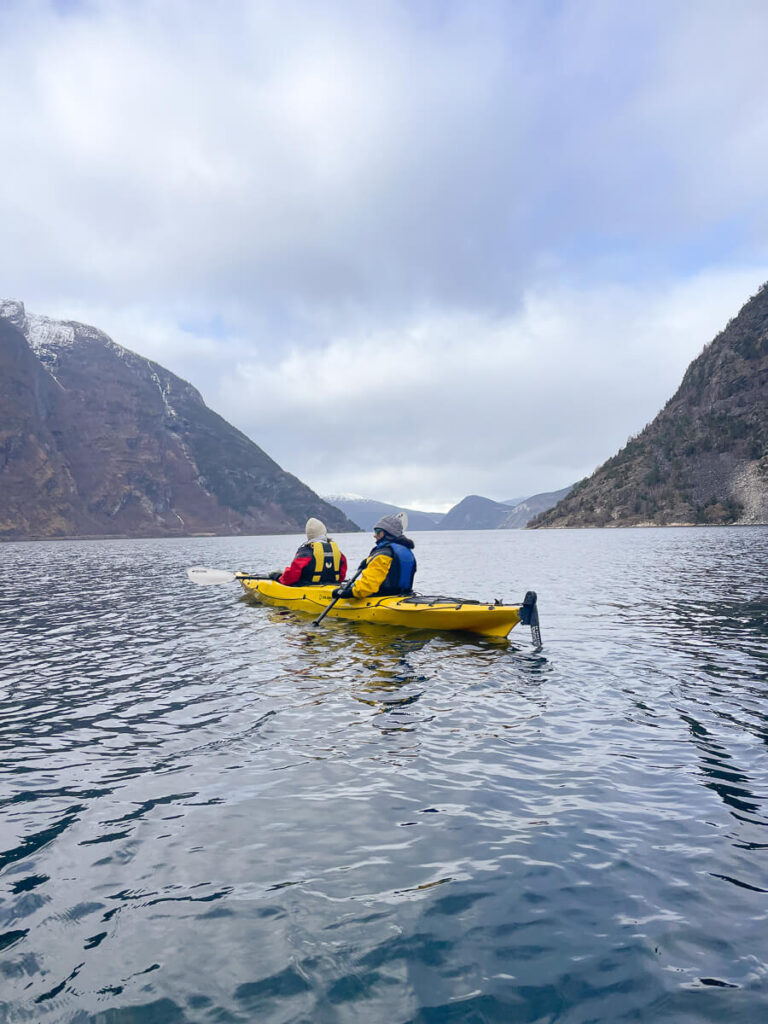
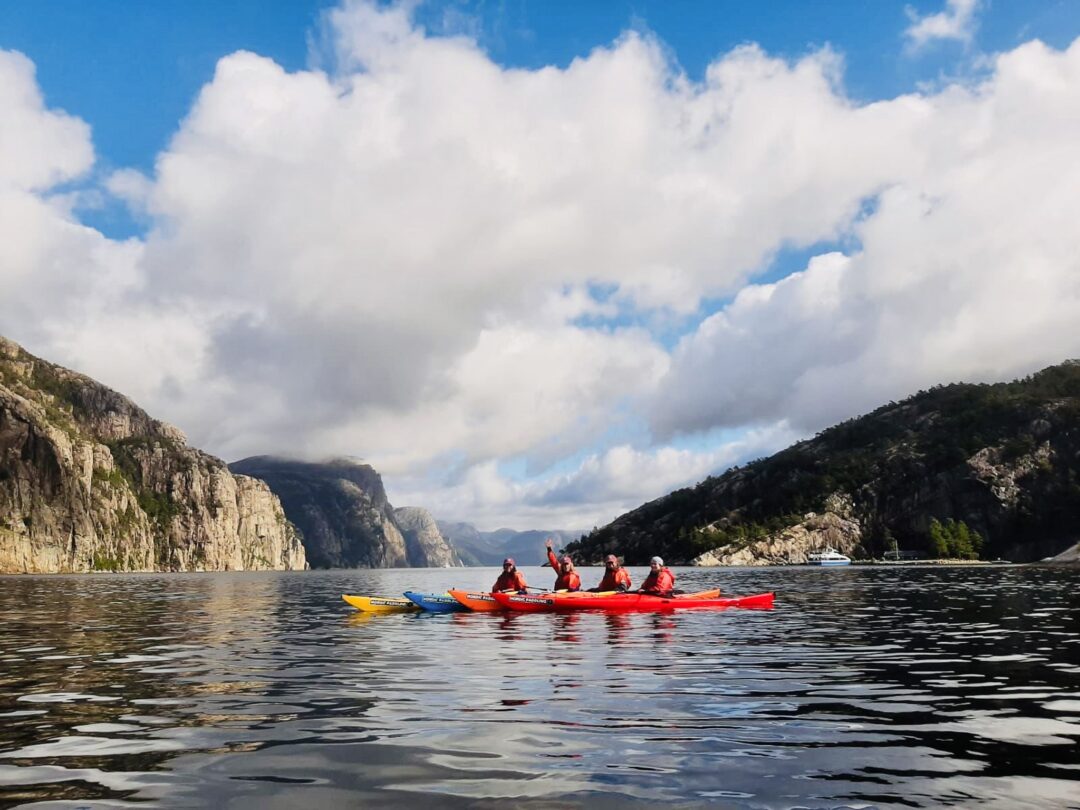
Women kayaking on a fjord in Norway, in a yellow kayak with mountains and cloudy sky in the background.

Packing List

What We Provide

  • Snowboard, boots and bindings
  • Helmet
  • Kayaking equipment (kayak, paddle, dry suit, buoyancy aid)
  • We’ll fit everything on arrival and make sure it’s working correctly.

What You Need to Bring

On the slopes

  • Waterproof and windproof snowboard jacket
  • Waterproof and breathable snowboard trousers or salopettes
  • Thermal base layer tops — merino or synthetic, never cotton
  • Long johns or thermal base layer bottoms
  • Fleece or wool mid-layer
  • Snowboard socks
  • Waterproof gloves or mittens, two pairs (one will get wet)
  • Glove liners or disposable hand warmers
  • Buff or neck gaiter
  • Beanie (to wear under your helmet on cold days)
  • Snow goggles with UV protection and anti-fog lenses
  • Sunglasses
  • Wrist guards (strongly recommended)
  • Padded or impact shorts (strongly recommended)

Off the slopes

  • Snow boots or waterproof walking boots
  • Slippers or indoor shoes
  • Casual warm evening clothes
  • Comfortable clothes for yoga sessions
  • Swimwear

Personal Kit

  • Daypack (20- 25L) for water, snacks, layers
  • Sunscreen and lip balm, high SPF
  • Thermos or water bottle
  • Painkillers and any personal medication
  • Travel adaptor

Packing Tips

Layering: You’ll heat up fast on the slopes and cool down just as fast on the lifts. Start with a moisture-wicking base layer, add a fleece or down mid-layer, then your shell jacket on top. Shed the mid-layer when you’re working hard, put it back on when you stop. A ventilated ski jacket makes this much easier and is definitely worth having if you’re buying or hiring.

Protect your wrists and tailbone: Beginners take most of their early falls on their hands and backside, so wrist guards and padded (impact) shorts make the learning days a lot more comfortable. They aren’t essential, but they’re a small investment well worth making. Knee pads too if you have them.

Gloves will get wet: Bringing two pairs of gloves is not optional, it’s practical. Snow gets in them, they get wet, and your hands then get dangerously cold. Thin liner gloves underneath warm outer gloves are a good setup. Hand warmers are also worth packing if you run cold.

Hiring rather than buying: If you’re not sure you’ll use snowboard kit again, hire it. Adventure Kit Hire is a UK company giving Gutsy Girls guests 10% off rental clothing. Email us for the code.

Hand luggage priorities: Goggles, a set of base layers and one warm layer. If your checked bag is delayed, this kit means you can still get started on the slopes while you wait for it to arrive.

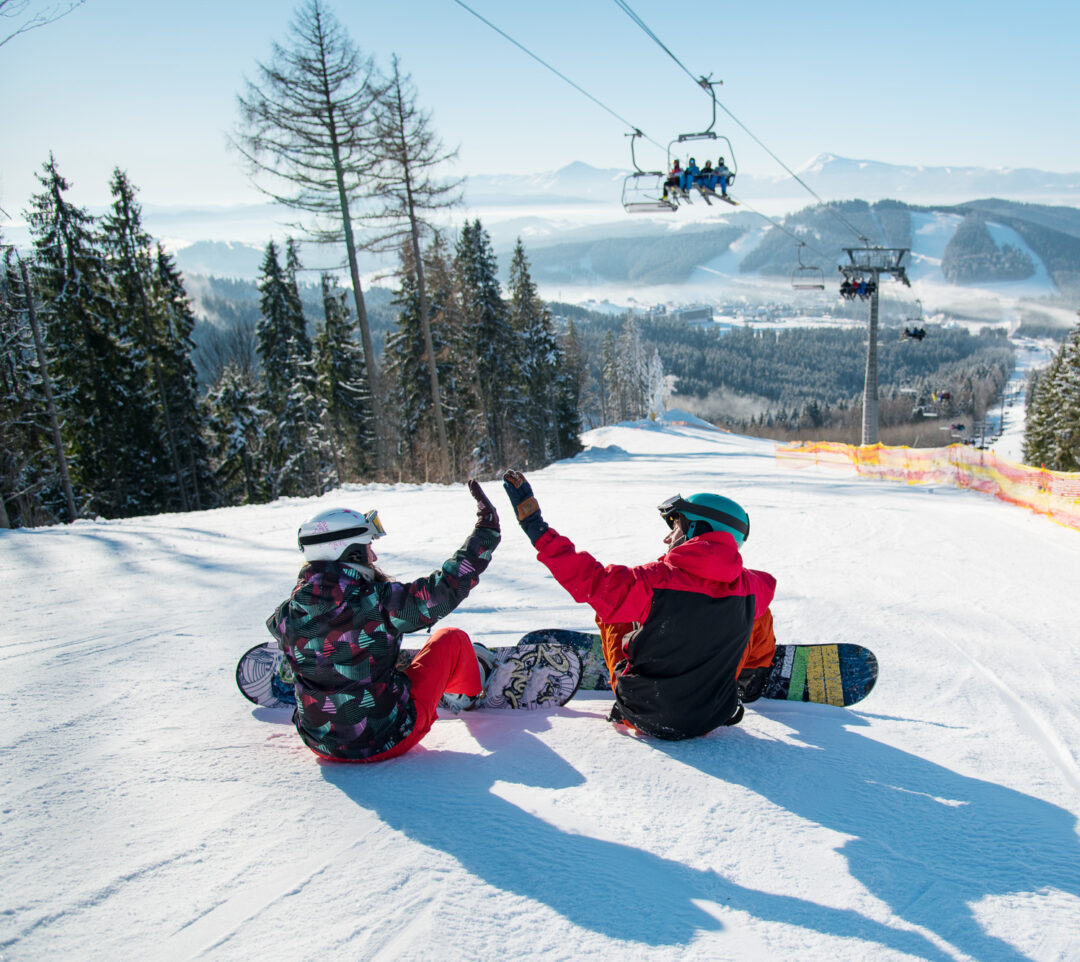
Women snowboarding on a snowy slope, with a chairlift overhead in a winter mountain landscape

Trip Code: NORFILSBB — Include this code in any message so we can find your trip straight away.