Trip Guide

Trip Guide: Multi-Activity Wilderness Adventure in Lapland

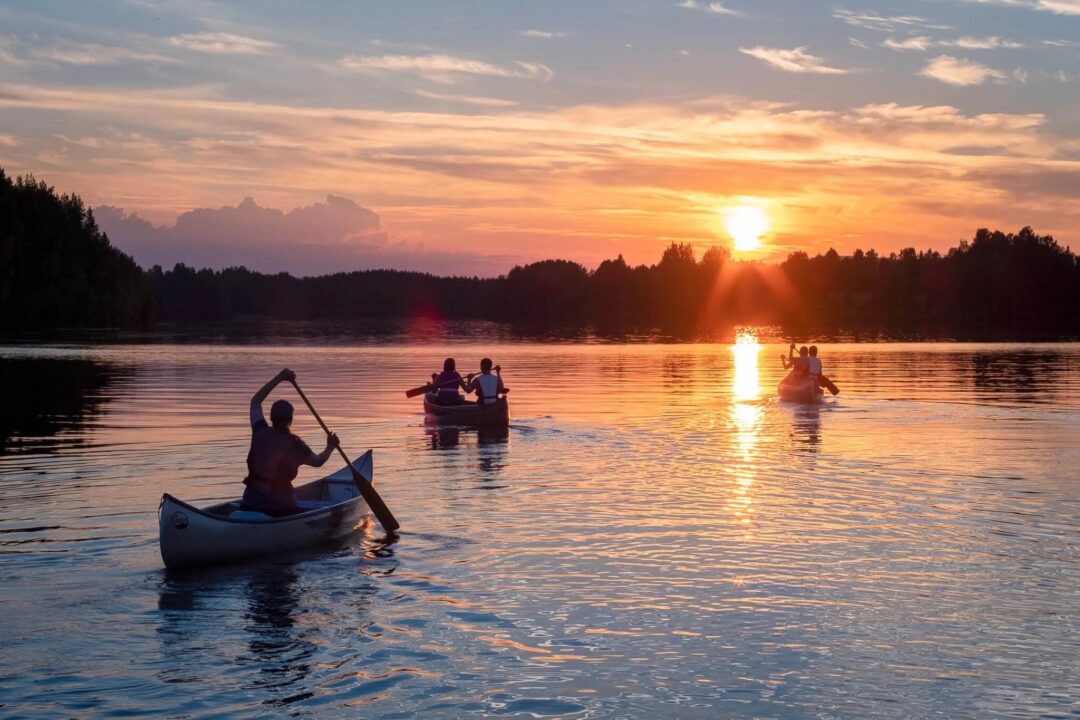
Six days in Swedish Lapland. You’ll canoe to a remote island, build fires from scratch, forage in pine forests, and take on whitewater rapids. This is a week that teaches you something useful and puts you genuinely off-grid for two of those nights.

This guide covers everything you need to prepare properly: how to get there, what the activities demand, what to pack and why, and what to expect when the eco-hotel is a few paddle strokes behind you.

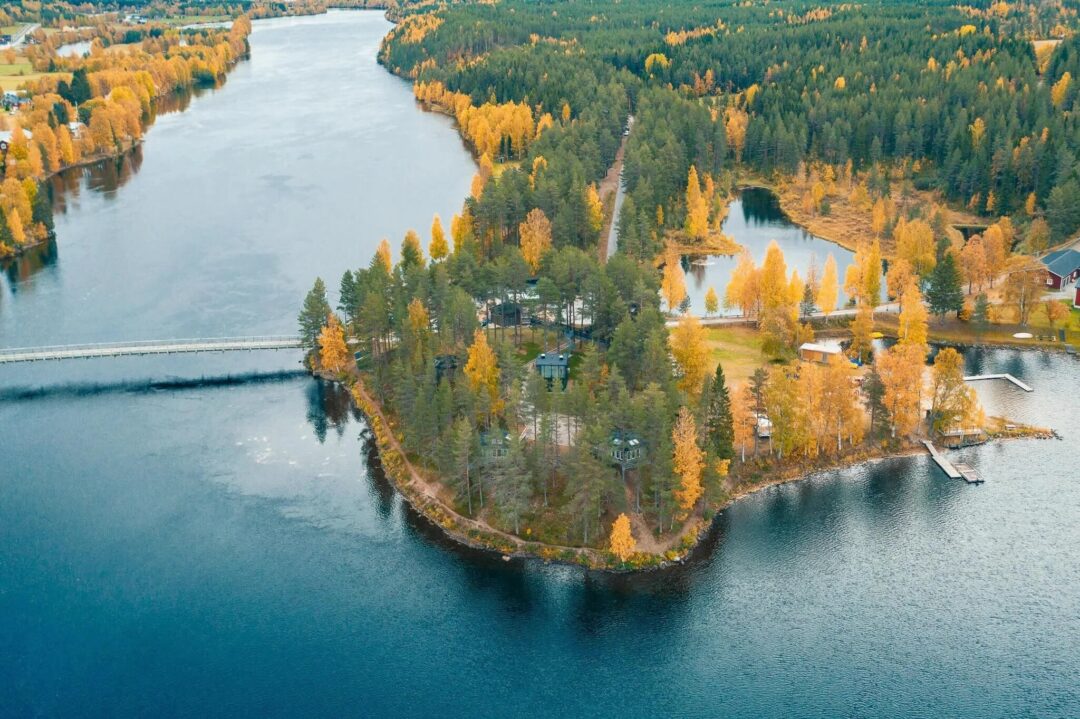
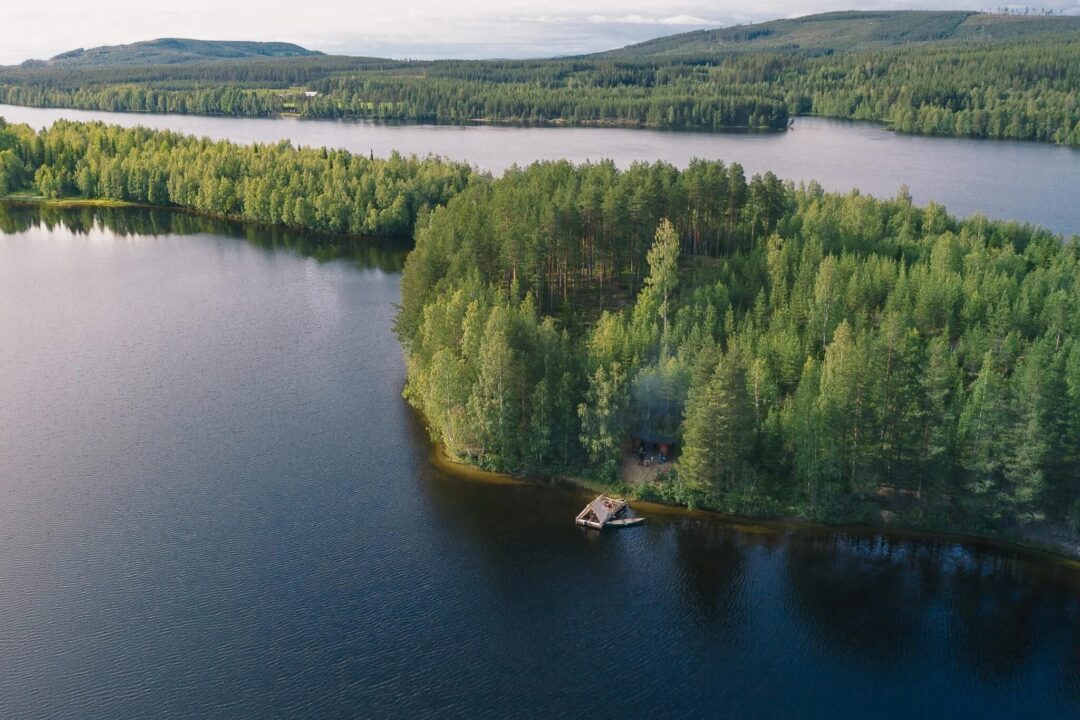
Aerial view of a calm forest lake in Lapland, with a small boat near the shoreline
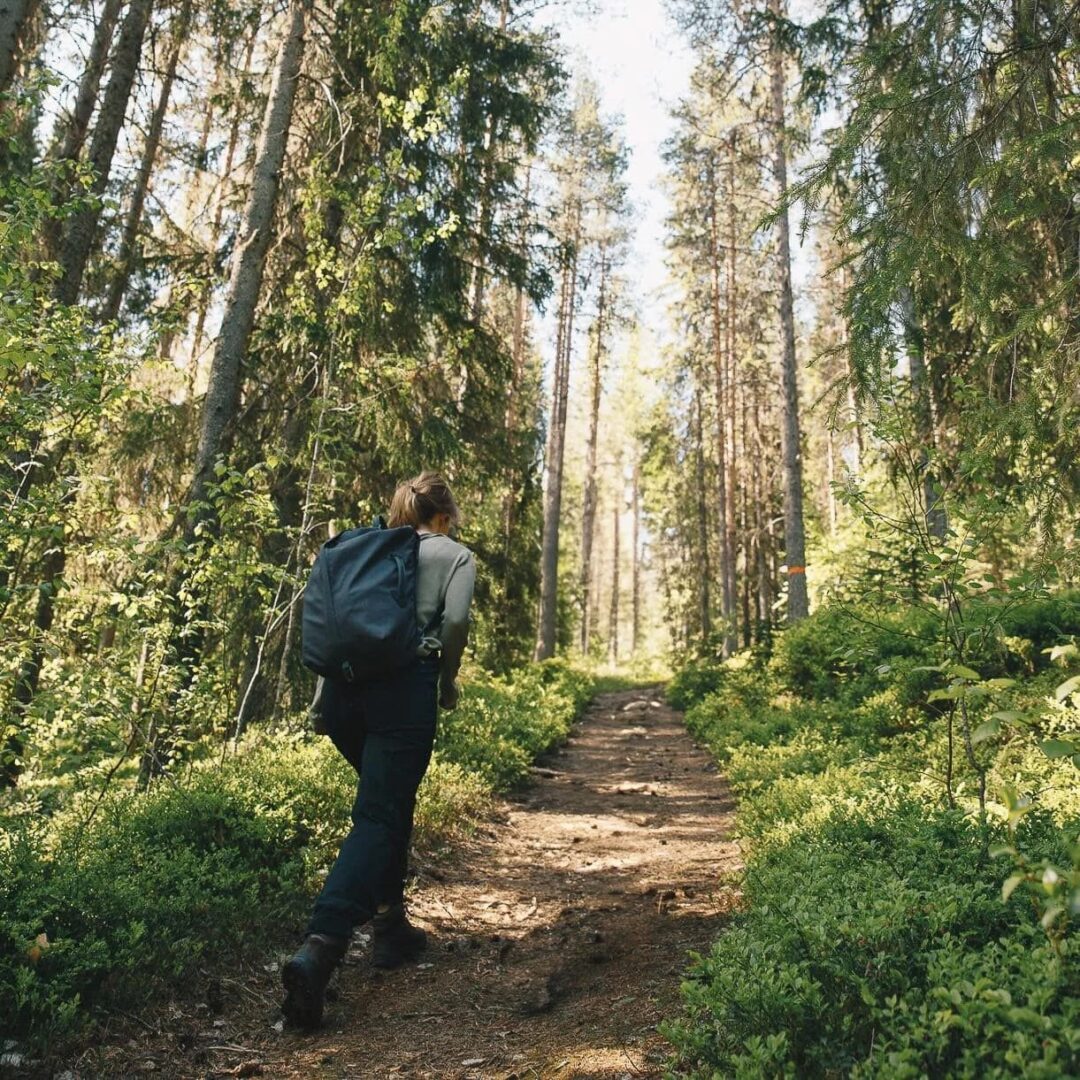
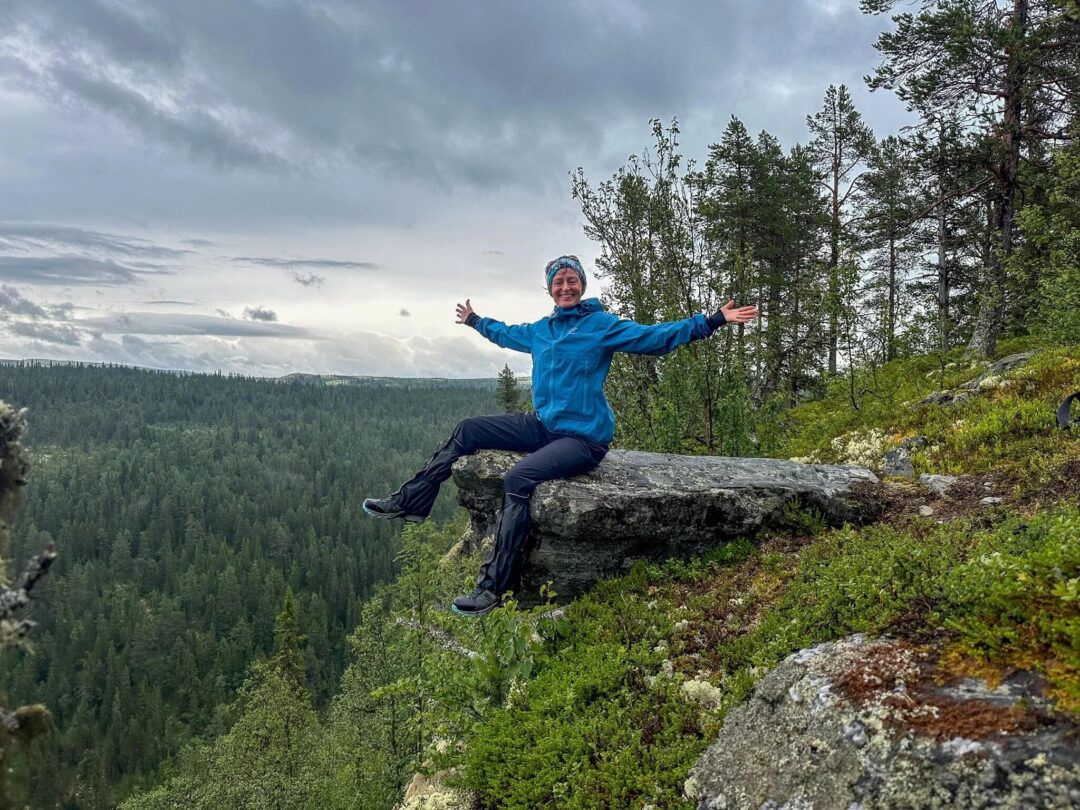
Woman hiking a forest trail with a backpack, surrounded by tall trees and green undergrowth

Getting There

Our base is in a small village in Västerbotten, about an hour’s drive from Umeå.

Nearest Airport: Umeå Airport (UME). There are no direct flights to Umeå from the UK. You’ll fly to Stockholm Arlanda (ARN) first, then connect on a domestic flight.

Group Transfer: One transfer each way is included. Timings are fixed and your travel must match them. There is no discount for not using the transfer.

Private Transfers: Available at additional cost. Contact us in advance.

How do I get to Umeå Airport?

There are no direct flights from the UK. You’ll need to fly to Stockholm Arlanda first, then take a domestic connecting flight into Umeå in time to meet the transfer. Check your transfer times and make sure your connection works before you book.

Suggested Flights
    • Arrival Day: ARN 12:30 – UME 13:30 | D8 4003
    • Departure Day: UME 17:10 – ARN 18:15 | D8 4014
Transfer Times

Arrival Day

    • Pick up at 14:30 at Umeå Airport
    • Pick up at 14:45 at Umeå Central Station

Departure Day

    • Drop off at 14:10 at Umeå Airport
    • Drop off at 14:25 at Umeå Central Station

Can I take the train instead of flying domestically?

Yes. Book trains at sj.se/en. The SJ High-speed train has a roughly six-hour route between Stockholm Central and Umeå Central. There’s also an overnight train option, though note that this runs to Vindeln, not Umeå. From Vindeln it’s a 20-minute taxi to the hotel (583 SEK per taxi, one way), as the group transfer runs from Umeå only.

What happens if my flight is delayed or cancelled?

You’ll need to make your own way to the start location. Your host will be your main contact on the day and can help with local information. Our bookings team is available Monday to Friday, 9am–5pm UK time. Make sure your travel insurance covers delays, cancellations, and missed connections.

What happens if my luggage is delayed?

The area around our base doesn’t have outdoor shops. Pack insect repellent, sunscreen, personal medication, a waterproof jacket, and a base layer in your carry-on. These are the things you’ll struggle to replace if your hold luggage is delayed.

Should I spend extra time in Umeå?

Yes, if you have it. Umeå has a solid art scene at Bildmuseet, local history at Västerbottens Museum, a strong Sami cultural presence, and good food and nightlife. More at visitumea.se/en.

Aerial view of a river winding through autumn forest in Lapland, with a small island and buildings.

Fitness & Skill Level

No experience is needed for any of the activities. Canoeing, whitewater rafting and the foraging hike are all accessible to beginners. What this trip asks of you is fitness and a willingness to get stuck in.

The distances aren’t huge: roughly 6km paddling each day and a 4km hike. But you’ll paddle two consecutive days with overnight gear loaded in the canoe, and two nights of genuinely off-grid conditions add another layer of endurance beyond the purely physical.

Whitewater rafting can also be tiring. You’ll be active for four out of six days.

Swimming: You need to be able to swim 100 metres in open water. You’ll be asked to sign a waiver confirming this on arrival. Buoyancy aids are provided for all water activities.

Getting Fit for the Trip: Build cardiovascular fitness in the months before you travel. Aim for medium to high-intensity sessions three times a week at around 45 minutes each: running, cycling, HIIT, spin classes. Anything that gets your heart rate up and keeps it there. Walking and yoga won’t cover the cardiovascular demands of this trip. Upper body strength will help with two consecutive days of paddling. Adding resistance or weight training in the weeks before is worth doing if you’re not already.

Wilderness Conditions: Two nights are genuinely off-grid. The island cabin has no electricity and no running water: outside toilets, cooking over fire, shared dorms. The wilderness camp cabin has electricity and hot showers, but the facilities are in a separate block outside the cabin.

If you’ve never spent time in basic conditions, think about it before you book. It’s not about toughening up; it’s about knowing what you’re signing up for so you can actually enjoy it.

How should I train before the trip?

Focus on cardiovascular fitness: running, cycling, HIIT, anything that gets your heart rate up and keeps it there. Aim for three sessions a week in the months before you travel. Upper body strength work will also help with two consecutive days of loaded paddling.

What are the wilderness cabin conditions like?

The island cabin is properly off-grid: no electricity, no running water, outside toilets, cooking over fire, shared dorms. The wilderness camp cabin is a step up: electricity, hot showers in an external block, and a sauna and hot tub. If shared sleeping is likely to be a problem, pack earplugs and a sleep mask. The eco-hotel has private and twin room options for those nights.

What are the rapids graded?

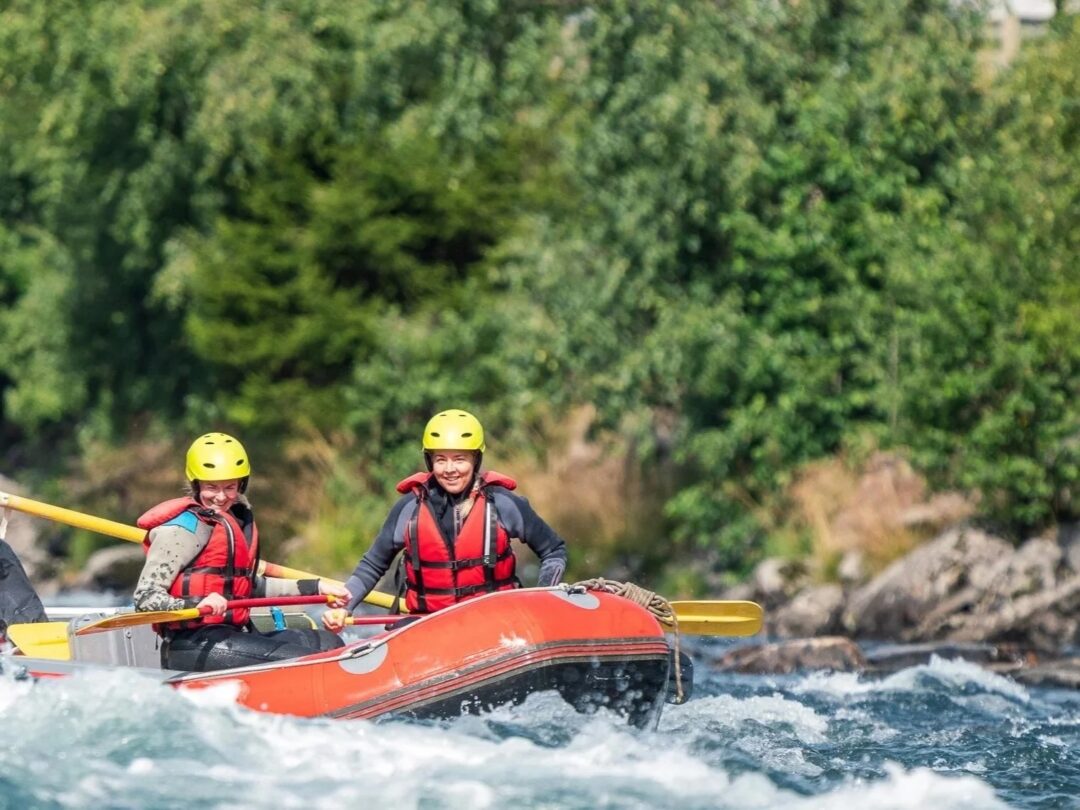
Roughly Grade 3, with sections lasting approximately 1,200m on otherwise smooth, calmer water. Your guides will brief you fully before you get in the raft.

Women in helmets white-water rafting on an orange inflatable raft in rapids
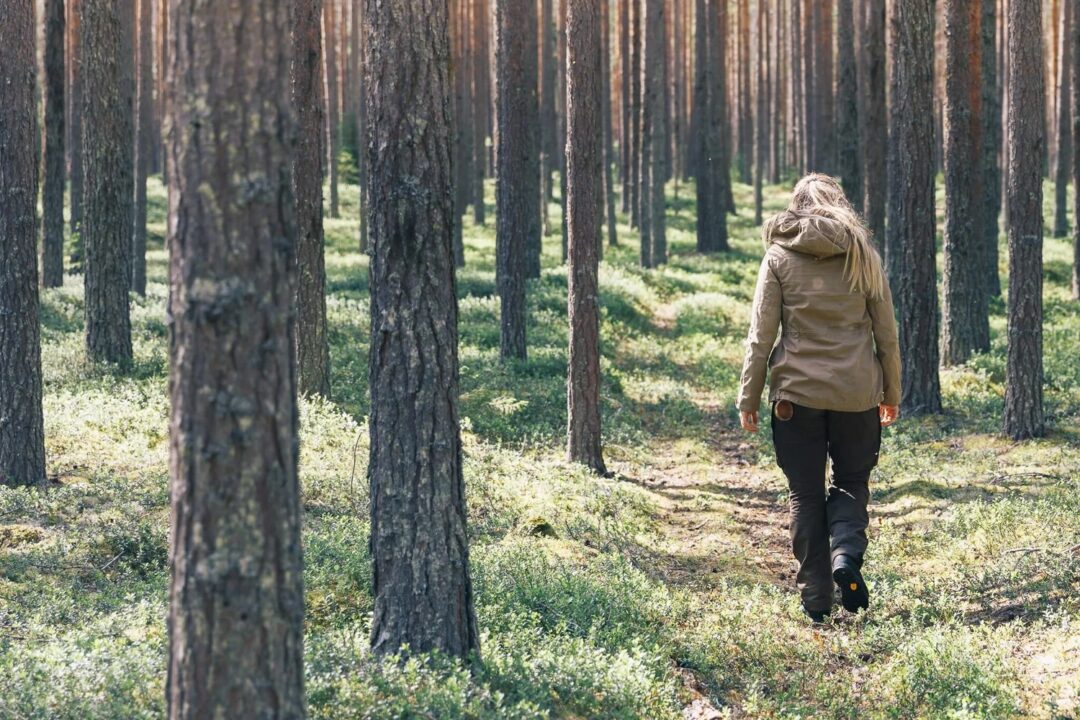
Women’s hiking on a forest trail, walking past tall trees outdoors in a wilderness area.

Sleep & Eat

Accommodation changes across the week, and the contrast is part of what makes the trip.

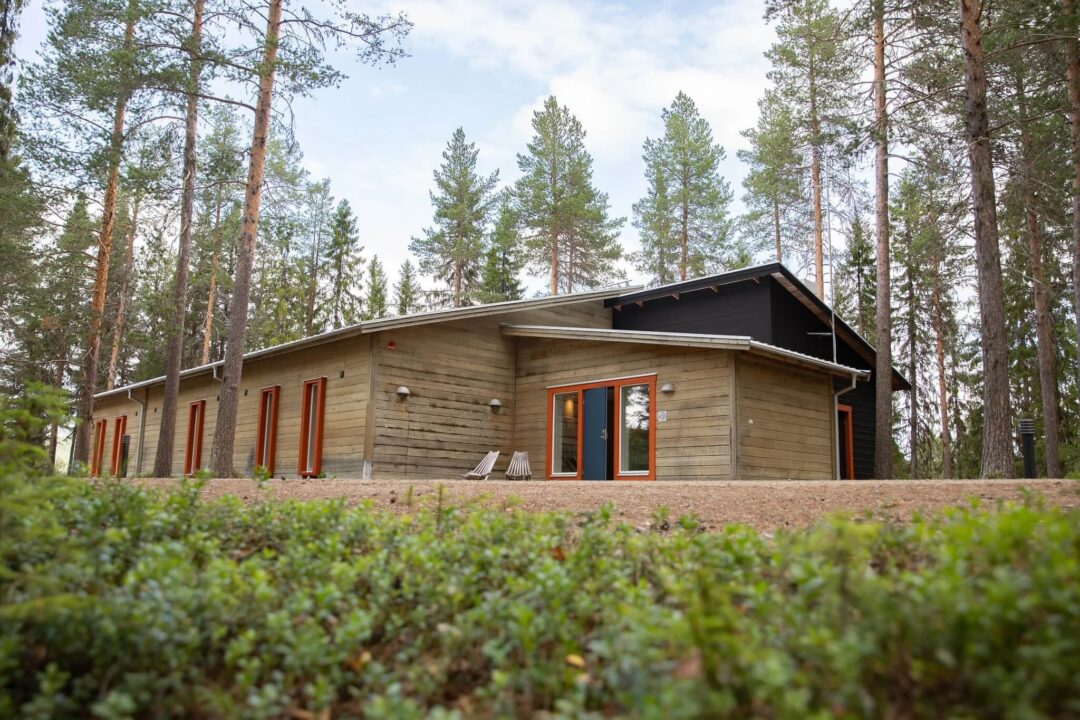
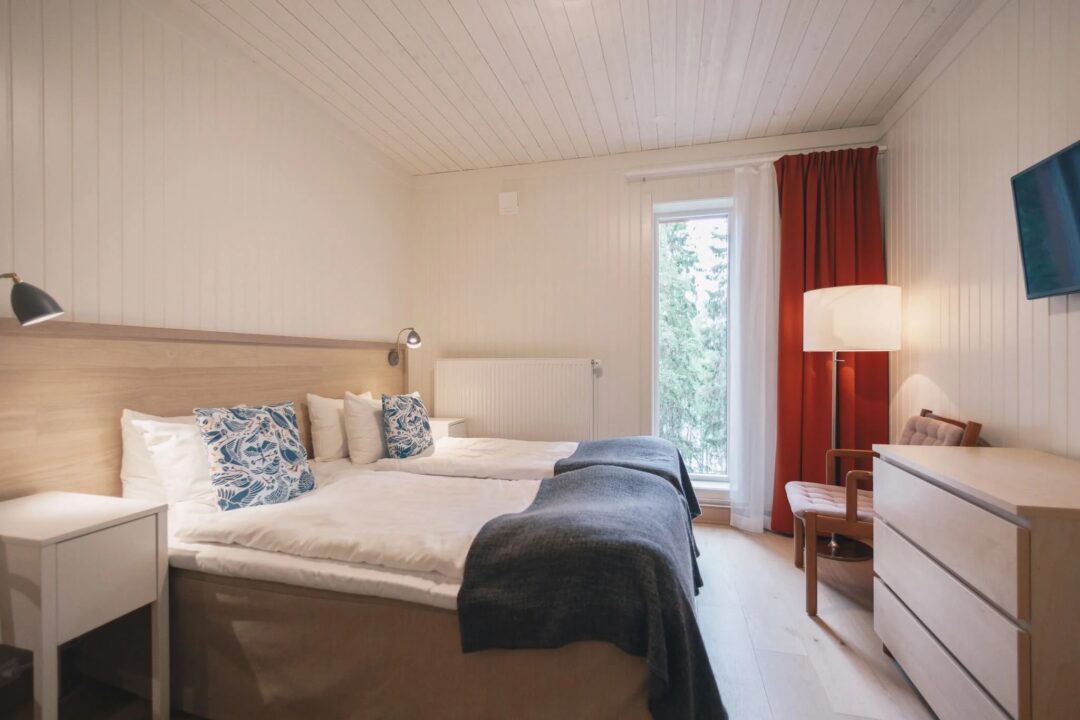
Nights 1–3: Eco-Hotel Nestled in the forest and sustainably heated by geothermal energy, with views of the surrounding wilderness from every window. Rooms are in the main hotel building or in a cabin just outside. Private or twin room options available. En-suite bathroom, hairdryer, WiFi, and tea and coffee in rooms.

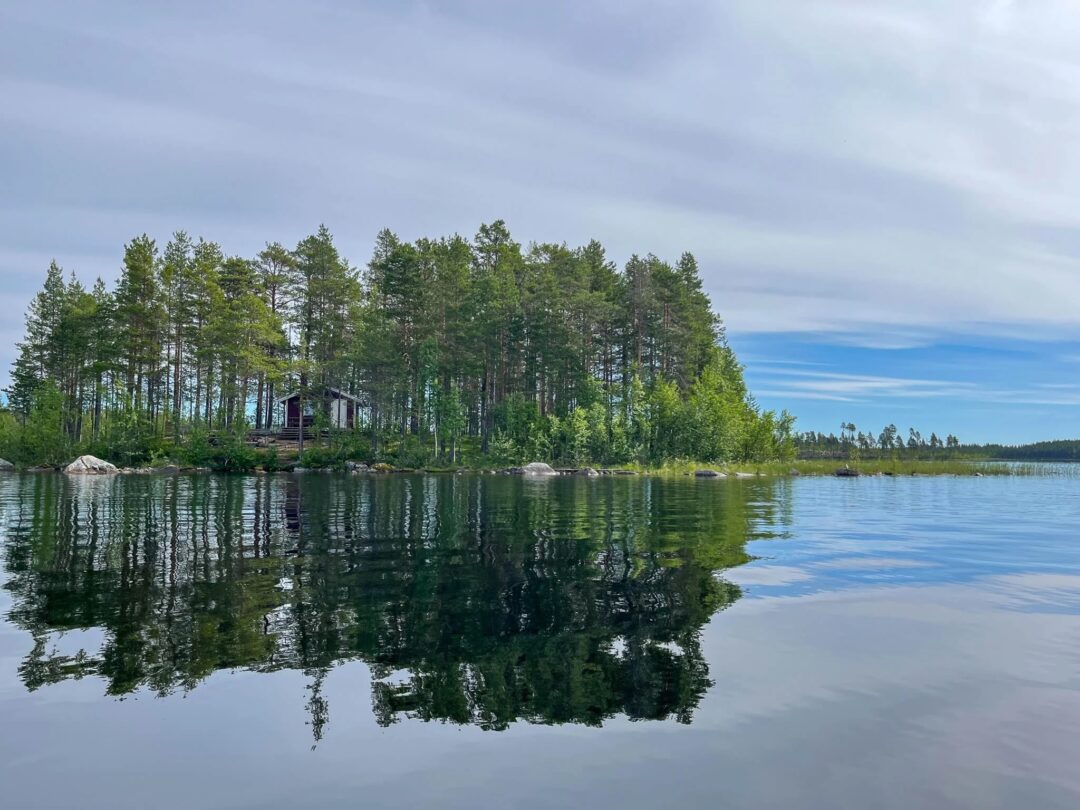
Night 4: Off-Grid Island Cabin A remote island, accessible only by canoe. No electricity, no running water, outside toilets, dinner cooked over fire. Shared dorm rooms with the rest of the group. This is the most off-grid night of the week.

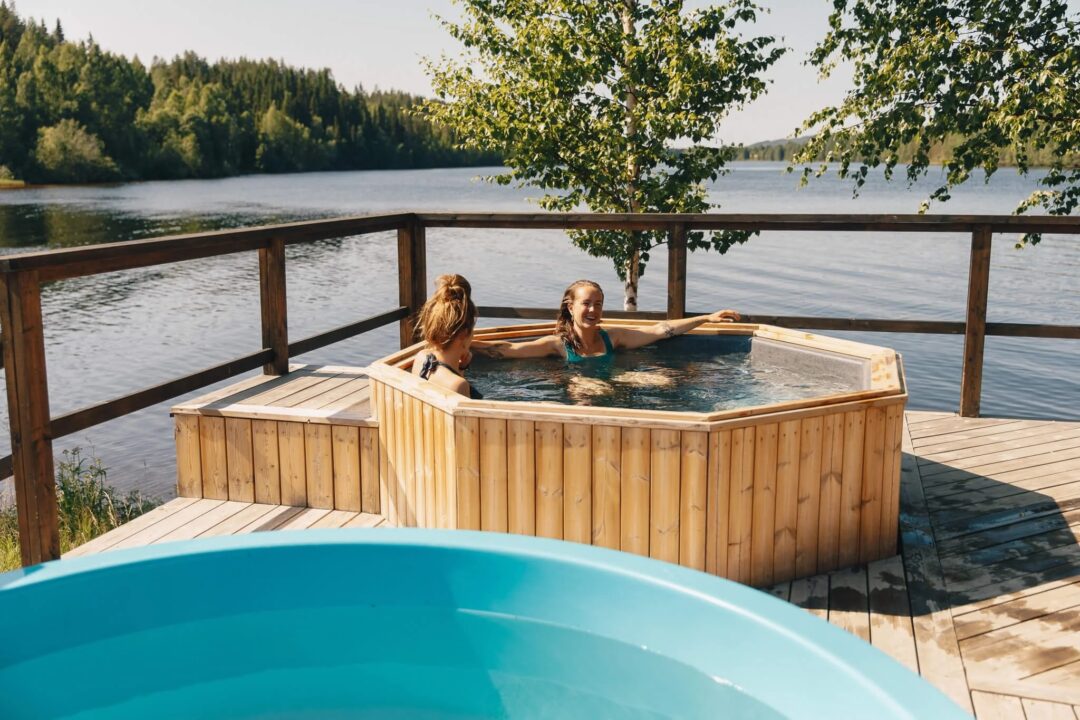
Night 5: Wilderness Camp Cabin A step up from the island. Electricity to charge your phone, hot showers, and a sauna and hot tub. Toilet and shower facilities are in an external block.

Laundry: Laundry can be dropped at eco-hotel reception for a wash at additional cost. It must go in on Day 1 and can only be collected on the last day. No laundry option during the expedition; pack accordingly.

Food

All meals are included from dinner on arrival through to breakfast on the morning of departure. At the hotel: buffet breakfast, lunch, and three-course dinners each evening. The restaurant is KRAV-certified and partners with local hunters, farmers, and bakers. Out on expedition: lunches and dinners are prepared over open fires or served in the wilderness cabins. Expedition breakfasts are simple but filling.

Dietary requirements can be accommodated but must be flagged to the bookings team well in advance. Last-minute changes aren’t possible once you’re out in the wilderness.

Are towels and hairdryers provided?

Towels and hairdryers are provided at the eco-hotel. Towels are also provided at the second wilderness cabin. Pack a quick-dry travel towel too: useful for the island night and on the water.

Are there laundry facilities?

Laundry can be dropped at eco-hotel reception for washing at additional cost. It must go in on Day 1 and can be collected on the last day only. There are no laundry facilities during the expedition, so pack enough to keep yourself comfortable throughout.

What is the food like at the hotel?

Buffet breakfasts and three-course dinners made with locally sourced, seasonal ingredients. The restaurant is KRAV-certified organic and works with local hunters, farmers, and bakers. It’s genuinely good food, not just fuel.

Can you cater for dietary requirements?

Yes, most dietary requirements can be accommodated. Flag yours to the bookings team well in advance. Adjustments can’t be made last-minute once the group is out in the wilderness.
Wooden cabin in a pine forest clearing, surrounded by tall trees
Bright bedroom interior with an unmade double bed, curtains, and bedside lamps

Weather

July in Västerbotten is broadly comparable to a British summer: daytime temperatures between 10–25°C, with the possibility of rain. On the water it can feel cooler than the air temperature, and mornings and evenings often drop off. Layers are essential even when the forecast looks decent.

Things will get wet on this trip. Even indoors in the wilderness cabins, kit takes time to dry. Pack quick-drying fabrics throughout and enough changes of clothes to stay comfortable across the whole week.

Insects: Mosquitoes and midges are common in Swedish forests in summer. Pack insect repellent and bite cream, and put both in your carry-on so you have them from the moment you land.

Checking the Forecast: Check in the week before you travel and adjust your kit accordingly. A waterproof jacket comes regardless. Items like a lightweight down jacket or a beanie can be left behind if the week looks warm, but don’t count on it.
What are the conditions like in July?

Daytime temperatures range from 10–25°C, comparable to a British summer. Rain is possible. On the water it can feel cooler than the air, and mornings and evenings can be chilly. Pack layers even if it looks warm on paper.

What happens if the weather affects activities?

Guides monitor conditions closely and will adjust plans where needed. The itinerary has flexibility built in and safety is the priority. You’ll still get a full adventure experience.

Are there insects?

Yes. Mosquitoes and midges are common in Swedish forests in summer. Pack insect repellent and bite cream. Put both in your carry-on so you have them on arrival.

How should I prepare for variable weather?

Check the forecast in the week before you leave. Always pack a waterproof jacket regardless of what the weather looks like. Lighter items like a down jacket or a beanie can be adjusted based on the outlook.

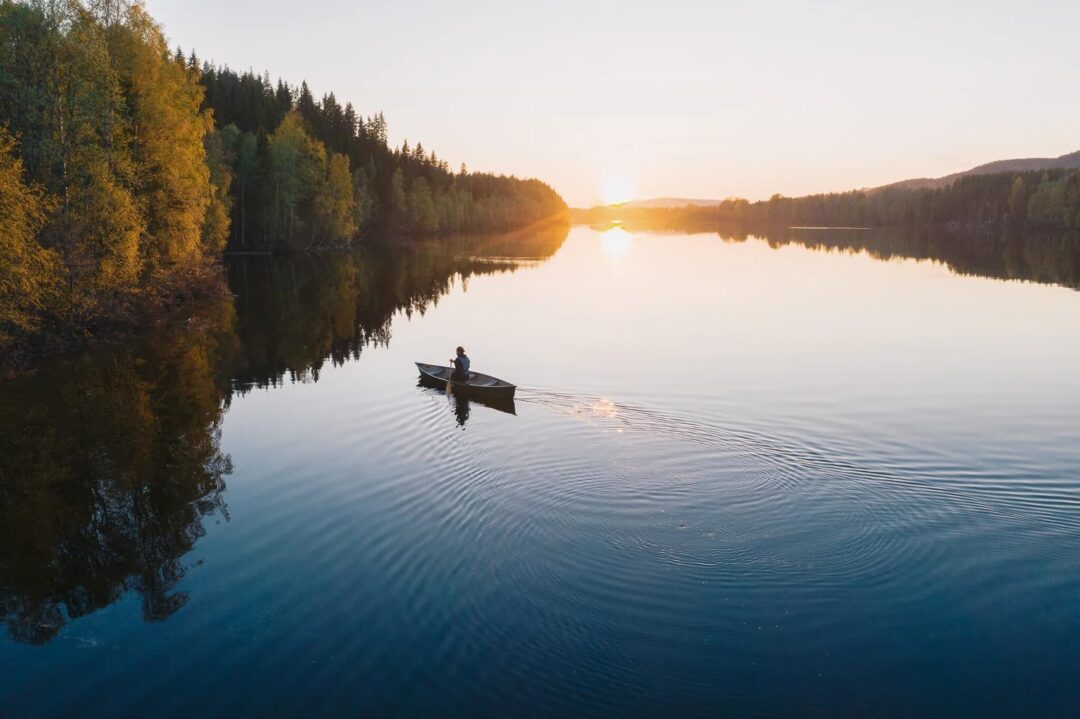
Canoe on calm lake at sunrise, with forest-lined shores and misty hills

Good to Know

Money: Most places in Sweden accept credit or debit cards. No need to carry large amounts of cash. A small amount of SEK is handy for any personal extras.

Communication: WiFi is available at the eco-hotel. Out in the wilderness, particularly on the island, phone signal is limited or non-existent. A waterproof phone case with a strap is essential for days on the water. The wilderness camp cabin has electricity to charge your devices.

How many guests on the trip?

Max. 6 guests.

What are the toilet facilities like during activities?

At the wilderness camps you’ll have access to longdrop or regular toilets. Out on the water, there are no facilities.

Should I spend extra time in Umeå?

Yes, if you have it. Umeå has a good contemporary art scene at Bildmuseet, local history at Västerbottens Museum, Sami cultural heritage, and a solid dining and nightlife scene. More at visitumea.se/en.

Why aren't all guides and instructors female?

We use female instructors wherever possible, but can’t always guarantee it. There are simply fewer female outdoor instructors available in some areas. Our priority is working with the most experienced, knowledgeable, and considerate guides we can find.

Two women relaxing in an outdoor hot tub by a lake in Lapland, surrounded by forest trees
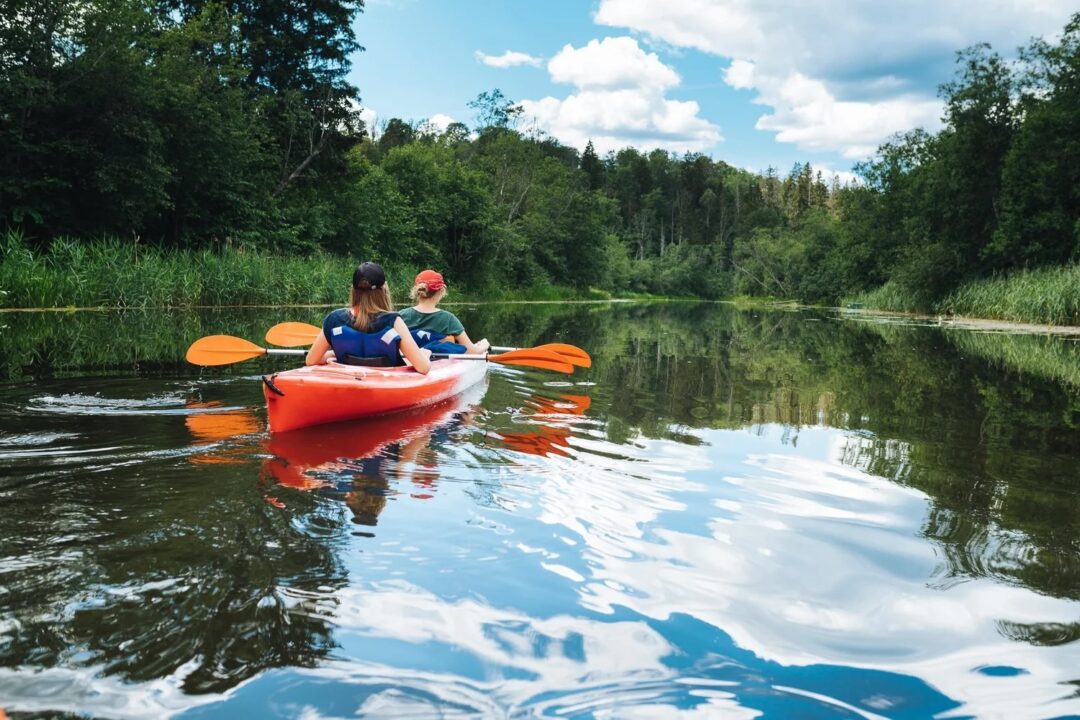
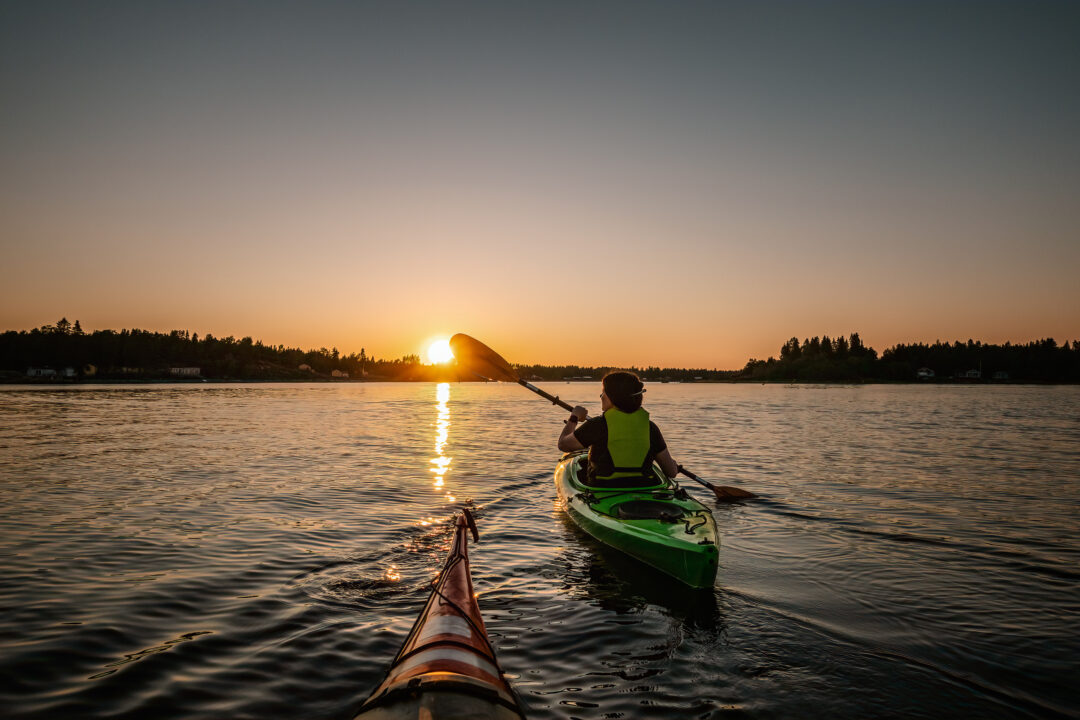
Women kayaking on a calm lake at sunset, part of a wilderness adventure holiday

Packing List

Packing Tips

You will get wet on this trip — plan for it: Two days of canoeing with your overnight gear, a morning of whitewater rafting, and forest hiking in Swedish summer weather. Quick-dry, moisture-wicking fabrics throughout. Anything cotton stays wet and gets cold fast in the evenings, particularly on the island and at the wilderness camp.

Layers matter more than you might expect for a summer trip: Swedish Lapland in August can be warm during the day and noticeably cool by evening, especially on the water and at the off-grid cabin. A lightweight down or insulated jacket for evenings earns its place. Check the forecast before you finalise your kit — it genuinely varies week to week.

Insects are part of the deal in Swedish forest: Mosquitoes and midges are active in August, particularly near the water and at dusk. Insect repellent is non-negotiable. Long sleeves for the evening and a buff for your neck help considerably. Bite cream is worth having if you react badly.

Pack for off-grid living for two nights: The island cabin has no electricity, an outside toilet, and dinner cooked over a fire. The wilderness camp has basic facilities. A headtorch is essential and earplugs are worth having in shared dorms. Keep what you need for both nights accessible in your bag — you’ll load it into the canoe on day three.

What We Provide

  • Canoes
  • Buoyancy aid
  • Large dry bag for canoeing
  • Wetsuit (whitewater rafting)
  • Helmet (whitewater rafting)
  • Water shoes (whitewater rafting only)

What You Need to Bring

  • 30–40L rucksack — loaded into the canoe on expedition days
  • Daypack for the foraging hike and fire workshop days
  • Quick-dry t-shirts and lightweight long-sleeve tops
  • Base layers — merino or synthetic
  • Fleece or mid-layer jumper
  • Lightweight down or insulated jacket (for cool evenings and the off-grid cabin nights)
  • Waterproof jacket
  • Hiking trousers or leggings — waterproof if a wet week is forecast
  • Lightweight hiking shorts (if a warm week is forecast)
  • Swimwear
  • Water shoes or old trainers you don’t mind getting wet (for canoeing and general water use)
  • Hiking trainers or sturdy shoes — mandatory for the forest hike
  • Buff
  • Warm hat (weather dependent)
  • Cap or sun hat
  • Sunglasses with a floating strap

Off the Water:

  • Flip flops or sliders for around the cabin and hotel
  • Casual evening clothes
  • Nightwear
  • Sleep mask and earplugs — shared dorms on the expedition nights

Personal Kit:

  • Water bottles — 1x2L or 2x1L
  • Thermos for hot drinks
  • Waterproof phone case and strap
  • Headtorch and spare batteries — essential for the off-grid cabin night
  • Travel towel
  • Sunscreen (waterproof)
  • Insect repellent — essential in Swedish forest in August
  • Bite cream
  • Compeed or Moleskin blister plasters
  • Toiletries and any personal medication

What shoes do I need for the hike?

Hiking trainers or sturdy shoes with a good sole — this is mandatory. The foraging walk covers forest terrain that can be uneven and muddy. Regular trainers or casual shoes won’t give you the grip you need. You’ll also want a separate pair of water shoes or old trainers for the canoeing days.

What should I pack for the off-grid cabin night?

Keep what you need for two nights accessible in your main bag — it goes into the canoe on day three, so you’re not rummaging through it on the water. A headtorch is essential (no electricity on the island), earplugs for the shared dorm, and anything you need for the morning. Everything else stays at the hotel.

How bad are the insects?

In Swedish forest in August — genuinely present, particularly near the water and at dusk. Bring proper insect repellent, not just a small travel spray. Long sleeves and a buff for your neck in the evenings help considerably. Bite cream is worth packing if you react badly to bites.

What's the weather like in August?

Variable — it can be warm and sunny or cool and overcast, sometimes in the same day. Check the forecast in the week before you travel and pack accordingly. The down jacket and waterproof are worth bringing regardless; the hiking shorts are weather-dependent.

Women kayaking on a calm lake surrounded by forest, outdoors adventure activity
Calm lake with pine forest reflection and a small lakeside cabin among trees

Trip Code SWEGRAMLT – Include this code in any message so we can find your trip straight away.