Trip Guide

Trip Guide: Beginner Downhill Ski Holiday in Sweden

Always wanted to learn to ski but put it off because you didn’t have anyone to go with? This beginner ski holiday in Sweden’s Jämtland mountains is your answer. Five days of ski lessons with small group instruction, followed by guided practice sessions where you’ll actually build confidence rather than just surviving the slopes.

Our resort is quiet and uncrowded meaning you have more space and no crowds to cut you up as you try to practise your turns. Mornings focus on technique with expert instructors who know how to coach beginners, while afternoons let you put those new skills to work with guides who’ve got your back.

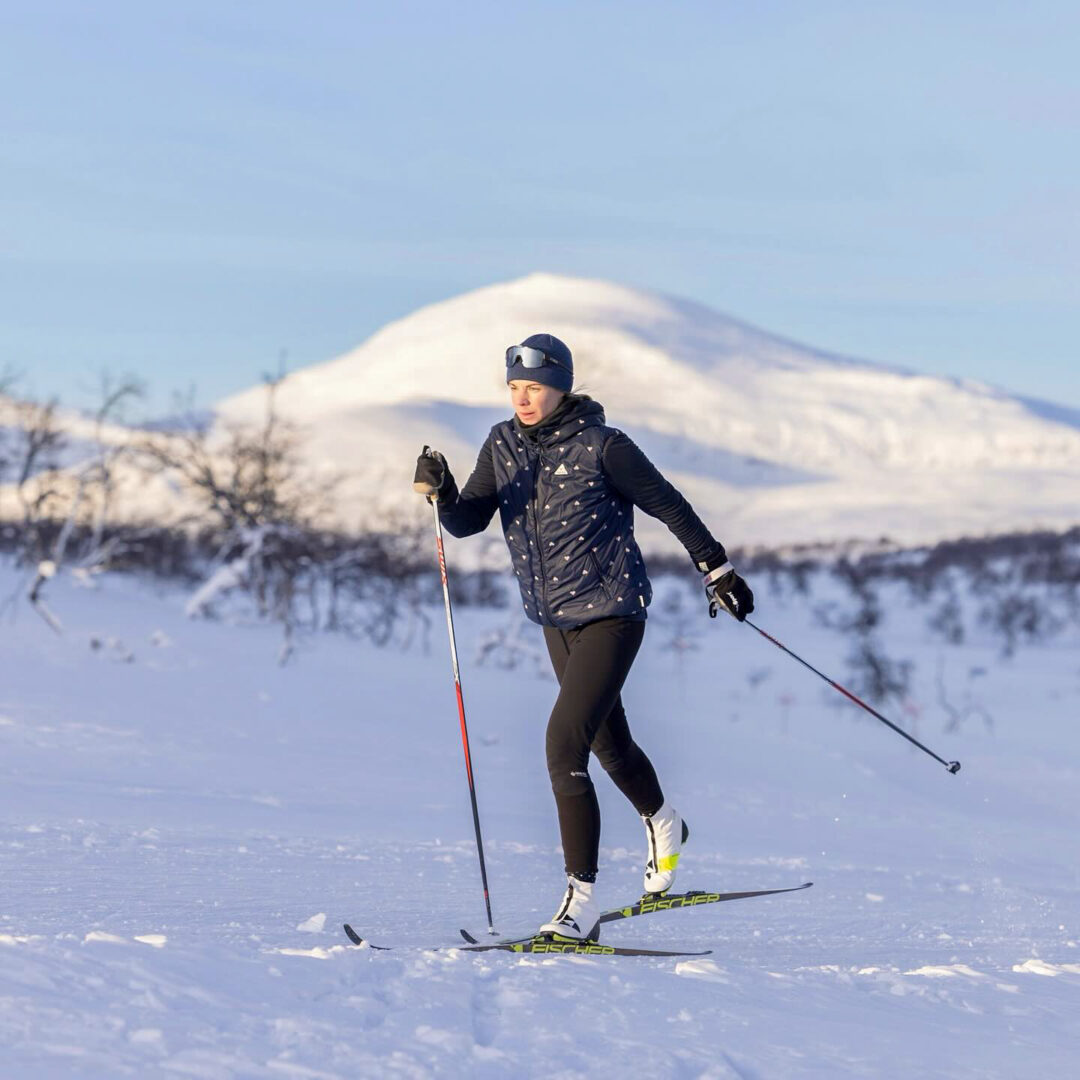
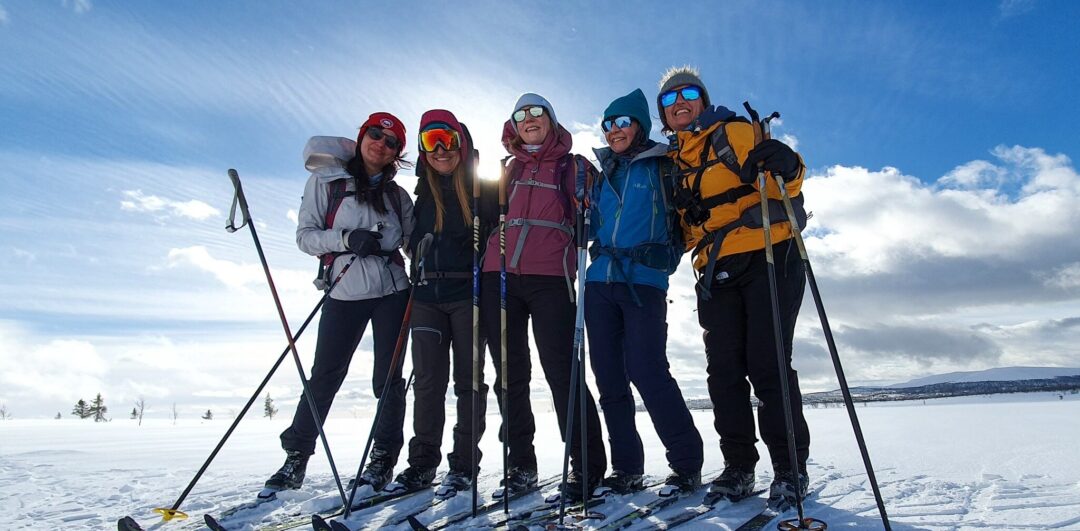
Try night skiing under the stars, swap your downhill skis for cross-country to explore snowy trails, and take a twilight sledge ride into the mountains for warm drinks around a crackling fire. After long days on the slopes, unwind in your cosy alpine lodge with hearty dinners, sauna sessions, and a group of women who get exactly why learning to ski as an adult makes total sense.

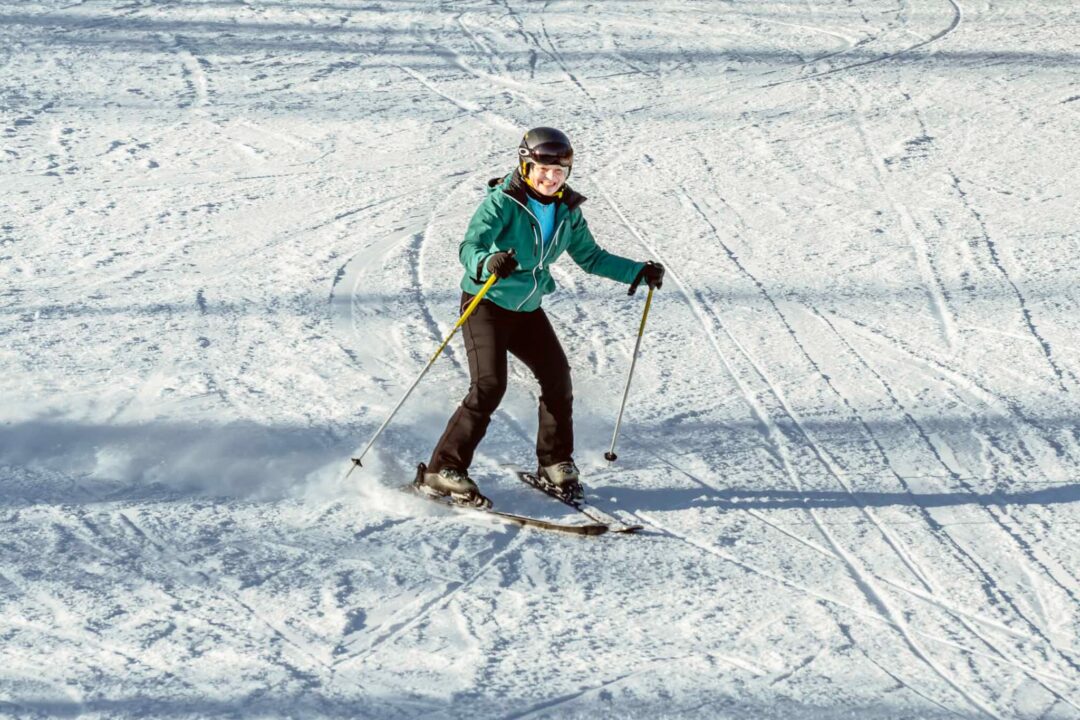
Woman downhill skiing on a snowy slope through a forested winter landscape

Getting There

Getting to our ski resort means flying into Trondheim Airport in Norway, then taking our set-time group transfer across the border into Sweden. It runs at fixed times and can’t wait, so if you miss it you’ll need to arrange your own transport to meet the group.

We use Trondheim Airport because there’s much better flight availability from the UK, we haven’t just confused our Scandinavian countries.

How do I choose flights?

Check the trip page for the transfer times and book flights that land with a comfortable buffer before the pick-up. Comprehensive travel insurance covering missed connections is essential.

Can I take alternative transport?

Yes – trains run daily from major Swedish cities to Undersåker station, where the hotel will collect you free. Please email us your arrival and departure details and we’ll make sure the hotel team knows to collect you.

What if my travel plans don't match the transfer?

You’ll need to arrange your own transport to the start location. Please contact the Gutsy Girls Bookings Team with your flight details and they will coordinate a transfer for you. Please note that this could be expensive, as the hotel and ski resort are well off the beaten track.

Is Trondheim worth exploring?

If you have extra time, Trondheim offers medieval architecture, charming old town districts, outdoor activities, and excellent restaurants. Check the local tourism website for winter activities and attractions.

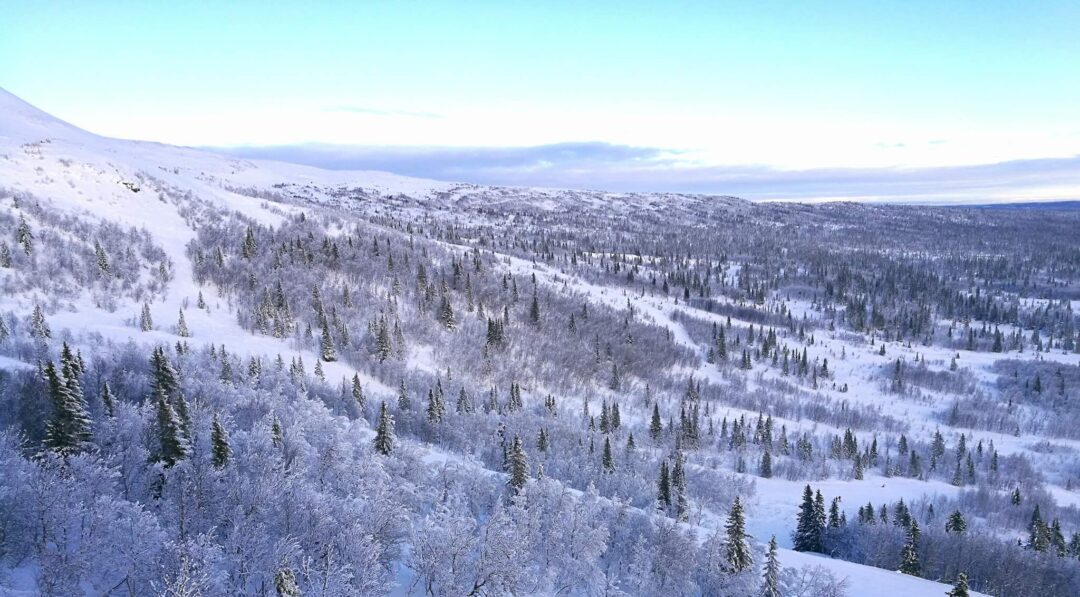
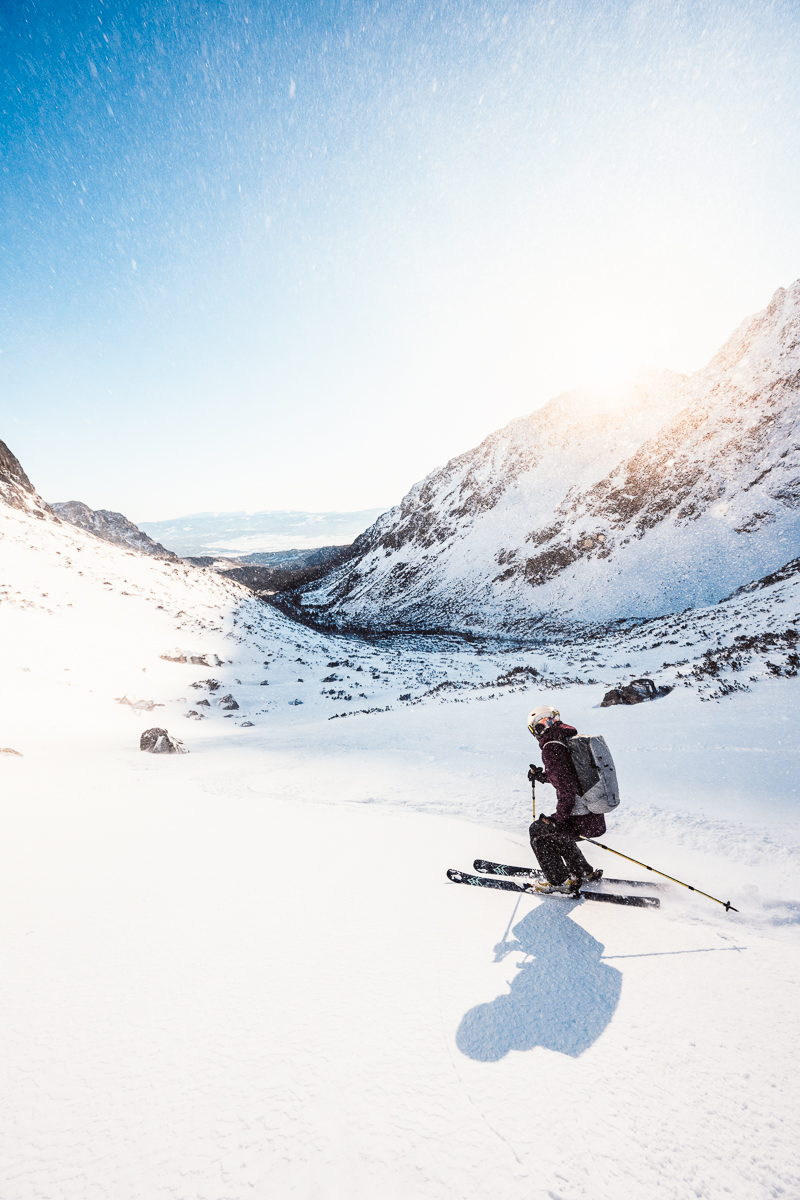
Snowy downhill ski slopes over a winter valley landscape in Sweden

Fitness & Skill Level

No skiing experience needed at all. What you do need is a reasonable base of general fitness, because learning to ski is more tiring than it looks and you’ll be doing it seven days in a row.

The conditions

You’re active from Day 2 through to Day 8, with no rest day in the middle. Five of those are downhill lessons and guided practice, one is your cross-country day, and the last is a free morning on the slopes before you travel home. Expect to be out for six to seven hours each day, split between a morning lesson and an afternoon session with a guide.

The lifts do the climbing, so this isn’t a trip that tests your uphill legs. What tires you is the descending. You’re holding a position you’re not used to, making constant small corrections, and using your thighs as brakes for hours at a time. Most people feel it properly on day three, in muscles their usual training doesn’t reach.

Then there’s the falling. You will fall, a lot, mostly in the first two days, and getting back up in skis on a slope is its own small workout. That’s normal and it costs energy, so factor it in.

Cold is the other factor. Daytime temperatures usually sit between -10°C and -3°C, colder in January, milder by March and April. Cold burns through your energy quietly, and everything takes longer when you’re doing it in gloves. Add in walking about in ski boots and hauling your kit to and from the lift, and the day is fuller than the hours on snow suggest.

The recovery side is good, though. The hotel is at the bottom of the lift, there’s a sauna, and if that final run down feels like one thing too many in the early days, the hotel runs transfers so you can get a lift back instead.

Fitness

Be honest with yourself about where you’re starting from, then give yourself the run-up that matches.

If you already train regularly and are used to being on your feet all day, you don’t need to change anything. Keep doing what you’re doing and add some leg strength work in the couple of months before you travel.

If you’re active but not consistently, give yourself six to eight weeks. Cardio three times a week for 45 minutes is the backbone of it, so running, cycling, spin, swimming or brisk hill walking, whatever you’ll stick to. On top of that, add squats, lunges and step-ups twice a week, plus some core work. Those are what stop your legs giving out by mid-afternoon and what let you hold a snowplough when you need to stop.

If you’re starting from a low base, give it three months and build gradually. Start with walking, add hills, then add the strength work once walking feels easy. Going from very little straight into hard sessions is how people arrive with a sore knee rather than fresh legs. A trainer can help you build something sensible, and it’s worth an hour of their time.

Whichever tier you’re in, cramming it into the fortnight before you fly won’t work. Fitness for this comes from consistency over weeks, not a big push at the end.

Skill

You need no experience whatsoever. You’ll start on the nursery slopes with a qualified instructor, work through the snowplough and turning, and should be linking turns on blue runs by the end of the week.

What you do need is a tolerance for the feeling of sliding. Until you’ve learned to stop and steer, you won’t have much control, so expect to feel unbalanced and to pick up speed you didn’t ask for. Some people find that a thrill and some find it genuinely horrible, so be honest with yourself about which you are. It settles fast once the snowplough clicks, and the sooner you make peace with it, the quicker you’ll progress.

The mental side is mostly about the middle of the week. Day one is exciting, day two is hard, and somewhere around day three you’ll be tired and convinced everyone else is picking it up faster than you. They aren’t. Turning up for the next lesson is what gets you to the point where it clicks, and it does click.

If you’ve skied a little before but want to go back to basics and build solid foundations, you’re welcome too.

How should I prepare physically?

Cardio three times a week for 45 minutes is the main thing, plus squats, lunges and step-ups twice a week for your legs, and some core work. Six to eight weeks is enough if you’re already reasonably active. Give it three months if you’re starting from very little, and build up gradually rather than going hard from a standing start.

What if I can't keep up with the group?

Everyone on this trip is a beginner, so there’s no group to fall behind. Instruction is in small groups and the instructor works to the pace of the people in front of them. The honest caveat is that if your general fitness isn’t there, you’ll spend the week tired rather than enjoying it, so it’s worth doing the preparation.

How much falling should I expect?

Plenty, mostly on days one and two. Everyone falls when they’re learning, the snow is softer than it looks, and it stops happening as your control improves.

Can I skip activities if I'm tired?

The extras are yours to skip. Night skiing and the sledge ride are there to be enjoyed rather than endured, so sit them out if you’d rather have an early night.
The lessons are a different matter, and we’d steer you away from skipping those. Progress here is cumulative, each day builds directly on the last, and missing a morning means coming back to a group that has moved on without you. That tends to be more disheartening than the tiredness was. If you’re flagging, tell your instructor rather than staying in bed, because they’ll ease the session off to suit you.

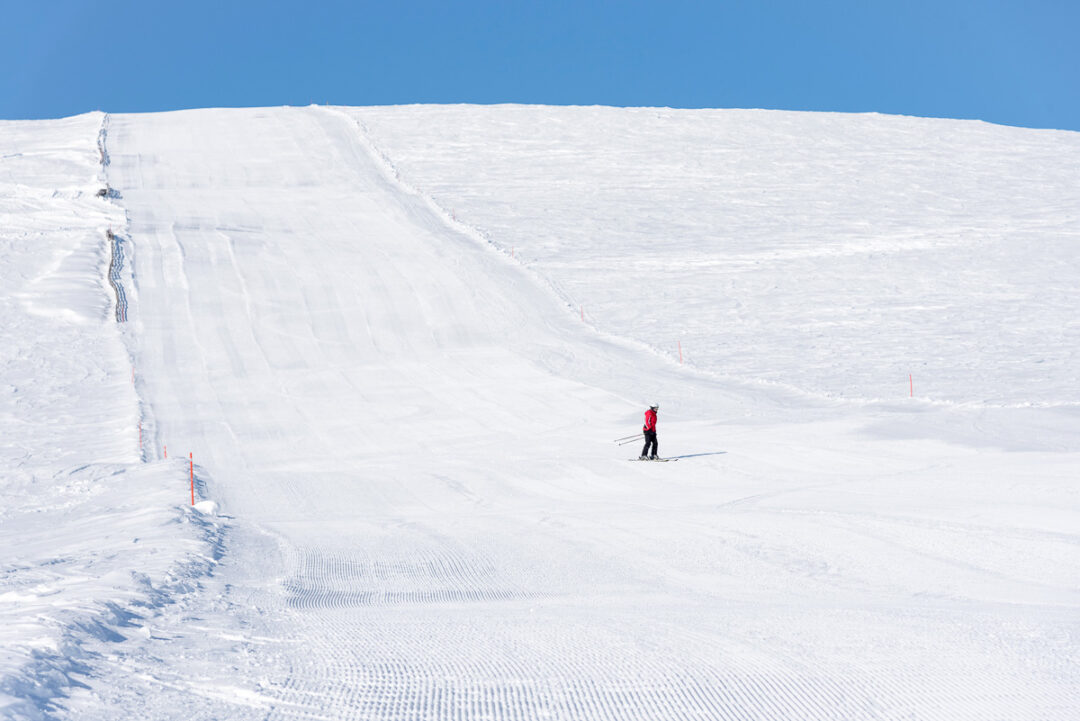
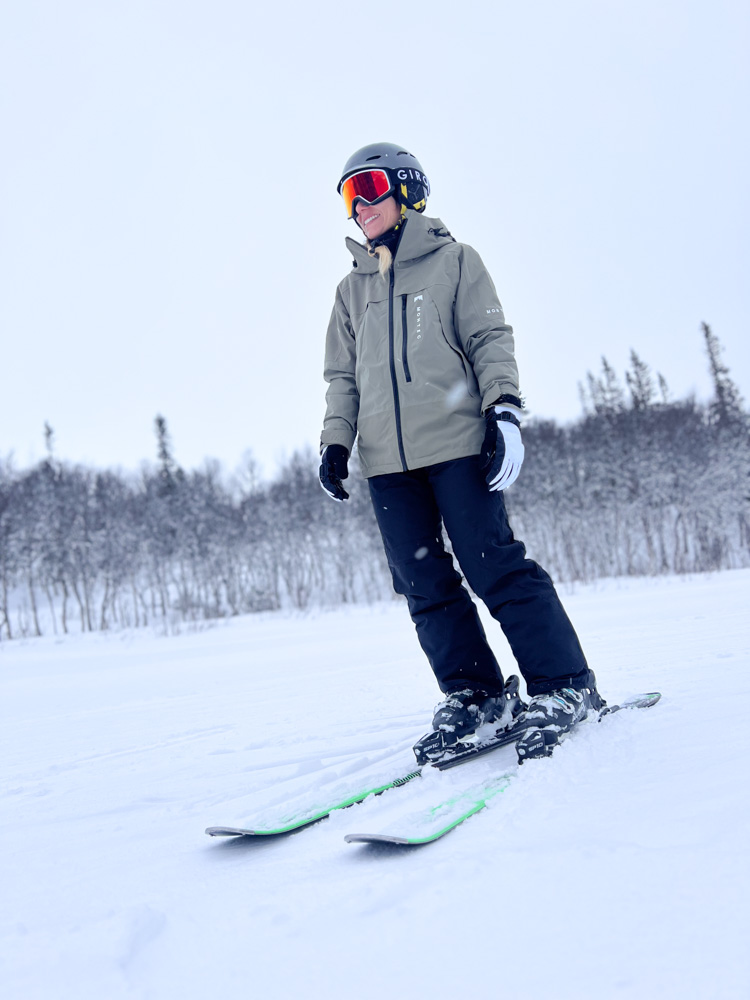
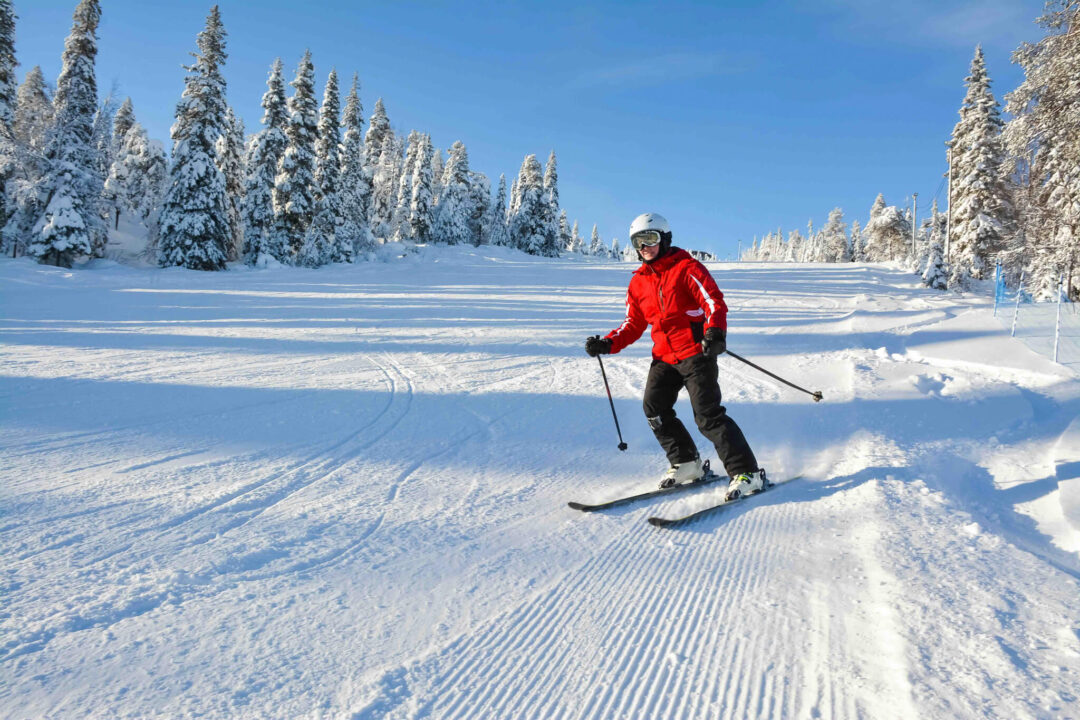
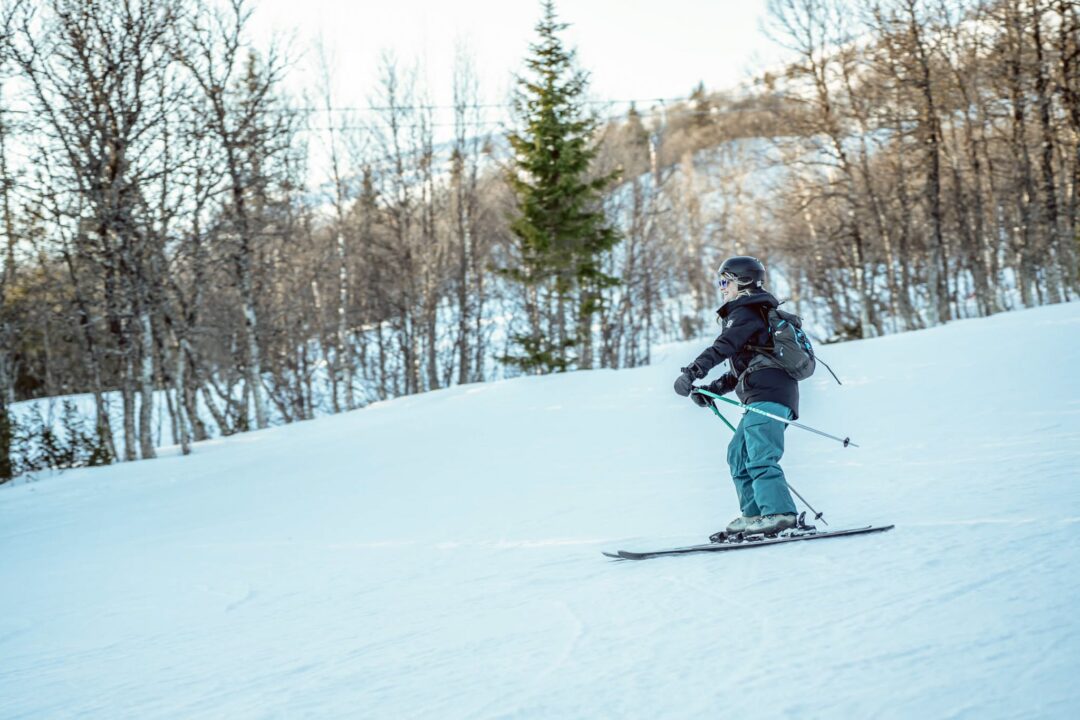
Woman skiing on a groomed downhill ski slope in bright snow conditions

Sleep & Eat

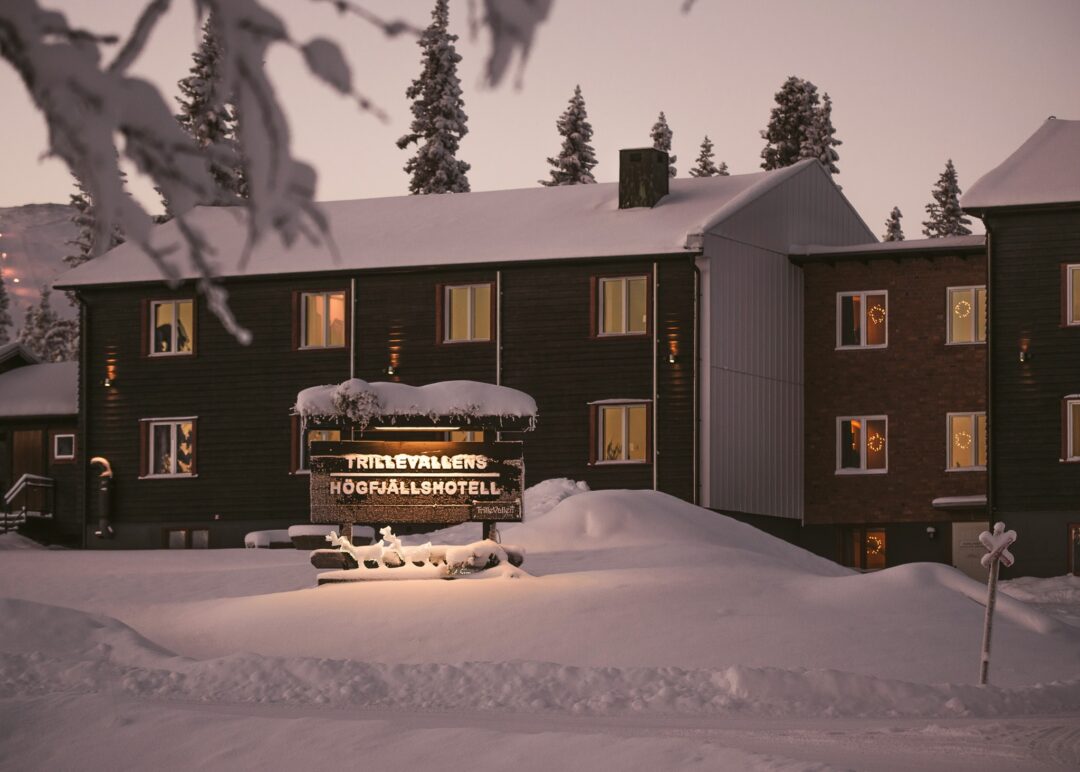
Our mountain hotel has been hosting guests since 1938, and it still feels like it: simple, comfortable rooms with private bathrooms, a sauna for tired legs, and a bar and restaurant that fill up nicely once everyone is off the slopes.

Being right at the bottom of the lift makes a bigger difference than you’d think when you’re learning. You walk out in the morning and get straight on, no faff with buses or car parks, and at the end of the day you can ski back down to the door. If that last run feels like one thing too many in the first few days, it usually does, the hotel runs transfers back and forth to the resort, so you can also jump in one of these if needed.

Once you arrive, you don’t have to think about food again. Every meal is included, from dinner on your first night to breakfast on the last. Breakfast is a generous buffet, so you can fuel up properly and take something for your pocket. Lunch is a hot meal at the café on the slopes, which means you come off the mountain, eat somewhere warm, and go straight back out. Dinner is two courses made mostly with ingredients from the region.

Tell us about any dietary requirements when you book and the kitchen will sort it. If you have a severe food allergy, get in touch before you book so we can check what’s possible.

What are the rooms like?

Mountain lodge style with twin or private options. They’re clean and comfortable with hot showers and basic amenities.

What's the WiFi situation?

WiFi is available at the hotel. You’re here to ski and enjoy the mountain experience, but you can stay connected for essential communication/updating your Instagram!

Are there laundry facilities?

There are no laundry facilities available at the hotel. You can bring travel wash or soap flakes for handwashing clothes in the bathroom sink if needed.

Can you cater for my dietary requirements?

The restaurant focuses on regional cuisine for authentic local flavours and can accommodate all dietary requirements – just let us know your needs in advance.

Snow-covered ski lodge with lit windows at dusk, viewed from snowy grounds
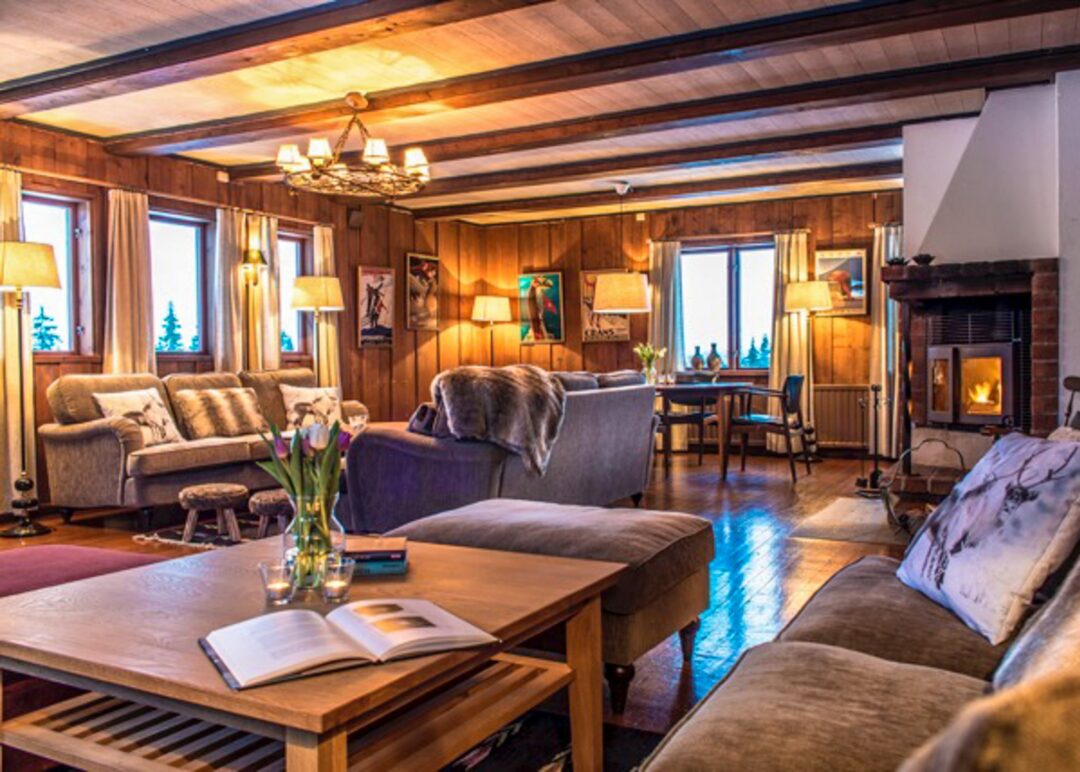
Cozy cabin living room with fireplace, sofas, and dining table by large windows

Weather

December to March in this part of Sweden means real cold. Temperatures typically range from -10°C to -3°C during the day, dropping lower at night, especially in January. In March it warms up slightly to around -6°C to 1°C. April is spring skiing: daytime temperatures around freezing to +5°C, softer afternoon snow, and enough sun that you’ll want the high-factor sunscreen more than the extra layer.

Daylight changes just as much as the temperature. On the December and January trips the shorter days mean you’ll get to ski under floodlights, which is a fun way to add a couple of runs to the day. By April you have around fifteen hours of light and long, bright evenings on the mountain instead.

What should I pack for the weather?

You’ll need your thick ski gear with thin wool or synthetic base layers underneath to make sure you’re warm enough. You’ll also need good thick socks and gloves, as well as a buff. Most of all, you should trust in our packing list!

How cold is too cold for skiing?

Skiing happens in most conditions, but extreme cold (below -20°C) might mean shortened sessions. Mountain weather can be windy too, making it feel colder and more difficult to ski in, so lessons may not be as long.

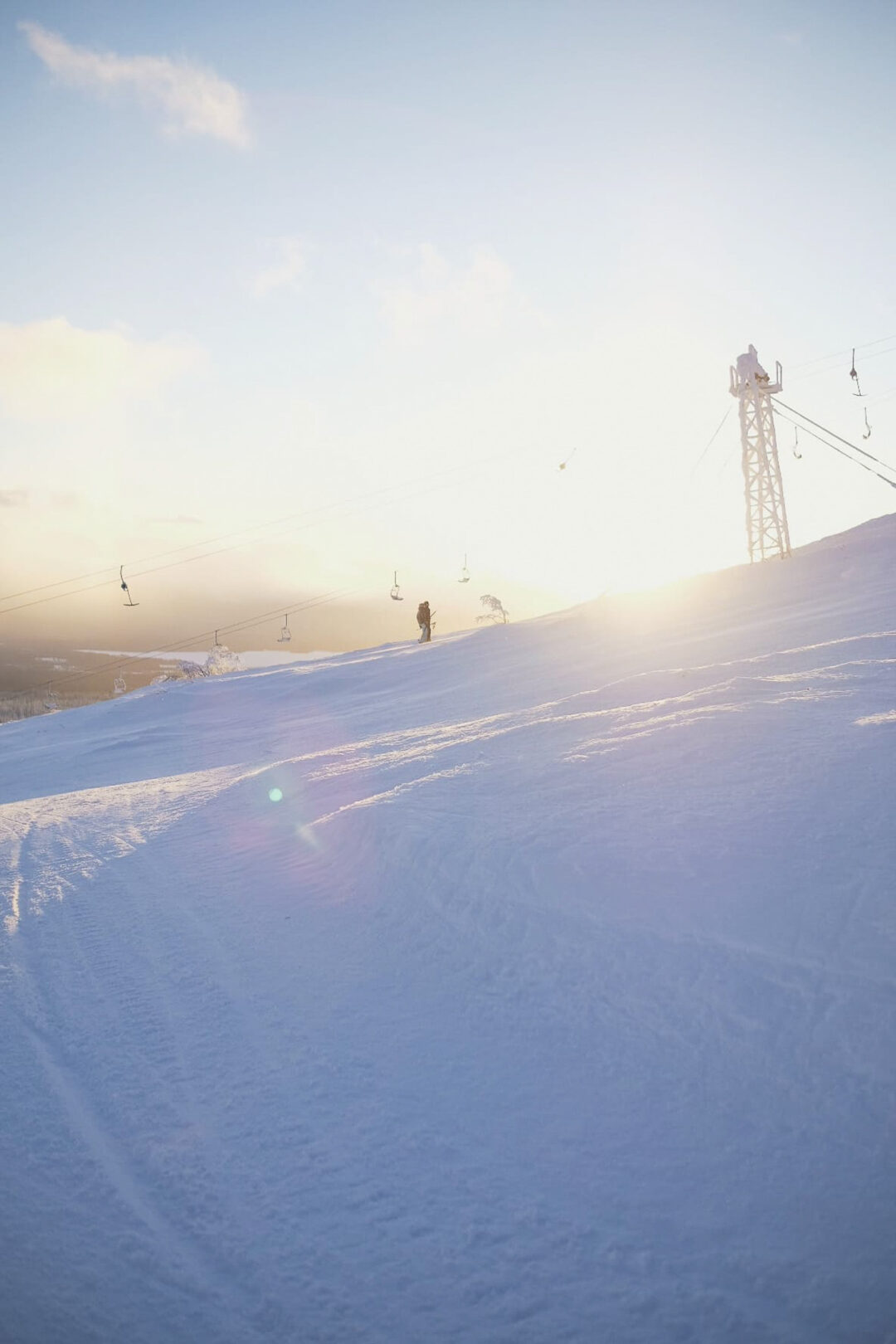
Skier on a downhill slope beside chairlift poles at a ski resort at sunset
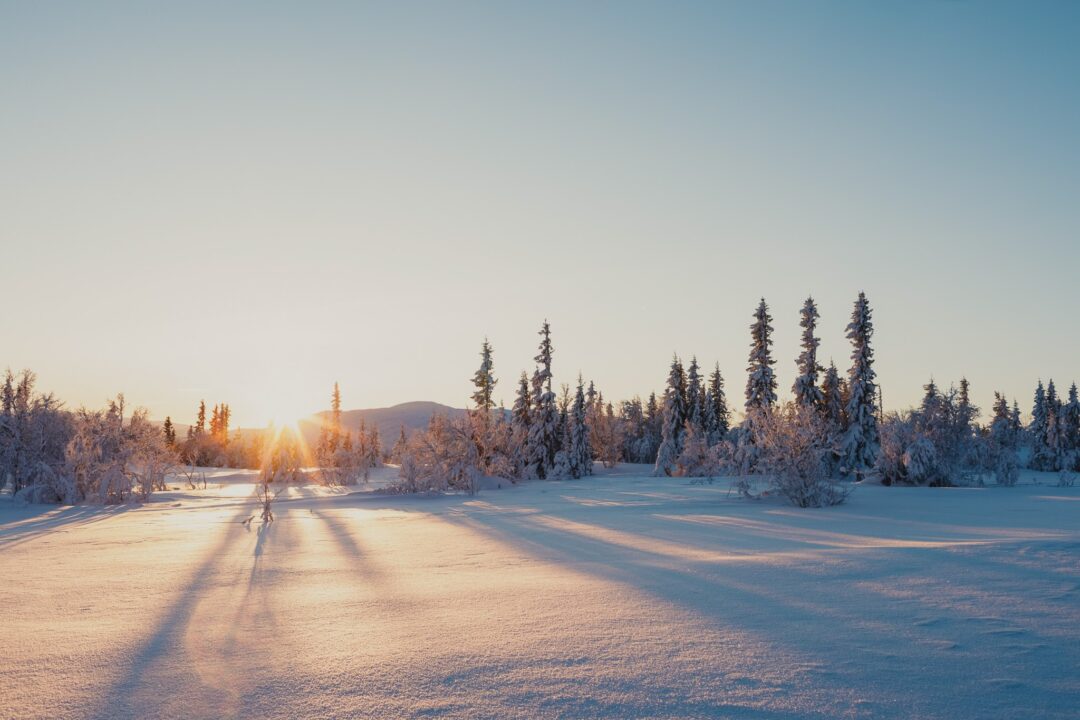
Snowy ski slopes at sunrise in Sweden with tracks across a winter forest landscape

Good to Know

Money: Cards are widely accepted in Sweden, so it’s unlikely you’ll need cash. Almost everything is included on this trip too, so you’ll just need to budget for any extra drinks, snacks, souvenirs and tips.

Communication: There’s WiFi at the hotel. Phone coverage works fine in the village, but expect it to drop out in patches once you’re up on the mountain.

How many guests will be on this trip?

Max 10 guests.

What happens if I get injured?

Guides are first-aid trained. Minor stuff gets treated on the mountain or at the hotel. Anything serious means a trip to Undersåker (20 mins) or Östersund hospital (one hour). This is why travel insurance with medical cover and mountain rescue is essential.

Do I need to tip guides or host?

Tipping is not compulsory on our adventures, but if you’ve had a great trip and brilliant service, a tip for your guide or host is always appreciated. We recommend giving 200-300 SEK, or whatever you can or feel is the right amount.

Can I buy forgotten items locally?

Trillevallen has a small shop but don’t expect loads of outdoor gear. Forget your goggles and you’re stuck, so pack carefully!

Women skiing in a snowy winter landscape, wearing a helmet and goggles outdoors
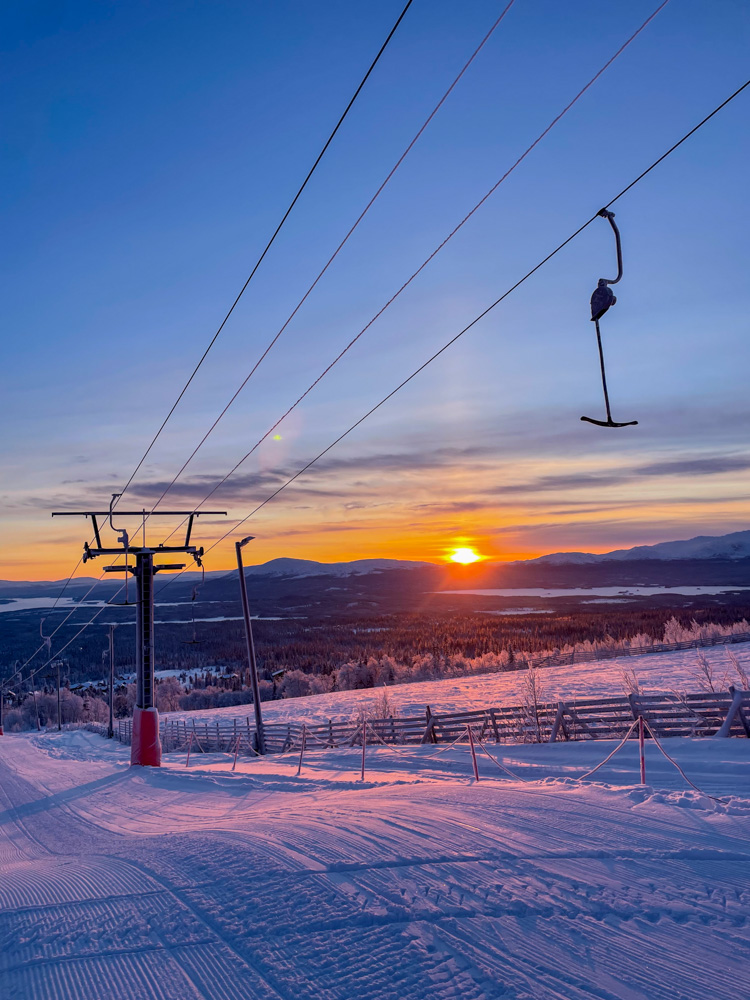
Ski chairlift over snowy downhill slopes at sunset in Sweden.

Packing List

What We Provide

  • Skis, boots and poles
  • Helmet
  • Cross-country skis, boots and poles for your Nordic day

What You Need to Bring

On the slopes

  • Waterproof and windproof ski jacket
  • Waterproof and breathable ski trousers or salopettes
  • Thermal base layer tops, two or three
  • Long johns or thermal base layer bottoms
  • Fleece or wool mid-layer jumpers, two
  • Ski socks, three or four pairs
  • Ski gloves, two pairs
  • Glove liners or disposable hand warmers
  • Buff or balaclava, two if you feel the cold
  • Beanie
  • Ski goggles
  • Sunglasses
  • Sunscreen and lip salve, high SPF

Off the slopes

  • Snow boots or waterproof walking boots
  • Slippers or indoor shoes with a hard sole
  • Casual warm evening clothes

Packing Tips

Ski jacket and trousers: Waterproof and windproof on both counts, and this is not the place to cut corners, because you will be sitting in the snow more than you expect in the first couple of days. Insulated salopettes suit the colder months. Shell trousers give you more room to layer underneath if the temperature swings. Look for a snow skirt, an adjustable hood and ventilation zips on the jacket if you have the choice.

Hiring rather than buying: If you are not sure you will use ski kit again, hire it. Two companies we rate:

Fabrics: Merino wool base layers are worth the money for a week on the slopes. They dry fast and they do not smell after a sweaty day. Synthetic works too. Avoid cotton entirely, because it soaks up sweat, stays wet, and leaves you cold the moment you stop moving.

Hands and head: Two pairs of gloves, so you always have a dry pair. Liners or hand warmers if your fingers go first. A buff is the most useful thing in your bag: one for your neck, one to wear under the helmet. A beanie earns its place on the bitter days and in the evenings.

Eyes and sun: Goggles on the slopes, or sunglasses if that is what you have, but either way they need strong UV filtering. Snow throws the sun straight back at you and the glare without it is blinding. Sunscreen and lip salve go on every morning, and more so in March and April when the sun is higher.

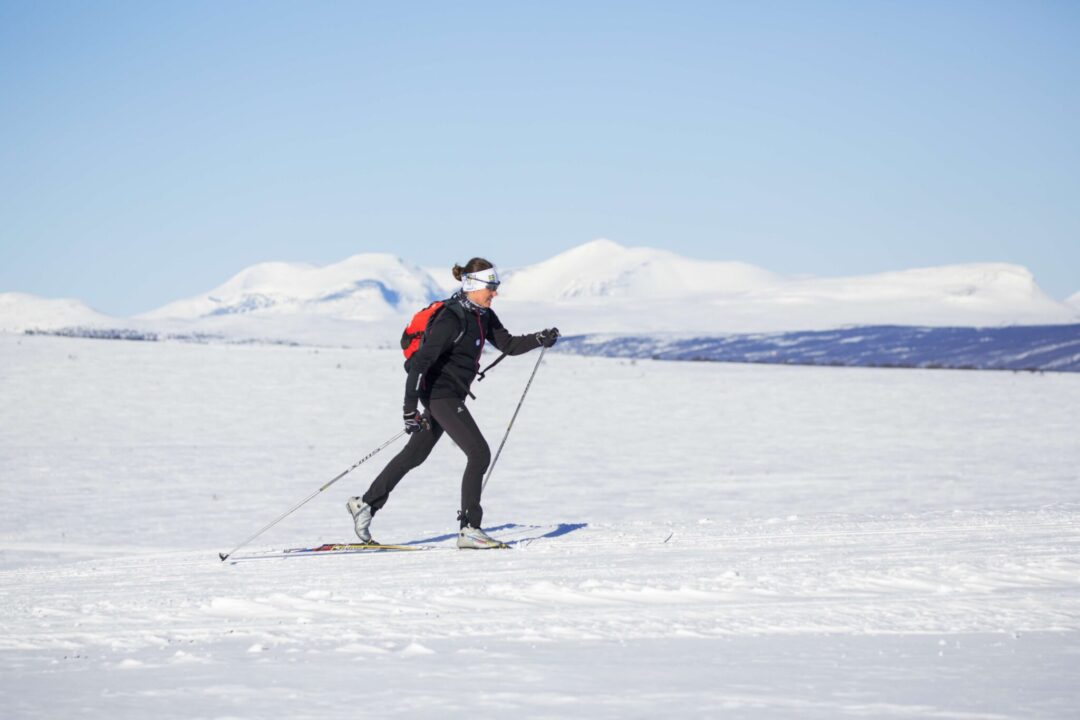
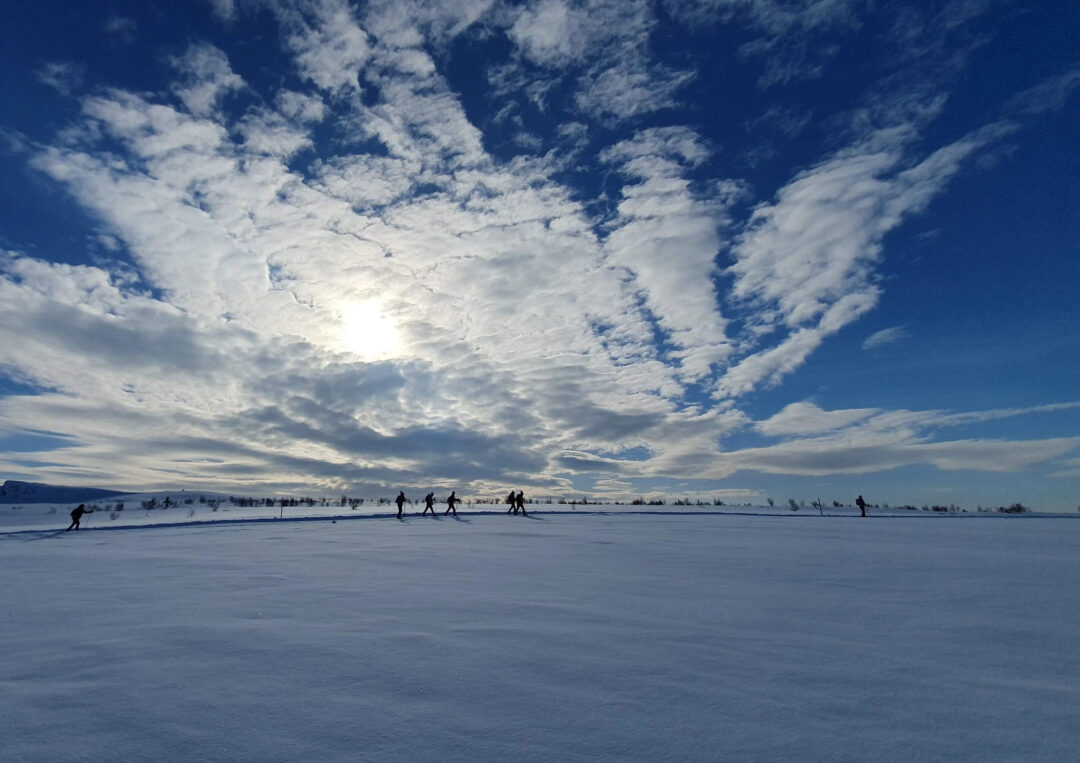
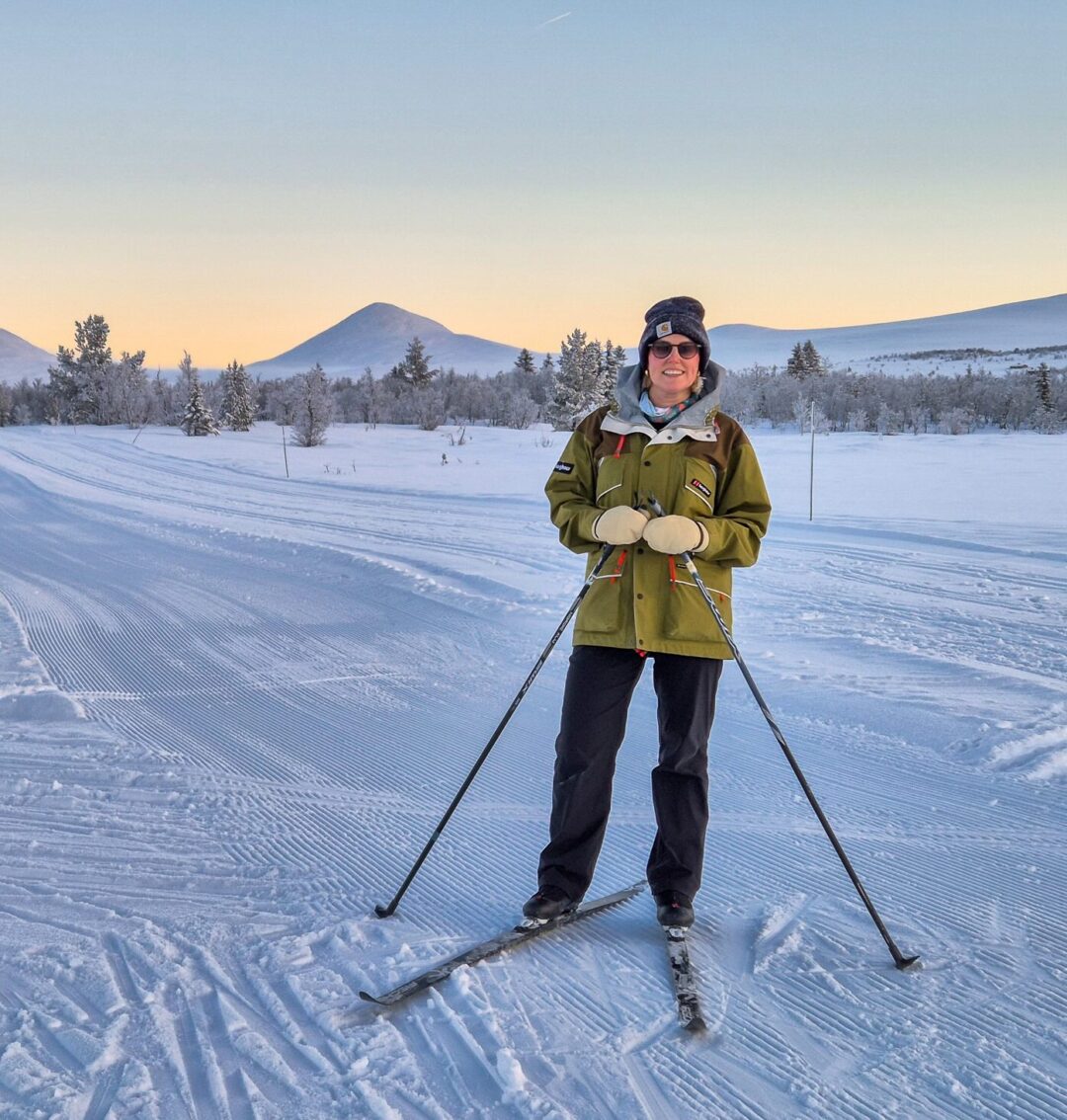
Your cross-country day: Full ski kit is too warm for this one, because you generate a lot of heat and there is no chairlift to cool you down. Your base layers with a mid layer over the top usually does it, with the jacket in your pack for the stops. Thinner gloves are worth having if you brought a pair.

Boots for getting about: The hotel sits by the slopes but you will still be walking in snow. Snow boots or waterproof walking boots, and something soft for indoors, since ski boots come off at the door.

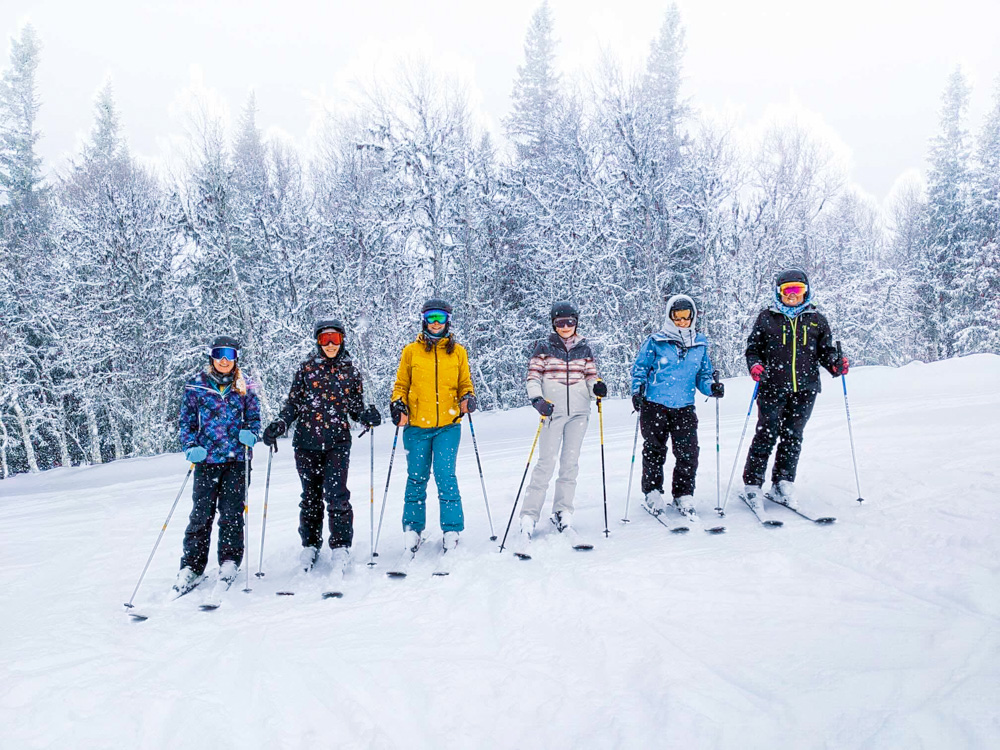
Women skiing on a snowy slope in a winter forest, with skis and helmets on.
Woman skiing downhill on a snow-covered slope in Sweden, with skis and poles.

Trip Code SWETRILSK – Include this code in any message so we can find your trip straight away.