Trip Guide

Trip Guide: Backcountry Ski and Winter Camping Expedition in Sweden

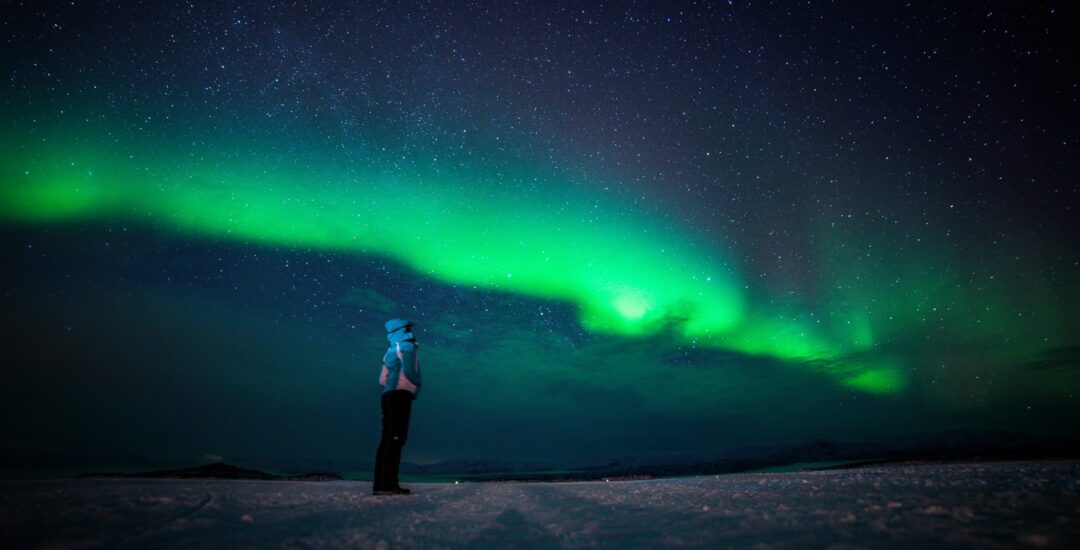
Ready to learn backcountry skiing in the Swedish wilderness while winter camping under the northern lights?

This isn’t your average ski holiday. You’ll spend six nights in some of Europe’s most remote terrain, learning to glide through forests on metal-edged skis, pulling sleds loaded with your gear, and sleeping in tents on a mountain plateau.

This guide covers everything you need to show up confident and prepared for five days of wilderness adventure.

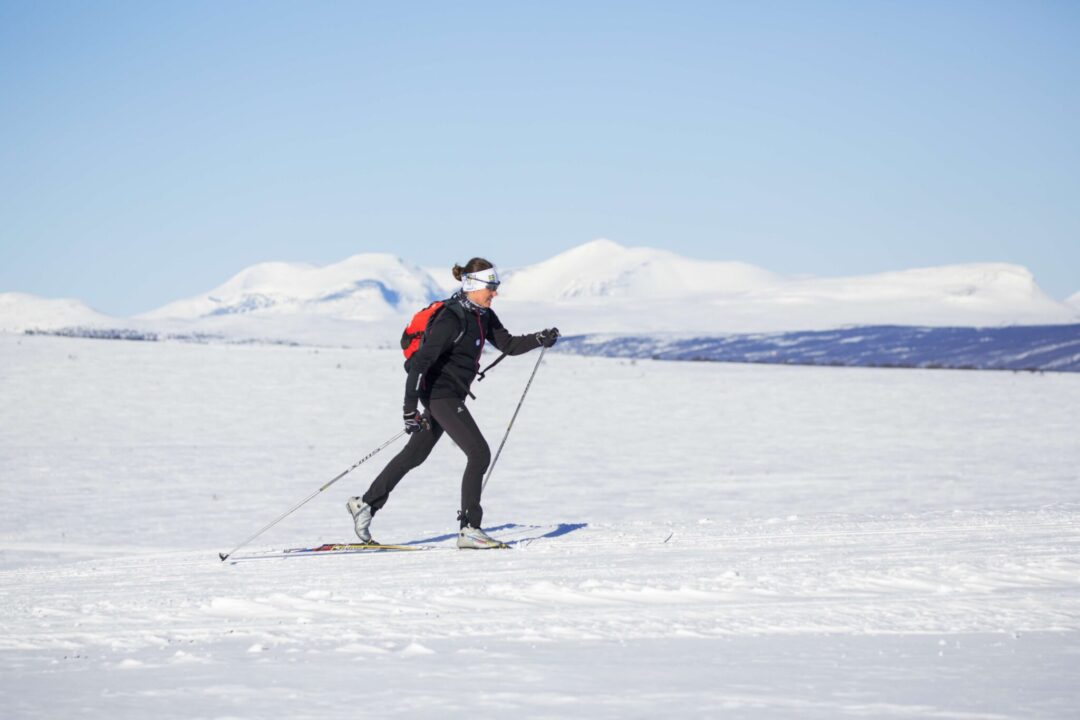
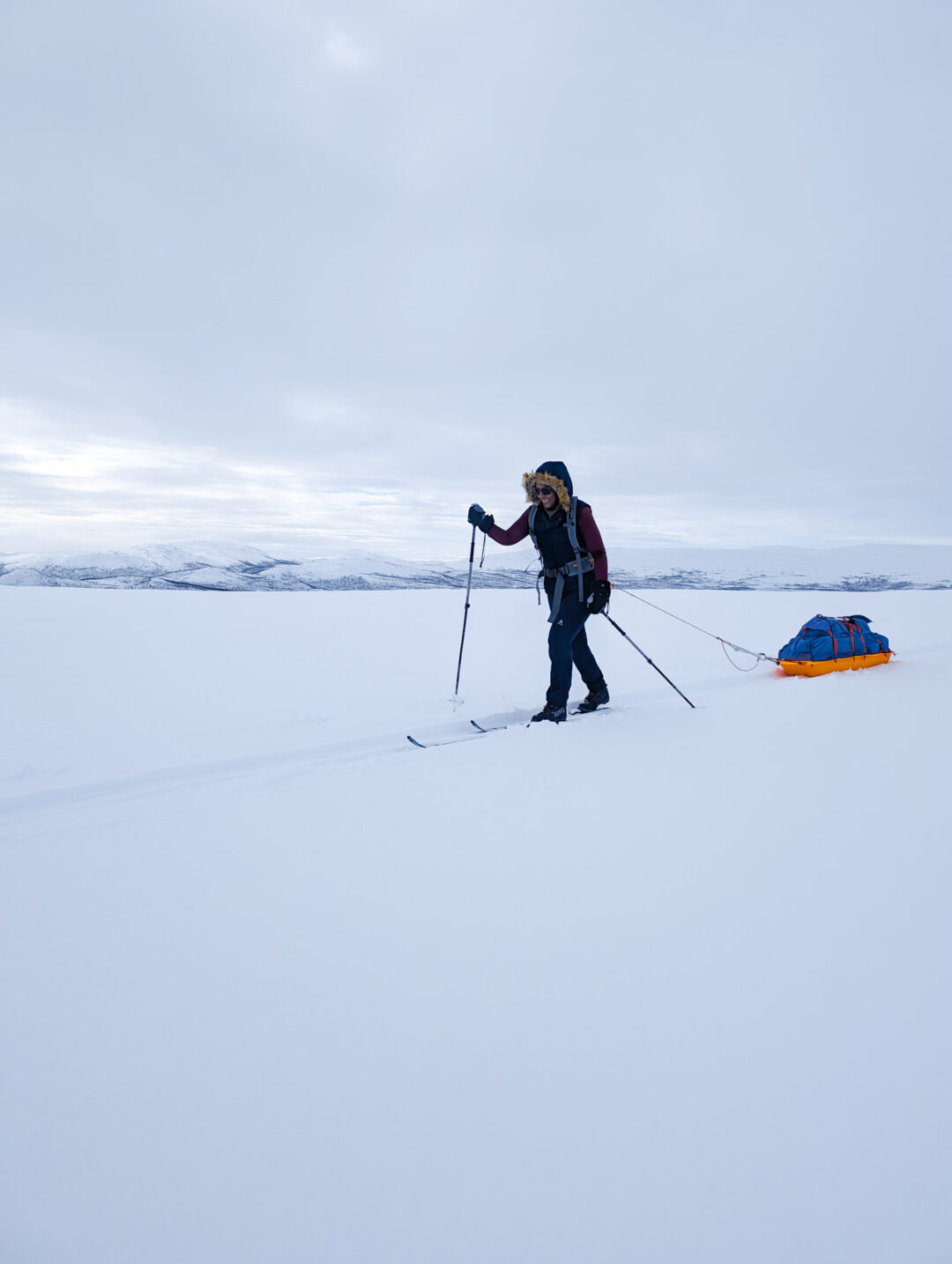
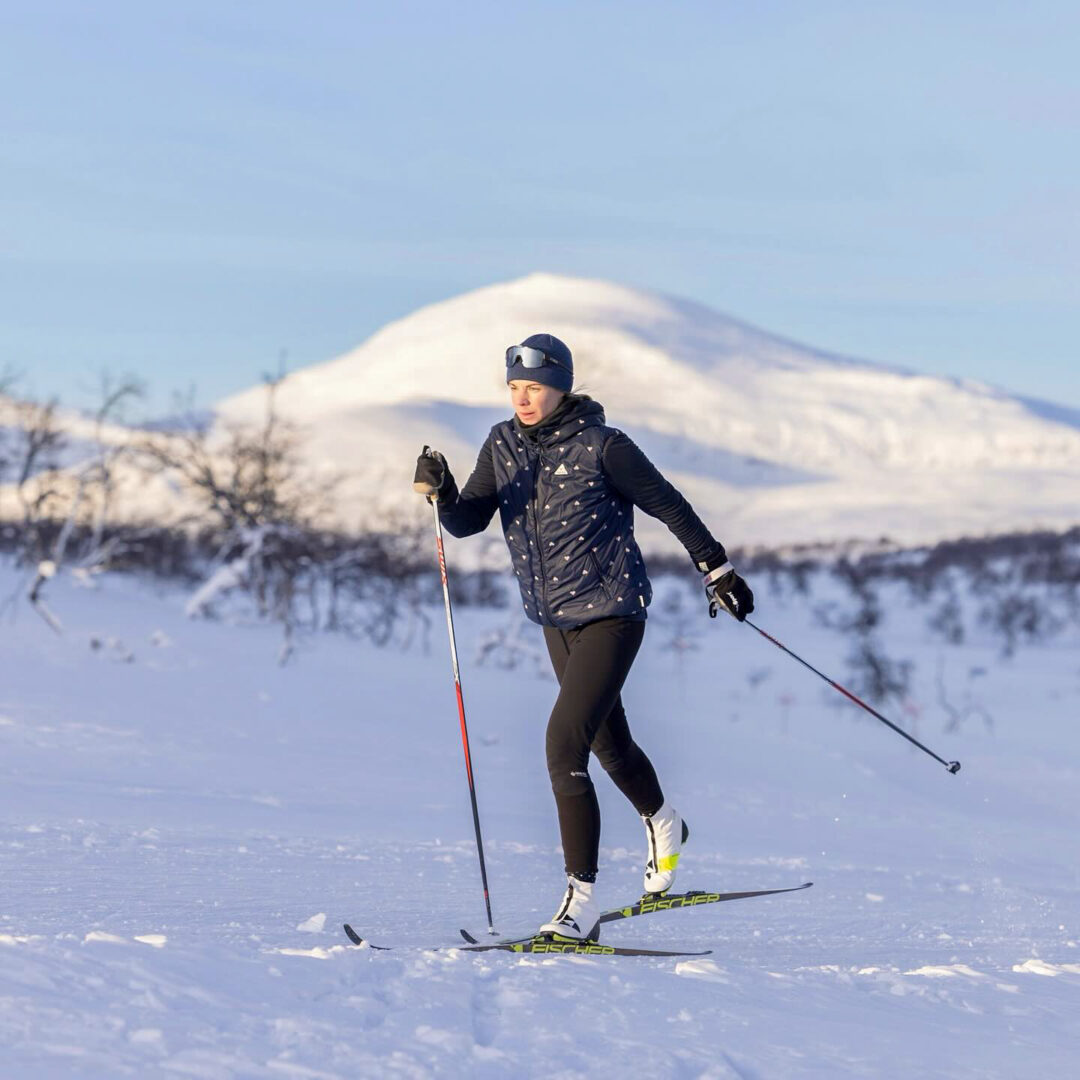
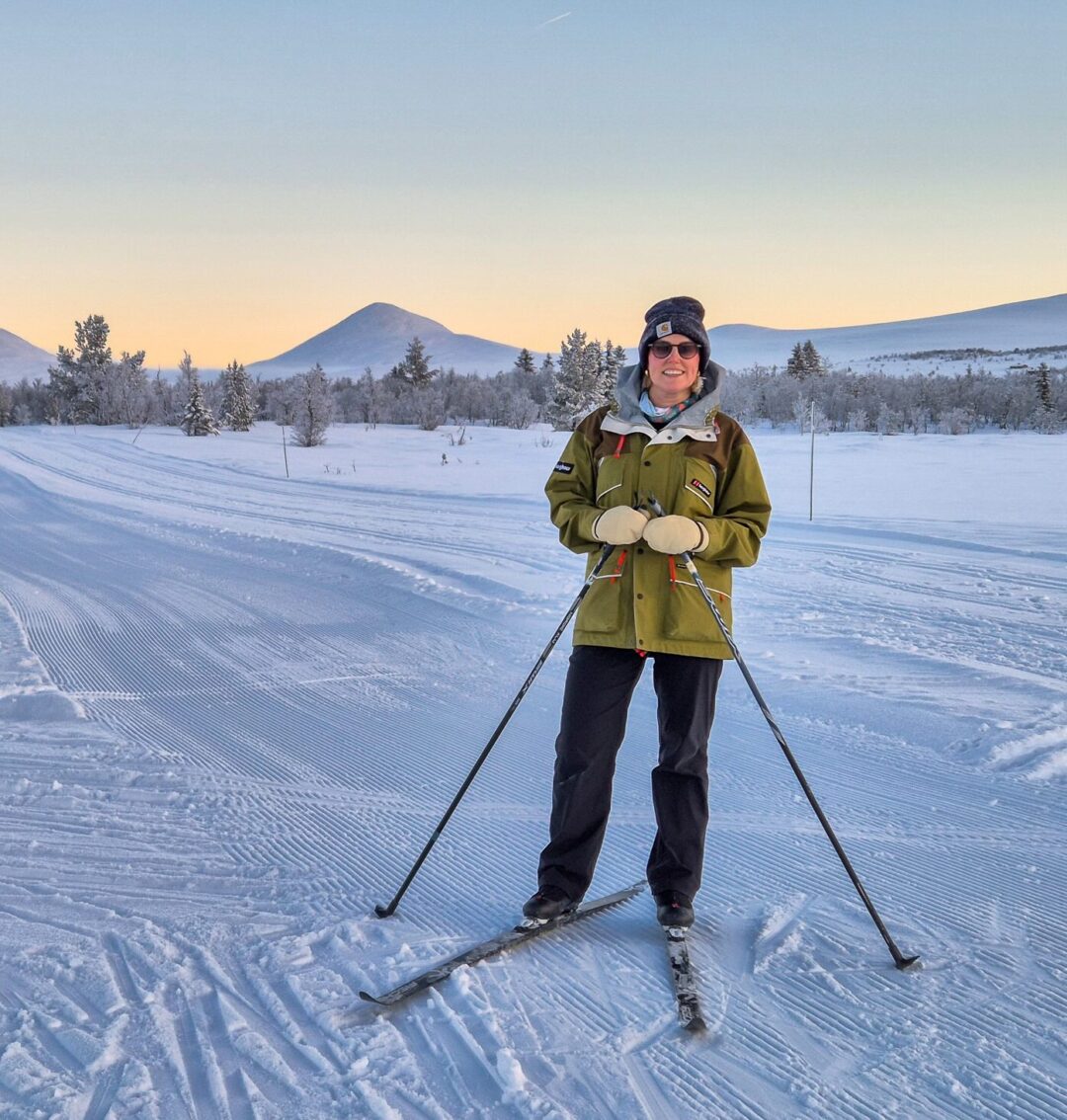
Woman in ski goggles and winter clothing skis through snowy backcountry terrain on a winter expedition
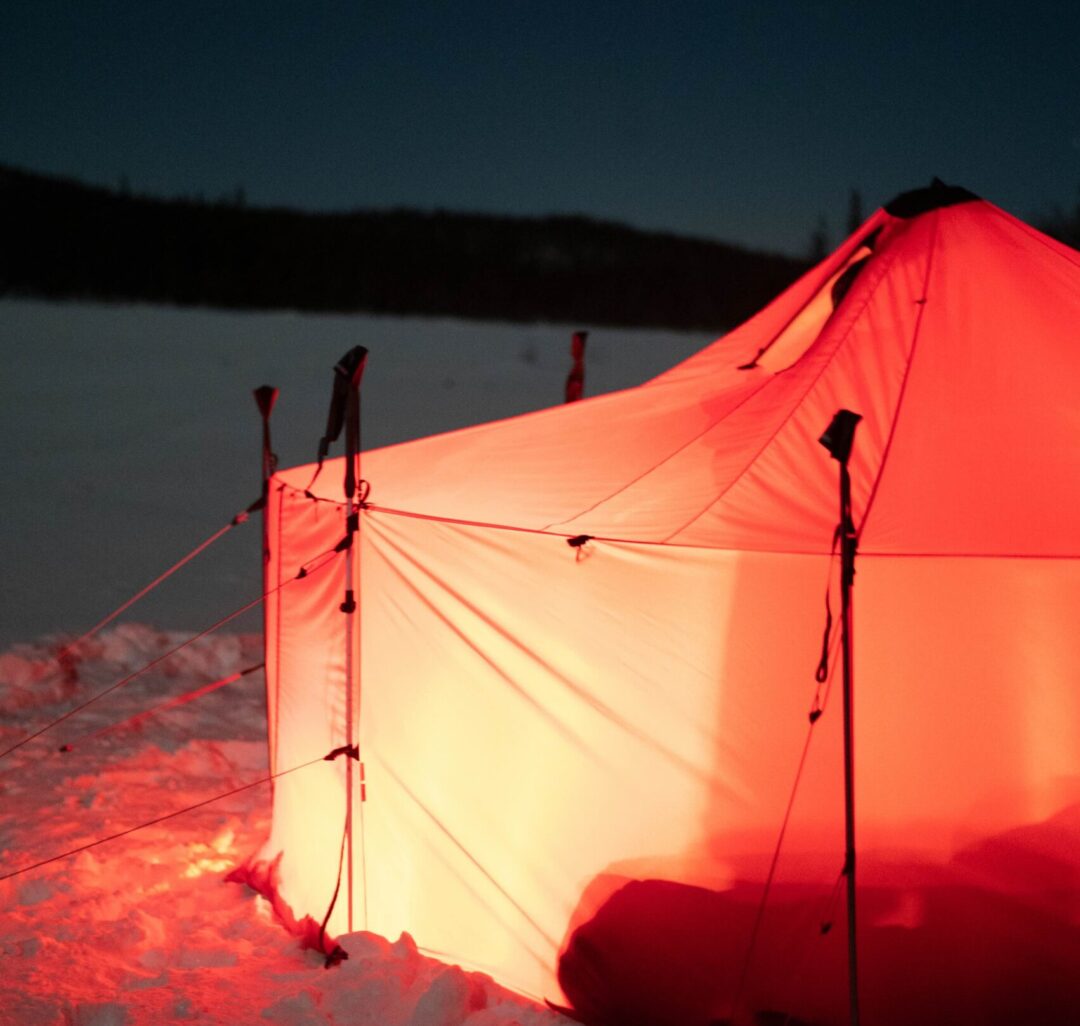
Red winter camping tent pitched on snowy ground at dusk, with guy ropes and tent poles.

Getting There

The Northern Dalarna region isn’t exactly easy to reach, but that’s part of what makes it special. The journey becomes part of the adventure as you travel from Stockholm, through Sweden’s boreal forests to reach our remote wilderness base by Lake Navar.

Stockholm Arlanda is Sweden’s main international airport with direct flights from many UK cities. From there, it’s a scenic 3.5-hour train journey through Swedish countryside to Mora, where we’ll collect you for the final hour-long drive through deep forests to our off-grid lodge.

Which flights should I book for Stockholm?

Book any flight that gets you to Mora in time for our evening pick-up.
We also recommend late afternoon or evening flights out on the last day. Check your booking for transfer times.

Can I arrange a private transfer instead of the train?

It’s possible, but not practical. Private transfers from Arlanda to remote Dalarna cost £400+ and take over four hours. The train is faster, cheaper, and more reliable. Plus you’ll see amazing Swedish countryside instead of just motorways out of the windows.

What if I want to arrive a day early or stay longer?

You’re welcome to extend your Swedish adventure. Mora has basic accommodation options, or Stockholm offers everything from budget hostels to luxury hotels. Our transfer still runs at the same time regardless of when you arrive in Sweden.

What happens if my flight is delayed and I miss the pickup?

You’ll need to arrange your own transport to the lodge. Your host and guides will be on hand to help coordinate, but in remote Dalarna, options are very limited and expensive. This is exactly why comprehensive travel insurance covering delays is essential, not optional.

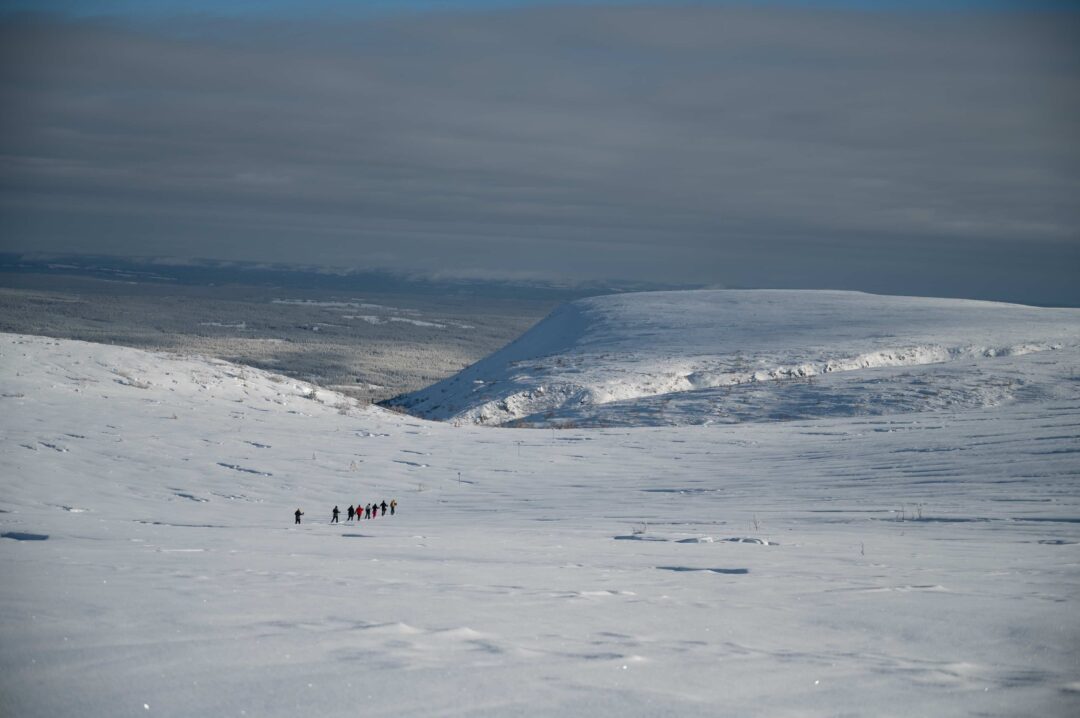
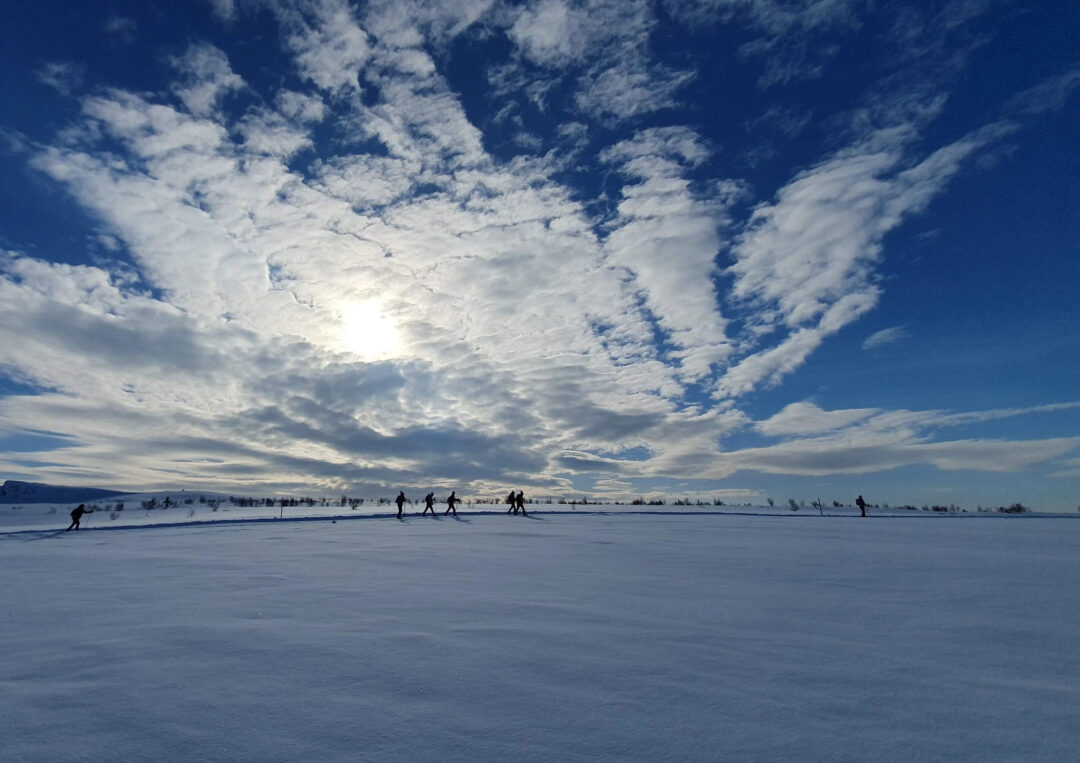
Skiers traverse snowy backcountry slopes across a winter mountain valley under a cloudy sky

Fitness & Skill Level

This trip is designed for first-timers. You don’t need experience, but you do need to be up for learning something new and potentially falling over while you get the hang of it.

This trip is rated moderate. You’ll be active for 6 to 8 hours daily, pulling sleds through snow and setting up wilderness camps. If you regularly do intense workouts and can handle consecutive active days, you’ll manage fine.

Fitness Requirements: We recommend doing medium to high-intensity cardio three times a week for around 45 minutes. By this we mean running, cycling, spin classes or a gym workout – activities that get your heart pumping and leave you breathless.

Mental Preparation: This is a wilderness adventure with basic conditions. You’ll be off-grid, sharing tents, using outdoor loos, and dealing with whatever weather Sweden throws at you. If you need WiFi, hot showers, and room service, this isn’t your trip.

Daily Reality Check:

    • Duration: 5-6 hours active daily
    • Distance: 8-12km skiing/hiking daily
    • Intensity: Like hiking with skis on whilst pulling a sled
    • Weather: -5°C to -20°C (sometimes -30°C)
    • Terrain: Rolling forests and mountain plateaus
    • Accommodation: Off-grid lodge and wilderness camping

I'm worried I'm not fit enough - how can I tell?

If you regularly do 45-minute workouts that leave you breathing heavily, you’ll be fine. Just ask yourself, could I hike for 5-6 hours daily for a week? If yes, you’re ready. If you’re only doing gentle walks and yoga, you’ll need to build more cardiovascular fitness first.

How should I prepare physically for the trip?

Build cardiovascular endurance with running, cycling, or gym sessions. We also recommend working on balance – standing on one leg while brushing your teeth is great for this! You can also strengthen your core with planks and squats and practice walking with a weighted backpack. You should also get used to consecutive active days.

What does a typical day look like?

Wake early, hearty breakfast, gear up in layers, ski for 5-6 hours with breaks learning everything you need to prepare you for your final expedition, hot meal, early bed. Repeat. You’ll be tired but exhilarated. The physical demands are real, but so is the sense of achievement.

Can I opt out of activities if I'm struggling?

Not really. There’s no backup transport in the wilderness. Once you’re on the mountain plateau expedition, everyone needs to ski – there’s literally no other way down. We’re upfront about this because it’s crucial you come prepared for the full adventure, not hoping for escape routes.

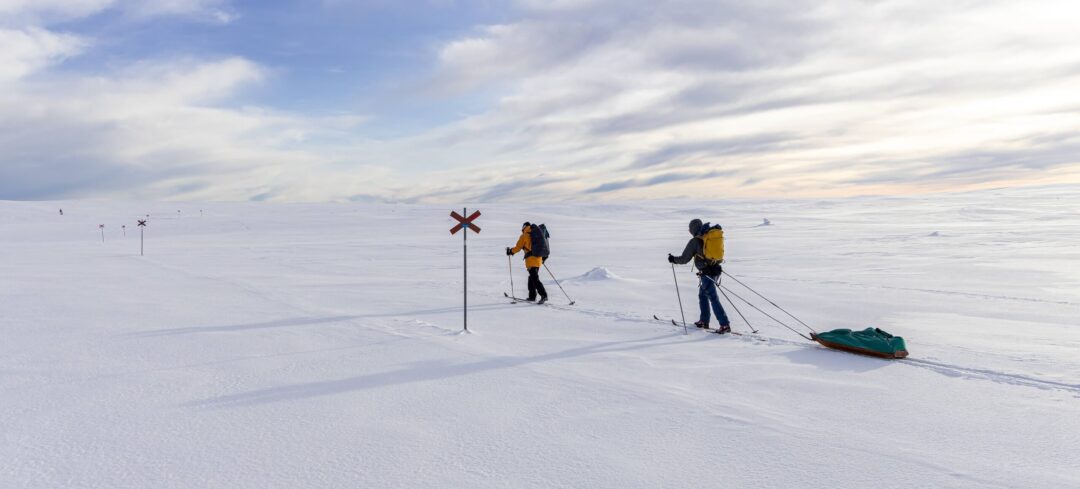
Women backcountry skiing in Sweden on a snowy winter trail with skis and a sledge in the distance

Sleep & Eat

This is a wilderness adventure with basic but comfortable facilities. For four nights, you’ll stay at a traditional Swedish cabin that’s completely off-grid. Think rustic charm rather than luxury, but with everything you need after active days in the snow.

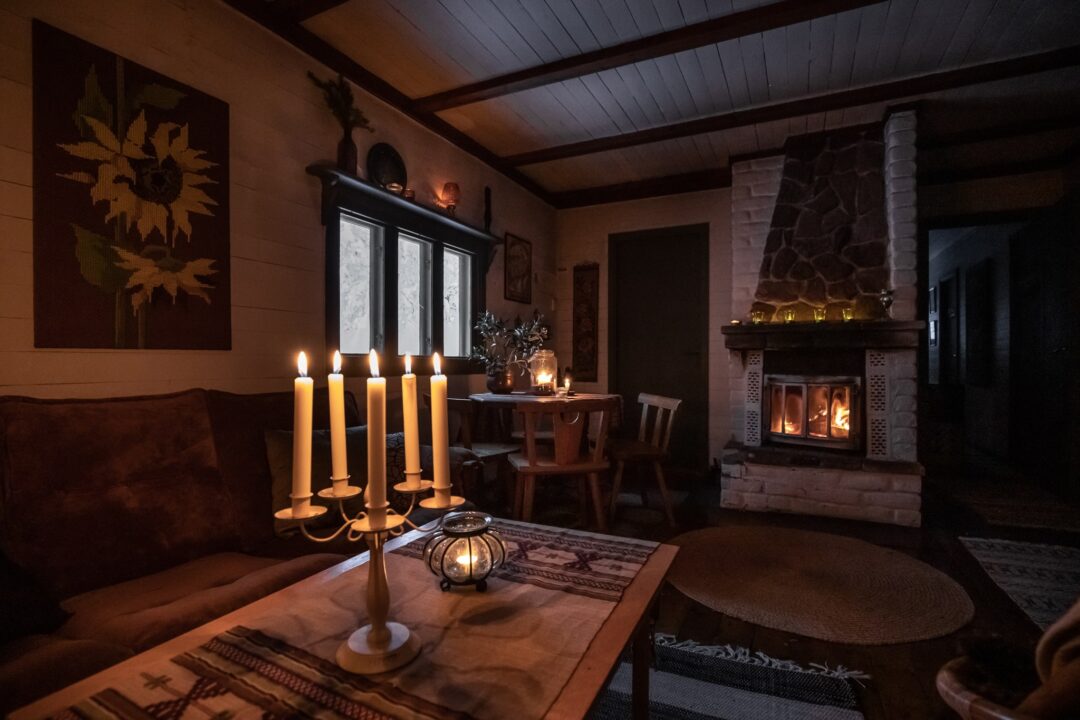
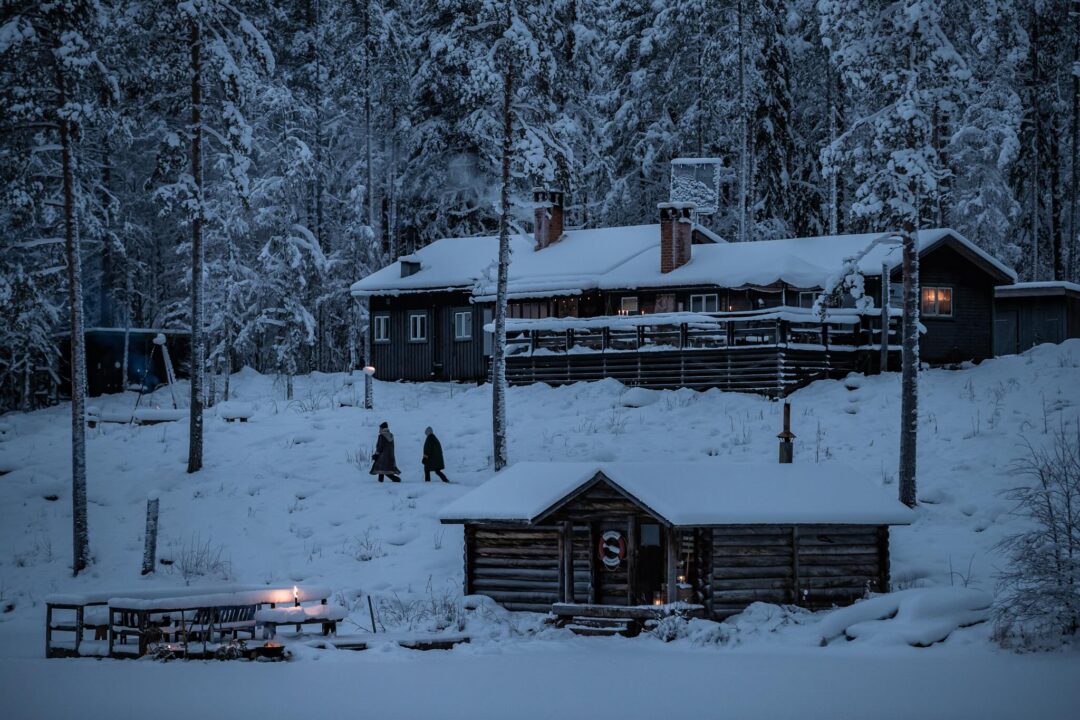
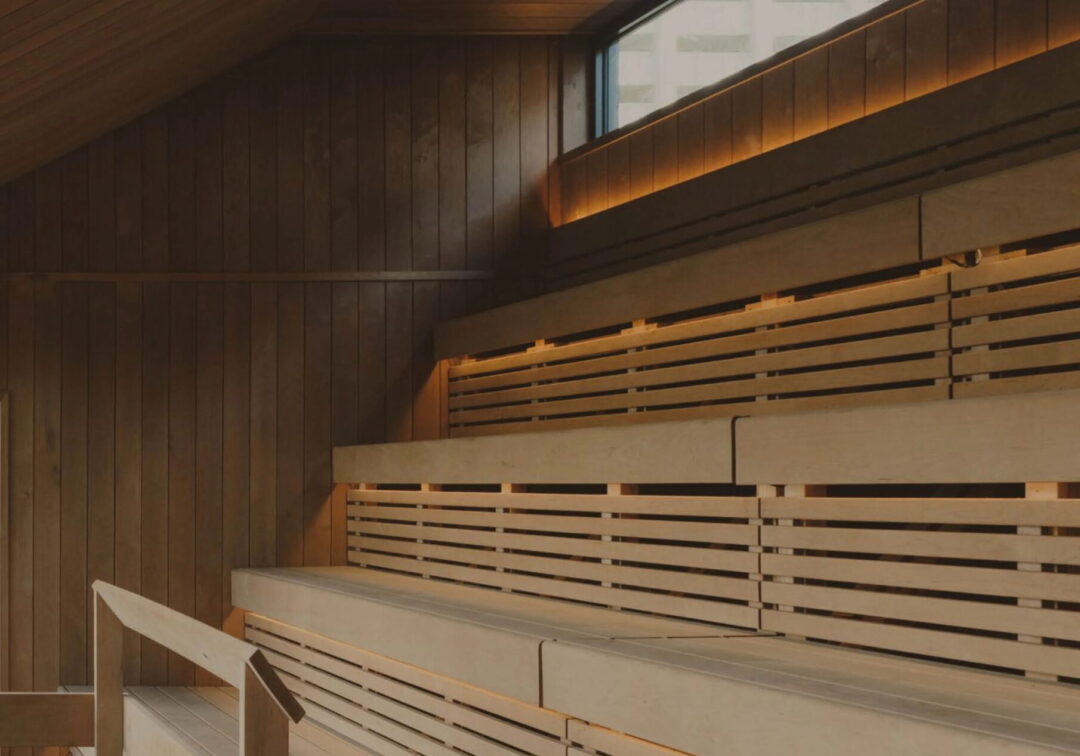
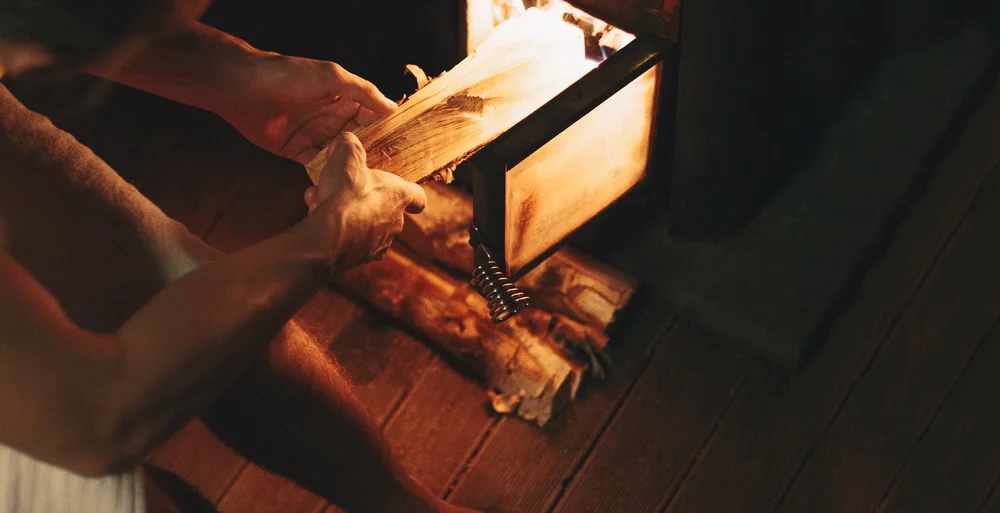
The lodge sits on the shores of Lake Navar, deep amongst boreal forest. No electricity means candlelit evenings and wood-fired heating. No running water means melted snow for washing and outdoor composting toilets. There’s a sauna (essential after cold days), five shared rooms and great food.

For two nights on the mountain plateau you’ll be winter camping in expedition-quality tents. These tents are built for arctic conditions – you’ll share with one other person and have a lightweight yurt as your communal kitchen and lounge.

All meals are included, from dinner on arrival to breakfast on departure. Expect hearty Swedish fare designed to fuel active days – warming stews, energy-rich breakfasts, and hot soups. The guides take on the role of head chef, but everyone is invited to help prep dinners throughout the week.

What are the wilderness cabin facilities like?

Basic but cosy. There are wood-burning stoves for heat, candles and lanterns for light, outdoor composting toilets and no showers (but there’s a sauna instead). You’ll share a room with one other person. It’s rustic, but it’s the only way to stay in such remote locations. The sauna is incredible after cold days.

How do you handle dietary requirements?

We cater for most dietary needs – just let us know when booking. In remote Sweden, options are more limited than at home, but our guide has experience with plant-based, gluten-free, and other requirements. We focus on nutritious, warming meals using local ingredients where possible – this isn’t just a week of “add water” expedition dinners. You may want to bring extra snacks though.

Is there any connectivity or WiFi?

This is wilderness and a chance for a digital detox. Emergency communication is handled by our guides who have satellite devices. Let people know you’ll be mostly offline for a week and embrace the break from notifications.

Do I really have to cook dinner?

Your guide will take the role of Head Chef, however everyone can chip in to help prepare meals – it’s part of the adventure, but not a chore.

Cozy winter cabin interior with five candles and a stone fireplace, suitable for camping in Sweden
Women walk past wooden cabins in a snowy forest in Sweden, for winter camping in winter conditions.

Weather

February in northern Sweden means a real cold – typically between -5°C and -20°C, with occasional dips to -30°C or warmer spells above zero. Swedish cold is dry, so feels less harsh than the damp UK winter, but your eyelashes will still freeze. It’s all part of the experience – layer up and embrace it.

The weather can change rapidly. You might have brilliant sunshine and fresh snowfall in the same day. Wind on the mountain plateau can be intense, but that’s why we have quality tents to shelter in and arctic sleeping bags to nestle down in. Daylight is limited – expect around nine hours in February.

What this means for you:

    • Multiple layers are essential – you’ll be adding and removing clothing constantly as you heat up and cool down whilst skiing
    • A windproof outer shell is mandatory – even in dry cold, you need wind protection
    • Sun protection is crucial – snow reflects UV rays intensely
    • A flexible mindset required – the weather dictates daily plans

Do I really need all these layers?

You’ll generate heat while skiing, but cool down quickly when you stop. This is why layering matters – you’ll be constantly taking layers on and off. Quality gloves, a hat, and face protection (such as a buff) are also essential. The cold is manageable with the right gear and mindset.

What happens if there's a storm or dangerous weather?

Our guides monitor conditions closely and adjust plans accordingly. If things get really bad we might spend an extra day at the lodge building skills, take different routes, or modify the expedition timing. Safety comes first, but weather rarely stops us entirely – it just changes the plan.

How reliable are weather forecasts in the mountains?

Mountain weather changes fast and forecasts aren’t always accurate beyond 2-3 days. We check multiple sources and rely on local knowledge and real-time conditions – your guides are the experts. This is why flexibility is built into every day and why you need gear for all conditions.

What's the coldest it could get?

Occasionally -30°C, though that’s unusual. More typically it’ll be -10°C to -20°C during the day, but colder at night. Our gear is rated for much colder than you’ll experience. If extreme weather is forecast, we’ll adjust activities accordingly – your safety matters more than sticking to schedule.

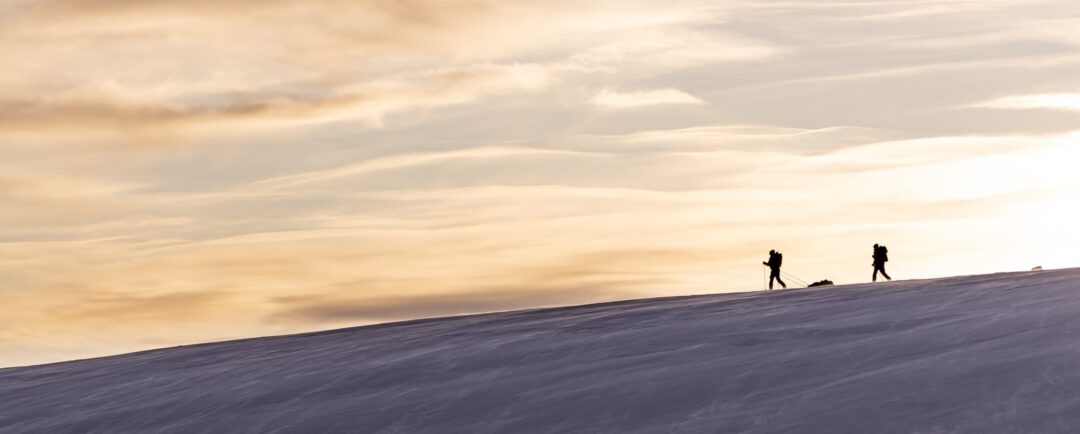
Backcountry skiers walking across a snowy hillside at dusk

Good to Know

Money: Sweden is expensive, but fortunately once you’re on our transfer, everything is included in your trip price. There are no ATMs in the wilderness so if you’d like any cash you’ll need to get it at the airport.

Communication: This is a true wilderness experience – so think digital detox rather than a constant connection. Our guides carry satellite communication devices for emergencies, but expect to be mostly offline for a week. Let friends and family know your itinerary before you go.

Sauna Culture: The lodge sauna is a key part of your wilderness experience. Traditional Swedish sauna culture involves single-sex sessions without swimwear, though you’re welcome to wear yours in the lodge. It’s your primary washing facility and genuinely amazing after cold days outdoors.

Do I need to tip the guides and host?

Tipping is not compulsory on our adventures, but if you’ve had a great trip and brilliant service, a tip for your guide or host is always appreciated. We recommend giving €20-€30, or whatever you can or feel is the right amount.

Is there any laundry available?

You’ll have no washing facilities beyond melted snow water. Pack enough base layers, underwear and socks for the full week, or bring travel wash for a quick rinse if needed. Most people manage fine with the clothes they bring – you won’t be fashion-conscious after day one.

How many guests will be on this trip?

There’s a maximum 10 guests on this trip.

What happens if someone gets injured or sick?

Our guides are wilderness first-aid trained and carry comprehensive medical kits. For serious injuries, evacuation options exist but can be weather-dependent. This is exactly why travel insurance covering medical evacuation is mandatory, not suggested.

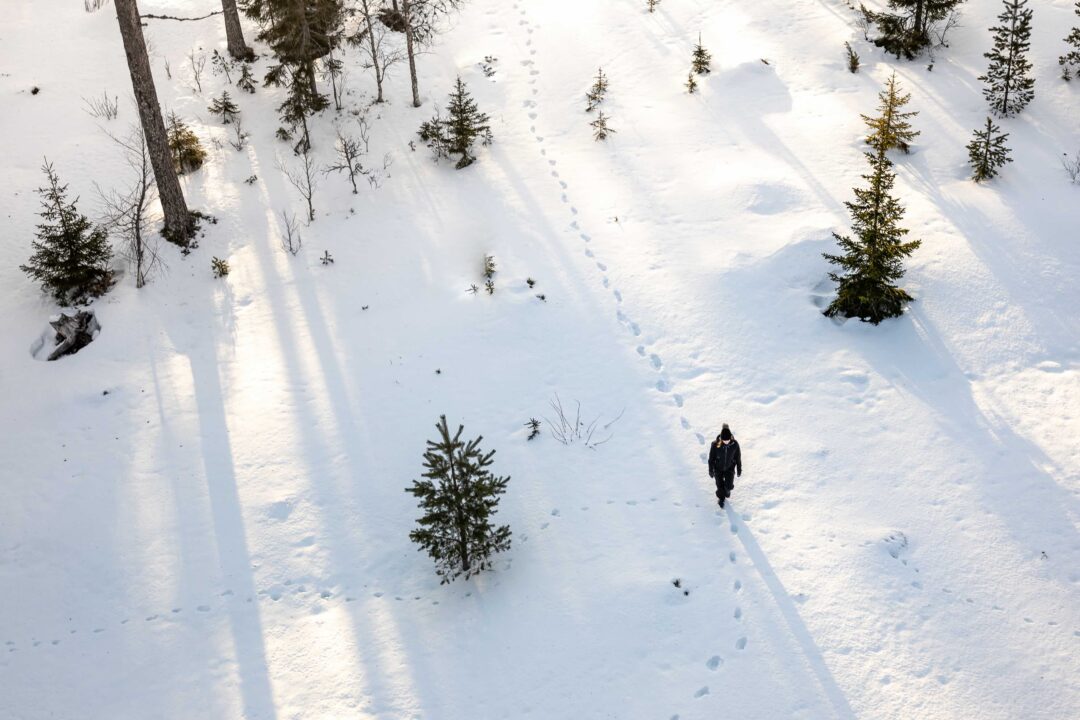
Woman trekking on backcountry ski trail through snowy pine forest with footprints in winter landscape
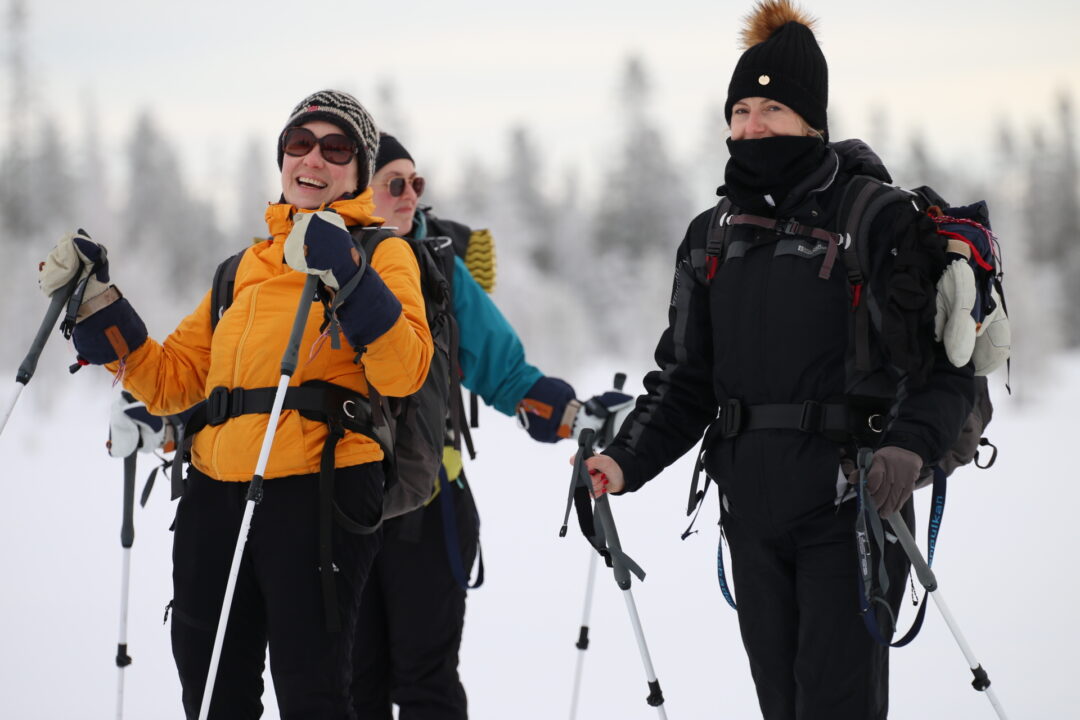
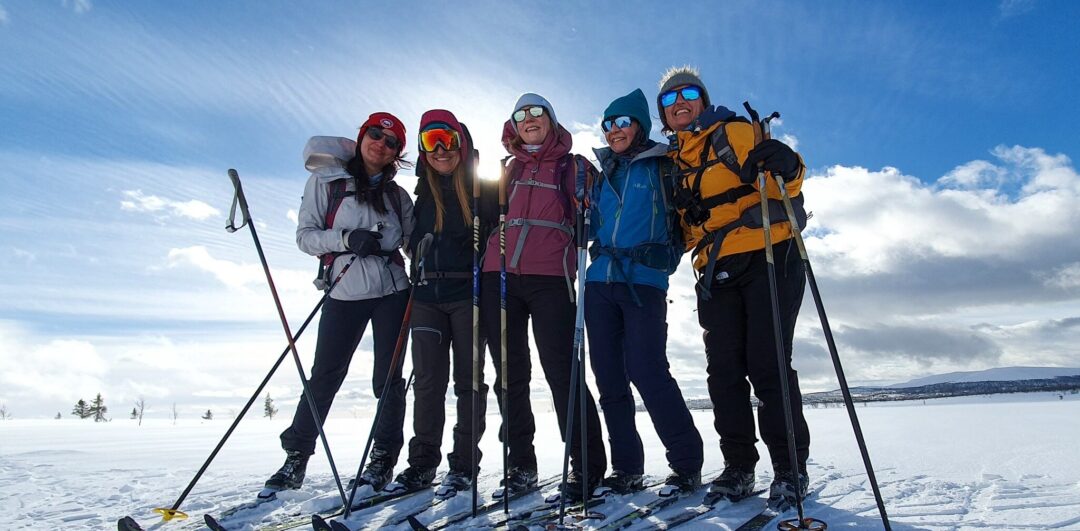
Women backcountry ski trek in snowy forest, smiling skier with skis and poles at winter camp.
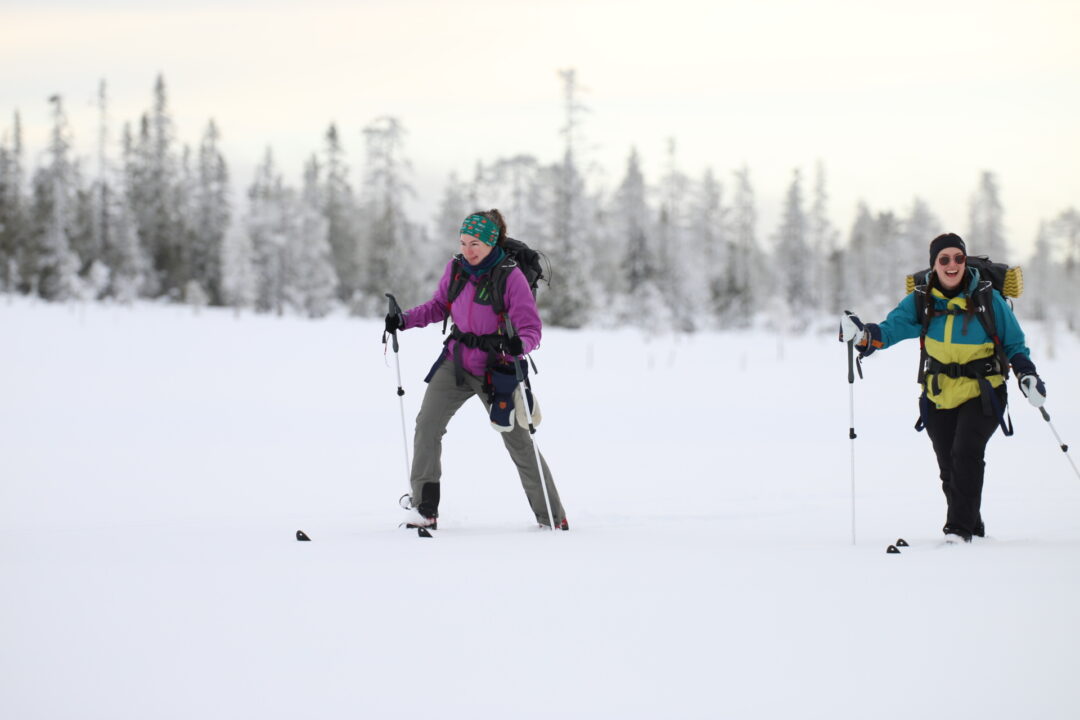
Women backcountry skiing through snowy forest in Sweden, winter camping expedition landscape

Packing List

What We Provide

Skiing Equipment

    • Metal-edged touring skis
    • Ski boots
    • Ski poles (adjustable)
    • Pulkas to pull your equipment

Winter Camping Equipment

    • Arctic tent (shared between two people)
    • Polar sleeping bags rated to -30°C
    • Thermal sleeping pads with built-in pump
    • Camping pillow
    • Shared group yurt with wood-burning stove
    • Pulka sleds for expedition gear

Additional Gear

    • Food thermoses
    • Water thermoses and drinking bottle
    • Headtorch
    • Backpack
    • Towels
    • Top quality gloves and wool liner gloves
    • Goggles

Optional Kit Hire (£150)

    • PowerHoudi — Polartec fleece hoodie
    • Mrs. Dunfri — Primaloft lightweight synthetic down jacket
    • RollerCoaster Jacket — waterproof mountaineering shell jacket
    • RollerCoaster Trousers — waterproof breathable shell trousers

What You Need to Bring

Base Layers

    • Long-sleeve thermal tops — merino wool or synthetic, bring a selection
    • Thermal long johns — merino or synthetic
    • Underwear and sports bras — merino or synthetic

Insulation & Shell Layers

    • Lightweight synthetic or down insulated jacket (for stops and camp)
    • Waterproof, windproof shell jacket with hood
    • Windproof, water-repellent softshell winter trousers

Accessories

    • Waterproof insulated gloves — bring two pairs in case one gets wet
    • Thin liner gloves
    • Warm hat that covers your ears
    • Thermal buff or neck warmer
    • Wool or synthetic hiking socks — bring plenty
    • Glacier glasses or good UV-rated sunglasses — essential
    • High-SPF sunscreen
    • SPF lip balm

Personal Kit

    • 25 litre daypack (soft-sided — you may need to carry it over snow)
    • Insulated water bottle — 1 litre minimum
    • Toiletries and any personal medication
    • Hand warmers (optional but useful if you run cold)

Packing Tips

No cotton, full stop: You’re sleeping in sub-zero temperatures on a mountain plateau. Cotton holds moisture and loses all insulating properties when wet. In genuine winter expedition conditions that’s not an inconvenience, it’s a serious problem. Merino wool or synthetic fabrics only, for every single layer.

Layering is your temperature management system: A moisture-wicking base layer, an insulating mid-layer, and a windproof shell. Activity generates heat — you’ll need to add and remove layers throughout the day as your output changes. The insulated jacket is for stops, camp, and cold mornings, not for skiing in.

Sunglasses are non-negotiable: UV reflection off snow is intense, and you’re on it all day. Glacier glasses or good UV-rated sunglasses protect your eyes — squinting into snow glare for five days is not the trip you signed up for.

You can hire winter clothing on this trip: If you don’t own specialist winter kit, we offer a clothing rental bundle for £150. This includes a Polartec fleece hoodie, a Primaloft synthetic down jacket, and a waterproof shell jacket and trousers — all high-quality Swedish gear delivered to the lodge. Reserve it on booking or up to two weeks before departure.

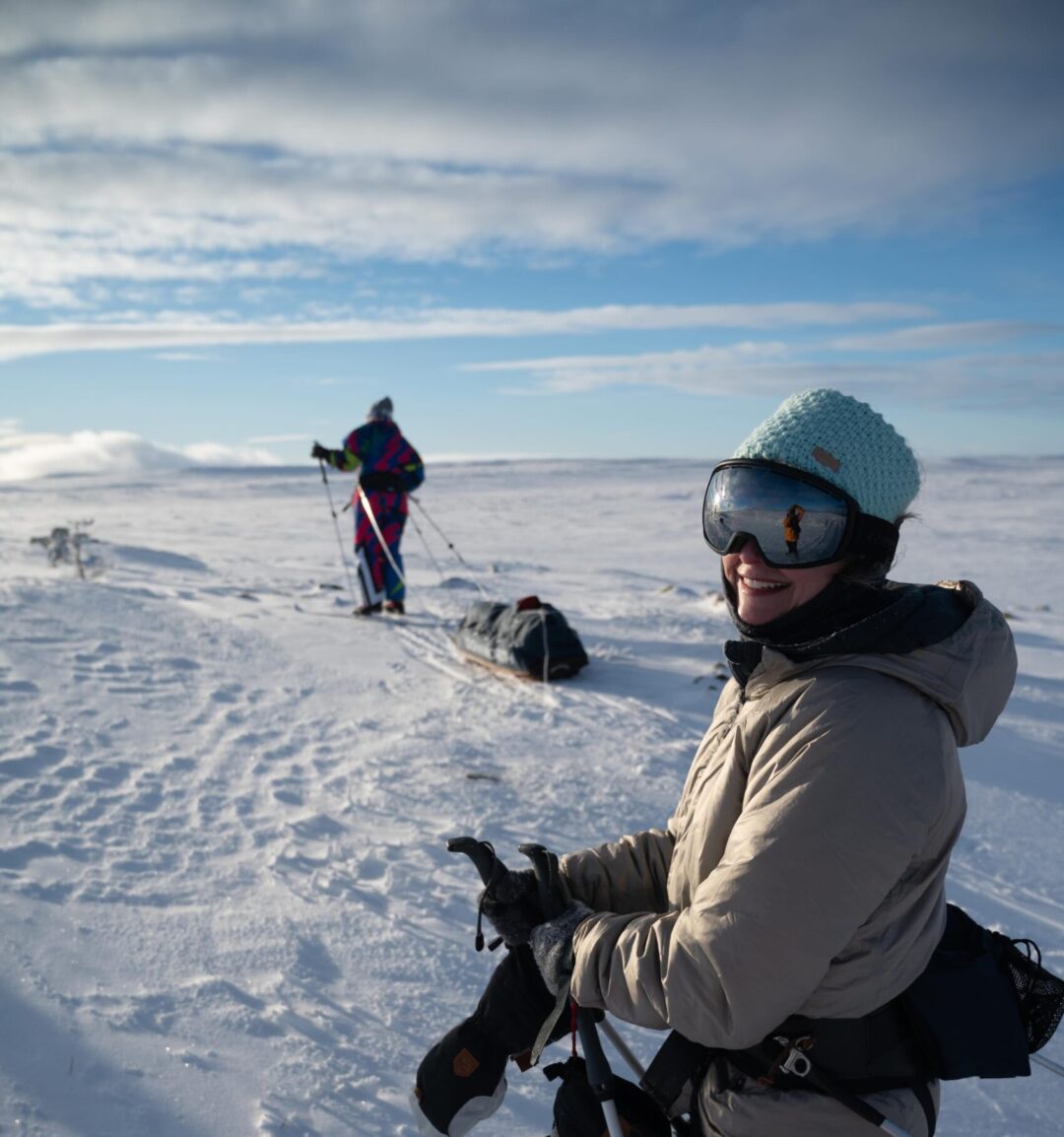
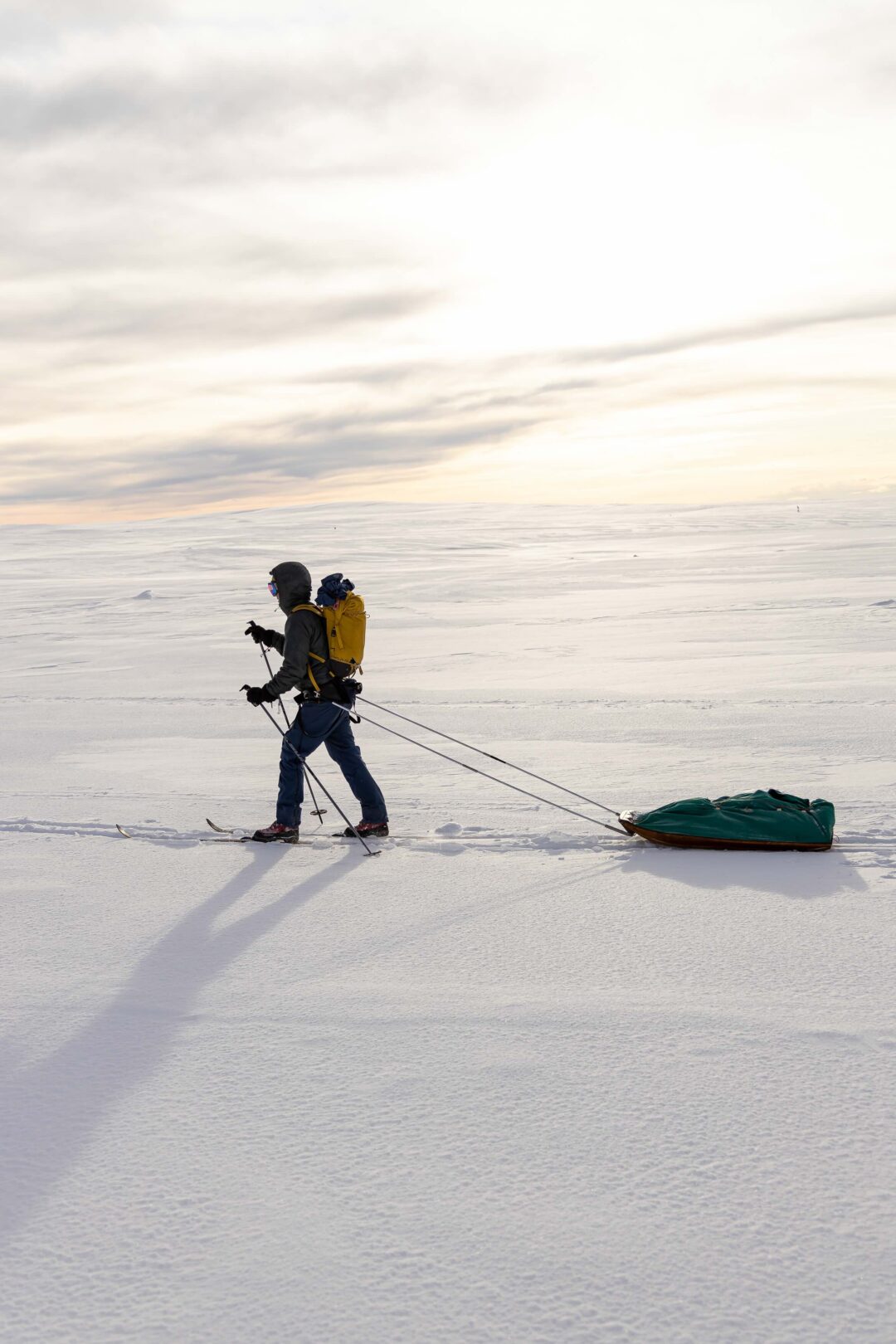
Woman ski-touring across snowy wilderness with winter camping gear and a sled
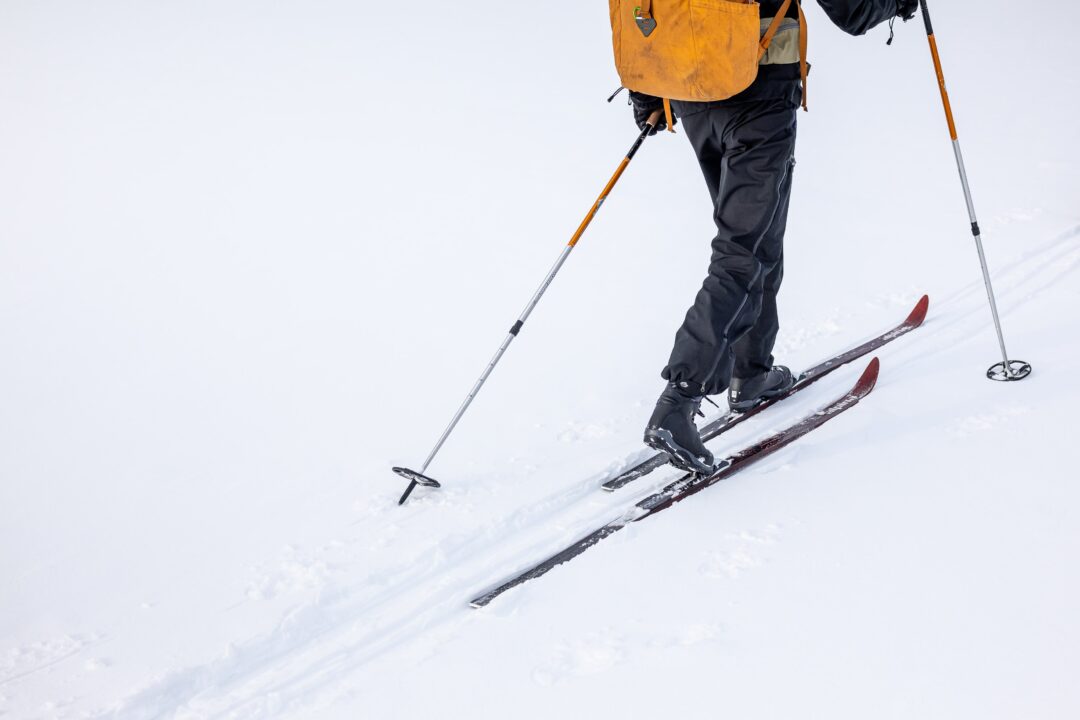
Woman cross-country backcountry skiing with poles, winter camping on snowy ground

Trip Code SWEDTNBSK – Include this code in any message so we can find your trip straight away.