Trip Guide

Trip Guide: Snowmobiling Expedition in Svalbard

Drive your own snowmobile across frozen polar bear territories at 78°N. This guide covers everything you need to show up confident and prepared for five days of Arctic expedition travel.

Three days covering 100-140km daily across Svalbard’s remote east coast, one day exploring glacier ice caves, two nights completely off-grid in a wilderness cabin. This is expedition-distance snowmobiling in one of the planet’s most remote locations.

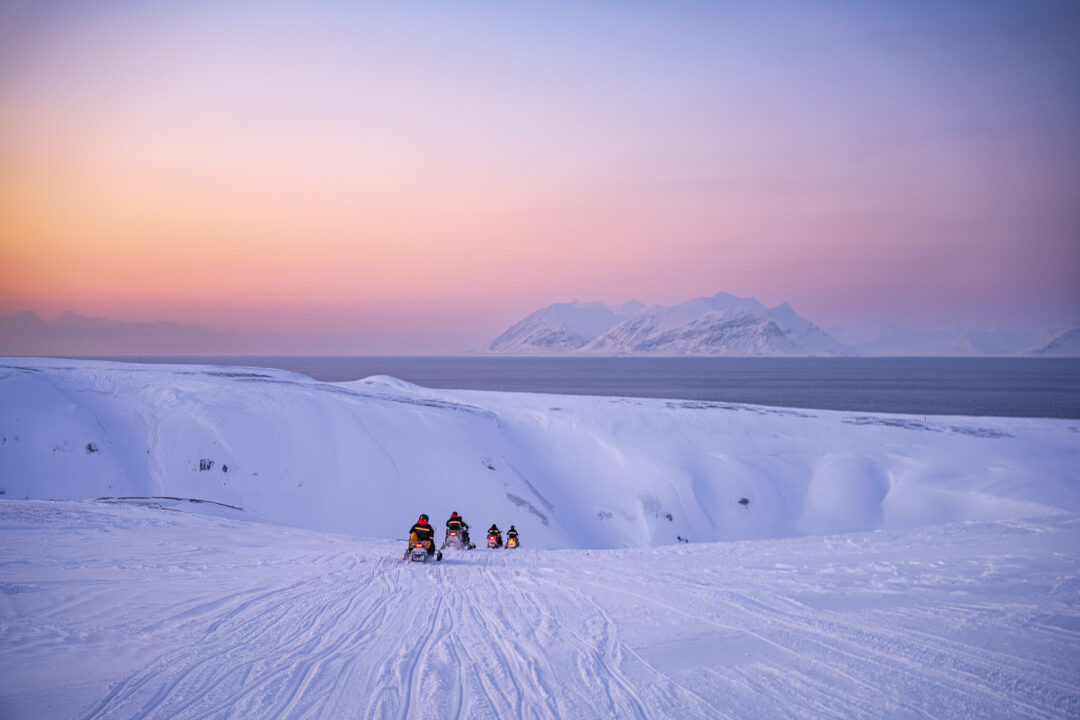
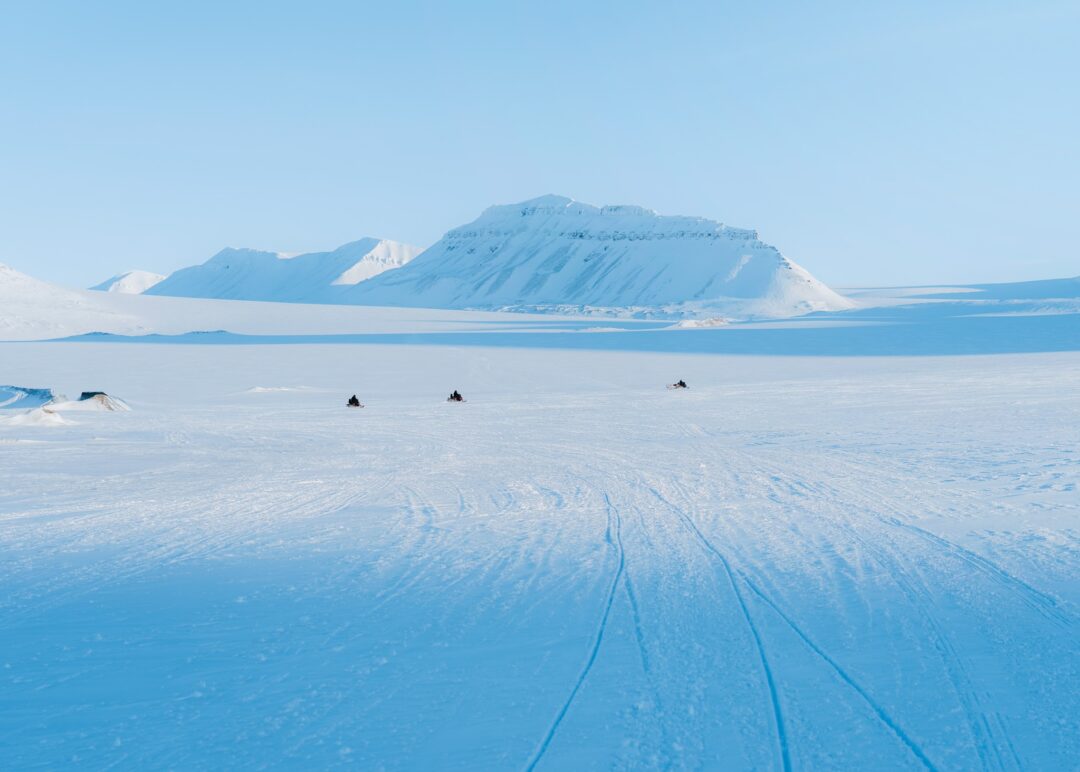
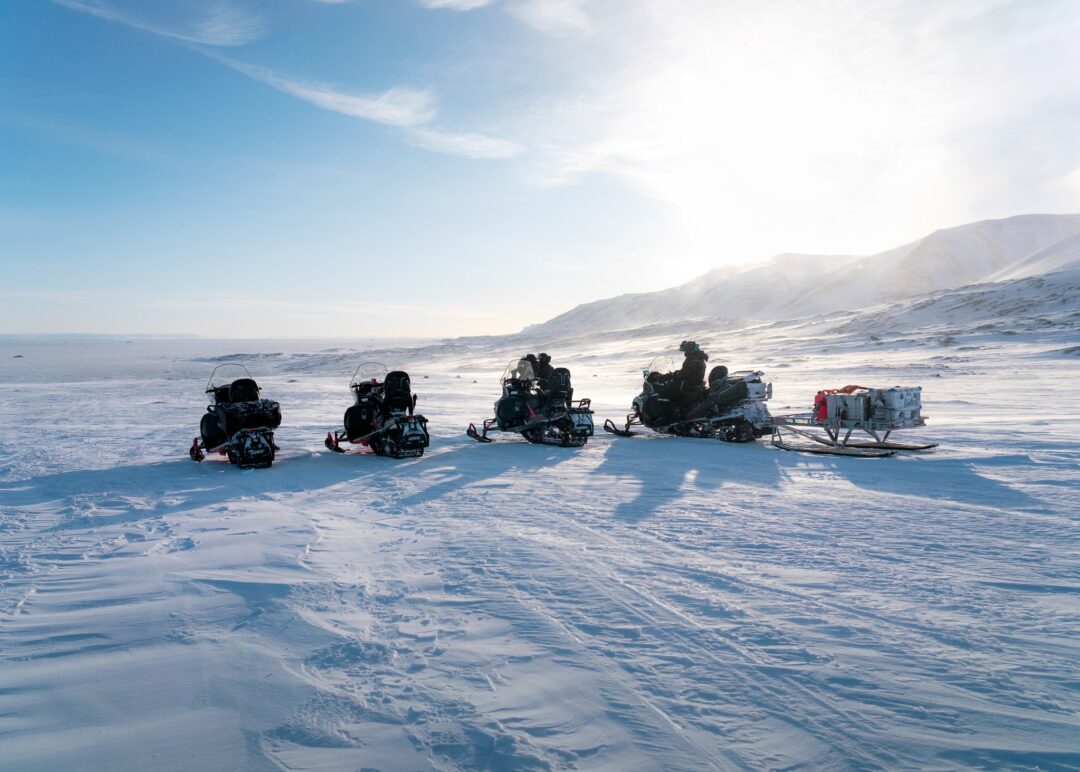
Snowmobiles with riders on a snowy Arctic trail, travelling in a line across open ice

Getting There

Longyearbyen isn’t exactly easy to reach, but that’s part of what makes it special. You’ll fly from Oslo to the world’s northernmost settlement. The journey becomes part of the adventure as you leave mainland Norway and cross into Arctic territory.

How do I get to Longyearbyen?

There are daily flights from Oslo to Longyearbyen. Take any flight that connects through Oslo to reach Longyearbyen in time for the start of the trip.

The airport shuttle aligns with all flight arrivals, so there’s flexibility if your flight is delayed. It costs approximately £10 each way, payable by card on the bus.

What if my flight doesn't match the suggested times?

No problem. The airport shuttle connects with all arrivals and departures, so you can take different flights if needed. Just make sure you arrive in time to meet the group for the first evening.

Can I coordinate travel with other guests?

Yes. Once you join the trip WhatsApp group, you can discuss travel plans. Due to limited daily flights, you’ll likely be on the same flight as your trip mates.

Do I need to arrange my own transfers?

The airport shuttle is not included in the trip price, but it’s straightforward – just pay by card when you board (approximately £10).

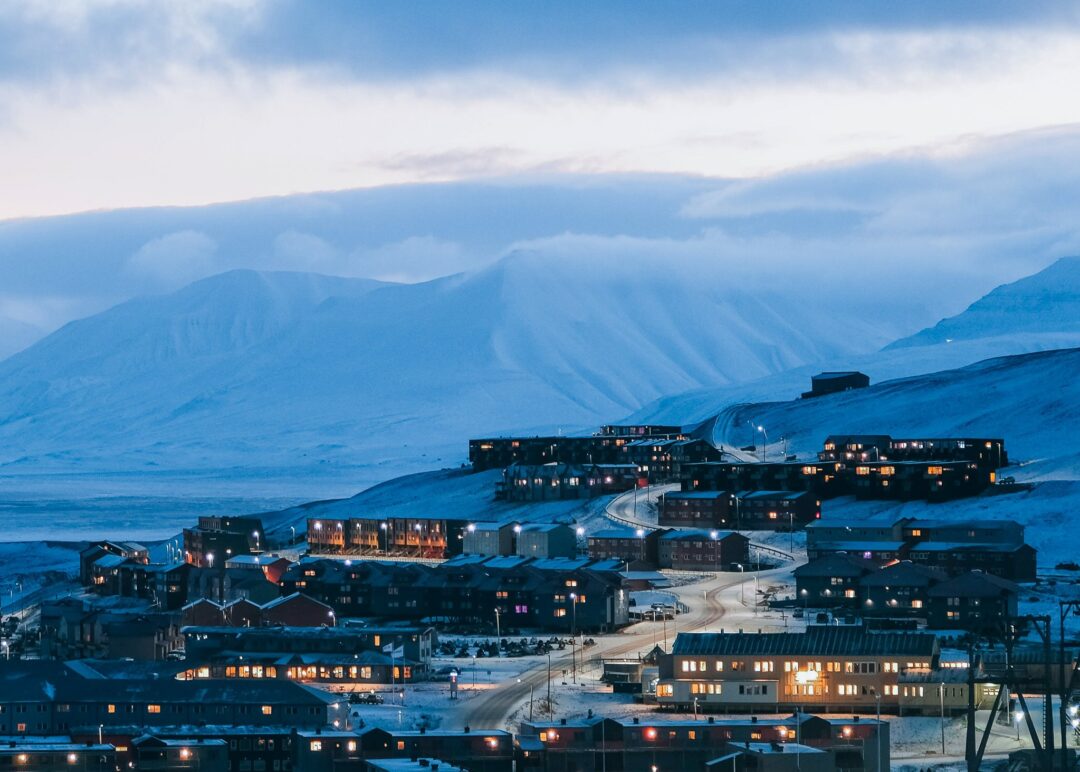
Snow-covered town at dusk in Svalbard, with mountains and winding roads under a blue sky

Fitness & Skill Level

This is one of the hardest trips we run, and very little of that is about athleticism. What pushes you is the cold and how far from everything you are. You need a good level of fitness. You need mental grit more. Don’t take this one lightly. If that reads as a warning, good. If it reads as an invitation, you’ll get on well here.

Three days on the snowmobiles

Three consecutive days covering 100 to 140km a day across Arctic wilderness, all of it outdoors in sub-zero temperatures. The machines are powerful and the distances are real. Concentrating for that long in that cold is tiring in a way that catches people out. No snowmobile experience needed. Your guides run full training before you set off. You do need a valid driving licence and the physical card with you, as digital foreign licences aren’t accepted.

One day at the ice caves

This is the biggest day on your legs. Around 10km on foot in total, 5km each way through deep snow, with 500m of altitude gain on the way up. The hike alone is a solid day out before you reach the entrance. Then you go underground. The tunnels are tight, some sections need you on your hands and knees, and there are stretches where the ice is close on all sides with no quick way back out. If you know you struggle in confined spaces, this is the part to think hard about. Cave temperatures sit around 0°C and you’ll be moving slowly, so you get cold quickly.

No caving experience needed. Steady nerves and a willingness to get muddy on your elbows, yes.

The two nights at the cabin

Paraffin heating, an outdoor toilet, no WiFi and no phone signal. We call it rustic. Others would say basic. Settling into that quickly is most of the skill this trip asks for.

You need to be comfortable with:

  • Long days outdoors in deep cold, with no rest day in between
  • Handling equipment in poor weather
  • Two nights off-grid with no running water, electricity or showers
  • Sleeping and living in close quarters with the group
  • Crawling through narrow, enclosed spaces underground

I'm nervous about the fitness requirements - will I manage?

If you can handle consecutive active days in serious cold, you’re sorted. Snowmobiling itself isn’t physically exhausting, but dealing with cold and covering long distances requires stamina. The ice cave day is more physically demanding due to the hiking and altitude gain.

How should I prepare physically?

Good fitness and a genuine sense of adventure is required.

What's a typical day actually like?

Long. You’ll be outdoors covering 100-140km on snowmobiles. Lunch is freeze-dried meals heated in the field, then back to base for dinner. At the wilderness cabin, expect full expedition mode – basic facilities and off-grid living. Whilst staying in Longyearbyen breakfast is served at the guesthouse and dinner eaten at restaurants around the town.

Can I opt out of activities if I'm struggling?

The ice cave and hike is optional if tight spaces aren’t your thing – some sections are so narrow you’ll need to crawl through. For the snowmobile expedition you’re committed from the moment you leave Longyearbyen  and the group has to stay together, there’s no bailing out half way through.

Do I need a driving licence?

Yes, absolutely. You need a Class B (passenger car) licence issued in a country that’s part of the Geneva (1949) or Vienna (1968) road traffic conventions. Bring the physical copy, not just a digital version.

Why does everyone need to drive their own snowmobile?

Yes. Being a passenger is much colder, less comfortable, and limits the distance we can travel. To reach the best routes and cover the terrain planned, everyone drives. Plus, it’s way more fun.

Women sledding across snow in Svalbard at dusk with mountains in the distance

Sleep & Eat

You’ll split your time between civilisation and wilderness.

Guesthouse in Longyearbyen, three nights

Shared twin rooms, hot showers, WiFi, warm beds after long days in the cold. It sits about 2km from the centre of town, so around 30 minutes on foot. Towels and hairdryers are provided, and there’s laundry if you need it (roughly €20, ask at reception about timings).

Trapper’s cabin in Fulmardalen, two nights

Completely off-grid. No running water, no electricity, no WiFi, no phone signal. Heating comes from a paraffin stove. You’ll sleep on mattresses with sheepskins in one shared space. The toilet is a bucket system in a tent just outside the cabin, sheltered and private, and everything comes back to town with us.

It’s basic, and that’s the trade. There’s no other way to reach where you’re going. Bring a lightweight travel towel and a power bank charged before you leave Longyearbyen, because there’s nothing to plug into once you’re out there.

Food

Every meal is included, from dinner on arrival day to breakfast before you fly home.

Breakfast: bread, eggs, bacon, cereals and coffee.
Lunch: freeze-dried meals heated wherever you’ve stopped, plus snacks.
Dinner: restaurant meals in Longyearbyen (drinks are extra), or cooked expedition food at the cabin. Think tacos, pasta and stews.

It’s built to fuel long days in the cold rather than to impress anyone, and there’s plenty of it.

Dietary requirements: We cater for vegans, vegetarians and most food allergies with advance notice. Tell us the severity of anything you’re avoiding and whether trace amounts are a concern, so the guides can plan properly for the days out in the field where there’s no swapping things around.

What's the accommodation actually like?

The guesthouse is comfortable with  hot showers and beds that feel incredible after cold days. The wilderness cabin is the opposite: off-grid, basic, and rustic. No running water or electricity and heated by paraffin stoves. Arctic expedition living.

How do the toilet facilities work at the cabin?

There’s an outdoor toilet tent with a hygienic bucket system. It’s private, sheltered and just steps from the cabin. It’s not luxury, but functional. All waste is carried back to Longyearbyen.

Is there WiFi?

At the guesthouse, yes. At the wilderness cabin, no. No WiFi, no electricity, no phone signal – just mountains, ice, and proper Arctic silence. Bring a power bank if you want to charge devices for photos.

What about the food quality?

In Longyearbyen, you’ll eat at hot meals at local restaurants. In the wilderness, it’s expedition food – freeze-dried lunches and cooked dinners like pasta or stews, designed to fuel active days in serious cold. Hot drinks are always available at the cabin.
Can I store luggage at the guesthouse?

Yes. Any luggage not needed for the expedition can be stored securely at the guesthouse while you’re at the cabin.

What about drinks?

Drinks aren’t included at restaurants in Longyearbyen – you pay for your own alcohol or soft drinks. Hot drinks (coffee, tea) are always available at the trapper’s cabin.

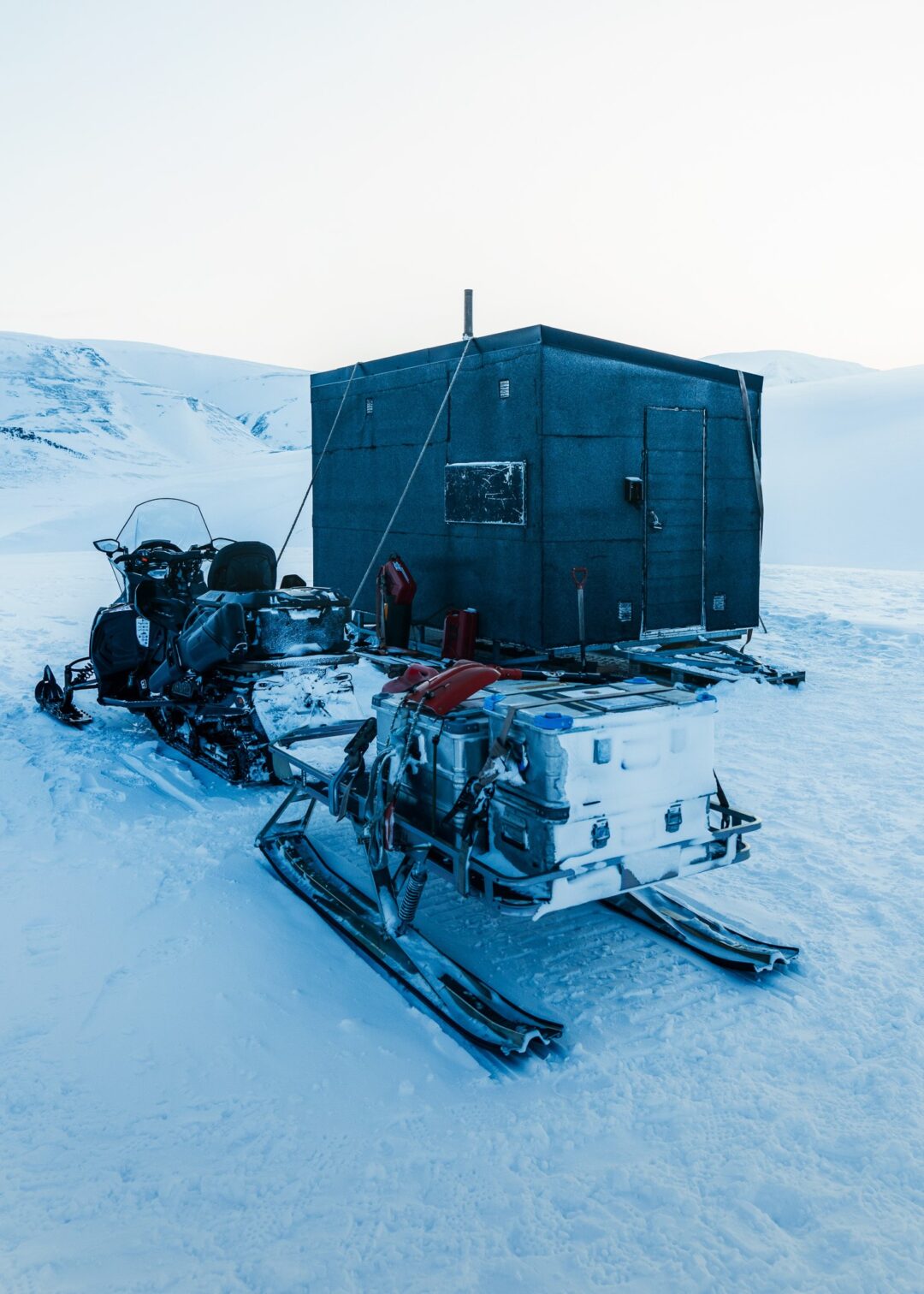
Snowmobile with gear and a blue shelter in a snowy arctic landscape
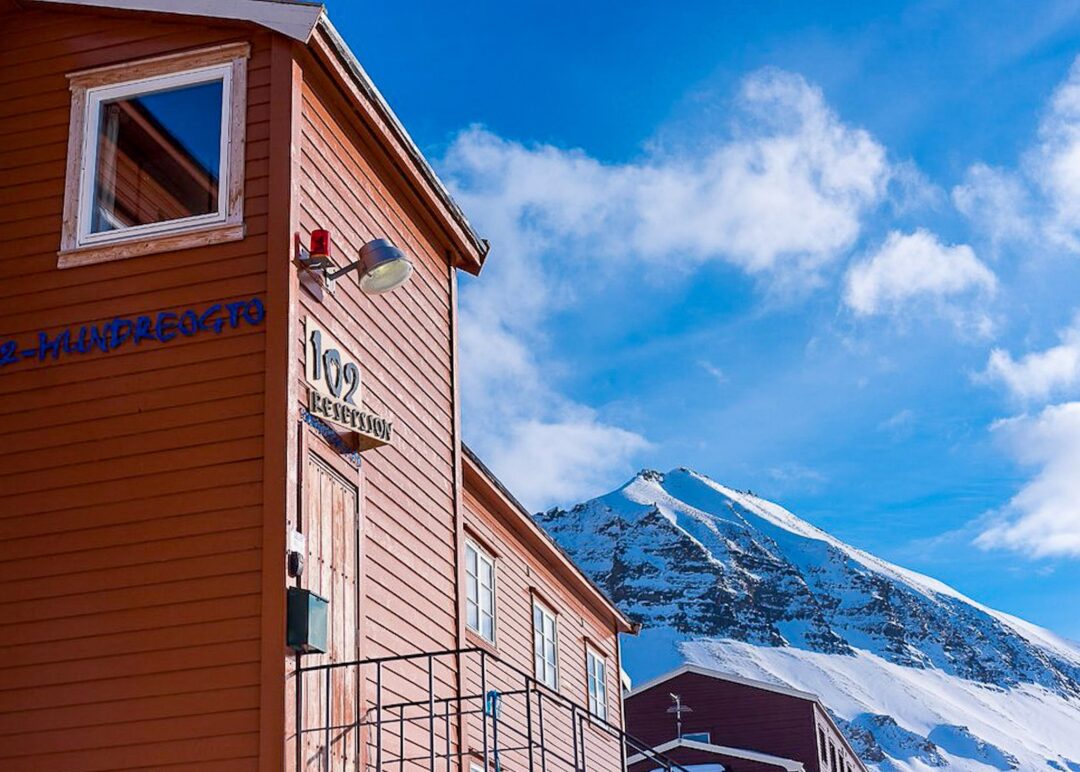
Snowy mountain backdrop and a lodge building with balconies under a blue sky in Svalbard

Weather

March in Svalbard is cold. Expect temperatures that freeze your eyelashes and conditions that change fast – wind, snow, or clear skies on the same day. Layer up and embrace the experience.

March is also the start of the sun returning to Svalbard after months of polar night.

What to expect:

  • Sub-zero temperatures
  • Variable conditions – Arctic weather doesn’t follow forecasts
  • Real wilderness exposure for extended periods

The cold is part of what makes Svalbard special. You’ll be provided with full snowmobiling gear (insulated suits, boots, mittens), but you need your own base layers and mid-layers. We provide sleeping bags for the cabin.

Is the itinerary flexible?

Absolutely. Arctic weather changes rapidly, so our guides adjust daily plans to ensure the best and safest experience. You’ll still get your full adventure, but specific routes depend on conditions.

What happens if weather affects snowmobiling?

Our guides monitor conditions constantly and have backup routes ready. You’ll still cover serious distances and see incredible Arctic terrain.

How cold does it actually feel?

March in Svalbard is cold. Expect temperatures that freeze your eyelashes. It’s Sub-zero with conditions that change fast, but layering correctly makes it manageable. The cold is part of the experience – embrace it.

What if I've never dealt with extreme cold before?

The gear we provide (snowmobile suits, boots, mittens) handles the outer layer. You’re responsible for base layers and mid-layers. Follow the packing list, and you’ll be fine.

Snowmobile tracks across snow in Svalbard with mountains under a clear blue sky

Good to Know

Money: Cards are widely accepted in Longyearbyen, but you can also bring Norwegian Kroner (NOK) for personal expenses like extra drinks or souvenirs. The airport shuttle (approximately £8/10€) isn’t included in the trip price.

Communication: At the guesthouse: WiFi is available. At the wilderness cabin: It’s off-grid so no WiFi, no phone signal and no electricity.. Bring a power bank if you want to charge devices for photos and let your family know you’ll be without signal for a few days!

Polar bear Safety: Svalbard is polar bear territory. Our guides carry deterrents including flares and rifles (emergency use only) and are experienced in Arctic wildlife management -they’ve operated tours for 25 years without incident. We follow strict safety protocols and maintain constant vigilance.

Polar bears are fully protected under the Svalbard Environmental Act and all encounters must be passive.The must never ber lured, pursued, or actively sought out. Observations happen from safe distances without disturbing natural behaviour.

Environmental responsibility: The Arctic is fragile. We follow Leave No Trace principles, carry all rubbish and waste back to Longyearbyen, observe wildlife from safe distances, and use local guides who minimise our impact. Never leave litter (even biodegradable waste harms the ecosystem), don’t disturb wildlife, and respect Longyearbyen as a unique remote community.

What happens if I'm injured or need medical help?

Longyearbyen has a hospital. Our guides are also trained in wilderness first aid and carry full medical kits.
This is why comprehensive travel insurance is mandatory.

Why aren't all guides and instructors female?

We work with the best guides available, male or female. There are fewer women in outdoor guiding roles, so we prioritise expertise and guest experience. We vet every guide carefully and monitor feedback closely to ensure all guides align with our ethos and standards. We also hope more trips like ours encourage more women to find new activities and become guides themselves.

What about tipping?

Tipping isn’t expected in Norway, but if you feel your guides went above and beyond, a small tip is appreciated.

What's the snowmobile insurance deductible?

NOK 10,000. If you damage a snowmobile, you pay the deductible upfront (refunded if damage costs less). Make sure your travel insurance covers this potential cost.

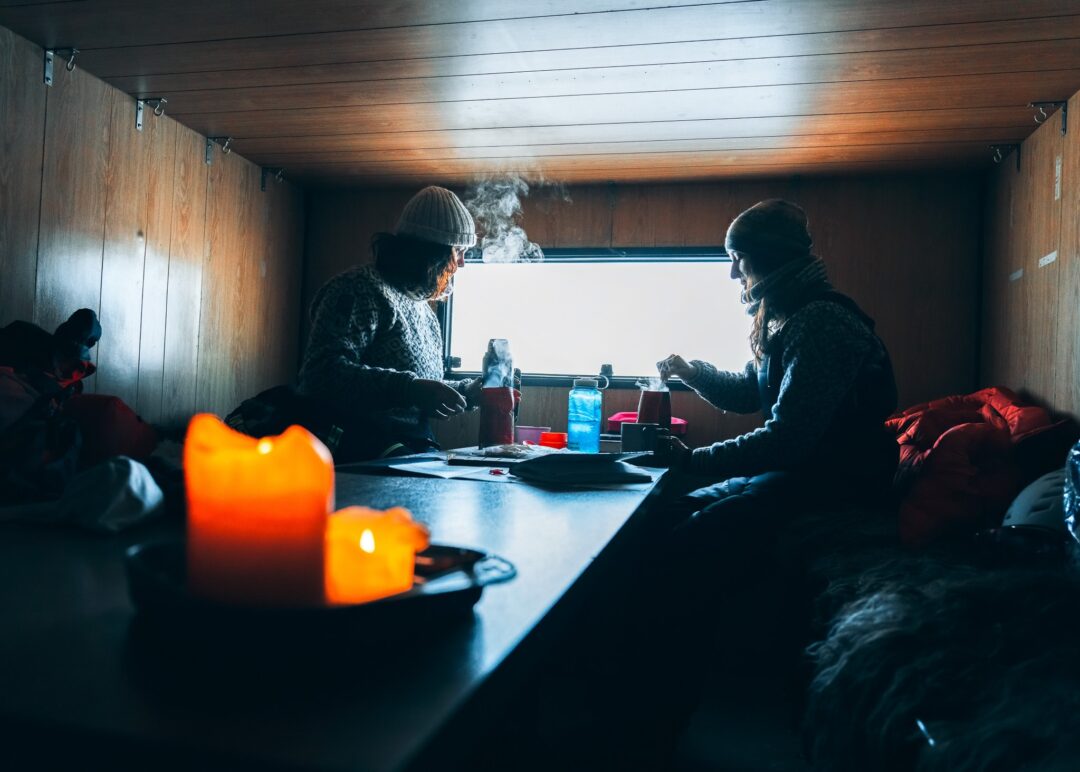
Two women sit at a table in a wooden cabin, sharing drinks and a meal
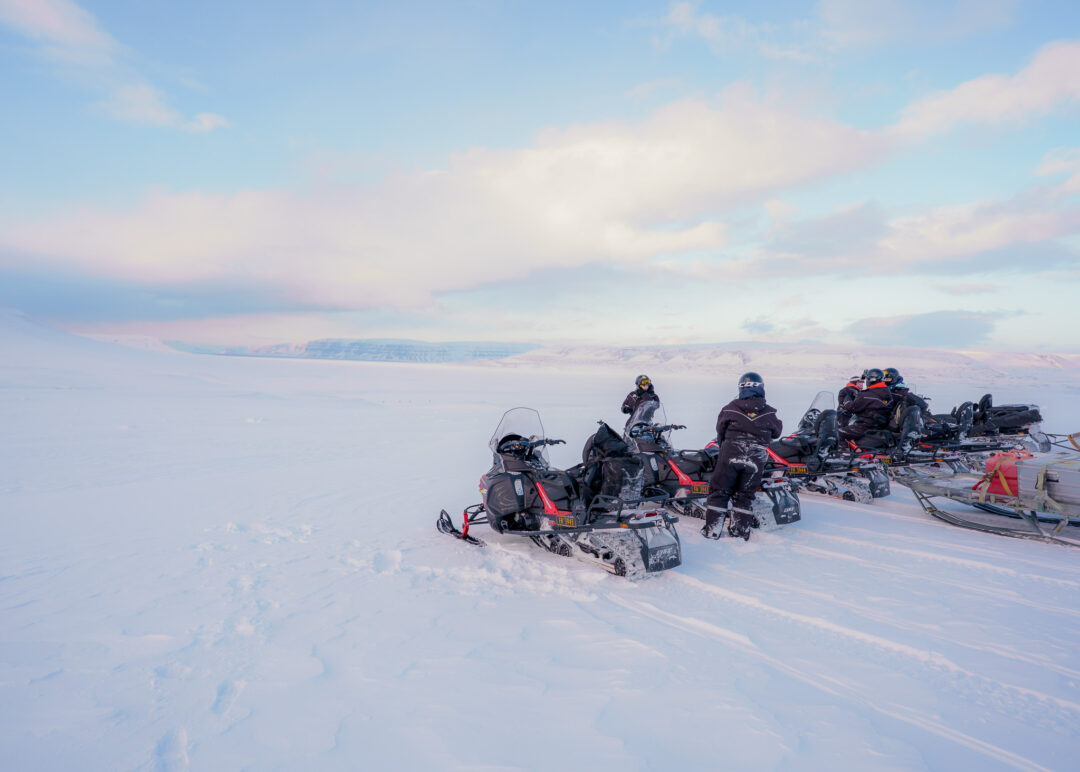
Group riding snowmobiles across a snowy Arctic landscape at dusk

Packing List

What We Provide

Snowmobiling

    • Snowsuit, boots, mittens, goggles and face mask
    • Headlamp, helmet, spikes, poles
    • Snowshoes
    • Warm waterproof hiking boots available to hire (NOK 100)

Camp

    • Sleeping bag

What You Need to Bring

Clothing

    • Warm, waterproof hiking boots that cover the ankle (or hire for NOK 100)
    • Merino wool or synthetic base layer tops and bottoms — never cotton
    • Thick warm wool socks
    • Thin liner gloves (to wear underneath the provided mittens)
    • Lightweight fleece or mid-layer
    • Warm mid-layer jumpers (fleece or wool)
    • Warm insulated jacket — down or synthetic (for breaks and the trapper’s cabin evenings)
    • Breathable, waterproof, windproof shell jacket
    • Breathable, windproof softshell trousers
    • Insulated trousers for under the snowmobile suit — not too bulky
    • Warm hat
    • Buff
    • Casual warm clothes for evenings in Longyearbyen
    • Warm sleepwear
    • Thick slippers or indoor shoes with a waterproof sole (for guesthouse and cabin)

Kit & Gear

    • 30–40L backpack for the expedition
    • 20L daypack for day trips
    • Dry bags for inside your pack
    • Headtorch and spare batteries
    • Fully charged power banks — no electricity once you leave Longyearbyen
    • Small thermos for hot or cold drinks
    • Sunglasses
    • High-SPF sunscreen and SPF lip balm
    • Quick-dry travel towel
    • Toiletries and any personal medication
    • Compeed or Moleskin blister plasters
    • Valid physical driving licence — mandatory, digital foreign licences not accepted
    • Hand warmers and a phone cover to keep your phone warm in the cold
    • Credit card — there is no bank in Longyearbyen

Optional

    • Binoculars (useful for wildlife spotting on the snowmobile days)
    • Camera and spare batteries — cold drains batteries fast
    • Waterproof backpack cover
    • Snacks (we provide these too, but bring your favourites)

Packing Notes

Your snowmobile kit is fully provided — but what you wear underneath matters: The snowsuit, boots, mittens, goggles, and face mask are all supplied for riding days. Underneath that suit you need warm, non-bulky layering: merino or synthetic base layers, a mid-layer fleece or wool jumper, and insulated trousers that don’t restrict movement. Avoid anything too thick or padded underneath — it’ll make the suit uncomfortable to wear for long stretches.

The trapper’s cabin nights are off-grid: No electricity, no running water, paraffin stove heating and an outdoor toilet. Pack fully charged power banks before you leave Longyearbyen — there’s nowhere to charge once you head out into the wilderness. A headtorch is essential. Pack anything you need for two nights in a way you can access it easily.

Your driving licence is mandatory — bring the physical copy: Digital foreign licences are not accepted. Without a physical licence you cannot drive a snowmobile, which affects the distances the group can cover. Don’t leave home without it.

Longyearbyen has sports shops and no VAT: If you’re unsure whether your base layers or boots are warm enough, the town has a good selection of Arctic-spec kit at better prices than the UK. Warm waterproof hiking boots are also available to hire locally for NOK 100 if you need them.

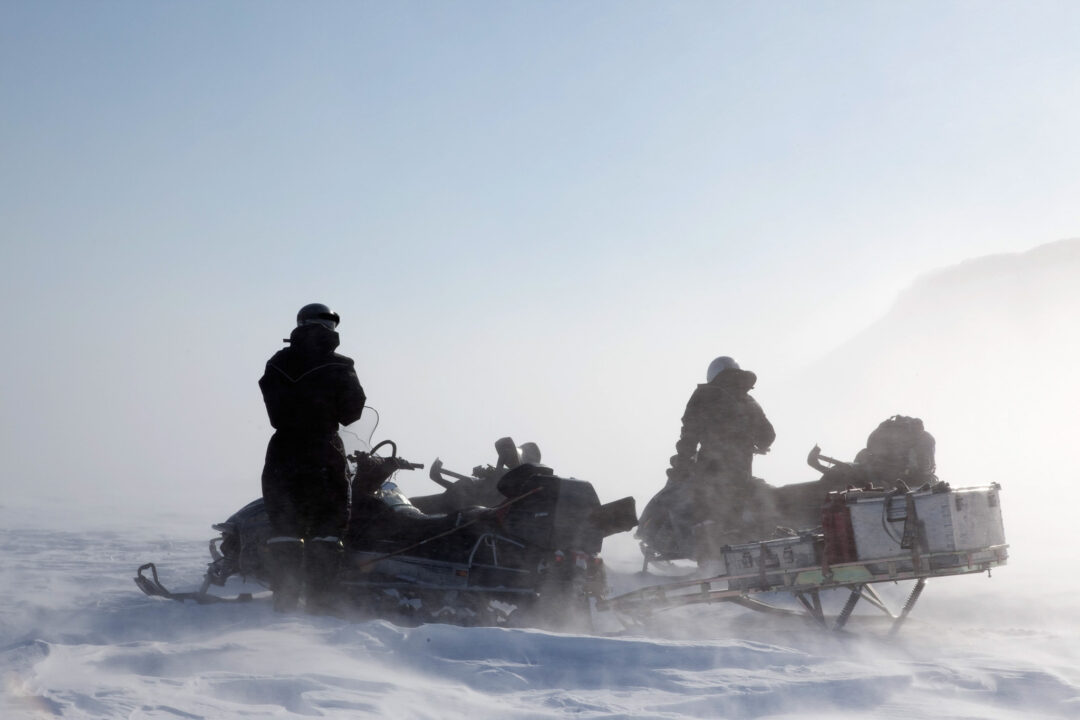
Snowmobile riders travelling across snowy terrain in heavy fog, with snowmobiles at the front

Trip Code NORSVBSMOB – Include this code in any message so we can find your trip straight away.