Trip Guide

Trip Guide: Snowshoeing & Winter Hiking in the Pyrenees

Ready to explore snow-covered Pyrenees peaks on snowshoes? This guide covers everything you need to show up confident and prepared for three days of winter mountain adventures. You’ll trek through national parks, around glacier lakes, and up remote peaks with expert local guides, then unwind in a charming Spanish mountain village with incredible food and thermal spa sessions.

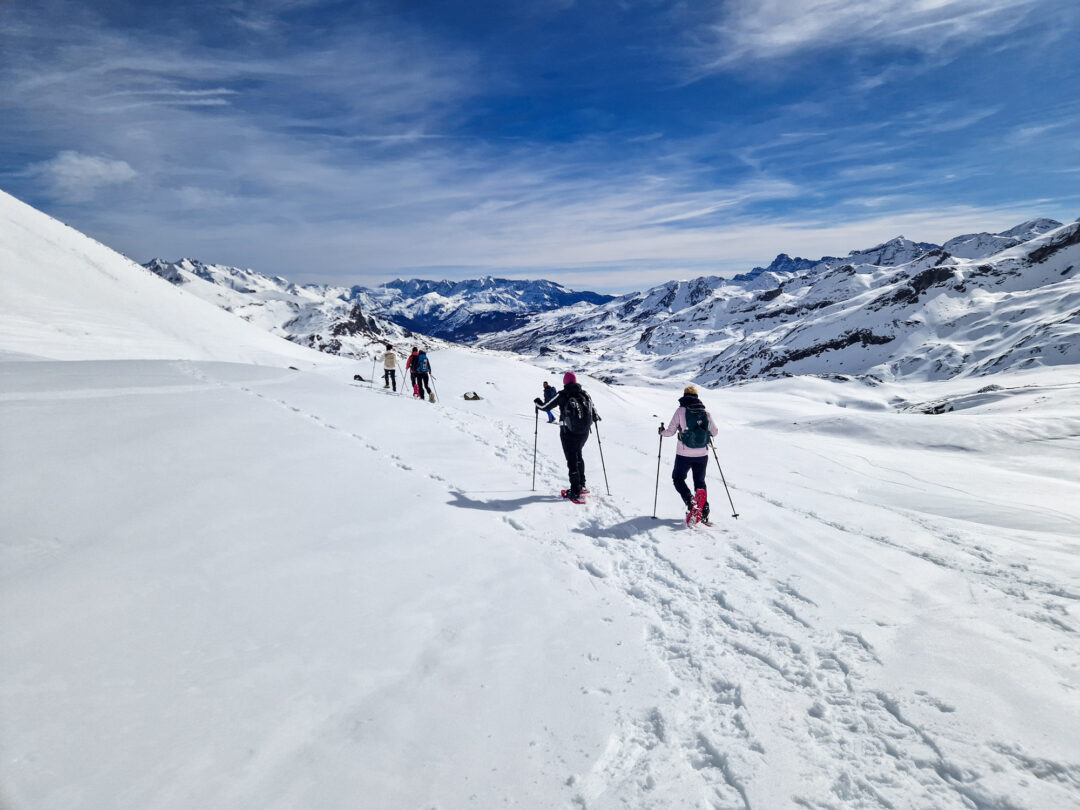
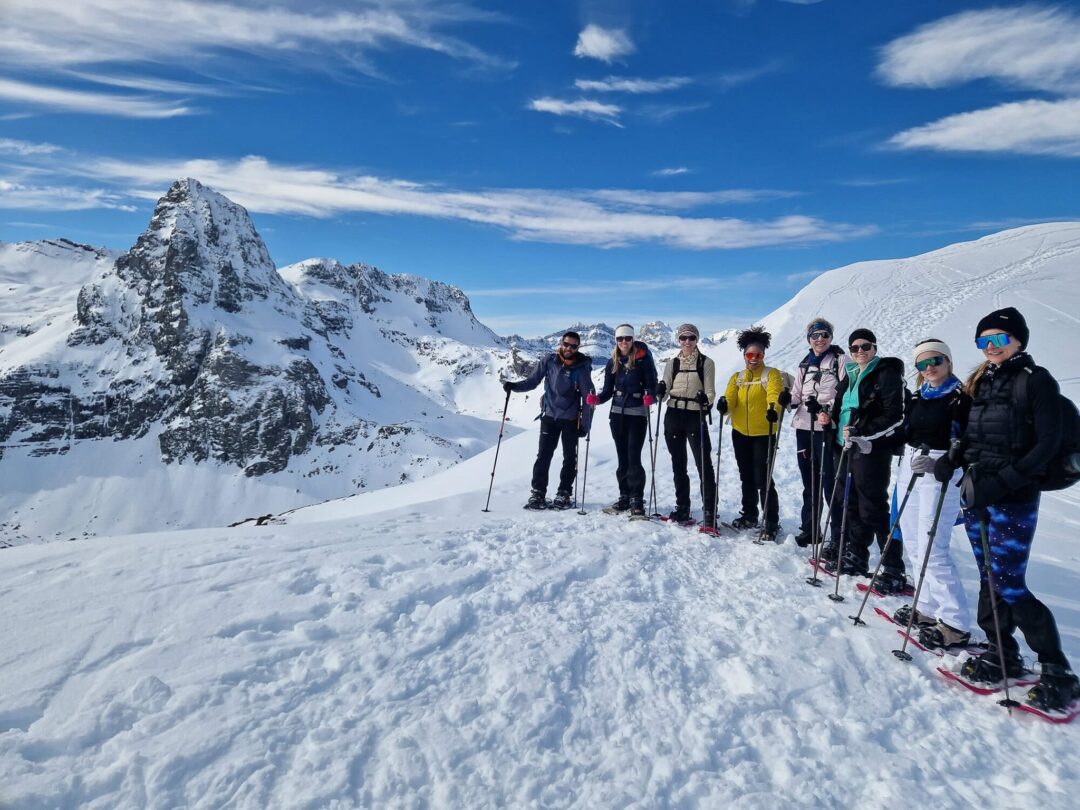
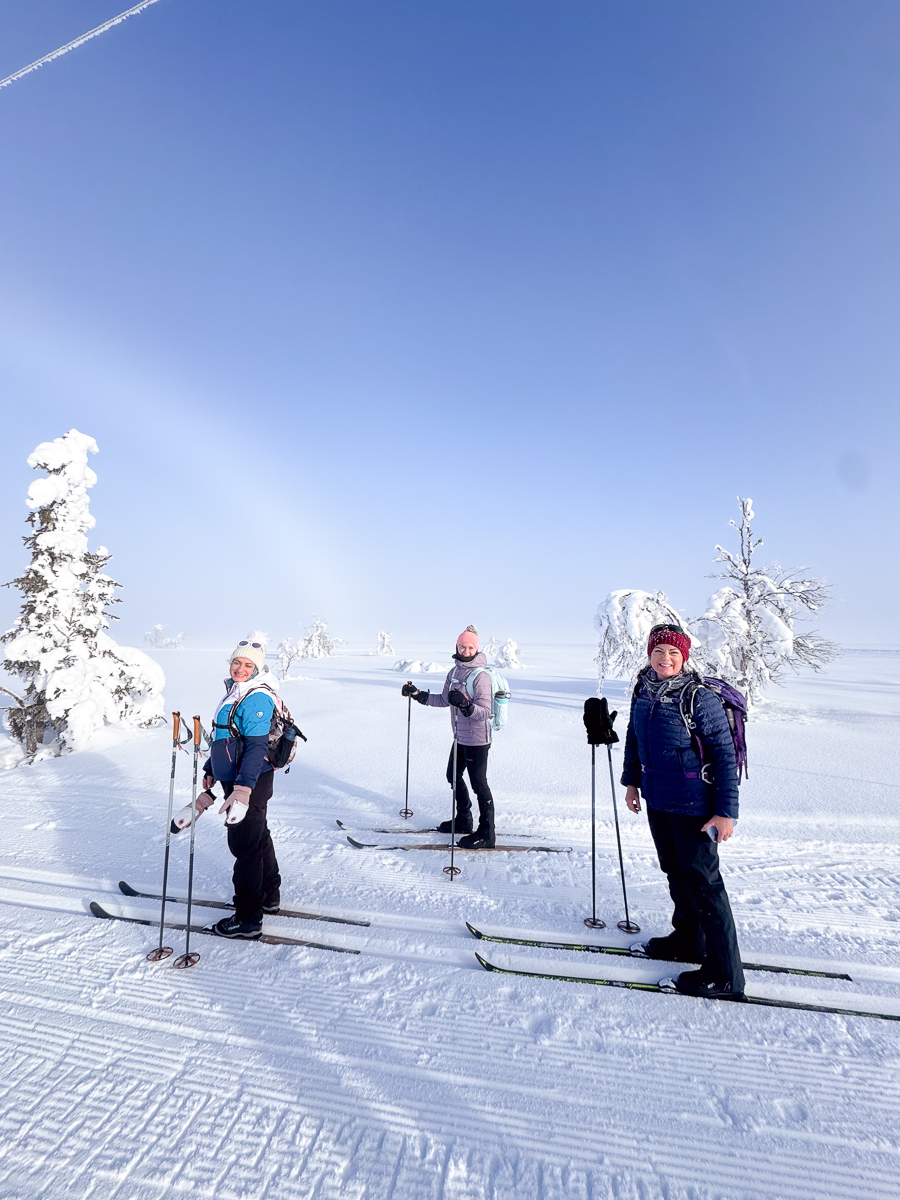
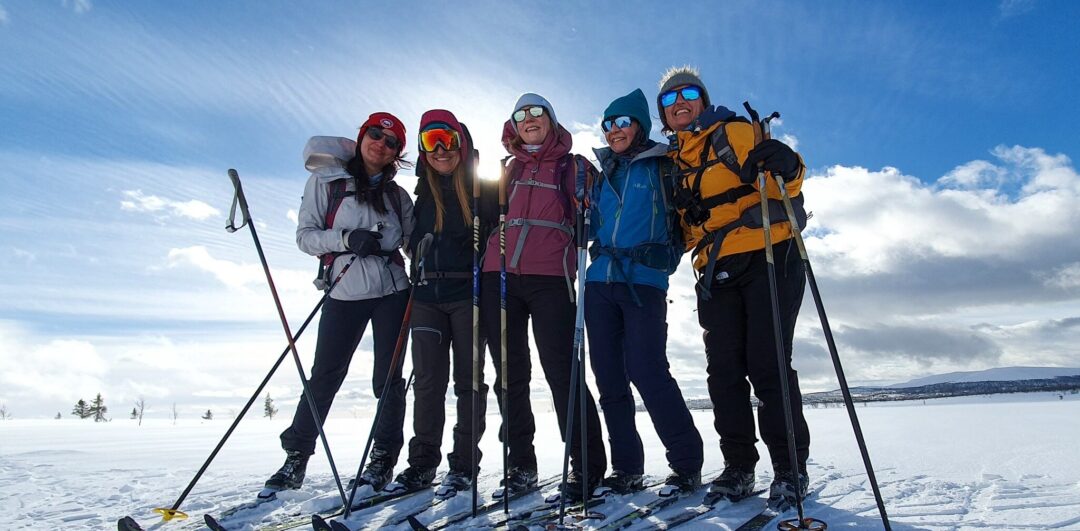
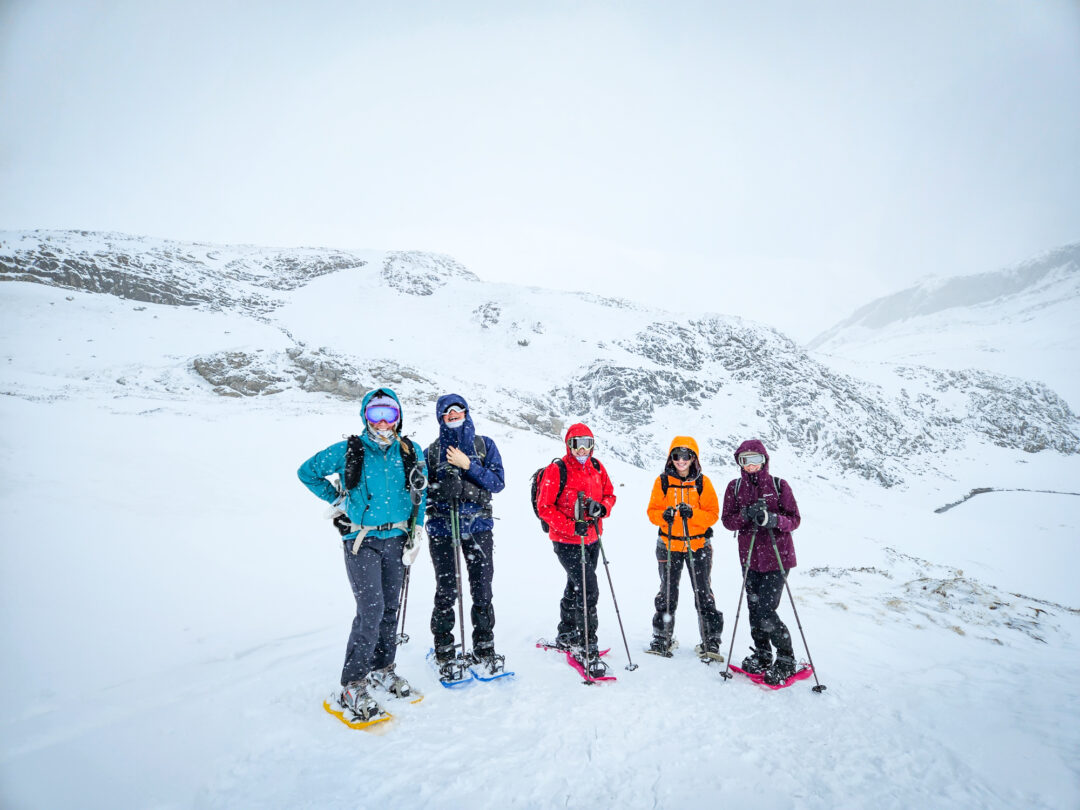
Women snowshoe hikers standing in snowy mountains under a clear winter sky
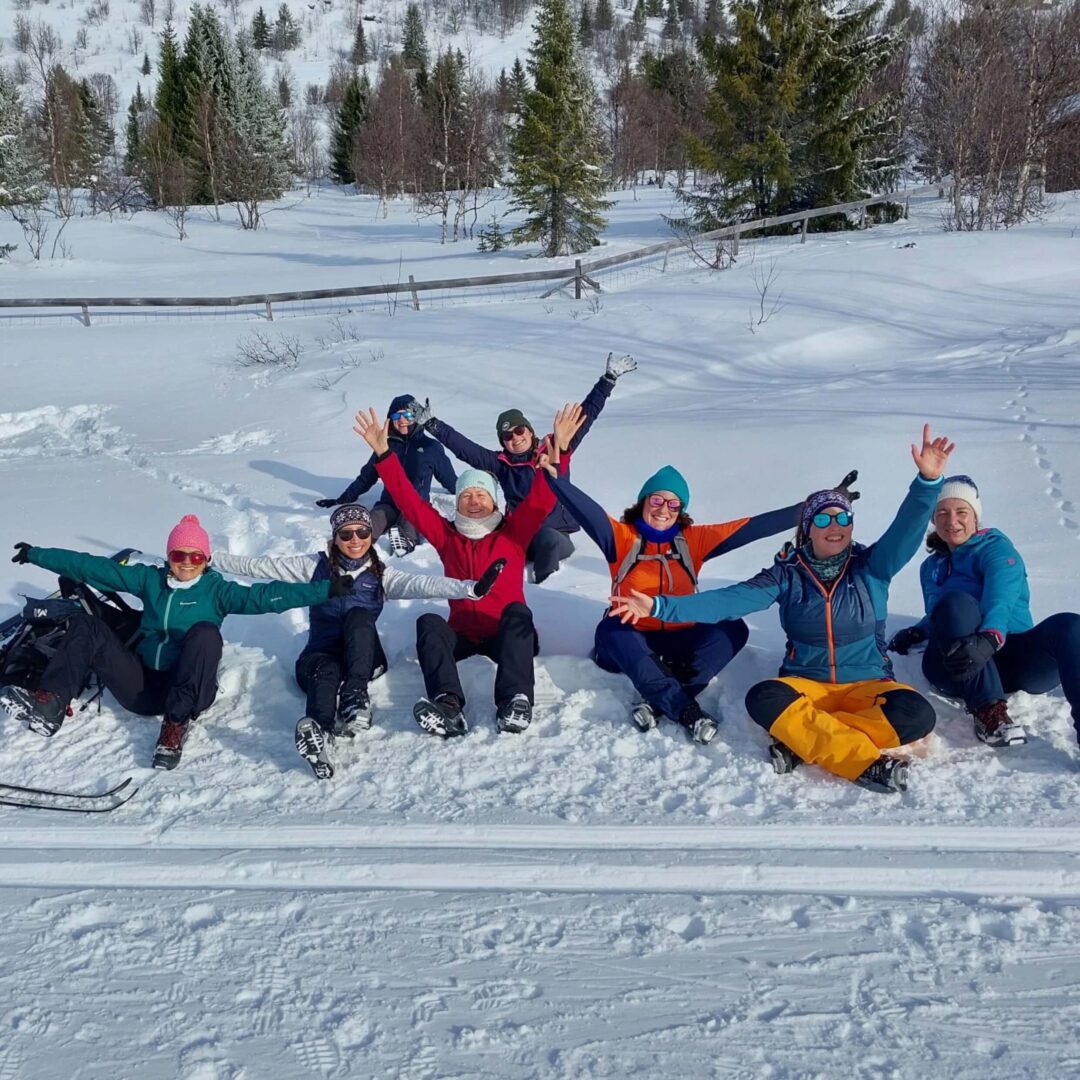
Women winter hikers trekking through snowy mountain terrain in the Pyrenees

Getting There

Getting to the Spanish Pyrenees requires some planning but isn’t complicated. Most people fly into Zaragoza, then it’s a 1.5-hour transfer through changing landscapes to reach Sallent de Gállego, our mountain base. We pick you up at fixed times from both Zaragoza airport and train station.

The village sits nestled beneath towering peaks at high altitude – you’ll have panoramic mountain views at every turn. It’s medieval at heart with winding stone streets, a 12th century church, and everything you need: shops, bakery, restaurants, cafes, and ATM.

How do I get to the Pyrenees?

Fly into Zaragoza, Spain. The only direct UK flights are Ryanair from London Stansted. We provide group transfers from Zaragoza airport or train station at fixed times. Alternative: fly to Barcelona/Madrid, then take AVE fast train to Zaragoza (1.5 hours).

What are the transfer times?

We run one shared transfer each way that collects guests from both Zaragoza Airport and Zaragoza Delicias train station.

Airport
  • Wednesday pick up: [TIME TBC]
  • Sunday drop off: [TIME TBC]
Train station
  • Wednesday pick up: [TIME TBC]
  • Sunday drop off: [TIME TBC]

Transfers run to a fixed schedule, so it’s worth booking one of our suggested flights where you can. Those are the ones we’ll wait for. If you’re travelling by train, we can’t hold the transfer, so give yourself plenty of time either side.

What if my flight doesn't match transfer times?

Transfers run to a fixed schedule, but we do wait for the flights we recommend, so if you’re on one of those and it’s delayed, we’ll be there.

On a different flight or train that’s delayed or cancelled, you may need to arrange your own transport to join the group. We’ll support you with local information, and comprehensive travel insurance is essential.

Should I arrange to travel with other guests?

We connect everyone via WhatsApp before the trip, so you can coordinate if you want to travel together. Many guests arrange to share transfers or meet at airports, especially for connecting flights through Barcelona or Madrid.

Snowshoeing and winter hiking route across a snow-covered mountain with distant peaks under a blue sky

Fitness & Skill Level

You’ll be active every day for three consecutive days with no rest day in between, but you don’t need to be an athlete.

Climbing a mountain is hard work, and doing it in snow is harder again. The ascents are steep and sustained, every step takes more effort than it would on dry ground, and the cold and the altitude both take something out of you on top of that. Expect it to feel significantly tougher than a regular hike over the same distance.

You’ll be out 6-7 hours daily, with about 5-6 hours of that on snowshoes, covering 8-12km through mountainous terrain. Some sections have narrow paths with drops either side, so you need to be comfortable with heights.

Snowshoeing itself is straightforward. The snowshoes clip onto your own hiking boots and spread your weight so you walk on top of deep snow instead of sinking into it. There’s no technique to learn, so no previous experience is needed. Fitness is what matters here.

If you’re doing medium to high-intensity cardio three or more times a week, like running, cycling, hill walking or gym work, you’ll handle this well. If you’re not, this will be a slog rather than a pleasure.

What does moderate mean?

You’ll be active 5-6 hours daily, covering 8-12km in snow through steep mountain terrain. Harder than regular hiking because of snow conditions, altitude, and cold. If you can handle a challenging day hike and don’t mind consecutive active days, you’ll be fine.

I'm worried about keeping up with the group - will I slow everyone down?

Only if you arrive underprepared. This trip needs a decent level of fitness and we expect you to turn up with it. Do that and you’ll keep up fine: guides set a sensible pace, there are regular snack stops and a decent lunch break, and groups look after each other. Turn up without having trained and three consecutive days in snow will be hard going, for you and for everyone else.

What specific training should I do beforehand?

Medium to high-intensity cardio 3 times weekly for 45 minutes – running, cycling, spin classes, hilly hiking, HIIT. Walking and yoga won’t prepare you for the cardio demands. Practice hiking with a backpack if possible, especially on inclines.

I have some hiking experience but I'm not super fit - will I manage?

Hiking experience helps with pacing and terrain awareness, but this is more physically demanding than regular hiking. Snow conditions, cold, and altitude make everything harder. Be honest about your current fitness level rather than relying on past experience.

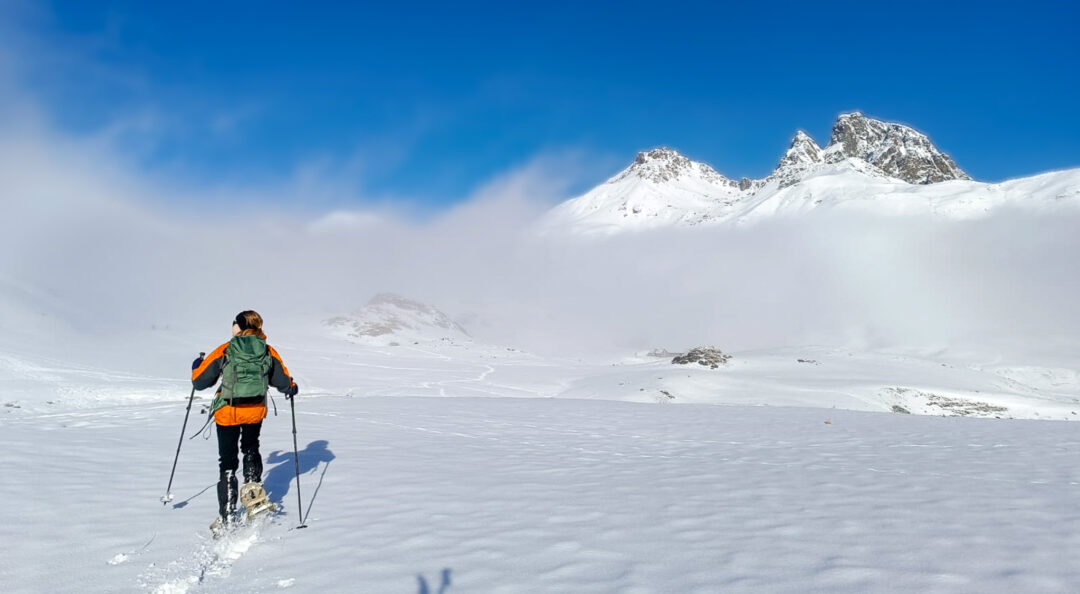
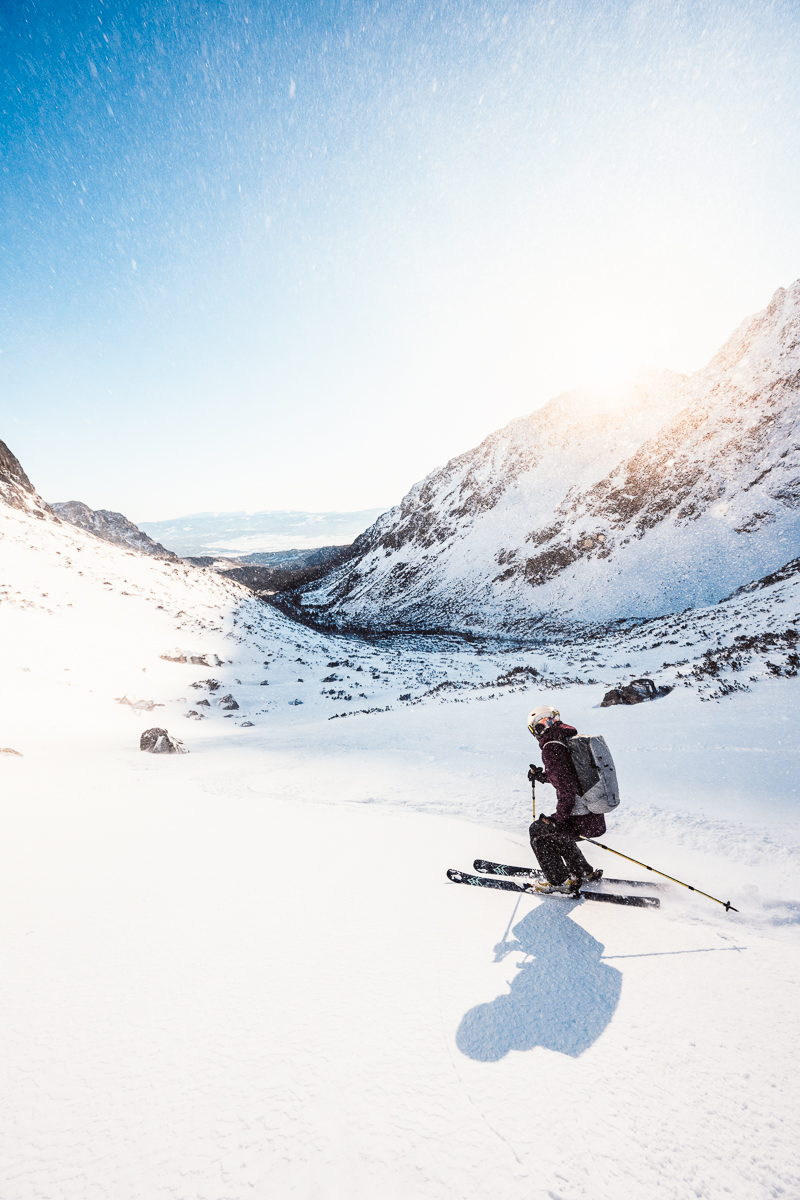
Woman snowshoeing on a snowy mountain ridge under a clear blue sky in winter conditions

Sleep & Eat

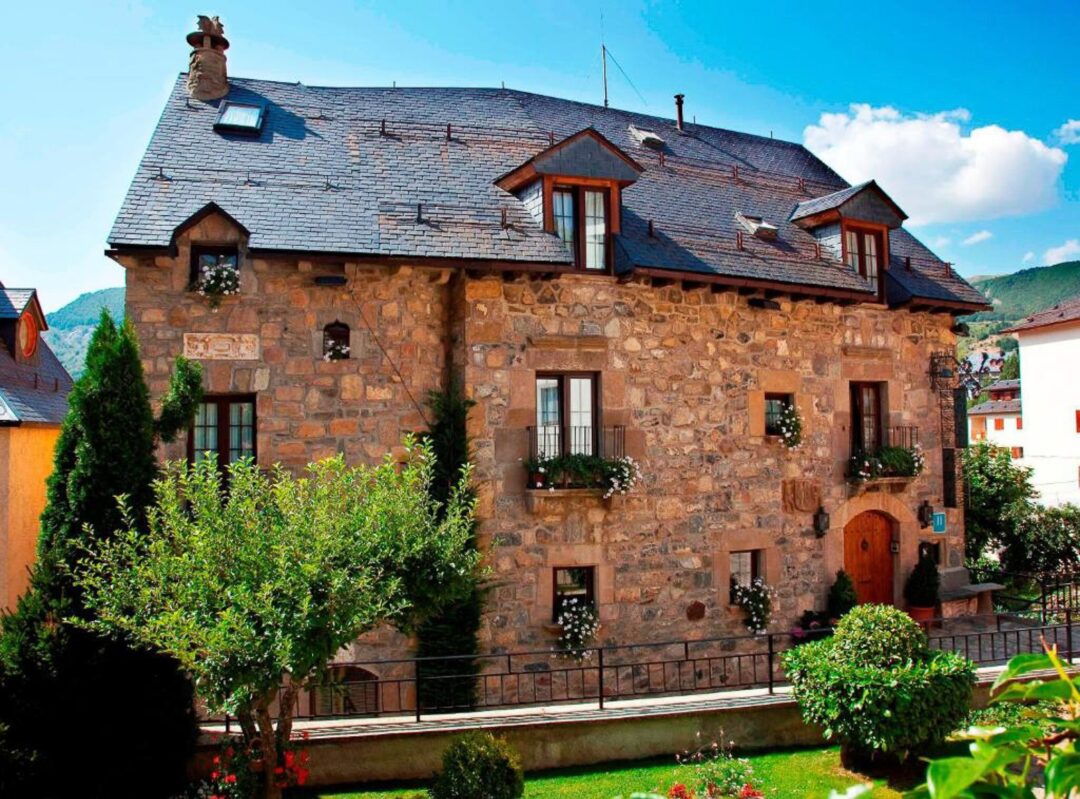
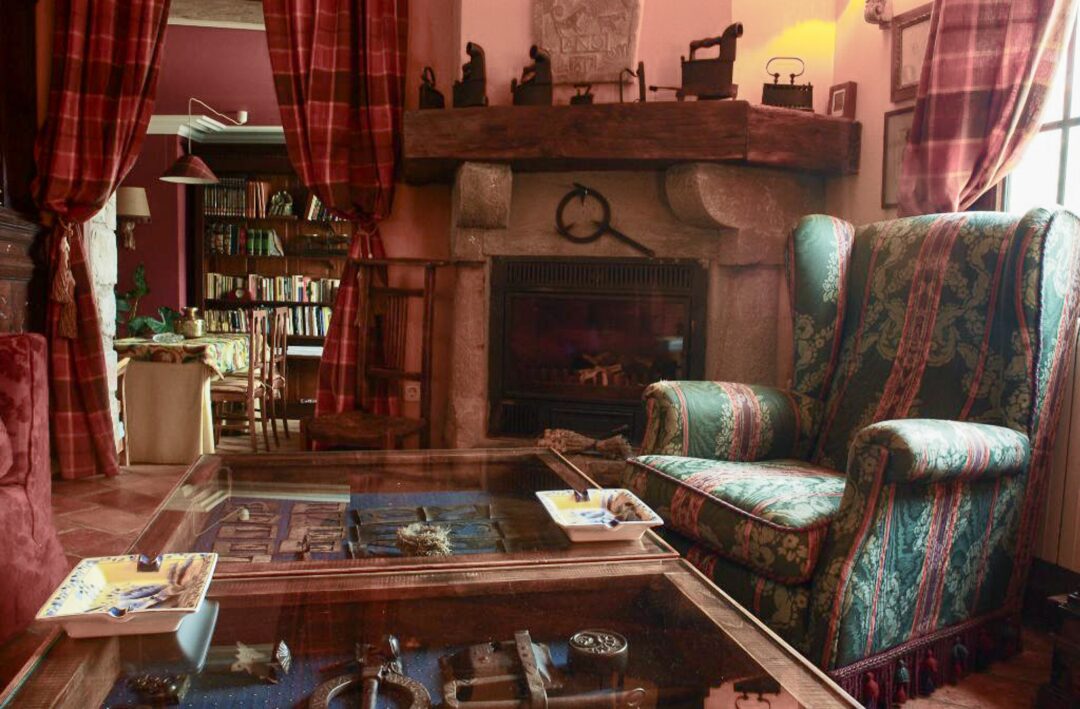
You’ll stay in Sallent de Gállego, a medieval mountain village with winding streets. Our family-run hotel has just 11 rooms in a beautiful stone building, all with en-suite bathrooms and many with mountain views. There’s a living room with sofas and a fireplace for coffee and relaxing.

María José runs this friendly hotel that’s fantastically decorated throughout with comfortable bedrooms. You’ll have twin or private room options, both comfortable after long mountain days.

The meals are a real highlight of this trip. Hearty buffet breakfasts at the hotel fuel your mountain adventures. Evening meals are three-course dinners at different village restaurants – the standard is excellent with a choice of starters, mains and desserts. Lunches are packed picnics eaten on snowshoeing routes: bocadillo sandwiches, fruit, cake, chocolate or muesli bars, and nut mix.

The village has everything you need including a bakery, shops, several cafes and restaurants. You’ll experience authentic Spanish mountain culture alongside your outdoor adventures.

What are the hotel rooms like?

Comfortable bedrooms in a beautiful stone building, all with en-suite bathrooms. Twin rooms have to single beds, private rooms are for solo occupancy. Many rooms have mountain views. It’s not luxury but perfectly comfortable with character and warmth.

Can you handle dietary requirements?

We can cater for most dietary requirements if you tell us when booking. Vegetarian options available but more limited than you’re used to. Veganism isn’t well understood in Spain, so you may need to bring your own protein sources for snacks.

What's the food like?

Hearty Spanish mountain cuisine. Breakfast is buffet style at the hotel. Dinners are three-course meals at local restaurants – quality is excellent with proper choice, not touristy food. Packed lunches are simple but sufficient: sandwich, fruit, snacks. Bring your own energy bars if you’re particular about snacks.

Are there shops in the village for extras?

Yes – small village but has bakery, shops, cafes, restaurants, and ATM. You can buy basics but don’t rely on finding specific outdoor gear or specialty items. Bring what you need or purchase beforehand.

Rustic stone house with slate roof and mountain backdrop, in a European alpine village
Cozy winter lounge with fireplace, patterned curtains and armchairs in a Pyrenees chalet interior.

Weather

Pyrenees weather in February and March is notoriously unpredictable. You could experience sunny and relatively warm conditions, or cold with wind and snowfall – sometimes in the same day. Mountain weather changes fast, so you need to be prepared for everything.

Snow conditions are generally reliable during these months, which is why we schedule trips then. Our local guides know the mountains intimately and will find the best snow-covered routes. In rare years with sparse snow, you’ll still enjoy fantastic winter hiking with epic mountain vistas.

The key to enjoying changeable mountain weather is proper layering. While snowshoeing, your body generates enough heat to stay warm, but you’ll get cold quickly during breaks. Temperature regulation through adding and removing layers is essential.

Altitude makes everything feel different than UK conditions. The air is thinner and the sun is stronger, requiring good sun protection even in winter. Wind chill can make temperatures feel much colder than actual readings.

How do I prepare for unpredictable mountain weather?

A layering system is everything. Start with synthetic or wool base layers, add fleece or wool mid-layers, top with windproof shell jacket. Pack warm insulated jacket for stops. Avoid cotton completely – it gets wet, cold, and doesn’t dry quickly. Check the forecast before travel but prepare for anything.

What if there's a storm during our trip?

Our guides monitor conditions constantly and have backup plans ready. Safety comes first, but they’re experts at finding alternative routes or indoor activities. Mountain storms can be intense but usually pass quickly. Trust your guides’ local knowledge and experience.

Will cold weather ruin the experience?

Cold is part of the adventure! Proper preparation means you’ll be comfortable and enjoy the pristine winter mountain environment. Some of the most memorable moments happen in challenging conditions – just ask anyone who’s experienced a Pyrenees snowstorm clearing to reveal perfect peaks.

How accurate are weather forecasts for the mountains?

Mountain weather changes rapidly, making forecasts less reliable than city predictions. Check the forecast before travel for general trends, but expect your guides to make daily decisions based on current conditions and local knowledge.

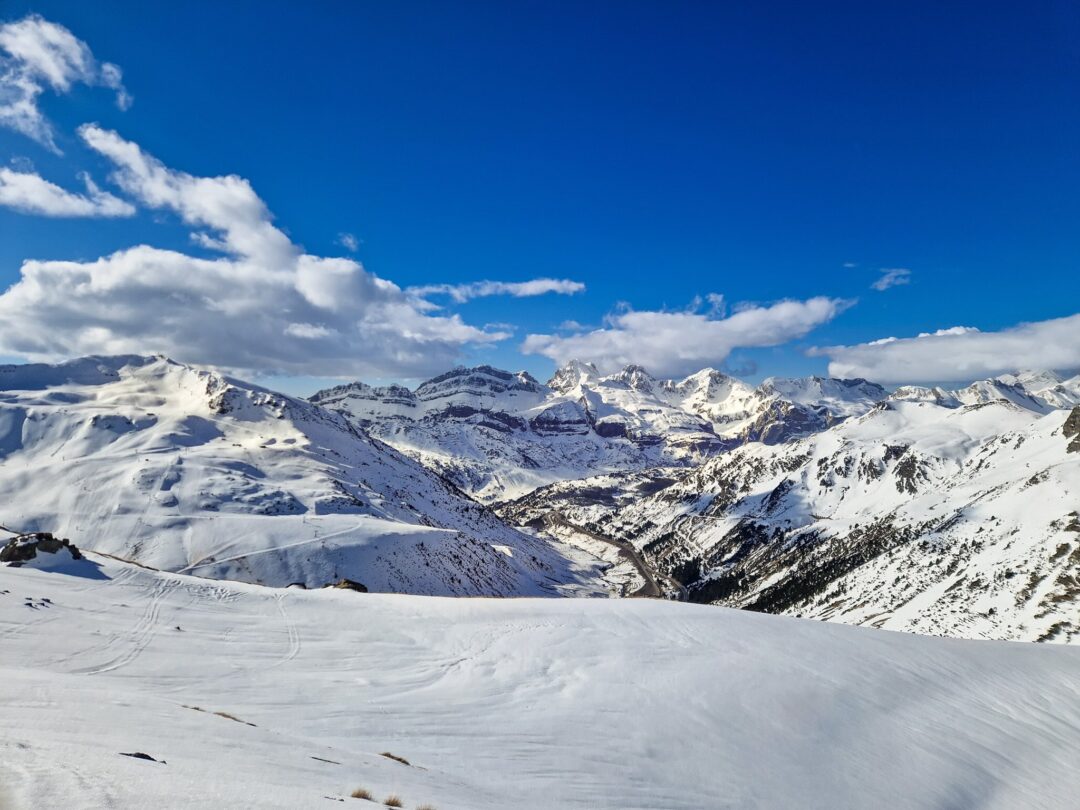
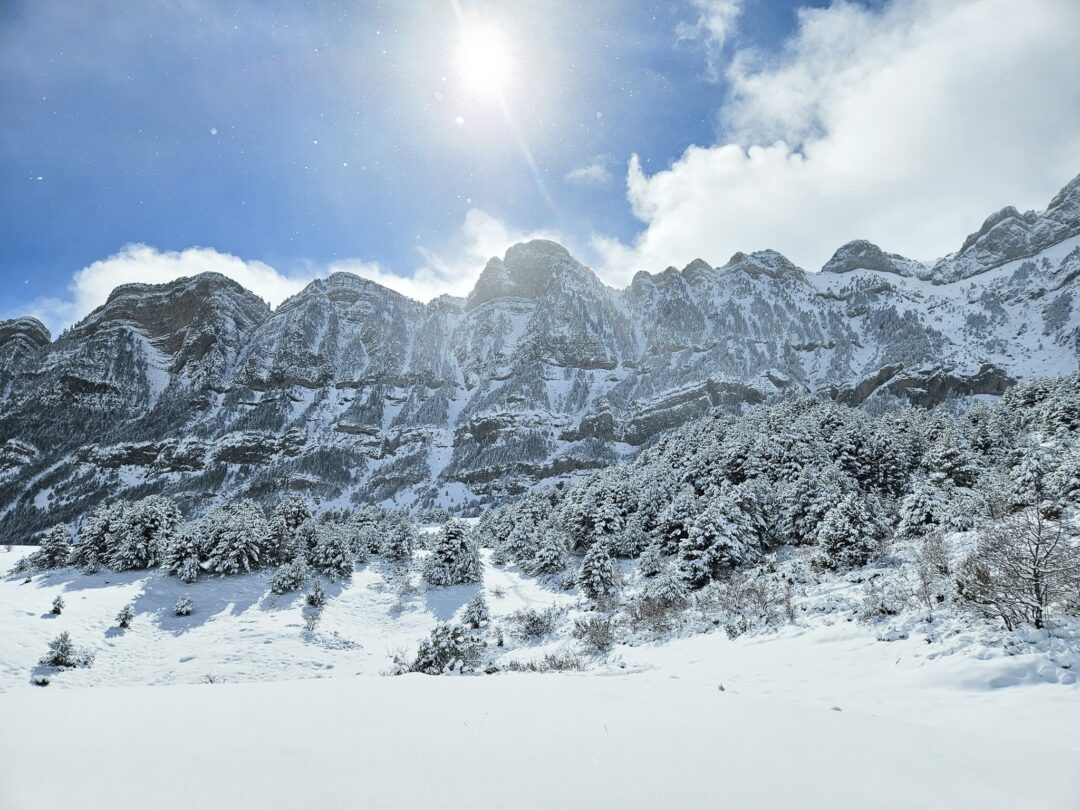
Snowy Pyrenees mountain landscape for winter hiking, with snow-covered peaks and valley under a blue sky

Good to Know

Money: Full board is included, but you’ll want some euros for drinks and snacks. Many places take card, but there’s sometimes a minimum spend, so cash is worth having — there’s an ATM in the village too.

Tipping: Tipping is not compulsory on our adventures, but if you’ve had a great trip and brilliant service, a tip for your guide or host is always appreciated. We recommend giving €20-€30, or whatever you can or feel is the right amount.

Communication: WiFi at the hotel. You may be offline during mountain activities, but guides carry emergency communication devices. Let family know you’ll have limited contact during snowshoeing days but can check in each evening.

Supplies: The village has a few shops, a bakery, restaurants and cafés, so you can pick up any extra snacks or supplies you need during the week.

How many guests on this trip?

Max 7 guests.

Why aren't all guides and instructors female?

We work with the best guides available, male or female. There are fewer women in outdoor guiding roles, so we prioritise expertise and guest experience. We vet every guide carefully and monitor feedback closely to ensure all guides align with our ethos and standards. We also hope more trips like ours encourage more women to find new activities and become guides themselves.

What happens if I get injured during activities?

Guides are trained in first aid and carry emergency equipment. For serious issues, mountain rescue services are available. Your travel insurance must cover outdoor activities and potential evacuation costs. We’ll support you through any emergency procedures.

Can I extend my stay in the area?

Absolutely! The Pyrenees region offers excellent winter sports and mountain activities. Your hotel may have availability for additional nights, or we can suggest other local accommodation. Zaragoza also makes a good base for exploring northern Spain.

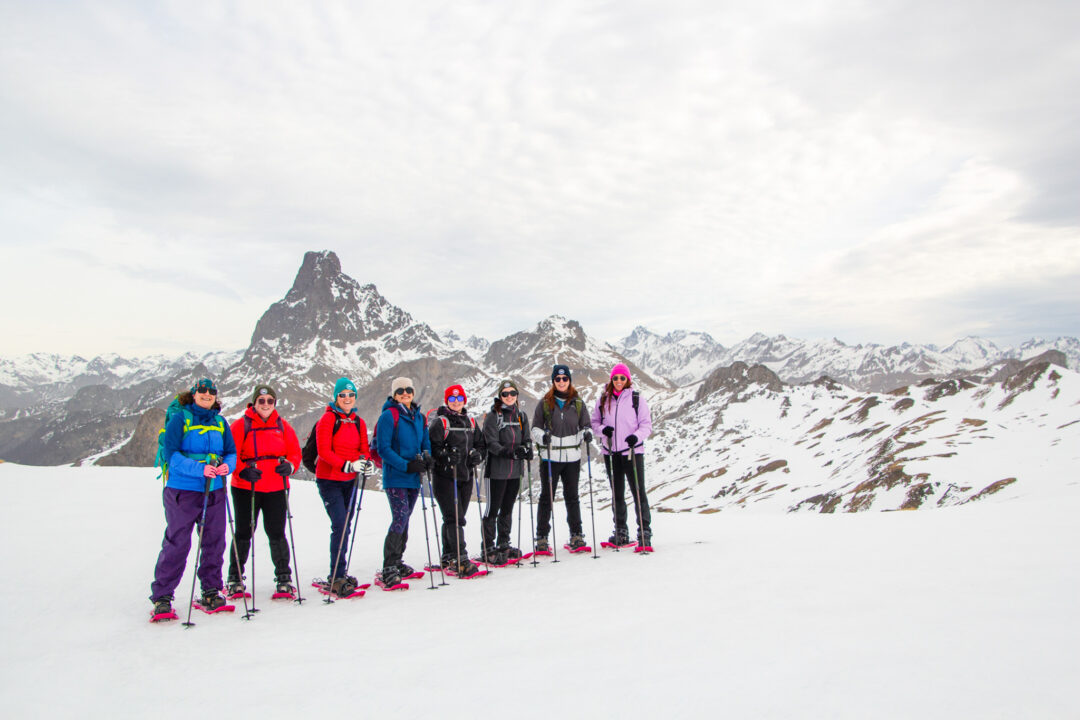
Women snowshoeing on a snowy mountain ridge in winter, standing with trekking poles and snow gear against peaks
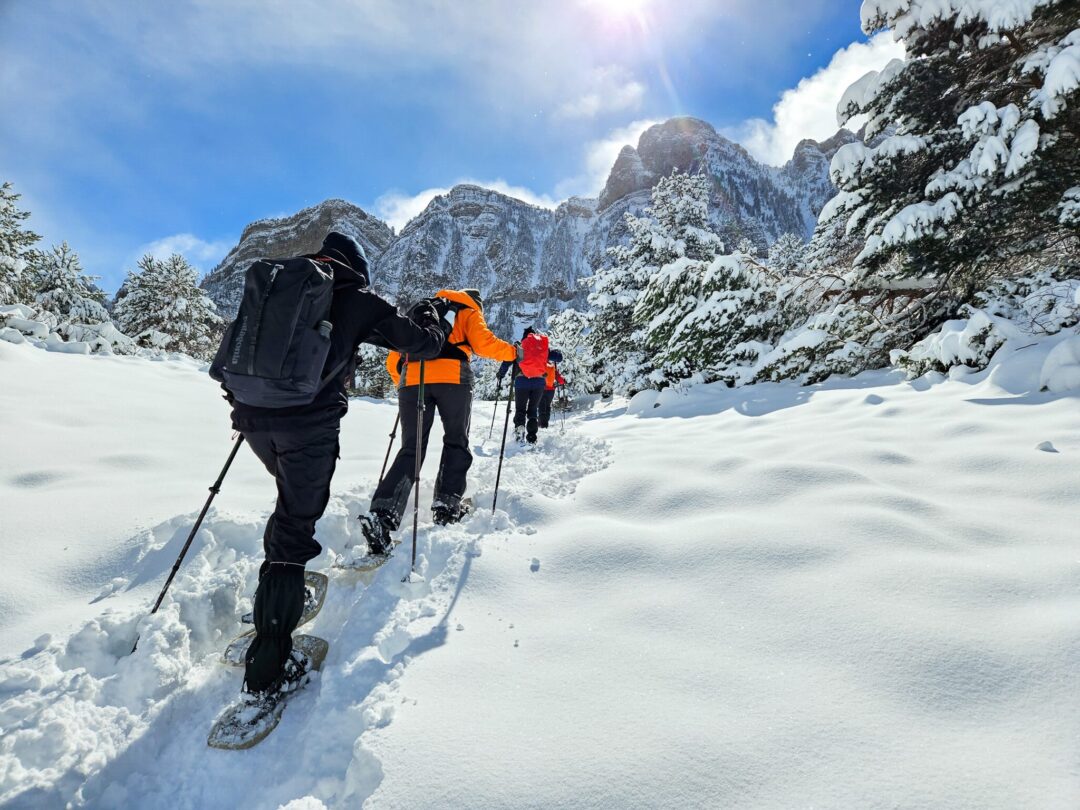
Women snowshoeing along a snowy mountain trail in winter, with pine trees and rocky peaks under blue sky

Packing List

What We Provide

    • Snowshoes
    • Hiking poles with snow baskets
    • Gaiters

What You Need to Bring

Essential Clothing

    • Base layers, synthetic or wool, tops and bottoms
    • Fleece or wool mid-layer
    • Waterproof, windproof shell jacket with hood
    • Soft shell winter trousers or leggings, not ski trousers
    • Warm packable insulated jacket for rest stops
    • Warm socks, wool mix, a couple of thicknesses

Essential Gear

    • Warm, waterproof mid-weight hiking boots with ankle support (mandatory)
    • 20-30 litre backpack
    • Ski gloves plus thinner backup gloves
    • Warm hat and sun hat
    • Sunglasses and high factor sunscreen with lip salve

Personal Kit

    • Water bottle, not a hydration pack, as the tubes freeze
    • Small thermos for hot drinks
    • Dry bags for spare clothes
    • Blister plasters and any personal medication
    • For the spa: swimsuit, flip flops, swimming cap (mandatory)

Packing Tips

Boot Selection: This is the one to get right. You need warm, waterproof hiking boots with ankle support, because the snowshoe binding fastens around them. Hiking trainers, soft snow boots and wellington-style winter boots are the common mistakes, and none of them work here: they flex too much for the binding to grip, and give your ankles nothing on uneven ground. Mid-weight hiking boots are ideal. Allow room for thick socks, but make sure the fit is still secure.
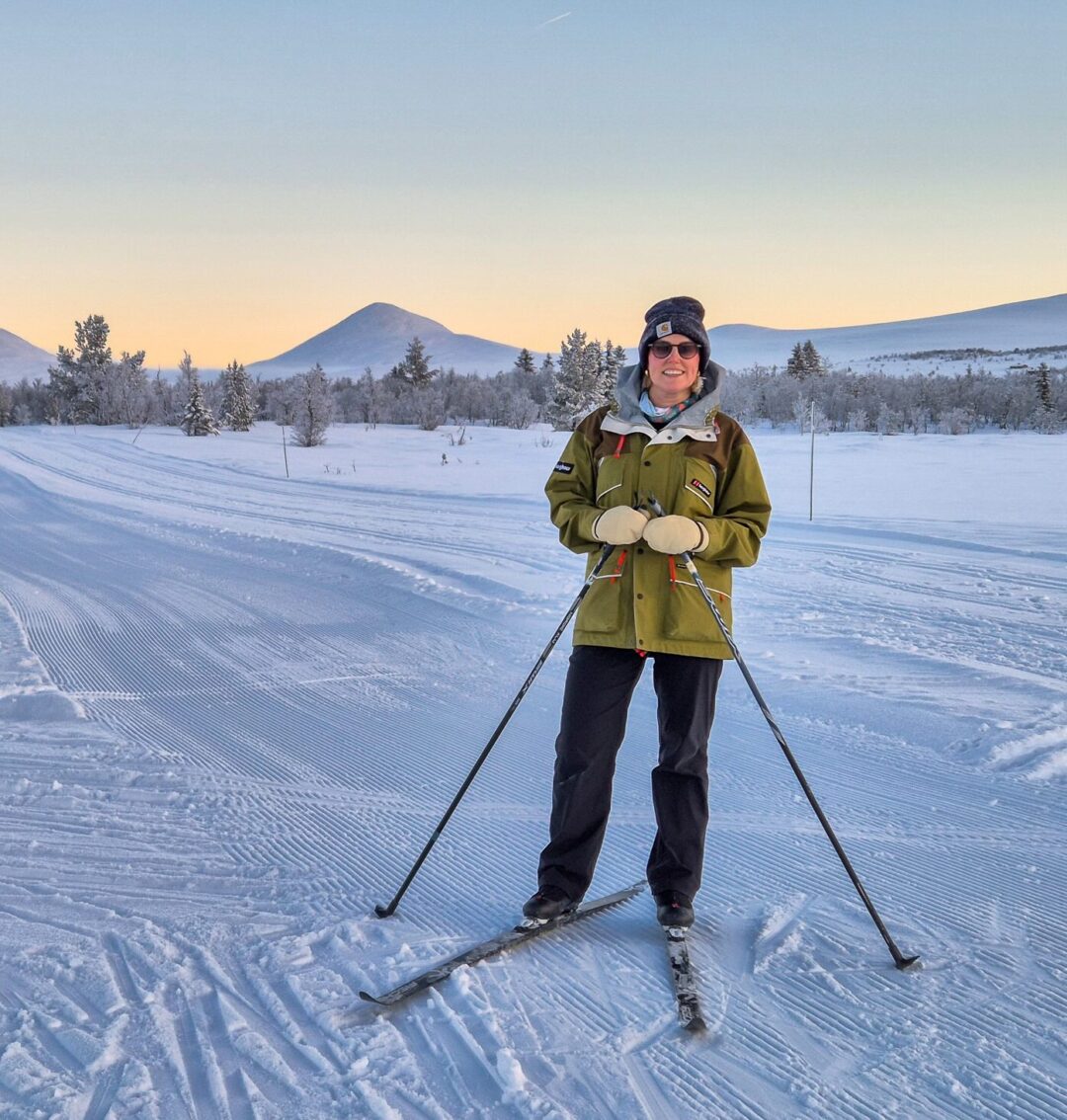
Layering System: Cotton kills in mountain conditions – avoid completely. Start with synthetic or wool base layers, add fleece or wool mid-layer, top with windproof shell. Pack warm jacket for stops. You’ll be constantly adjusting layers as you warm up from activity then cool down during breaks.
Hand Luggage Priorities: Pack base layers, warm socks, and essential medications in carry-on. Spanish mountain villages don’t have outdoor gear shops, so these items are impossible to replace if luggage delays occur.

Village Shopping: Limited to basics like snacks, toiletries, and simple items. Don’t rely on finding specific outdoor gear, particular food requirements, or technical equipment.

Women snowshoe hikers on a snowy mountain ridge in the Pyrenees, posing in winter sunshine with poles

Trip Code PYRHPYSNW – Include this code in any message so we can find your trip straight away.