Trip Guide

Trip Guide: Beginner Horse Riding Holiday in Norway

Horse riding in Norway isn’t your typical riding school experience. You’ll be learning to ride with Norwegian mountains as your backdrop, building skills on forest trails with horses that know these paths better than you do. This guide covers everything you need to show up prepared for five days of riding, yoga, and mountain adventure.

Women leading and mounting horses during an outdoor horse riding lesson
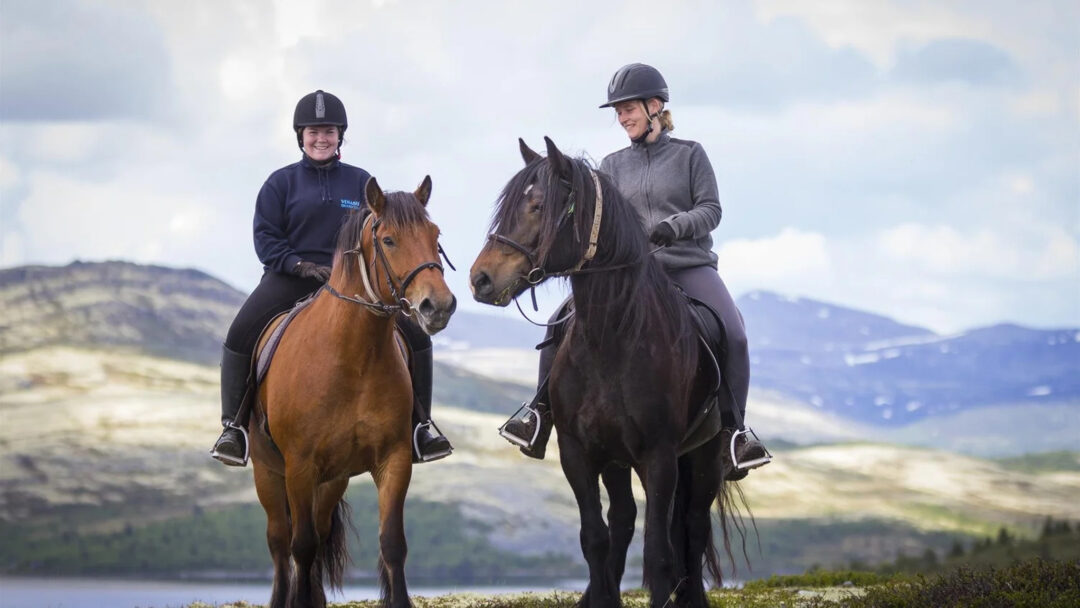
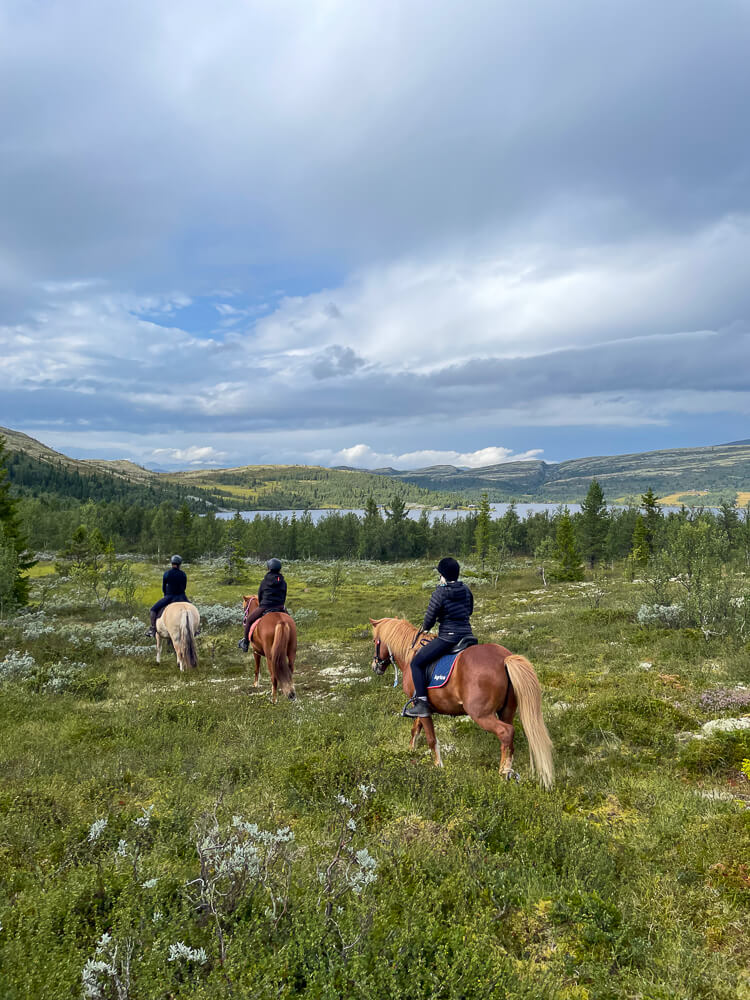
Women on horseback riding in Norway with mountain views.

Getting There

Our hotel isn’t exactly the easiest place to reach, but that’s part of what makes it special. The journey becomes part of the adventure as you travel from Oslo through changing landscapes – from urban sprawl to farmland to forests to mountain plateaus – until you reach our remote hotel surrounded by national park.

Which flights should I book to Oslo?

Most major carriers fly direct to Oslo (OSL) from London. Norwegian, SAS, and British Airways all run multiple daily services. Book a morning flight into Oslo and an evening flight home to make sure you get our recommended trains.

Suggested trains

Arrival Flight to Oslo Gardermoen

  • Book a morning flight to Oslo Gardermoen Airport. Aim to arrive at least 1 hour before your train departure time to Ringebu, preferably more.

Train from Oslo Gardermoen to Ringebu
  • Book one of the following trains:
    • Depart 14:29 Oslo lufthavn (Gardermoen), Arrive 16:53 at Ringebu Station
    • Depart 16:29 Oslo lufthavn (Gardermoen), Arrive 18:49 at Ringebu Station
    • On some Saturdays:
      • Depart 14:29 Oslo lufthavn (Gardermoen), Arrive 16:53 at Ringebu Station
      • Depart 15:59 Oslo lufthavn (Gardermoen), Arrive 18:35 at Ringebu Station (Train to Lillehammer, then change to bus VY710 to Ringebu)

Train from Ringebu to Oslo lufthavn (Gardermoen)

  • Book one of the following trains:
    • Depart 12:06 Ringebu Station, Arrive 14:21 at Oslo lufthavn (Gardermoen)
    • Depart 13:57 Ringebu Station, Arrive 16:20 at Oslo lufthavn (Gardermoen)

Departure Flight from Oslo Gardermoen to home:

  • Book an afternoon or evening flight from Oslo Gardermoen Airport. Ensure there’s at least 2 hours between your train arrival from Ringebu and your flight departure.

For details on booking your trains please read our FAQs.

Transfer times

  • Arrival Day: We will pick you up from Ringebu train station at either 16:53 or 18:49 (or 18:35 on some Saturdays). These transfer times line up with our recommended trains. The transfer to the hotel is a 20-minute drive.
  • Departure Day: We will transfer you from the hotel to Ringebu station in time for the following trains: 12:06 or 13:57.

Are there alternative transport options to reach the hotel?

It’s possible to rent a car in Oslo for the scenic 3-hour drive through the Gudbrandsdalen valley. The road is well-maintained, just remember you’re driving on the right.

It’s also possible to get the train to Lillehammer then pick up a bus to Ringebu, however this takes longer.

What if I arrive a day early or leave a day late?

Oslo is always worth visiting if you want to avoid early morning flights or don’t want to miss a day of your trip. If you don’t have time for the capital city experience then there are also a good range of budget hotels near the airport

What about travel from other European cities?

There are direct flights to Oslo from most major European cities. Those traveling from America or Canada may need to connect in one of the hub European airports.

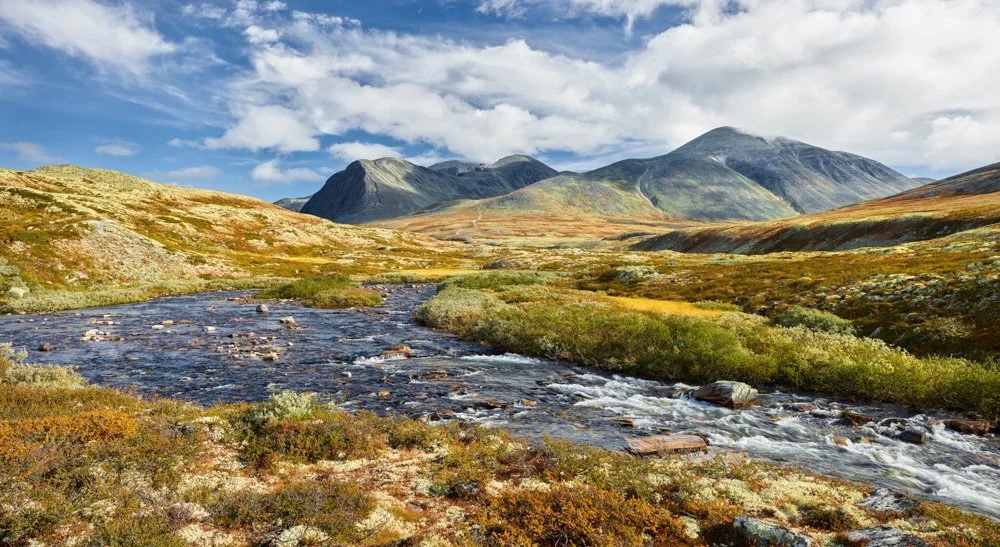
Mountain valley with a winding stream through grassy tundra and distant peaks under a cloudy sky

Fitness & Skill Level

Never ridden a horse before? Perfect – we love first-timers. You don’t need experience, but you do need to be up for learning something completely new.

This trip is rated moderate. You’ll be active 5-6 hours daily, up to three of those in the saddle. Think long days of riding, stable work and one proper hike, with the added challenge of learning to handle a 500kg animal across mountain terrain.

How should I prepare physically?

Core strength and balance work help massively. Yoga, Pilates, or basic gym sessions focusing on legs and core. If you can handle a full day hiking and don’t mind getting sweaty, you’ll be fine. Start now – your body will thank you.

What does a typical day look like activity-wise?

Morning starts with grooming and saddling your horse, then arena work or trail rides, a lunch break, afternoon activities like longer rides or stable work, followed by evening yoga to stretch out tired muscles. You’ll be doing around 5-6 hours total activity daily.

I'm worried about the 12km hike - is it challenging?

It’s a proper hike with 270m elevation gain through rough terrain that may be wet underfoot. It’s not a gentle stroll, but totally achievable if you’re regularly active. The traditional lunch at the summer farm makes every step worth it.

Can I skip activities if I'm tired or sore?

Yes, you’re always welcome to skip an activity. Our guides work with how you’re feeling – forcing through pain or tiredness isn’t the goal here.

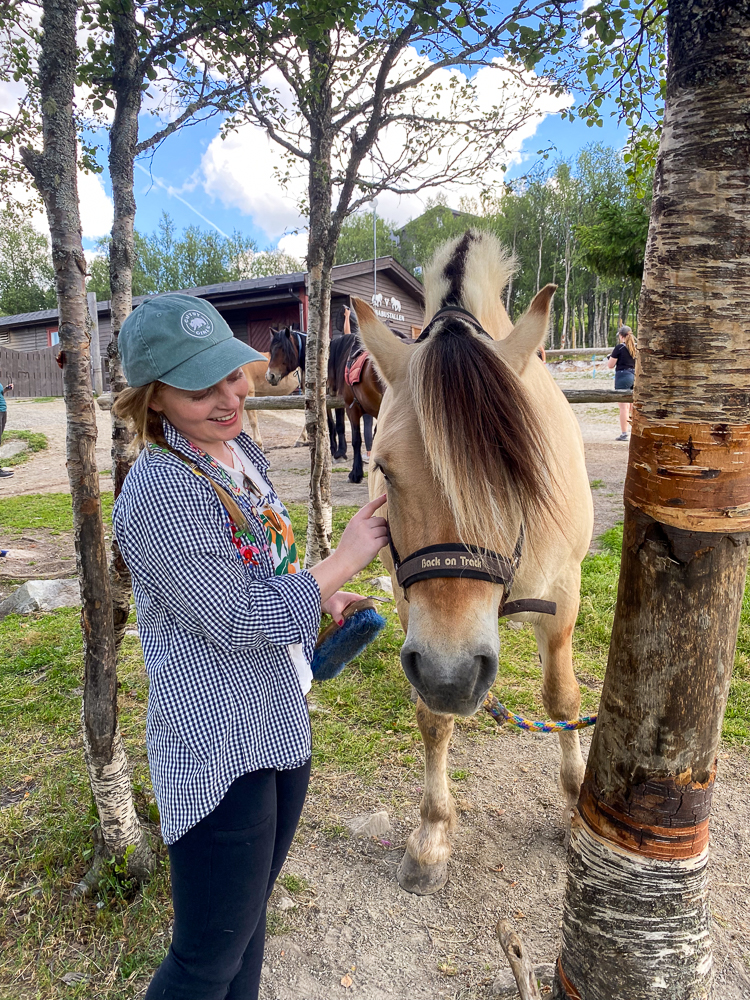
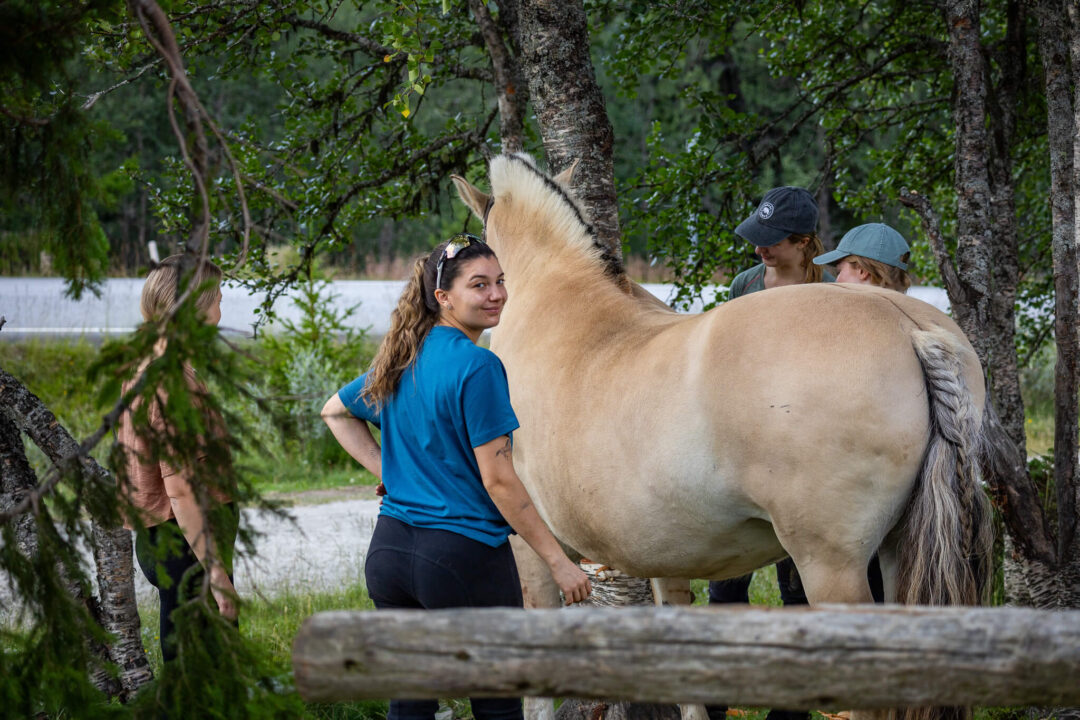
Woman brushes a horse in a rural yard; horse wears “Back on Track” saddle pad.
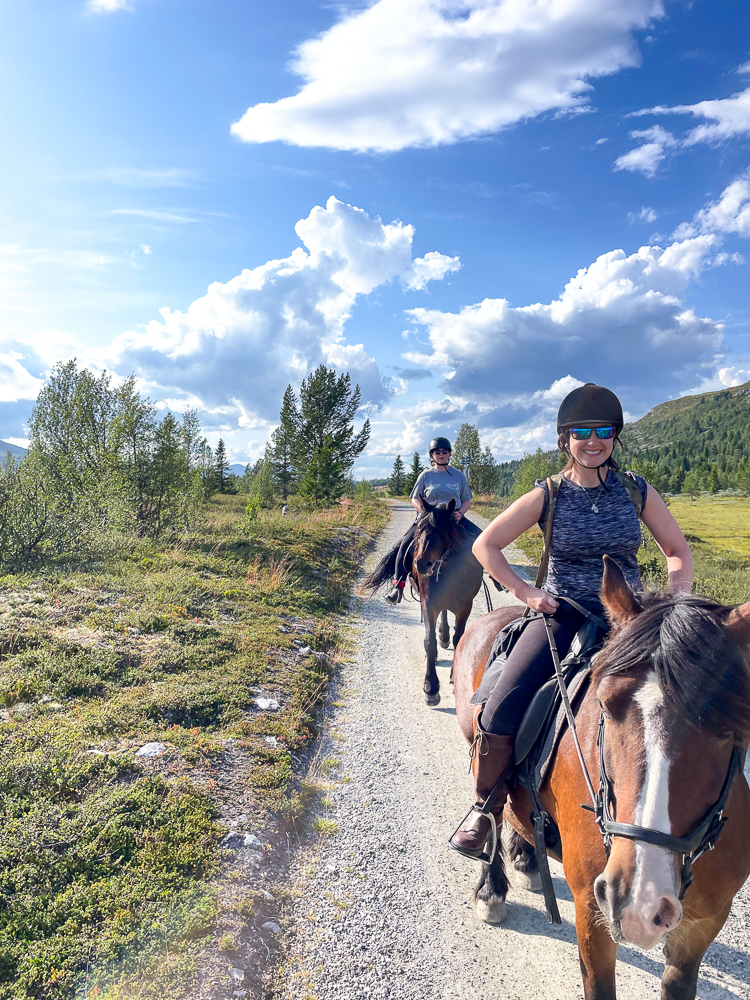
Women on horseback riding along a gravel trail through forest and mountain scenery

Sleep & Eat

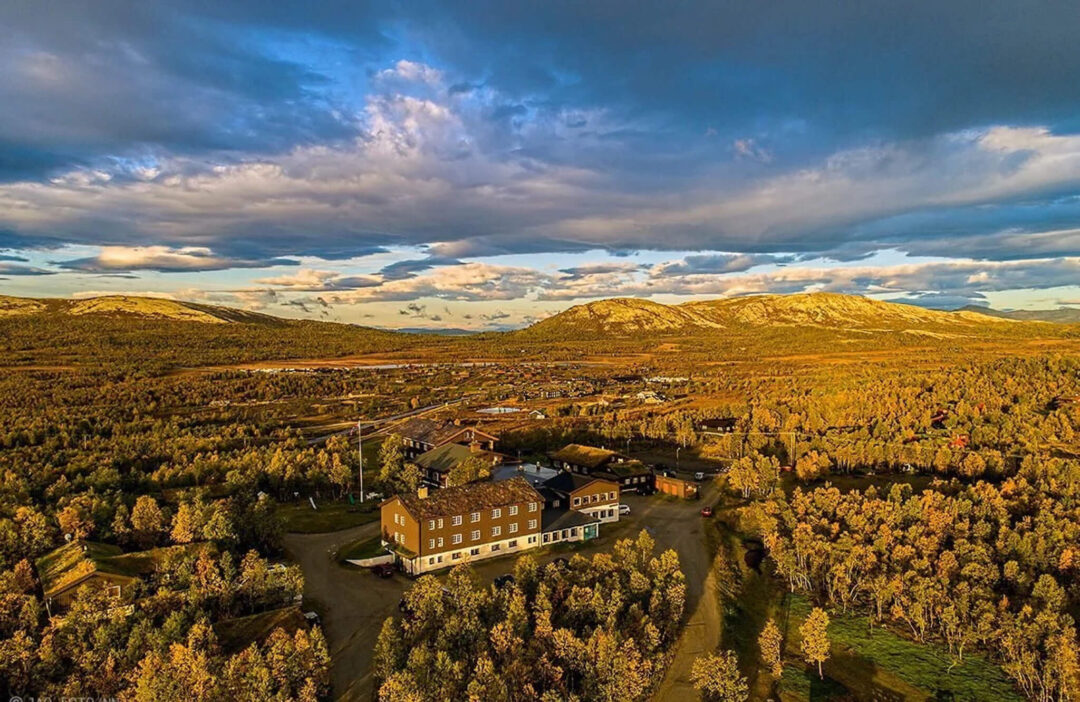
You’ll stay at a traditional Norwegian mountain hotel that’s comfortable without being fancy. Think wooden trims with character, good beds, hot showers (essential after outdoor days), and a cozy atmosphere that’s perfect for sharing stories about the day’s adventures.

Rooms are twin-share with private bathrooms or private rooms with an en suite. WiFi exists but it can be a bit patchy – the price to pay when surrounded by so much epic landscape. The lodge sits right in the national park, so you’re sleeping where most people just visit for day trips.

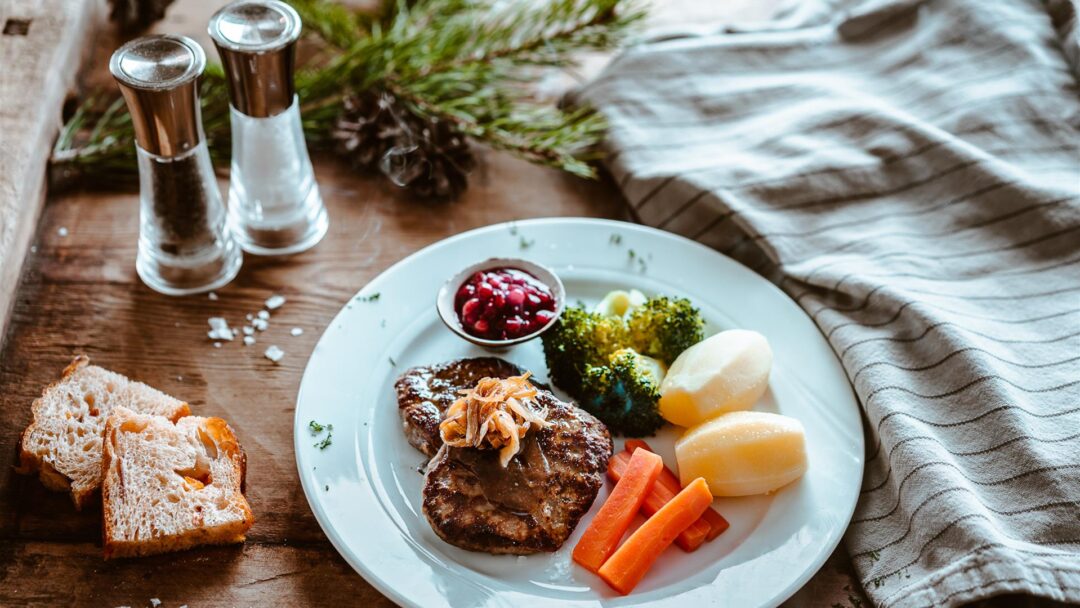
All meals are included, from dinner on arrival to lunch on departure. Most dinners are true Norwegian mountain cuisine  – think hearty stews, fresh fish and local vegetables. Breakfast is a huge buffet spread of hot and cold Norwegian and more continental options, whilst lunch is also from the hot buffet – perfect after all those hours in the saddle.

What are the rooms actually like?

Traditional Norwegian style with comfy beds, a private bathroom, and mountain views. It’s clean and warm – exactly what you need after outdoor days. No TV (honestly, you won’t miss it), basic WiFi, and free tea and coffee.

Can you accommodate dietary requirements?

Yes, but let us know in advance. Norwegian cuisine is naturally hearty and meat-focused, but the team at the hotel work hard with us to accommodate all dietary requirements.

How reliable is the WiFi?

There’s good, reliable WiFi in your hotel, but you’ll be having too much time out on your horses to check your social media.

What's the social atmosphere like during meals?

Relaxed and friendly. Everyone eats together, sharing stories about the day’s rides and tomorrow’s plans. It’s one of the best parts – meeting like-minded women who are all learning and laughing together.

Aerial view of autumn Norwegian countryside with a hotel and winding road through valleys and hills
Dinner plate with steak, carrots, broccoli and potatoes on a wooden table with bread and salt pepper shakers

Weather

Norwegian mountain weather in summer can be anything from t-shirt and shorts to needing a fleece – sometimes in the same hour. Expect temperatures ranging from 10-25°C with sudden changes that can catch you off guard.

Rain happens. Norwegian mountains don’t care about your holiday plans. Come prepared with quality waterproofs and the attitude that there’s no bad weather, only inadequate clothing. Your guides know how to keep you comfortable and safe regardless.

What should I expect weather-wise during the week?

Just about anything. July-August are the warmest months, with long daylight hours, but pack for everything. Mountain weather systems move fast – a sunny morning can turn into afternoon rain showers in the time it takes to eat lunch..

How does bad weather affect the riding activities?

Your guides will adjust plans for safety and comfort after looking at the forecasts, however be prepared for horse riding in most weather. A good waterproof layer will be your best friend. If it gets really bad then indoor stable work can be just as rewarding as trail rides.

What about mosquitoes and biting insects?

They exist, especially near water in summer. They’re not unbearable, but enough to be annoying if you’re not prepared.

How should I dress for variable mountain weather?

Layers are everything. Base layer, insulating layer, waterproof shell. Start cool in the morning, add layers as needed, remove as you warm up from activity. Your horse generates heat too and you’ll get warmer once riding.

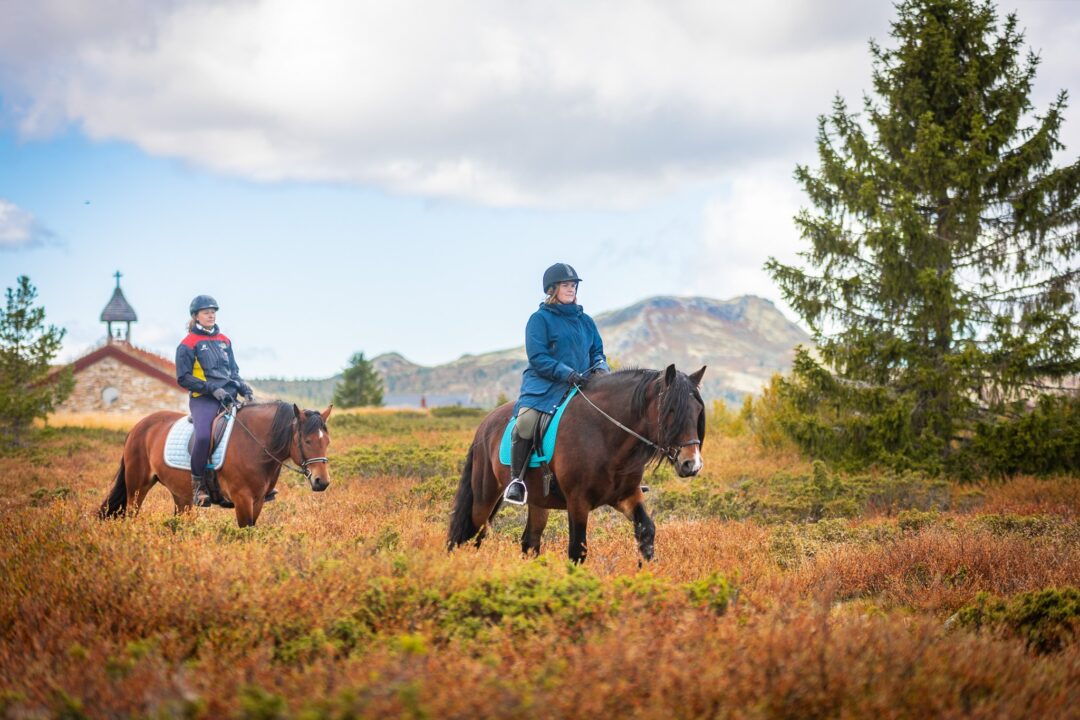
Women horseback riding on a meadow in Norway with mountains in the background

Good to Know

Money: Norway is expensive, but everything essential is included. You just need money for extra drinks, snacks, souvenirs and as many packs of Kvikk Lunsj you can fit in your suitcase. Card payments are accepted everywhere.

Tipping: Tipping is not compulsory on our adventures, but if you’ve had a great trip and brilliant service, a tip for your guide or host is always appreciated. We recommend giving 200-300 NOK, or whatever you can or feel is the right amount.

Communication: Mobile coverage is decent around the hotel, but expect dead zones on remote trails. WiFi at the hotel is good too, but we always encourage you to embrace the digital detox!

Why aren't all guides and instructors female?

We work with the best guides available, male or female. There are fewer women in outdoor guiding roles, so we prioritise expertise and guest experience. We vet every guide carefully and monitor feedback closely to ensure all guides align with our ethos and standards. We also hope more trips like ours encourage more women to find new activities and become guides themselves.

When should I buy travel insurance?

As soon as you book, not the week before you fly. Booking early means you’re covered if you need to cancel before departure, not just for issues while you’re away. Your policy should cover travel delays, missed connections, trip cancellation, medical emergencies and evacuation, baggage and equipment loss, and all activities on your itinerary.

How many guests will be on this trip?

Max. 5 guests.

Can I extend my stay in Norway after the trip?

Absolutely. Oslo is always worth exploring, or head to Bergen for fjord country. Although there’s not lots of options from Ringebu, trains from Lillehammer offer the opportunity to explore further afield.

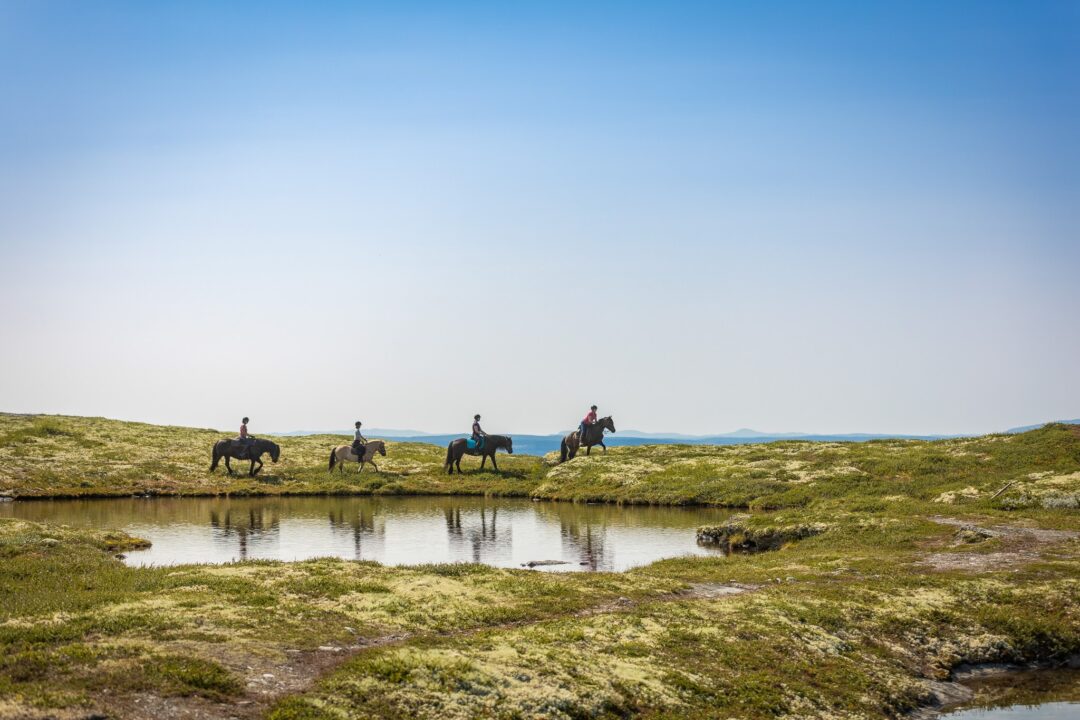
Horse riders on horseback across a grassy landscape with pools of water under a blue sky
Women riding horses through Norway’s green valley and mountains under a cloudy sky

Packing List

What We Provide

    • Helmets
    • Waist bags for small items while riding

What You Need to Bring

Essential Clothing:

    • Boots/shoes for riding
    • Trousers for riding
    • Hardshell waterproof jacket
    • Waterproof overtrousers (or a long knee-length waterproof riding coat)
    • Gloves with a grippy palm for riding – riding, cycling, leather gloves all work
    • Warm base layers (top and bottom)
    • Insulated jacket (lightweight down or synthetic) in case you get cold
    • T-shirts – lightweight and fast drying
    • Fleece or jumper
    • Warm socks (hiking socks are good)
    • Buff
    • Sturdy trail shoes or hiking boots for the hike day (preferably waterproof)
    • Relaxed evening clothes
    • Slippers
    • Swimwear and small travel towel
    • Yoga wear

Personal Kit:

    • Water bottle
    • Daypack (for bringing personal items to and from the stables)
    • Toiletries
    • Personal medication
    • Sunscreen
    • Insect repellent
    • Sunglasses
    • Snacks
    • Compeed or moleskin for blisters
    • Thermos for hot drinks (optional)

Packing Tips

Riding boots: You can ride in any sturdy shoes or boots, but they need to fit in the stirrup (so not too chunky), and should cover the ankle. Ideally they should also be water resistant and muck proof for stable work. Hiking boots often double up fine for riding and the hike day.

Riding trousers: To ride you’ll need jodhpurs, leggings or any trousers without a hard inside seam to make sure nothing rubs when you’re in the saddle. You definitely can’t ride in shorts and we wouldn’t recommend jeans.

Layers: Norway in summer is not reliably warm – think UK autumn. A waterproof hardshell is mandatory. We also recommend packing waterproof overtrousers and warm base layers for colder days, just in case.

For the hotel: You’ll need a separate set of cleaner clothes to wear in the hotel and in the dining hall – horsey kit is not allowed around the other guests. Also bring slippers or sliders to wear around the hotel.

Personal kit: Your daypack is for getting to and from the stables, you won’t wear it riding. If there’s anything you want to take out with you that won’t fit in pockets, we have waist bags for essentials.

What boots should I wear for riding?

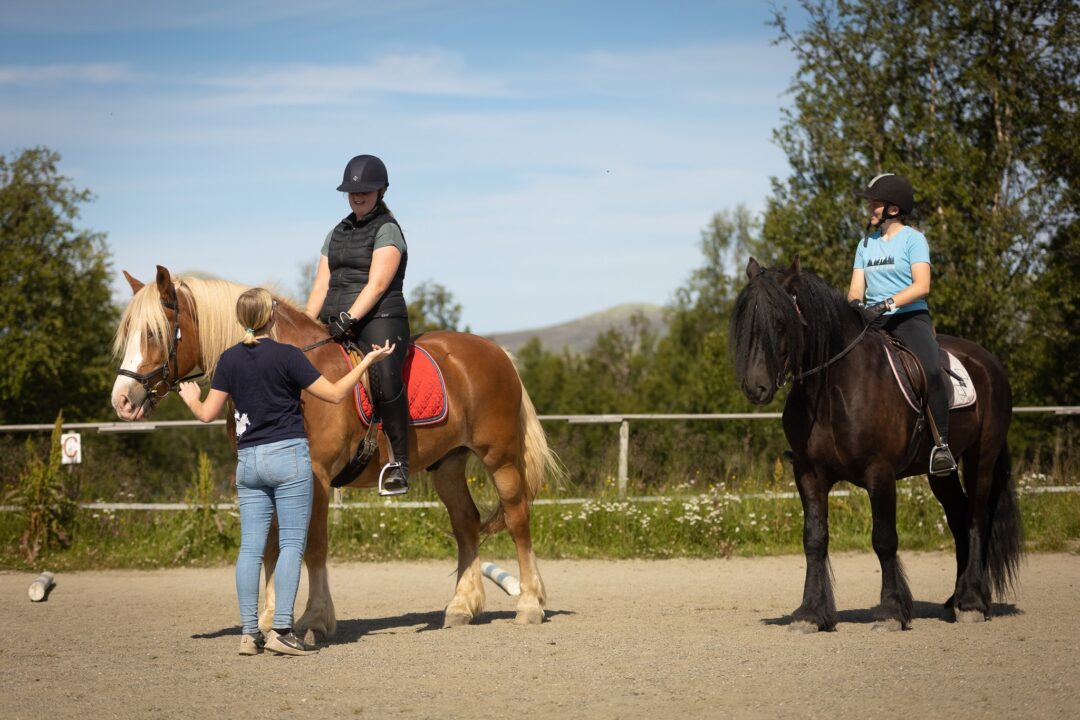
You can use any sturdy shoes or boots, but they need to fit in the stirrup, cover the foot and preferably the ankle with some ankle flexibility, and be sturdy, water resistant and muck proof for stable work.

Do I need to carry a bag whilst riding?

No. Rides won’t be longer than a couple of hours, so you won’t need much. We have waist bags you can borrow for essentials.
What do I wear for yoga?

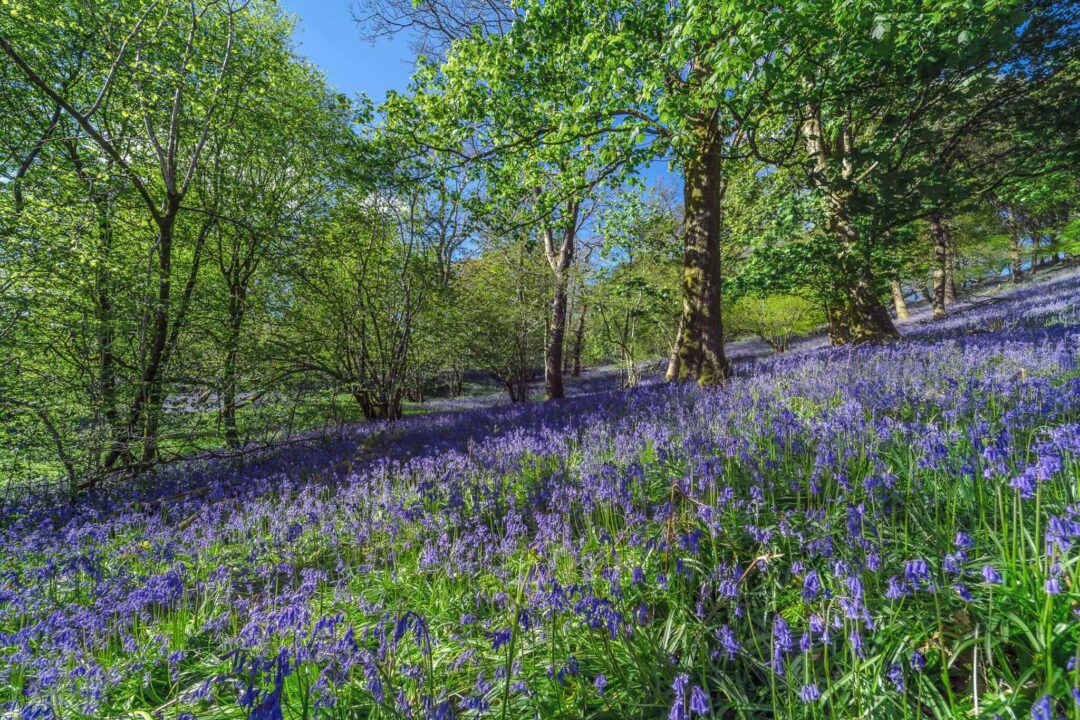
Just comfortable stretchy clothes, like leggings or joggers and a t-shirt. Sessions are slow and restorative, indoors or lakeside depending on the weather.
What should I prioritise in hand luggage?

Trousers without a hard inside seam. If you check in a bag and it goes missing, you don’t want to be stuck riding in jeans or anything with a hard inside seam as it will rub.

Woman preparing a horse outdoors in a forest, part of a beginner horse riding holiday
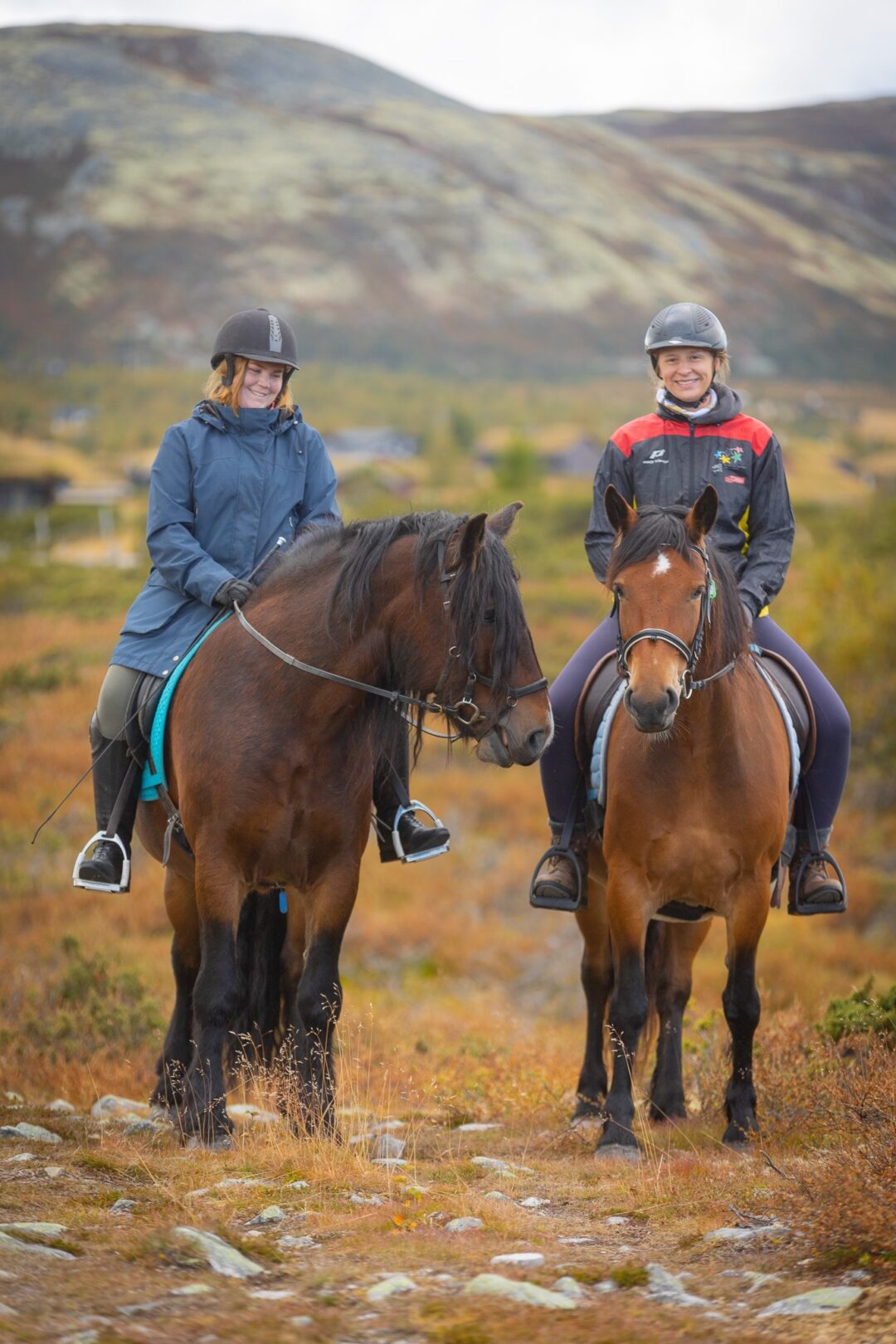
Two women on horseback, smiling at a mounted start on a rocky mountain trail

Trip Code NORVENHRSB – Include this code in any message so we can find your trip straight away.