Fitness & Skill Level
Skill and fitness don’t match on this trip. Snowshoeing is beginner, you’ll learn it in a morning. The fitness side is moderate, and it’s the part worth thinking about, because it’s five days back to back with nothing in between.
The conditions
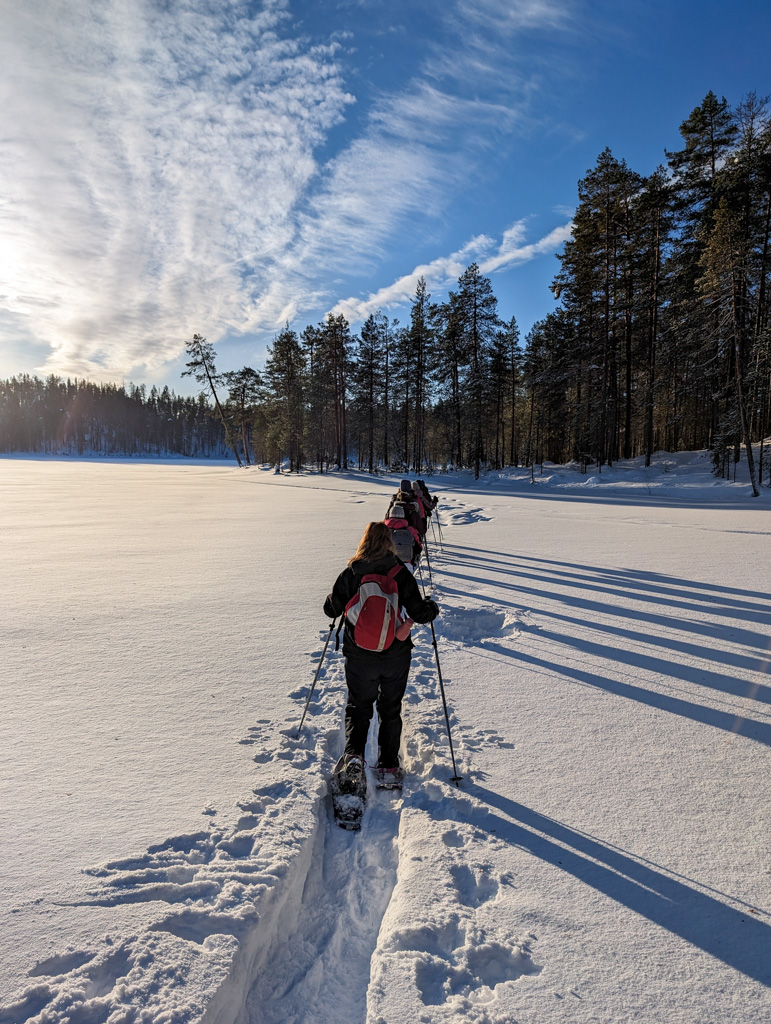
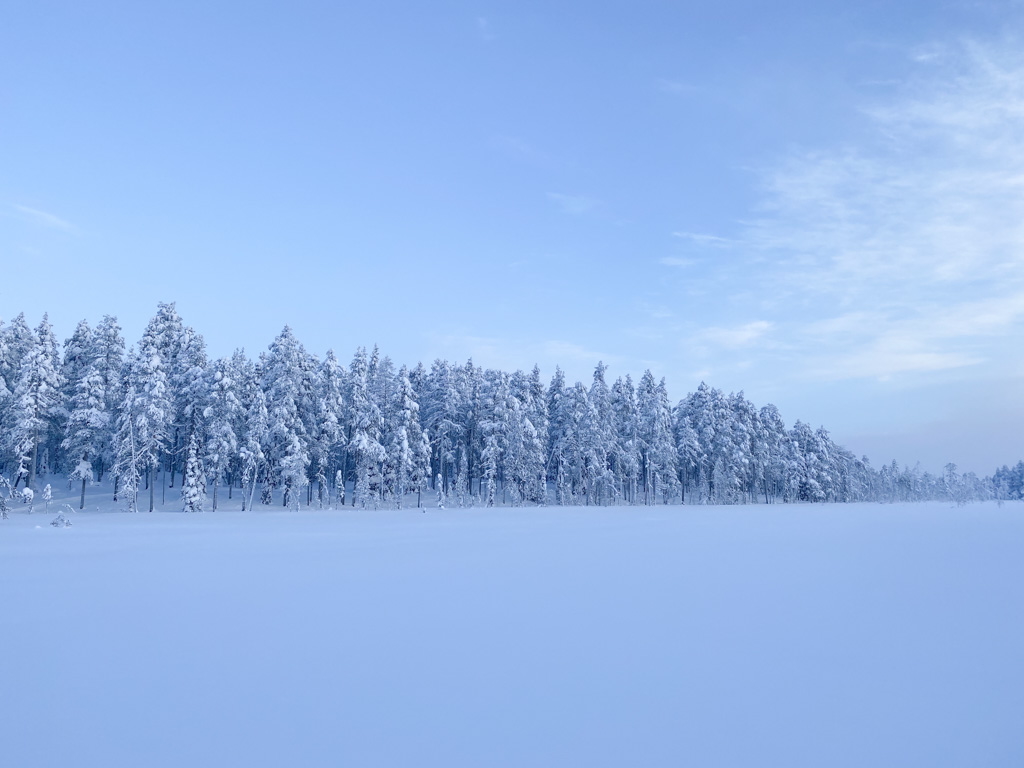
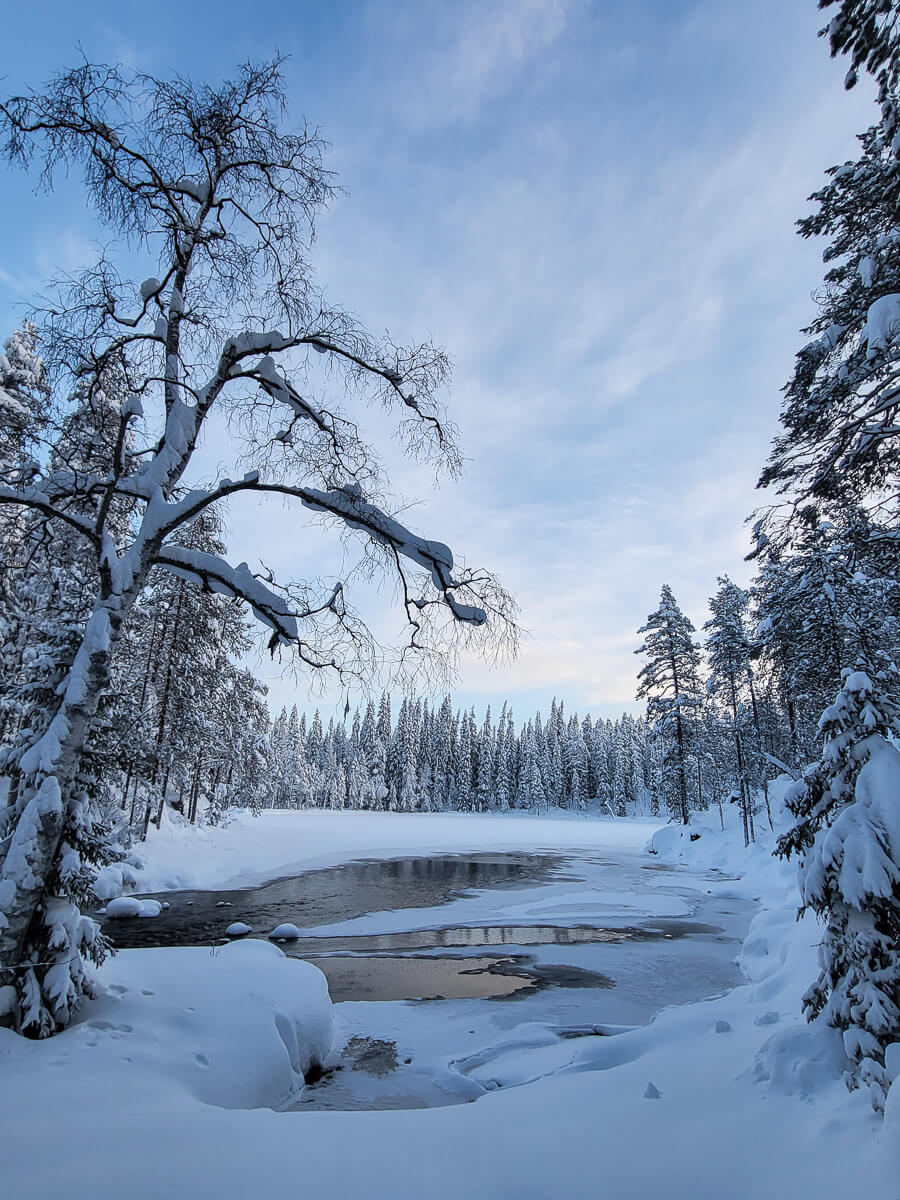
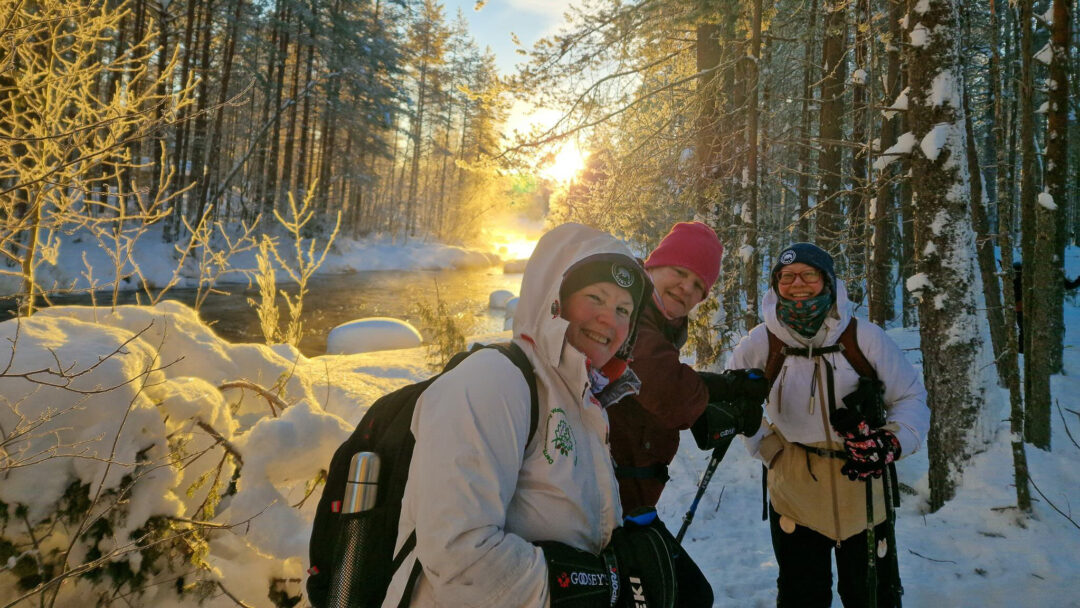
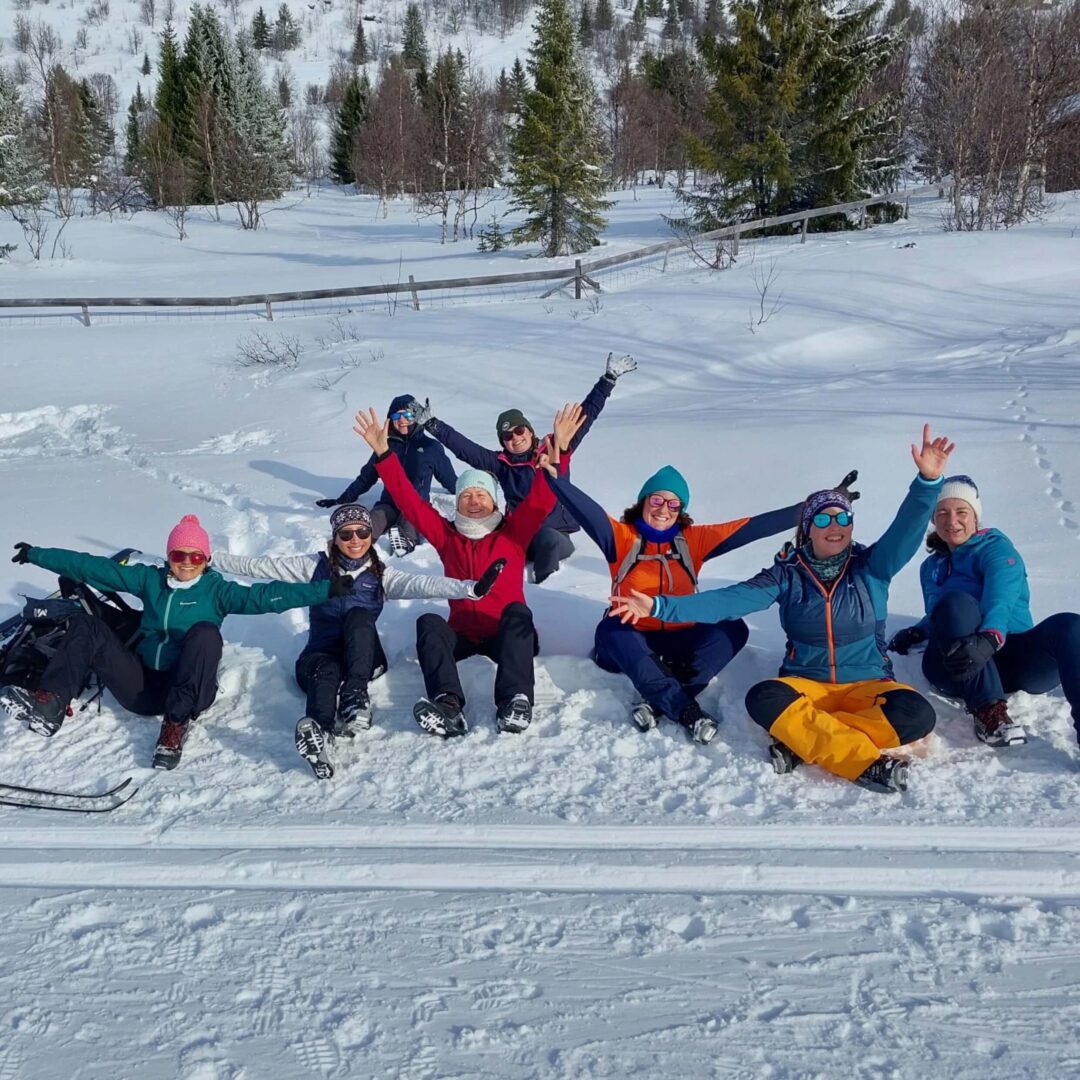
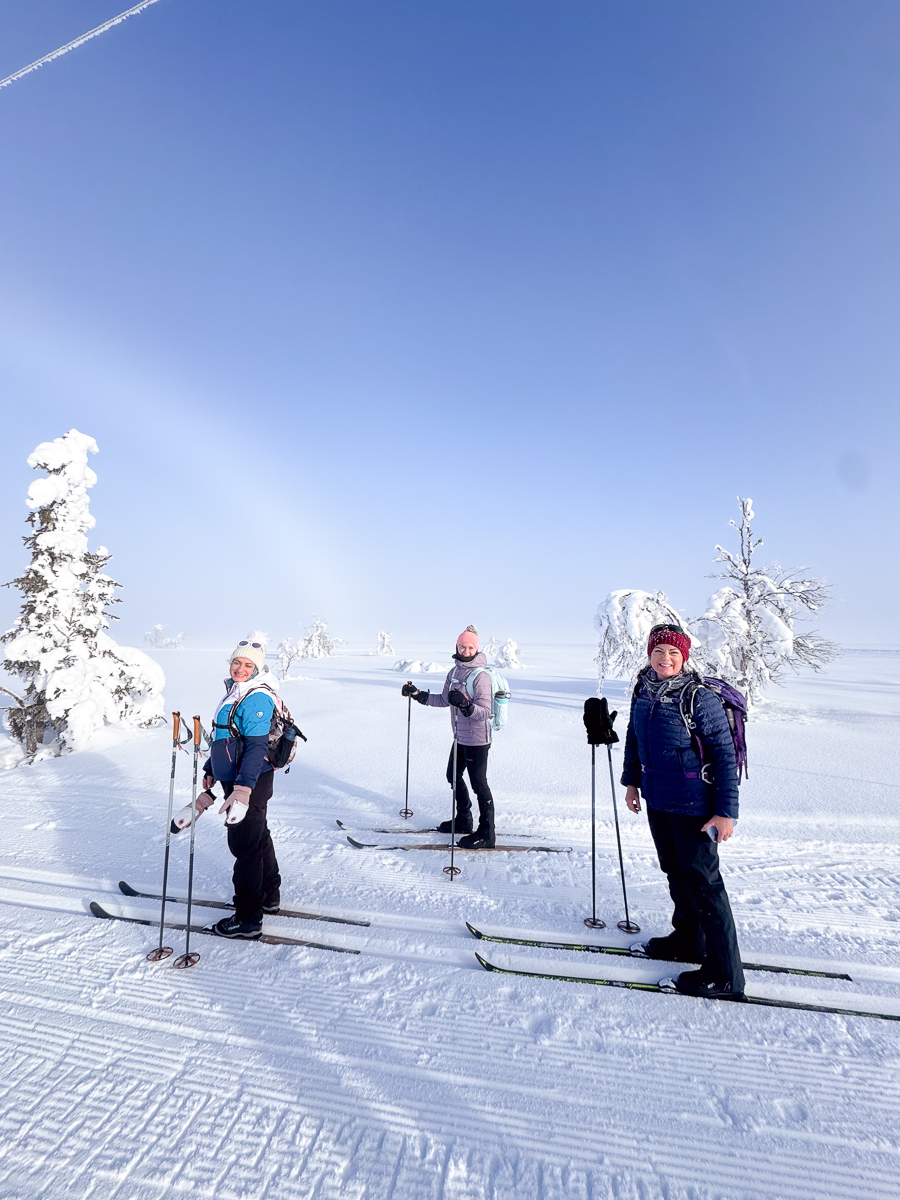
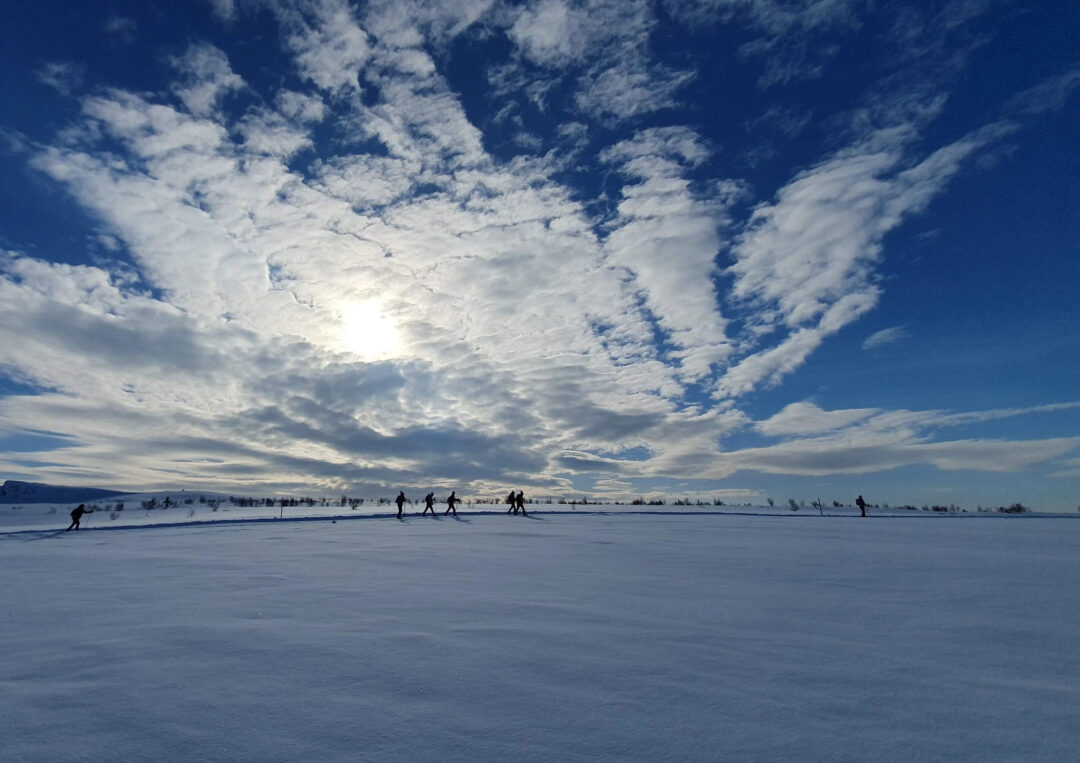
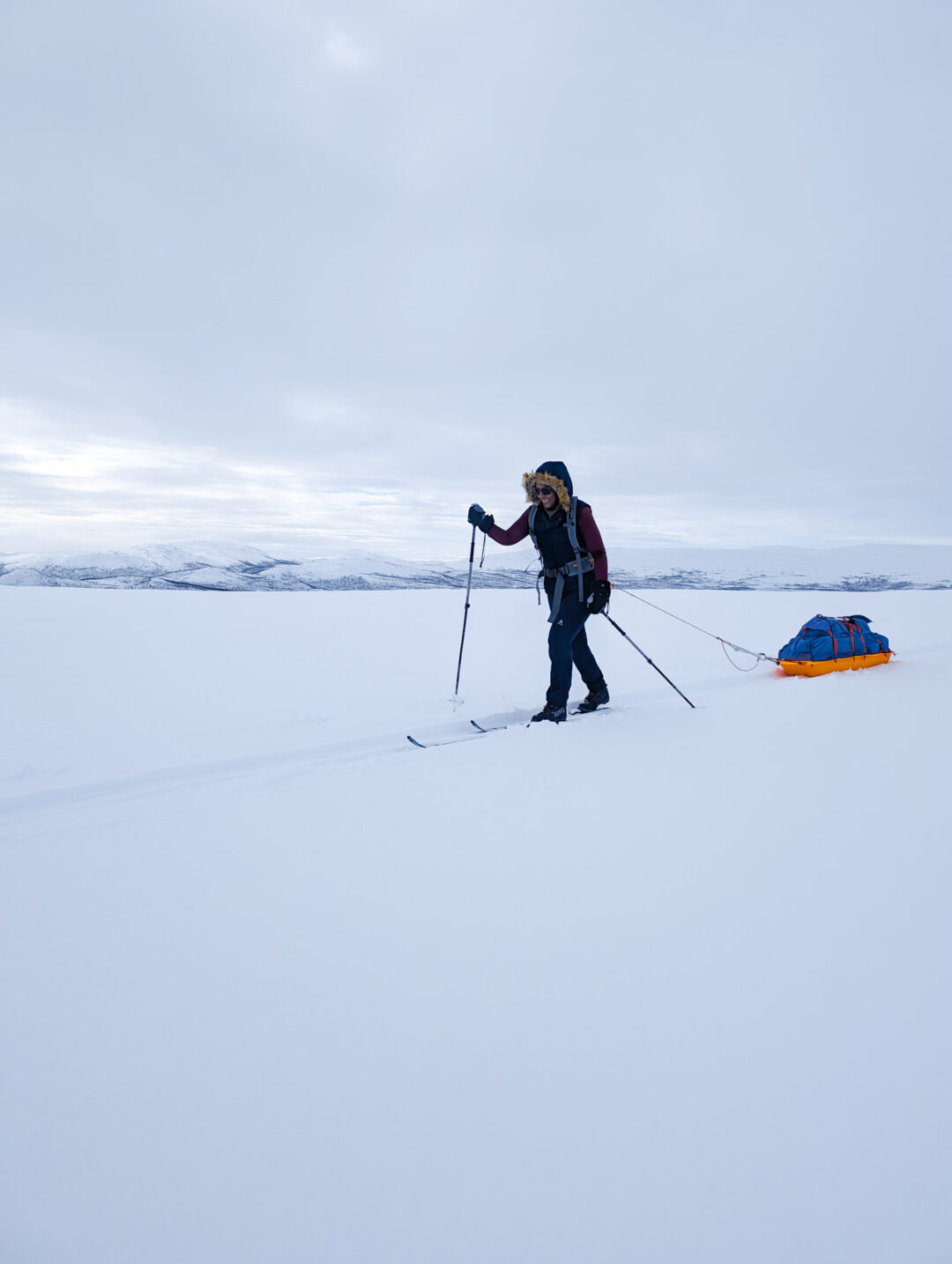
You’re on snowshoes for five consecutive days, Days 2 to 6, covering 6 to 11km a day and out for six to seven hours including breaks. The terrain isn’t the hard part: forest trails, ridges between frozen lakes, short ups and downs but no sustained climbs. It’s the snow. It sits 60 to 70cm deep and every step goes down into it before it comes back out. The distances look modest written down. They don’t feel modest on day four.
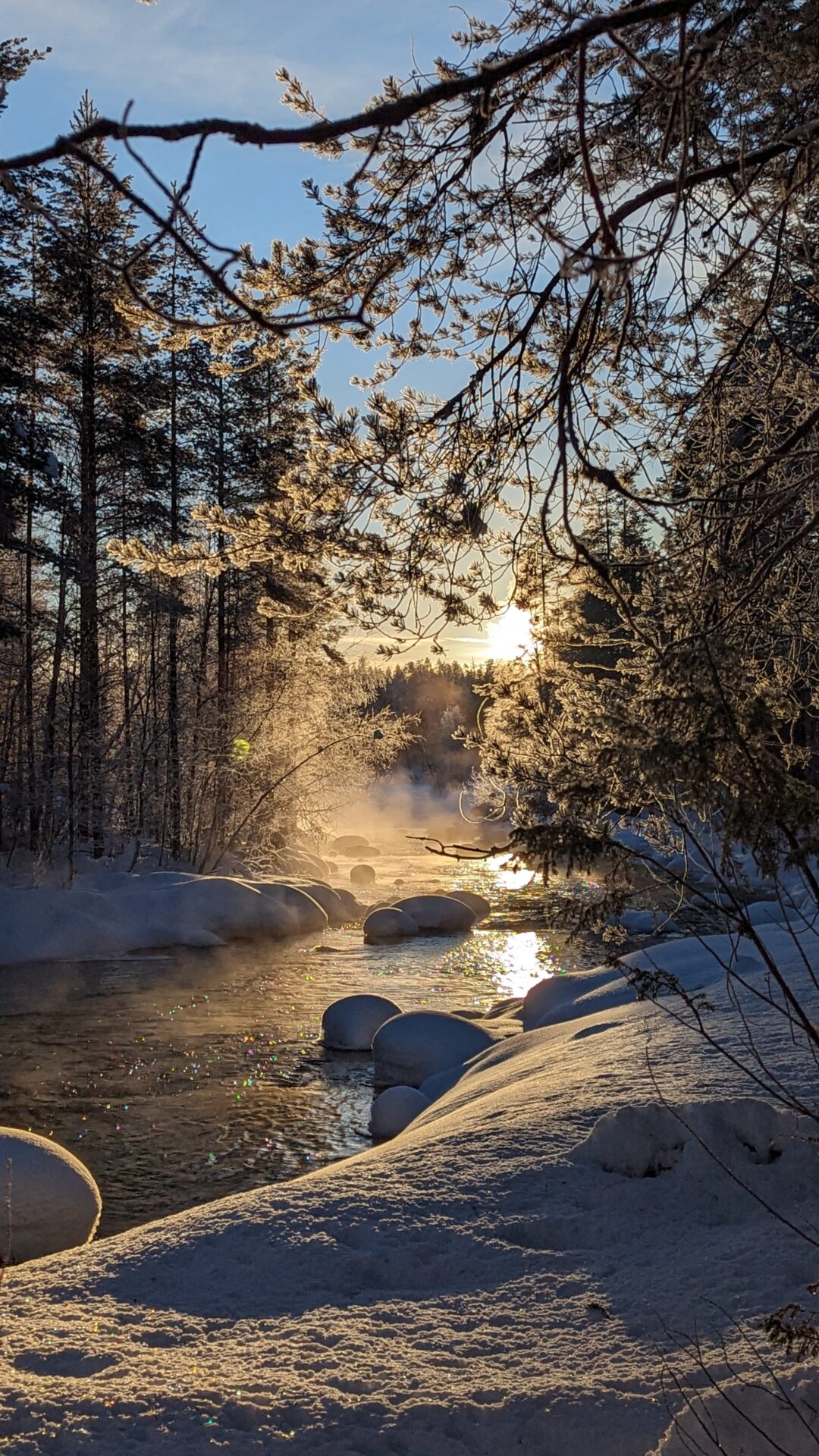
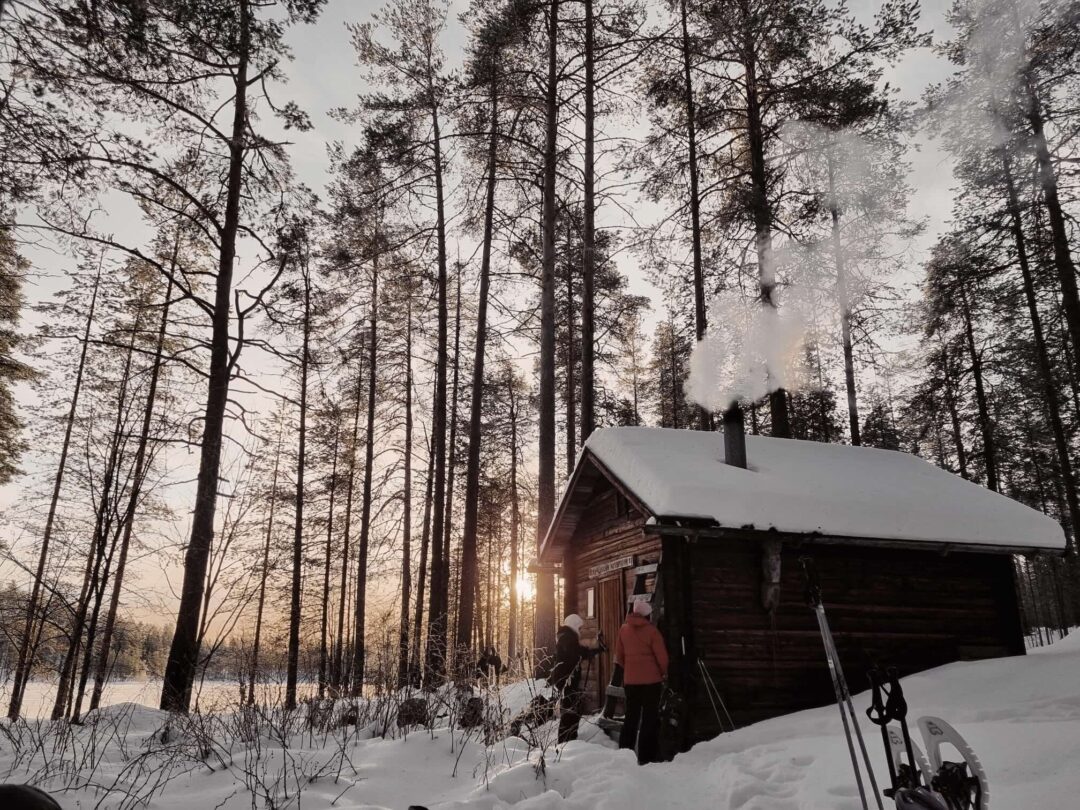
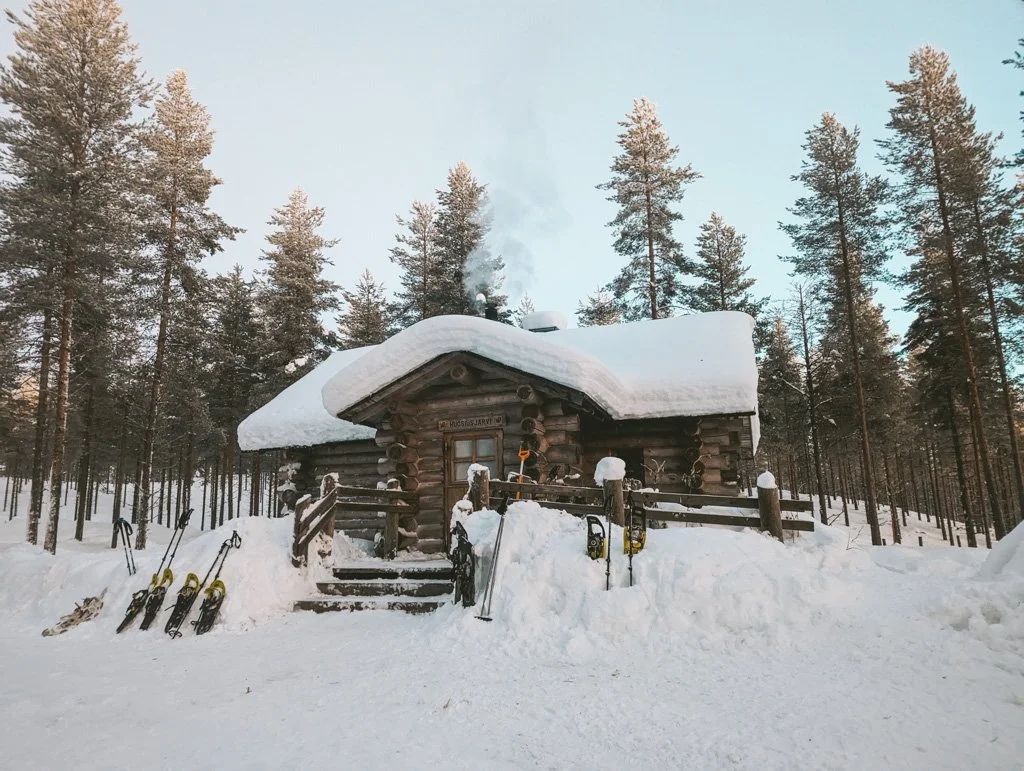
The cold adds to it. Expect -5°C to -20°C, occasionally -35°C. You’ll be warm moving and cool down fast the moment you stop. You’re outdoors all day, with lunch at a lean-to or around a fire rather than anywhere indoors, so you get to warm up and eat properly, but you don’t sit down inside until the day is finished. Everything takes longer out there too. Boots, snacks, sorting your layers at a stop, all of it with mittens on.
Fitness
You don’t need to be an athlete. You need to be used to a long day on your feet, and then doing it again the next morning. Be honest with yourself about the last time you did something active several days in a row, because that’s what this asks for rather than speed or strength.
If you already train regularly and you’re used to long days walking, you’re fine. Keep going, and add a couple of longer days out beforehand.
If you’re active but not consistently, give yourself six to eight weeks. Cardio three times a week for 45 minutes to an hour, plus one longer walk at the weekend that you build up gradually. If you’re starting from a lower base, allow at least three months. Endurance, the bit in your legs that gets you through day five, adapts more slowly than your heart and lungs do, and ramping up too fast is how people pick up an injury before they’ve left. Either way, add some strength work for legs and core.
If you’re new to training, get someone qualified to build you a programme. That’s outside what we can help with.
Skill
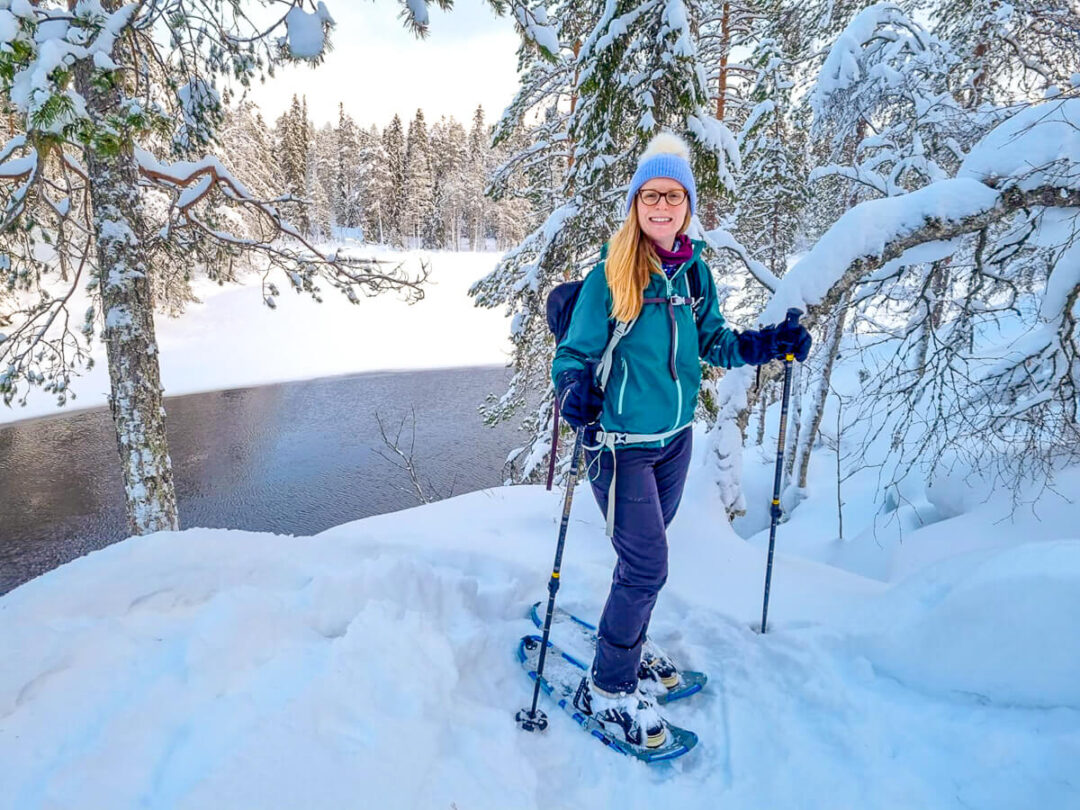
No snowshoeing experience needed. It’s walking with a much bigger footprint, and the wide frame spreads your weight so you stay on top of the snow instead of going through it. You’ll get a technique session on the first full morning and that’s all it takes.
Worth knowing that somewhere in a long afternoon, cold and tired with a few kilometres to go, it stops being about your legs. Knowing that’s coming makes it easier when it does.