Trip Guide

Trip Guide: Beginner Cross Country Ski and Yoga Holiday in Norway

Ready to learn cross-country skiing in the Norwegian wilderness? This guide covers everything you need to show up confident and prepared for a week of gliding through forests, exploring snowy landscapes, and connecting with your adventurous side.

We’ll be based at Venabygdsfjellet, a snow-covered mountain plateau on the edge of Rondane National Park with over 140km of marked trails. You’ll master cross-country skiing from scratch, unwind with daily yoga, and get to try dog sledding and snowshoeing in one of Norway’s most beautiful winter locations.

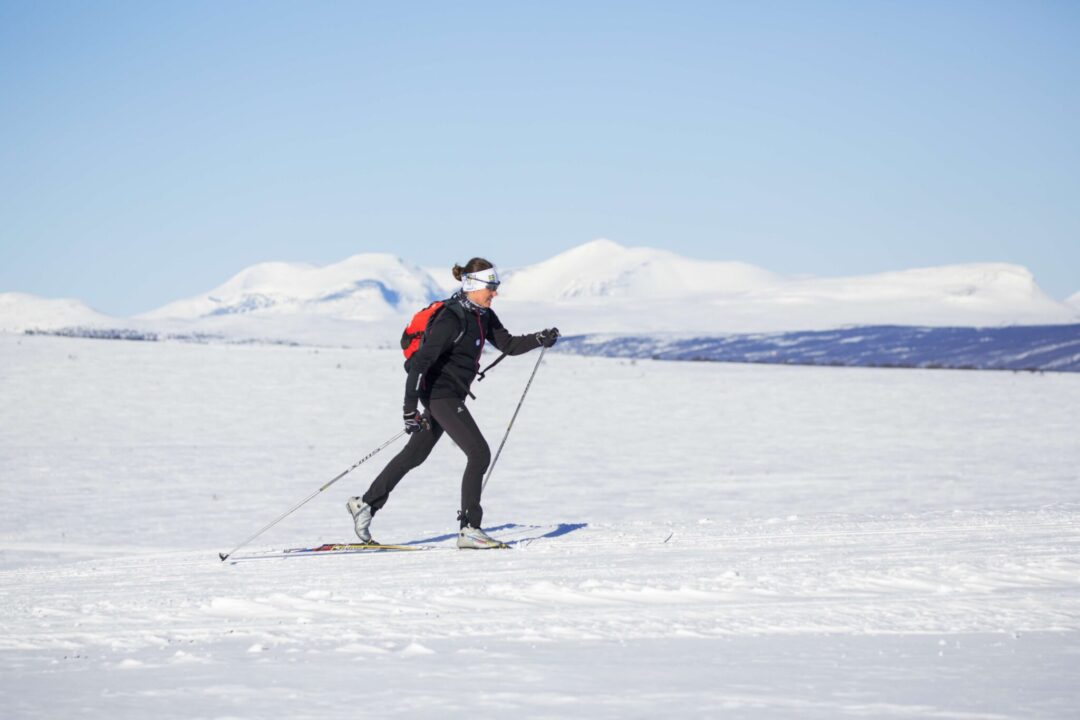
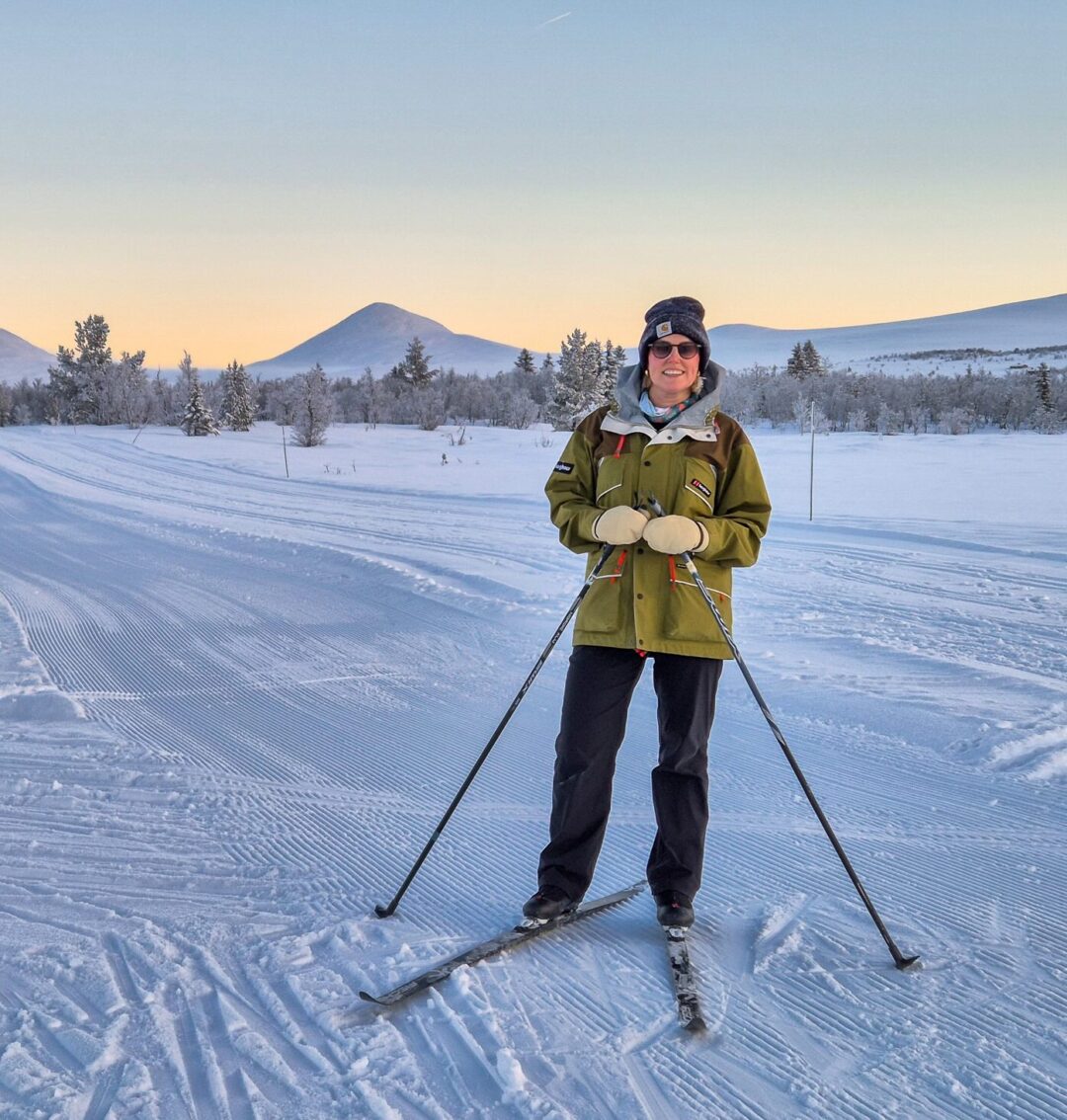
Women cross-country skiing on snow-covered slopes with mountains and lake in Norway
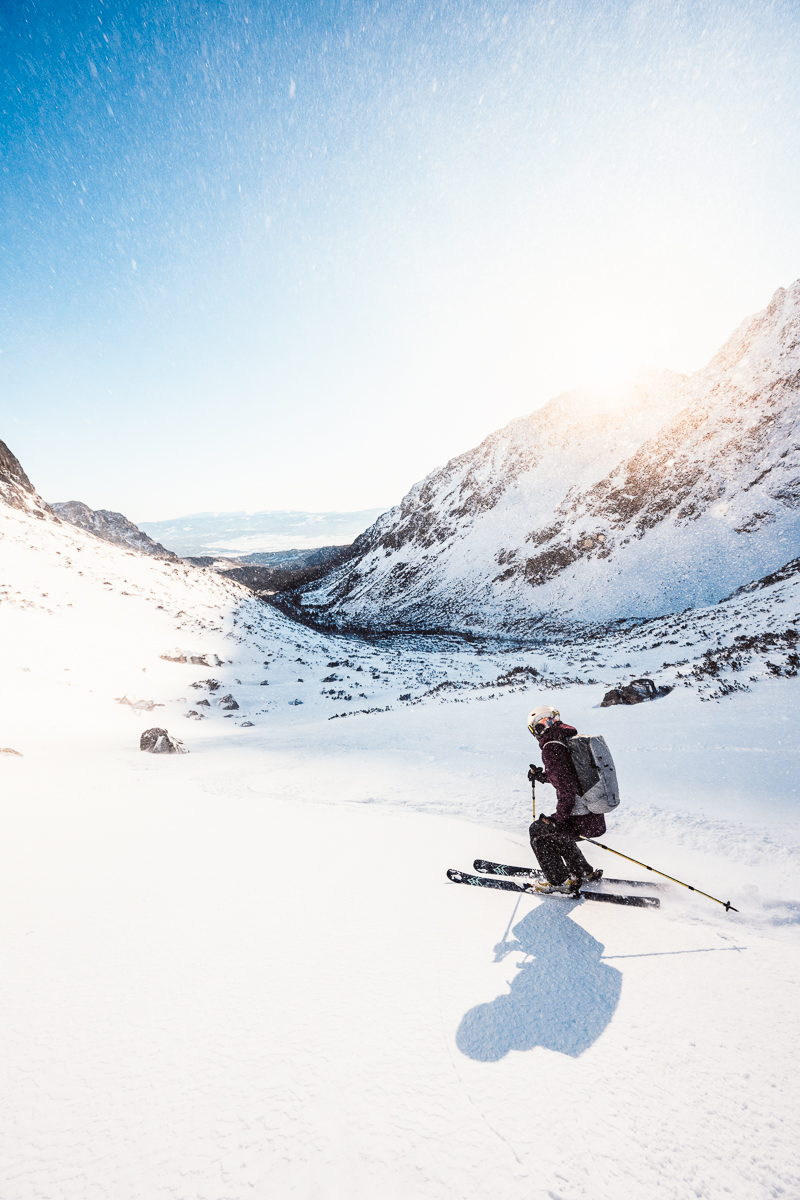
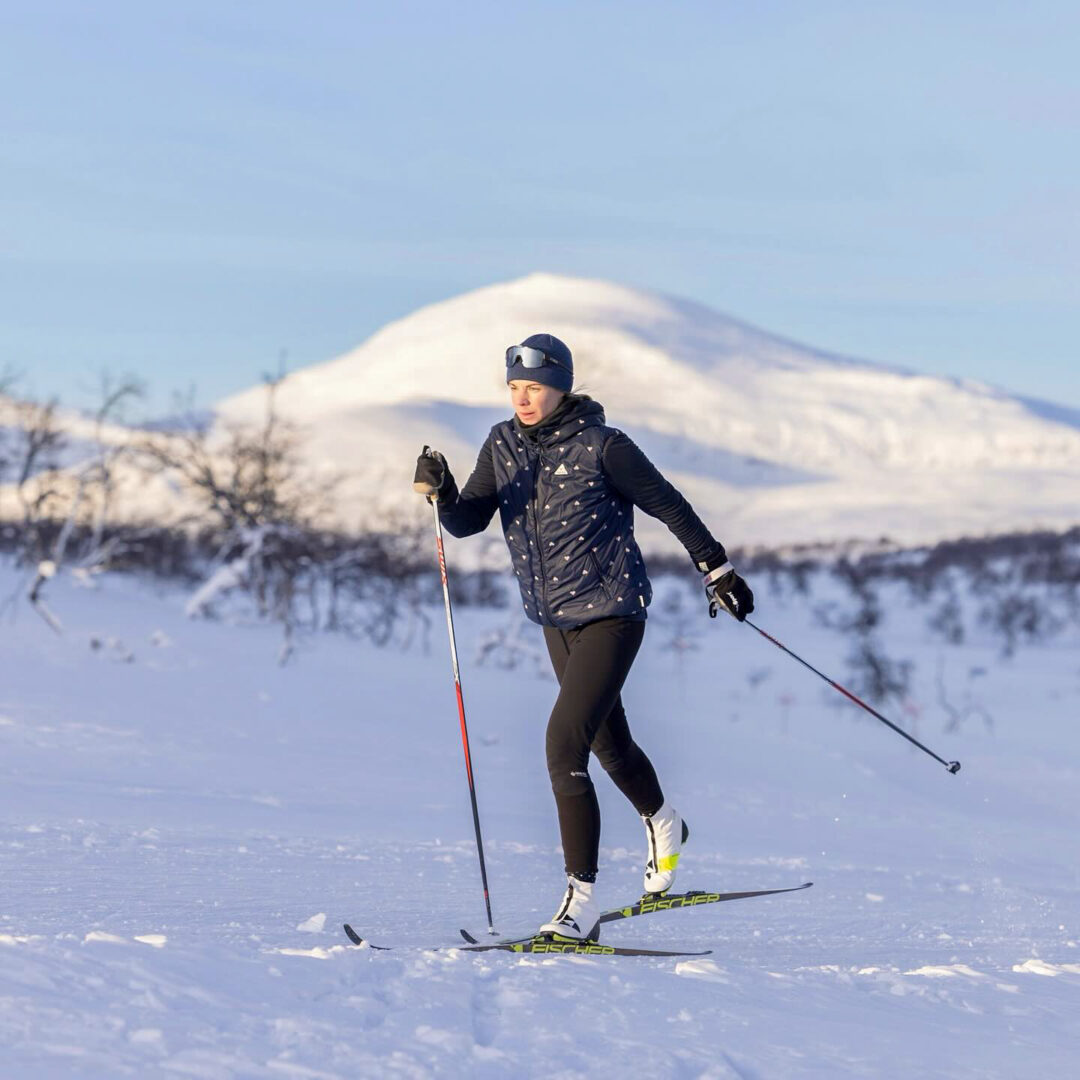
Woman ice-skiing across snowy landscape, Nordic winter scenery in Norway under blue sky

Getting There

Getting to our Norwegian mountain base involves a scenic journey from Oslo through Nordic countryside to Ringebu station. The three-hour train ride becomes part of the adventure as you watch the landscape transform into snow-covered wilderness.

We’ll pick you up at Ringebu station at either 16:53 or 18:49 (18:35 on some Saturdays) for a twenty-minute transfer to the hotel. These times align with our recommended train connections from Oslo Gardermoen Airport.

What flights should I book?

Book a morning flight into Oslo Gardermoen. From there you need to be on one of these trains to Ringebu, because these are the arrivals our transfer meets:

  • 14:29, arriving Ringebu 16:53
  • 16:29, arriving Ringebu 18:49
  • Some Saturdays, 15:59, arriving Ringebu 18:35

Leave at least an hour between landing and your train leaving. The station is downstairs in the same building as arrivals, so an hour is plenty unless you want to stop for a coffee.

How do I get to the start point of this trip?

Fly into Oslo Gardermoen (OSL) and take the train north to Ringebu, where we will meet you and drive you the last twenty minutes to the hotel. The railway station sits directly underneath the arrivals hall, so there is no transfer between the two.

Book Gardermoen specifically, not Oslo Torp. Torp is well over an hour south of the city and points you in the wrong direction for Ringebu, which turns an easy afternoon on the train into a long day of connections.

If you want to add a night or two in Oslo first, you can pick the train up from Oslo Central Station instead. It runs a little longer than the airport leg, since Gardermoen is already north of the city, but it is the same line and the same arrival into Ringebu.

What if I need a private transfer instead?

If you catch a later train, we can arrange a taxi between Ringebu station and the hotel:

  • 8am to 8pm: 300 NOK each way per person (roughly £22 or €25)
  • 8pm to 8am: 790 NOK each way per person (roughly £58 or €65)

Email us to book the taxi. Bear in mind that a later train on arrival day means you will miss dinner, and we cannot refund it. Travel insurance covering delays is strongly recommended.

How do I book train tickets to Ringebu?

Book directly through vy.no/en, the Norwegian national rail operator. Tickets cost around £30 each way and are not included in your trip price.

Tickets are released roughly 90 to 60 days before travel. Until then the site will usually tell you the train is unavailable or sold out, which looks alarming and means nothing. It simply is not on sale yet. Search again as your dates come into that window and the trains will appear.

If you are still seeing that message around 30 days out, drop us a message. That is late enough to be worth looking at, and we can help you work out an alternative route.

Book as soon as your date opens up, because the earlier trains fill first and they are the ones our transfer meets.

Can I book a different train?

If you catch a later train, we can arrange a taxi between Ringebu station and the hotel:

  • 8am to 8pm: 300 NOK each way per person (roughly £22 or €25)
  • 8pm to 8am: 790 NOK each way per person (roughly £58 or €65)

Email us to book the taxi. Bear in mind that a later train on arrival day means you will miss dinner, and we cannot refund it. Travel insurance covering delays is strongly recommended.

What happens if my flight is delayed?

Group transfers run on schedule and cannot wait for late arrivals. You’ll need to arrange your own transport to meet the group – we’ll support you with local information. Comprehensive travel insurance covering delays and missed connections is essential.

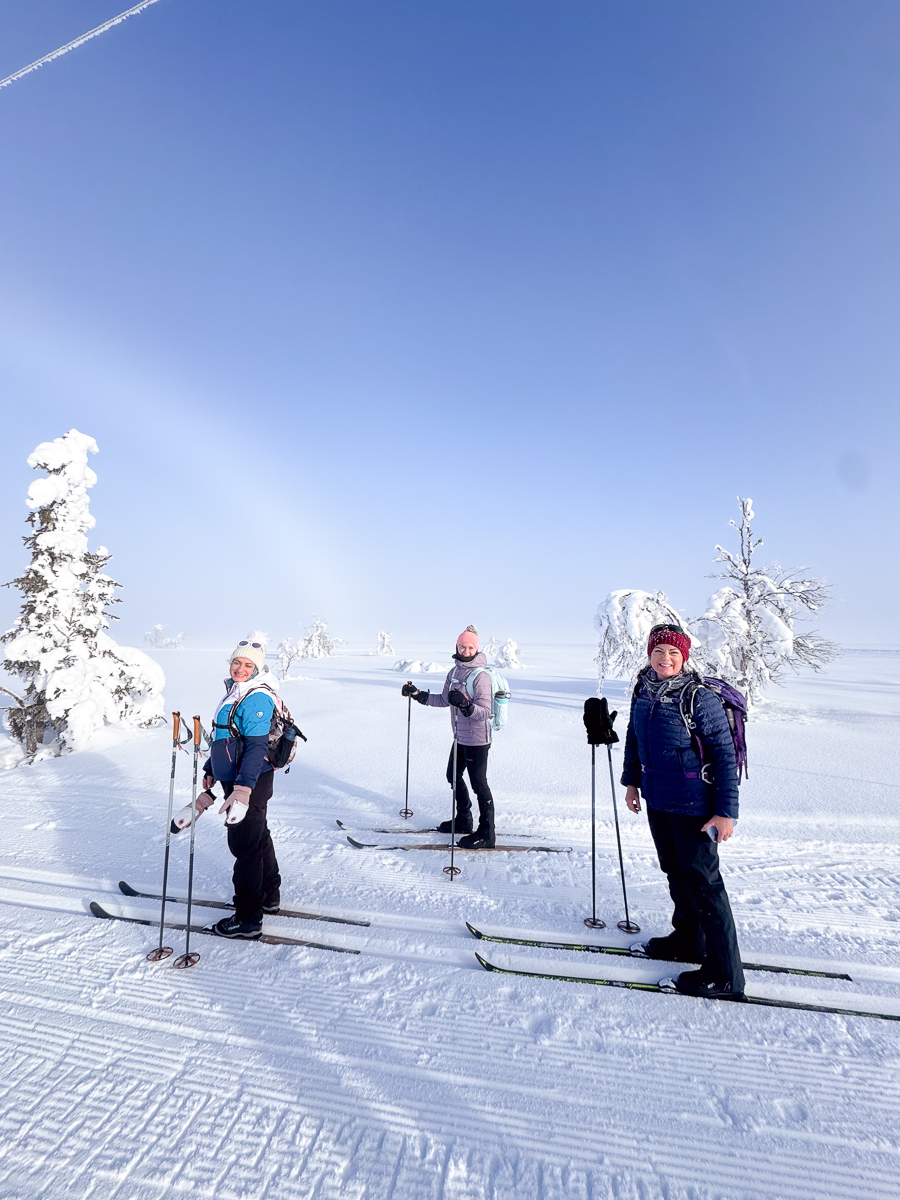
Women cross-country skiing group on snowy Norway landscape under a blue sky

Fitness & Skill Level

This trip is rated moderate and designed for complete beginners with no skiing experience. However, cross-country skiing is physically demanding – think “running with skis on” across rolling terrain for 6-7 hours daily.

You’ll cover 8-25km daily through a combination of 2-3 hour sessions or occasional full-day tours. The gliding motion requires good balance and the stamina to handle consecutive active days in cold conditions.

Fitness Requirements

You need medium to high-intensity cardio three times a week for around 45 minutes. Running, HIIT, cycling, or spin classes that get your heart pumping and leave you breathing heavily. Low-intensity activities like walking, yoga and pilates are beneficial but won’t meet the cardio demands alone.

Mental preparation

Be prepared for temperatures dropping to -10°C or -20°C. Norwegian dry cold feels less harsh than damp UK conditions, and you’ll generate heat while skiing. However, you’ll cool down quickly at rest stops.

Cross-country skiing involves a gliding, sliding motion. You’ll pick up speed on gentle downhill sections and need to be comfortable with falling – expect a few tumbles while learning, though soft snow makes falls relatively painless.

I'm worried I'm not fit enough - how do I know if I can handle this?

If you regularly do activities that raise your heart rate and leave you breathing heavily for 45 minutes, you’ll manage fine. Consider whether you can comfortably walk 8-25km distances on consecutive days. Cross-country skiing is demanding, but if you’re honest about your fitness level and can meet our cardio requirements, you’ll have a great time.

How can I prepare physically for the trip?

Focus on cardiovascular fitness for endurance and stamina. Walking at a good pace where you feel slightly out of breath is useful, plus running, cycling or other high-intensity exercise. Balance work helps too – practise standing on one leg every time you brush your teeth. Activities like Pilates, yoga and dancing develop balance progressively.

What should I expect on a typical skiing day?

Each day you’ll be active for 6-7 hours split into 2-3 hour sessions, covering 8-25km depending on conditions and group ability. You’ll warm up while skiing but cool down quickly at stops. The terrain is gently rolling with some downhill sections – not overly steep but you will pick up speed and need to control it.

Can I opt out of activities if I'm struggling?

We’re here to support you out of your comfort zone in a fun, encouraging environment. Everyone’s journey learning new sports is different, so we adapt to the group. However, this is an active adventure holiday requiring participation in daily activities – if you’re concerned about the physical demands, contact us before booking to discuss whether this trip suits you.

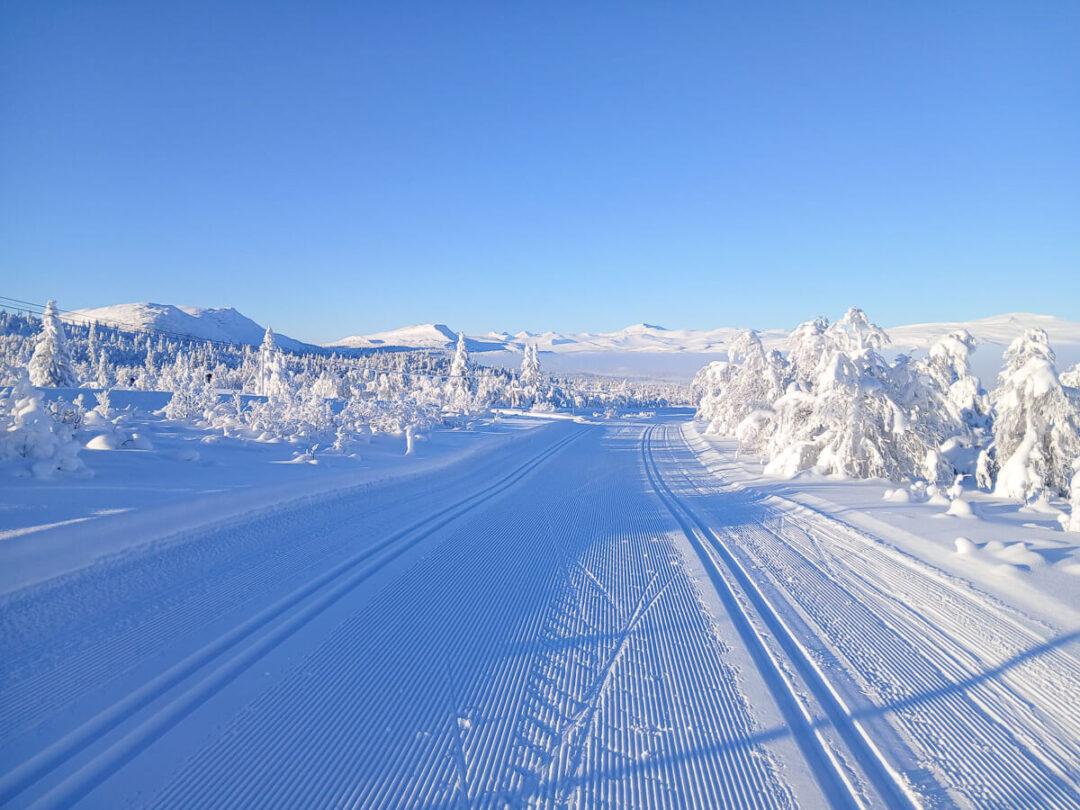
Snowy Norwegian mountain landscape with cross-country ski tracks and frosted pine trees

Sleep & Eat

You’ll spend seven nights in a traditional Norwegian mountain hotel known as a “fjellhotell” – think cosy cabin atmosphere with a focus on nature and friendly hospitality. This family-run hotel sits right on the ski trails with spectacular views over lakes, mountains and forest.

The hotel features spacious rooms with mountain views, a large lounge with open fire, bar, drying room, and ski storage. There’s also a yoga studio where you’ll have your evening sessions, plus unlimited teas and coffee always available in the lounge.

The traditional homemade food is a real highlight. Expect a sumptuous breakfast buffet, packed lunches made from breakfast items, and three-course dinners featuring delicious Norwegian dishes using quality local ingredients.

What are the rooms actually like?

Rooms are simple, light and airy with mountain style decor and superb views from many bedrooms. They’re comfortable with heating and private bathrooms, but this isn’t a luxury hotel – it’s a traditional mountain retreat focused on warmth, good food and hospitality after active days.Rooms are simple, light with mountain-style decor and superb views from many bedrooms. They’re comfortable with heating and private bathrooms, but this isn’t a luxury hotel – it’s a traditional mountain retreat focused on warmth, good food and hospitality after active days.

Can you cater for my dietary requirements?

We cater for all dietary requirements and allergies with safe, tasty alternatives. The dinner is a three-course set menu, so if there are foods you can’t eat or dislike, make this clear well in advance of arrival. We’ll request detailed dietary information before your trip.

Is there WiFi and what's the atmosphere like?

Yes, there’s WiFi throughout the hotel, though you might find it patchy – probably a good thing for switching off. The atmosphere is relaxed and social with a spacious lounge where guests gather around the fire. Be aware this is a dog-friendly hotel with at least three gentle resident dogs in communal areas.

Are there laundry facilities?

No washing machines, but you could bring soap flakes or travel wash to hand wash base layers if needed. The drying room is excellent for wet ski clothes and there’s plenty of space to air things overnight.

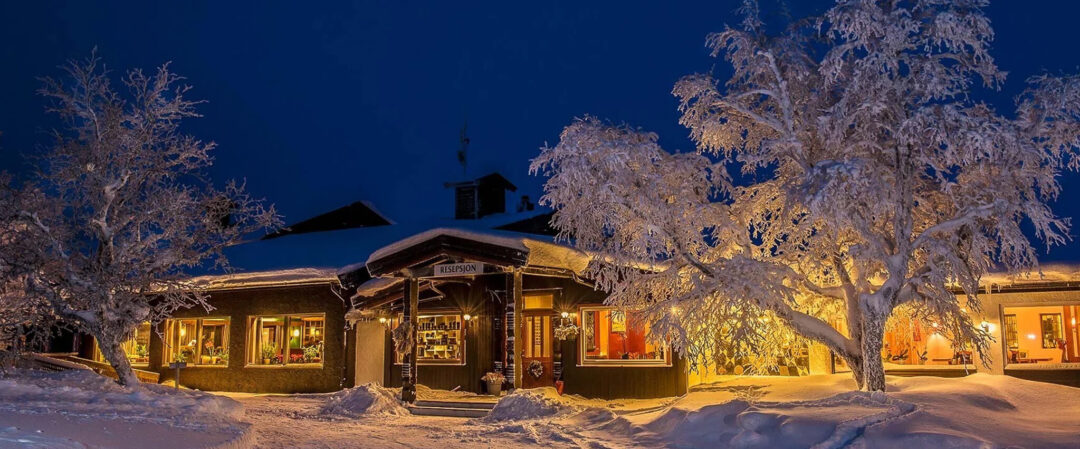
Snowy log cabin at night with warm lights and frosted pine trees

Weather

January and February in Norway mean temperatures around -10°C being perfect for skiing, sometimes dropping to -20°C. This is a “dry” cold that feels less harsh than damp UK conditions, especially when you’re generating heat through activity.

You’ll warm up quickly while skiing but cool down fast at rest stops, which is why layering becomes crucial. The mistake people make is overdressing, getting sweaty while moving, then feeling cold and damp every time you stop.

This location has a fantastic snow record with reliable conditions from December through April. Snow may affect some activities – dog sledding and horse sleigh rides depend on adequate snow levels, particularly in January and April.

How does Norwegian cold compare to UK winter?

Norwegian winter is a “dry” cold that feels less harsh than damp UK cold at the same temperature. While -10°C sounds extreme, you’ll find it more bearable than expected, especially when active. The key is layering – avoid cotton clothing that gets wet and cold without drying fast.

What happens if there's bad weather during activities?

Mountain weather can be unpredictable, so guides adjust daily plans to ensure the best and safest experience. We build flexibility into every trip because conditions change. You’ll still get your full adventure experience, just potentially with modified routes or alternative indoor activities during severe weather.

Will I be warm enough while skiing?

Cross-country skiing is a really active sport and means you’ll be generating heat (and getting sweaty) while out in the cold. This is great whilst you’re on the move, but when you stop for a break you cool down quickly. We recommend merino wool or synthetic base layers, topped by a windproof, breathable waterproof hiking jacket with a hood, plus a warm, insulated jacket to put on at rest stops.

What if snow conditions affect dog sledding or horse sleigh rides?

These activities are weather dependent, particularly in January and April when snow levels may be insufficient. We’ll have alternative activities or additional skiing available instead.

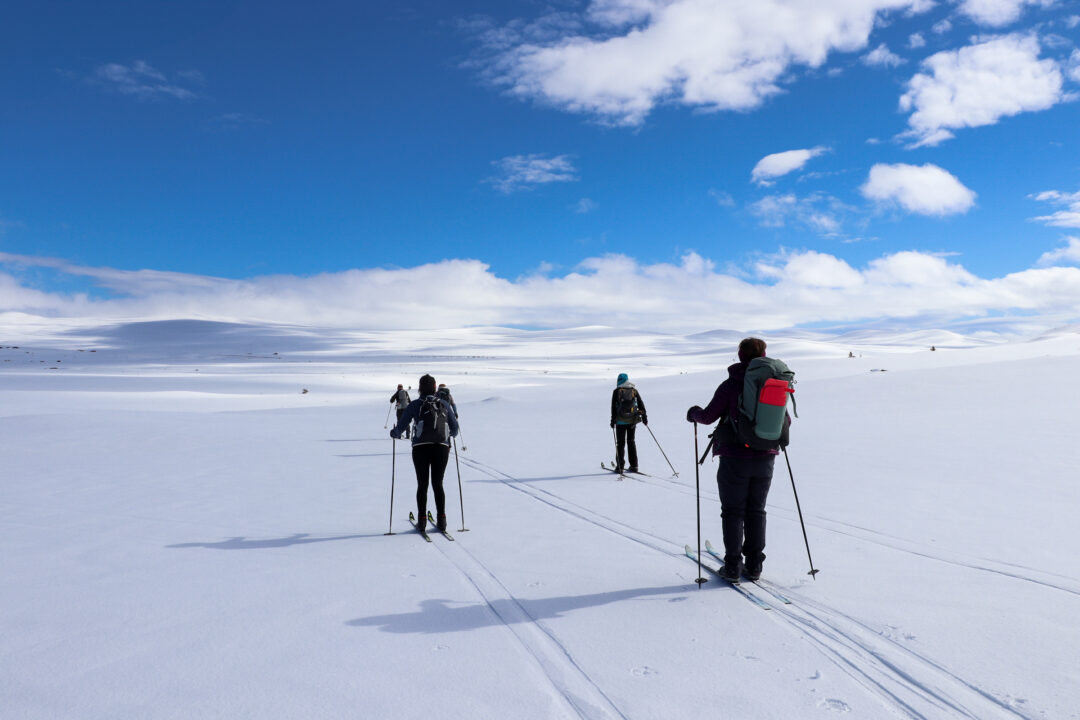
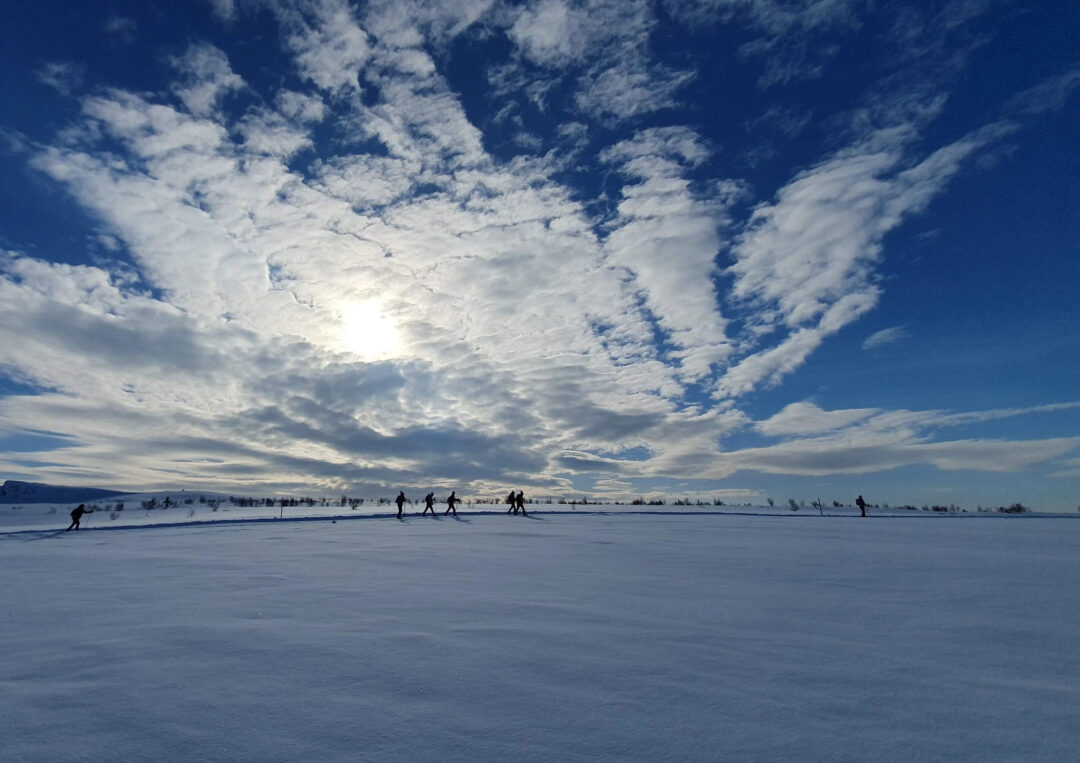
Women cross-country skiing on a snowy trail across open white landscape under a blue sky

Good to Know

Money: Everywhere accepts cards, so Norwegian Krone cash isn’t necessary. Budget for drinks and personal extras – alcohol is expensive in Norway. All meals, activities and technical equipment are included in your trip price.

Tipping: Tipping is not compulsory on our adventures, but if you’ve had a great trip and brilliant service, a tip for your guide or host is always appreciated. We recommend giving 200-300 NOK, or whatever you can or feel is the right amount.

Communication: The hotel has WiFi throughout, though connection can be patchy in this mountain location. Mobile coverage is generally good, but you’ll be offline during skiing activities in remote areas. Emergency communication is always available through guides and hotel staff.

How much should I budget for extras?

Drinks are the main extra expense – beer costs around £8-12, wine similar. If you want snacks or souvenirs, expect Norwegian prices to be 30-50% higher than UK. Most people spend £100-200 for the week on drinks and personal items, but this varies greatly depending on alcohol consumption.

How many guests are on this trip?

Max. 8 guests.

What happens if I get injured or need medical attention?

Our guides are trained in mountain first aid and emergency procedures. The hotel can coordinate local medical services if needed. Comprehensive travel insurance covering outdoor activities and medical emergencies is mandatory. Emergency evacuation from remote skiing areas is possible but expensive without coverage.

Are the guides and instructors always female?

We use female instructors and guides whenever possible, but can’t guarantee this due to fewer women in the outdoors industry. Our priority is working with the most experienced, patient and passionate instructors who excel at building confidence. Guide gender becomes less important than their ability to teach and inspire safely.

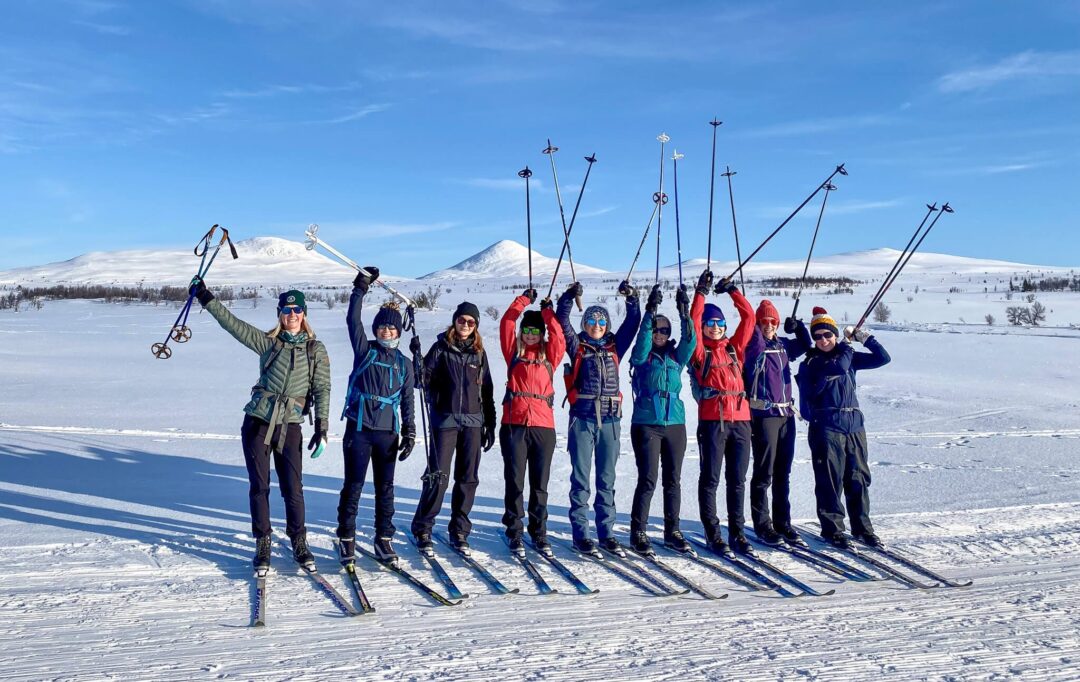
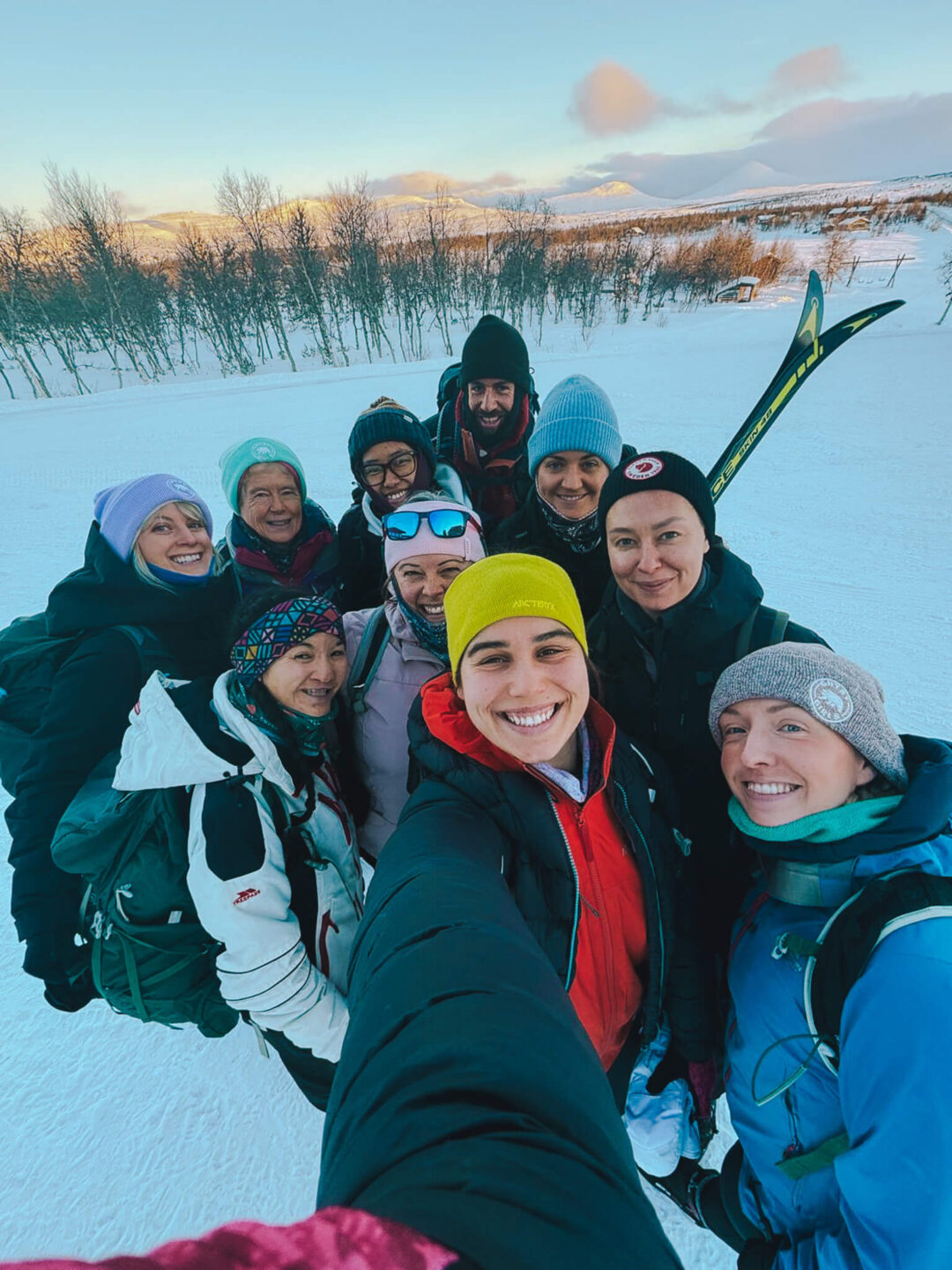
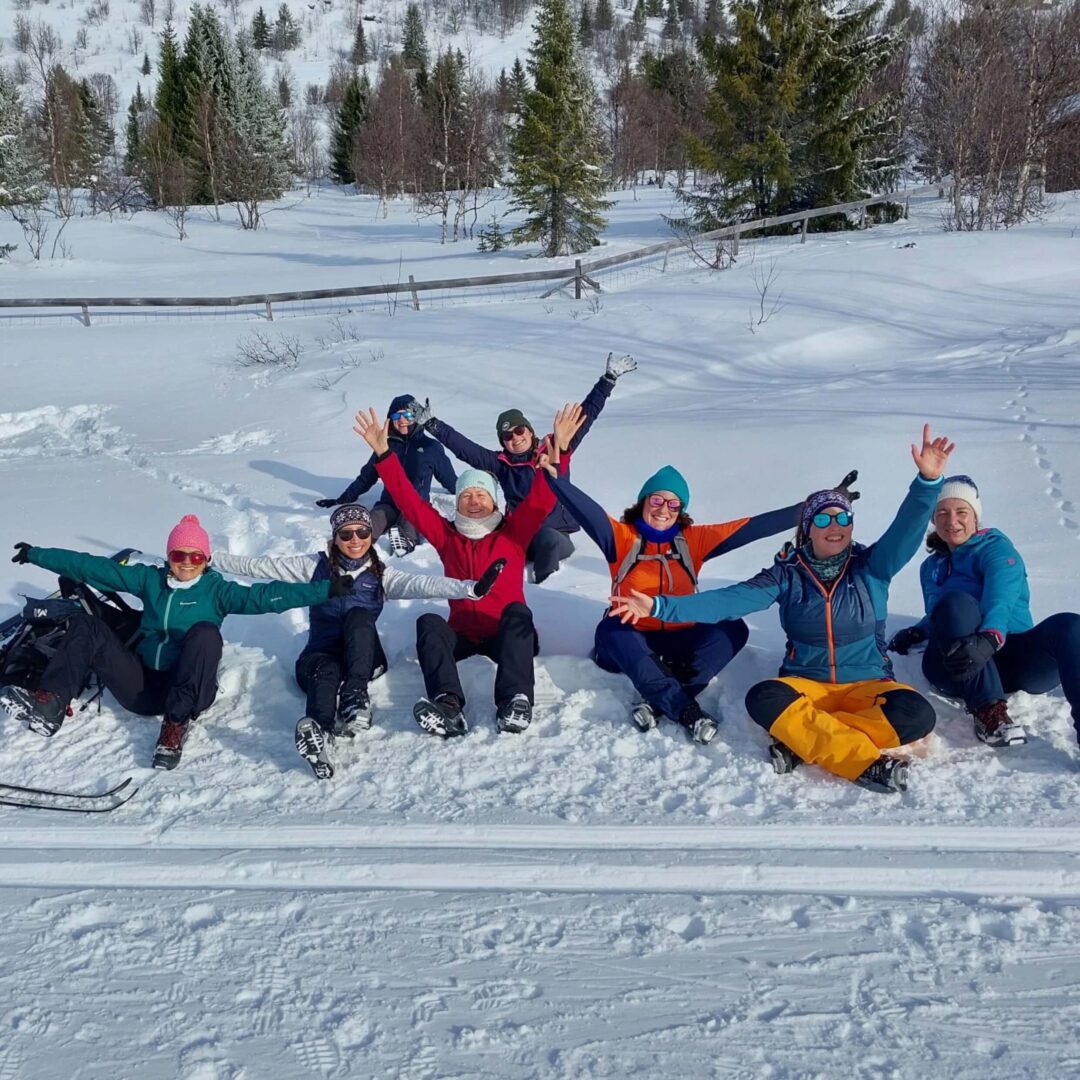
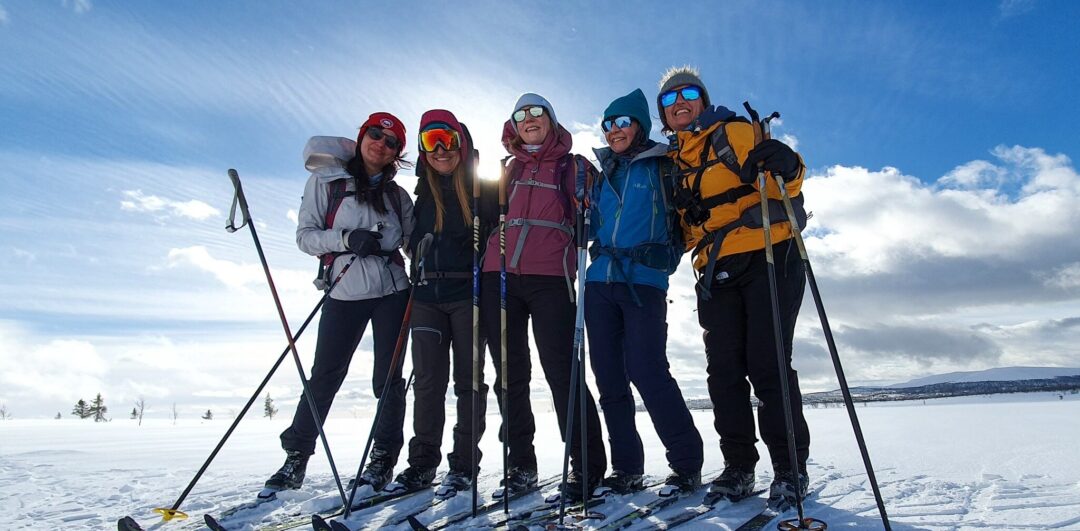
Women on a cross-country ski holiday in snowy Norway, posing outdoors with skis and goggles.
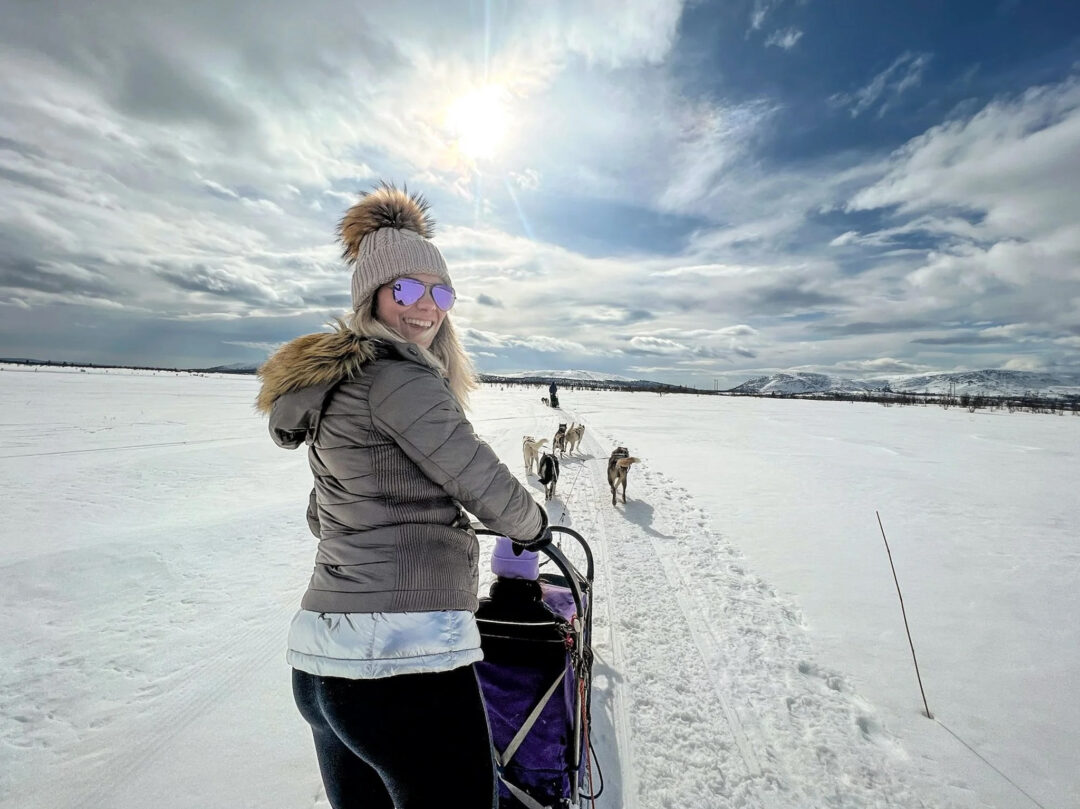
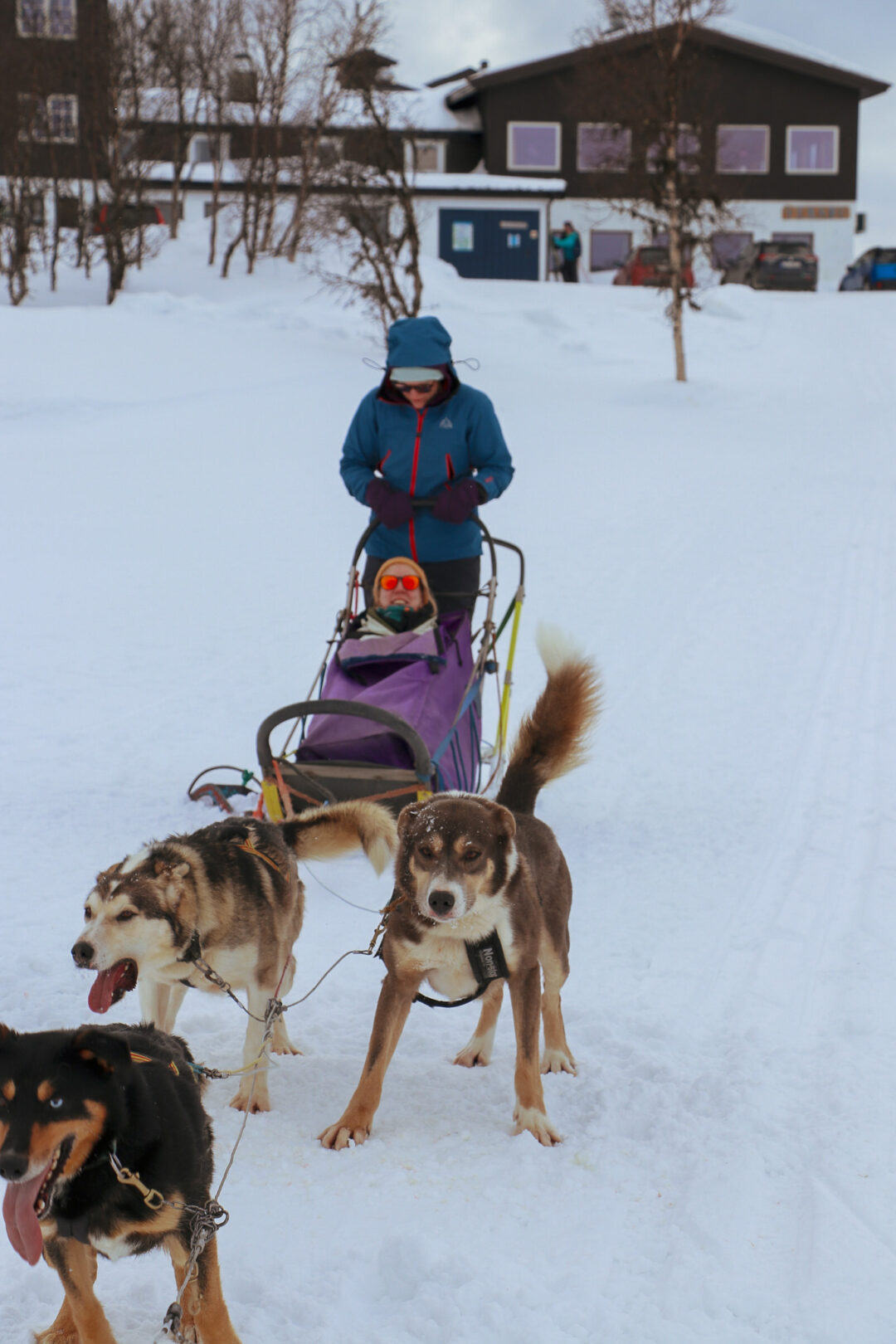
Woman in winter gear rides a dog-sled on a snowy track outside a cabin with a team of dogs ahead

Packing List

What We Provide

  • Cross-country skis
  • Ski boots
  • Poles
  • Snowshoes

What You Need to Bring

Cross-Country Ski Kit

  • 25 litre daypack
  • Base layer tops, merino or synthetic. Bring a selection, as you may want to layer two on colder days
  • Long johns, merino or synthetic
  • Fleece mid-layer
  • Breathable, waterproof shell jacket. A hiking waterproof works well
  • Softshell winter hiking trousers: windproof, water-repellent, breathable
  • Warm packable insulated or down jacket, for stops and cold days
  • Waterproof trousers, optional but worth having for cold or snowy weeks
  • Selection of wool socks in different thicknesses, for getting the right fit in your hire boots
  • Sunglasses, polarised if you have them
  • Warm hat
  • Buff, two if you can. One for your neck, one as a headband
  • Ski gloves. Bring two pairs in case one gets wet, and warm mittens are best if you run cold
  • Thin gloves for warmer sessions when you are generating heat
  • Glove liners or hand warmers if you suffer from cold hands

Off the Skis

  • Yoga wear for evening sessions
  • Casual evening clothes
  • Nightwear
  • Slippers for the hotel
  • Sturdy shoes or boots for evenings, as the ski boots cover everything else
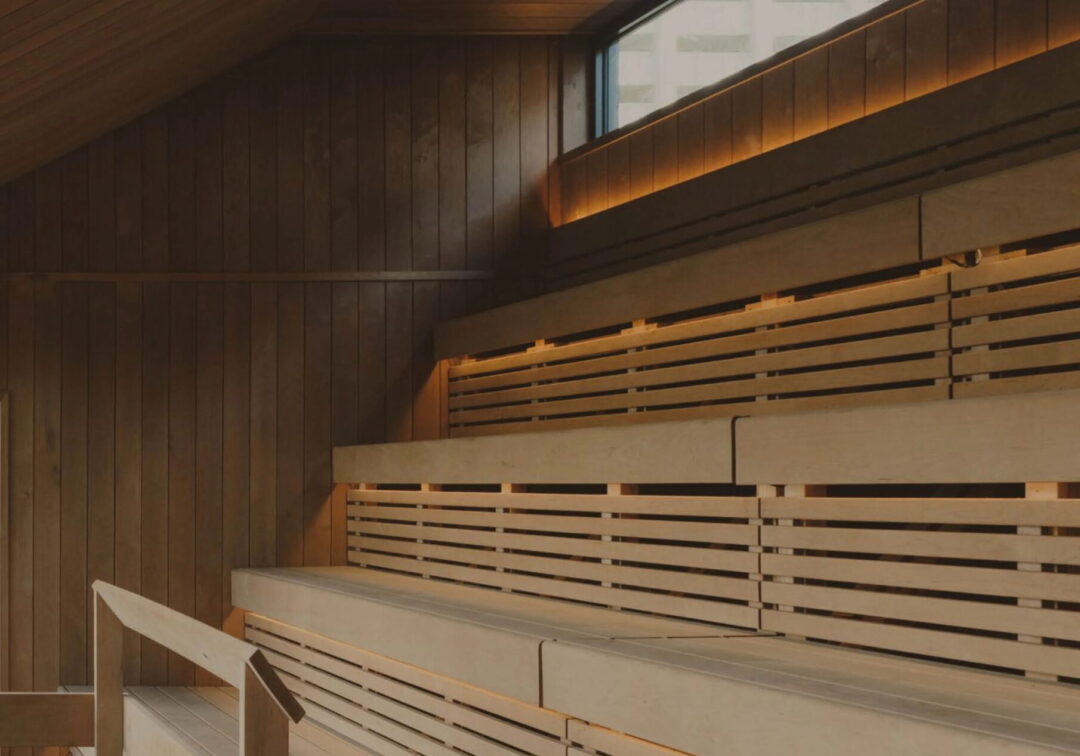
  • Swimwear for the sauna (Norwegians go nude, but that is entirely up to you)

Personal Kit

    • Insulated water bottle, not a Camelbak-style bladder, which will freeze
    • Thermos for hot drinks on the trails
    • High-SPF sunscreen, as snow reflects UV even on grey days
    • Toiletries and any prescription medication
    • Paracetamol and ibuprofen, significantly more expensive in Norway
    • Compeed or moleskin blister plasters
  • Snacks for longer days on the trails
  • Dry bags for inside your daypack
  • Waterproof phone case (optional)
  • Camera (optional)

Packing Tips

Layering is how you manage temperature on the trails: Cross-country skiing generates real heat, especially on climbs, then you cool down fast the moment you stop. A base layer, a fleece mid-layer, and a windproof waterproof shell on top covers most conditions. The insulated jacket is for lunch stops and cold starts, not for when you are moving hard.

Gloves will get wet: Bring two pairs. Warm mittens or thick gloves for cold starts and rest stops, and a thinner pair for when you are working. If you run cold, bring glove liners and hand warmers too.

This is not the trip for cotton: It holds moisture, dries slowly, and gets cold fast. Merino or synthetic for everything next to your skin.

Sock thickness matters more than you would think: Bring a selection of wool socks in different thicknesses to help dial in the fit in your hire boots on day one. A good fit makes the whole week more comfortable.

You do not need to buy special footwear for the other activities: The cross-country ski boots we provide work for the snowshoeing, dog sledding and horse sleigh days too. Just bring a pair of sturdy shoes or boots for the hotel and evenings. No need to invest in snow boots.

Medication is more expensive in Norway. Paracetamol, ibuprofen and blister plasters are all pricier once you are there. Stock up before you travel.

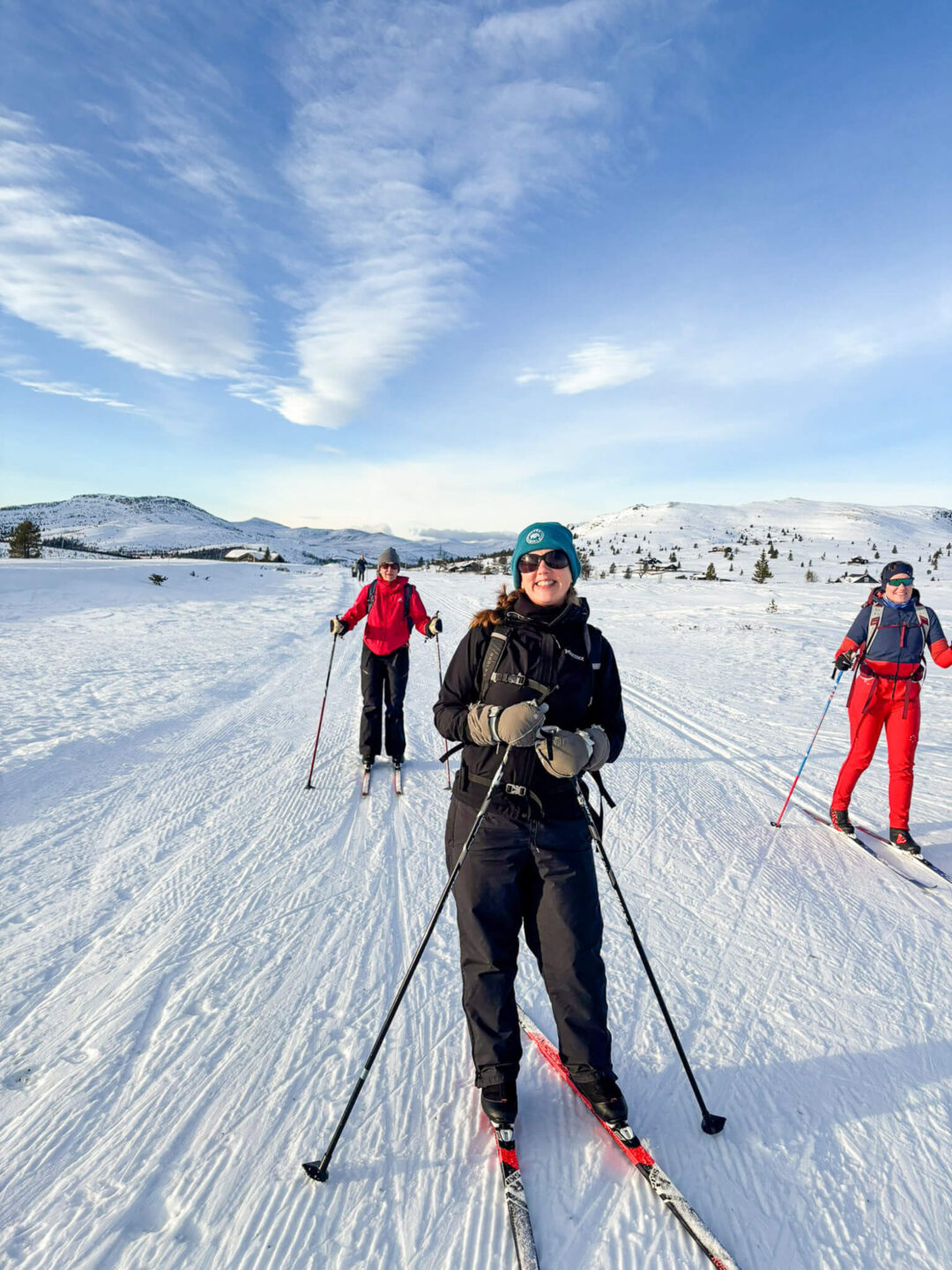
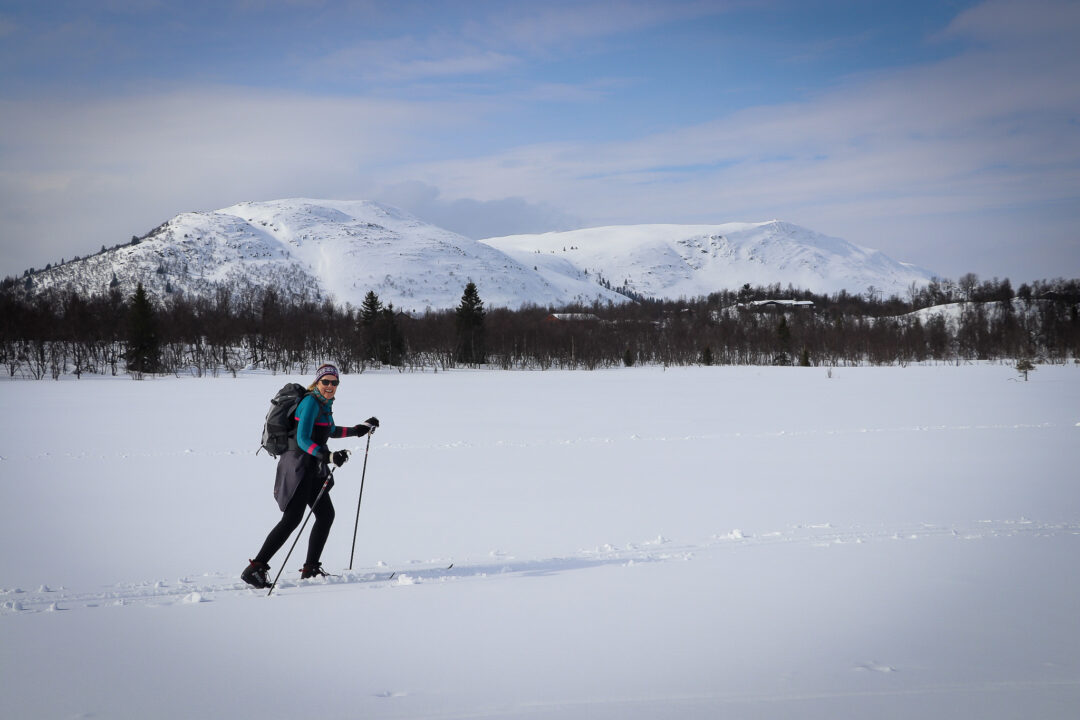
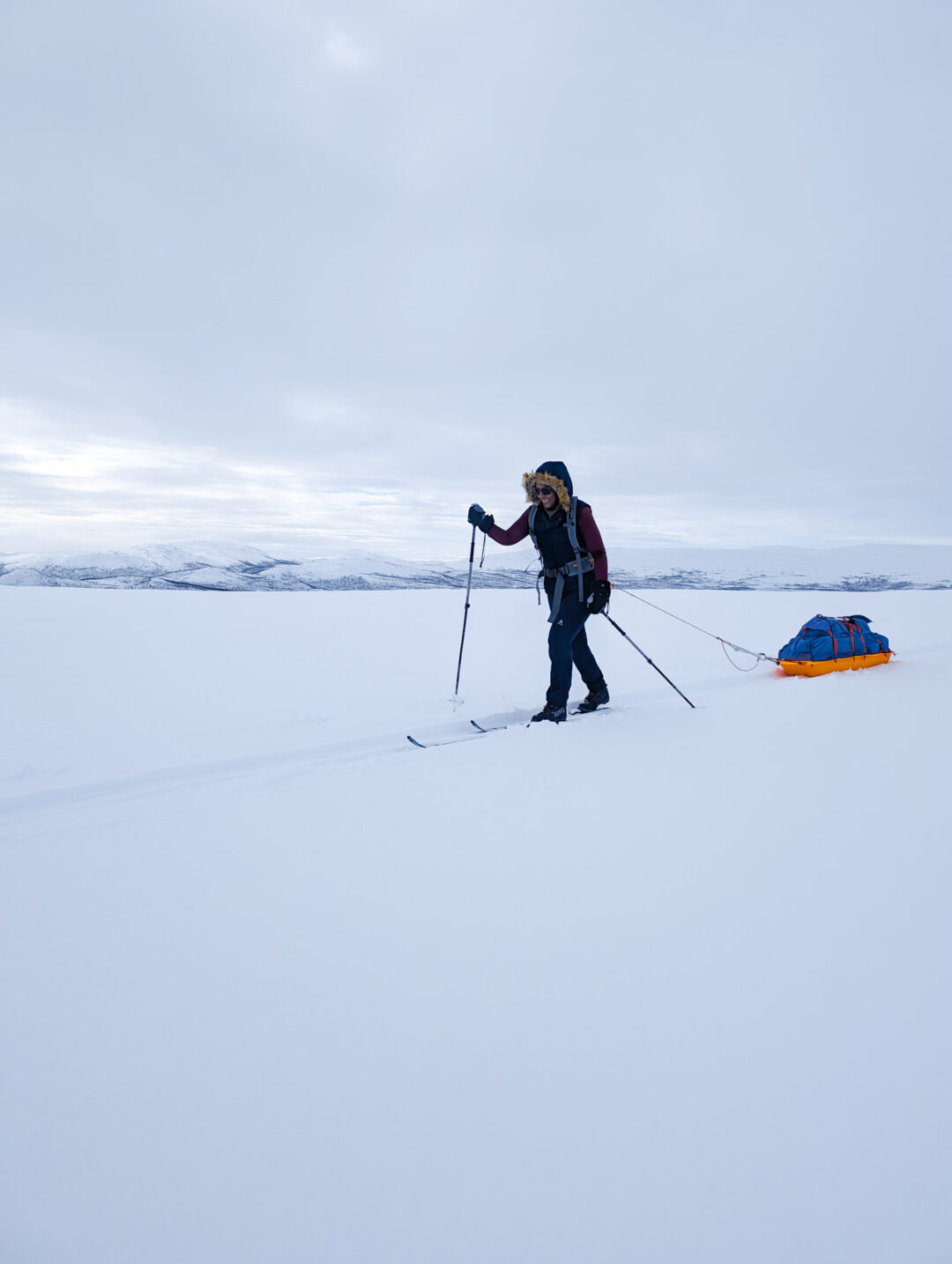
Women cross-country skiing in snowy Norway, gliding across a frozen lake with mountains in the distance.
Trip Code NORVENXCB7 – Include this code in any message so we can find your trip straight away.