Trip Guide

Trip Guide: Beginner Cross Country Ski and Yoga in Sweden

Northern Sweden in winter means quiet valleys, forest tracks and very few other people out there. You’ll spend the week learning to cross-country ski, building from your first wobbly kilometre up to days of 8 to 25 kilometres, with yoga in between to sort out your legs and back. Snowshoe out to spots the ski trails don’t reach, and finish each evening in a family-run mountain hotel where the sauna is always on and the ice bath is entirely optional. Here’s everything you need to know before joining us in the mountains.

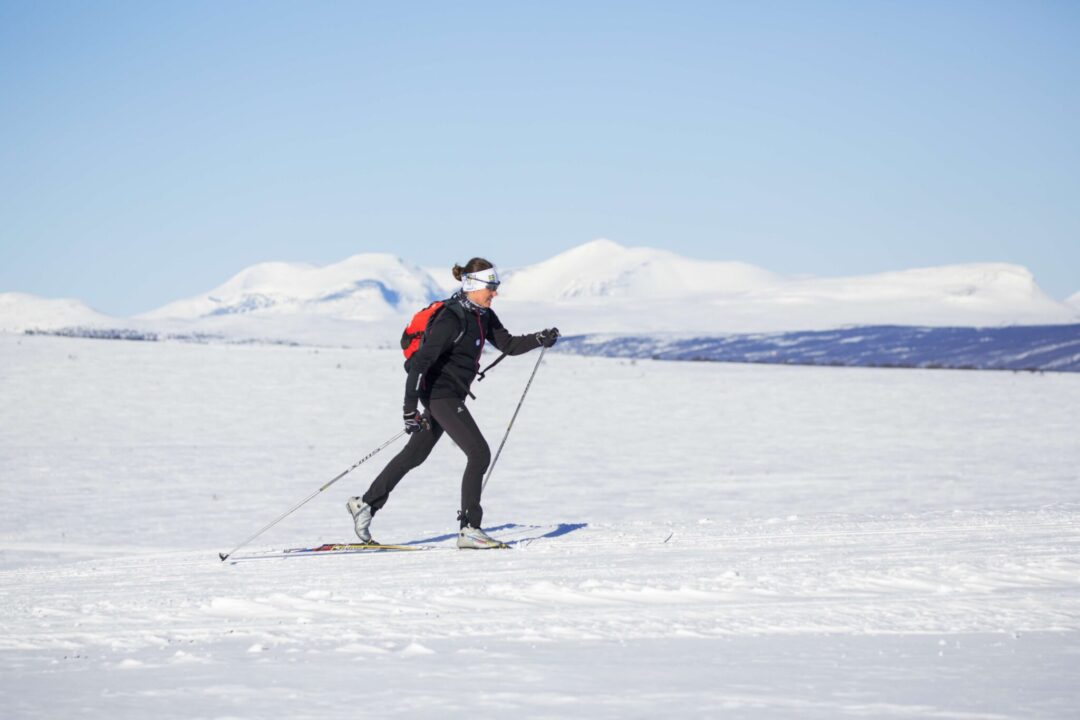
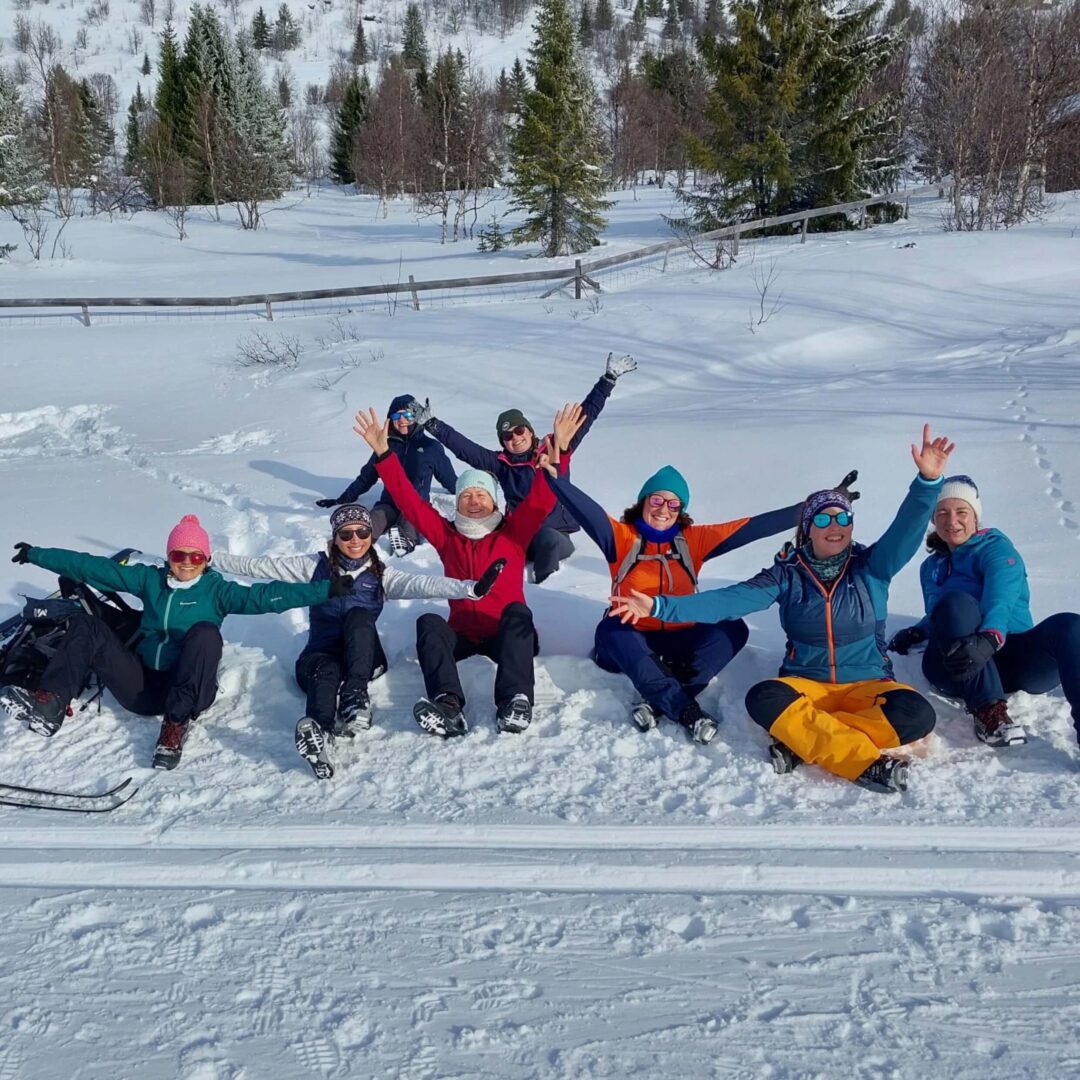
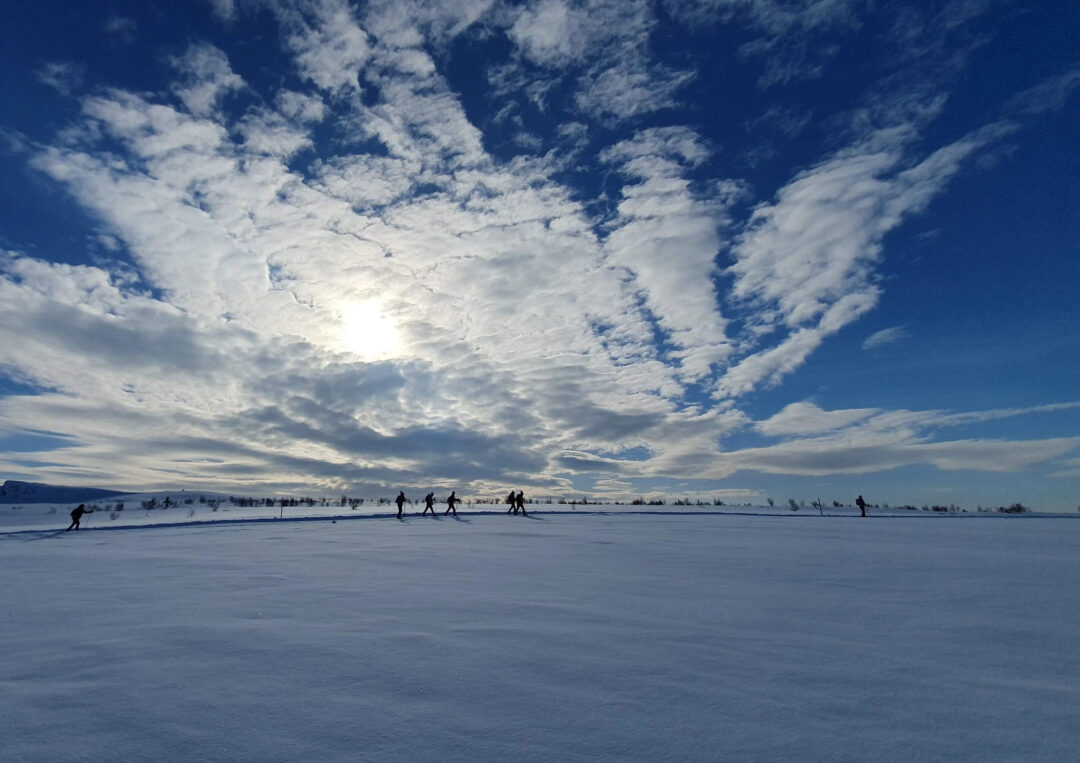
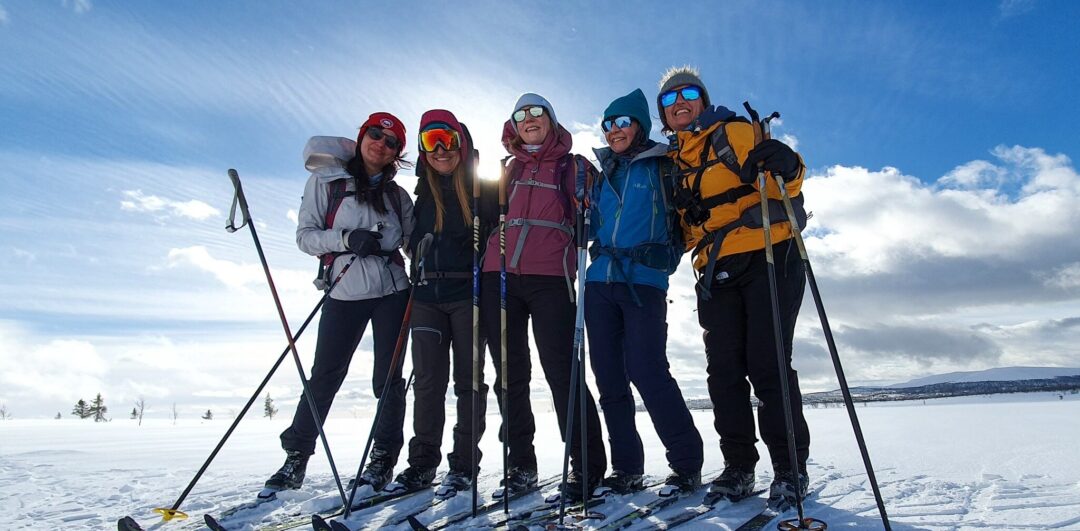
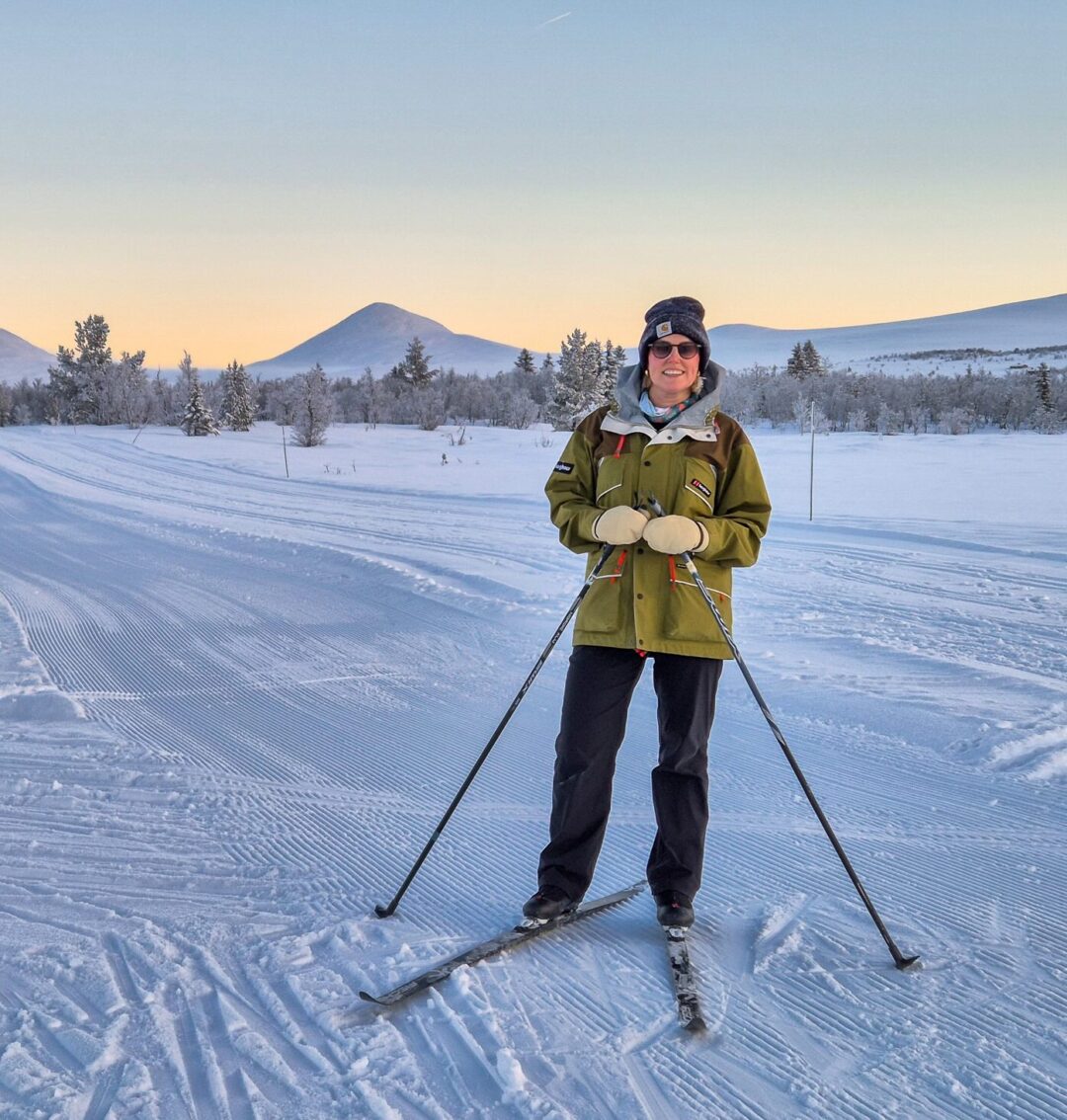
women cross country skiing on snowy landscape.
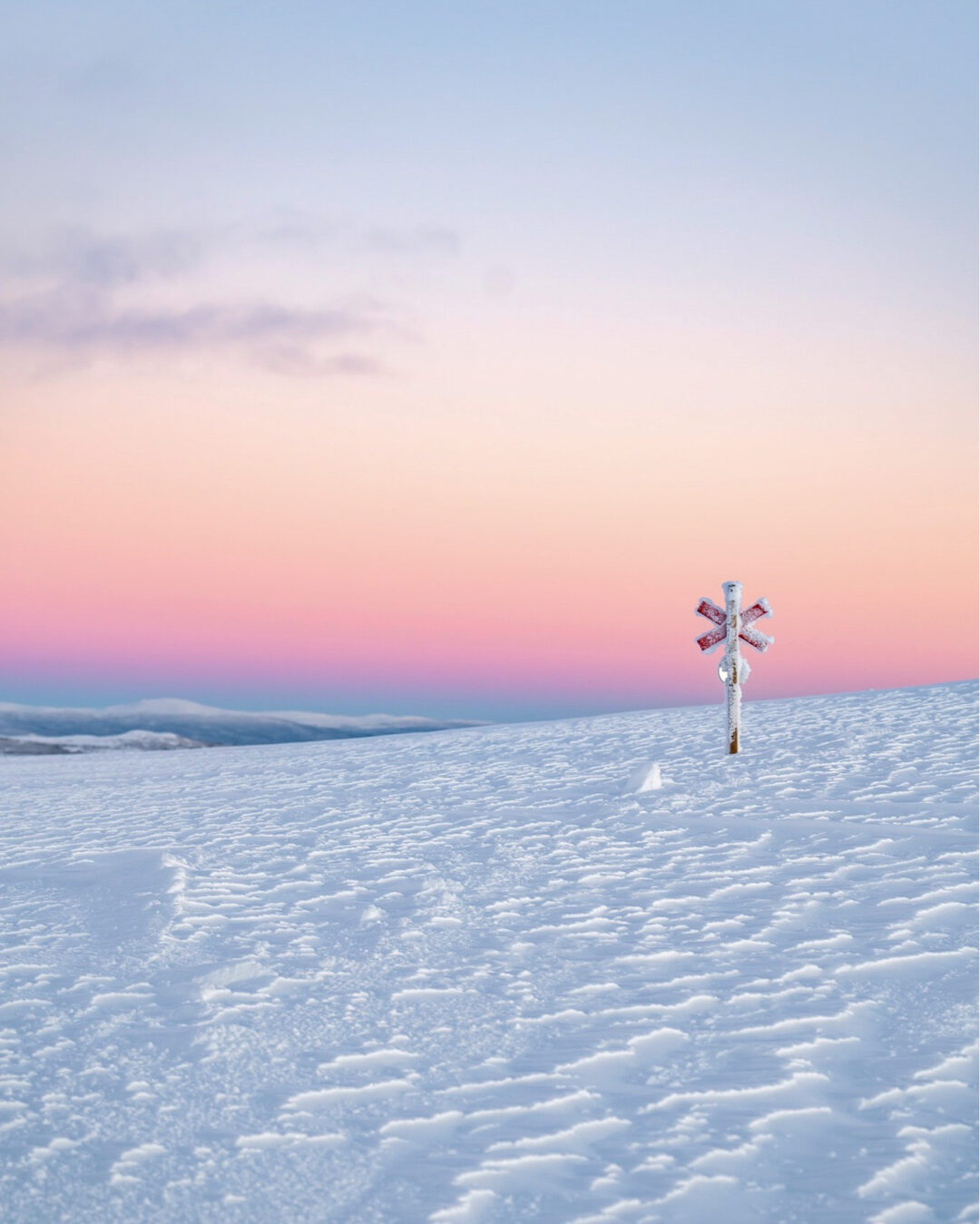
Snowy landscape with a signpost

Getting There

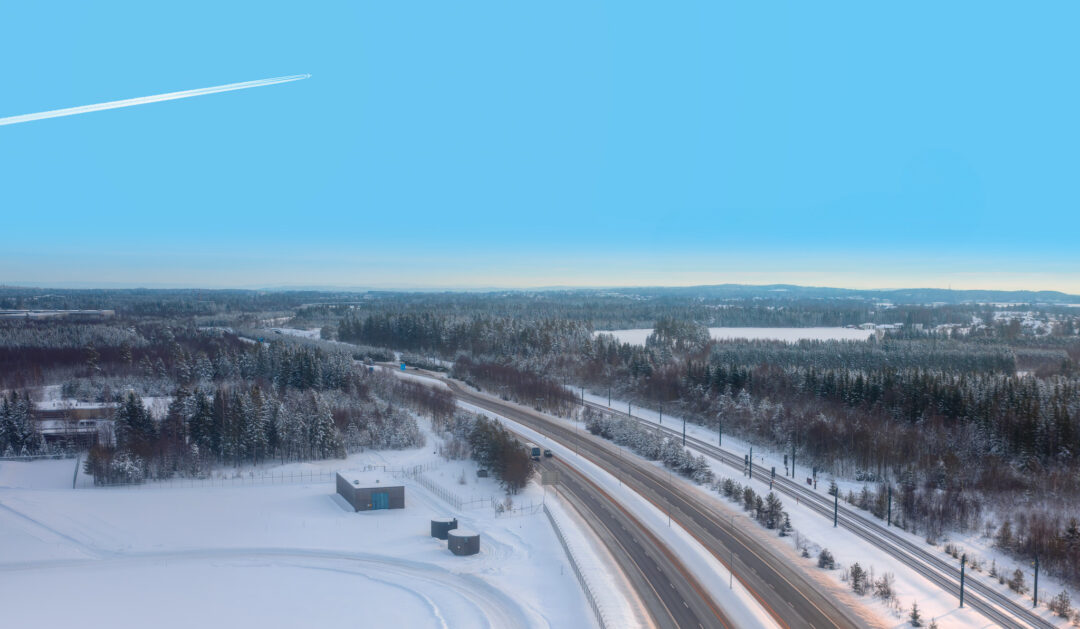
This trip is in Sweden, but you fly into Trondheim in Norway, as that’s where you’ll find the most regular flights. From London there’s a direct flight on the way out with Norwegian, and plenty of options for a connecting flight to Trondheim via Oslo or Bergen. From there the group transfer collects you for the scenic three hour drive across the Norwegian-Swedish border to your hotel

Can you suggest flights?

You can fly direct from Gatwick to Trondheim with Norwegian on the way out. There’s no direct flight home, so the return routes via Oslo.

Suggested Flights
  • Arrival Day: LGW 11:50 – TRD 15:15 | Norwegian DY 1341
  • Departure Day: TRD 14:25 – LGW 20:20 | Norwegian DY 173, DY 1318
Group Transfer

We include one shared transfer on both the arrival and departure days of your trip.

  • Arrival Day: Pick up at Trondheim airport at 16:00
  • Departure Day: Drop off at Trondheim airport at 12:25

Not sure if your flight works? Just ask, we’re happy to help.

What happens if I miss the group transfer or have flights at different times?

We collect guests from Trondheim airport at one set time. If you miss these times, private transfers can be arranged. Our transfers cannot wait for delayed flights.

Should I add in time to explore Norway?

If you have time, we highly recommend visiting Trondheim. This old Viking settlement is now the third biggest city in Norway and offers something for everyone, from a thriving art scene to incredible restaurants, history and buildings.

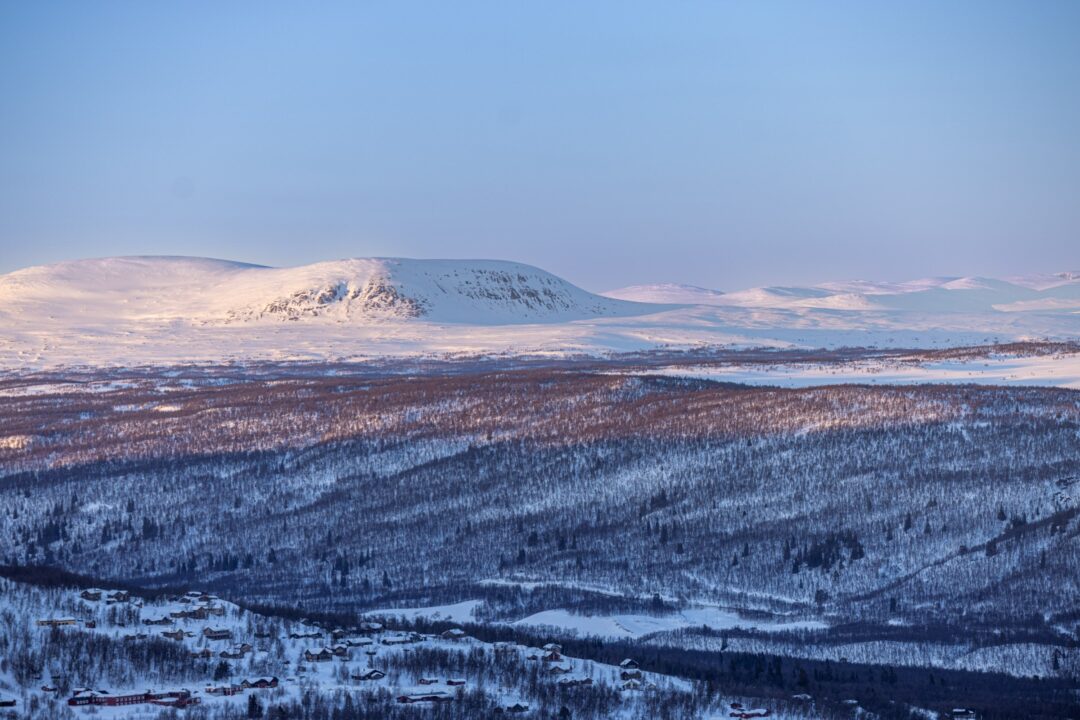
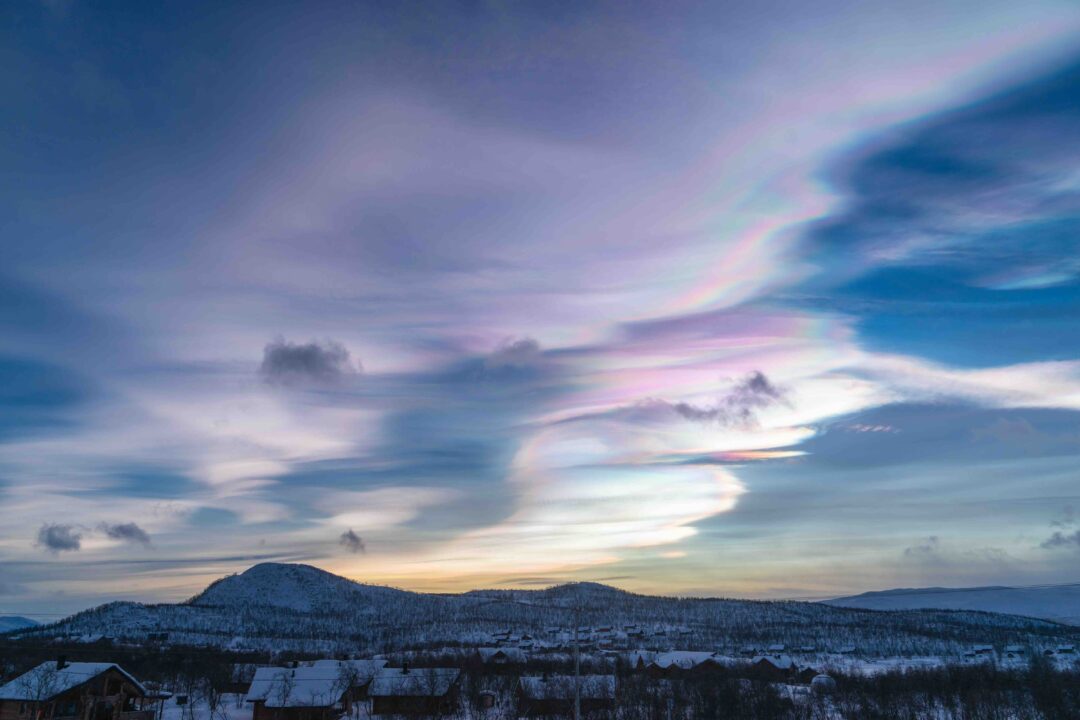
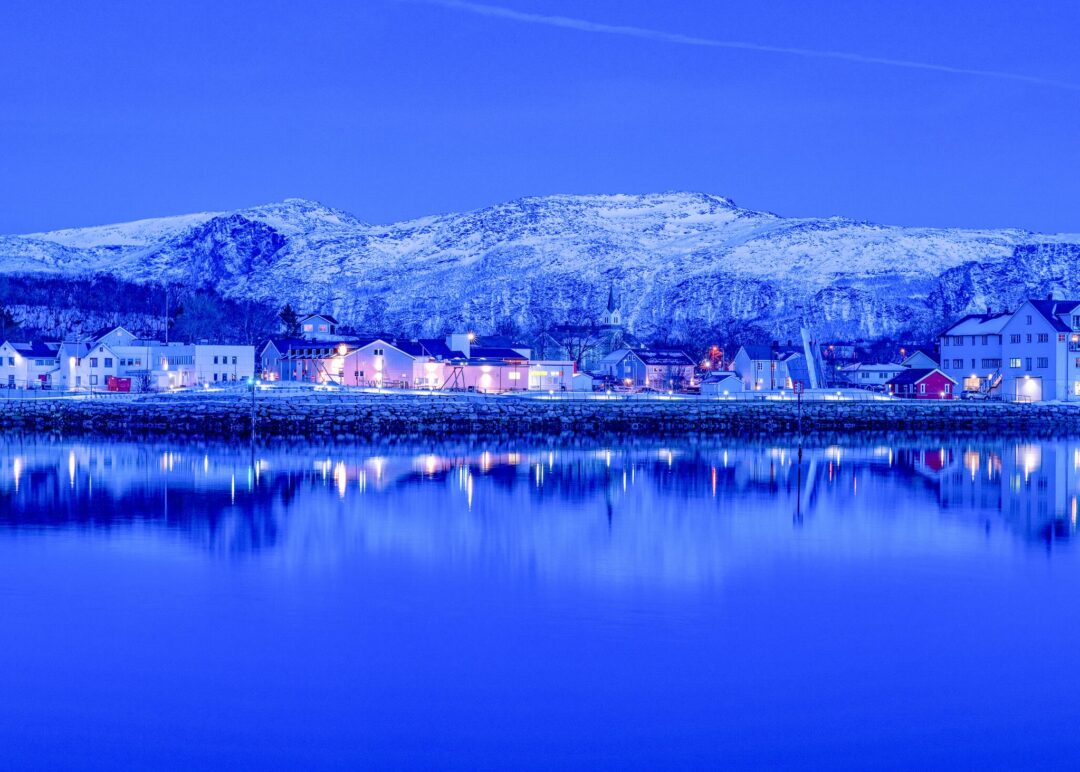
Snow-covered mountains and countryside in Sweden at dusk, overlooking a valley and village.

Fitness & Skill Level

Now for the reality check. Cross-country skiing demands good cardiovascular fitness and mental readiness for a sport that’s equal parts gliding grace and “why did I think this was a good idea?” The key word here is consecutive – you’ll be active for several days running, which tests your stamina differently than single workout sessions.

This isn’t gentle touring. You’ll generate power through your entire body, balance on moving skis, and work hard on uphill sections. The comparison to “running with skis on” is accurate – long flat sections and climbs will get your heart pumping and legs burning. If sliding, falling, or losing control makes you anxious, this sport genuinely might not suit you.

What specific training should I focus on before the trip?

Working on your cardiovascular fitness will help you with endurance and stamina. Think running, cycling, in-line skating or performing other higher intensity exercise. If you exercise at high intensity (gym, swim, run, spin etc) at least 3 times a week you’ll be good to go for this adventure.

How do I prepare for the balance and coordination demands?

Good balance is essential for weight transfer from one ski to the next. You’ll be balancing on one ski as it glides – so if standing on one leg is a challenge then practising will help. You could stand on one leg every time you clean your teeth. Activities like Pilates, yoga and dancing help develop balance too.

What does "consecutive days of activity" involve?

This trip involves several days of back-to-back activity, which can be tiring. You need to be realistic about handling being on the move day after day for a week. Many people of all ages enjoy cross country skiing if you lead an active life.

I'm an experienced alpine skier - does that help?

Cross country and alpine skiing are very different sports. Even experienced alpine skiers start as beginners here because the techniques vary so much.

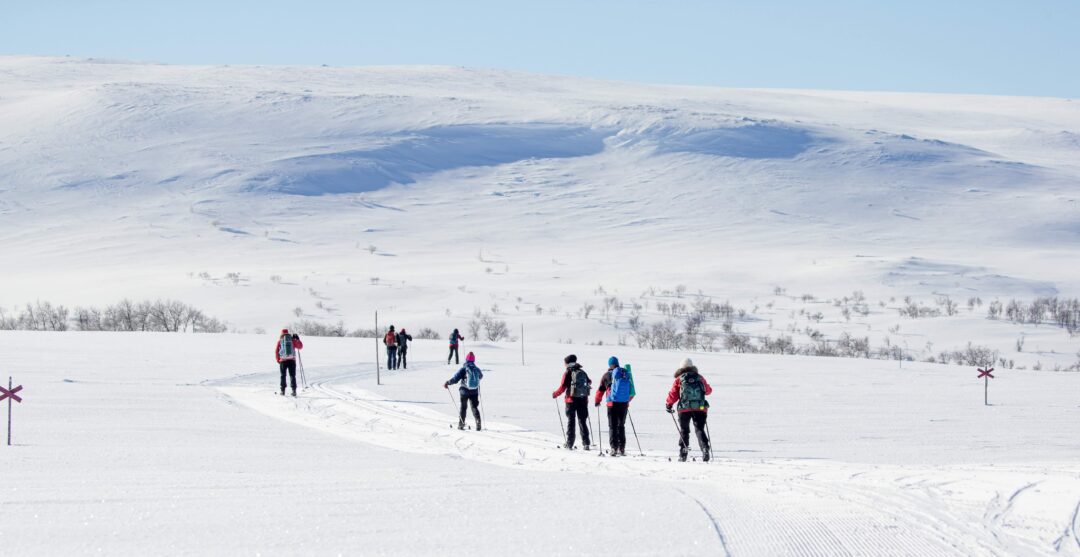
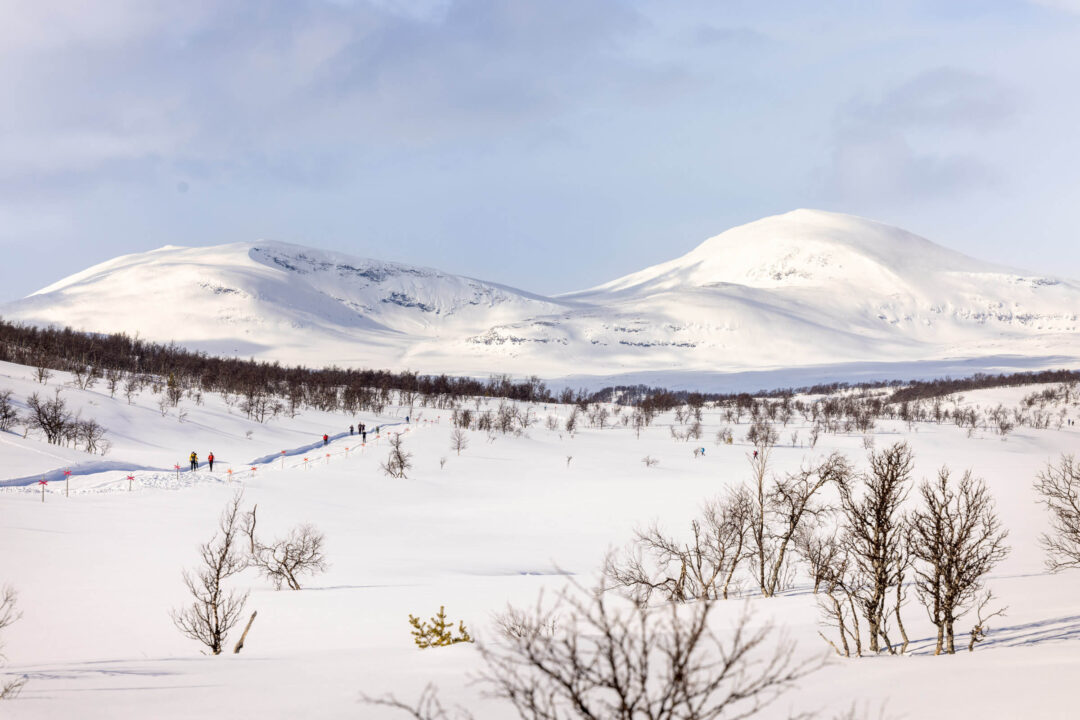
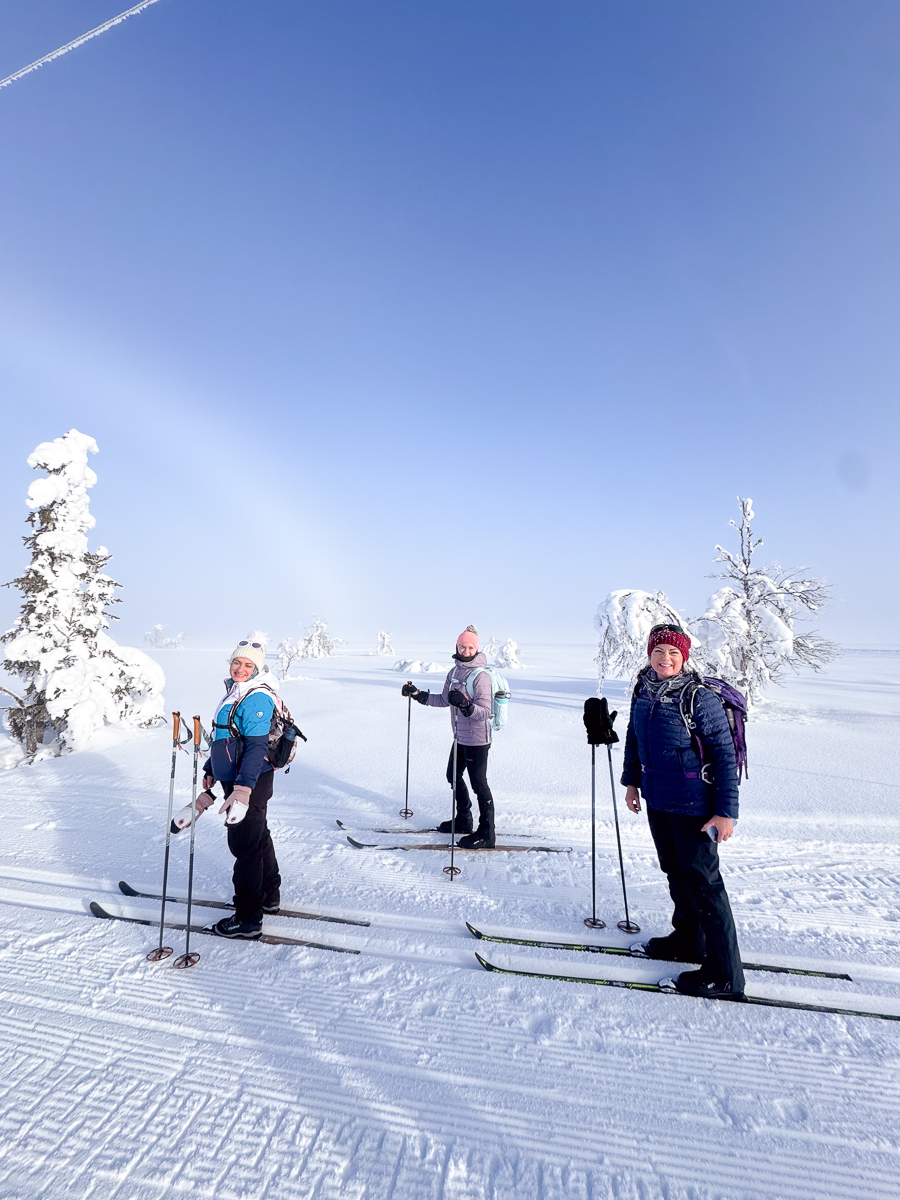
Women cross-country skiing in snowy countryside, Sweden, with ski trail markers in the foreground

Sleep & Eat

You’ll stay at a cosy family-owned hotel with a restaurant well known for its great meals. The views are spectacular and you can ski right from the door.

The rooms are simple, there’s a cosy lobby, a lounge with a bar and a small spa for a quick dip and sauna. There’s also a ski area where you can wax your skis.

The delicious food on this trip is a real highlight. You’ll have a breakfast buffet and packed lunch for your days out. Dinner will either be at the hotel’s fantastic restaurant, or in a renowned Brasserie just up from the hotel. One evening you’ll eat at a cabin 1050 metres above sea level with magnificent views. For every meal the focus will be on local produce and authentic flavours from the region.

What are the rooms like?

Rooms are comfortable but simple. Towels are supplied, but hairdryers are shared between rooms, so bring your own if you need guaranteed access. There’s also free WiFi throughout the hotel to keep you connected.

Can you cater for my dietary requirements?

The hotel handles all dietary requirements and allergies and is experienced at adapting their local cuisine to suit. This covers everything from vegetarian and vegan to specific allergies and medical dietary needs. We’ll request detailed information about your dietary needs before arrival, please make sure you’re clear about your requirements.

Is there anywhere to do laundry?

There is no laundry service available, but you could bring soap flakes or travel wash to give clothes a quick swill in your bathroom sink if needed.

What's the sauna situation and etiquette?

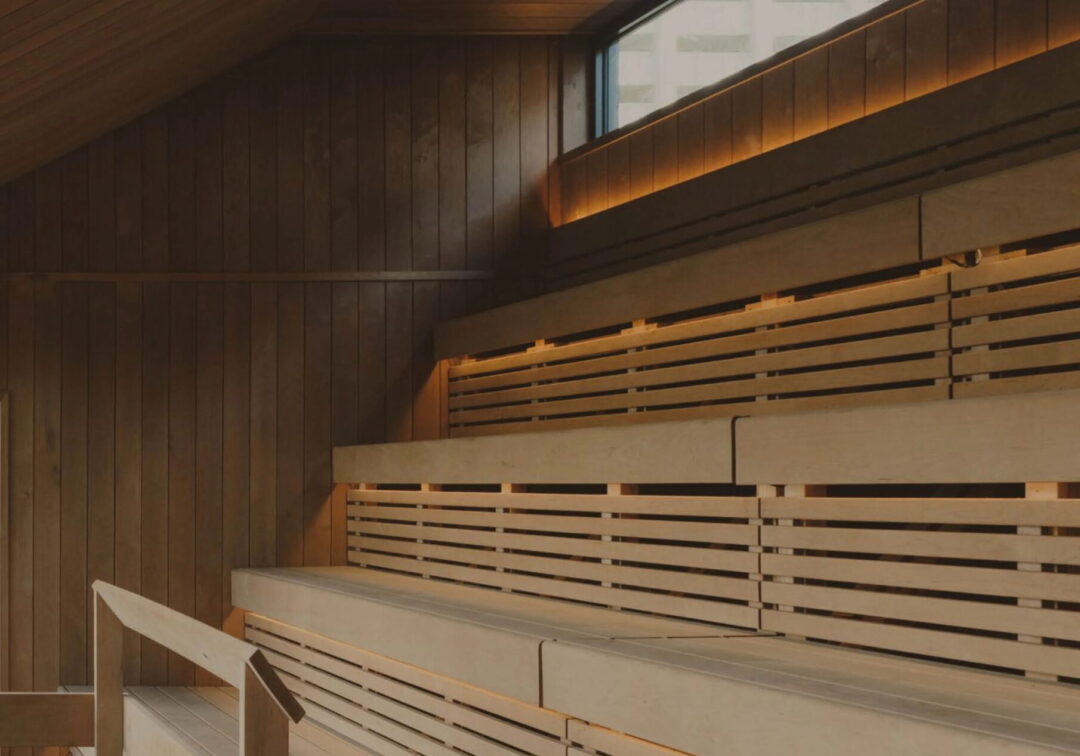
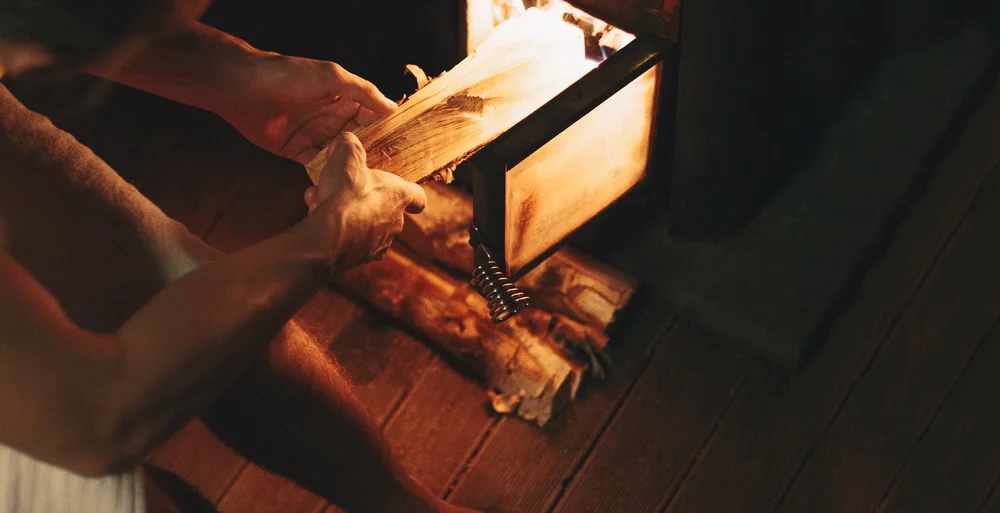
The sauna will become your best friend after skiing days. Swedes are comfortable going nude in saunas, but swimwear is perfectly acceptable if you prefer. The sauna is excellent for muscle recovery and warming up – expect it to be a daily ritual.

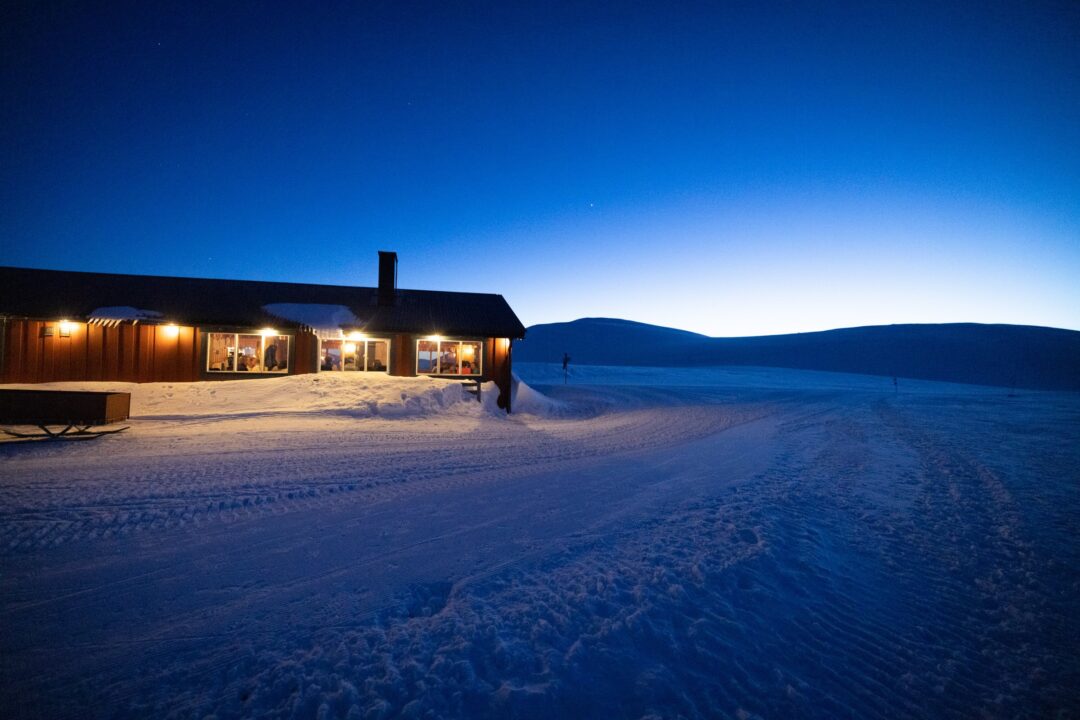
Snow-covered cabin beside a cross-country ski track at dusk in a winter landscape

Weather

Temperatures around -10°C are considered perfect for cross-country skiing, but you may sometimes have conditions that are more like -20°C. This sounds cold, however, for most of the winter in Sweden it is a “dry” cold which tends to feel less cold than a”damp” one. It will still cut through you though if you don’t have the right layers on.

Snow conditions are generally excellent throughout winter. Trail maintenance means guides can find good skiing regardless of recent weather patterns.

How should I dress for these temperatures?

Cross country skiing is a really active sport and means you’ll be generating heat (and getting sweaty) while out in the cold. This is great whilst you’re on the move, but when you stop for a break you cool down quickly. We recommend merino wool or synthetic base layers, topped by a windproof, breathable waterproof hiking jacket with a hood, plus a warm, insulated jacket to put on at rest stops.

What if the weather affects skiing conditions?

Mountain weather can be unpredictable, so our guides adjust daily plans to ensure the best (and safest) experience. They know the terrain and can find alternative routes for different weather scenarios.

Can I wear my normal ski gear?

Cross country skiing does NOT require the same sort of clothing as downhill skiing because warm, padded downhill clothing takes into account long stretches sitting still on chairlifts. We recommend avoiding cotton clothing as it gets wet and cold and doesn’t dry fast.

How reliable are the groomed trails?

The 300km trail network is well-maintained throughout winter. The extensive network means multiple route options regardless of the conditions so your guide will always be able to find somewhere for you to explore.

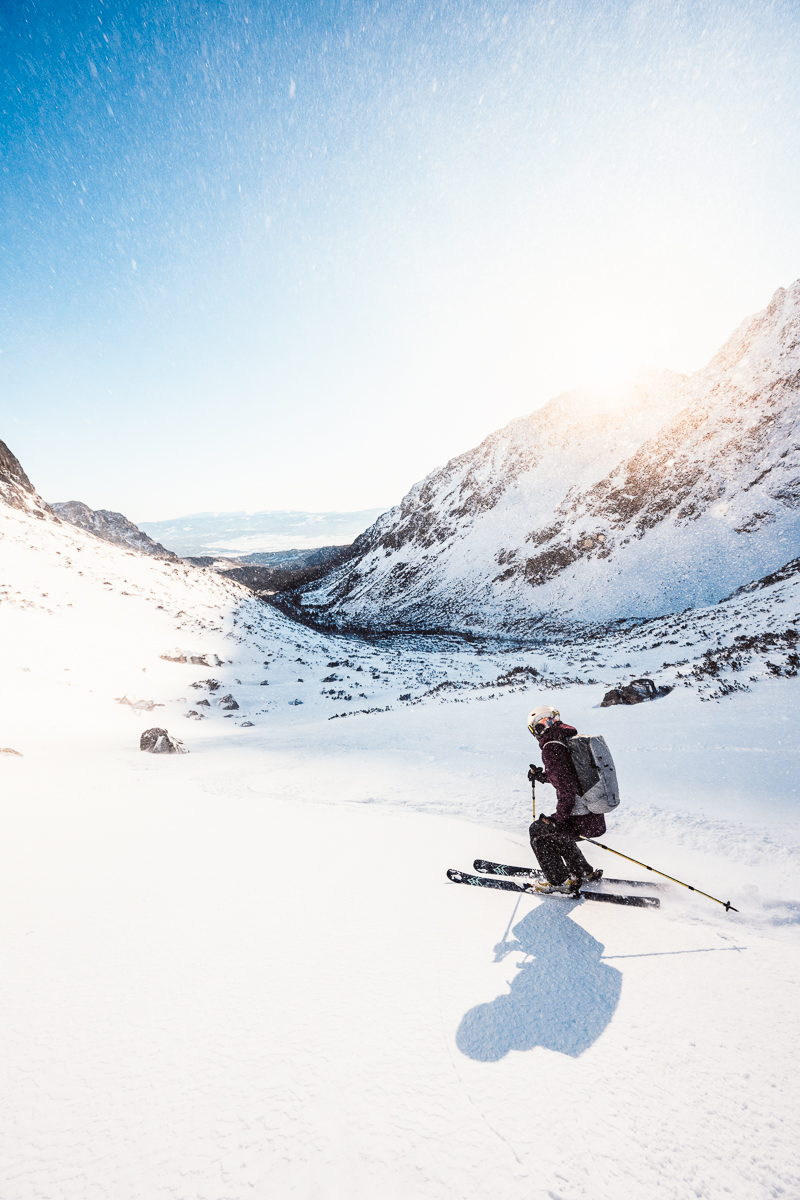
Cross-country skiing on a snowy trail through a winter valley with mountains in Sweden

Good To Know

Communication: There’s free WiFi throughout the hotel, so staying connected isn’t an issue.

Tipping: Tipping is not compulsory on our adventures, but if you’ve had a great trip and brilliant service, a tip for your guide or host is always appreciated. We recommend giving 200-300 SEK, or whatever you can or feel is the right amount.

How many guests will be on this trip?

Max 10 guests.

Why aren't all guides and instructors female?

We work with the best guides available, male or female. There are fewer women in outdoor guiding roles, so we prioritise expertise and guest experience. We vet every guide carefully and monitor feedback closely to ensure all guides align with our ethos and standards. We also hope more trips like ours encourage more women to find new activities and become guides themselves.

What is the currency and will I need cash?

Swedish krona is the local currency, but everywhere accepts card. You may want to bring some cash to tip your guide.

Should I bring travel sickness tablets?

The road from Trondheim to Bruksvallarna is winding — worth packing tablets if you’re prone to motion sickness.

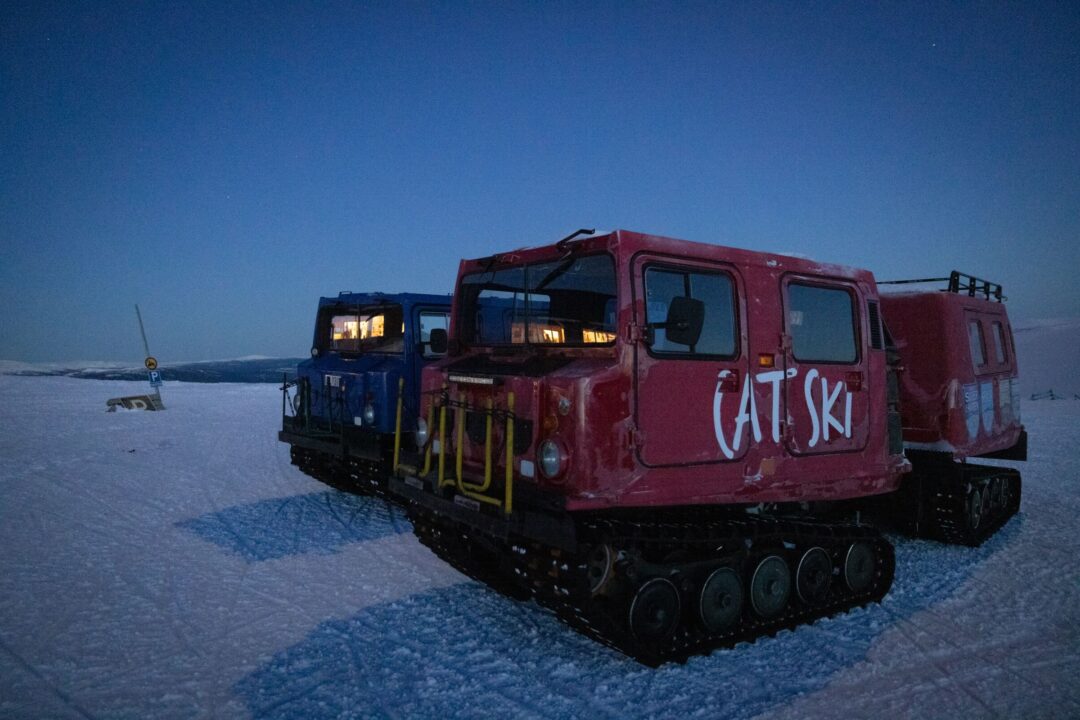
Red tracked snowcat vehicle marked “AT SKI” on snowy terrain at dusk
Women doing yoga in a studio, balancing in a one-legged pose on exercise mats

Packing List

What We Provide

    • Cross-country skis (properly fitted to height and weight)
    • Ski boots (we’ll help achieve perfect fit)
    • Ski poles (correctly sized)
    • What You Need to Bring

On the Skis

    • Waterproof hiking boots with ankle support — for snowshoeing day, mandatory
    • Base layers — merino or synthetic, bring a selection (you may want to layer two on colder days)
    • Long johns
    • Fleece mid-layer
    • Breathable, windproof shell jacket (a hiking waterproof works well)
    • Softshell winter hiking trousers — windproof, water-repellent, breathable
    • Warm packable insulated or down jacket (for stops and cold days)
    • Waterproof trousers (recommended for cold or snowy conditions)
    • Selection of socks in different thicknesses — wool is best for hire boot fit
    • Warm hat
    • Buff — bring two if you can (one for your neck, one as a headband)
    • Warm ski gloves or mittens — bring two pairs in case one gets wet
    • Thin gloves for warmer sessions when you’re generating heat
    • Glove liners and hand warmers if you suffer from cold hands
    • Sunglasses — polarised if you have them
    • 25 litre daypack

Off the Skis

    • Yoga wear
    • Casual evening clothes
    • Nightwear
    • Slippers for the hotel
    • Swimwear for the sauna (optional — Swedes are happily nude but you do you)
    • Neoprene booties for ice bathing (optional)

Personal Kit

    • Insulated water bottle — not a hydration bladder, it will freeze
    • Thermos for hot drinks on the trails
    • Lunchbox for packed lunch days
    • Sunscreen — UV reflects strongly off snow even in winter
    • Compeed or Moleskin blister plasters
    • Paracetamol and ibuprofen — both are significantly more expensive in Sweden
    • Any prescription medication
    • Snacks for the trails
    • Dry bags to keep kit dry inside your pack
    • Waterproof phone case
    • Travel adaptor

Optional

    • Camera
    • Soap flakes for hand-washing base layers if you’re packing light
    • English teabags (Swedish hotels don’t always deliver on this front)

Packing Tips

Critical Fabric Guidelines: Avoid cotton – it gets wet, stays wet, and makes you really cold. Wool or synthetic base layers regulate your body temperature and manage moisture. Merino wool doesn’t retain odours like synthetics but synthetic layers dry faster.

What vital items do I need to pack? Other than a good layering system, vital items include warm socks, sunglasses, sunscreen, waterproof and insulated gloves, a buff and hat. Also don’t forget comfy clothes for yoga and evenings in the hotel, as well as swimwear for the spa and polar plunge.

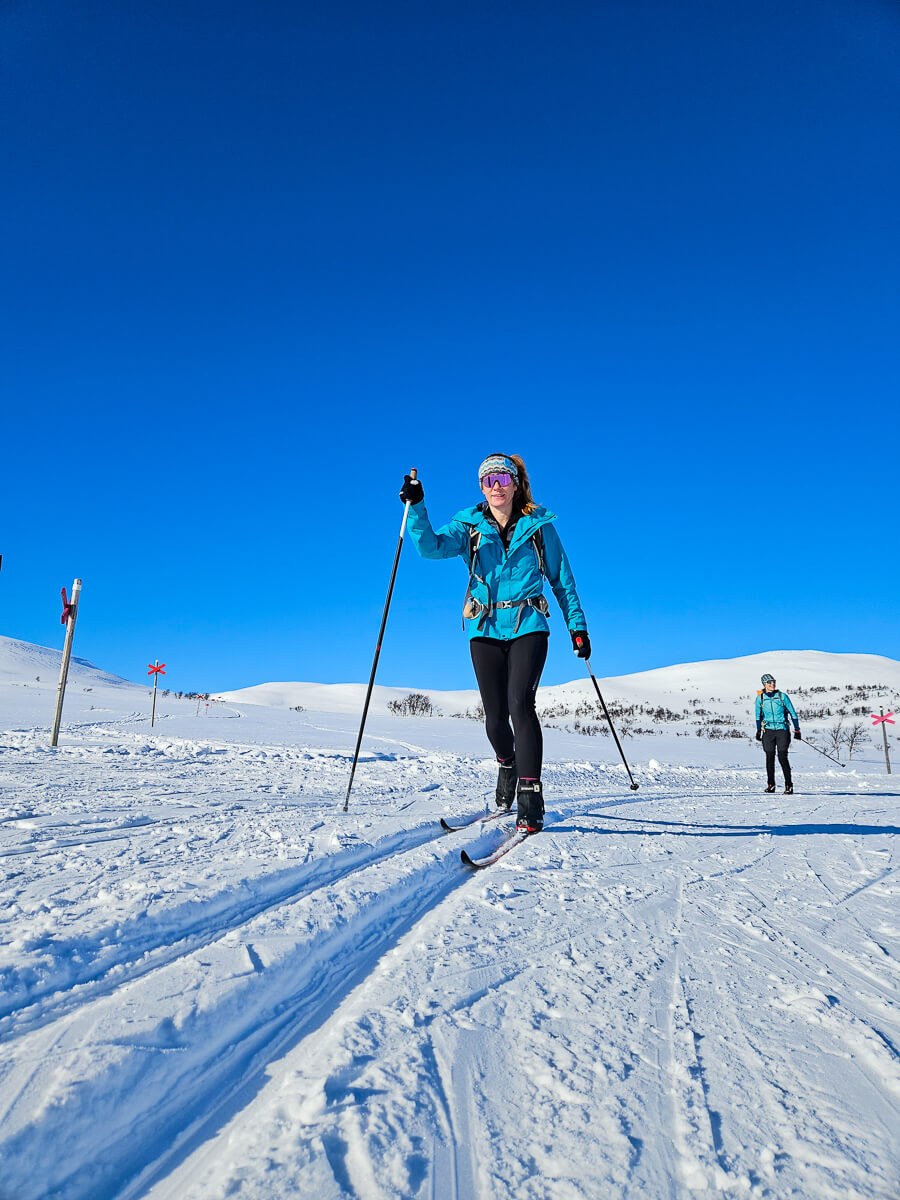
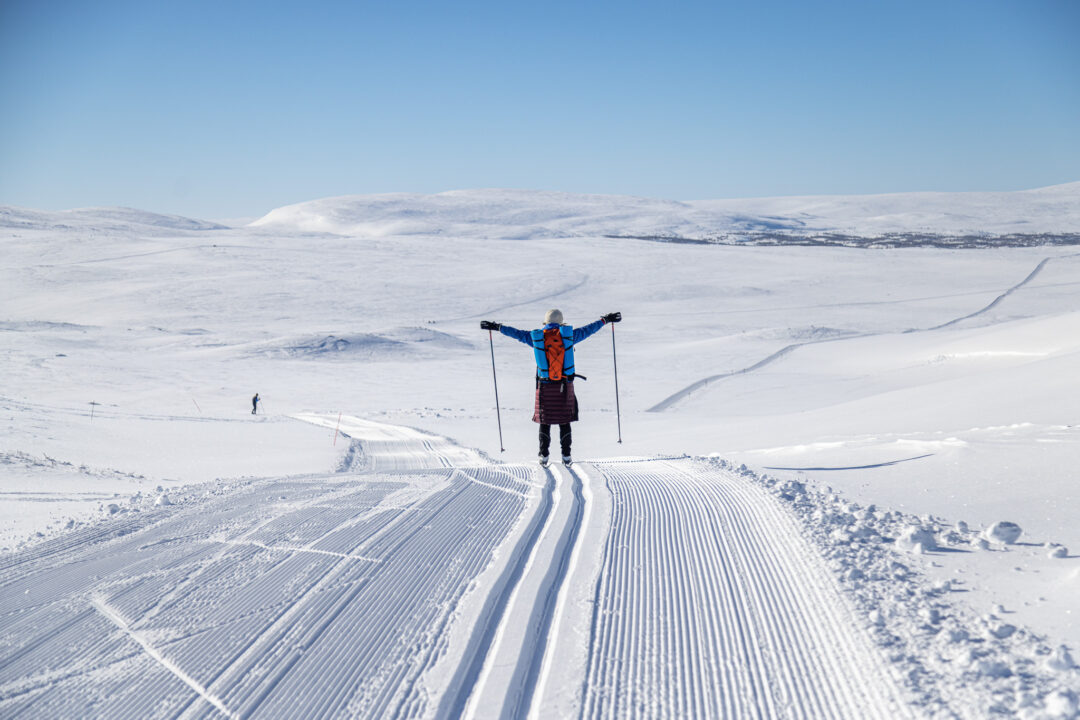
Woman cross-country skiing on snowy trails in Sweden, arms outstretched on a ski route.
Trip Code SWEBRUXCSB – Include this code in any message so we can find your trip straight away.